
Biochemistry PhD candidate at Western University. NMR and in vitro functional assays with Parkin @theshawlab
Joined July 2020
- Tweets 113
- Following 181
- Followers 67
- Likes 204
12 Photos and videos
Elizabeth Connelly (Beth) retweeted

14 May 2025
Great job @BiochemBeth1 presenting her work with 19F NMR this weekend at the @UTorontoCBP conference.
2
5
448

10 May 2025
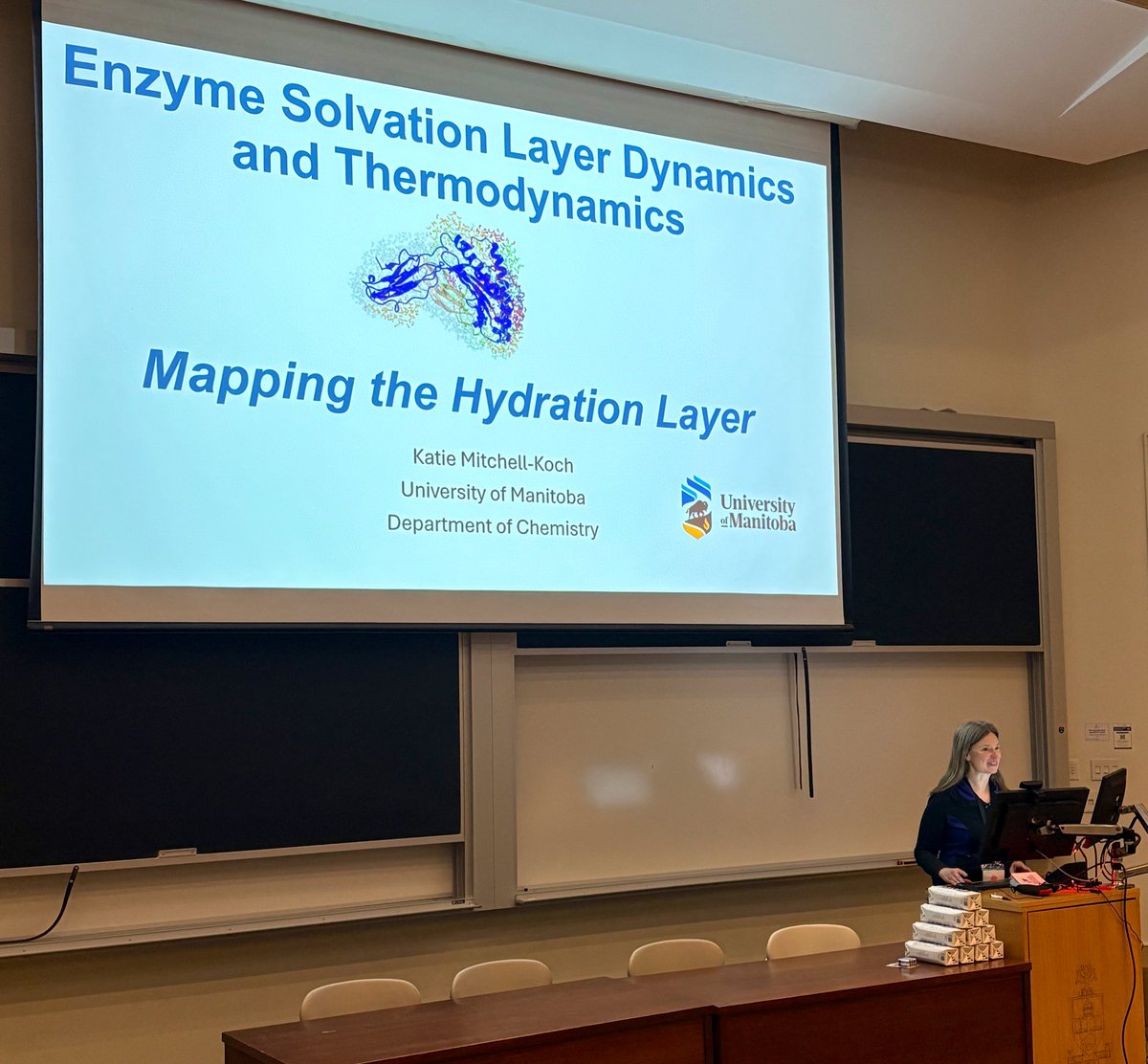
Very interesting talk! Taking water dynamics into consideration when evaluating protein dynamics.
10 May 2025

📣We’re back for Day 2! #CBP2025
First up, we have Dr. Katie Mitchell-Koch presenting her work on the hydration layer affecting and influencing protein interactions💦🧬
1
88
Elizabeth Connelly (Beth) retweeted

24 Mar 2025
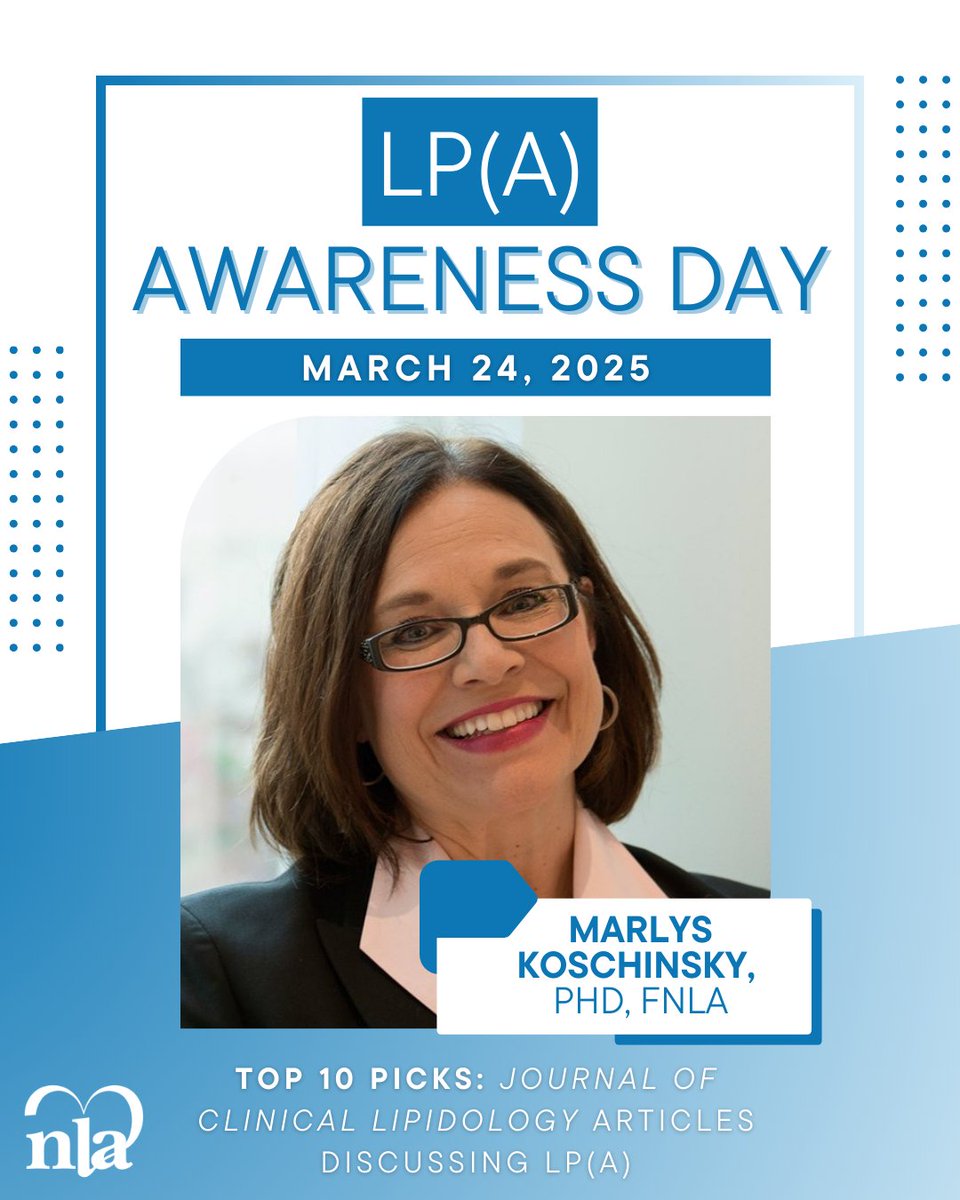
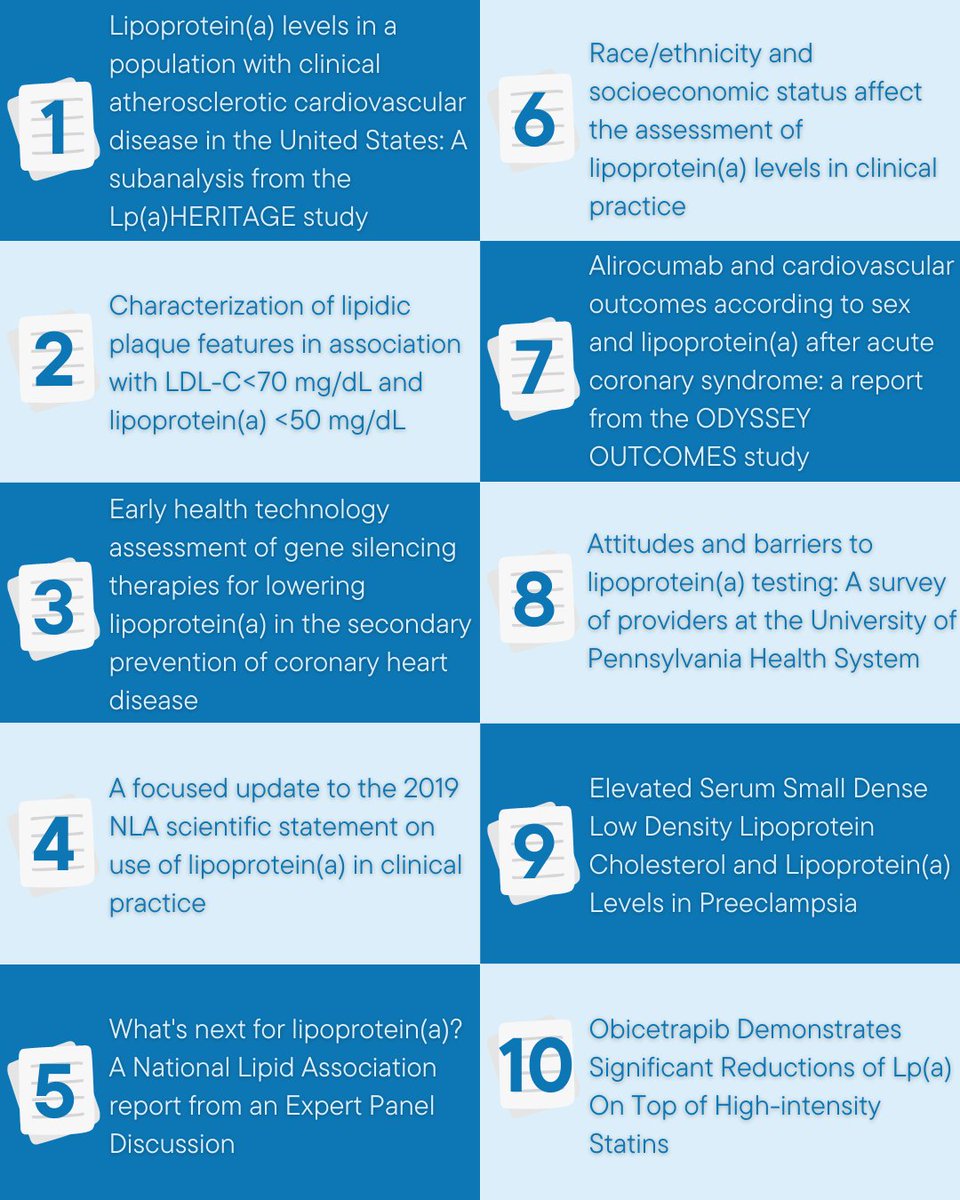
Knowledge is power! This #LpaAwarenessDay, explore the Top 🔟 recent Journal of Clinical Lipidology articles on Lp(a), chosen by NLA Executive Committee Member, Board Member, & Communications Council Chair, @MarlysLPA.
Which article will you dive into?👇
1
8
41
2,873
Elizabeth Connelly (Beth) retweeted

25 Mar 2025
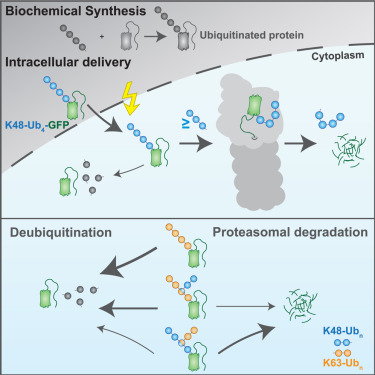
Online Now: UbiREAD deciphers proteasomal degradation code of homotypic and branched K48 and K63 ubiquitin chains dlvr.it/TJl5kN
18
57
4,677
Elizabeth Connelly (Beth) retweeted

Cecilia Payne-Gaposchkin was a British astronomer and one of the “hidden” women in science–women who contributed significantly to their field without appropriate recognition.
One of her most notable discoveries, published as part of her doctoral thesis in 1925, was that stars are mostly composed of hydrogen and helium. Her analysis challenged the accepted belief that star compositions were similar to that of the Earth. While there was initial dissent, her discovery was confirmed in 1929.
Throughout her career, Cecilia faced prejudice and bias as a woman in STEM. Although Cecilia studied at Harvard University, her doctorate was awarded through Radcliffe College because Harvard did not grant doctoral degrees to women at that time. She continued to work at Harvard as a ‘technical assistant’ in the astronomy department, where she was underpaid and assigned routine projects. It wasn’t until the Harvard observatory came under new leadership–nearly thirty years later–that her talent was appreciated. In 1956, Cecilia was appointed full professor at Harvard and later chairwoman of the astronomy department, becoming the first woman to lead a Harvard department.
Image: Smithsonian
GirlsInScience.ca/Sources/
#CeciliaPayneGaposchkin #WomenInAstronomy #Stars
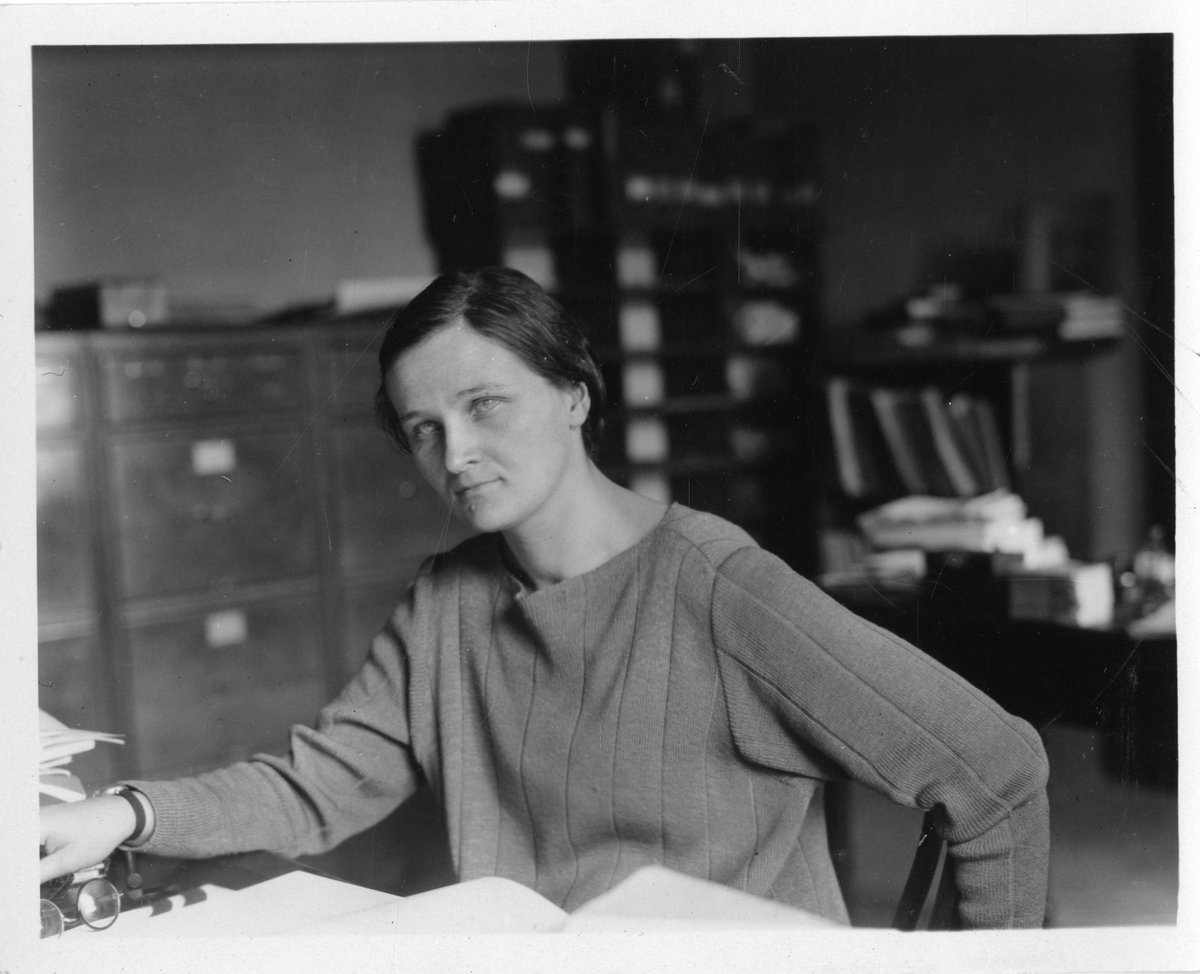
ALT A black and white photo of a woman sitting at a desk.
5
8
186
Elizabeth Connelly (Beth) retweeted
20 Jan 2025
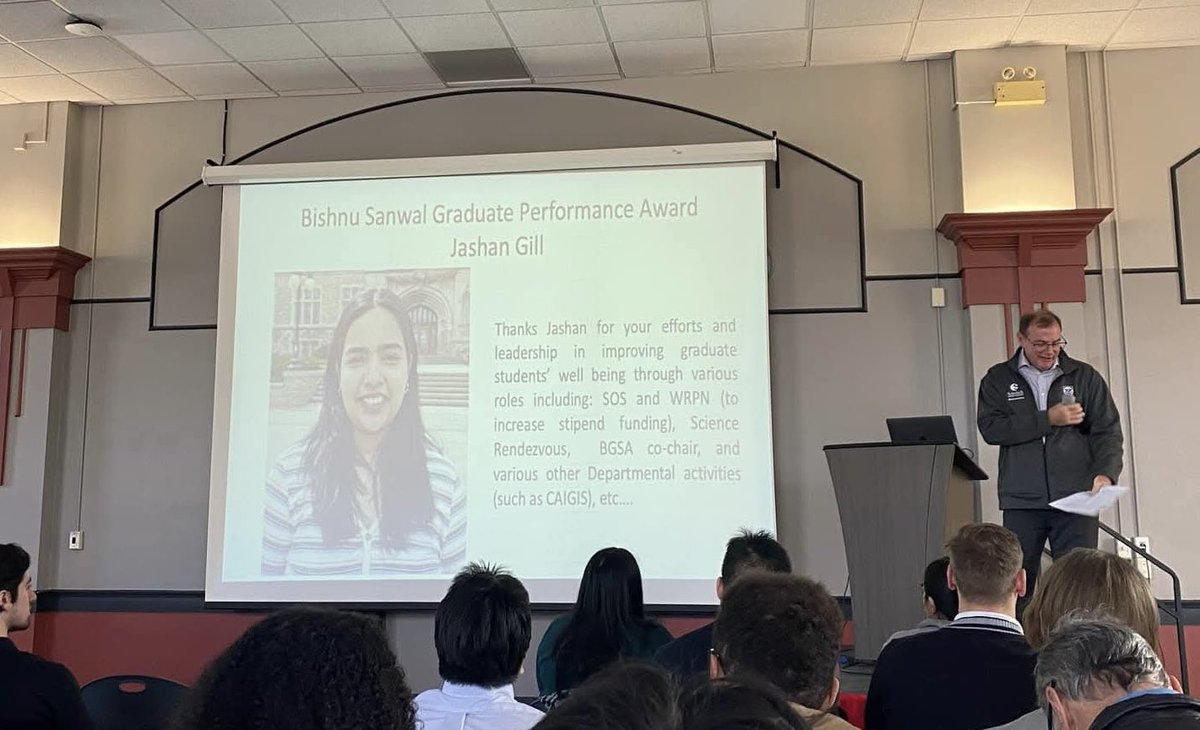
Congratulations @JashanjotGill1 for receiving the Dr. Bishnu D. Sandwal Graduate Performance Award. This award recognizes her advocacy and outreach work with groups such as SOS, WRPN, the BGSA among others.
1
5
619
Elizabeth Connelly (Beth) retweeted

8 Nov 2024
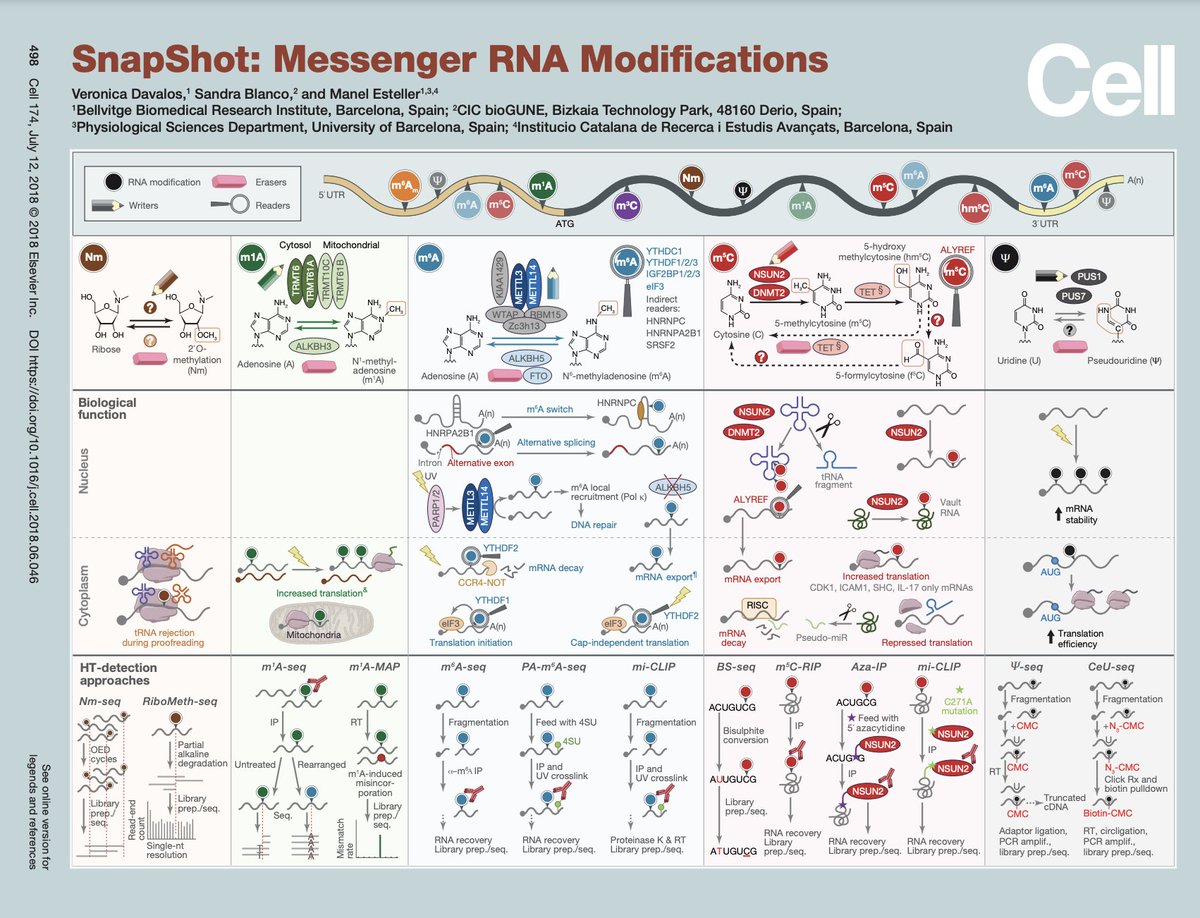
The epitranscriptome formed by the growing number of modifications occurring within mRNA transcripts.
11
240
1,065
126,237
1 Nov 2024
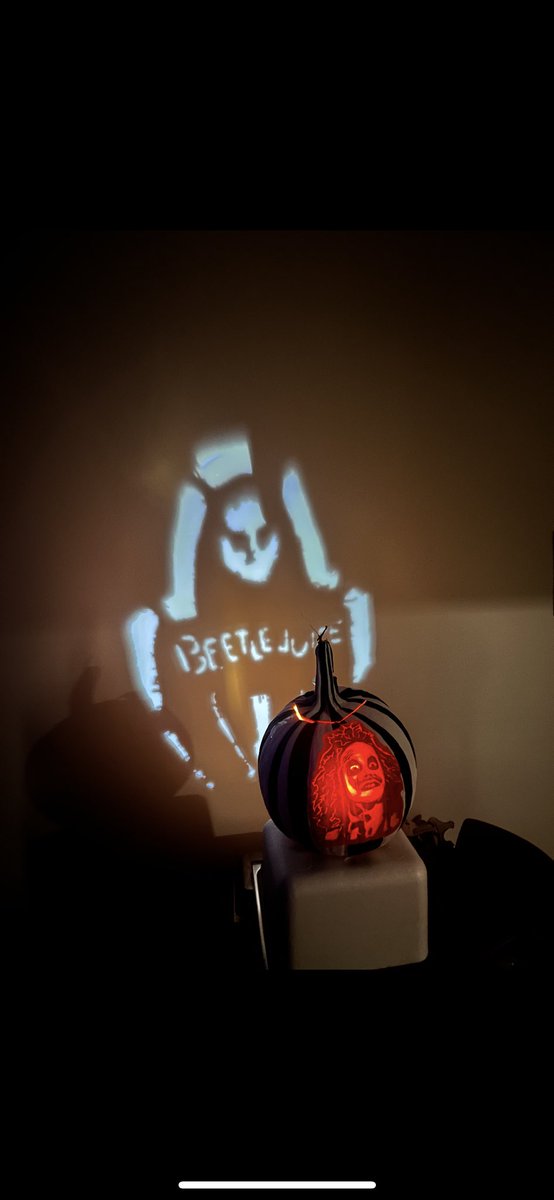
Can’t believe this is my last pumpkin!
1 Nov 2024

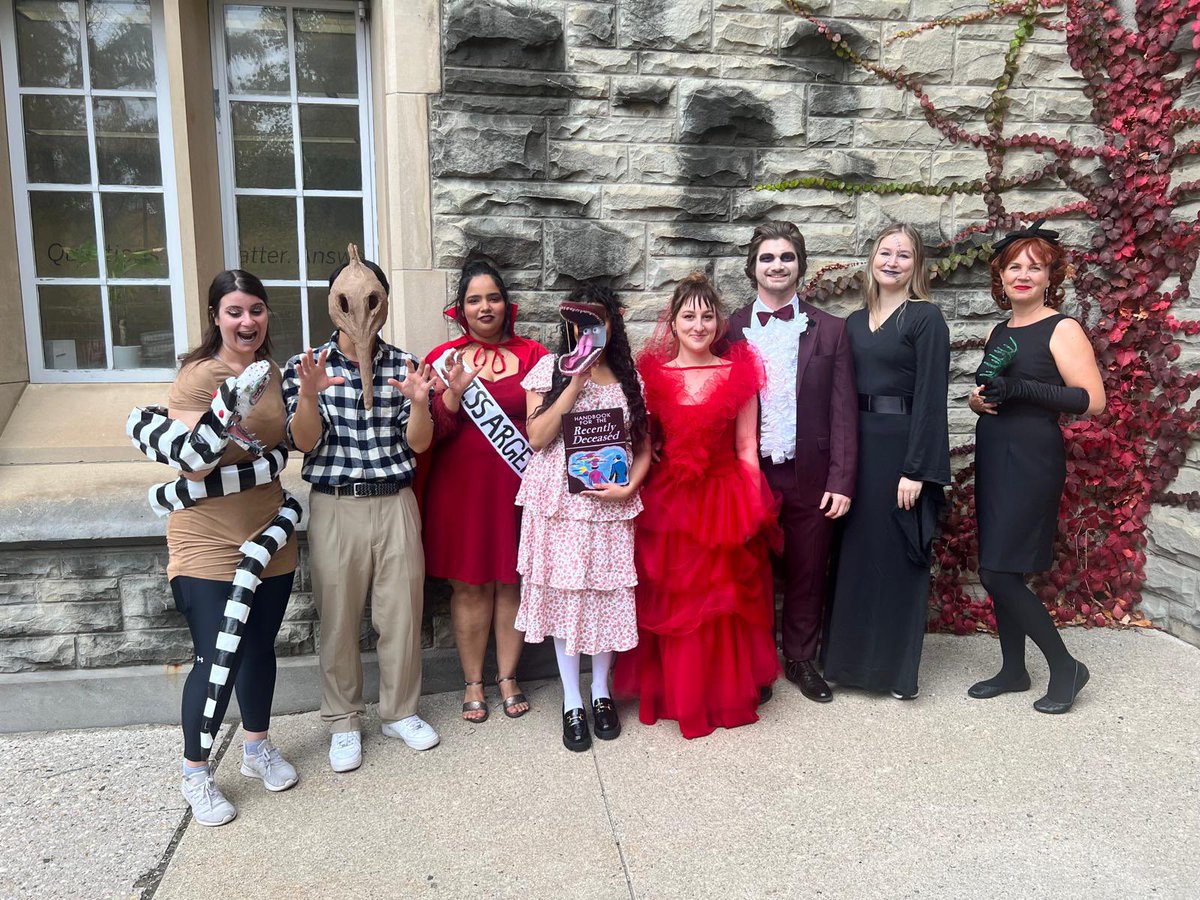
Our Lab’s submissions for the annual @westernuBiochem Pumpkin Carving and Costume contests! Ben and Joon from the Choy lab joined us for a group costume.

2
129
Elizabeth Connelly (Beth) retweeted

28 Oct 2024
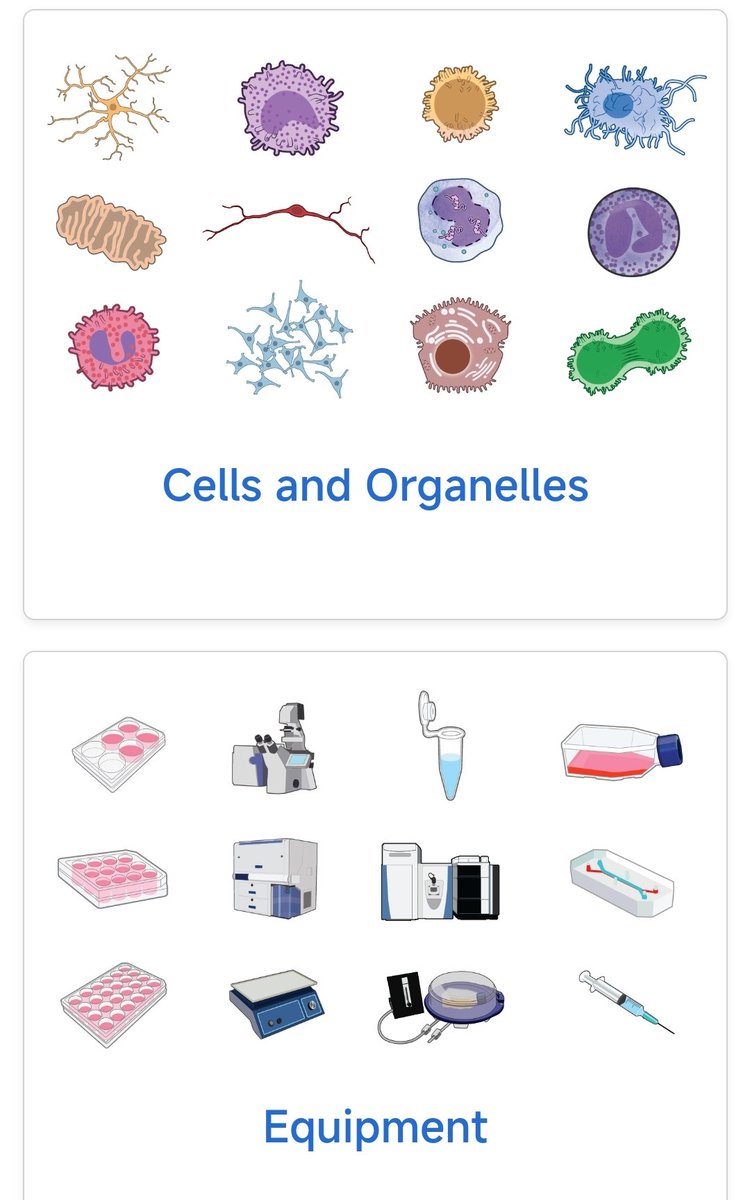
🚨 Great alternatives to BioRender are now available!!
📢 @NIAIDNews offers a collection of public figures and icons for everyone to use. Check it out at bioart.niaid.nih.gov
11
626
2,146
190,842
1 Oct 2024
It’s after midnight back in London which means unit 1 of Biochem 4410 is officially over. I had so much fun teaching and creating assignments based on @megatev outline from last year. Here’s to (hopefully) more university teaching in my future! @westernuBiochem
130
1 Oct 2024
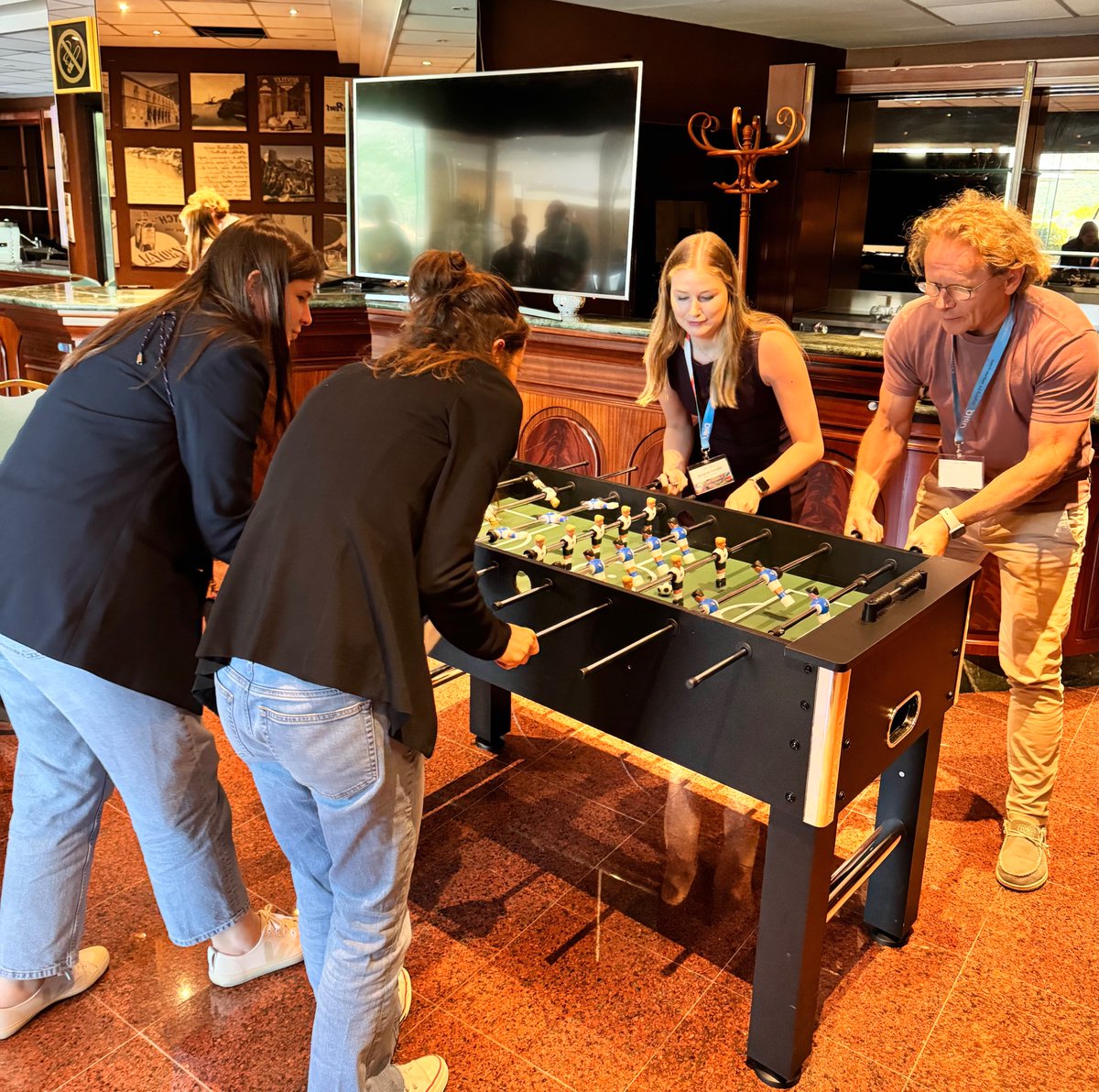
Most importantly…we won foosball
30 Sep 2024

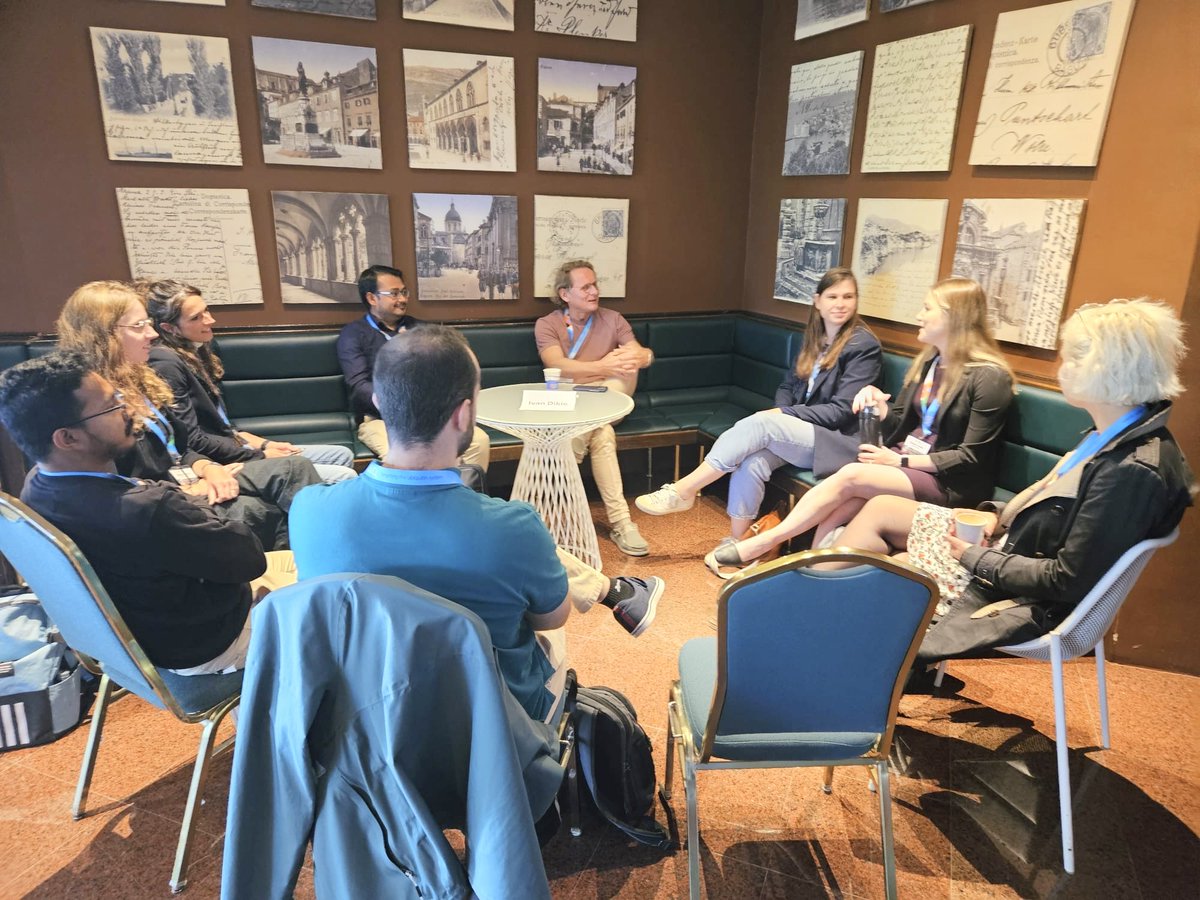
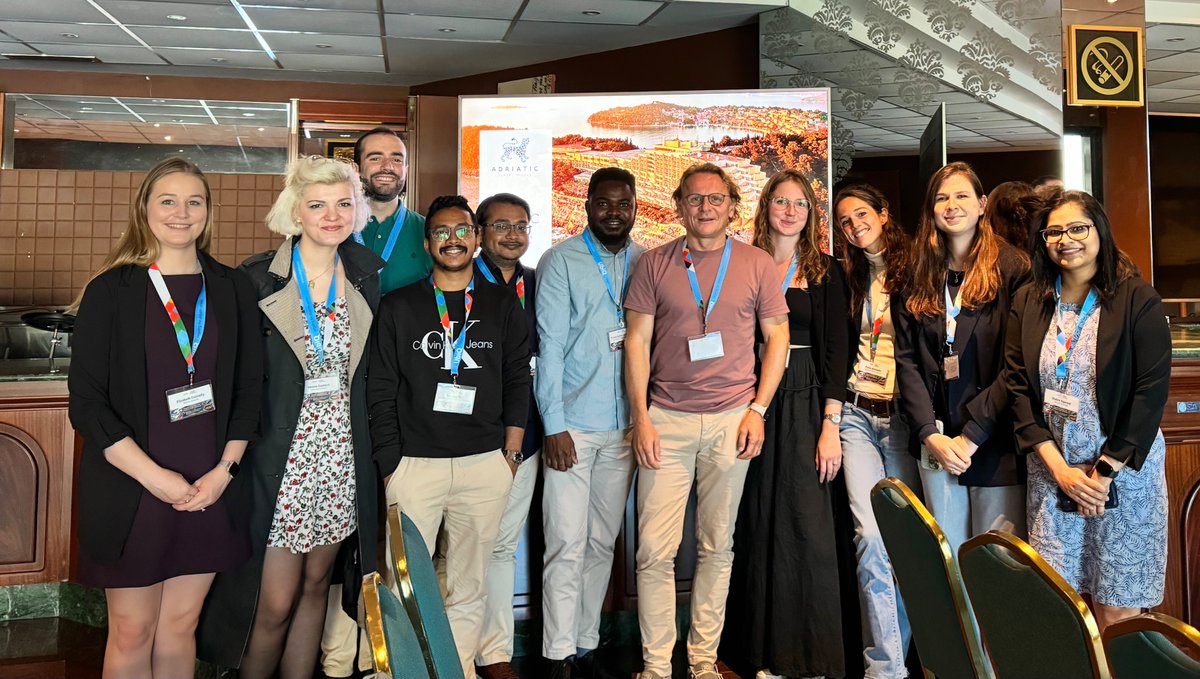
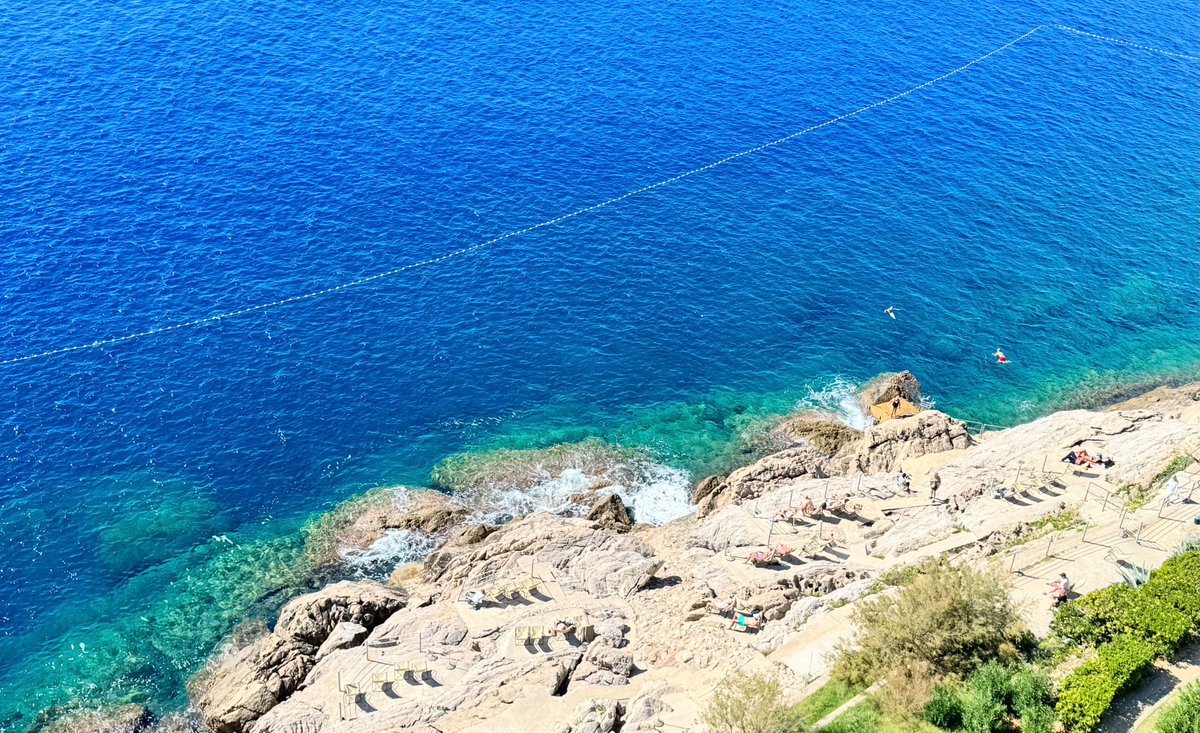
One of the most exciting expert session with students/postdocs at the #EMBOubiquitin2024 conference in #Cavtat. Careers, publishing, crazy ideas in science, spiked with table football and beach discussions/swimming. Thx to all for participating 🫶😊 #ubiquitin @YMerbl
2
181
1 Oct 2024
Lots of discussion and great questions coming out of EMBO Ubiquitin!
1 Oct 2024
Congratulations @BiochemBeth1 for your poster at #EMBOubiquitin24 highlighting amino acid specific labelling with Parkin!
2
207
29 Sep 2024
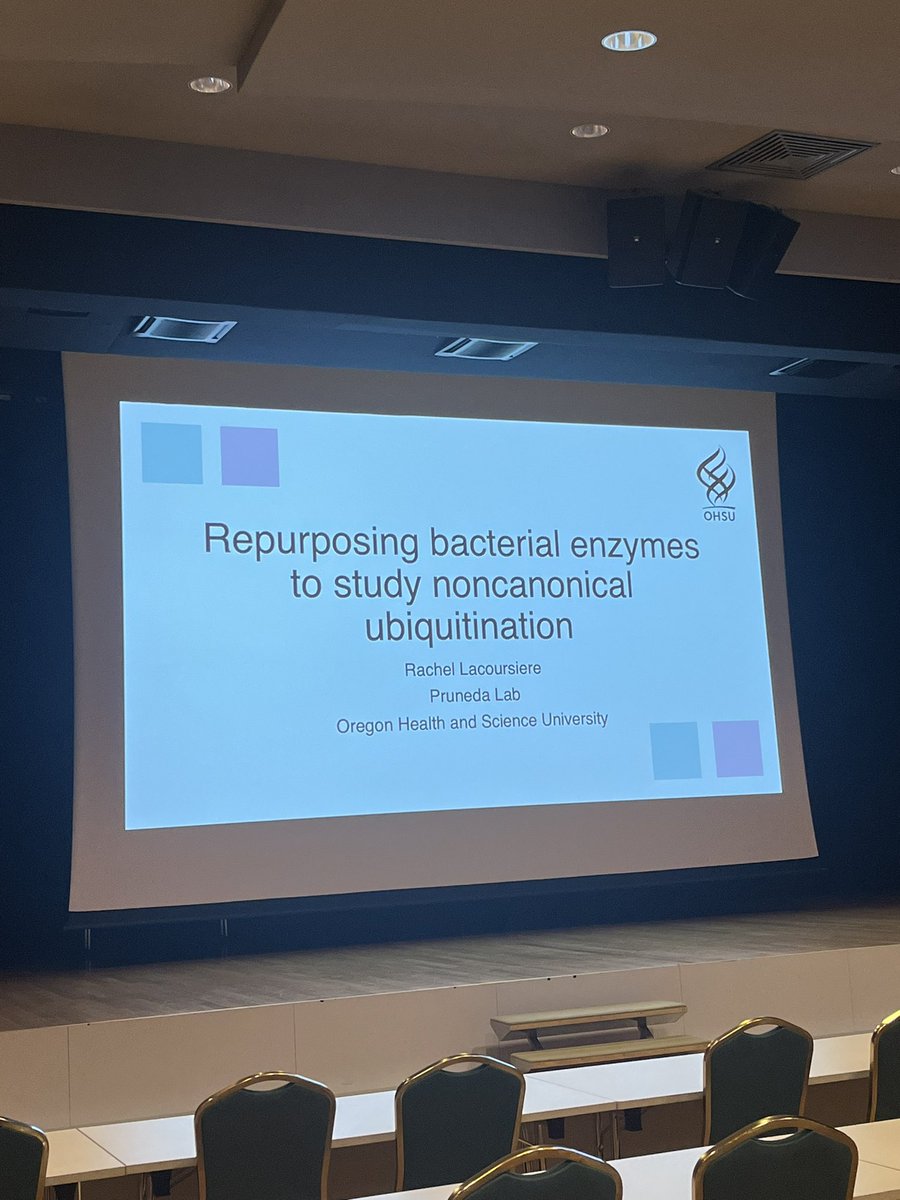
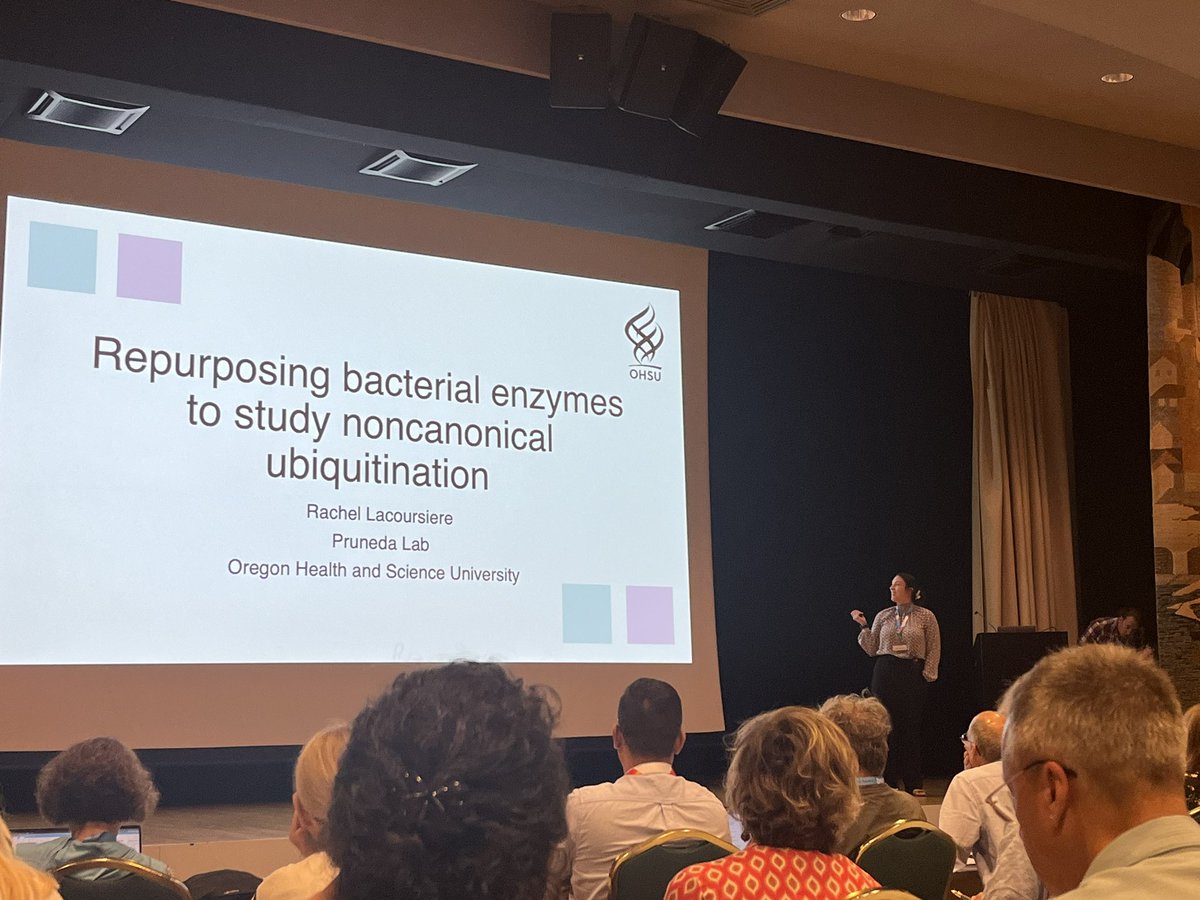
Go Rachel! Previous @theshawlab PhD student and current @PrunedaLab Postdoc gave a great talk today! Proud of my lab buddy @r_lacoursiere
1
4
482
28 Sep 2024
The first full day at #EMBOubiquitin24 very exciting to see the new techniques and unpublished data coming out of these labs!
1
407
9 Sep 2024
Can’t wait to show Biochem 4410 this awesome cake when we review sequencing technology tomorrow! @westernuBiochem
25 Aug 2024

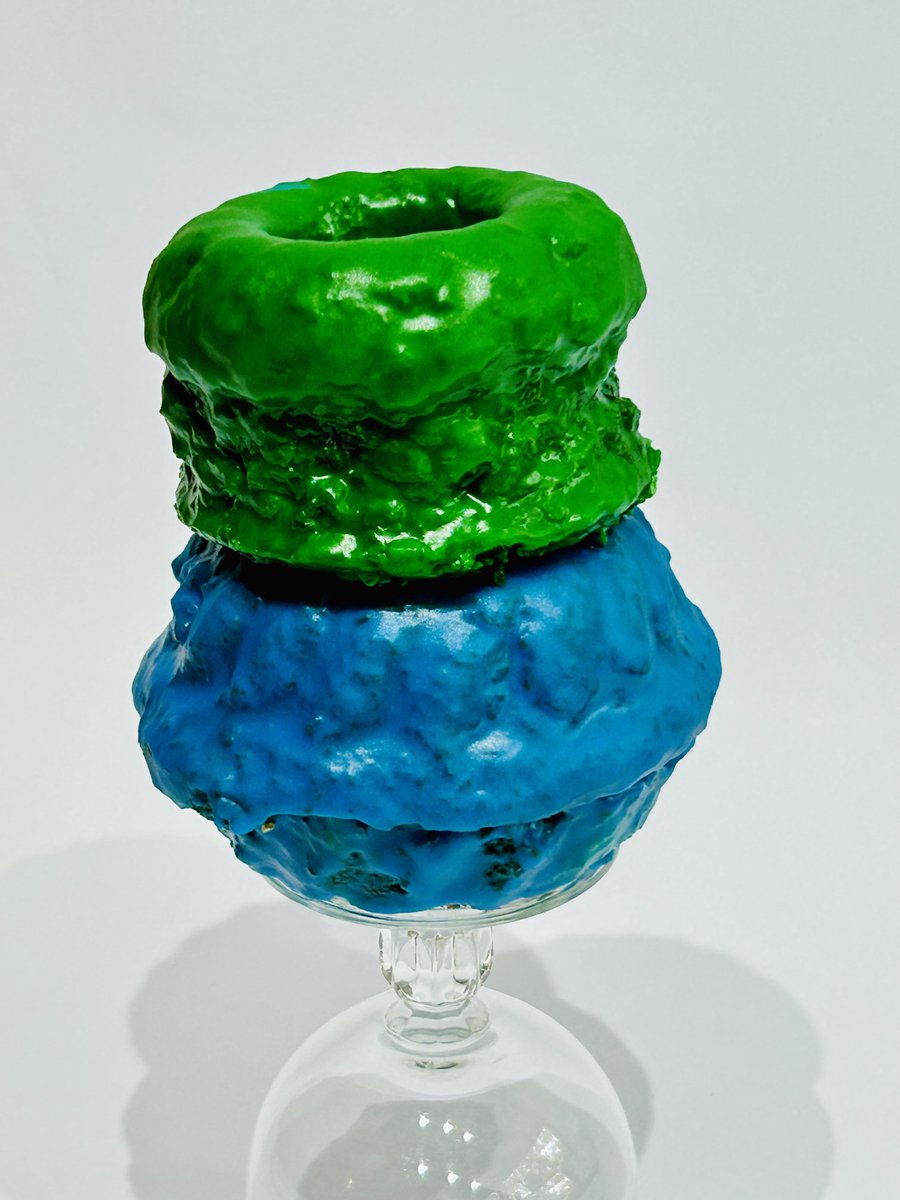
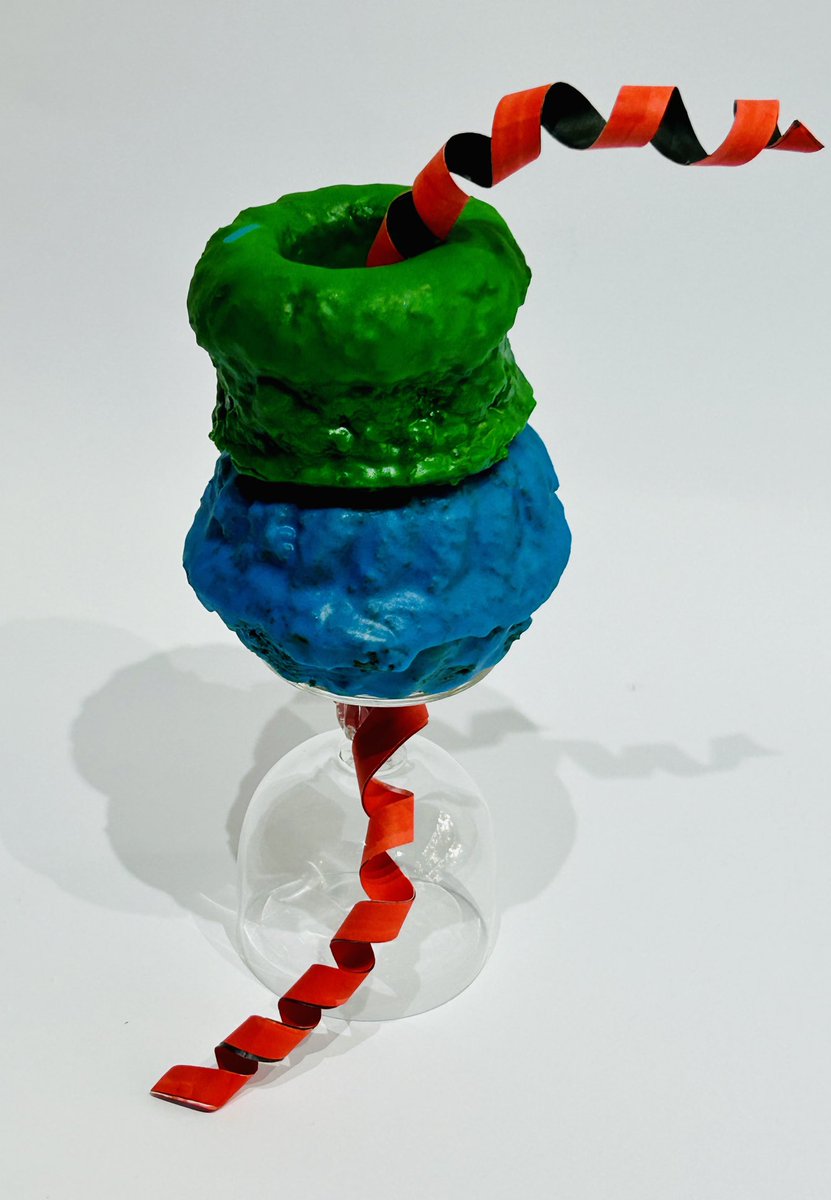
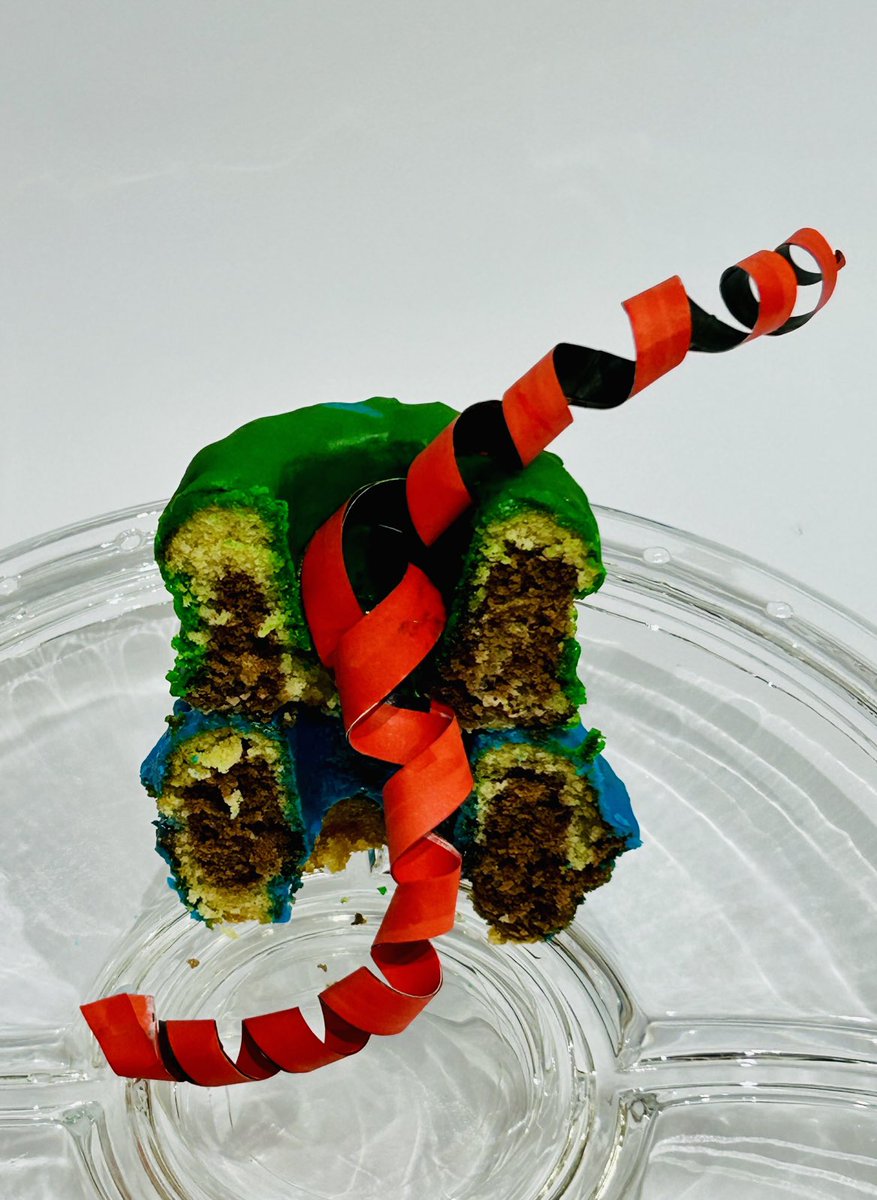
Nanopore sequencing in cake form! DNA passing through the motor protein(green) and pore protein(blue). It was great to do this with my creative sidekick (my 11 year old 🤓). #bakebmh2024 @bmh2024Melb
2
142
Elizabeth Connelly (Beth) retweeted

15 Aug 2024
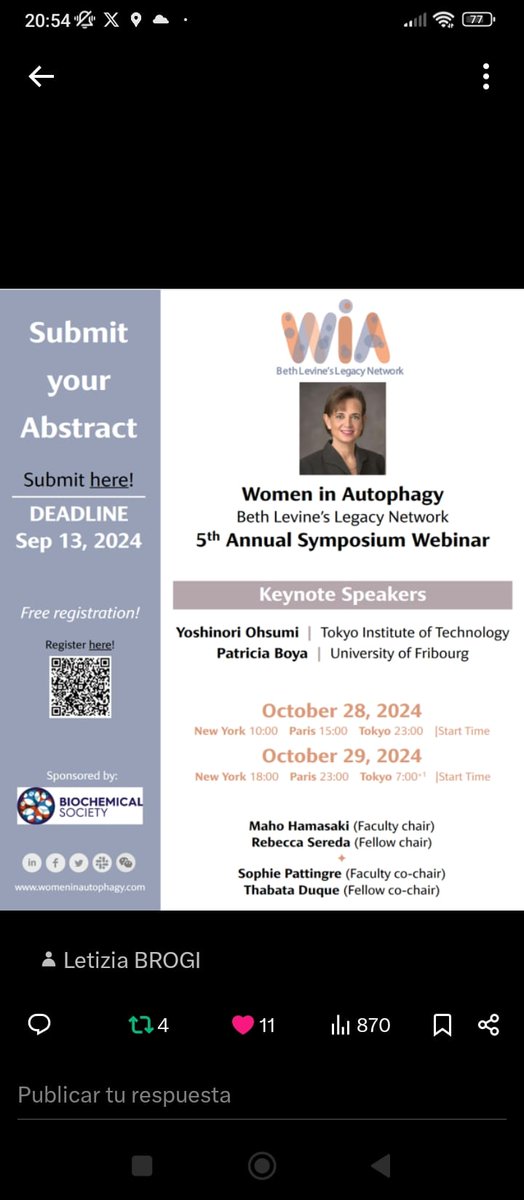
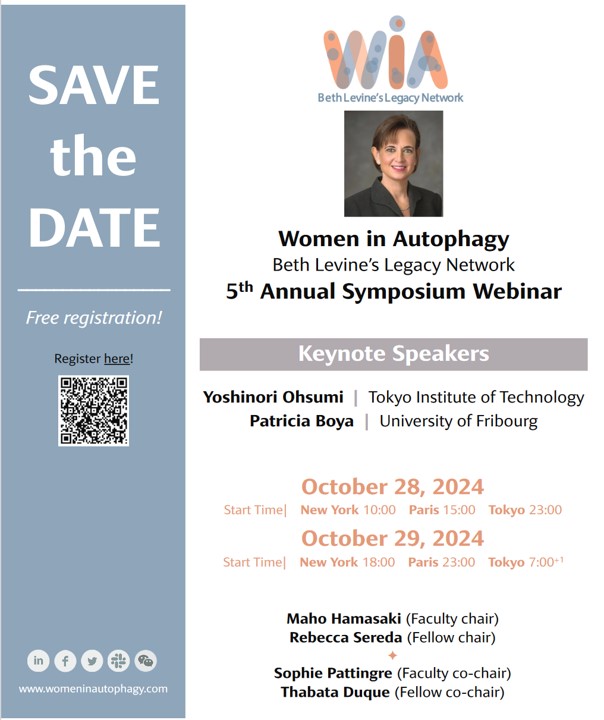
🅂🅄🄱🄼🄸🅃 🅈🄾🅄🅁 🄰🄱🅂🅃🅁🄰🄲🅃. Annual Symposium Webinar!!! Autophagy data! #YoshinoriOhsumiand
@patricia_boya
will be the keynote speakers. We acknowledge
@BiochemSoc
for the great contribution to our meeting #Thanks #WomenInScience forms.office.com/r/3LE3cL1Hc…
10
8
1,389
Elizabeth Connelly (Beth) retweeted
19 Aug 2024
Spectacular example of chemical biology, cryo-EM and dynamics!

Huge shoutout to Chris Lima's lab @MSKCancerCenter @HHMINEWS for capturing basically the entire ubiquitylation cascade via cryo-EM!!! Congratulations to this creative tour-de-force that follows ubiquitin's path towards a substrate.
nature.com/articles/s41586-0…
1
2
218
Elizabeth Connelly (Beth) retweeted

31 Jul 2024
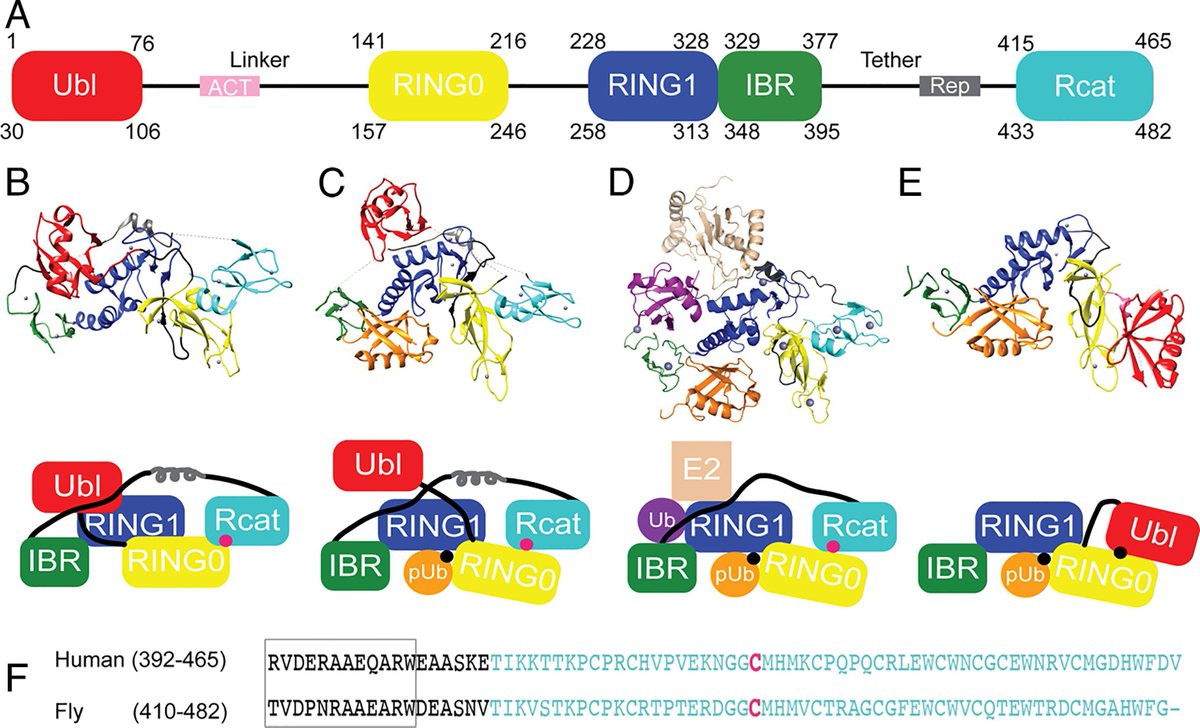
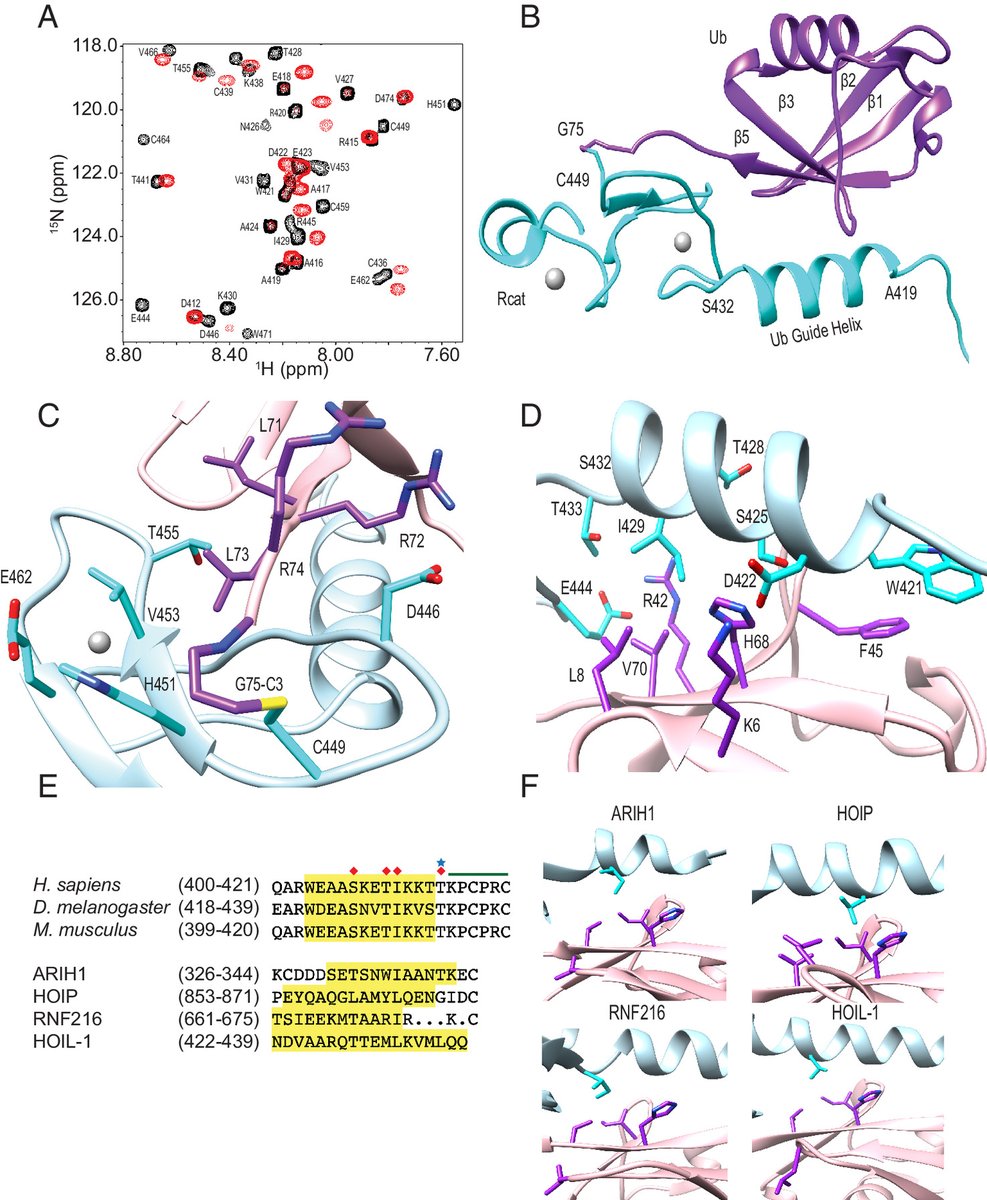
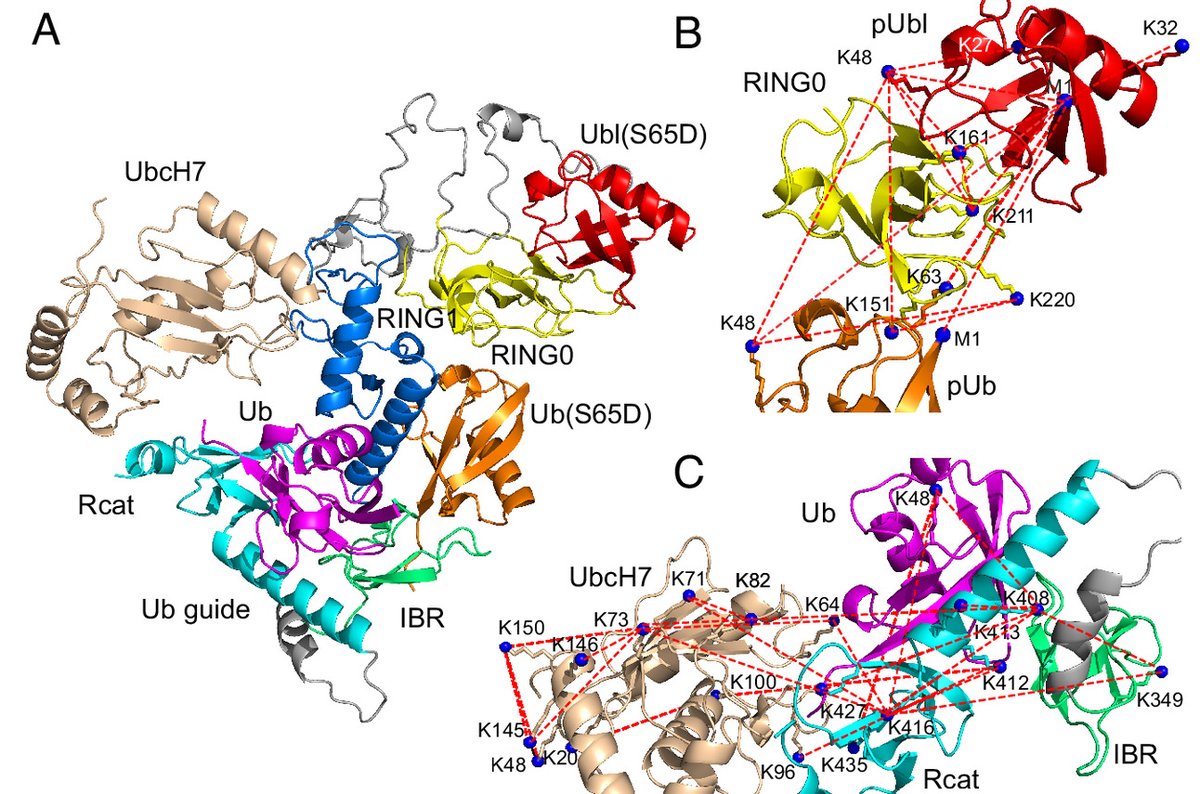
New work from @BiochemBeth1 @theshawlab & colleagues "provides a structural rationale for the rapid & efficient ubiquitin turnover by [#Parkinsons-associated] parkin & helps explain the basis for some disease-causing variants" - interesting T415N data
pnas.org/doi/10.1073/pnas.24…
2
3
533
30 Jul 2024
Excited to announce my first author paper is finally out in PNAS! Thank you to @hw1o9 and @theshawlab members for making this happen pnas.org/doi/10.1073/pnas.24…
2
3
12
941
Elizabeth Connelly (Beth) retweeted
10 May 2024
🆂🅰🆅🅴 🆃🅷🅴 🅳📷Monday, October 28th (10:00- 15:00 ES➡️r-h9hxbl">Tuesday, October 29th (18:00-23:00 EST) With 𝗗𝗿. 𝗬𝗼𝘀𝗵𝗶𝗻𝗼𝗿𝗶 𝗢𝗵𝘀𝘂𝗺𝗶 and 𝗗𝗿. 𝗣𝗮𝘁𝗿𝗶𝗰𝗶𝗮 𝗕𝗼𝘆𝗮! Register here: forms.office.com/r/vXS654upE… @patricia_boya @AIM_autophagy
8
10
1,501