Macroeconomist|Triangulating Data|@nberpubs Board|Data Junkie|Policy Wonk|my own views| #Econ101 #SecretLivesOfEconomists

Joined November 2011
1,591 Photos and videos
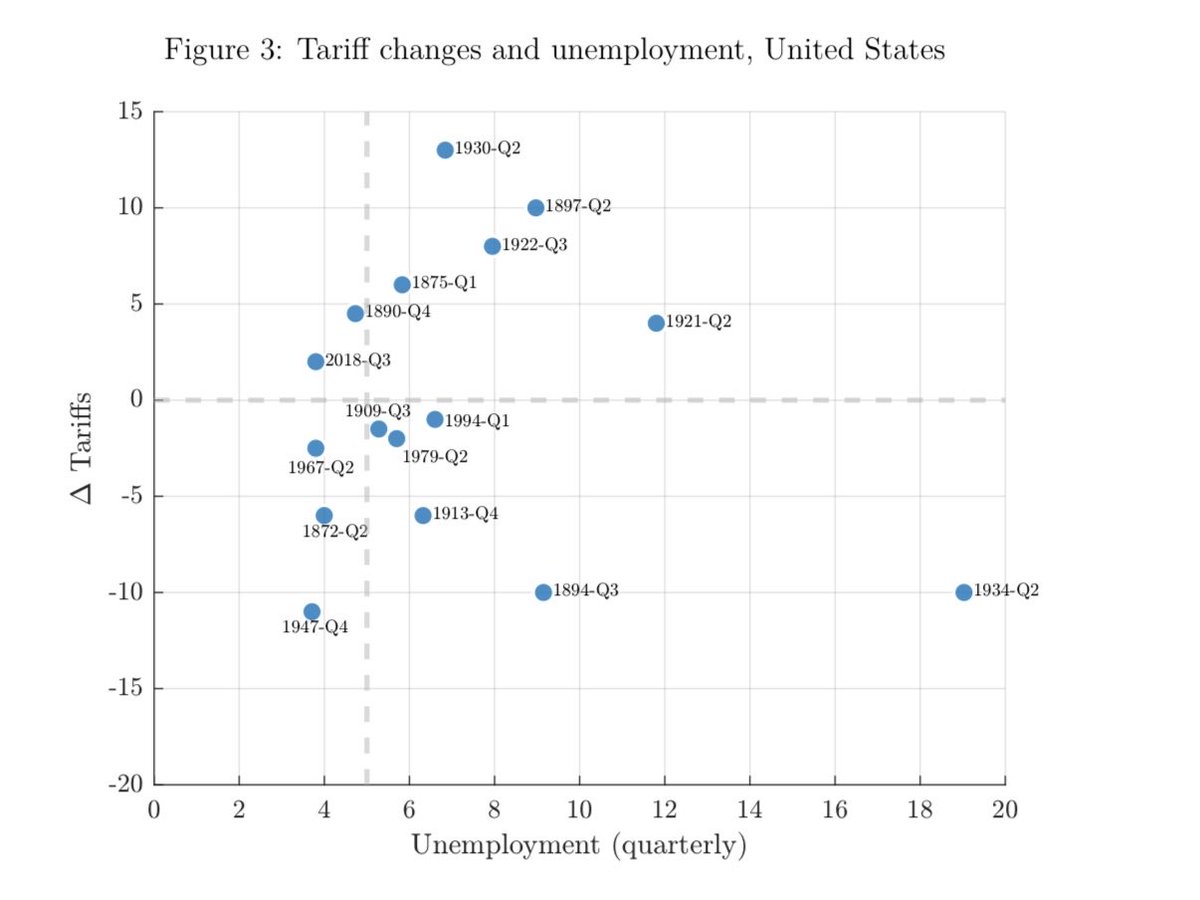
Do we consider this a sub tweet?
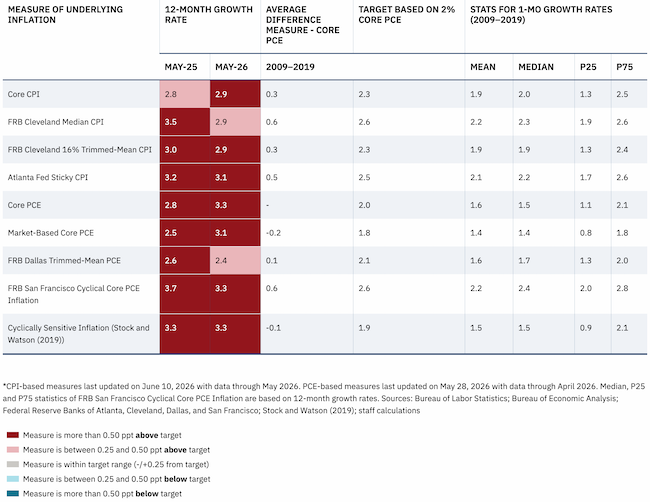
Price pressures remained elevated in May, with most underlying CPI inflation measures remaining above ranges consistent with the FOMC's price stability mandate. atlfed.org/4eAKkQc
1
423
Great case study!
Life advice nobody told you: Violent consistency is the only path to achieve what you want. It's not going to be pretty. It's not going to draw oohs and aahs from the crowd. Because it looks messy in the days. It's getting out of bed when you don't want to. It's sitting down at your desk when you're tired. It's pounding your head into a wall one more time. It's ugly. It's unimpressive. But it works. Quantity is a necessary precursor to quality. You cannot create once and hope for it to be perfect. You have to create a lot. Every single day. I recently came across a story in Art & Fear that I love: A ceramics teacher split a class into two groups. One would be graded on the quantity of their output, the other would be graded on the quality of their output. On the final day, the first group would have their total output of pots weighed, while the second group would have one pot judged. When grading day arrived, something fascinating happened: "The works of highest quality were all produced by the group being graded for quantity. It seems that while the 'quantity' group was busily churning out piles of work—and learning from their mistakes—the 'quality' group had sat theorizing about perfection, and in the end had little more to show for their efforts than grandiose theories and a pile of dead clay." Quality is a byproduct of quantity. Violent consistency. That's the real recipe.
463
Excellent advice from @drgurner on how being comfortable with discomfort is where the growth occurs. Also, as one of my mentors says, egos are expensive! Don’t let yours rule a situation, it could end up being quite costly
Early in my career, I did some work in a supermax prison. My mentor was a Holocaust survivor & psychiatrist. Here are 5 lessons I’ll never forget, and hope you don’t either...
535
The collapse of the AMOC is one of those tail events that is hiding in plan sight. The probability of the event happening is increasing and there limited ways to hedge against it other than massive investment in reducing carbon dioxide and methane emissions in short order.
This should be a bigger story.  Scientists are more concerned than ever that a critical Atlantic current will collapse soon and wreak havoc on North America and Europe. The Atlantic Meridional Overturning Circulation, or AMOC, is a massive conveyor belt of ocean currents that transports water from the tropics to the Atlantic.  Without it, severe weather would impact both regions at potentially devastating rates. These scientists aren't just warning us about an environmental issue—they're sounding the alarm about a climate threat that could fundamentally rewrite how future generations survive on our planet. theguardian.com/environment/…
1
2
5
868
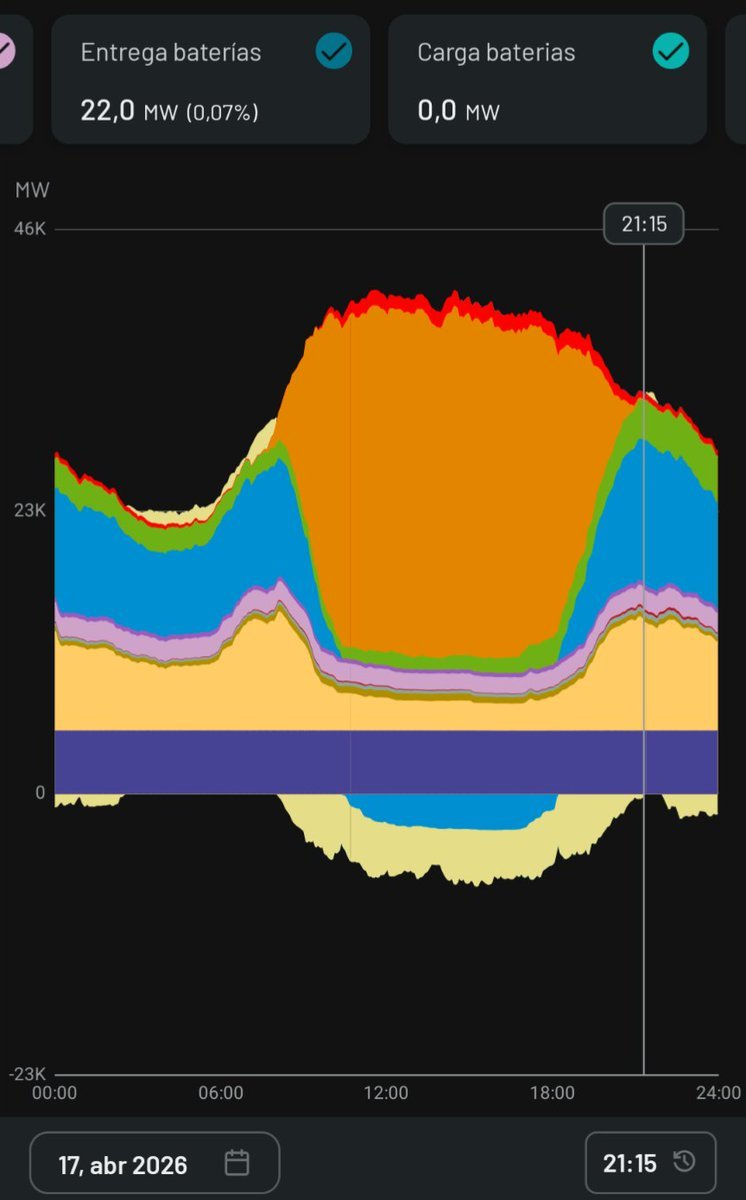
If you cannot see that this is the future of energy you are not looking at the world with your eyes open.
Spain is crushing it ⚡🇪🇸 Solar is delivering the equivalent of 27 nuclear plants during the day. Pumped hydro stores ~3 nuclear plants worth. Batteries already stepping in. This isn’t a generation problem anymore. It’s storage scale. Energy scarcity → energy timing. #BESS
3
691
They should change the name to "Strait of Schrödinger". It's both open and closed at the same time.
1
437
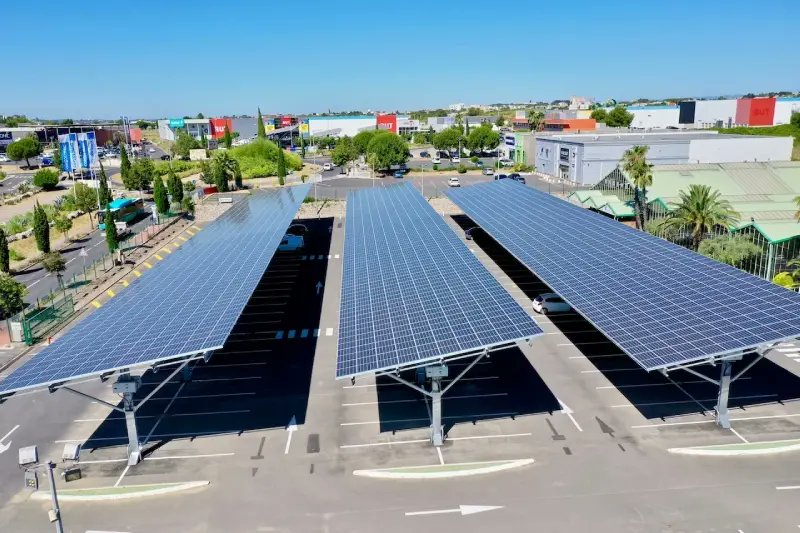
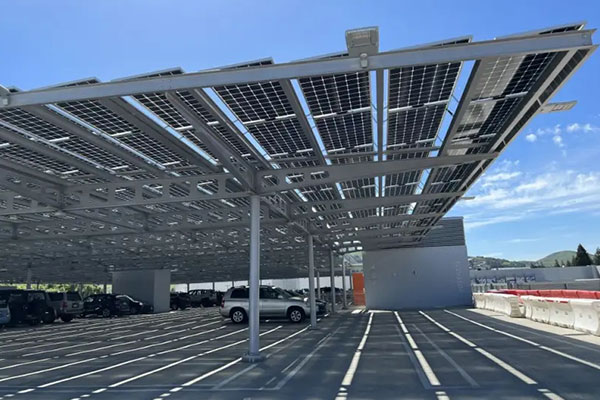
The economics of solar panels make this a much more viable proposition than one might expect.
France passed a law requiring solar panels on every parking lot with more than 80 spaces. Parking lots over a certain size have three to five years to cover at least half their surface area with solar canopies or face fines. The projected output: up to 11 gigawatts of capacity, the equivalent of 10 nuclear reactors. The panels shade the cars. They can charge EVs directly underneath them. They generate electricity for the grid. The parking lot goes from dead infrastructure to power plant without using a single additional acre of land. France plans to increase solar tenfold and double wind capacity by 2033. The US has approximately 800 million parking spaces. Eight hundred million. Most of them are uncovered asphalt sitting in direct sunlight. Why aren't we doing this?
2
6
874
Move over ping pong diplomacy, now we have ice hockey diplomacy. I expect to hear more about this from @tomkeene on Bloomberg Surveillance this morning.
Apr 14
Finnish President Alexander Stubb and Canadian Prime Minister Mark Carney mixed diplomacy with hockey, taking the ice with players from the Ottawa Charge during Stubb’s first formal bilateral visit to Canada
1
4
9
4,577
Because the world needs this type of palate cleanser today. @dog_rates earning my ❤️with each post.
This is Sadie. She was finally reunited with her human, astronaut Christina Koch, after her mom’s voyage around the moon took her the furthest any human has ever been from their dog. She can't wait to hear all about the universe. 14/10
4
580
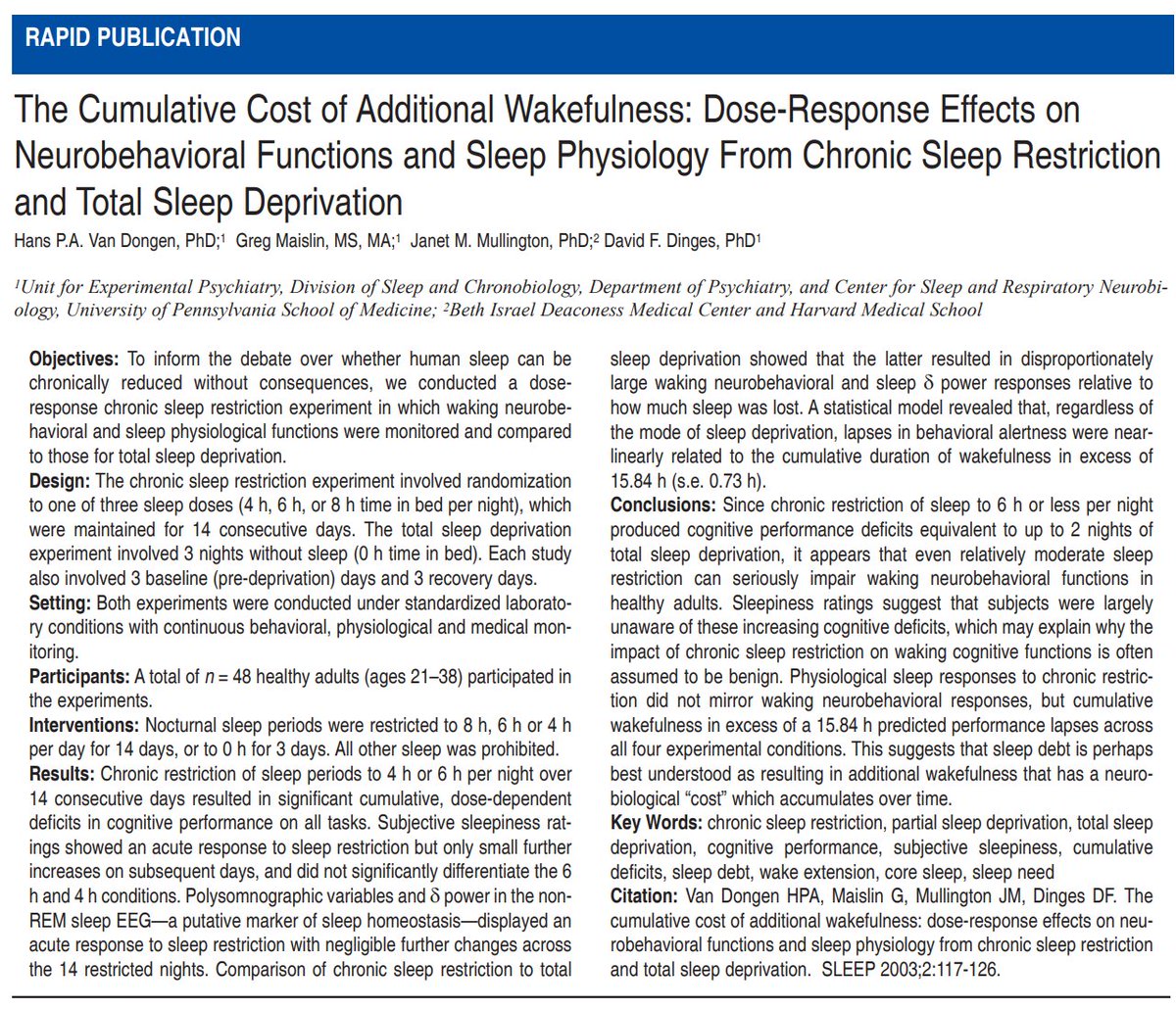
And you wonder why taking a red eye to Pakistan and negotiating for 21 hours didn’t work? Science suggests the odds were against it working regardless of the differences which are considerable.
Sleeping <6h a night for 2 weeks reduces cognitive performance equal to 2 nights of total sleep deprivation.
625
This is why I am so disciplined about my sleep routine. Going to bed and waking up at the same time every day is critical for those who have trouble sleeping. Meditation and non-sleep deep rest are also quite helpful. @hubermanlab has a great one that is free on @YouTube.
The scariest finding in this paper: the subjects couldn't tell it was happening. UPenn ran this study on 48 healthy adults. One group slept 8 hours. Another slept 6. Another slept 4. For 14 straight days. They tested cognitive performance every 2 hours from 7:30am to 11:30pm. The 6-hour group's reaction times, working memory, and sustained attention deteriorated on a near-linear curve. By day 14 they were performing at the same level as someone who hadn't slept at all in 48 hours. The 4-hour group hit that threshold by day 6. Here's the part that should unsettle everyone who thinks they "do fine" on 6 hours: the subjects' self-reported sleepiness flatlined after the first few days. Their brains kept getting worse. Their perception of how impaired they were stopped updating. The cognitive decline was invisible to the person experiencing it. The researchers found a hard threshold. Any wakefulness beyond 15.84 hours in a day produces cumulative neurobiological cost. That cost compounds every single day you exceed it and does not reset with a weekend of sleeping in. About 35% of American adults sleep less than 7 hours a night. 40% of those get 6 hours or less. In 1942 that number was 11%. We built an entire professional culture around a sleep schedule that this paper says is functionally equivalent to pulling consecutive all-nighters. "I'm fine on 6 hours" is the most common response to sleep research. The first thing chronic sleep debt destroys is your ability to notice chronic sleep debt.
2
886
Constance L Hunter retweeted
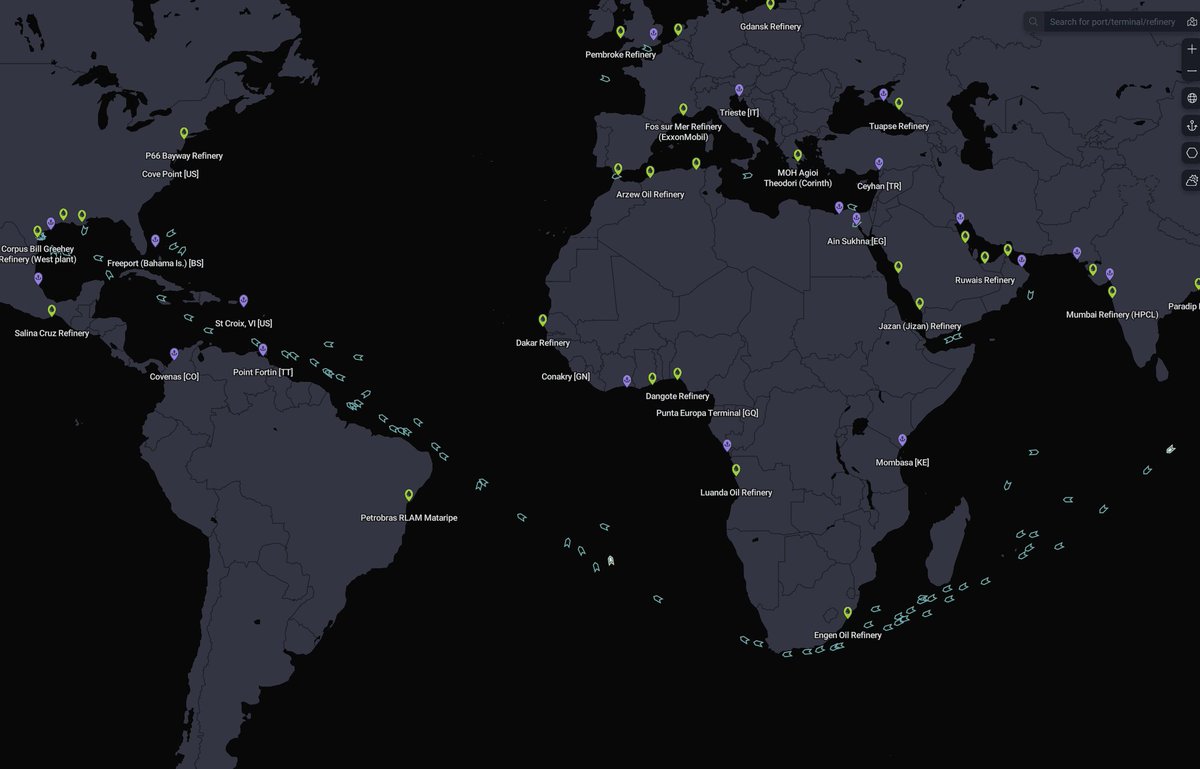
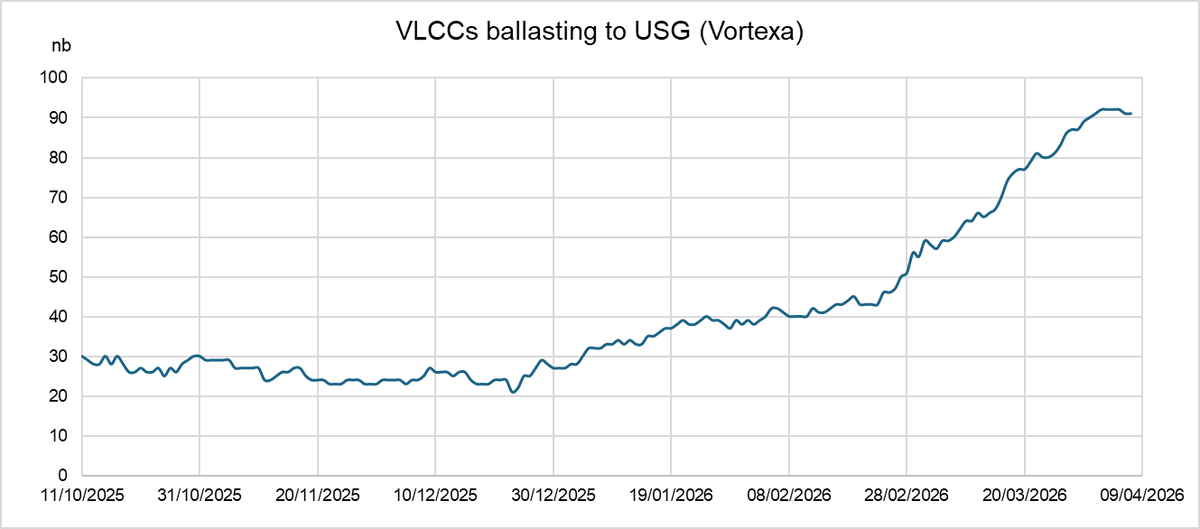
Very cool seeing the wave of empty tankers heading to the US to pick up some desperately needed crude for Hormuz-starved markets. All the tankers on the map below are empty VLCCs (~2 million barrel capacity each) currently heading for the US Gulf Coast.
US crude exports are about to boom.
319
1,729
7,593
1,617,986
Constance L Hunter retweeted
2pm ET TODAY: EIU's Democracy Index 2025 evaluates the democratic health of 167 countries. EIU's Democracy Index 2025 evaluates the democratic health of 167 countries. Macroeconomist @ConstanceHunter of @TheEIU talks to @eisendrath LIVE on Lincoln Square to tell us where the United States fares on this list. open.substack.com/live-strea…
1
2
2
566
Constance L Hunter retweeted
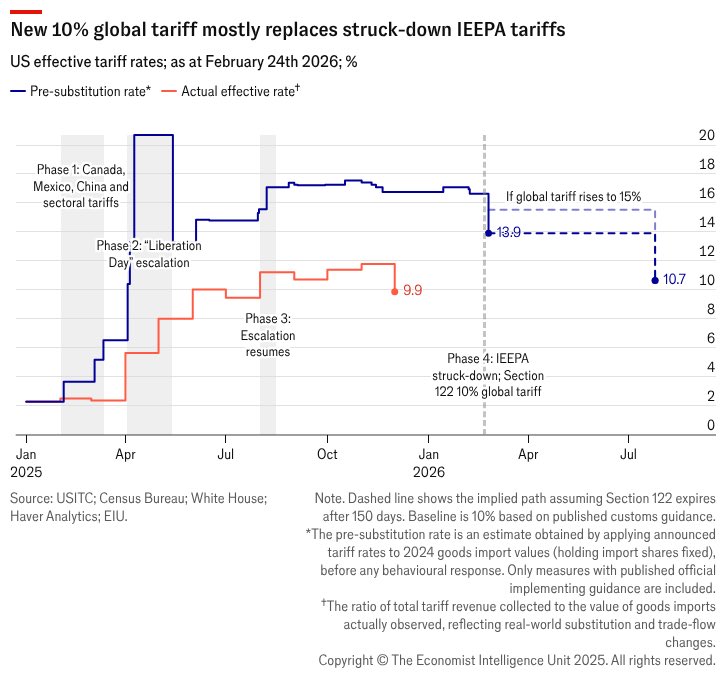
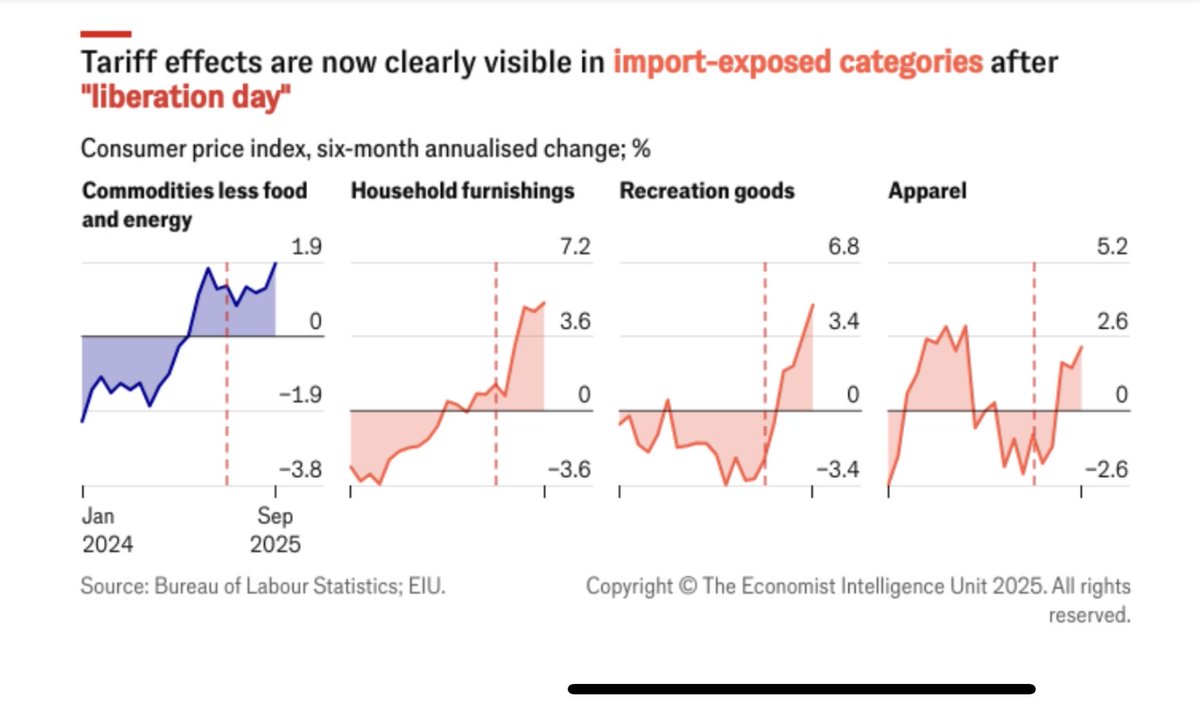
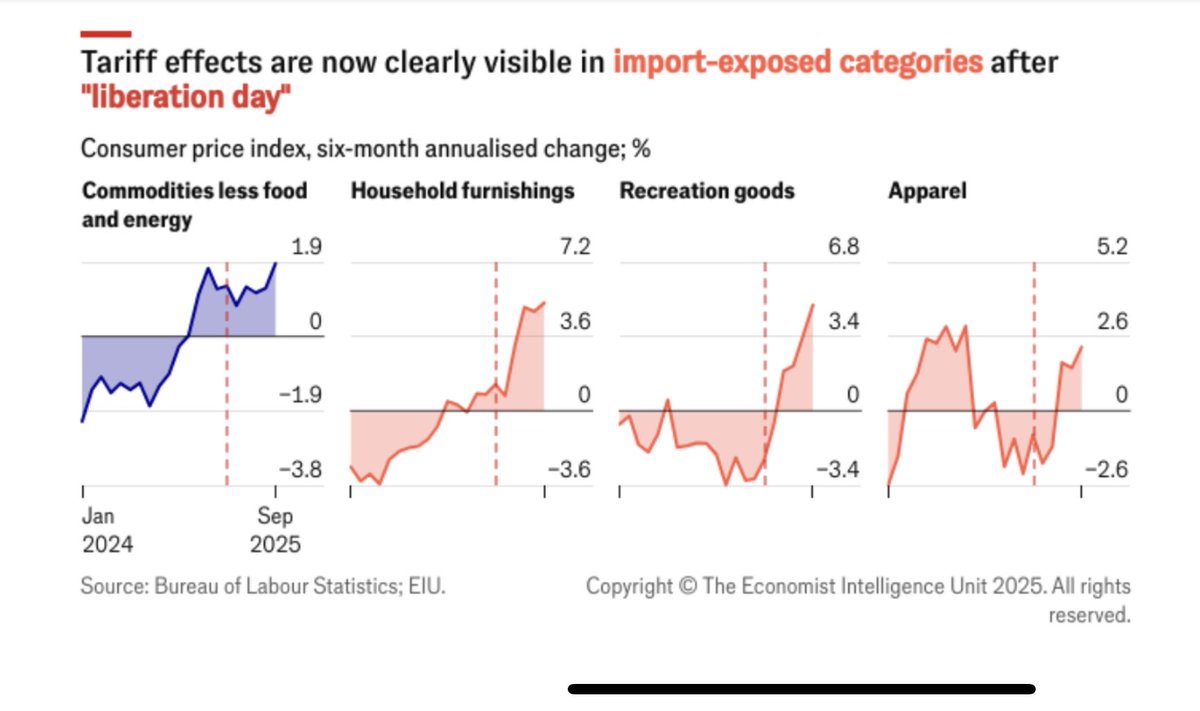
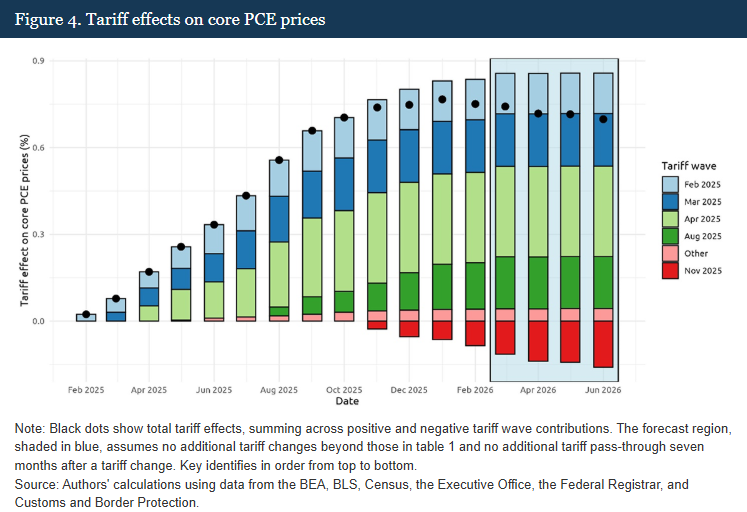
The authors estimate that the tariffs implemented through November of 2025 can explain the entirety of excess inflation in the core goods category and contributed to a 0.8 percent boost in core PCE prices through February 2026. federalreserve.gov/econres/n… #FEDSNote
8
176
563
240,865
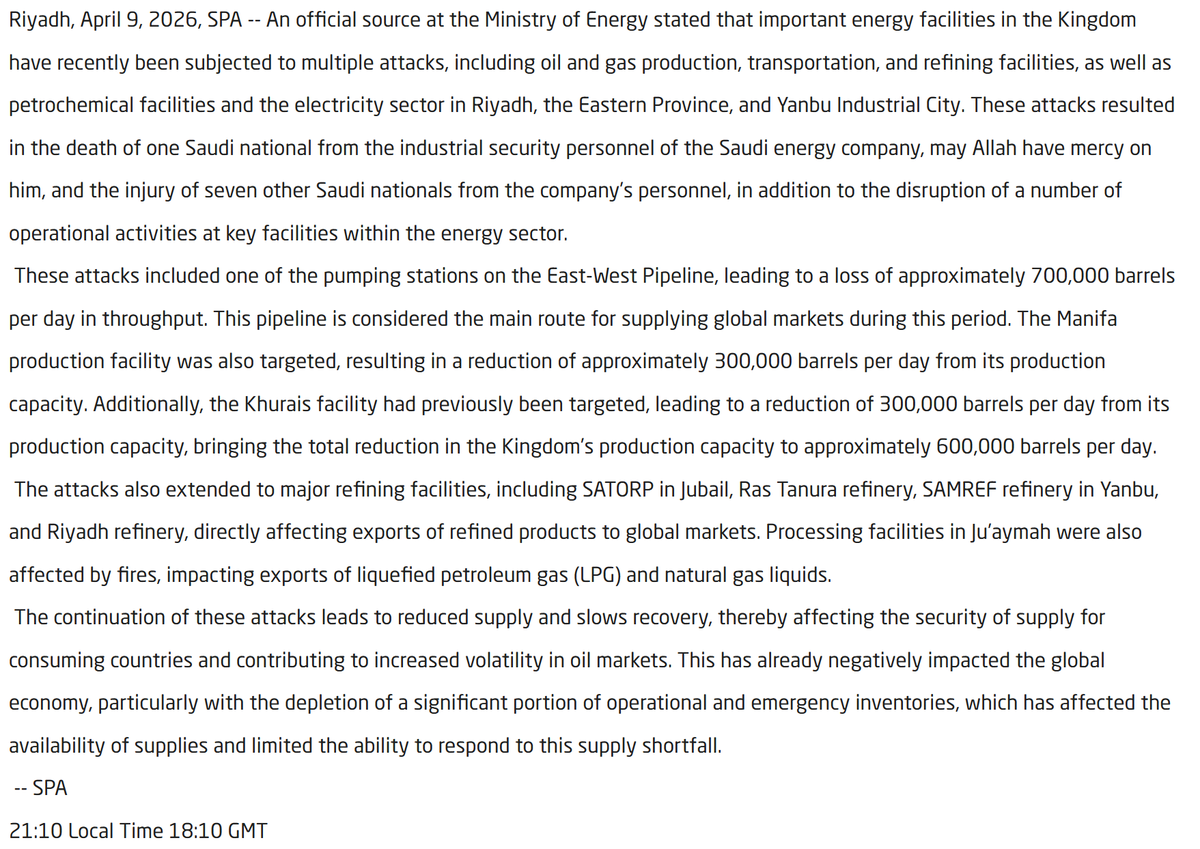
As I have been saying since early March, this war only ends via escalation. The cease-fire is very scant and is likely to breakdown further.
Saudi Arabia confirms hits to the critical East-West pipeline (a pumping station), which led to a 700 kbpd throughput loss. As well as confirmed strikes to upstream production assets (!!) that have reduced Saudi production *capacity* by 600 kbpd. On top of downstream refining/processing attacks. Official Saudi Press Agency:
1
3
564
Constance L Hunter retweeted
.@PeterBlairHenry has been appointed by Jamacian prime minister @AndrewHolnessJM to serve as the chair of the Jamaica Reconstruction & Resilience Oversight Committee (JAMRROC), which will work to mitigate hurricane damage and guide reconstruction efforts. jamaica-gleaner.com/article/…
1
4
8
530
Amazing research led by the talented @PeterBlairHenry.
New research from @PeterBlairHenry and colleagues indicates that directing savings from advanced economies into public investments like road infrastructure in developing economies can create substantial unrealized gains not captured in traditional data. ow.ly/I35K50YCMfI
1
3
613
Constance L Hunter retweeted
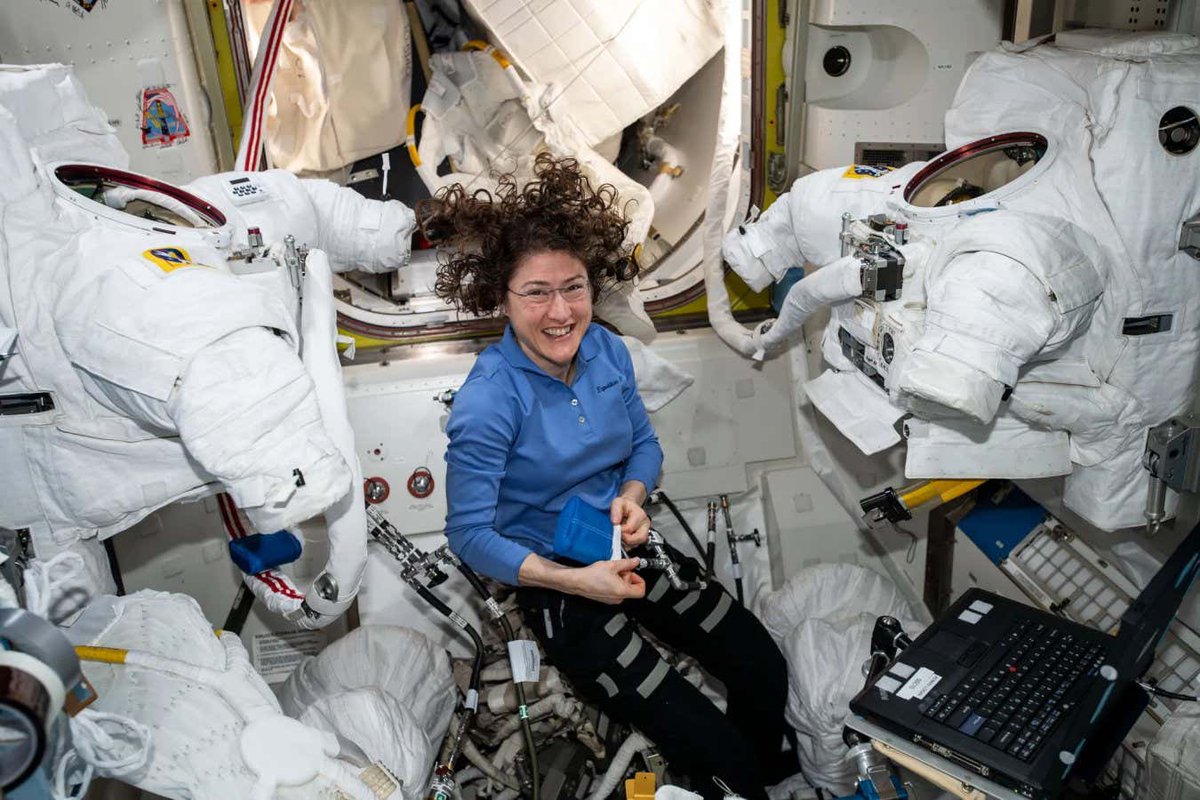
Christina Koch was a firefighter at the South Pole at -111°F before she ever applied to be an astronaut. That was maybe the fourth most interesting line on her resume. She grew up in North Carolina, got three degrees from NC State, and her first real job was building deep-space instruments at NASA. Then she left for Antarctica. Spent three and a half years bouncing between the Arctic and Antarctic as a research scientist, including a full winter at the South Pole base. That means going months without sunlight or fresh food, with a crew of about 50 people and no way out until flights resume. While she was down there, she also joined the glacier search-and-rescue team. After coming back, she went to Johns Hopkins and built instruments for two NASA missions (one of them is still orbiting Jupiter right now). She figured out how to start a tiny vacuum pump that NASA designed for a future Mars rover. Johns Hopkins nominated it for their Invention of the Year in 2009. Then she went back to the field. More time in Antarctica and a stretch up in Greenland. A government research station in northern Alaska, near the top of the world. Then she ran another one in American Samoa, near the equator. In 2013, NASA selected her from 6,300 applicants. Eight people got in. Her first space mission was supposed to be a normal rotation on the International Space Station, but NASA extended it. She ended up staying 328 straight days and orbiting Earth 5,248 times, covering about 139 million miles (roughly 291 round trips to the Moon). Up there, she ran over 210 experiments, including tests of cancer drugs in zero gravity and 3D printers that can build structures close to human tissue. Six spacewalks, 42 hours floating outside the station. She learned Russian for the training. She flies supersonic jets. Right now, Koch is on Artemis II, heading for a flyby behind the far side of the Moon. The crew launched on April 1 and is on track to travel about 252,000 miles from Earth, which would break the all-time human distance record of 248,655 miles set by Apollo 13 in 1970. That record has stood for 56 years, and it was set during a disaster that nearly killed the crew. Fred Haise, one of the Apollo 13 astronauts, is 92 now. He told Koch: "I heard you're going to break our record." Nobody had left Earth's neighborhood since December 1972. Koch and her three crewmates are the first in 53 years, and they are coming home at about 25,000 mph. That is faster than any crewed spacecraft has ever come back through the atmosphere.
BREAKING🚨: Artemis II astronaut Christina Koch officially becomes the farthest any woman has ever traveled from Earth.
330
6,303
38,876
2,026,398
Our signal to the United States and countries in the Middle East about the Strait of Hormuz was that we were open to discussing it. As of today, I don't see any country lifting the blockade on its own, only joint steps can bring results. Ukraine has experience with launching the Grain Corridor in the Black Sea despite Russia’s attempts to block the flow of food and other goods. The situation now is similar, but it is about energy. Our suggestion – based on our experience – was as follows. The war and the negotiations on reopening the Hormuz Strait can go in parallel. It’s worth trying to find a diplomatic solution, and this could be beneficial for both sides in the war. An alternative step would be to control the Strait unilaterally, as Ukraine did with the Grain Corridor. Achieving this would require interceptors, military convoys to escort the vessels, a large integrated electronic warfare network, and other tools. We stand ready to help with this. But for now, we are not yet involved. So far, no one has made such a request. We are simply sharing our knowledge. If one day our partners want to make use of it, we would be ready. From an interview with NewsNation.
1,281
2,725
16,524
1,403,721
The labor market takes a licking and keeps on ticking. The volatility in the labor market makes it challenging to parse the signal from the noise, but it does suggest momentum in the U.S. economy despite headwinds.
3
343