We study vertebrate photoreceptors
Joined August 2021
- Tweets 18,859
- Following 408
- Followers 420
- Likes 29,427
219 Photos and videos













Corbo Lab at Washington University in St. Louis retweeted

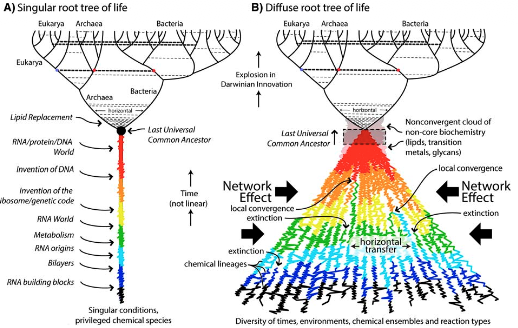
A very plausible account of pre-LUCA life:
journals.sagepub.com/doi/abs…
15
58
640
36,523
Corbo Lab at Washington University in St. Louis retweeted

Jun 9
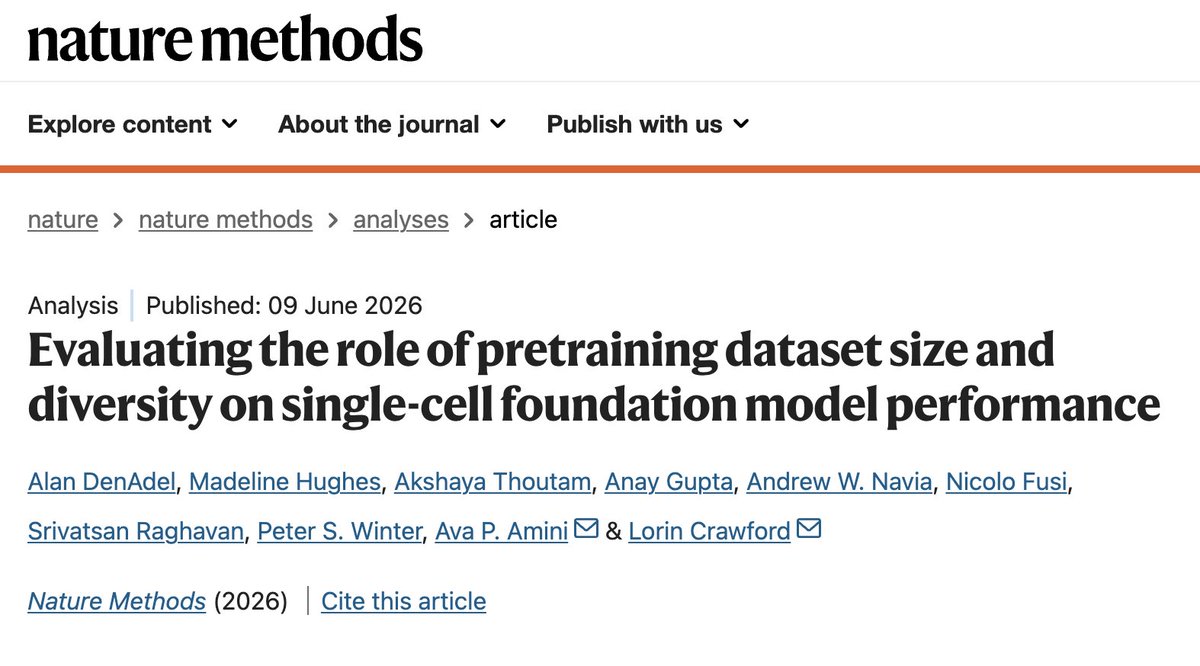
No scaling laws for single-cell foundation models: when bigger atlases stop teaching the model anything
In language and vision, the recipe has been simple: more data, bigger models, better performance. Single-cell biology borrowed that playbook. Foundation models for transcriptomics jumped from 1 million cells to atlases of over 100 million, on the assumption that scale would unlock the same gains. Alan DenAdel and coauthors put that assumption to the test, and the result is sobering.
Working from a 22.2-million-cell corpus, they pretrained 400 models across five architectures (from PCA and a variational autoencoder up to the Geneformer transformer) and ran 6,400 evaluation experiments. They varied not just dataset size (1% to 75%) but also diversity, using cell-type re-weighting and geometric sketching to deliberately enrich rare cell types and transcriptional states.
The finding: performance saturates almost immediately. On cell-type classification, batch integration, and perturbation prediction, most models hit their ceiling at roughly 1% of the corpus, about 200,000 cells. Beyond that, adding millions more cells changed essentially nothing. More diversity didn't help. Even spiking in genome-scale Perturb-seq data, to give the models perturbed phenotypes rather than just healthy ones, failed to move the needle. Larger models did score better overall, but they too plateaued early on data.
Two points stood out. Simple baselines (PCA, logistic regression) often matched or beat the transformers. And the strongest model, SCimilarity, won not because of size but because its contrastive training objective is aligned with the downstream task. For single-cell data, what you train on and how you frame the objective matters far more than how much you collect.
This reframes a quiet but expensive habit. In drug discovery, biotech, and any pipeline leaning on cell atlases, the instinct to keep scaling pretraining corpora may be burning compute for no return. The real leverage sits elsewhere: curating high-quality, task-relevant data and matching the training objective to the actual question you're trying to answer.
Paper: DenAdel et al., journal license | doi.org/10.1038/s41592-026-0…
15
93
384
96,105
Corbo Lab at Washington University in St. Louis retweeted

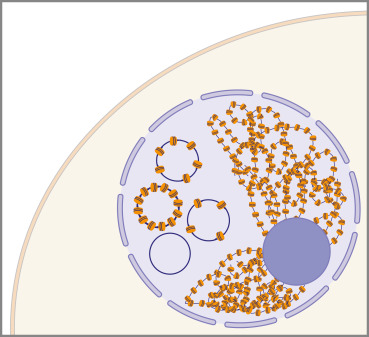
Everything you always wanted to know about plasmid chromatinization … but were afraid to ask dlvr.it/TSxQQv
1
18
105
5,507
Corbo Lab at Washington University in St. Louis retweeted

Jun 8
Opposing roles of serine and charge in IDR condensate miscibility: nature.com/articles/s41589-0…
16
60
3,861
Corbo Lab at Washington University in St. Louis retweeted

Jun 5
Now online! Deep-sea megafauna co-opts microbial energy metabolism genes to withstand ultra-long starvation dlvr.it/TSvF6t
2
6
19
4,900
Corbo Lab at Washington University in St. Louis retweeted

Out now in Science! Our new study challenges long-standing assumptions about transcription factor specificity in eukaryotes. Novel single-molecule measurements of TF behavior in living cells reveal an independence of locus-specific binding from DNA sequence recognition.🧵
science.org/doi/10.1126/scie…
3
58
216
31,545
Corbo Lab at Washington University in St. Louis retweeted
Jun 1
In the latest issue! Transplantation of encapsulated mitochondria alleviates dysfunction in mitochondrial and Parkinson’s disease models dlvr.it/TSq3m5
6
14
3,676
Corbo Lab at Washington University in St. Louis retweeted

Jun 1
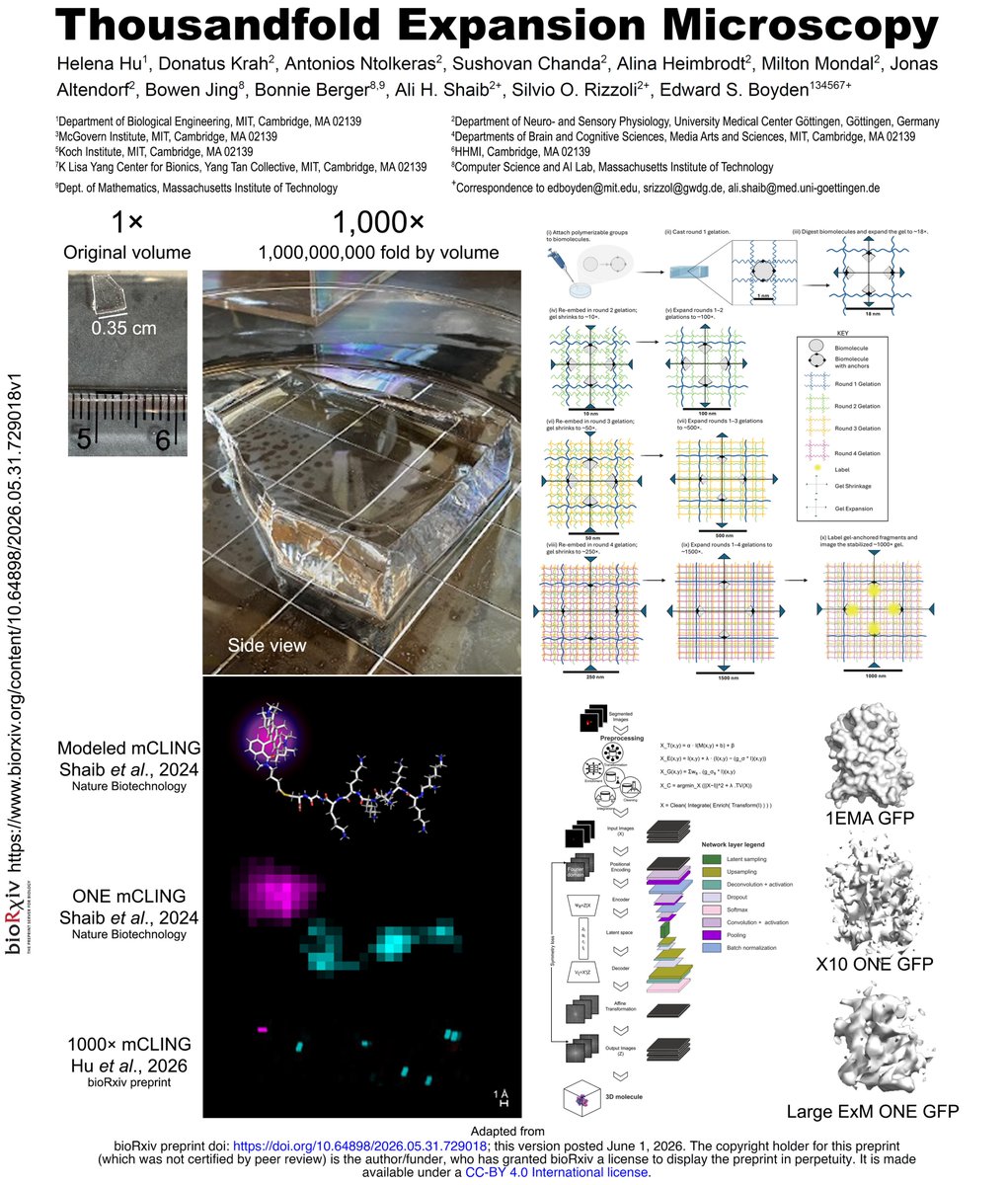
Hello world, meet 1,000× Expansion Microscopy.
1,000,000,000× expansion by volume! A gel that starts at a few centimeters will then expand to the volume of an Olympic swimming pool. biorxiv.org/content/10.64898…
In our new bioRxiv preprint, work carried out between MIT and UMG, led by Helena Hu in collaboration with scientists from the labs of @eboyden3 Ed Boyden, Silvio Rizzoli, and myself, we present Thousandfold Expansion Microscopy.
By enlarging biological specimens across multiple rounds of expansion, molecular-scale features, as small as the distances between adjacent amino acids, can be visualized with conventional optical microscopes.
Democratizing super-resolution microscopy.
12
139
599
96,539
Corbo Lab at Washington University in St. Louis retweeted

May 29
Online Now! Evolving strategies for lineage tracing: Genetic markers, synthetic barcodes, and natural variants dlvr.it/TSn429 #stemcells
18
67
6,135
Corbo Lab at Washington University in St. Louis retweeted

May 28
How animals sense Earth’s magnetic field is one of biology’s enduring mysteries.
Researchers in Science have now identified superparamagnetic macrophages in the livers of rock pigeons to be crucial for magnetic sensing. The finding uncovers an unexpected role for immune cells in sensory perception and may fundamentally change our understanding of animal navigation.
Learn more in this week's issue: scim.ag/4uAKQDl
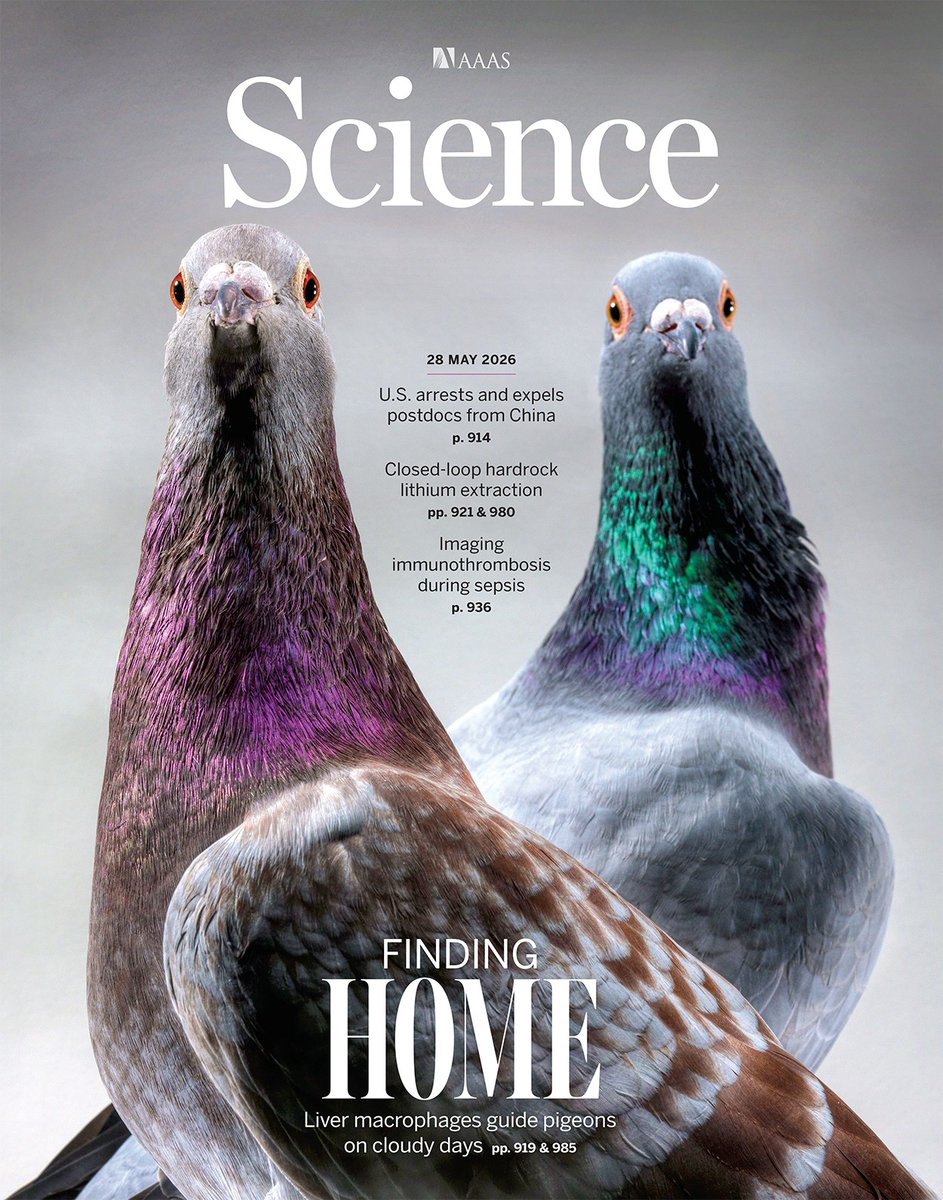
ALT How animals sense Earth’s magnetic field is one of biology’s enduring mysteries. Researchers have now identified superparamagnetic macrophages in the livers of rock pigeons (Columba livia) to be crucial for magnetic sensing. The finding uncovers an unexpected role for immune cells in sensory perception and may fundamentally change our understanding of animal navigation. Photo: Andreas Teichmann/laif/Redux
45
613
1,992
117,003
Corbo Lab at Washington University in St. Louis retweeted

May 21
This is very impressive.
nature.com/articles/s41586-0…
1
24
133
15,014
Corbo Lab at Washington University in St. Louis retweeted

Syngnathid diversity is a popular target for phylogenetic studies, illustrating central themes in comparative biology,: diversity of form and function with unity of plan.
link.springer.com/article/10…
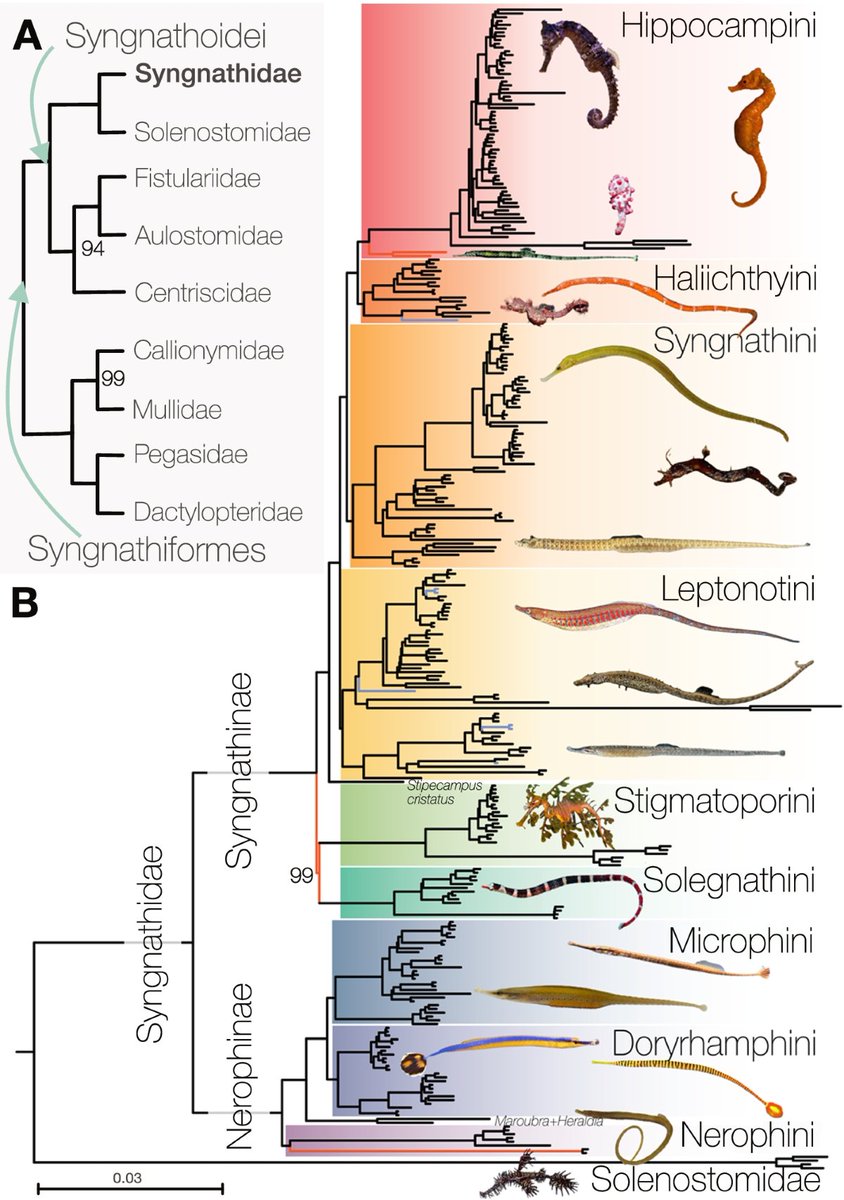

Pipefishes are part of the same clade (Syngnathidae) that gives us seahorses and seadragons, among the most highly specialized fishes in the sea.
researchgate.net/publication…
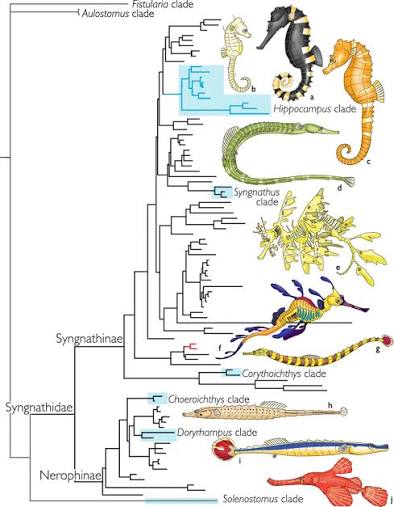
1
26
115
7,514
Corbo Lab at Washington University in St. Louis retweeted

May 15
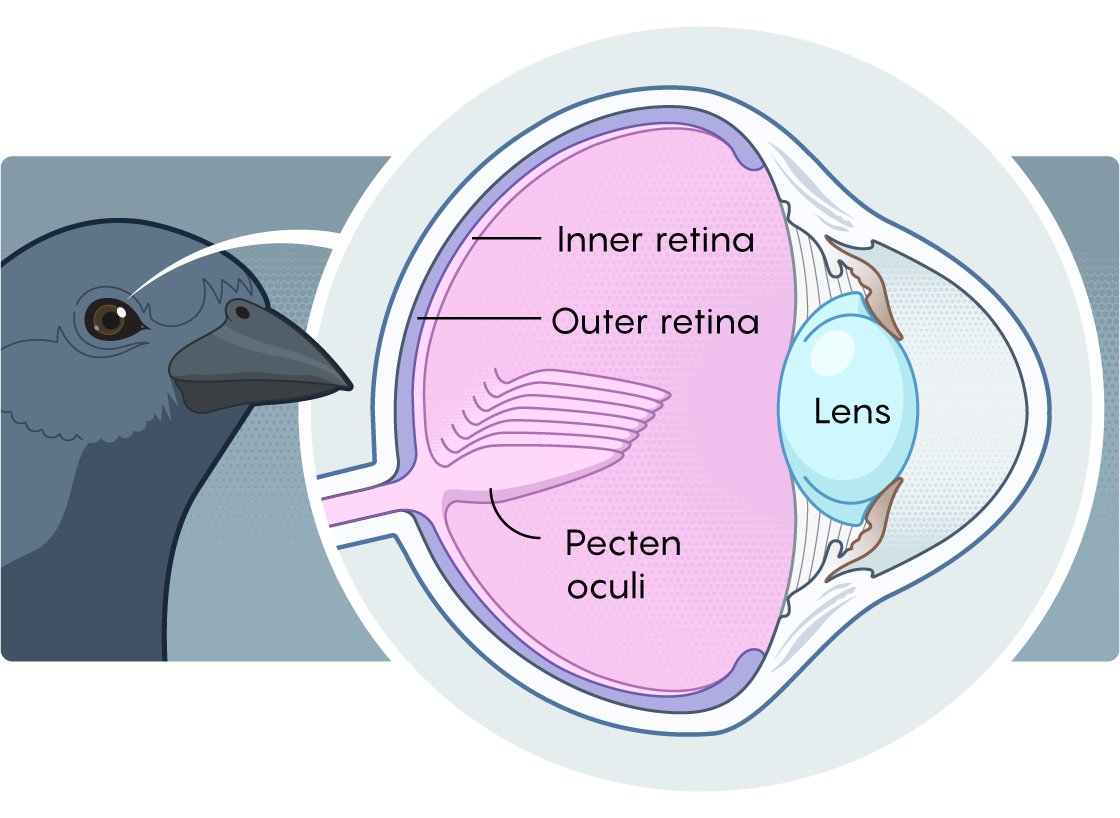
Inside bird eyes is a strange and mysterious structure called the pecten oculi. It looks like a pancake flipper, or maybe a radiator. Some 350 years after anatomists first described it, biologists finally figured out its purpose. quantamagazine.org/how-the-b…
7
113
509
60,026
Corbo Lab at Washington University in St. Louis retweeted

May 14
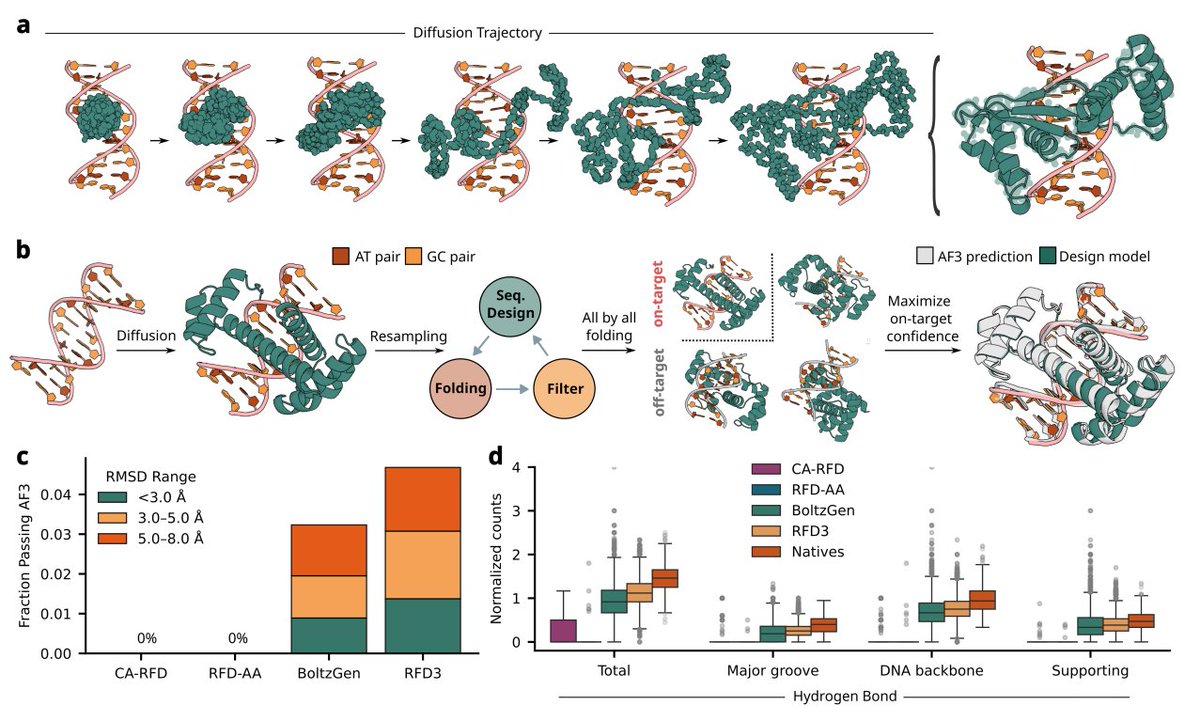
fascinating technology, specific de novo DNA binders enable:
- PAM independent targeted genome modification
- synthetic transcription factors
- sequence blockade therapeutics
- synthetic regulatory circuits
- DNA biosensors and custom diagnostics
biorxiv.org/content/10.64898…
1
13
83
5,197
Corbo Lab at Washington University in St. Louis retweeted
May 13
The bird eye pushes evolution to its limit. @yasemin_sap reports: quantamagazine.org/how-the-b…
2
24
93
8,764
Corbo Lab at Washington University in St. Louis retweeted

May 12
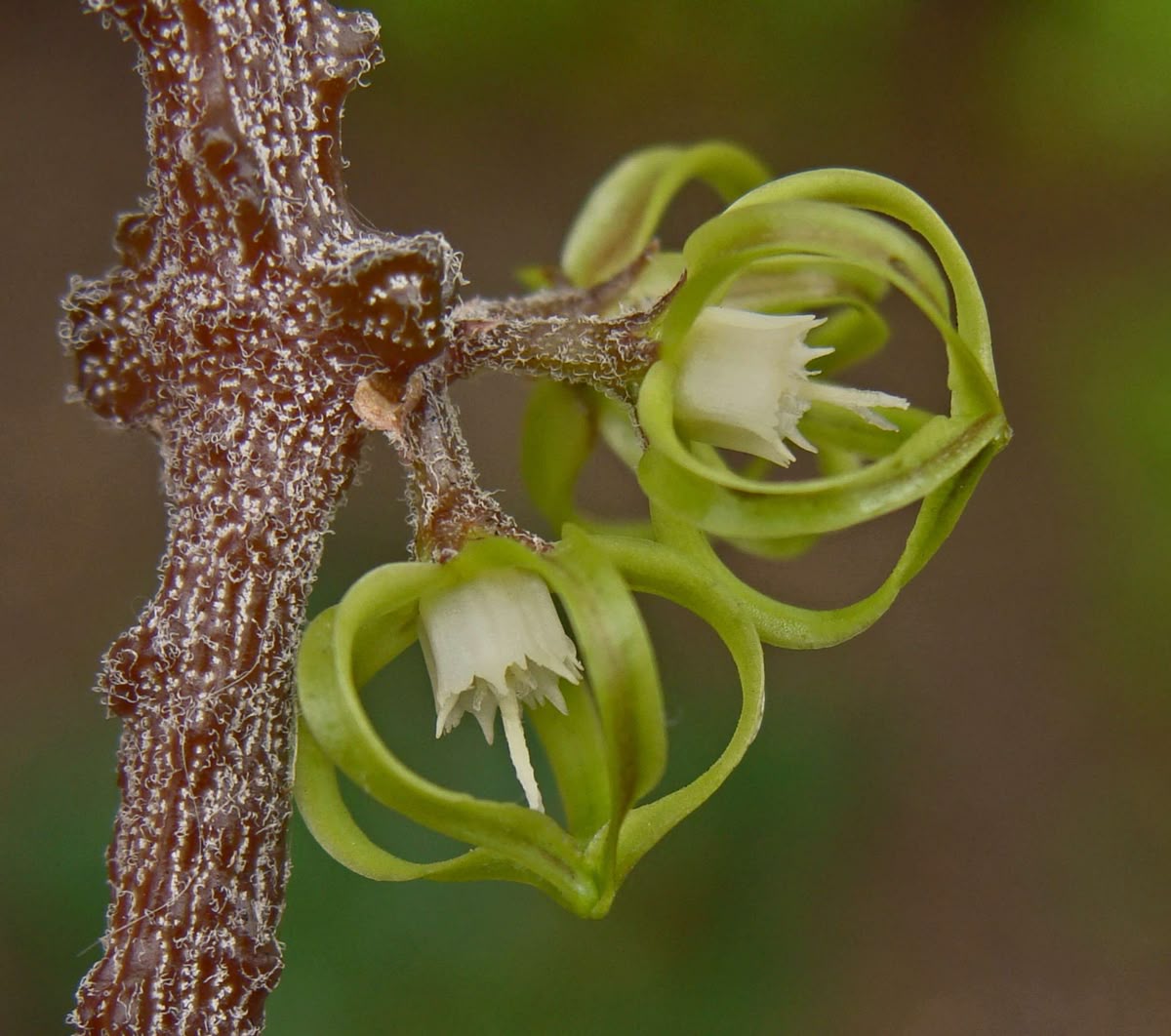
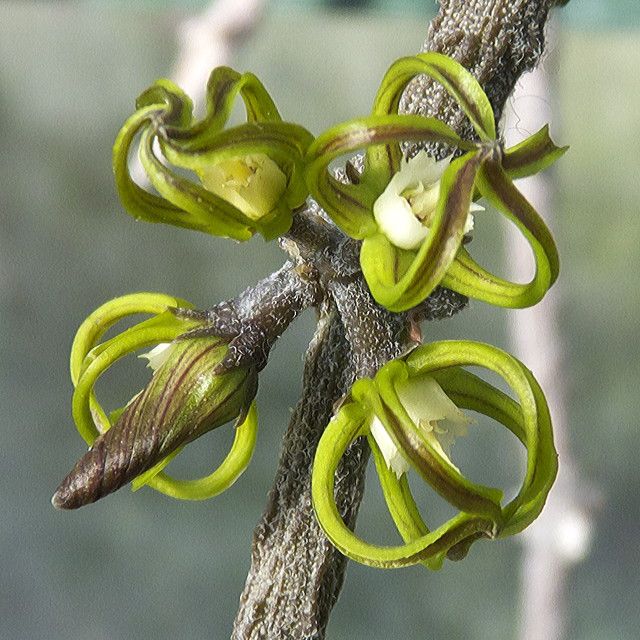
Cynanchum marnierianum succulent, also known as the "dead stick plant" due to its leafless, stick-like branches. It produces unique yellow-green flowers that resemble lanterns or bird cages. These unusual succulents are native to Madagascar and thrive in well-drained soil.
1
60
368
4,457
Corbo Lab at Washington University in St. Louis retweeted

Indonesia logs 10 new orchid records, expands biodiversity map en.antaranews.com/news/41531…
3
25
74
2,096
Corbo Lab at Washington University in St. Louis retweeted

May 11
A Treasure Trove of Cambrian Fossils Rewrites the Story of Early Life quantamagazine.org/a-treasur… via @QuantaMagazine
1
16
44
1,757
Corbo Lab at Washington University in St. Louis retweeted
Watch as this plant’s chloroplasts shift in response to bright light (which turns on at the 20-minute mark, indicated in the upper left). These organelles are solving a packing problem: how to optimize photosynthesis without sustaining damage from dangerously intense rays.
quantamagazine.org/the-hidde…
10
128
584
45,132
Corbo Lab at Washington University in St. Louis retweeted

May 7
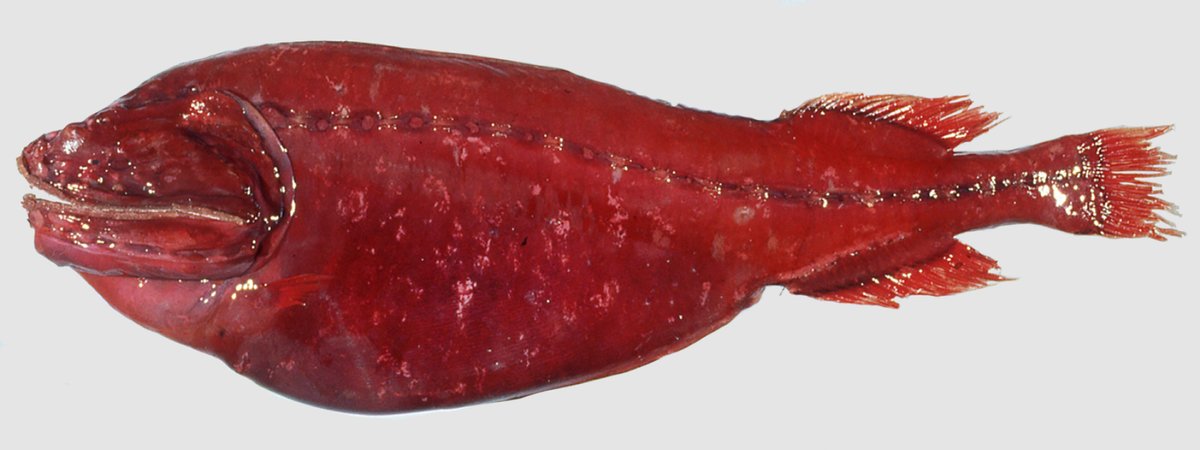
Four new species of Gyrinomimus whalefishes: zookeys.pensoft.net/article/…
1
72
534
87,012