
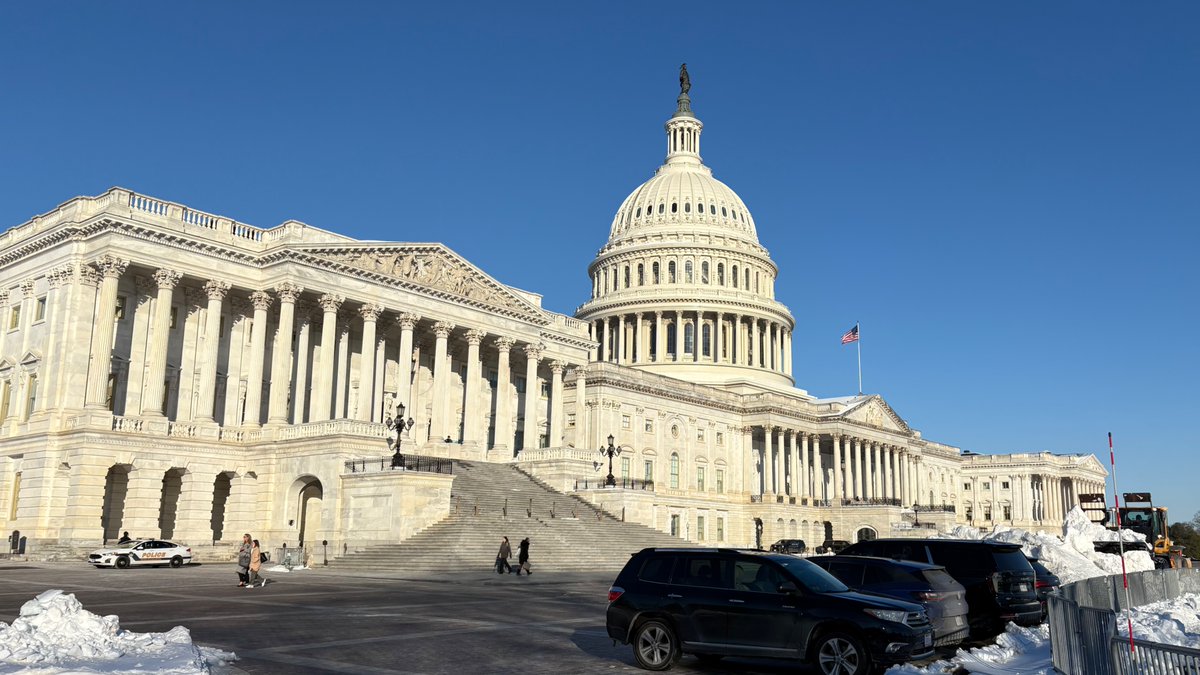
Foreign Affairs on Capitol Hill | Views mine
Joined June 2014
- Tweets 15,751
- Following 1,305
- Followers 8,296
- Likes 80,039
1,733 Photos and videos





Doug Klain retweeted

Jun 12
Before she departs, Gabbard uses her platform and access to intelligence to perpetuate one of her and Russia’s favorite conspiracy theories, disingenuously twisting facts, deliberately misinforming the public and delivering a gift to the Kremlin.
Jun 12

Today, I’m releasing never before seen intelligence revealing new evidence of past US government funding for more than 120 biolabs in over 30 countries, including Ukraine.
In support of President Trump‘s Executive Order to end federal funding of dangerous gain of function research around the world, and increase transparency and accountability, ODNI will continue working with partners across the Administration to identify where these labs are, what pathogens they contain, and what “research” is being conducted.
odni.gov/index.php/newsroom/…
368
1,238
5,407
317,793
Doug Klain retweeted

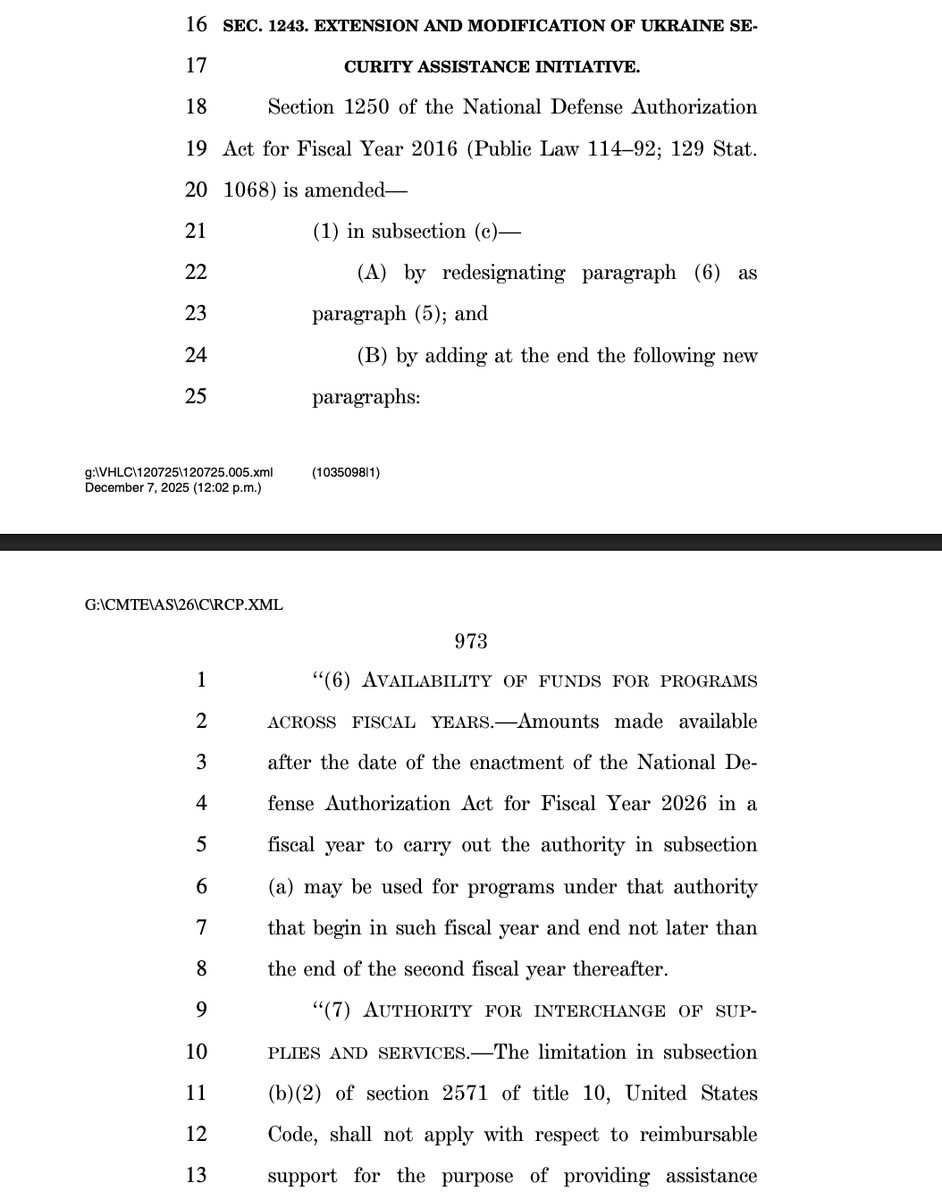
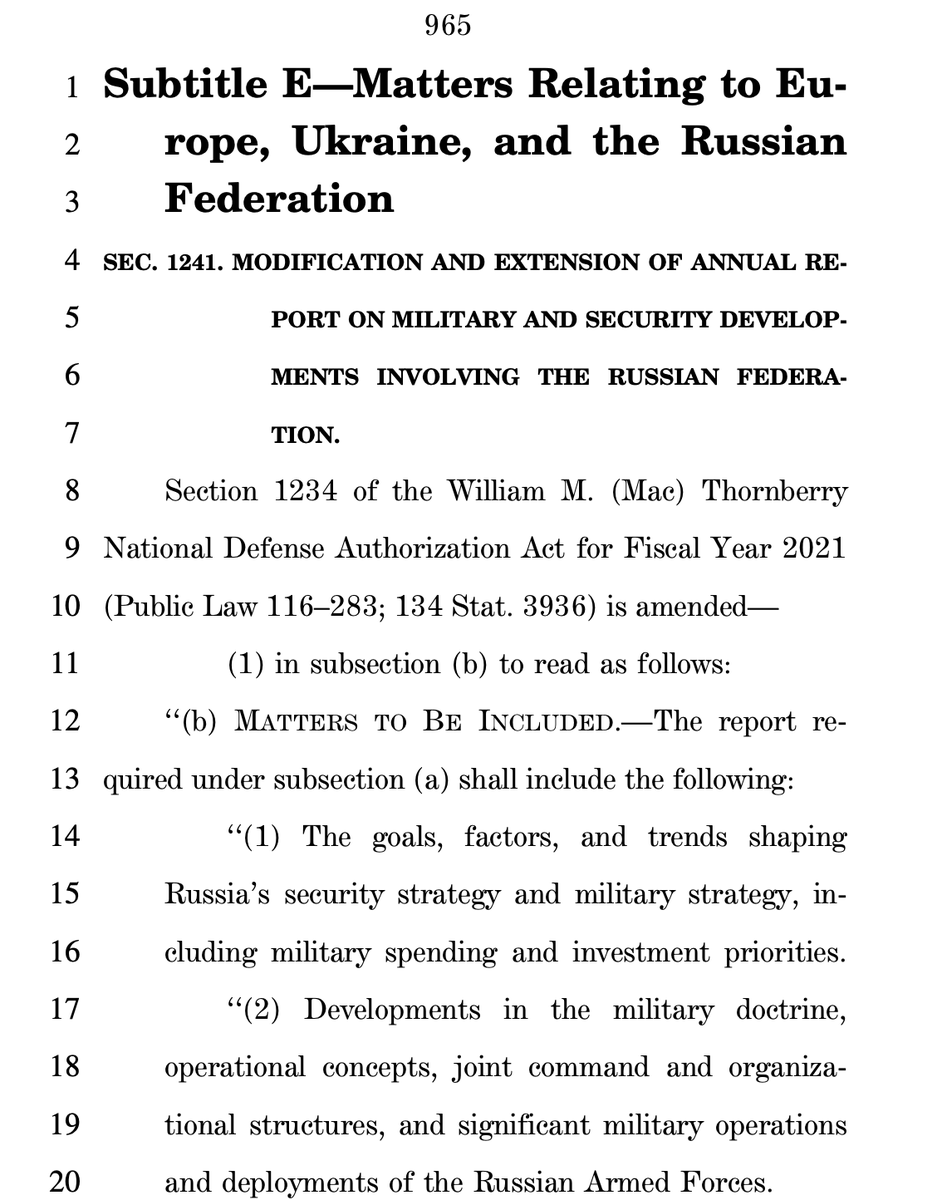
This was only way to get a Ukrainian military aid and a Russian Sanctions bill passed by the House because of the Speaker’s opposition. 70% of America support Ukraine and after a year and a half of “doing nothing” we demanded House action.
Jun 9

the frustration by House R leadership at discharges is really misguided. the reason people feel like they need to file/sign discharge petitions is because they do not feel like the leadership is representing their interests well enough.
148
271
1,571
28,008
Doug Klain retweeted
We can’t be neutral when it comes to Russia and Ukraine. This is an evil vs good war, and we should stand with the democracy, the victim of an invasion and not the invader. People say they’re pro-Ukraine, but actions speak louder than words.
599
1,545
8,065
150,671
Doug Klain retweeted
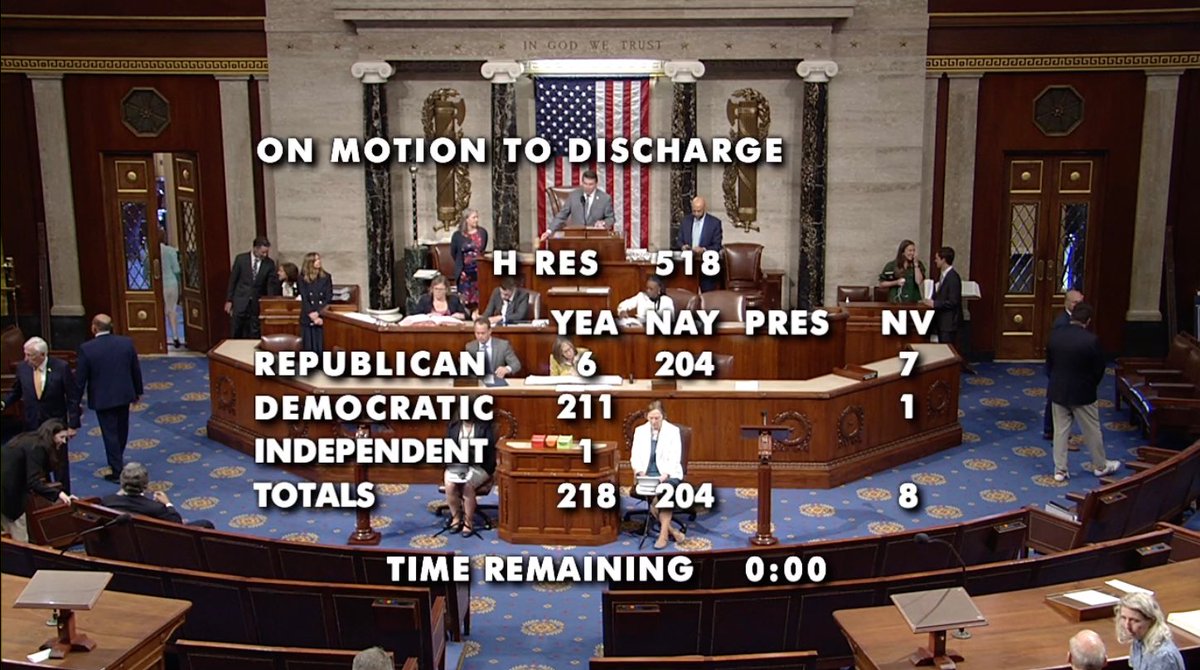
🚨 The House just voted 218-204 to move forward on the discharge petition to provide military aid to Ukraine and impose tough sanctions on Russia. The House will vote on final passage tomorrow. This is our Churchill moment and we must pass the test.
1,427
6,460
24,568
473,030

Jun 2
For the first time in two years, Congress votes this week on whether to help our Ukrainian allies and pressure our Russian enemies. This is one of many reasons why it matters.
Jun 2

This was Kyiv last night.
Those very, very fast missiles are probably 3M22 Zircon hypersonic cruise missiles. Russia fired eight of them at us yesterday.
Imagine this was your city, and this was happening a few hundred metres from your home.
1
9
289
Doug Klain retweeted

Kimmel: I like your football jersey. Supporting Ukrainian team?
Chef José Andrés: My beloved Spanish team, of course. But Ukraine is my team today. They didn’t make it to World Cup, but today they're fighting the biggest match — for freedom and democracy.
Kimmel: Yes, they are.
Chef José Andrés: And can I tell you one more thing?
Kimmel: Yes, please.
Chef José Andrés: No civilian should ever be bombed. Not in Ukraine, not in Gaza, not in Lebanon, not in Israel. No war! That’s why they are my team today.
186
4,000
37,512
1,936,900
Doug Klain retweeted

Alliances founded solely on “interests,” and not values, will inevitably be transient and weak. That’s why NATO and the EU are explicitly founded on shared values. Why we support ROK not DPRK, Ukraine not Russia, and the Quad not China. This is a big departure from US history.

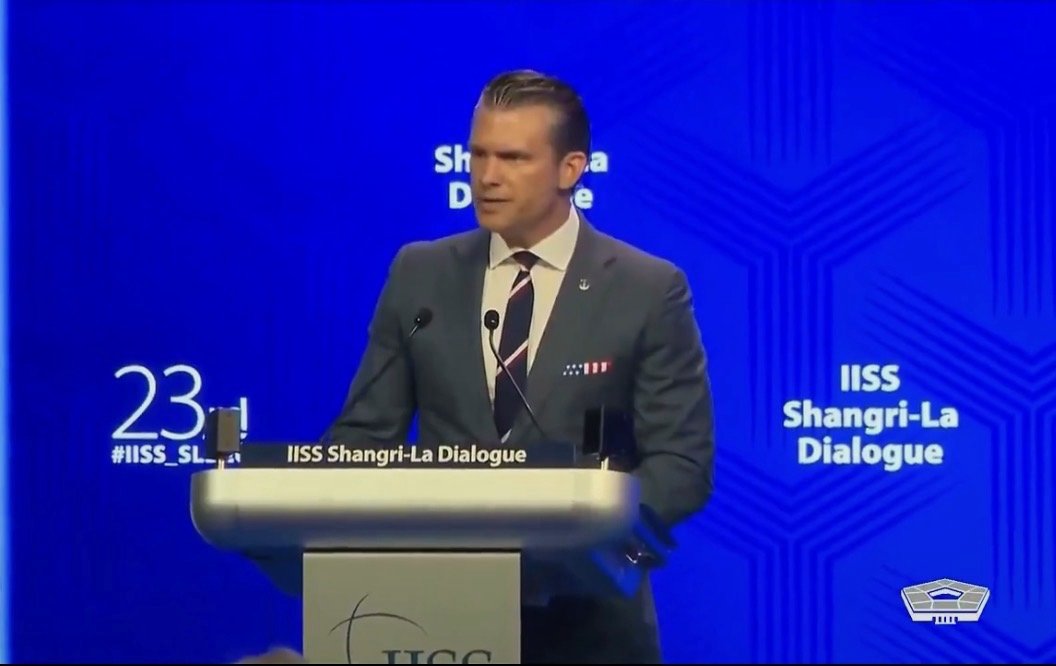
1/ Secretary Hegseth just delivered a seminal articulation of America’s strategy in the Pacific at the Shangri-La Dialogue – a “return to realism for the most consequential region in the world: the Pacific.” 1/
11
34
112
27,877
Doug Klain retweeted

May 30
Destroying this rare and critical component of Russia’s strategic submarine capabilities represents a meaningful contribution to the security of Europe and the United States.
May 30

Seems that one was actually a rare Tu-142MR communications relay aircraft for ballistic missile submarines.
10
224
1,192
65,792
May 29
Feels like the first time we’ve seen this kind of moral clarity from the US administration since January 2025.
May 29

The latest mass strikes against Kyiv by Russia are an inexplicable, dangerous and barbaric escalation. Deliberate attacks against civilians are obscene and unacceptable. The United States extends its deepest sympathies to all those affected. - Ambassador Tammy Bruce
1
8
417
May 26
Glad to be here in Warsaw with a bipartisan congressional staff delegation. We’ve met with a broad group of Polish officials to discuss the vital US interest in deterring further Russian aggression as well as the need to address this shared threat hand-in-hand with our allies.

Another congressional staff visit to Poland is underway!
Starting off in Warsaw, staffers got the chance to visit the Polish Sejm, meet with chairman of the Foreign Affairs Committee @pawelkowalpl_EN as well as visit some of Warsaw’s greatest sites.



11
50
2,891
Doug Klain retweeted

May 24
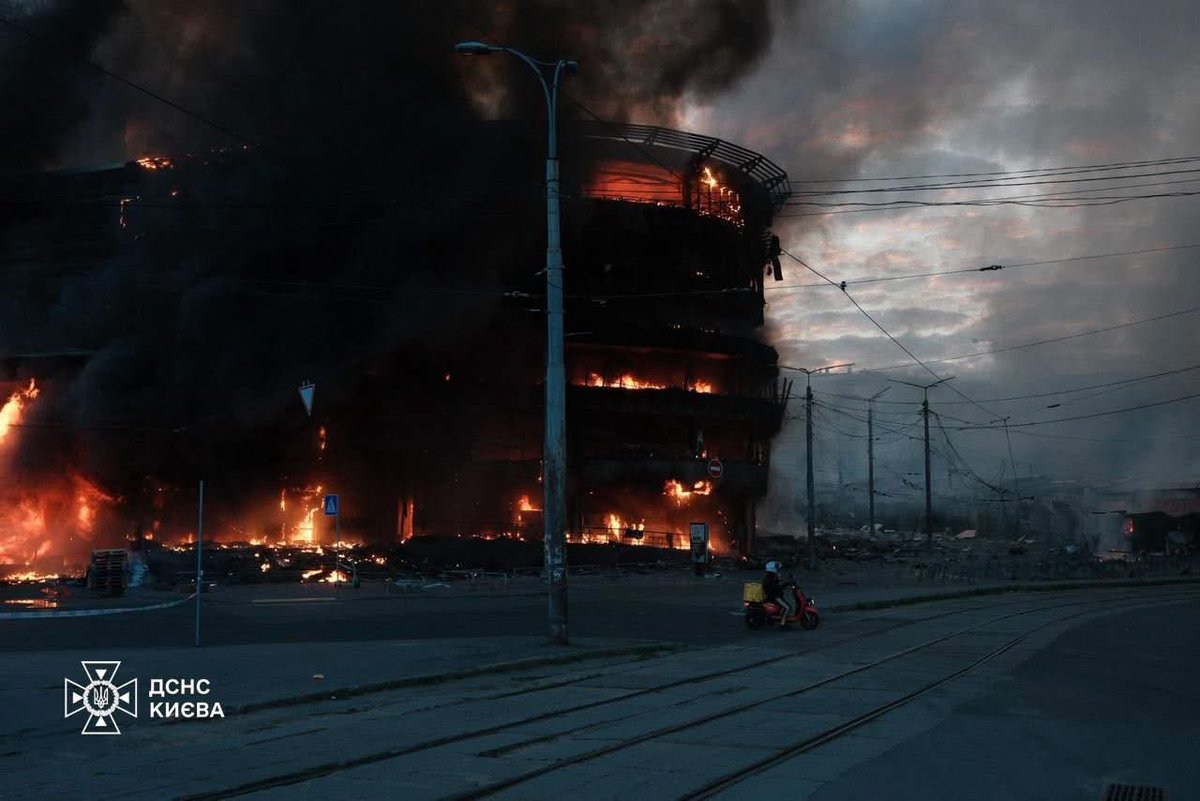
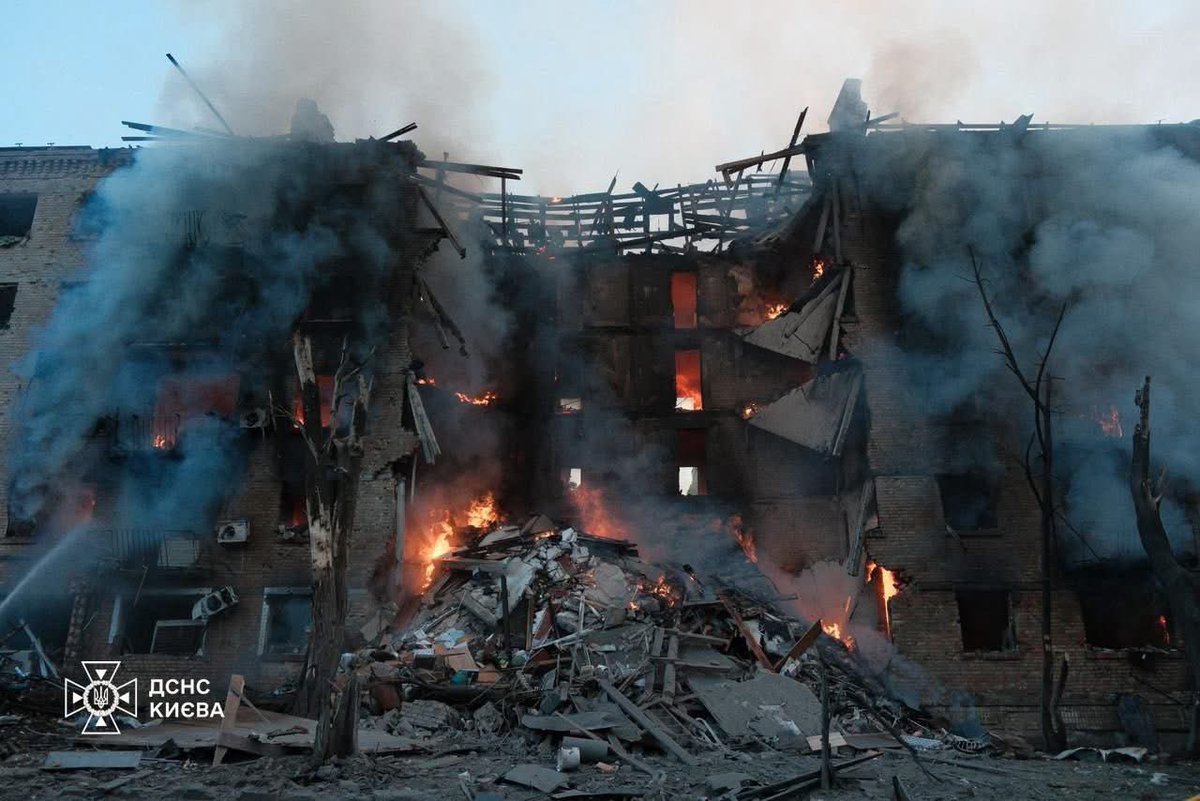
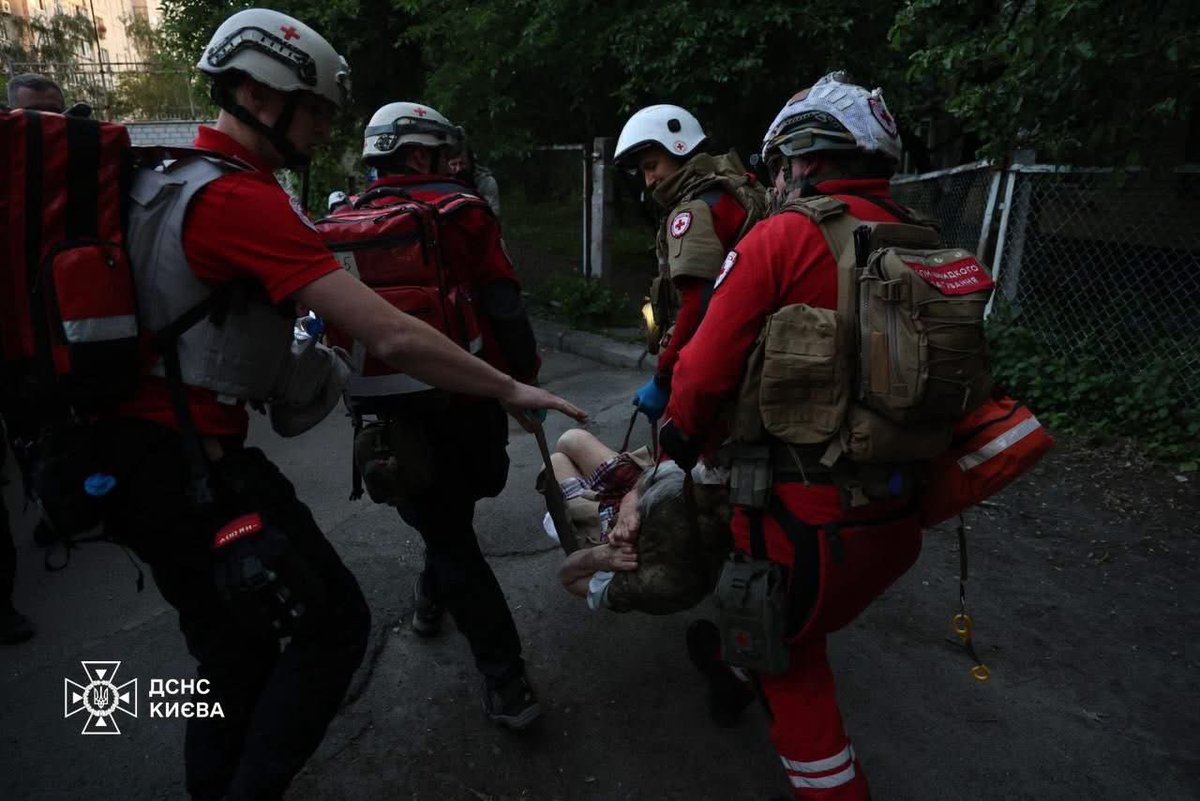
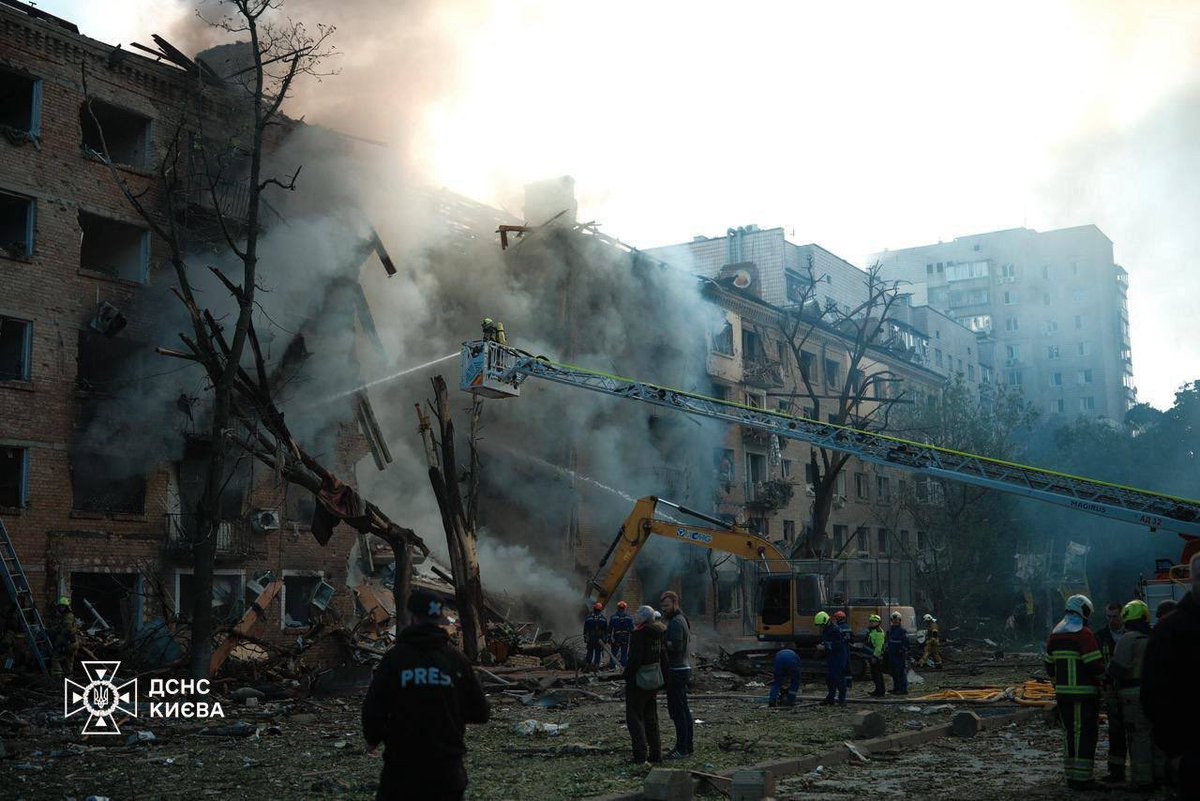
The whole infernal menu, including Oreshnik, was thrown at a European capital®ion, wave after wave, for 5 hours. Kyiv woke up heavily burning, wounded, but free.
Such attacks come from the agony of a failing aggressor running out of cards. This evil must be defeated for good.
5
32
67
1,711
May 21
They know they'll lose.
May 21
🚨HOUSE REPUBLICANS canceled a vote on a war power resolution seeking to curb trumps authority for hostilities against Iran.
They didn’t have the votes to defeat it.
2
4
759
Doug Klain retweeted

May 19
Secretary Bessent pledged not to extend sanctions relief to Russia—but yet again, the Administration is throwing Putin a lifeline when he needs it most.
We must force Russia to end its war on Ukraine and swiftly pass the Ukraine Support Act to sanction Russia and help our allies.

.@USTreasury is issuing a temporary 30-day general license to provide the most vulnerable nations with the ability to temporarily access Russian oil currently stranded at sea.
This extension will provide additional flexibility, and we will work with these nations to provide specific licenses as needed. This general license will help stabilize the physical crude market and ensure oil reaches the most energy-vulnerable countries.
It will also help reroute existing supply to countries most in need by reducing China’s ability to stockpile discounted oil.
20
114
421
10,614
May 19
Harrowing report that shows the daily horrors Russia is inflicting on Ukraine's people. Just as @npwcnn picks up a littered fiber optic cable to explain what it is, the buzzing of an attacking drone starts.
May 19

On a five-hour walk along eastern Ukraine's 'road of life', a CNN team came under attack 14 times by Russian drones.
Read/watch @npwcnn's dispatch on how the battlefield has been transformed by unmanned warfare.
👉 cnn.it/4ukhYiR
2
8
647
Doug Klain retweeted
May 14
Discharge Petition #8 will force a vote on the Ukraine Support Act. As Ukraine's forces continue liberating stolen territory, Liberty hangs in the balance. Our effort, 218 strong, shows bipartisan Congressional support for Ukraine's defense of Liberty.
103
363
1,652
20,375
Doug Klain retweeted

Launching the biggest aerial attack yet on Ukraine—1,623 drones and missiles—War Criminal Putin again proves he is not negotiating in good faith. We are working in Congress to help Ukraine defend itself and to pass urgent sanctions. We know Russia won't stop until it is stopped.

As of now, already 5 people have been reported killed in Kyiv as a result of last night’s Russian attack. My condolences to their families and loved ones. Around 40 people have been injured in the capital, and another 7 in the Kyiv region. There are already 28 injured in Kharkiv. And two people have been injured in the Odesa region. In total, 180 sites have been damaged across the country, including more than 50 ordinary residential buildings.
A search and rescue operation is still ongoing in Kyiv’s Darnytskyi district. Efforts continue to find people under the rubble. More than 10 people are reported missing. All necessary services are also operating in the Obolonskyi district. And recovery efforts are underway after Russian strikes in the Poltava region. Overall, more than 750 personnel of the State Emergency Service of Ukraine and nearly 750 police officers have already been engaged across the country to eliminate the consequences of the attack. I am grateful to all who help the rescuers and the police
Also, earlier today, during a humanitarian mission in Kherson, the Russians twice attacked a vehicle of the UN Office for the Coordination of Humanitarian Affairs with FPV drones, and the Russians could not have been unaware of which vehicle they were targeting. The Head of the UN Office for the Coordination of Humanitarian Affairs and eight other staff members were inside. Fortunately, no one was injured. The mission personnel have been evacuated.
Even so, a significant number of missiles and drones were shot down during these attacks – the overall interception rate is over 93%. Of course, it needs to be higher. And of course, the most difficult challenge is defending against ballistic missiles. I thank everyone who is helping us with this. There must be a just response to all these strikes. And pressure on Moscow must be such that they feel the consequences of their terror there. It is important that global sanctions against Russia remain in place. Russia’s accountability for this war, and our sanctions pressure, must work at full strength. And it is also very important that the world does not stay silent about this terror and stands with Ukraine.
6
16
34
2,184
Doug Klain retweeted

MORE: ISW is no longer prepared to forecast when Russian forces might seize Donetsk, including the Fortress Belt, since the slowing rate of Russian advances and the challenging nature of the Ukrainian-held terrain in Donetsk makes it unclear that Russia is capable of seizing the territory at all. ⬇️
Russia’s exaggerated territorial ambitions and aggressive territorial demands run completely counter to battlefield reality. Anonymous sources in contact with Putin and additional sources familiar with the matter as well as a Ukrainian intelligence assessment shared with FT indicate that senior Russian commanders have convinced Putin that Russian forces could seize all of Donetsk and Luhansk oblasts by Fall 2026. ISW has observed evidence to assess that Russian forces have only advanced 349.89 square kilometers in Donetsk Oblast since the start of 2026, an advance rate of 2.63 square kilometers per day.
Strong Ukrainian fortifications, the area’s challenging human and physical geography, and Ukrainian counterattacks and mid-range strike campaign that are already inhibiting Russian offensive operations across the theater make the prospects for a Russian seizure of the rest of Donetsk dim.
Russian forces first infiltrated into Kostyantynivka (the Fortress Belt’s southernmost city) in October 2025 and have failed to make any significant tactical gains in the city over the last six months. Ukrainian counterattacks in southern Ukraine since early 2026 have also forced Russia to choose between defending against Ukrainian counterattacks and allocating manpower and resources to priority sectors of the frontline, including the Fortress Belt.
Ukraine’s recent successes are accomplishing tactical, operational, and strategic battlespace effects that undermine Putin’s narrative that the Ukrainian frontlines are on the verge of collapse. Two people involved in back-channel negotiations over ending the war told the FT that Putin’s ambitions are still to control all the Ukrainian territory between Russia and the Dnipro River, and possibly farther into Kyiv City and the port of Odesa, despite Russia’s stalling offensive. Putin’s thinking thus appears to be further and further removed from battlefield realities, likely resulting in the issuance of orders to the Russian military to make gains that it is not capable of making.
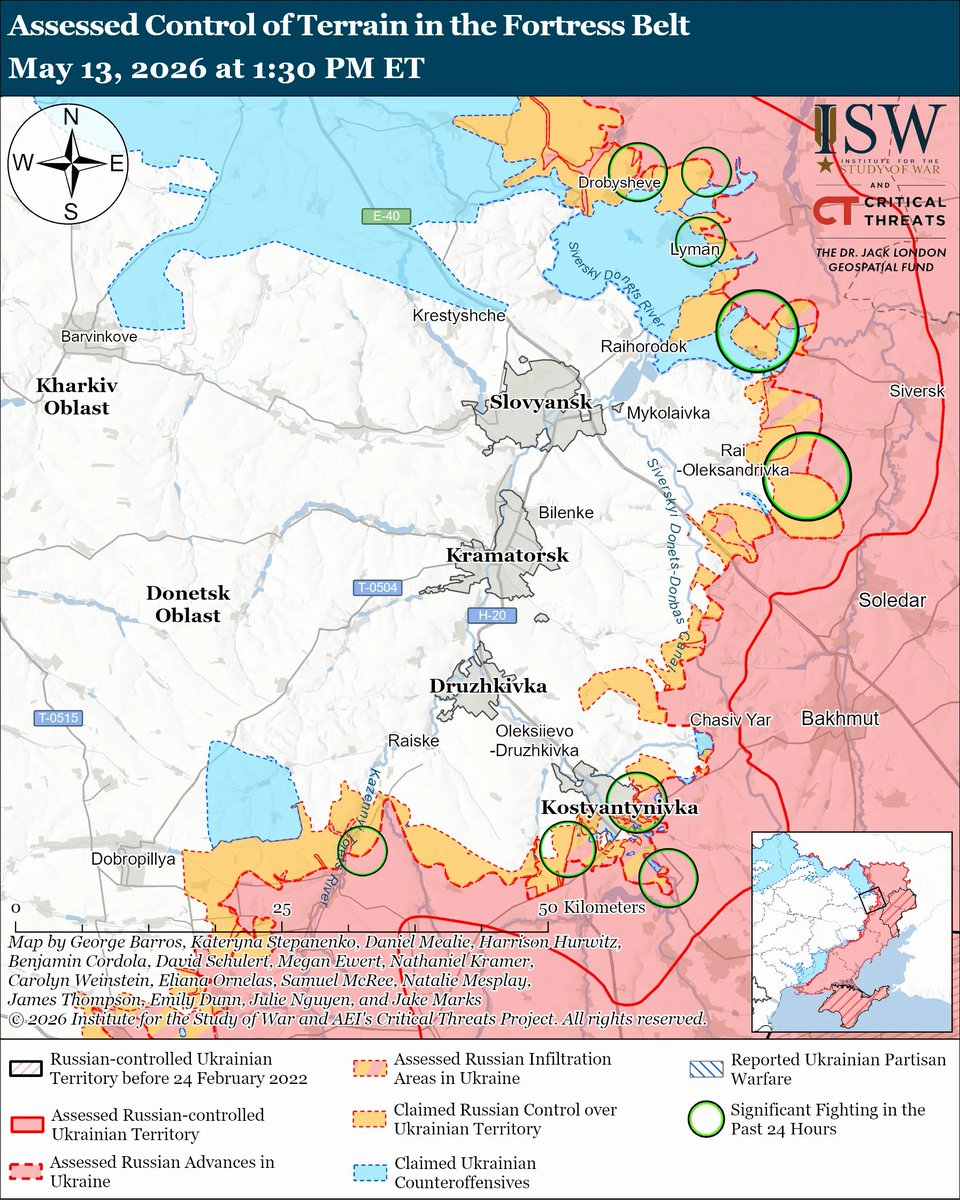

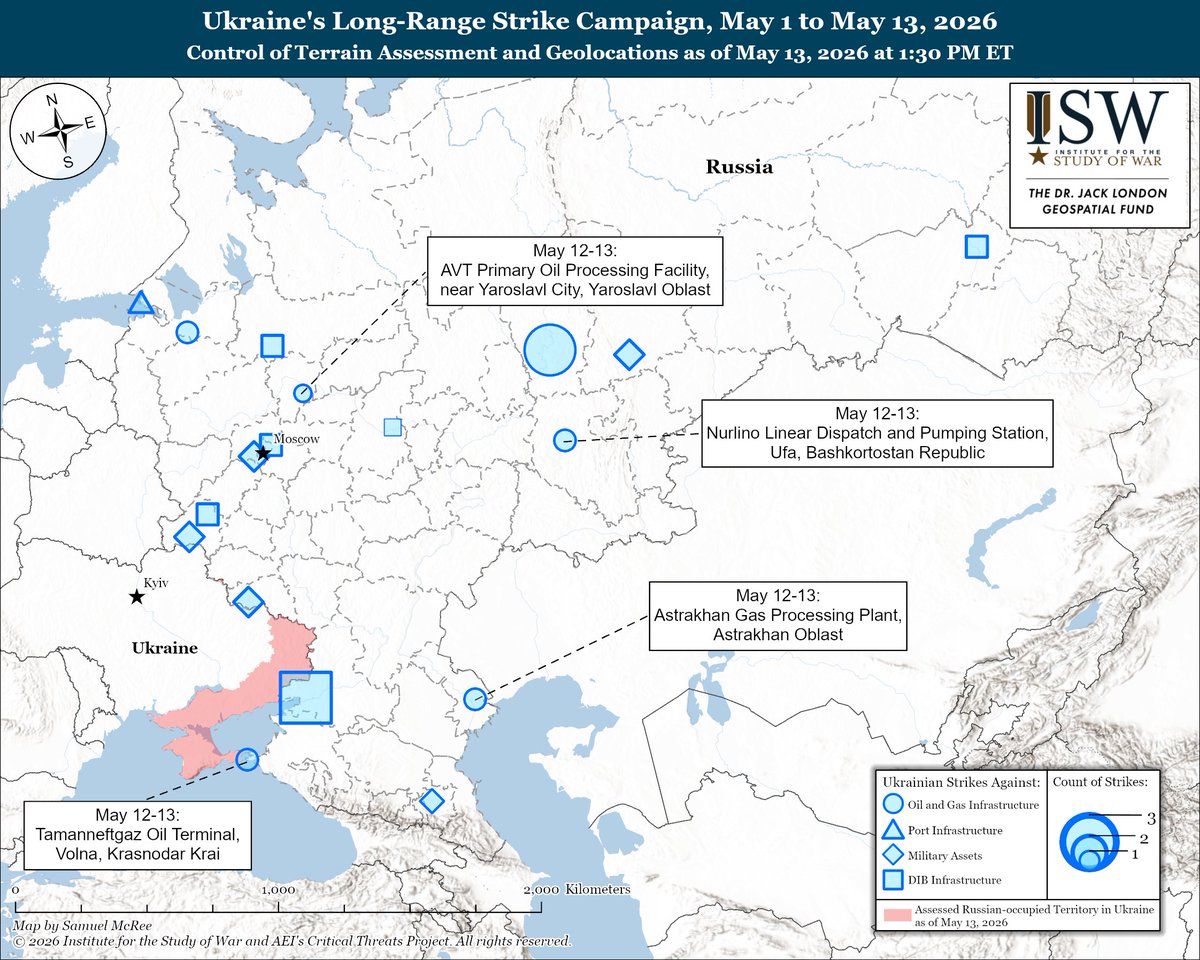
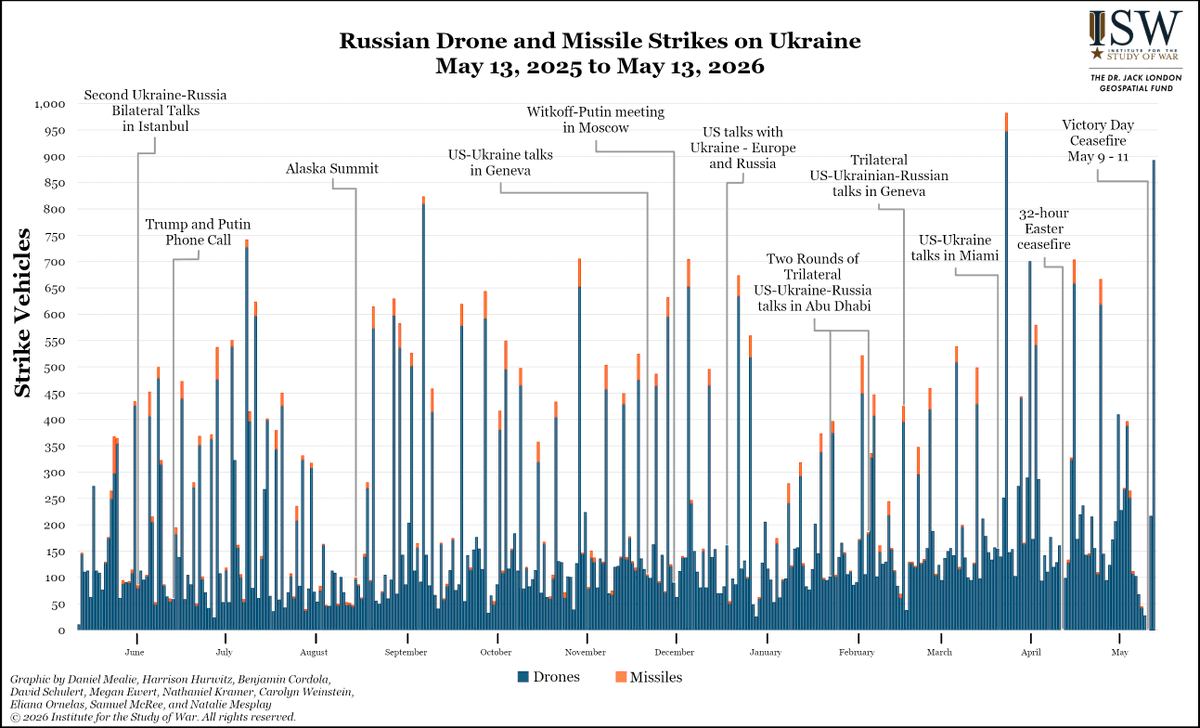
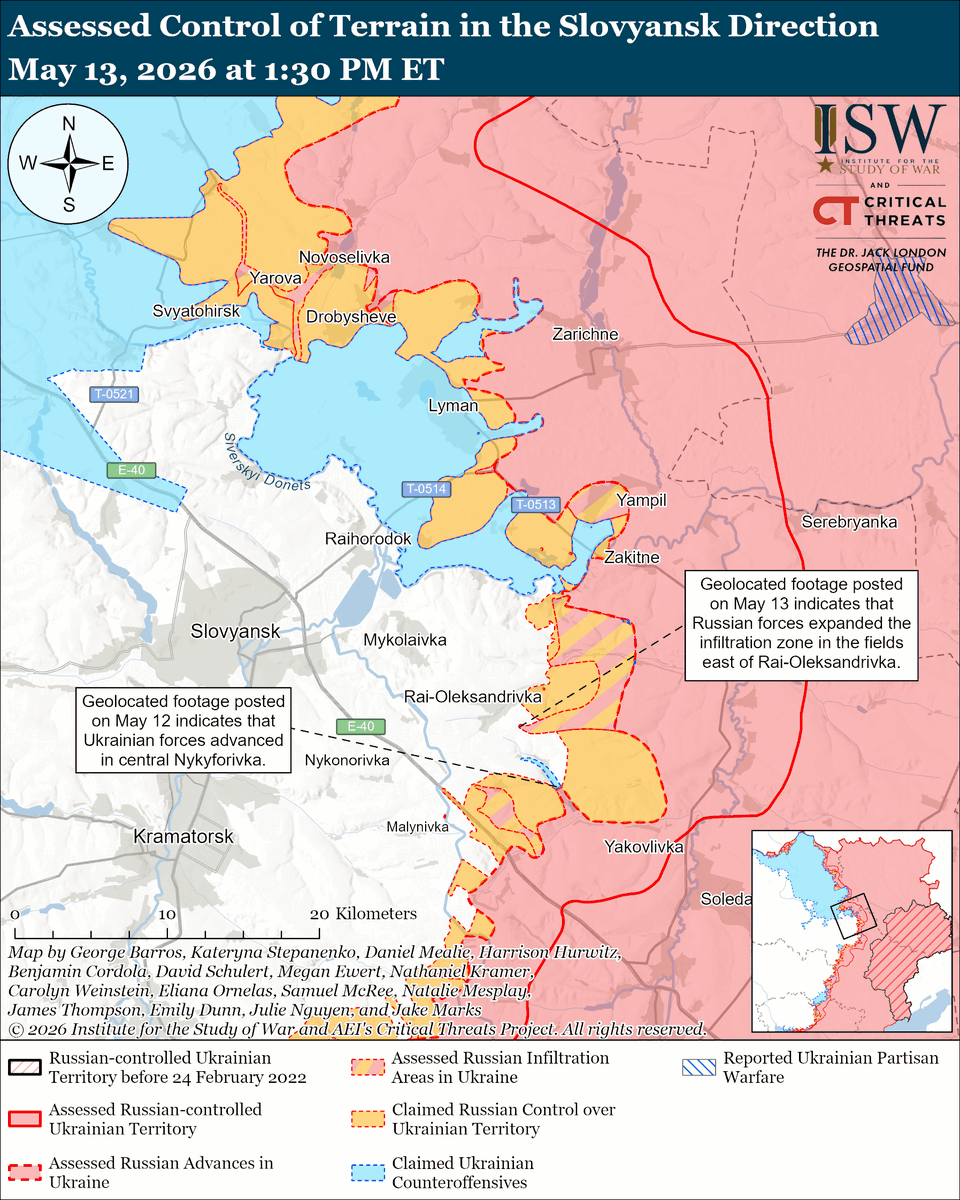
Russian Offensive Campaign Assessment, May 13, 2026
The Kremlin is doubling down on its demand that Ukraine withdraw from all of Donbas as a precondition for the resumption of negotiations.
Other Key Takeaways:
Russia’s exaggerated territorial ambitions and aggressive territorial demands run completely counter to battlefield reality.
US President Donald Trump said that he has not agreed with Putin that Russia should acquire all of Donetsk and Luhansk.
Russian courts are increasingly leveraging corruption charges as a pretext to nationalize Russia’s largest corporations, likely setting conditions for the broader nationalization of private assets to support state revenues.
Russian demands for cash reached an all-time high over Victory Day weekend, demonstrating rising societal fears over internet restrictions and tax policy.
Ukrainian forces continue to increase the range and frequency of their long-range drones strikes against Russian oil infrastructure, exploiting overstretched Russian air defenses.
Russian forces conducted large-scale drone strikes overnight on May 12 and throughout the day on May 13, killing at least six people.
The Russian State Duma passed a bill granting the Russian president powers for extraterritorial military operations to protect Russian citizens abroad, previously introduced on March 10.
Ukrainian forces recently advanced in the Slovyansk, Oleksandrivka, and Hulyaipole directions and in the Kostyantynivka-Druzhkivka tactical area.
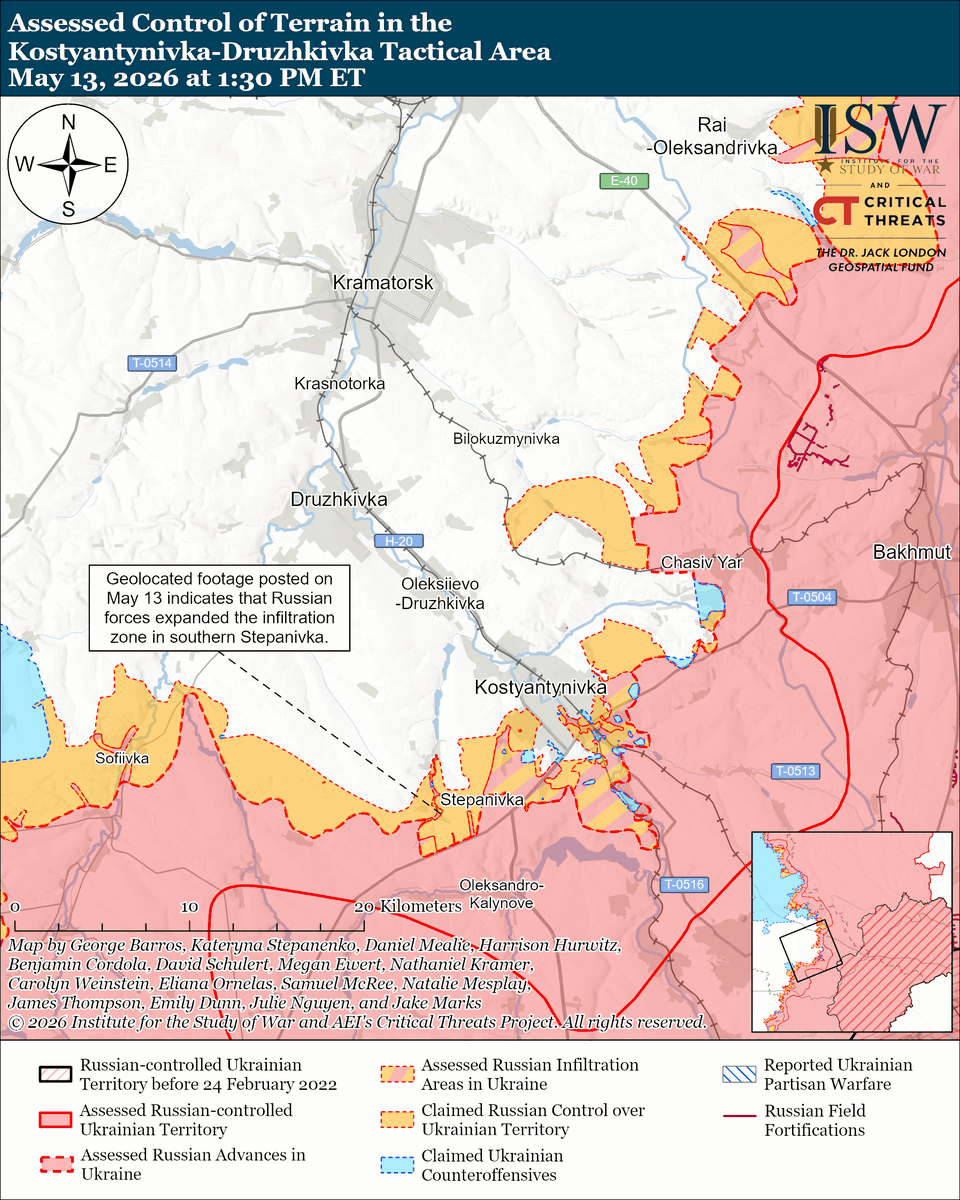
80
1,137
4,039
607,526
Doug Klain retweeted
May 14
Putin celebrated his parade undisturbed, thanks to Trump getting Ukraine to commit to a brief ceasefire, and now feels he can murder Ukrainians in their sleep with no restrictions.
May 14

🚨 A massive Russian air attack on residential neighborhoods in Kyiv. People are trapped under the rubble, the number of victims is still unknown. Putin launched this attack while Donald Trump is visiting China.
63
547
1,201
55,248
May 13

Joint statement from @RepGregoryMeeks, @RepStenyHoyer, @RepBrianFitz, @RepMarcyKaptur, @RepDonBacon, @USRepKeating and @RepKiley on securing the final signature needed to compel a vote on the House Floor of the Ukraine Support Act:

1
5
306
Doug Klain retweeted

May 12
I don't know of any dictatorships where independent anti-corruption agencies can charge the president's chief of staff and cause other corrupt cronies to flee the country in fear of accountability.

⚡️Breaking: Zelensky's former second-in-command, Yermak, charged in major corruption probe
Yermak has been under investigation in a probe into a $100 million corruption scheme centered around the state nuclear monopoly Energoatom.
kyivindependent.com/breaking…
9
70
790
17,460