
Joined April 2022
- Tweets 1,276
- Following 200
- Followers 335
- Likes 2,645
92 Photos and videos



Pinned Tweet

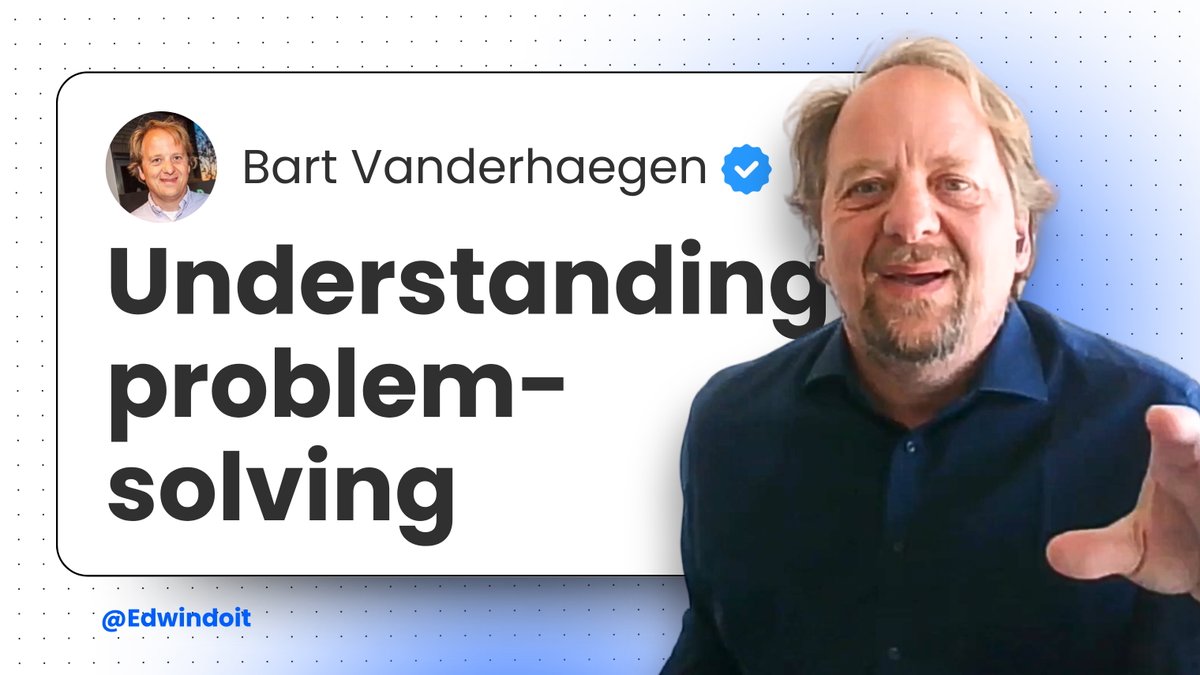
Jan 24
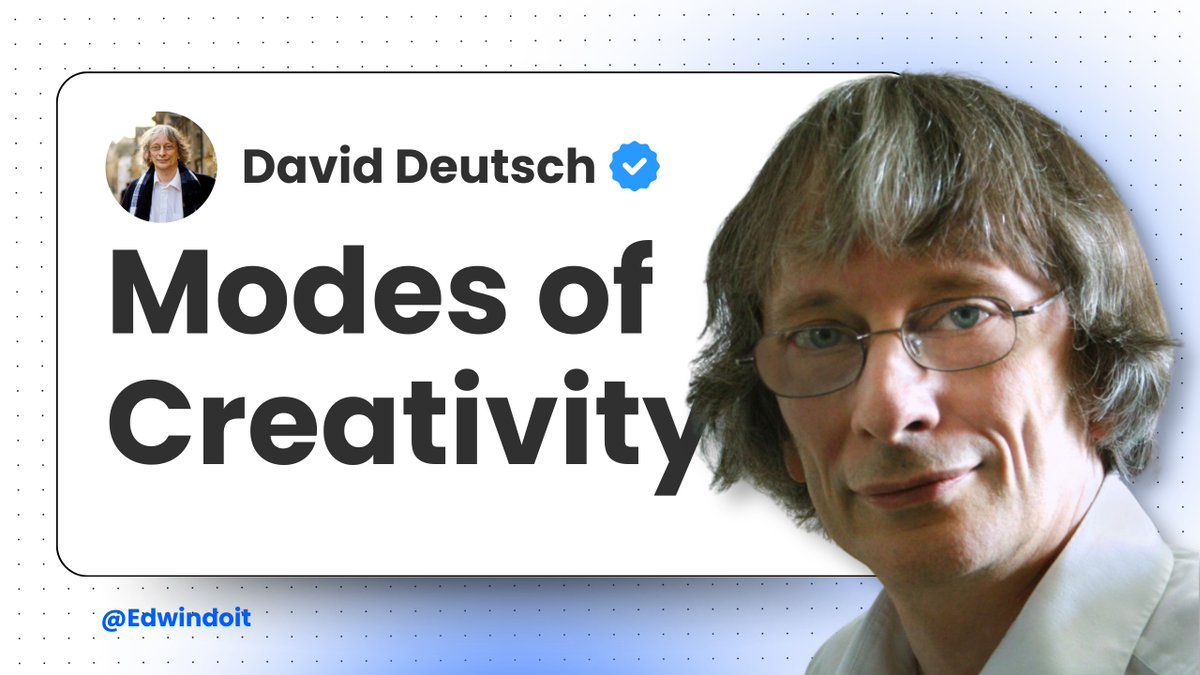
This week I had the pleasure of being joined by @DavidDeutschOxf to explore the intricacies of creativity, the self, the mind, and of course, the Fun Criterion.
youtu.be/e7CrXqUcqzs
15
26
188
31,130
Jun 13
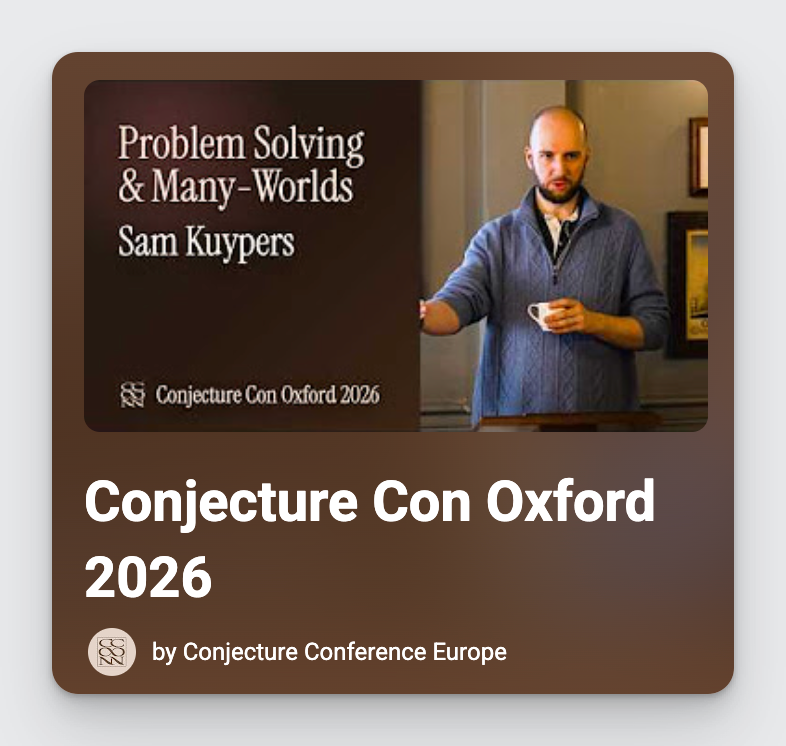
Stoked that the videos are coming out and really happy with the results!
If you weren’t able to make it to Oxford in 2026, be sure to check out the videos here, and join the email list for next year at conconeurope.com.

The first 4 talks from Conjecture Con Oxford 2026 are now live on our YouTube channel!
Subscribe to stay up to date on new releases: youtube.com/playlist?list=PL…
1
5
122
Edwin retweeted

May 26
First, GLP-1s. Now this.
Others will soon follow.
Don’t Die is the sunrise on the horizon.
May 25

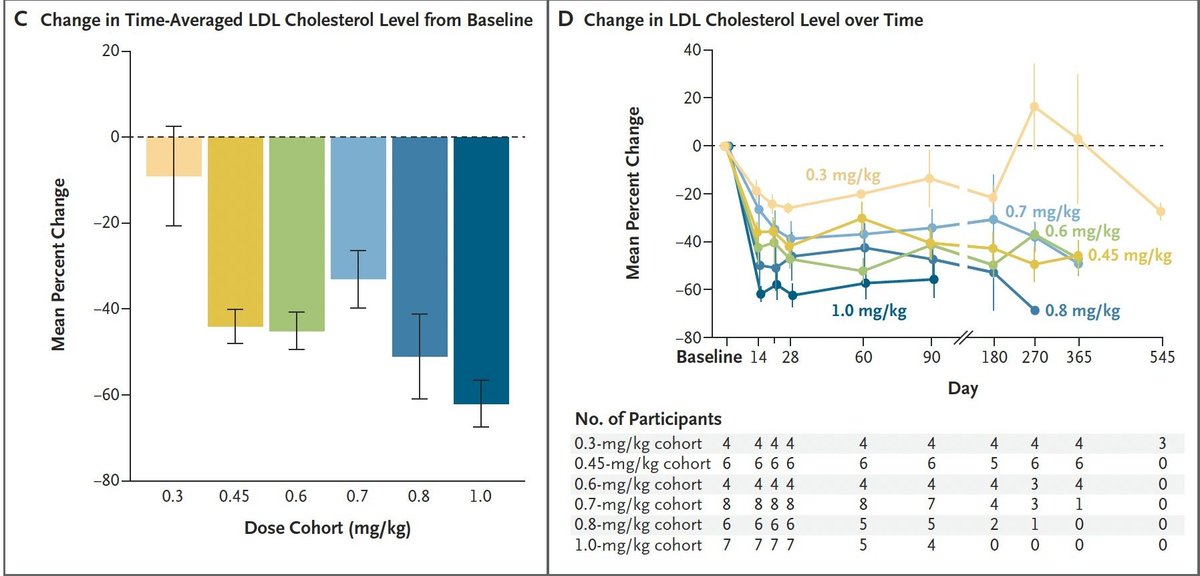
Eli Lilly has done it.
They've gone and made what seems to be a powerful, permanent gene therapy for LDL cholesterol.
That means they'll be able to effectively prevent most heart disease with a single infusion!
147
162
4,165
617,305
Edwin retweeted

Inside the Intellectual Hive: Conjecture Conference, Oxford 2026.
(Partner: Conjecture Institute)
A brief visual glimpse of the conference atmosphere — the talks, informal exchanges, and good company around them.
The full professional recordings of all talks and discussions are expected soon.
@reasonisfun @DanGMartin1 @MartvMegen @maxdesalle @Brigadirk @Edwindoit @Sam_kuyp @FitzClaridge @Ankreijenbroek @Code_of_Kai @DKedmey @dela3499 @ChipkinLogan @maria__violaris
4
2
25
867
May 3
Generally, it’s a mistake to wait for the “simple one-click setup” or “consumer friendly” version of whatever AI assisted productivity tools you’re considering trying, whether that’s OpenClaw, Hermes, or the next shiny thing.
The whole point of LLM-assisted tools is that they are composable and customizable. To truly benefit from AI’s ability to extend your reach and productivity, you need a working understanding of how your systems and tools are structured. Own your data model on your device, use open-source applications, understand the architecture of your project, set up the basic networking, and investigate what’s going wrong when bugs occur.
That is how you actually benefit from frontier AI. When a better model arrives, you’re not stuck waiting for a vendor to productize it. You already understand your own system well enough to know what to ask, what to automate, and where the model can give you leverage. And you’ll also know when a new tool or model is irrelevant to your system, and you can simply skip it.
In a sense, this is nothing new. It has always been better to take the sovereign, boutique approach to software, but the bottleneck used to be the complexity and time required to build your own tools. Before 2026, it wasn’t possible for the average person to build their own tools to exactly their liking, so they had to rely on big vendors and app makers: your Notions, ClickUps, and the like. But now, in a single weekend, you can build most of the systems and functionality you need.
Create, don’t wait.
3
142
Apr 27
Local data ownership is a massive unlock.
Once your data lives on your device, you:
- Can build exactly the tools you want (e.g. with Claude Code / Codex)
- Have no dependence on product decisions of others
- Reduce external attack surface: no always-online backend; data stays local and under your control
I’m moving my productivity system (KEE) from Notion → local Markdown Obsidian, and automating everything around it.
2
5
230
Apr 27
Best yet: whenever a new AI model is released, you can instantly update and enhance your apps instead of being locked into yet another app or vendor. The data and its structure are now the core, no longer the app’s features
2
125
Apr 27
Can’t wait! If you can’t attend, video recordings of all the talks will be available online for free. You can find the speaker lineup here: conconeurope.com

We hope everyone has a wonderful at Conjecture Con Europe in a couple weeks!
Some talks by Conjecture Institute Fellows at the event:
@Ray_S_Percival - Why False Ideas Persist Among Rational Agents: The Paradox of "Bertrand Russell Island"
@maxdesalle - Venetian Doges, Futarchy, and Error-Correcting Governance
@Sam_kuyp - How the Popperian idea of a problem situation and problem solving has guided my research, with examples
@maria__violaris - Is it possible to communicate across the quantum multiverse?
@tomhyde_ - An Aesthetic Theory of Romance
There will also be a Q&A session with Advisor @DavidDeutschOxf 🥳
Thanks to organizers @Brigadirk, @DanGMartin1, @Edwindoit, @AmaroKoberle, & @_prashan7h for your hard work on this.

1
7
211
Edwin retweeted

We hope everyone has a wonderful at Conjecture Con Europe in a couple weeks!
Some talks by Conjecture Institute Fellows at the event:
@Ray_S_Percival - Why False Ideas Persist Among Rational Agents: The Paradox of "Bertrand Russell Island"
@maxdesalle - Venetian Doges, Futarchy, and Error-Correcting Governance
@Sam_kuyp - How the Popperian idea of a problem situation and problem solving has guided my research, with examples
@maria__violaris - Is it possible to communicate across the quantum multiverse?
@tomhyde_ - An Aesthetic Theory of Romance
There will also be a Q&A session with Advisor @DavidDeutschOxf 🥳
Thanks to organizers @Brigadirk, @DanGMartin1, @Edwindoit, @AmaroKoberle, & @_prashan7h for your hard work on this.
2
12
55
2,838
Edwin retweeted
1
2
15
2,270
Edwin retweeted

Merz has called for the systematic review of all EU legislation.
That's over 140,000 regulations.
Knowing the EU, that will take over 140,000 days.
So, I made bettereu.com where Grok 4.1 will review every document since 1958 -> 2025.
Feb 11

Germany's Merz:
We must deregulate every sector. I call for a “regulatory clean slate.”
Minor corrections to laws are not sufficient. We need to systematically review the whole set of existing EU legislation.
239
508
4,250
327,434
Edwin retweeted

Your brain also didn't evolve to do calculus. Yet here we are.
Evolution explains how we got here. It doesn't explain what we're capable of now that we're here.
Every generation thought its information environment was uniquely overwhelming. The printing press. The telegram. The 24 hour news cycle.
The answer was never less data. It was better thinking.
You're not a caveman drowning in a data storm.
You're a universal explainer who was never taught to reason.
That's a solvable problem.
2
12
80
4,859
Feb 20
I’m curious about modern AI-assisted writing workflows. What tools excel at copy-editing and maintaining style consistency? Right now I use AI to generate examples and tighten prose, but I lack coherent prompt structure or native-app experience.
2
1
162
Feb 15
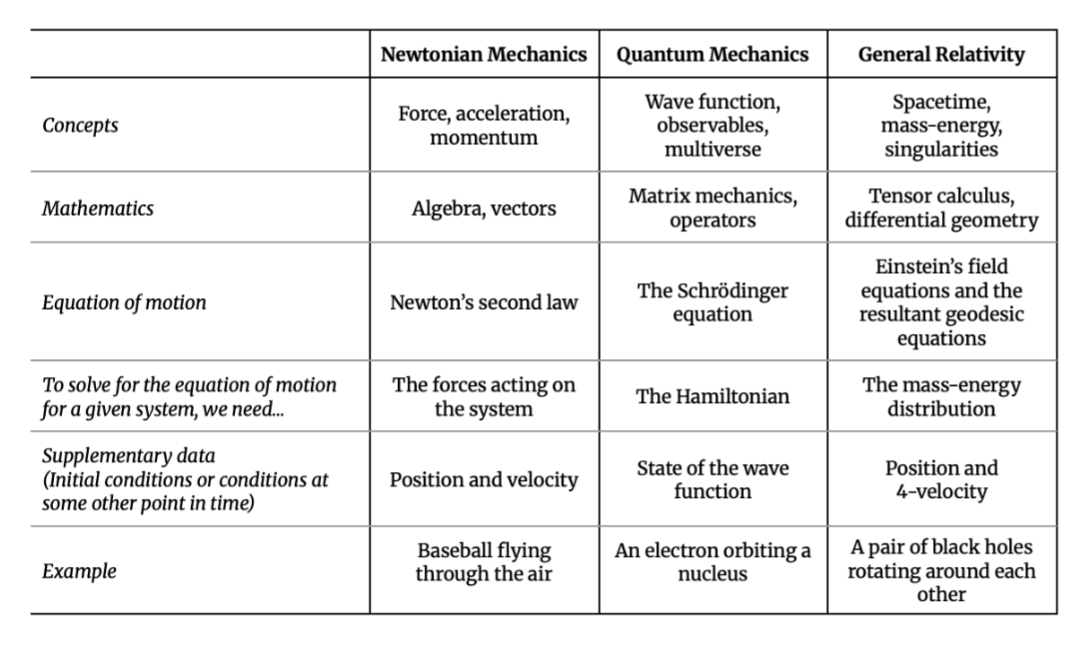
This first module gives a clear account of the prevailing conception of physics and its explanatory power, while also exposing a key limitation.
A preview of the type of problem Constructor Theory aims to address in the modules to come.
8
504
Feb 15
I’ve been digging deeper into the nature of the self and tried to condense my current view into one working model — largely based on the ideas of Deutsch and Popper. It will evolve as I learn more.
Criticism and comments are very welcome:
edwindoit.com/writing/thesel…
3
3
19
883

Me @ToKTeacher, @ReidN, @astupple, @tomhyde_, @Falliblemusings, @tomas_no_h, @ZakeryMizell, @Edwindoit and more did a tribute to @DavidDeutschOxf whose ideas have changed my world.
progreshion.blog/p/why-you-s…
2
16
75
13,994
Feb 10
Michael Levin’s work on bioelectric knowledge is fascinating, and it’s great to see it getting broader attention.
This episode rightly focuses on the many epistemological mistakes involved, but I’m especially interested in hearing Brett explore the implications of knowledge being encoded in bioelectric patterns rather than only in genes.
Practically speaking, this opens up an entirely new line of research, one that is already showing promising results in animal studies for correcting specific developmental defects, promoting limb and organ regeneration, and influencing tumor-like growth in preclinical models. I hope this will be explored in more depth in the next Tim Ferriss episode Bret plans to discuss.
Feb 9

Reacting to @drmichaellevin, Part 1: Categories and continuums.
In this part I am reacting to a small part of his second interview with @lexfridman.
10
665
Jan 24
This week I had the pleasure of being joined by @DavidDeutschOxf to explore the intricacies of creativity, the self, the mind, and of course, the Fun Criterion.
youtu.be/e7CrXqUcqzs
15
26
188
31,130
Feb 9
Feb 9

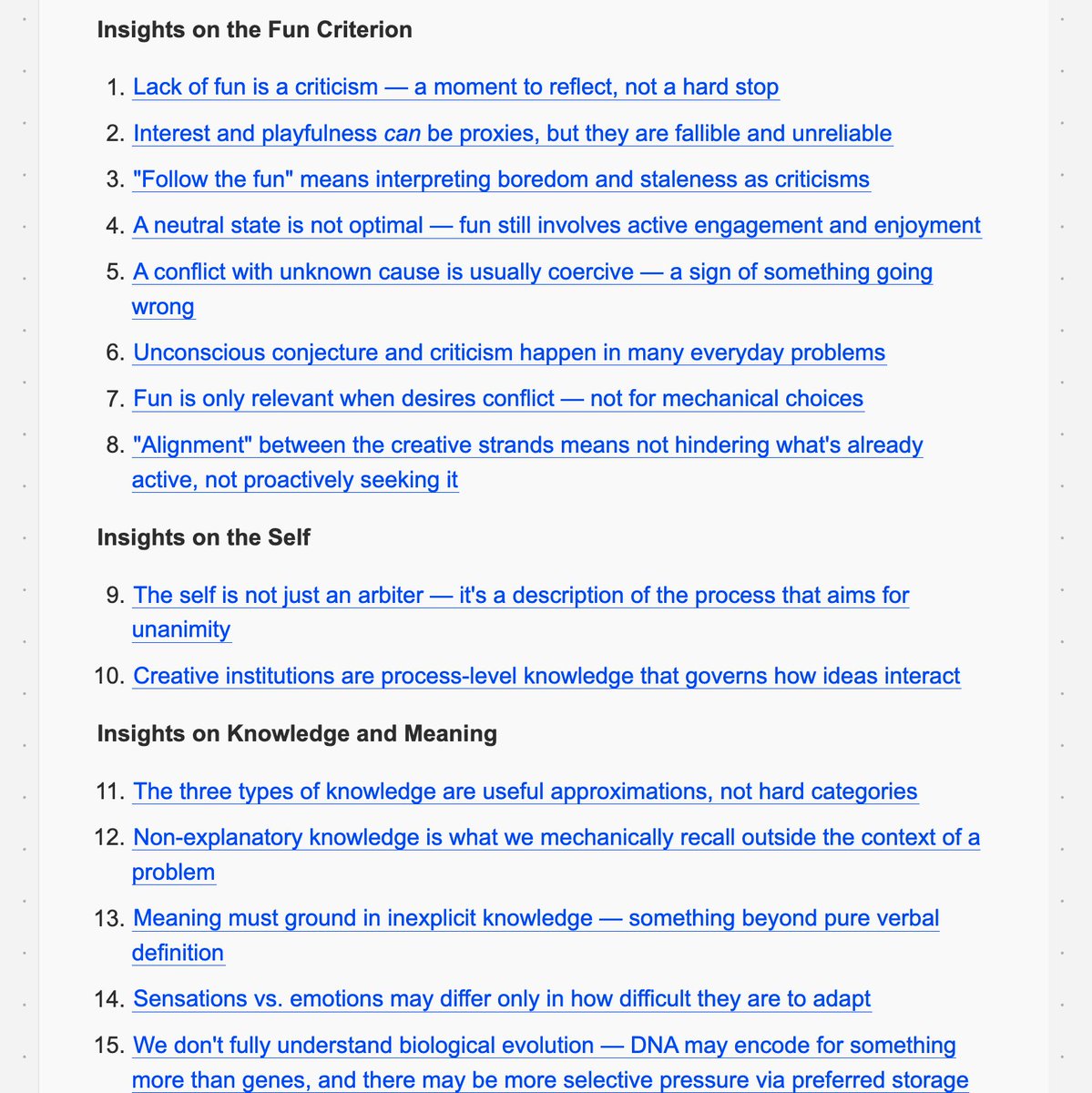
I took some time to reflect and write up what I learned from my conversation with @DavidDeutschOxf
I distilled it into:
- 8 insights on the Fun Criterion,
- 2 on the Self,
- and 5 on knowledge and meaning.
Read them all here: edwindoit.com/writing/15thin…
1
92
Feb 9
I took some time to reflect and write up what I learned from my conversation with @DavidDeutschOxf
I distilled it into:
- 8 insights on the Fun Criterion,
- 2 on the Self,
- and 5 on knowledge and meaning.
Read them all here: edwindoit.com/writing/15thin…
6
7
65
1,897