Center for Prostate Disease Research @cpdr_labs @usuhealthsci @wrnmmc_dha @nciccr_gmb #epigenetics #plasticity #immunity #therapy #GUcancers tweets=mine 🇦🇺😷
Joined July 2014
- Tweets 8,201
- Following 3,552
- Followers 4,029
- Likes 31,343
403 Photos and videos

EllisLab_ retweeted

May 31
#PROTEUS trial: Neoadjuvant apalutamide and androgen deprivation therapy in high-risk localized #ProstateCancer. Mary-Ellen Taplin, MD @DanaFarber joins @TDorffOnc @cityofhope to discuss the results. Pathologic complete response of five millimeters or less of residual tumor occurred in 9% of the apalutamide arm vs 1% with placebo; favorable residual cancer burden was achieved in 30% vs 11%, with an odds ratio of 3.3. The study showed that metastasis-free survival favored apalutamide with a hazard ratio of 0.8, and patients receiving apalutamide required 30% less postoperative radiation. #WatchNow on UroToday > bit.ly/3RCNnhX #ASCO26
1
7
36
4,028
EllisLab_ retweeted

May 24
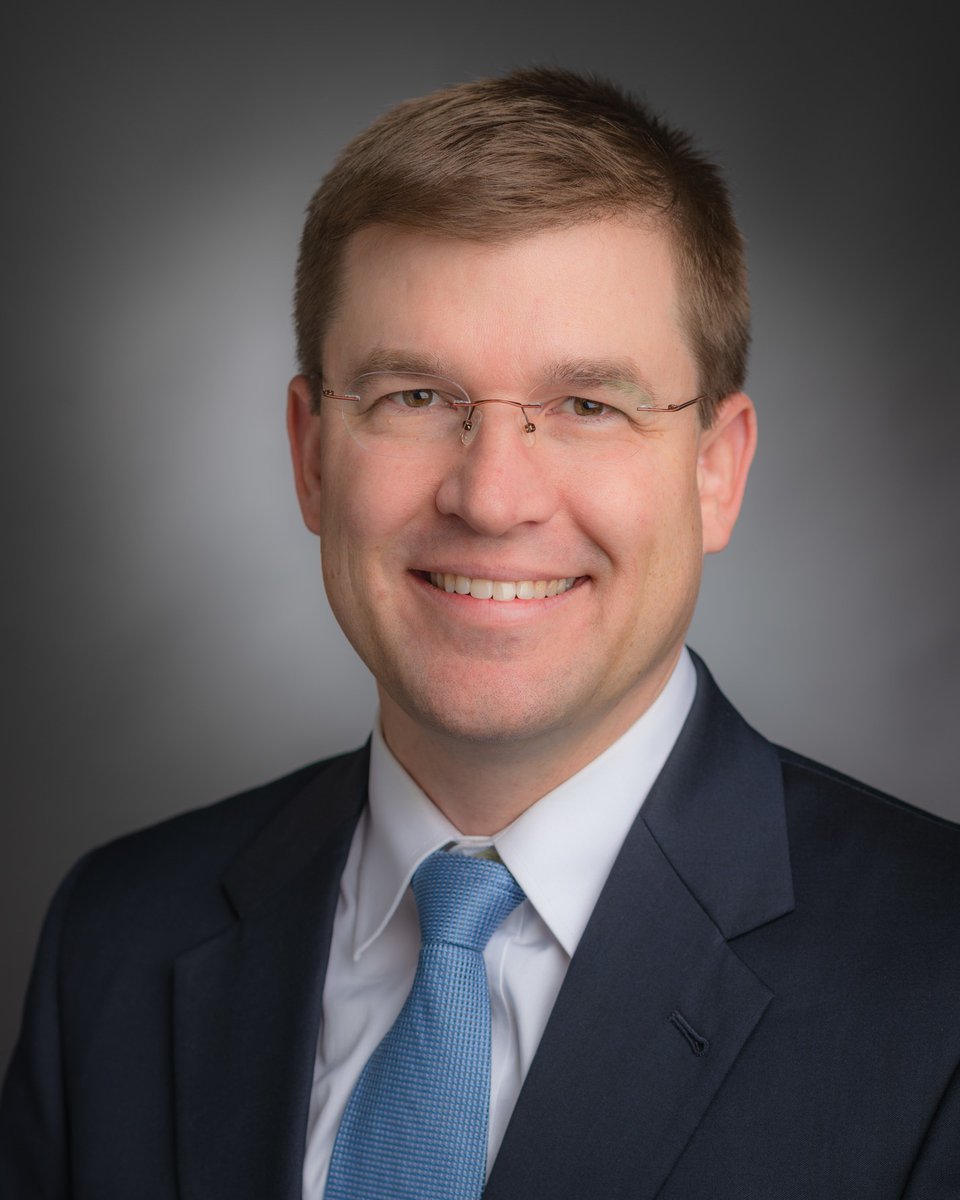
Andrew Lane, MD, PhD, recently assumed the role of Chief, Division of Hematologic Neoplasia. We look forward to the continued growth and success of the division under his leadership. Please join us in congratulating him on this new role.
11
9
107
6,549
EllisLab_ retweeted

May 20
This #ClinicalTrialsDay, we’re honored to share Mercedes’ story.
“When I heard clinical trial, I got very excited,” she says. “I felt like this could be something that not only helps me, but helps so many others.”
2
5
539
EllisLab_ retweeted

May 20
We are hiring! We are specifically looking for a postgraduate associate - someone who has recently finished university and is ultimately looking to apply to medical school or graduate school.
It is a TWO YEAR clinical/translational position, where you will be interacting closely with patients, involved in translational clinical trials, and working hands on in the lab and with clinical databases.
The ideal candidate is a great communicator, organized, and enthusiastic about patient-oriented clinical and lab research. You will get dedicated mentoring not just on the science and clinic, but also on career/professional development as well.
We are looking for someone to start ASAP! More information here:
postdocs.yale.edu/posts/2026…
Please help to spread the word and RT!
@DrChoueiri @VanAllenLab @tompowles1 @YaleCancer @YaleMed @SmilowCancer @kidneycan @OncoAlert @OncLive @KidneyCancer @A_P_S_A @cure_today @yalepathology @Yale_Urology @DrYukselUrun @MarkDSiegel1 @OncBrothers @DrKarineTawagi
6
63
191
37,099
EllisLab_ retweeted

Apr 21
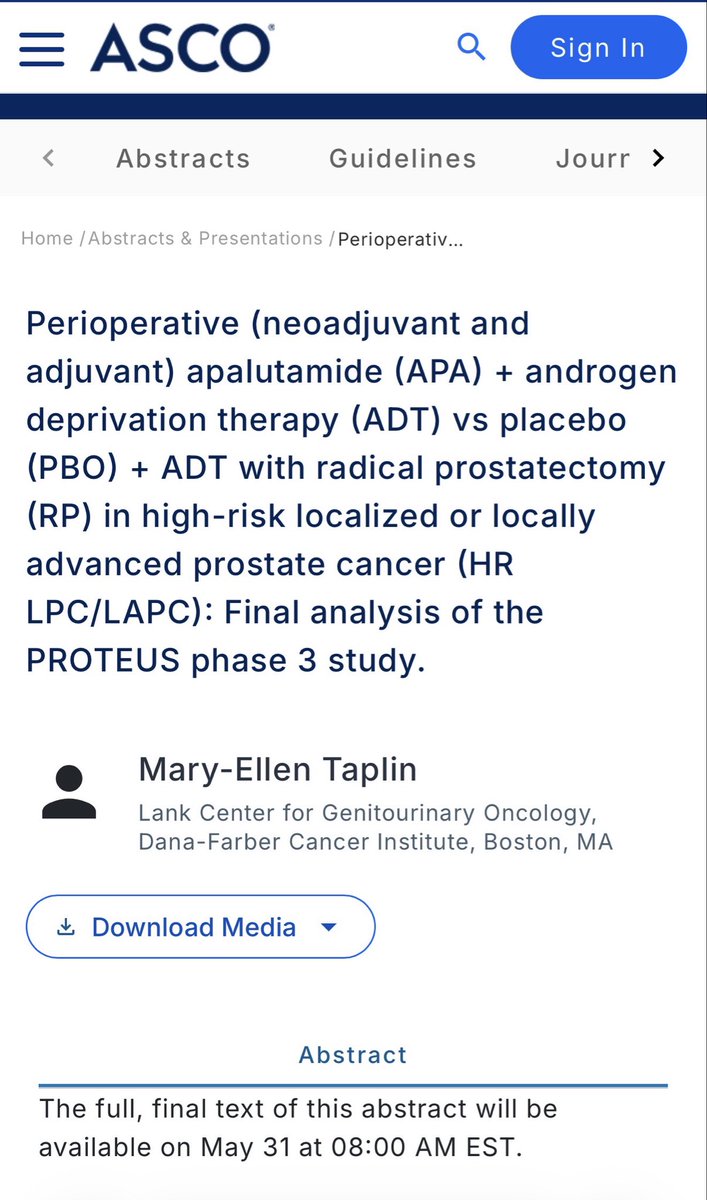
LBA1/Plenary #ASCO26: PROTEUS trial
Perioperative apalutamide ADT vs. placebo ADT with radical prostatectomy in HR localized or locally advanced PC
Our very own #DrMaryEllenTaplin from @DanaFarber_GU will take the stage at #ASCO26 and present phase 3 PROTEUS trial. This is a key multimodal treatment question and could shift the paradigm on how we think about systemic therapy in the perioperative setting. Dr Taplin has worked on countless Neoadjuvant Strategies in prostate cancer and it is rewarding to see her work materialize at the big stage !
@DanaFarber @DanaFarber_GU @ASCO @OncoAlert

6
45
114
13,008

May 12
Congrats @charlesrudin well deserved 👏🏼👏🏼👏🏼👏🏼
May 12

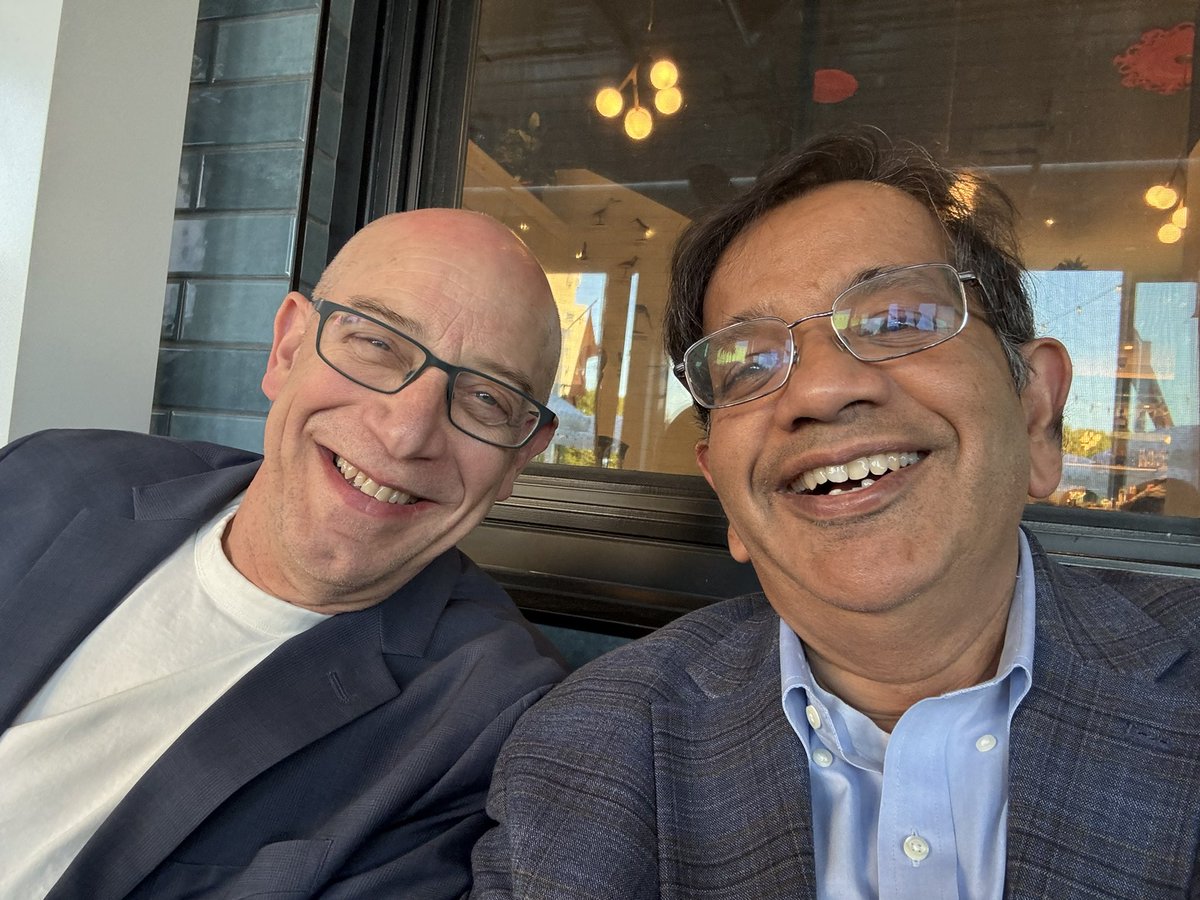
Congratulations to @charlesrudin the NEW Cancer Center Director at @MSKCancerCenter (just announced a few hours ago!)
Happy to be at the NYC corner of the Cancer Center Directors’s dinner in DC.
@rosslevinemd
3
525
EllisLab_ retweeted

May 5
Excited to share our @natgenet.nature.com study showing that epigenetically rewired transposable elements control AML leukemia stem cell properties and patient outcome.
Grateful to the team & collaborators. nature.com/articles/s41588-0…
5
35
154
9,841
May 4
It took us a while to convince our clinical colleagues but very happy to see science converted to trial on this one. Bring home the win for PCa patients 🤞🏼👏🏼🤞🏼👏🏼
May 4

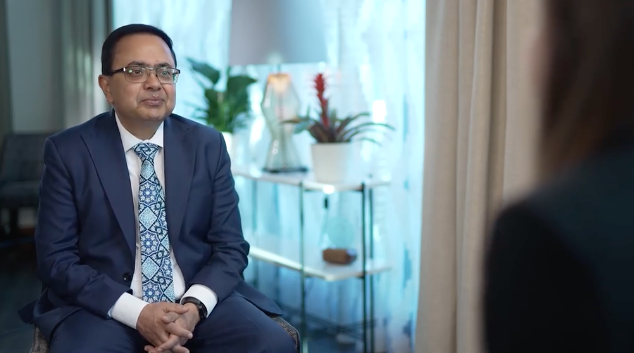
MEVPRO-3 trial: Testing EZH2 inhibition in first-line metastatic hormone-sensitive #ProstateCancer. @neerajaiims @huntsmancancer joins @TDorffOnc @cityofhope to discuss this phase III trial testing ADT enzalutamide vs ADT enzalutamide the EZH2 inhibitor mevrometostat, aiming to keep tumors dependent on AR signaling. #WatchNow on UroToday > bit.ly/4swwBOB #mHSPC
3
9
1,186
EllisLab_ retweeted
May 4
MEVPRO-3 trial: Testing EZH2 inhibition in first-line metastatic hormone-sensitive #ProstateCancer. @neerajaiims @huntsmancancer joins @TDorffOnc @cityofhope to discuss this phase III trial testing ADT enzalutamide vs ADT enzalutamide the EZH2 inhibitor mevrometostat, aiming to keep tumors dependent on AR signaling. #WatchNow on UroToday > bit.ly/4swwBOB #mHSPC
3
4
17
3,789
Apr 29
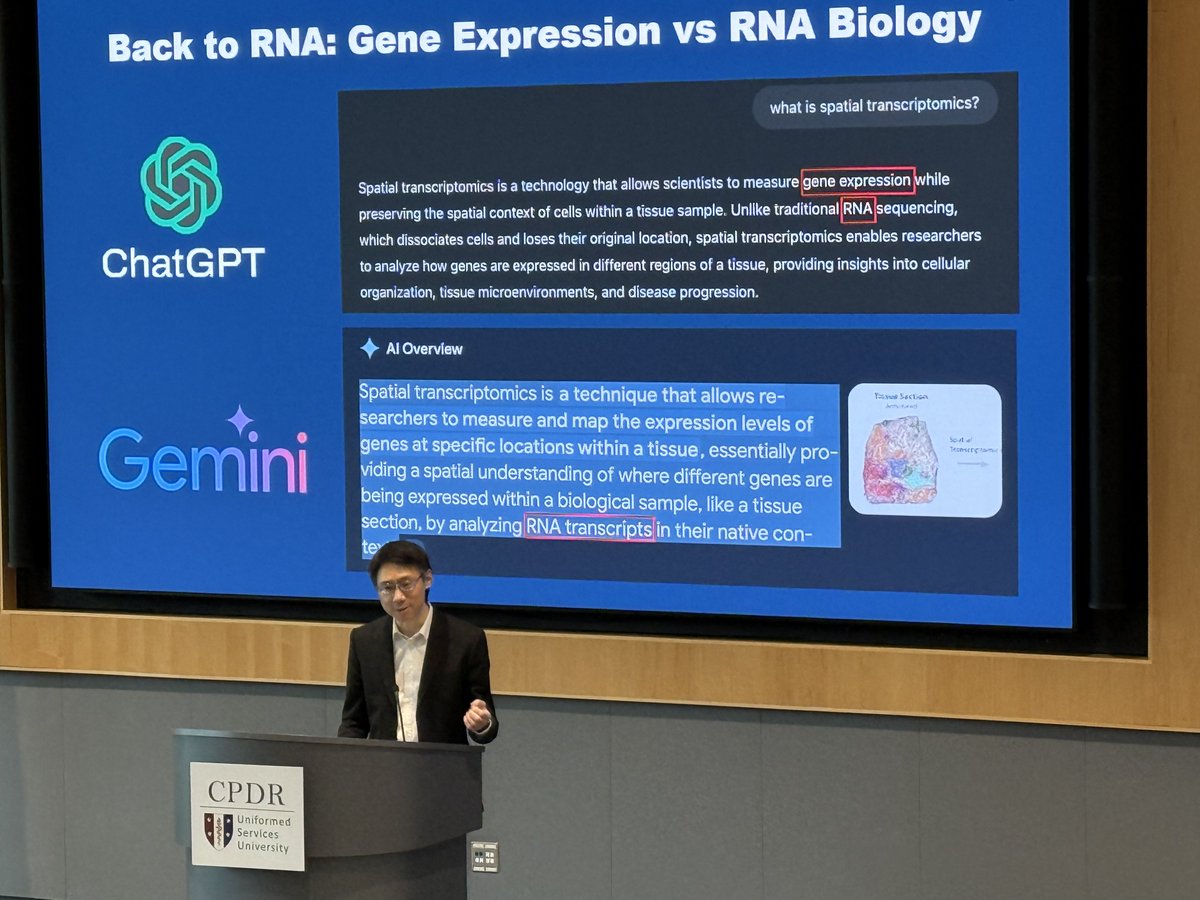
What a start to @CPDR_Labs Annual Retreat 2026 with @RongFan8 as our morning keynote speaker
1
1
9
646
Apr 28
Two great clinicians doing awesome work.
Apr 28
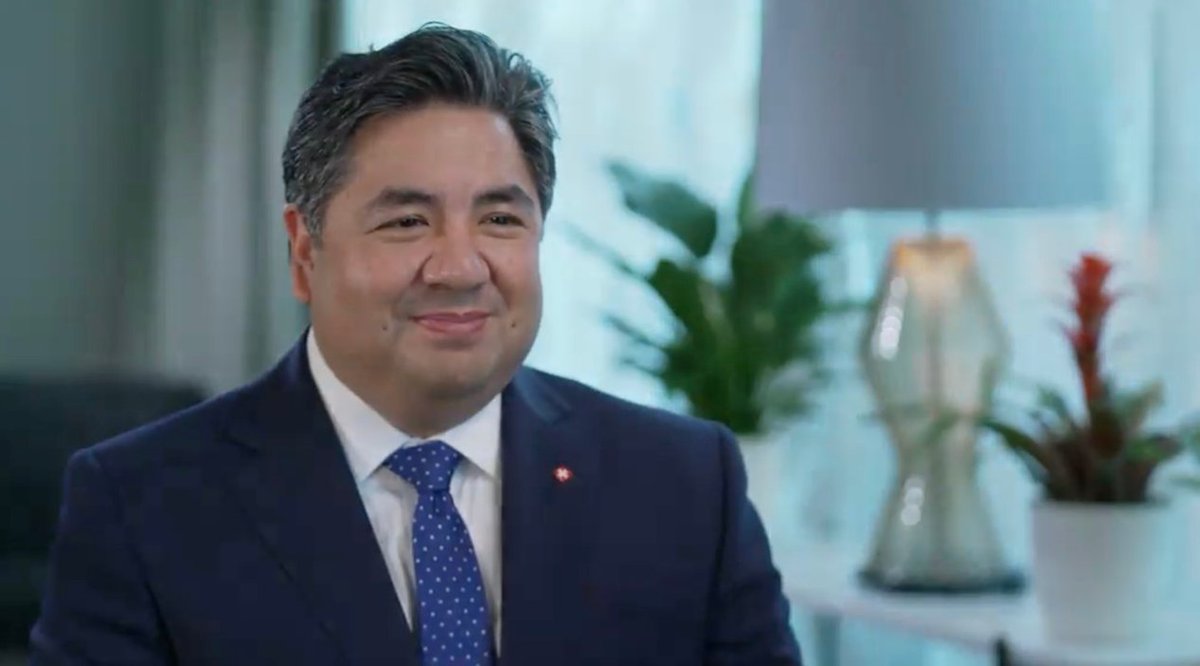
Salvage radiotherapy intensification tested in men with high-risk biochemical recurrence. @EdwinPosadasMD @CedarsSinai joins @l_ballas to discuss RTOG 3506 (STEEL), a phase II trial adding enzalutamide to salvage radiation plus two years of androgen deprivation therapy in extremely high-risk post-prostatectomy patients. #WatchNow > bit.ly/4t3YSfs
1
3
427
EllisLab_ retweeted
Apr 27
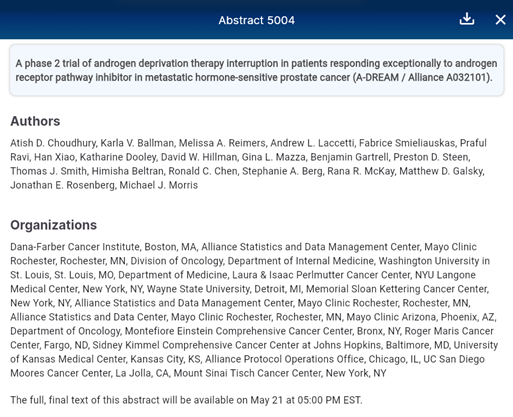
4-Abstract 5004: A-DREAM
In mHSPC, continuous ADT remains the standard, but can we safely de-escalate in exceptional responders? Our very own @AtishChoudhury from @DanaFarber will present this phase 2 trial at #ASCO26, evaluating ADT interruption in patients with deep responses to androgen receptor pathway inhibitors.
@DanaFarber_GU @ASCO @OncoAlert
1
11
27
2,115
EllisLab_ retweeted

Apr 22
NEW: NIH spending on new medical research has fallen roughly $1 billion behind the pace of years past, delaying thousands of scientific projects.
@benjmueller @irenatfh
nytimes.com/2026/04/22/scien…
8
202
302
79,565
Apr 19
Well deserved. Congrats David and keep up the great work 👏🏼👏🏼
Apr 19

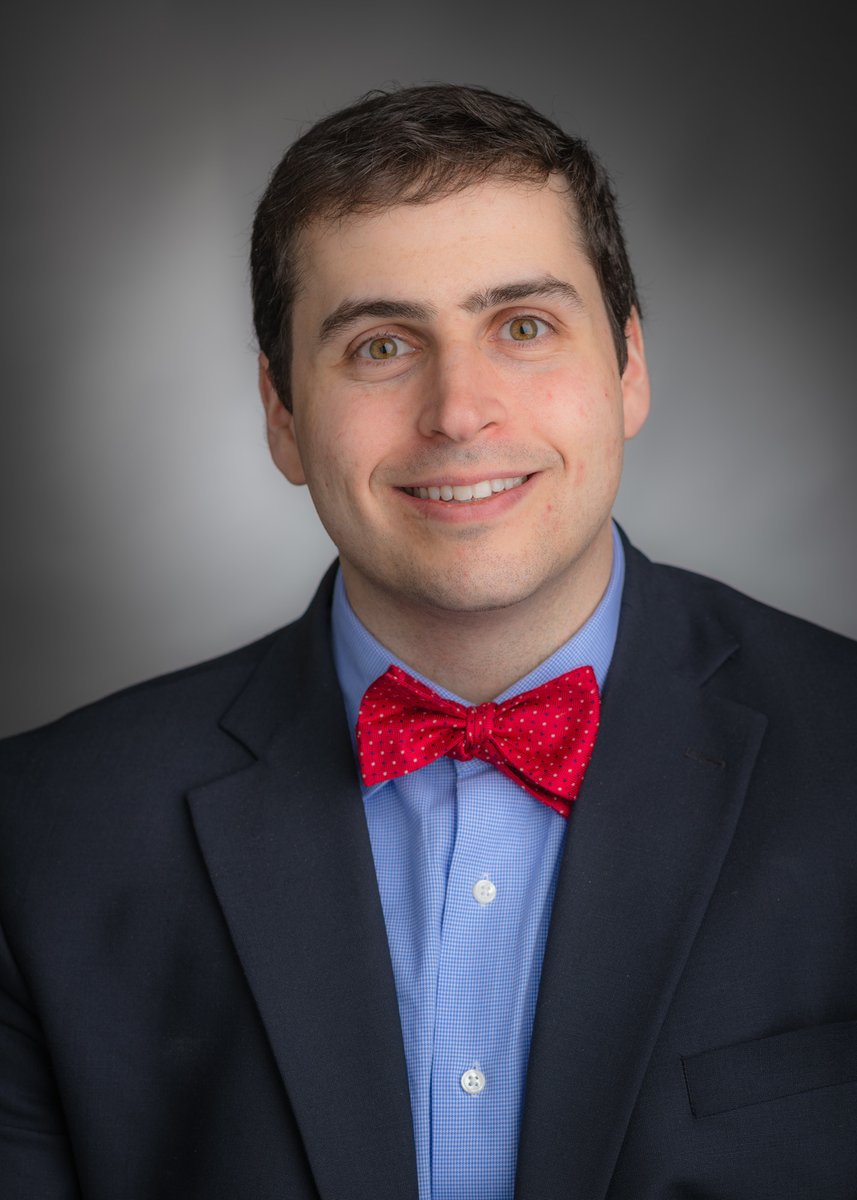
Congratulations to David A. Braun, MD, PhD, recipient of the 2026 Cancer Discovery Early Career Award, which recognizes the outstanding contributions of #earlycareer investigators! Learn more: brnw.ch/21x1INW
#AACR26 @BraunMDPhD @YaleCancer @YaleMed @AACR
2
355
Apr 18
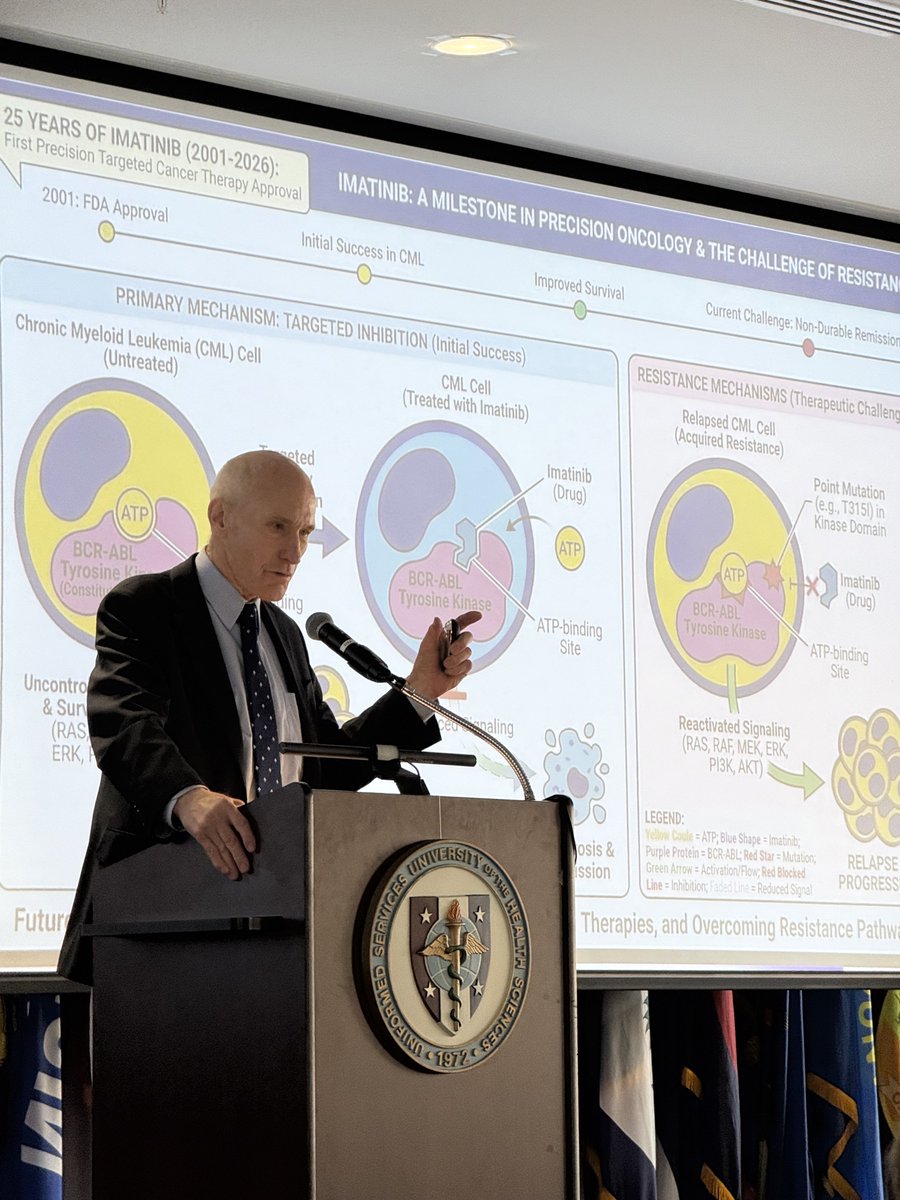
Reflecting over the past few months I have been lucky enough to give seminars to some great clinicians and scientists. I want to say thank you to all. It is great to sit with so many great minds - especially at the junior level - very inspiring.
#FengSymposium, @ASCO GU, @KeystoneSymp, @AACR PCa
@oricpharma - Dr. Melissa Junttila
@unibern - Dr. Marianna Kruithof-de Julio
@UTSWMedCenter - Dr. Doug Strand
@CancerLouisiana - Dr. Hari Koul
1
6
261
EllisLab_ retweeted

Apr 18
New preprint alert! Here, Yu Shen introduces SMILE, a conditional diffusion model trained to recognize insulin, glucagon, and CD3 simultaneously from H&E stained pancreas tissue. We use SMILE to 3D reconstruct normal and diabetic pancreatic islets
3
10
44
17,392
EllisLab_ retweeted

Two preprints. Two days apart. Same mission: crack the genotype × transcriptome code at single-cell resolution.
Let's break this down:
Saurty-Seerunghen, Lee et al. (Nam, Martelotto & Grillo teams) – GoT-Multi-Gap for RNA-templated gap filling. Clever enzymatic trick: BstFL polymerase does RT nick translation to gap-fill between flanking probes on RNA, then ligates. Bolts directly onto probe-based scRNA-seq (think 10x Flex-type workflows). Whole transcriptome mutation calls from the SAME cell. Multiplexed — target many mutations at once Leverages existing probe-based platforms → low barrier to adoption
biorxiv.org/content/10.64898…
Blattman, Maslah et al. (MSK/Pe'er, Charlinge & Lareau teams) – GIFT Genotyping In Fixed Transcriptomes. This one is a biobank's dream. >99% genotyping accuracy — that's wild. Scales to HUNDREDS of mutations per cell. and THE best part...it works on FFPE 🤯 — unlocks archival clinical samples. Clonal lineage tracing in heterogeneous tumors.
biorxiv.org/content/10.64898…
So how do they compare? Gap filling → elegant chemistry, seamless integration with fresh-sample probe-based scRNA-seq workflows. Minimal disruption to existing pipelines. GIFT → sheer scale FFPE compatibility. If you have a tumor biobank, this is your ticket to retrospective clonal mapping.
Both obliterate the old limitation of choosing between genotype OR transcriptome. The convergence of these approaches means we're entering an era where every single-cell experiment can also be a clonal evolution experiment. 🚀
1
10
57
5,460
Apr 15
Looking forward to this exciting event

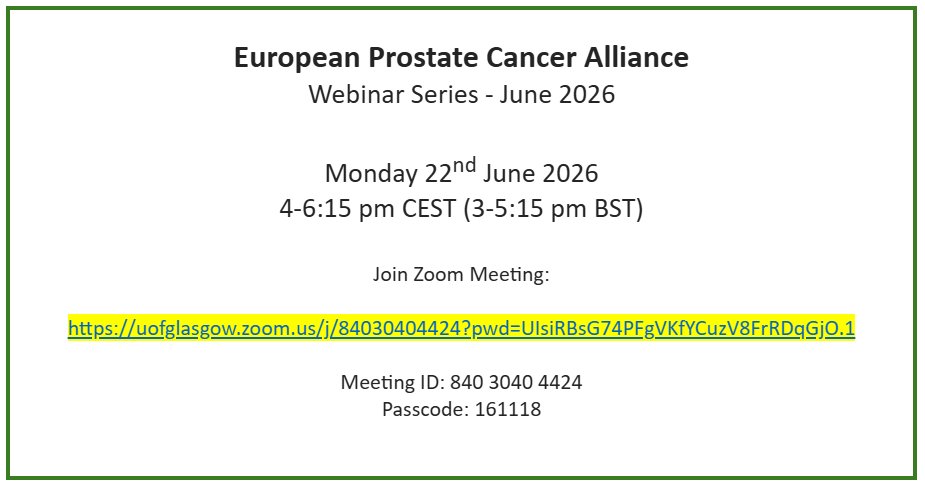
📣 Upcoming European Prostate Cancer Alliance webinar!
This webinar will focus on epigenetics in #ProstateCancer, with confirmed speakers including Prof Wilbert Zwart, Prof Leigh Ellis (@EllisLab_), and Filipa Moreira Silva (@MSilvaFilipa).
📆 Monday 22 June 2026, 15:00-17:15
1
1
6
371
EllisLab_ retweeted

Apr 14
Big news for innovators, founders, and R&D-driven small companies: NIH’s Seed Fund is back in action!
Thanks to new legislation, U.S. small businesses are again able to pursue up to $1.4 billion per year in Small Business Innovation Research (SBIR) and Small Business Technology Transfer (STTR) funding to power breakthrough science, build game-changing technologies, and move solutions toward real-world impact.
Start planning by checking out the funding opportunity forecasts on Grants.gov.
➡️Funding opportunity forecasts: bit.ly/4ccHkIR
📌Key resources for applicants: bit.ly/3OkyeAA
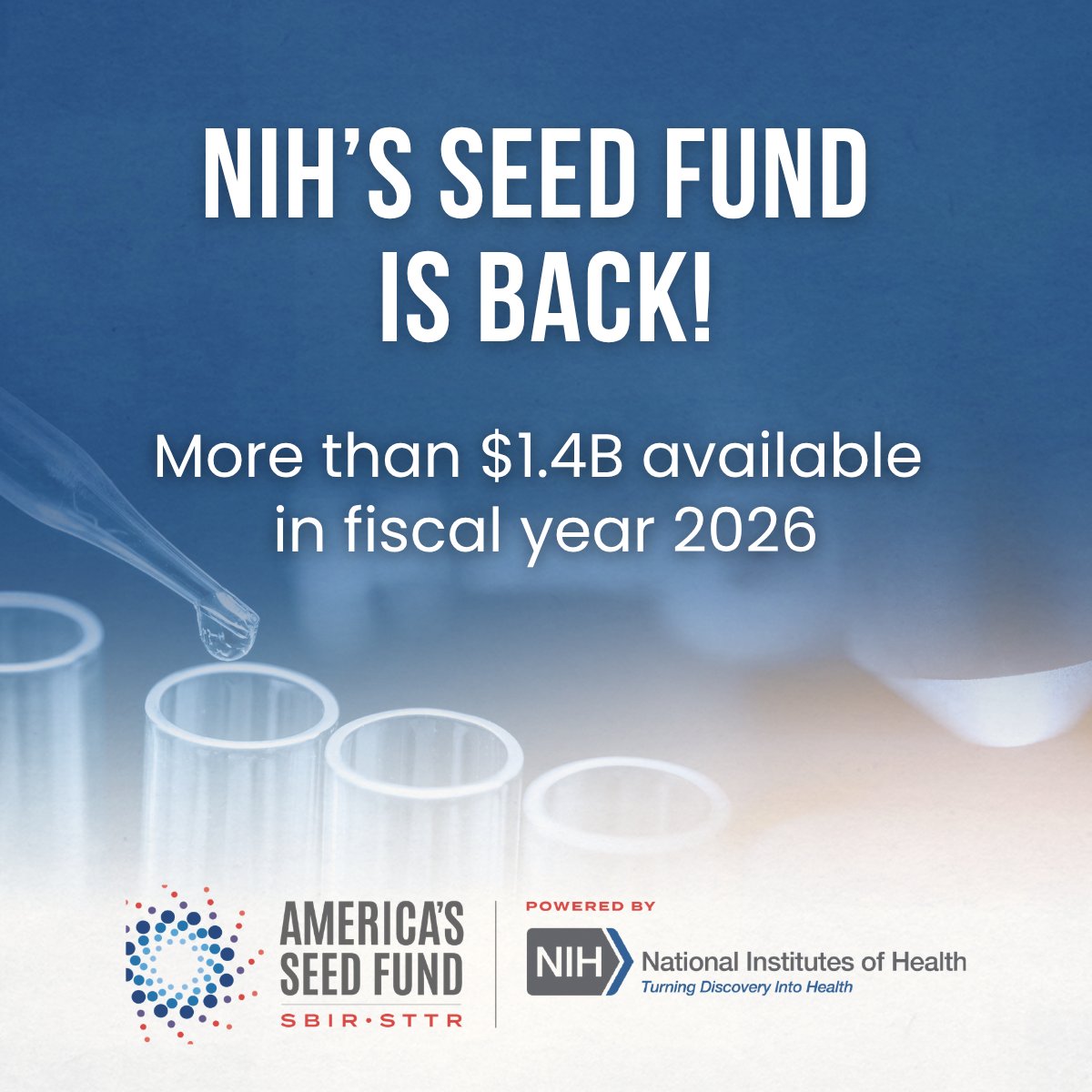
ALT The image announces "NIH's Seed Fund is Back!" with more than $1.4B available in fiscal year 2026. It features logos for America's Seed Fund and the National Institutes of Health. Test tubes are in the background, and a pipette is shown above them.
9
46
225
66,032