
Multilaterist. 🇺🇳 focus on 🇸🇴🇪🇹🇪🇷🇸🇸. Interested in 🌎 affairs & practice of diplomacy. Warriors 🏀 & Arsenal ⚽️ fan 🏃♂️⛰️🎾 🏓
Joined April 2014
- Tweets 38,981
- Following 669
- Followers 19,498
- Likes 97,356
1,569 Photos and videos






Fathi Bashe retweeted

Jun 14
Go Canada Go! 🇨🇦 ⚽️
#FIFAWorldCup #CanadaAfrica #FootballDiplomacy #CoupeDuMondeDeLaFIFA #CanadaAfrique #DiplomatieDuFootball
1
9
221
Fathi Bashe retweeted
Jun 13
Warmest congratulations and best wishes to my dear sister @ahunnaeziakonwa on her new appointment as @UN Secretary-General @antonioguterres Special Advisor on #Africa. Fond memories of our flawless #ACS23SouthSudan back in 2023. Still owe you the ⌚️⏰🕰 🤣
2
17
1,111
Jun 14

FOR THE FIRST TIME IN 53 YEARS, THE KNICKS ARE NBA CHAMPIONS 🏆
New York defeats San Antonio 4-1 in the NBA Finals, capturing their third championship in franchise history!

1
116
Fathi Bashe retweeted
Jun 12
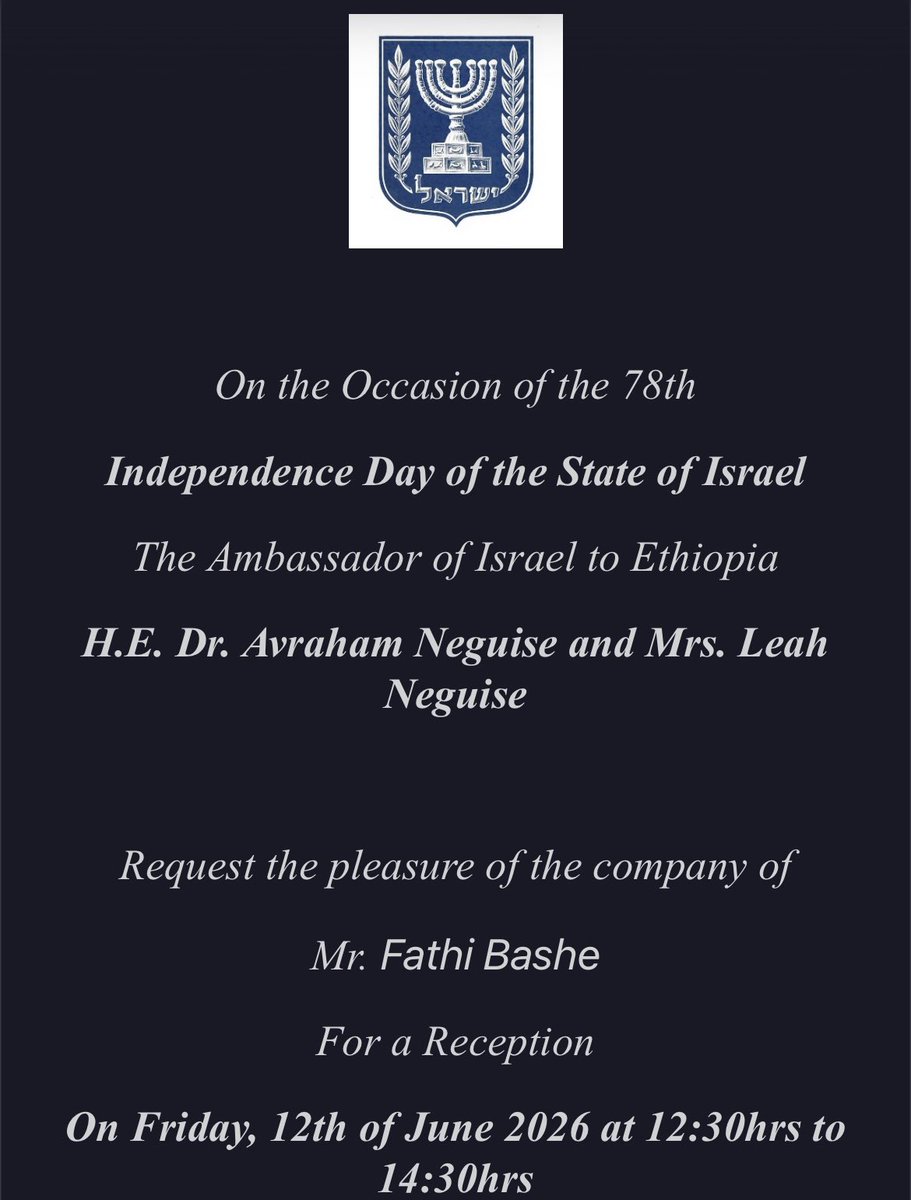
Celebrating Israel’s 78th Independence Day #IsraelAt78
Today, we honor #Israel’s unity, diversity and the shared aspirations of 🇮🇱 🌍.
The #Israel-#Africa partnership is key to opportunity, building peace and prosperity for the peoples of 🌍 and 🇮🇱.
Together, for prosperity!
2
10
645
Fathi Bashe retweeted
Jun 6
Diplomacy is a bitter sweet business. You meet colleagues, who become friends and then, all of a sudden, they are off. Farewell to Ambassador @BritAmbVinay, British 🏴 Ambassador to Djibouti 🇩🇯.
Bonne chance in your future endeavors. Au revoir.
2
3
35
5,006
Fathi Bashe retweeted
May 28
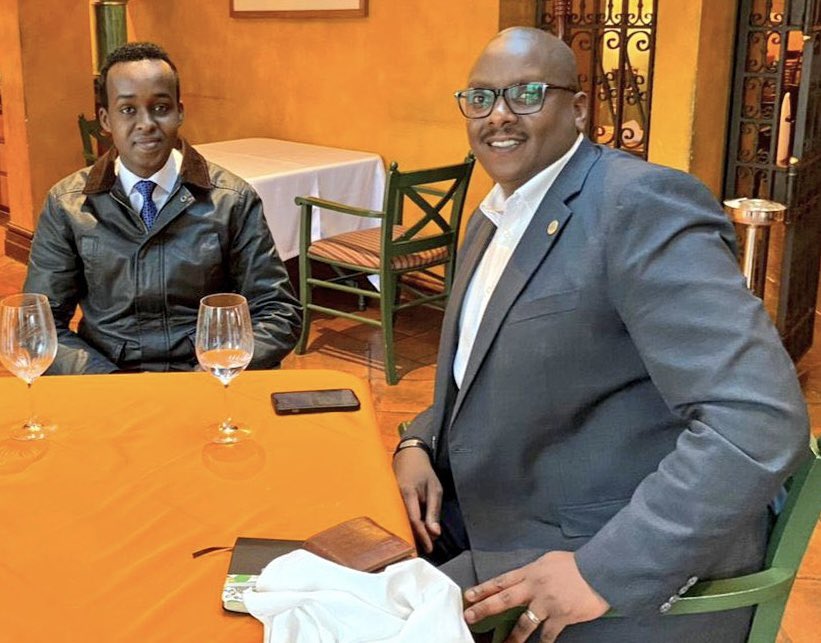
I’ve known Ambassador @NgogaFred for years. He has always stood for #peace, #truth, and #security in our region - together, let’s promote positive dialogue and foster understanding 🕊️ 🌍
3
7
38
18,807
Jun 11
How can the #UN and #AU work in collaboration for preventative peace?
Intervention from Amb @NgogaFred:
👉🏿Going back to the basics of how we use diplomacy .. providing member states with credible information that will support them in the decision-making process 🕊️ 🌎 🌍 🇺🇳
May 28

I’ve known Ambassador @NgogaFred for years. He has always stood for #peace, #truth, and #security in our region - together, let’s promote positive dialogue and foster understanding 🕊️ 🌍
1
8
674
Jun 11
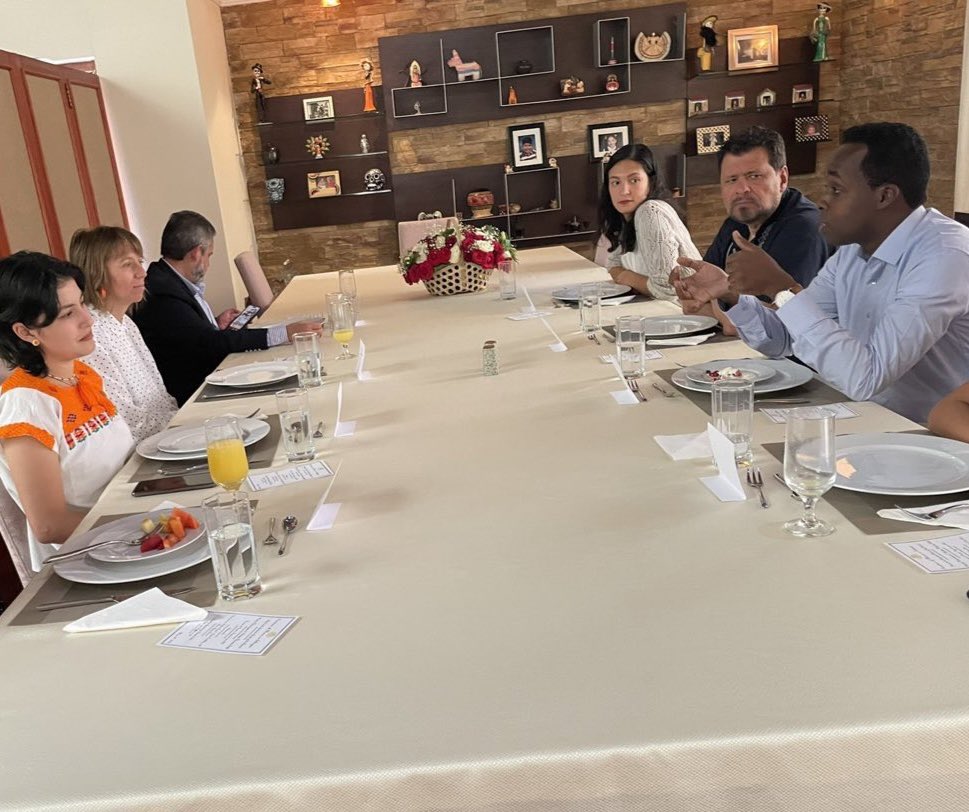
Muchas gracias to Ambassador @aestivill, Mexican Ambassador to 🇪🇹 🇸🇴 🇩🇯 🇸🇸 for bringing together diplomats, friends and colleagues to celebrate the grand opening of the FIFA World Cup!
¡Vamos, México!
#SomosMéxico
1
7
377


Fathi Bashe retweeted
Jun 8
🗓️ Save the Date!
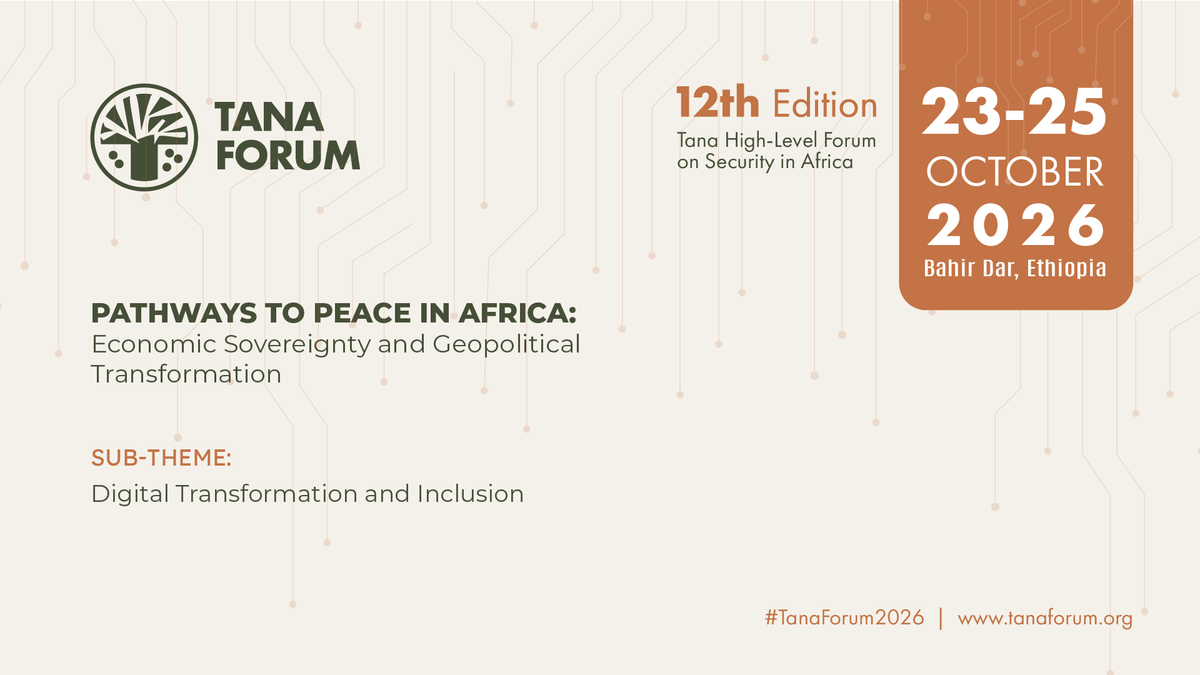
The 12th Edition of the Tana High-Level Forum on Security in Africa will take place on 23-25 Oct 2026 in Bahir Dar, #Ethiopia under the theme “Pathways to #Peace in #Africa: Economic Sovereignty and #Geopolitical Transformation”. #TanaForum2026 #TanaForum 🌍
1
8
26
2,650
Fathi Bashe retweeted

Jun 10
Tutsi ethnic discrimination in #Burundi, as alerted by @NgogaFred: valid concern or false alarm? My findings:
Several reports suggest that political and ethnic exclusion are increasingly reinforcing one another in Burundi. For example, Human Rights Watch, UN mechanisms, the U.S. State Department, Ligue Iteka, ACAT Burundi, as well as some regional observers, have documented concerns that political and ethnic exclusion are becoming increasingly intertwined.
Some Tutsi citizens are reportedly perceived not only as members of an ethnic minority, but also as presumed political opponents or security threats.
Observers have also raised concerns that accusations of sympathy for #Rwanda or the #M23 have at times been directed at individuals based more on ethnic identity than on individual conduct.
Burundi's involvement in the #DRC conflict risks deepening these perceptions. When a regional conflict carries ethnic dimensions, national cohesion can suffer as communities increasingly view events through the lens of identity and security.
Silence is not consent. Burundi's leaders should ask whether continued military involvement advances peace, stability, and national unity, or whether it risks undermining the fragile social cohesion that has already been achieved.
@NgogaFred's alert deserves serious consideration, and President @GeneralNeva should listen to these warnings.

Evidence of ethnic discrimination in Burundi as alerted by @NgogaFred Originally, the Arusha Peace and Reconciliation Agreement was designed to address the root causes of Burundi's recurring cycles of violence and genocide: political exclusion, ethnic domination, and unequal access to state power.
To prevent a return to socio economic injustice, ethnic conflict and mass atrocities, Arusha established constitutional guarantees aimed at ensuring meaningful participation of all communities in public institutions.
These safeguards were not symbolic. They were conflict-prevention mechanisms intended to build trust among communities with painful historical experiences of exclusion and violence.
Today, a growing body of evidence suggests that these protections are being weakened.
If left unaddressed, this trend risks undermining one of Africa's most significant peacebuilding achievements.
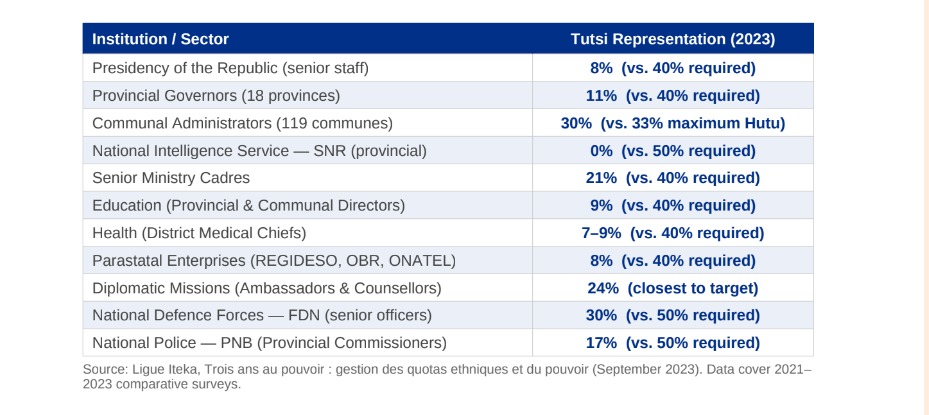
Here is evidence of Structural Underrepresentation.
According to data compiled by Burundian civil society organizations and independent monitoring efforts, Tutsi representation has declined significantly in a number of institutions where Arusha established minimum participation requirements.
1. Presidency (Senior Staff): Required 40%, Reported 8%
2. National Intelligence Service (SNR): Required 50% parity, Reported 0%
3. Health Sector Leadership: Required 40%, Reported 7–9%
4. Education Administration: Required 40%, Reported 9%
5. State-Owned Enterprises: Required 40%, Reported 8%
6. Provincial Governors: Required 40%, Reported 11%
7. Police Commissioners: Required 40%, Reported 17%
8. National Defence Forces: Required 50% parity, Reported 30%
9. Diplomatic Missions: Required 40%, Reported 24%
@FOCODE_ @Mamaurwagasabo1 ,@US_SrAdvisorAF @AsstSecStateAF @AUC_PAPS @jumuiya @OneYoungAfrica @Europarl_EN @UNSC_Reports @Burundi_senat @burundi_cvr @YBurundi
2
7
12
1,549
Fathi Bashe retweeted

Jun 10
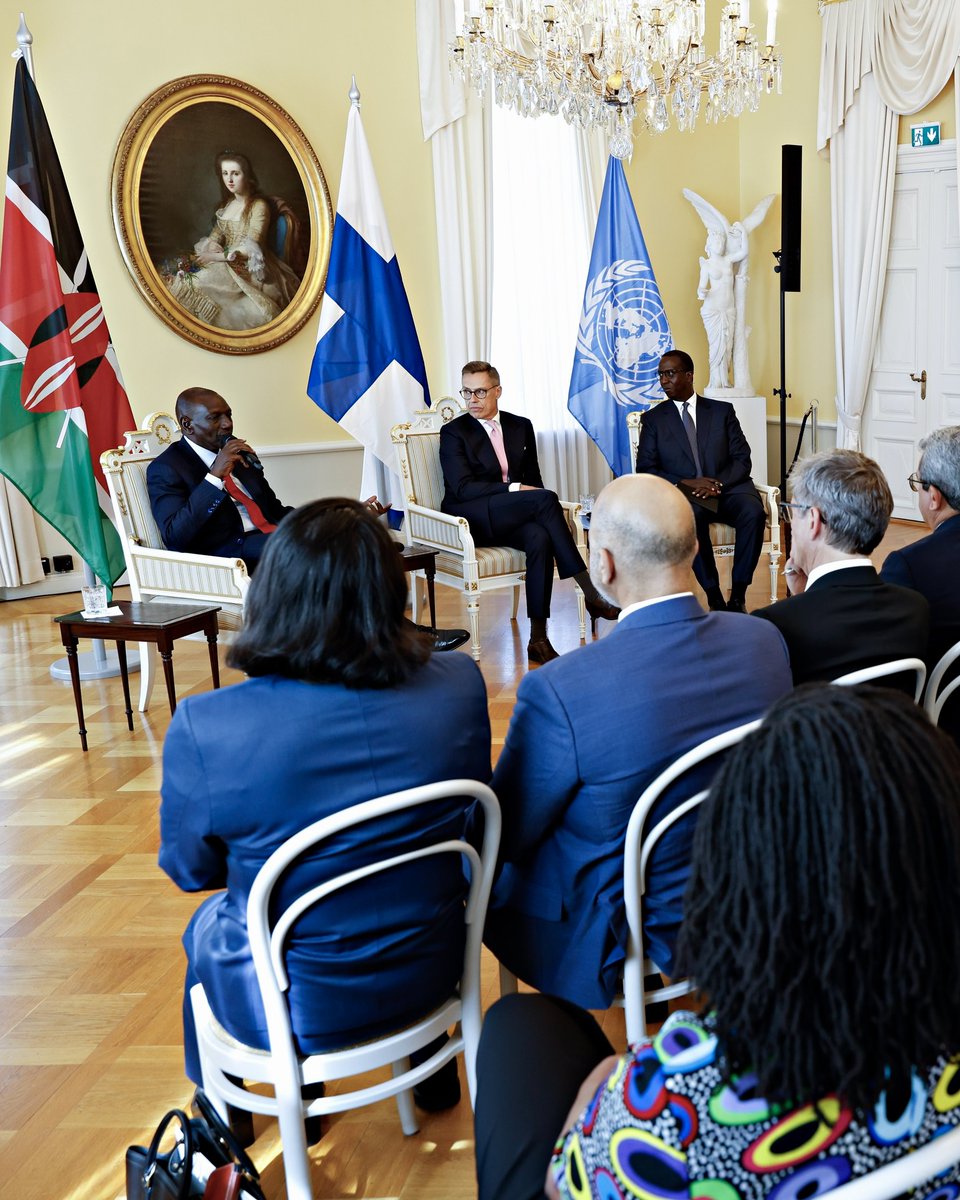
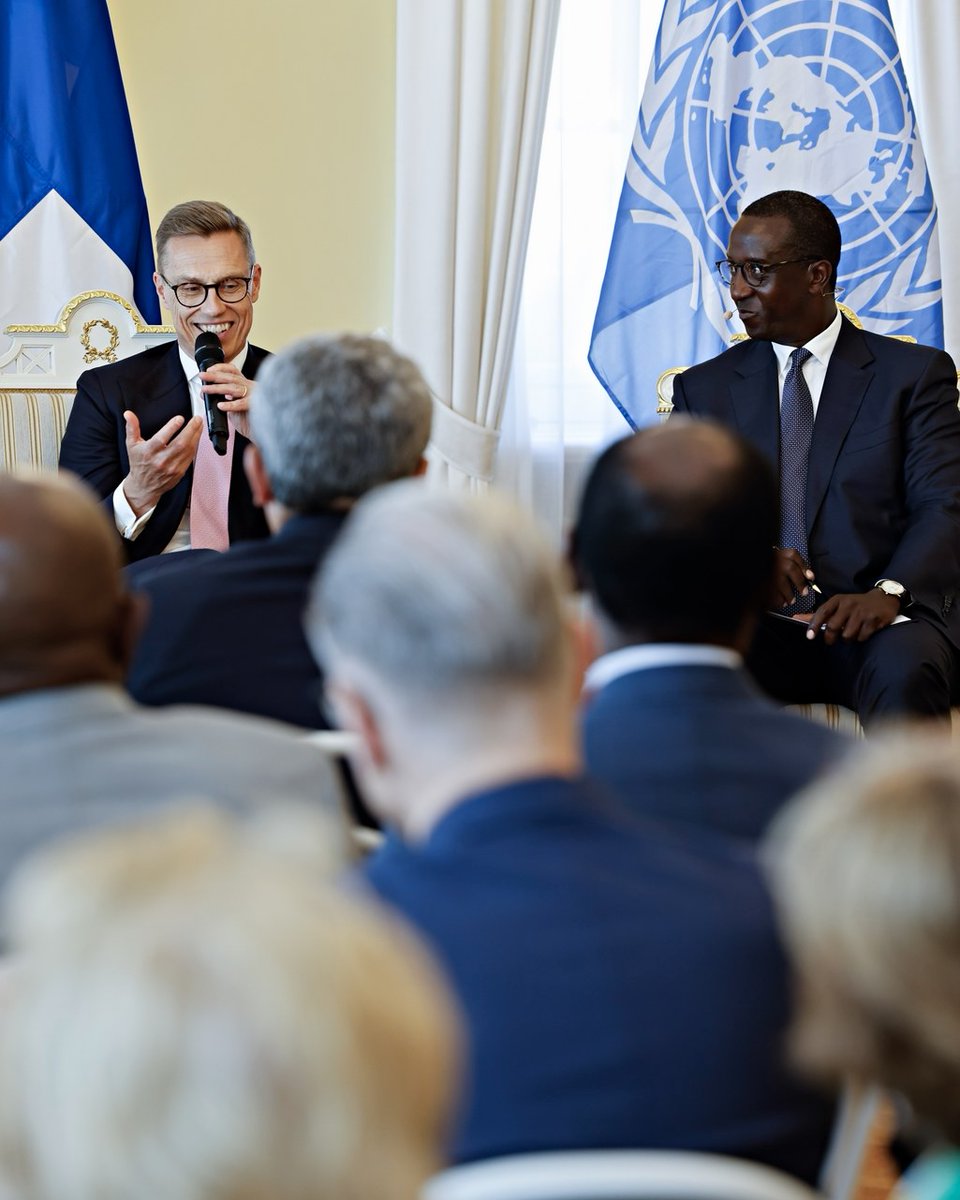
Osallistuimme Kenian presidentti @WilliamsRuto kanssa YK:ta ja rauhanvälitystä käsittelevään paneelikeskusteluun.
Jaamme presidentti Ruton kanssa vision siitä, että YK:n tulee olla vahvempi ja sen päätöksenteon tulisi heijastaa nykypäivän todellisuutta.
On selvää, että Afrikan mantereella on oltava vahvempi ääni, alkaen kahdesta pysyvästä paikasta turvallisuusneuvostossa.
12
26
147
8,081
Jun 10
One of @villagecapital’s smartest investments is @AquarechLtd- their signature air-fried tilapia 🐟 is a true delight—fresh, delicious, affordable, and really satisfying 👏

Amosou jokanyanam!
Excited to begin my visit to Western Kenya and connect with communities, partners, and leaders whose work is helping drive positive change across the region.
4
323
Fathi Bashe retweeted

Digital transformation in Africa is expected to serve as a powerful engine for socioeconomic development, job creation, and poverty reduction.
Under its overarching theme, "Pathways to Peace in Africa: Economic Sovereignty and Geopolitical Transformation," the 12th edition Tana Forum will explore "Digital Transformation and Inclusion" as one of its key sub-themes.
The discussions will analyze the vital role of digital transformation and inclusion throughout the continent for peace, security and development.
#TanaForum
2
8
240
Jun 9
🐐
Jun 9

From @TheAthletic: Serena Williams, 44, has won her first competitive tennis match in nearly four years, playing in women's doubles at Queen's Club. nyti.ms/3QrWBgJ
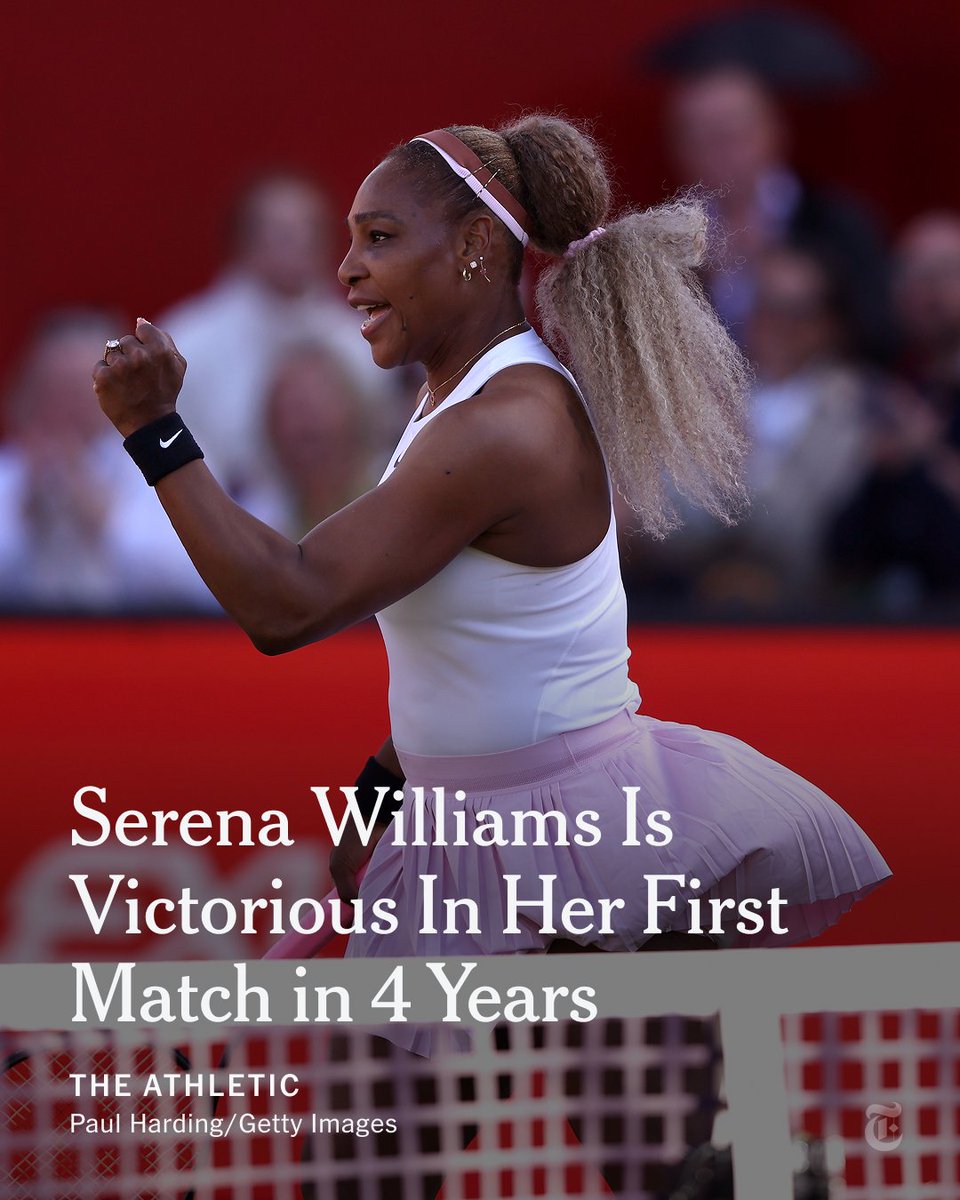
ALT Serena Williams celebrates during a tennis match. Headline: Serena Williams Is Victorious In Her First Match in 4 Years
3
81
Fathi Bashe retweeted

Jun 9
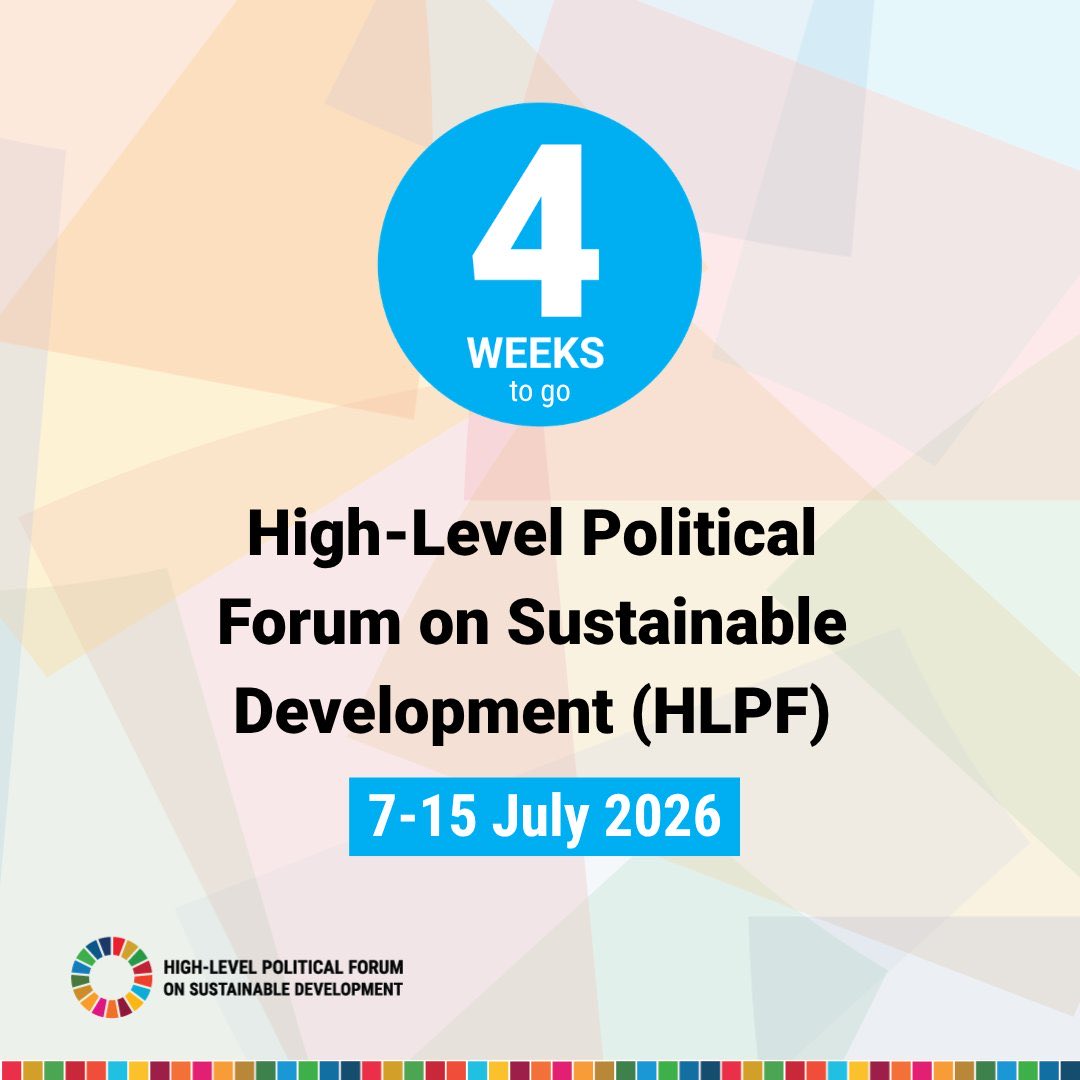
🗓️ The countdown to #HLPF2026 is on!
A key moment to assess progress and accelerate action toward the #GlobalGoals.
🔎Focus on #SDGs 6, 7, 9, 11, 17
📍Many special & side events
📺 Watch live: webtv.un.org
🔗 hlpf.un.org/2026
#SDGs #2030Agenda
1
15
36
1,130
Fathi Bashe retweeted

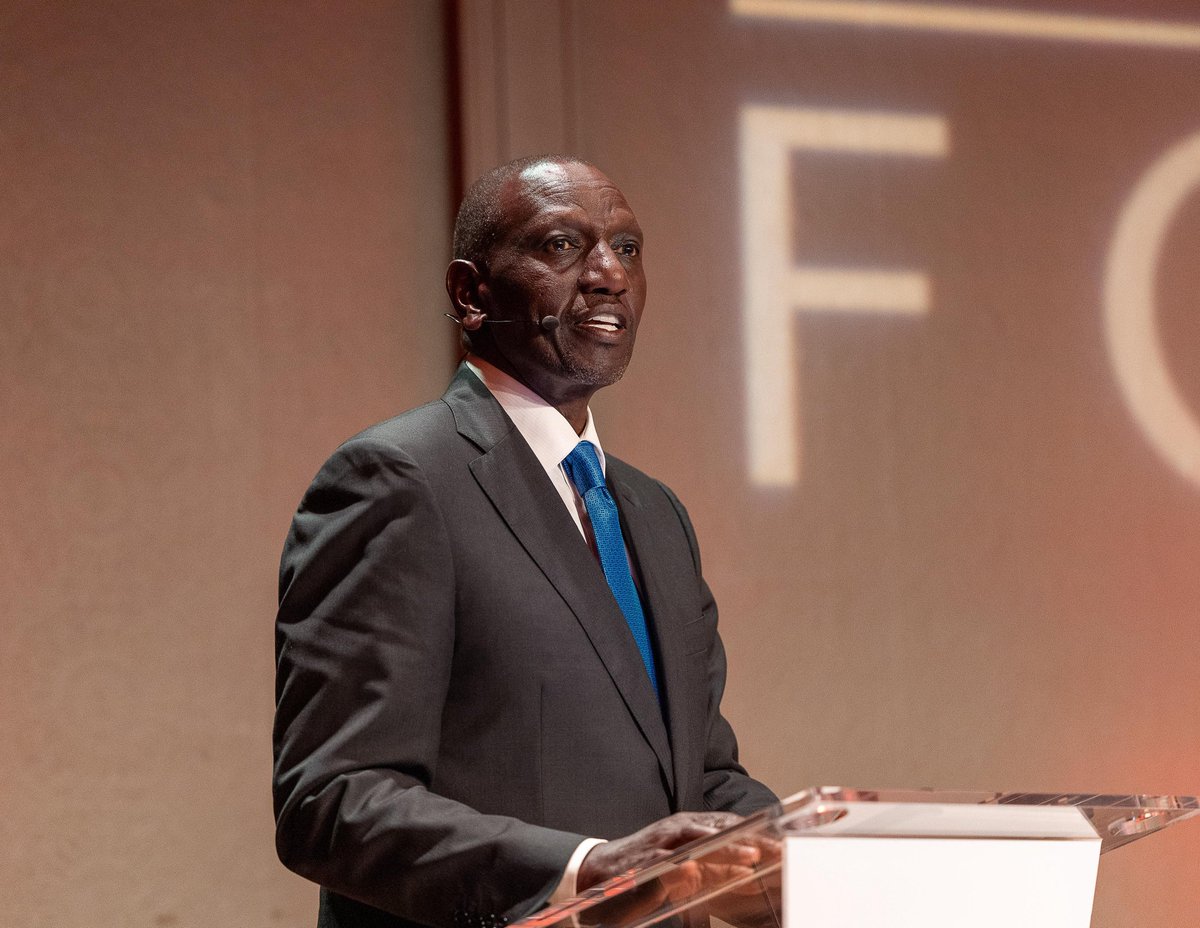
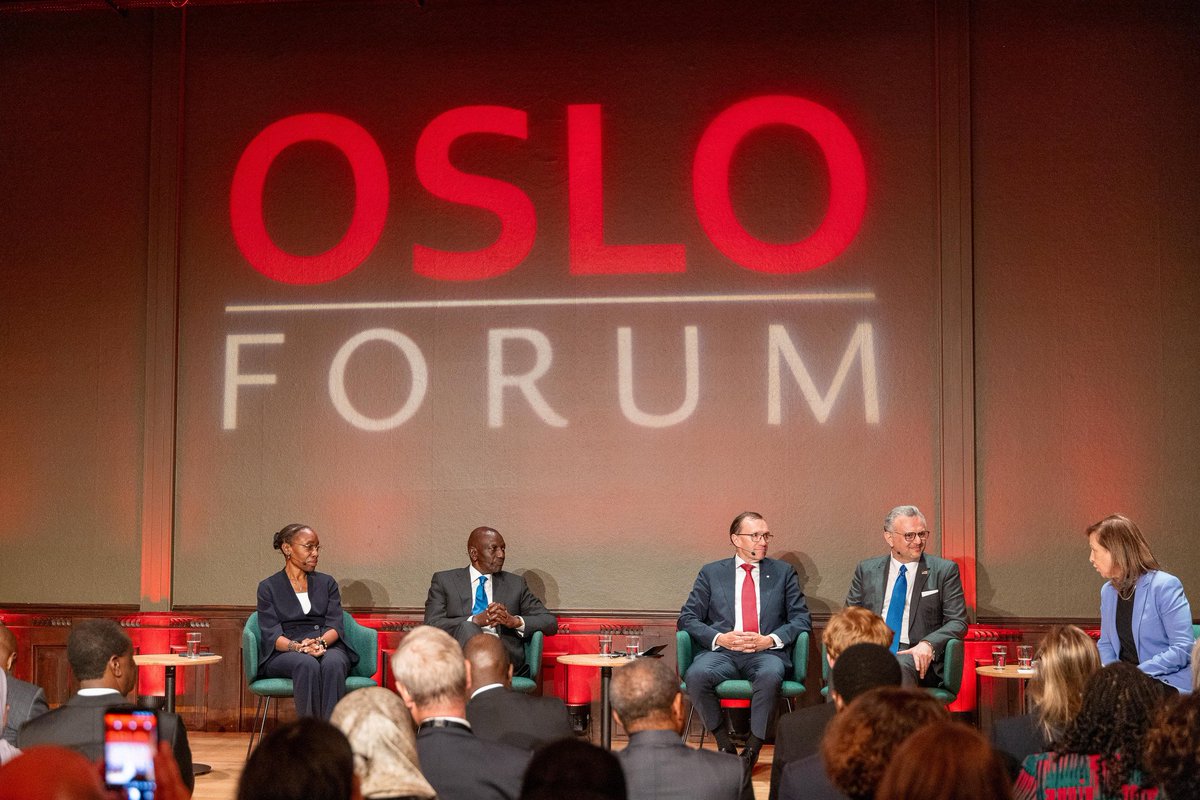
The United Nations Security Council, entrusted with maintaining international peace and security, was conceived in the aftermath of the Second World War for a world that no longer exists. While its purpose remains indispensable, its structure has not kept pace with the profound transformations that have reshaped our world.
Africa, a continent that frequently occupies the Council’s agenda, still holds no permanent seat at the table where decisions affecting its future are made.
There can be no greater paradox than a global peace architecture that excludes the very regions where peacebuilding and conflict prevention are most urgently needed. Reform is therefore no longer a question of fairness alone; it is a question of effectiveness, legitimacy, and relevance.
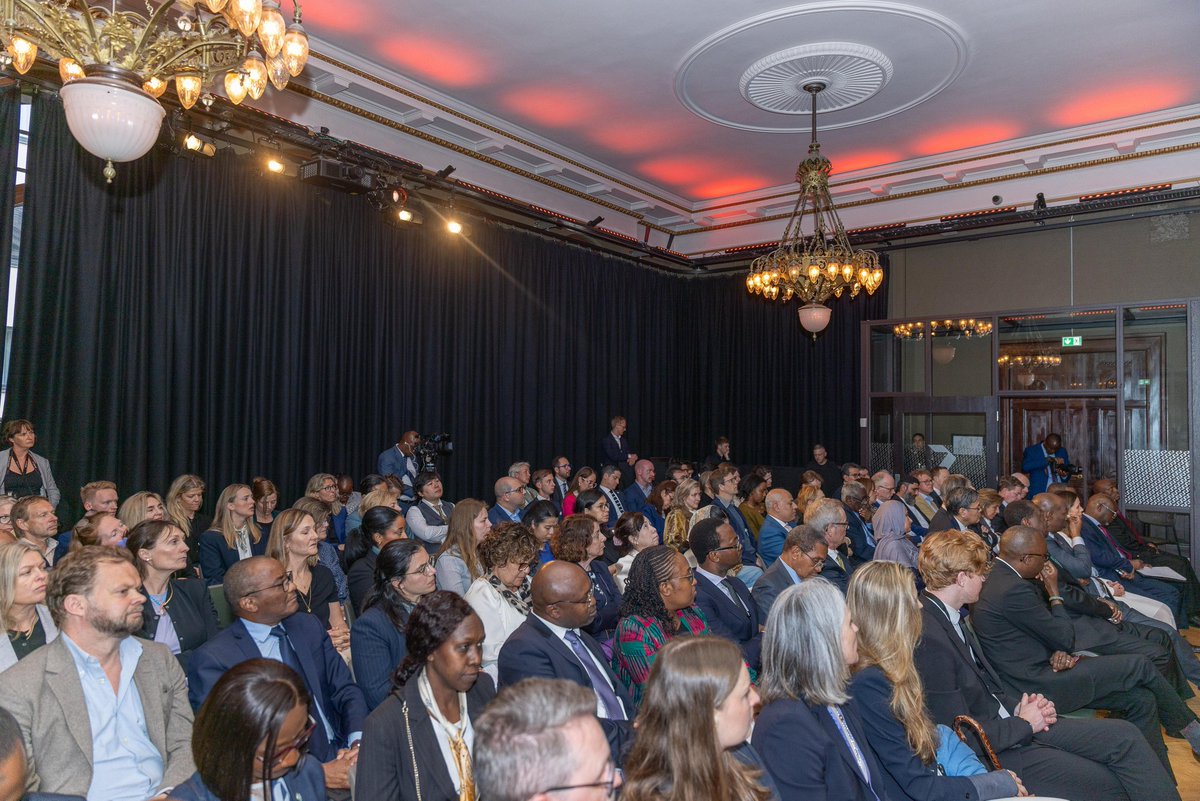
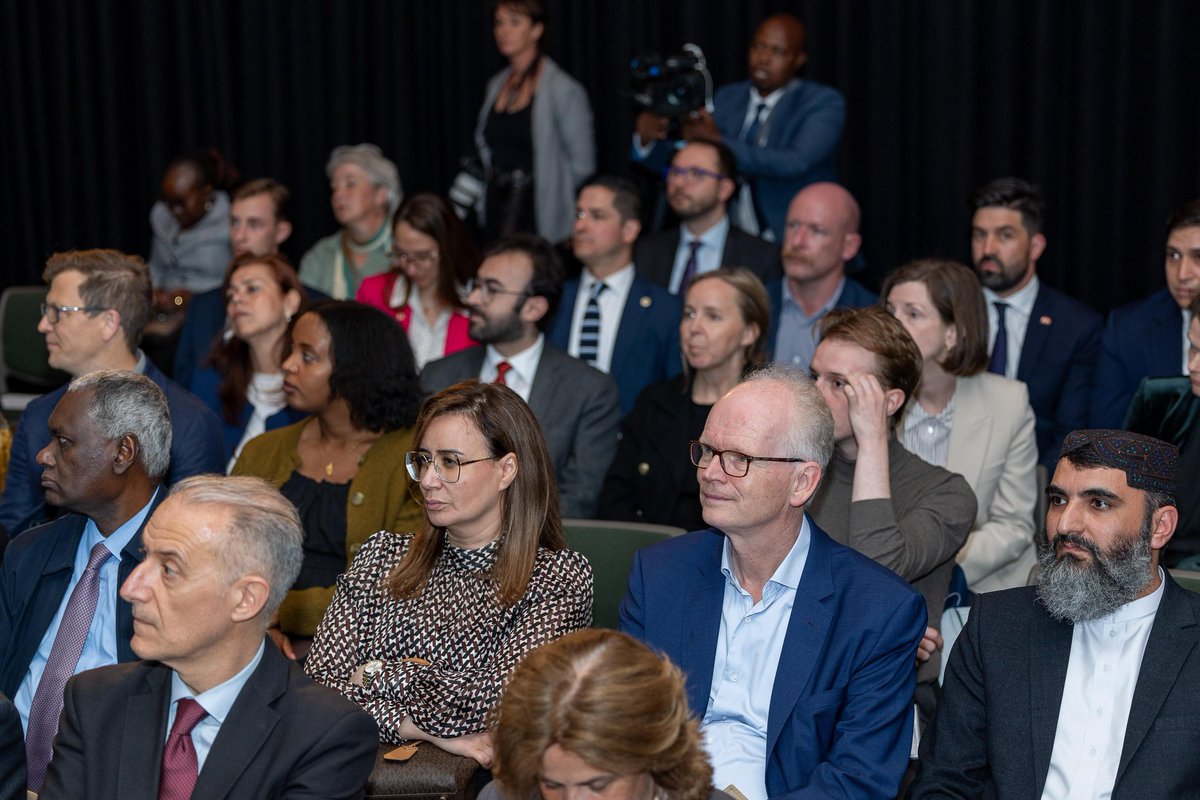
At the Oslo Forum 2026 High-Level Public Event, we reaffirmed Africa’s rightful claim to a meaningful voice and equitable representation in global decision-making. Africa does not seek to remain a perpetual item on the international agenda; it seeks to be an equal partner in shaping our shared future.
63
88
326
15,752