
Grassroots runner fighting for fairness for female athletes
Joined November 2022
- Tweets 8,344
- Following 818
- Followers 3,071
- Likes 32,671
449 Photos and videos
Pinned Tweet

27 Sep 2023
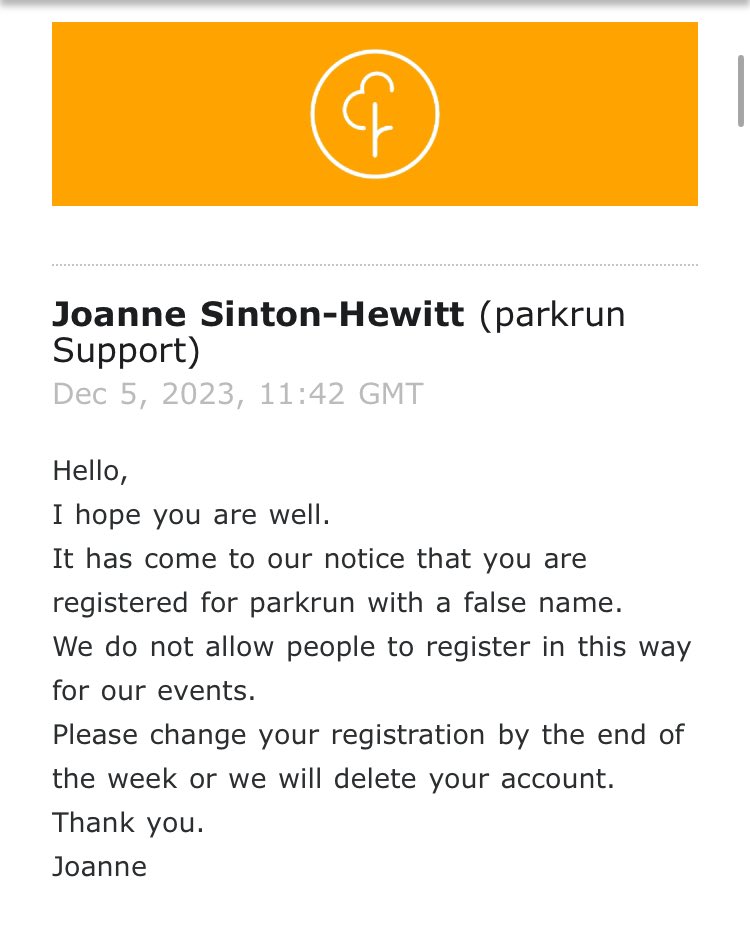
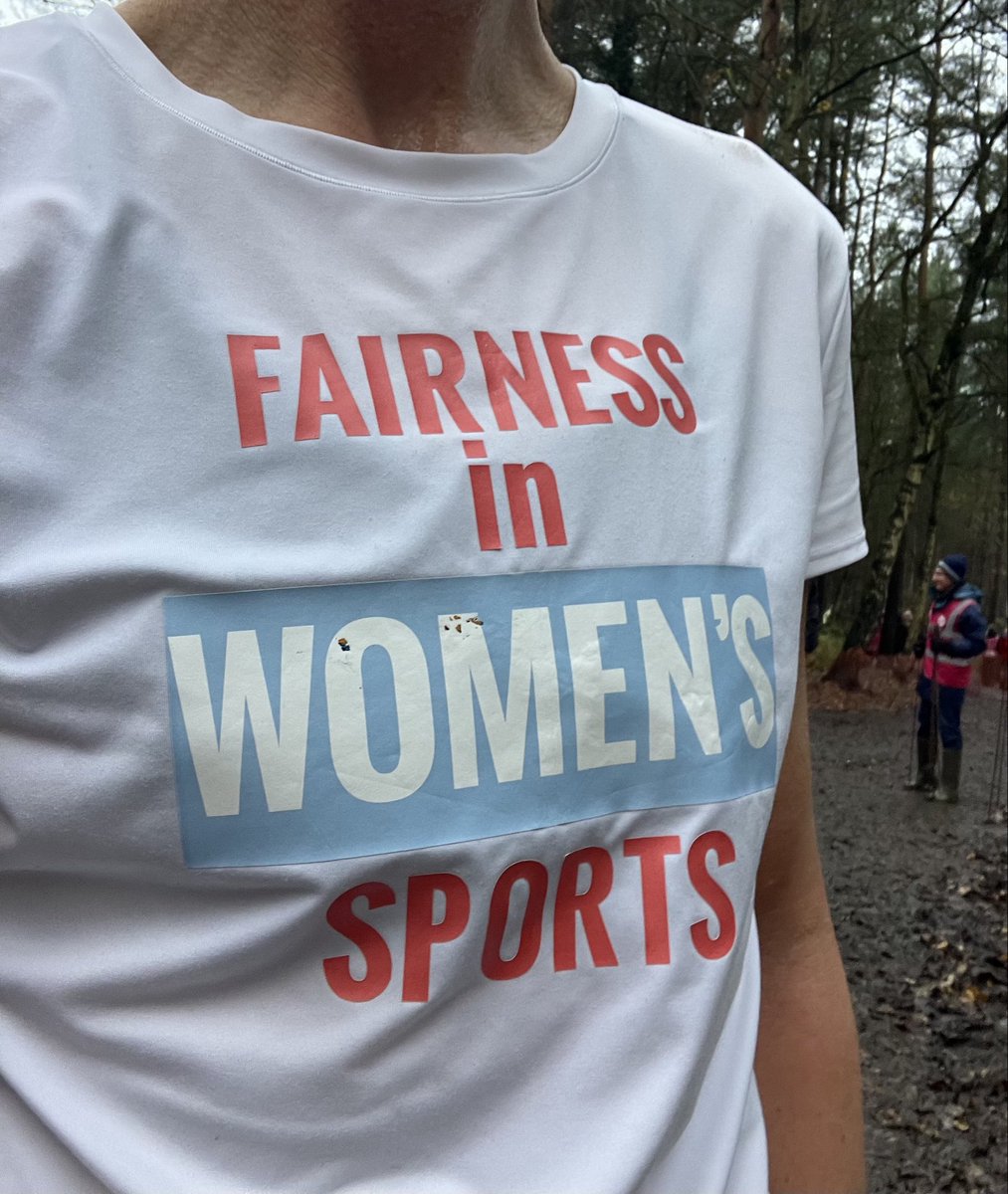
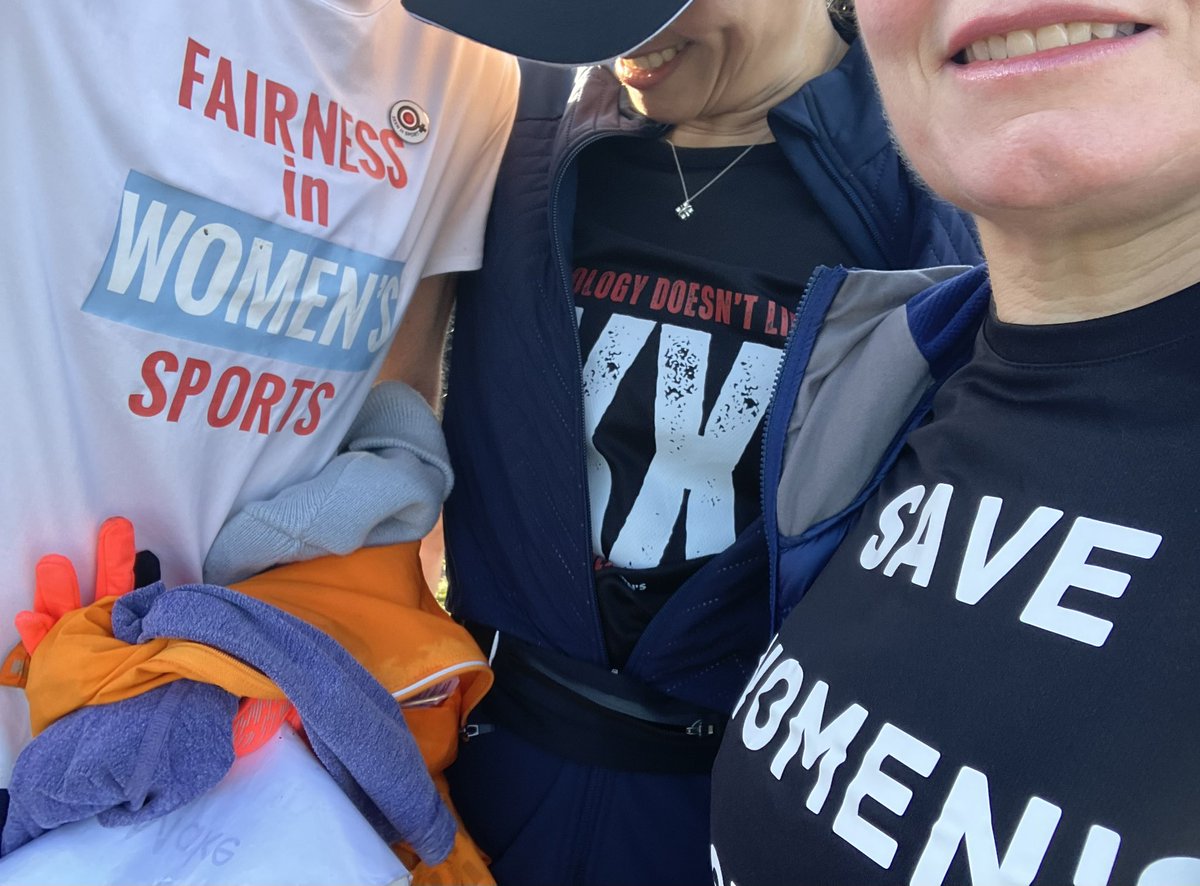
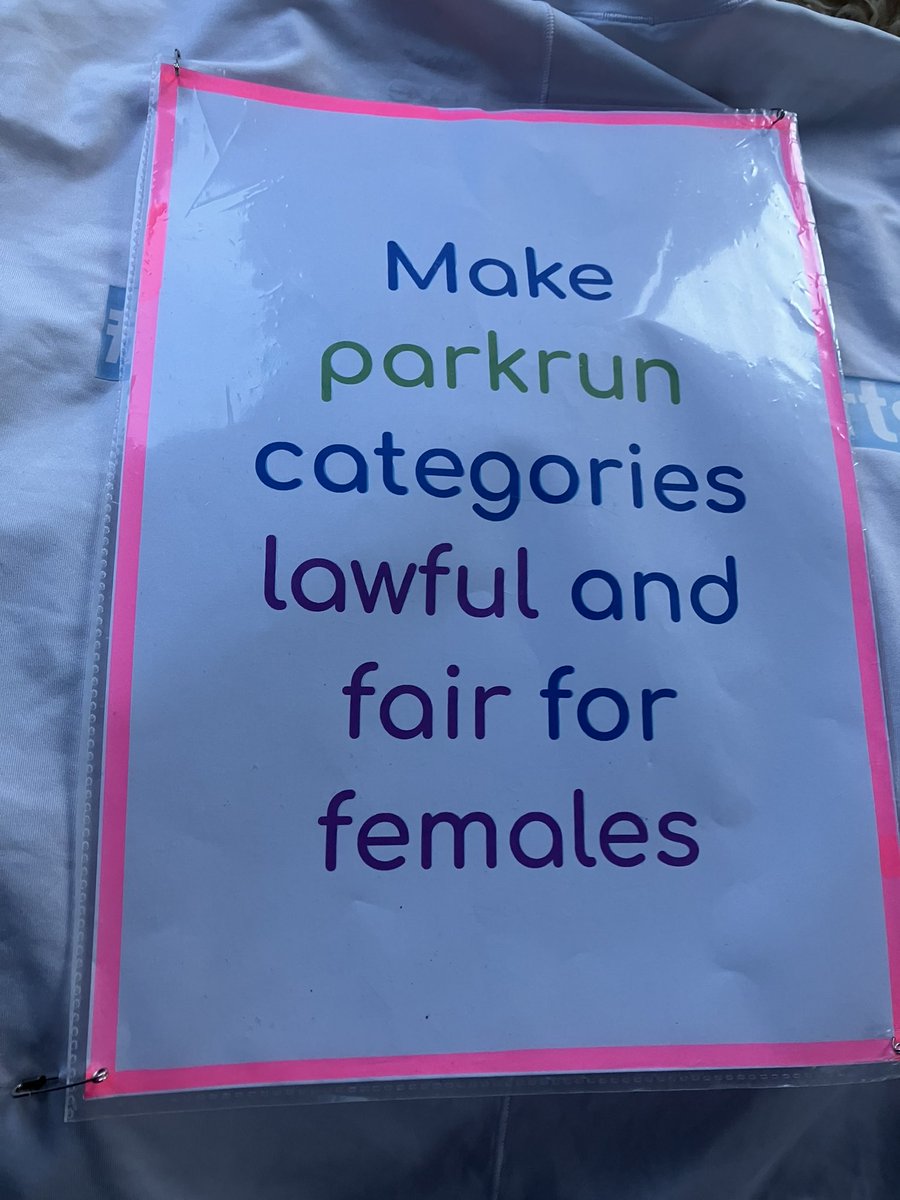
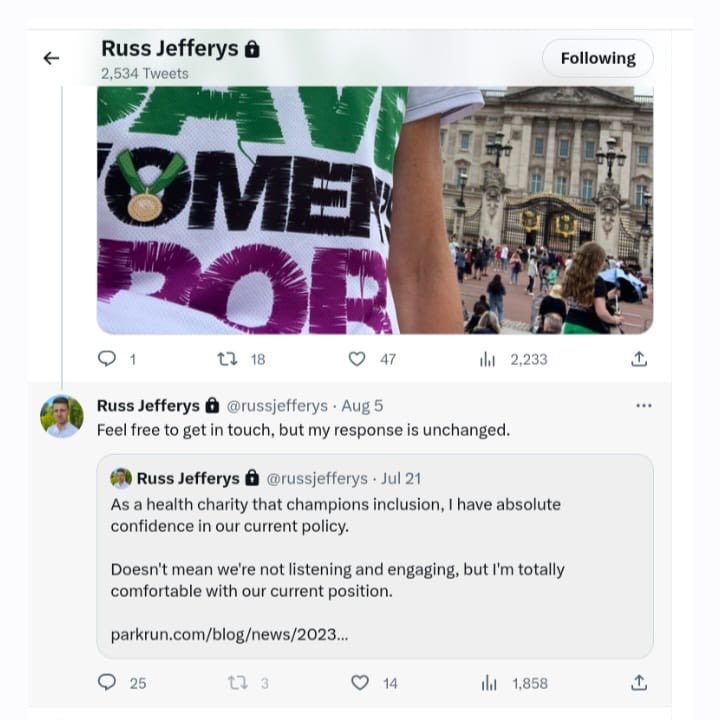
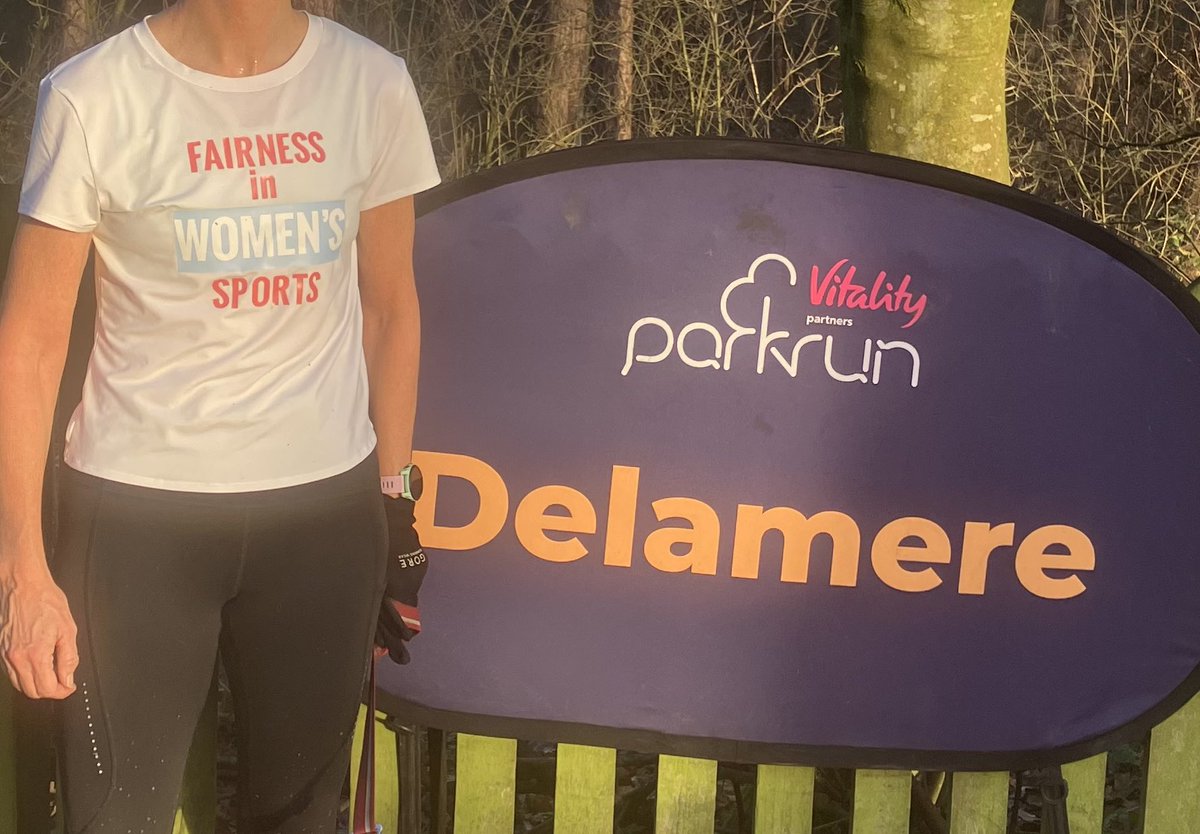
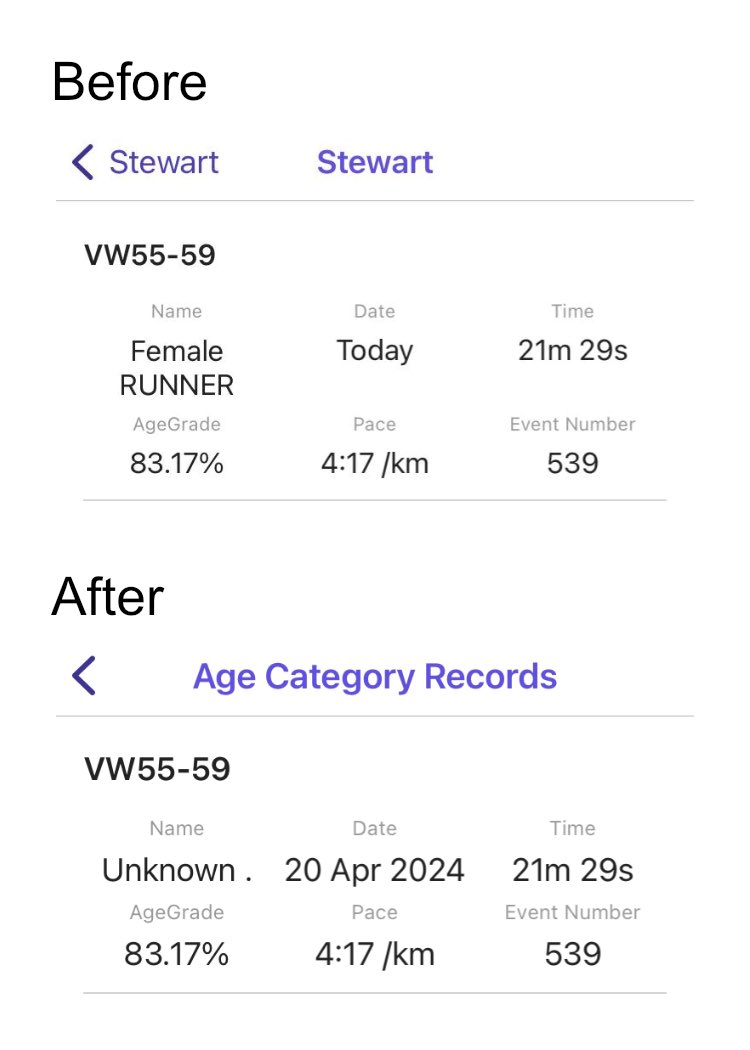
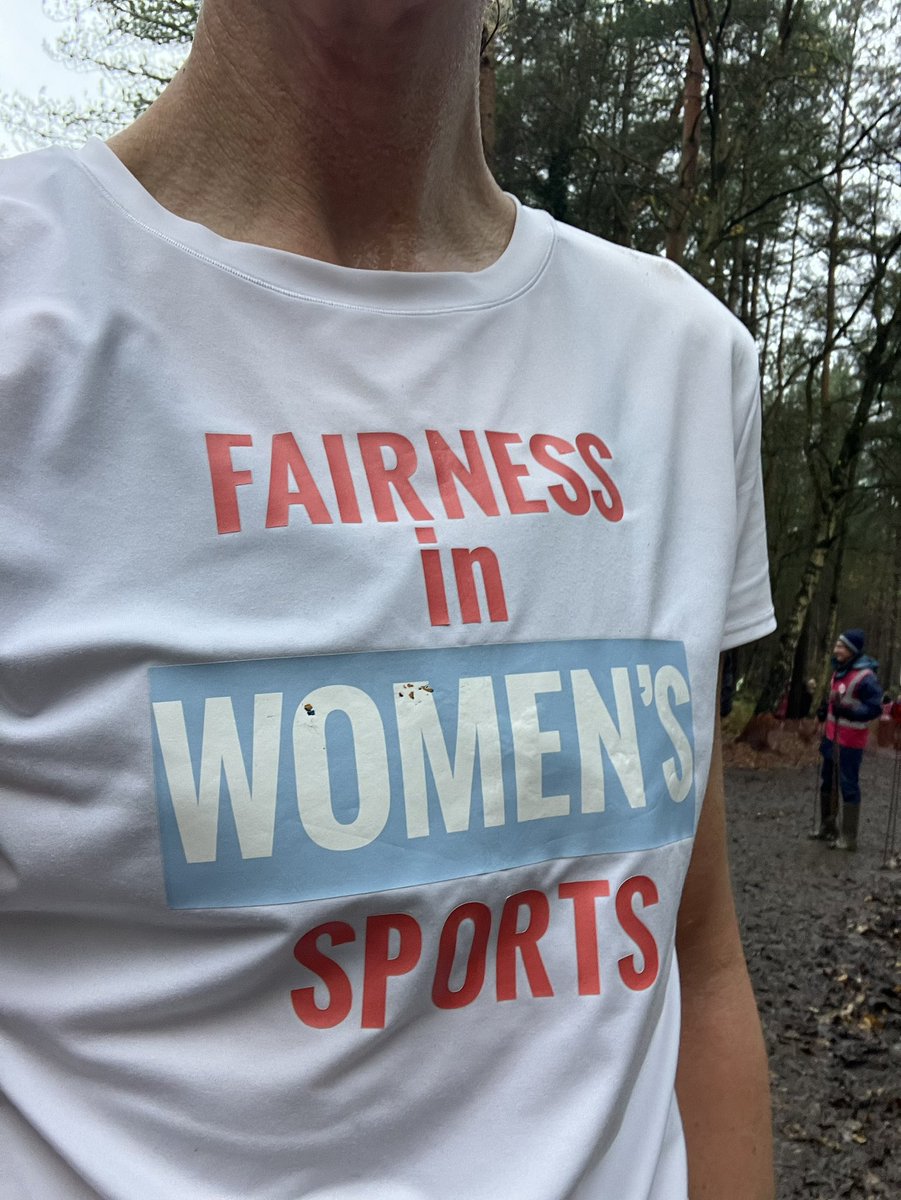
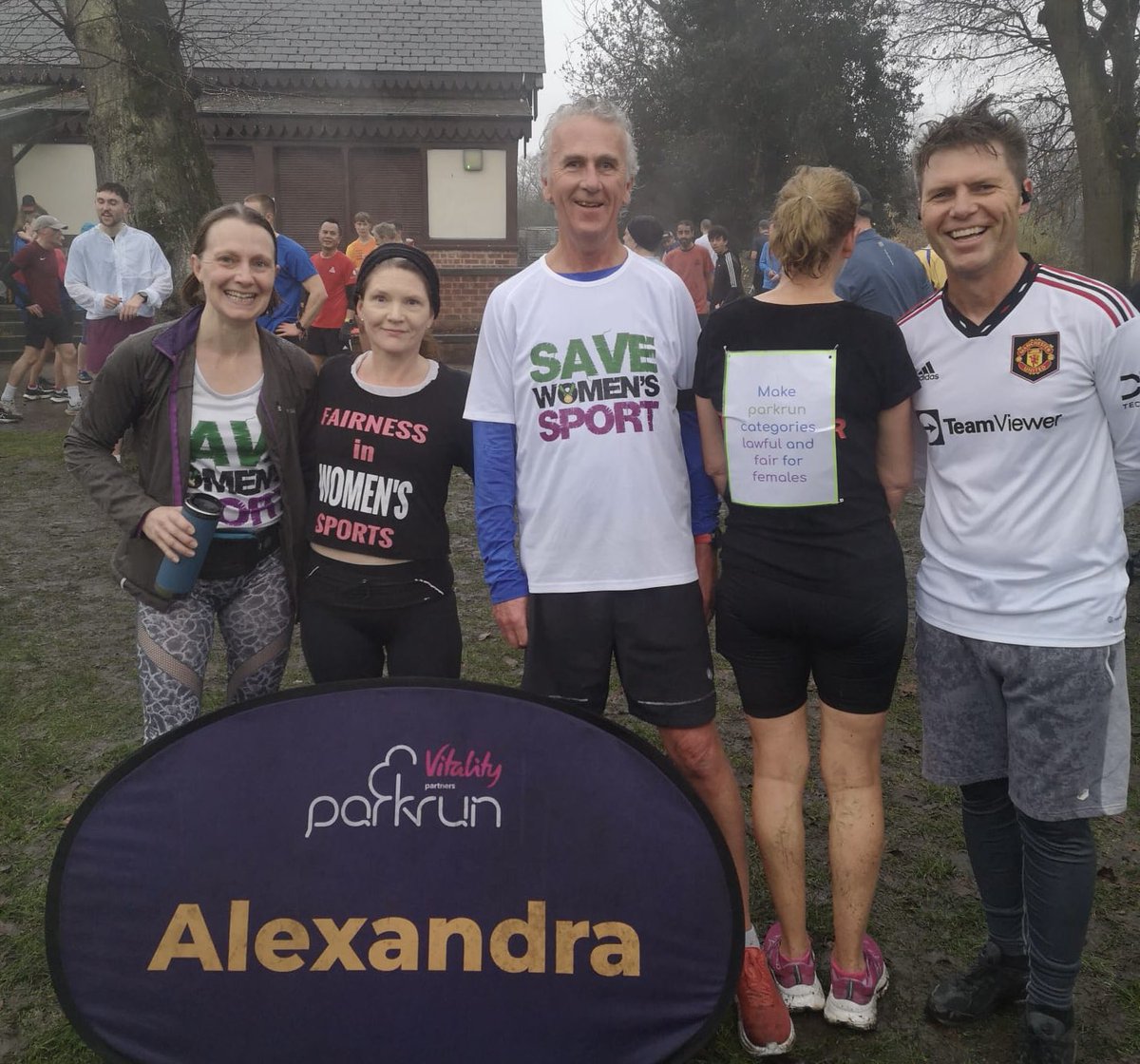
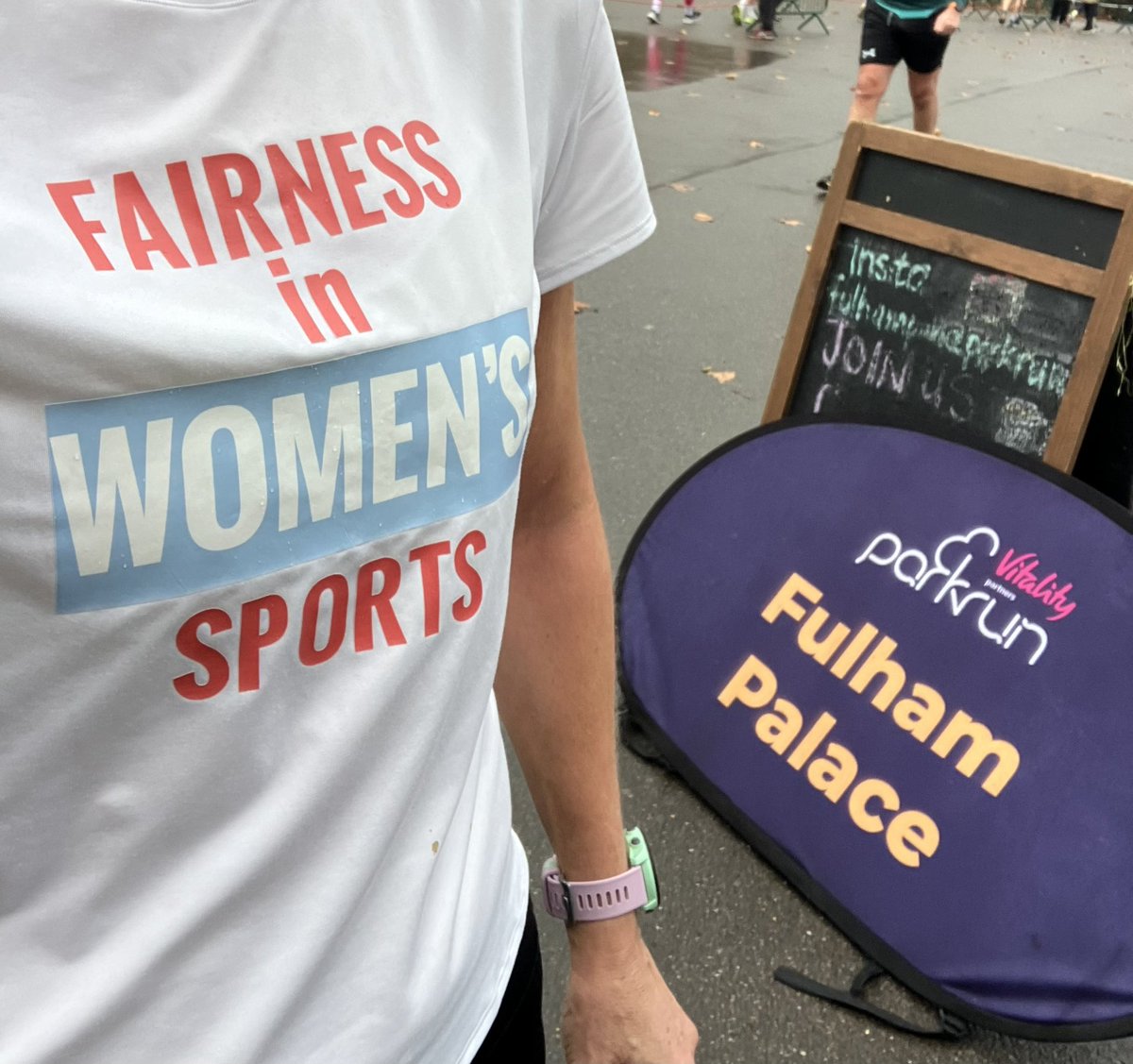
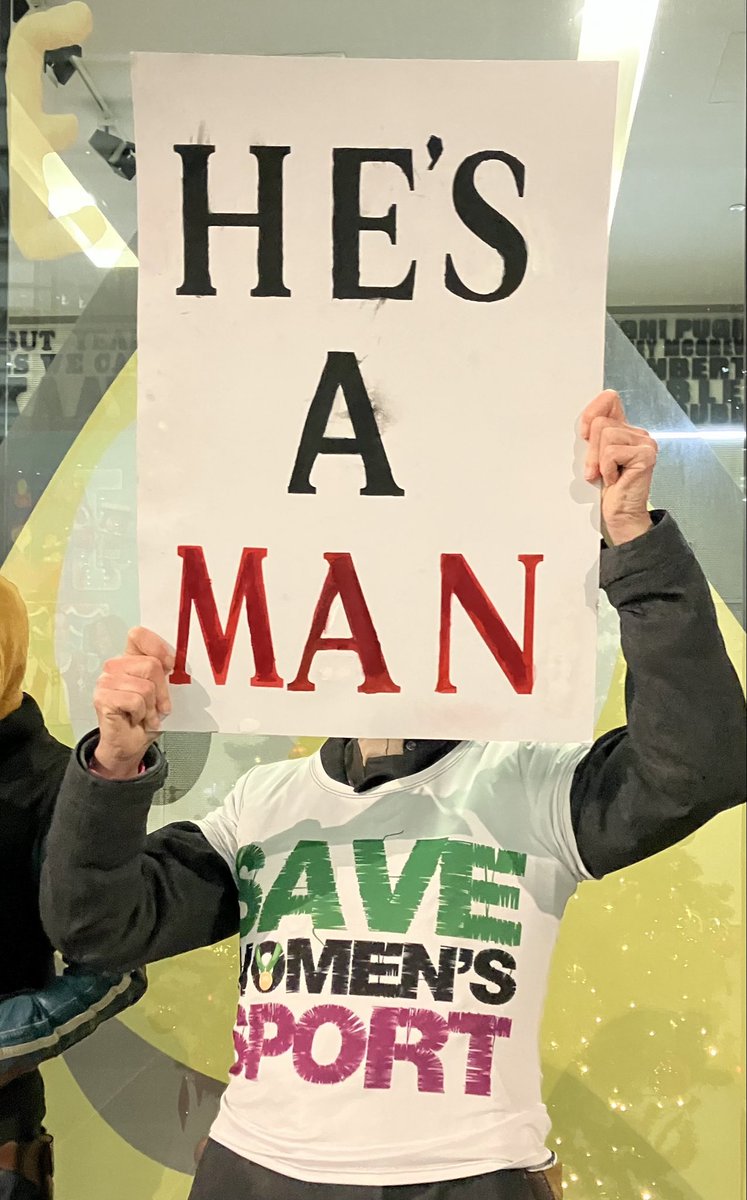
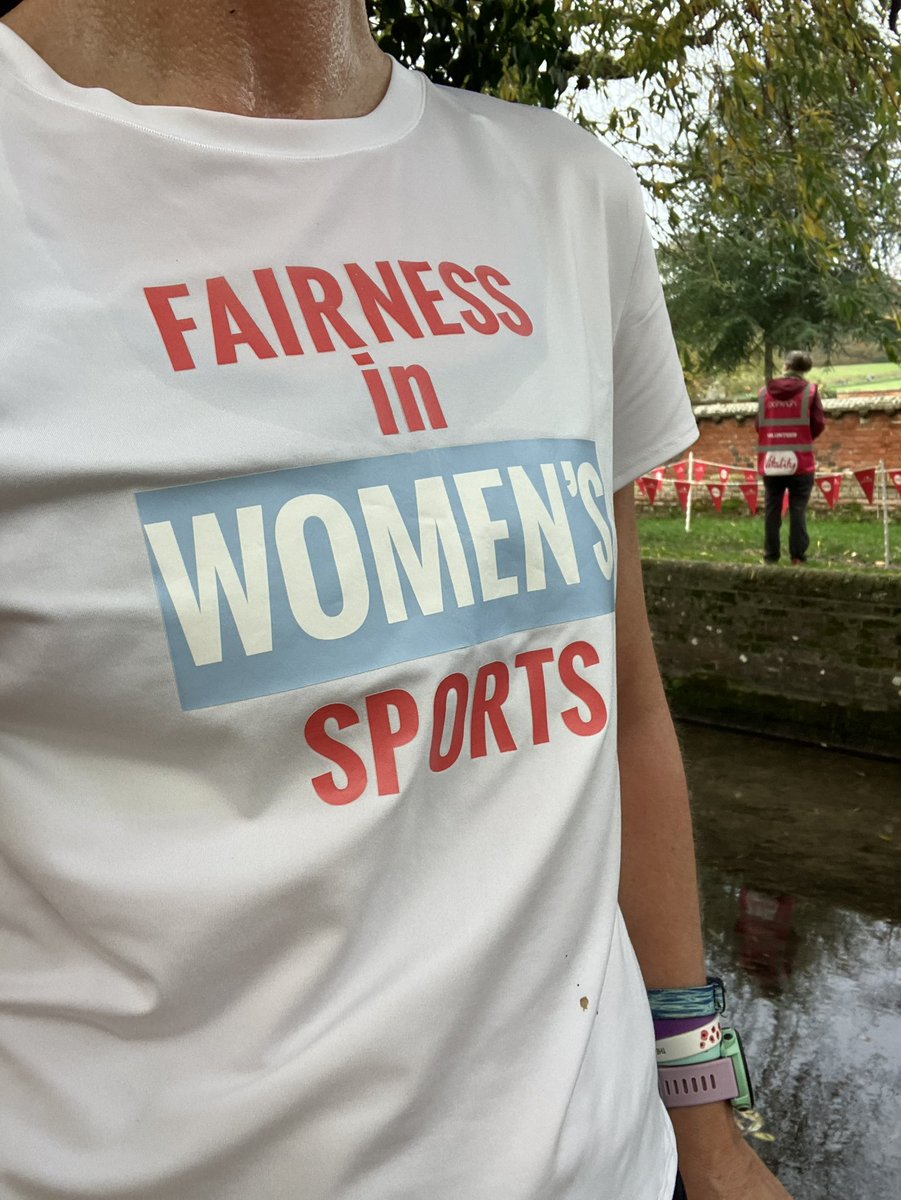
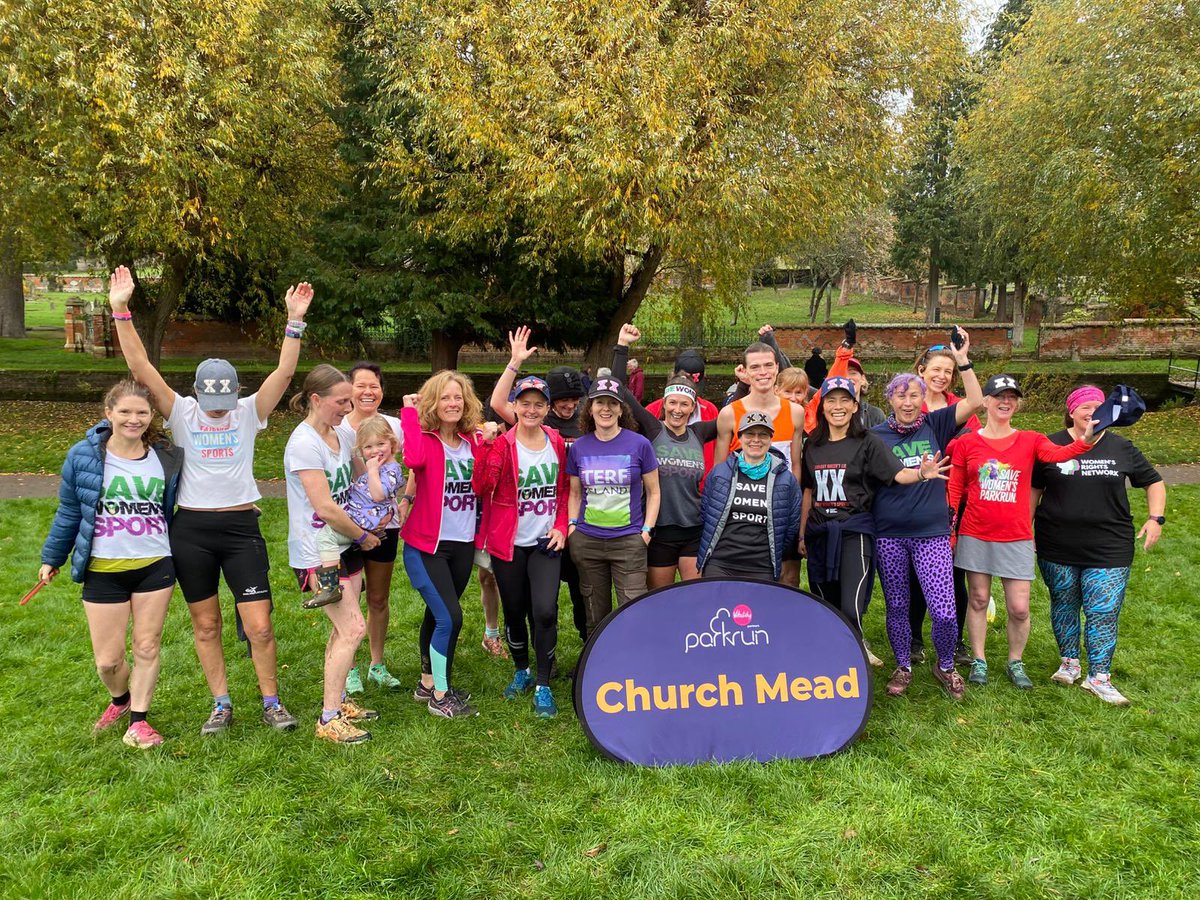
Thanks to so many regular parkrunners/volunteers across the UK who sent me their photos calling on @parkrunUK to do better and stop unfair self ID! Sorry I couldn’t use them all. Please keep sharing and encouraging others to make their voices heard #savewomensparkrun
26
192
636
60,153
Female runner retweeted

Mar 14
Email the person and say "you seem to be registered in the wrong category. Here are your options - register as M, register without sex. Please correct your registration within X days or let us know if this a mistake on our part. " Etc
The normal thing to enforce TS and Cs
5
9
278
5,960
Female runner retweeted
Mar 14
.@parkrunUK did exactly this to me but a bit more brutally
1
5
65
4,234
Female runner retweeted

Feb 10
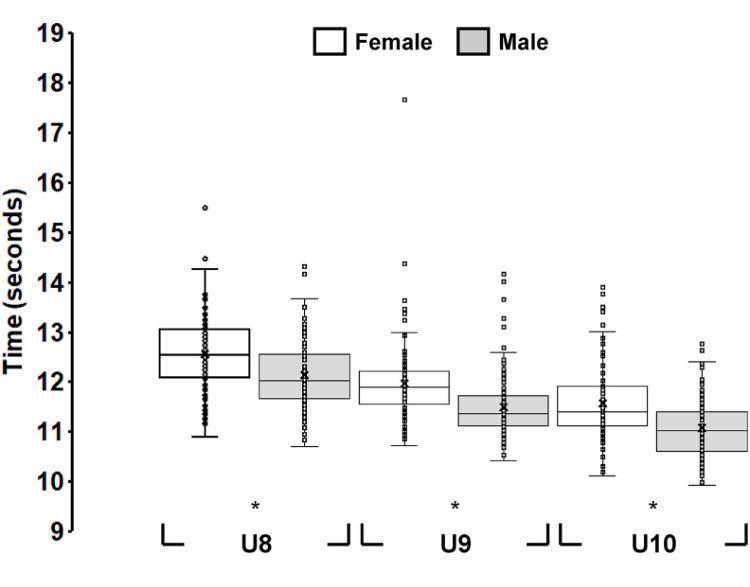
“Across all running events, males (aged 7 to 9) consistently outperformed females, with an average performance advantage of 4.9 %”
This is why it is grossly unfair to school girls to only have mixed-sex sport options; setting them up to fail even before puberty
Feb 9

New article! But not necessarily ground breaking news. Once again an analysis of track competition data shows that 7, 8, and 9 year old boys run faster than girls in distances of 70m to 400m, this time using data from Australia
@icons_women @coachblade
pdf.sciencedirectassets.com/…
6
120
380
12,661
Female runner retweeted
Feb 9
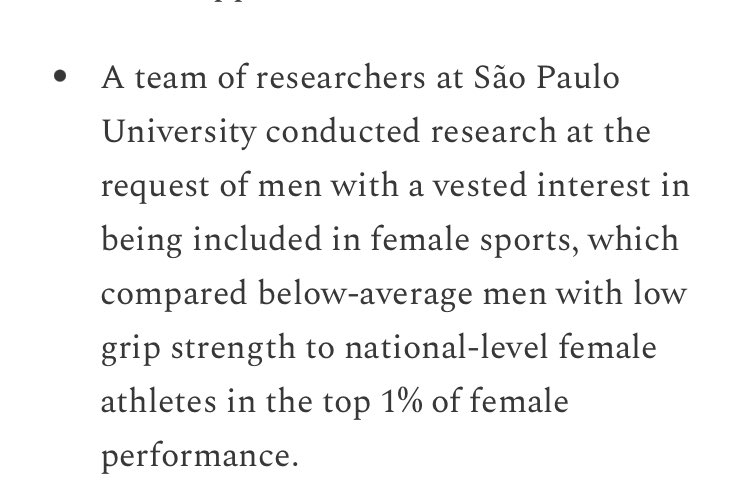
The first conclusion from the @void_if_removed review of the @BJSM_BMJ paper - debunking their claim that transwomen (biological males) have no advantage over female athletes
The SEEN in Sport website has an abundance of peer reviewed research; showing male advantage increases from birth and is not removed by years of testosterone suppression
Feb 9

An absolute savage review of that terrible BJSM paper trying desperately to show no fitness differences between trans-identifying males and females.
Well worth the read. voidifremoved.co.uk/p/beef-t…
2
23
63
1,488
Female runner retweeted
Feb 9
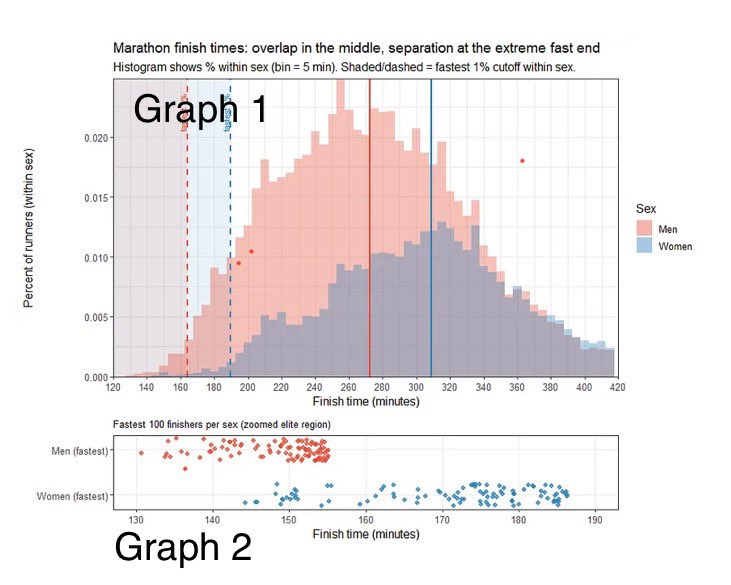
Another debunking of the @BJSM_BMJ claim that transwomen (biological males) have no advantage over females in sport
Yes there’s overlap between elite women and untrained men (Graph 1)
But compare elite women v elite men and the overlap virtually disappears (Graph 2)
Feb 9

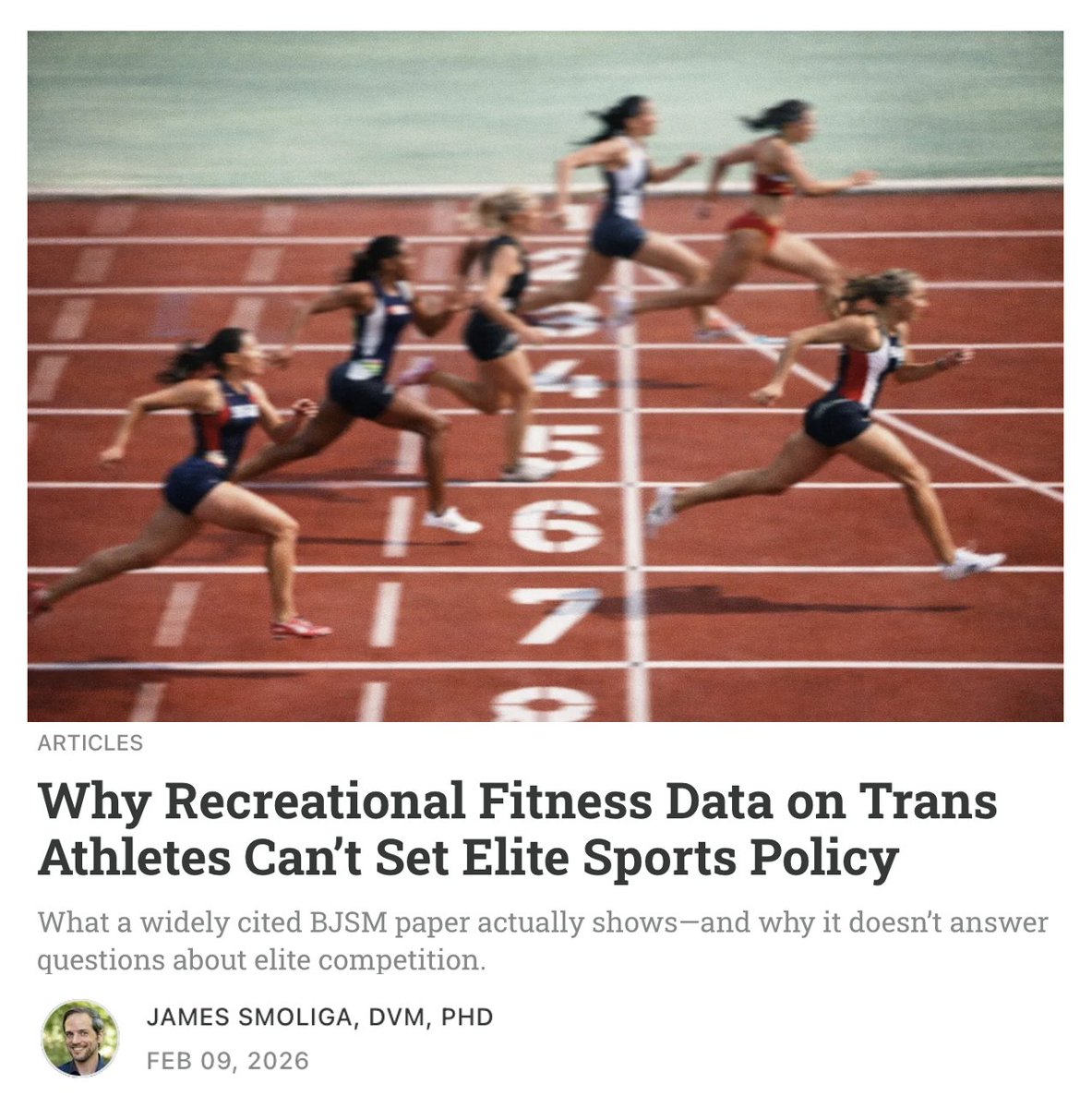
🚨NEW: Major scientific and media outlets have been using a recent @BJSM_BMJ analysis to assert that “transgender women” have no advantage over biological women in sports.
This is HIGHLY misleading, and it’s being used to justify elite sports policy the data cannot support.
The BJSM study measures recreational fitness in amateur populations, not elite athletic performance under extreme training.
Overlap in average fitness does not predict outcomes at the performance ceiling, where outcomes in elite sport is actually decided.
For @RealLastStand, ports scientist @jsmoliga breaks down why using this paper to justify competitive sports policy is scientifically unjustified.
🔗realityslaststand.com/p/why-…
3
24
124
6,340
Female runner retweeted

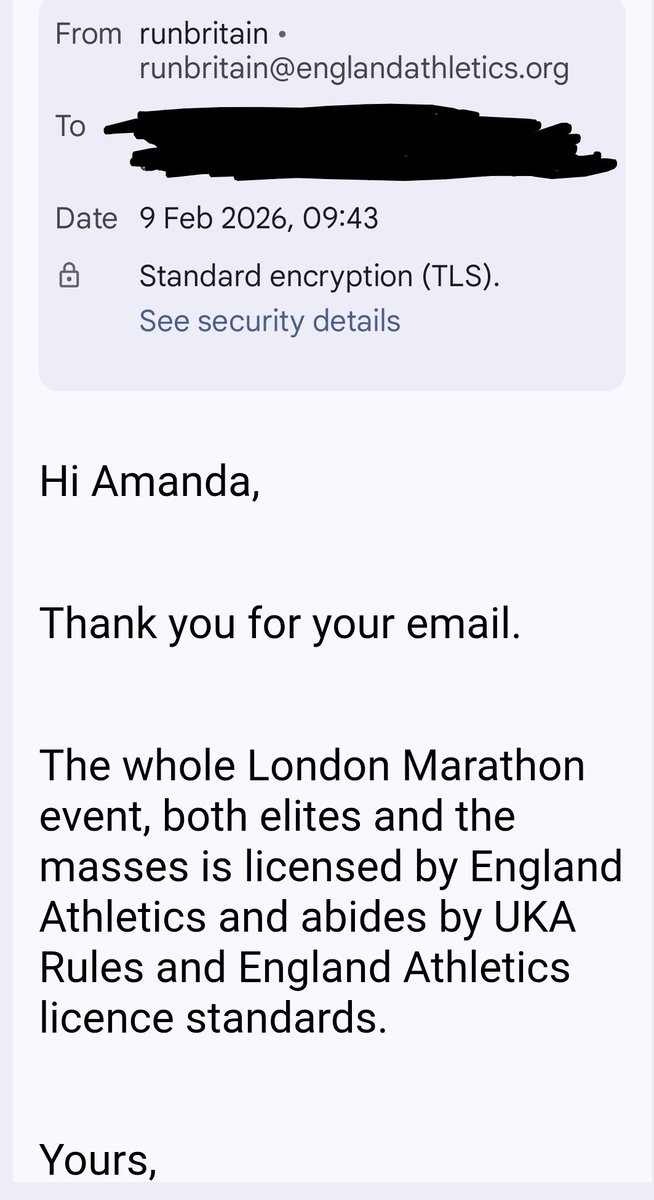
London Marathon is in April. Every year since UKA banned males from the Female category, males have competed in it.
The 2026 race, including the Mass race, is under EA’s licence and therefore males are still banned.
So how many males will break the rules this year?

3
28
128
3,415
Female runner retweeted
Timed and ranked results are important to the majority of the @parkrunUK community
Women and girls are lawfully entitled to the same fairness in results as males enjoy.
All it needs is a simple sex at birth registration policy and an expectation that people will be honest
1
27
321
The @parkrunUK I planned to do was cancelled today because no RD was available
I still went along to do a ‘fun run’
The vast majority of parkrunners did not
Seems they really like getting timed results published in ranked order and split into male and female categories
8
76
482
9,815
Timed and ranked results are important to the majority of the @parkrunUK community
Women and girls are lawfully entitled to the same fairness in results as males enjoy.
All it needs is a simple sex at birth registration policy and an expectation that people will be honest
1
27
321
Female runner retweeted

There was a time when a women's Olympic gold medallist confessing he's really a man would have been front page news, @BBCNews @itvnews @Channel4News.
18
316
1,905
27,107
Female runner retweeted
Feb 7
Great interview with @mara_yamauchi and @DerryBanShee bringing more facts on the unfairness of allowing males into grassroots sports and recreational activities

The @SexMattersOrg podcast is on sport this week - @MForstater, @DerryBanShee & me discussing the law (it’s not just section 195!), competition, recreational sport, men still flouting the rules in athletics, parkrun and more. 👇
sex-matters-news.org/p/sport…
4
15
394
Female runner retweeted
Is Bunce going to apologise to all the people he called “anonymous fools” who stated the truth that Khelif is male? 🤔
35
105
1,152
58,322
Female runner retweeted
Feb 7
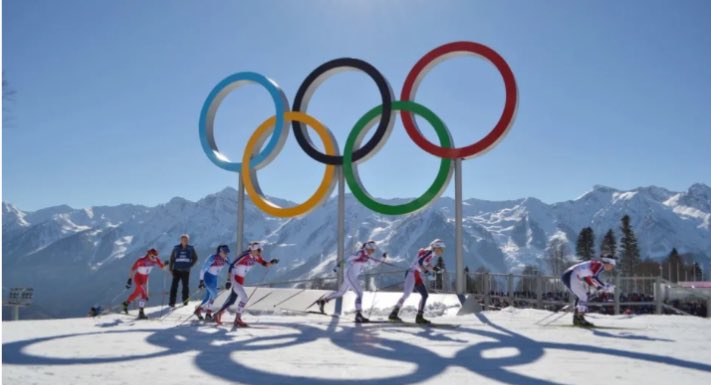
The @milanocortina26 Winter Olympics have begun
Although the International Ski Federation protected the female category in Sept 2025, @SnowsportEng @SnowsportWales and @Snowsport_Scot still allow males to participate in all levels of women’s snowsport
Details of the unfair policy and how to contact those in charge follows
31 May 2025

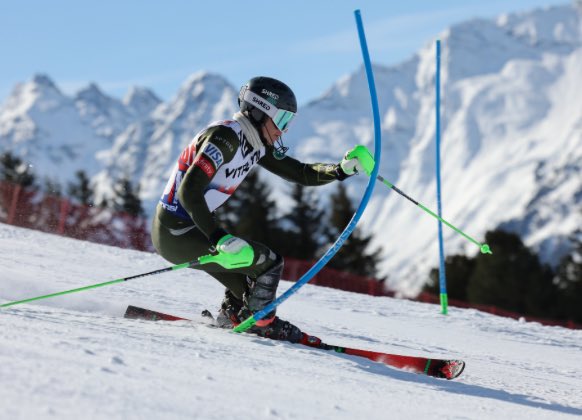
45 days since the Supreme Court ruling and @SnowsportEng two tier policy still states;
“We encourage organisers to be inclusive and not put barriers in the way of transgender people participating in their affirmed gender”
Time to restore lawful & fair snowsport for all females
1
34
87
7,175
Female runner retweeted
31 Jul 2024
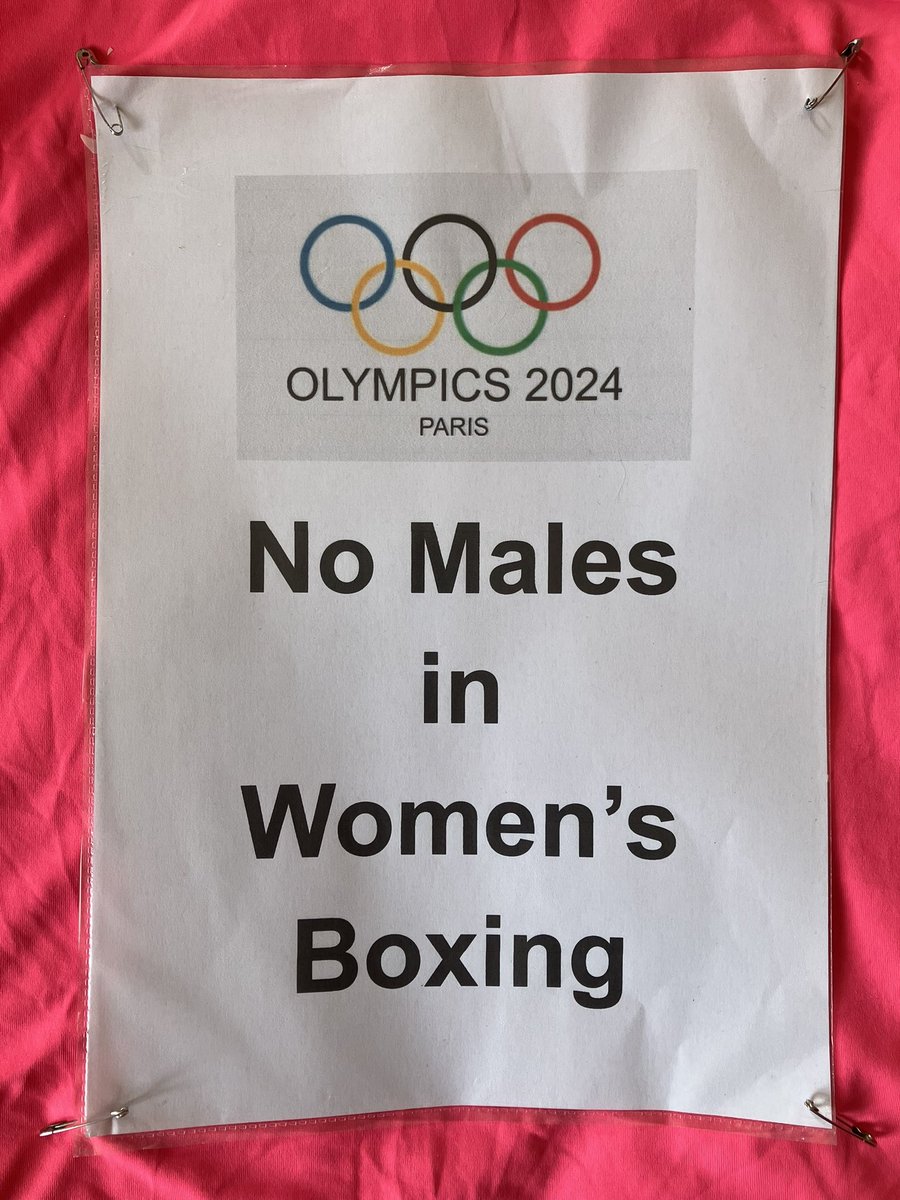
Well this sign sparked A LOT of reaction at a grass roots race tonight
So many of the general public and runners coming up and saying
Absolutely
Totally agree
It’s madness
And not just boxing, keep men out of all female sport
#IstandWithAngelaCarini
330
2,517
14,256
2,660,744
Female runner retweeted

Agree. I will never be elite and it matters to me. Training for a marathon is very hard. Training for London requires running regularly over winter often in the dark/ rain/ cold. It's deeply insulting to belittle women who dedicate their time & efforts just for wanting fairness.
4
12
160
2,173
Female runner retweeted

Feb 1
There’s nothing intimidating about women wearing T-shirts expressing support for fairness in women’s sport.
No individual is being targeted, named or singled out. No rules have been broken. No one is prevented from participating.
Disagreeing with a policy - or expressing a lawful view - is not intimidation. Calling it “campaigning” doesn’t change that.
2
4
186
3,367
Female runner retweeted


9
22
709
Female runner retweeted
Jan 31
I’ve been involved with parkrun for over a decade now - both as a runner and a volunteer - so I speak with some authority when I say the “it’s just a fun run” argument really doesn’t stand up.
I’m speaking in a personal capacity here, but the most common queries I deal with as a parkrun event director are about times not being recorded correctly against participants’ names.
That can happen for all sorts of reasons - forgotten barcodes, finish-funnel duckers, scanning glitches, you name it.
And much as I hate doing it, I’ve had to say ‘no’ to people who achieved amazing PBs but didn’t bring their barcode on the day 🫣 (Thems the rules.)
All of this tells you something important: participants care about times. And about fairness.
That’s true across the field - not just for the front-runners chasing records, but those nearer the back too.
Shaving a few seconds off a time, moving up a finishing place, improving an age-grade - these are all tangible markers of progress. Regardless of age, ability and fitness levels.
They’re what keep many people coming back week after week, year after year. Which is precisely why sex categories matter too.
Because if we accept that times, placings and progress are meaningful - and parkrun’s entire results system is built on the assumption that they are - then it also matters that people are being compared within fair, meaningful categories.
Calling parkrun a “fun run” doesn’t change that reality.
The data matters.
And fairness matters - to participants at every pace.
Jan 31

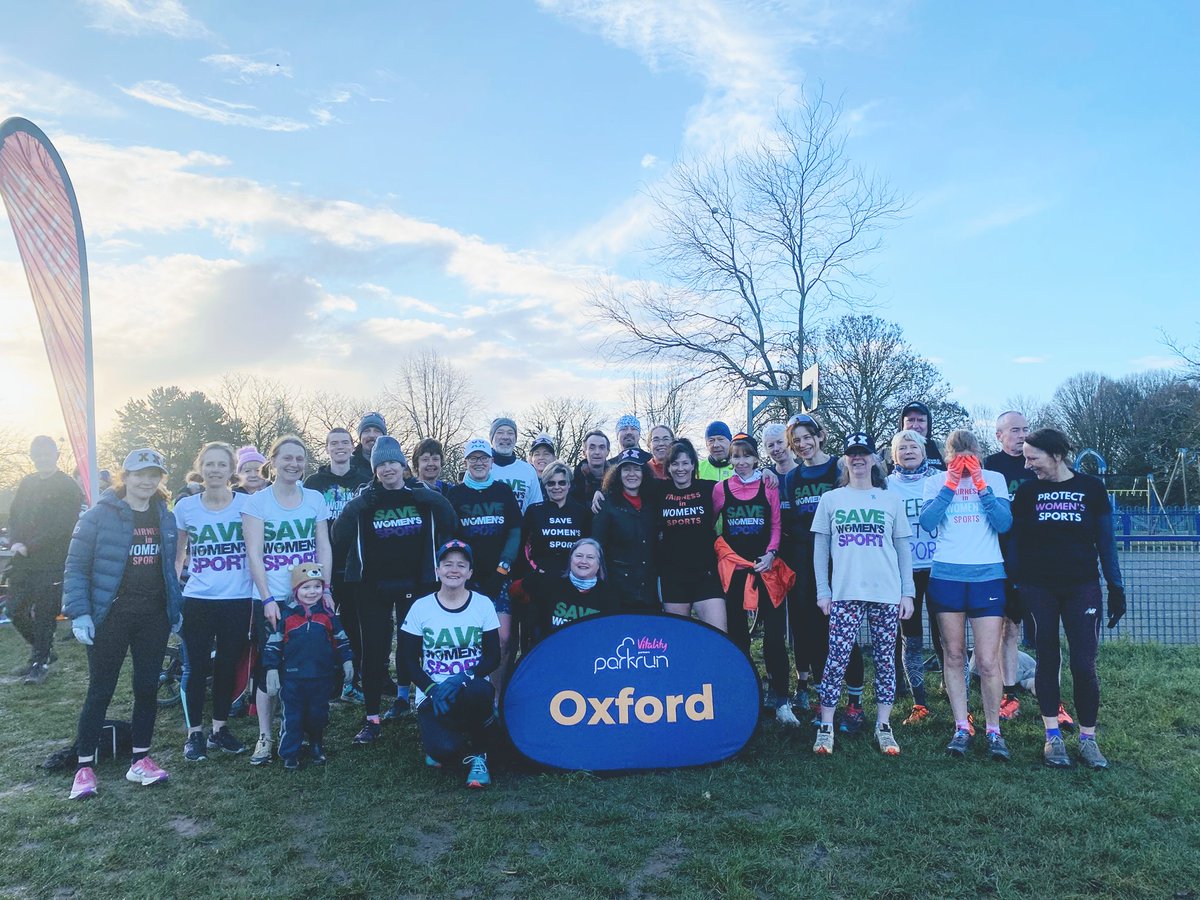
Thankyou for the amazing support from the Oxford @parkrunUK community this morning
Like us, they don’t agree with the unfair @parkrun policy of allowing males to self-id into the female category
If results are published and ranked in time order; they must be fair to all
56
245
1,337
129,885
Female runner retweeted

A reminder to @FAWales and your CEO - it's almost 300 days since the Supreme Court judgment and you STILL have a policy that allows men to play in the women's game.
No one can possibly take your daft announcements of virtue seriously, when you fail women.
1/4

Homophobia, biphobia & transphobia have no place in football or society.
The FAW is proud to support @FvHCymru this February & beyond to champion LGBTQ inclusion in our game 🏳️🌈🏳️⚧️
🫶 Mae pêl-droed yn gêm i bawb.
Find out how you can support this Month of Action ⬇️
faw.cymru/news/football-v-ho…
5
75
218
3,823
Female runner retweeted
#SaveWomensSports great turnout in Oxford this morning supporting fairness for women ❤️
3
33
270
2,870