Physician Scientist in drug development | Alum of Adult BMT/ Cell Therapy/ Med Oncology Fellowship Memorial Sloan Kettering Cancer Center | IM Residency MSSM
Joined February 2016
- Tweets 1,476
- Following 372
- Followers 970
- Likes 3,547
80 Photos and videos
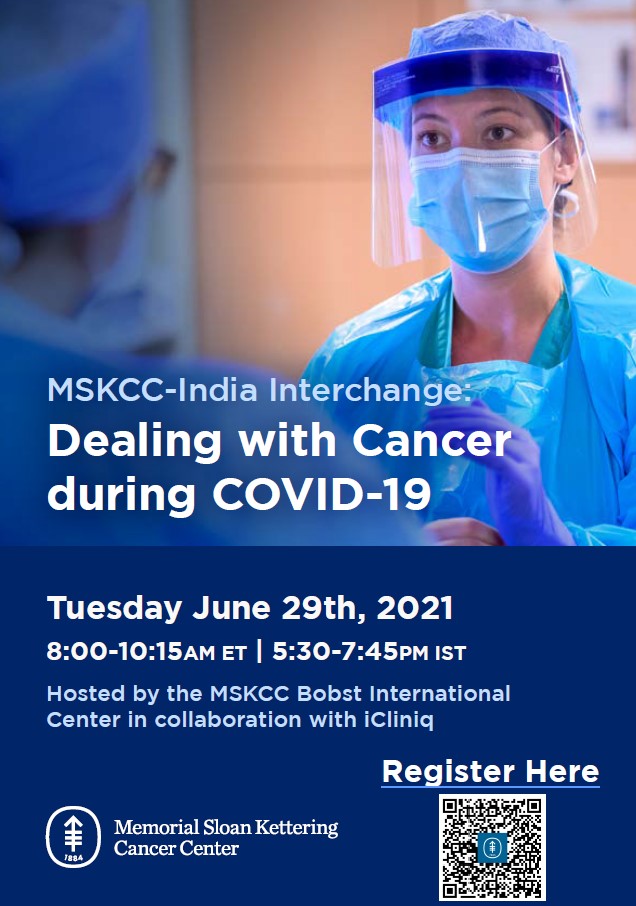

Pinned Tweet

6 May 2016
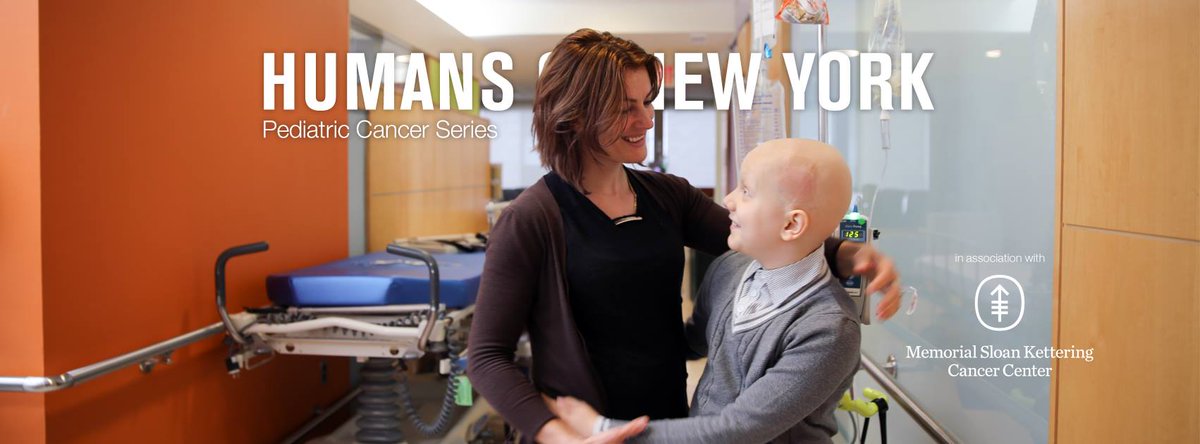
Gabe(3rd grade): But I can tell you, if you get brain cancer, try not to worry! Fight #PedsCancer @sloan_kettering x.com/sloan_kettering/status…

Check it out! Our Department of Pediatrics is currently being featured by @humansofny: facebook.com/humansofnewyork…
1
15
Arnab Ghosh retweeted

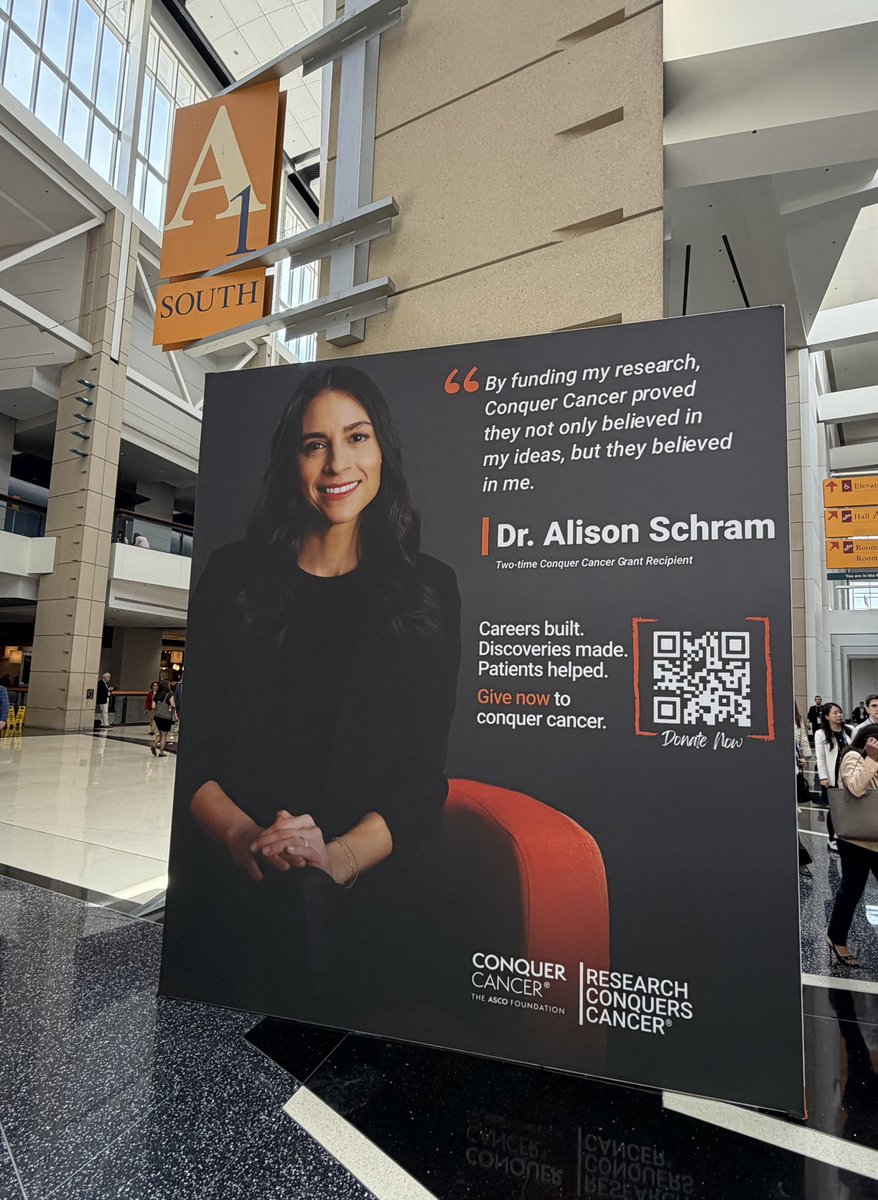
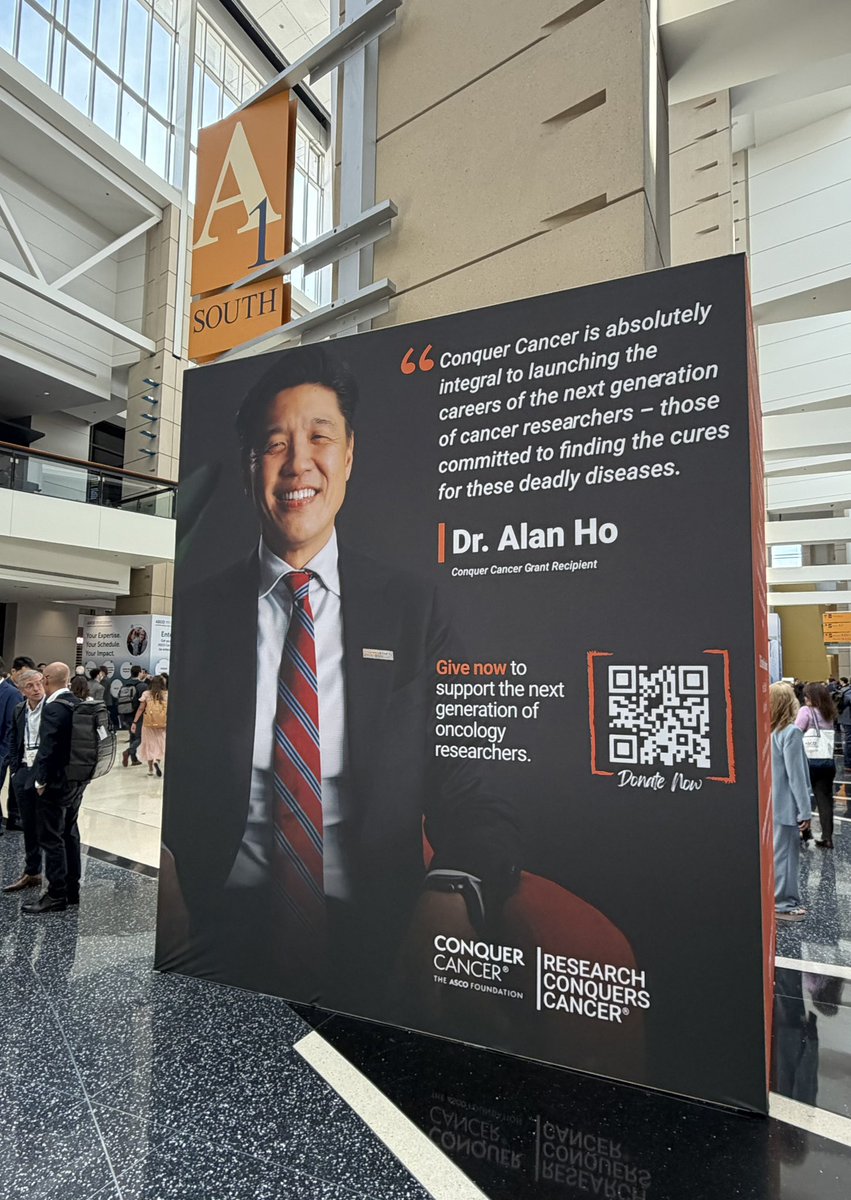
Spotted at #ASCO26: MSK’s Dr. @AlanHoMDPhD and @AliSchram featured as @ConquerCancerFd grant recipients 👏
1
9
28
2,193

Anyone who has lost a friend or family member to pancreatic cancer knows that it has dismal outcomes. This progress is incredible.
It represents the best of America. Sloan Kettering is a world renowned research institution. And Dr. Balachandran is the son of Indian immigrants.
Apr 19

Pancreatic cancer mRNA vaccine shows lasting results in an early trial. Scientists caution that more research is needed, but nearly all of the patients who responded to the personalized vaccine are still alive six years later.
nbcnews.com/health/cancer/pa…
121
869
5,562
187,620
Arnab Ghosh retweeted
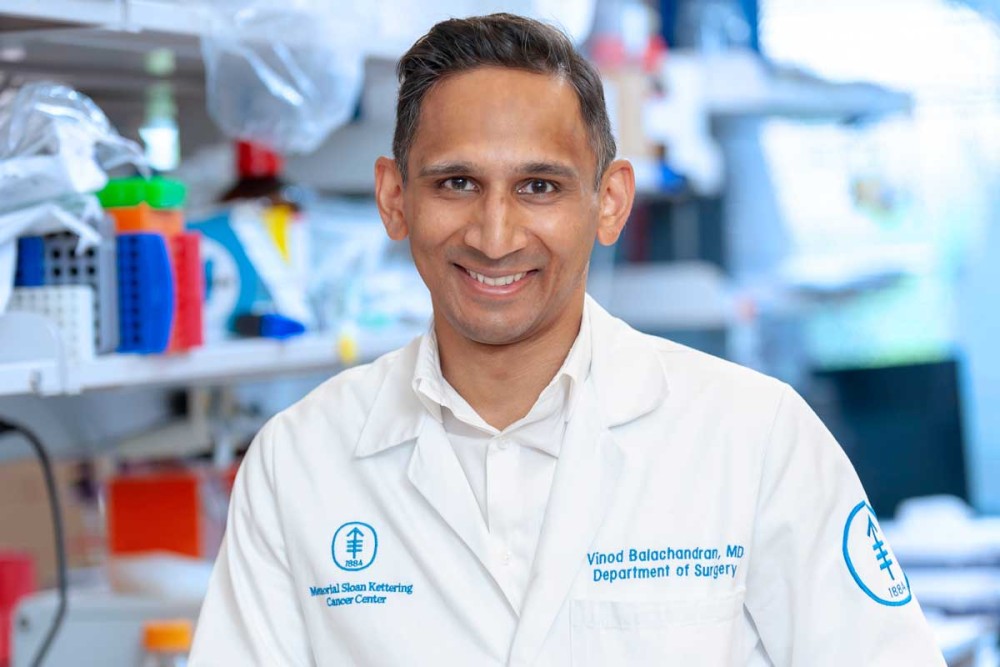
🚨 An experimental, personalized vaccine using #mRNA to prevent #pancreaticcancer from returning after surgery continues to show promise in a small, 16-person patient group.
New results from a phase 1 clinical trial, being presented at #AACR26, show that nearly 90% of people whose immune systems responded to the vaccine were still alive six years later.
“These early results show this new immunotherapy approach has the potential to be groundbreaking for one of the deadliest cancers,” says MSK physician-scientist Dr. Vinod Balachandran (@TheVinodLab), the trial’s principal investigator and Director of The Olayan Center for Cancer Vaccines.
Learn more about these findings: bit.ly/3QuIiaL @AACR
22
164
616
41,269
Arnab Ghosh retweeted

Apr 15
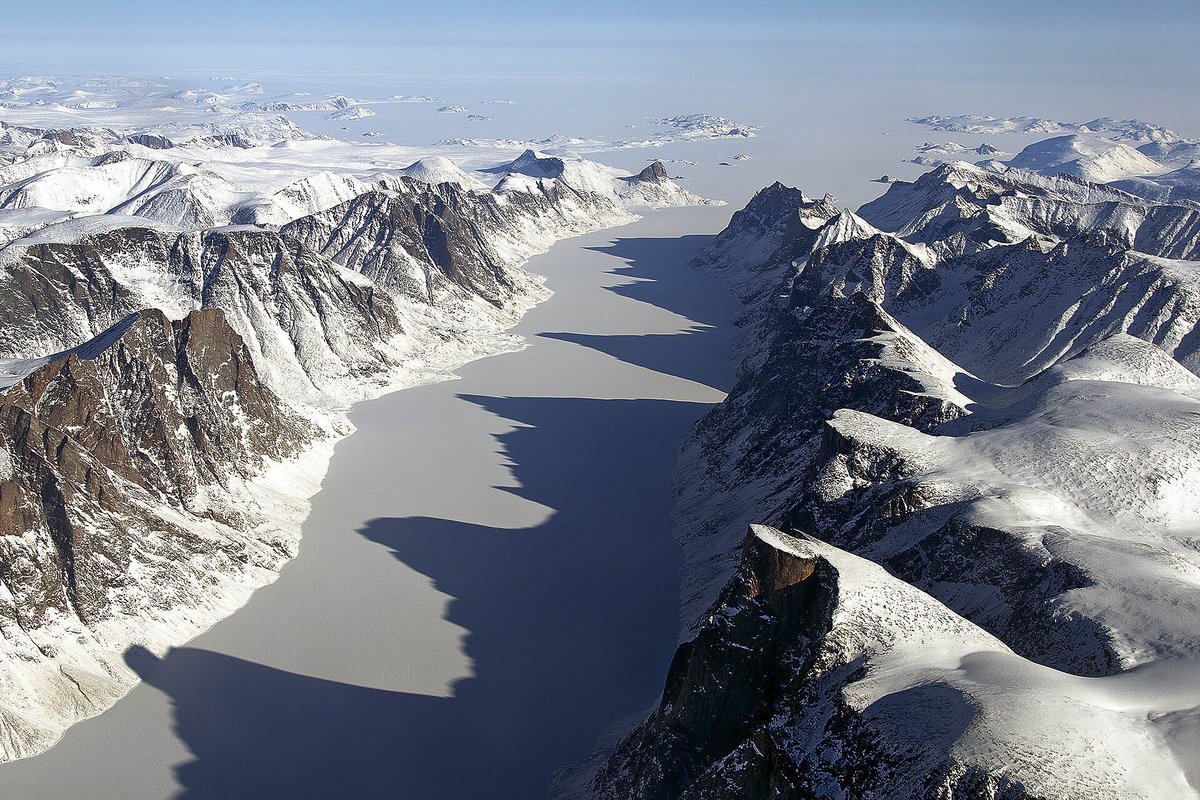
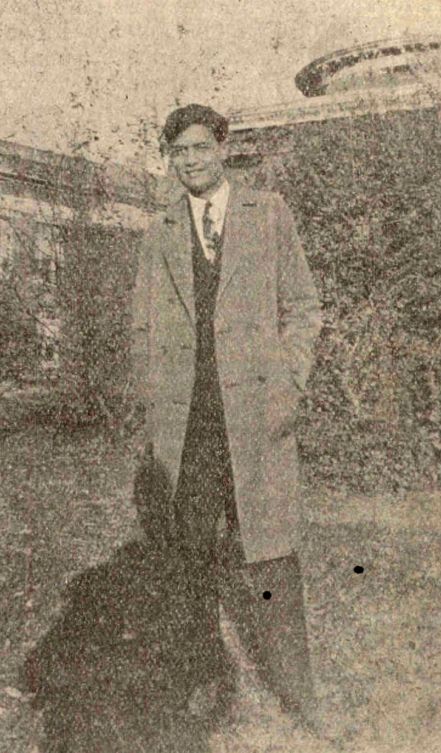
Located in the Canadian High Arctic, Baffin Island is the fifth largest island in the world. In this land of the midnight sun and polar nights, where a handful of Inuit communities endure, you would find a hill named after a Bengali Major. Thread.
1/19
10
59
237
21,970
Mar 27
Yoo-hoo @CentralParkWMD
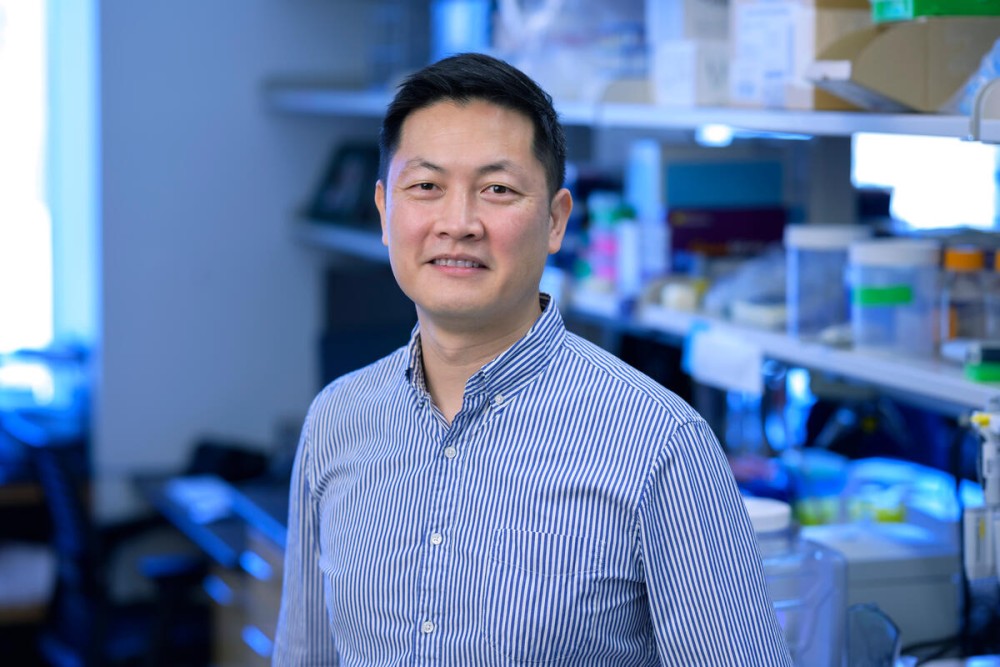
A new drug is showing promise in lung and pancreatic cancers (two of the most aggressive forms of cancer) by targeting one of the most common cancer-driving mutations.
Researchers at Memorial Sloan Kettering Cancer Center (MSK), including gastrointestinal medical oncologist @CentralParkWMD who led the global phase 1 clinical trial, shared results published in the @NEJM.
The trial tested setidegrasib, a drug that tags and destroys the cancer-causing protein produced by the KRAS G12D mutation. This new method for targeting a long-known mutation is called a KRAS degrader.
KRAS mutations are present in about 1 in 5 cancers. The G12D subtype drives about 40% of pancreatic cancers and 5% of non-small cell lung cancers.
“This drug’s potential is exciting,” says Dr. Park, “because the trial results suggest that setidegrasib can not only extend life for some patients with these aggressive cancers, it also has a very good safety profile, meaning the drug was well-tolerated with side effects that can be managed quite easily."
Learn more about this research: bit.ly/4lSeoJa
1
1
4
1,365
Arnab Ghosh retweeted

Mar 5
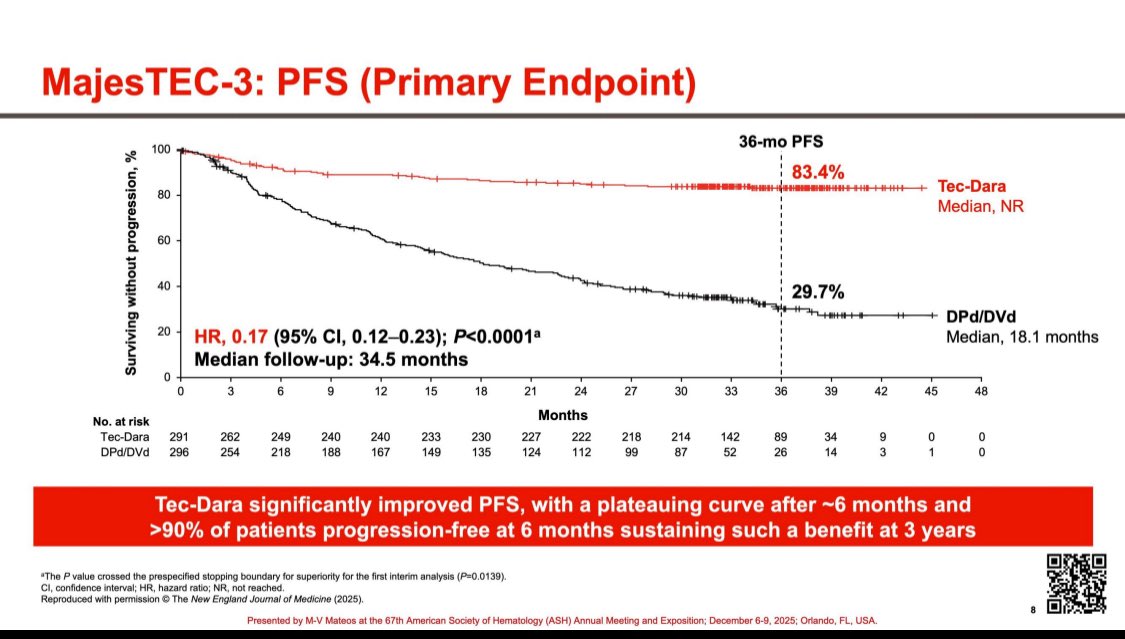
Just in: Good news for the myeloma field.
FDA approves teclistamab plus daratumumab (Tec-Dara) combination for myeloma for patients who have had at least one prior line of therapy.
Note: Always use Tec-Dara with monthly IVIG. It’s not optional.
That was fast! And this is unprecedented curve is why.
7
89
299
26,352
Arnab Ghosh retweeted

Jan 23
We're clearing the way for more cures and meaningful treatments.
New treatments hold tremendous promise for the hundreds of thousands of Americans suffering from multiple myeloma.
endpoints.news/jj-praises-ne…
66
35
223
11,310
Arnab Ghosh retweeted

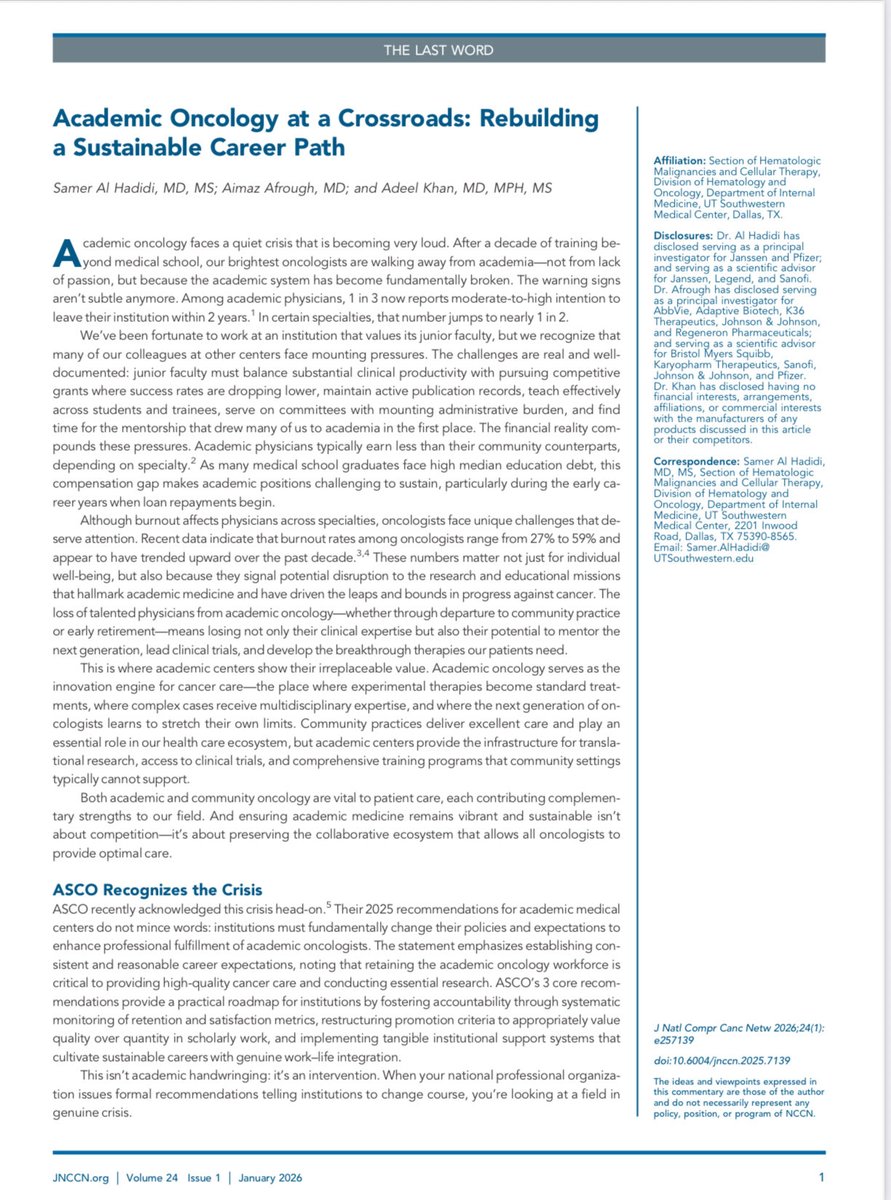
Academic Oncology at a Crossroads: Rebuilding a Sustainable Career Path
@JNCCN #MedTwitter #academia
“Academic oncology faces a quiet crisis that is becoming very loud. After a decade of training beyond medical school, our brightest oncologists are walking away from academia—not from lack of passion, but because the academic system has become fundamentally broken.”
➡️ jnccn.org/view/journals/jncc…
2
4
12
1,204
Arnab Ghosh retweeted
9 Dec 2025
13
117
350
132,049
Arnab Ghosh retweeted

2 Dec 2025
Enjoyed being featured in the Lancet Neurology Lifeline series. Thank you @TheLancetNeuro for the invitation! Krithi Irmady - The Lancet Neurology thelancet.com/journals/laneu…
1
99
Arnab Ghosh retweeted
4 Jun 2025
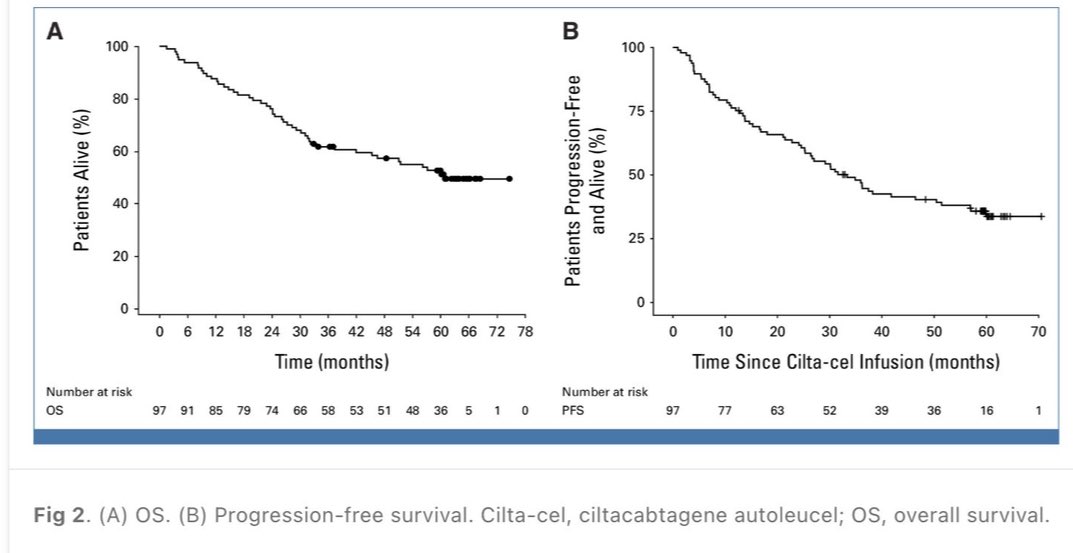
Photo of the year for myeloma:
Cilta-cel in multi-drug refractory disease
From Jagannath, @PlasmaCellPete et al @JCO_ASCO #ASCO25
2
38
150
11,817
Arnab Ghosh retweeted

6 Apr 2025
“The most effective way to prevent the spread of measles is the MMR vaccine.”
Important message from @SecKennedy. Completely agree and encourage all parents to make sure their children are vaccinated against measles.
6 Apr 2025

I came to Gaines County, Texas, today to comfort the Hildebrand family after the loss of their 8-year-old daughter Daisy. I got to know the family of 6-year-old Kayley Fehr after she passed away in February. I also developed bonds with and deep affection for other members of this community during that difficult time. My intention was to come down here quietly to console the families and to be with the community in their moment of grief.
I am also here to support Texas health officials and to learn how our HHS agencies can better partner with them to control the measles outbreak, which as of today, there are 642 confirmed cases of measles across 22 states, 499 of those in Texas.
In early March, I deployed a CDC team to bolster local and state capacity for response across multiple Texas regions, supply pharmacies and Texas run clinics with needed MMR vaccines and other medicines and medical supplies, work with local schools and healthcare facilities to support contact investigations, and to reach out to communities, including faith leaders, to answer any questions or respond to locations seeking healthcare. Since that time, the growth rates for new cases and hospitalizations have flattened. The most effective way to prevent the spread of measles is the MMR vaccine. I’ve spoken to Governor Abbott, and I’ve offered HHS’ continued support. At his request, we have redeployed CDC teams to Texas. We will continue to follow Texas’ lead and to offer similar resources to other affected jurisdictions.
167
21
98
20,666
Arnab Ghosh retweeted

28 Mar 2025
What happens when a cancer researcher becomes a patient herself—and then sets out to change the future of myeloma care? 👩🔬
Our Chief Medical Officer @DrGwenNichols sat down with @UrviShahMD for a conversation you don’t want to miss 👉 bit.ly/4c5Zx90
4
14
8,137
Arnab Ghosh retweeted

27 Mar 2025
Today's cover: MTA greenlights $250M for consultants to expand Second Avenue subway — at expected cost of $4.3B per mile to build trib.al/UFOY4Nq

136
288
702
84,655
13 Feb 2025
Pretty neat @AshTewariMD
13 Feb 2025

Met Mr. @VivekGRamaswamy and his father-in-law in Washington DC. We talked about diverse issues including innovation, culture and more.
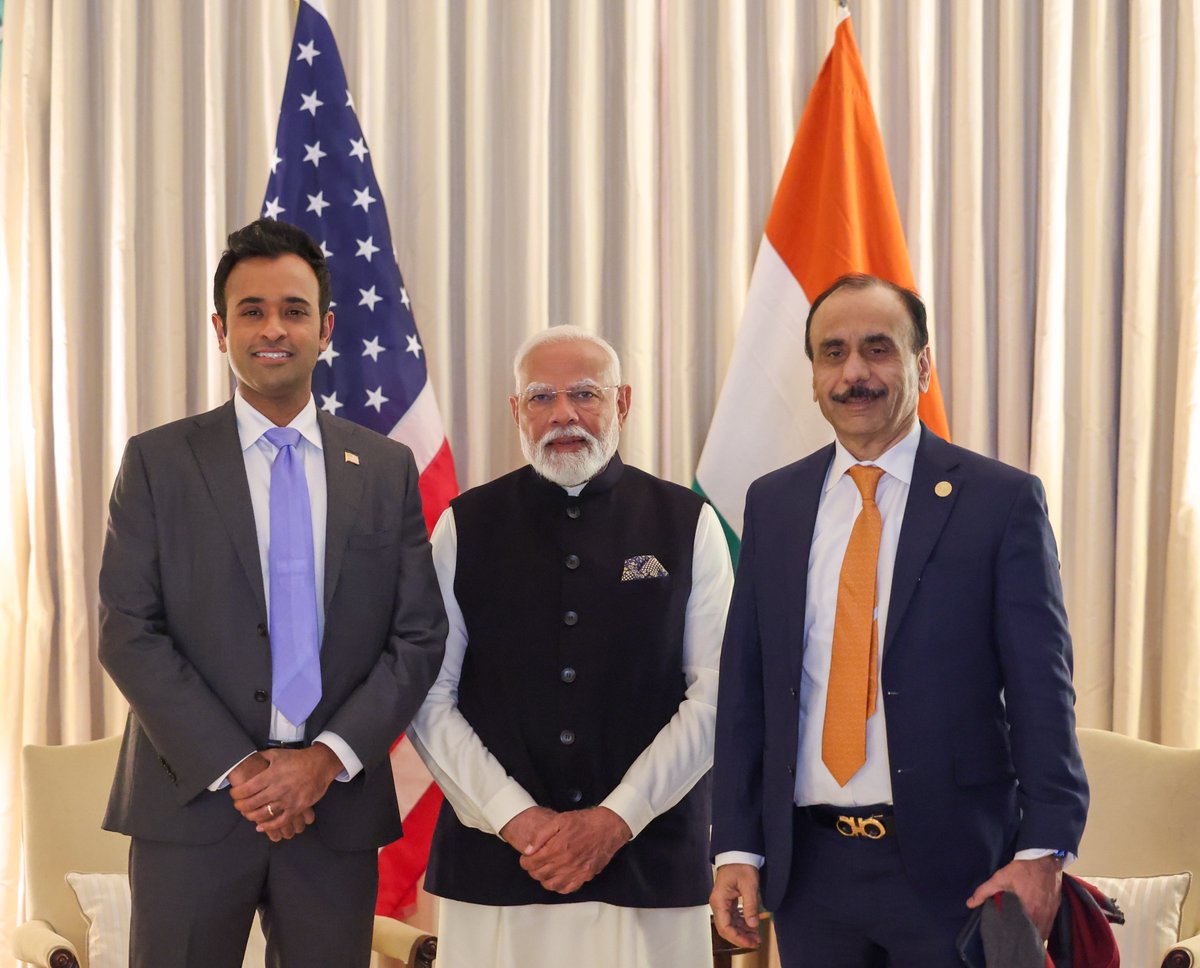
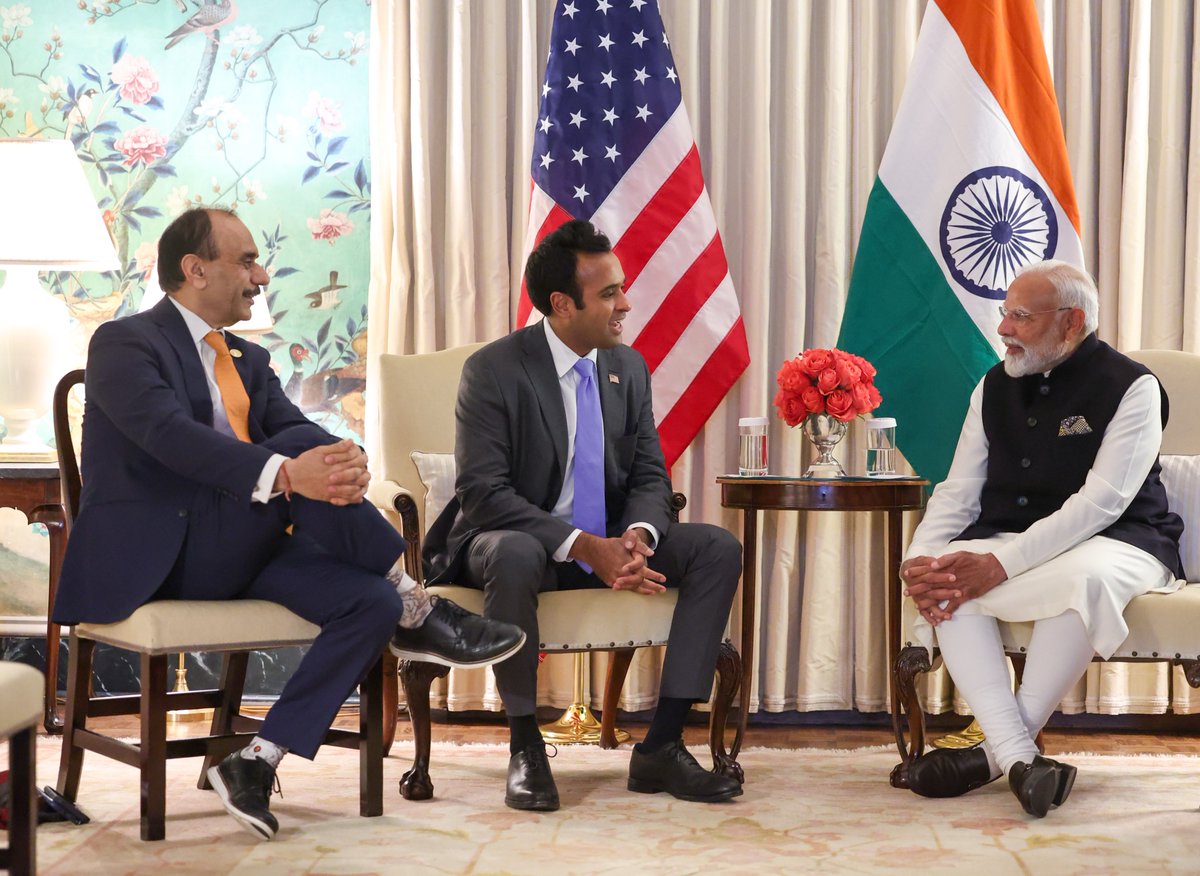
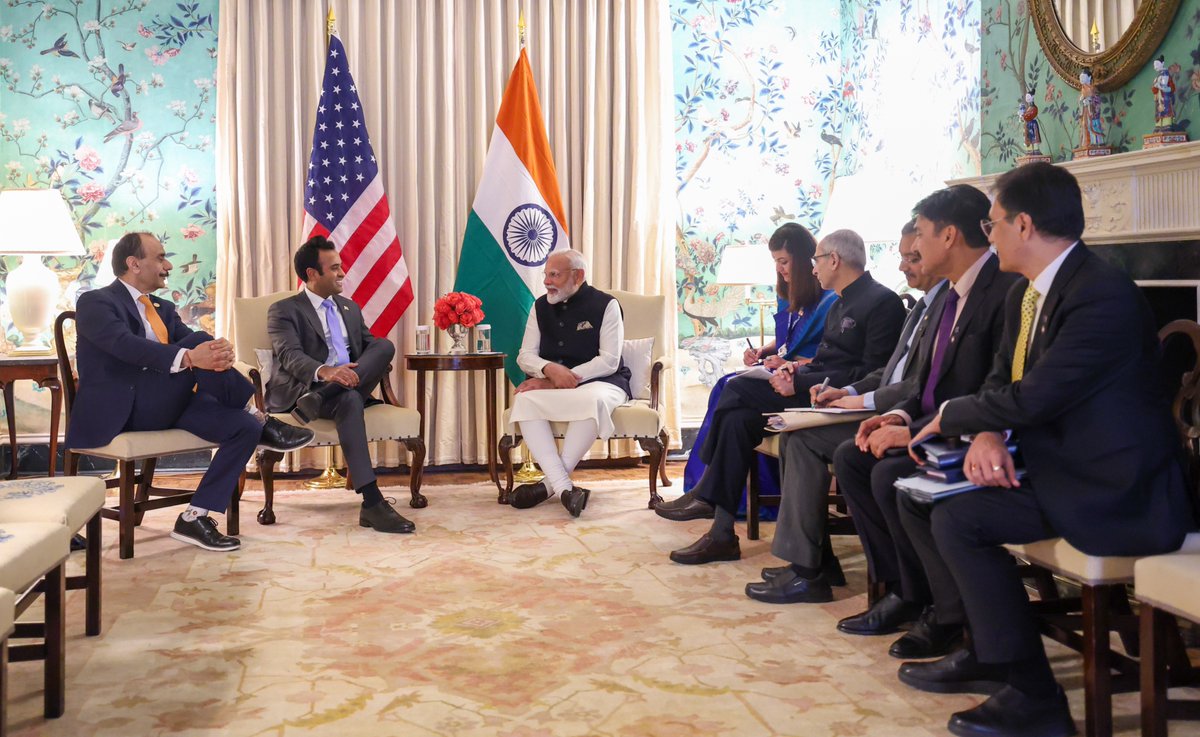
1
456
2 Jan 2025
So inspiring every time @wolchokj
2 Jan 2025

When people say, “Why aren’t we curing cancer?”, point them to this. Amazing.
1
232
Arnab Ghosh retweeted

4 Nov 2024
can’t make this up 😭😭
4 Nov 2024

Dead ass, just seen a raccoon fall from the ceiling in Laguardia Airport 💀💀💀
374
4,946
47,952
3,362,529
Arnab Ghosh retweeted

7 Nov 2024
Astoria the Wild Turkey relaxes in a tree on a warm autumn day on Roosevelt Island. 🦃 ❤️ #birdcpp
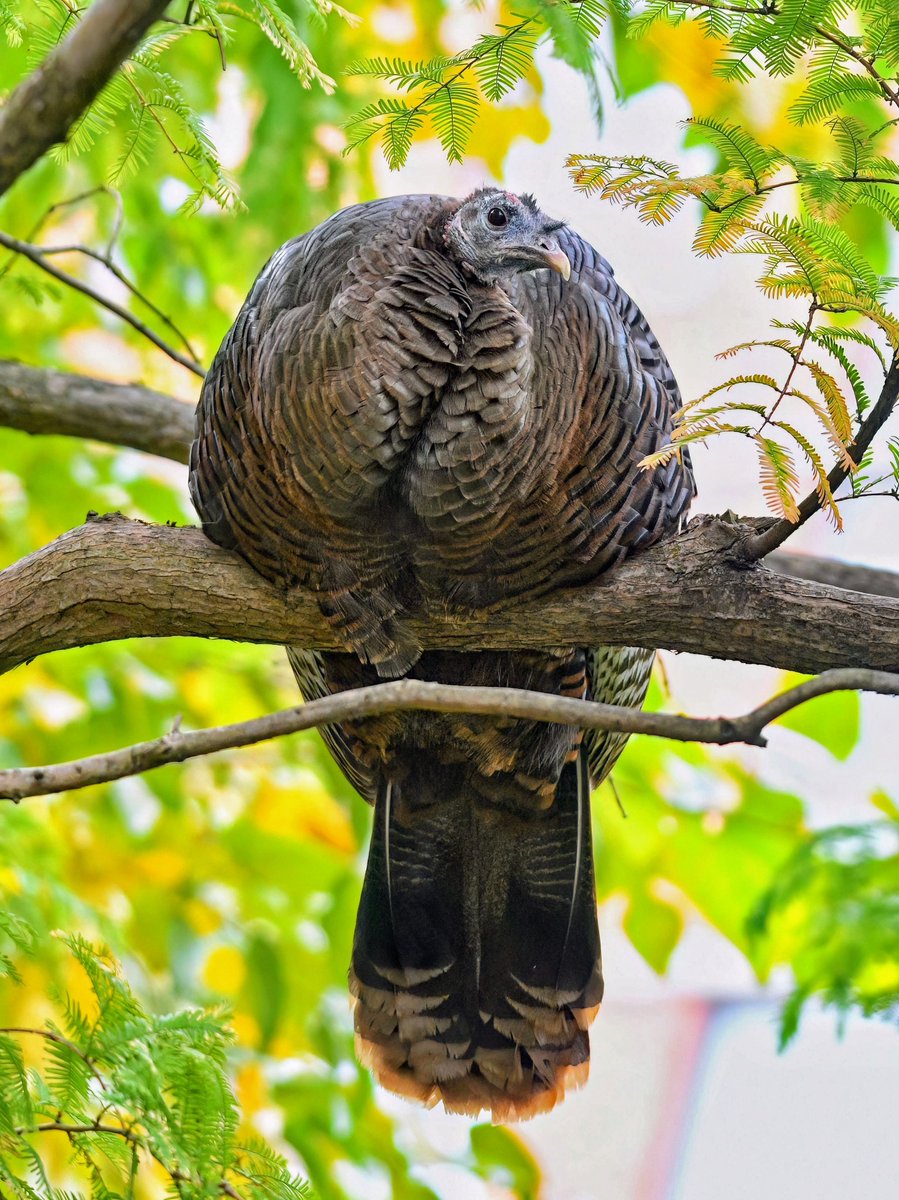
28
116
977
22,319
8 Oct 2024
Hotel internet connections are frustrating!
8 Oct 2024

"I'm in a cheap hotel in California which doesn't have a good internet or phone connection. I was going to have an MRI scan today but I'll have to cancel that!"
- New physics laureate Geoffrey Hinton speaking at today’s press conference where his #NobelPrize was announced.
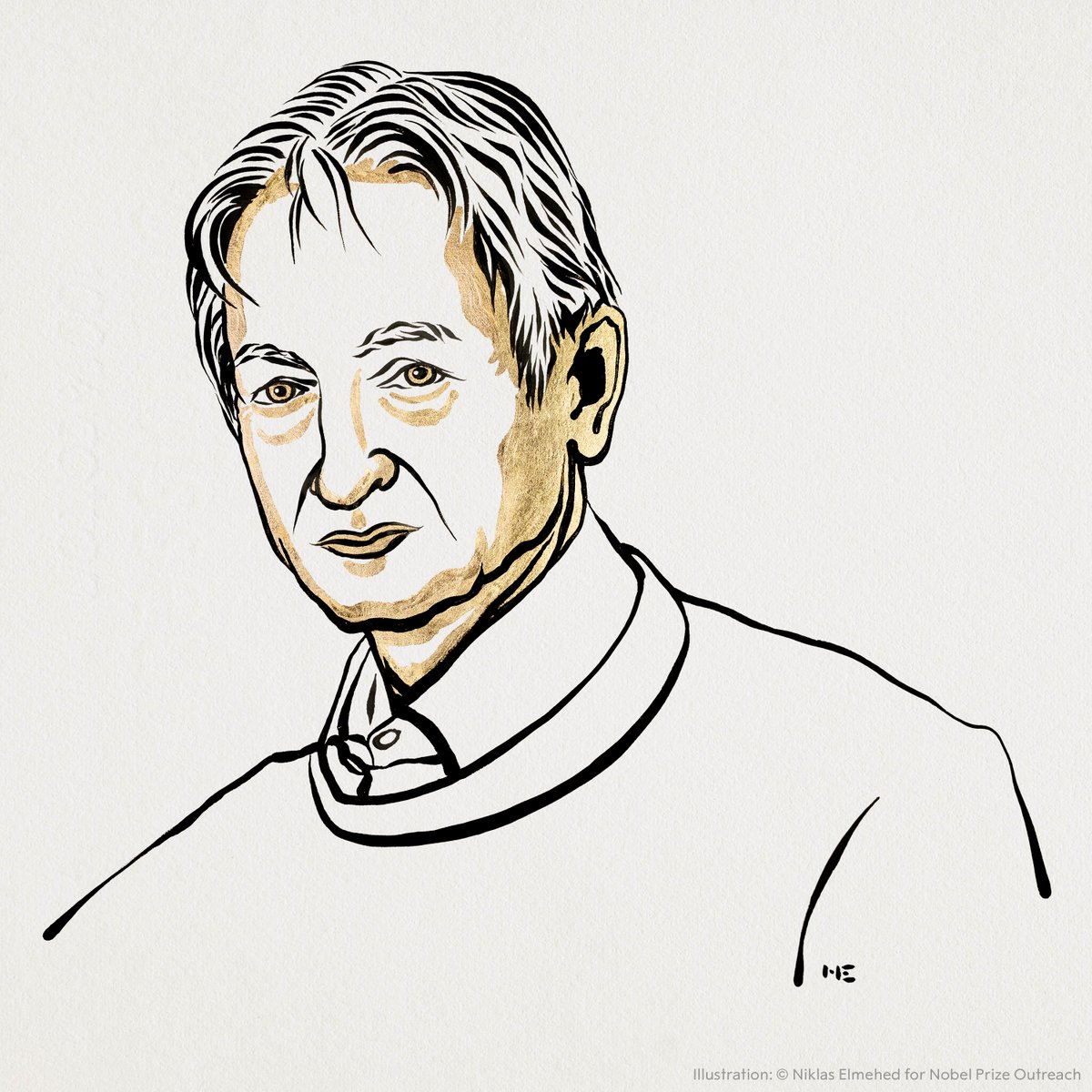
ALT Illustration of Nobel Prize laureate Geoffrey Hinton.
1
3
207