We make tools that render a quantitative view of #membraneproteins and #lipids at the #cellmembrane @YaleCellBio. #Massspectrometers are our favorite toys
Joined October 2021
- Tweets 76
- Following 332
- Followers 339
- Likes 192
8 Photos and videos

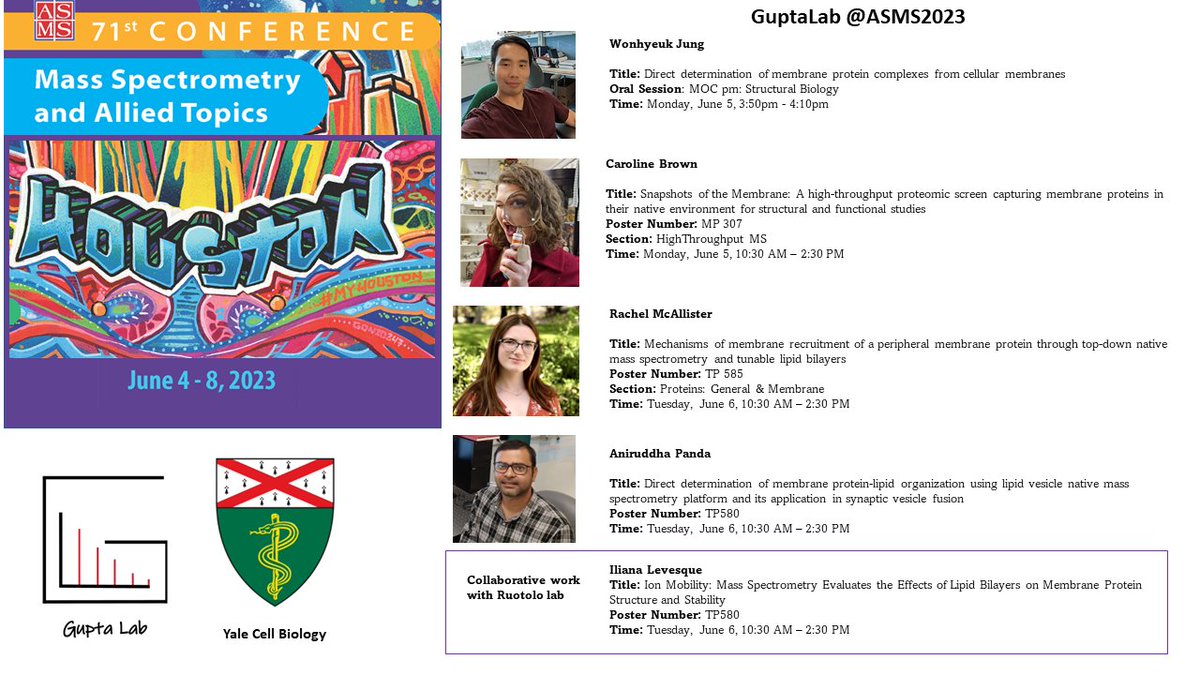
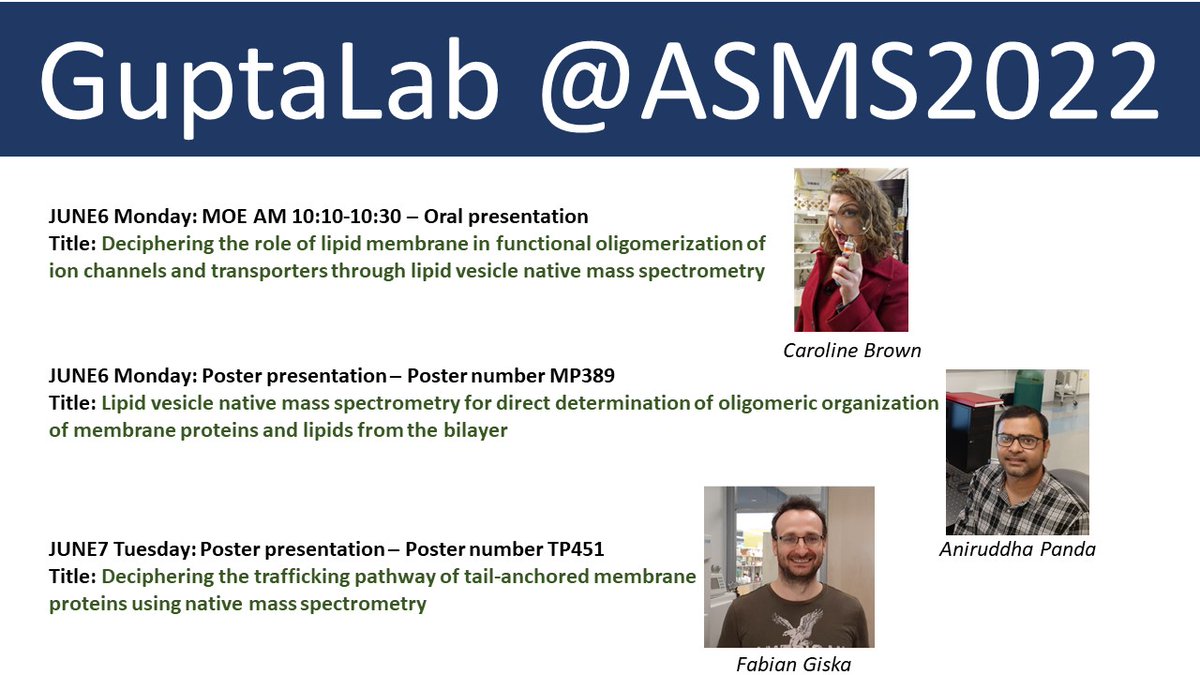
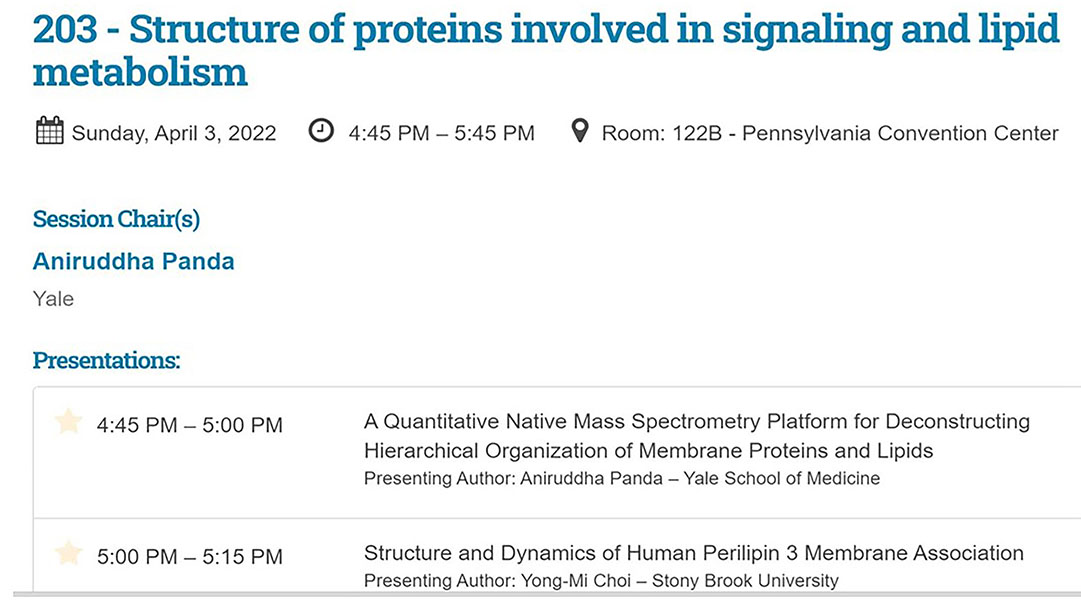
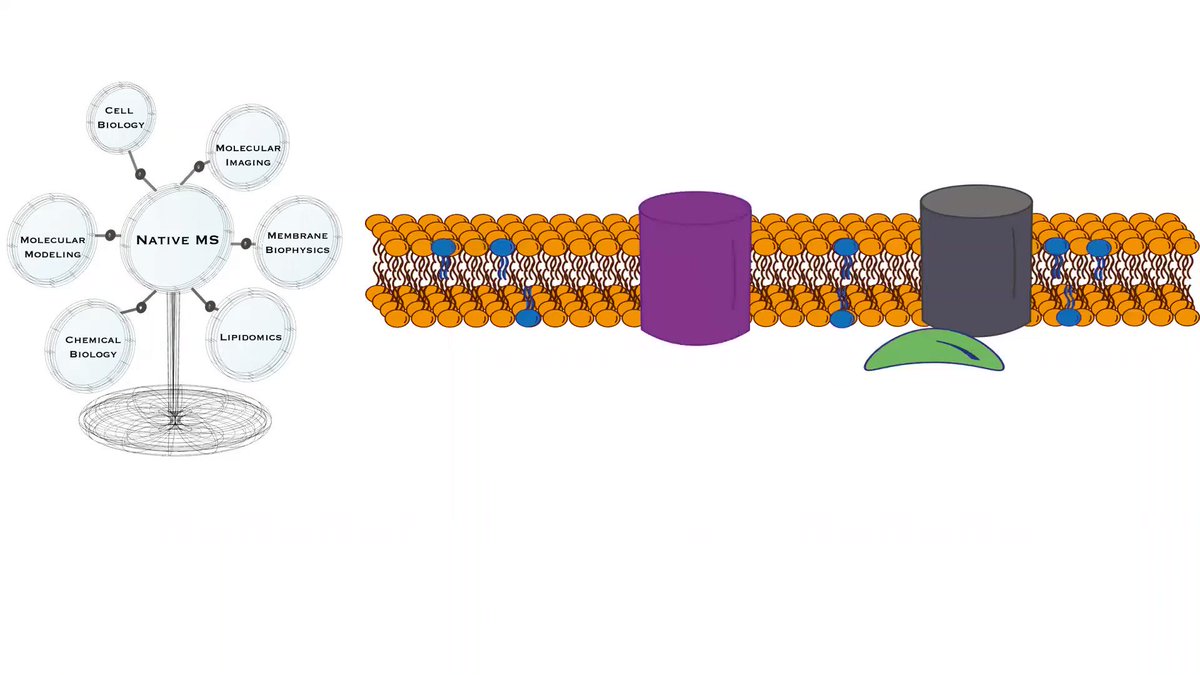
Pinned Tweet

12 Jun 2023
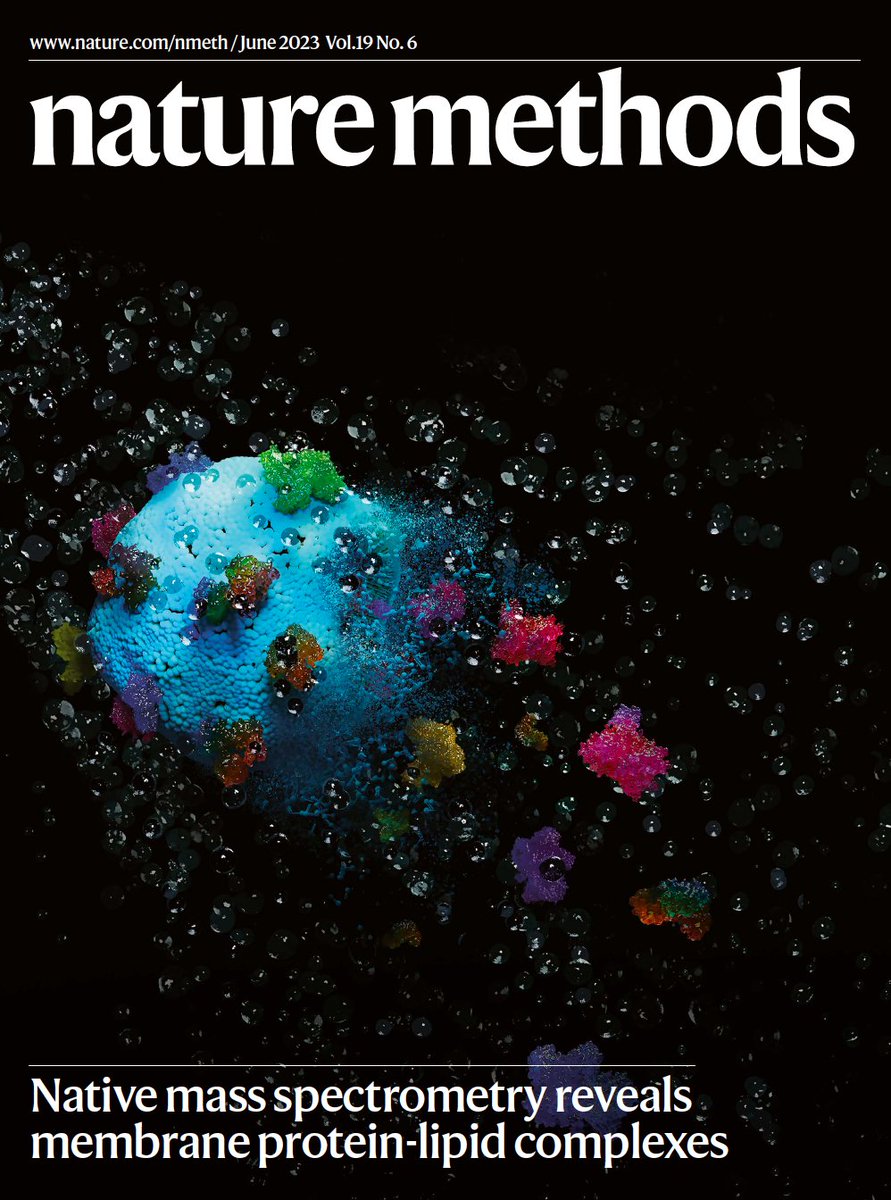
Excited to see our work on the cover of @naturemethods We present a #nativemassspectrometry platform to detect #membraneprotein #lipid complexes directly from tunable #membranes Special thanks to Hannah Wang. One for #TeamMassSpec
@YaleCellBio
@YaleWestCampus
@YaleMed
@Yale
9 Jun 2023

Our June issue is live! 🎉
nature.com/nmeth/volumes/20/…
On the cover, from @GuptaLab1 and artist Hanna Wang, a native mass spectrometry platform captures membrane protein–lipid organization directly from tunable lipid membranes.
Paper here: nature.com/articles/s41592-0…
3
6
86
8,963
17 Feb 2025
If @ #BPS2025 , check out the talk by @CBcellbiologist today in the "Protein Lipid Interactions: Structure and Dynamics" Session @ 12PM. She will present our recently developed platform to capture membrane proteins in their native nanodomains & some exciting applications of it
5
280
20 Dec 2024
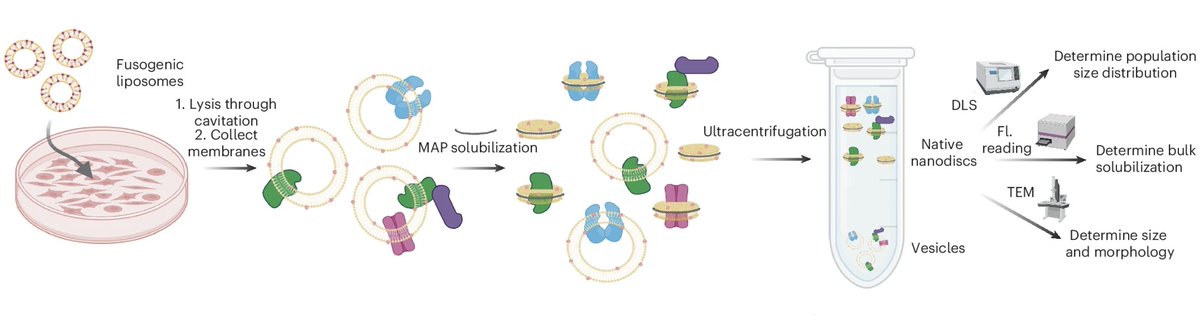
Very excited to see this work coming out. Combining membrane-active polymers with #proteomics we present the most optimal conditions to extract>2000 individual endogenous membrane proteins into nativenanodiscs
@YaleCellBio
@YaleWestCampus
@YaleMed
2 Dec 2024
Work from @GuptaLab1 presents a high-throughput platform for extracting membrane proteins into native nanodiscs that retains the local membrane context, accompanied by a database of optimal extraction conditions for 2000 mammalian membrane proteins.
nature.com/articles/s41592-0…
5
6
24
2,019
20 Dec 2024
All Data publicly available via polymerscreen.yale.edu & polymerscreen.streamlit.app Searchable through Uniprot names. We hope this will enable #membraneprotein researchers to extract & study their favorite proteins, at endogenous expression levels, directly from native environment
1
1
148
20 Dec 2024
Work was led by @CBcellbiologist and @SnehasishG87, with critical contributions from other lab members & labs of @moitrayee_lab @Yanshen73854711 & Rothmanlab
133
23 Jul 2024
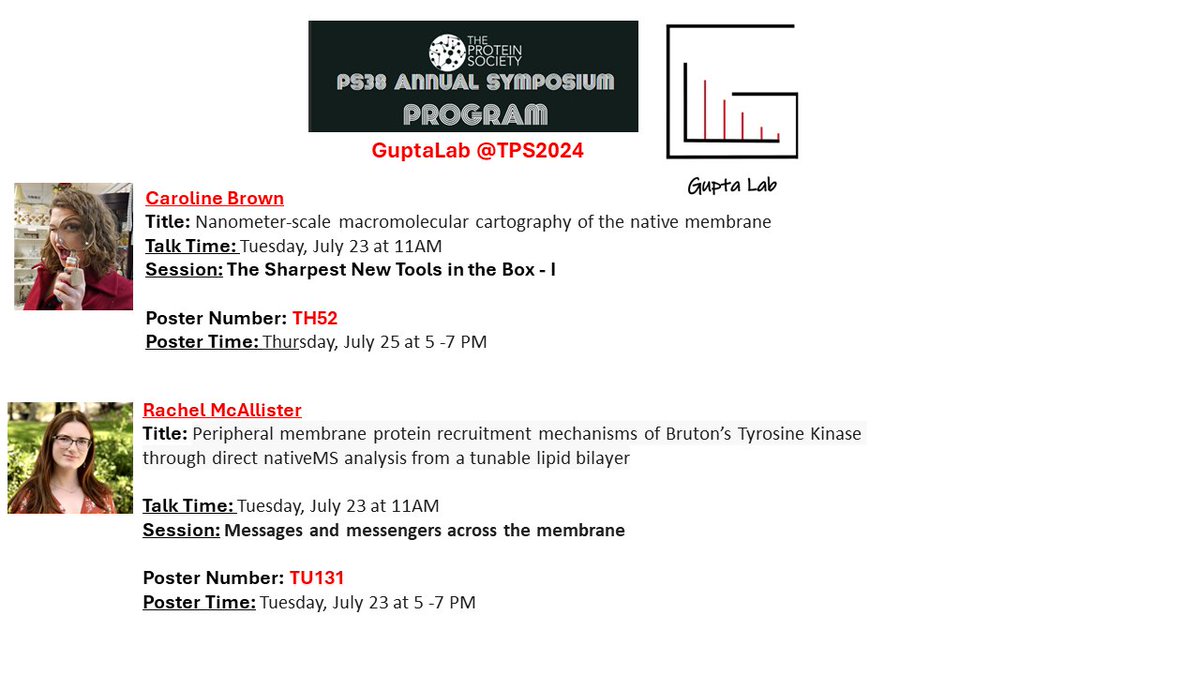
If you are @ProteinSociety annual meeting, check out the talks and posters by @CBcellbiologist and @Rachelmcalli on our new tools to understand how the native #membrane regulates #membraneproteins and its application on a B cell protein (with @moitrayee_lab)
2
13
775
5 Jun 2024
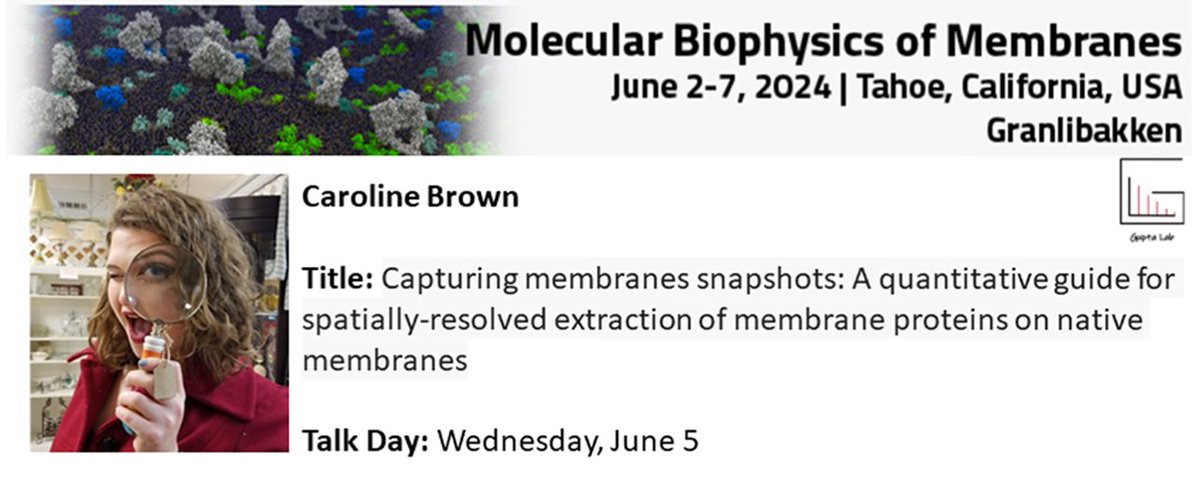
If you are @ #BPS #Membrane #Biophysics meeting @Tahoe, check out Caroline's talk today. She describes our new & exciting platform to capture >2000 unique #membraneproteins in their native nanodomains with high efficiency and nanoscale spatial resolution
6
342
3 Jun 2024
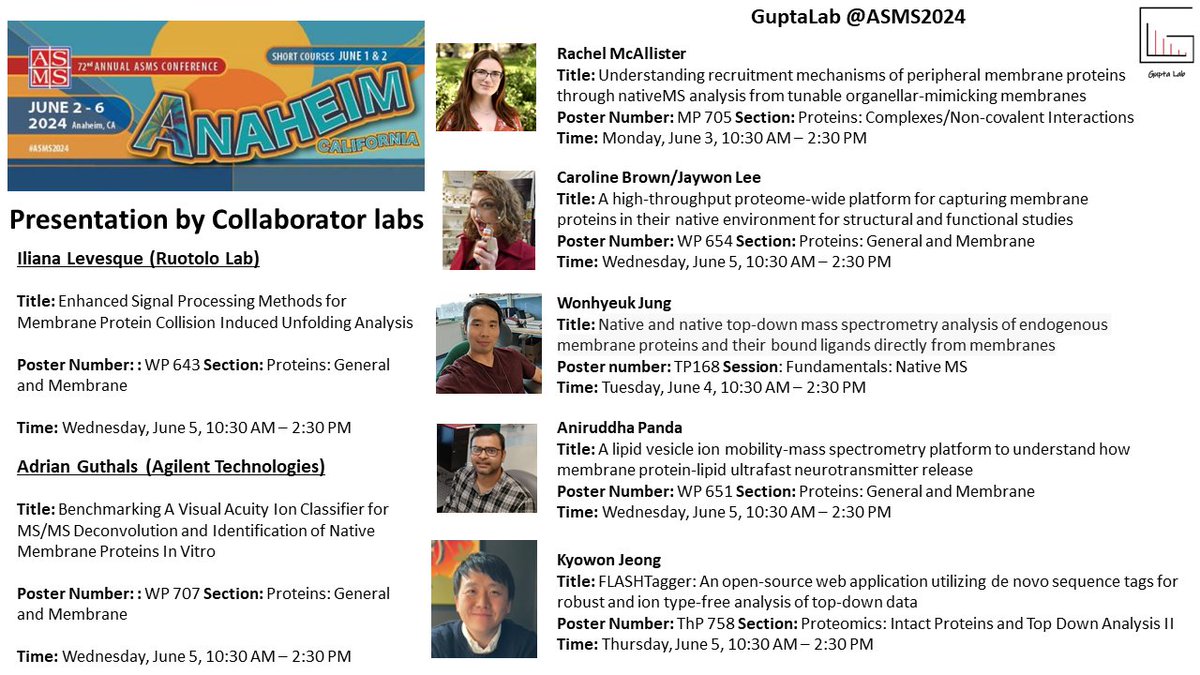
If @ #ASMS2024, check out all our exciting works describing new technologies to study molecular organization of #membraneproteins and #lipids at the #membrane
4
14
1,197
Kallol Gupta retweeted

11 Feb 2024
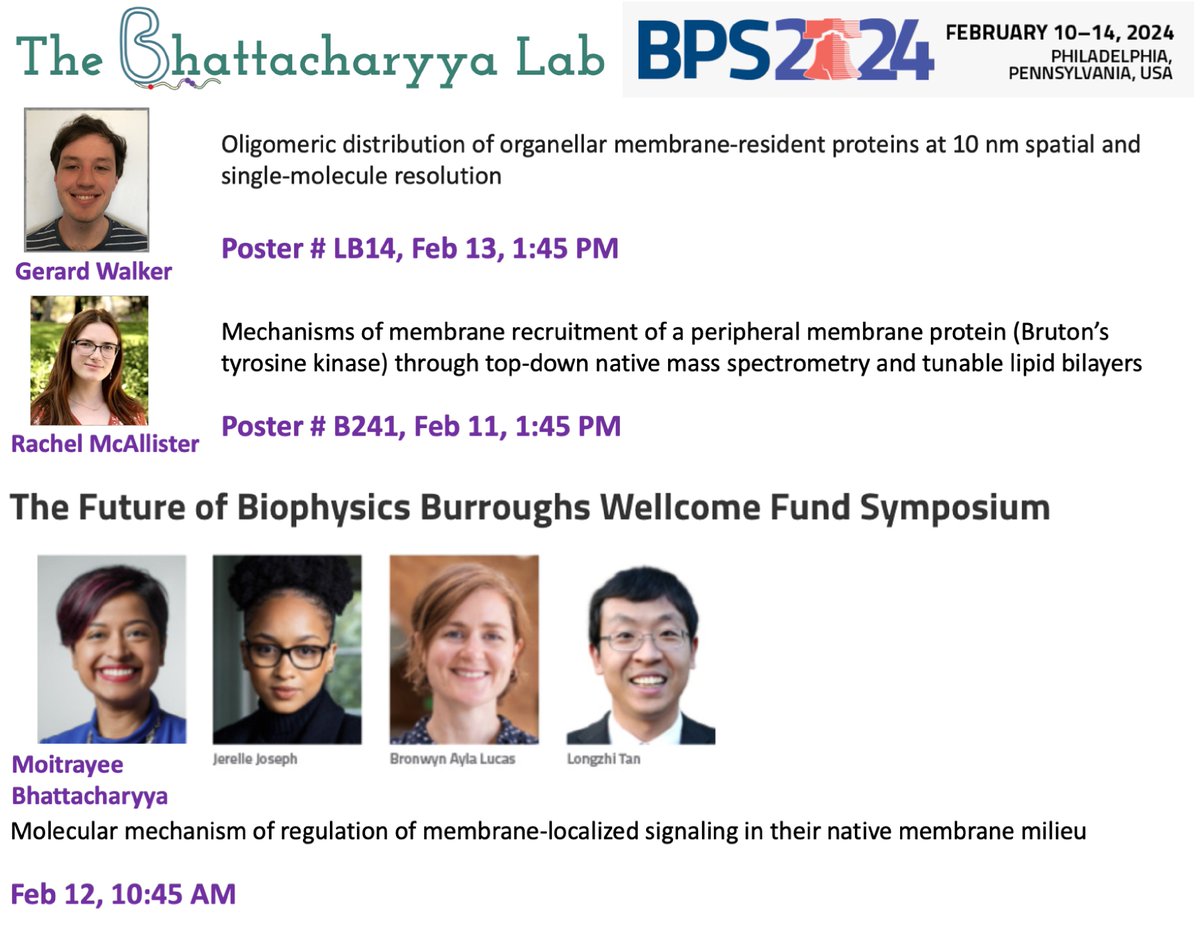
Meet us @moitrayee_lab at #BPS2024 with posters from @GTWalker7 and @Rachelmcalli and my talk at the #FutureofBiophysics Burroughs Wellcome Fund symposium. We will highlight our work on determining #membraneprotein #organization and #structure directly from native #membranes.
1
9
52
6,860
11 Feb 2024
If @ #BPS2024, check out all our exciting works describing new technologies to study molecular organization of #membraneproteins and #lipids directly from the #membrane and its applications in understanding various membrane-associated signaling events
1
3
29
3,367
9 Dec 2023
very happy to play our part in the fantastic work led by @moitrayee_lab, in collaboration with the @MuzumdarLab. Work spearheaded by two of our champion grad students @GTWalker7 and @CBcellbiologist
4 Dec 2023

Here is a tweetorial summarizing findings from our recent paper from @YalePharm @YaleMed in @NatureNano by @GTWalker7 and @CBcellbiologist. Dream team @shalgene @Xiangyu_GigiG @MuzumdarLab @GuptaLab1! Also see the N&Vs at nature.com/articles/s41565-0… by @KrishnanYamuna!
1
18
2,647
15 Oct 2023
A very exciting application of #ESIBD
12 Oct 2023

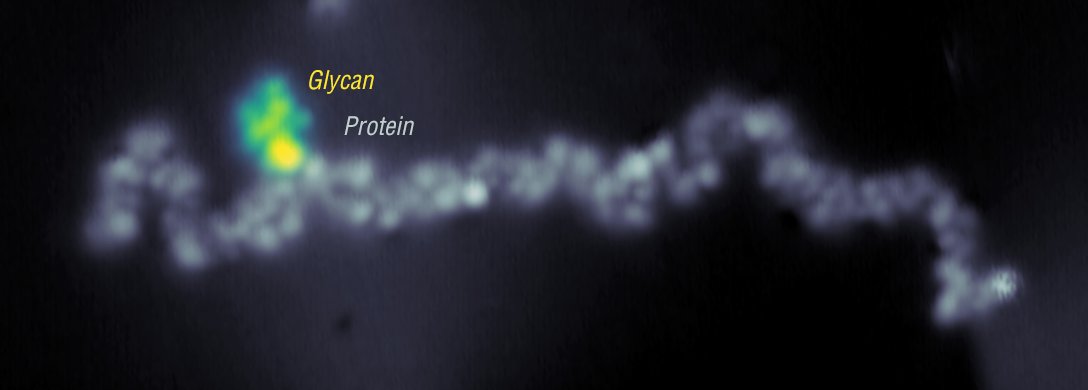
Out today in @ScienceMagazine: Seeing glycans attached to proteins and lipids - at the *single molecule level*! 🎉🎉🎉
doi.org/10.1126/science.adh3…
#ScienceResearch #glycotime #teammassspec
My 1st #tweetorial🧵(1/n) 👇👇👇
4
1,167
15 Oct 2023
What a cool tool!!
13 Oct 2023

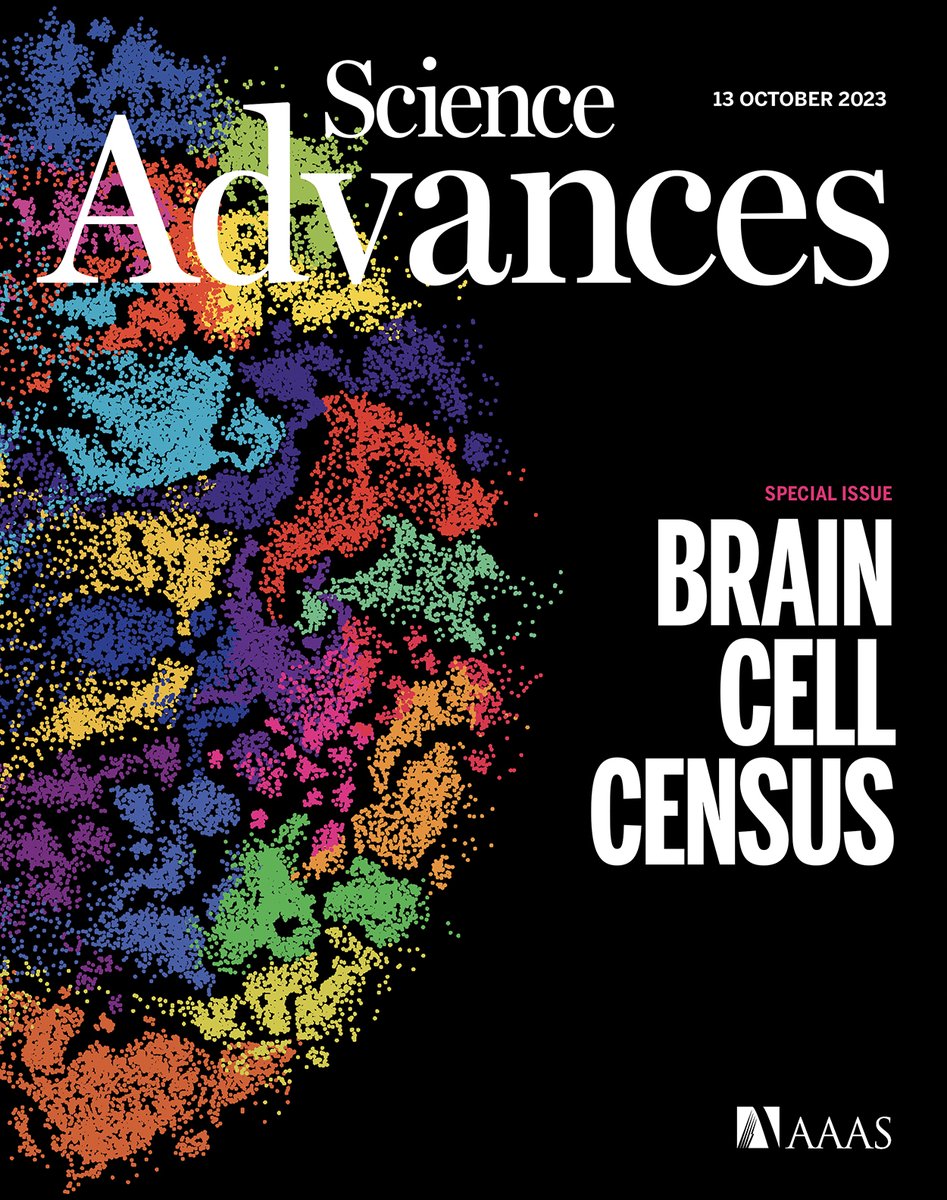
Our article on in vivo force sensors appeared in Science Advances. Thank Yuan Ren, Julien Berro @BerroLab, and Jie Yang! Force redistribution in clathrin-mediated endocytosis revealed by coiled-coil force sensors | Science Advances science.org/doi/full/10.1126…
2
601
7 Sep 2023
Extremely honored to be recognized as an Emerging Investigator by the American Society for Mass Spectrometry @asmsnews. Credit goes to my amazing lab members for their hard work. Special thanks to my past mentors & present colleagues at @YaleWestCampus @YaleCellBio @YaleMed
2
2
45
2,640
18 Aug 2023
Turns out Gas phase is not that bad! Very exciting
2
2
10
2,374
Kallol Gupta retweeted

16 Aug 2023
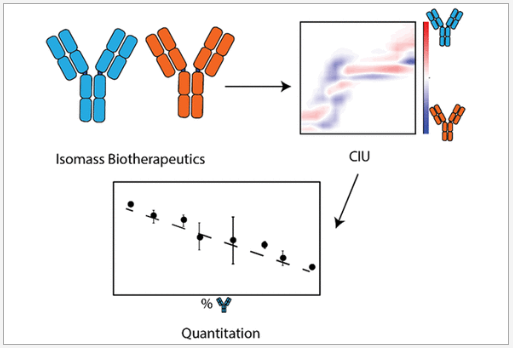
See our lab's latest JASMS publication! In this work, our lab deploys this quantitative CIU methodology to measure isomass pairs of biotherapeutics.
Find it here: pubs.acs.org/articlesonreque…
#ASMS #JASMS #CIU #MassSpec #anitbodies
1
12
1,035
Kallol Gupta retweeted

15 Aug 2023
Congrats Justin! Really nice work showing ATG2 function on monolayer-wrapped LDs and careful characterization of a transport dead mutant which loses bridge-like but not shuttle-like lipid transport capacity. Thanks also to @Rachid_Thiam for cool studies with monolayer mimics.
15 Aug 2023

I’m excited to finally share this project from the @TJ_MeliaLab where we demonstrate that the lipid transport protein ATG2 is active and highly efficient on phospholipid monolayers. (1/3)
biorxiv.org/content/10.1101/…
6
26
3,218
15 Jul 2023
If you are @ProteinSociety meeting #PS37, please check out the exciting work of @anipan84 (Poster20AB), showing how we can directly determine macromolecular organization of #membraneproteins and #lipds directly from synthetic and cellular membranes using #nativemassspectrometry
2
6
681
13 Jul 2023
If you are @ProteinSociety meeting #PS37, please check out the exciting work of our grad student @Rachelmcalli (Poster114AB), showing how lipid vesicle #nativemassspectrometry can decipher membrane recruitment mechanism of a B-cell kinase
13 Jul 2023
Rachel McAlister @Rachelmcalli is representing us at the @ProteinSociety meeting #PS37. Stop by her poster 114AB to check out a native MS based general experimental platform to identify and quantify lipid binding in membrane association domains (collaboration with @GuptaLab1)
6
1,798
Kallol Gupta retweeted

30 Jun 2023
Check out our new study published at @NatureComms in which we investigated the Akt1 #signaling and dynamics using an optogenetic-phosphoproteomic system, or Optop-DIA! nature.com/articles/s41467-0… @YalePharm @CancerYale@YaleWestCampus@yalemed 1/4
2
2
31
3,893