
Director of Congressional Engagement & Strategy @ AAOS | Policy Nerd | Golfer | Runner | Dog Mom | Views my own | RTs not endorsement
Joined February 2014
- Tweets 51
- Following 716
- Followers 156
- Likes 127
9 Photos and videos

Kelly McCone, MPA retweeted

7 Dec 2025
As I boarded a plane to head home from three separate orthopedic meetings in Chicago and a trip to DC to discuss the new CMMI initiative ACCESS, I happily waited for 50 or so Navy sailors to board the plane. They were likely headed from Great Lakes boot camp to the METC (Medical Education and Training Campus) at SAMMC to begin their medical specialty training.
What don’t they know? That our government recently voted to cut the tools they will need to save lives on the battlefield and back home.
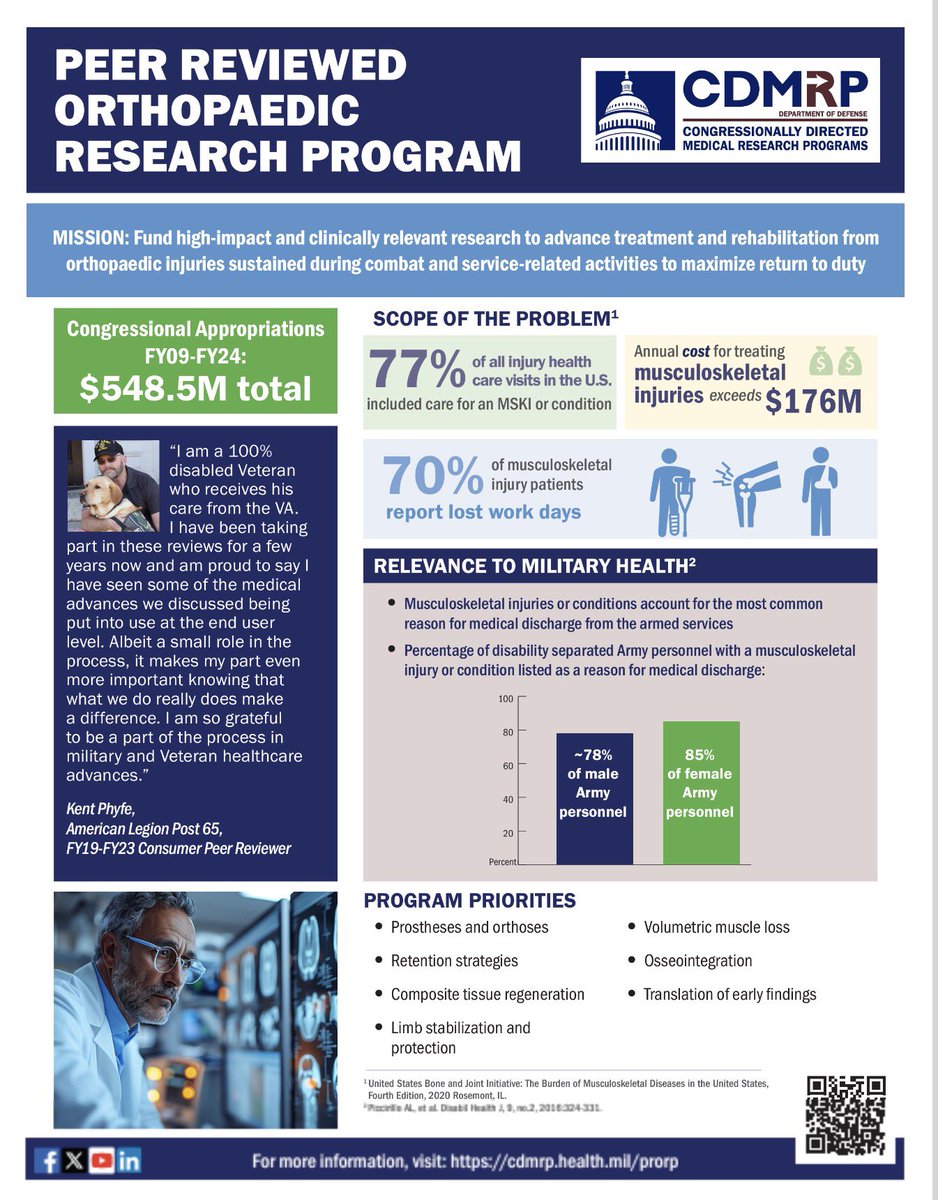
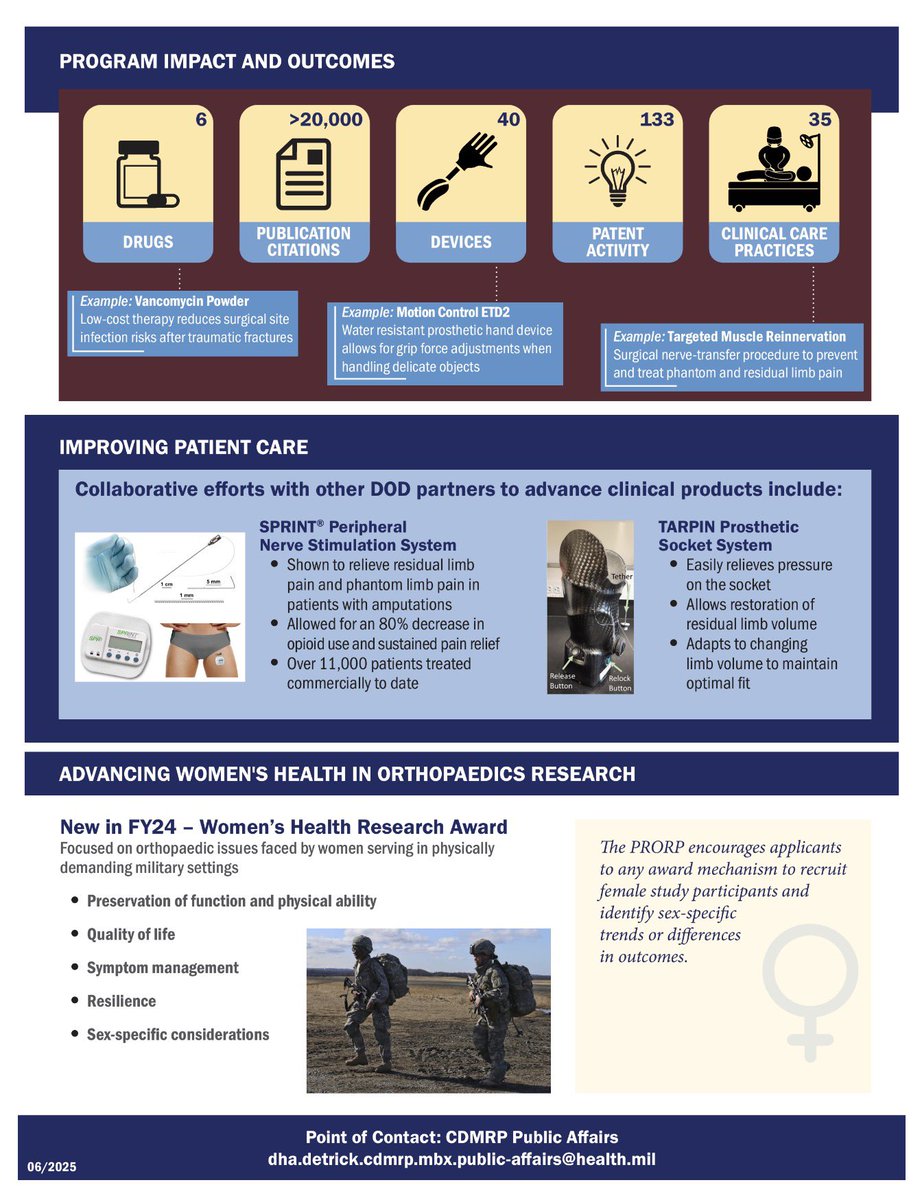
Earlier this year massive cuts were made to the Congressionally Directed Medical Research Programs (CDMRPs) under the Continuing Resolution budget for FY2025. Over $600M in research funding was removed overnight and completely removed funding for PRORP (Peer-Reviewed Orthopaedic Research Program).
PRORP research has been around since 2009 and funds military-relevant, peer reviewed orthopaedic research. This is particularly impactful in the treatment of fractures, blast injuries, amputations, soft-tissue injuries, infections, nerve injuries, prosthetics, rehabilitation, and so many other critical issues.
Some key items that have been funded under PRORP include:
1. Topical antibiotic prophylaxis for traumatic fractures
2. Development of new sockets for transfemoral amputees
3. Peripheral nerve stimulation for opioid sparing care in amputees
4. Targeted muscle reinnervation for nerve-related pain
5. Biological insights into osteoarthritis onset
6. Cartilage repair, Bone regeneration, and other tissue engineering
7. Rehabilitation and return to duty protocols
The loss of this funding has a real impact on all patients, whether military personnel, veterans, or civilians. The return on this investment is immense.
Join me in demanding Congress reintroduce this critical research so that we can give back to those who have given so much to our nation. These young sailors I saw today deserve to have the best tools at their disposal.
Call your Member of Congress and demand that PRORP is funded fully at the $30 Million annual mark orthopaedic researchers have received for over a decade. If you want to help, reach out to me and I will make sure that we find ways to engage with patients, physicians, researchers, and interested citizens.
1
3
13
862
Kelly McCone, MPA retweeted

24 Jun 2025
📣 Your career fulfillment, your patients’ neurological health, and #BrainHealth for all is our mission. The #AANAdvocacy is how we are going to get there.
Join us! 🙌 @AANmember
#NeurologyProud #StrongerTogether @KellyMcConeDC @davidevanstx ✅
23 Jun 2025

Looking to get involved in #AANadvocacy? Learn how from President @NataliaRostMD on the latest episode of the #Neurology Minute.
🎧 Listen now: hubs.la/Q03tbYM30
#NeuroTwitter

3
16
1,140

9 May 2024
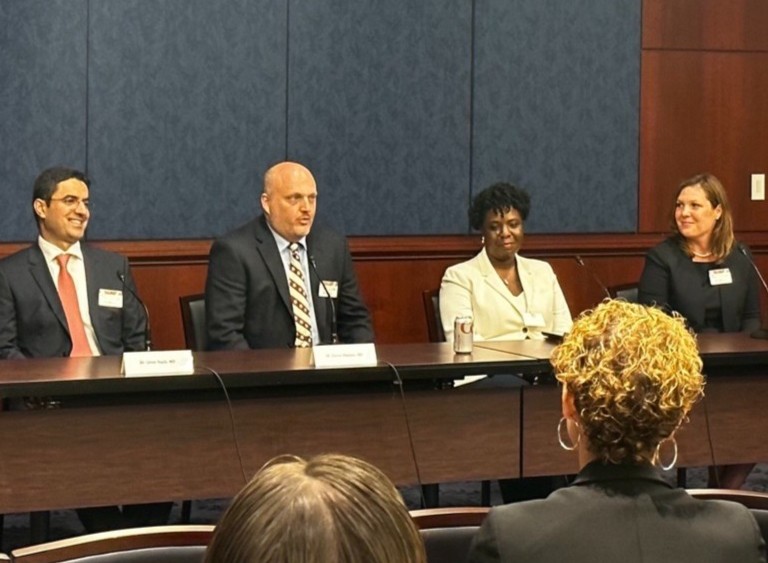
Always such a pleasure to work with our neurologists! Thanks Dr. Najib & @wvheadachedoc for joining our congressional briefing to promote expanding & improving the Conrad 30 program to increase access to care across the country. A great day for #AANadvocacy!
8 May 2024
Shoutout to Dr. Najib and @wvheadachedoc for participating in a panel for today's congressional briefing to celebrate the Conrad 30 program and promote legislation to expand and improve it!
#AANadvocacy
2
10
685
Kelly McCone, MPA retweeted

8 May 2024
Kudos to Dr. Najib and @wvheadachedoc and thank you for your leadership on this very important #AANadvocacy issue! @AANmember #NeurologyProud
8 May 2024
Shoutout to Dr. Najib and @wvheadachedoc for participating in a panel for today's congressional briefing to celebrate the Conrad 30 program and promote legislation to expand and improve it!
#AANadvocacy
1
1
19
1,289
Kelly McCone, MPA retweeted

8 May 2024
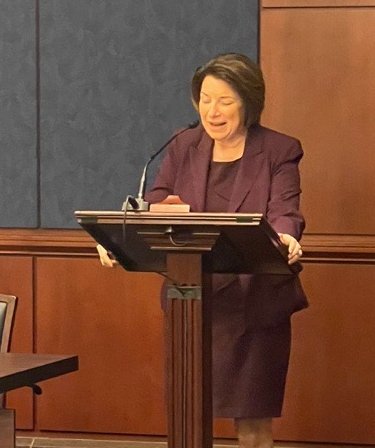
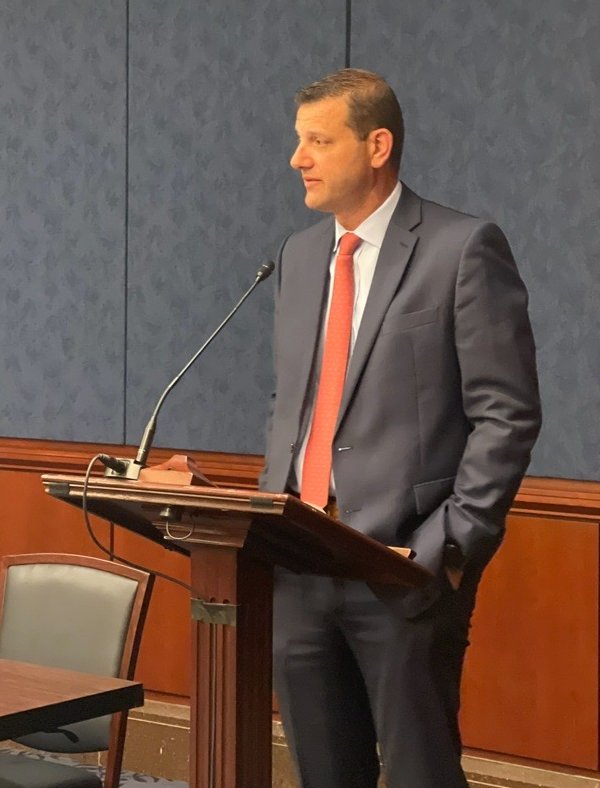
Thank you @amyklobuchar and @RepDavidValadao for speaking at today's briefing and leading the effort in support of the Conrad 30 program to bolster the #neurology workforce.
#AANAdvocacy
1
6
27
2,642
29 Nov 2023
As a pom mom and former Hill staffer who used to bring her dog to Longworth every day, this made my whole month! May the poms of Longworth continue on their quest for mischief 🤣
4
211
Kelly McCone, MPA retweeted
21 Sep 2023
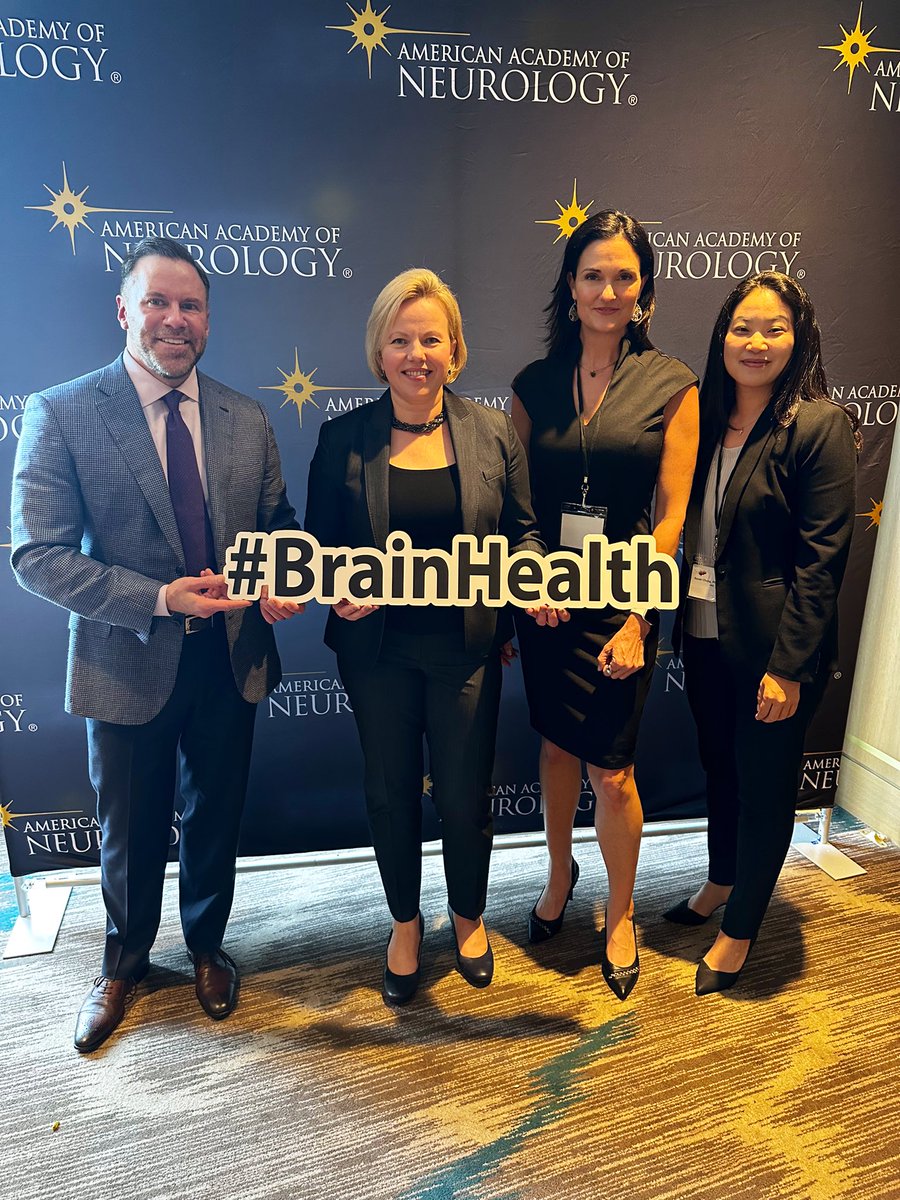
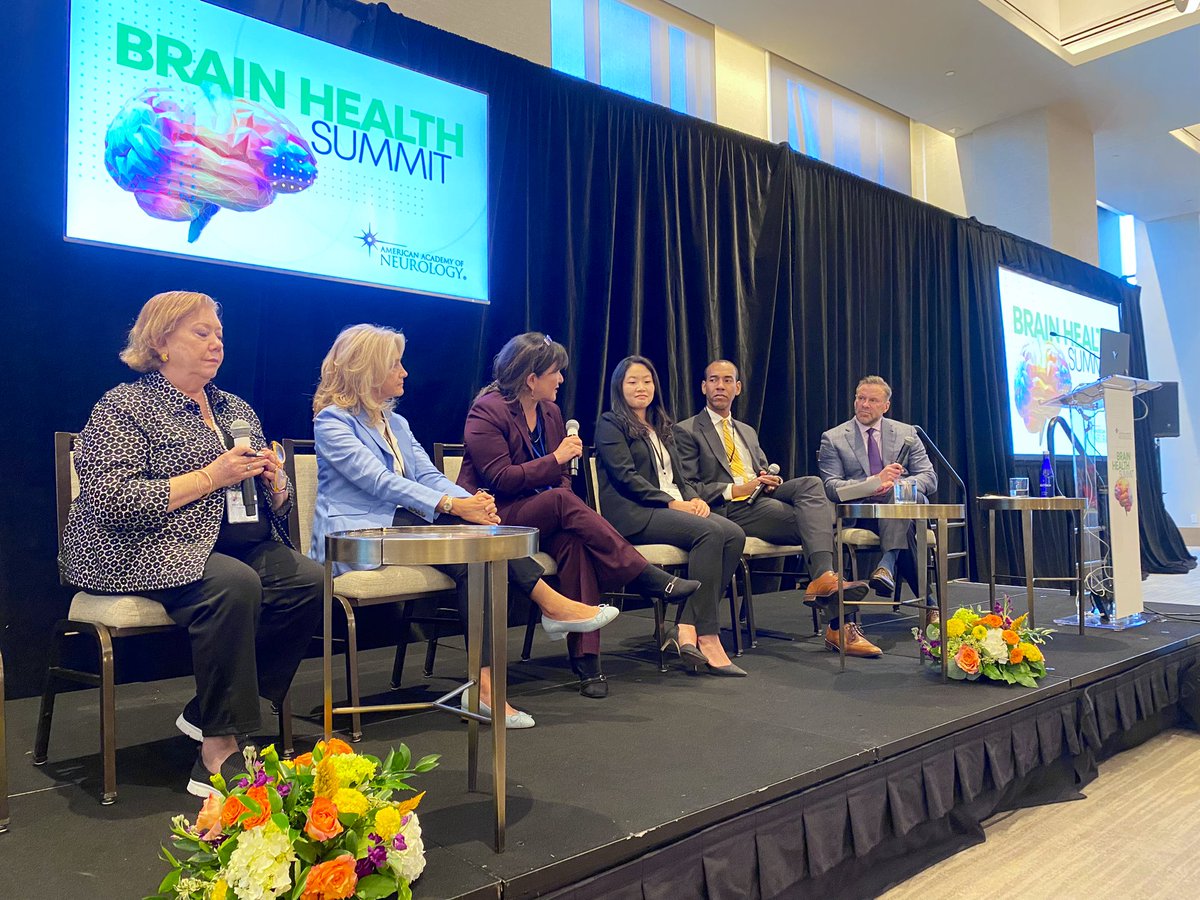
Inspired. Invigorated. Ready to go 🚀
@AANmember #BrainHealthSummit brought incredible collaborative energy & great will to move the #AAN #BrainHealth #2050 Vision 🙌💯
#NeurologyProud #NeuroTwitter 🧠
2
7
39
1,907
Kelly McCone, MPA retweeted
22 Sep 2023
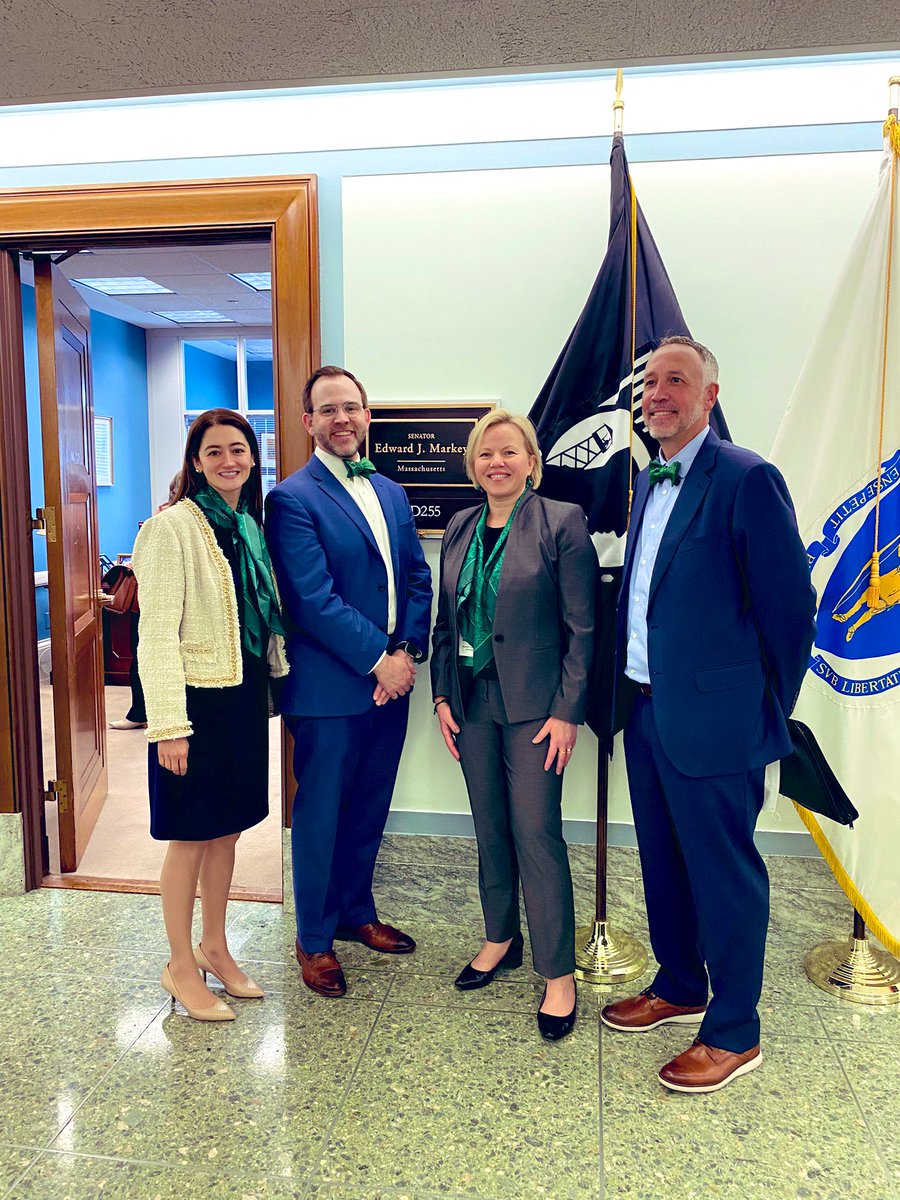
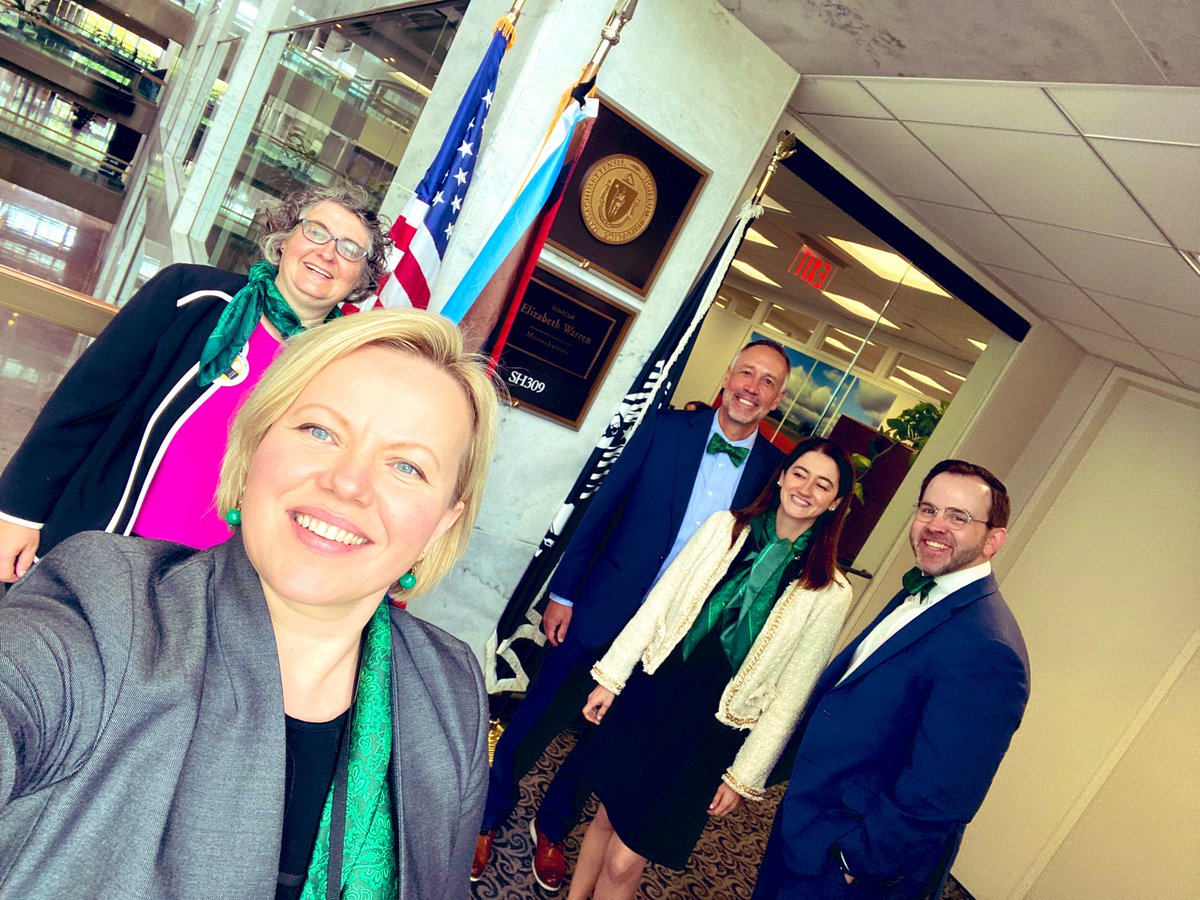
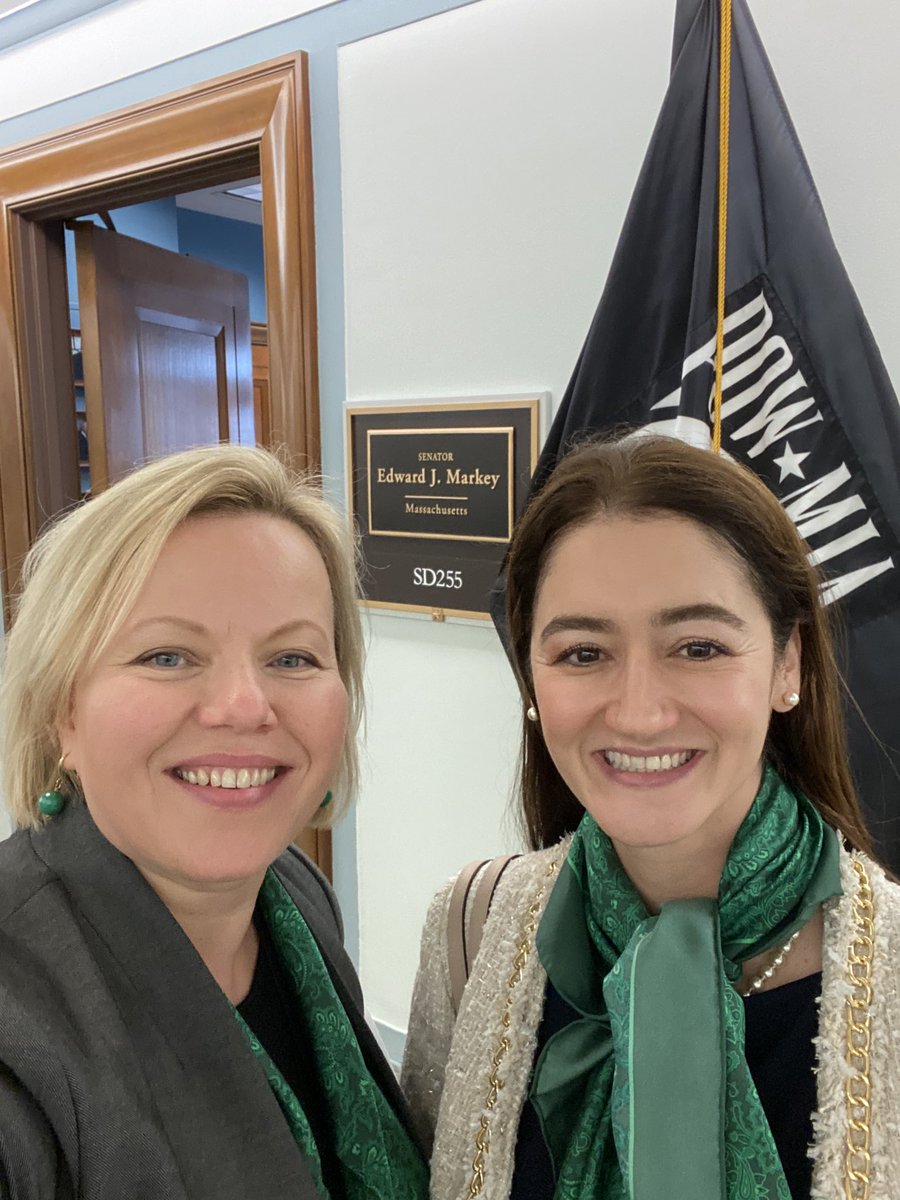
Let’s paint the Hill GREEN ✅🧠🟢 @AANmember #AANAdvocacy
📣 Massachusetts delegates are busy at work advocating for #neurology and our patients 🔬 🧬🧠💡
#NeurologyProud #NeuroTwitter #AANLegislativeSummit
1
11
59
3,277
Kelly McCone, MPA retweeted

22 Sep 2023
.@AANMember’s new call to action and position statement present a unifying definition of #BrainHealth for neurologists, patients, partners in care, and the public: bit.ly/48jCkOB
#Neurowitter #AANadvocacy

ALT A blue brain set against a backdrop of flourishing flowers and leaves.
4
10
5,388
Kelly McCone, MPA retweeted
22 Sep 2023
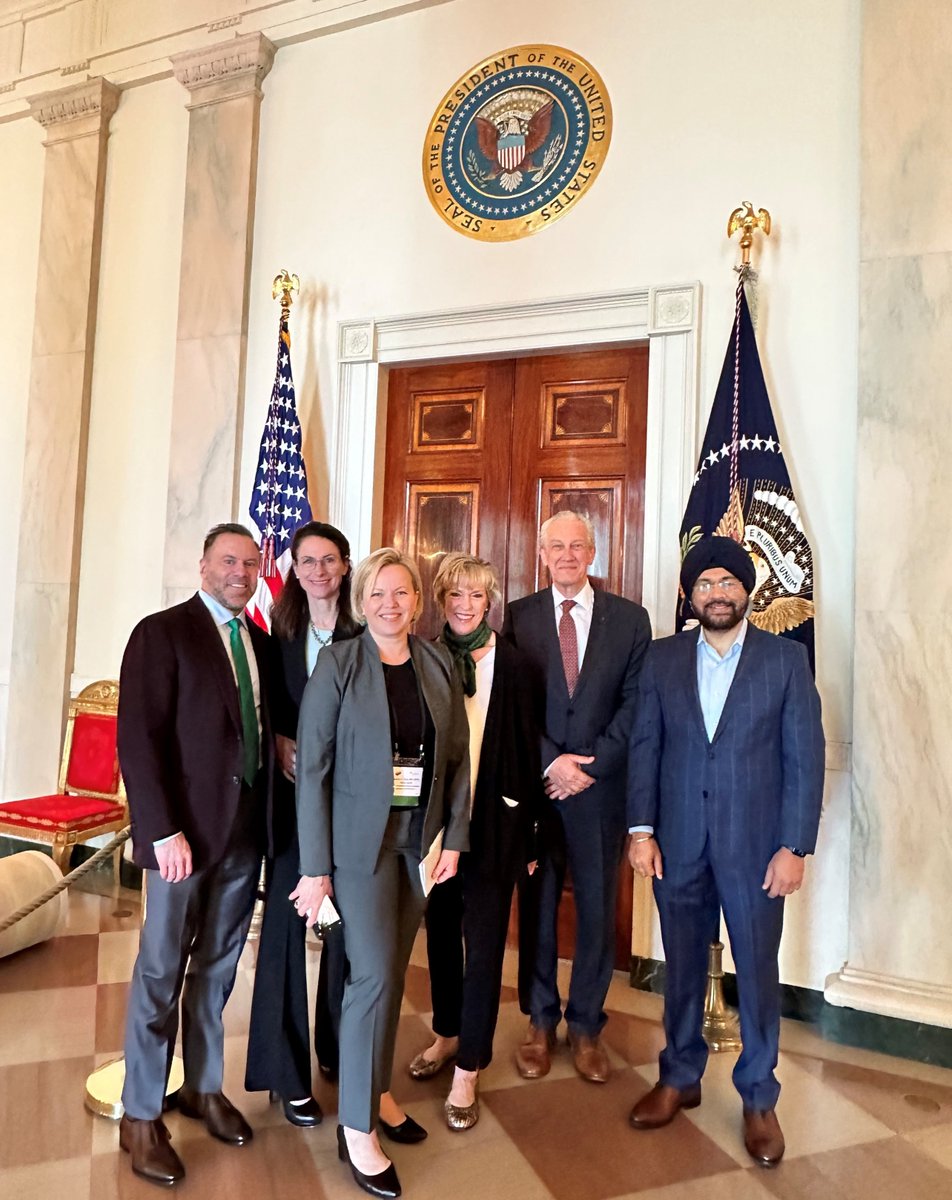
What a special #AANadvocacy experience! This morning a small group of members & staff were able to tour the @WhiteHouse ahead of the Legislative Summit.
📸: @davidevanstx, @MaryPostCEO, @nsanar, @CarlayneJackson, Prof. Paul Boon (@EANeurology), and @sukhjeetahuja
#Neurology
12
63
4,919
Kelly McCone, MPA retweeted
22 Sep 2023
Today AAN advocates are asking members of Congress to cosponsor the Conrad State 30 and Physician Access Reauthorization Act.
Expanding this program is essential to alleviating short-term physician
workforce issues and ensuring that patients have access to care.
#AANadvocacy
12
18
4,804
23 Sep 2023
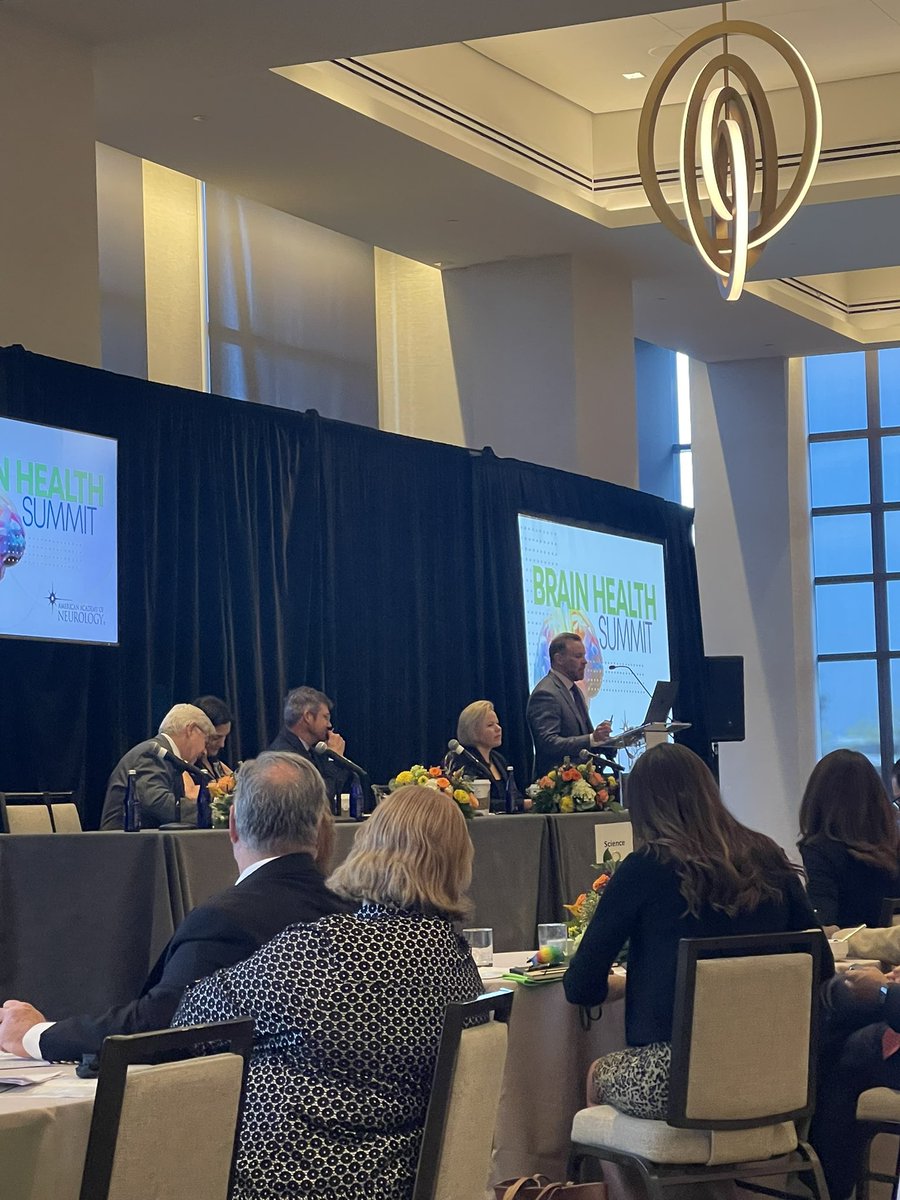
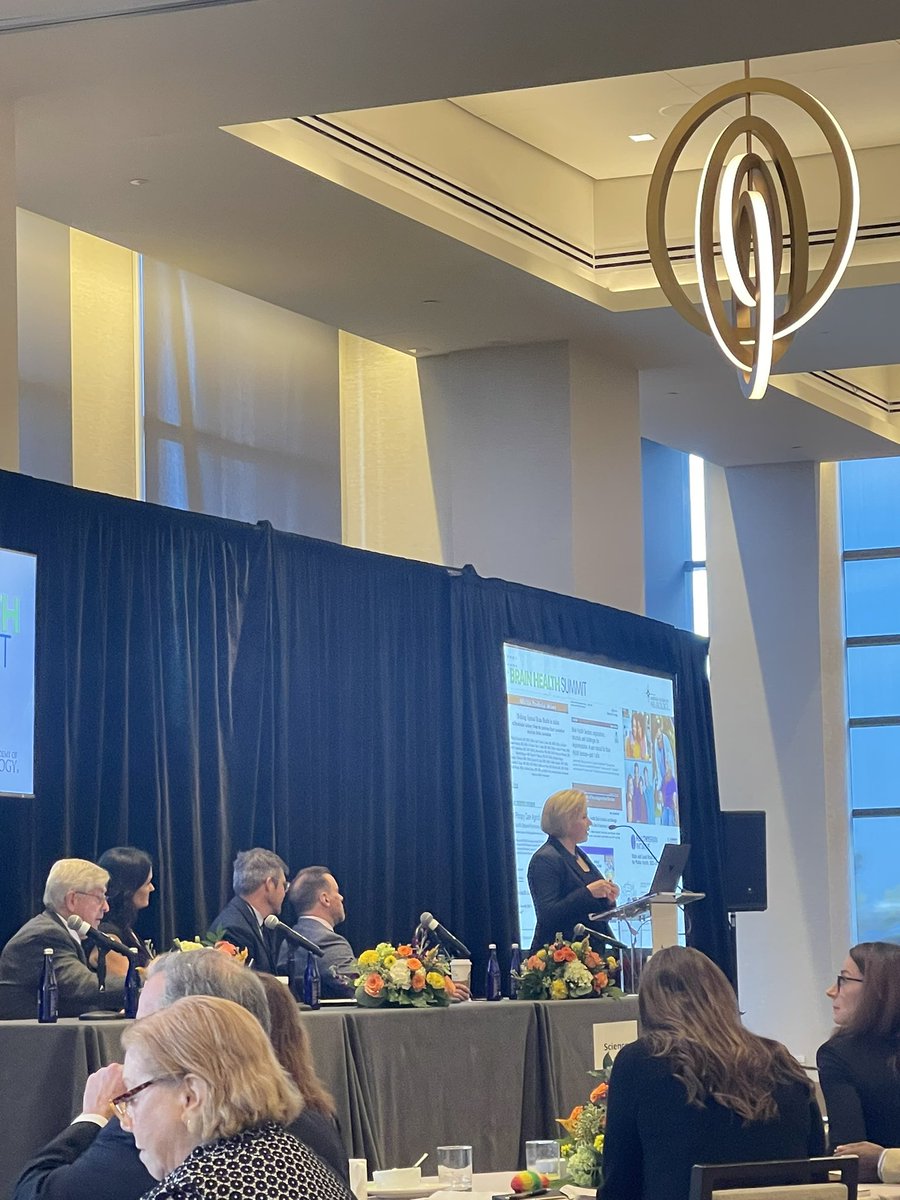
A few highlights from the Brain Health Summit! AAN convened leaders across many fields to collaborate on shaping the future of #brainhealth. Excited to work as a part of the AAN to advance brain health initiatives in the legislative space! @AANmember
3
11
479
Kelly McCone, MPA retweeted
22 Sep 2023
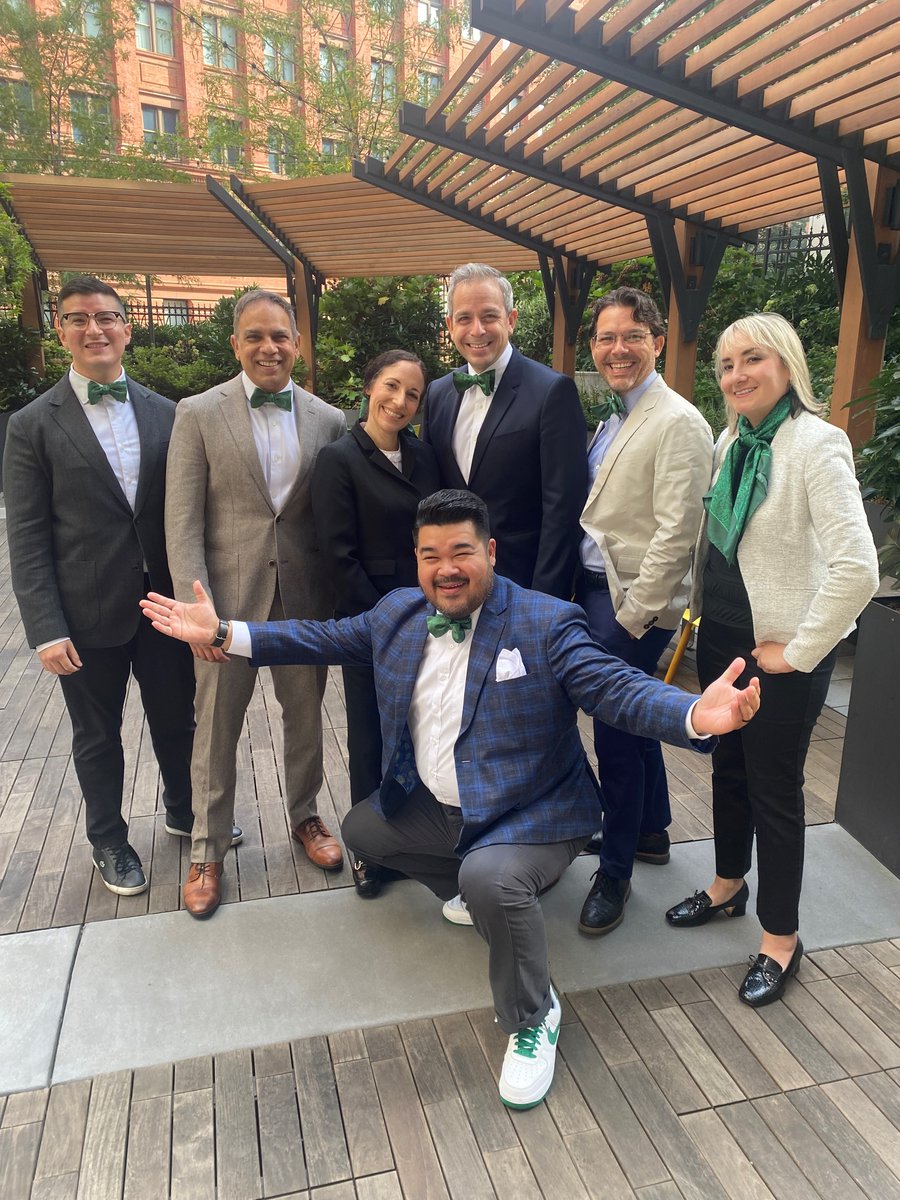
Ready for the Hill and to ask their members of Congress to:
🧠 Reform the Medicare Physician Payment System
🧠 Support and Expand the Conrad 30 Program
#AANadvocacy #Neurology
2
17
100
9,225
Kelly McCone, MPA retweeted

22 Sep 2023
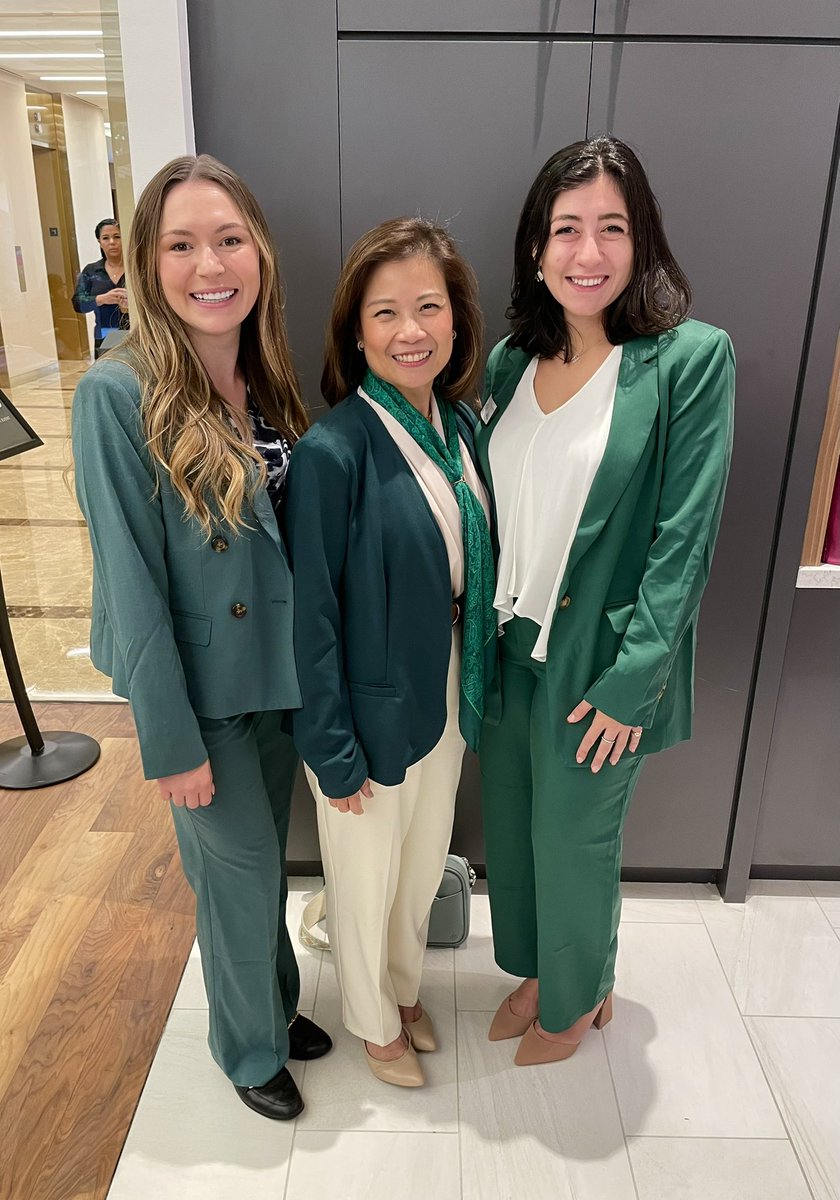
Flooding the Hill @AANmember green! #AANAdvocacy #Conrad30 #PatientAccessToCare @KellyMcConeDC @HKoch13_ 2023 Legislative Summit
1
4
25
544
23 Sep 2023
Can't say enough good things about my fellow staff at the AAN! Such a great team to work with! But we certainly could not do what we do on the Hill without our amazing advocates like @aiee_antonio that make every advocacy event both impactful and fun! #AANadvocacy @AANmember
22 Sep 2023

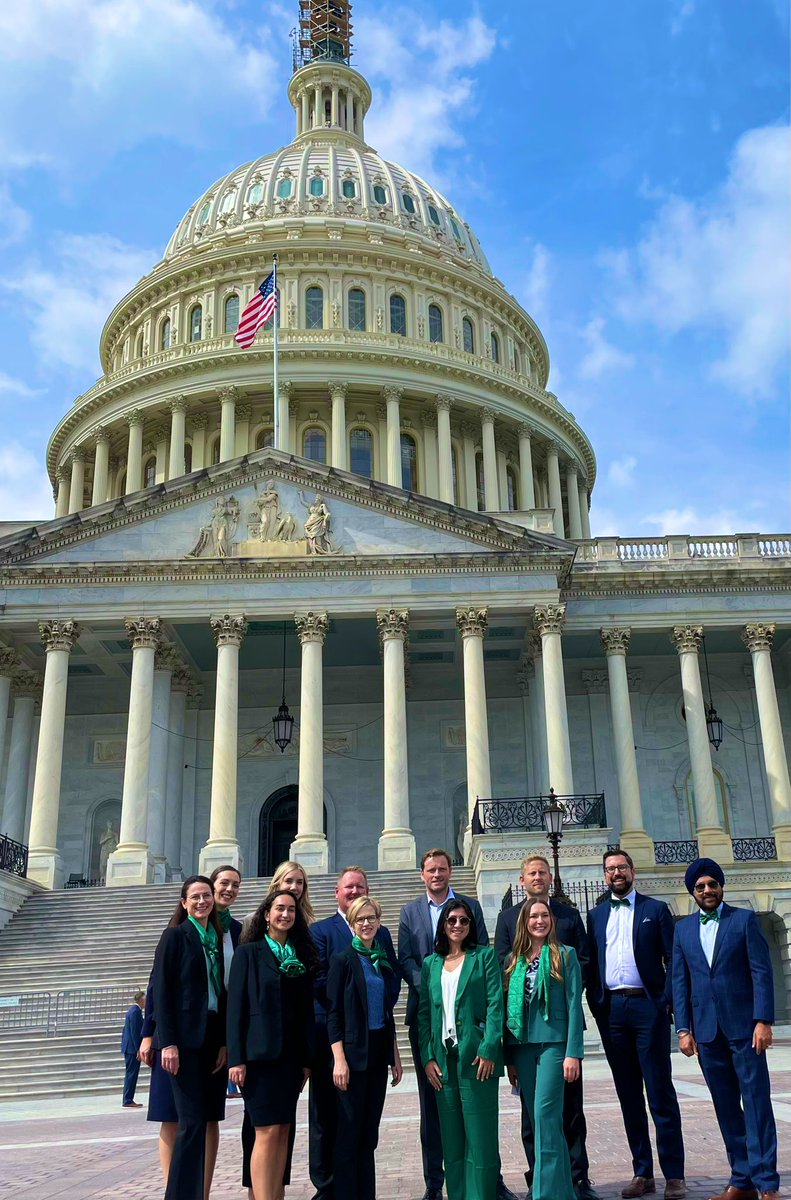
@AANmember Staff, you make the magic happen. 💚🤍💚 Thank you. @MaryPostCEO @dshowers12 @KellyMcConeDC @HKoch13_ @sukhjeetahuja @ambeck1 #AANadvocacy 2023 Legislative Summit
1
1
12
700
23 Sep 2023
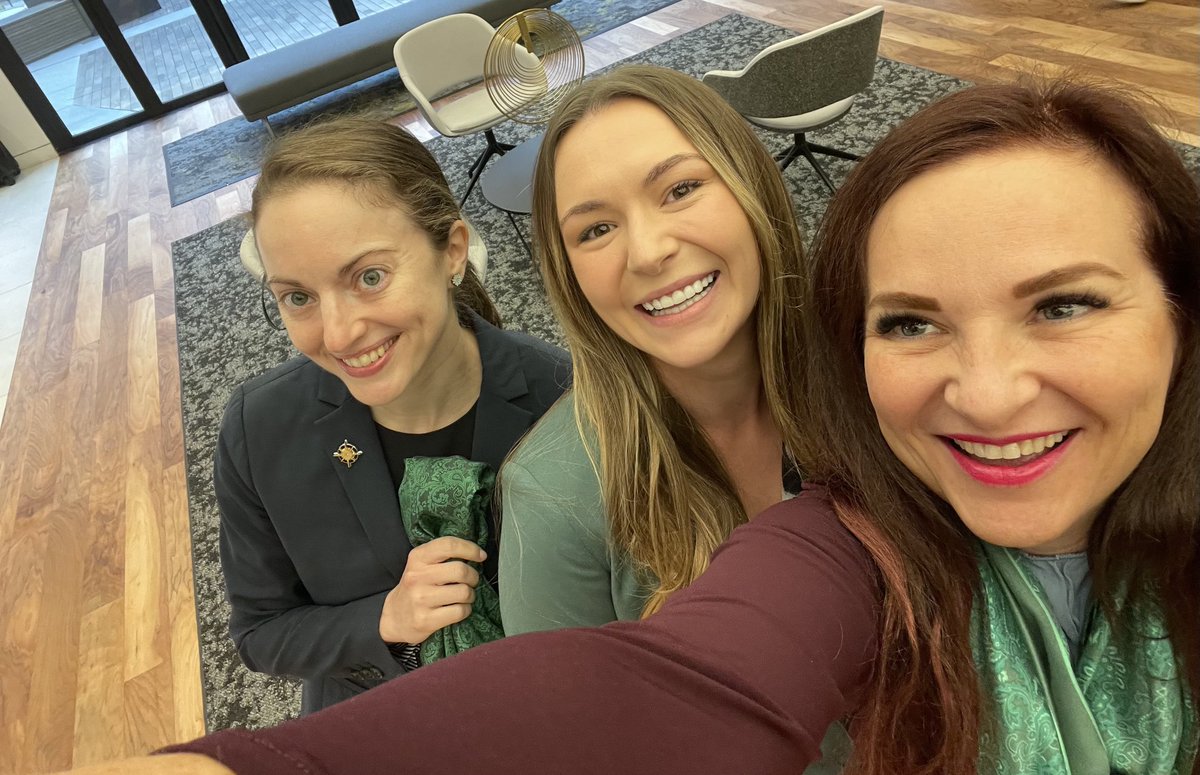
It is always such a pleasure to work with such incredible members of the AAN! Couldn't ask for better advocates to bring to #Congress to talk about issues facing #patientaccess to neurologic care! #AANadvocacy #hillday

@AANmember Great morning of 2023 Legislative Summit #AANAdvocacy @KellyMcConeDC @StavrosKara 🧠 #NOH23 #BrainPAC #HOH2023 @AHDAorg @miles4migraine @WNGtweets
2
11
614
14 Sep 2023
Proud to help lead efforts on the Hill on Conrad 30 legislation in support of International Medical Graduates. The Conrad State 30 and Physician Access Reauthorization Act is an important piece in supporting the physician workforce!
14 Sep 2023
The AAN led a letter signed by 50 orgs in support of the Conrad State 30 and Physician Access Reauthorization Act. Thank you @amyklobuchar @SenatorCollins @RepSchneider @RepDonBacon @RepDavidValadao and @RepSylviaGarcia for your leadership. bit.ly/3rbExuC #AANadvocacy
9
9
1,829
Kelly McCone, MPA retweeted
22 Aug 2023
Read the latest Capitol Hill Report: Proposed Code Will Help CMS Value Cognitive Care Services. bit.ly/3rL3aw2
#AANadvocacy #NeuroTwitter
7
7
2,408
19 Jul 2023
Congress needs to fix the Medicare physician payment system to ensure seniors continue have access to the care they need. AAN Members: Join your colleagues in asking Congress to #fixmedicarenow by supporting HR 2474 #AANadvocacy @AANmember
aan.quorum.us/campaign/47080…
3
242
19 Jul 2023
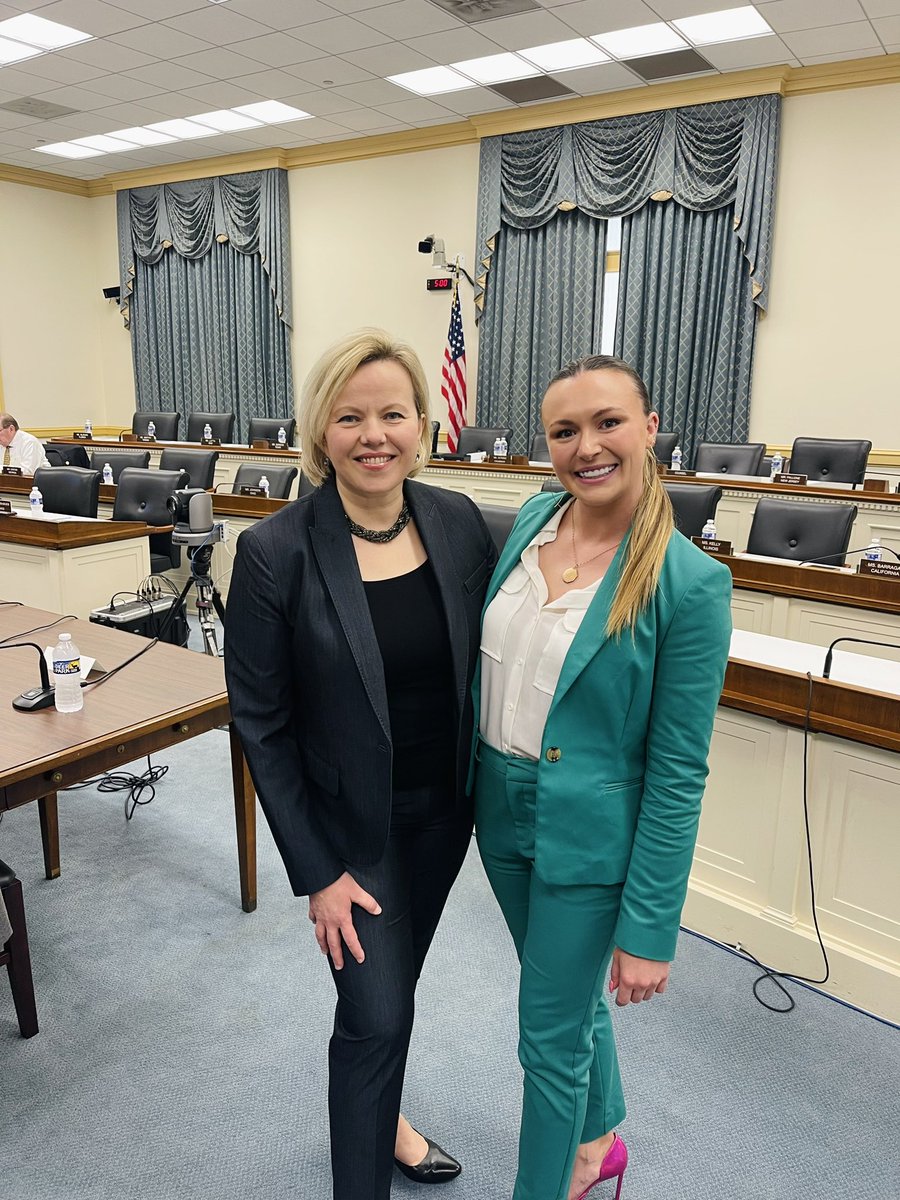
Was such a pleasure working with @nsanar ahead of her testimony before Energy and Commerce Health Subcommittee representing @AANmember. So grateful to be able to cover this committee for the AAN. Had to show my support at the hearing with my #AANadvocacy green suit!
5
19
4,505