Joined September 2011
- Tweets 87,515
- Following 1,577
- Followers 7,416
- Likes 26,536
3,359 Photos and videos

Pinned Tweet

26 Apr 2022
Civil Liberties: Canadian Charter of Rights and Freedoms part of #Constitution Act 1982. In an easy to read format with updated links to online versions. From @LawScribes #cdnpoli #cdnlaw #CivilRights lawscribes.medium.com/charte…
31
21
43
Legal Affairs Canada retweeted

Jun 14
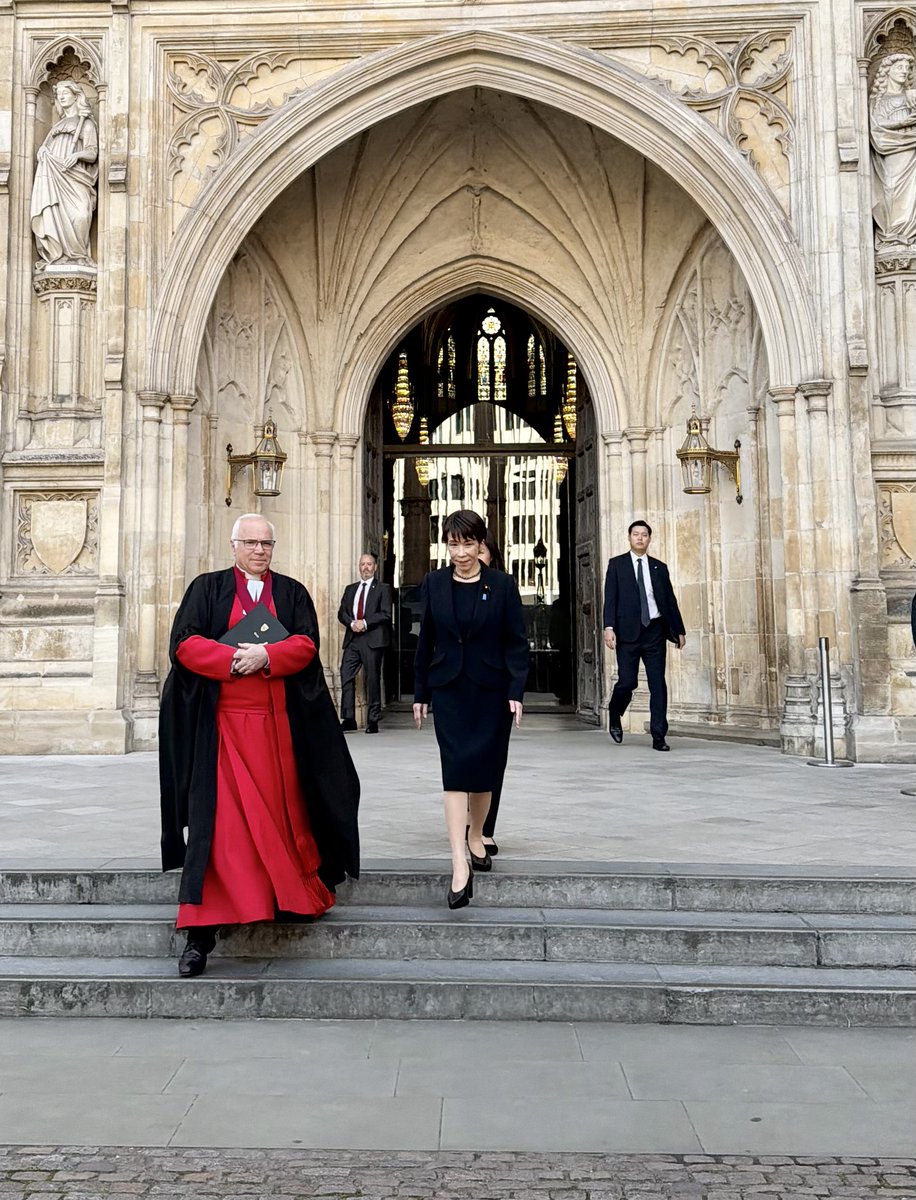
Honoured to accompany PM Sanae Takaichi to Westminster Abbey for laying wreath to the tomb of the unknown warrior.

38
643
8,324
162,699
Legal Affairs Canada retweeted

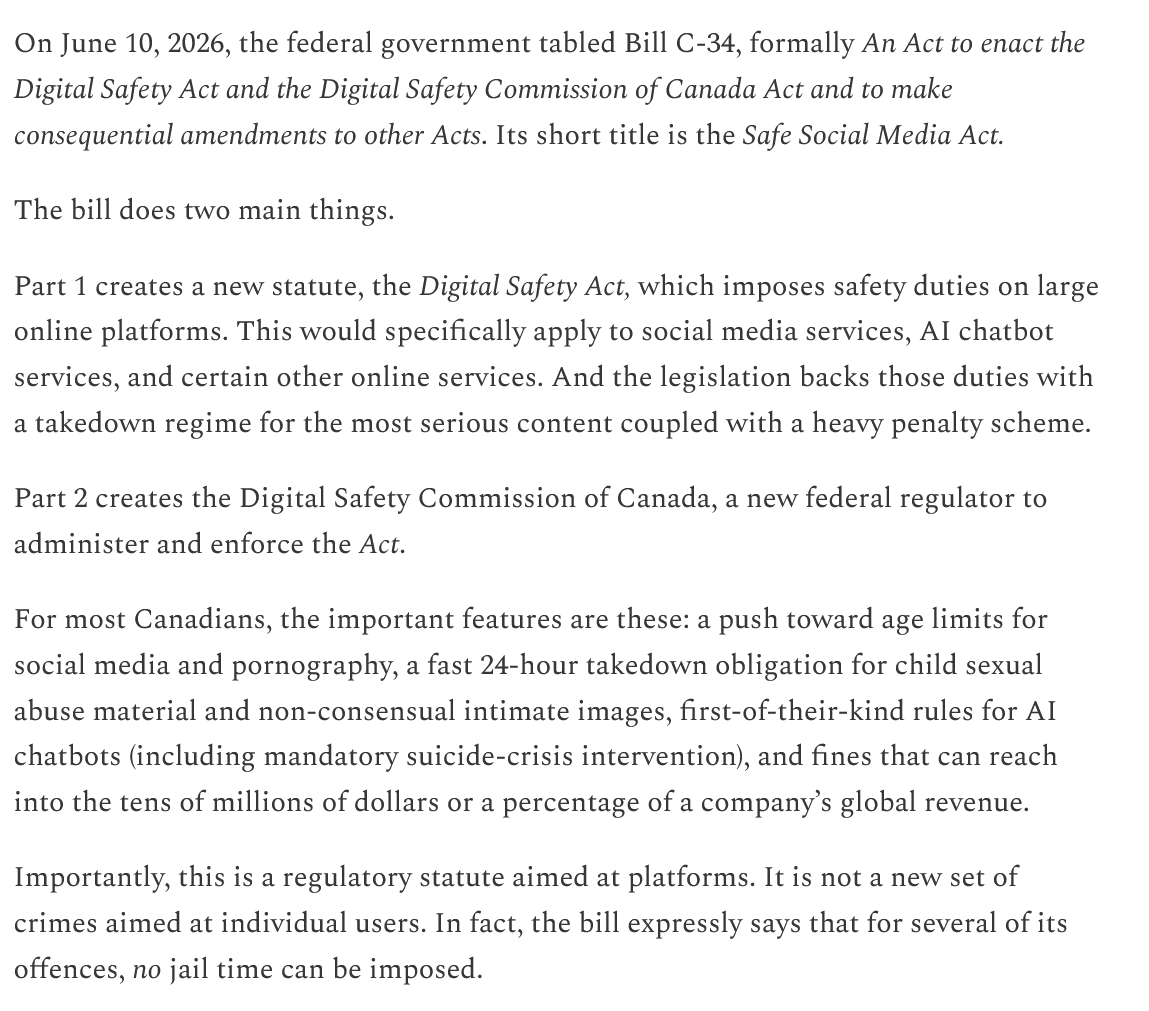
"Online Harms" is back: About Bill C-34 The Safe Social Media Act -- new on my YouTube channel.
youtu.be/E08XVXwojMw
3
14
19
1,447
Legal Affairs Canada retweeted

17h
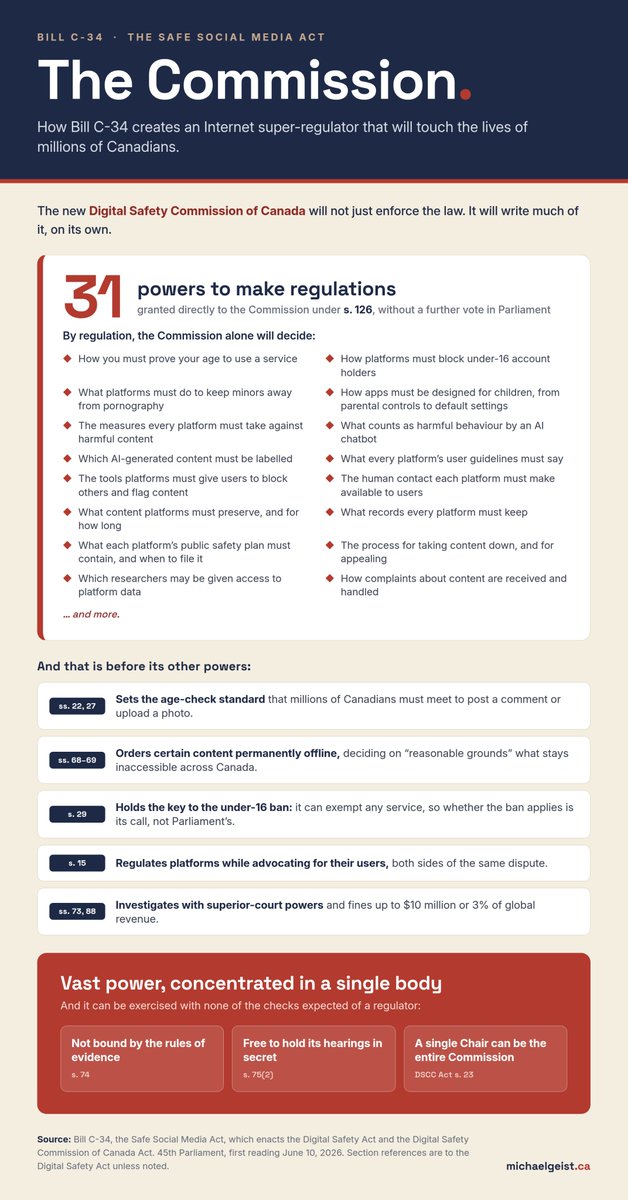
You have to read Bill C-34 on The Commission to believe it. It sets the rules on age verification, social media bans, and content removals while serving as combined regulator, investigator and advocate. At the start, Chair alone can be the full Commission.
x.com/mgeist/status/20665288…
18h

The kids’ social media ban gets the headlines, but my post argues Bill C-34’s most consequential element may be the Commission, a super-regulator overseeing the system with its own rules of evidence, potentially secret hearings, and wide-ranging powers.
michaelgeist.ca/2026/06/thec…
35
304
508
23,734
Legal Affairs Canada retweeted

NEWS RELEASE: Today the @CDNConstFound is in court intervening in a judicial review of a Human Rights Tribunal of Ontario decision that saw a small-town mayor personally fined for voting against a request to proclaim June as Pride Month. The case is Borderland Pride v Emo
9
56
172
10,366
Legal Affairs Canada retweeted

Jun 12
Law schools spend too much time teaching students how courts should work and too little time teaching them how courts actually work.
35
209
1,498
104,261


Legal Affairs Canada retweeted

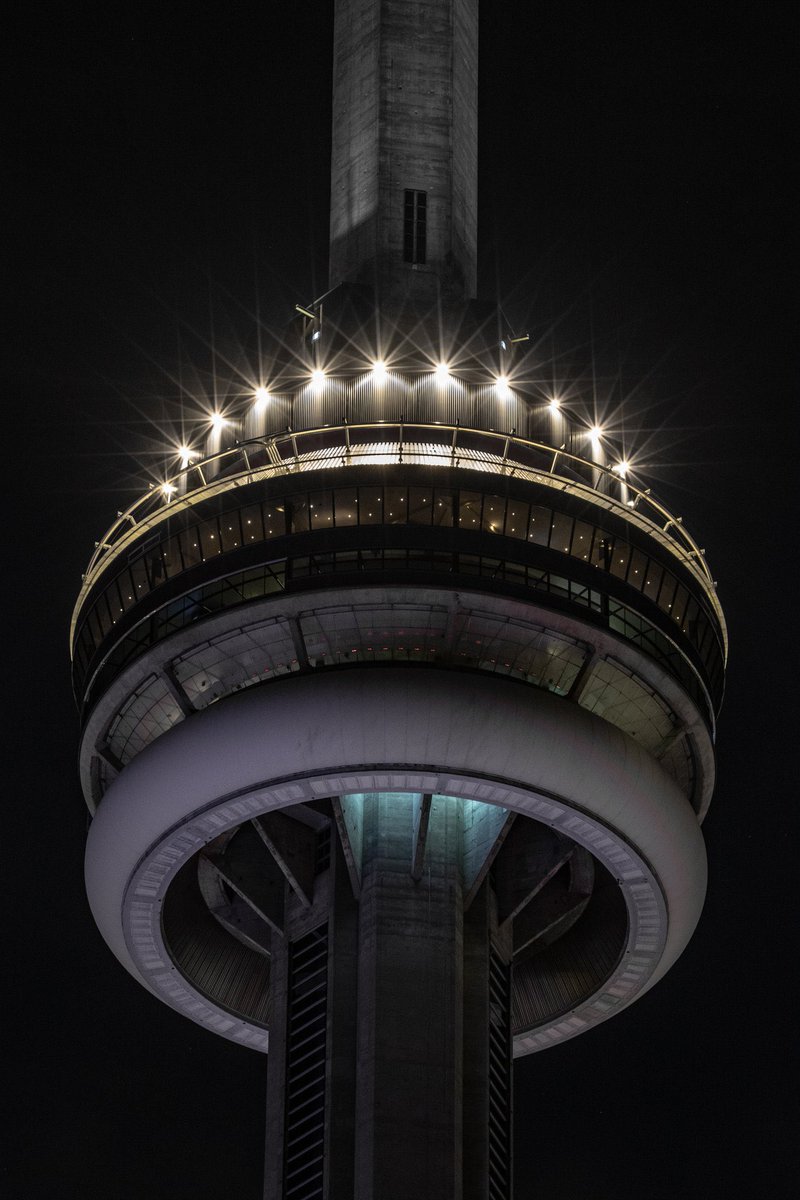
Tonight the #CNTower will dim for the first five minutes of every hour in honour of @TorontoPolice Constable Marc Pinizzotto, who died in the line of duty
82
288
1,890
73,525
Legal Affairs Canada retweeted
Jun 12
Tens of millions of Canadians will be required to age verify to use social media when the ban launches. My post on how the government plans to implement it without standards, privacy review, or an enforcement mechanism with potential exemptions years away.
michaelgeist.ca/2026/06/the-…
25
210
408
33,318
Legal Affairs Canada retweeted
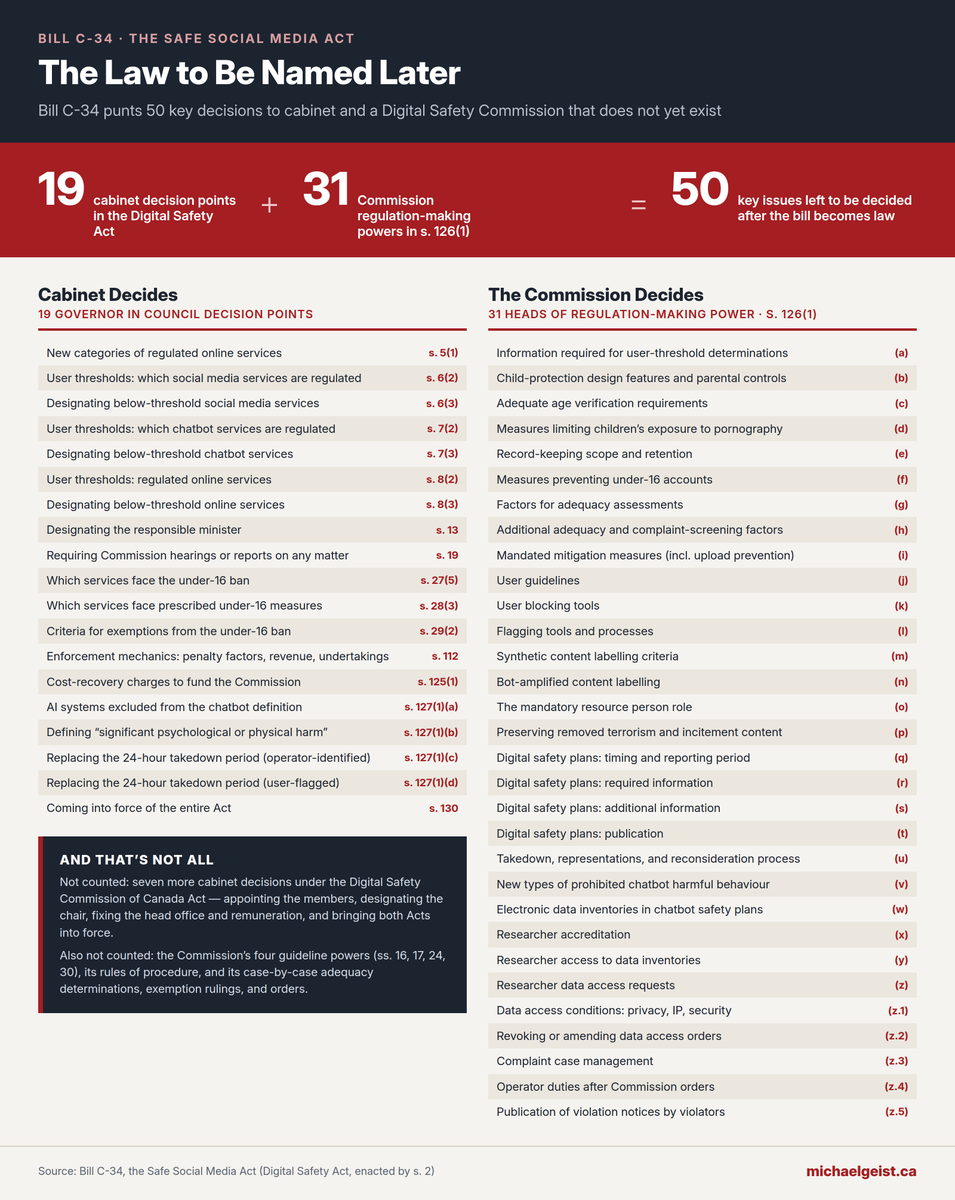
I was asked earlier today whether I thought Bill C-34 would achieve its objective. My answer was that I have no idea because most important decisions and measures are kicked down the road. Check out Michael's table.
Jun 11
The government’s digital safety bill regulates social media services, AI chatbots, and potentially any other online service or application. Who is targeted? What criteria for regulation? Bill C-34 doesn't say. It leaves all of those decisions to cabinet.
x.com/mgeist/status/20650589…
2
15
43
2,725
Legal Affairs Canada retweeted
Though most of Bill C-34 Safe Social Media Act are left to regulations or Commission rulemaking, it is clear that once it comes into effect young people will be precluded from learning about this law on this site, and all Canadians will have to prove they old enough to handle it.
3
16
45
1,891
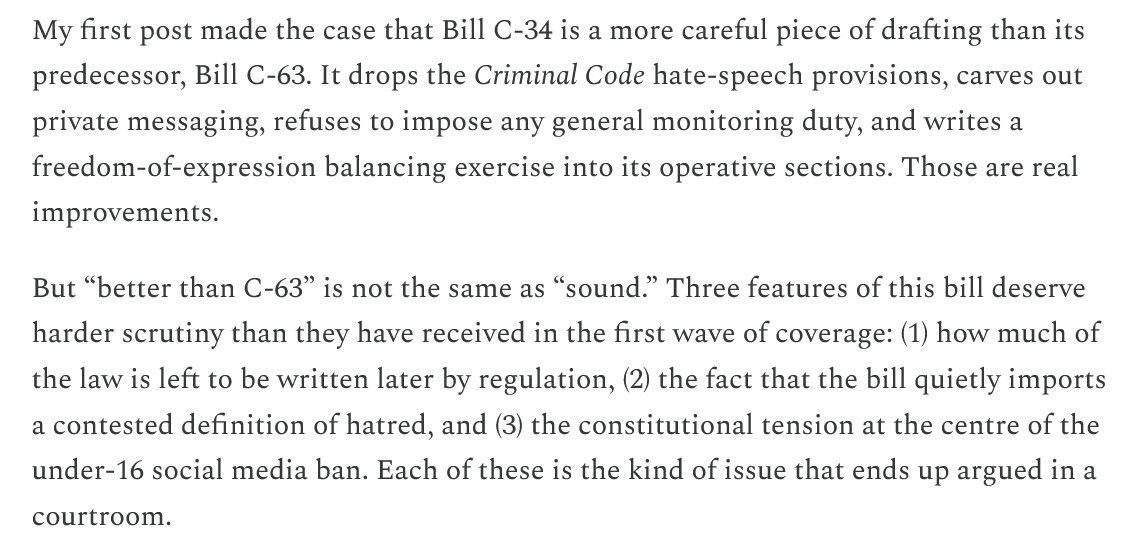
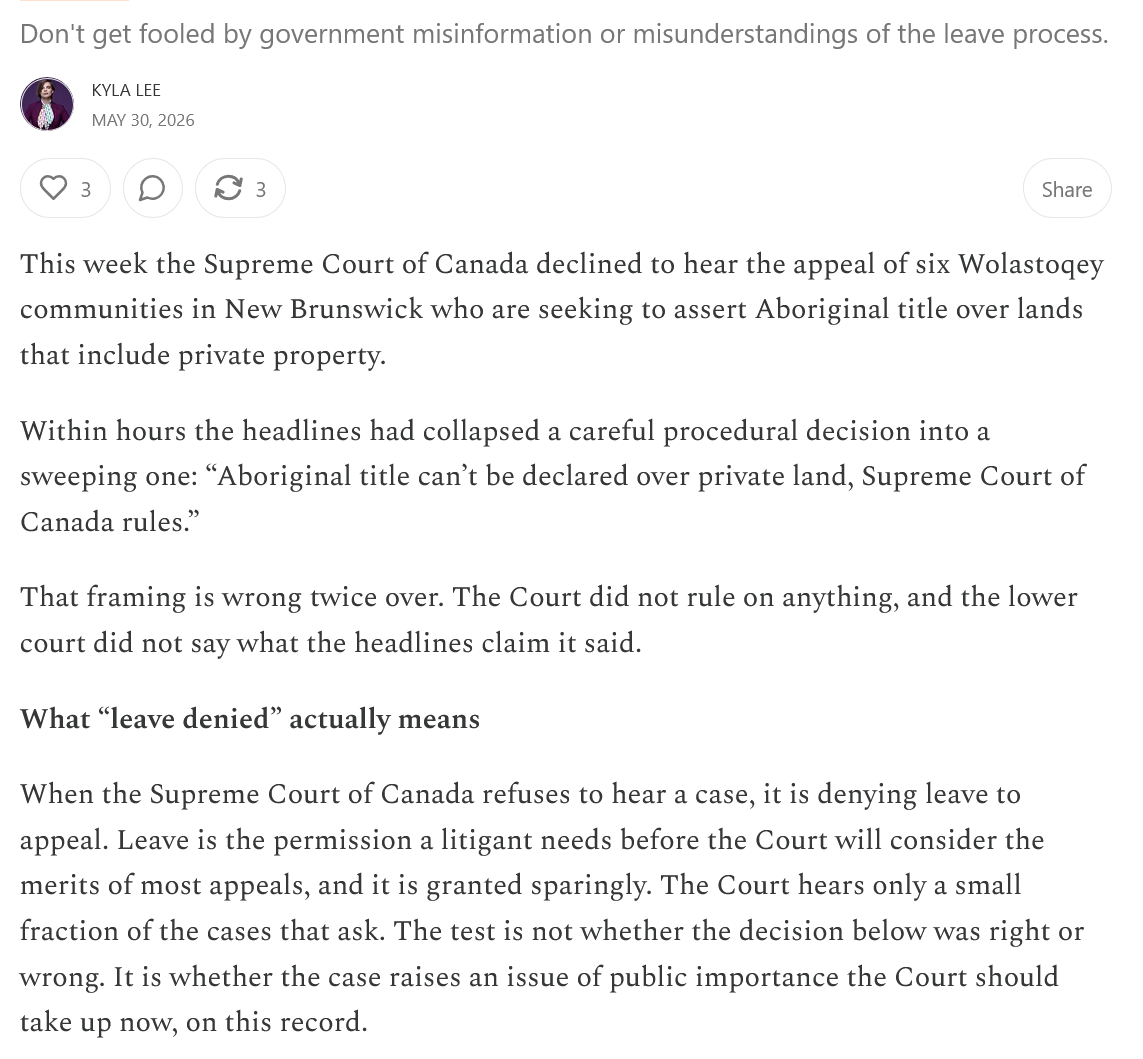
Canada’s new online harms law, Part 2: The problems with bill #C34 'safe social media act.' Three features of this bill deserve harder scrutiny than they have received in the first wave of coverage. @IRPlawyer #freespeech #socialmedia #privacy kylaleelawyer.substack.com/p…
1
93
Legal Affairs Canada retweeted

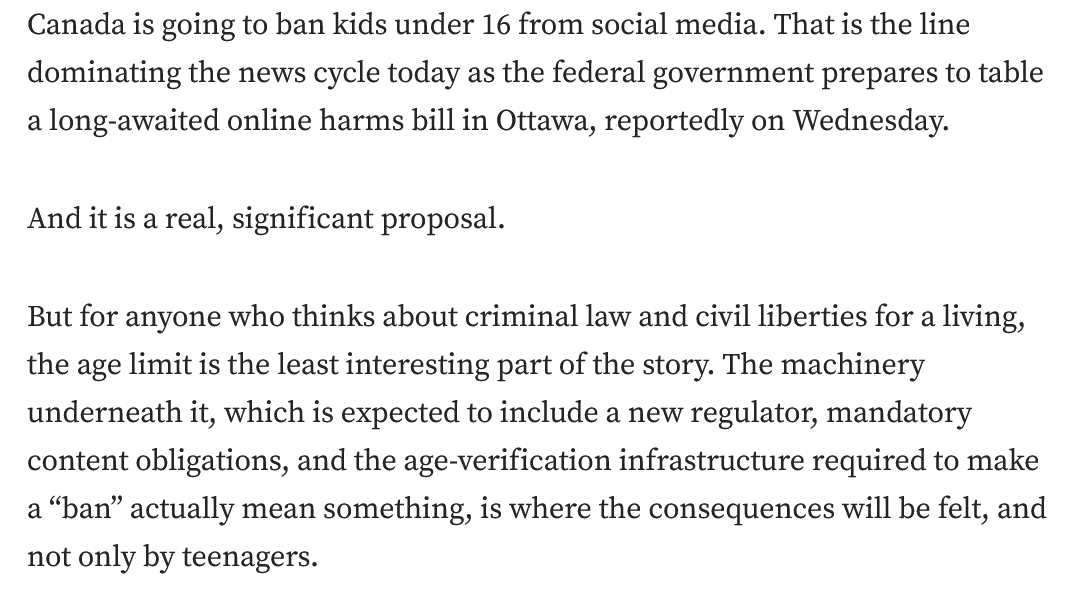
On Wednesday, the federal government introduced Bill C-34, the Safe Social Media Act, with the stated goal of making the online activities of Canadians safer. The bill raises significant civil liberties concerns, including through the limitless powers it grants the government and a new digital safety regulator.
Read more here.
ccla.org/press-release/ccla-…
20
176
310
4,442
Legal Affairs Canada retweeted

Jun 12
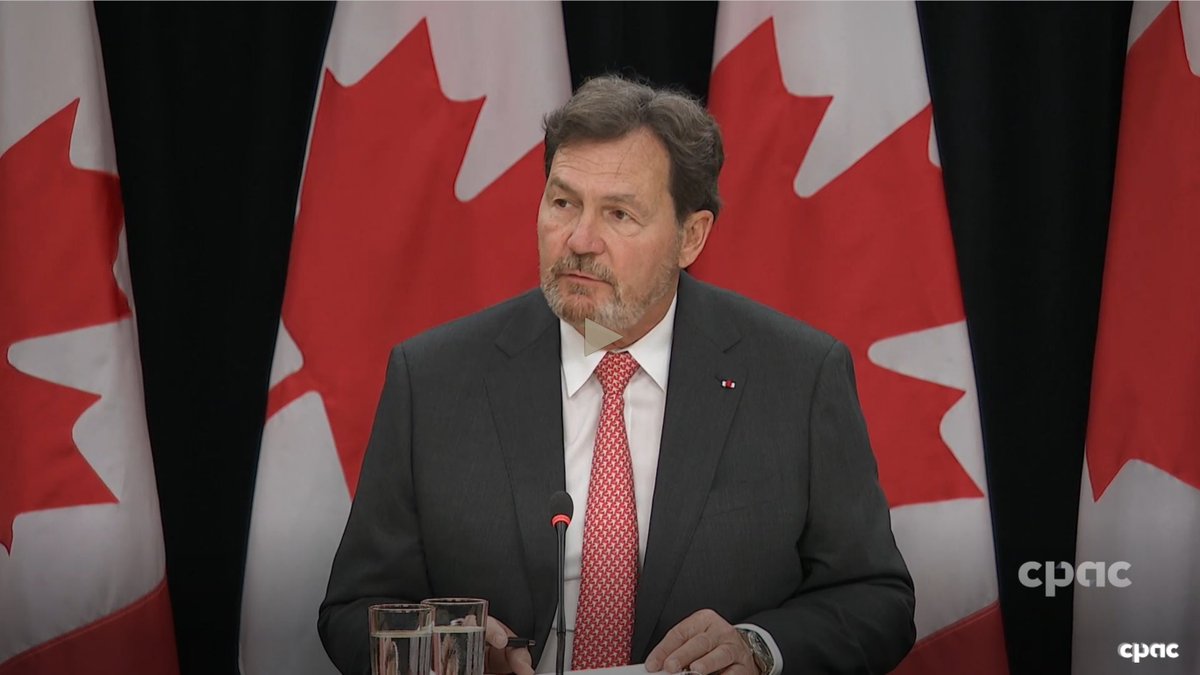
The Chief Justice "invited the conversation. He does not also get to set its terms."
Or, as Justice Binnie said in the context of defamation: "People who voluntarily take part in debates on matters of public interest must expect a reaction from the public. Indeed, public response will often be one of the goals of self‑expression. In the context of such debates (and at the risk of mixing metaphors), public figures are expected to have a thick skin and not to be too quick to cry foul when the discussion becomes heated."
Jun 12

Richard Wagner has spent his time as Chief Justice turning himself into the self-appointed guardian of Canadian democracy: annual press conferences, speeches about the rule of law, warnings about democratic backsliding.
The old convention was that judges speak through their rulings and otherwise keep quiet. Wagner seems to find that beneath him. He wants to be a public figure, not just a judge.
The irony is that every time he steps up to the microphone to defend the court’s legitimacy, he’s the one politicizing it. A judiciary that lets its work speak for itself doesn’t need a spokesman. Wagner has made himself one anyway, and the institution is worse off for it.
1
13
53
6,997
Legal Affairs Canada retweeted

Jun 12
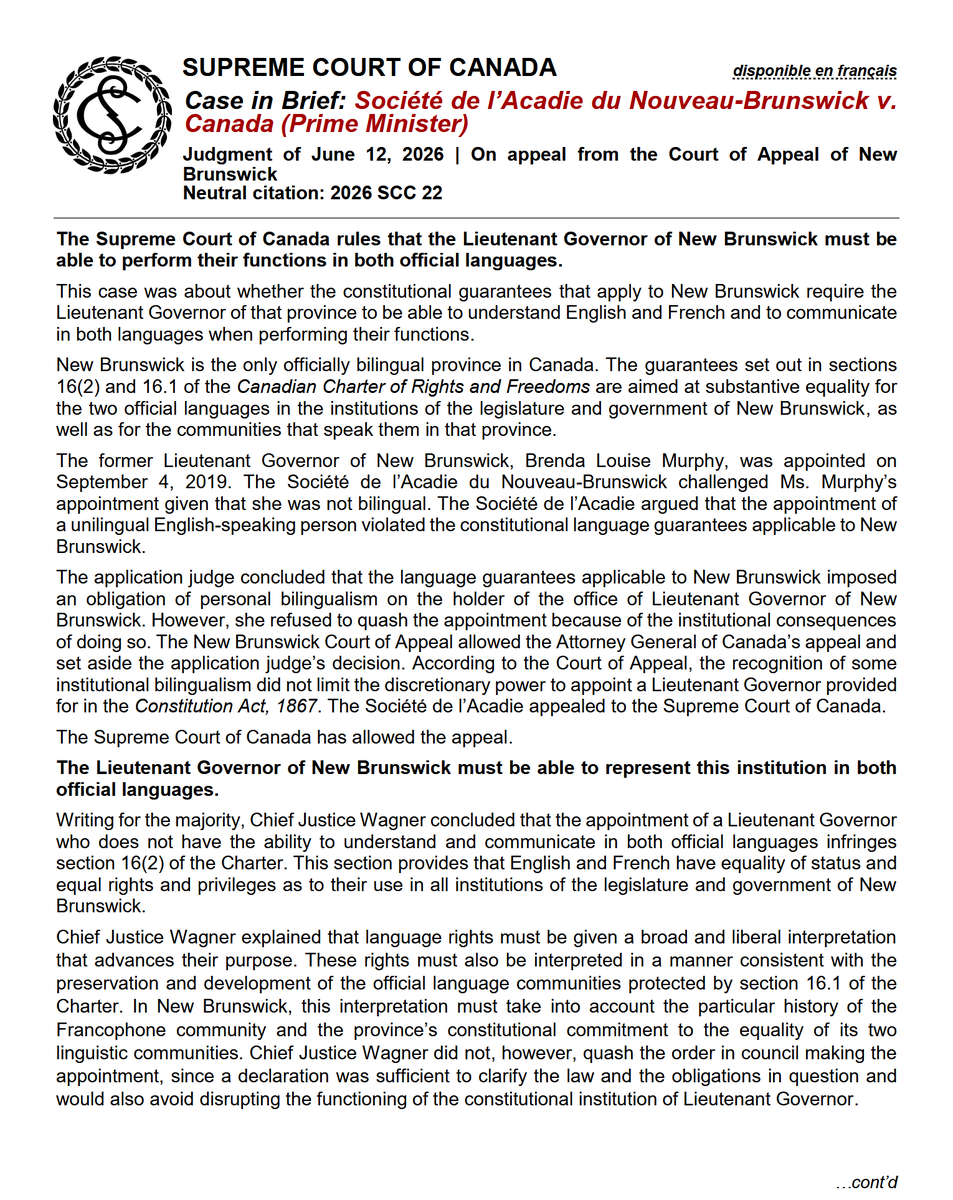
Supreme Court rules New Brunswick lieutenant-governor must be bilingual.
thestar.com/news/canada/new-… via @torontostar
3
4
2
1,122
Legal Affairs Canada retweeted

Jun 12
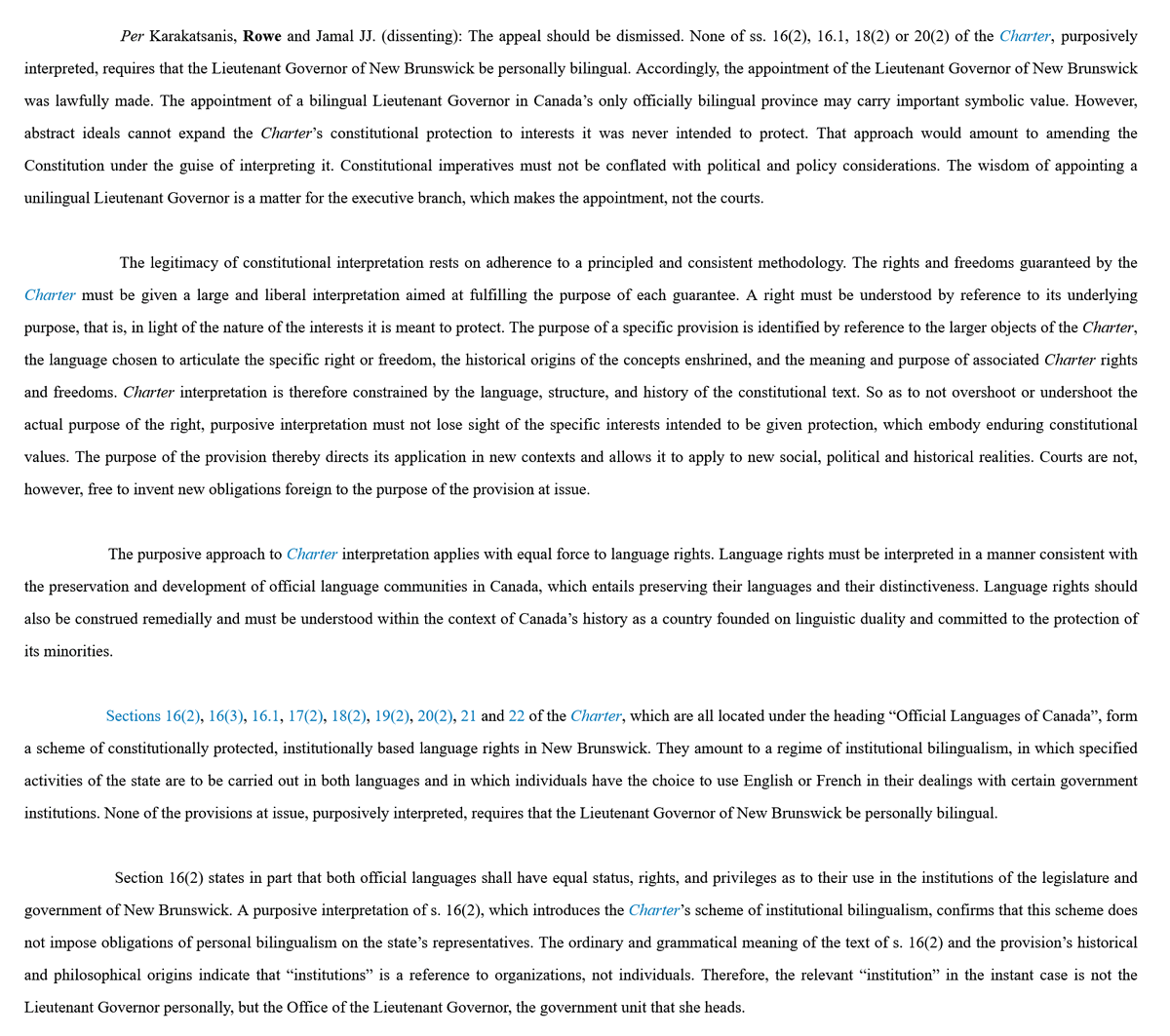
#SCC ruled 6-3 the 2019 appointment of a unilingual lieutenant-governor in N.B. infringed linguistic rights & protections under Charter s. 16(2): Société de l’Acadie du Nouveau-Brunswick v. Prime Minister of Canada, et al.
1
1
255
Legal Affairs Canada retweeted

Jun 9
Correction: We've removed an earlier post that incorrectly described how the Governor General is appointed. The Governor General is appointed by His Majesty the King on the advice of the Prime Minister. We regret the error.
52
37
543
105,078
Legal Affairs Canada retweeted

Jun 12
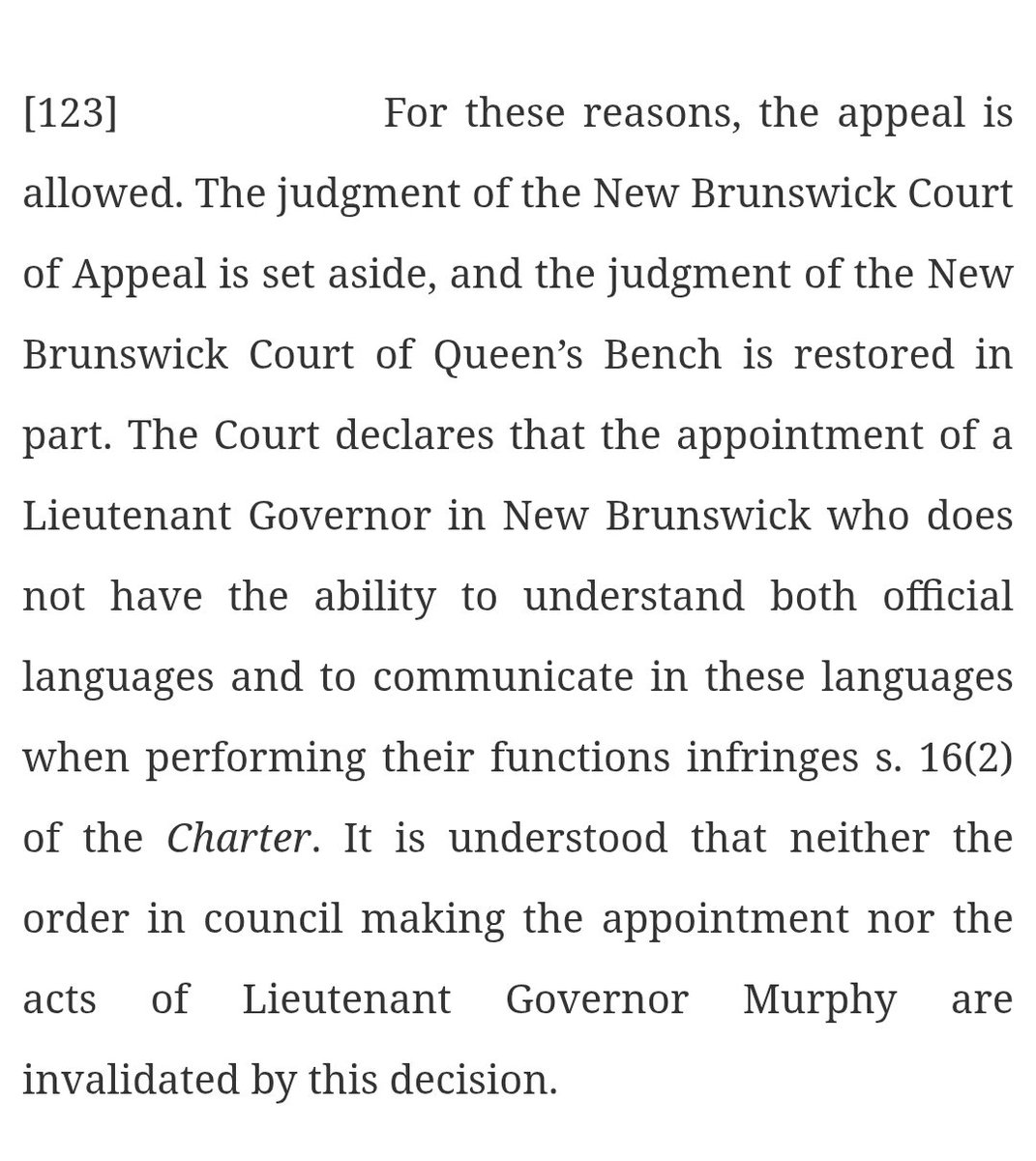
The ruling however does not impact the validity of any Order in Council, Royal Assent or any other action by former Lieutenant Governor Brenda Murphy. However an appointment of an unilingual LG would be invalid if it happened in the future. #nbpoli #cdncrown #cdnlaw #cdnpoli
1
2
556
Legal Affairs Canada retweeted
Jun 12
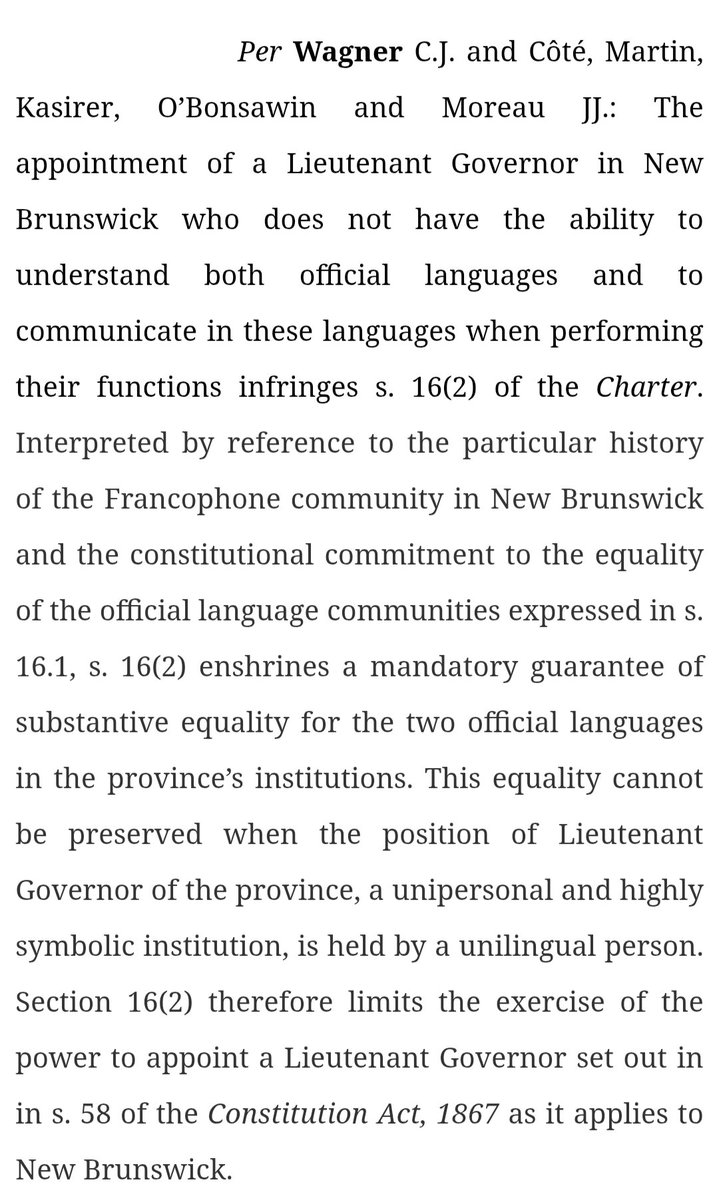
The Supreme Court of Canada held that the New Brunswick Lieutenant Governor must be bilingual in accordance with section 16(2) of the Charter. The Charter limits the appointment process of the LG under s.58 of the Constitution Act, 1867. #nbpoli #cdnpoli #cdnlaw #cdncrown
2
4
7
965
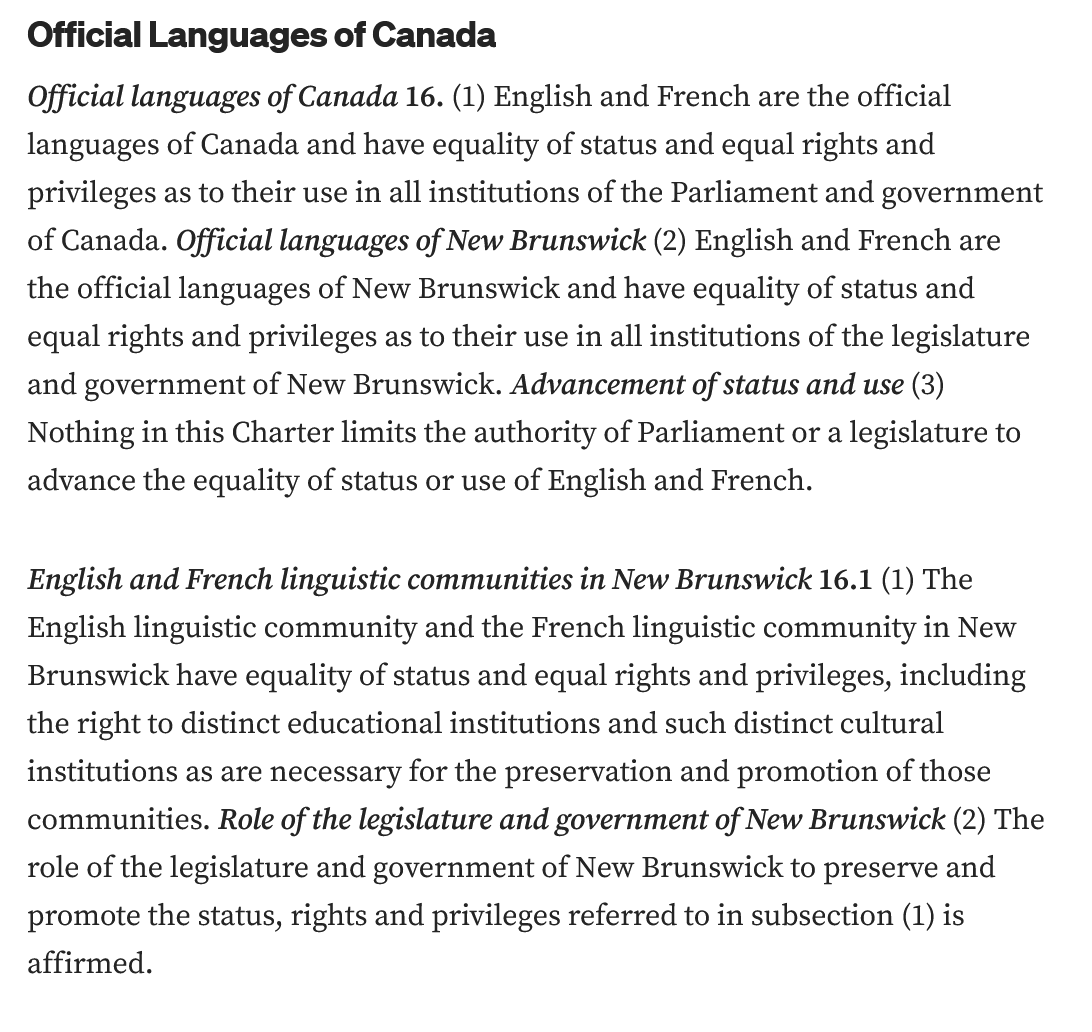
Split 6-3 Supreme Court Canada ruled Charter of Rights s16 making #NB 'officially bilingual' requires Lieutenant Governor of #NewBrunswick be able to perform their functions in both official #languages. #scc
3
2
5
605
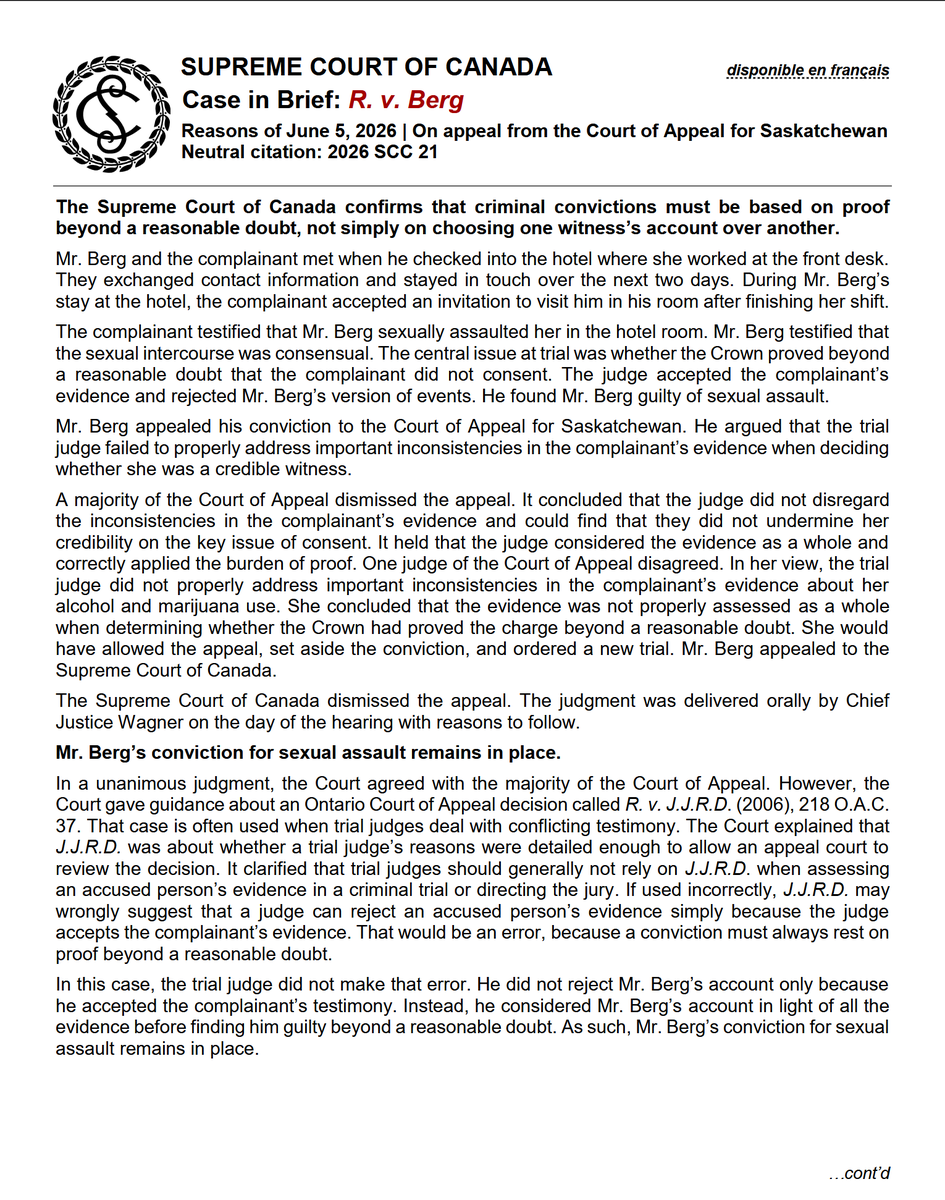
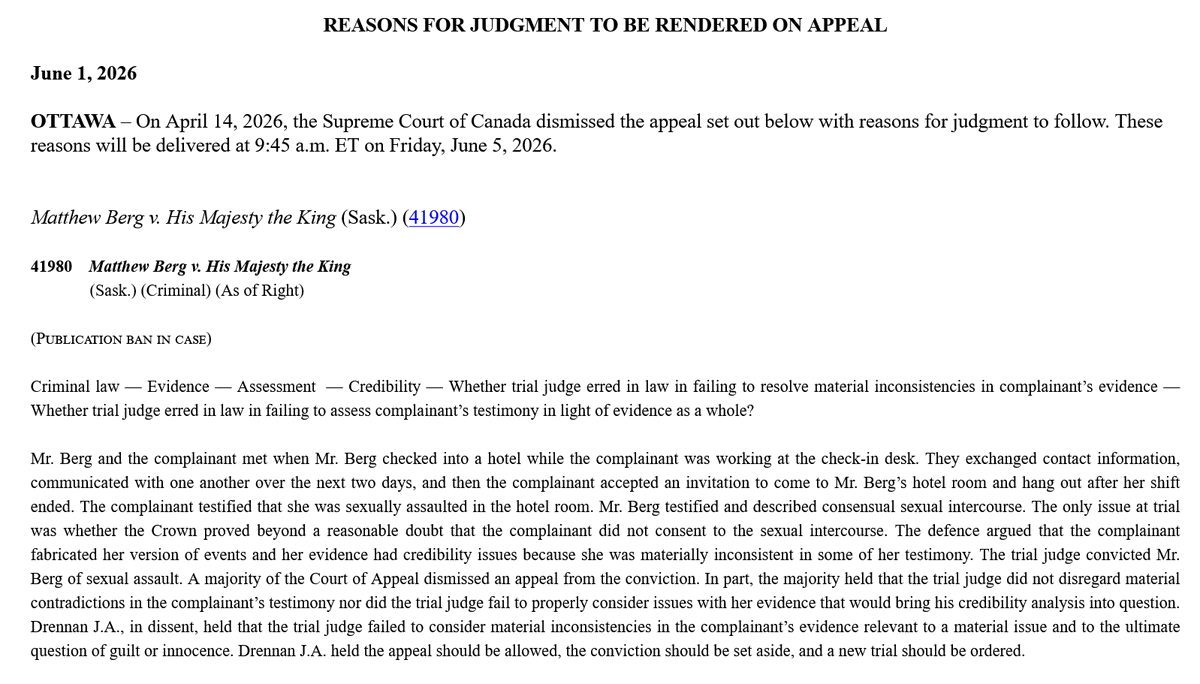
Sources: scc press release decisions.scc-csc.ca/scc-csc… case in brief scc-csc.ca/judgments-jugemen… full decision with dissent canlii.org/en/ca/scc/doc/202…
122