Joined May 2014
- Tweets 5,510
- Following 4,931
- Followers 452
- Likes 16,020
13 Photos and videos
Limbu M. Limbu retweeted

Jun 4
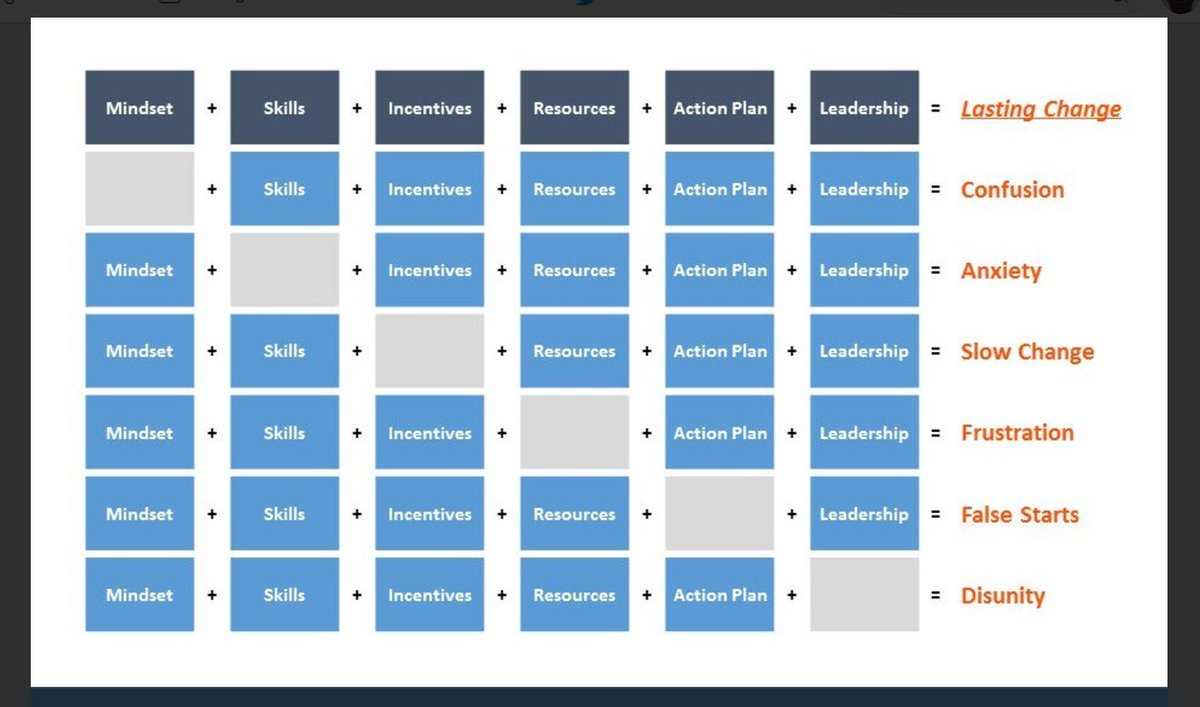
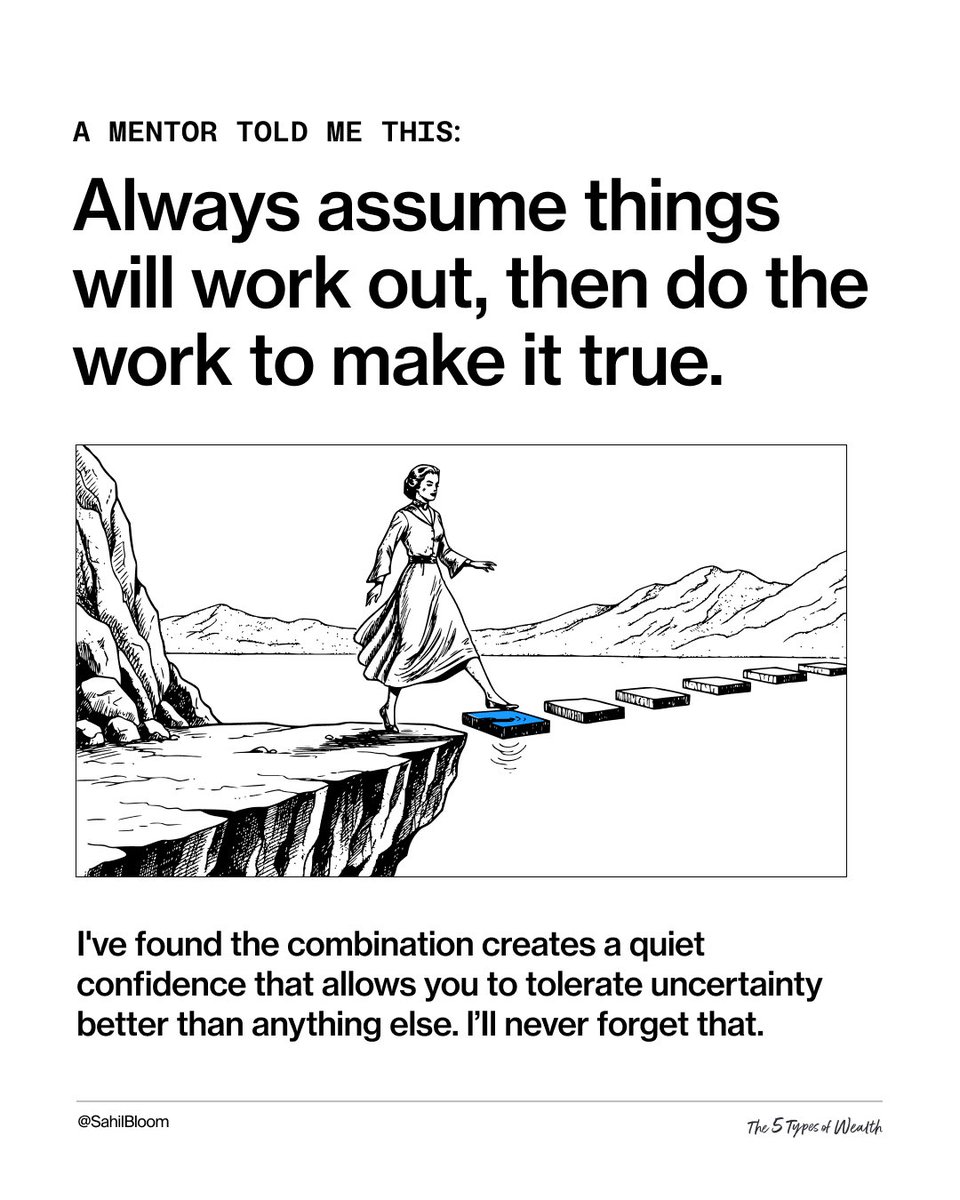
Everyone needs to hear this…
110
1,582
9,481
350,527
Limbu M. Limbu retweeted

Jun 3
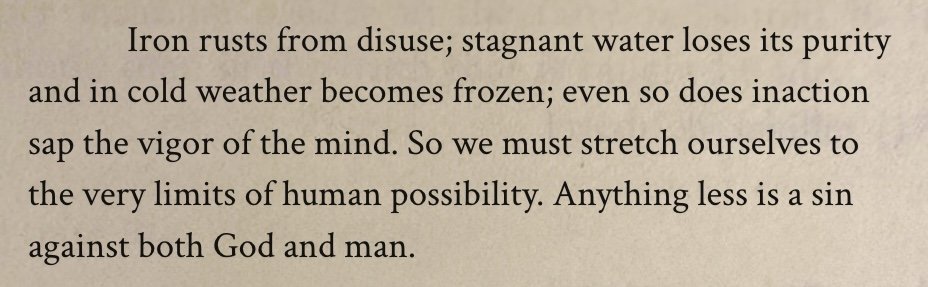
Leonardo da Vinci's greatest paragraph
88
5,947
33,468
649,635

A Swedish psychologist did the research behind the most famous success rule of the last twenty years, and then spent the rest of his life trying to prove it was wrong.
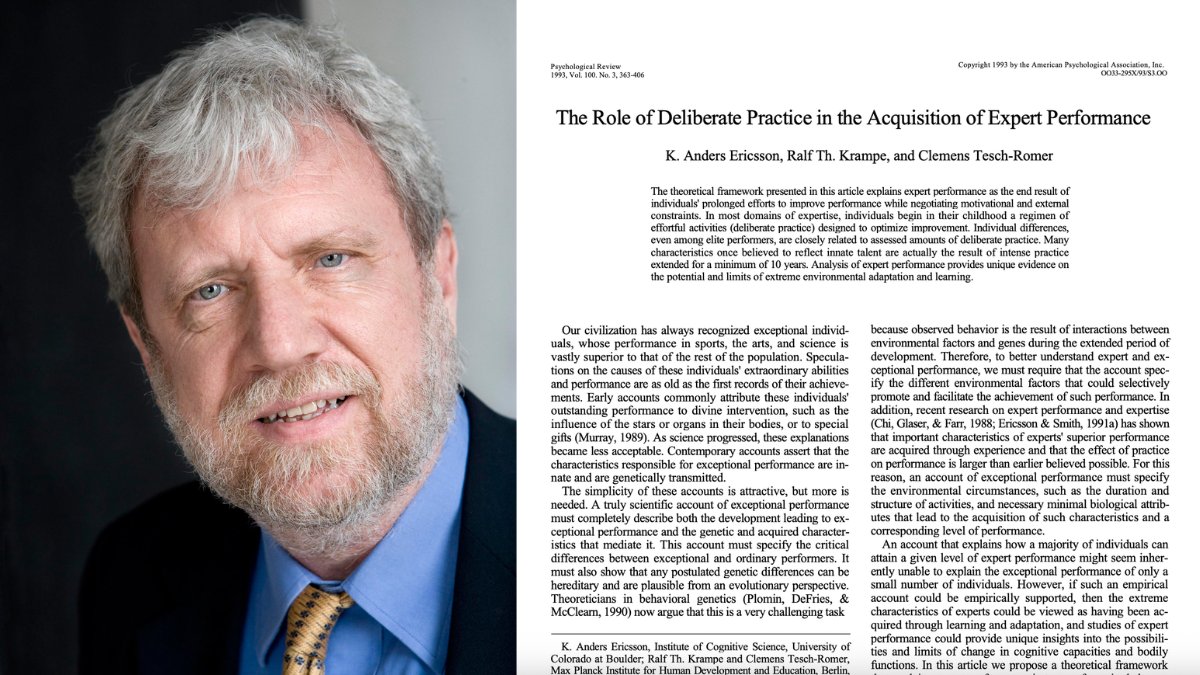
His name was Anders Ericsson.
He died in 2020, and most of the people who repeat the rule he inspired have no idea he thought the popular version of it was broken.
In 1993 he published a paper with two colleagues called "The Role of Deliberate Practice in the Acquisition of Expert Performance." It ran in Psychological Review and went on to be cited more than nine thousand times, which makes it one of the most influential psychology papers ever written.
The study itself was small and clean. He went to a music academy in West Berlin and asked the faculty to sort their violinists into three groups. The best students, the ones with real soloist potential. The good students, a notch below. And the ones headed toward becoming music teachers instead of performers.
Then he reconstructed how many hours each group had practiced across their entire lives.
The pattern was almost too neat. The best group had logged an average of over ten thousand hours by the age of twenty. The good group sat around eight thousand. The future teachers were down near three to four thousand. More skill, more hours, in a near perfect line.
Fifteen years later Malcolm Gladwell picked up that one number for his book Outliers, gave it a name, and the ten thousand hour rule was born. The pitch was irresistible. Ten thousand hours and you become a master at almost anything. The Beatles, Bill Gates, every story wrapped neatly around the same figure.
It became gospel. It is probably the single most quoted idea in the entire self improvement world.
And the man whose research it was built on spent his remaining years saying it was wrong. He wrote a whole book in 2016 called Peak just to correct the record. He even put out an open letter with a title that did not hide how he felt, calling it the danger of delegating education to journalists.
His objections were simple, and they are worse than they sound.
First, ten thousand was an average, not a threshold. Half of the best violinists had not even reached it. There was no line in the sand where a person suddenly crossed from amateur to expert. In his own words there was nothing magical about the number at all.
Second, at twenty years old those violinists were not masters. They were very good students who still had years of work ahead of them before anyone would call them world class. The ten thousand hours had not bought mastery. It had bought potential.
Third, and this is the part that quietly takes the whole rule apart, the real number is wildly different depending on the person and the field.
Look at chess, where researchers tracked exactly how long it took players to reach master level. The average came out around eleven thousand hours, close enough to the famous figure to feel like proof. But the average was hiding the real story. One player reached master in barely three thousand hours. Another needed more than twenty three thousand. That is an eight to one gap between two people chasing the same title.
And some players put in more than twenty five thousand hours and never became masters at all.
So if it was never really about the hours, what was Ericsson actually trying to say.
His real finding was about the kind of practice, not the quantity of it. He called it deliberate practice, and it has almost nothing in common with what most people mean by putting in the hours. It is not running through songs you already know. It is working right at the edge of what you cannot do yet, with immediate feedback, with someone or something telling you exactly what just went wrong, over and over, in a way that is uncomfortable the entire time.
Most of the hours people log are the opposite of that. Comfortable repetition of things they already have. He watched professionals do this for decades and noticed something disturbing. Many of them stopped improving after the first few years and then simply held the same level for the rest of their careers, racking up hours that bought them nothing.
Then it gets worse, and this is the part that should matter most to anyone trying to build something real.
A team of researchers led by Brooke Macnamara pulled together every study they could find on practice and performance to ask one question. How much of the gap between good and great does practice actually explain.
In games it explained twenty six percent. In music twenty one. In sports eighteen.
In education it explained four percent. In professions, the actual jobs people do for a living, it explained less than one percent.
Read that again. In the messy, open ended domains where most of us actually live and work, the place where you are trying to build a company with no clean rules and no scoreboard, the number of hours you grind explains almost nothing about whether you win.
Here is what that means for you.
If you have ever felt behind because you did the math in your head and realized you have not put in your ten thousand hours, you were measuring the wrong thing the whole time. The hours were never the variable. There is no counter ticking up toward a moment where you suddenly become good.
What separates people is not how long they have been doing the thing. It is whether they spend that time pushing into what they cannot do yet and getting honest feedback fast, or whether they spend it comfortably repeating what they already know and calling it experience.
You can put in ten thousand hours and stay average. People do it every day. They have twenty years of experience that is really one year of experience lived twenty times.
Or you can build your hours so that almost every one of them stings a little, and pass people who started a full decade ahead of you.
Stop counting your hours. Start auditing them.
19
64
186
17,839
Limbu M. Limbu retweeted

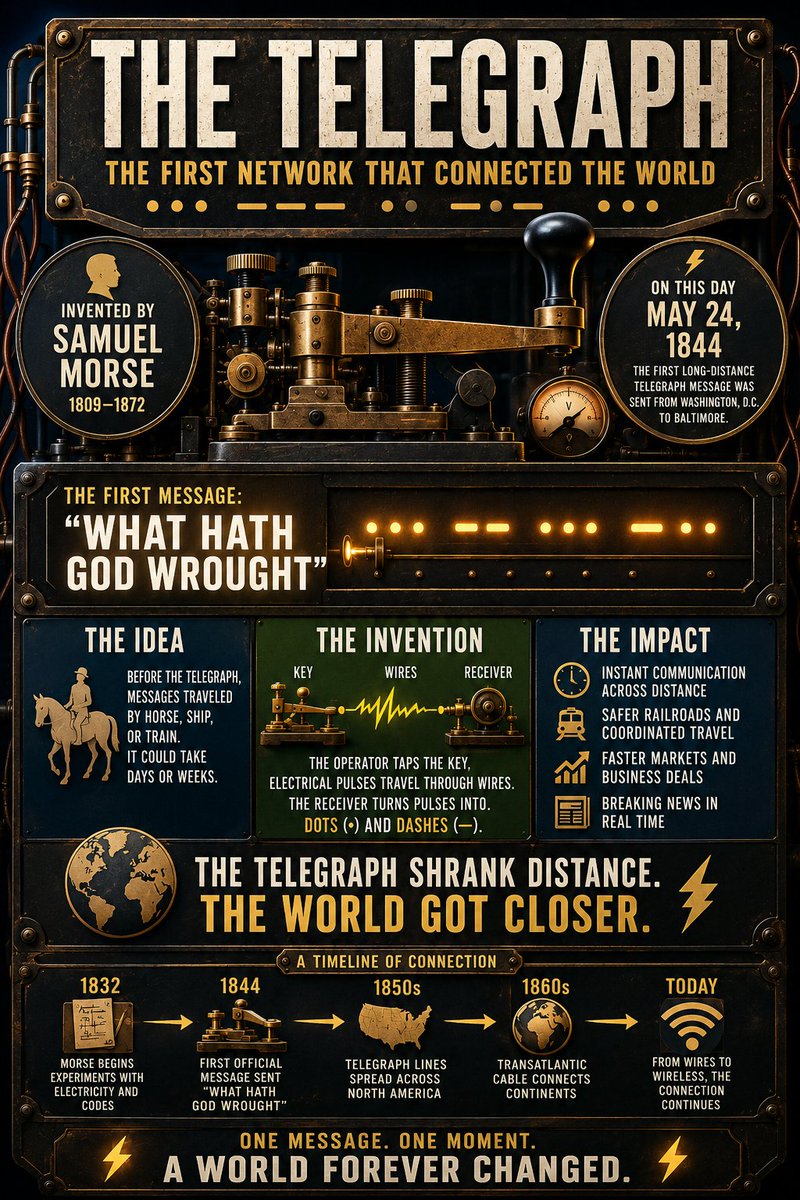
182 years ago today, four words traveled 40 miles in an instant and changed everything.
On May 24, 1844, Samuel Morse sent the first long-distance telegraph message: "What hath God wrought." Most people barely think about the telegraph anymore, but nearly every modern communications platform traces part of its DNA back to that moment.
Before the telegraph, communication moved no faster than transportation. A message physically traveled by horse, ship, or rail. News from Europe took weeks to reach America. Financial markets ran on massive delays. Governments made decisions using outdated information. The telegraph changed all of that almost overnight.
Morse wasn't an engineer. He was a successful painter and portrait artist. In 1825, while working in Washington, he received a delayed letter saying his wife was seriously ill in Connecticut. By the time he got home, she had already died and been buried. That loss stayed with him for years and fueled his growing obsession with faster communication.
In the 1830s, Morse turned to the emerging science of electromagnetism. Scientists had discovered that electrical pulses could travel through wires over long distances, and Morse realized those pulses could carry coded messages. The design was elegant and surprisingly modern. An operator pressed a key to open and close a circuit, pulses traveled through copper wire to a receiving station, and an electromagnet clicked against a metal plate. Short pulses became dots, longer ones became dashes. Morse code turned electricity into language.
One of the biggest engineering problems was signal loss over distance. Early systems struggled to transmit reliably across long wires, so Morse and his collaborators built relay systems to boost the signal along the route, an early version of the repeaters that later powered telephone and internet networks.
The first official line ran about 40 miles between Washington and Baltimore. When Morse sent that message in 1844, it demonstrated something people had never experienced: instant communication across distance.
The impact was enormous. Railroads used telegraphs to prevent collisions and coordinate schedules. Financial firms gained faster access to market prices. Newspapers reported events in near real time. Governments and militaries suddenly operated with far greater speed and coordination. The telegraph didn't just improve communication. It changed how society understood time, distance, and information itself. It was the first true information network.
The smartphone in your pocket, the fiber under the oceans, cloud computing, AI systems exchanging data in milliseconds, all of it sits on top of the same idea Morse helped introduce nearly 200 years ago. Information no longer has to travel physically to move quickly. ⚡
1
9
16
965
Limbu M. Limbu retweeted

Apr 20
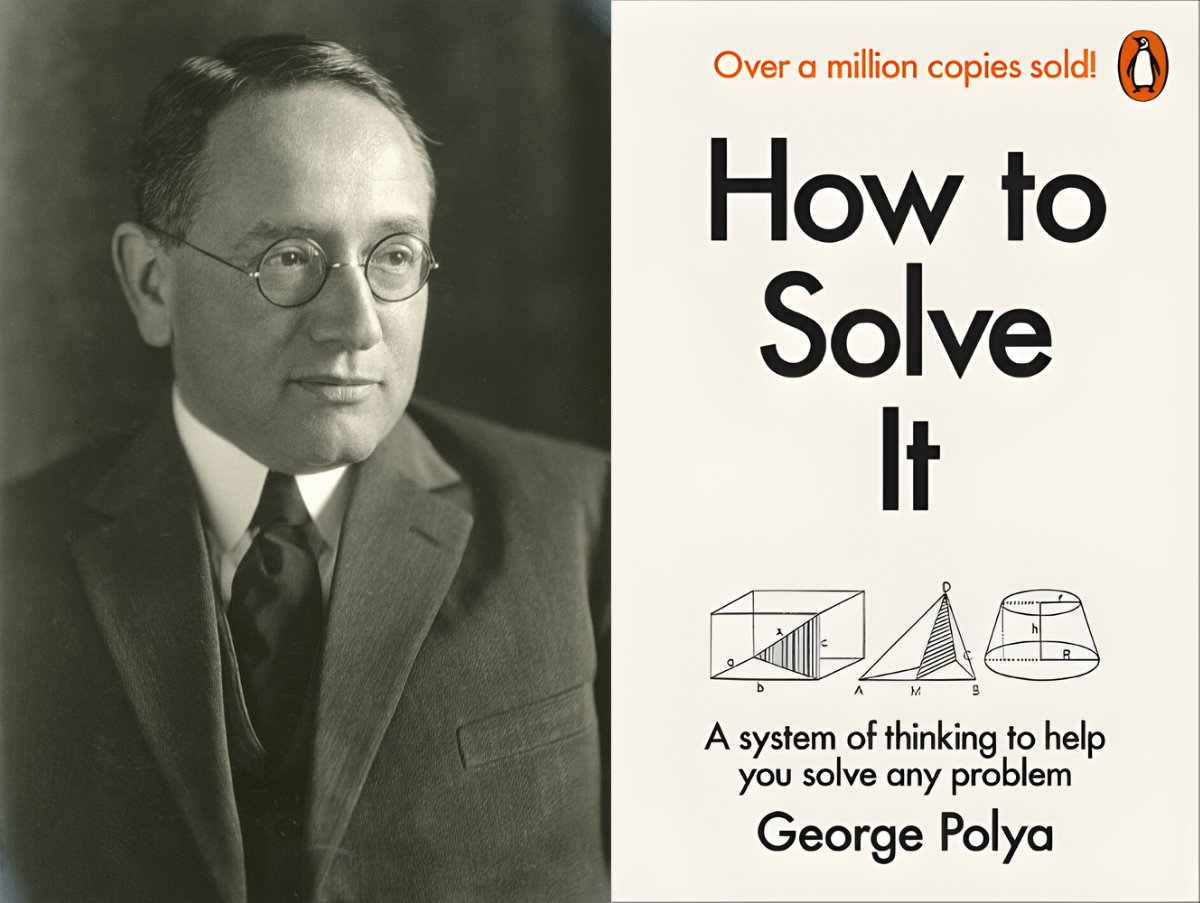
A Stanford mathematician spent 40 years watching brilliant students freeze in front of hard problems.
Not because they lacked intelligence. Because nobody had ever taught them what to do before they started solving.
His name is George Pólya, and the book he wrote in 1945 has never gone out of print. It has sold over a million copies. Marvin Minsky, the man who built the first neural network machine at MIT, said publicly that everyone should know this work. Engineers, mathematicians, and computer scientists treat it as scripture.
Most people have never heard of it.
Here is the framework buried inside it that changed how I think about every hard problem I face.
Pólya watched the same failure repeat itself across decades of students. A problem would be presented. The student would stare at it for a moment, feel the first wave of anxiety, and immediately start calculating. Not because calculating was the right next step. Because calculating felt like doing something, and doing something felt better than sitting with the discomfort of not knowing what to do.
The calculation was almost always wrong. Not because the student lacked the skill to execute it. Because they had not yet understood what they were being asked.
Pólya called this the most neglected step in all of problem solving, and he spent the rest of his career trying to make people take it seriously.
Step one is to understand the problem. Not skim it. Not assume you know what it is asking because you have seen something similar before. Understand it. Completely. He gave students a specific set of questions to force this: What is the unknown? What are the given conditions? Can you draw a figure? Can you restate the problem in your own words without looking at it?
That last one is the filter. If you cannot restate a problem in your own words, you do not understand it. You have only read it.
Most people skip this entirely and wonder why they get stuck.
Step two is to make a plan. Not to execute. To plan. Pólya documented every heuristic he could observe in successful problem solvers, and one pattern appeared more than any other. When a problem feels impossible, find a simpler version of it and solve that first. Not because the simpler version is the goal. Because solving it gives you a foothold, a method, a partial structure you can carry back to the original problem and build from.
He phrased it with precision: if you cannot solve the proposed problem, try first to solve some related problem. Could you imagine a more accessible related problem?
That question alone is worth more than most problem-solving courses.
Step three is to carry out the plan. This is the step everyone thinks is the whole game. It is not. It is the third of four. And Pólya spent the least time on it because it is the most obvious. Once you understand the problem and have a plan, execution is mostly patience.
Step four is the one almost nobody does. Look back. Not to check the arithmetic. To ask a different set of questions entirely. Can you verify the result by a different method? Can you use this result or this method to solve a different problem? What would you do differently next time?
This is where the real learning lives and almost no one goes there.
The look-back step is not about the problem you just solved. It is about building a library of methods that transfers to the next problem, and the one after that. Every expert problem solver Pólya studied had this habit. Every struggling student skipped directly from the answer to the next question on the page, carrying nothing forward, starting from zero every time.
Pólya's deepest insight was not a technique. It was a diagnosis.
The reason most intelligent people feel bad at problem solving is not that they lack the ability to reason. It is that they conflate understanding a problem with having read it. They conflate having a method with starting to work. They conflate getting an answer with having learned anything.
These are not the same things. They never were.
The students who get genuinely good at hard problems are not the ones who practice more. They are the ones who slow down at the beginning and the end, at the two moments every instinct tells them to rush.
The problem is almost always not as hard as it looks at the start.
You just haven't understood it yet.
73
1,197
5,892
302,307
Limbu M. Limbu retweeted

Mar 30
To improve your writing, read more.
To improve your thinking, write more.
To improve your storytelling, present more.
To improve your energy, rest more.
To improve your understanding, teach more.
To improve your network, give more.
To improve your happiness, appreciate more.

23
2,523
8,645
168,340
Limbu M. Limbu retweeted

24 Nov 2025
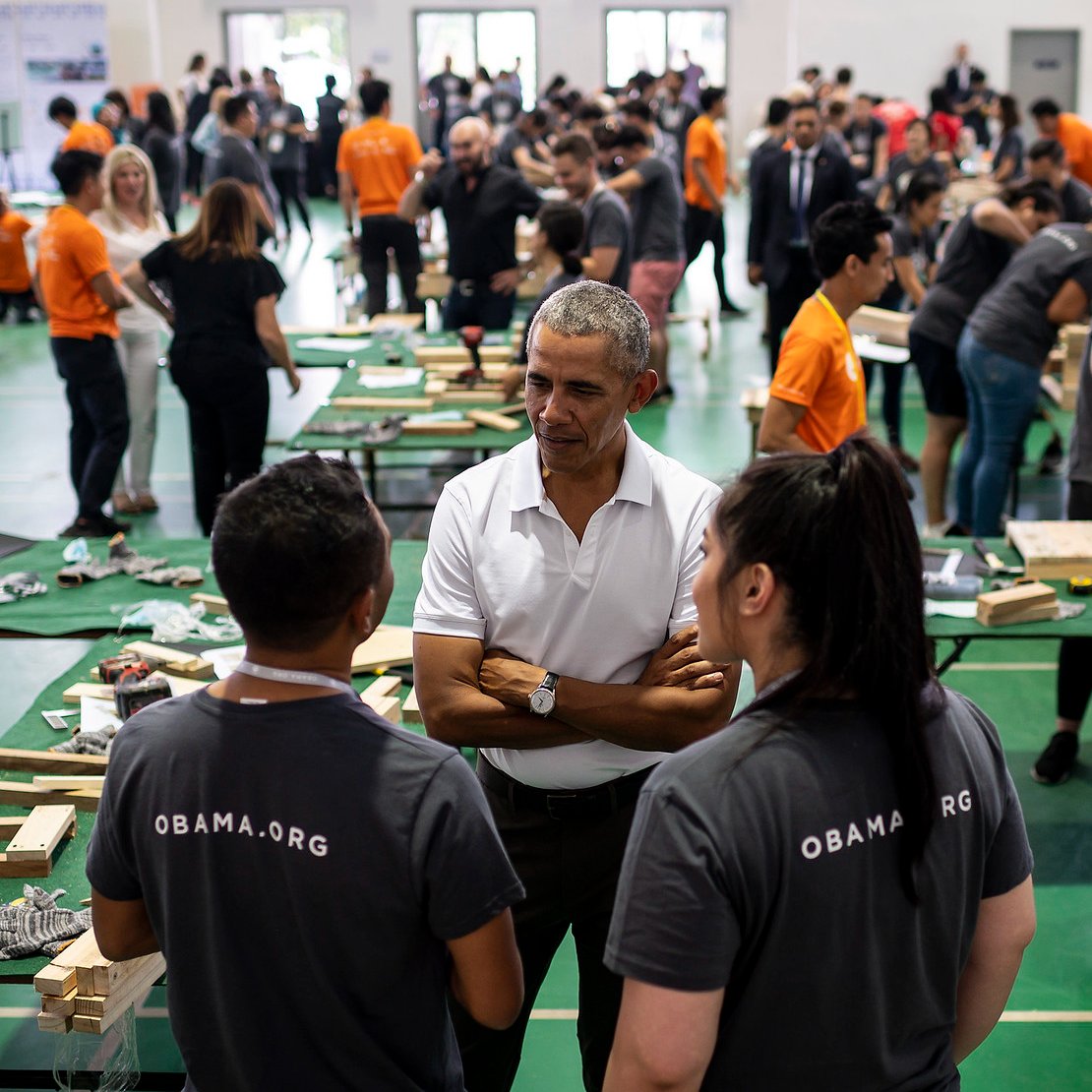
Through the @ObamaFoundation Leaders program, Michelle and I are working with the next generation of leaders looking to make a difference in their communities.
If you're between the ages of 24-45, apply to our Obama Leaders program by December 12, 2025. obama.org/programs/leaders
12,731
13,721
117,855
14,097,857
Limbu M. Limbu retweeted

16 Oct 2025
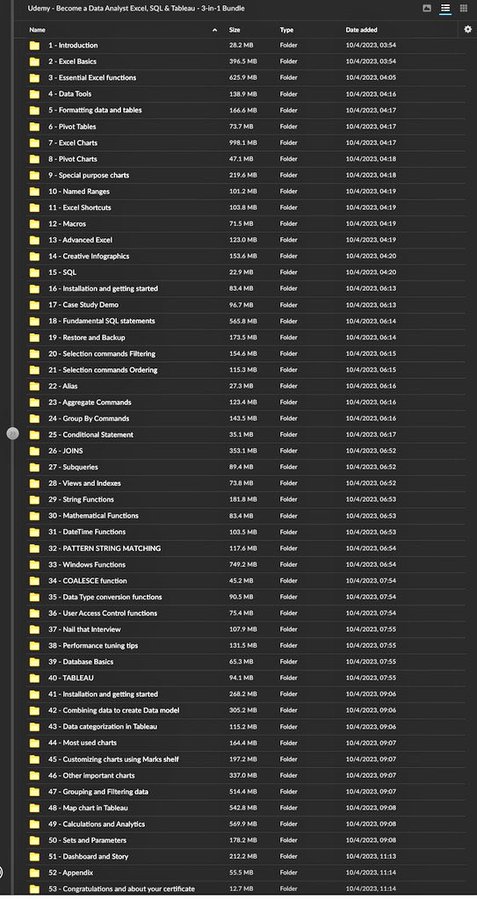
Data Analytics from Zero to Expert Free Course 😲
A Udemy Complete Paid Course for Free.
This Course covers;
- Excel
- SQL
- Python
- Tableau
→ Many more..
To get it simply Dm 24 hours
1. Follow (so that I can DM)
2. Like & Repost (Must)
3. Type "Learn" to get Link in DM 🧲
633
407
1,013
126,318
Limbu M. Limbu retweeted

3 Oct 2025
Published in 1876 but truer today than ever before.
From "The Royal Path of Life" by T. L. Haines

12
95
510
31,813
Limbu M. Limbu retweeted

19 Mar 2025
Did you know that neuroscience played a key role in AI’s development?
Artificial Intelligence: From Mind to Machine explores how brain research led to artificial neural networks, machine learning, and modern AI.
Watch the full documentary: brainprize.org/winners/compu…
136
873
3,101
3,196,863
Limbu M. Limbu retweeted

13 Aug 2025
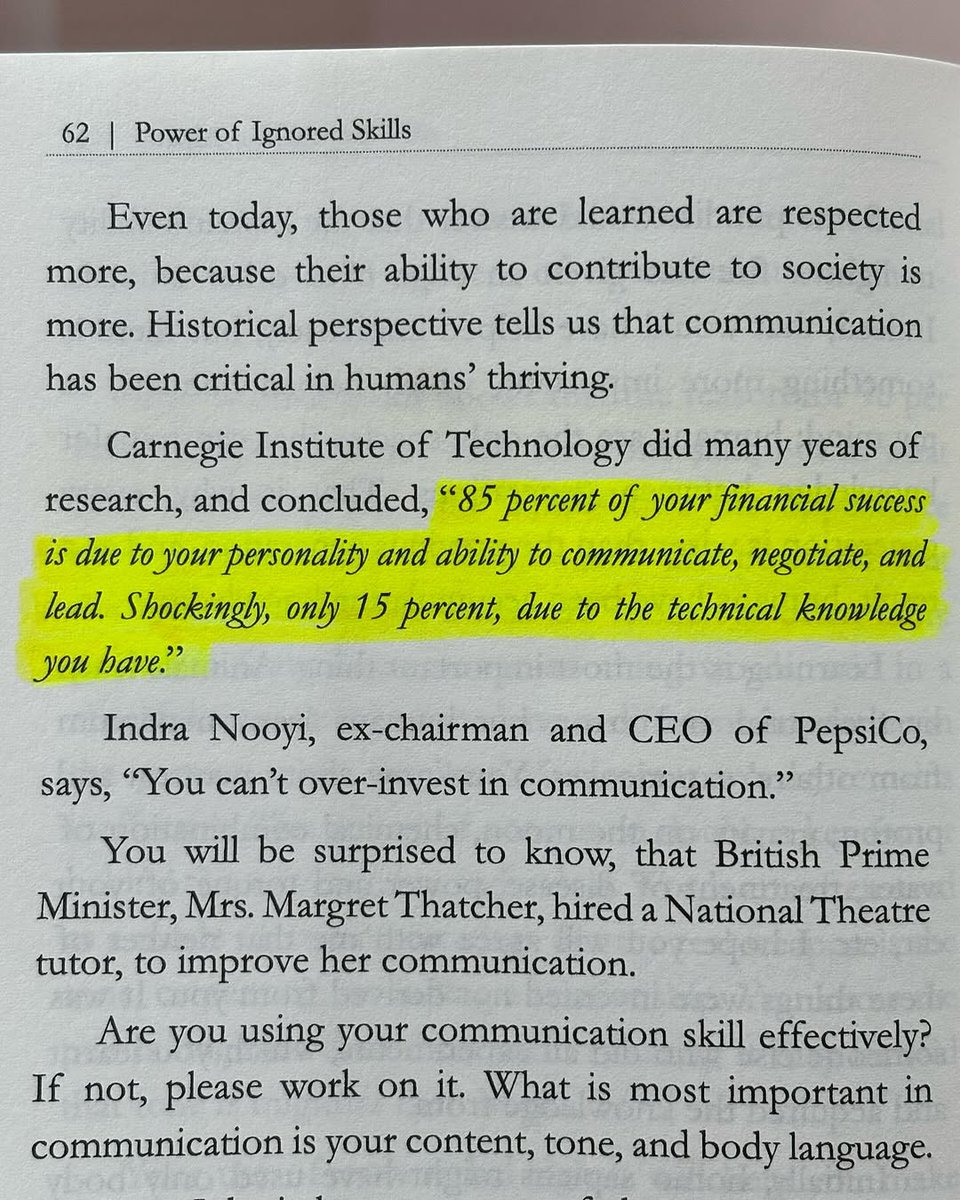
"The Power of Ignored Skills" highlights nine often-overlooked abilities and shows, through real-life examples, how developing them can transform your path to success.
2
42
387
24,843



Limbu M. Limbu retweeted

6 Jul 2025
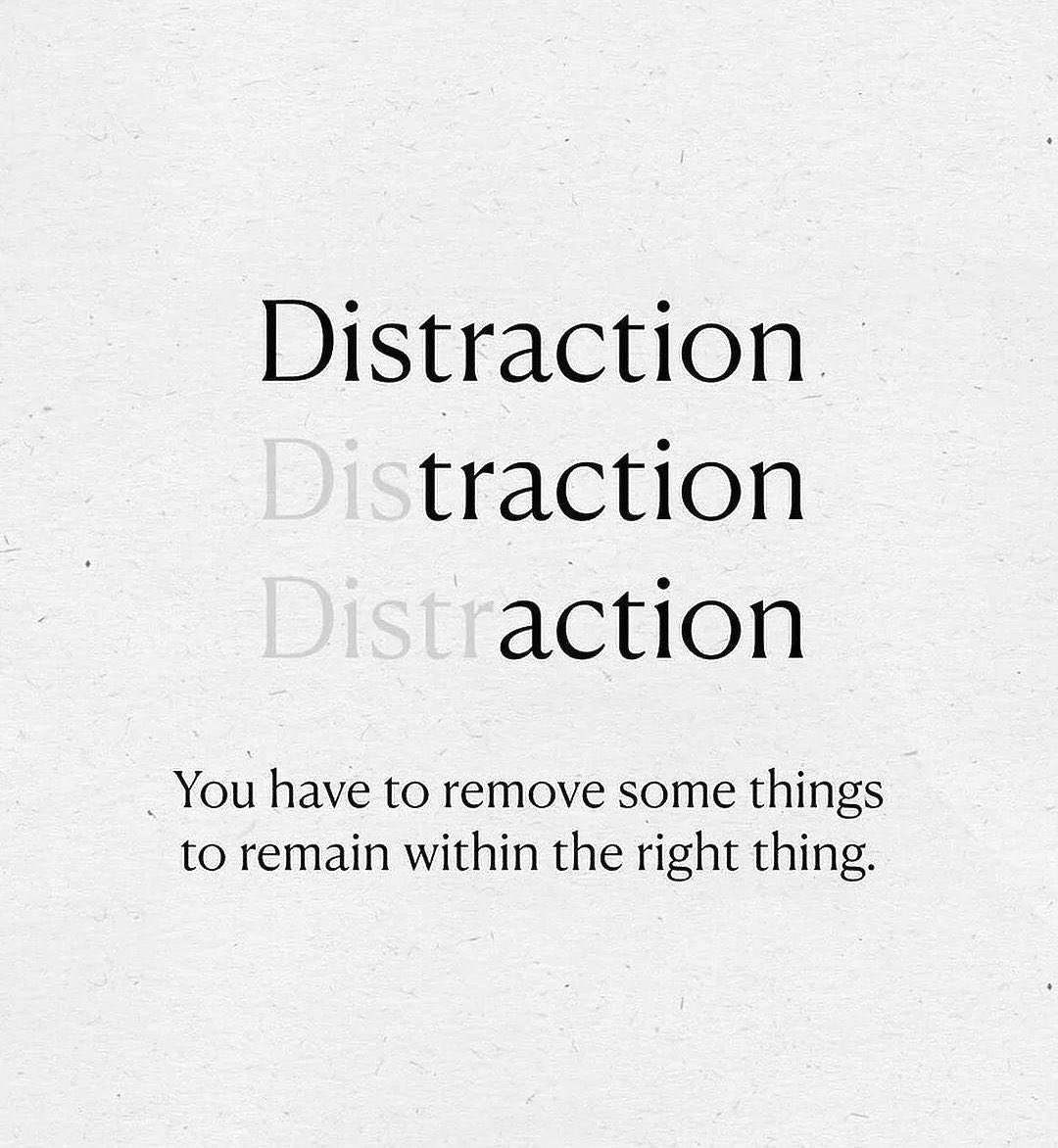
You have to remove some things to remain within the right thing.
9
408
2,616
158,013
Limbu M. Limbu retweeted
30 Jun 2025
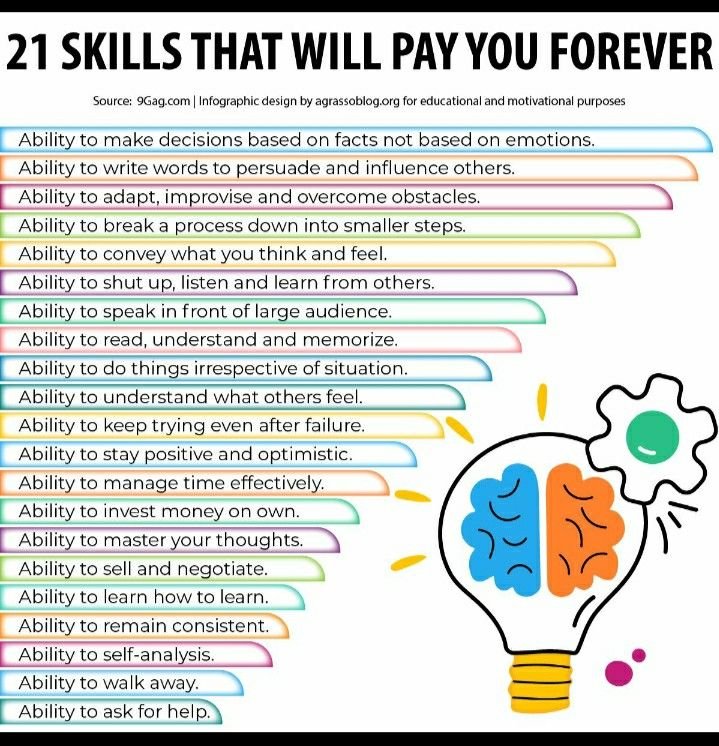
21 Skills that will pay you forever
8
314
1,611
158,232