The Mississippi State University Extension plant disease and nematode clinic provides detailed, accurate, and timely analyses of soil and plant samples.
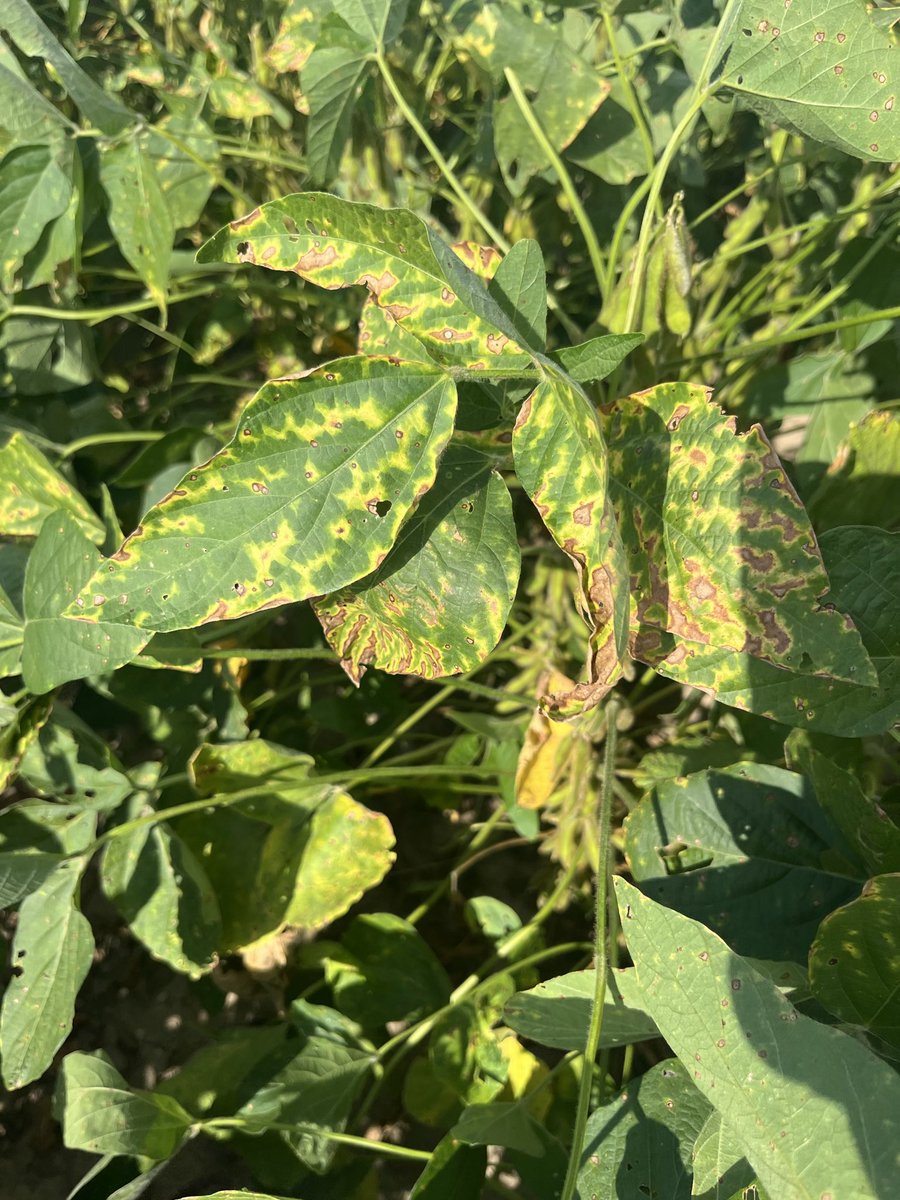
Had someone text me the other day with “disease” pics in soybean. If you spray a fungicide that contains prothioconazole, regardless of trade name, you may injure (or burn) the foliage just like the pic. Injury will look worse 21-28 days post-application @MSSOY#mscrops
🎥 Strange looking tomato plants? Could be a result of herbicide injury. Clarissa Balbalian with our Plant Diagnostic Lab explains how this type of thing happens. #MSUext
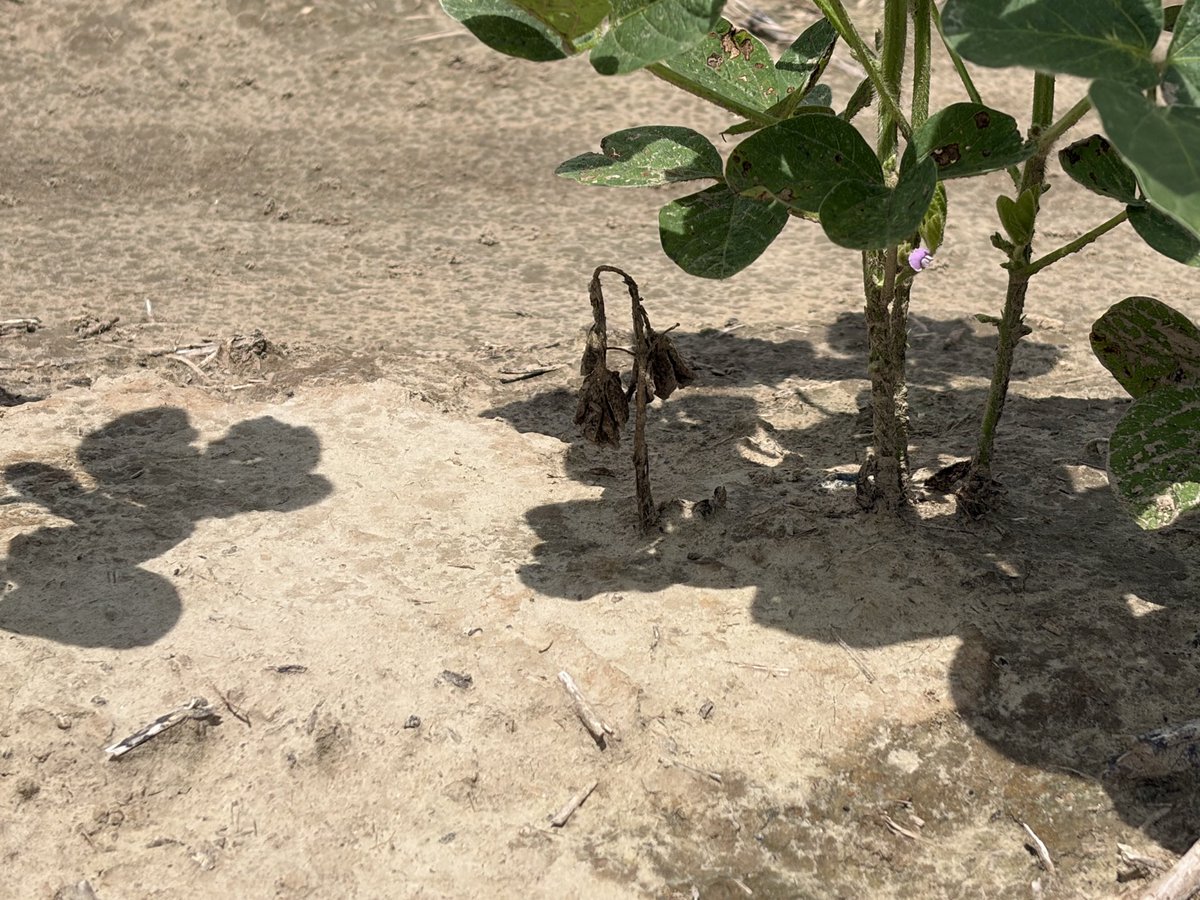
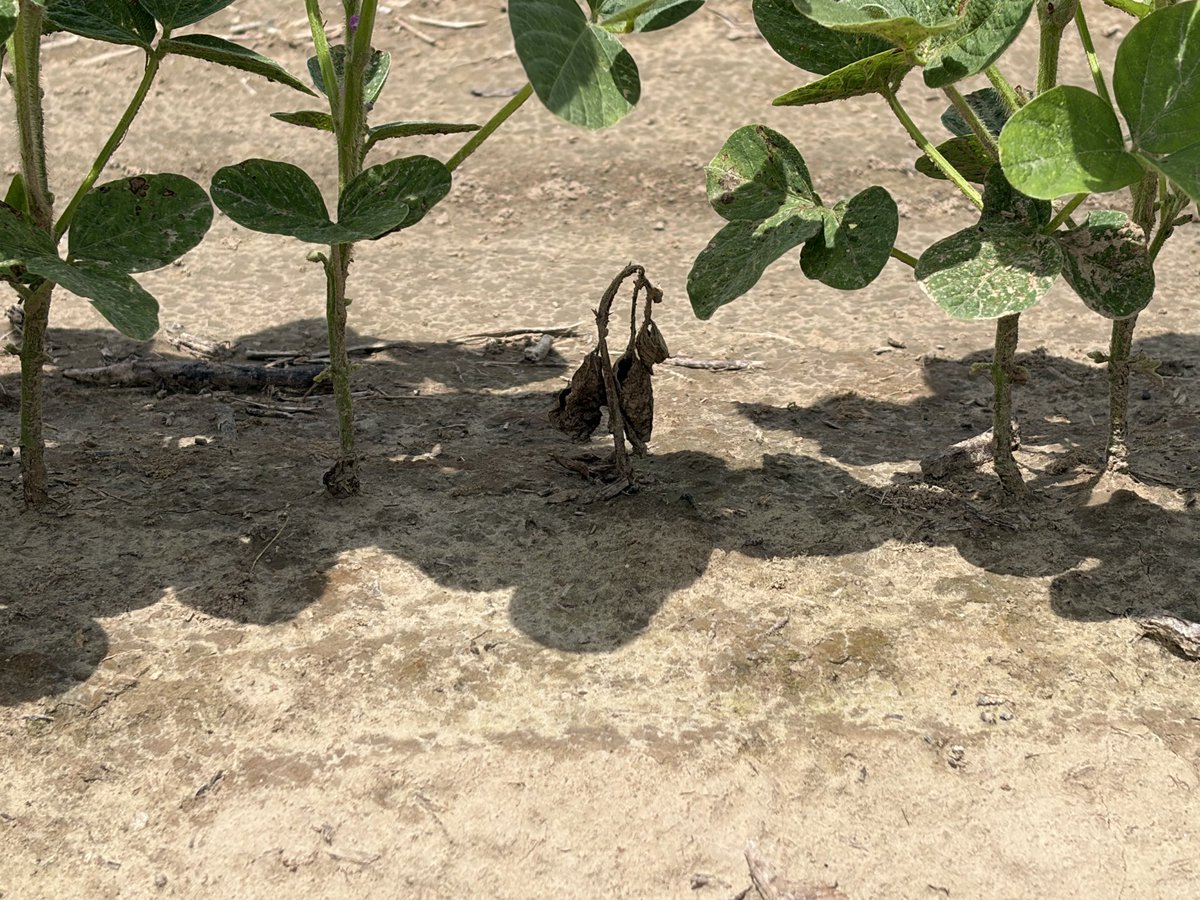
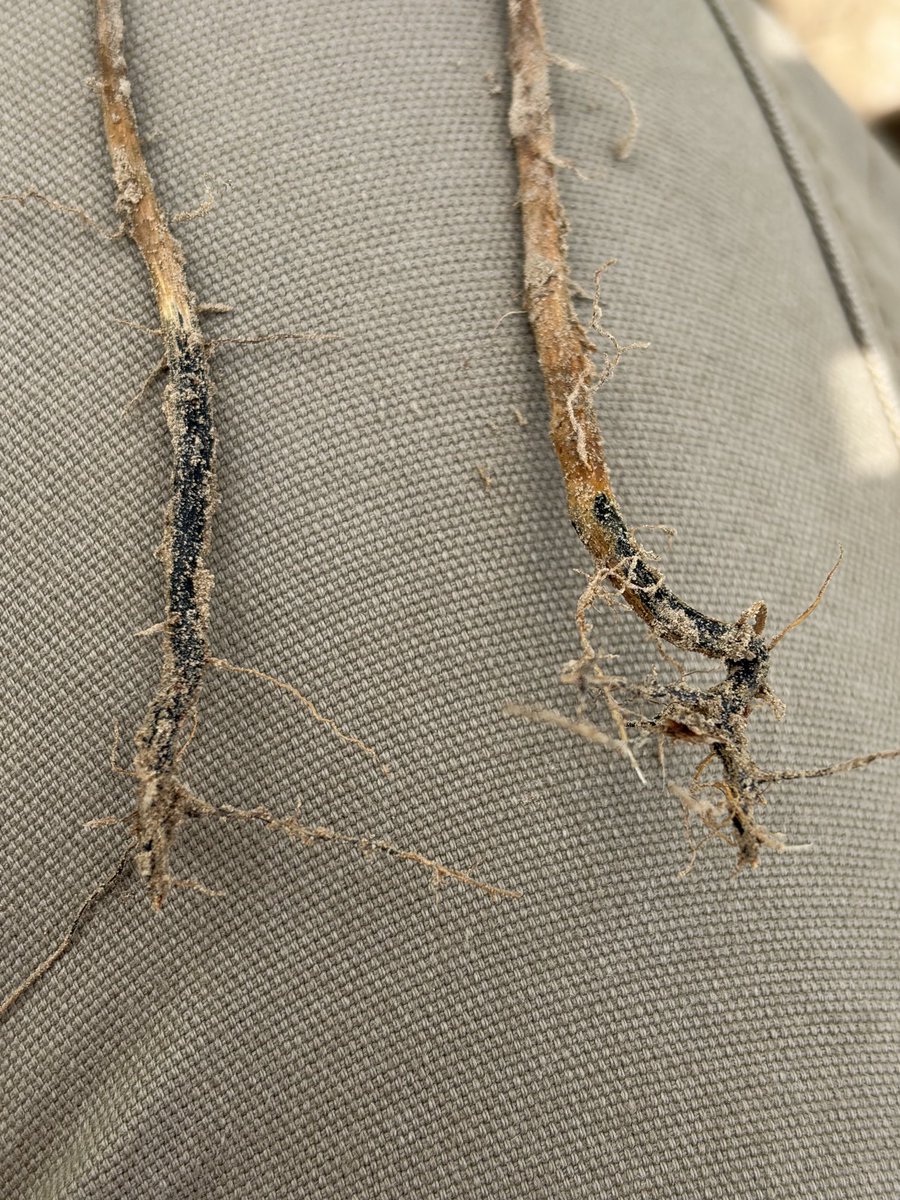
One of the things we don’t talk about enough…..Xylaria necrophora, the causal organism of taproot decline, can also be a seedling disease-causing organism @MSSOY#mscrops
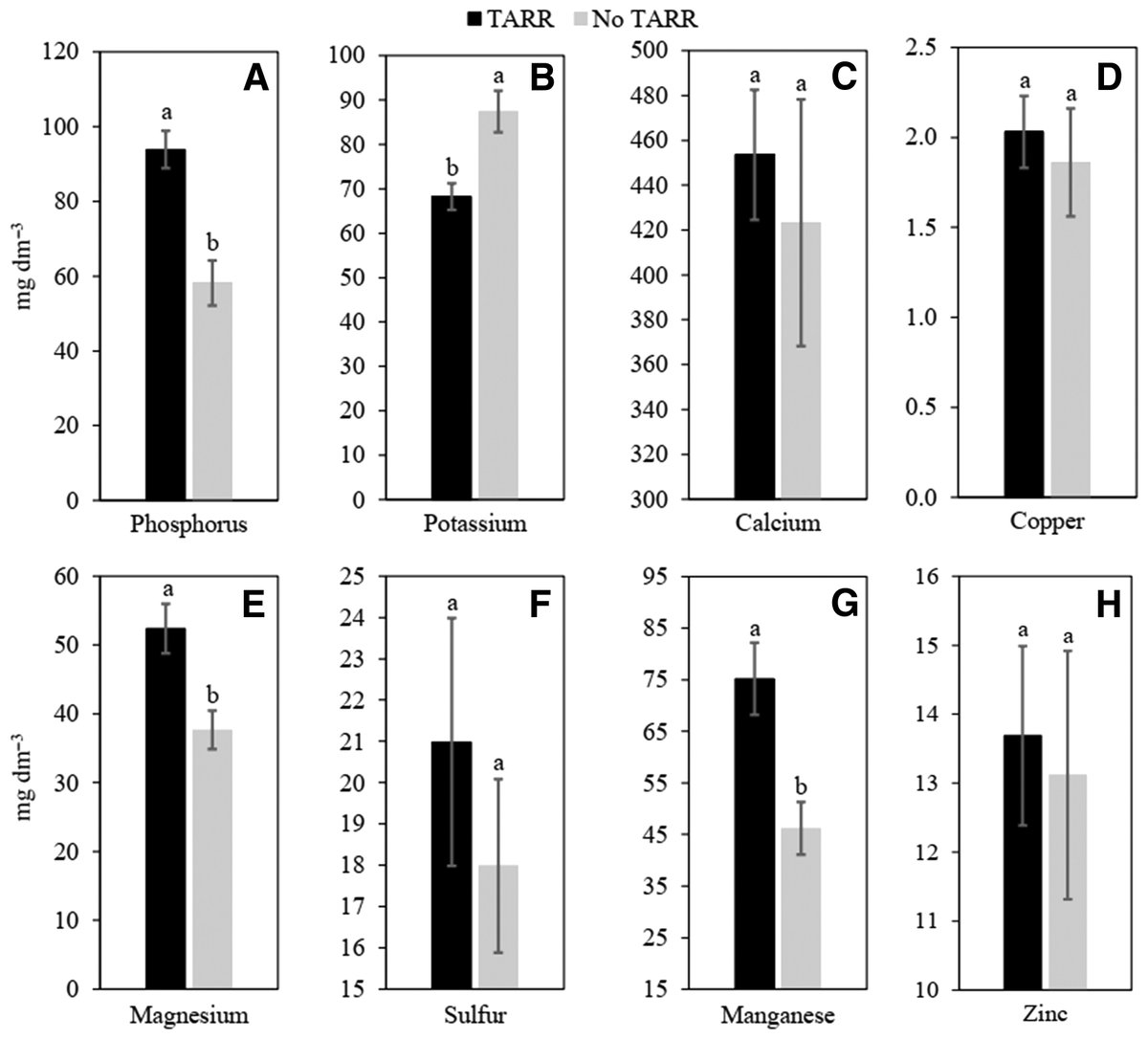
Take-all root rot (TARR) affects ultradwarf bermudagrass golf course putting greens. Qiyu Zhou, Brandi Merrick, and James Kerns investigated the influence of edaphic factors and source water characteristics on TARR incidence: doi.org/10.1094/PHP-05-25-01…@NCStateCALS
ALT FIGURE 1
Average soil nutrient levels in milligrams per cubic decimeter (mg dm−3) of A, phosphorus; B, potassium; C, calcium; D, copper; E, magnesium; F, sulfur; G, manganese; and H, zinc, from locations with and without take-all root rot (TARR) diagnosis. Least squares means followed by a different letter are different (P < 0.05) according to Tukey's least squares means test. Bars indicate the mean and standard deviation calculated from three replicates.
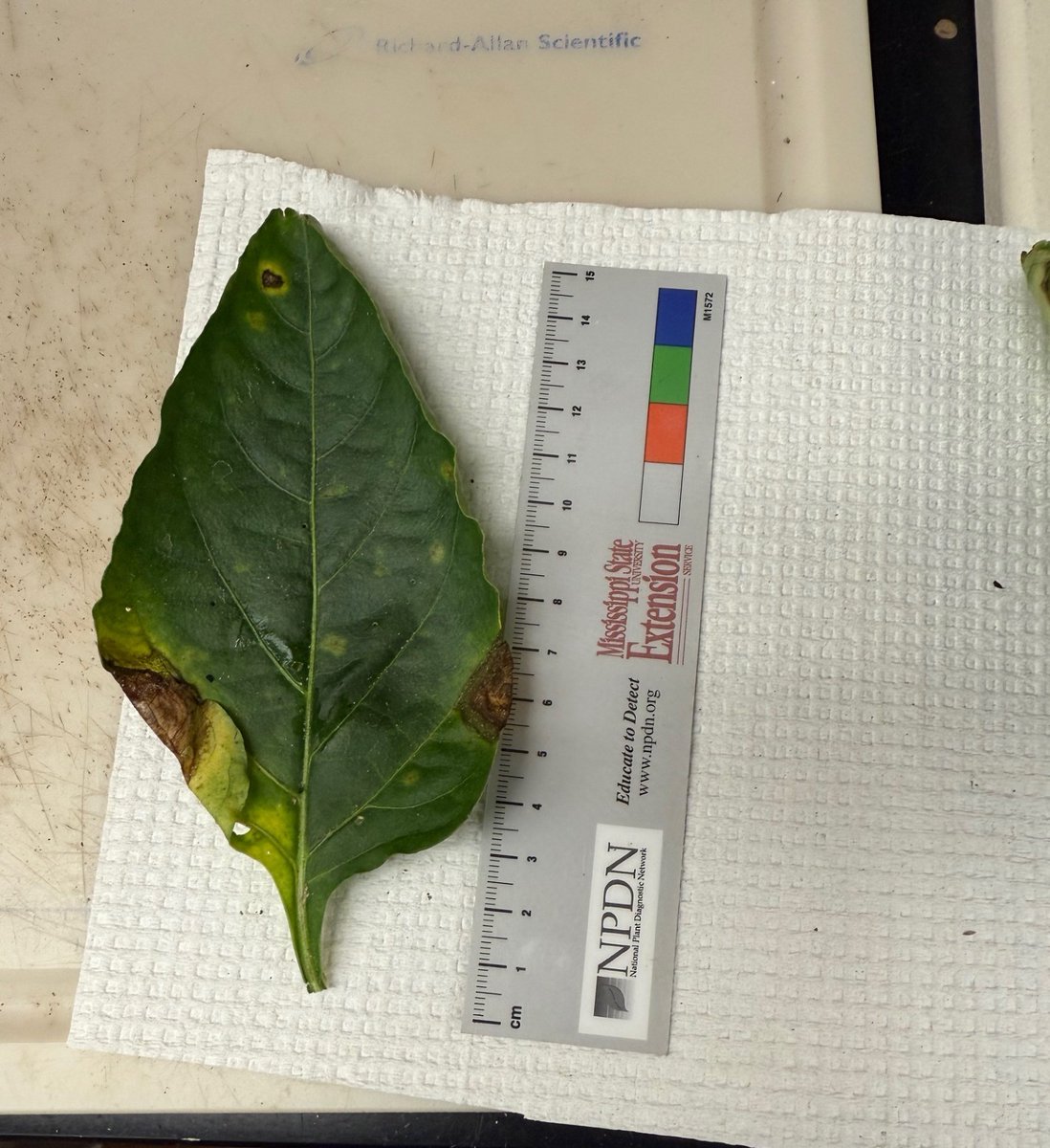
In the lab today: Bacterial spot caused by Xanthomonas infects pepper and tomato leaves and fruit. The rainy weather we are experiencing this weekend is perfect for spreading this disease. Don't save seed from infected plants. Learn more extension.msstate.edu/public…#MSUext
ALT A green pepper leaf with yellow flecks or black spots surrounded by yellow halos. on a white background adjacent to a gray ruler.
🎥 Clarissa gets in a lot of turfgrass samples at our MSU Extension Plant Diagnostic Lab!!
Large patch and take-all root rot are two of the common diseases she diagnoses. #MSUext
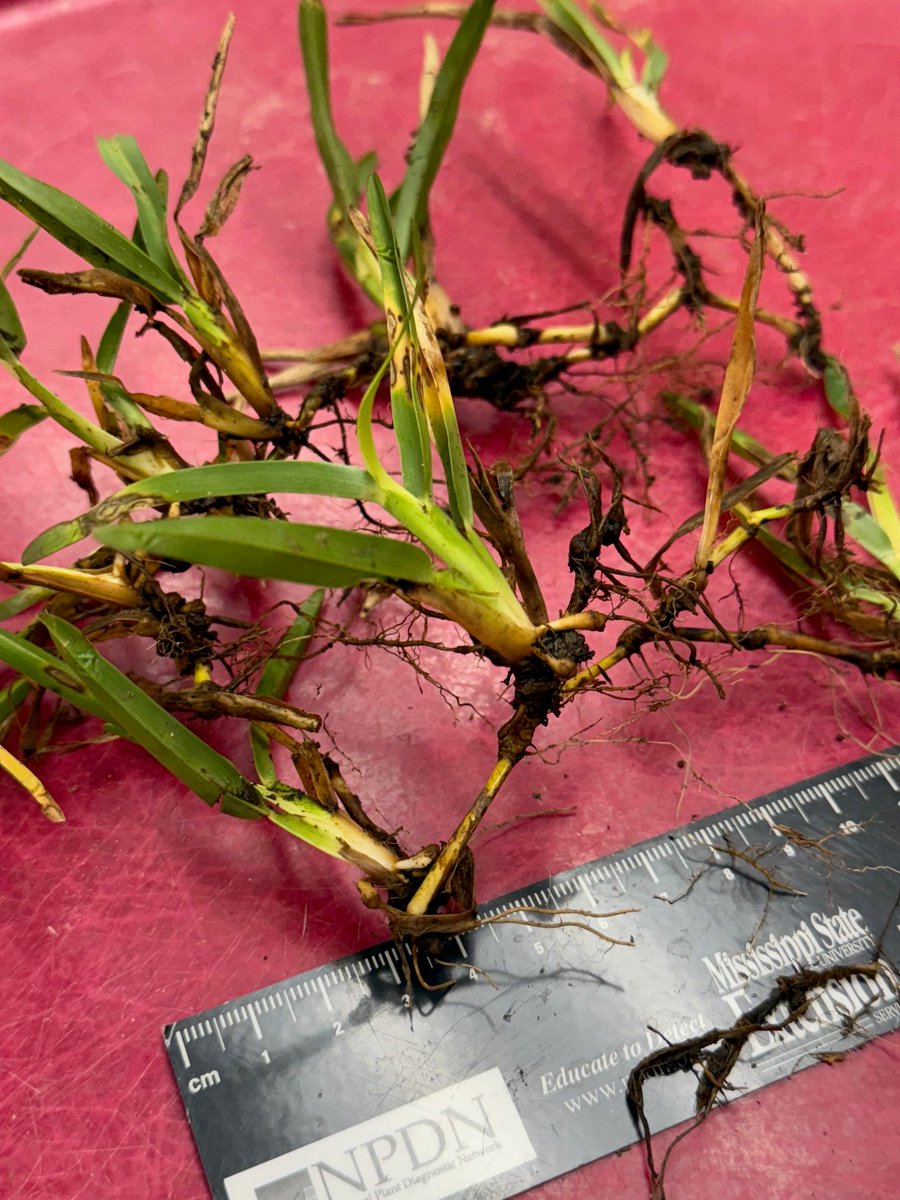
As shown here, St. Augustinegrass stressed by herbicide applications is more susceptible to diseases like gray leaf spot and take-all root rot. The new roots on these plants are stunted with clubbed root tips, making the grass vulnerable to drought and nutrient stress. #MSUext
ALT Stolons of St. Augustine grass on a red tray with a black ruler. Leaves are bright green with gray leaf spots surrounded by red borders. Roots are stunted and have swollen root tips. Black lesions are present on the yellow stolons.
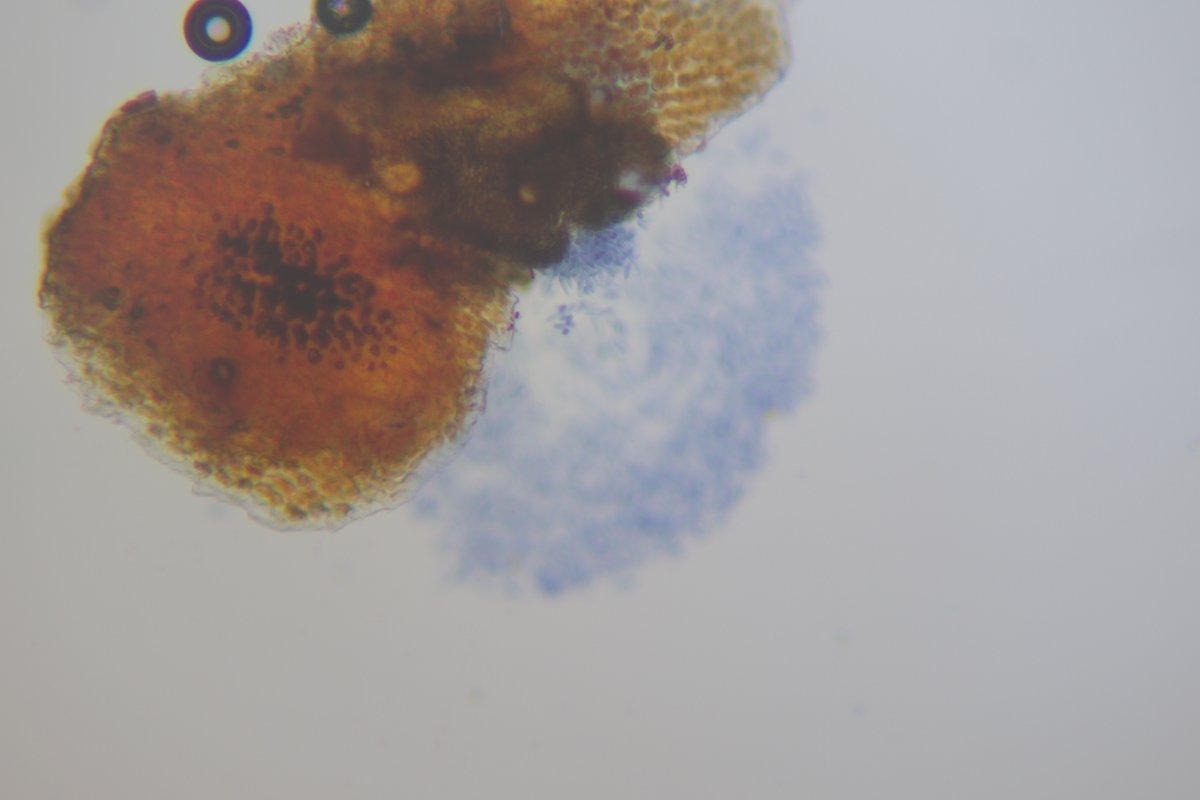
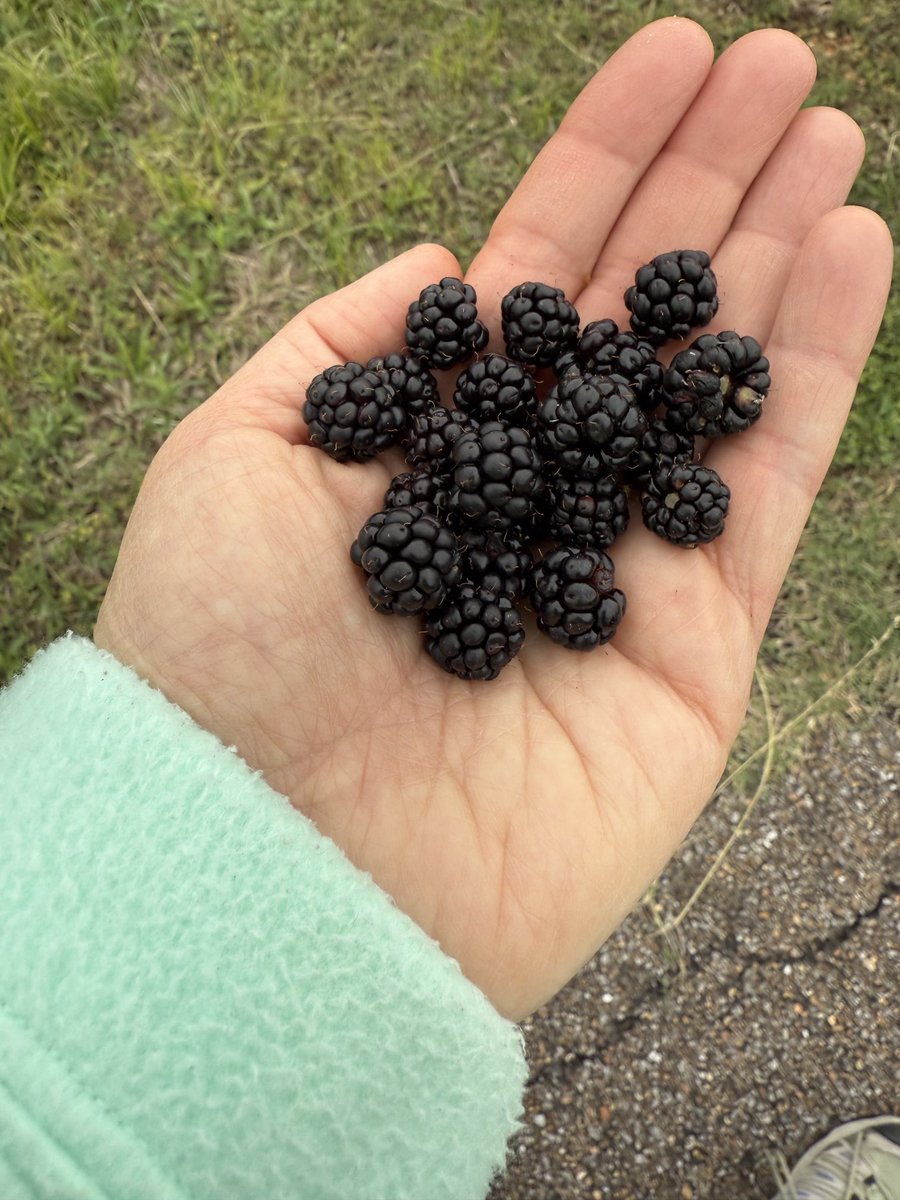
Botryosphaeria cane canker is a devasting disease on thornless #blackberry, reducing fruit yields and killing canes. The orange to reddish-brown canker contains black, pimple-like fruiting structures of the fungus. Thorny blackberries are not seriously affected. #MSUext
ALT Microscopic image showing orange cane tissue with black fungal fruiting structures called pycnidia on the edge of the tissue. Fungal spores that are stained blue are releasing from the broken pycnidia.
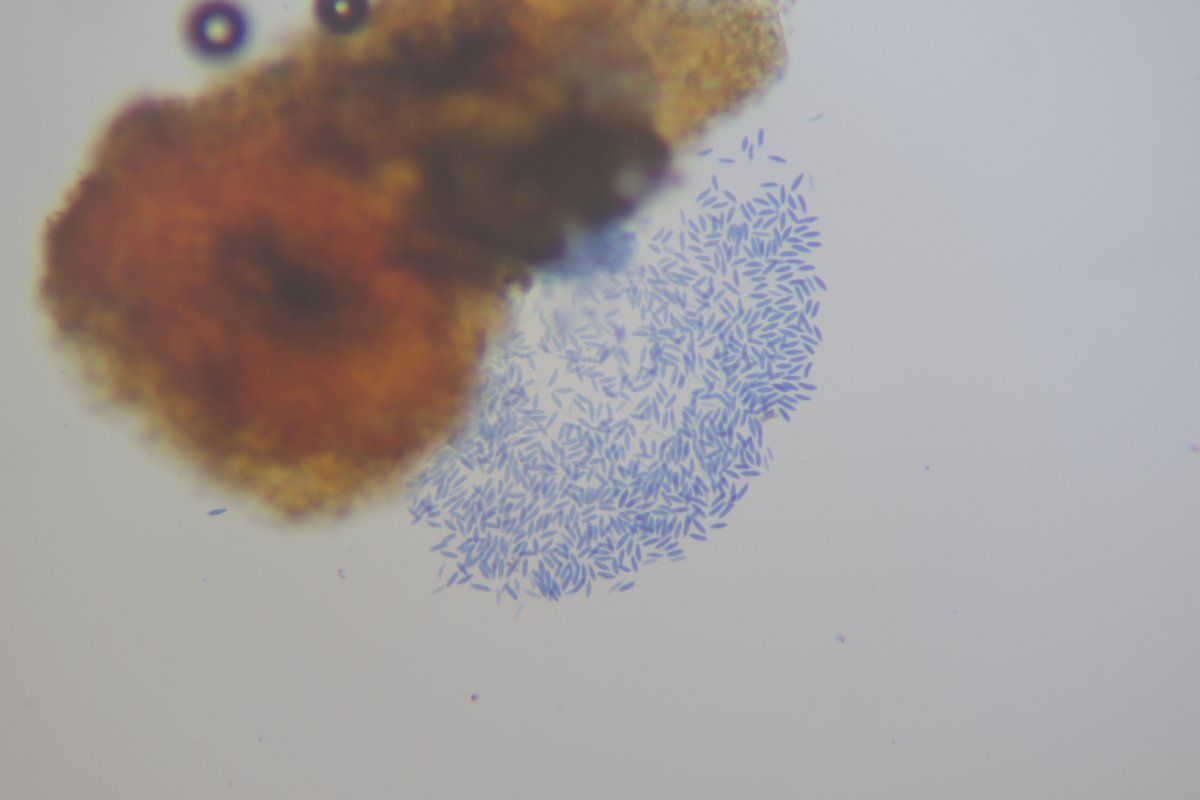
ALT Microscopic image showing orange cane tissue with black fungal fruiting structures called pycnidia on the edge of the tissue. Fungal spores of Botryosphaeria dothidea that are stained blue are releasing from the broken pycnidia.
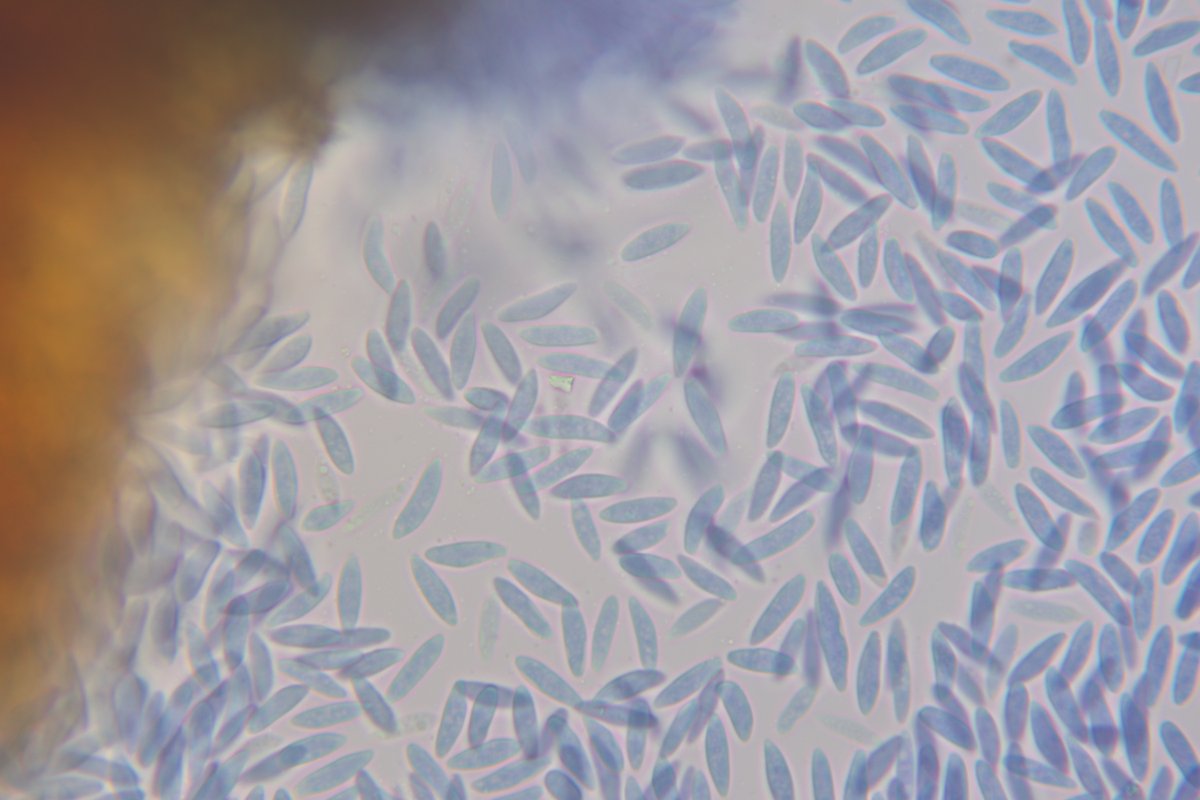
ALT 40x magnification of spores of the fungus Botryosphaeria dothidea that have been stained blue.
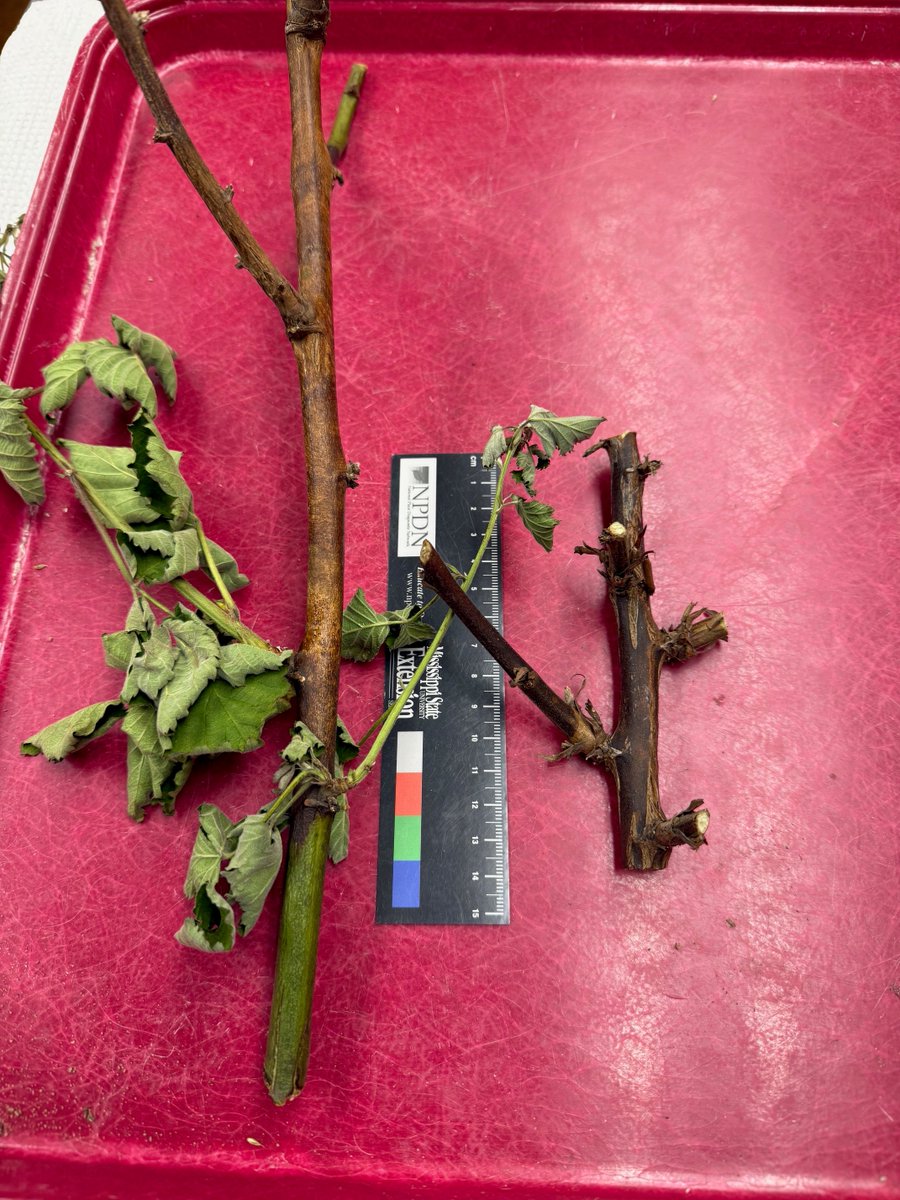
ALT Excised pieces of a blackberry cane sitting on a red tray. The cane on the left has an orange canker, caused by the fungus Botryosphaeria dothidea, running up 80% of the length of the cane. To the right of the orange cane is a black ruler with color reference markings. To the right of the ruler is a small section of cane that is dark brown and has splits in epidermis.
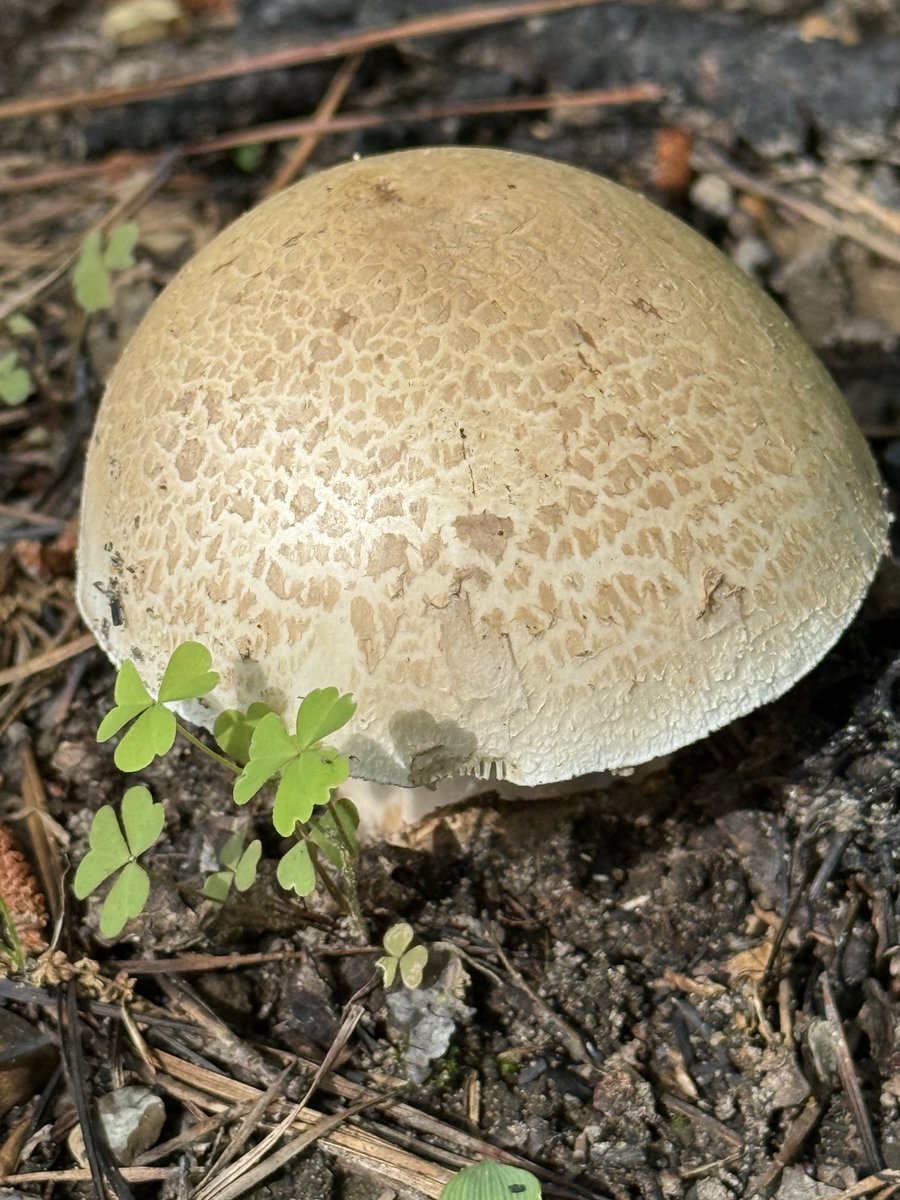
🎥 What kind of algae do you have in your pond and what should you do about it?
Dr. Wes Neal, MSU Extension fisheries specialist, shares how to identify and treat this aquatic weed. #MSUext
🎥 One of the first signs of spring for a plant pathologist is cedar apple rust!
Clarissa Balbalian explains how the orange tentacles you see in a juniper tree can infect other fruit trees. #MSUext
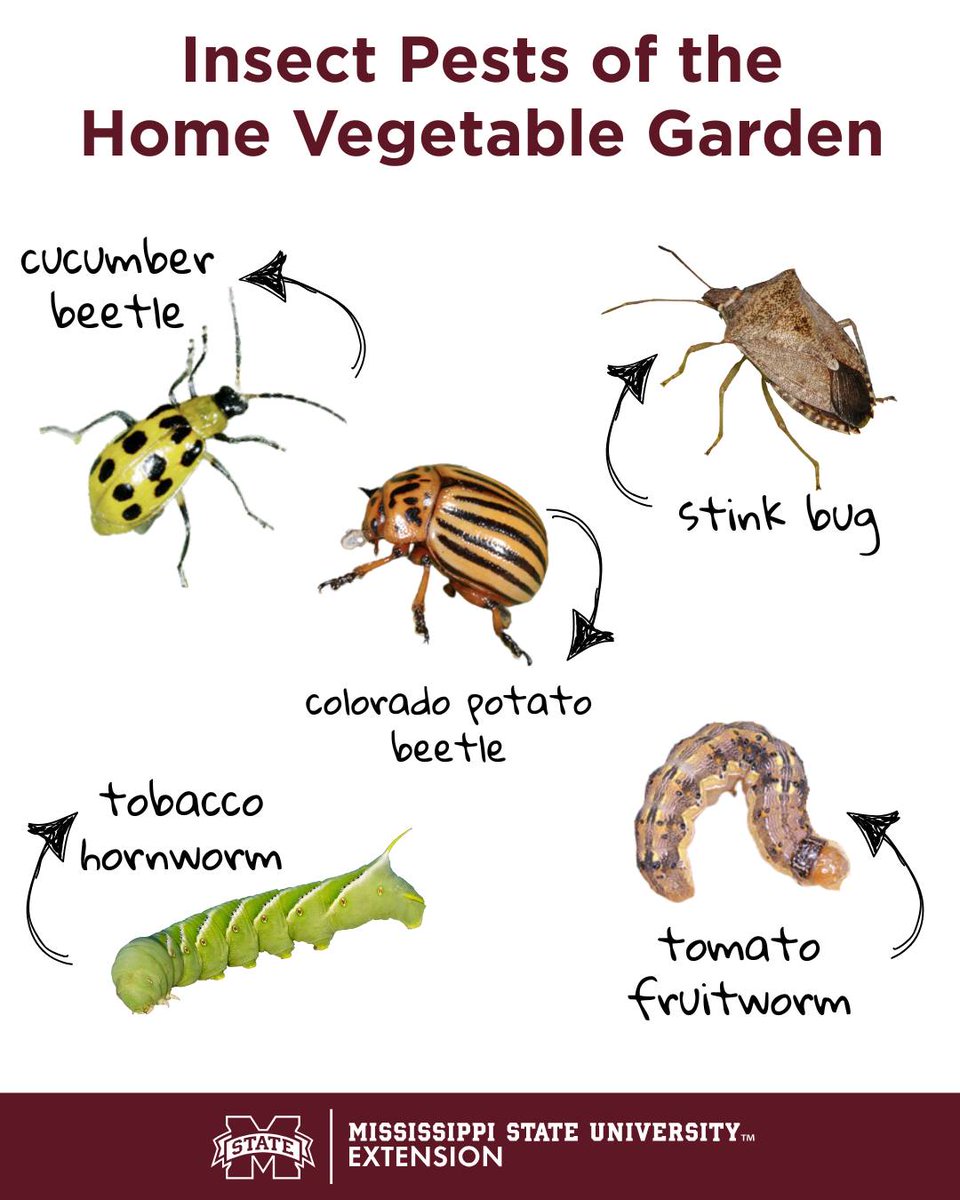
Go ahead and screenshot this! Here's a cheat sheet graphic of insects that could impact your vegetable garden.
Read the Insects of the Home Vegetable Garden Extension publication here: extension.msstate.edu/public…#MSUext
ALT Close-up of cucumber beetle, stink bug, Colorado potato beetle, tobacco hornworm, and tomato fruitworm labeled as common home vegetable garden pests.
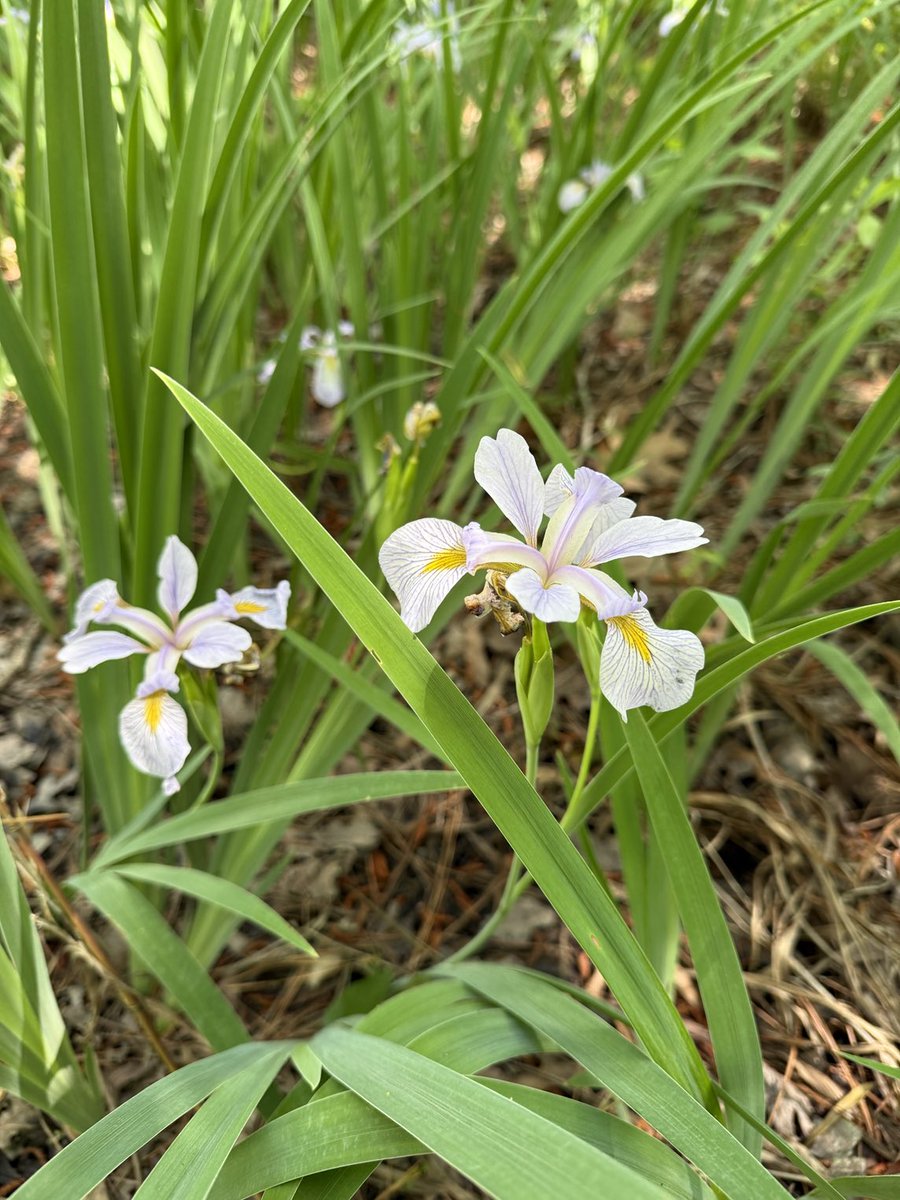
Our native blue flag irises (Iris virginica) have peaked for the spring and are fading out. Learn more about this beautiful wetland plant at extension.msstate.edu/public…#MSUext
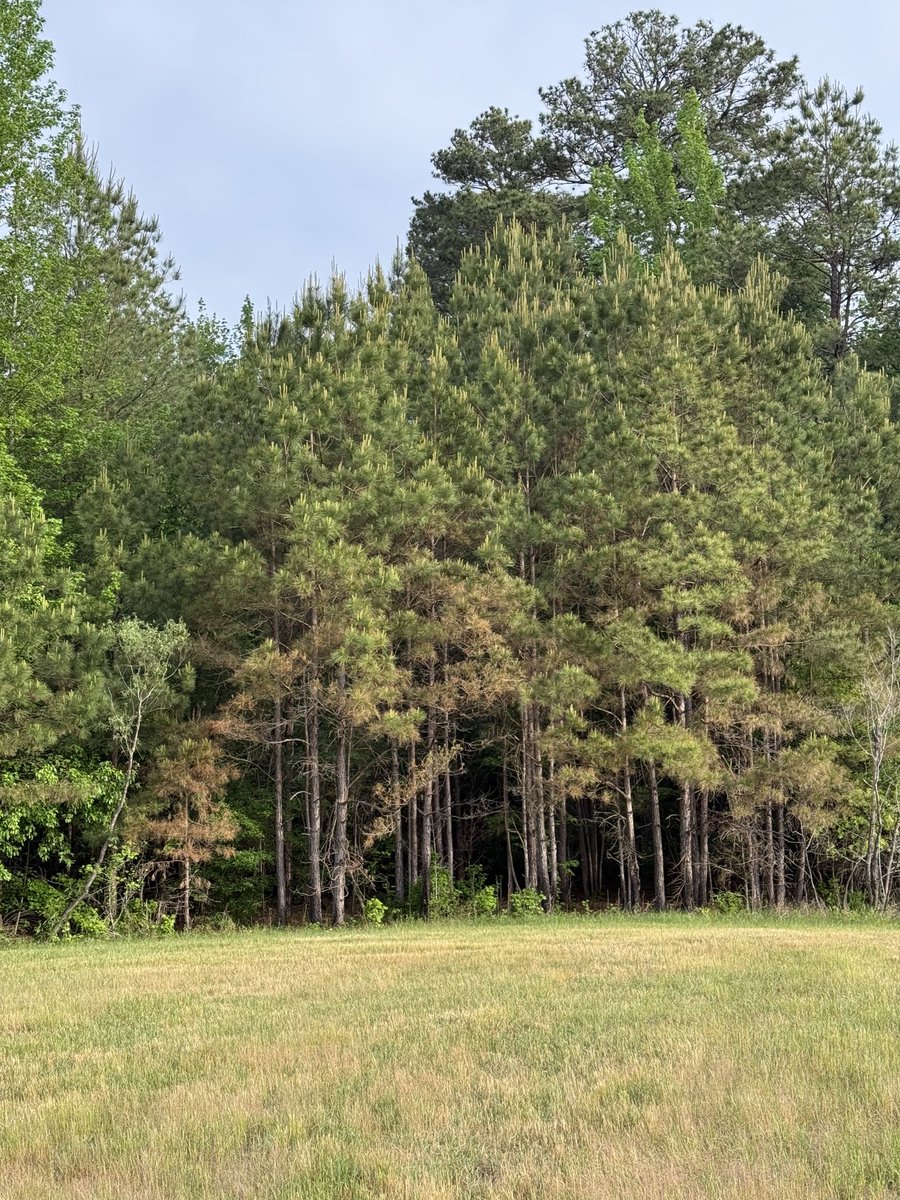
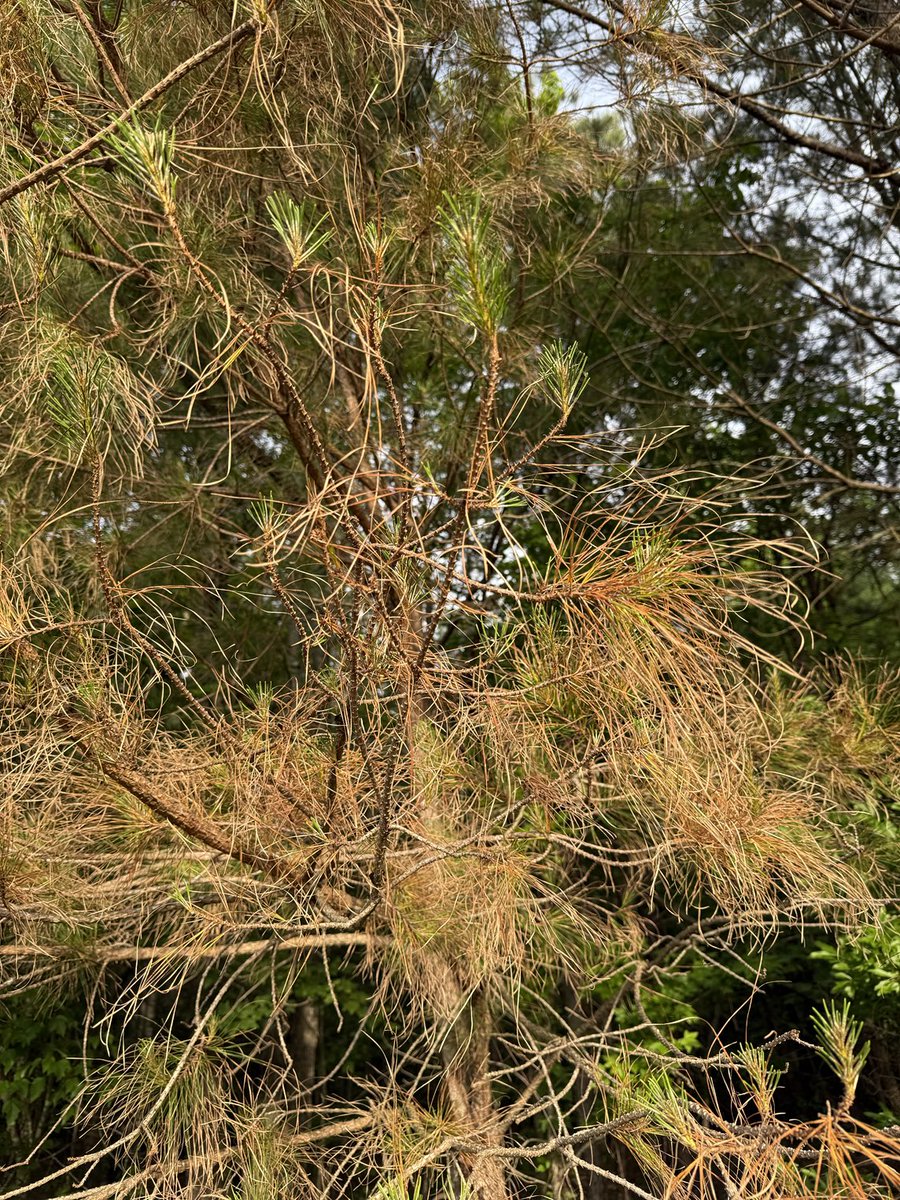
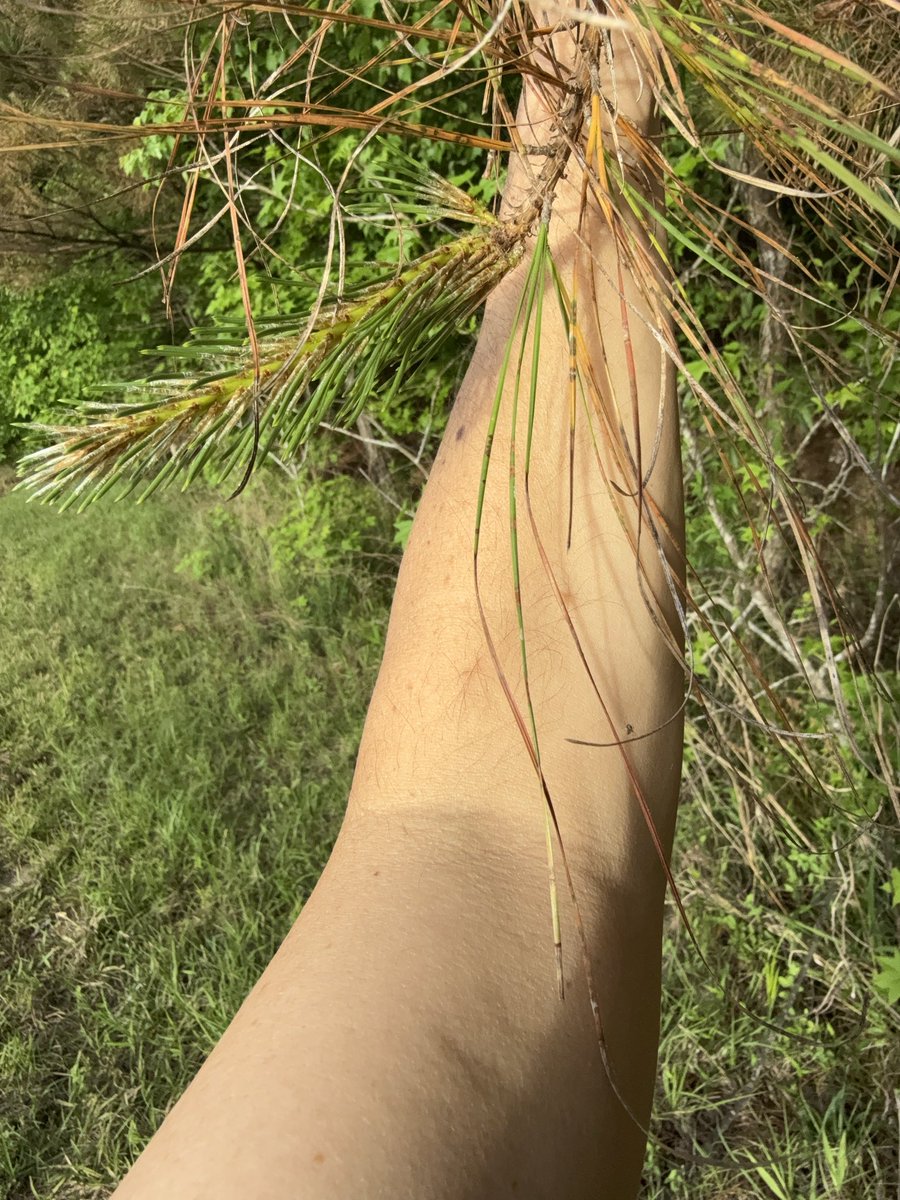
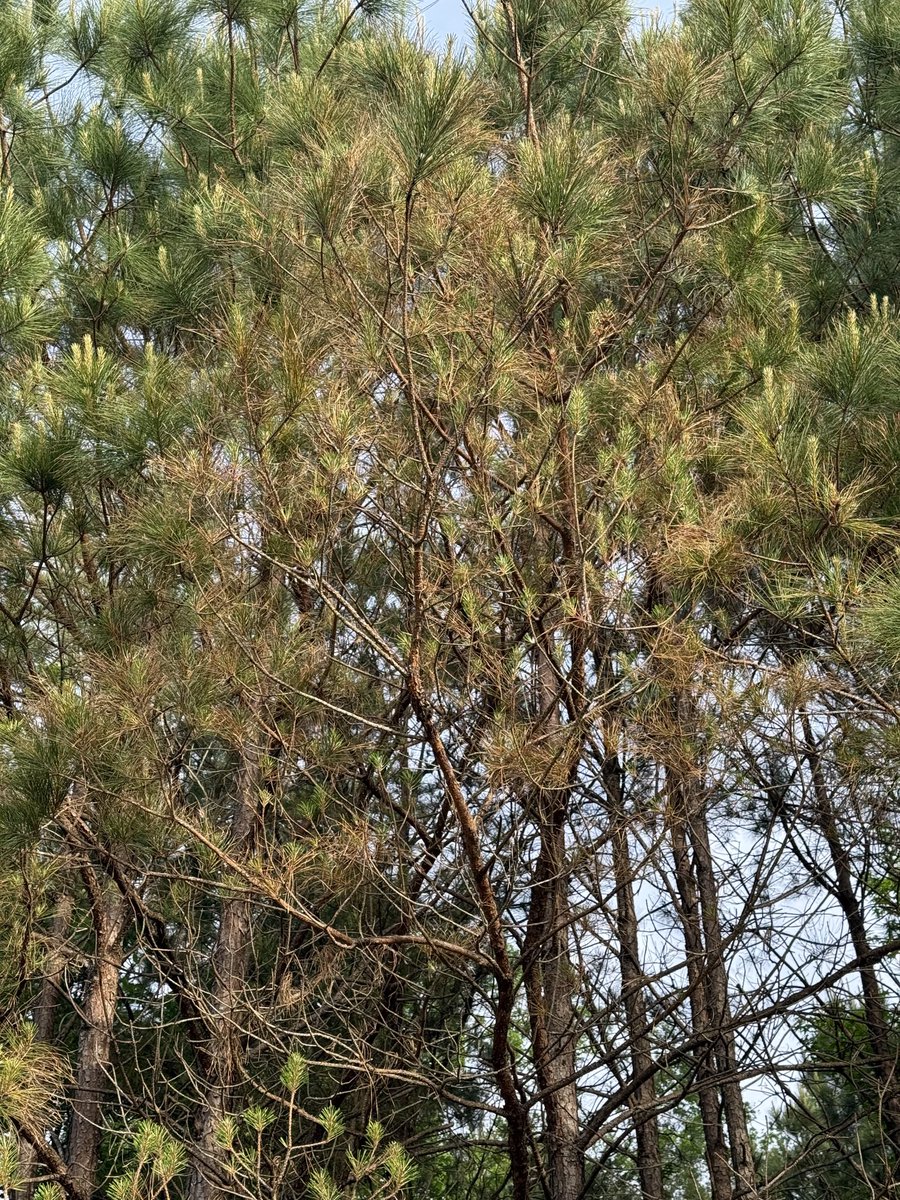
Brown spot needle blight is hitting loblolly pine this spring in MS. The disease starts in the lower canopy and works its way up. Last year’s needles develop brown spots then turn brown and are cast from the tree, leaving tufts of new needles on the branch tips. #MSUext
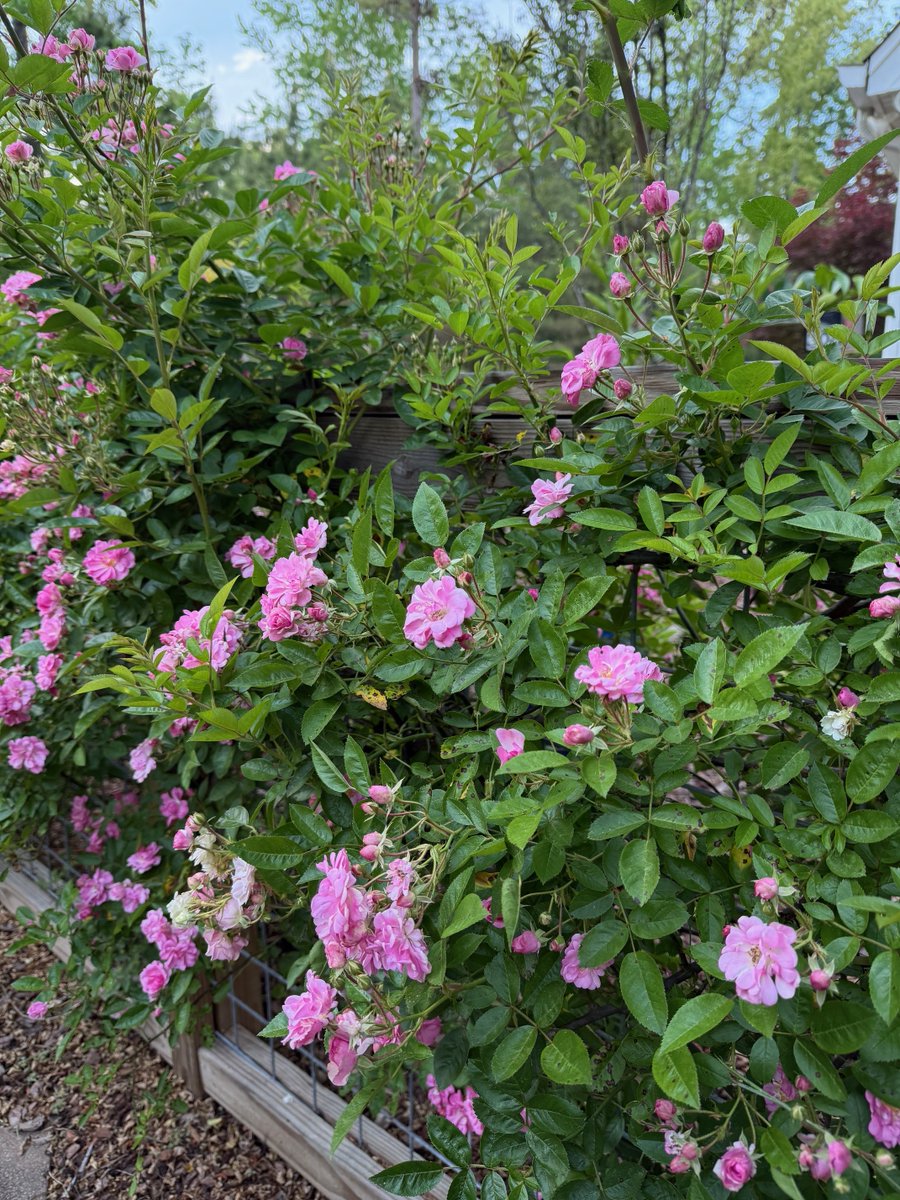
Peggy Martin roses are showing off in Mississippi right now, as is Cercospora leaf spot. For more information on growing roses and combating insect and disease problems, check out extension.msstate.edu/public…#MSUext
ALT Peggy Martin climbing roses on a trellis. Numerous pink blooms interspersed with green foliage. Small brown fungal leaf spots surrounded by purple borders on some leaves.
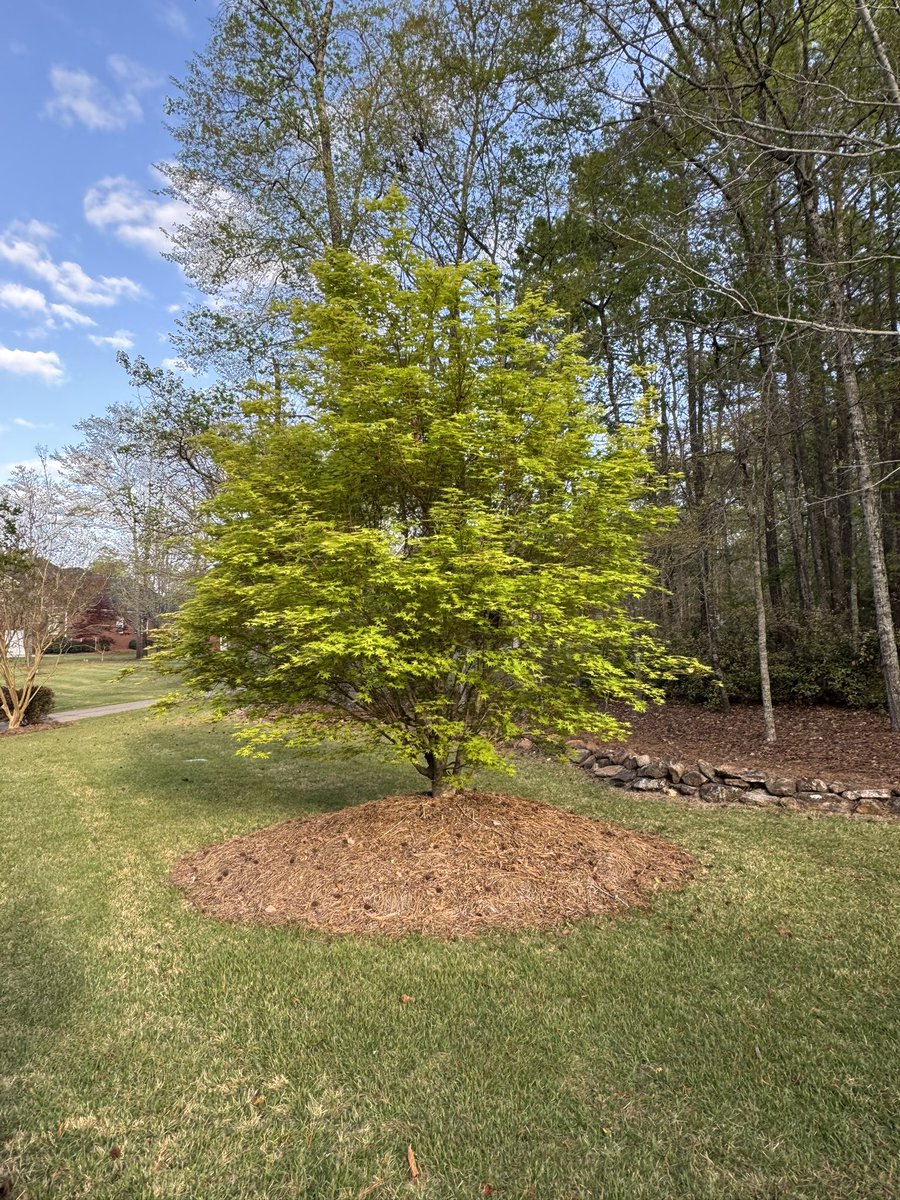
Mounding mulch directly against trunk of a young tree is harmful as it traps moisture causing bark decay, disease & oxygen deprivation of roots. Best to apply 2–4 inches of mulch in a donut shape appx. 1–3 inches away from trunk to allow for air circulation & root flare exposure