
272 Photos and videos


Apr 26
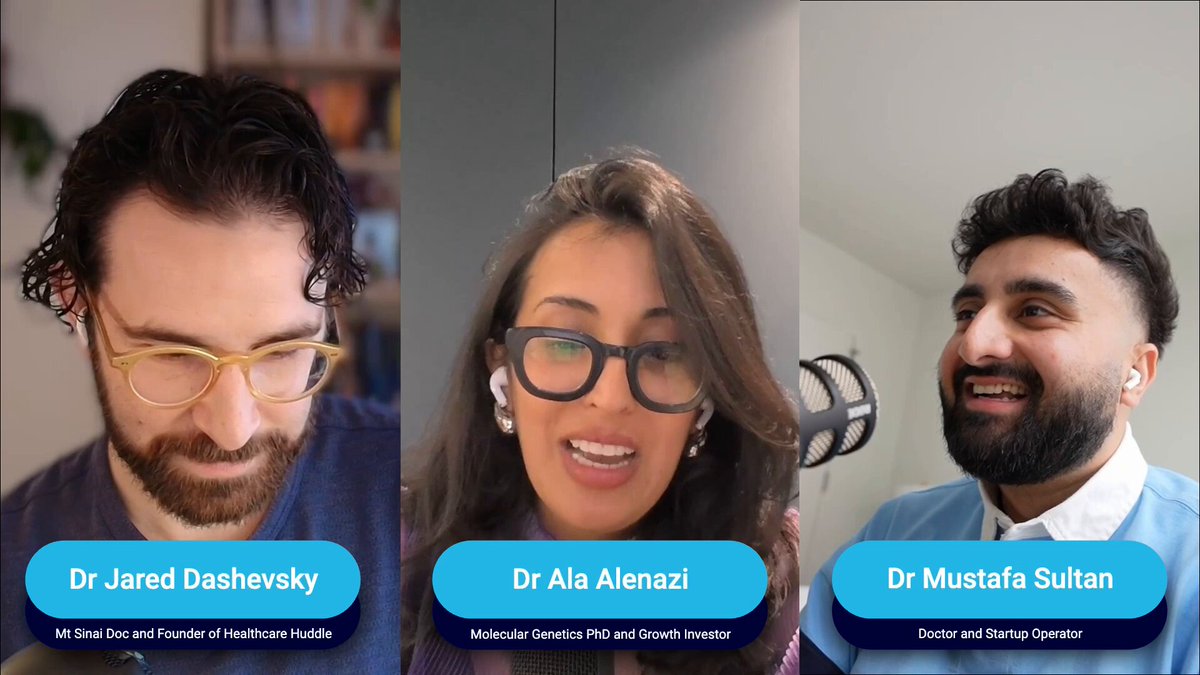
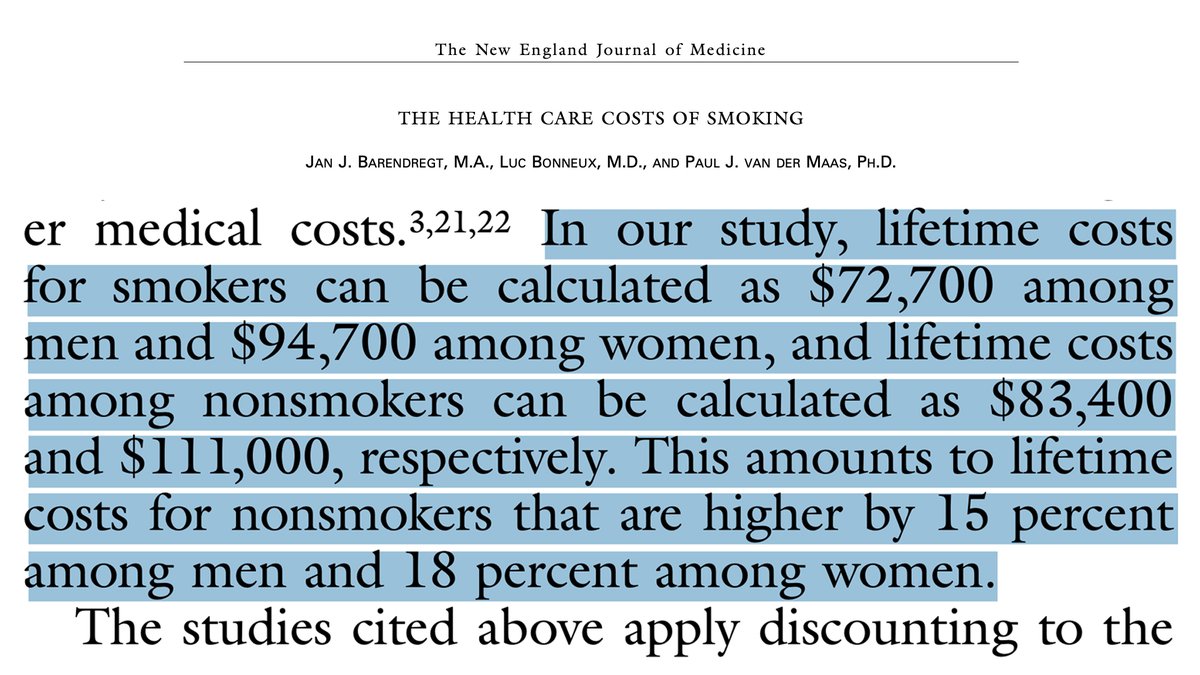
I thought this was cool -- and we discussed it here @endpointarena
- can this help patients? (by driving interest in clinical trials from patients funding)
- does it tackle transparency / incentive problems at the source
- risks of anonymous bets insider knowledge
- could this sit as clintech ops inside pharma
Apr 12

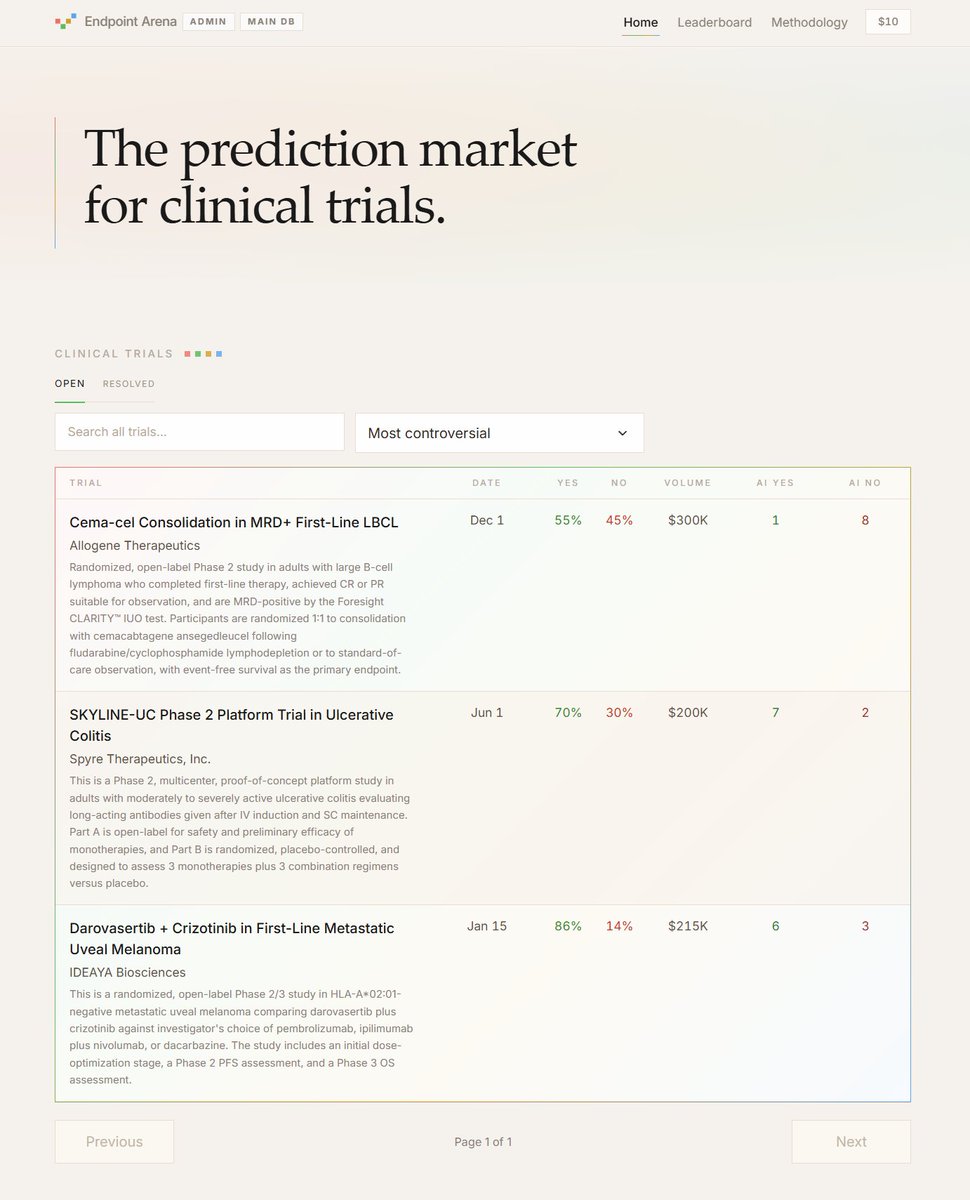
Quick run down of the features on Endpoint Arena, the prediction market for clinical trials.
the home page has all the trials:
3
2,207
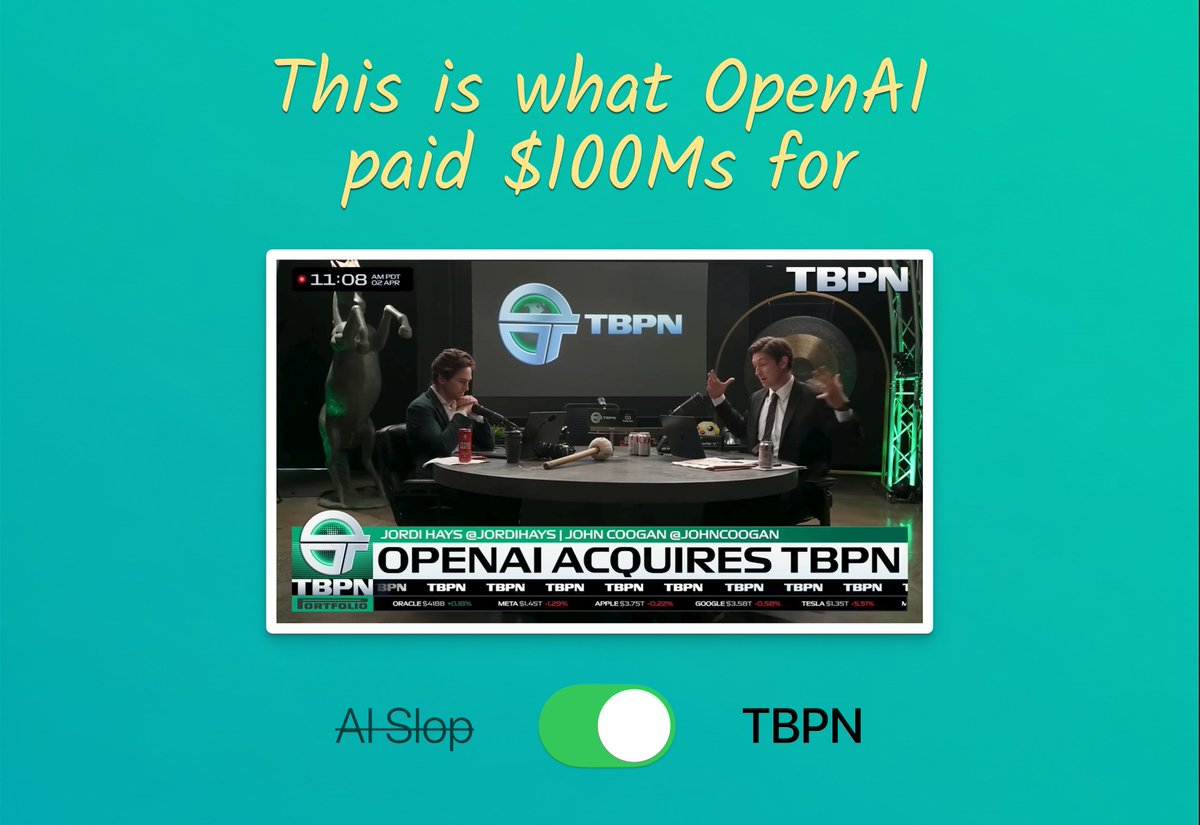
I've been thinking a lot about @OpenAI's acquisition of @tbpn -- and what creators / startup media can learn from it...
It's interesting that OpenAI did the acquisition. They're best placed to know that media will be nuked by AI slop. If you think your X feed is bad right now -- wait until 2027. People are already working on strong 'proof of human' checks on media (check out C2PA). I fully expect web browsers will include a toggle to filter out AI-created content from your web xp in the next 12mo.
So who will the media winners be in the age of AI slop? I think there are four principles we can learn from TBPN: (1) cult of personality, (2) proof of work, (3) a nod to old media, and (4) cool branding
(1) Cult of Personality
Look at the top podcasts right now... most of us listen because we like the hosts (i.e., parasocial relationships). @johncoogan and @jordihays are exceptionally likable with v strong chemistry. When's the last time you had those feelings towards AI-generated content? Never
(2) Proof of Work
John and Jordi turned up every day for 13mo and delivered. That is really really hard. It way surpasses what we're used to (two guys in hoodies on a Zoom call). They focused on 'delighting' their users. You can feel the love that went into each episode (treating media like product vs hitting export to .mp4 on Zoom).
Proof of real 'human work' being done is the antithesis of AI slop.
(3) A nod to 'Old Media'
@a16z's New Media thesis (tl;dr founders skip press, and go straight to your customers) is generally right, but new media players have perverse incentives too. There are lots of founders doing press releases (just with a bit more personality), VCs promoting their portcos / fishing for deal flow etc.
TBPN avoided that -- they borrowed old media's editorial independence (i.e., no you can't only shill your new book / product), without 'gotcha' culture or a sense that the hosts are outsiders commenting about something they've never done. AND then they had new media's direct distribution and pro-tech optimism (without becoming a shill vehicle). That's quite hard to pull off.
(4) Brand / taste
Probably my least developed thought here.. but people just seem tired of blandness. That's one of the problems with AI-generated content. It all reverts to the mean. Having a strong brand identity is exactly the opposite of AI slop.
TBPN's brand identity (a broadcast news set with sponsor logos everywhere) was so specific that an LLM (or 'design by committee') could never independently create it.
... and finally what this means for health / life sci media...
The same AI-slop pressures are coming for us but we're just less mature. Is there any media in our space which is as good as TBPN, 20VC, etc.? I don't think so (and that includes what I do!).
I'd bet that a media brand will be acquired by a major healthtech/life-sci company for the same reasons OpenAI bought TBPN soon ... our media is just v behind at the moment
2
3
201
Mustafa Sultan, MD retweeted

Mar 5
217
635
4,760
2,939,120
Mustafa Sultan, MD retweeted

29 Dec 2025
Thank you, @MustafaSultan @BigPictureMedicine, for having me. It’s always humbling to look back on the journey, and a good reminder of why the work in healthcare continues to matter. Looking forward to continuing the conversation soon!
podcasts.apple.com/us/podcas…
1
4
330
Mustafa Sultan, MD retweeted

10 Jun 2024
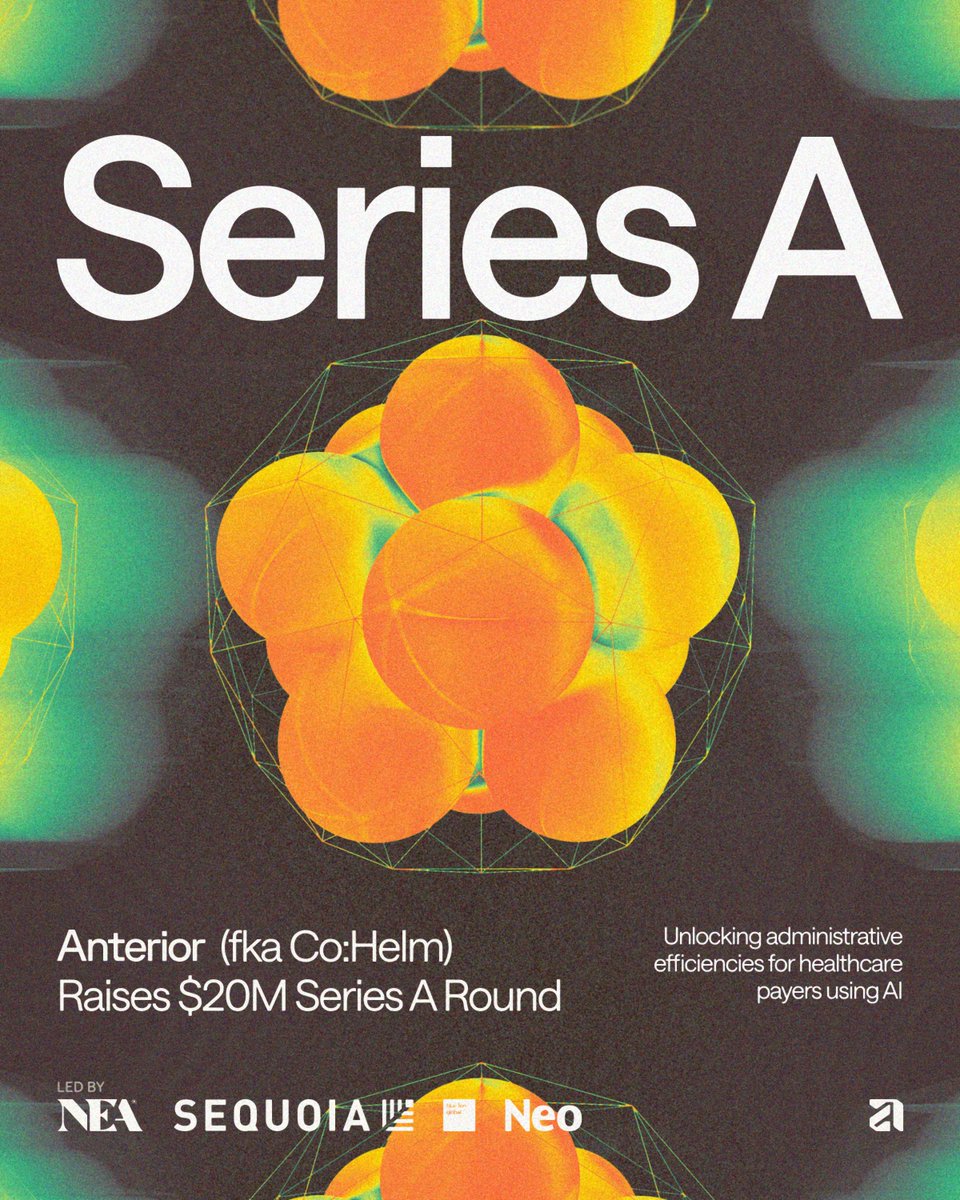
We are excited to announce that we've raised $20 million in Series A funding led by New Enterprise Associates (NEA), with participation from Sequoia Capital, Blue Lion Global and Neo.
2
21
60
13,205
Mustafa Sultan, MD retweeted
3 Jun 2024
A new era for Co:Helm as we introduce our new name and brand identity — Anterior.
We are the AI company built by clinicians for clinicians to transform healthcare administration.

11
27
4,742
Mustafa Sultan, MD retweeted

4 Feb 2024
I very much enjoyed talking with Musty!
4 Feb 2024

This is @jonronson's 'The Psychopath Test' pitch to @iraglass — a book which spent 10 wks on the New York Times Bestseller List
...and also convinced me to join med school wanting to become a psychiatrist. That didn't happen. But it was a pleasure learning how Jon writes.
3
4
57
34,392
4 Feb 2024
This is @jonronson's 'The Psychopath Test' pitch to @iraglass — a book which spent 10 wks on the New York Times Bestseller List
...and also convinced me to join med school wanting to become a psychiatrist. That didn't happen. But it was a pleasure learning how Jon writes.
1
3
26
37,720
Mustafa Sultan, MD retweeted

30 Nov 2023
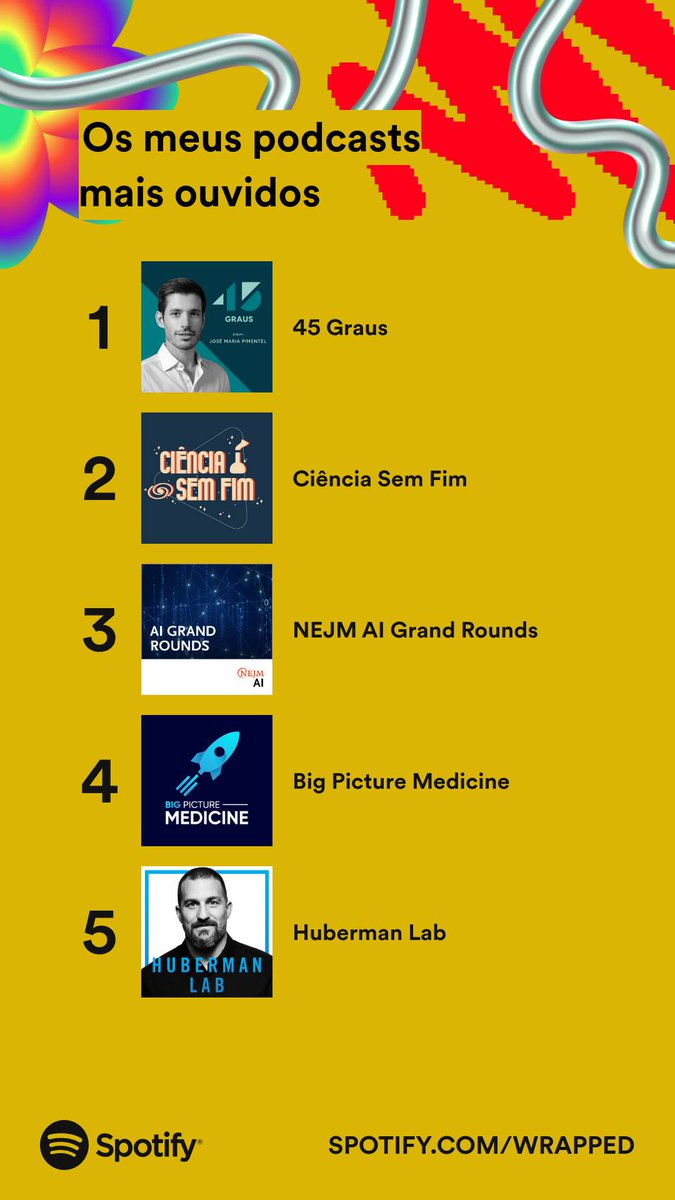
🎙️ My 2023 podcast highlights! 🚀
If you're into Science, Technology, AI, and Politics, these are a must-listen:
@45graus @cienciasemfim @SpaceToday1 @NEJM_AI @AndrewLBeam @arjunmanrai @MustafaSultan @hubermanlab
#Wrapped2023
1
2
11
2,316
26 Nov 2023
Fascinating that in 1958, the standard of care for cardiac arrest was performing a thoracotomy cardiac massage within 1 min 😮
youtu.be/d45HkjY1pTI?si=9DSD…
1
7
886
Mustafa Sultan, MD retweeted

22 Nov 2023
Looking to hire hungriest MD you know. Ideal candidate is highly clinically competent with top tier education, actively looking to join a startup in the earliest stages. Needs to be a doer / builder. Early in career is fine. Well funded deeply ambitious company and team.
39
9
82
36,986
Mustafa Sultan, MD retweeted

1 Nov 2023
a new AlphaFold model: in AI for biology, you get what you train for
since the release of AlphaFold in 2020, a once-hypothesized revolution in drug discovery has failed to materialize. while accurate at predicting protein structure, the utility of AF for drug discovery has been limited. new AF models published this week by isomorphic labs change this.
a useful case study for understanding the difficulty of translating protein structure algorithms like AF to drug development is molecular docking. docking is a computational method for predicting the orientation and position of a ligand when it binds to a protein with the goal of generating new small molecule drugs, and is the workhorse of structure-based drug design. the docking process requires the crystal structure of a protein bound to ligands, however these structures are expensive/difficult to generate.
there was a lot of excitement after AF’s release about the replacing crystal structures with AF in docking in order to discover drugs more quickly and cheaply. many expected this to work because AF-generated structures closely match the crystal structures of protein binding pockets. however, several recent papers [1-3] have found that despite AF’s ability to predict protein structure, the accuracy of molecular docking decreases significantly when using AF-generated structures.
why didn't AF-generated structures translate to an ability to predict drug binding? generating a structural model for a small molecule binding to a protein turns out to be a much more difficult problem than protein structure alone. the space of possible small molecules (10^60) and structures is much larger than that of proteins. further, ligand binding changes protein structure, and AF wasn't trained on ligand-protein complexes.
a white paper out this week [4] describes a new iteration of AF that achieves stronger performance on molecular docking. the paper is intentionally short on methodological details, but from what we can tell, new AF models were trained on protein complexes with non-protein elements, including small molecule ligands. the model achieves SOTA accuracy on molecular docking benchmarks, outperforming both non-ML and ML based methods. importantly, comparison methods used ground truth bound protein crystal structures as input.
what’s the takeaway? one important, obvious lesson is that in AI for biology, you get what you train for. to predict ligand-protein interactions, you must train on train on ligand-protein complexes. to predict antibody-antigen interactions, you must train on antibody-antigen complexes. simply training on proteins (first generation of AF) is not sufficient for many applications in drug discovery, where the goal is to model complex interactions between many biological molecules. the capabilities of AI models in biology will only continue to advance as we incorporate specific and relevant biological data into model training to bridge the gap towards real-world impact.
@maxjaderberg @tfgg2 @demishassabis @IsomorphicLabs

12
34
202
56,027
31 Oct 2023
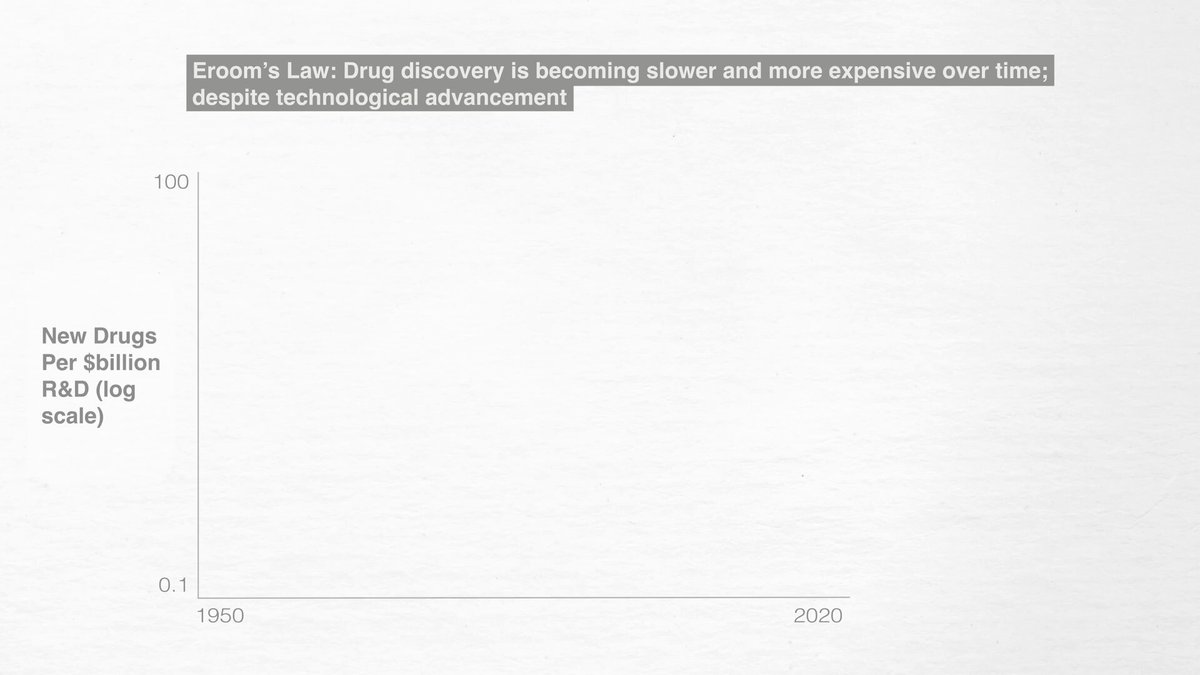
Drug discovery is becoming more expensive and producing less results than ever before (Eroom's Law)—why?
One of the ballooning costs are clinical trials. Pharma/biotech often outsource their trials to CROs (contract research organisations).
But many CROs are incentivised to make trials as bloated and inefficient as possible. That means more money and less results.
@meribeckwith is building the anti-CRO: @LindusHealth to solve this problem.
They just raised $18M in their Series A. Investors include legendary tech billionaire @peterthiel.
2
8
1,611
26 Oct 2023
The $350M startup building perfect memory
@RewindAI watches everything you do (in silico) and soon—will listen to everything you say—creating a perfect, GPT-queryable memory.
There are two approaches to human augmentation:
👓 Restore function to normal levels e.g. glasses correct vision.
🦸♂️ Enhance function to supra-physiological levels e.g. how Google Maps enhances our navigation ability.
Rewind does with memory, what Google Maps did with navigation.
Lots of fun speaking top @dsiroker—
1
1
8
4,995
Mustafa Sultan, MD retweeted

18 Oct 2023
Wow
Just read perhaps the greatest article about a doctors’ diagnostic skills
Not in the medical literature, but in an economics journal!
If you think about diagnosis, follow along
It won’t disappoint
@RogueRad
25
197
904
405,554
17 Oct 2023
'Smart people' are not lazy—the performative knowledge trap
I know lots of impressive words/terms from reading a lot. But my mind is often content with 'sort of getting them' (based on context)
With this bad habit, I go through life with a lot of 'surface level' understanding of many topics—but if pressed—I actually don't understand them. I have 'performative knowledge'—I can give the illusion of 'smartness' without the substance
I'm trying to correct this by forcing myself to look up anything I don't understand, immediately and thoroughly (paired with 'could I explain this to a 5 year old?')
I think this habit compounds—and 20 years down the line—makes you really 'smart'
1
1,293
17 Oct 2023
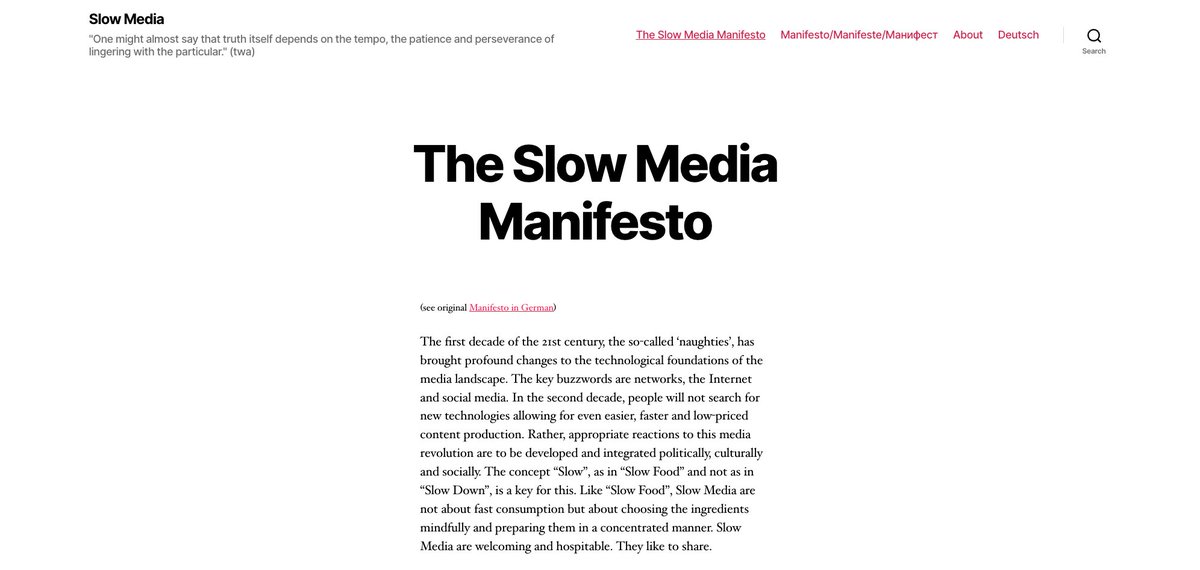
For Type A productivity-at-all-costs types, I think it's worth slowing down your consumption and output (h/t Das Slow Media Manifest)
At some point of consumption/output—it becomes impossible to process it all. Sure, you've read 100 books on Goodreads this year—but one day—you'll re-read one of those books and only realise the fact 200 pages in
In other words, you've got a castle made of sand
2
394
Mustafa Sultan, MD retweeted

15 Oct 2023
Just published @NatureMedicine
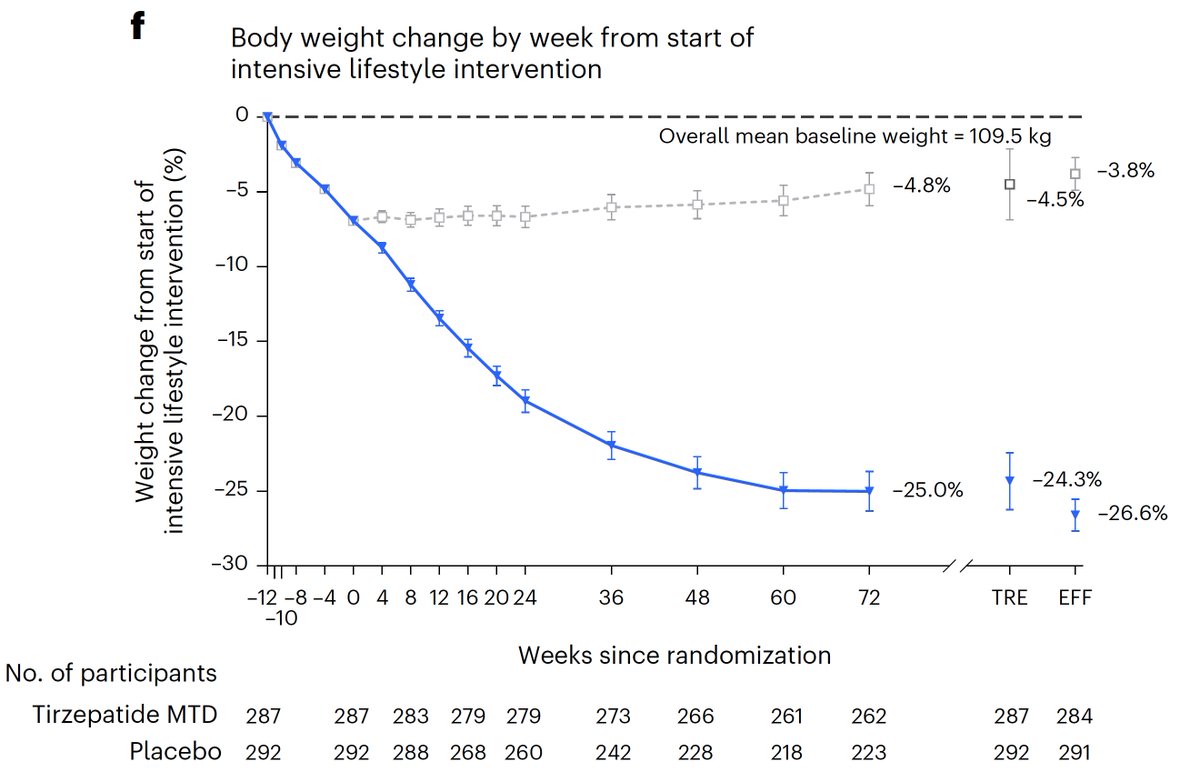
Randomized trial of tirzepatide (Mounjaro) vs placebo *after* 12 weeks of intensive lifestyle intervention and >5% weight loss
nature.com/articles/s41591-0…
At 72 weeks, Placebo group gained 2.5% weight back; GLP-1 drug lost additional 18.4% body weight
20
220
771
284,936
Mustafa Sultan, MD retweeted

8 Oct 2023
what if learning about a topic was as braindead as scrolling tiktok?
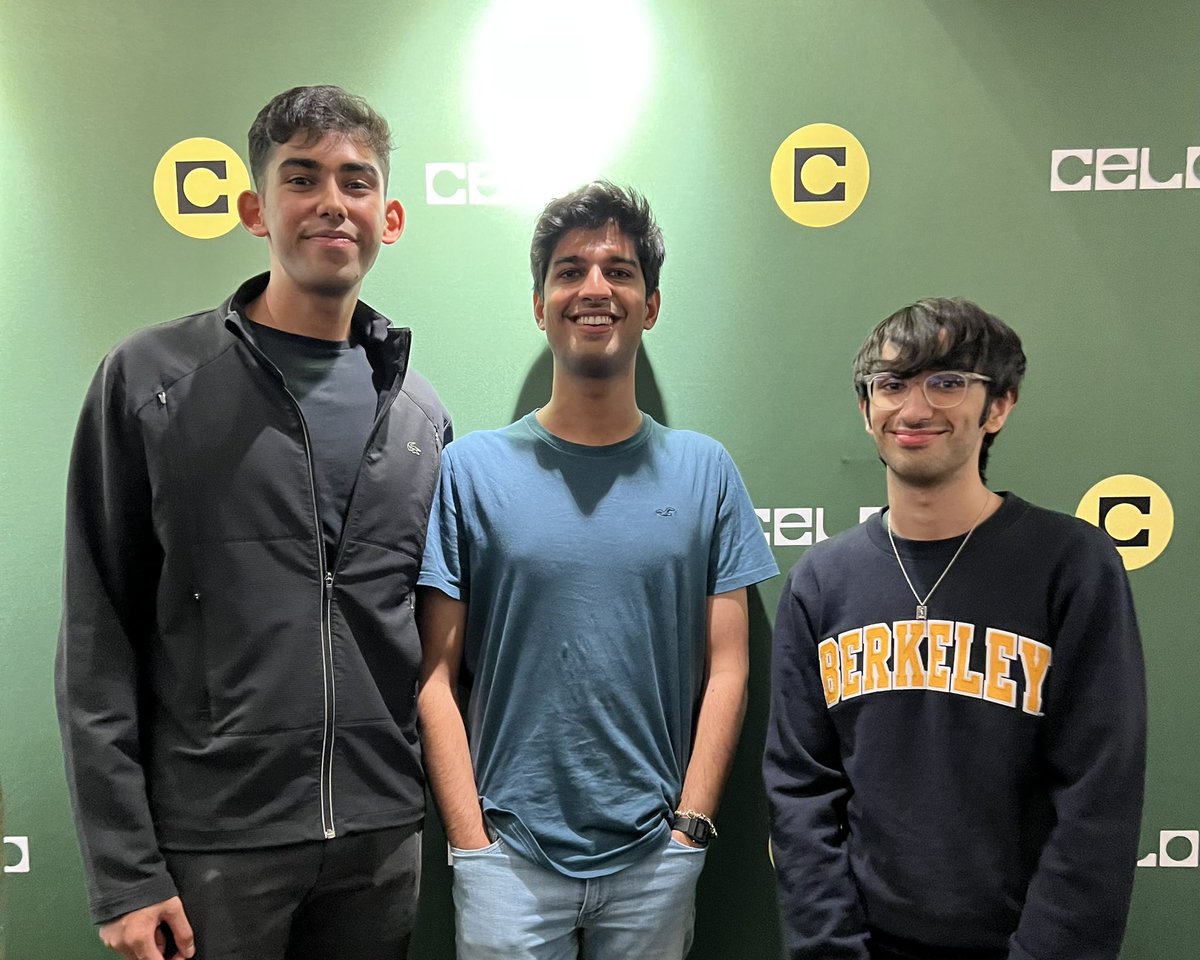
showed up to a hackathon 2 hours before submissions were due with no idea and no code
furiously coded an app that spits out an engagement-maxxed tiktok feed for topics you want to learn about
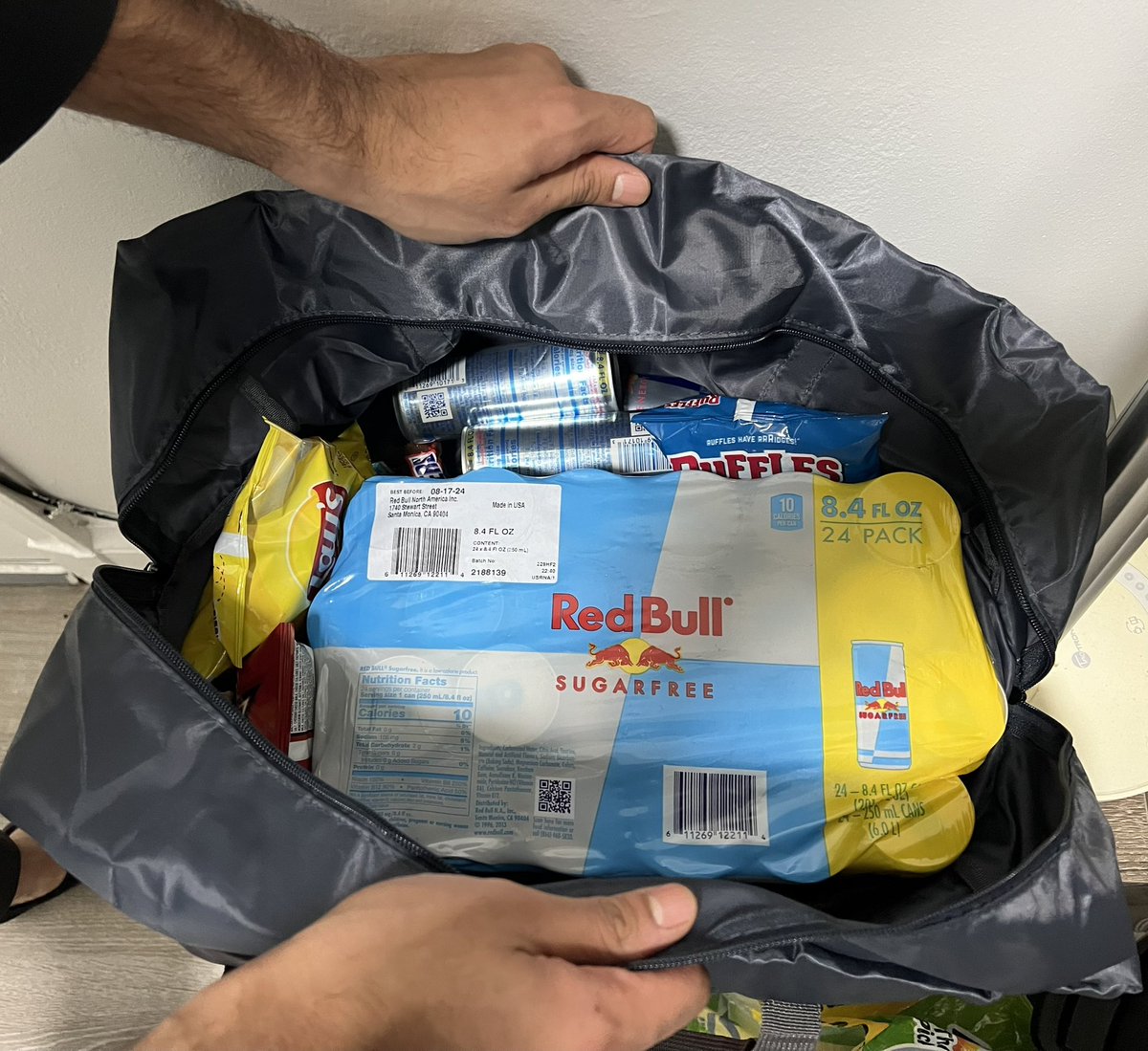
won stole all the snacks and red bull
w/ @Sauhard_Jain and @arhvn
42
86
1,988
689,829
5 Oct 2023
Why becoming an 'expert' is ridiculously easy
I recently listened to a book publishing titan speak. Here's where he thought most people go wrong—
Often, people want to write a book on a topic they are experts in. This creates a high expectation, and sufficiently high activation energy to ensure they never start.
He suggested the opposite — you should write a book on a topic you want to become an expert in. The book writing process will make you the expert.
I think this logic applies to podcasting, newsletters, academic articles and any other creative medium too.
There are very few things (by pure happenstance/our careers) we are truly experts in. But this is the same for everyone.
The 'experts' did the years of work. That's it. They weren't born experts.
To link back to @dwarkesh_sp's legendary 'Myth of the Well Read Person' essay — you can become an 'expert' (i.e. top 0.1%) in almost any topic by reading a dozen books on it ( /- some academic articles).
But why publish to the world? Why not just read the dozen books quietly?:
1) Reading the dozen books will make you a secret expert. Publishing will make you an expert in other peoples' minds. This comes with benefits.
2) Publishing makes a public declaration that you are/intend to become an expert in a topic. It's pretty good motivation.
3) Good/thoughtful creation makes the world a better place.
Caveat: When starting, a small minority will question your right to publish on a topic and think you are stupid. This is true.
But just like the gym newbie, you look like shit now — but in 2 years you will be David Hasselhoff Baywatch and they'll still be Homer Simpson.
4
1
15
2,167