I like to build things, run and cook. Co-founder, CEO Apptentive (acquired 2022). Passionate about giving customers a voice & spreading #CustomerLove
Joined January 2007
- Tweets 22,609
- Following 2,404
- Followers 3,089
- Likes 12,582
634 Photos and videos


Robi Ganguly retweeted

Omg. So Seattle. FIFA.

Seattle’s World Cup signage has people doing a double take. WA what do you think?

65
44
471
82,998

Jun 14
Between April 23rd and now, the only time the Knicks lost was when Trump showed up at MSG.
Confidence? I think not.
119
Robi Ganguly retweeted

Jun 13
Hey remember when everyone was freaking out over the Biden administration threat to restrict frontier AI?
LOL. LMAO, even.
Jun 13

The US government, citing national security authorities, has issued an export control directive to suspend all access to Fable 5 and Mythos 5 by any foreign national, whether inside or outside the United States, including foreign national Anthropic employees.
The net effect of this order is that we must abruptly disable Fable 5 and Mythos 5 for all our customers to ensure compliance.
Access to all other Claude models is not affected.
We apologize for this disruption to our customers. We believe this is a misunderstanding and are working to restore access as soon as possible.
Read our full statement: anthropic.com/news/fable-myt…
1
4
269
Robi Ganguly retweeted

Jun 8
I’ve been thinking a lot about the extraordinary outbursts of the President of the United States against female journalists... well, actually against journalists in general and journalism. But it feels like he saves his most childlike behavior and irrational language for female reporters, calling them all kinds of names that kids in kindergarten are given times out for. It’s stunning to me to witness such behavior from any leader, any CEO, any person of influence or importance. I’ve never witnessed someone like this raging, this weekend with @meetthepress host @kwelkernbc, just last week in the Oval Office with @cnn’s @kaitlancollins, calling women stupid or piggy, telling them to “smile”, calling them darling, demeaning their credibility. Every good man should denounce this behavior. Every person should be able to stand up for their colleagues and say “No more.”
Imagine this man screaming like this at your daughter, your wife, your sister, your mother... would you stand for it? No, you wouldn’t! And neither should any of us. It’s unacceptable and undignified. Period. End of story.
10,903
15,557
54,320
1,144,561
Robi Ganguly retweeted

Jun 8
Alone, so far as I can tell, Putin enjoys an exemption from Trump's criticism and mood-shifting. About Putin, Trump is constant, unwavering. To adapt Shakespeare: 'tis passing strange.
Jun 7

Sooner or later, Trump breaks faith with everyone except Putin.
12
129
753
40,908
Jun 8
Independent thinkers definitely kiss the ass of despots.
Scamath sells you a veneer of intellectualism while focusing on how to get paid.
Jun 8

Institutions are inefficient.
Experts are overrated.
Capital should flow toward builders.
Technology compounds.
Independent thinking wins.
50
Jun 8
Trump is and always has been a liar.
Same with:
@chamath @DavidSacks and @elonmusk
You are what you continually do.
Jun 7

Welker: "You insisted no new wars."
Trump: "First of all, I didn't guarantee no war."
Welker: "You said it over and over again."
Community note
During his campaign run Trump promised multiple times there would be no new wars.
x.com/DecodingFoxNew…
2
3
97
Jun 7
Great explanation in advance of the biggest IPO of all time

Now is a good time to explain certain things about the mechanics of the IPO process that most people don't know. I will explain various dynamics around IPOs that you've probably wondered about (or just felt were odd but ignored).
To the financially sophisticated: this post elides certain details and attempts to be simple enough for a lay audience. There's no novel reveal at the end so if you already know how IPOs work, you can skip this post.
When a company wants to IPO (sell shares, then have the shares float for public trading - two separate things - hence this explainer), they don't actually just sell them to the public.
Rather, they hire bankers to round up a bunch of institutional buyers or wealth investors. We'll call these "big buyers." The company does presentations to these buyers, and then the buyers indicate their willingness to buy - like how much, and at what price - and the bankers mediate this whole process and arrange the transaction.
The reason this happens is because when most companies come to the market, no one really knows what price it should start trading at, and it's largely an unknown entity (to the public investors), so you need experienced bankers who understand business and equity markets to figure it out and get it approximately correct. This is the actual function of the bankers who "take companies public" and they are called underwriters.
The way it works is this:
The bankers go to the big buyers (often investors who already have a lot of business with the bank) and ask them to participate in this process - the one I described above. Buying the shares is risky, so the big buyers need an incentive. This is where the "first day pop" comes from.
Because the bankers have the most information of any party at this stage, they are the most likely to be able to guess at the likely "real" market trading price of the stock. So they price the stock a little bit under so that when the actual offering to the public happens on opening day, the stock "pops" by about 10% - 20%. This allows the big buyers to make an instant profit flipping the stock, compensating them for taking the risk of buying an "unknown" stock with no trading history.
Let me summarize:
- The company sells its shares in a negotiated sale to big buyers.
- The company receives cash for those shares.
- Now the company is done.
- The next day, the big buyers sell their shares on the open market at whatever price public buyers are willing to pay.
There are, typically, rules around flipping the shares but obviously not for everyone, not for all the shares, and some big buyers just break the rule (and may not be invited to future IPOs). But obviously the shares that the public actually buys comes from somewhere, and it's these big buyers who bought them from the company in the banker-negotiated sale. They do not come directly from the company.
At no point does any member of the "retail" investor public actually give money to the company itself in return for any shares. It all goes through the banker-mediated sale process (called a "road show") where big buyers get a discount for taking the risk, and make their profits on the first-day flip to the buying public.
(The bankers also make a huge fee for doing this)
That seems kind of like "rich people enriching other rich people" but it's only partially that.
Only a small percentage of IPOs do really well. Many of them stink, or fail on the first day with no pop. So if you're a big buyer who participates in a lot of IPOs, you are taking on a real risk. If all goes well, there is a modest 10-20% pop on the first day, and the IPO is deemed a success from the standpoint of the financial industry, and in particular, the bankers who arranged it.
Here are two major ways it can go wrong:
If the bankers misjudge where the public price will end up and price it too low, the pop will be HUGE. The common reaction to this is "Wow, what a great IPO!" because most people just get excited when Money-Number-Go-Up. But if the pop settles to something roughly close to its peak - the first-day close is taken as a proxy for what the market considers a fair valuation of the company - it means the company left money on the table: it sold to the big buyers at far too low of a price. All the big buyers and opening-bell first-day retail buyers captured a huge part of that value. Remember that the purpose of an IPO is to raise money for the company's operations and if they just sold a bunch of stock for less than the market was willing to pay, well, that's bad for the company.
Another way it can go "wrong" is if it's "priced to perfection" where the negotiated sale is arranged at exactly what the public ends up being willing to pay, and there is no pop. Even "worse," if it's priced above that, and the bankers completely misjudge the price in the wrong direction, the stock will fall on the first day and close below the IPO price.
But "wrong" is a matter of perspective: this is bad for the big buyers (who didn't make money on flipping the IPO), bad for the first-day retail buyers who now own a plunging stock, and bad for the bankers, who lose credibility. But it is the best financial outcome for the company itself. The company was able to sell its shares at the maximum price the market would bear, and it walks away with the cash.
When an IPO like this happens, the financial headline that dominates is "it's a failed IPO." But in terms of raising money for the company, it's the best-case outcome! This is an instance where the incentives of all the parties involved are not the same.
When the bankers price the IPO for a modest pop, that's the default compromise between these interests: the company makes a little bit less than it would get from the public, the big buyers take a risk and get a profitable flip sometimes, and the bankers lend their market expertise and get paid their fees. When it skews in either direction, one or more of those parties takes a hit - but the others benefit.
The reason that the "priced to perfection" scenario is often excoriated in the press is because the financial press is largely controlled by the financial industry. It's not a conspiracy, it's just that financial news will mostly ask their network (i.e. finance folks) to give their opinion, and because the finance folks (bankers or big buyers) didn't come out ahead, they think of it as a failure. But it's a Great Success for the company itself!
Outlier IPOs:
In my life, I've had a front-row seat to two outlier IPOs (Google and Facebook), and two "standard default" IPOs (PayPal and Reddit). I'll talk a bit about the interesting effects in the outliers, and how they compare to the defaults, and then a bit about what could happen with SpaceX.
One of the ways the default IPO process can vary is when a company is already very well-known to the public. Most IPO-ing companies are unknown to the public, and that's a big reason why the bankers have to be involved: they form a bridge of trust to the big buyers and bring value in their specialized expertise about market sentiment.
But a company that's already very well-known doesn't get as much value from that. Especially if there's already demand for the company's shares, the company can often find enough buyers for its offering. The contract terms (services, fees) for underwriting an IPO are always negotiable, and so certain companies can negotiate lower fees and do things differently.
Google did this in 2004.
Now, one funny thing that's typically true in a default IPO is that the stock will open between $15 and $25. The reason for this is that most people are not financially sophisticated and if a stock opens at $100, they will think it's too expensive.
The real value of the stock is what percentage of the company it represents the company's financial performance. So the numbers $15 and $25 are chosen because most people will think that's a reasonable price to buy - they compare it to buying something at the store. No joke.
Now, because companies and their existing stock can have a large range of values, what they do prior to the offering is simply do a stock split (or reverse stock split) so that the effective per-share price falls into that range. It's entirely just optics because most people don't understand math and finance.
In 2004, Google IPO'd at $85/share.
If you are thinking "omg, that's a lot!" then you are one of the people I just described. It doesn't matter that it was $85/share.
Google, because it was well-known and there was a lot of demand for its stock, did not have the underwriting bankers negotiate their sales to the big buyers! Because they had a lot of internal expertise (and preference for) fancy auction mechanics as a price discovery mechanism, they set up a "Dutch auction" for their shares.
Briefly, the Dutch auction is an auction format that is considered better at reaching the real market value of whatever's being sold (compared to a regular auction, which seeks to maximize the buying price).
They ran this Dutch auction and asked everyone who wanted to invest to submit their bids and amounts, and then assigned a price and (modulo some regulatory details) opened at $85/share.
This was the first time in tech for an "unusual" IPO. It was met with positive regard because Google didn't have to pay the bankers as much money, probably got a fairer price for its shares, and the buying public got in at a reasonable price, cutting out a lot of middlemen (e.g. big buyers, though they sold to the big buyers too). And Google was known for innovation and being quirky, so this fit their brand.
Today, by the way, the split-adjusted price for that offering is about $2/share.
Facebook also had an unusual IPO process.
Facebook engaged the underwriters from a position of absurd negotiating superiority. They were already globally known, and was probably the company most well-known at IPO (in terms of name recognition) in history.
Typical banker fees for underwriting can be ~4%. Facebook reportedly negotiated an underwriting fee of 1%.
Why? Because there was massive demand for its shares, and everyone already knew what Facebook was about. So who cares about the bankers?
Not only that, but Facebook priced itself to perfection.
It opened at $38/share, and closed at $38.23/share, implying that Facebook had exactly hit the market price and gotten the maximum amount of money, with nearly no spread between what Facebook sold for and what the public ended up paying for it.
Further, over the next few months, its stock trended downwards. This caused no end of hand-wringing from people who bought on first-offering, but it implies even more strongly that Facebook got top dollar for selling its shares.
(Anyone who held on for longer 16 months after that saw huge gains - today the price is at ~$590)
The financial press absolutely excoriated the Facebook IPO, calling it a huge failure. This drove the mainstream conversation about it, which also depicted it as a failure, highlighting stories of investors like an old lady who'd put her life savings into the IPO (.... which you are never supposed to do). The bad press went on for months.
At the same time, Facebook execs and informed insiders quietly understood that it had been a perfectly-executed IPO, in terms of raising money for the company.
And, if people like the old lady held on to her stock for a couple years, she still made mad bank.
Those were the outliers. Now the regular ones:
One of the features of an IPO is that typically most shareholders are subject to what is called a "lockup."
The default lockup is often for 6 months, but the terms can be negotiated. During the lockup, shareholders cannot sell their shares.
To understand this, first realize that "shareholders in the company" are different from the company itself.
In an IPO, the company (the corporate entity) issues stock and sells it to investors, taking in cash to fund the company's operations.
This is different from shareholders of the company - existing investors, employees, and executives - selling stock. These parties personally own stock (i.e. ownership) in the company and if they sell it the cash goes to them, not the company.
The lockup typically applies to some or all of these parties, and the reason is because when the company floats shares in its offering, if on the next day (or month) many large shareholders were to also sell their shares - some of which could be a block of comparable size to the IPO offering itself - it would tank the market. This would reflect very poorly on the company because it would mean that all the investors who bought in the IPO (big buyers, but also people who believed in the company and bought on the first day/week) would see steep declines while "insiders" made off with profits.
But the exact configuration of lockups varies, because it's all negotiable.
The common default is that most private company shares are locked up for 180 days.
Sometimes, the shares floated (sold to the big buyers) for the IPO aren't newly issued shares by the company. Sometimes the major shareholders negotiate to sell some percentage of their holdings - say 10% - and those shares are the ones sold to the big buyers and then later into the regular market. The rest of the shares held by the shareholders may remain subject to the lockup. The negotiation ends up balancing the desire of shareholders (prior investors, executives, employees) for liquidity vs the signaling effect it has on the market - no one wants an IPO to look like insiders dumping on the market.
When Reddit went public, the underwriting situation was pretty vanilla (road show, sell to big buyers, modest pop on first day).
The shares offered for sale at the Reddit IPO weren't all issued by the company, a significant component were employee shares. Many employees had been at the company for a long time, so a program was set up whereby the employees could elect to sell some percentage of their vested holdings, and these were some of the shares offered to the big buyers. All of the large existing shareholders - the venture capitalists and mutual funds that had already bought into Reddit at far below the IPO price - didn't sell a single share in the IPO.
(Subsequent market performance seems to have borne out the financial wisdom of that decision)
One thing to understand here then is the divergent effects on the company vs existing shareholders. If the company is "priced to perfection" and subsequently the stock price falls, and existing shareholders did not participate in the IPO sale itself, they are in the same boat as retail investors: the stock value is dropping. Further, if they're subject to a lockup, they have no way to exit the stock for a long time.
====
Now that we have all that background, we can talk about the SpaceX IPO:
SpaceX is an outlier, if for no other reason than the fact that size of the offering is the largest in history. When outliers happen, rules often get broken. Not because of corruption (though sometimes it's that), but because an outlier will often create conditions that are outside the anticipated range of what the existing rules were set up to handle.
The first thing is that SpaceX is one of those "already really well-known" companies and one with a lot of pent-up demand for its stock. In the last few years, SpaceX funding rounds have been massively oversubscribed.
This means that SpaceX is in a position to not only negotiate the sorts of terms that Facebook got with its underwriters (very low fees), but it has negotiating power on key terms like pricing, sizing, and lockup periods.
Remember that in terms of "cash raised" in the IPO, the amount the company raises is simply the amount they sell to the big buyers for, NOT how much the stock trades up (or down) once the markets open.
Elon's stated intention is that the IPO is necessary to raise the huge amount of funds needed to complete Starship and fund a mission to Mars.
People can quibble about whether that's his main motivation or if he's just grifter unloading on the retail market, but it's a very telling point that his actual compensation package involves actual Mars-based metrics like establishing a colony with a million people on it. If he's a grifter, and he basically controls his board, he there'd be no need for a comp package like that.
So if the goal of the IPO is not to cash out for insiders, but actually "raise a huge amount of money for the company to carry out its insanely ambitious goals," there would be a strong incentive to "price to perfection," i.e. push the bankers to price the stock at what they think the market really will bear, and reduce the profit the big buyers would make on the first-day pop.
And if any hiccup occurs, the stock could tumble, much like what happened with the Facebook IPO - but SpaceX itself would have the cash it needs.
Based on what I've explained much earlier, you can now also see that if the stock being floated in the IPO is newly-issued by the company and none of the existing shareholders are allowed to sell into the IPO, and the IPO is "priced to perfection," it's less likely that it's a dump on retail investors, because the stock will tumble before any of the major shareholders can sell. The company as an entity makes cash, but its shareholders share the fate of the market (actually slightly worse because of the lockup's effects on their liquidity).
On the other hand, having learned from that, SpaceX might not want a year of bad press, with the entire financial press discussing how bad an investment SpaceX is. Elon and SpaceX already have to fight a culture war and lots of people demonize them. So there's a chance the pricing has been set up to be something like the default - a modest pop on the first day. The question is basically whether the company wants to optimize for cash or public perception - compelling arguments for both could be made.
Having said all that, people are probably underestimating the degree of retail investor interest. The allure and romance of space flight, the exploration of space - all of those are long-held dreams that are older than Google or Facebook or even the internet itself. Mankind has dreamt of walking among the stars for decades.
Although the smart money makes decisions on the basis of P/E ratios and the like, a regular Joe with a Robinhood account who has dreamed of space and remembers the magnificence of seeing twin rocket boosters landing side-by-side will probably want to grab a few shares if he can. A LOT of people probably feel this way, and not many of them will be able to get IPO allocation.
Thus, it's possible that no matter where the offering price is set, there will be an absolutely insane, possibly record-setting pop on the first day. SpaceX is not just a selling Starlink, or compute or whatever you think - SpaceX is selling dreams. And it has been steadily making them real.
Incidentally, if this happens, after the euphoria wears off, the stock will probably tumble, providing lots of fodder for negative news coverage.
SpaceX's lockup policy is also unusual. Instead of either allowing some shareholders to sell immediately, or locking everyone up for 180 days, there is a staged and gradual unlock over the span of the 180 days, with a fraction of one's holdings allowed to be sold. One of the stages even requires that the stock price be over some threshold, presumably to hold the stock price in a certain range of values. It's unclear how this staged unlocking will affect price dynamics; it feels like an engineer's solution to trying to manage market volatility. (My suspicion is that the magnitude of public sentiment - both positive and negative - will drive more of the volatility than any pricing or lockup schedule)
Well, now you know everything I know about IPOs.
If I were to guess at outcomes, my probability distribution is:
70% likely to see a huge first-day pop (sustained for at least a week), and 30% likely that it's priced to perfection and closes below its IPO price.
This situation is such an outlier and all of the conditions necessary for any of those things to happen are in play, and it's not clear which forces will dominate.
Either way, good luck!
🚀
1
105
Robi Ganguly retweeted

May 28
Elect a clown, expect a circus. And boy, did we get one.
1,066
6,565
37,379
630,422
Robi Ganguly retweeted

May 28
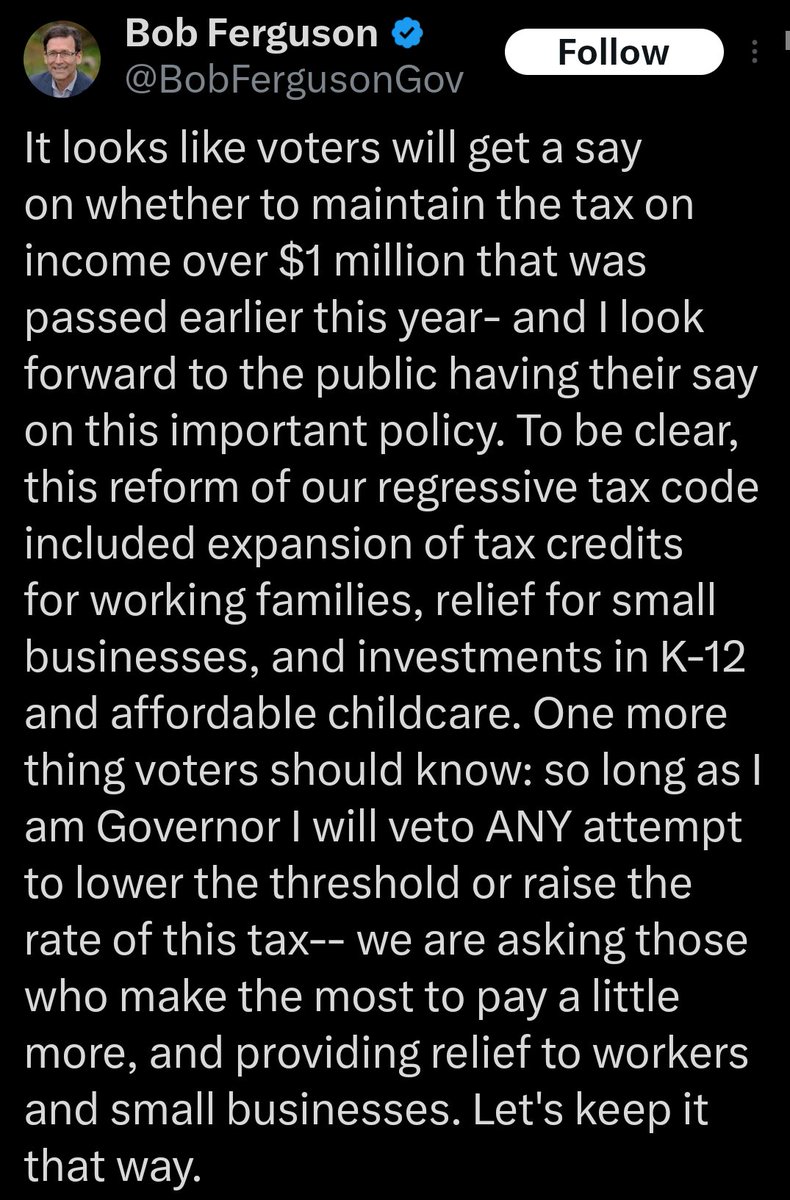
Is it just me or does our Governor seem disappointed that "voters will get a say"? His party did everything possible to prevent voters getting a say, including putting an emergency clause on a tax bill that won't even collect revenue until 2029.
It seems the Democrats don't want voters to have a say because Washingtonians have voted down an income tax in Washington state ten times in the last 100 years.
If you want your say, sign the petition to put initiative IP26-645 on the ballot and let WA voters repeal the unconstitutional income tax that the Governor signed into law.
47
68
458
10,812
Robi Ganguly retweeted

What's this, the 20th annual physical this year?
Enough! The American people deserve to know whether we have a fit and healthy President, and we're being lied to. It's time for Congress to subpoena his medical records.
May 26

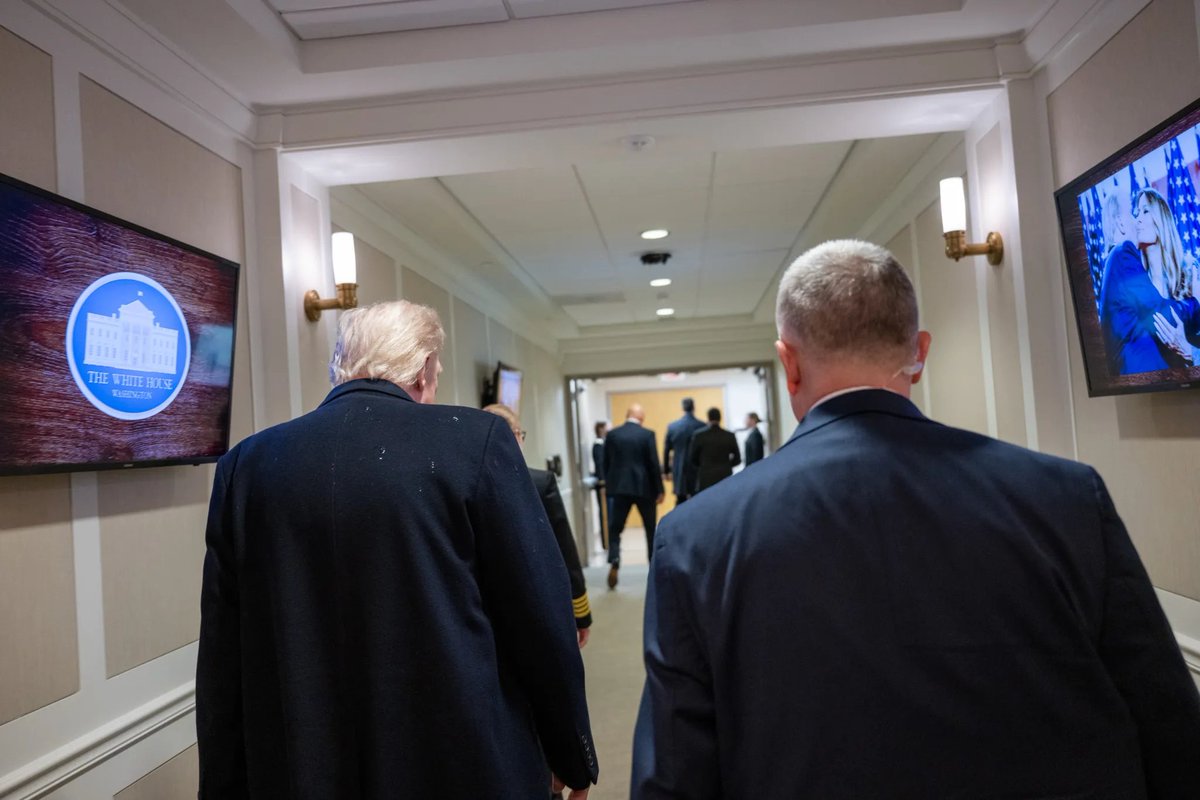
President Trump will return to Walter Reed Medical Center on Tuesday for his routine physical, according to the White House.
He will also be meeting with servicemembers and staff.
5
16
90
12,395
Robi Ganguly retweeted

May 24
Lest we forget: Obama secured the Iran deal without starting a war, shutting down the Strait of Hormuz, or losing a single American life.
But please, tell me more about how “toughness” requires body bags.
56
828
3,220
27,673
Robi Ganguly retweeted

May 19
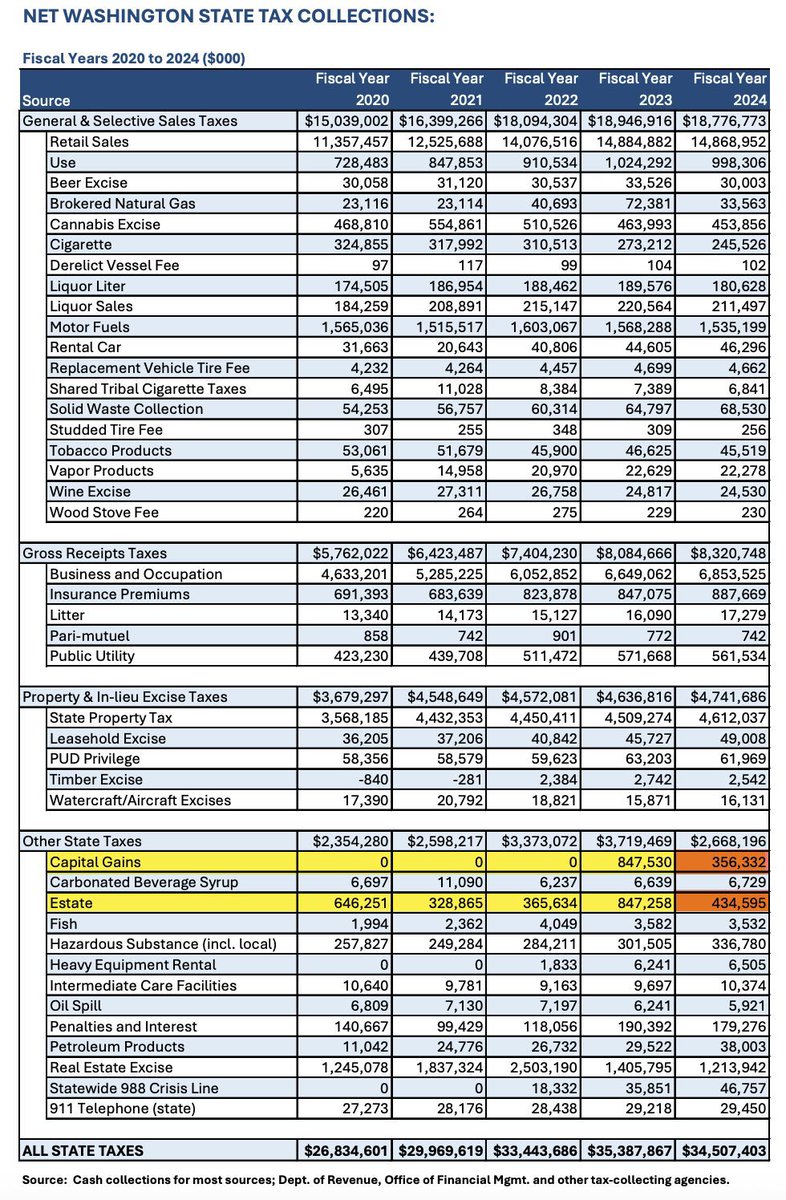
Capital gains tax revenue has collapsed $491M (-58%). Estate tax revenue fell $413M (-49%). Nearly a billion dollars — gone in one year. They promised this money would fund schools. It won't. Now they're passing an income tax to plug the holes. Same scam. Bigger price.
When this also fails to meet their projections, they'll come for your wallet.
Vote YES on IP26-645 to stop the tax and end the cycle.
41
225
777
32,894
Robi Ganguly retweeted

May 15
Message to entrepreneurs Your product is their feature
May 15

A preview for Pro users: a new personal finance experience in ChatGPT.
Pro users in the U.S. can securely connect financial accounts, see where their money is going, and ask questions based on the information they choose to connect.
Your full financial picture, now in ChatGPT.
430
408
8,957
2,379,220
Robi Ganguly retweeted

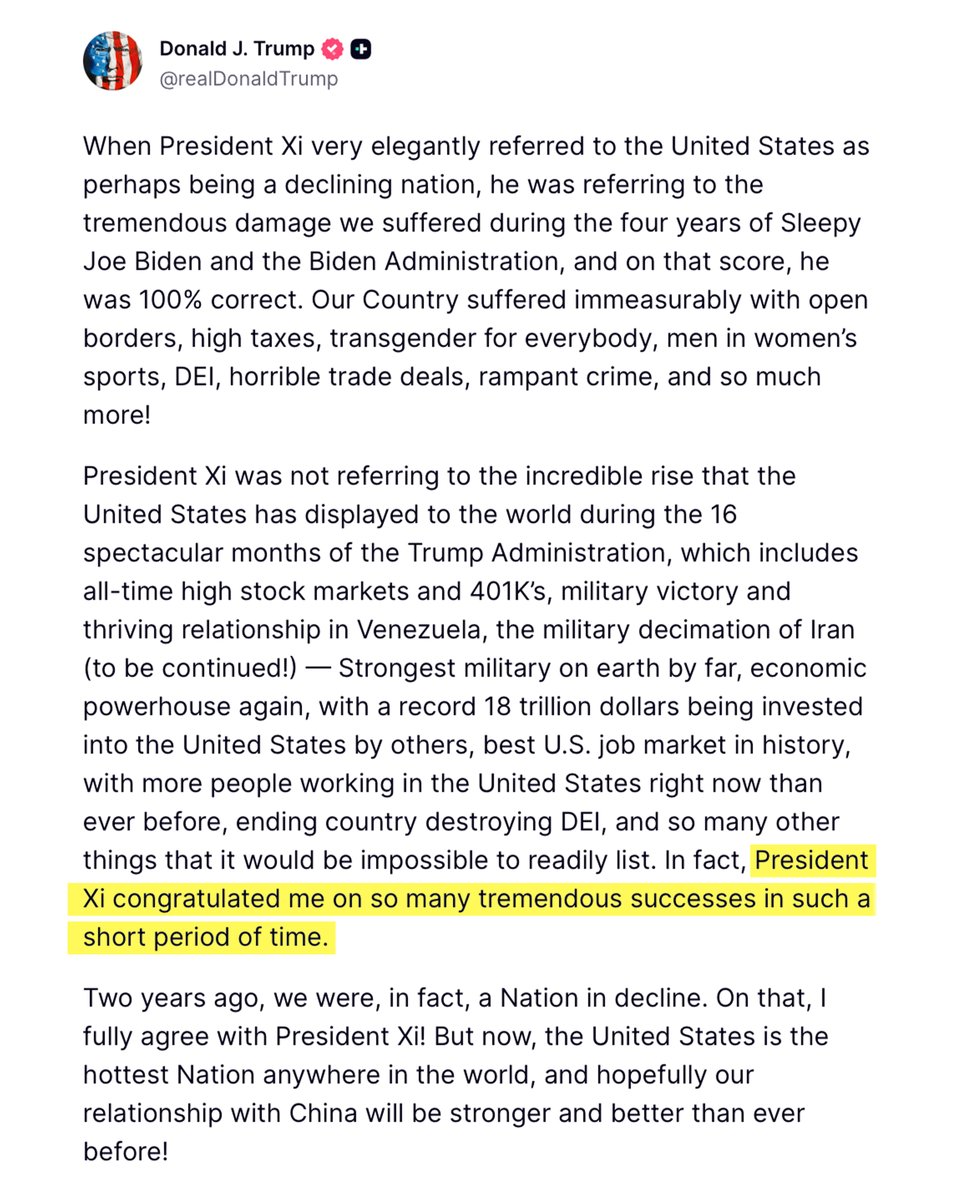
This is both funny and horrifying. Xi spoke openly of the US being in decline, right to Trump’s face. But Trump did not understand it and spent his time praising Xi who had just demeaned US power. Now Trump is contorting himself to cover his ignorance.
May 14

"When President Xi very elegantly referred to the United States as perhaps being a declining nation, he was referring to the tremendous damage we suffered during the four years of Sleepy Joe Biden... But now, the United States is the hottest Nation anywhere in the world" - President Donald J. Trump 🇺🇸
100
688
2,635
135,676
Robi Ganguly retweeted

May 14
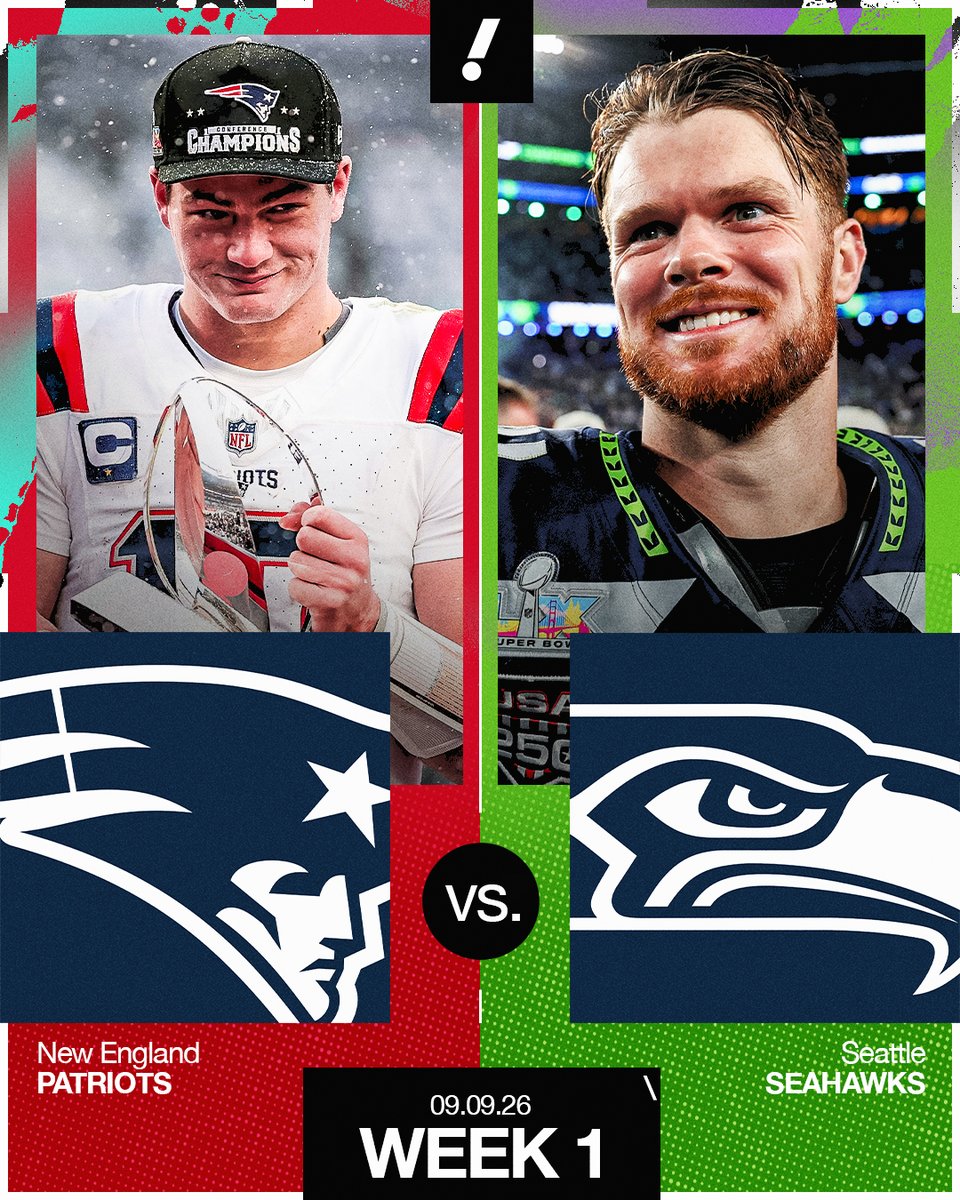
The NFL and Seahawks making the Patriots watch the banner being hoisted at Lumen Field
May 13

SUPER BOWL REMATCH FOR THE NFL SEASON OPENER 😱
The reigning champion Seahawks will host the Patriots in the Super Bowl LX rematch to kick off the 2026 season, per @Schultz_Report 🔥
11
156
2,731
89,476
Robi Ganguly retweeted

May 14
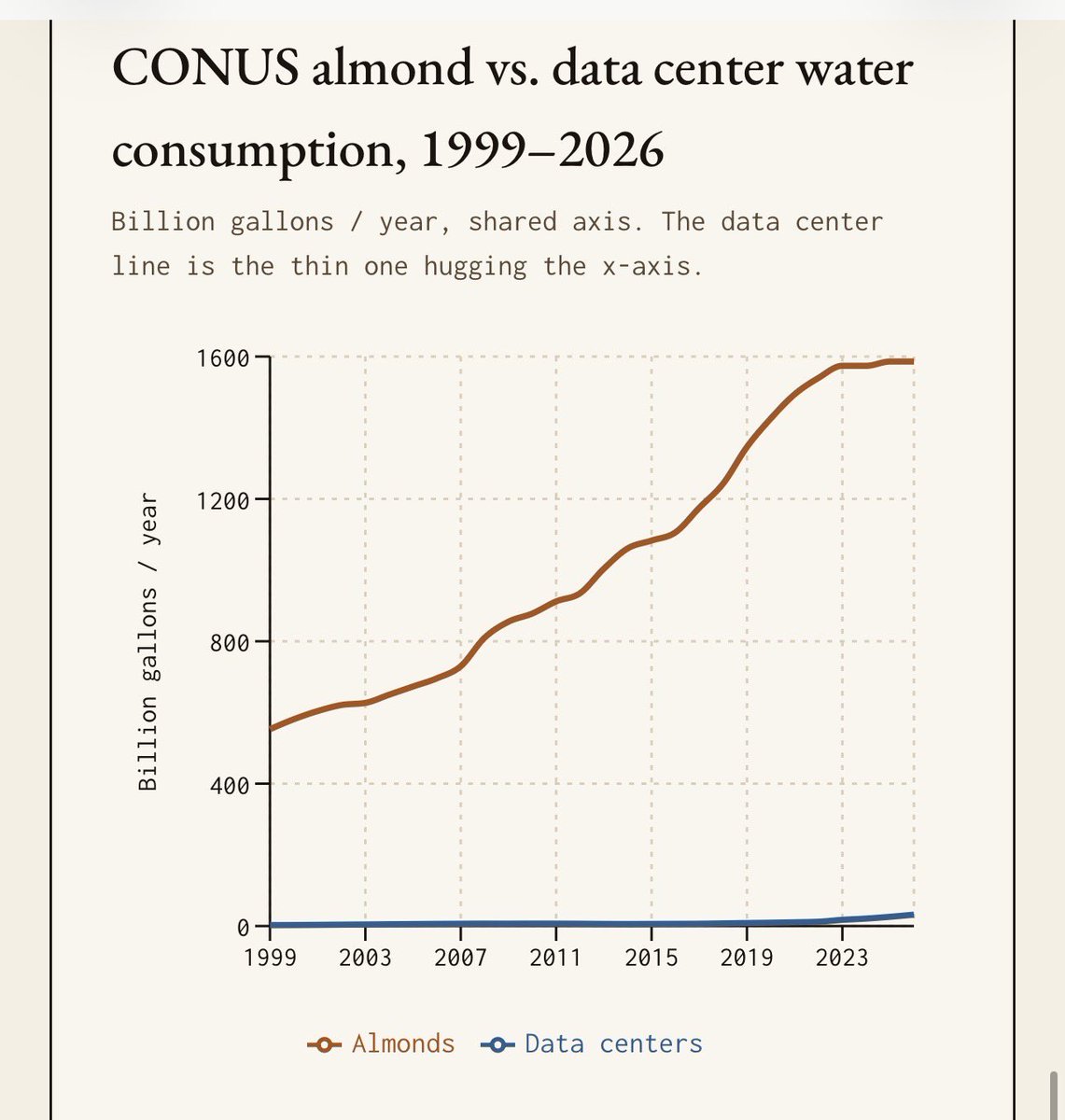
oh no the data centers are going to use up all our water...
33
79
376
38,725
Robi Ganguly retweeted

May 13
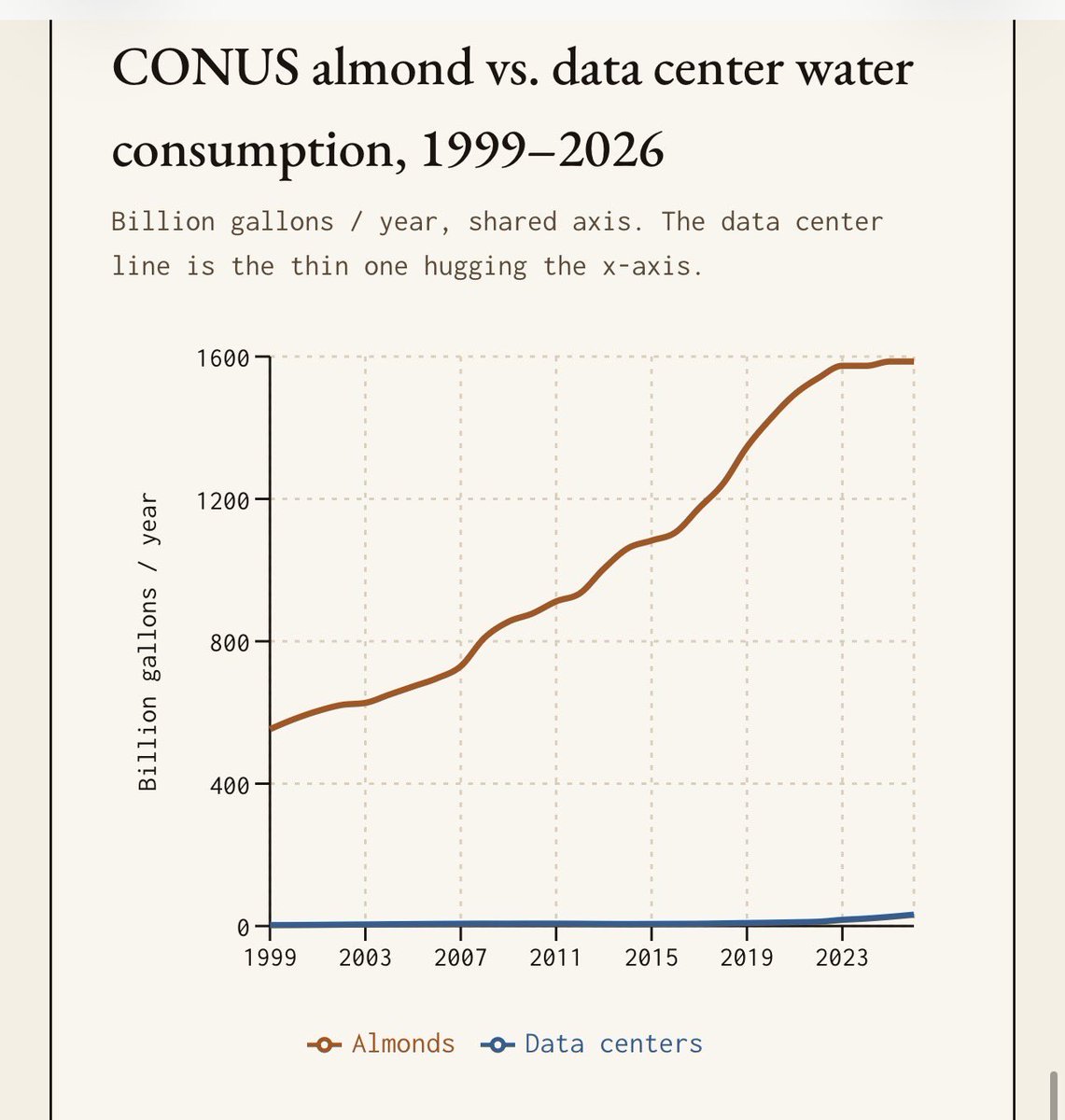
I totally forgot about how the Colorado river is being drained so California farmers in the Central Valley can farm the most water demanding produce on earth…
Any almond milk drinking liberal is personally consuming more water than every data center on earth
May 13

growing just almonds alone, no other agriculture, uses like 90x all datacenter water
114
797
5,932
148,090
Robi Ganguly retweeted

"I left office with a budget of $33 billion. And the budget today is $80 billion. I think that's a little bit too much growth," said Gregoire, who served as governor until 2013. #waleg
19
24
183
11,144

This point has been made before, but it is CRAZY that all this Seattle and WA decline is happening at the peak of cloud and AI-tech-booms, which have been a Seattle wheelhouse. We were made for this moment.
AND it’s happening during a period when CA became inhospitable to a lot of wealth and company HQ’s. We COULD have attracted so many of Silicon Valley’s companies and investors to grow here (wealth and HQ flight from CA.) Instead it’s Austin, Miami, Nashville as beneficiaries.
This is a ball fumble of epic proportions by WA legislators, Governor, and mayors, all for near term greed and an inability to throttle runaway spending and further union/SEIU entrenchment.
92
167
1,244
26,864