Barrister at Law and Chartered Accountant.
Joined April 2012
- Tweets 5,354
- Following 399
- Followers 489
- Likes 1,796
257 Photos and videos







Robert Wearne retweeted

In the ancient world, the way many people gained great wealth was by forming gangs of strong men, beating up their neighbors, and taking their stuff.
People still speak with admiration of men like Alexander the Great and Julius Caesar, but they were little better than gangsters who enriched themselves through armed robbery.
This was a negative sum game, and assured that people remained poor and unhappy for thousands of years.
Eventually, however, we figured out that respecting each other’s rights, building things, and trading meant that we could play positive sum games instead. We could increase the amount of wealth, and all would benefit. As a result, we moved from living in unheated shacks to living in what our ancestors would’ve thought of as paradise in only a few hundred years.
However, there are still people out there who think that beating someone up and taking their stuff is a really great idea.
It is the great task of our civilization to shun such people, as they are not fit to be part of society.

If we liquidated Elon Musk as a financial entity we could each pocket $3,000. Just putting that out there. 3K. Not bad.
12
32
368
12,787
Robert Wearne retweeted

Labor's Sovereign Tax as Economic Treason
To win the debate on capital gains we need to win the hearts and minds of the greater population.
x.com/toy59496/status/206306…
The economic arguments are complex. There is a strange appeal to the claim that the tax on income and capital are being normalised. The right skew in taxation from highly volatile portfolios with the failure to index losses is genuinely difficult to understand.
The narrative needs to change.
Peter Thiel in his book Zero to One reveals that true disruptors do not focus on improvements in an existing process but redefine the field. This can form a political guide for us as well.
We need to disrupt the narrative.
The key is the differential taxation of Australians and foreigners. Our taxation system does not act in a bubble but is a factor in the flow of capital around the world and our ability to own our own sovereign assets.
With Labor's change every Australian will pay more tax investing in Australia's own sovereign assets than every other country in the world investing in our assets. This is clearly insane.
While you are paying an effective tax rate 50% on the capital gain on your portfolio of Australian shares, every foreign investor will be paying much less, indeed fully 17 jurisdictions will be paying no tax at all. None. Zilch.
I want you to think through the inevitable consequences of that mismatch.
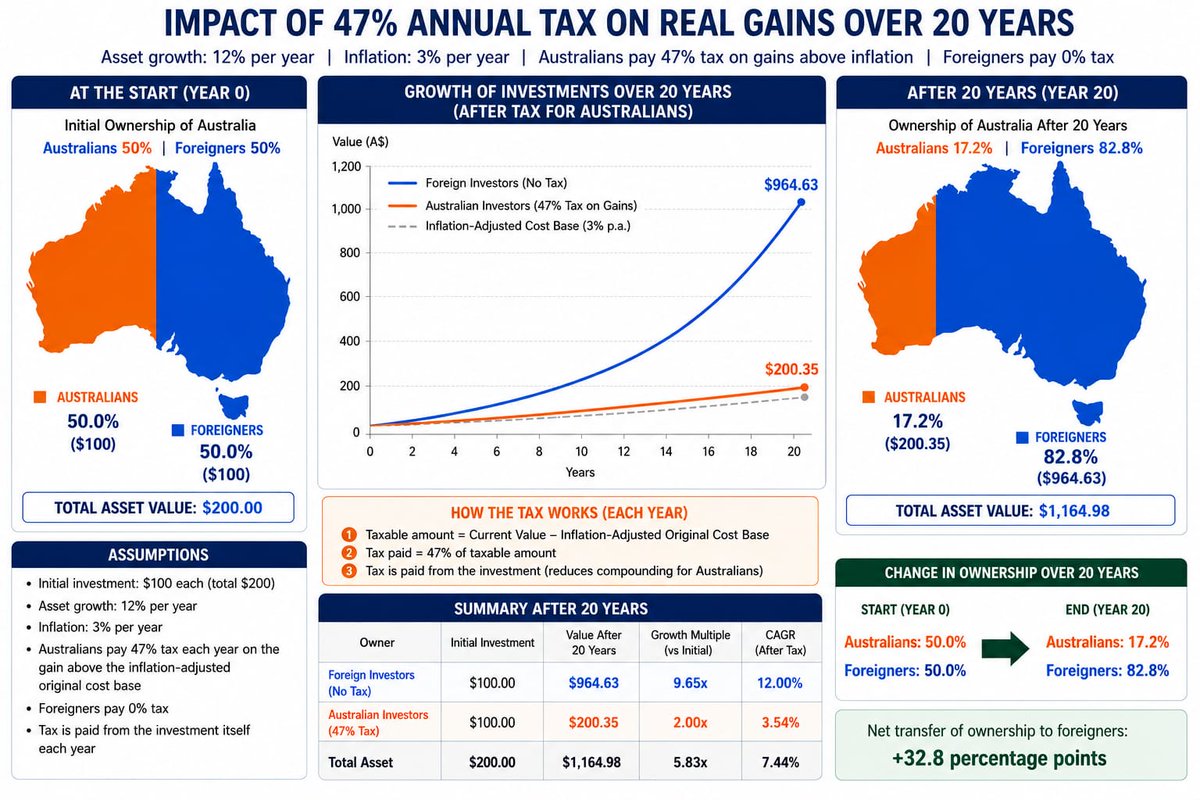
As time goes by Australian ownership of sovereign assets will progressively shift to foreign hands. We will be economic vassals of countries who do not have the pernicious capital gains tax introduced by our own government. I have modelled this previously:
x.com/toy59496/status/206306…
We live in a fragmenting world where sovereignty has become infinitely more important than it was even 20 years ago. We do not want potential adversaries effectively owning large swathes of our productive assets simply because our own government misunderstands the consequences of a tax grab that they are rushing through Parliament and for which they had no mandate to introduce.
Indeed if a foreign adversary planted an agent into the Lodge you would have them implement exactly this sort of policy to transfer sovereign ownership while bringing Australian owned industry to its knees with doubling of the prevailing taxation. Precisely who does Anthony Albanese represent?
New Zealand has the wisdom not to charge capital gains tax on investments in New Zealand and Australian equities but to impose taxes on foreign investments. This is precisely the policy that we need in Australia to ensure at risk capital circulates within our own nation and maximises our ownership of our own sovereign assets and encourages growth of nascent industries.
It is not simply about taxation, it is about sovereignty, and this government is selling you out with the Sovereign Tax on Investment and National Growth (The STING).
It is not a tax policy, it is economic treason that shifts our productive assets into foreign hands. You know what to do....
Don't let them sell our country.
=======
Appendix
There is no capital gain tax charged for incoming investments into Australia from the following jurisdictions
New Zealand
Singapore
Hong Kong
United Arab Emirates
Bahrain
Qatar
Kuwait
Oman
Saudi Arabia (individual investors)
Cayman Islands
British Virgin Islands
Bermuda
Isle of Man
Jersey
Guernsey
Monaco
Andorra
Belize
Barbados
Jamaica
@mcranston1 @PhillipCoorey @GeoffWilsonWAM @DerekFranc90653 @chrisbrycki @humpheryjenner @AngusTaylorMP @ajamesbragg @PaulineHansonOz
Jun 6

Economic Treason: Selling Australia Through Tax Policy
The economic theft hidden within the new CGT policy is not just the extra tax collected on citizens today, but that the lack of taxation on foreigners means compounding will rapidly transfer our sovereign assets into foreign hands.
In the example shown, an asset that begins 50% Australian-owned and 50% foreign-owned ends up only 17% Australian-owned after 20 years, with foreign ownership rising to 83%. No takeover bid. No invasion. Just mathematics.
Einstein called compounding the "eighth wonder of the world," emphasizing that its power is so vast it dictates whether you build wealth or pay the price. The new tax settings mean we pay a very high price indeed. We pay with our home.
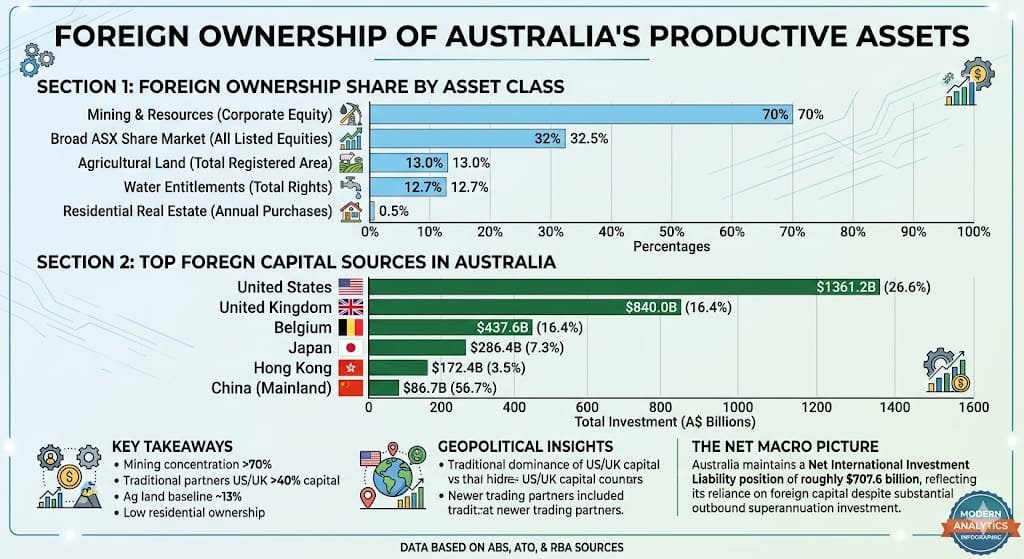
You might think the starting proportion of ownership is unrealistic at 50% each. In fact it's worse than you think, as the image shows 70% of our mining productive assets are already in foreign hands. With the disincentive for retail investors to invest in small miners you can effectively kiss our major export industry goodbye, as the effective portfolio tax means only foreigners will be incentivised to invest in these small miners. The structural failures of this new tax system are immense.
Sovereignty is ultimately about control. If we progressively lose control of the farms, mines, companies and productive assets of Australians we will eventually be subservient to an overseas economic Hegemon.
Arguably in relation to mining we already are subservient, and we urgently need to pivot the tax burden to advantage compounding to our citizens relative to foreigners. And yet your government is doing the exact opposite, and accelerating this tax-based transfer to foreign hands.
A nation that systematically taxes its own citizens more heavily than competing foreign capital should not be surprised when more of its wealth, influence and economic future ends up beyond its borders.
The government's taxation policy is not just poorly conceived but brought to its inevitable conclusion it is simply economic treason.
@AngusTaylorMP @PaulineHansonOz @AlboMP @JEChalmers
4
1
10
628
Robert Wearne retweeted

Jun 15
Another ‘expert’ at Senate hearings on housing: Prof Hal Pawson (UNSW).
Long-time academic housing researcher advocating more social housing, tax tweaks on investors, & govt intervention. Critiques ‘neoliberal’ markets & negative gearing. Advisor to Sen Pocock.
Real-world experience? Zero in property development, building homes, or running a business P&L. Pure academia & policy advocacy pushing big public spend/redistribution.
Australia’s crisis needs supply-side fixes, incentives & less red tape — not more voices from the ivory tower echoing Labor’s playbook. Balance the hearings with builders & developers who’ve actually delivered. #AusPol #HousingCrisis
3
3
16
338
Robert Wearne retweeted

Jun 14
Fuck me. Australians don’t hate immigrants. I hate the immigration policies set by politicians that get lobbied by the vested interests of the university sector and the business council.
Stop gaslighting me
Jun 14

Socceroos:
- 18 players w direct immigrant or refugee heritage
- Over 15 different ethnic backgrounds
- 4 players born in/raised in refugee camps
- 3 players born outside Aus
If you support One Nation, then don’t support the Socceroos. Just be a racist, not a racist hypocrite.
58
51
1,045
52,418

Jun 15
"The Albanese government has overseen the worst set of economic numbers at least since digitised records began in the early 1970s”.
macrobusiness.com.au/2026/06…
18
Robert Wearne retweeted

Was die meisten schon wieder vergessen haben:
2021 hat Elon Musk den Vereinten Nationen angeboten, für die Beendigung des Welthungers mit dem Verkauf eines Teils seiner Tesla-Aktien zu zahlen.
Die einzige Bedingung: Die Vereinten Nationen legen transparent offen, wie genau dieser Betrag den Welthunger beenden würde und wie die Mittel eingesetzt werden.
Natürlich haben die Vereinten Nationen das Angebot nicht angenommen. Sie hätten nämlich erklären müssen, wie es sein kann, dass seit den 1950er Jahren 2 BILLIONEN DOLLAR an „Entwicklungshilfen“ nach Afrika geflossen sind, sich aber in all den Jahren nichts zum Besseren entwickelt hat.
Das Problem ist nicht Elon Musk.
Das Problem sind korrupte Politiker, die dir sagen, dass Elon Musk das Problem wäre.
568
18,695
64,803
1,210,462
Robert Wearne retweeted

Jun 12
If there were no trillionaires, politicians would target billionaires.
If there were no billionaires, they'd target millionaires.
If there were no millionaires, they'd target anyone with a paid off house and a retirement account.
The level of outrage scales to whatever wealth exists.
That's how you know the issue isn't the number.
The issue is that someone has more than someone else.
The villain is chosen first.
The threshold is chosen later.
39
184
822
8,748

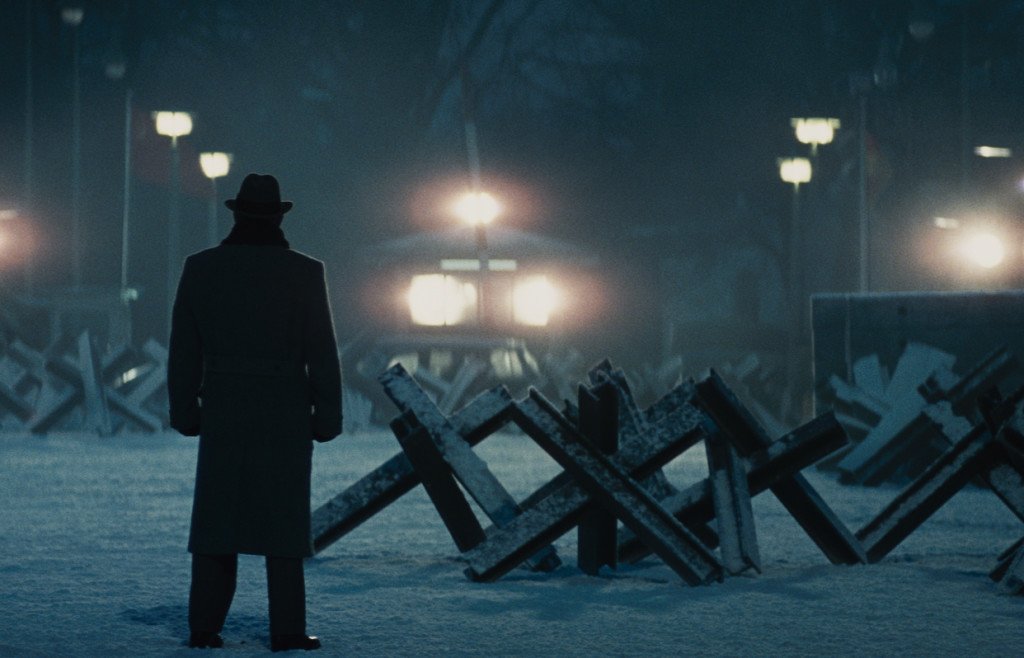
East Germany turned human misery into foreign exchange at $96,000 per head. Socialism requires capitalism to survive.
Between 1963 and 1989, the German Democratic Republic sold 33,755 political prisoners to West Germany for hard currency. The going rate started at 40,000 Deutsche Marks per prisoner in the early years and climbed to 95,847 marks by the end. You can find the invoices in the Stasi archives today. Line items included "one dissident journalist" and "three church activists." The East German state needed every Deutschmark it could get because its command economy couldn't produce goods anyone wanted to buy.
A government so desperate for foreign currency created a production line of human trafficking with bureaucratic precision. The Stasi arrested dissidents, processed the paperwork, and shipped them west like any other export commodity. Church groups and West German officials negotiated bulk discounts. The whole operation generated $3.4 billion over three decades.
A socialist paradise that claimed to represent the workers had to sell its own citizens to the capitalist enemy to keep the lights on. East Germany couldn't manufacture anything that the world market valued except the bodies of people trying to escape socialism. Every transaction proved that their entire economic system was a fraud that survived only by parasitically extracting value from the very capitalism it claimed to oppose.
The Berlin Wall fell in 1989, but you still hear academics praise central planning and command economies today. They never mention that East Germany's most successful export program involved selling human beings by the pound to fund their workers' paradise.
29
223
619
13,821
Robert Wearne retweeted

“I never thought I’d live to see the day when the right wing would become the cool ones giving the middle finger to the establishment, and the left wing becoming the snivelling self-righteous twats, going around shaming everyone.”
- John Lydon, The Sex Pistols

926
19,743
95,722
1,338,886

Robert Wearne retweeted

Jun 11
It's hard to beat Israeli technology!
TEL AVIV, Israel - The Israelis are developing an airport security device that eliminates the privacy concerns that come with full-body scanners.
It's an armoured booth you step into that will not X-ray you, but will detonate any explosive device you may have on your person.
Israel sees this as a win-win situation for everyone, with none of this crap about racial profiling.
It will also eliminate the costs of long and expensive trials.
You're in the airport terminal and you hear a muffled explosion. Shortly thereafter, an announcement:
"Attention to all standby passengers,
El Al is pleased to announce a seat available on flight 670 to London.
Shalom!
419
1,391
8,310
231,182
Jun 10
There are parallels to much of the professional political class and senior public servants in Australia.

While six million Ukrainians starved to death in 1932-33, Stalin employed a personal chef who prepared elaborate Georgian feasts in his private dining rooms. You need to understand what this tells you about the fundamental nature of state power and economic calculation.
Stalin maintained twenty dachas across the Soviet Union, each staffed with servants, stocked with rare wines, and equipped with private cinemas for his entertainment (this makes for a very interesting Google search). His security detail numbered in the thousands. His personal train car featured bulletproof glass and mahogany paneling. Meanwhile, peasants in Ukraine ate grass, bark, and leather belts before dying in the streets. Bureaucratic incompetence did not cause this. The iron logic of socialism produced it.
Central planners face no market prices to guide resource allocation. Without profit and loss signals, they cannot know what people actually need or value. So resources flow to political priorities instead of economic ones. Stalin's comfort took precedence over Ukrainian lives because political power, not consumer demand, determined production and distribution. The state controlled all grain, all transportation, all information. When you eliminate private property and market exchange, you eliminate the only mechanism that coordinates production with human needs.
Free market economists predicted this outcome decades before the Holodomor. Ludwig von Mises explained in 1920 that socialist economies cannot rationally allocate resources because they lack price signals from voluntary exchange. Without market prices, central planners operate blindly. They literally cannot know what to produce, how much to produce, or where to send it.
Every socialist experiment repeats this pattern: the political elite live in luxury while ordinary people suffer shortages, famines, and death. This outcome was inevitable the moment private property was abolished.

14
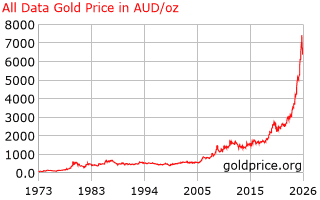
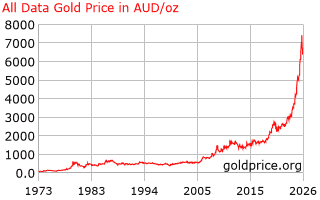
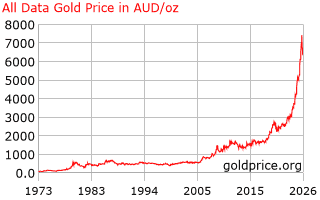
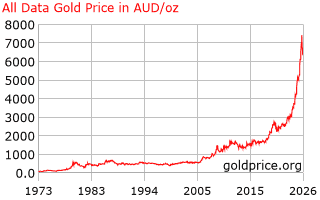
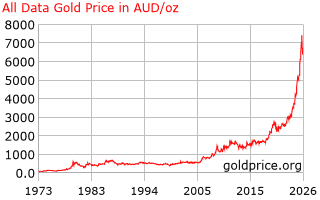
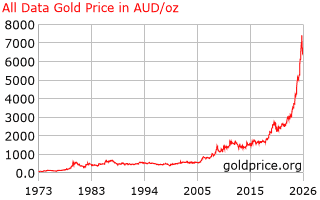
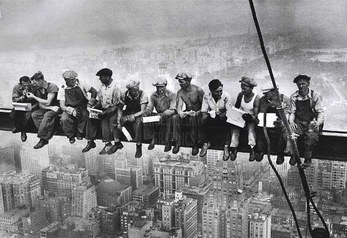
The period from 1870 to 1913 witnessed the most spectacular economic growth in human history, and you can thank the gold standard for making it possible. Real wages doubled in America. Railroad mileage exploded from 53,000 to 254,000 miles. Steel production increased twenty-fold. Population centers transformed into industrial powerhouses virtually overnight. Sound money created the foundation for genuine capital accumulation.
Under gold, entrepreneurs could calculate decades into the future without worrying about central bankers debasing their savings. Andrew Carnegie built his steel empire because he knew the purchasing power of his profits wouldn't evaporate through monetary manipulation. John D. Rockefeller revolutionized oil refining because stable money allowed long-term planning. These men risked enormous sums precisely because gold prevented government from stealing their wealth through inflation.
The productivity gains were staggering. Between 1880 and 1900, manufacturing output per worker increased by 65 percent. Prices fell consistently (deflation was normal and healthy), which meant your purchasing power grew every year you delayed consumption. Real interest rates reflected actual time preference and productivity, not central bank targets. Capital flowed to its most productive uses because price signals weren't distorted by monetary debasement.
Compare this to our fiat era: since 1971, productivity growth has stagnated, real wages have barely budged, and asset bubbles have replaced genuine wealth creation. The Federal Reserve calls 2% annual theft "price stability" while wondering why inequality keeps rising. They've replaced the automatic discipline of gold with the arbitrary whims of PhD economists who think they can fine-tune a $26 trillion economy.
You want to understand why your generation can't afford houses while previous generations built transcontinental railroads? We abandoned the monetary system that funded the greatest economic boom in recorded history.
46
188
591
44,709
Robert Wearne retweeted

Jun 9
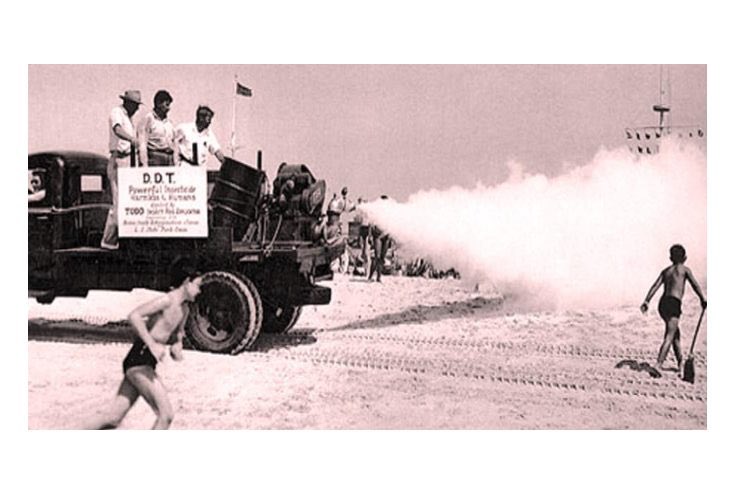
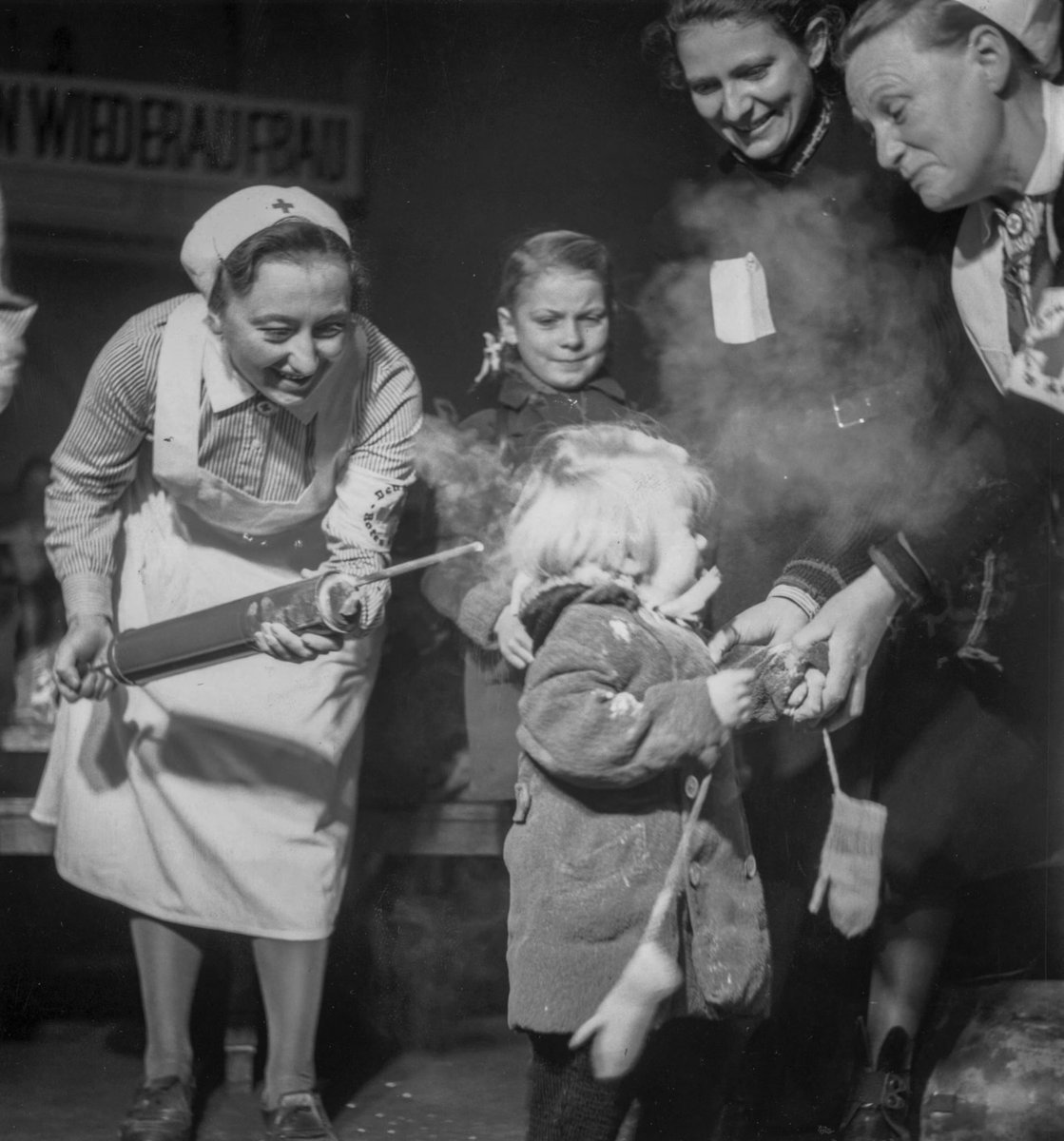
Van 1945 tot 1972 werd DDT in de Verenigde Staten op enorme schaal gebruikt. Overheidsdiensten besproeiden woonwijken, scholen, stranden en speelplaatsen. Kinderen renden lachend door de mistwolken. De overheid was overtuigd. De experts waren overtuigd. Vrijwel de hele samenleving was overtuigd.
Maar er waren ook vroeg dissidenten. Een soort van wappies of ketters.
Al in de jaren veertig waarschuwden wetenschappers, artsen en biologen voor mogelijke risico’s. Zij wezen op toxiciteit, ophoping in de voedselketen en mogelijke schade aan mens en milieu. Hun bezwaren werden weggewuifd. Het dominante antwoord was simpel: de voordelen waren te groot, de critici overdreven.
Dat is precies waarom geconcentreerde macht zo gevaarlijk kan zijn.
De mensen achter het beleid waren meestal intelligent, extreem goed opgeleid en handelden naar eer en geweten. Het probleem was niet hun intentie. Het probleem was de overtuiging dat zij voldoende kennis bezaten om voor miljoenen anderen te beslissen.
Wanneer een individu een fout maakt, zijn de gevolgen beperkt. Wanneer een bedrijf een fout maakt, betalen aandeelhouders en klanten de prijs. Maar wanneer een overheid een fout maakt, wordt die fout uitgerold over een heel land.
En wanneer dezelfde overheid bepaalt welke experts geloofwaardig zijn en welke zorgen overdreven zijn, ontstaat nog een tweede probleem: de ketters verdwijnen uit beeld.
De geschiedenis laat zien dat vooruitgang vaak begint bij een kleine minderheid die tegen de consensus ingaat. Galileo was een ketter. Semmelweis was een ketter. De eerste critici van DDT waren ketters. Niet omdat zij altijd gelijk hadden, maar omdat zij vragen stelden die de meerderheid liever niet hoorde.
Een vrije samenleving heeft ruimte voor zulke stemmen. Een gecentraliseerd systeem heeft de neiging ze te marginaliseren.
De les van DDT gaat daarom veel verder dan pesticiden. Het is een les in intellectuele bescheidenheid. Overheden, wetenschappers, experts en politici beschikken over kennis. Zij beschikken nooit over alle kennis. En meestal meer macht dan kennis. En de fatale arrogantie van de macht.
Juist daarom zijn decentralisatie, concurrentie van ideeën en een gezonde dosis wantrouwen tegenover macht zo belangrijk.
De gevaarlijkste woorden in de politiek zijn vaak niet “ik wil macht”.
De gevaarlijkste woorden zijn: “de wetenschap is definitief beslist, de experts zijn het eens, stop met vragen stellen.”
15
114
210
5,794
Robert Wearne retweeted

Jun 9
Tout le monde pense que le monde libre a gagné en 1989, à la chute du mur de Berlin.
C'est faux.
Et c'est exactement pour ça que le monde est aujourd'hui en feu.
Ce qui est tombé le 9 novembre 1989, c'est un appareil.
Une économie planifiée, un empire militaire, un mur de béton. Ce qui n'est pas tombé, c'est l'idée. L'idée que le monde se divise en oppresseurs et en opprimés. L'idée qu'il existe une égalité finale à atteindre, par tous les moyens. L'idée que tout ce qui existe (la famille, la nation, le mérite, l'héritage) est une structure de domination à abattre.
Cette idée-là n'était plus dans le bâtiment quand le bâtiment s'est effondré.
Il faut reprendre la chronologie, parce que tout est dans la chronologie :
Le communisme économique avait un défaut fatal : il était réfutable. Il promettait l'abondance, il produisait des famines. Il promettait l'émancipation, il produisait des barbelés. Budapest 1956, Prague 1968, L'Archipel du Goulag publié à Paris en 1973, les boat people de 1979 : à chaque décennie, le réel envoyait sa réfutation. Les boat people étaient une réfutation flottante, visible depuis les plages.
Alors l'idéologie a fait ce que fait tout organisme menacé : elle a muté.
La mutation a un nom, et j'en ai raconté la généalogie ici : la French Theory.
Foucault a déplacé la guerre du terrain des faits, où le communisme perdait à chaque fois, vers le terrain du savoir lui-même.
S'il n'y a pas de vérité, s'il n'y a que des rapports de pouvoir déguisés en savoir, alors plus aucune famine, plus aucun mur, plus aucun goulag ne peut réfuter quoi que ce soit.
La French Theory n'a pas enterré le marxisme.
Elle l'a rendu irréfutable.
Et la mutation a des dates. Toutes antérieures à 1989.
1934 : l'École de Francfort, chassée d'Allemagne, s'installe à Columbia. La critique de l'économie devient critique de la culture.
1964-1965 : Marcuse, exilé allemand devenu professeur américain, remplace le prolétariat défaillant par un nouveau sujet révolutionnaire (les minorités, les étudiants, les marginaux) et écrit noir sur blanc que la tolérance doit être accordée aux mouvements de gauche et refusée à ceux de droite.
Octobre 1966 : le débarquement a une date précise. Université Johns Hopkins, Baltimore. Derrida, Barthes, Lacan présentent la pensée française aux campus américains.
1967 : Rudi Dutschke lance le mot d'ordre, la longue marche à travers les institutions.
1968 : les révolutions de rue échouent partout.
Qu'importe. La révolution ne passera plus par la rue, elle passera par la salle de classe.
1975-1985 : Yale, Berkeley, Columbia absorbent la théorie, qui devient le système d'exploitation des humanités.
1987 : Allan Bloom publie The Closing of the American Mind pour donner l'alerte. Un million d'exemplaires vendus.
L'université le traite de réactionnaire et passe à autre chose.
L'Amérique avait son Aron, elle en a fait la même chose que nous du nôtre.
Puis arrive le 9 novembre 1989.
Le Mur tombe. L'Occident célèbre. Fukuyama avait déclaré la fin de l'Histoire dès l'été, avant même la chute. On démantèle les missiles, on encaisse les dividendes de la paix, on déclare le match terminé.
Nous avons célébré notre victoire sur une adresse vide. L'idéologie avait déménagé vingt ans plus tôt. Nous avons gagné contre les chars et perdu contre les chaires.
Pendant ce temps, l'autre empire communiste faisait la lecture inverse. Pékin avait écrasé Tian'anmen dans le sang cinq mois avant Berlin. Sinistre, mais lucide sur un point : la Chine savait que la guerre était idéologique.
Elle a choisi : abandonner l'économie marxiste, garder le contrôle du récit. L'Occident a fait l'exact opposé : il a gardé le marché et absorbé l'idéologie. Trente-cinq ans plus tard, regardez qui construit des centrales et qui déboulonne ses statues.
Vous voulez la preuve que c'est le même logiciel ? Faites la table de correspondance.
La lutte des classes est devenue la lutte des identités.
Les koulaks sont devenus les privilégiés.
L'autocritique maoïste est devenue le privilege checking. Les commissaires politiques sont devenus les DEI officers.
Le samizdat est devenu le compte shadowbanné.
La nomenklatura a quitté Moscou pour Davos et Bruxelles.
Et le paradis ne s'appelle plus la société sans classes : il s'appelle l'équité, l'égalité des résultats.
Exactement ce que je décrivais ici il y a quelques semaines.
On me dira : il n'y a pas de Goulag.
C'est vrai. C'est même tout le génie de la version 2.0.
Le communisme dur devait briser les corps parce qu'il ne tenait pas les esprits.
Le communisme mou tient les esprits : il lui suffit de briser les carrières.
Pas de camps, des services RH.
Pas de procès de Moscou, des excuses publiques.
Pas de Sibérie, la mort sociale.
Demandez aux émigrés du bloc de l'Est installés en Occident ce qu'ils ressentent en traversant une université américaine en 2026.
Ils reconnaissent l'odeur.
Et voilà pourquoi le monde est en feu.
Une civilisation a passé trente-cinq ans à enseigner à ses propres enfants qu'elle était le problème. Résultat : elle ne sait plus défendre ses frontières, transmettre son héritage, ni même nommer ses ennemis.
Quand la présidente de Harvard, devant le Congrès, répond que condamner un appel au génocide « dépend du contexte », vous voyez le logiciel tourner en production.
Et les prédateurs du dehors lisent cette faiblesse comme un livre ouvert : Moscou teste, Pékin patiente, l'islamisme avance dans les rues de nos capitales.
Le feu extérieur n'est que la conséquence du désarmement intérieur. On ne brûle bien que les maisons qui se sont vidées de leurs défenseurs.
Le Mur n'est pas tombé. Il s'est déplacé. Il ne sépare plus l'Est de l'Ouest : il passe désormais à l'intérieur de chaque institution occidentale, entre ceux qui construisent et ceux qui déconstruisent.
La première guerre froide s'est gagnée avec des missiles et du PIB. La seconde se gagnera avec des écoles, des médias libres et des modèles d'IA. Celui qui écrit les valeurs dans les machines écrira le prochain 1989.
Cette fois, ne nous trompons pas de victoire. Au travail.
1,028
6,167
19,406
1,890,744
Robert Wearne retweeted

During Marx's lifetime, roughly 1818 to 1883, Britain was operating under the classical gold standard.
The Bank Charter Act of 1844 formally anchored the pound to gold. Every note in circulation had to be backed by gold reserves. Money couldn't simply be printed. Credit expansion had real limits.
This is a devastating problem for applying Marx directly to the modern world.
Marx built his entire critique of exploitation, surplus value, capital accumulation, and wage suppression while observing an economy running on hard money.
The capitalism he autopsied was brutal, yes.
But it was brutal under monetary discipline.
What we have today is fundamentally different:
Fiat currency since 1971
Unlimited deficit spending
Central bank money creation
Negative real interest rates
Asset inflation by design
Debt that never gets liquidated
Marx never saw any of this. He couldn't have.
So when modern Marxists use his framework to diagnose today's inequality, they're using a tool built for one machine to fix another.
The exploitation Marx witnessed was employer-over-worker.
The exploitation today is monetary and financial: governments, central banks, and asset owners extract wealth through currency debasement, credit expansion, and financial engineering.
Same victim. Completely different weapon.
Marx didn't see the change in weapons.
That's the gap Schumpeter, Kondratieff, Minsky, and Hudson exist to fill.

Karl Marx saw work as a path to leisure, Adam Smith saw it as employer profit, and Keynes predicted that technological progress would reduce the workweek to 15 hours. Instead, capitalism delivered longer hours, harsher exploitation, and wealth funnelled to billionaires.
2
3
15
1,401
Robert Wearne retweeted

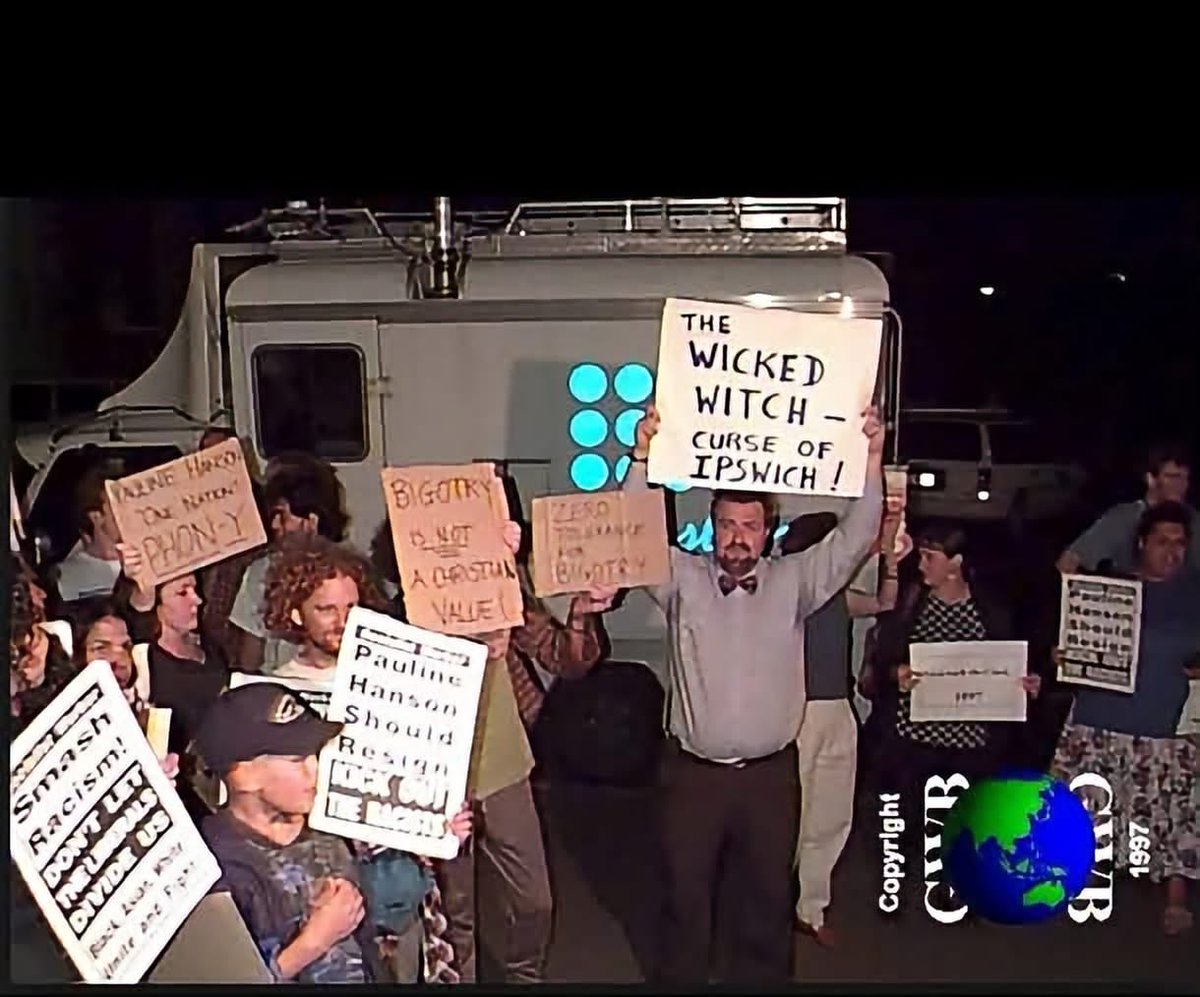
In 1994, to 1997 the ALP ran a 3 year campaign against Pauline called "Ditch the Witch." They stood outside the Ipswich civic centre with signs and even with dogs wearing signs on them with "Ditch the Witch" And the "Witch of Ipswich" Now the ALP are crying over the use of the word Witch, calling it sexist and an attack on women..
97
754
2,066
24,343
Robert Wearne retweeted

Alternatively the left’s great vision for Australia:
- Pay for foreigners to move here and replace the native born population of Australia
- Balkanise the state into a bunch of different mutually hostile ethnic enclaves
- Give these ethnic voting blocs permanent veto power over Australian foreign policy
- Eventually remove Australia from the Western alliance system
- Change the name of the country, change the flag, change the name of all major cities so that nothing is left of Australia’s traditional Western culture
- Eventually make Australia simply a Chinese vassal state/resource extraction colony as permanent revenge for white people settling the continent.
Jun 9

Pauline Hanson wants to conscript you and blow out the countries debt by 40% for no reason
34
108
947
28,144
Jun 8
RT @TRobinsonNewEra: 16 year old Mernda Aussie teen Declan was hunted by a Sudanese youth gang then stabbed 56 times and he received 66 blu…
32,833
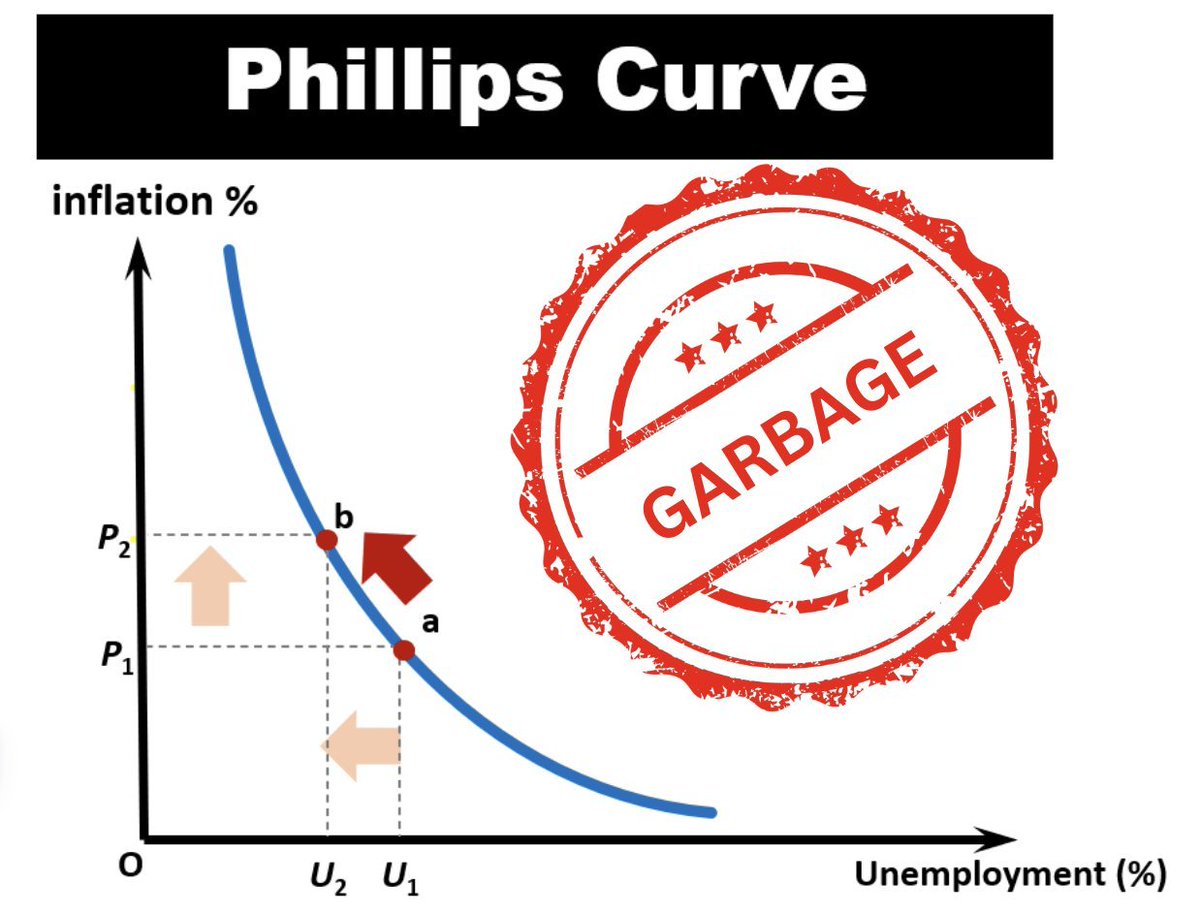
The 1970s obliterated the most cherished myth in mainstream economics: the Phillips Curve trade-off between unemployment and inflation. When stagflation hit America with double-digit inflation alongside soaring unemployment, Keynesian economists scrambled like cockroaches when the lights come on. Their beautiful models crumbled into irrelevance.
The Phillips Curve promised policymakers a menu of choices. Want lower unemployment? Accept higher inflation. Want price stability? Live with more joblessness. Paul Samuelson and other establishment economists sold this fairy tale to politicians for decades. The Federal Reserve and fiscal planners built entire policy frameworks around this supposed relationship.
Then reality struck. From 1973 to 1975, unemployment jumped from 4.9% to 8.5% while inflation raged above 10%. The "misery index" (inflation plus unemployment) peaked at over 20% in 1980. You couldn't explain this with any Keynesian model. The trade-off vanished. Politicians faced the worst of both worlds simultaneously.
Sound money advocates had predicted this outcome for years. Ludwig von Mises explained in the 1940s how artificial credit expansion creates unsustainable booms followed by inevitable busts. Inflation distorts price signals and capital allocation. Unemployment follows as malinvestments unravel and resources reallocate to their proper uses.
Milton Friedman (borrowing heavily from free market insights) introduced "natural rate" theory to explain stagflation, but even this missed the deeper point. The entire Keynesian project of fine-tuning the economy through aggregate demand management was fundamentally flawed. Central planners cannot engineer prosperity by manipulating money and credit any more than Soviet commissars could set accurate prices for wheat and steel.
30
84
279
6,984