
Senior Fellow with @TheGoodISIS, covering Iran, North Korea, illicit trade, and nuclear weapons in general. Institute for Science and International Security
Joined October 2022
- Tweets 1,297
- Following 300
- Followers 1,084
- Likes 593
42 Photos and videos
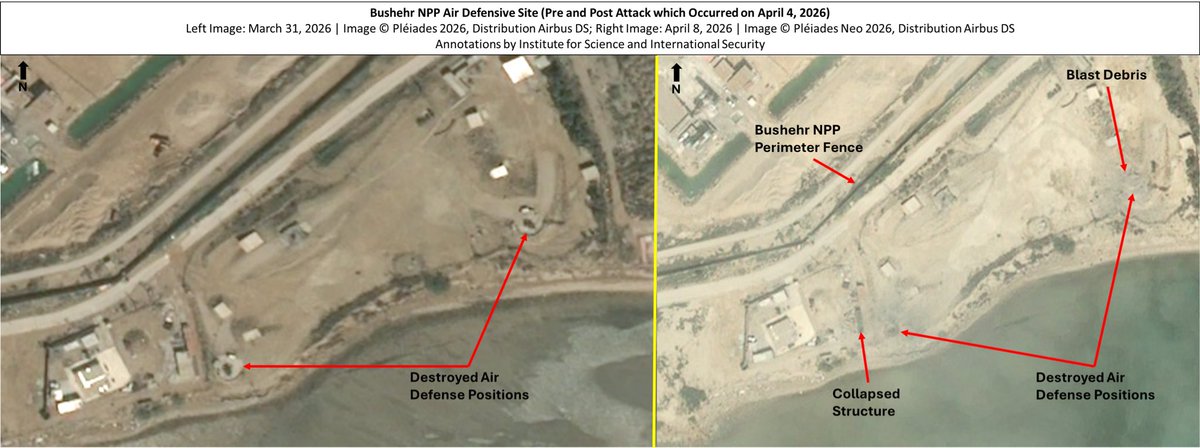
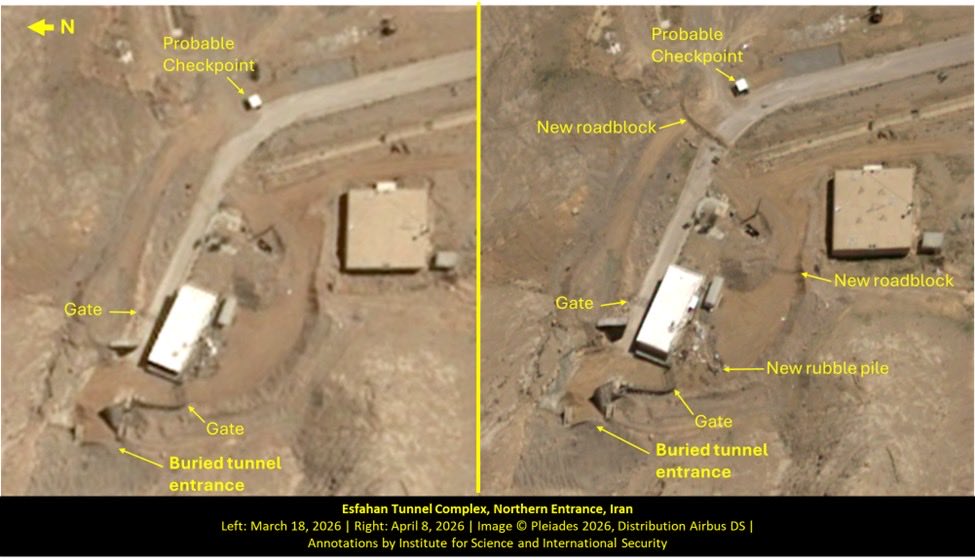
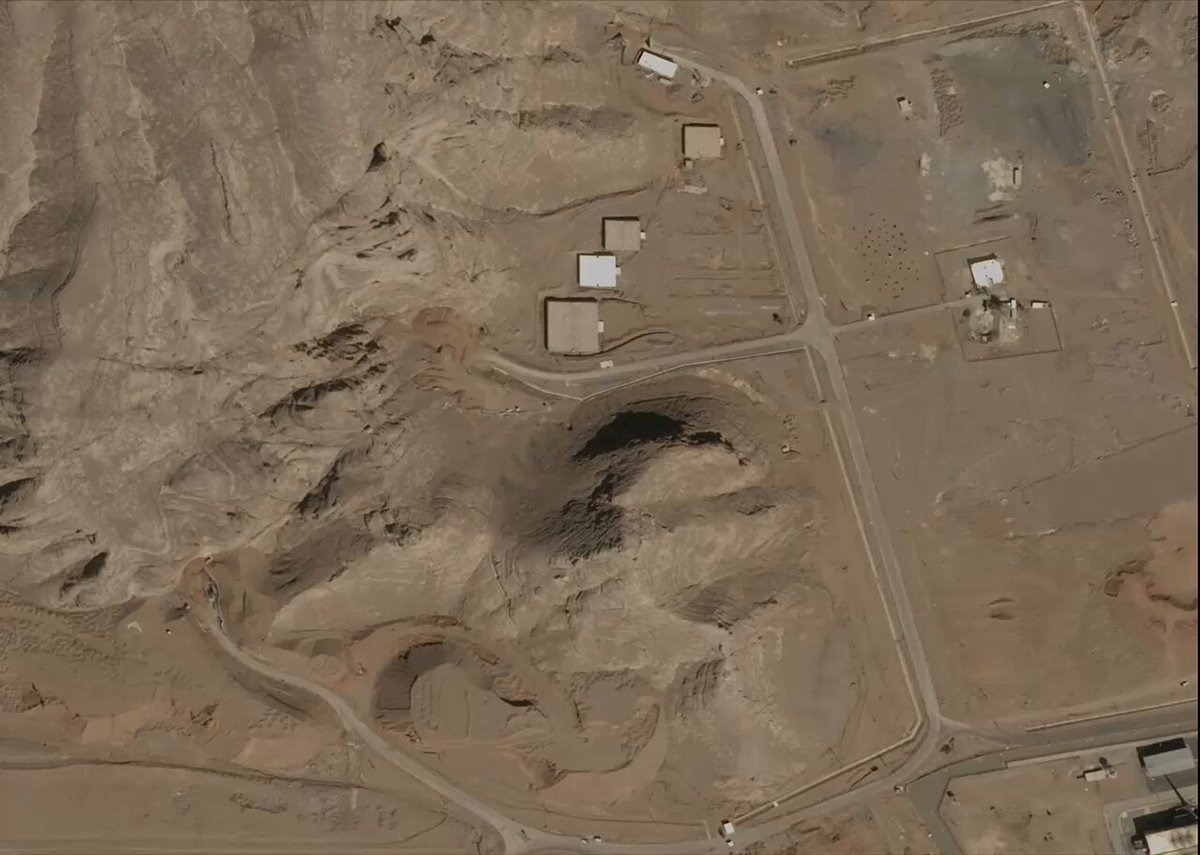
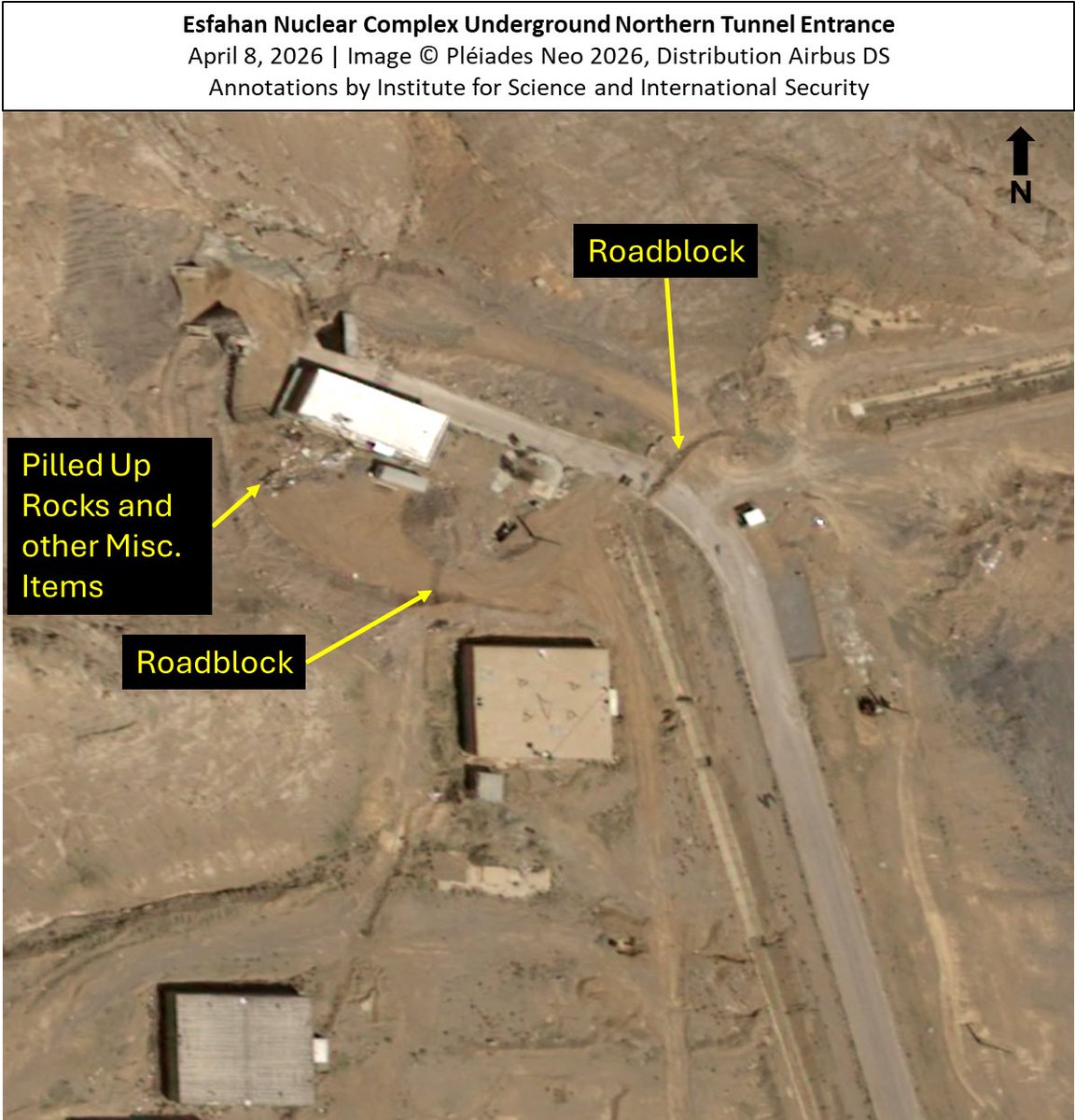
Spencer Faragasso retweeted

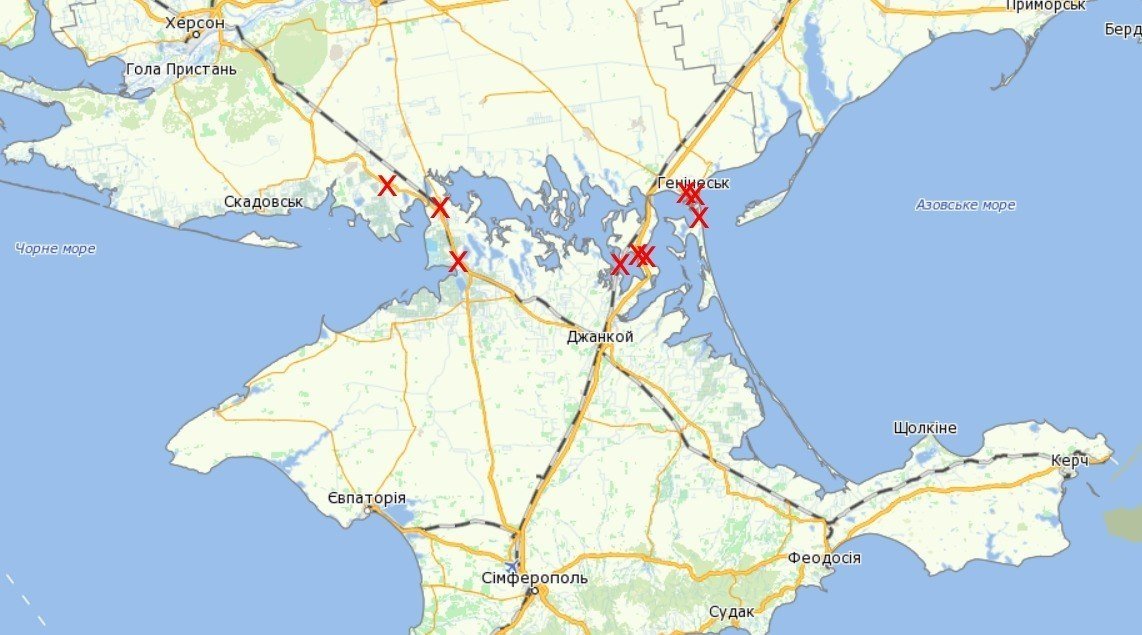
Ukraine's forces keep hammering Russia's logistics into Crimea. Commander Filatov says a railway bridge and pontoon crossing near Chongar got hit today, after Russia tried replacing the destroyed Chongar bridge with pontoons, which also got hit.
Over the past week, every key route between Crimea and Kherson region has been struck: Chongar bridge, the Arabat Spit bridge, Perekop-Armyansk bridge, the bridge near Stavky, and two bridges over the North Crimean Canal.
Jun 12

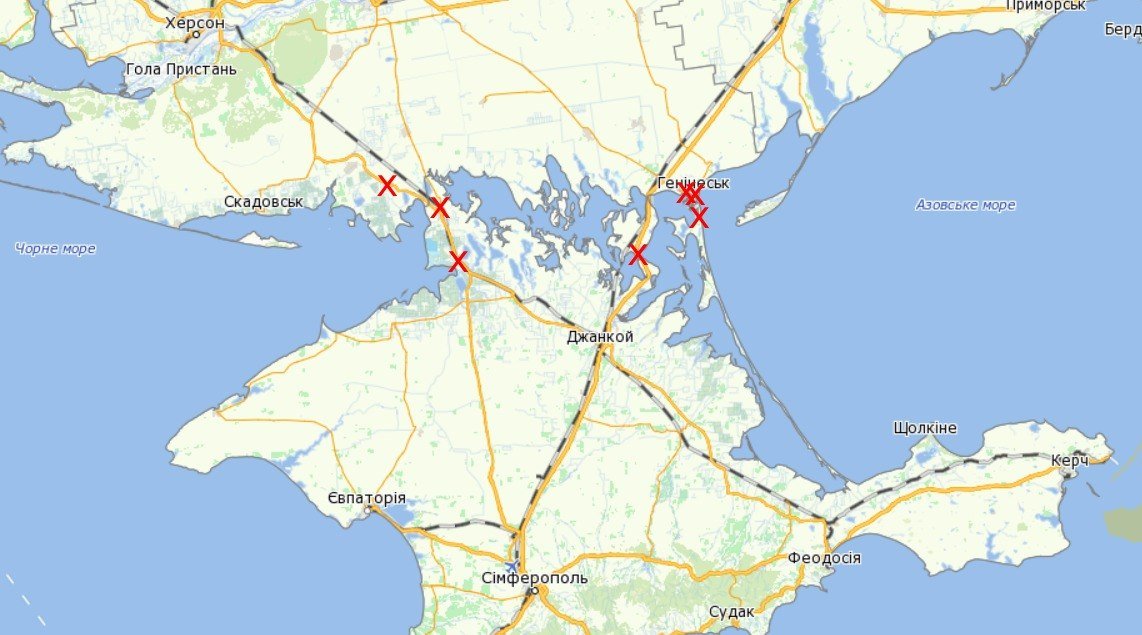
Ukrainian forces systematically hit all key land corridors connecting occupied Kherson region with Crimea over recent days, @DrnBmbr reports. All three main routes are effectively blocked or severely limited.
Strikes hit Chongar bridge twice closing traffic, damaged Arabat Spit bridge near Henichesk with limited movement, plus Perekop-Armyansk bridge, Stavky bridge and two North Crimean Canal bridges.
15
203
1,141
42,209
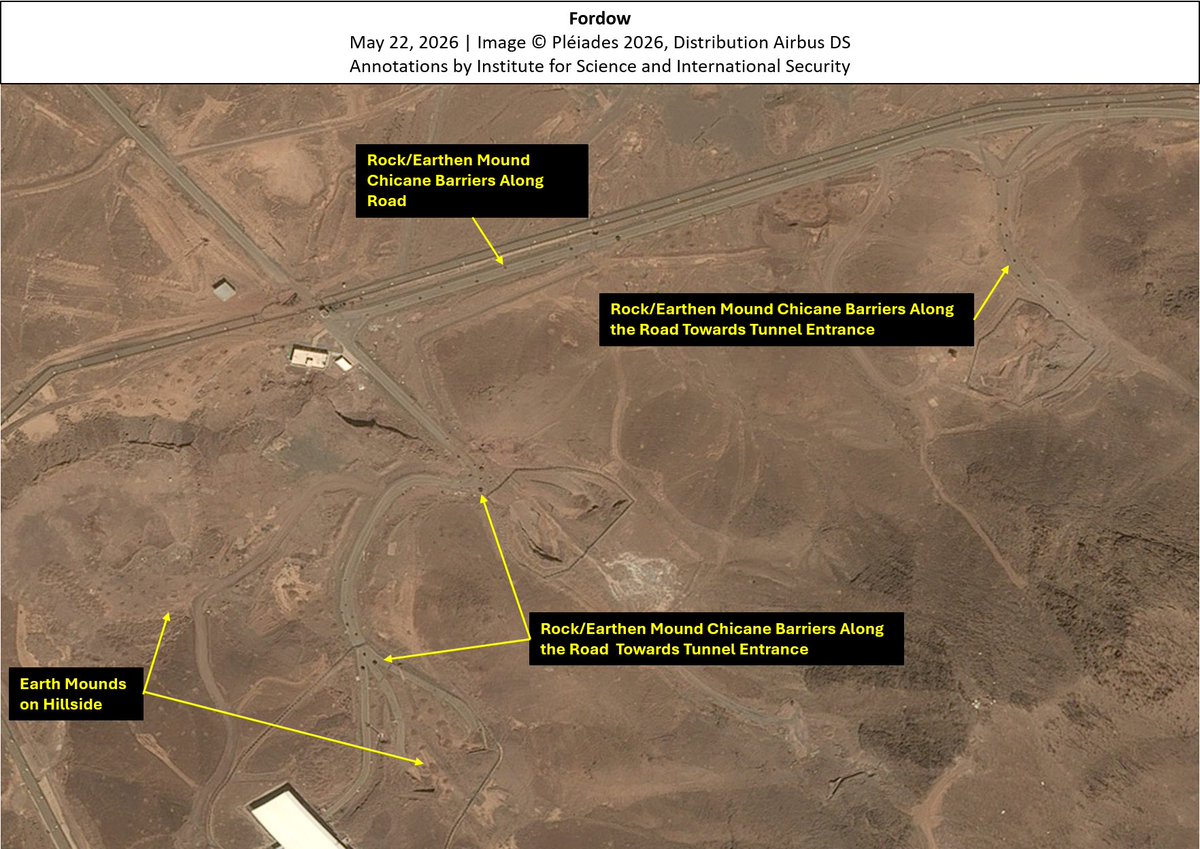
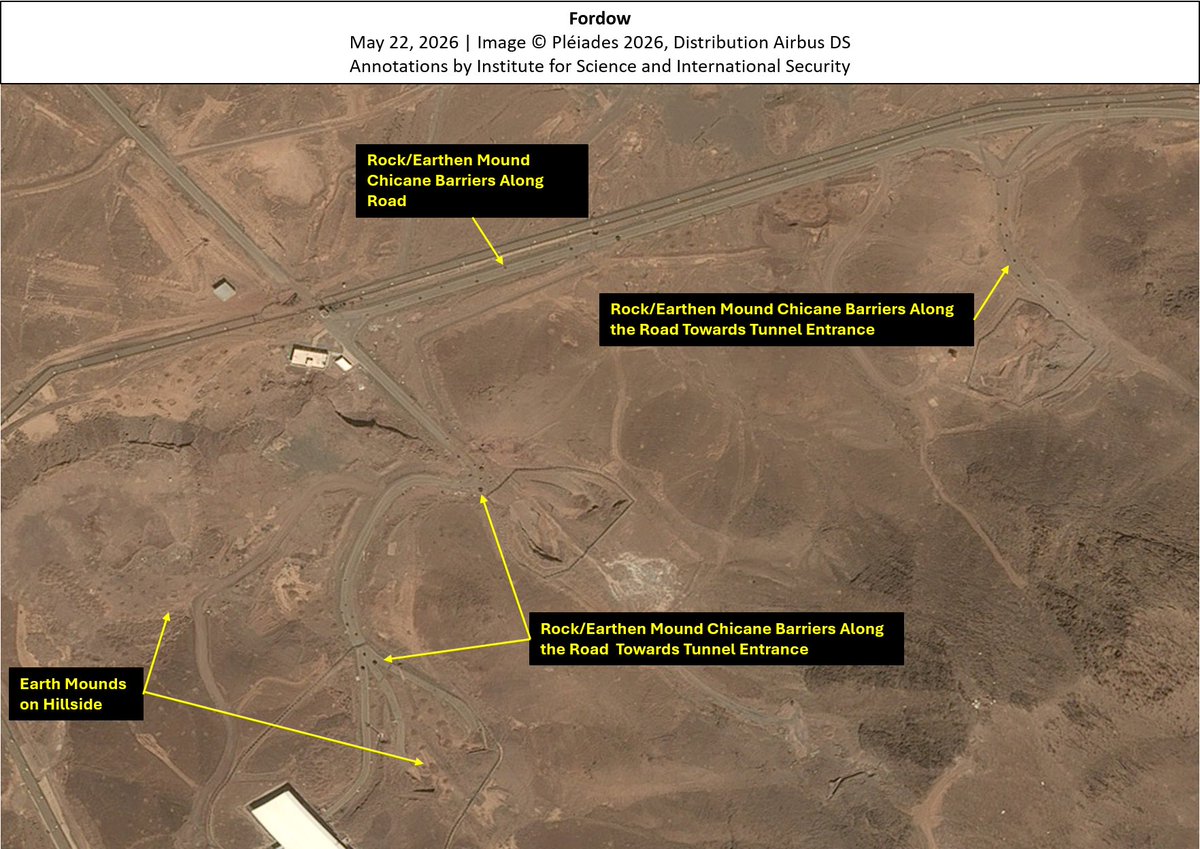
Unclear if this is in reference to the “objects” / “rock/earthen mound chicane barriers” we observed placed along the road leading to a backfilled tunnel entrance at Fordow. It is possible that enriched uranium was stored in that tunnel, although we cannot confirm this.
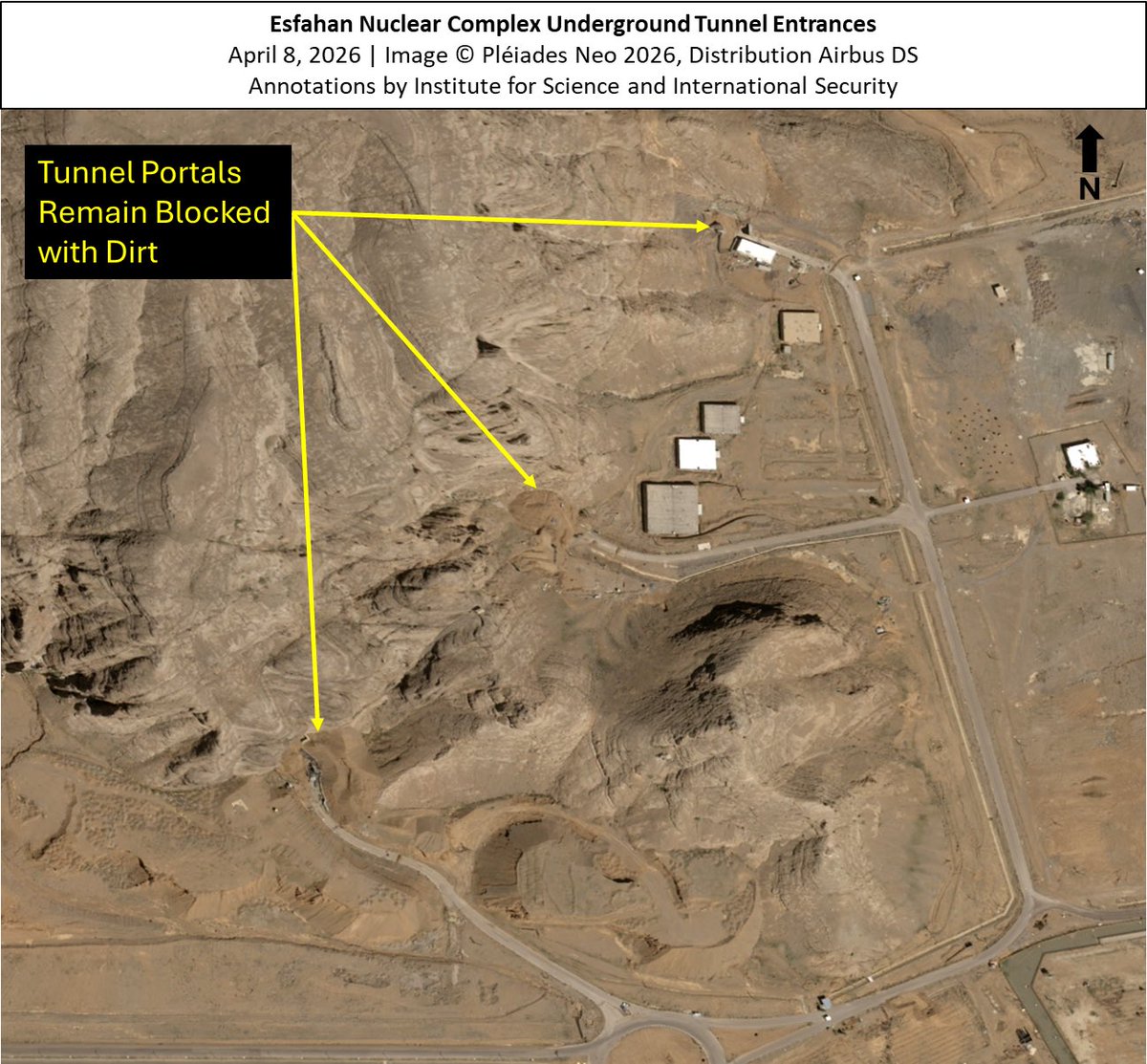
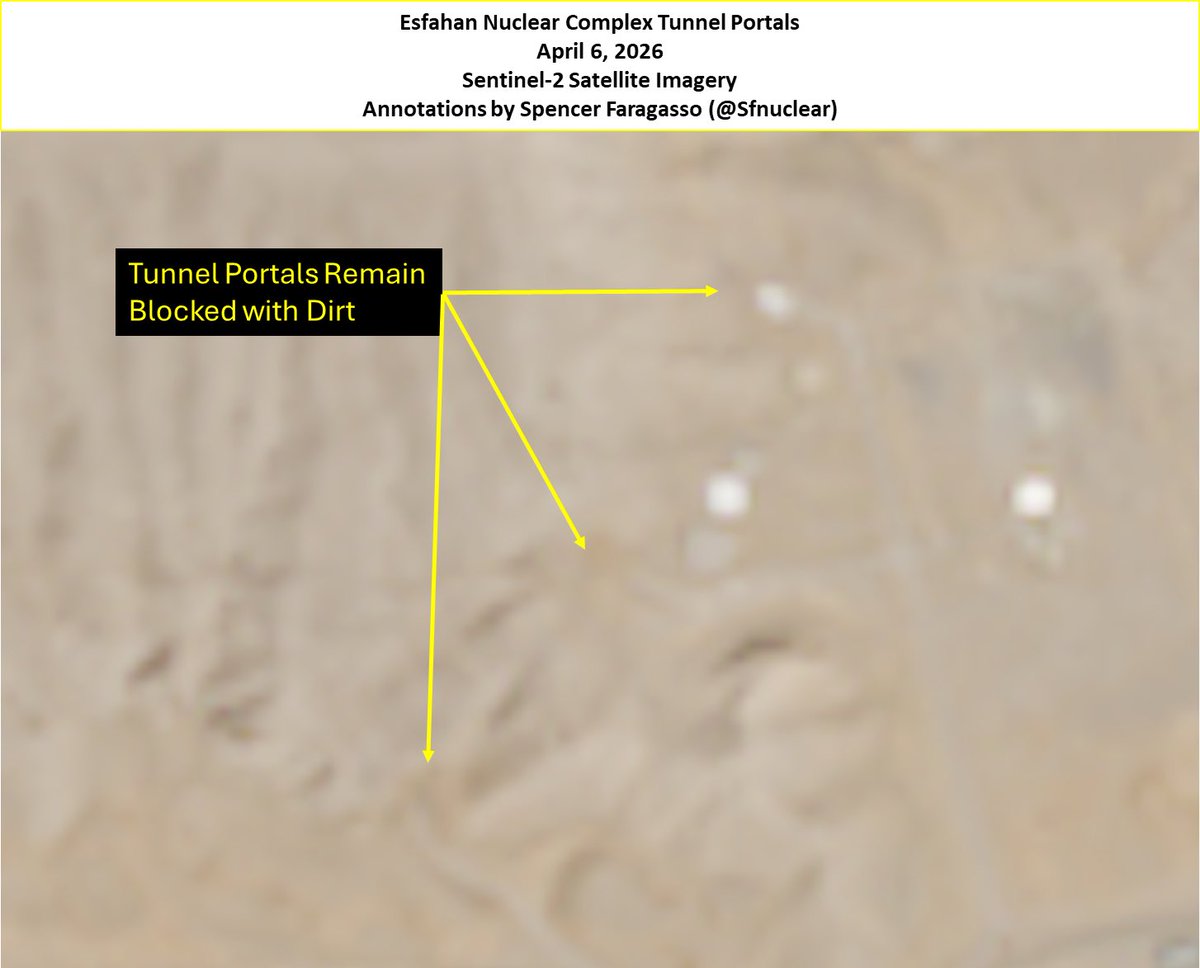
Esfahan is an obvious option since Iran had internal access to at least the Northern tunnel portal and possibly the middle one, too. Iran could have placed mines inside the backfilled tunnels there.
We are searching for more information.

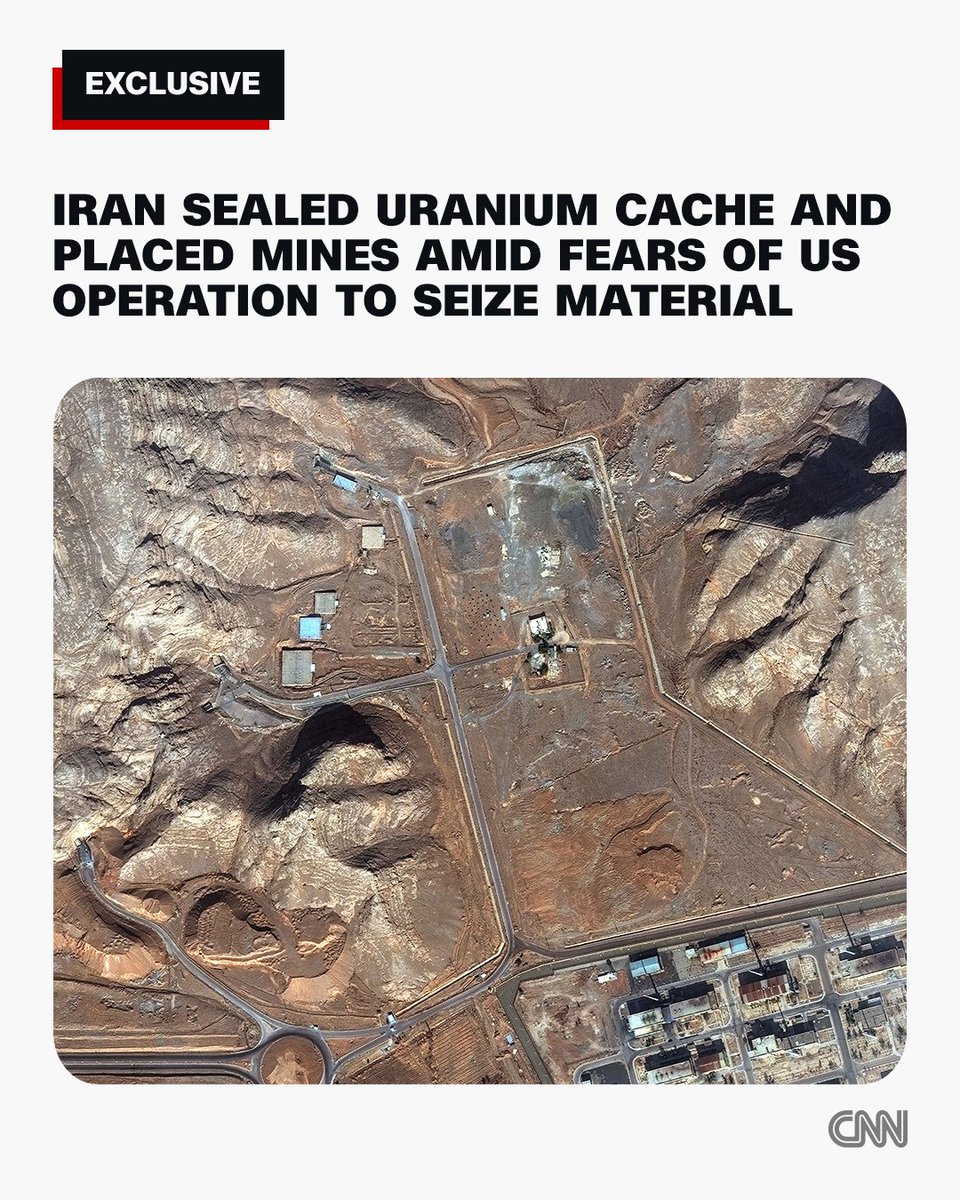
In recent weeks, Iran has dramatically escalated efforts to seal off its cache of near bomb-grade uranium, deliberately collapsing tunnels and booby-trapping entrances with explosive mines, according to five sources familiar with US intelligence. cnn.it/4eg0nBK
1
3
691

In recent weeks, Iran has dramatically escalated efforts to seal off its cache of near bomb-grade uranium, deliberately collapsing tunnels and booby-trapping entrances with explosive mines, according to five sources familiar with US intelligence. cnn.it/4eg0nBK
188
508
1,839
157,981
Spencer Faragasso retweeted

Jun 13
Footage shows a Ukrainian strike on the industrial zone in Nizhnekamsk, Tatarstan, where Ukrainian FP-1 drones targeted local refinery infrastructure. #Russia
Jun 13

FP-1 strike drones were filmed approaching oil refineries in Nizhnekamsk, Tatarstan, during yesterday's attack on the TANECO and TAIF-NK facilities. A video from the scene shows multiple drones reaching the industrial area as workers flee the site. #Russia
18
268
2,031
113,020
Spencer Faragasso retweeted

Jun 12
The U.S. Department of War has announced the third release of previously classified government records of unidentified anomalous phenomena (UAP/UFO) files. Today's release is comprised of several documents and videos spanning from 1949 to present day.
32
58
500
86,151
Spencer Faragasso retweeted

Jun 12
Satellite imagery shows Russia placed an anti-drone cage around a building at the VNIIR Progress military plant — unusual protection usually reserved for armored vehicles on the battlefield. Ukraine struck it with FP-5 Flamingo cruise missiles this week.
businessinsider.com/russia-w…
13
11
1,517
Spencer Faragasso retweeted

Jun 12
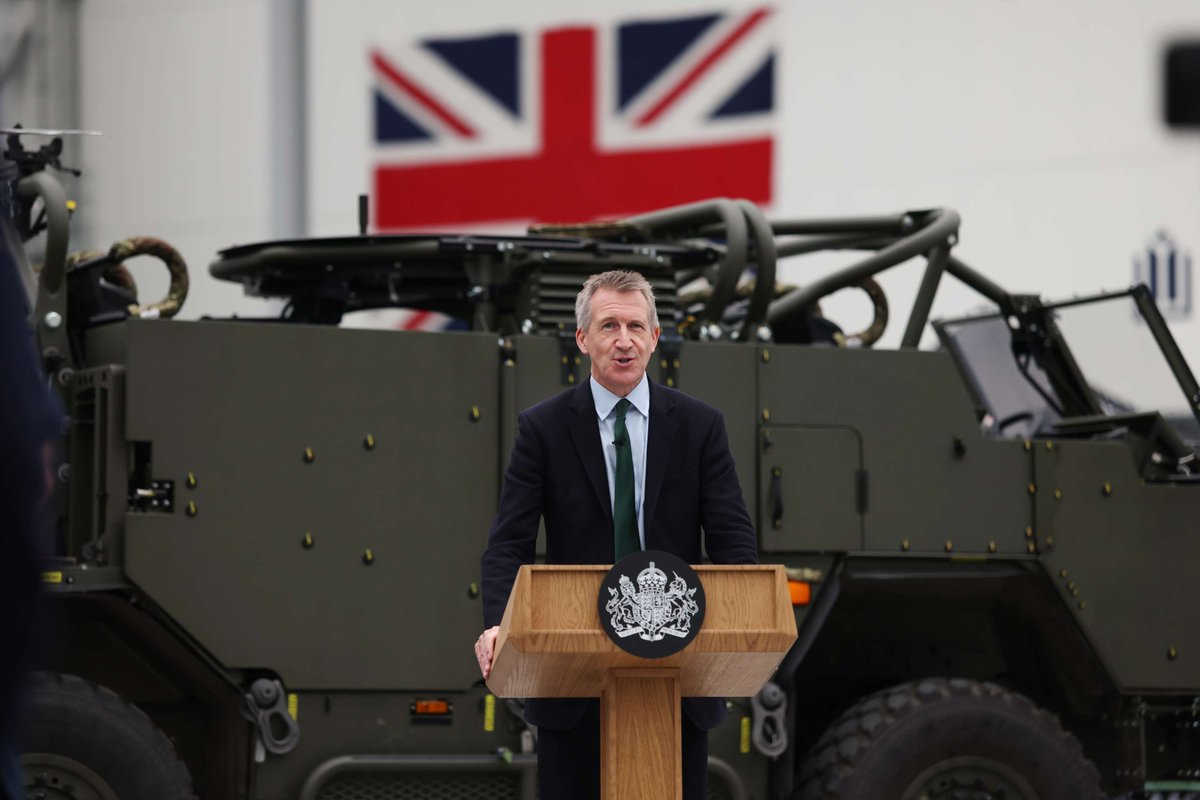
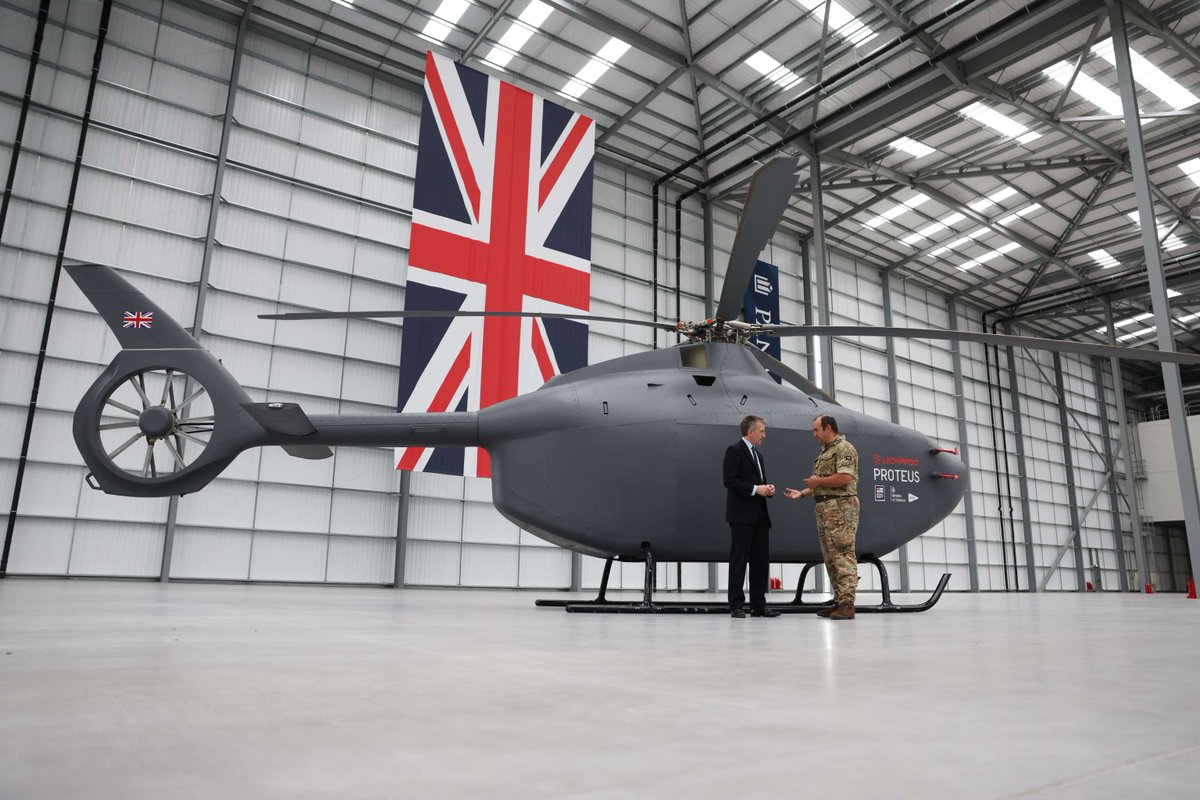
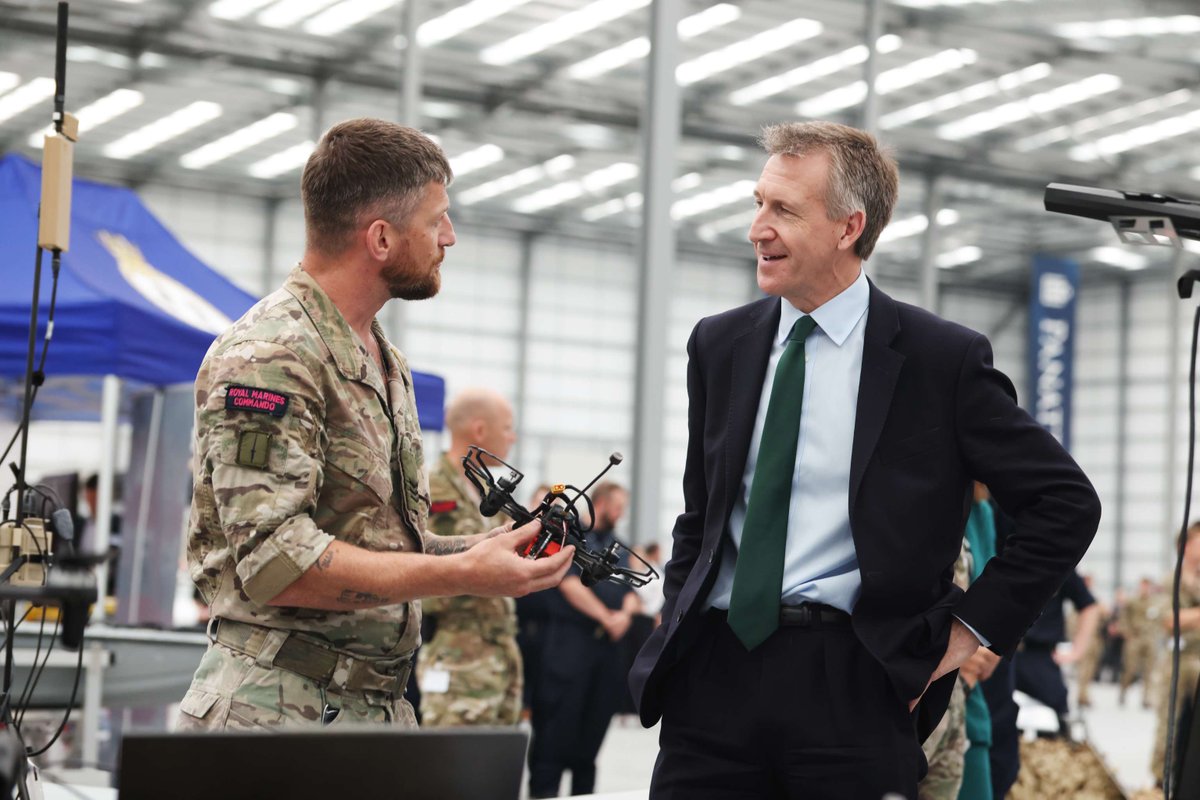
As drones reshape conflicts from Ukraine to the Middle East, we are focused on innovating faster.
Defence Secretary @DanJarvisMBE opened the new Uncrewed Systems Centre at DroneTEX, Europe’s largest drone testing facility, designed to develop and field capabilities at pace.

59
92
399
50,940
Spencer Faragasso retweeted

USA 🇺🇸 USA ganan, gustan y golean.
El gol del partido es de Folarin Balogun, presentado por @BankofAmerica
11
87
867
90,447
Spencer Faragasso retweeted

Opening Statement. 🇺🇸

1,768
11,836
75,887
3,027,243
Spencer Faragasso retweeted

Jun 12
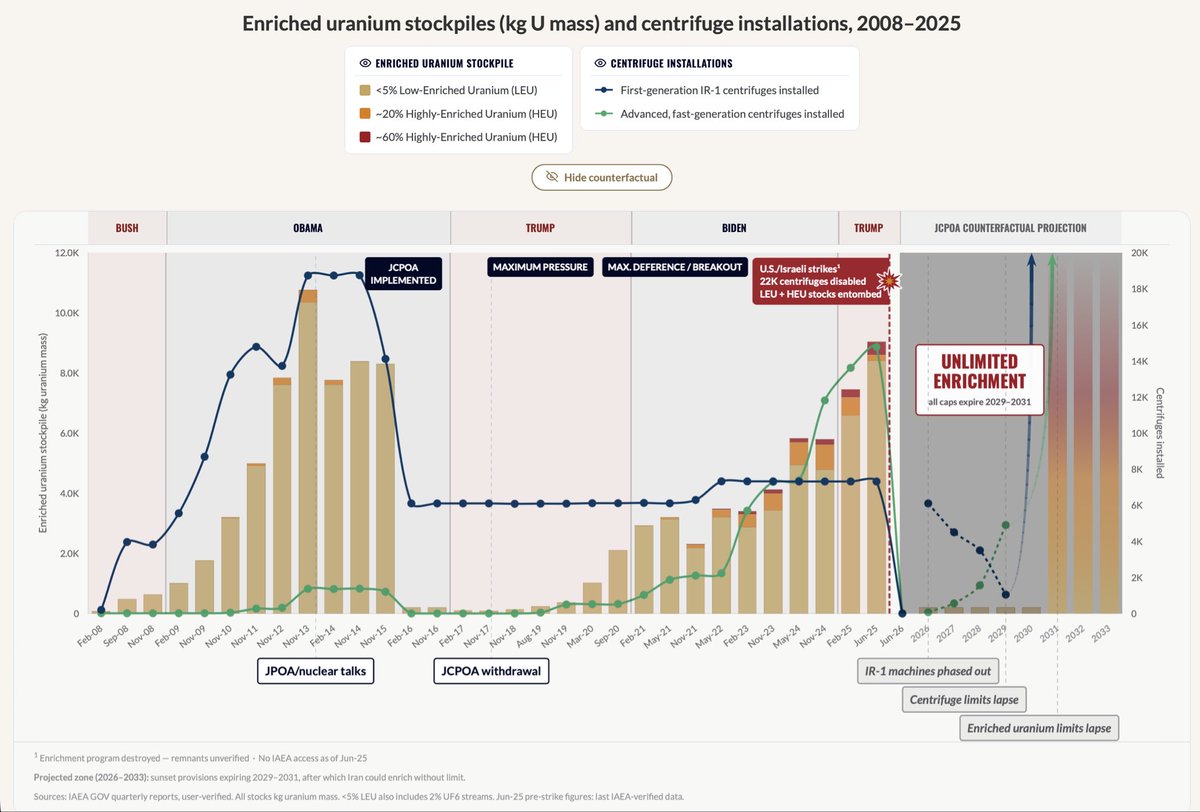
Trump prevented the JCPOA’s sunsets—which permitted a massive expansion of Iranian enrichment and zero breakout time—by withdrawing from the deal in 2018.
Then, U.S. and Israeli strikes in 2025 and 2026 disabled 22K Iranian centrifuges and entombed enriched uranium stockpiles.
@POTUS should maintain this progress by demanding Iran’s full, verified dismantlement in any new deal.
3
7
449
Spencer Faragasso retweeted
Jun 12
NEW @FDD Interactive Visual: Iran's Nuclear Enrichment Progress, 2008–2025 and Beyond
@POTUS' strikes have done more to set back Iran’s nuclear threat than diplomacy ever did — at least temporarily nullifying the threat of a near-term nuclear breakout.
Any negotiated agreement must therefore consider a new reality: for the first time since 2006, Iran is no longer enriching uranium and has no operating enrichment plants.
The United States should insist that Iran is never permitted to restart, and correspondingly, demand the full, verified dismantlement of all enrichment infrastructure, @mdubowitz and I explain:
fdd.org/analysis/2026/06/12/…
3
13
20
3,730

Jun 12
If true, this is tantamount to a ransom payment to Iran…. Why should the regime be rewarded for their terror?
reuters.com/world/middle-eas…
1
72
Spencer Faragasso retweeted

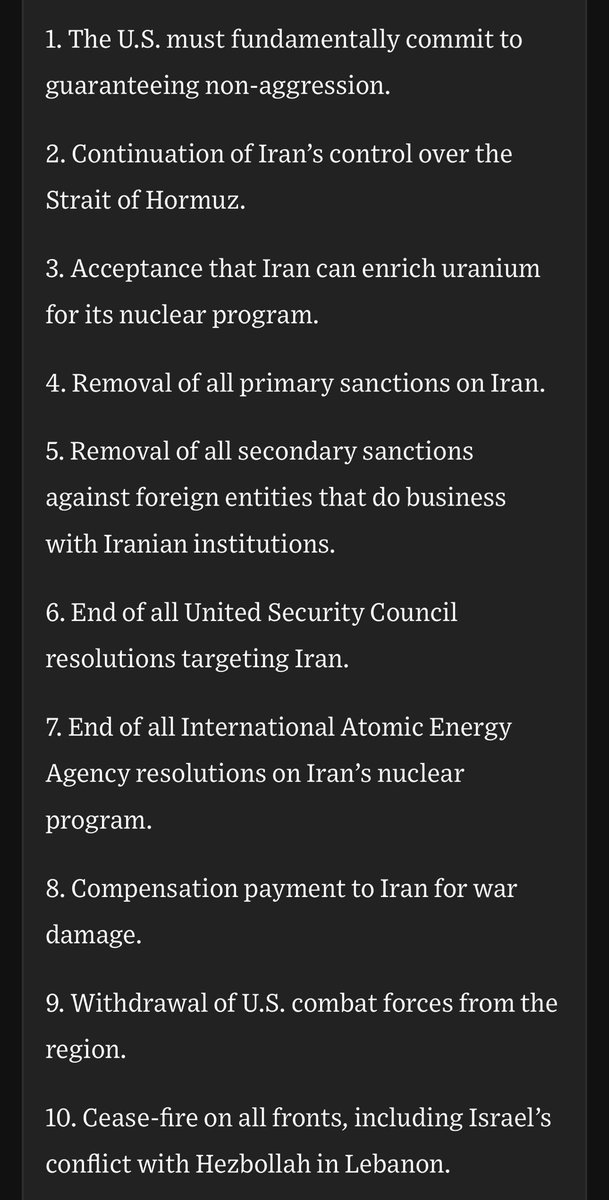
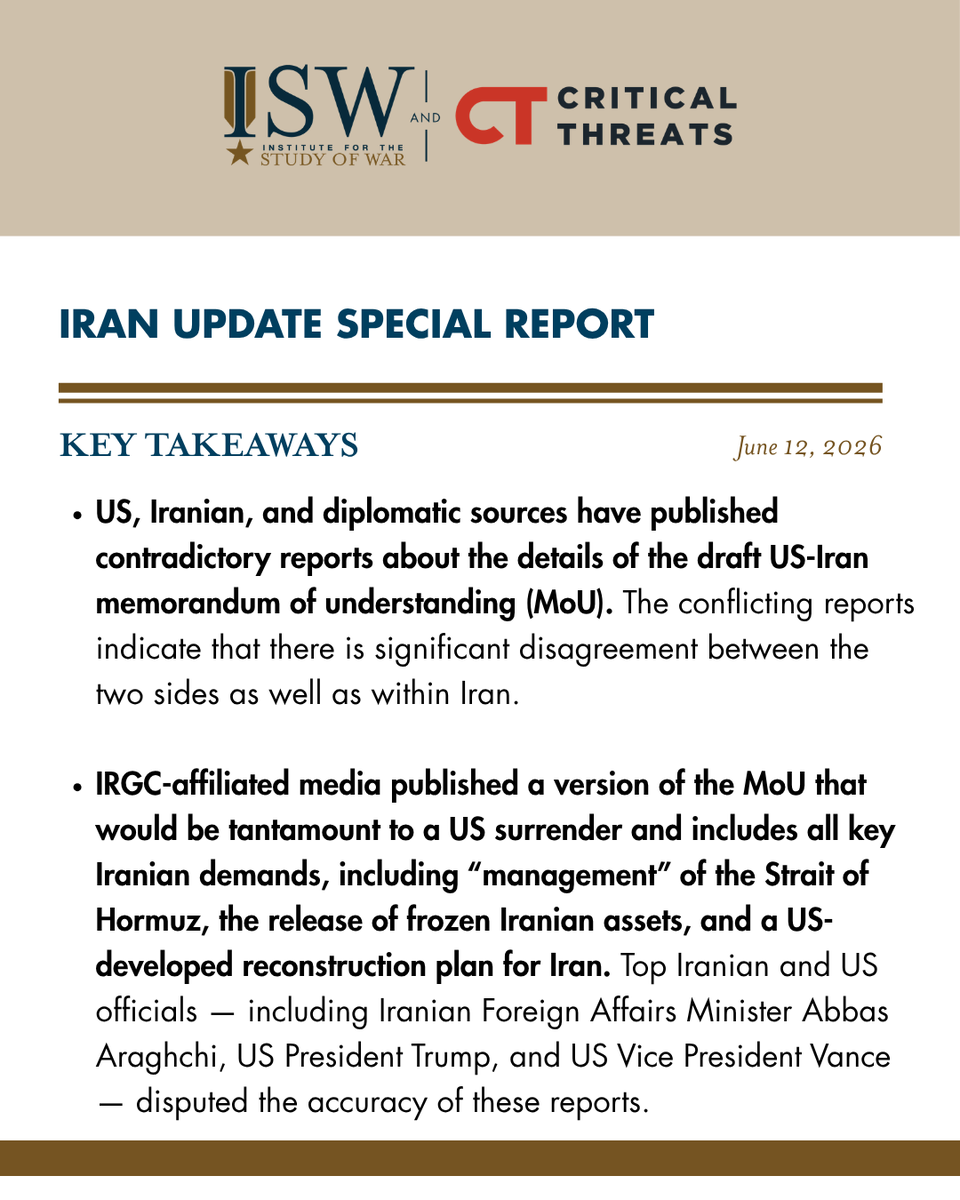
NEW: US, Iranian, and diplomatic sources have published contradictory reports about the details of the draft US-Iran memorandum of understanding (MoU). The conflicting reports indicate that there is significant disagreement between the two sides as well as within Iran.
IRGC-affiliated media published a version of the MoU that would be tantamount to a US surrender and includes all key Iranian demands, including “management” of the Strait of Hormuz, the release of frozen Iranian assets, and a US-developed reconstruction plan for Iran. Top Iranian and US officials — including Iranian Foreign Affairs Minister Abbas Araghchi, US President Donald Trump, and US Vice President JD Vance — disputed the accuracy of these reports.
An ultra-hardline Iranian parliamentarian said that the deal strips Iran of its ability to collect fees or manage traffic in the strait, which indicates that some ultra-hardliners also believe that the IRGC-affiliated media reports about the details of the agreement are incorrect.
US sources have also suggested that Iran would make concessions under the draft MoU. A US official speaking to CNN claimed that the draft MoU includes provisions to dismantle Iran’s nuclear program and end Iranian support for the Axis of Resistance. Most other reports have stated that Iran and the United States would negotiate nuclear issues during a 60-day period after the signing of an agreement. Iran has consistently sought to strip the United States of its leverage—such as the US blockade—before entering nuclear negotiations.
ISW-CTP will provide further analysis about the negotiations in its June 12 update.
12
48
105
26,343
Spencer Faragasso retweeted
Jun 11
🚨"North Korea’s uranium-enrichment capacity could soon expand by 75% once a new facility reaches full production, a clear signal that leader Kim Jong Un intends to expand his arsenal in defiance of international pressure.
The new facility in Yongbyon is estimated to house more than 9,000 centrifuges capable of producing roughly 160 kilograms of highly enriched uranium a year, according to Vertic." wsj.com/world/asia/north-kor…
1
9
9
1,015
Spencer Faragasso retweeted

Jun 11
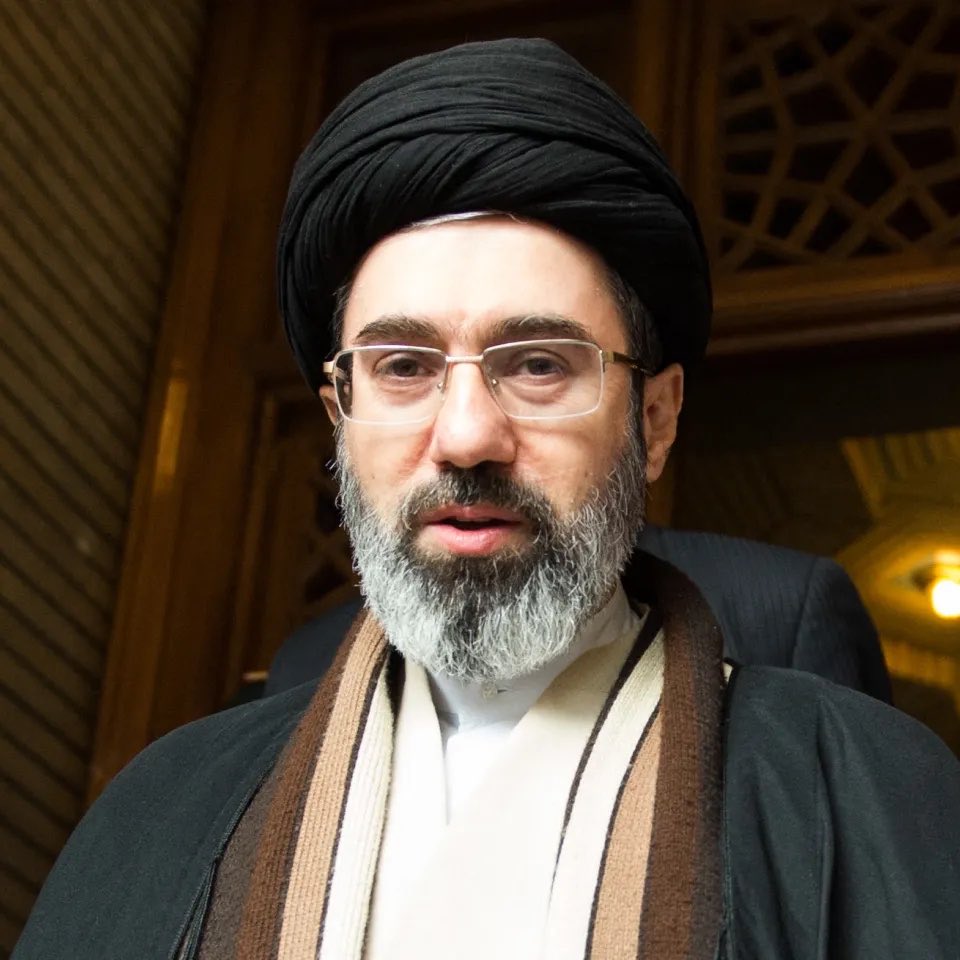
The new Supreme Leader of Iran, Mojtaba Khamenei, won’t agree to the new proposed peace deal with the United States, according to reports from sources close to the matter. 🇮🇷🇺🇸
If the conservative media outlets reporting this are correct, it would appear that the Iranian negotiating team has not been truthful with the mediators.
The latest reports from Iran say that the decision to say that the deal will be signed was made by the Speaker of the Parliament Mohammad Bagher Ghalibaf and Foreign Minister Abbas Araghchi but was made without Supreme Leader's Mojtaba Khamenei’s blessing.
664
807
3,425
425,039
Spencer Faragasso retweeted

Jun 11
NEW ANALYSIS on Countries with Rare Earth Element Reserves: A Peddling Peril Index 2025/2026 Teaser
The PPI 2025/2026 is the forthcoming, fifth edition in a biennial series collecting qualitative and quantitative data in five areas of strategic trade controls. The underlying data contain information on 200 countries across 106 indicators, and different methods of presenting and analyzing the data are discussed, including statistical analysis and case studies. In addition to a final ranking of the 200 countries, territories and entities evaluated in the PPI, examples of evaluating the countries in groups are included, such as grouping countries by supply potential of WMD-related items and technology, to acknowledge and draw out different needs for—and challenges posed to—strategic trade control systems across countries. A subset of evaluated countries is presented here, namely those that have rare earth element deposits or reserves.
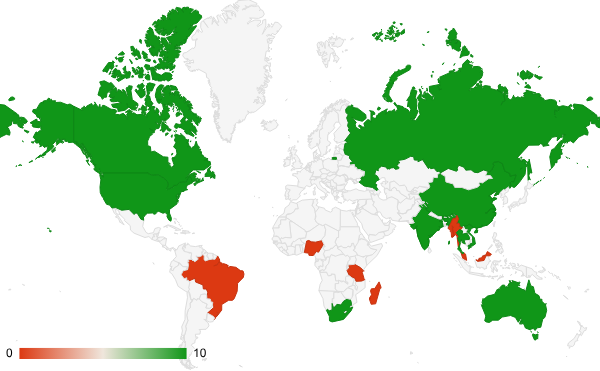
The PPI team evaluated 16 countries that have the largest rare earth elements (REEs or rare earths) deposits. Rare earth elements are a group of 17 metallic elements recognized for their importance in the modern production of advanced technologies, military weapon systems, and industrial goods; they are therefore dual-use goods. The 16 countries are (listed alphabetically): Australia, Brazil, Canada, China, Greenland*, India, Madagascar, Malaysia, Myanmar, Nigeria, Russia, South Africa, Tanzania, Thailand, United States, and Vietnam. These countries should prioritize their ability to control the entire REE process, from separation, refining, to alloying and end-product manufacturing.
China’s control of the REE supply chain poses unique challenges. Countries effectively need to build their own domestic industries to insulate themselves from coercive trade practices, but this is difficult in a market dominated by price pressures and dictated by supply and demand. For new supply chains to be profitable and sustainable, governments can help by providing financing to alleviate concerns and provide incentives to develop the projects in the first place. But as the PPI demonstrates, simply funding new supply chain elements alone is not enough to prevent China’s aggressive expansion. Countries will need to leverage export controls and inbound foreign direct investment controls to prevent the exploitation of their domestic resources. This can be done by strictly monitoring and evaluating the companies seeking access to domestic natural resources, and determining the level of ownership these companies would have, and who are the true beneficial owners of the companies themselves.
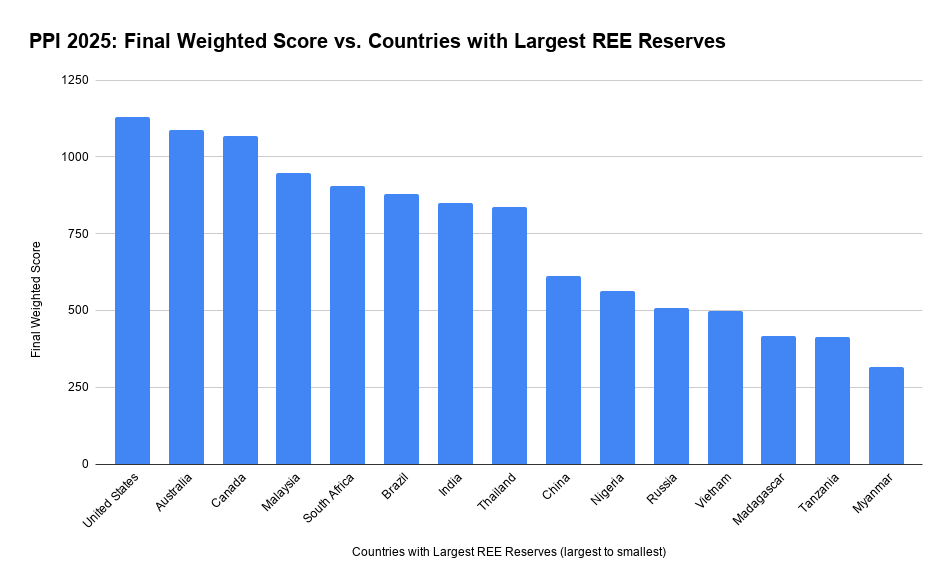
Applying the results of the PPI to the group of 15 countries (no PPI results are available for Greenland, see footnote 1) with the largest deposits of REE’s can reveal some interesting insights into the strengths and vulnerabilities facing these countries as they develop their domestic resources.
As a group, the countries on average scored 735 points, or 56 percent of the total 1,300 points available in the PPI. The points varied widely from some of the best scoring countries, including the United States, to some of the worst scoring countries, including Myanmar (see Figure 1).
Inbound Foreign direct investment (FDI) controls play a vital role in how countries can protect investments in their domestic REE resources. Countries with poor inbound FDI controls are less able to assess and vet the risks posed by foreign companies or governments making investments into domestic REE operations, increasing the possibility that domestic resources can be fully purchased and owned by a foreign entity. Nine of the 15 countries received full points in the FDI sub-criterion, meaning these countries have a dedicated mechanism to screen inbound investments which allows screening for national security purposes (see Figure 6). Six of the countries have neither dedicated FDI screening mechanisms nor screen FDI in sectors relevant to national security and did not earn any points. These six countries are highly vulnerable to foreign exploitation.
Internal stability and corruption are major considerations in how well a country can manage and protect its REE resources. Poor internal stability limits the ability of the government to effectively govern its territory and maintain stable long-term policies that enable businesses to form long-term plans and investments. Of the 15 countries assessed here, eight of them are listed in the bottom half of the Global Corruption Index (GCI) for 2023, ranking them amongst some of the most corrupt countries in the world. This includes Myanmar, Madagascar, Nigeria, Viet Nam, Tanzania, Russia, China, and Thailand. As seen above, four of those countries, Myanmar, Madagascar Tanzania, and Nigeria, lack inbound FDI controls, meaning they are especially vulnerable to exploitation.
Read the full report with additional findings and recommendations here: isis-online.org/isis-reports… and read more about the Peddling Peril Index series here: isis-online.org/peddling-per…
7
20
188,855
Jun 10
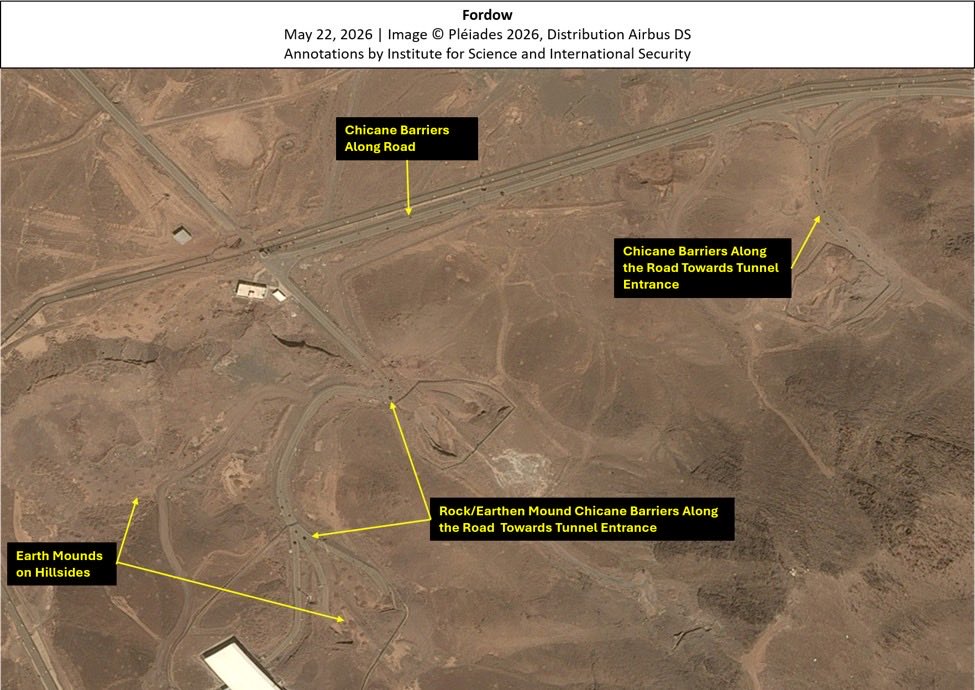
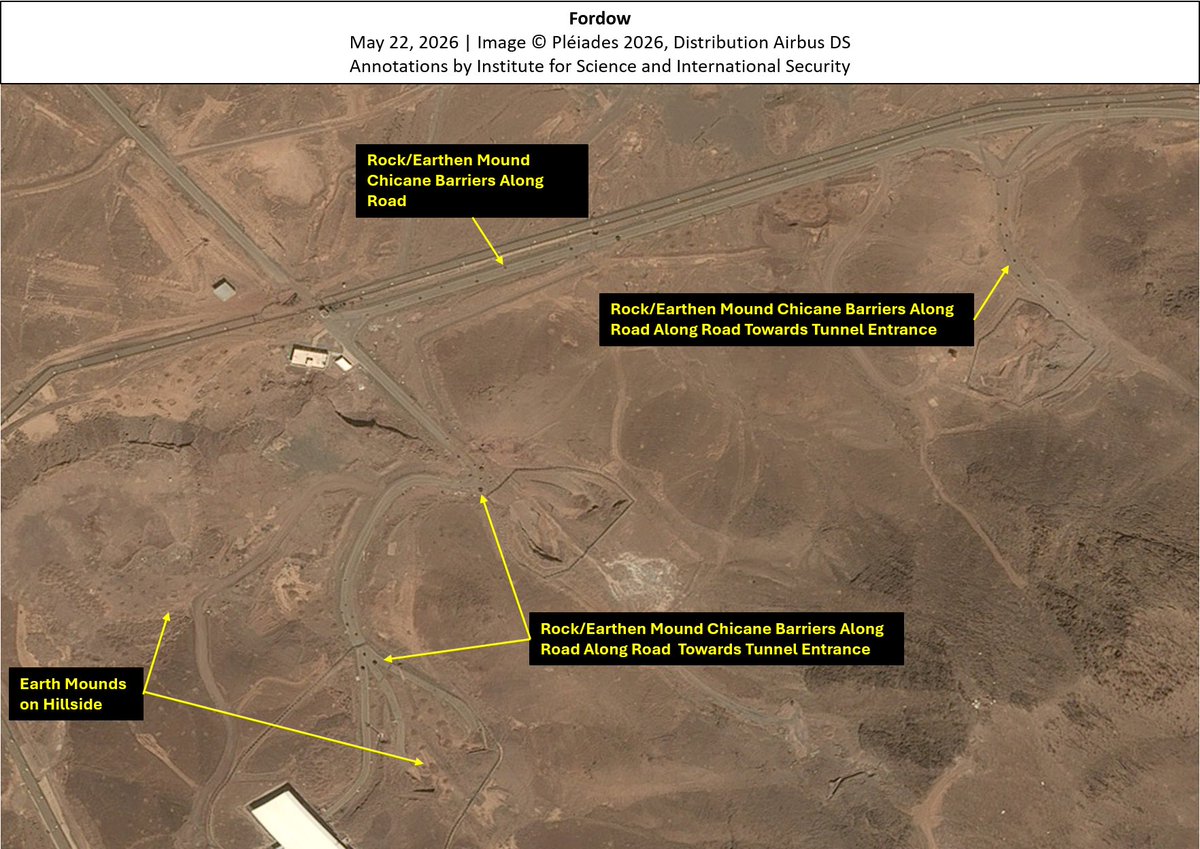
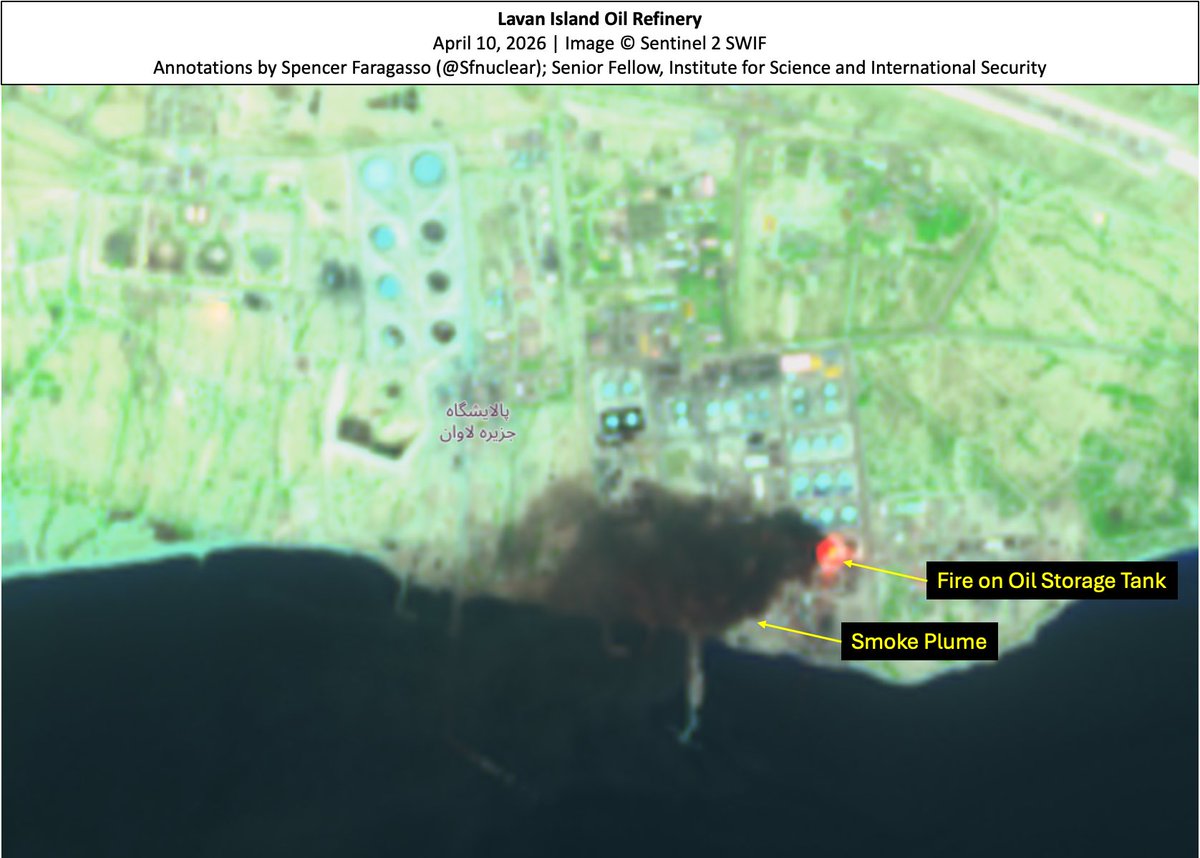
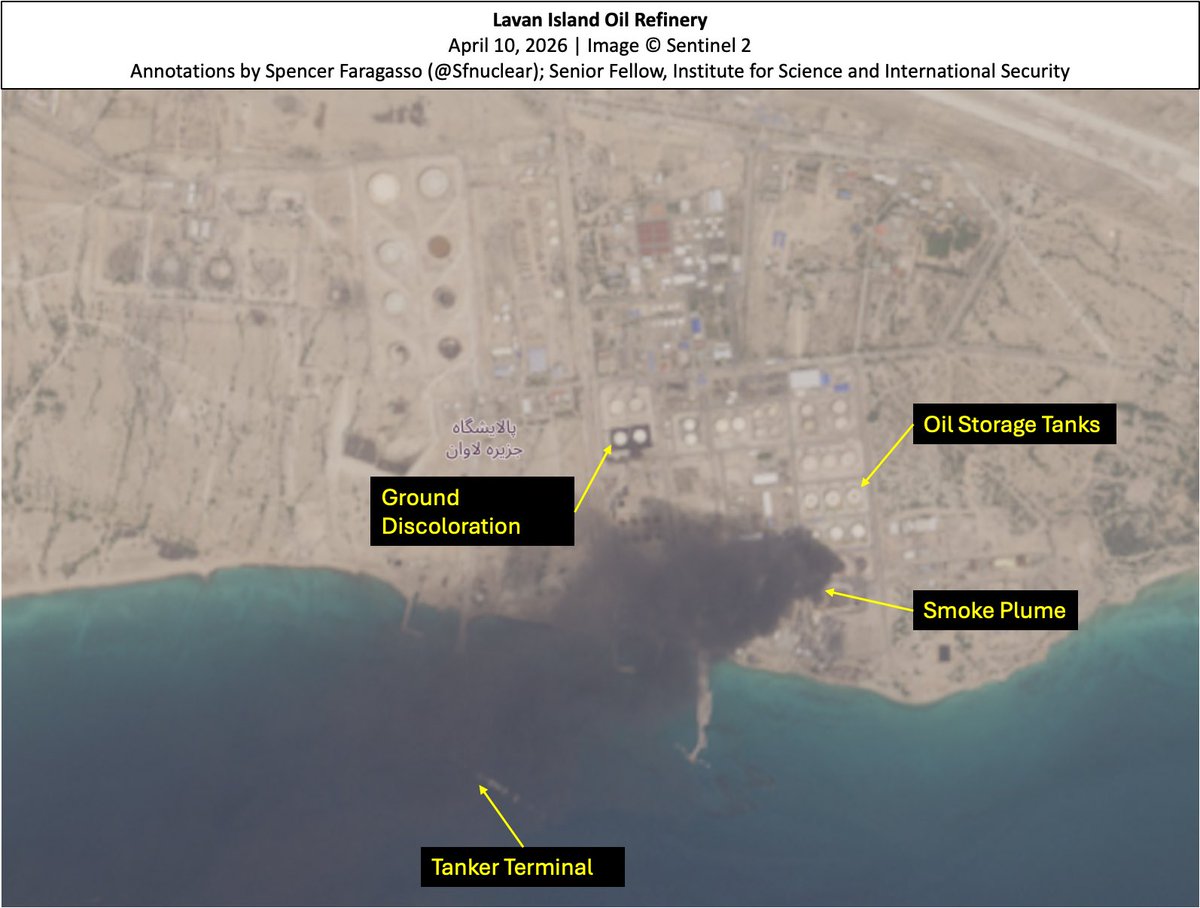
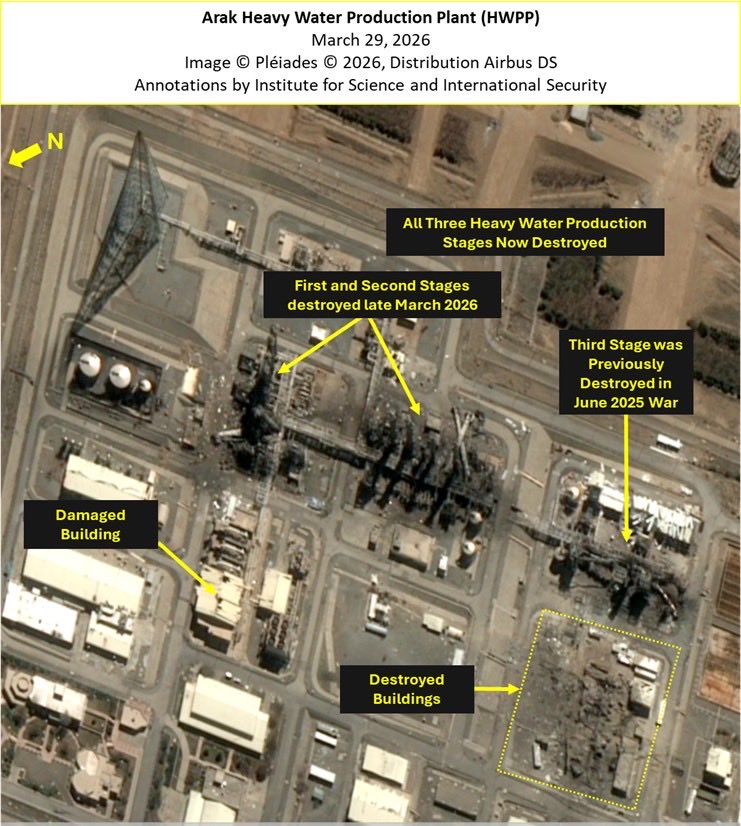
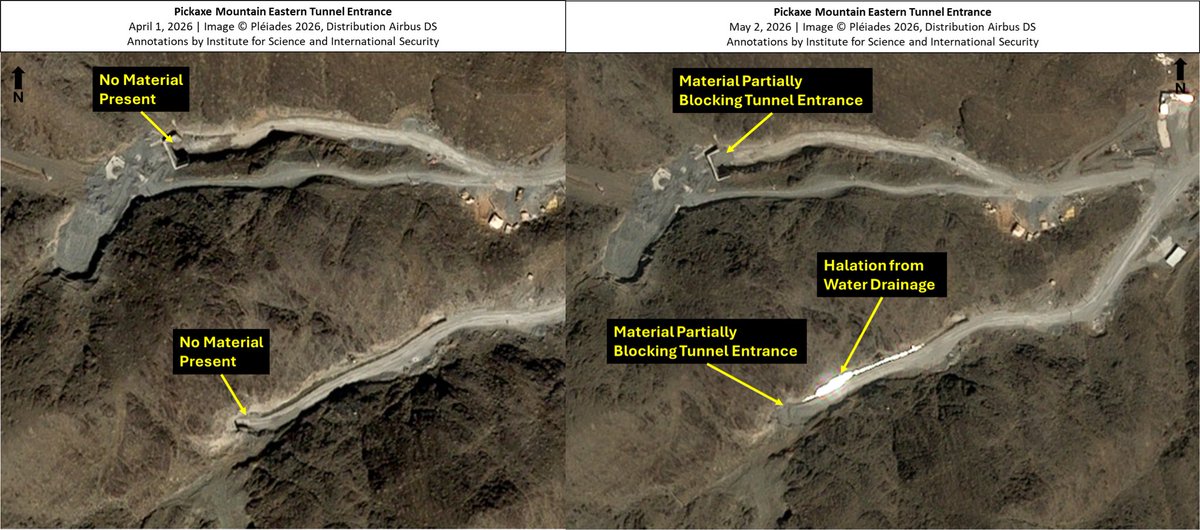
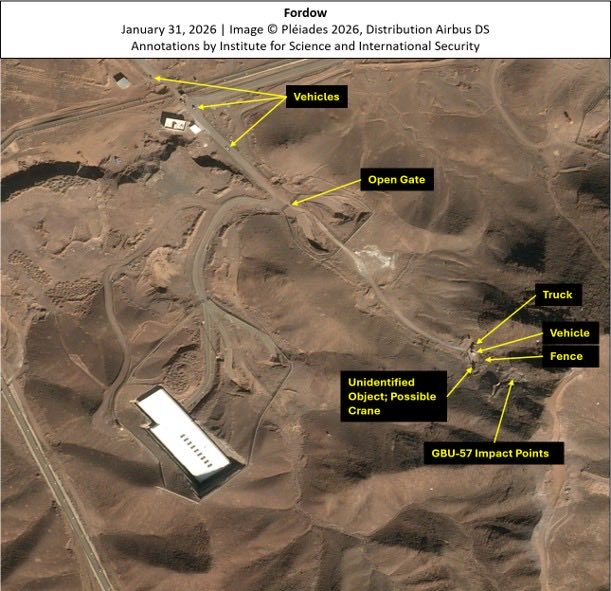
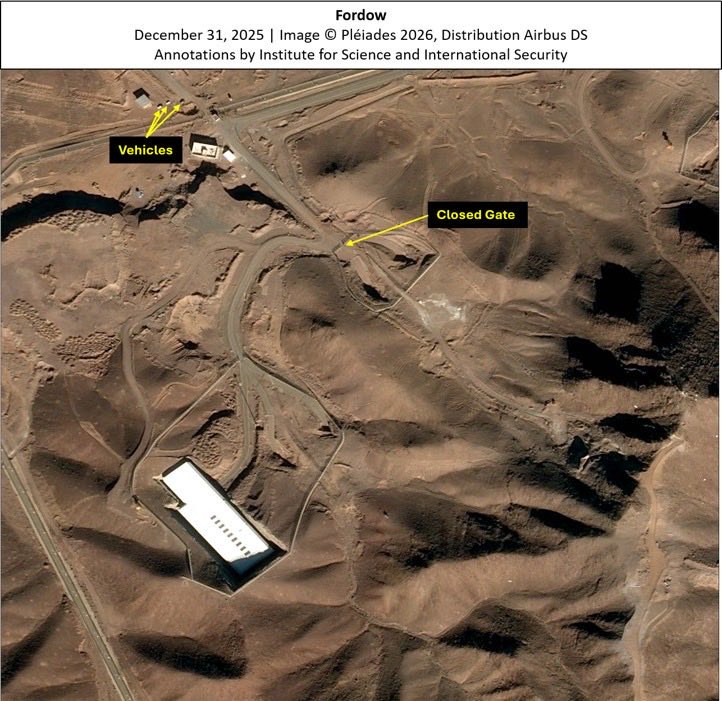
We detected highly strange ground activity at the Fordow Enrichment Plant. Vehicle activity has been observed in recent satellite imagery from mid-late May 2026, including the installation of chicane barriers/roadblocks along the road leading to several tunnel entrances. Several days later, some of those barriers were inexplicably removed. We wonder why? Were the barriers pointing towards something valuable stored in that specific tunnel entrance, perhaps HEU? Did the Iranians realize they basically painted an arrow to it?
At present the tunnels are backfilled and there is no indication that the facility has been rehabilitated or is operational. Up the mountain slop near one set of penetration points caused by the GBU-57 weapons in June 2025, we saw machinery and a possible crane that was likely conducting an examination of the penetration spots using remote controlled probes. The IAEA and US/Israeli intelligence should provide additional clarity in the whereabouts of HEU stored at Fordow, which is roughly ~80kg if 60%. We will continue to monitor the site for additional activity.
Read our full report on recent activity post-ceasefire at Iranian enrichment sites.
Link: isis-online.org/isis-reports…
2
13
10,956
Spencer Faragasso retweeted

Jun 10
Ukraine's Fire Point company is racing to build a cheaper alternative to Patriot missiles for air defense against Russia's ballistic missiles. First tests have been "pretty sucessful." European and Ukrainian officials say it has had discussions with Germany’s Hensoldt and Thales for radar, Italy’s Leonardo for tracking and target acquisition radar, and Norway’s Kongsberg for command and control technology.
w/ @charles_clover @fabrice_deprez @FT
ft.com/content/c5839dd4-c4e9…
30
227
1,196
75,160

Introducing Artemis III.
Four astronauts. Three launches. Two dockings. One splashdown.
In 2027, the Artemis III mission will practice docking the Orion spacecraft with two lunar landers in low Earth orbit — the capability we need to return humanity to the Moon’s surface.
947
5,897
28,472
1,861,559
Spencer Faragasso retweeted

Jun 10
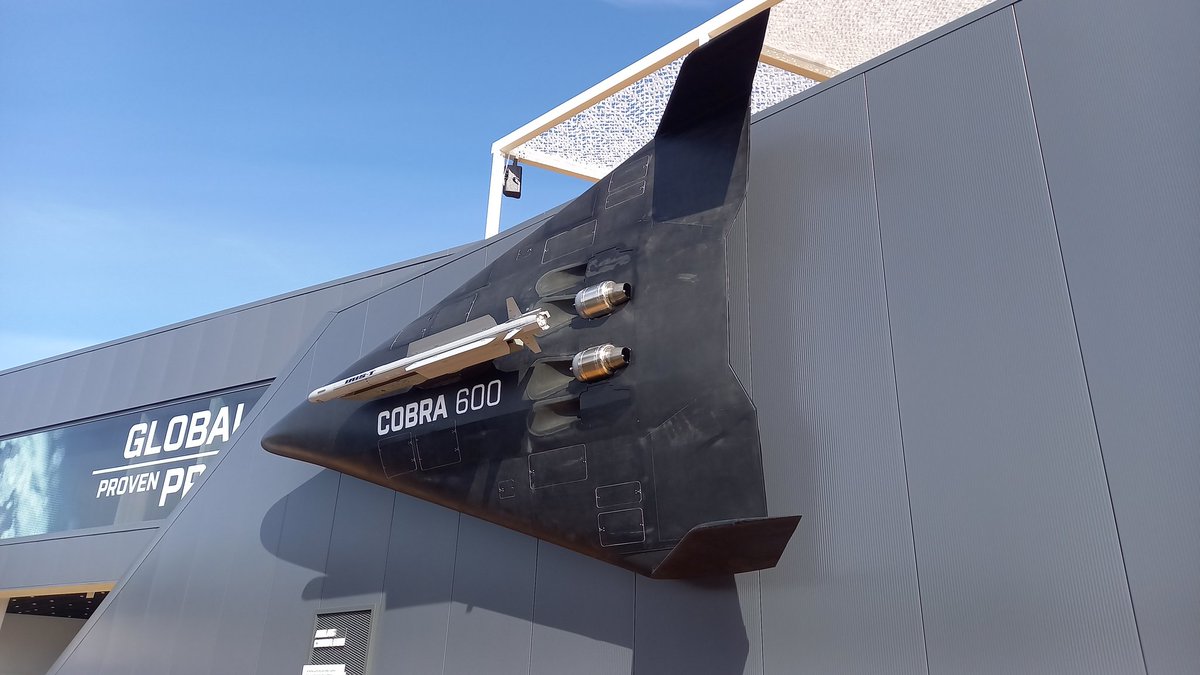
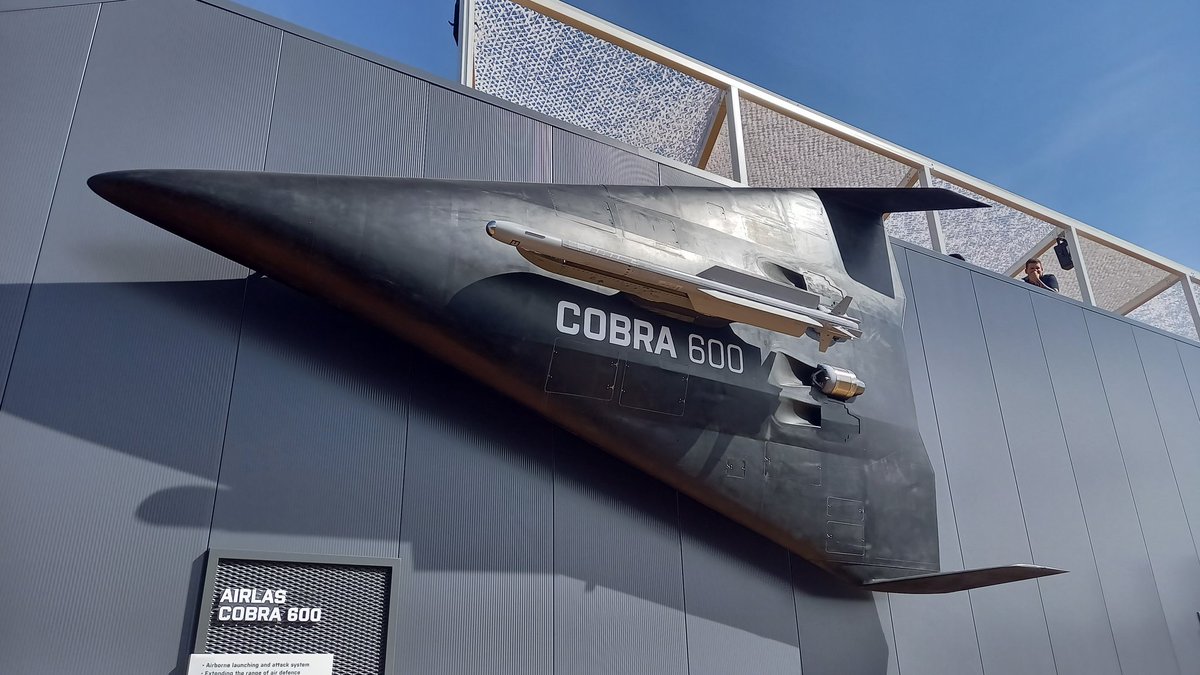
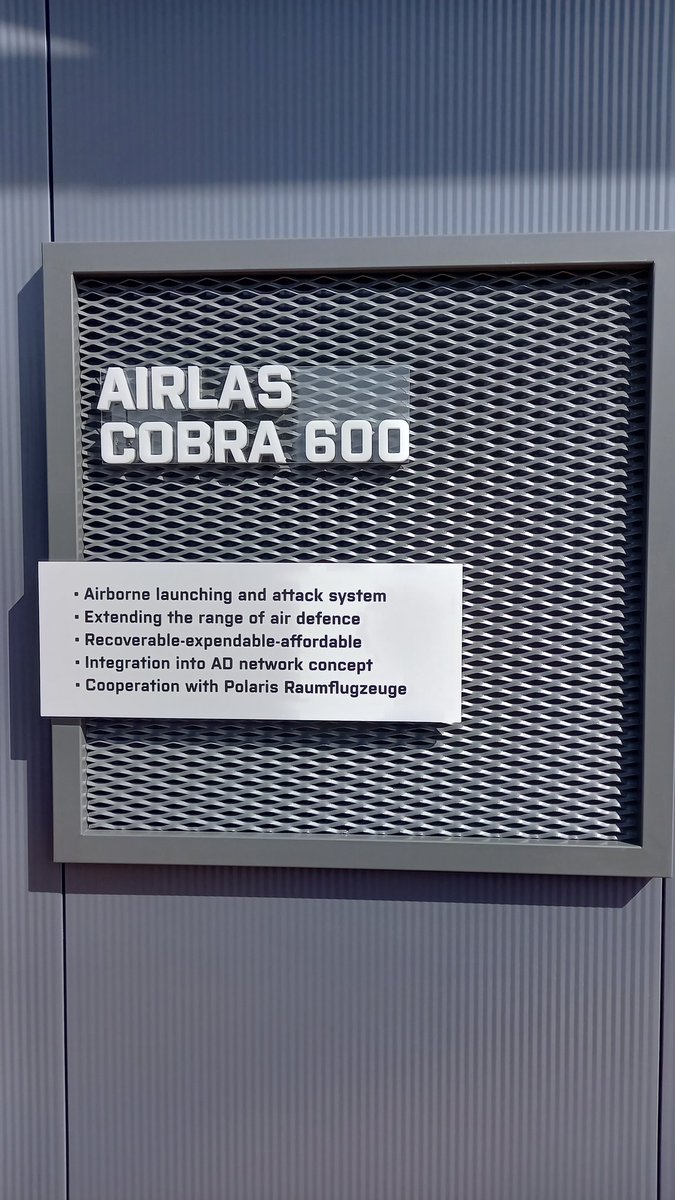
Sign of the times, as @DiehlDefence showcases its IRIS-T-armed Cobra 600 #drone at @ILA_Berlin #ILA2026.

Interception of a Russian Shahed fitted with an R-60 air-to-air missile and a rear-facing camera for detecting interceptor drones.
6
123
696
99,130