
Because America needs energy to win.
Joined July 2009
- Tweets 24,995
- Following 1,441
- Followers 19,287
- Likes 1,479
3,305 Photos and videos


Pinned Tweet

Apr 29
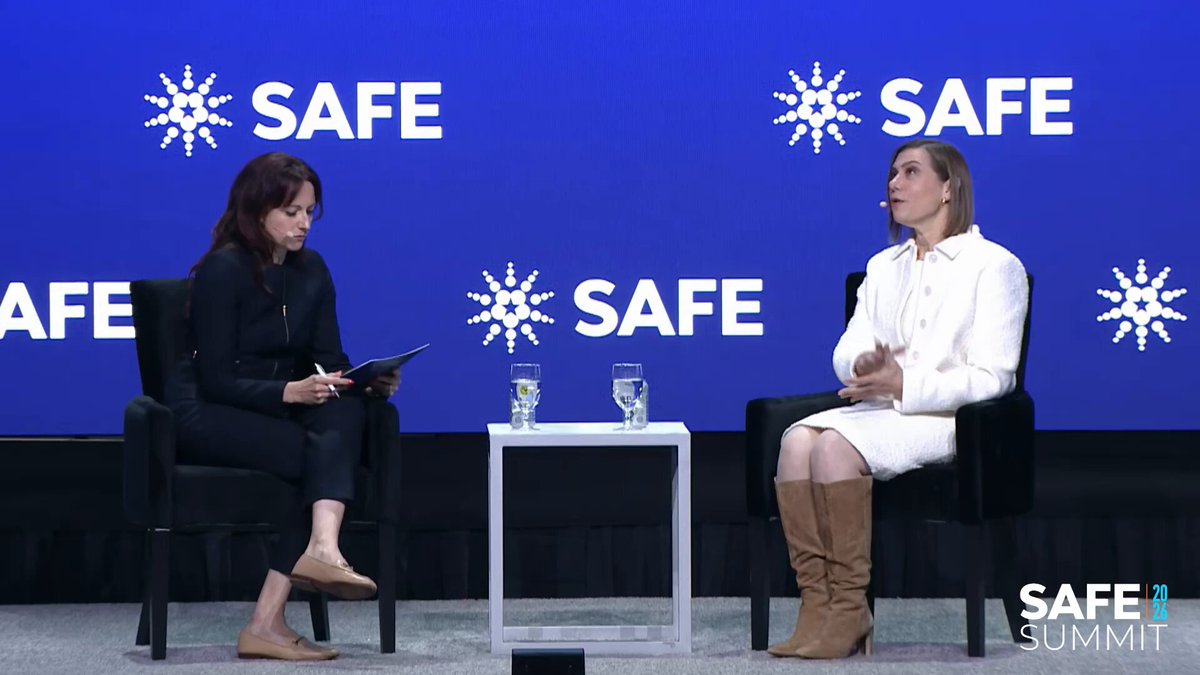
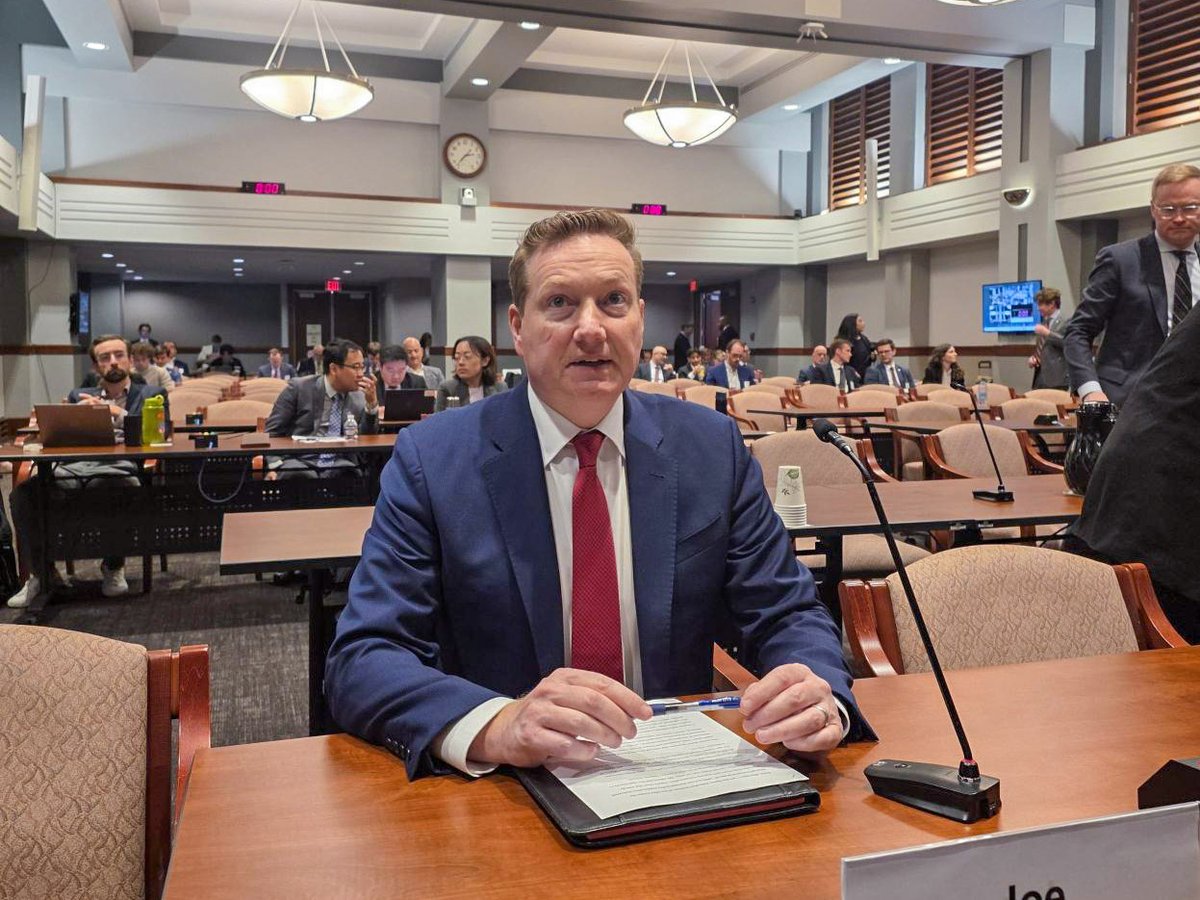
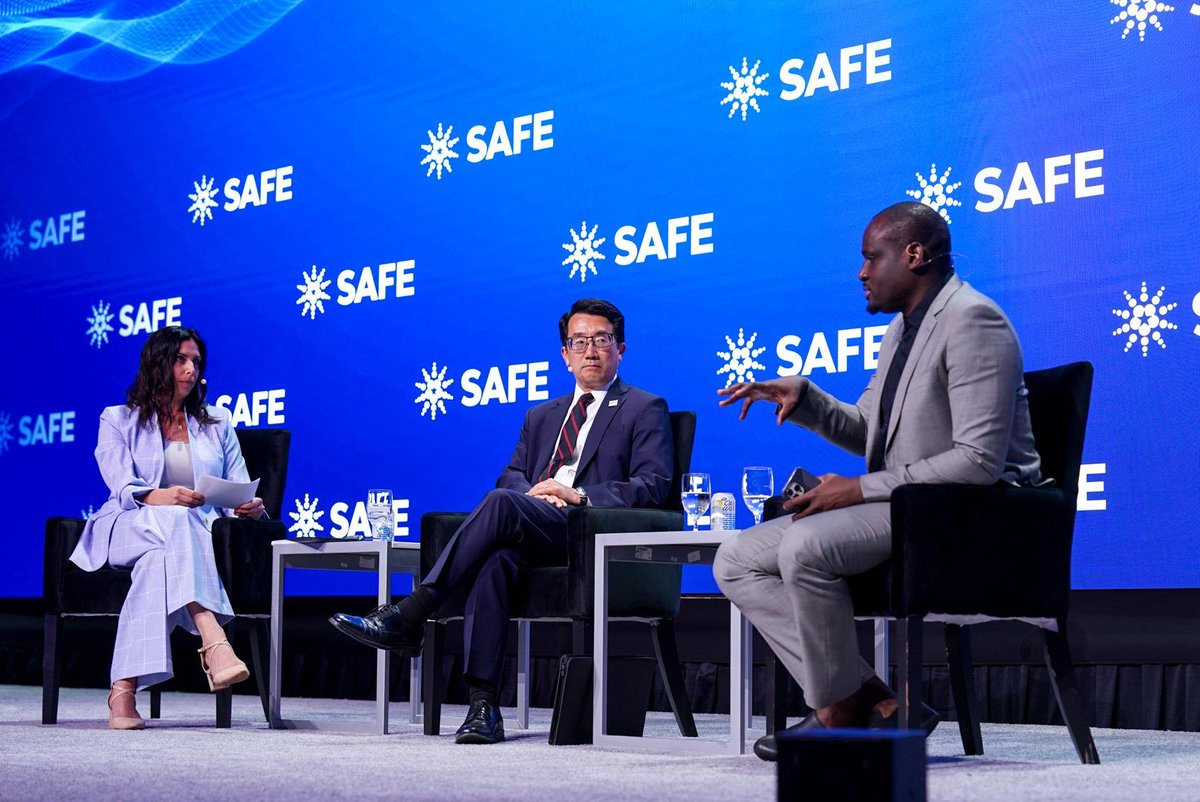
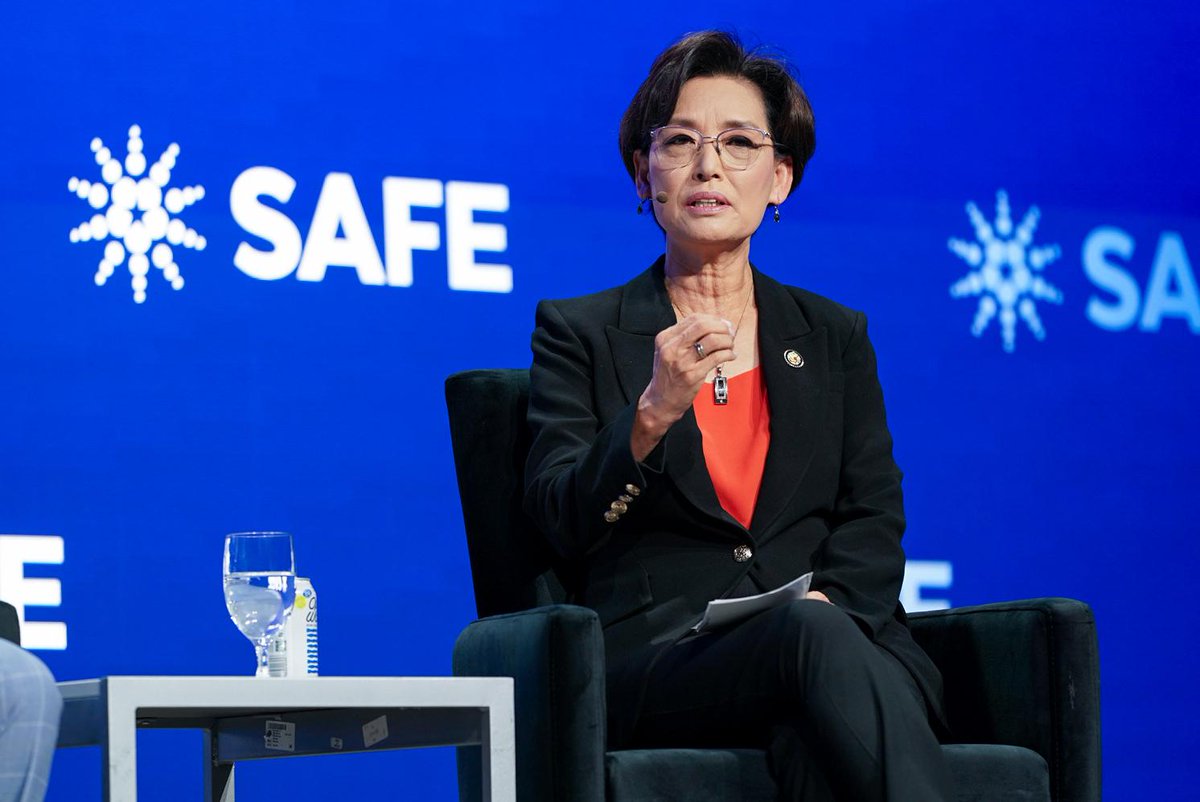
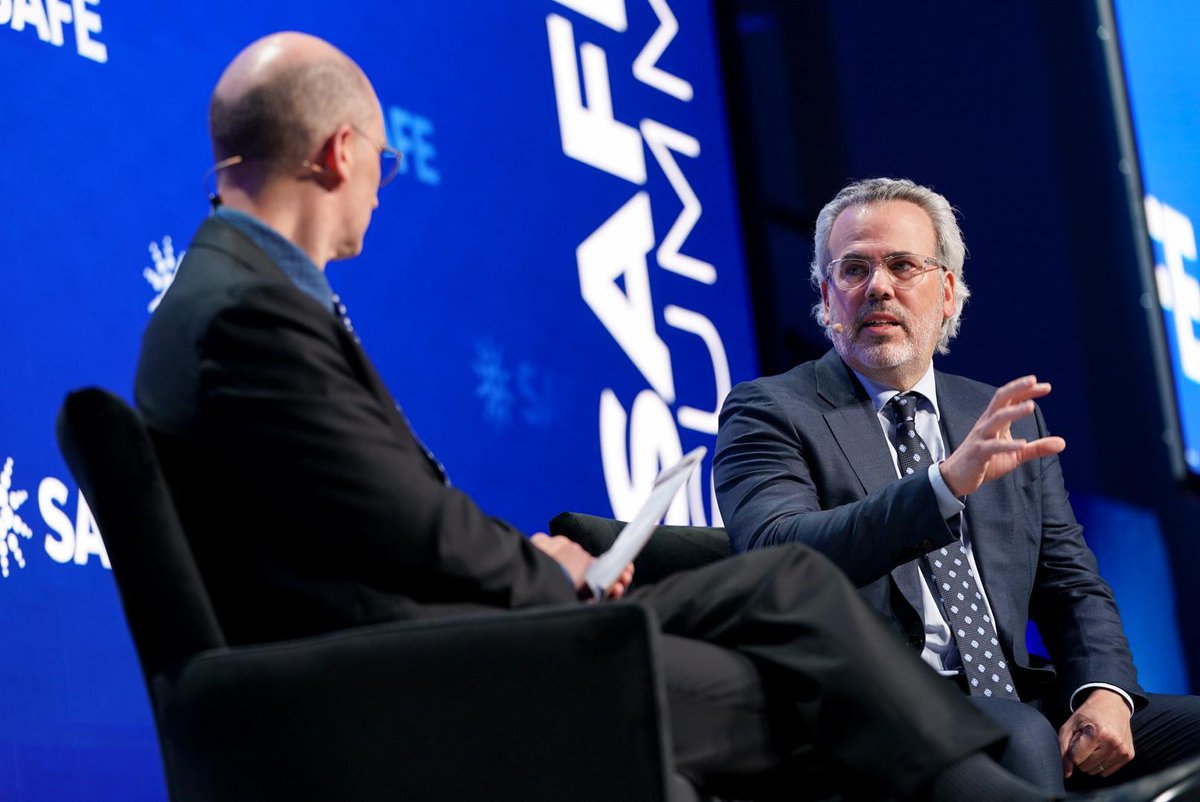
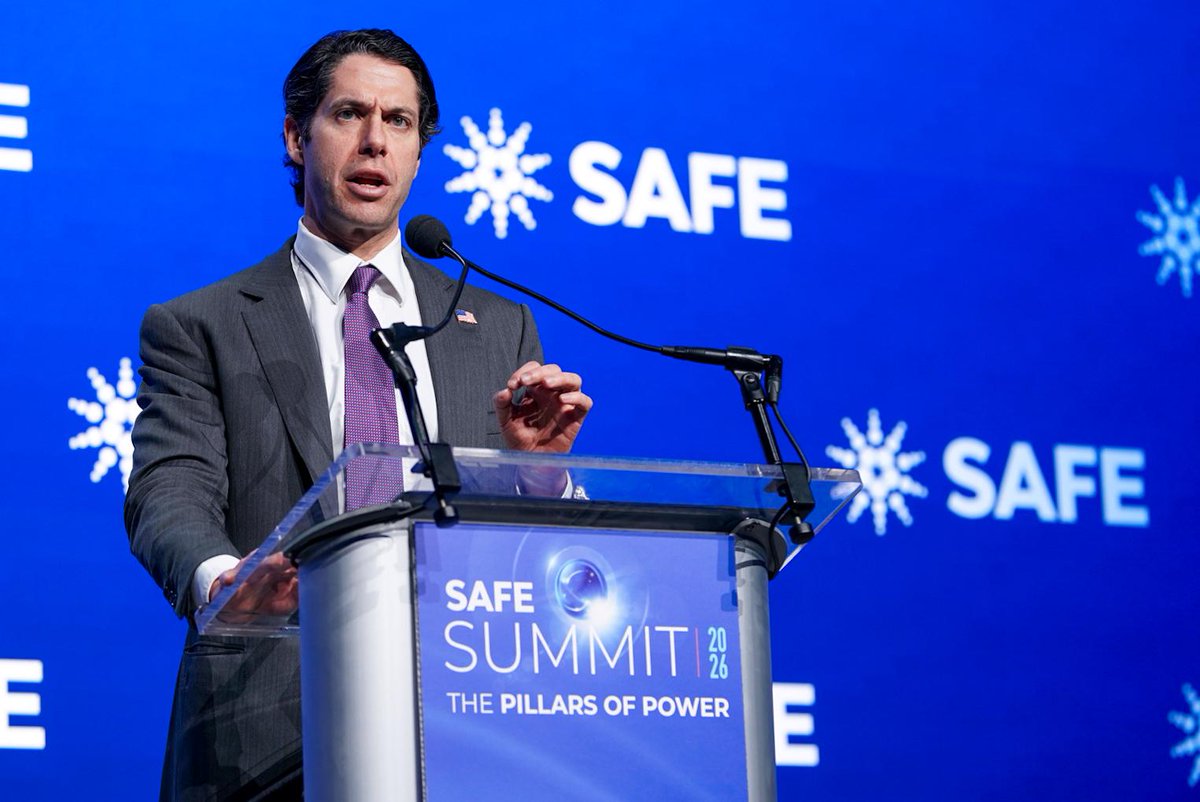
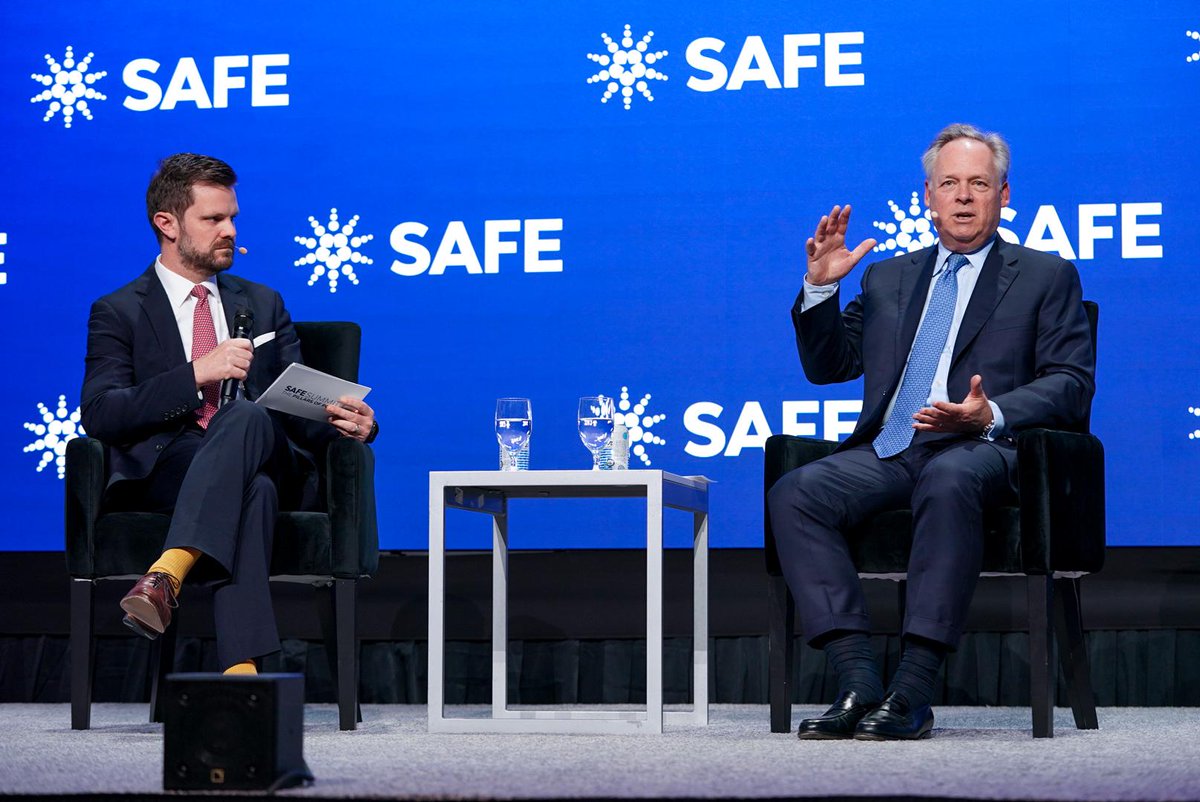
Thank you to everyone who joined us for this year’s #SAFESummit2026. Over two days, we tackled a wide spectrum of challenges—from energy and critical minerals to supply chains, infrastructure, and industrial capacity.
One theme was clear: the systems underpinning our energy security are being fundamentally redefined.

1
1
4
438
SAFE retweeted

This week on The Big 3, CPA economists @CPAMihir and @AndrewRech sit down with Ben Carlson of @Securing_Energy's (SAFE) Center for Strategic Industrial Materials to examine China’s growing dominance in steel, aluminum, and copper—and what it means for America’s industrial future.
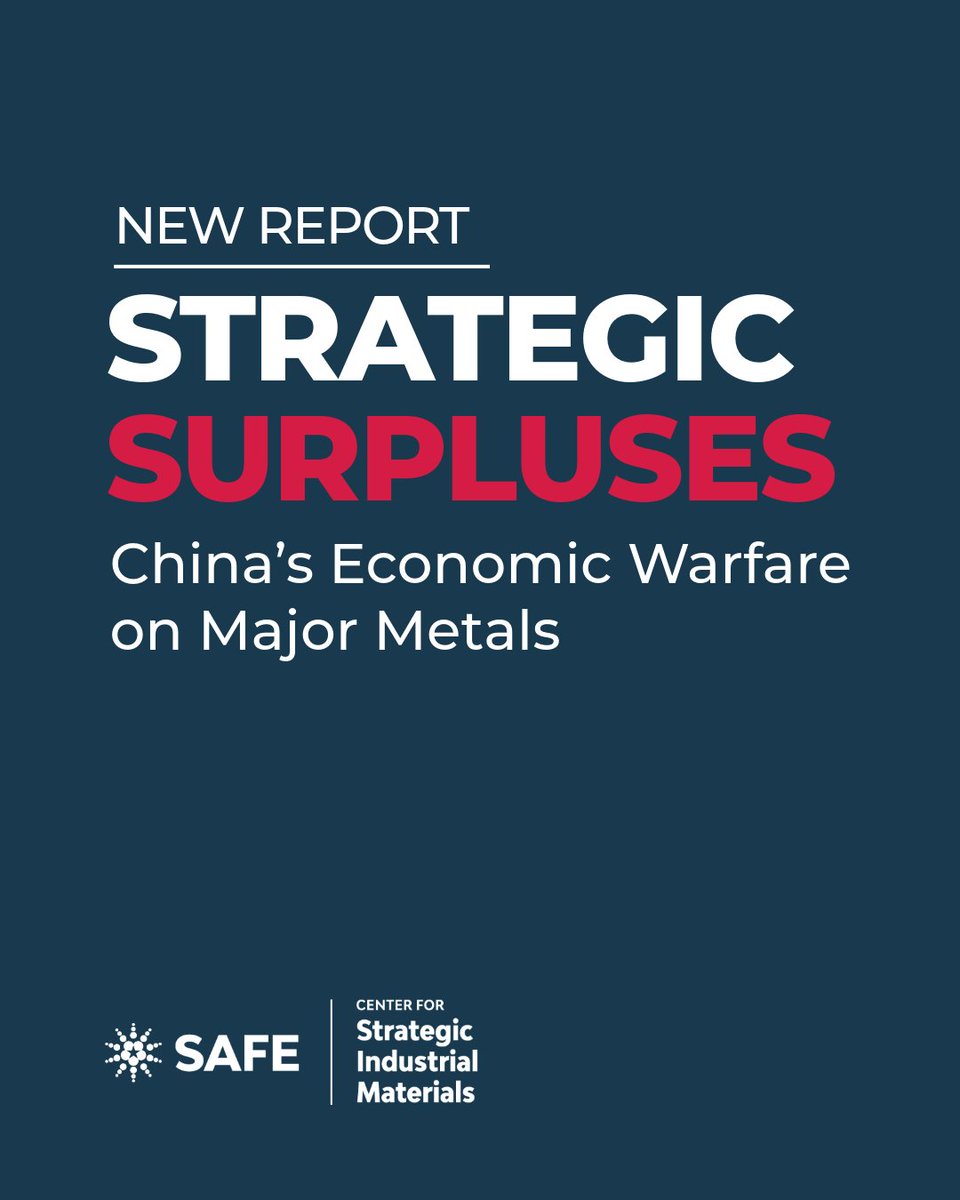
The conversation centers on SAFE’s new report, "Strategic Surpluses: China’s Economic Warfare on Major Metals," which argues that China’s vast production capacity is not simply the result of market forces or planning mistakes. Instead, Carlson explains how Beijing has deliberately cultivated strategic surpluses across key industrial sectors, creating manufacturing capacity that can support economic objectives in peacetime and national security objectives during periods of conflict.
The discussion explores the staggering scale of China’s metal production, the role of state support and industrial subsidies, and the consequences for American manufacturers. Carlson also explains why tariffs, while important, are often insufficient on their own. Through transshipment, tariff inversion, and complex global supply chains, subsidized Chinese inputs can still find their way into the U.S. market through finished products.
Finally, the episode turns to solutions. What would a successful American industrial strategy actually look like? The answer goes beyond tariffs to include energy policy, infrastructure investment, permitting reform, recycling, and stronger rules of origin that align domestic demand with domestic production. For anyone interested in trade, manufacturing, national security, or industrial policy, this is an essential conversation about one of the defining economic challenges of our time.
🔊 Listen on Apple: tinyurl.com/37nzjsxd
🔊 Listen on Spotify: tinyurl.com/32hj8rd6
2
9
8
138,580
Jun 12
Solar and battery storage made up 91% of all new electricity-generating capacity added to the U.S. in Q1, according to new data from @SEIA and @WoodMackenzie.
“If we’re talking about speed, we’re having a conversation about solar and storage." - Danielle Russo, Executive Director of SAFE’s Center for Grid Security
4
8
13
1,083
SAFE retweeted

Jun 10
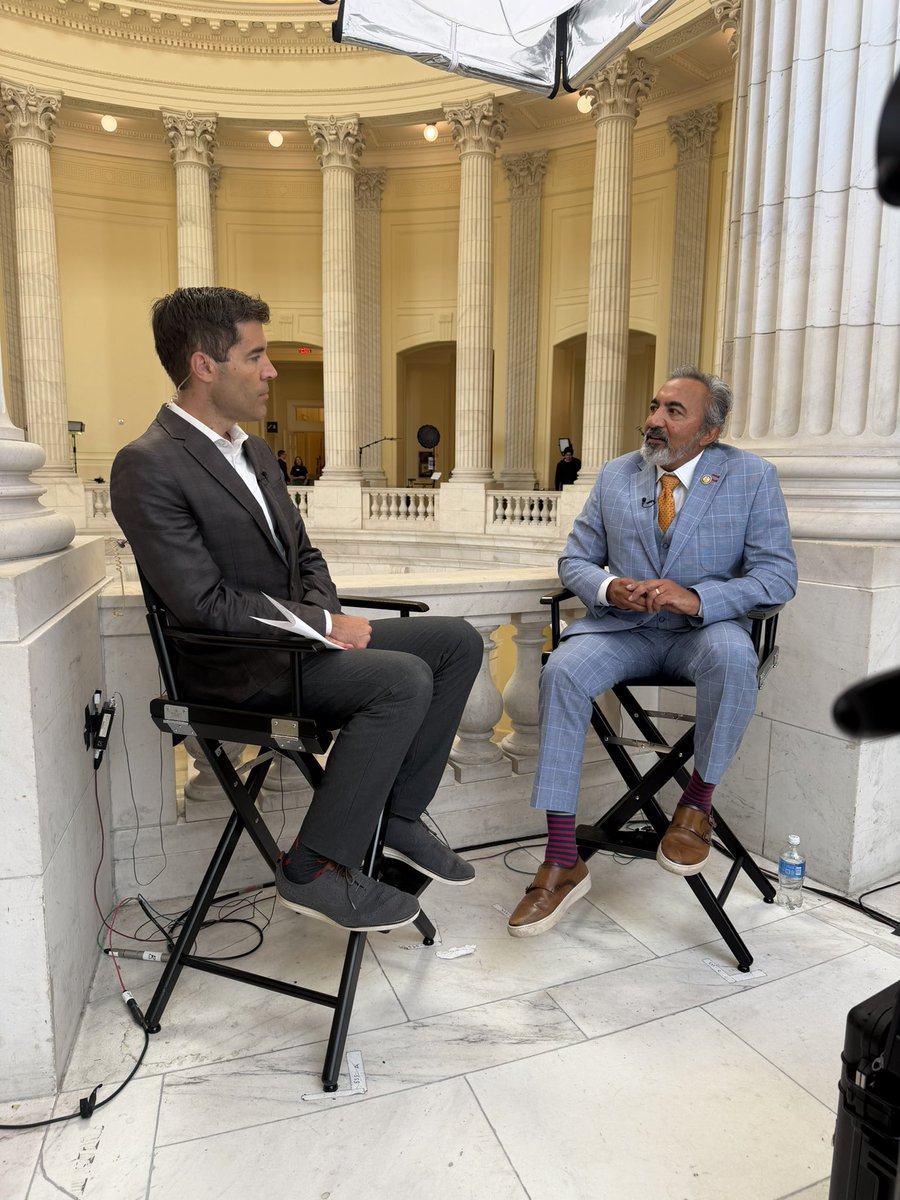
Great speaking with @MacFarlaneNews and @the535news about the bipartisan DOMINANCE Act passing the House this week!
Proud to lead this effort to strengthen critical mineral supply chains and support American competitiveness.
1
3
6
488
SAFE retweeted

Jun 8
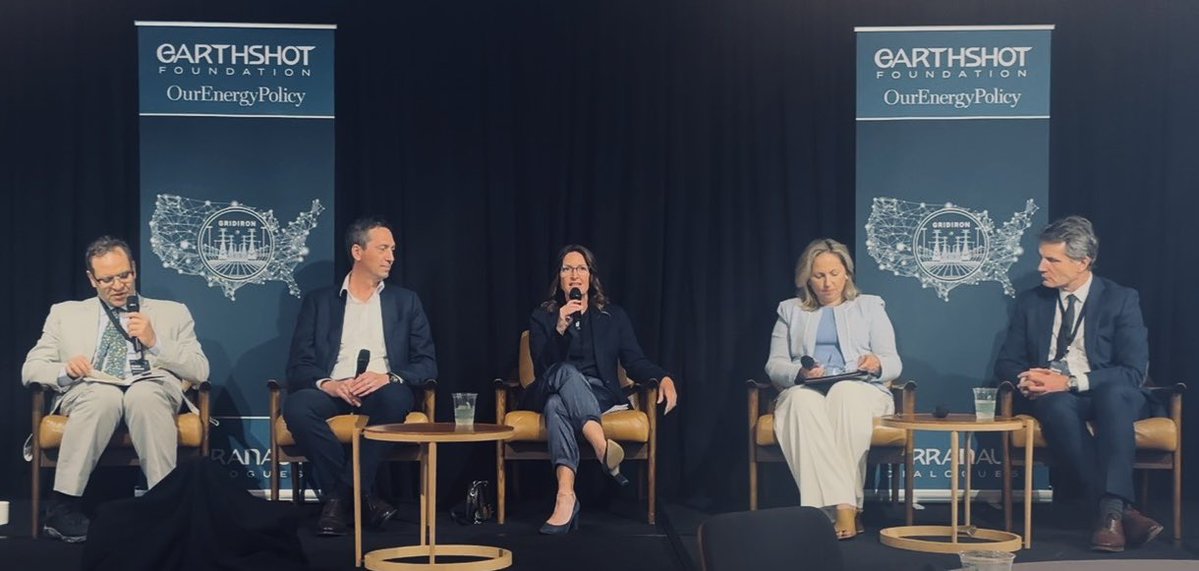
📍 LIVE from the GRIDIRON Finale in DC:
⚡ NEMA President & CEO Debra Phillips says America's energy future depends on our ability to build electrical infrastructure faster.
🏭 That means resilient supply chains, domestic manufacturing & the workforce needed to power it all.
1
2
123
Jun 9
NEW ANALYSIS: The House Armed Service Committee’s FY27 National Defense Authorization Act would significantly reshape defense critical minerals policy, replacing the current sensitive materials restriction with a new tiered sourcing framework that expands coverage to additional materials, phases in new requirements through 2031, introduces domestic content requirements, and establishes transition rules for companies seeking waivers.
thefuse.org/ndaa-defense-cri…
1
2
160
SAFE retweeted

Jun 8
DOMINANCE ACT PASSED the House Floor🔥!
Proud to lead this strong bipartisan effort to break China’s chokehold on critical minerals, secure our supply chains with allies, & deliver American energy dominance for generations to come.
youngkim.house.gov/2026/06/0…
3
7
28
901
Jun 5
#FY27NDAA: Critical mineral supply chains are stubbornly opaque, especially for low-quantity rare earth elements and specialty metals. Supply chain security and confronting China’s market manipulation requires visibility into where minerals come from to enforce sourcing restrictions.
@RepPatFallon’s amendment will require a pilot program within the Defense Logistics Agency to develop and evaluate traceability systems for essential materials. It builds on the great supply chain security provisions in the FY27 NDAA by ensuring they’re enforceable.
1
4
3
334
Jun 5
#FY27NDAA: The Cyber, Information Technologies, and Innovation Subcommittee en bloc amendments include valuable programs to study how AI has been and can be deployed, required methods to secure AI systems from cyber threats, and using AI to support vertical takeoff and landing operations.
These amendments ensure the @DeptofWar utilizes cutting edge transportation and technology innovations to bolster defense IT systems, intelligence gathering, and combat and logistics operations.
75
SAFE retweeted

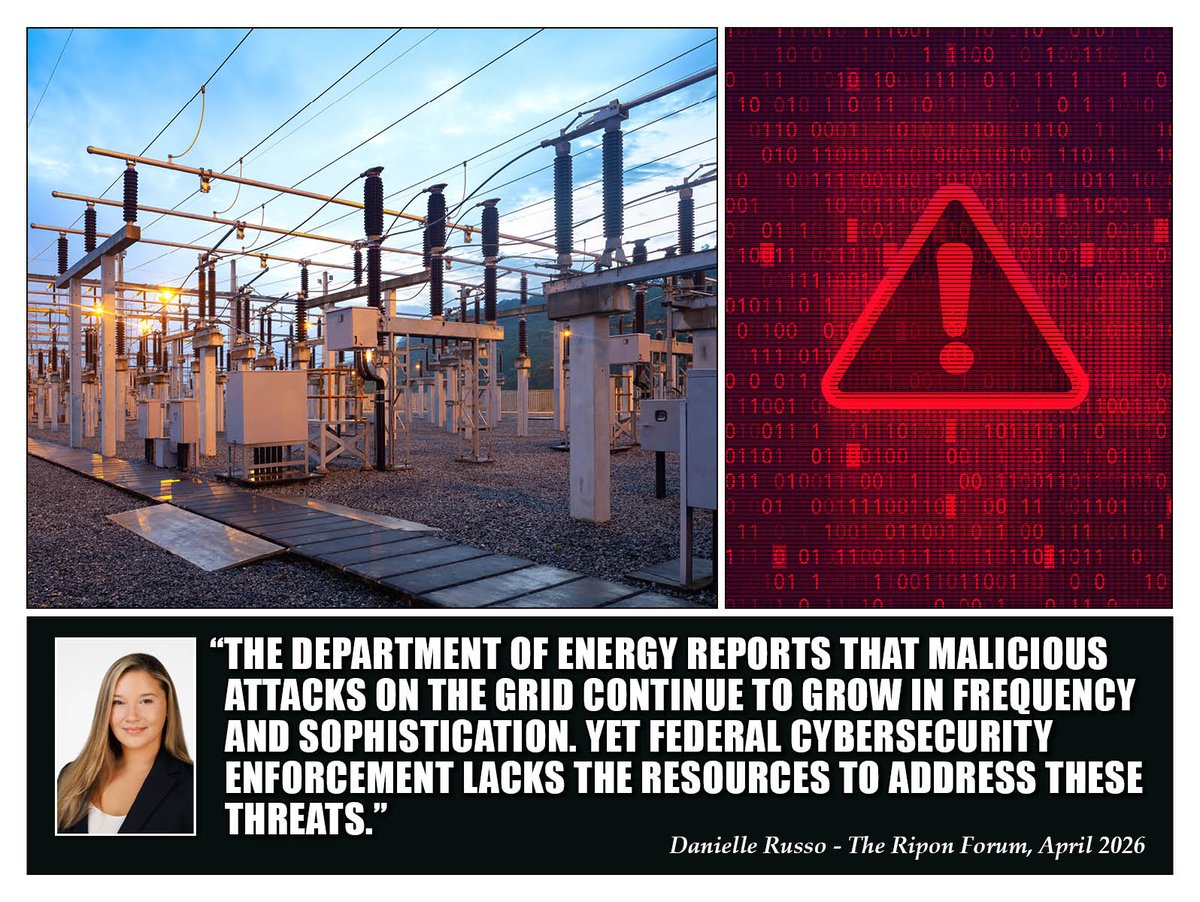
ICYMI: 99% of U.S. military power comes from the commercial grid. Grid failure isn't just an energy problem — it's a national security crisis. @Securing_Energy’s Danielle Russo on what Congress must do in the latest Ripon Forum – bit.ly/4o0pcGd
1
4
160
Jun 4
#FY27NDAA: The Chairman’s first En Bloc amendment package contains an amendment from @RepWesleyBellMO to establish the Department of War as a long-term demand signal for small unmanned air systems. Strong demand for U.S.-made drones will increase domestic production capacity, support skilled jobs, and reduce strategic dependencies on adversaries.
@HASCDemocrats
121
Jun 4
Amendment from @RepJoeWilson ensures the DOW adheres to existing “Buy America” requirements for photovoltaic systems.
Together, these reduce reliance on Chinese supply chains and disruptions to U.S. installations.
Jun 4

Live from the #FY27NDAA markup: The Readiness Subcommittee En Bloc packages include provisions to ensure that military installations are powered by domestically produced energy generation & storage systems—including an amendment from @RepAbeHamadeh to transition the @DeptofWar to U.S.-produced lithium iron phosphate (LFP) batteries.
104
Jun 4
The Tactical Air and Land Forces En Bloc Amendment #FY27NDAA package contains several new provisions to modernize the defense industrial base for Unmanned Aircraft Systems (UAS), including Vertical Takeoff and Landing Vehicles, to promote domestic manufacturing of drones, critical sensor technologies, and integration of these technologies into military operations.
Bolstering the domestic drone industry is crucial to reducing reliance on adversaries.
Rep. @RobWittman, Rep. @DonaldNorcross
2
1
132
Jun 4
Live from the #FY27NDAA markup: The Readiness Subcommittee En Bloc packages include provisions to ensure that military installations are powered by domestically produced energy generation & storage systems—including an amendment from @RepAbeHamadeh to transition the @DeptofWar to U.S.-produced lithium iron phosphate (LFP) batteries.
4
4
463
Jun 4
The mark up of the #FY27NDAA by @HASCRepublicans & @HASCDemocrats is in full swing, and SAFE will be paying attention to the aluminum conversation.
The facts:
🔴 The U.S. has lost nearly 85% of its aluminum sector to foreign subsidies & overseas competition
🔴 Our only domestic defense-grade aluminum facility closed this winter
🔴 Our primary source of defense-grade aluminum is the UAE, whose exports are currently blocked by Iran in the Strait of Hormuz
The provision in the National Defense Authorization Act that SAFE recommended⬇️
1
253
Jun 4
The provision requires that the @DeptofWar submit the Defense Contract Management Agency Industrial Analysis Division’s 2025 report on the primary aluminum industrial base.
Bringing this information before Congress is a critical first step to bolstering our domestic aluminum industry and strengthening our national security.
186
Jun 4
The most secure supply chains are domestic, but the United States cannot do it alone. Supply chain security requires coordinated, international partnerships. Thank you @RepAdamSmith for working to bolster cooperation with our allies in the #FY27NDAA.
@HASCDemocrats
71
Jun 4
Within the first five minutes of today’s hearing, Chairman @RepMikeRogersAL warned of the strategic vulnerabilities that come from relying on adversaries for critical minerals. Great to see this important topic being prioritized in this year’s #FY27NDAA.
@HASCRepublicans
2
143
Jun 4
Global demand for industrial robots has doubled in the past ten years. The U.S. automotive sector is the largest user of industrial robots and is a key proving ground for advanced transportation technologies.
But it imports most of its industrial robots from Europe and Japan. China has also been on a successful, deliberate path to displace allied suppliers with more sophisticated technology, using the same playbook it used in multiple industries like batteries and semiconductors.
@CoalitionReMo’s newest issue brief, “How China’s Physical AI Dominance Impacts America’s Auto Industry” >> secureenergy.org/issue-brief…
1
67