Space policy, technology and business analyst and consultant
Joined March 2012
- Tweets 105,318
- Following 2,037
- Followers 3,288
- Likes 6
72 Photos and videos







The Elon.

If aliens requested a meeting with a sole individual to represent the human race, whom should we send?

1
1
151
Rand Simberg retweeted

When all of the guardrails against voter fraud have been deliberately torn down, and the opportunities to do it so rife, the notion that it wouldn't happen and didn't happen is an insane utter defiance of human nature. Or simply a lying evasion by the fraudsters.

💥NEW: @DavidSacks: “We know that there’s billions of dollars in fraud in California for things like Medicaid, unemployment, EBT, hospice, the homeless industrial complex and on and on. That’s all been proven.”
“Is it really so hard to believe that some of the same groups — the same interest groups, the same NGOs — would be willing to exploit these loopholes in the dirty voter rolls, in the millions of ballots that go to incorrect or non-existent addresses, the non-existent chain of custody, the non-existent signature verification?”
“The no ID, not only to vote but to register, counting ballots without postmarks if received 7 days later, registering thousands of ballots from homeless shelters that don’t even have any beds?”
“These are all known things. So when you say that there’s no fraud, it’s like, come on, there’s loopholes!”
“And all you gotta do is look at the results and see that there’s something crooked going on here.”
“It may be legalized — but it’s fraud!”
3
3
172
Folks, stop feeding the troll.
14h

Haha it's been 20 years and space x hasn't touched the moon. Instead we get a bunch of satellites that give Internet to people that don't even need it and are mostly used for extreme drone warfare. What would the war in Ukraine look like without starlink honestly
1
4
167
Rand Simberg retweeted

Elon didn't win the love and respect of his team by offering "work-life balance," being nice and cuddly, or paying high salaries.
Instead, he:
• set a compelling vision
• slept on the production line
• surrounded employees with other hungry, talented people
• won

9
11
314
12,283
Rand Simberg retweeted

"The market for satellites has always been 25 satellites per year" (and that will never change, so why bother developing reusability?)
Attitudes like these are why progress on space development has been stagnant for decades.

5
16
109
4,183
Rand Simberg retweeted

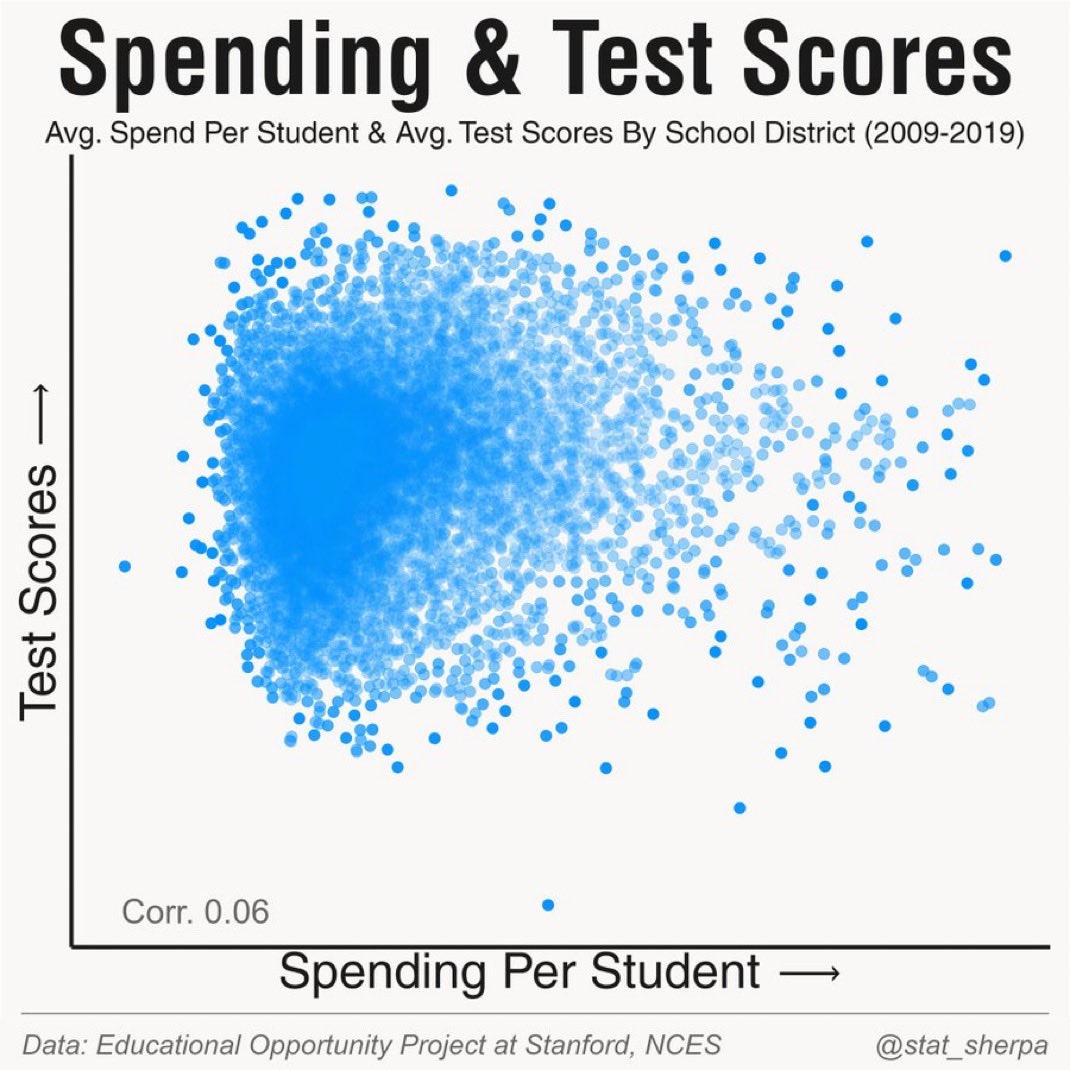
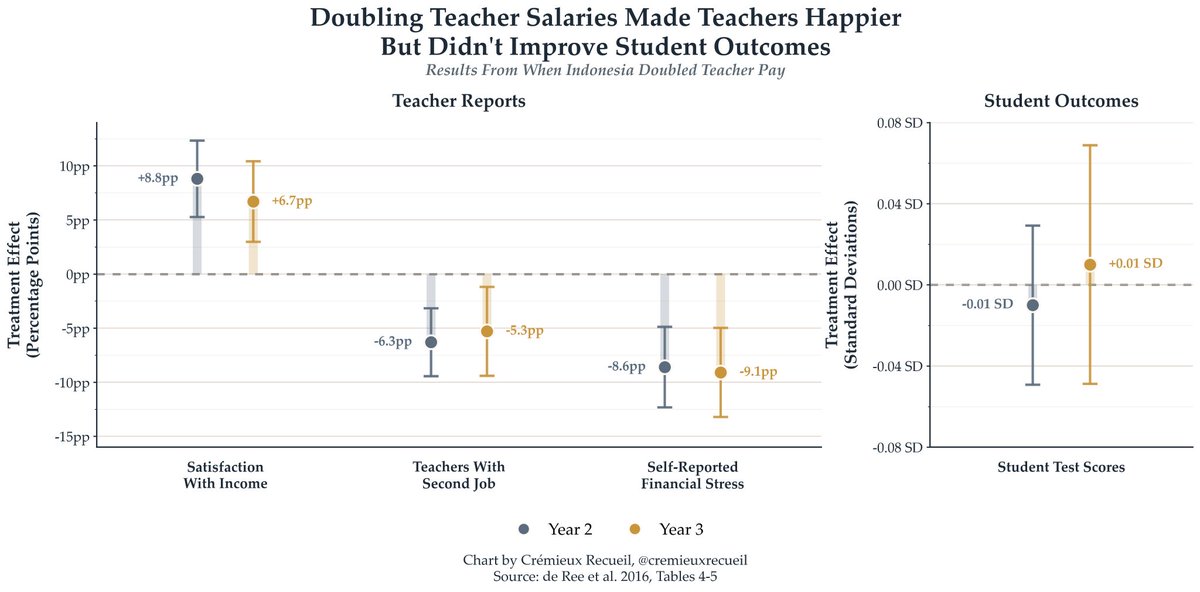
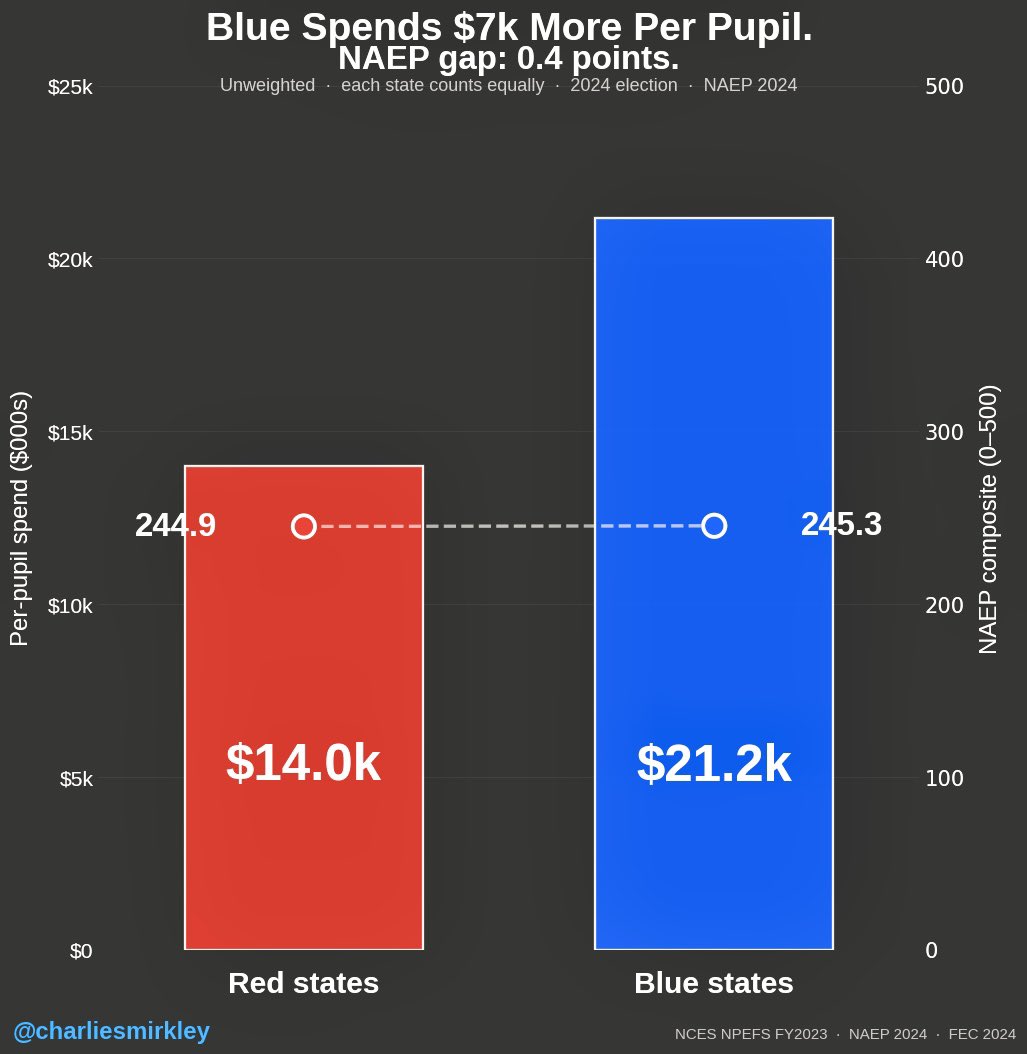
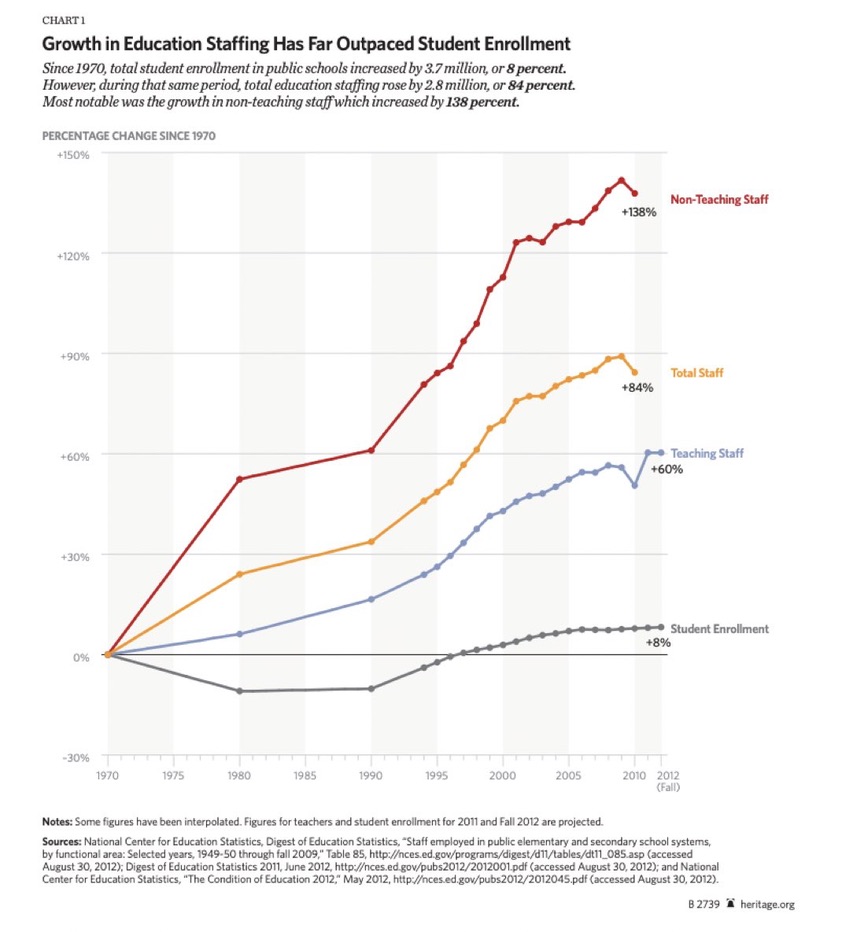
Throwing more money at public schools, even doubling teacher salaries, has virtually no effect on student outcomes.
Jun 12

Elon Musk: Trillionaire
Jeff Bezos: Billionaire
Public School Teachers: Can anyone help me get some pencils for my students?
86
791
6,600
201,518
Rand Simberg retweeted

Love this theory. Let's run it.
A sophomore builds a company out of his dorm room.
Eats ramen, sleeps four hours, ships something nobody else could. A venture fund takes one look and says it's worth a billion dollars.
Overnight, a kid with $40 in his account is a billionaire on paper.
The campus loses its mind.
One student worth a billion while everyone else drowns in loans?
Student government passes a resolution.
Tax him 5% a year, fund everyone's tuition. It's only 5%.
He'd still be worth more than the entire graduating class combined. You don't think that's worth it?
So they send him the bill.
Except he doesn't have a billion dollars.
He has $40 and a company a stranger guessed was worth a billion, as long as HE kept running it.
To pay the tax, he has to sell.
The moment he sells, the market learns the founder is cashing out to cover a tax he can't afford.
The valuation collapses. The investors walk away.
Now the company is dead.
The twelve people he was about to hire never get hired.
And the tuition fund that was supposed to come out of his billion contains exactly $40.
The campus is stunned.
We ran the math.
Five percent of a billion is real money.
Where did it go?
It was never money.
It was a bet on a PERSON AND THEIR IDEAS, and you cannot endlessly tax a bet without killing the thing it was betting on.
How are you this stupid?
47
161
1,193
11,378
Rand Simberg retweeted

In America, a warehouse store. A fully roasted chicken costs five dollars, the raw chicken beside it costs seven, and I stood between them like a man between two truths.
Golden. Hot. Seasoned. Spinning in glory under the lights, in a line of its brothers. Four dollars and ninety-nine cents.
I checked the raw birds. Seven dollars. Pale. Cold. You must do everything yourself.
This is not commerce. Commerce does not move backward. Somewhere in this building, mathematics lies defeated.
I asked the man at the counter. "How is the cooked bird cheaper than the raw bird?"
"Been five bucks forever. They keep it that way."
"But the store loses."
"Yep. On purpose."
On purpose. I held my receipt with both hands.
In my land, a lord who lowered the price of rice in a hard winter was remembered for generations. They built him a small shrine. This store does it every day, with chicken, and tells no one.
A woman behind me grew tired of my reverence. "It's just a chicken, sir."
It is not just a chicken. It is a wound the merchant takes on purpose, so that anyone, on any day, with five dollars, eats like a lord. The bird is the message. The price is the vow.
I will confess: I bought two. I did not need two. The second was not hunger. It was gratitude, and it was delicious.
Some prices are not prices. They are promises.
I return every week now. I take one bird. I bow toward the deli, briefly, so as not to alarm the staff. They have begun nodding back.
The vow holds. The bird turns. Five dollars.
Long may it spin.

269
1,291
14,346
593,673
Rand Simberg retweeted

SpaceX President Gwynne Shotwell on CNBC yesterday on Elon Musk:
"I think he is very misunderstood across the board. I want people to know him. In fact, he participated in some of the discussions that we’ve had over the last couple of weeks with investors.
The investors left saying: ‘I had no idea that is the man.’
I said: That’s the man I’ve worked for 24 years. I love him."
Gwynne joined SpaceX in 2002 as the company’s 11th employee. She’s awesome. What a journey.
338
952
6,541
400,852
Rand Simberg retweeted

Jun 11

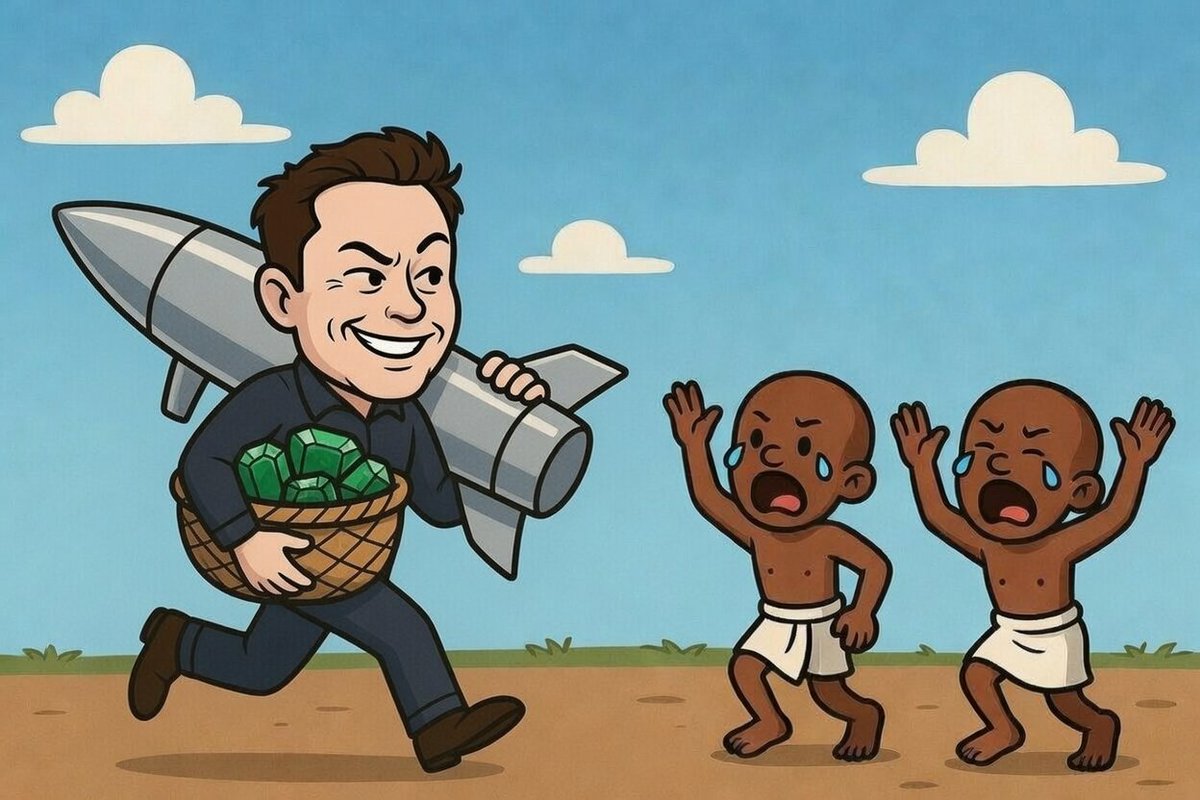
Leftists claim Elon stole rockets from African children, but the truth is more complicated.
You see, African children used to grow rockets by planting magic emerald seeds. Elon saw this, and stole both the rockets and the emeralds.
Thus Africa is poor and Elon is rich.



1
993
Rand Simberg retweeted

20h
Los musulmanes de toda Europa están conmocionados tras la histórica y valiente decisión de Suecia: dejará de usar el término «islamofobia», acuñado por los Hermanos Musulmanes, por considerarlo un concepto manipulado políticamente para silenciar las críticas al islam.
La ministra de Asuntos Exteriores sueca, Maria Malmer Stenergard, anunció que su gobierno presionará a la Unión Europea y a las Naciones Unidas para que dejen de usar este término fraudulento.
El concepto de «islamofobia» fue diseñado deliberadamente para equiparar la crítica legítima a la doctrina islámica con el racismo. Se utilizó como arma para silenciar el debate sobre textos islámicos fundamentales que contienen mandamientos para hacer la guerra, violar y someter a los no musulmanes.
Suecia acaba de reconocer lo que millones de europeos ya saben: criticar una religión que abiertamente llama al asesinato y la esclavitud sexual de los no creyentes no es una fobia, sino sentido común y autoconservación.
Esto supone un duro golpe para el lobby islamista en toda Europa.
¿Estás de acuerdo con la decisión de Suecia?
928
9,665
31,088
504,547
Rand Simberg retweeted

Jun 13
I grew up mostly raised by my grandparents — staunch Union Democrats. My grandfather (born 1901) started working at age 11 on the new oil refineries near Spindletop in Beaumont, TX, right after that legendary gusher. He spent 55 years as a manual laborer and die-hard union worker, helping build America’s energy infrastructure before retiring in 1967.
He came home beat every day. Work was tough back then, but so were the men. He loved this country, loved seeing it grow and prosper. He didn’t hate the men who signed his paycheck — though the union fought them when needed. Both sides were made of tough men. They fought, but they also shared the goal of building something bigger.
He loved Horatio Alger stories. He loved progress. My grandmother said he was glued to the TV during the Moon landing. He was proud when I joined the Marines at 18. He didn’t just love America — he wanted it to win.
He was the Democratic party of the 1930s-1960s. He's the man who taught me all of the values I carry with me today.
I don’t recognize today’s Democratic Party. It feels completely foreign to me, divorced from the values I learned at my grandparents feet. The Democrats at the Carpenters Union Hall where my grandfather would meet from time to time were strong men, body and mind, and they loved this country. Most had served and fought for this country. Today’s Democrats seem like weak miserable people who hate progress. This hit home for me today when I see DNC voices on X attacking Elon and everything he builds, when they should be proud that all of this is happening in America.
I’m proud to stand with this Tesla and SpaceX community. That is my party. Not Democrat, not Republican, but Tesla/SpaceX nerds who couldn't get nailed in woodshop. We have our squabbles for sure. But we’re all excited about the future. We want America to lead in AI, robotics, autonomy, and space exploration. I am so proud to throw my lot in with you crazy people.
48
32
281
9,523
Rand Simberg retweeted

Jun 12
Tout le monde devient fou parce qu'Elon Musk a une fortune de 1 000 milliards de dollars.
Très bien. Faisons les comptes, calmement.
L'État fédéral américain dépense 7 000 milliards de dollars par an. La fortune entière d'Elon, accumulée sur 30 ans de travail, représente 52 jours de dépenses de Washington. L'État français dépense 1 700 milliards d'euros par an, 57% du PIB, record absolu du monde développé. La fortune d'Elon, c'est 7 mois de dépenses publiques françaises.
Maintenant, la question que personne ne pose : qu'est-ce que chacun a produit avec cet argent ?
Washington, avec 7 000 milliards par an : un déficit de 1 800 milliards, une dette de 38 000 milliards, et des intérêts de la dette qui dépassent désormais le budget militaire. La Californie de Newsom a brûlé plus de 15 milliards dans un train à grande vitesse qui n'existe pas. La NASA a dépensé plus de 24 milliards pour développer le SLS, une fusée jetable à 4 milliards le lancement.
La France, avec 1 700 milliards par an : un hôpital en crise permanente, une école qui s'effondre dans les classements internationaux, 3 400 milliards de dette, et pas une seule entreprise technologique de rang mondial créée en 25 ans.
Elon, avec une fraction microscopique de ces budgets : le Falcon 9 développé pour environ 400 millions de dollars, là où la NASA estimait elle-même qu'il lui en aurait coûté 4 milliards. Dix fois moins cher. Des fusées qui atterrissent. Le coût du kilo en orbite divisé par 20. Starlink qui connecte des millions de personnes que les plans d'aménagement du territoire ont oubliées pendant 40 ans. Tesla qui a forcé toute l'industrie automobile mondiale à basculer vers l'électrique, ce que 30 ans de COP et de subventions n'avaient pas réussi à faire.
Donc récapitulons. Les États ont des moyens 10 à 50 fois supérieurs, le monopole de la loi, le monopole de l'impôt, et des décennies d'avance. Elon a beaucoup moins de moyens, zéro pouvoir de contrainte, et il surperforme tout le monde, dans tous les domaines où il entre.
Ce n'est pas un hasard. C'est structurel. Quand un entrepreneur alloue son propre argent, chaque erreur lui coûte personnellement, donc il apprend vite. Quand un bureaucrate alloue l'argent des autres, chaque erreur est invisible, diluée, et souvent récompensée par un budget supplémentaire l'année suivante. L'un a une boucle de feedback, l'autre n'en a pas.
La conclusion s'impose d'elle-même : le pouvoir de créer des systèmes dans le monde réel doit TOUJOURS être donné aux entrepreneurs qui allouent leur propre argent. Pas parce qu'ils sont meilleurs moralement. Parce qu'ils sont les seuls à payer le prix de leurs erreurs, et donc les seuls capables de corriger.
Milei a TOUT compris. Re-regardez son discours de Davos. "L'État n'est pas la solution, l'État est le problème lui-même." Tout le monde a ri en 2024. L'Argentine est sortie de l'hyperinflation pendant que la France cherche encore 40 milliards d'économies qu'elle ne trouvera jamais.
L'histoire ne juge pas les intentions. Elle juge l'allocation.
121
1,367
3,839
193,348
Rand Simberg retweeted

Jun 12
amongst other misperceptions I think the entire aerospace industry has been colored in profound structural ways by high cost to launch and geostationary satellite design.
every engineering process was designed around creating multi-layered protections against component failure because there was such a high fixed cost to lofting those components.
If you're spending a $20k per kg to put the thing up, and in the event of failure your next chance to loft the asset will be year's away, then it makes sense to massively over-engineer the asset.
In low earth orbit, as well, you need thousands of duplicated assets with rated lives measured in years not in decades.
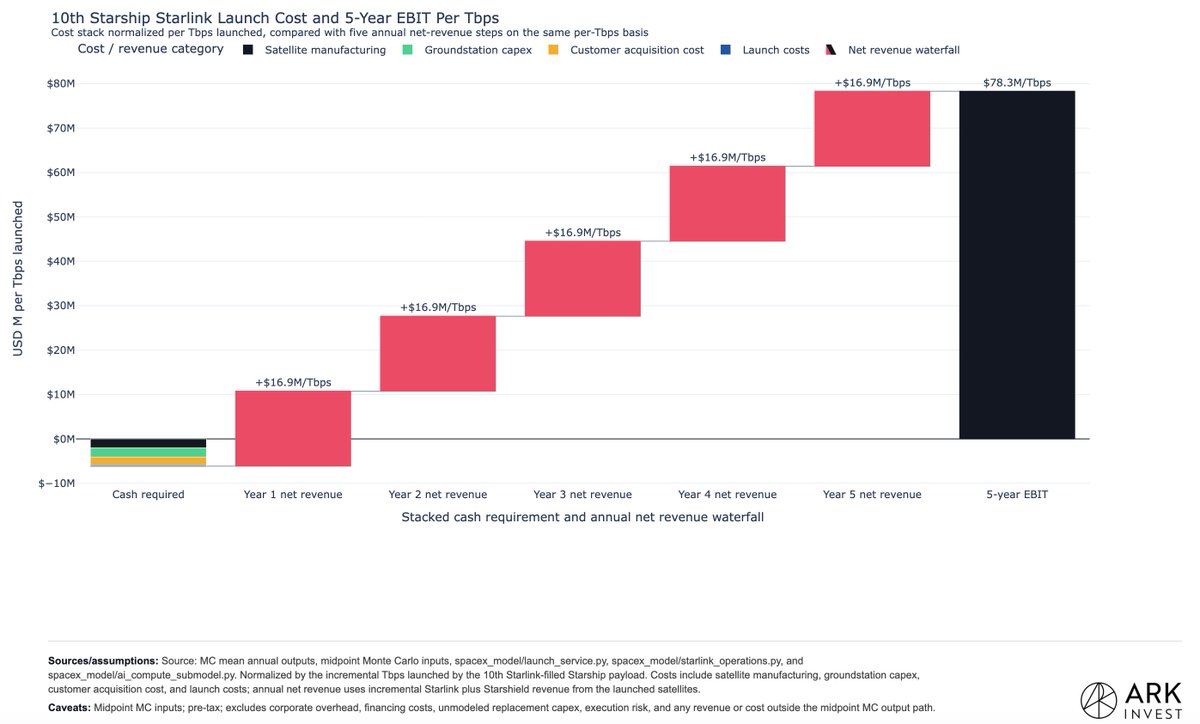
with starship and starlink, most of the cost is not fixed cost of launch, its in the payload bay.
Cost to launch should get below $100 per kg and you may be able to relaunch next week (if something goes wrong.) Cost to manufacture starlink v3, we think will start at ~$1,000 per kg. Associated groundstation capex for the incremental bandwidth is also much more meaningful relative to the cost of launch.
Net you are fine trading off reliability vs cost since you have to design for failure anyway (given thousands of assets) and sacrificing 1% reliability for 5% cost savings is a huge win.
This runs counter to everything that the industry has internalized over 50 years, so it has allowed SpaceX to continue to run orthogonally for nearly a decade.
With starship and v3 starlink we should begin to see the fruits of that labor really come to pass.
3
22
102
6,231
RT @mattdykema: We worked 16–18 hour shifts producing the first versions of the Falcon 9 thrusters.
To this day, it is still the hardest m…
500
Rand Simberg retweeted
Jun 13
SpaceX a clôturé son premier jour de cotation à 2 100 milliards de dollars, 19%. Tout le monde regarde le chiffre. Personne ne regarde ce qu'il price réellement.
Laissez-moi vous dire ce que le marché vient d'acheter, et pourquoi je pense que cette boîte vaudra 30 à 50 trillions d'ici 5 ans.
D'abord, le symbole. Cette IPO est un référendum. D'un côté, 20 ans de discours sur la décroissance, la sobriété, la redistribution, la fin de l'histoire gérée par des comités. De l'autre, un homme qui a dit "je vais rendre l'humanité multiplanétaire", que tout le monde a traité de clown, et qui vient de créer la plus grosse entreprise cotée de l'histoire en partant d'un entrepôt à El Segundo. Le marché a voté. Le wokisme avait des départements RH, SpaceX avait des fusées. Les fusées ont gagné.
Ensuite, la mécanique économique, parce que c'est là que tout le monde se trompe. Les analystes valorisent SpaceX comme une entreprise de lancement plus Starlink. C'est comme valoriser Internet en 1995 sur le marché du fax. Starship ne réduit pas le coût du kilo en orbite de 20%, il le divise par 100. Et chaque fois dans l'histoire qu'un coût d'infrastructure est divisé par 100, ce n'est pas le marché existant qui grossit, ce sont des industries entières qui naissent. Le coût du calcul divisé par 100 a donné Internet, le smartphone, l'IA. Le coût de l'orbite divisé par 100 va donner une économie spatiale complète.
Faisons la liste de ce qui devient rentable quand le kilo en orbite coûte le prix d'un billet d'avion. Les data centers orbitaux, avec énergie solaire continue et refroidissement gratuit, au moment exact où l'IA fait exploser la demande énergétique terrestre. La fabrication en microgravité de semi-conducteurs, de fibres optiques, d'organes imprimés impossibles à produire sous gravité. Le tourisme orbital de masse, puis les hôtels lunaires, qui passeront du fantasme au business plan exactement comme la croisière de luxe au 20ème siècle. Le transport point à point terrestre, Paris-Tokyo en 40 minutes. L'industrie minière des astéroïdes, dont un seul corps de classe M contient plus de métaux que tout ce que l'humanité a extrait depuis le néolithique. Et Mars en ligne de mire, pas comme destination touristique, mais comme le plus grand projet d'infrastructure jamais entrepris, avec tout ce que ça implique de demande en énergie, matériaux, robotique, IA.
SpaceX ne participera pas à ces marchés. SpaceX possède le péage d'entrée de tous ces marchés. C'est AWS, mais pour la civilisation. Apple vaut 3 500 milliards en vendant des rectangles de verre sur une seule planète. Le premier monopole d'accès à une frontière infinie à 30 ou 50 trillions dans 5 ans, ce n'est pas de l'exubérance, c'est une simple règle de trois sur l'expansion du marché adressable.
Et maintenant, la partie que je préfère. Ce futur n'a pas besoin de bureaucrates. Il n'y a pas de comité consultatif en orbite. Pas de commission Théodule sur Mars. Chaque dollar de cette nouvelle économie sera créé par des ingénieurs, des techniciens, des soudeurs, des pilotes, des entrepreneurs. Les diplômés en gestion de la norme vont devoir apprendre un métier utile, et franchement, c'est une excellente nouvelle pour eux aussi : construire est infiniment plus fun que contrôler.
Parce que c'est ça, le vrai signal d'aujourd'hui. Pendant 50 ans on nous a vendu un futur rétréci : moins d'énergie, moins d'enfants, moins d'ambition, gérer le déclin proprement. Et là, d'un coup, le plus gros actif financier du monde est un pari sur l'abondance, l'expansion et l'aventure. Le pessimisme vient de passer en position vendeuse sur lui-même.
Le futur sera méga fun. Il y aura des hôtels avec vue sur la Terre, des honeymoons en orbite, des gamins qui diront "papa, c'était comment avant les fusées réutilisables" comme on dit "c'était comment avant Internet". Et quelque part dans les années 2030, un humain marchera sur Mars en livestream devant 5 milliards de personnes, et ce jour-là plus personne ne se souviendra du nom d'un seul de ses détracteurs.
Achetez de l'optimisme. C'est encore sous-valorisé.
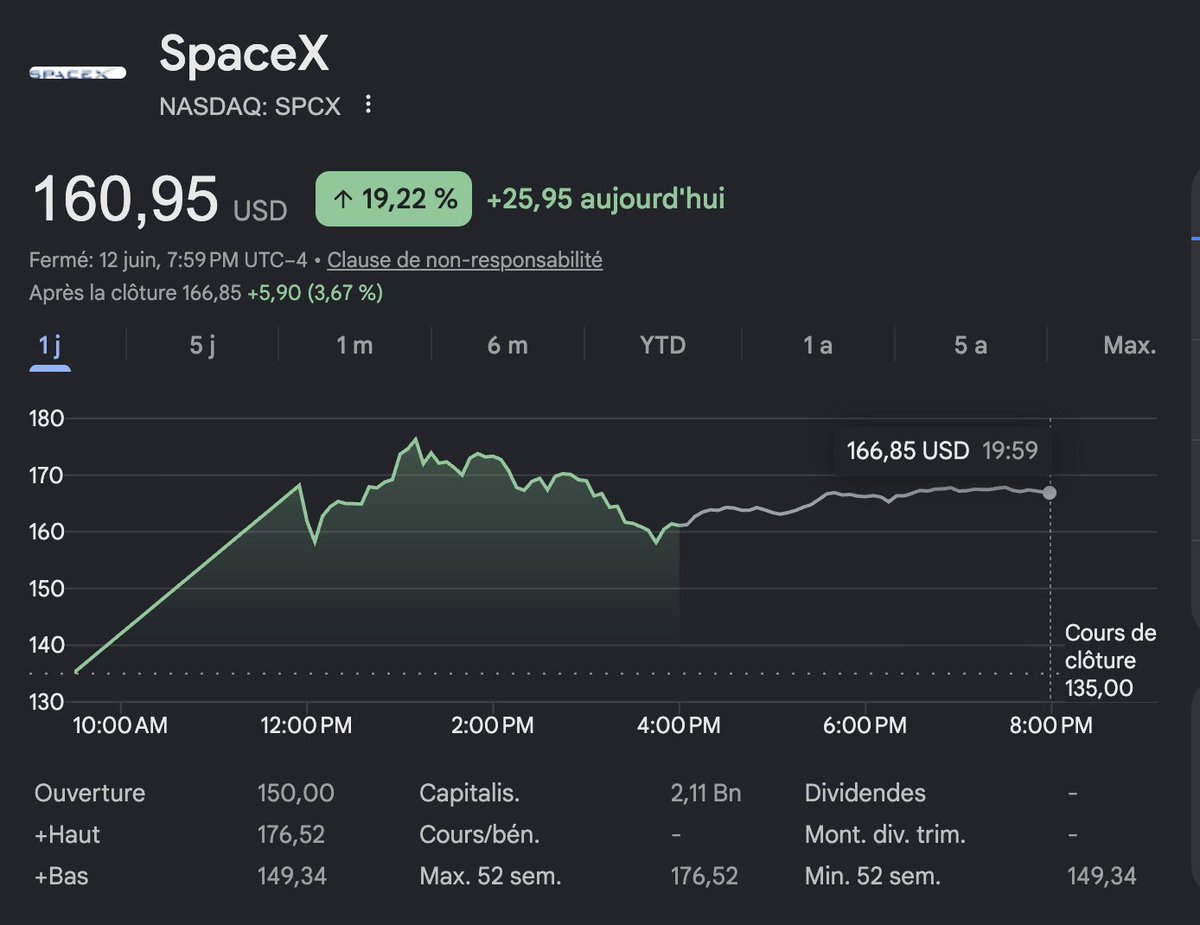
207
602
2,780
251,455
Rand Simberg retweeted

Jun 13
The lesson I take from the SpaceX IPO is that the only thing stopping us from solving arbitrarily difficult problems is extreme creativity in business models.
No amount of tax and spend programs got us reusable rockets and great electric cars. Customer delight is a necessary precondition for success.
There seems to be some discussion around whether successful entrepreneurs should give up control of their companies so they can subsidize some philanthropic venture that otherwise has no value prop sufficient to run it as a business where customers voluntarily exchange money for goods and services at a competitive and reasonable price.
This misses the point. Transformational products deliver tangible value at 1000x the rate of charities whose value cannot be tested in the market place. Think about the undeniable value of the smart phone, satellite Internet, electric consumer devices, etc etc.
I think the transformational moment for SpaceX was when Elon stepped away from the philanthropic Mars greenhouse concept and fixed his resolve on unlocking radically better rockets for humanity. The greenhouse would have been, at best, a neat trick. Falcon and Starship give humanity a durable economic engine to maintain and improve access to space, forever.
73
223
2,290
233,091
Rand Simberg retweeted

Jun 13
“Elon Musk is a trillionaire.”
As a securities law attorney, please allow me to explain how anyone who says this is basically lying to you:
1. The Securities and Exchange Commission has a myriad of laws that prevent founders and other large stockholders of publicly traded companies from dumping their shares. There are substantial holding period requirements, volume of sales limitations and public reporting obligations for stock sales. Basically, Elon holds largely illiquid shares, he is a “trillionaire” on paper only, and the best analogy is when people peg your net worth based on your home’s market price. That’s not money in your pocket, that’s the house you live in.
2. All that money raised in the IPO? That’s not going into Elon’s pocket like the lying socialist idiots want you to believe. It’s a capital influx that will be used to make more rockets and get more payloads into orbit. It’s a CAPITAL investment—that money is like a business loan, it’s not your money to keep, it’s your money to grow the business.
3. If it WERE legal for Elon to dump his shares, the share price would crash basically instantly and the company could very well fail.
If you bought SpaceX shares in the IPO, congrats. You just bought a lottery ticket, just like Elon. May the odds ever be in your favor.
So the next time someone screeches about how unfair it is that Elon Musk creates wealth that benefits all of humanity, throw the truth back in their faces.
336
2,048
7,682
194,163
Rand Simberg retweeted

Jun 13
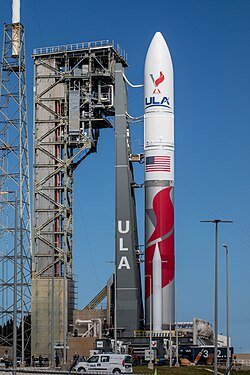
"...the strategic decision to make one private company into national infrastructure."
This guy is hilariously right on this point, but has the wrong company.
Because a strategic national infrastructure monopoly was intentionally created.
It was named ULA.
Jun 12

Chris, this is the American cabal myth in its cleanest form.
“Elon became a trillionaire because he solved important problems.”
No.
SpaceX solved real engineering problems. That part is true.
But Elon becoming a trillionaire is not merely the reward for problem-solving. It is the result of financial engineering, state sponsorship, public procurement, national-security dependency, monopoly positioning, capital-market mania, index inclusion, narrative control, and an ownership structure that converts collective and state-backed achievement into private personal wealth.
That is the distinction you are missing.
Reusable rockets are real.
Starlink is real.
The engineering is real.
But the trillionaire outcome is not just engineering. It is political economy.
SpaceX was not built in a free-market vacuum. It was built through NASA contracts, defense demand, Space Force contracts, launch regulation, public space infrastructure, government procurement, taxpayer-backed demand, capital-market liquidity, and the strategic decision to make one private company into national infrastructure.
That is not ordinary capitalism.
That is corporate fascism: private ownership fused with state objectives.
The state needs SpaceX for launch capacity, military communications, satellite infrastructure, geopolitical competition, and national-champion strategy. Wall Street then takes that state-backed strategic position and capitalizes it into a speculative valuation. Musk’s ownership stake converts that valuation into personal wealth.
So when you say, “He solved important problems,” you are describing only the visible heroic layer.
You are not describing the machine underneath.
The machine is this:
public demand, public contracts, public infrastructure, public risk, private ownership, private upside.
That is how the national-champion model works.
The billionaire founder becomes the mascot of a state-capital project. Then the public is told to see his wealth as proof of genius instead of proof that public power and private capital have fused.
Nobody serious has to deny SpaceX’s engineering achievements.
The point is that engineering achievement does not explain trillionaire wealth by itself.
Ownership explains it.
State backing explains it.
Capital markets explain it.
Political protection explains it.
The myth exists to collapse all of that into one sentence:
“He solved problems.”
That is not analysis.
That is propaganda.
6
16
147
2,796
Rand Simberg retweeted

19h
Every dollar Elon Musk has made is traceable. Every product sold, every service rendered, every government contract awarded, every share of stock bought or sold. It’s all on the record.
You, on the other hand, haven’t built a company, invented a product, or created anything people willingly pay for. You’ve spent the last 14 years collecting a $174,000 Senate salary.
Yet somehow you managed to buy a luxury D.C. condo, a $4 million Victorian mansion in Cambridge, and saw your net worth balloon by 150% to $12 million. Everyone knows where Musk’s money came from. The same can’t be said for yours.
Jun 12

Elon Musk just became the world's first trillionaire.
The typical American household would have to work more than 11 MILLION years to make Elon Musk's level of wealth.
We need a wealth tax.
366
4,911
28,265
502,582