
CEO/Founder @ObserveAI (YC W18) | Ex @TwitterEng | IIT Delhi
Joined May 2011
- Tweets 3,929
- Following 837
- Followers 2,962
- Likes 5,318
220 Photos and videos



Pinned Tweet

12 Apr 2022
I am very excited to share that Observe.AI has raised $125M Series C funding led by SoftBank Vision fund 2 with participation from Zoom and our existing investors!
observe.ai/blog/125m-series-…
61
39
770
Swapnil Jain retweeted

4 Jun 2025
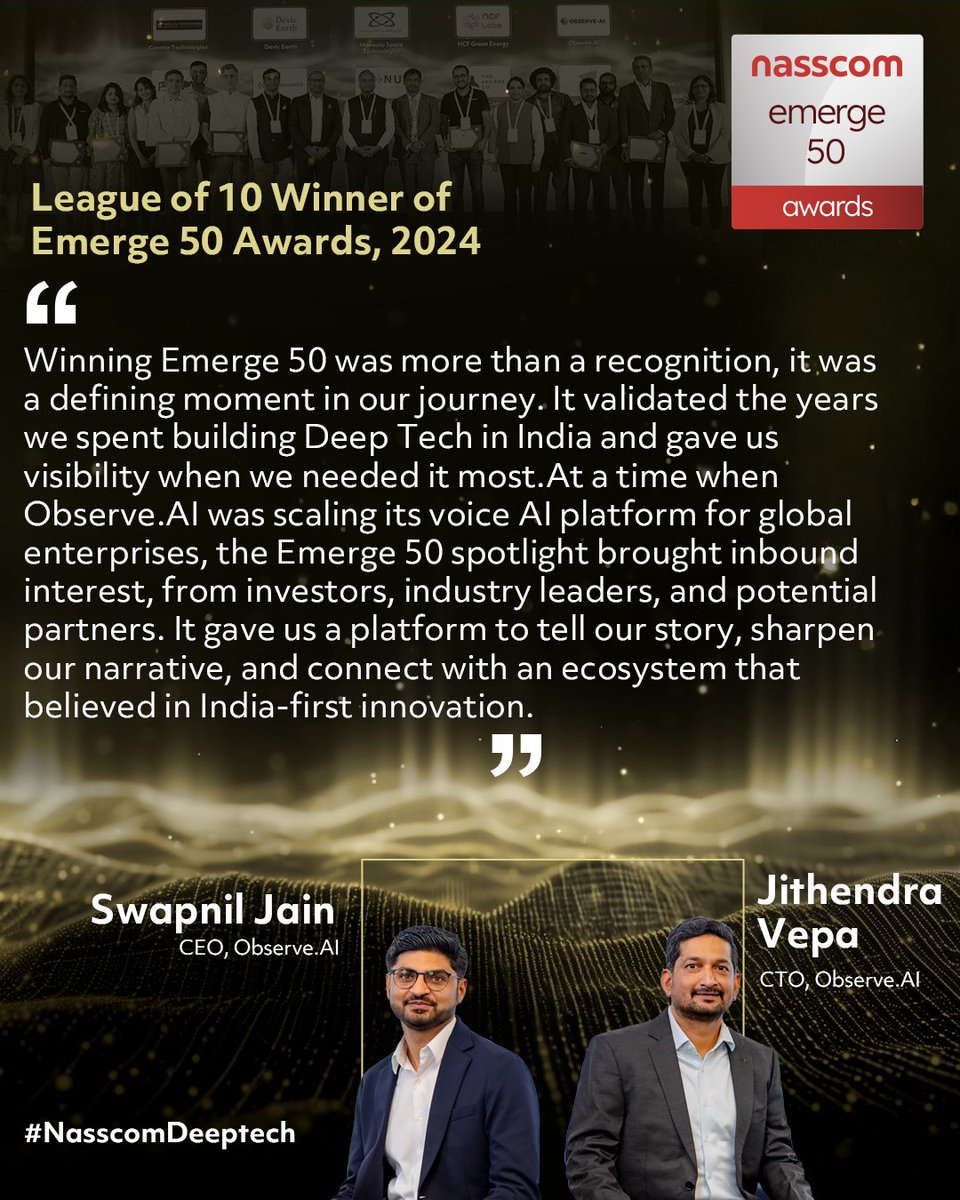
The Nasscom #Emerge50 Awards spotlight #DeepTech startups, offering winners unmatched visibility and connections to investors, industry leaders, and partners.
For @observeAI , winning as a League of 10 in 2024 was a defining moment. CEO @swapnil and CTO Jithendra Vepa share how it validated years of building Deep Tech in India and brought inbound interest right when their voice #AI platform was scaling globally. This recognition helped them sharpen their narrative and connect with an ecosystem that believes in India-first innovation.
Applications for this year’s Emerge 50 Awards are now open! Scale your Deep Tech vision with Nasscom Emerge 50.
Apply now: nasscom.accubate.app/ext/for…
To know more: nasscom.in/emerge50/
@nasscom @nasscomai @DSCI_Connect @PwC_IN
@MKritika_ @ShaliniDewan @iamsharmashreya
@nhl_pandya @mayankkumar_17 @shivamsareen91
1
2
692
Swapnil Jain retweeted

23 May 2025
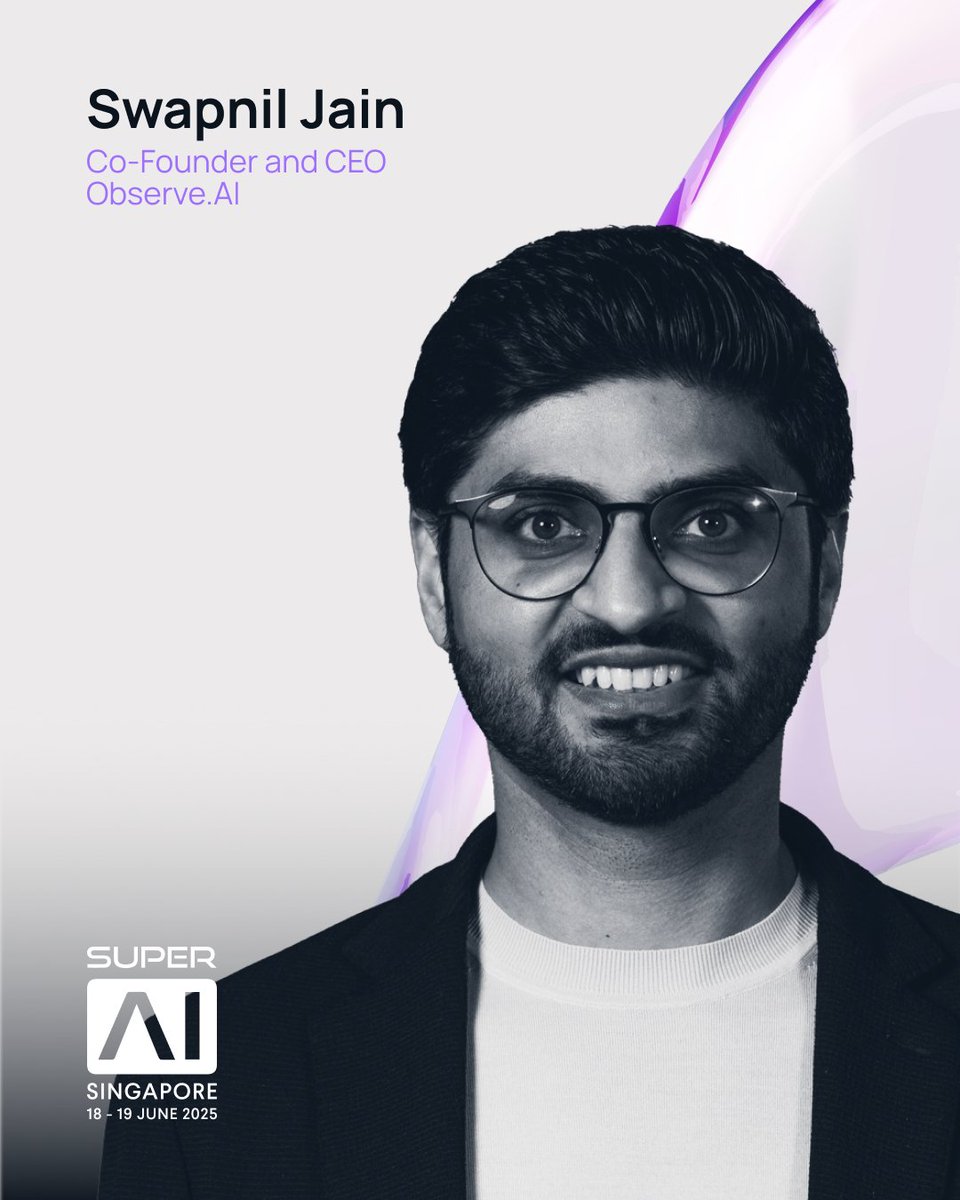
What if every customer conversation was a source of insight and impact?
Co-Founder and CEO @swapnil shares how @observeAI is transforming customer service via agents that deliver real-time support and surface insights from every interaction. Learn more at #SuperAI on 18-19 June.
1
2
6
1,138
Swapnil Jain retweeted

8 May 2025
VoiceAI is making waves.
WebProNews covers how here at ow.ly/2Lkb50VPwKK we are transforming call centers with smarter, real-time customer service solutions—driving speed, accuracy, and better outcomes at scale.
Check out the full article below 👇
ow.ly/xFIC50VPwKJ
1
4
406

Swapnil Jain, CEO Co-Founder of @observeAI tells us how VoiceAI is redefining the call center experience—helping businesses boost agent performance and deliver better customer outcomes on #NYSEFloorTalk with @JudyKShaw | @swapnil
4
3
13
6,151
Swapnil Jain retweeted
31 Mar 2025
Observe․AI is on the radar! 👀
We’re thrilled to be featured in Startup Savant’s “AI Startups to Watch” list!
Check out the full list here: startupsavant.com/startups-t…
2
4
585
Swapnil Jain retweeted

26 Mar 2025
Observe launches VoiceAI agents to automate customer call centers with realistic, humanlike voices that don't interrupt venturebeat.com/business/obs…
9
11
2,738
4 Mar 2025
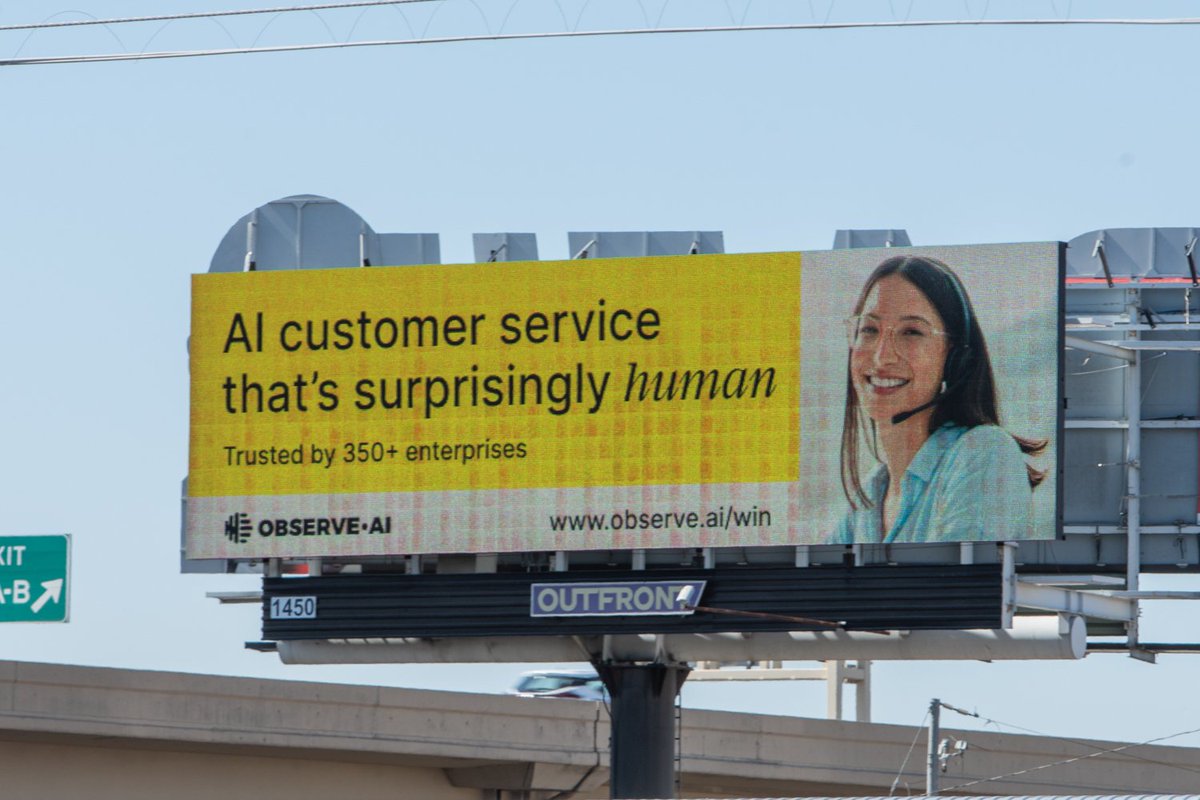
"Look, Ma! We made it to the big leagues! 🚀"
From an idea on a whiteboard ➡️ to a team of 350 amazing Observians ➡️ to support 350 large Enterprises ➡️ to raising $213M ➡️ and now… a BILLBOARD!
Building Observe.AI over the last 7 years has been a wild ride. But seeing our name up there, larger than life, is more than just a milestone—it’s a testament to the game-changing impact we’re delivering to some of the biggest brands in the world.
To our customers, partners, investors, and most importantly, our team—you made this happen.
To my mom: Yes, this is almost as cool as becoming a doctor. Almost. 😆
If you're driving by Highway I-10 in Phoenix, give it a honk!
2
1
22
585
Swapnil Jain retweeted

11 Feb 2025
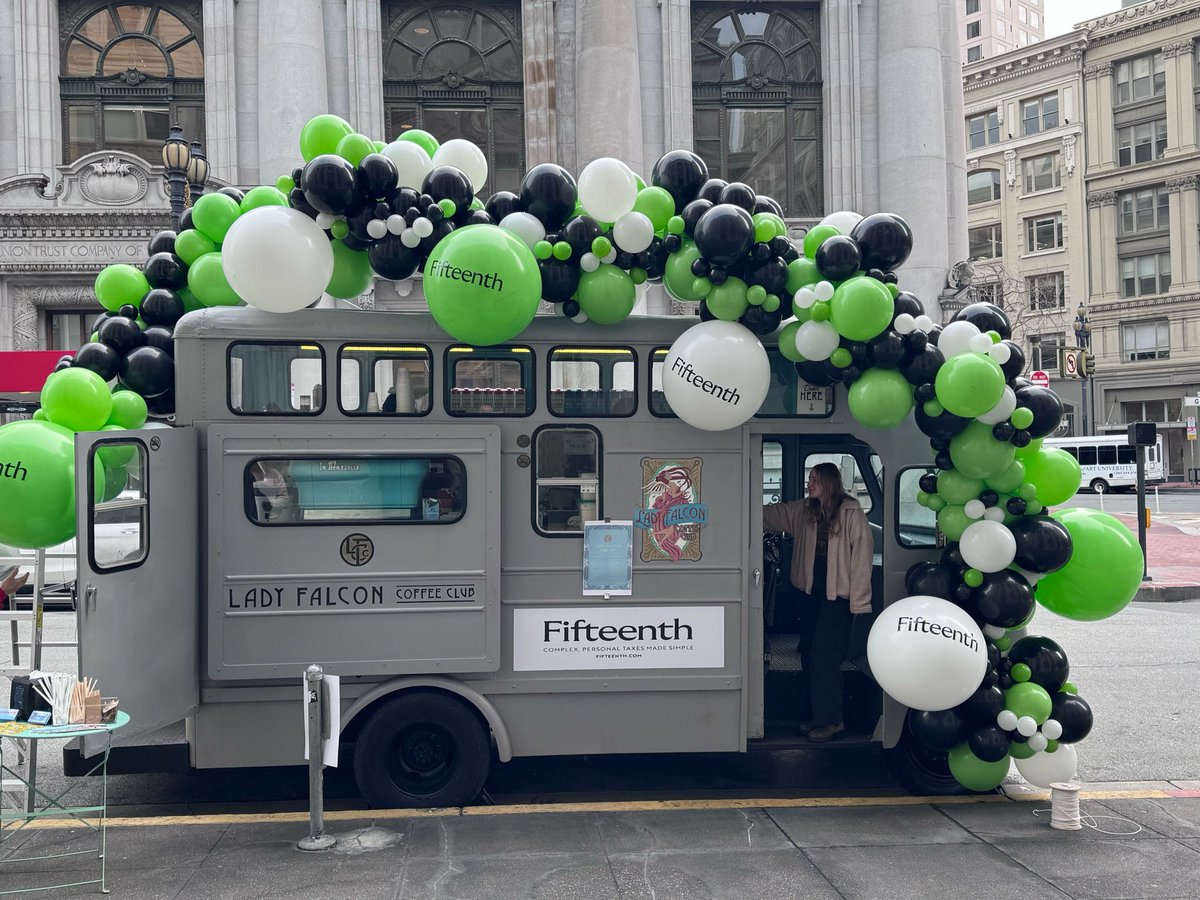
🚨 Free Coffee Alert! 🚨
Swing by our coffee truck at Grant & O’Farrell for a fresh brew—on us! ☕️ And who knows? You might just walk away with a sweet tax-saving tip too. 😉
1
2
11
2,534
10 Feb 2025
Salesforce is the new IBM. Their Agentforce ads remind me of IBM Chef Watson ads youtube.com/watch?v=xBTiuSaV…
10 Feb 2025

I love how you can watch every Salesforce ad and still have no idea what the company does
1
607
30 Jan 2025
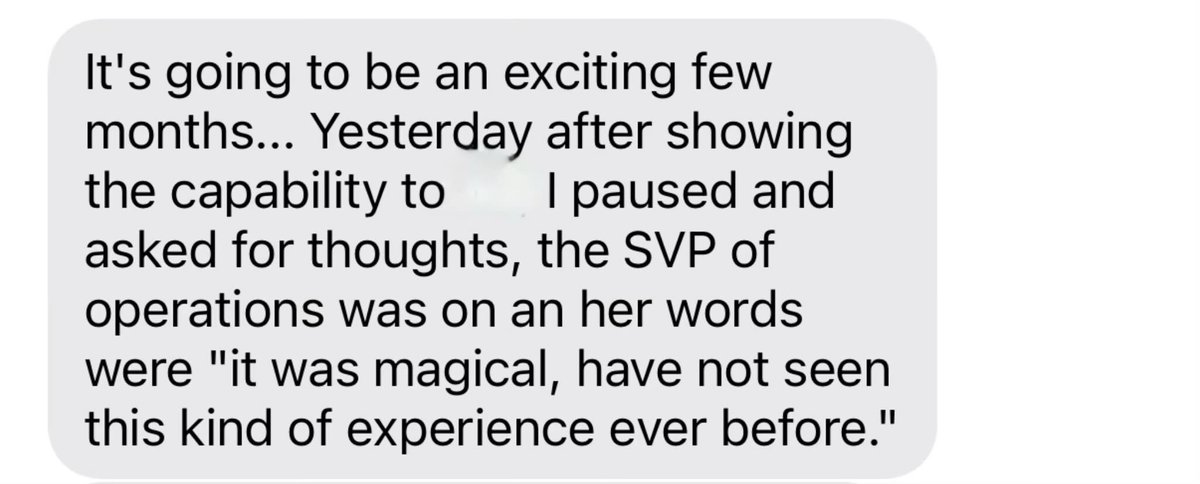
"Magical" - This is how our customers felt after seeing the power of Observe.AI Voice AI agents. This is from my SE leader when I asked him how the demo went with a new prospect :)
Signup for early access at lnkd.in/dAGvx5Bt
2
256
Swapnil Jain retweeted

26 Jan 2025
Observe AI: Agent-Centric Call Center Revolution ft. @MenloVentures Partner @Bad2theSloane
#CallCenterTechnology #AgentCentric #ObserveAI
2
2
785
21 Jan 2025
"Service as a Software" in the Customer Service Industry? Not really.
There’s been a lot of buzz in the VC ecosystem around the new "Service as a Software" paradigm powered by AI agents. Many have asked me: Why not bring this to Contact Centers? Why not build an AI-powered BPO?
Here’s why: the assumption of an "AI BPO" fundamentally misunderstands how the outsourced customer service (BPO) industry operates.
Let me explain.
In outsourcing functions like Legal and Accounting, customers only care about results—the what, not the how. They don’t concern themselves with the internal workings of the service provider: who they hire, what tools they use, or when they work. These are what I call fully outsourced functions.
But customer service and Contact Centers are a whole different ball game. BPOs in this space act as extensions of the customer’s team, not a separate black box. Clients care deeply about the how—where agents are hired, the software stack, training, policies, and more. These are what I call "extended team" functions.
Here’s the kicker:
For fully outsourced functions, introducing AI to improve efficiency is straightforward because the service provider owns the delivery model. Take Harvey, Haven - your modern tax advisor as an example—they can seamlessly increase their use of AI without consulting clients, as long as outcomes remain strong. Customers only care about results. So we will see a lot of new age Law Firms, Accounting firms, etc.
In contrast, for extended team functions, the decision to use AI rests with the customer, not the outsourcer. Clients dictate the blend of AI and human agents in their customer service operations—not the BPO.
So, can AI BPOs truly take off? Not until we fundamentally shift the way customers view their relationships with BPOs—and that’s a far taller order than most realize.
1
256
17 Jan 2025
Breaking News: Apple’s AI struggle with fake headlines is a strong validation of a critical fact—making AI work in production is not easy.
While LLMs are excellent for POCs and pilots, scaling them for enterprise-grade production requires what I like to call the "dirty work."
Take contact centers, for example: Automating call summaries to reduce agents' after-call time was considered one of the easiest use cases for LLMs.
As a result, every CCAAS and Telephony vendor jumped on this bandwagon. But over the past 12 months, we’ve seen just how much effort it takes to make those summaries truly effective:
- Fine-tuning models for accuracy
- Resolving transcription errors
- Enforcing length constraints
- Achieving high-accuracy entity extraction
- Managing latency requirements
- Maintaining voice consistency (first-person vs. third-person)
- Handling complex scenarios like call transfers seamlessly
These aren’t minor details—they’re essential for building true enterprise-grade AI solutions.
At Observe.AI, this is where we excel. We embrace the “dirty work” needed to make AI work in production and deliver real results for enterprises.
lnkd.in/gdWhTQkQ
1
284
Swapnil Jain retweeted

16 Jan 2025
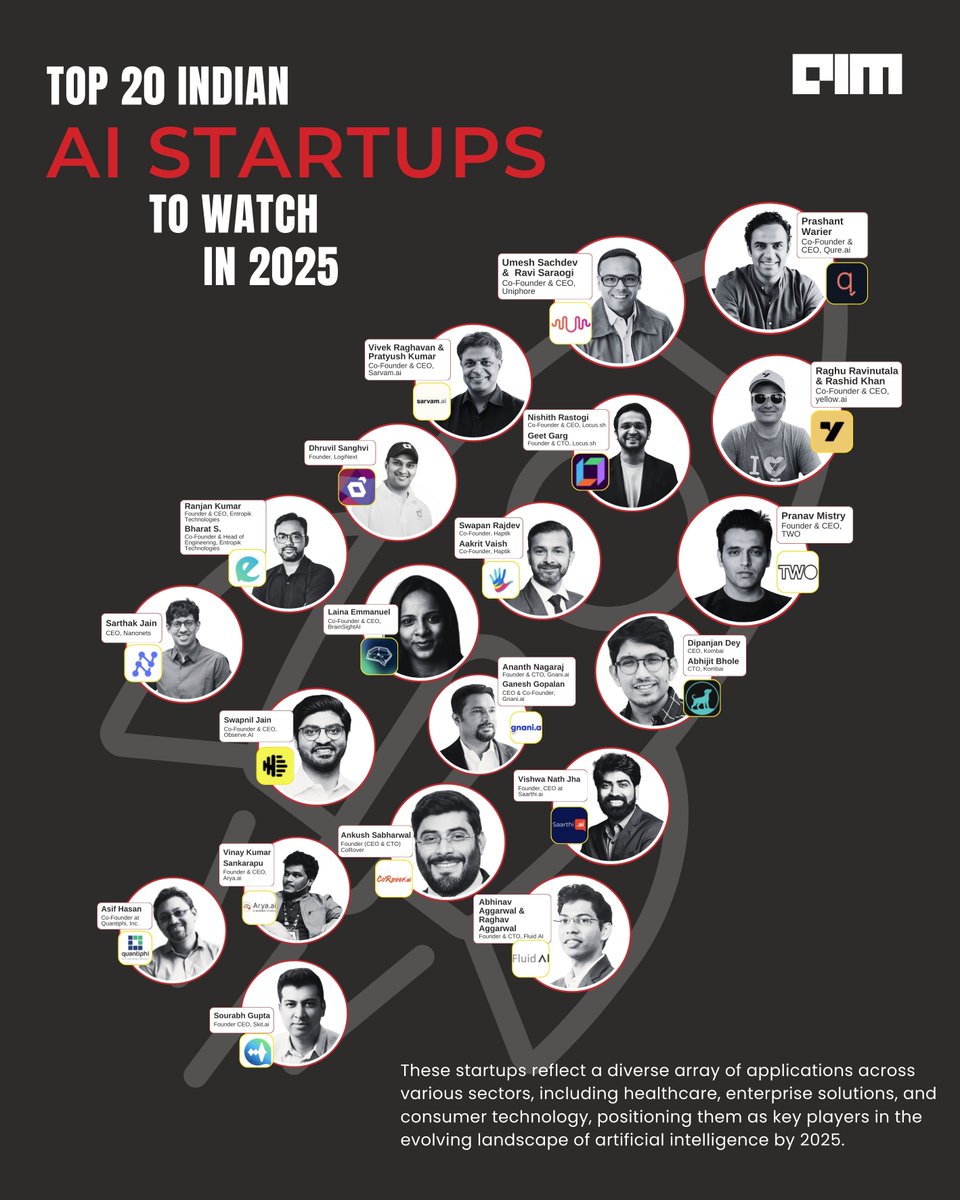
Celebrating National Startup Day with India’s AI Pioneers!
Presenting the Top 20 Indian AI Startups to Watch in 2025—trailblazers transforming industries with cutting-edge AI solutions.
#NationalStartupDay #AIStartupsIndia
@qure_ai @pwarier @uniphore @Umesh_Sachdev @saraogiravi @yellowdotai @xhckr @RaghuRavinutala @SarvamAI @vivek_raghavan @pratykumar @locus_sh @nishith_rastogi @geetgarg_ @two_platforms @pranavmistry @Kombaico @Dipanjan_Dey @bholebababa @haptik @aakrit @SRajdev @LogiNext @dhruvilsanghvi @entropik_io @rkambastha @_bharatss @BrainSightAI @lainaemmanuel @saarthi_ai @GnaniAi @ganeshgo @Ananth_Nagaraj @FLD_AI @CoRover_App @SabharwalAnkush @observeAI @swapnil @nanonets @sarthak_jain @Skit_ai @sourabhsg @arya_ai1 @SVinayKumar12 @Quantiphi @asif__hasan
10
23
4,364
1 Jan 2025
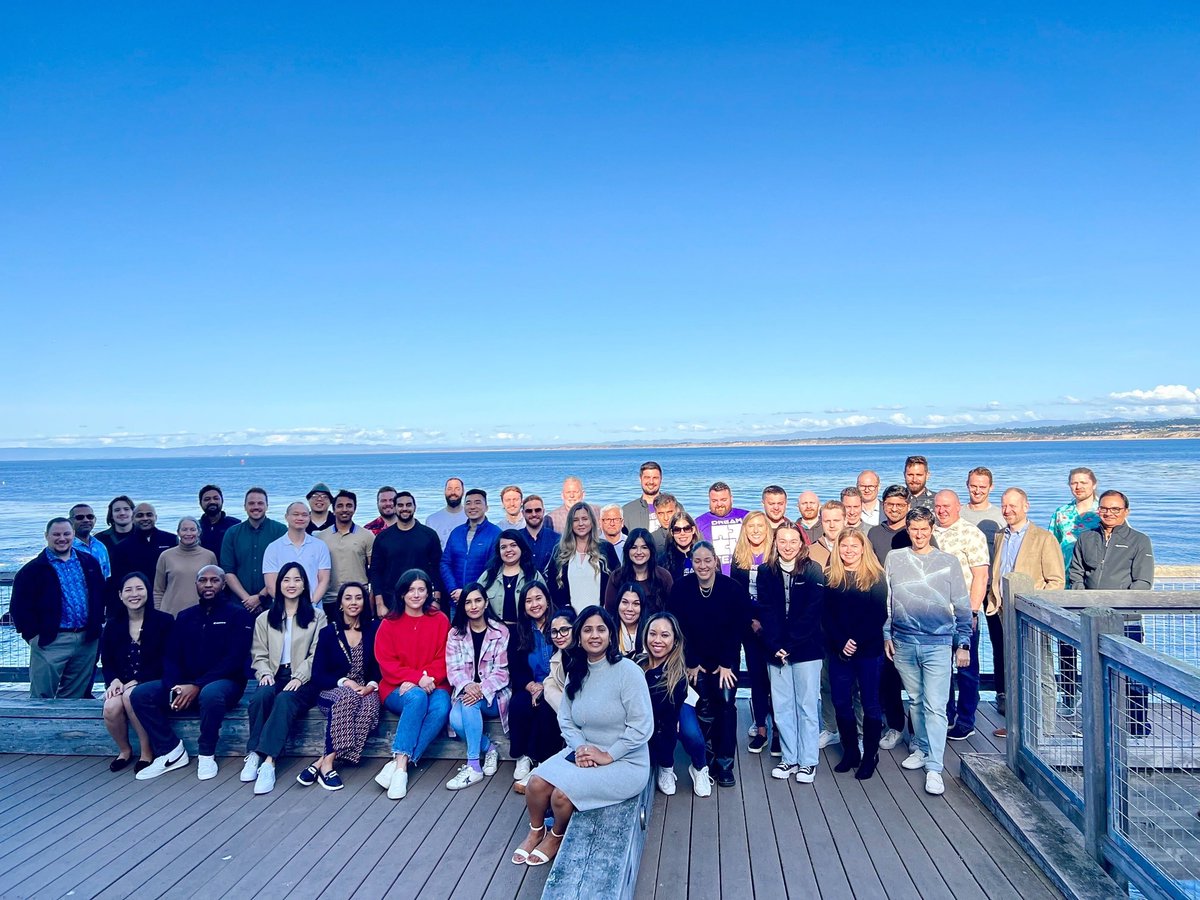
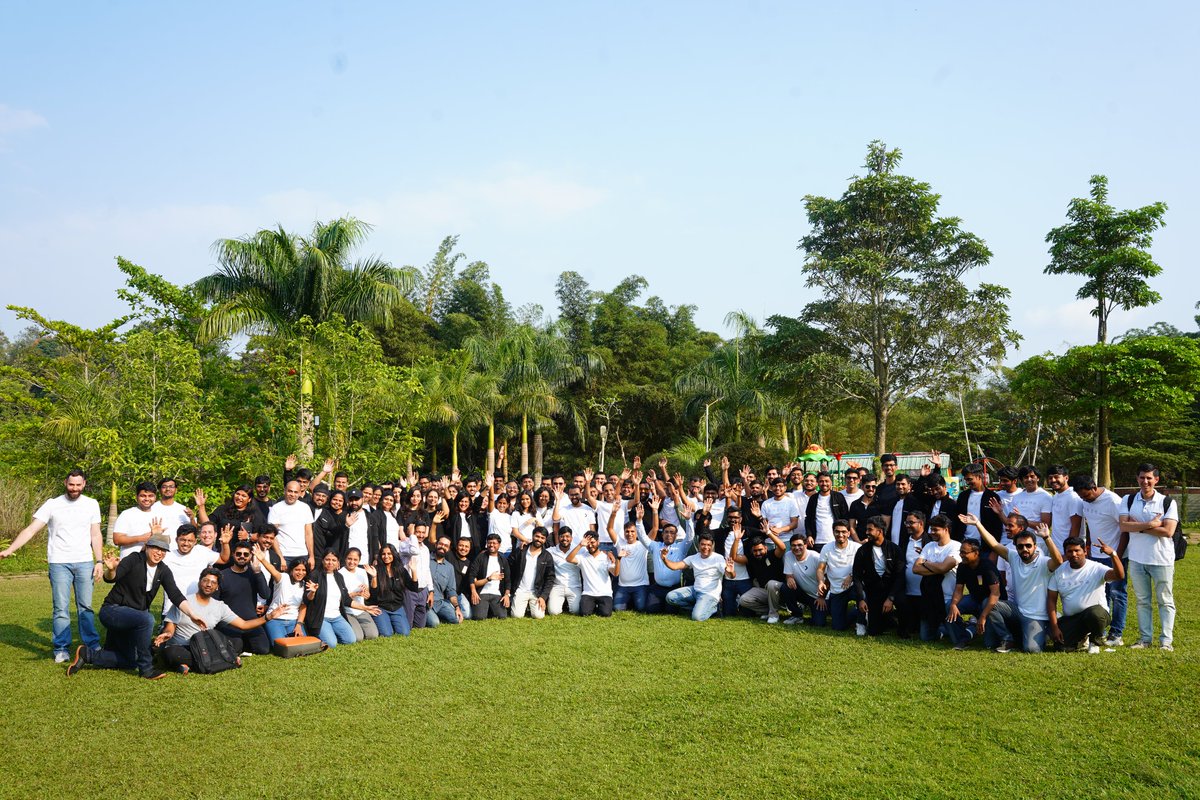
As we wrap up 2024, I’ve been reflecting on the incredible achievements this year. It’s been a pivotal year for the Contact Center industry, AI, and for Observe.AI
New Product Launch – VoiceAI Agents
We launched VoiceAI Agents powered by our Conversation Intelligence platform and were overwhelmed by demand from both new and existing customers. Traditional Conversational AI companies have struggled with long implementation times, high costs, and poor CSAT. That changes in 2025 with Observe.AI VoiceAI Agents.
Biggest AI Deployments in History
This year, we onboarded multiple million-dollar enterprise customers, including some of the largest contact centers in the world with tens of thousands of agents. These large, complex businesses partner with Observe.AI for the scalability, security and depth of capabilities in Conversation Intelligence needed to transform CX at scale.
Advancing AI Leadership and Innovation
Our AI leadership is recognised by every major analyst firm worldwide (Forrester, CMP, IDC, OPUS) for all our products—Auto QA, Insights, and Real-Time Agent Assist. We also published 10 papers in conferences like Interspeech and NAACL.
Hard ROI and Customer Value
We’re proud of the concrete business value we delivered to customers in the midst of all the AI noise. From saving a healthcare company $6M by automating ACW for agents to helping a food delivery company improve CSAT driving millions in LTV, the results speak for themselves.
Built a World-Class Team
We hired 100 people across functions and geographies to fuel our growth. We acquired Dubdub.ai to expand our Speech AI team and built world class ASR and TTS technologies. And we're still hiring across many roles. If you are passionate about CX AI, we’d love to hear from you!
To our customers, partners, and team: thank you for making 2024 a huge success. We took massive strides towards our shared vision of making every customer conversation count, across healthcare, finserv, insurance and consumer services.
We’re in the midst of the biggest technological shift of our generation, and Contact Centers and Customer Service are the perfect AI use cases.
Here’s to an even more exciting 2025!
1
7
589

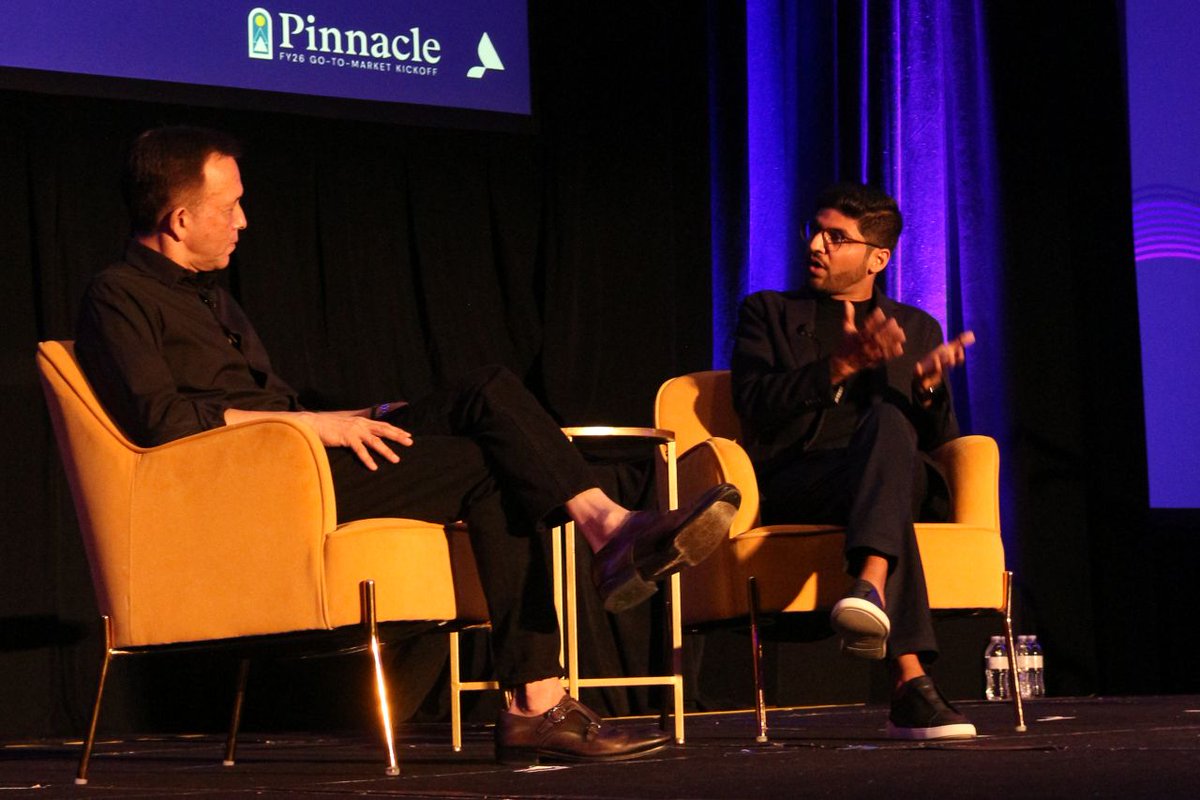
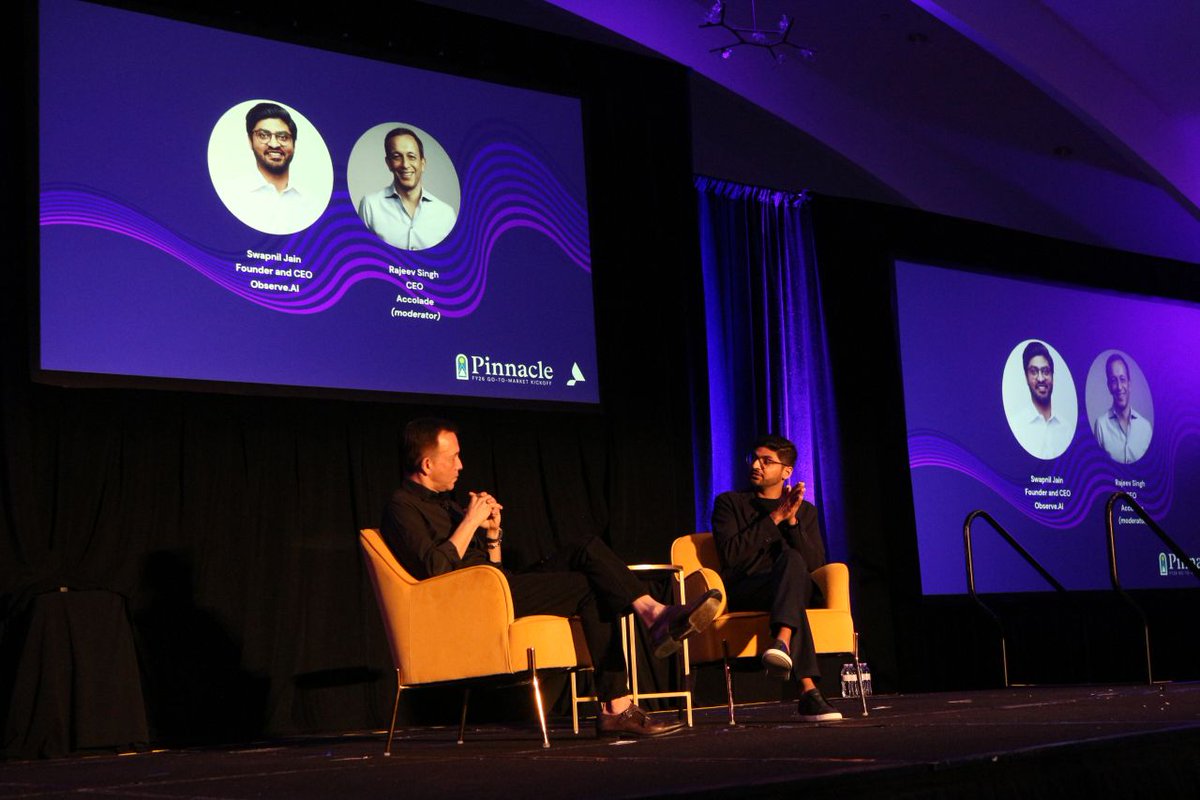
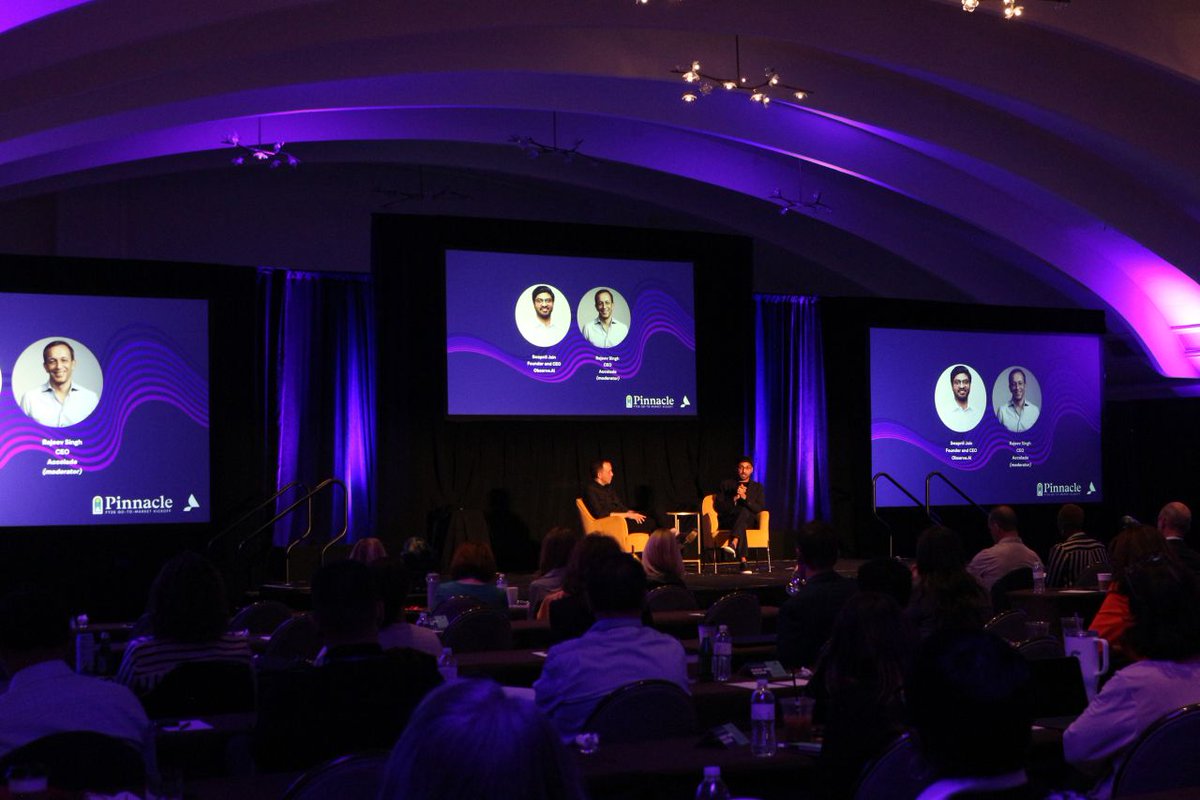
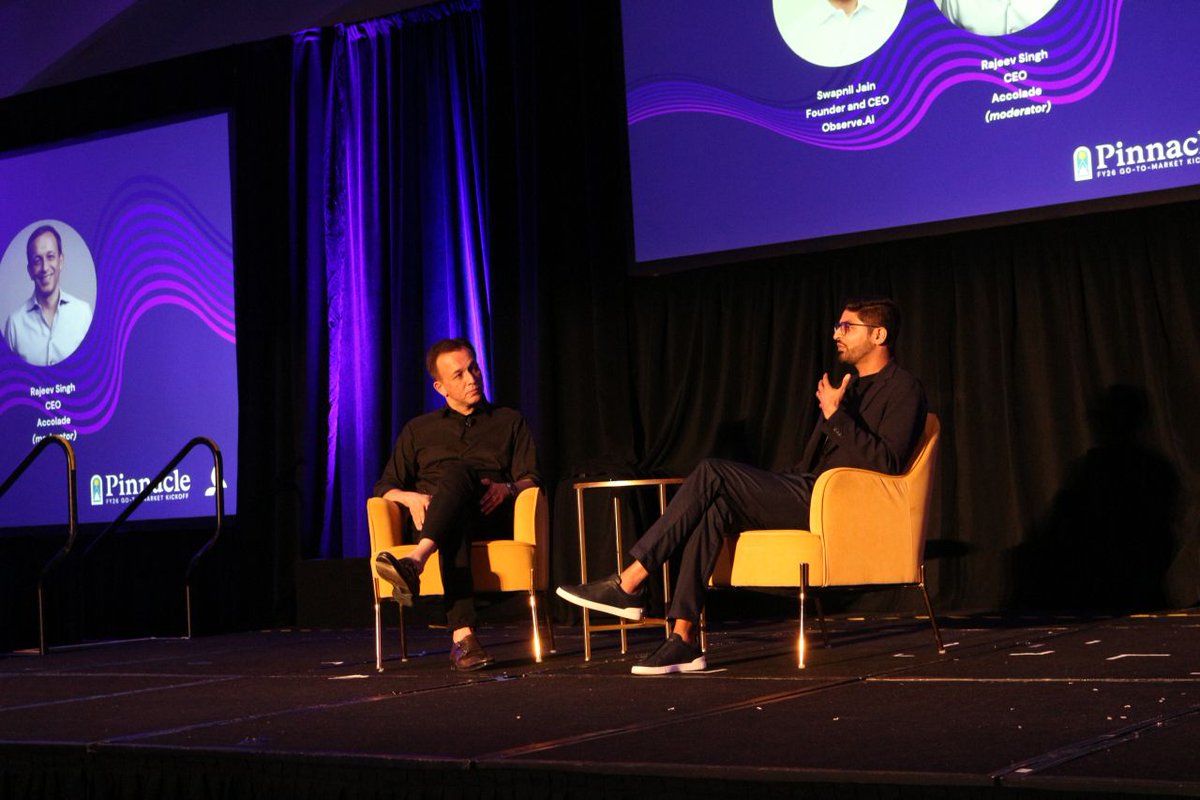
We’re thrilled that @swapnil, Founder and CEO at @observeAI, joined Accolade CEO @rajeev_singh to discuss how Accolade is harnessing the power of #AI to reimagine the healthcare experience for your employees. Learn more about our partnership: accd.co/4dLViyU.
2
6
2,072
Swapnil Jain retweeted

24 Sep 2024
➡️ Leveraging AI
Hear @swapnil, CEO and Co-Founder, @observeAI, a Nexus portfolio company, share how Observe’s AI copilots and autonomous AI agents powered by generative AI are transforming customer service industry globally.
@b_jishnu
#AI #GenAI #CustomerService #ContactCenters #ObserveAI #NexusCommunity #FutureOfWork
3
11
883
22 Aug 2024
As we celebrate the 7th anniversary of Observe.AI, I find myself reflecting on how far we've come. What started as a simple idea in 2017 has grown into the leading AI company in one of the world’s oldest and largest markets—Contact Centers.
I remember visiting Manila, eager to learn about this industry, and being struck by the outdated, manual workflows agents, managers, and supervisors were struggling with. I saw agents juggling 2 monitors, 10-12 apps running simultaneously, and sticky notes scattered everywhere. Managers were trying to coach their teams by randomly scoring 2 out of 1,000 calls each month. It was clear that being an agent was an incredibly challenging job, and the high attrition rate of over 40% reflected that. This, in turn, led to poor customer satisfaction, long hold times, and agents transferring calls from one to another.
Back in 2017, AI wasn’t yet “cool,” but we recognized its potential and the transformative impact it could have on Contact Centers. We understood that AI alone wouldn’t be enough; it needed to be paired with the right workflows and integrations. That realization became our secret sauce as we developed products to solve real problems for contact centers.
If you had told me in 2017 that we would one day serve some of the world’s largest consumer brands, helping hundreds of thousands of agents and thousands of QA managers, I would have been skeptical. Yet here we are, with not just the best AI in the market, but an AI that’s deployed across 350 customers, delivering truly impactful ROI:
- $8 million in incremental revenue for a leading healthcare company
- 50% reduction in after-call work at a leading healthcare technology company
- 19% increase in quality scores and 8% reduction in AHT at a large HR people management software company
- 23% reduction in AHT and 60% reduction in hold time violations at a leading financial services company
- $2 million in annual operational savings at a leading personal finance technology company
I am deeply grateful to my co-founders, customers, employees—both past and present, investors, and partners. Your belief and support have been the driving force behind turning our vision into reality. We could not have come this far without you.
Thank you for being part of this incredible journey. Onwards and Upwards 🚀
youtube.com/watch?v=i66YoXRV…
9
2
64
7,718
Swapnil Jain retweeted

16 Aug 2024
Building a Venture Scale AI Company: @ObserveAI #Founder @Swapnil Jain #artificalintelligence #entrepreneur sramanamitra.com/2023/11/08/…
1
1
2,186

Building a Venture Scale AI Company: @ObserveAI #Founder @Swapnil Jain #artificalintelligence #entrepreneur sramanamitra.com/2023/11/08/…
1
1
1,962