
#SyntheticRegeneration & Systems Physiology Laboratory @Columbia | Engineering Tissue Healing through Systems Physiology
Joined April 2022
- Tweets 1,071
- Following 1,196
- Followers 483
- Likes 5,266
42 Photos and videos

Pinned Tweet

Check out our latest study on wound healing!
#SyntheticRegeneration
Jan 20

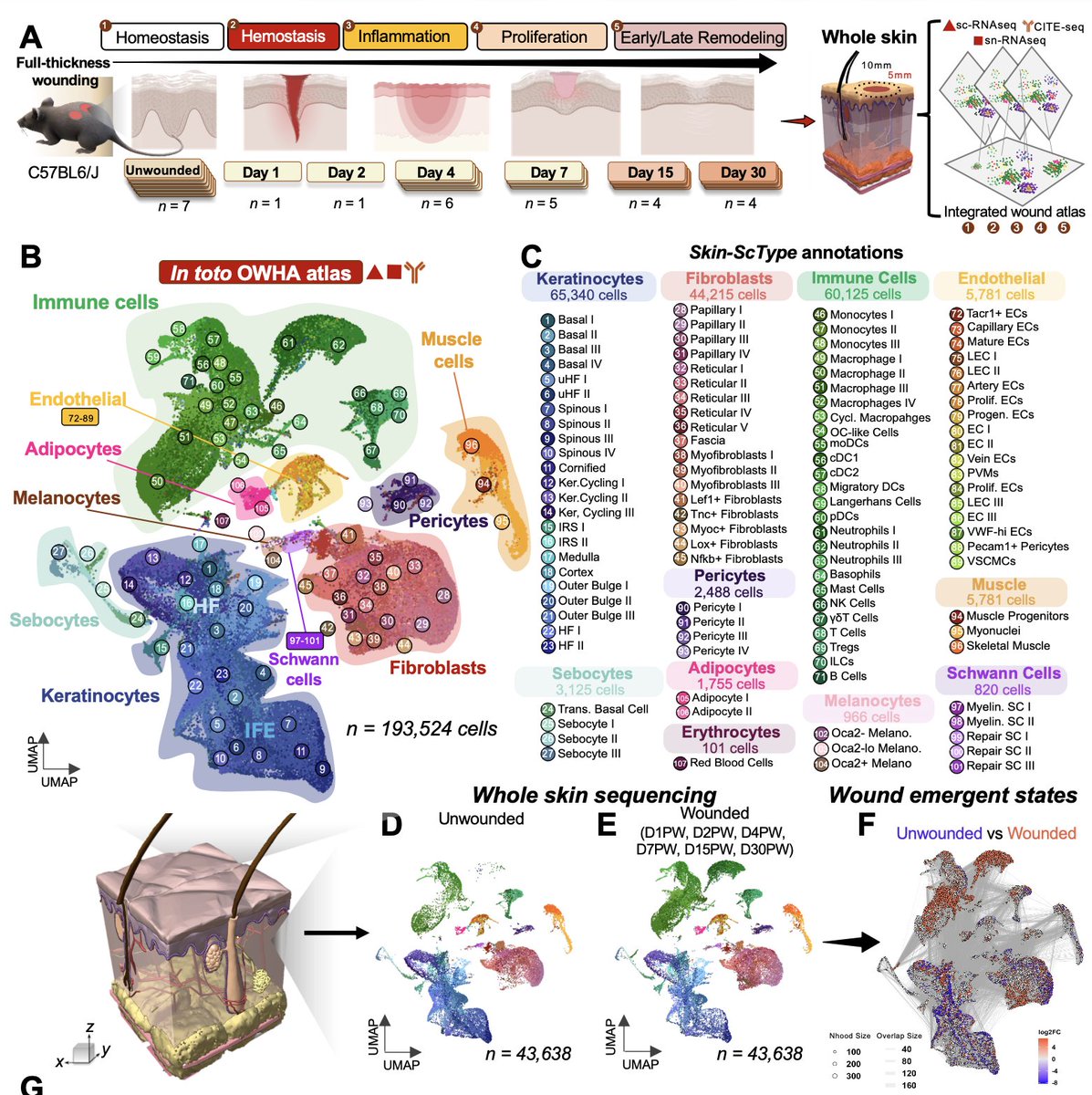
To regenerate organs, we must 1st decode how they heal. Mammals have repaired tissues for millions of years, yet the instruction manual for organ-scale coordination remained a mystery.
📢We constructed OWHA, a 4D multimodal healing atlas to study this!📢
#SyntheticRegeneration
3
429
Synthetic Regeneration Laboratory at Columbia retweeted

Jun 12
How are two embryos alike?
As we collect spatio-temporal microscopy data, we want to quantify variability in the timing of key developmental events.
Alignment of multiple videos is a core engineering challenge here and we have a solution; read about it: biorxiv.org/content/10.64898…
4
18
1,126
Synthetic Regeneration Laboratory at Columbia retweeted

Jun 1
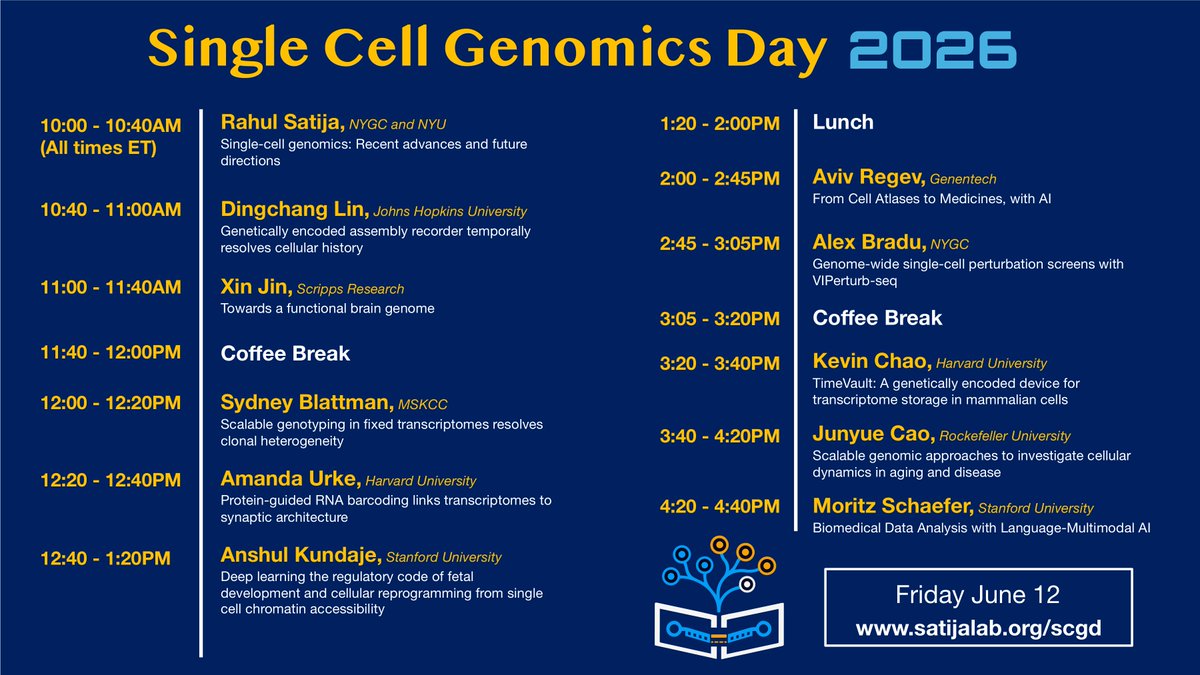
Our 10th Single Cell Genomics Day is next Friday (6/12)!
Thanks to amazing speakers Aviv Regev @xinjin @anshulkundaje @junyue_cao and many more! Talks are live-streamed on YouTube and are free (no registration required) at satijalab.org/scgd
5
50
188
31,165
Synthetic Regeneration Laboratory at Columbia retweeted

Evaluating AI agents for biology is hard: data is noisy and often not cleanly verifiable. This paper constructs 100 synthetic tasks across genomics, transcriptomics, epigenomics, single-cell, and genetics. Agents start from a minimal environment and must fetch data/tools, write code, and solve the task end-to-end. Agents can already handle many well-scoped comp bio workflows: Codex CLI reaches 83% and Claude Code 81% overall, but performance drops on harder tasks.
biorxiv.org/content/10.64898…
3
6
48
5,288
Synthetic Regeneration Laboratory at Columbia retweeted

Jun 3
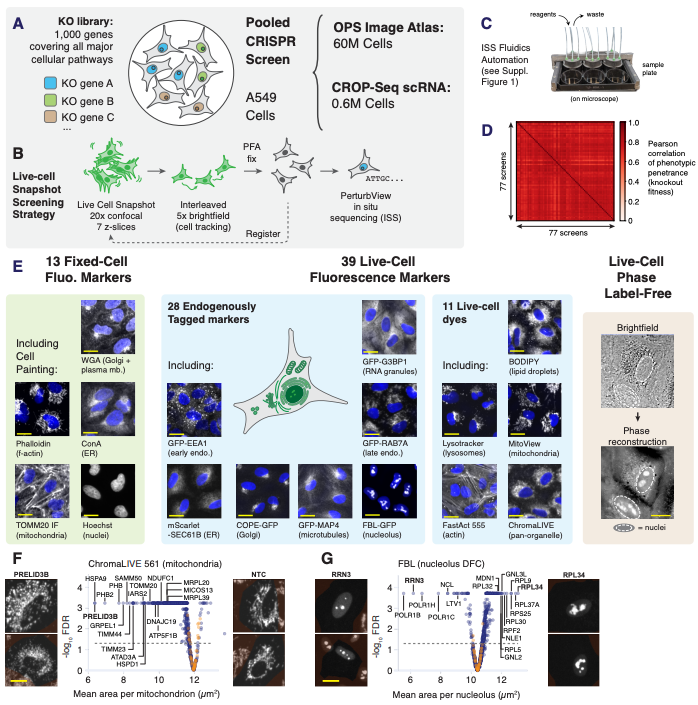
A multimodal perturbation atlas of 1,000 pooled CRISPR knockouts in A549 cells, profiled by fluorescence microscopy (39 live, 13 fixed markers), label-free phase imaging of the same live cells, and single-cell RNA sequencing (scRNA-seq)
Totaling ~57 million single-cell profiles
Preprint: biorxiv.org/content/10.64898…
2
22
85
8,127
Synthetic Regeneration Laboratory at Columbia retweeted
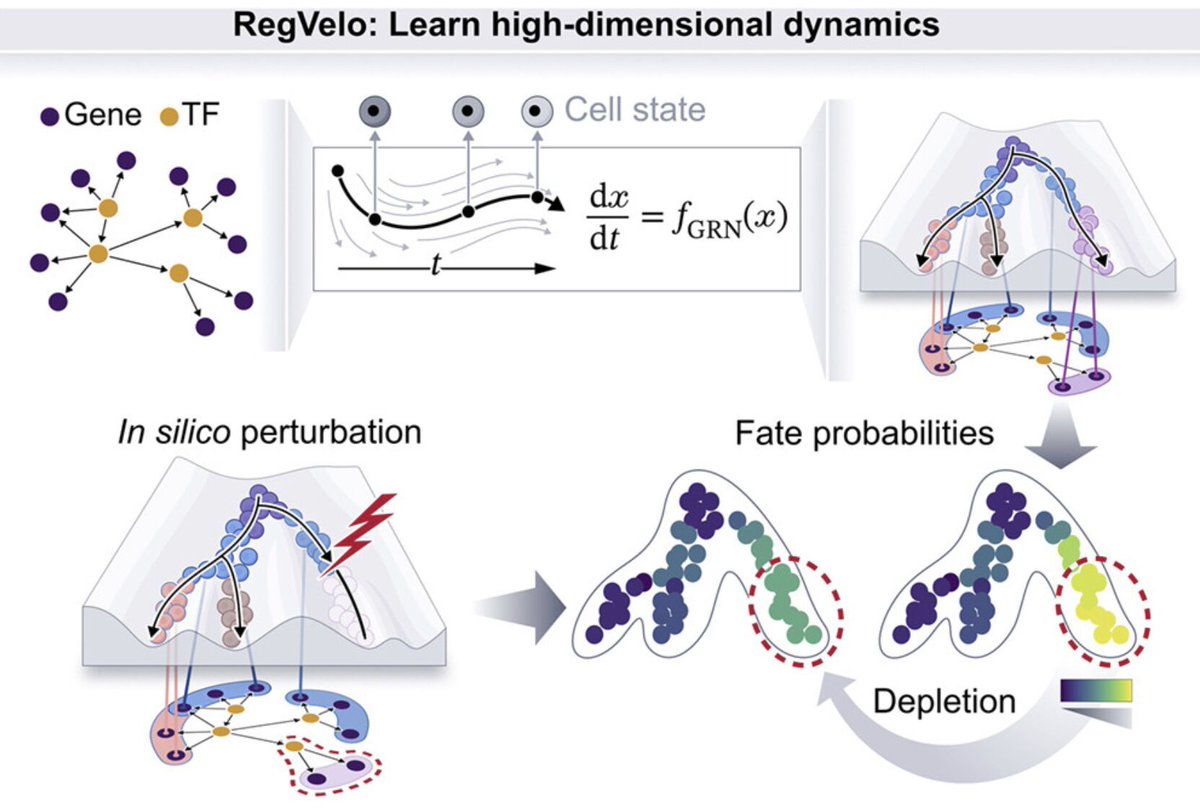
Combining gene regulatory networks and RNA velocity improves perturbation prediction across systems, highlighting a path toward more mechanistic “virtual cell” models.
RegVelo: Gene-regulatory-informed dynamics of single cells cell.com/cell/fulltext/S0092…
10
48
2,353
Synthetic Regeneration Laboratory at Columbia retweeted

May 29
NimbusImage has a Zenodo integration now! Store your images in a project, then push all the images and analysis to Zenodo to be compliant with data management policies! (You can also just make your images publicly accessible in NimbusImage directly, no account required.)

2
3
17
7,410
Synthetic Regeneration Laboratory at Columbia retweeted

May 14
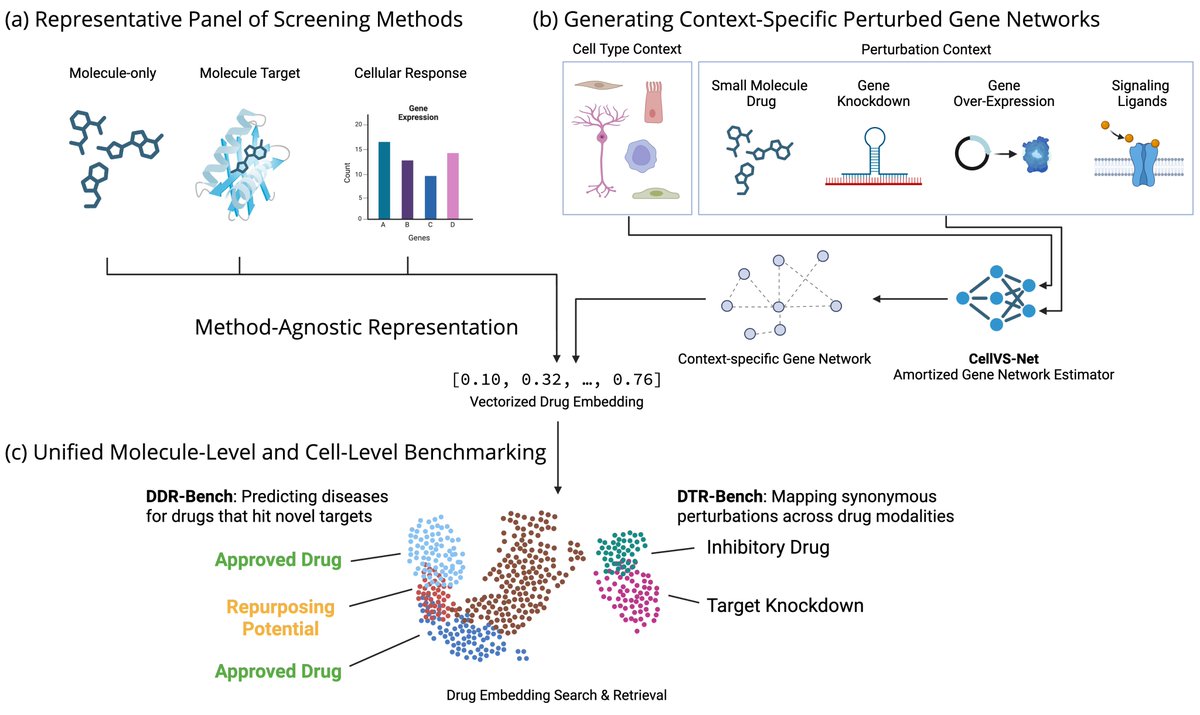
Virtual cells are supposed to help drug discovery. Why aren't they evaluated on drug discovery tasks? In our new preprint "Cell-Level Virtual Screening," we investigate this and other fundamental questions about practical applications of virtual cells for drug discovery.
3
28
161
24,004
Synthetic Regeneration Laboratory at Columbia retweeted

May 30
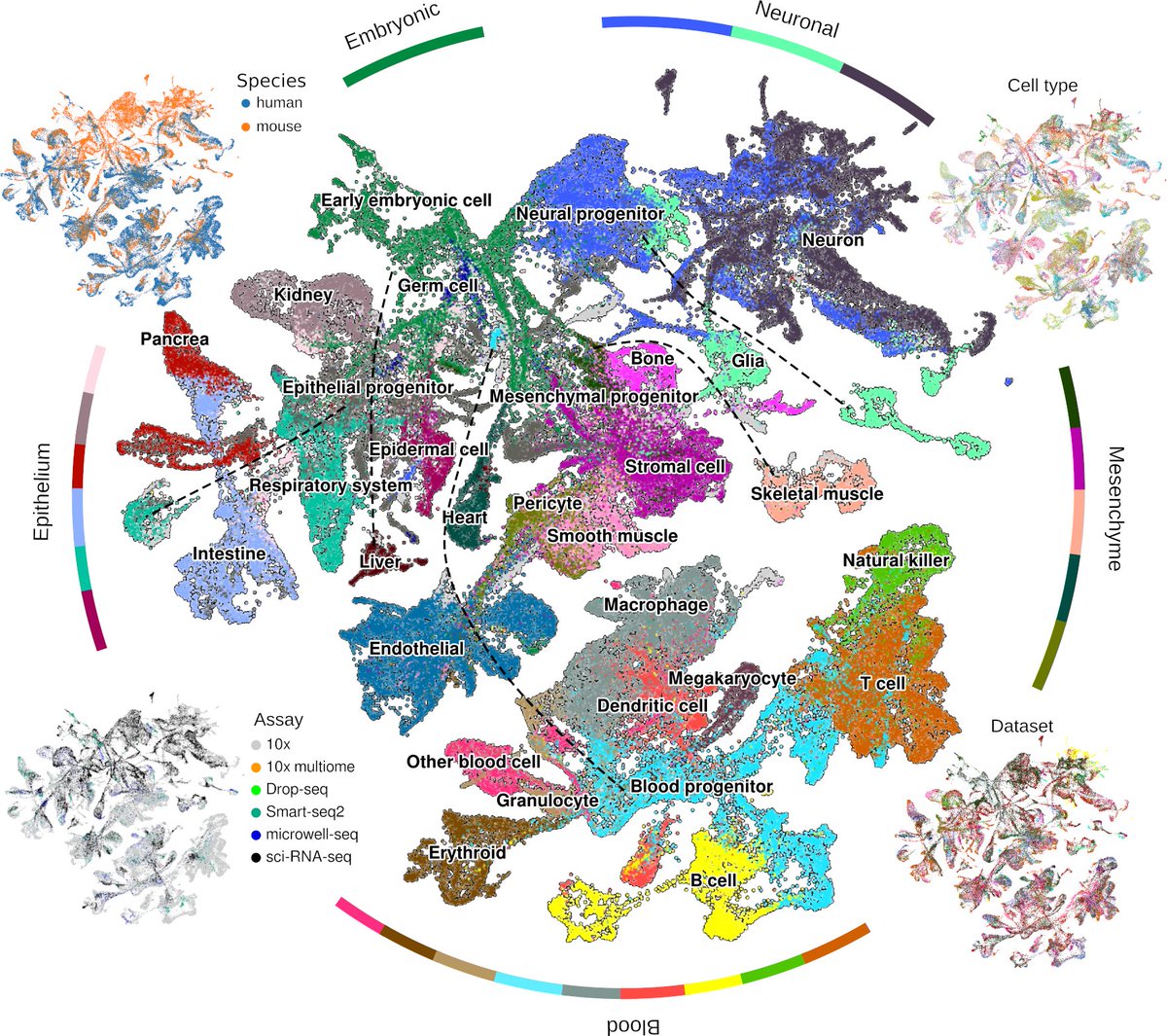
What is the global structure of cell-state space—and how do perturbations drive transitions within it?
Excited to share our new preprint (biorxiv.org/content/10.64898…), a work in collaboration with @JswLab.
1
76
317
21,322
Synthetic Regeneration Laboratory at Columbia retweeted

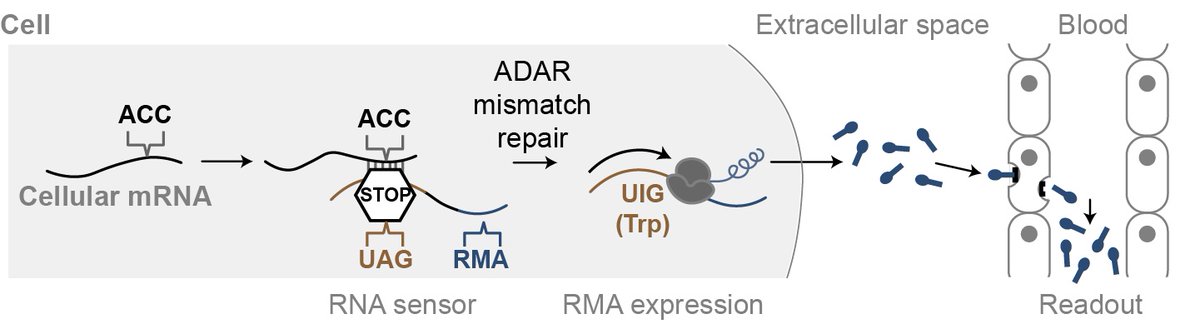
qPCR allowed us to measure transcripts, but just once, destructively, and only in post-mortem tissues. Here, we show we can record transcript level history in vivo and recover this information with a blood test to make a "noninvasive qPCR". nature.com/articles/s41467-0…
3
38
150
13,797
Synthetic Regeneration Laboratory at Columbia retweeted

May 26
Listen to a preview of PerturbSpace from first author @alexnevue:
youtube.com/watch?v=SNzdo8r7…
Or go behind the scenes of the paper in this blog post: arcinstitute.org/news/pertur…
2
6
2,073
Synthetic Regeneration Laboratory at Columbia retweeted
May 26
Most spatial CRISPR screens require trade-offs in throughput or readout depth. A new preprint from @alexnevue, @Inna_Averbukh, @Davidlarastiaso & team introduces PerturbSpace: spatially resolved, multimodal, whole-transcriptome on standard single-cell workflows.
1
28
131
18,388
Synthetic Regeneration Laboratory at Columbia retweeted
One limitation of single-cell CRISPR screens is losing spatial context after tissue dissociation. This new paper introduces Spatial Perturb-seq to study gene knockouts in intact tissue. 🧠🧬
In mouse brain, it captures both cell-intrinsic effects and how perturbations alter ajacentd cell networks.
nature.com/articles/s41467-0…
22
110
9,561
Synthetic Regeneration Laboratory at Columbia retweeted

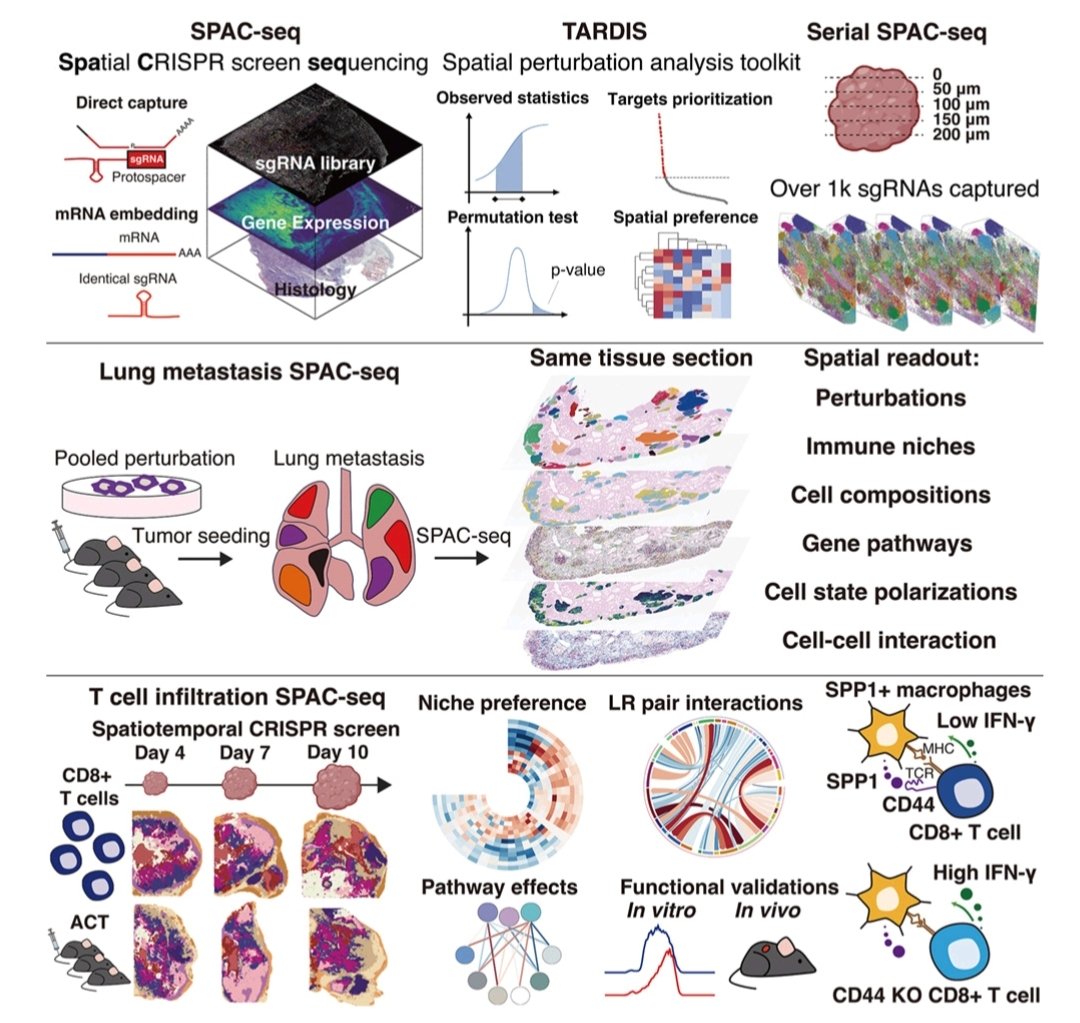
Zhang et al. developed spatial CRISPR screen sequencing, coupled with a statistical spatial perturbation analysis toolkit, TARDIS, to leverage the single-cell-resolution spatial whole transcriptome:
cell.com/cell/fulltext/S0092…
#SingleCell #SpatialBiology
1
3
97

Imagine trying to reverse-engineer a beating heart or a developing nervous system from scratch. To do that, you need the ultimate 3D molecular blueprint.
Today, we finally have it. 🧵👇
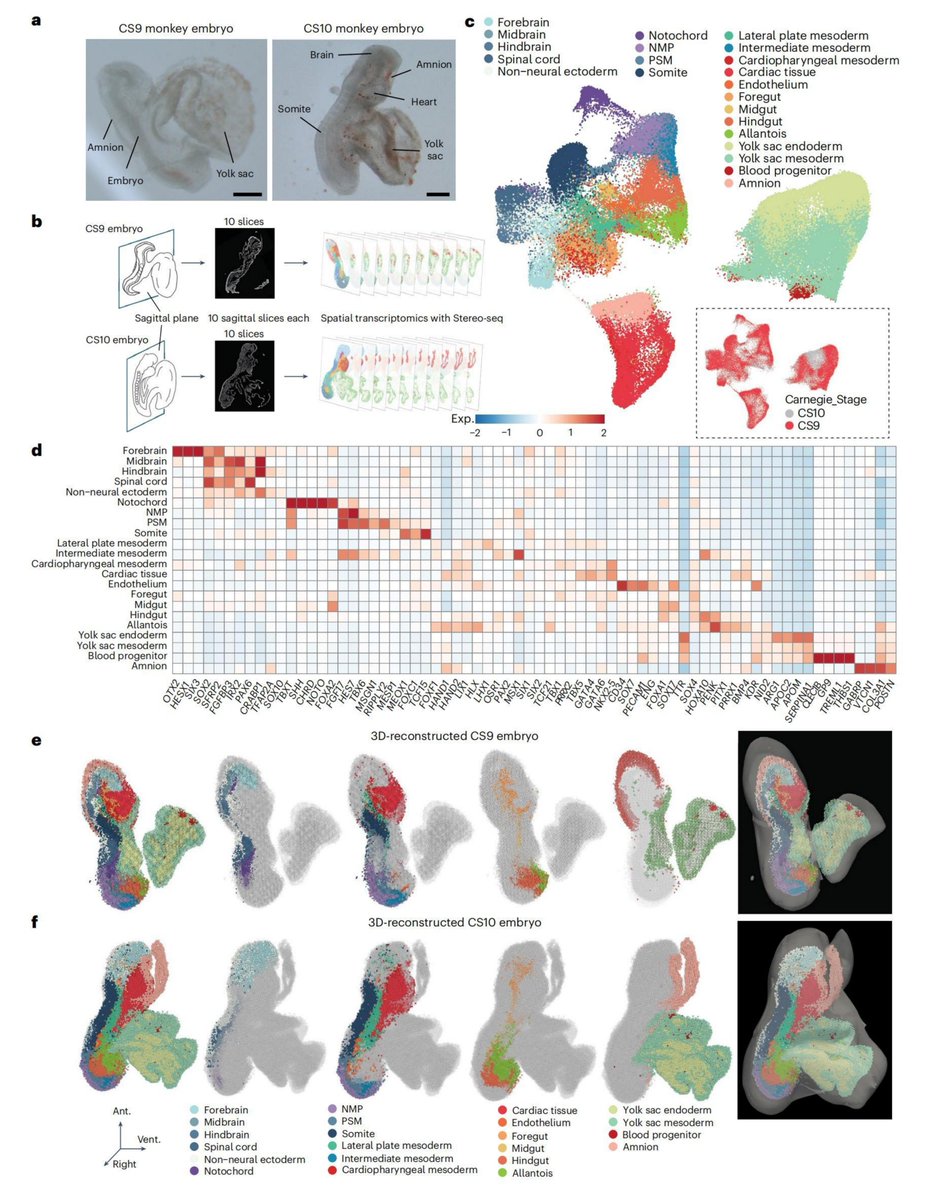
ALT 3D reconstruction of cynomolgus monkey embryos at Carnegie stages 9 and 10, generated using STOmics Stereo-seq technology. The image displays full 3D spatial transcriptomic maps highlighting distinct cell lineages like the brain, spinal cord, heart, and somites in vivid colors.
2
6
37
3,821
Synthetic Regeneration Laboratory at Columbia retweeted

May 24
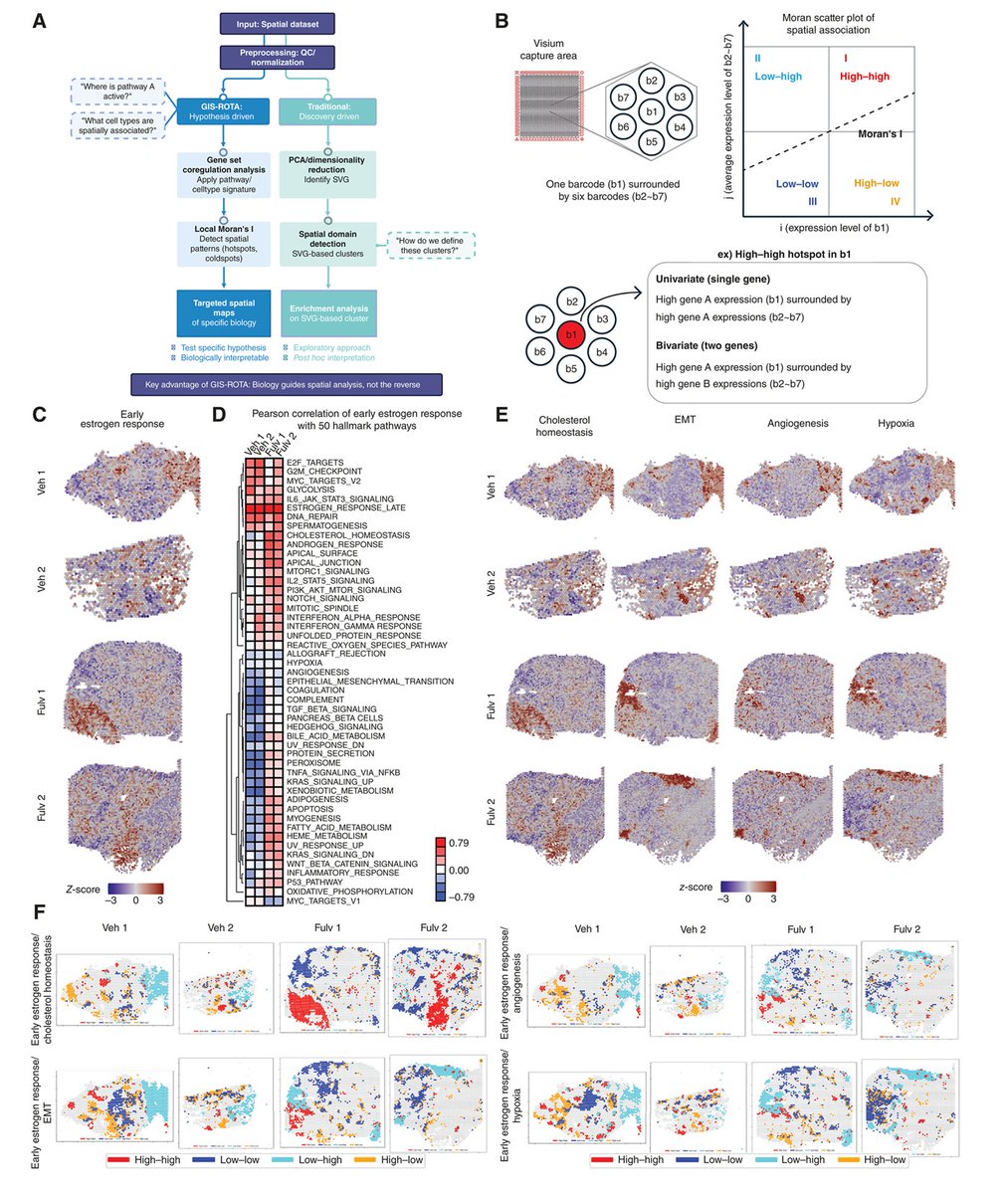
New in Computational Cancer Biology and Technology from the May 15 issue—In Silico Reconstruction of Primary and Metastatic Tumor Architecture Using Geographic Information System–Augmented Spatial Transcriptomics brnw.ch/21x2MHz
14
59
4,143
Synthetic Regeneration Laboratory at Columbia retweeted

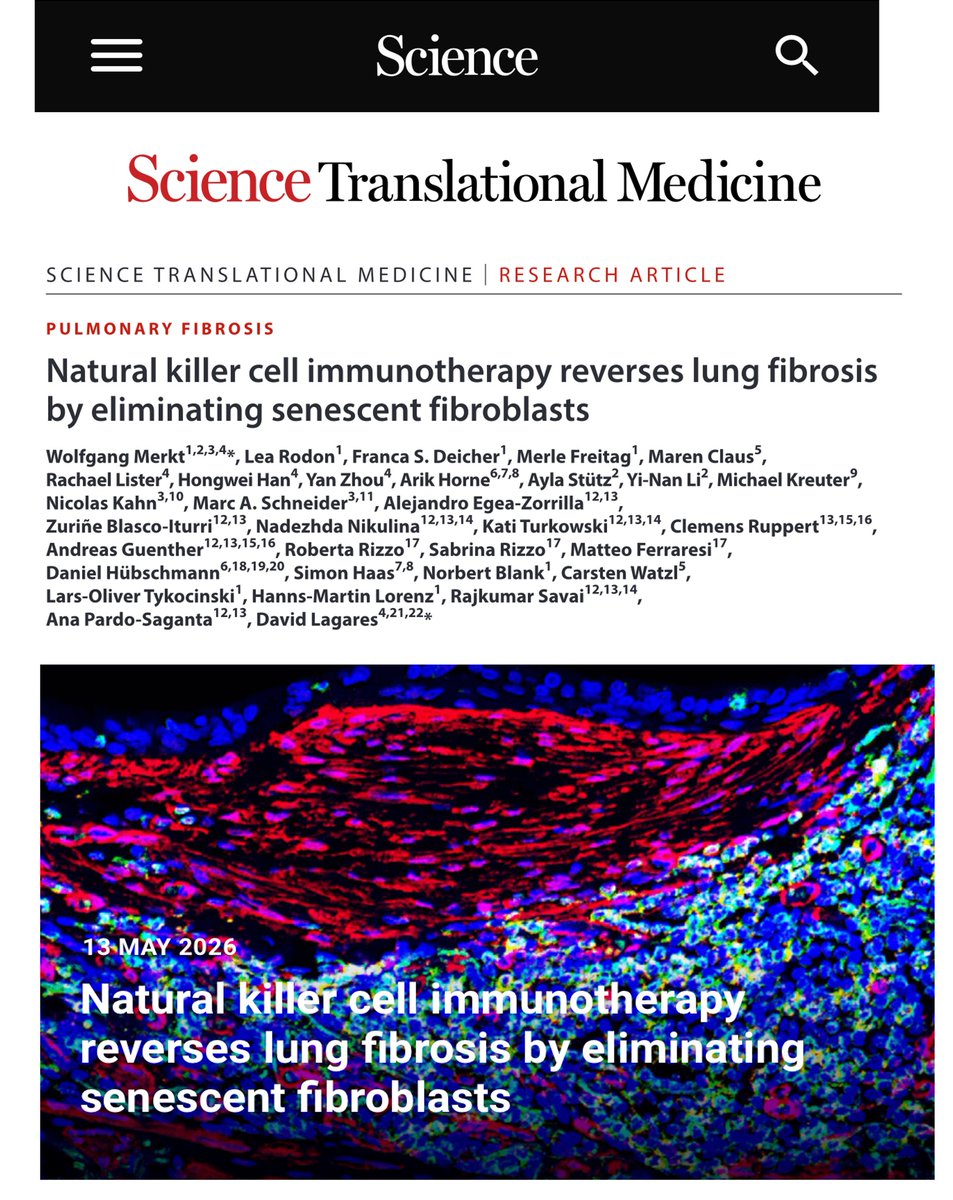
Our latest paper is out @ScienceTM! Natural killer cell immunotherapy reverses lung fibrosis by eliminating senescent fibroblasts | Science Translational Medicine science.org/doi/10.1126/scit… #Immunotherapy #Fibrosis #Aging #Senescence #NKcell
5
85
333
27,847
Synthetic Regeneration Laboratory at Columbia retweeted

Can we program cells like computers — using RNA?
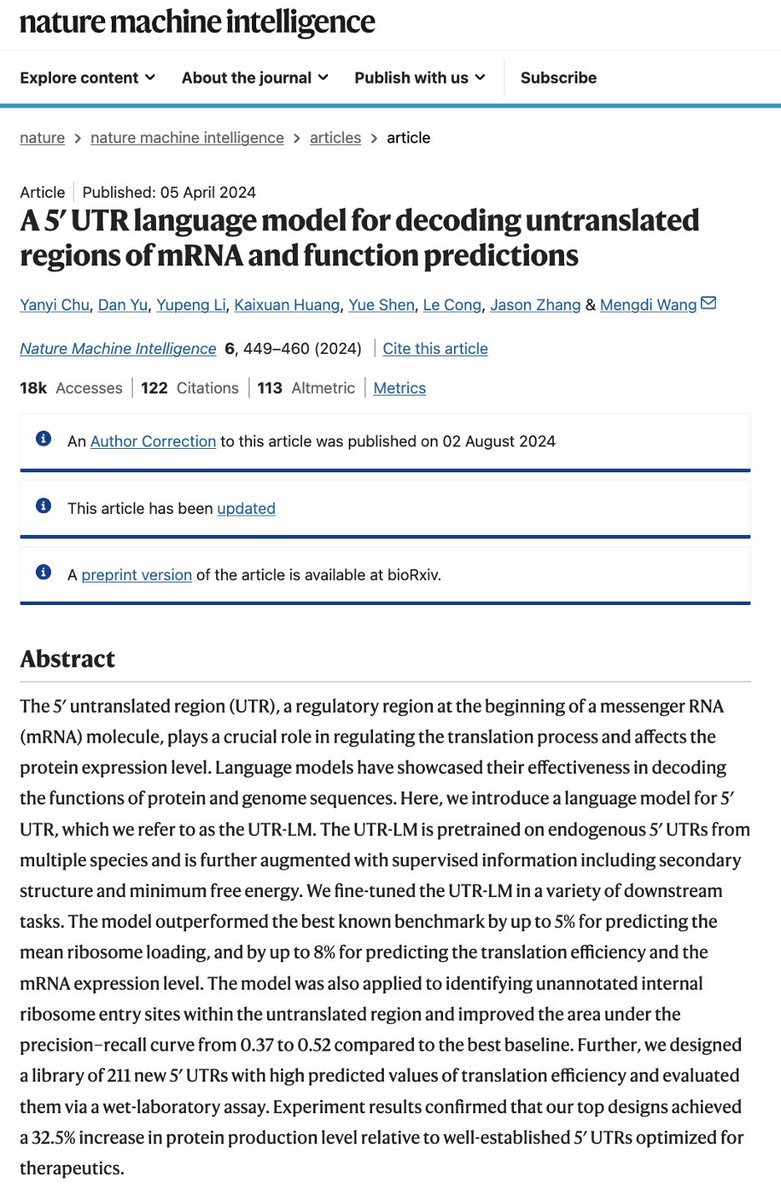
Two years ago, our group trained the first language model to decode the regulatory grammar of 5′ UTRs in mRNA, published in Nature Machine Intelligence.
Today, we’re excited to share the next step, also in Nature Machine Intelligence:
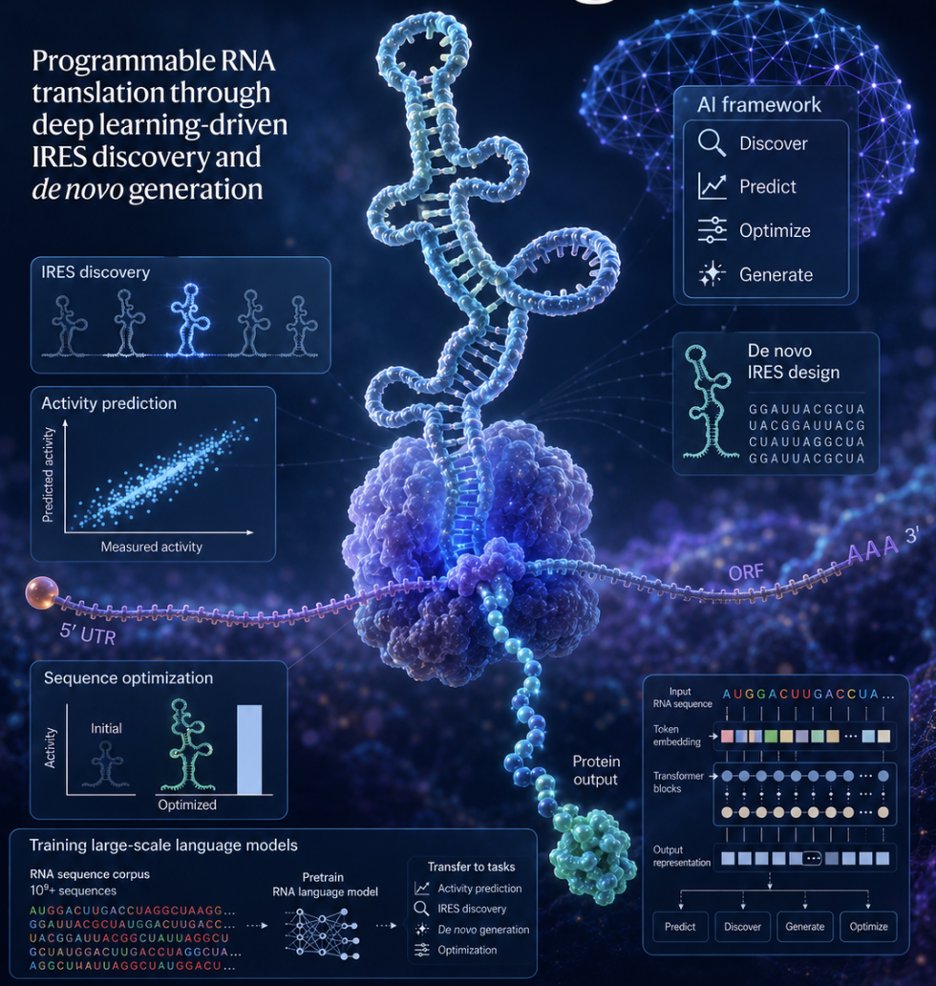
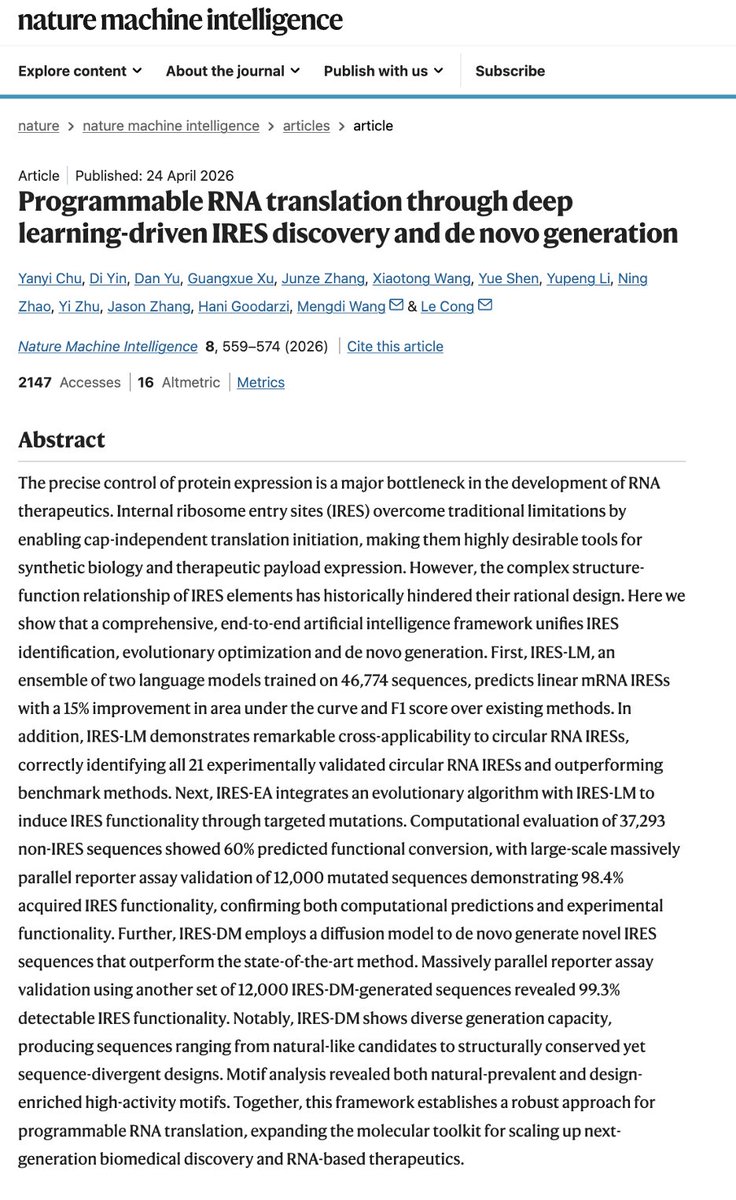
“Programmable RNA translation through deep learning-driven IRES discovery and de novo generation.”
We built an AI engine to discover, predict, optimize, and generate IRES elements — RNA control modules that regulate translation initiation.
This brings us closer to programmable RNA systems that control when, where, and how strongly proteins are produced inside cells.
AI is no longer just helping us read biology.
It is beginning to help us write it and harness it.
The future of computing may not only run on silicon — it may also run inside living cells.
#AIForBiology #LLM #AI4S #AI #RNA #MachineLearning #Bioengineering
26
103
528
142,544
Synthetic Regeneration Laboratory at Columbia retweeted

May 12
Spatial genomics has existed for many years, but it has often been limited by complex imaging systems, specialized equipment, and $$$.
With IRISeq, we wanted to simplify this to a simple PCR rxn. nature.com/articles/s41593-0…
5
37
177
30,924
Synthetic Regeneration Laboratory at Columbia retweeted
May 12
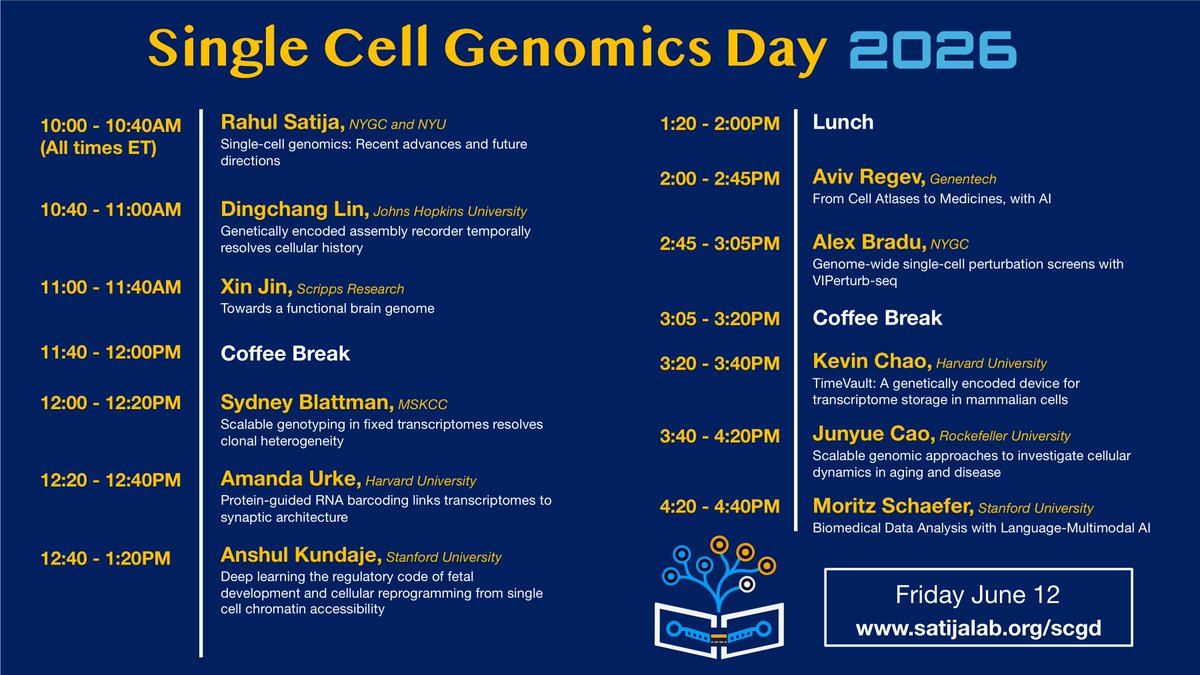
Interested in single cell and spatial genomics? Check out the agenda for our 10th Single Cell Genomics Day on Friday 6/12.
Speakers: Aviv Regev @anshulkundaje @junyue_cao @xinjin many more! All talks are free and live-streamed at satijalab.org/scgd
1
82
287
21,969
Synthetic Regeneration Laboratory at Columbia retweeted

May 12
Excited to share our RegVelo paper in Cell
cell.com/cell/fulltext/S0092…
We unify RNA velocity GRNs into one model → better OOD prediction of perturbations (e.g. gene KOs), with examples incl. neural crest KO predictions 🔬
Big thanks to W Wang, Z Hu & T Sauka-Spengler 🙏
7
107
453
36,432