
Currently working on a photojournalism project on the ecology & cultures of South America. Tweeting on History, Archeology, Megafauna, Evolution, Wildlife, etc.
Joined December 2022
- Tweets 12,439
- Following 395
- Followers 1,284
- Likes 19,514
4,760 Photos and videos


Pinned Tweet

4 Feb 2023
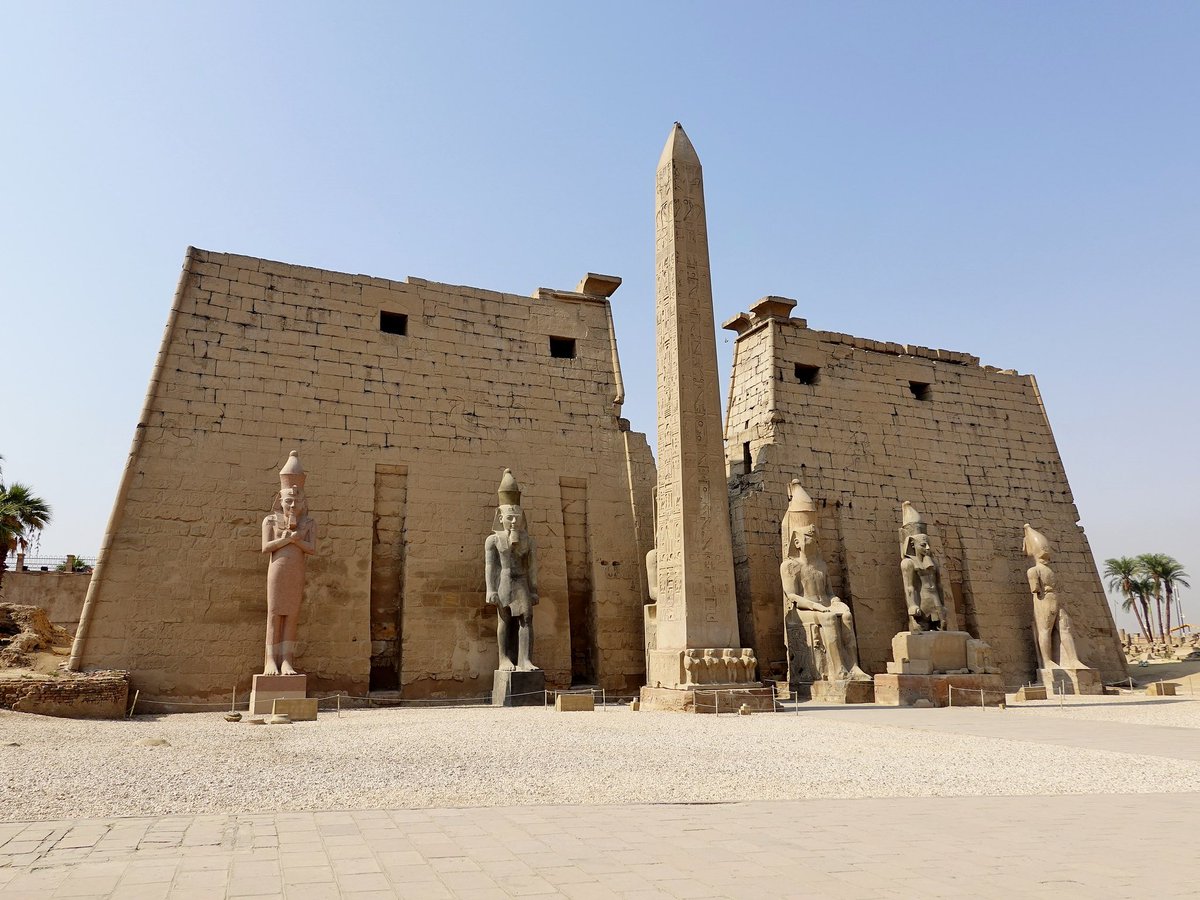
How did the Ancient Egyptians carve and move their megalithic obelisks?
Here’s a thread with some clues showing how they might have done it…
31
65
282
48,948
Tony Trupp retweeted

May 26
Let me trace the timeline here because nobody's connecting it.
Step 1: Scrape the entire internet. Every book, every article, every conversation, every piece of art, every forum post. Do it without asking. Do it without paying.
Step 2: Train a model on all of it. Call it "artificial intelligence."
Step 3: Go to BlackRock's Infrastructure Summit and announce: "We see a future where intelligence is a utility, like electricity or water, and people buy it from us on a meter."
Step 3 is where you sell people's own knowledge back to them. On a meter.
They took the collective output of human thought, compressed it into a model, and now they want to charge you by the token to access a version of what you and everyone you know already created.
One Reddit user put it perfectly: "They stole all this data from us, the people, our life's work, creativity, art, by devouring the internet and blowing through all copyright laws. Now they want to sell it back to us in the form of a utility."
Imagine if someone photocopied every book in the public library, burned the library down, and then opened a subscription service for the copies.
That's the metered intelligence business model.
And they're pitching it to infrastructure investors as though they invented water.
May 25

SAM ALTMAN: “WE SEE A FUTURE WHERE INTELLIGENCE IS A UTILITY, LIKE ELECTRICITY OR WATER, AND PEOPLE BUY IT FROM US ON A METER.”
3,277
46,845
136,997
5,674,919
Tony Trupp retweeted

It turns out that while at Joe Rogan, Ben showed the modern replica core instead of the famous Petrie core #7... Turns out the modern bow-drilled core is exactly identical to the one in the museum, proving that there is no mystery on how it was done. Watch:
youtube.com/watch?v=sscwoWtV…
2
7
29
6,303
Tony Trupp retweeted

Apr 20
Nuclear physicist: "There's no such thing as precise ancient Egyptian vases."
Max Zamilov (@MaxZamilov) analyzed countless vases from multiple sources, including museums and private collections.
Here's why "precise" vases are most often modern handmade fakes:
53
24
278
67,015
Tony Trupp retweeted

This is the third in a series of videos exposing @Megalithic12000's fake Incan history. This video critiques his claim that the Incans did not have the engineering skills to build the megalithic structures.
youtu.be/3xzXbxYXoao
3
8
25
2,936
Apr 10
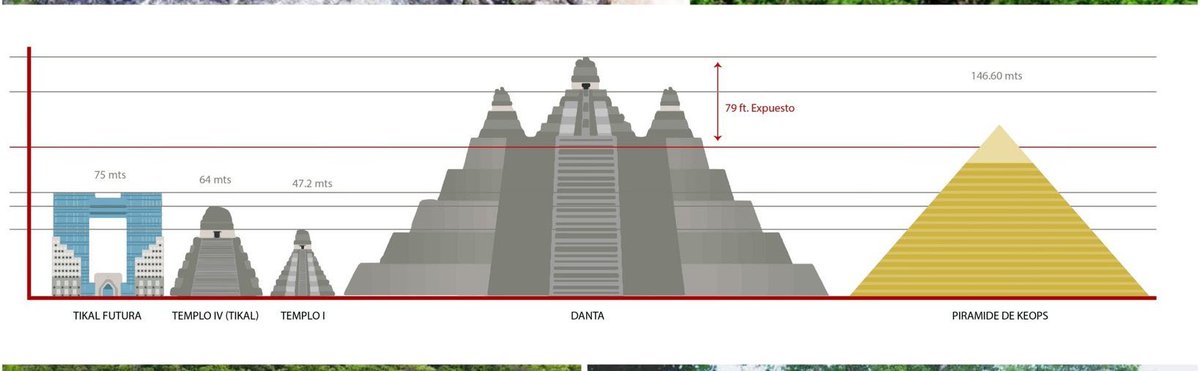
The view from atop the Maya La Danta pyramid of the sprawling pre-classic city of El Mirador.
It’s one of the world’s largest pyramids, slightly bigger than the Great Pyramid of Giza, but only the upper temple is exposed, where most of the foundation is still covered by jungle.

1
1
19
952

Tony Trupp retweeted

Apr 4
Some were mounted on the tips of royal scepters, and broadly speaking there were symbolic connections to lightning with eccentrics and obsidian, but the symbolism beyond that really depends on the specific shapes and iconography being represented
1
3
164
Apr 4
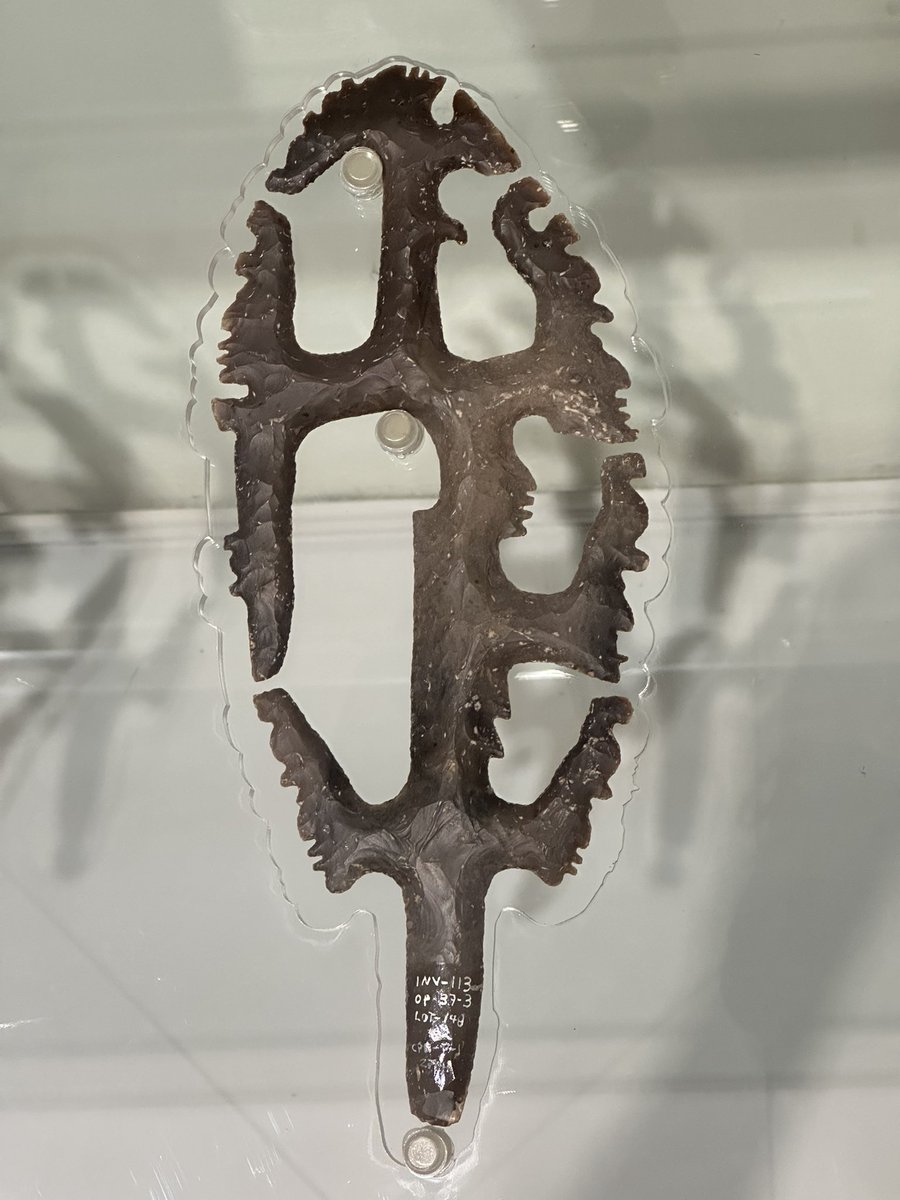
What was the purpose of these Maya eccentrics?
Do the shapes and faces have a symbolic meaning?
Seen at Museo de Arqueología Maya, Copán, Honduras.
2
1
7
300
Tony Trupp retweeted
Exposing @Megalithic12000's fake Incan history. Thanks to @FlintDibble @DrDavidMiano @SoilManDan @adancingferret @PeterBrandEgypt @Majora__Z @JosephAPWilson1 @AUSegyptology @DrHughT @sdhaddow @JasonColavito for sources & support & especially @TonyTrupp.
youtu.be/rbWMWIvsUoQ
5
16
42
4,546
Tony Trupp retweeted

Mar 4
Seeing as the term ‘hunter-gatherer’ is too confusing for some, I suggest we rebrand it to:
Eatie Eatie wild plants & meaty
Happy to workshop other suggestions
24
16
129
3,697
Mar 2
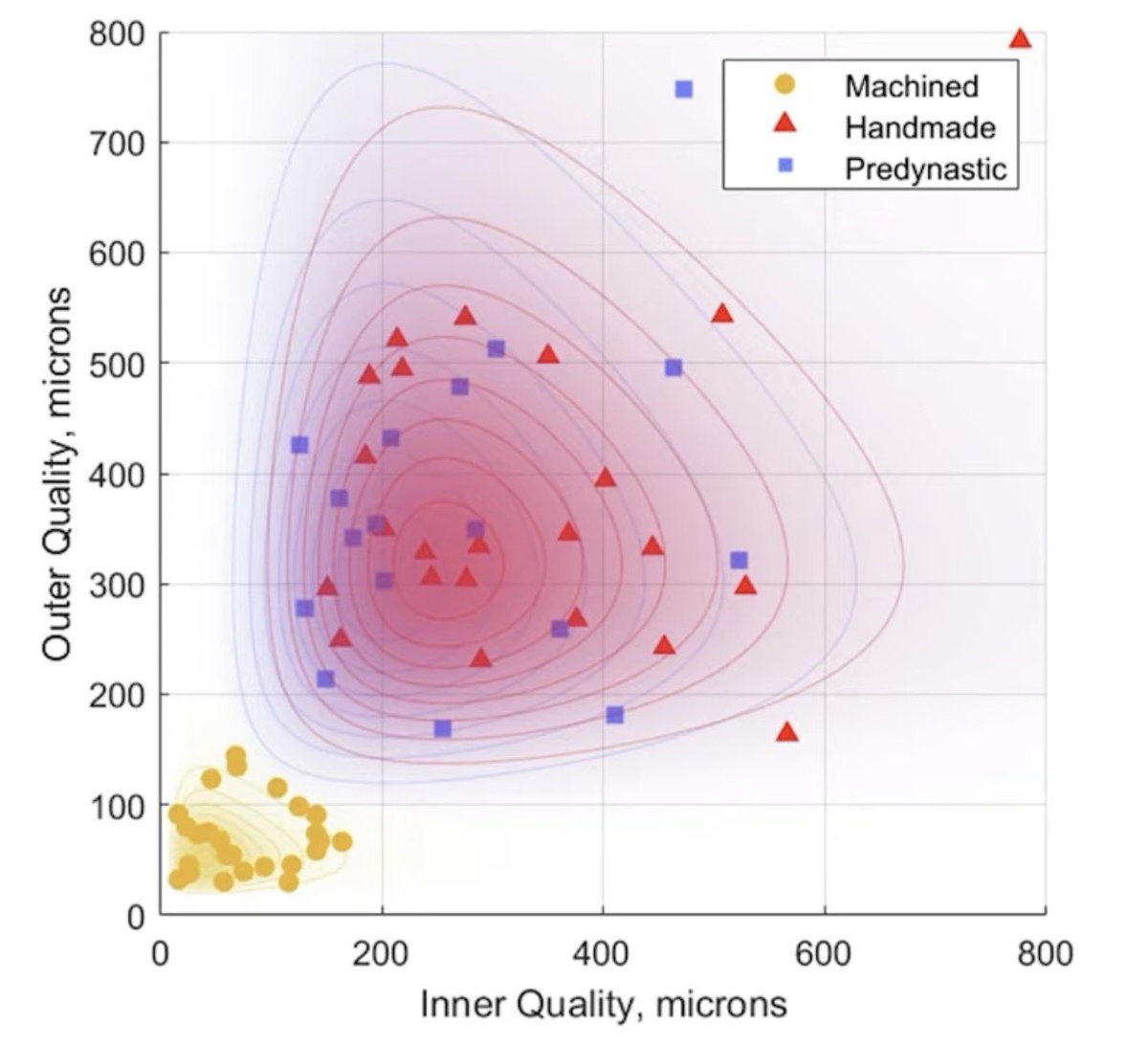
In this “New Technologies in Ancient History” video, @DrDavidMiano gives a good breakdown of the Ancient Egyptian vase study by @DrZamilov, which revealed that the precise private collection vases are statistically outliers when compared to the authentic vases from museum collections.
“His overall conclusion now though is that the most precise vases are not from predynastic and dynastic egypt, but are consistent with modern techniques, while authentic ancient ones reflect skilled hamd craftsmanship”
youtu.be/3W7cwTfhlt0?t=302
2
6
24
1,115
Feb 27
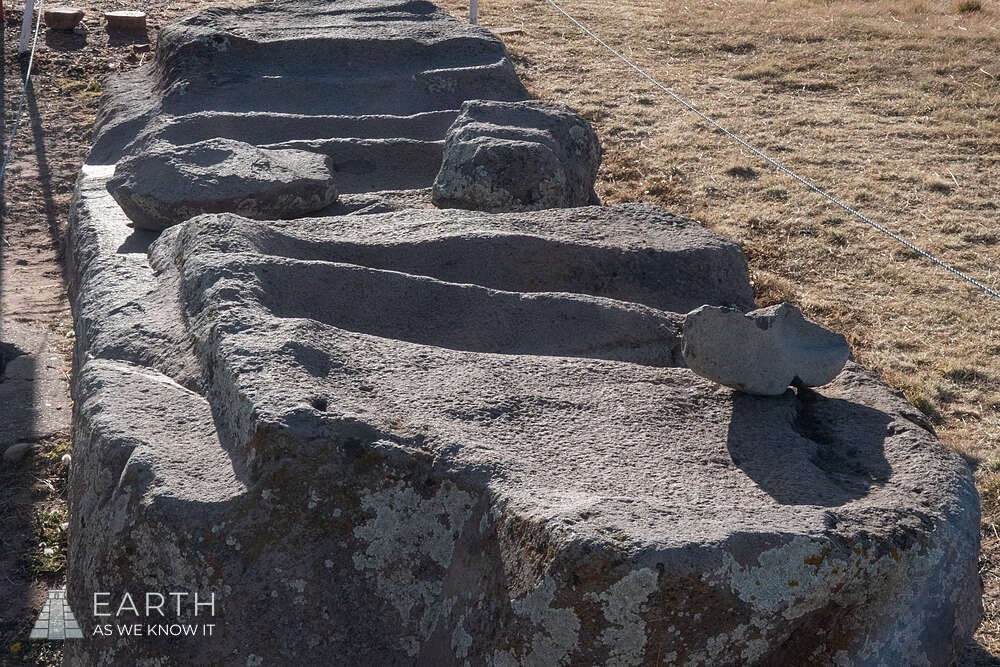
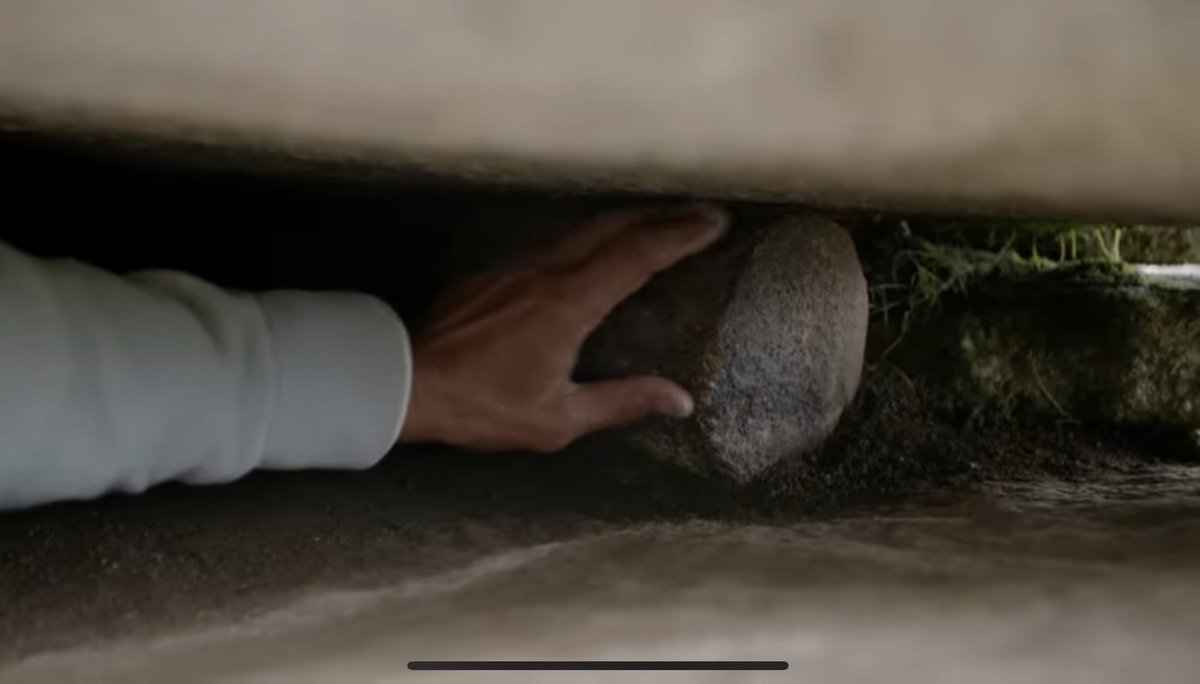
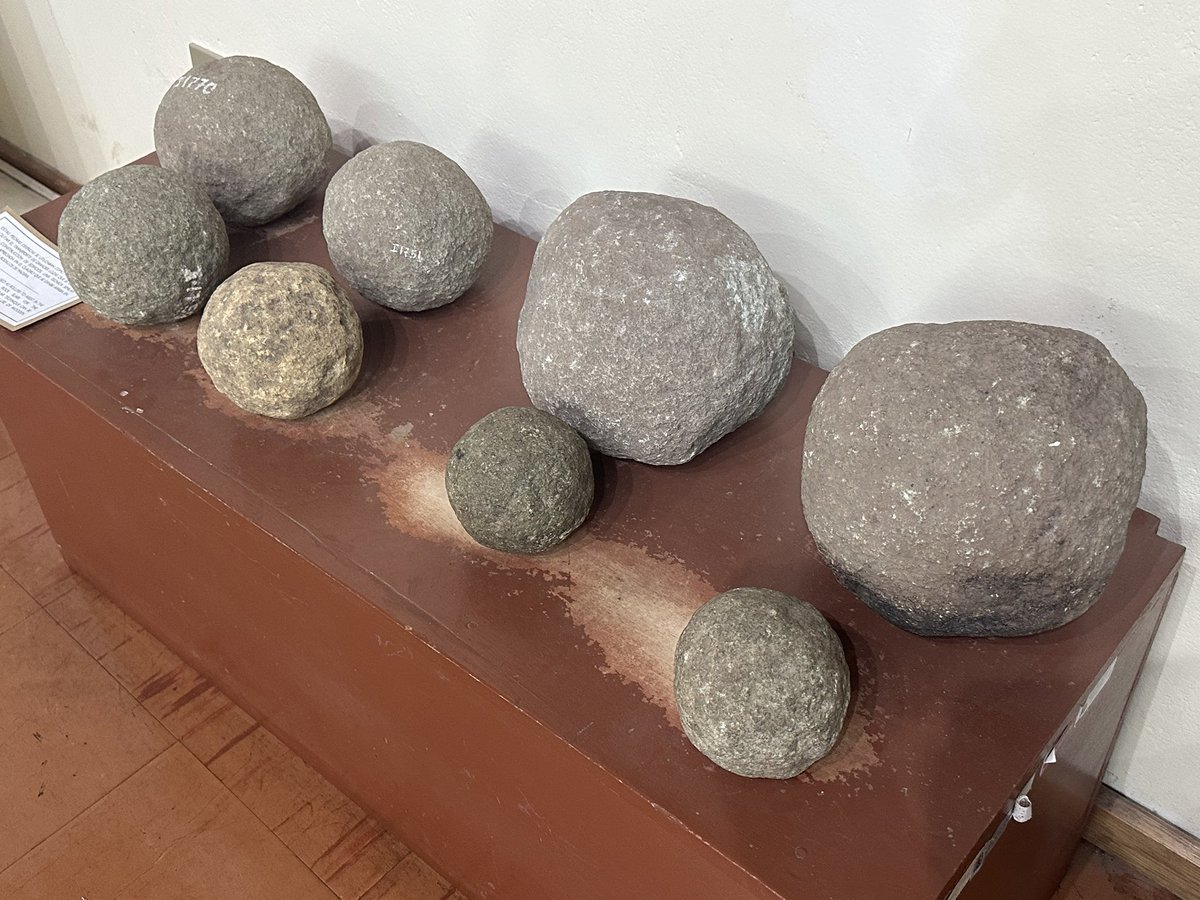
Something I was looking for but missed while visiting Machu Picchu is this example of an elongated stone roller underneath one of the megaliths.
I had seen these other spherical stone rollers in a museum, but was hoping to also get a shot of something like that being used.
Source: youtu.be/2bv3lURfTNE?t=1332
Feb 27
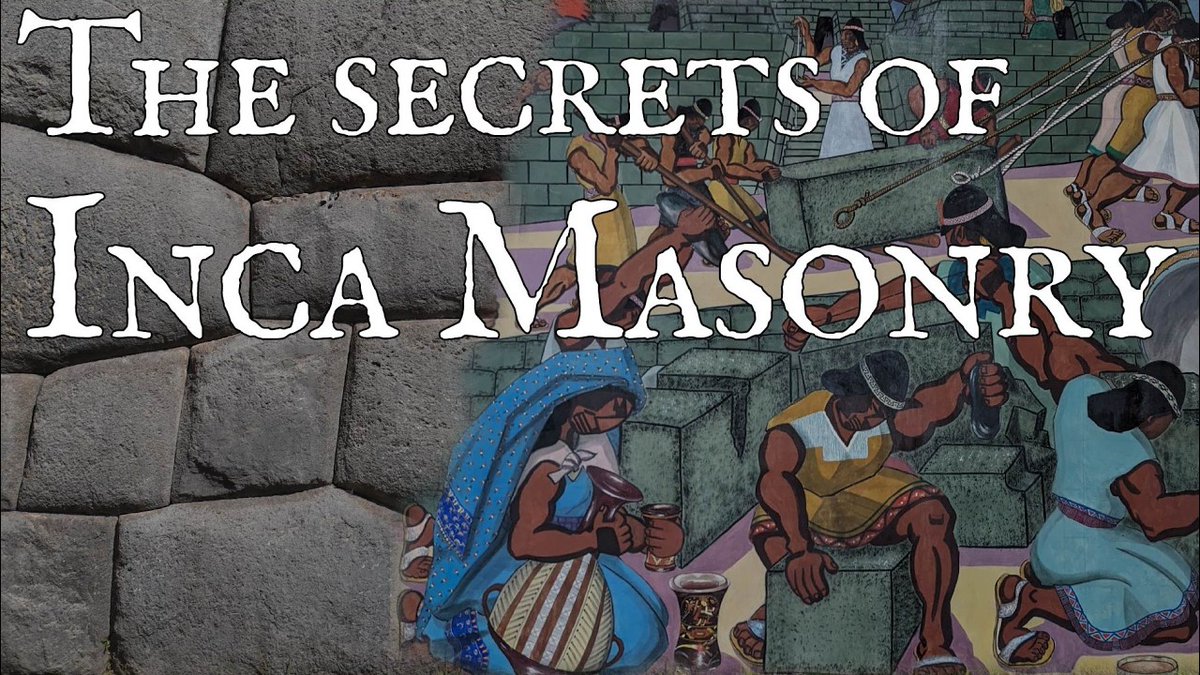
Over the past couple of months, I’ve been collaborating with one of my favorite YouTube channels, Ancient Americas, on a video about The Secrets of Inca Masonry, which went live just a few hours ago. He did a brilliant job with it. It’s his longest video to date, but well worth the time if you’re interested in Andean cultures and Inca architecture!
youtube.com/watch?v=m7BqcP15…
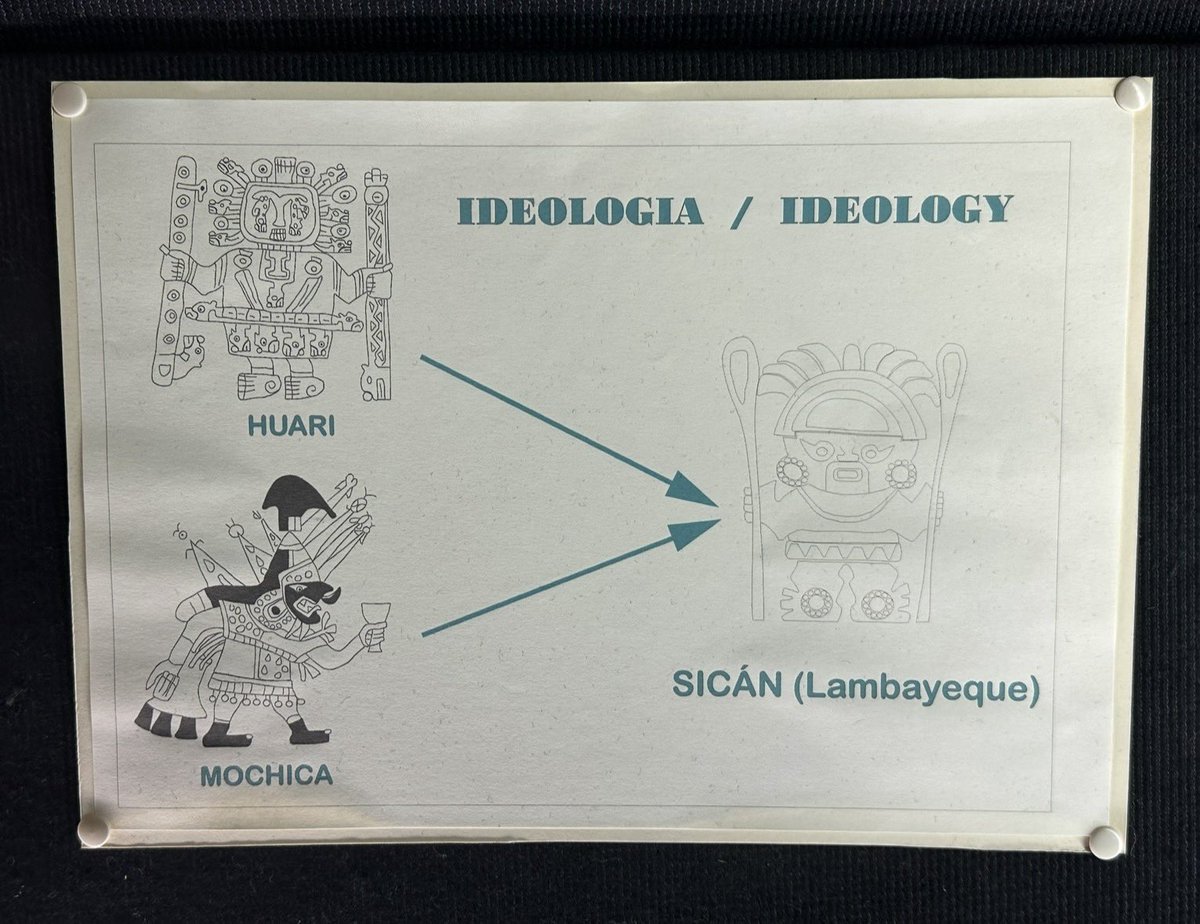
The video not only shares much of the research from my recent article, Masonry Techniques of the Inca’s Master Builders, but also traces the evolution of Andean stonework across millennia, with examples from the Caral-Supe, Cerro Sechín, Chavín de Huántar, Pacara, Wari, and Tiwanaku cultures.
An additional discovery he highlighted is that the Quechua term for this stonework, Caninacukpirca (Qaninakuy Pirqa), derives from a word meaning “to nibble” or “to bite.” That linguistic connection further supports multiple lines of evidence indicating that Inca masonry was primarily accomplished using hammerstones, which is consistent with the tools recovered at these sites, the tool marks preserved on the stones themselves, and early Spanish eyewitness accounts.
8
29
1,249
Feb 27
Over the past couple of months, I’ve been collaborating with one of my favorite YouTube channels, Ancient Americas, on a video about The Secrets of Inca Masonry, which went live just a few hours ago. He did a brilliant job with it. It’s his longest video to date, but well worth the time if you’re interested in Andean cultures and Inca architecture!
youtube.com/watch?v=m7BqcP15…
The video not only shares much of the research from my recent article, Masonry Techniques of the Inca’s Master Builders, but also traces the evolution of Andean stonework across millennia, with examples from the Caral-Supe, Cerro Sechín, Chavín de Huántar, Pacara, Wari, and Tiwanaku cultures.
An additional discovery he highlighted is that the Quechua term for this stonework, Caninacukpirca (Qaninakuy Pirqa), derives from a word meaning “to nibble” or “to bite.” That linguistic connection further supports multiple lines of evidence indicating that Inca masonry was primarily accomplished using hammerstones, which is consistent with the tools recovered at these sites, the tool marks preserved on the stones themselves, and early Spanish eyewitness accounts.
7
40
168
10,254
Feb 27
Tagging some friends on here that may still be curious about this Inca masonry topic. I normally don’t do these mass tagged posts, but this one feels like the culmination of a few years of research, so wanting to get the word out.
@caritas_et
@DrDavidMiano
@FlintDibble
@Weird_Old_World
@DrHughT
@KUHoopes
@SoilManDan
@jtlewis_arch
@DrZamilov
@SteveAdamsSoil
@AthopeMarie
@drleeclare
@farmer_tr
@lukecaverns
@AUSegyptology
@JosephAPWilson1
@sdhaddow
@incredhistory
@EDICIONESREGION
@digitwithraven
@MattSibson
@jens2go
@cfeagans
@KayleighHistory
@AncientPuzzles
@adancingferret
@acroosevelt
@RobL4a1
@MungoManic
@NORTH_o2
@PortantIssues
@DUAncientAliens
@MichaelESmith
@Majora__Z
@Zeke_Darwin
@fakehistoryhunt
8
2
24
686
Feb 27
And for anyone that missed it, here's the Masonry Techniques of the Inca’s Master Builders article that inspired the Ancient America's video:
earthasweknowit.com/pages/in…
1
7
18
519
Feb 21
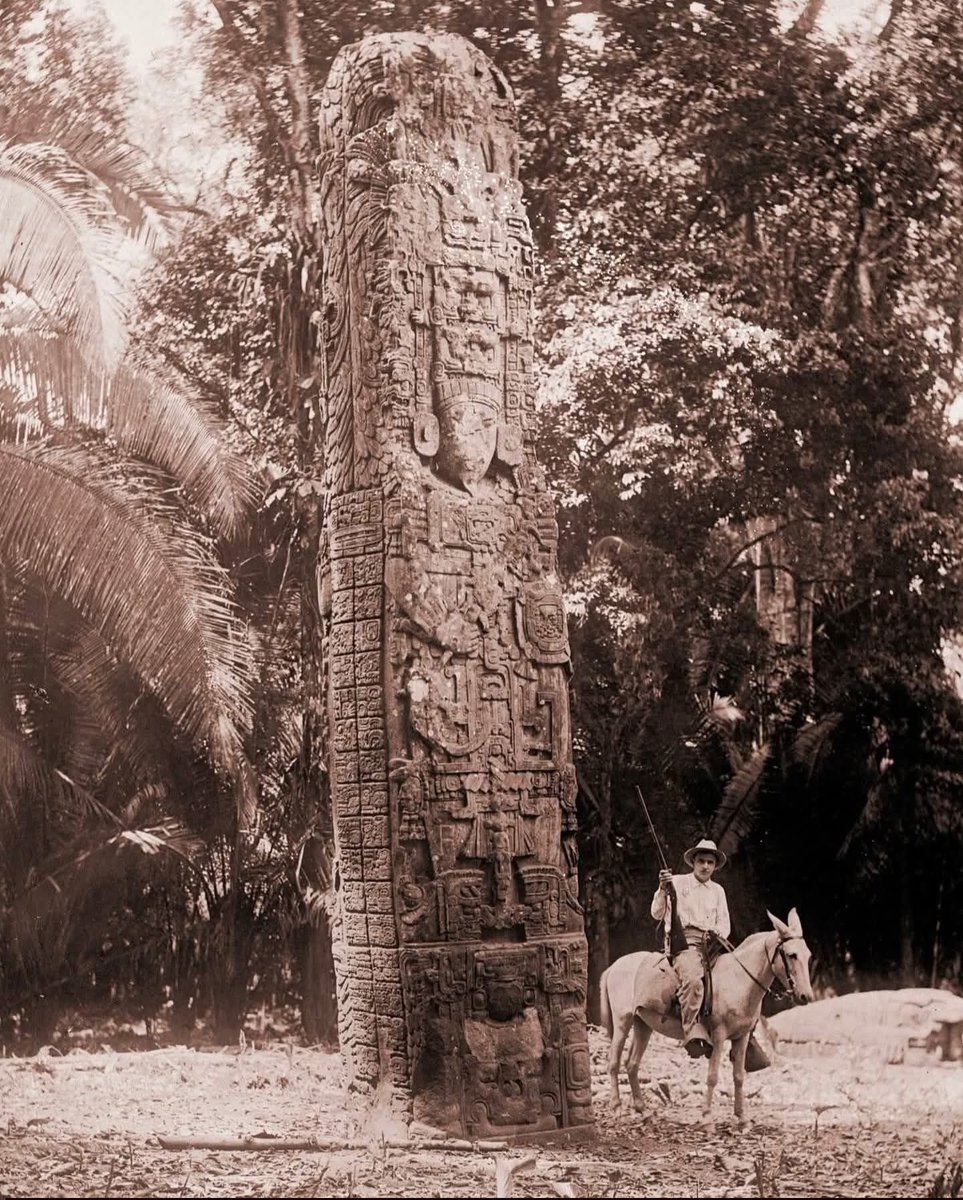
The Mayan Stele F of Quiriguá, Guatamala, dating to 766 AD.
Photo by Alfred Percival Maudslay, British explorer and archaeologist, late 1880s–1890s.
1
2
18
615
Tony Trupp retweeted

Feb 17
I don't understand how they keep doing this! "The inca were too primitive to make sachsayhuaman" right next to "Prehistoric people are underestimated." How do they think these two things at once?!
2
2
16
291
Tony Trupp retweeted

Feb 15
calling yourself the “Comet Research Group” because “Confirmation Bias Group” would have been too on the nose
2
15
899
Feb 15
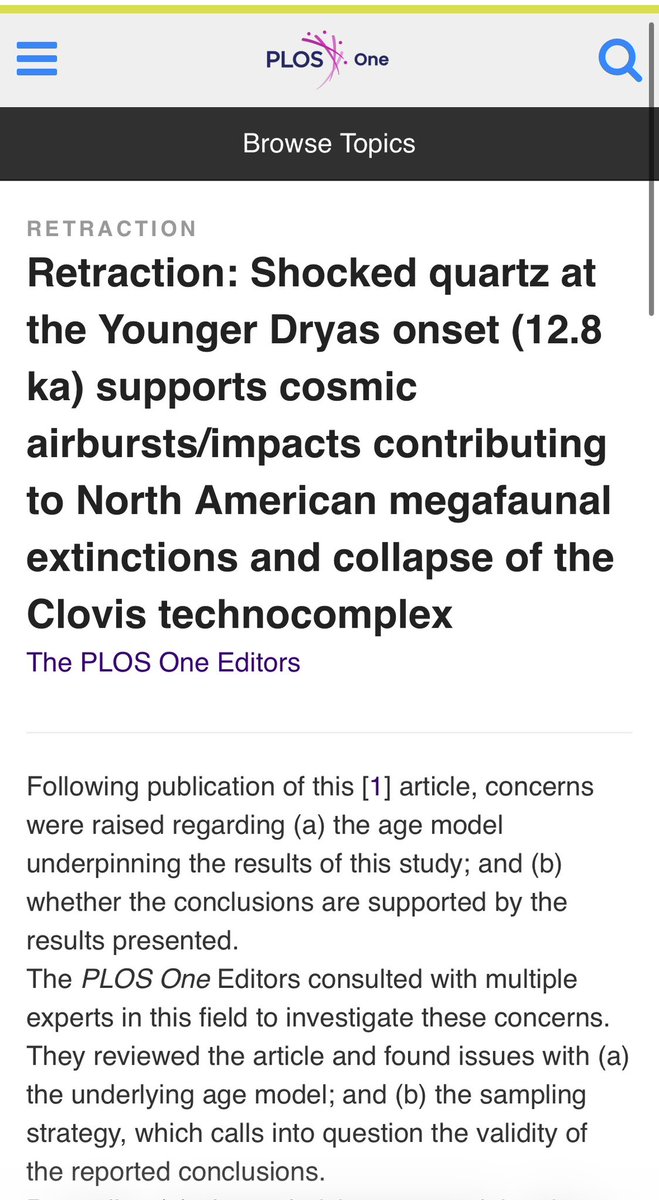
Two papers related to the Younger Dryas Impact Hypothesis by the Comet Research Group have been retracted after the journal editors found fundamental problems with the core evidence and interpretation that underpinned the study’s claims about cosmic airbursts.
Summarizing some of the problems they found:
* Features that had been identified as cosmic impact “spherules” were determined to be marine foraminifera.
* The dates actually spanned centuries before and after the perceived Younger Dryas onset, making the purported link to that event unreliable.
* The study did not sample entire sediment cores, so it could not rule out spikes in the proxies elsewhere.
* Some references did not support the claims they were tied to, and problems with DOIs and citation integrity raised questions about undisclosed use of AI tools.
journals.plos.org/plosone/ar…
journals.plos.org/plosone/ar…

8
36
123
9,314
Feb 15
And here’s another paper that had to be retracted last year by the same Comet Research Group, but with a different scientific journal finding problems: nature.com/articles/s41598-0…
1
5
248