Photos and videos
Pinned Tweet

Holiday tradition: learn something new every year.
This year → Swift launching an iOS app.
The result: Jott Down - voice-first idea capture with AI that connects the dots.
jottdown.com
1
1
291
Ashwanth Kumar retweeted

Jun 13
Looking for a team of 10-12 cracked researchers & engineers to build a new AI Lab in India.
Funding and compute secured.
DMs open.
318
441
4,028
250,887
Ashwanth Kumar retweeted

Jun 2
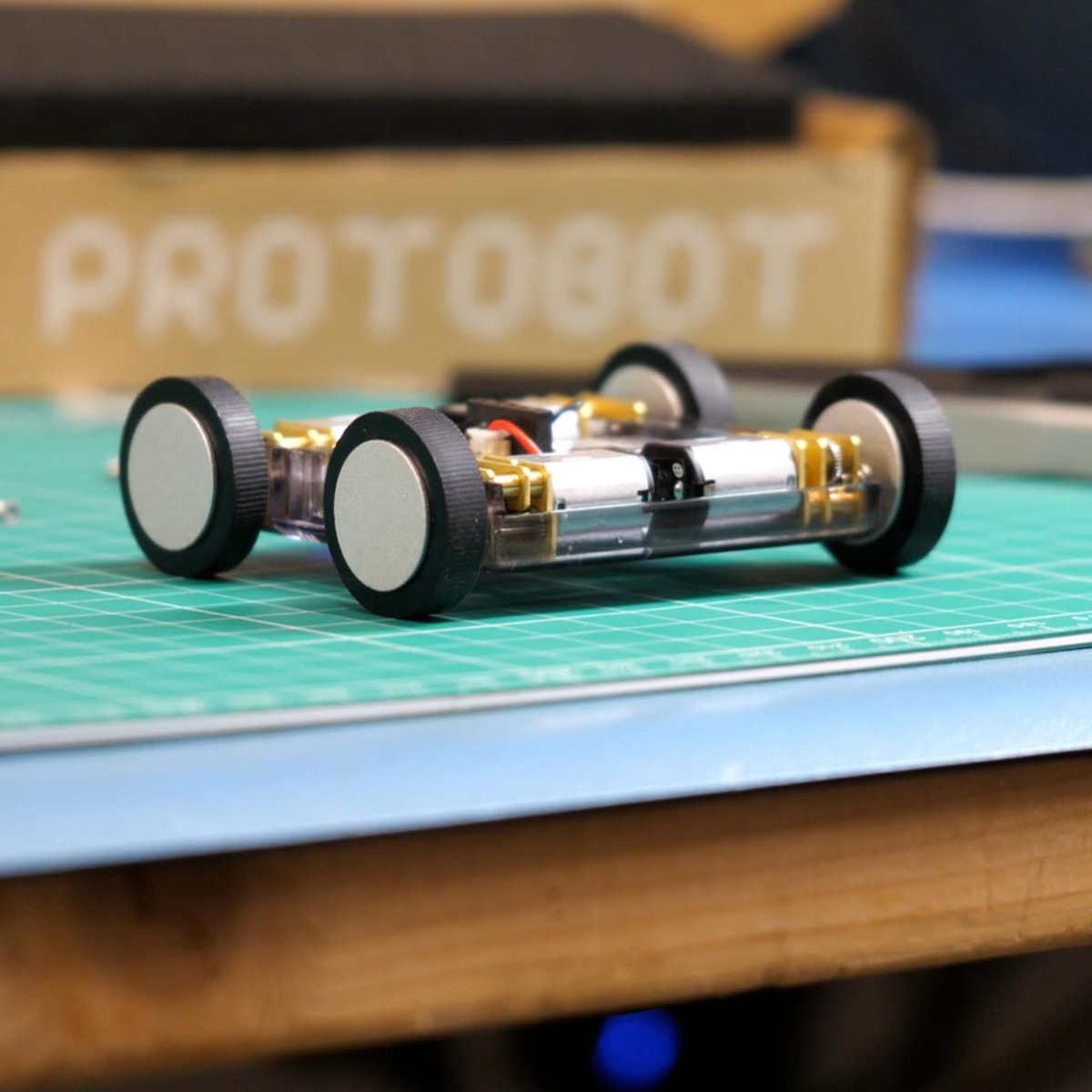
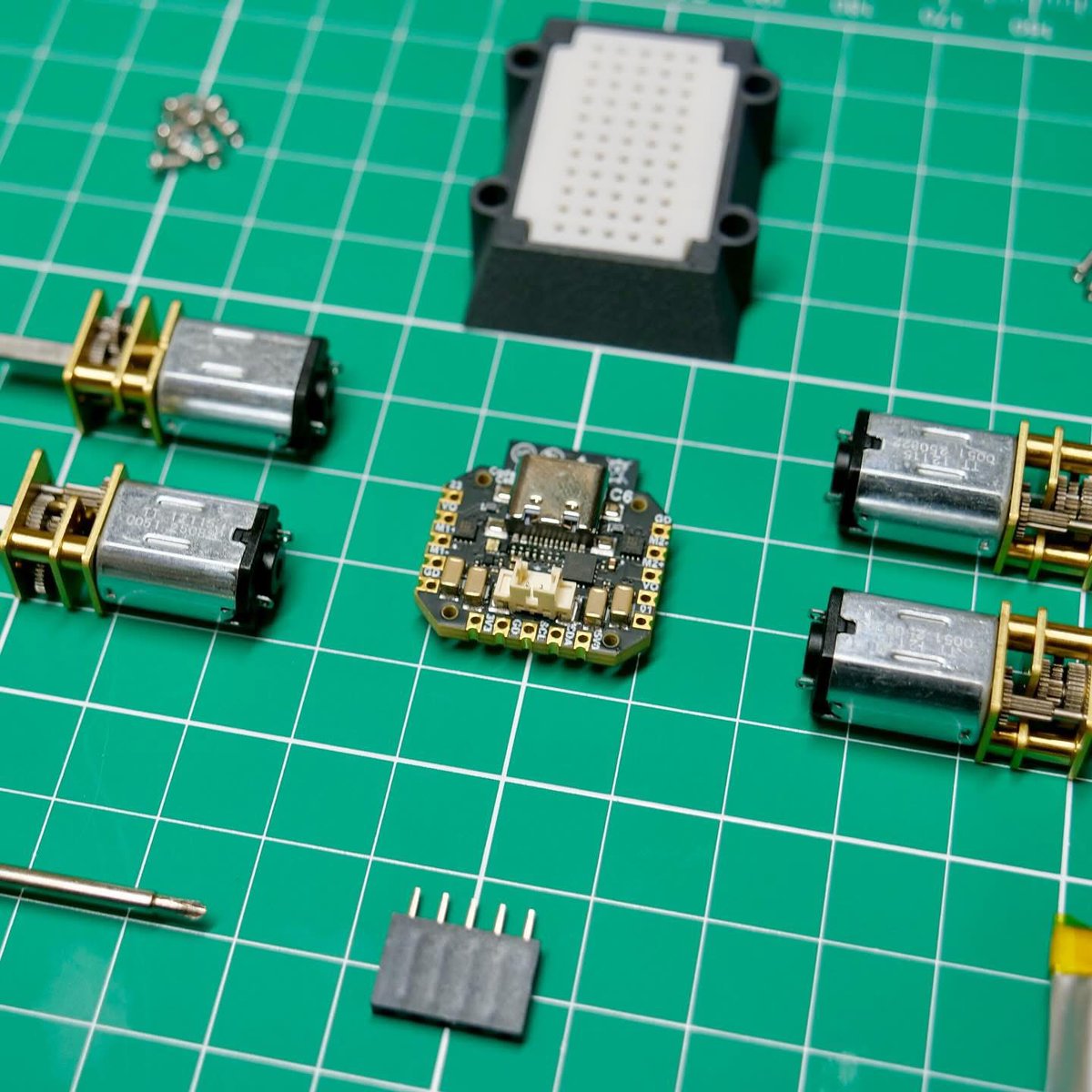
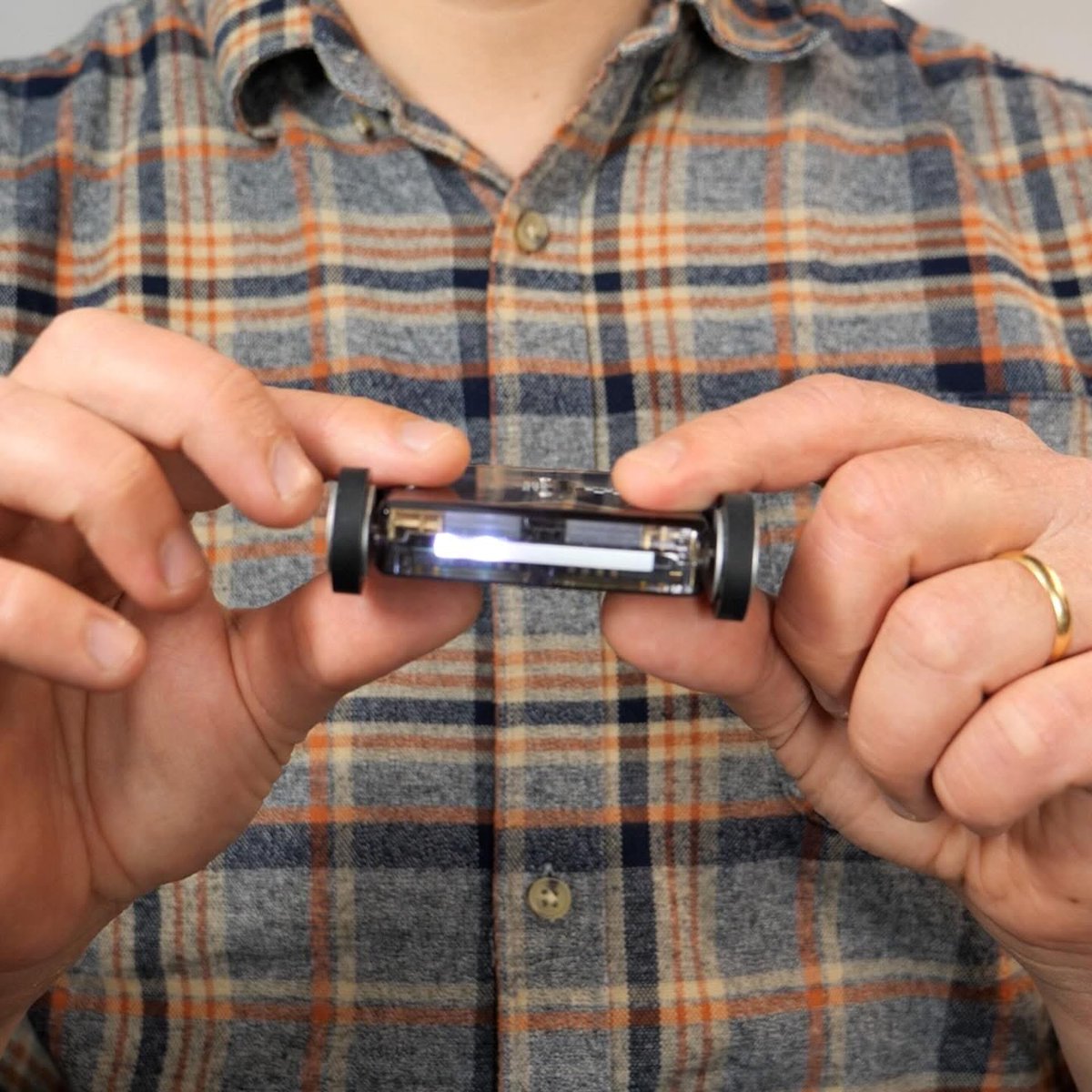
Super excited to announce that #ProtoBot kits are now officially available for pre-order: microbots.io/ProtoBot
After months of development, they’re finally here 🙈 The full build video drops in a couple of days - stay tuned!
9
26
348
26,194
Ashwanth Kumar retweeted

May 30
Good Question.
The short answer is that I don't view low latency and scalability as separate problems.
The architecture is built around independent silos that can scale horizontally without introducing large shared bottlenecks. A few examples:
• Workloads are sharded across independent units
• Tokio workers are pinned to dedicated CPU cores
• CPU isolation and IRQ affinity tuning
• RPS/XPS tuning and multi-queue NIC utilization
• Strategic use of io_uring and XDP/eBPF where they provide measurable benefits (compio)
• TCP processing kept as close to the execution path as possible
• BBR FQ and extensive network-stack tuning
• Continuous profiling and latency instrumentation
The goal isn't just a lower average latency number. It's maintaining predictable latency as load increases. And once we're operating at this level, the biggest challenges are usually contention, cache locality, scheduler migrations, lock contention, and cross-core communication, and not the raw CPU horsepower anymore.
In practice, I'd rather add another independent shard than make an existing one bigger.
P.S. I also have a healthy distrust of the happy path. Reality has a habit of finding edge cases we forgot to imagine, so smaller failure domains tend to age better than giant shared systems.
May 30

Interesting project. How are you handling scalability with low-latency?
1
1
9
1,134
Ashwanth Kumar retweeted
May 30
For years, I've been building low-latency networking and automation systems for myself and fellow traders.
Now I'm putting that experience into something entirely my own. AlgoIP.in is officially live and open for users.
Built by the engineer who writes the code, runs the infrastructure, answers the support tickets, and obsesses over every millisecond.
Rust 🦀 powered. Trader Focused. Lowest Latency Static IPv4/IPv6 software and infrastructure at the lowest price, available today.
Just started. @algoipin
#AlgoTrading #TradingInfrastructure #LowLatency #Networking #RustLang #FinTech #AlgorithmicTrading #DevOps #Infrastructure #TechFounder #StaticIP #staticip #ipv4 #ipv6

ALT SEBI-Compliant Static IPv4/IPv6 for Algo Trading.
19
22
150
24,039
Ashwanth Kumar retweeted

May 18
அம்மா உணவகங்களைப் புதுப்பித்து சீரமைக்க மாண்புமிகு தமிழ்நாடு முதலமைச்சர் திரு. ச.ஜோசப் விஜய் அவர்கள் உத்தரவு
#CMJosephVijay

836
8,184
27,869
786,204
I think I should keep posting about @getjustpour -- Please try it.
1
2
2
570
Ashwanth Kumar retweeted

May 17
friend tried cold coffee made by me using @getjustpour
loved it
gonna order again soon
1
3
10
1,146
Ashwanth Kumar retweeted

We are introducing 3 new and exciting BTech programmes in Materials Science & Engineering, Mechanics & Computing, and Aerospace Engineering at IISc!
These future-ready undergraduate programmes are designed to shape engineers who will lead across interdisciplinary domains.
38
352
1,946
137,497
Ashwanth Kumar retweeted

Apr 22
We raised a Series A for exe.dev. We are going to build a new cloud. blog.exe.dev/series-a
88
51
906
107,751
Ashwanth Kumar retweeted

Apr 20
Get rich and relive your childhood
94
315
2,788
152,617

Introducing Claude Design by Anthropic Labs: make prototypes, slides, and one-pagers by talking to Claude.
Powered by Claude Opus 4.7, our most capable vision model. Available in research preview on the Pro, Max, Team, and Enterprise plans, rolling out throughout the day.
4,138
14,995
148,115
63,898,913
It took me 5 years of reading, re-reading this thread to understand every intricate details shared here. Thanks @SarangSood
29 Nov 2020

THREAD ON RATIO SPREADS
Whenever vol is on the rise, my go to strategy is always RS. Apart from Jan, Feb & Jul this year when i traded in straddle, 2020 has all been about RS. It's the flexibility of the strategy to trade in both direction & non-direction which i like.(1/n)
30
Ashwanth Kumar retweeted

Mar 25
I’ve been working on something… and it’s now on the App Store! 👀
Introducing brrr 🚀
Push notifications to your own devices. Instantly.
No signup. No dashboard. No nonsense.
Link in 🧵
385
160
4,946
692,416
I traded for 1.5cr on my trading account and still made 1.5L loss. What do I sell first?
Mar 22

You just sold your company for 100cr (all cash deal), what would you buy first?
1
105
This is like 2010 where BSNL Had 2Mbps from 2AM - 8AM IST while other time it was 256Kbps. This will change shortly in a few years!
Mar 15

This translates to 12 AM - 5:30 PM IST
76
Ashwanth Kumar retweeted

Mar 5
Intro episode is up! 📺

Welcome to The Options Trench w/ @KrisAbdelmessih
open.spotify.com/episode/6ij…
2
5
49
10,766
Finally hitting around the velocity I had when I was a curious engineer, doing things I love and had zero responsibilities towards anybody except my commitments at work. To think that was 10 years ago.
areyougoingexponential.rhys.…
35
Ashwanth Kumar retweeted

Mar 5
Finally a good VAD
github.com/FireRedTeam/FireR…
so many developers use bad but popular VAD these days
4
21
167
9,174

this is a feature not a bug.
Mar 1

Someone needs to build a new AI-native OS.
No, I'm not talking about an OS having AI features.
I'm talking about an OS designed to be controlled by AI.
The biggest struggle of AI right now is to use apps like a human would on a computer.
28