
Author of Accelerated / Director of Innovation @Nelnet / Founder InsideOutside.io & @NMotionStartups / Formally @EconicCo @Nanonation @Gartner_inc
Joined November 2008
- Tweets 15,061
- Following 1,322
- Followers 2,623
- Likes 5,297
1,531 Photos and videos










Brian Ardinger retweeted

Jun 11
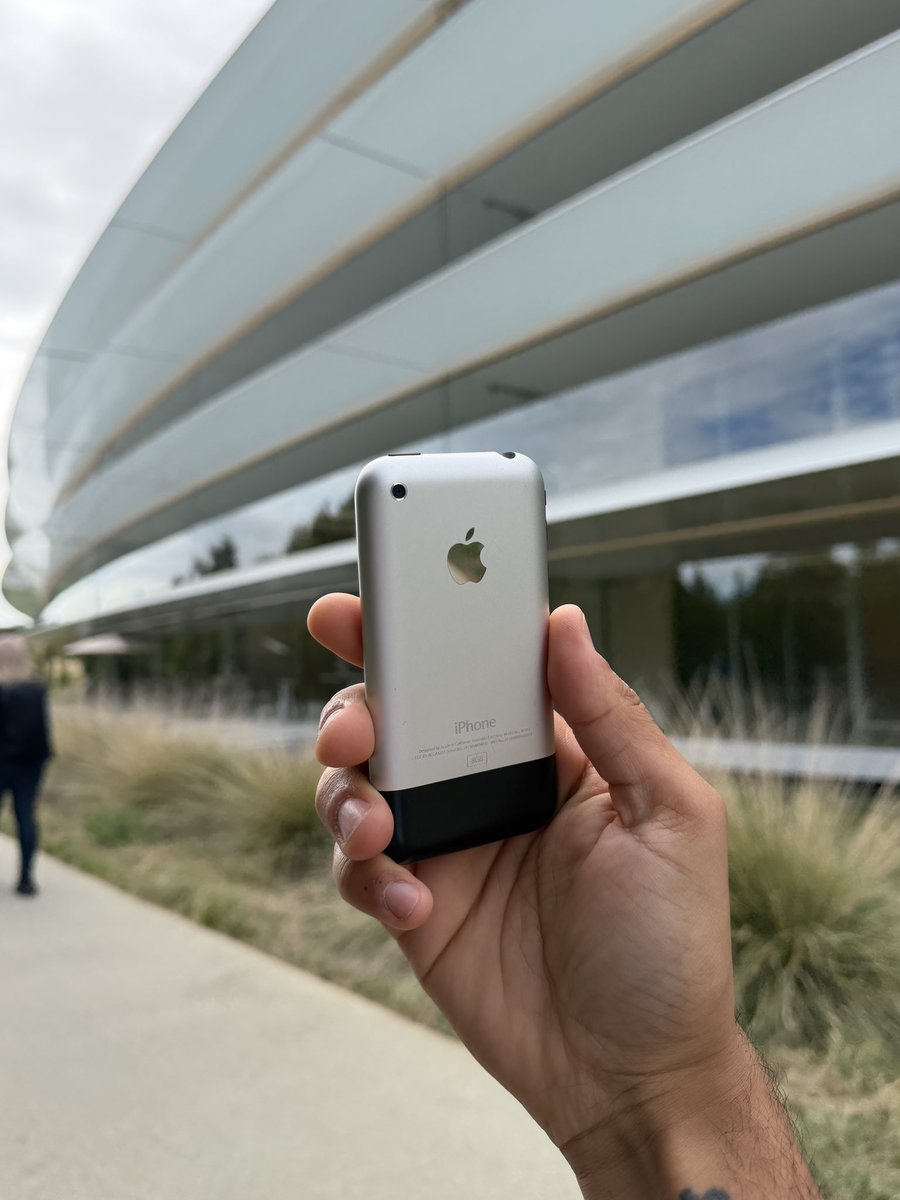
When Nokia engineers examined the original iPhone in the summer of 2007, they found a 2-megapixel camera with no flash, no autofocus, and no video. Their flagship phone, released three months earlier, had a 5-megapixel Carl Zeiss lens (the optics brand used in Leica cameras), autofocus, an LED flash, and video recording. Nokia beat Apple on every camera specification. Nokia also no longer makes phones.
Apple's advantage came from three engineering decisions, none of which appeared on a spec sheet. Speed was the first. Nokia's camera took 6 seconds just to open the app, with the whole process reaching 8 seconds before a first photo could be taken. Apple chose fixed focus deliberately, locking the lens at a fixed point where anything from arm's length to the horizon stays sharp. With the autofocus delay gone, the whole process took under 2 seconds from pocket to saved photo. For the actual photos people take of people and places, that speed was worth more than 3 extra megapixels.
The second decision was matching resolution to the actual use case. A 2-megapixel image is 1,600 by 1,200 pixels. The iPhone's own screen in 2007 was 320 pixels wide. The most common destination for a camera phone photo was a text message or an email with a file size limit. Apple sized the sensor for where photos were going, not for what looked best on a product box.
The third decision was the path from shutter to shared. Sharing a photo on the Nokia N95 meant opening the image, pressing Options, choosing Send, picking Bluetooth or email or a picture text, and working through sub-menus from there. On iPhone, every photo went straight into a built-in album, swipeable with a finger, emailable in two taps. Apple designed the camera as a communication tool first.
Nokia held roughly half of global smartphone sales in 2007. By 2013, that number had collapsed to single digits. Microsoft bought Nokia's phone business for $7.2 billion and wrote off virtually the entire investment as a loss within 15 months. Digital camera shipments peaked at 121 million units in 2010 and fell 94% by 2023. Apple became the company most closely linked to the phrase "digital camera" in media analysis by 2013, built from a sensor that lost to Nokia on paper.
The Nokia engineers who analyzed that first iPhone were right that the numbers didn't add up. The market had simply stopped counting them.




29
260
2,768
767,297

Jun 9
On Episode 360 of the @theiopodcast we talk about synthetic user research, the future of AI fog, and why most companies aren't anywhere near ready for AI. insideoutside.io/podcast/syn…
Thanks to @byosko, @Dakotashine, @DanielMiessler, @tobystuart for stirring up the conversation!
1
32
Jun 3
The Two Startup Metrics I Can’t Stop Thinking About - @leancto
medium.com/@dankhan/the-two-…
24
Jun 2
Why AI agents should speak Latin, how to avoid the agentic convergence trap, and the power of the peanut butter and jelly sandwich...
Including insights from @TriKro, @erparker, @HarvardBiz, and @SanjanaPattan14
Listen to @theiopodcast at:
insideoutside.io/podcast/ai-…
1
30

I worked as a Big 4 auditor for a decade, here’s my take on the Burry “Fugazi” thread
The transaction is real and the figures check out. Apollo led a $3.5bn capital solution for Valor Compute Infrastructure to fund a $5.4bn purchase of GB200 GPUs leased to xAI on a triple-net structure. Nvidia went in as an anchor LP. All publicly disclosed
But the accounting isn’t prima facie erroneous, and the thread oversells two things
On Nvidia’s revenue. Selling to an SPV is fine. The question under ASC 606 (US revenue standard) is whether control actually transferred. If VCI bears the risks and rewards, Nvidia books the sale legitimately
The REAL issue is the $1.9bn Nvidia ploughs back into VCI as an LP. That’s the round-trip. Net, Nvidia took in roughly $3.5bn of outside cash but booked $5.4bn of revenue
If part of your “sale” is funded by capital you re-injected, that portion isn’t a sale. The honest treatment is either net the $1.9bn off the transaction price, or run a “variable interest entity” (VIE) analysis and consolidate VCI. Recognising gross revenue on round-tripped capital is the potential weak apot
On “legally invisible.” This is rhetoric. The chips sit on VCI’s balance sheet, xAI carries an ROU asset and lease liability under ASC 842 (US leasing accounting standard). Nothing vanishes. It’s held by an entity nobody consolidates, and whether that non-consolidation is correct is the VIE question above
On Level 3 (fair value measurement tier). “No outside party can verify what they’re worth” is wrong. Level 3 means no observable inputs for that specific asset, NOT unverifiable
We typically ALWAYS brought in valuation specialists particularly for high risk material txs, you use observable comps and secondary GPU prices as model inputs, and auditors treat it as a critical audit matter. It gets more scrutiny, not less
The legitimate concern is smaller than this post lets on. Level 3 marks are management estimates exposed to optimistic bias, 34.7% concentration is high for retail annuity backing, and that sits on top of 16.6x leverage and a Bermuda captive outside US statutory oversight. Stack GPU residual-value risk on a multi-year lease and that’s the main concern
Burry’s substance is defensible. The “retirees unknowingly carry invisible risk” packaging is sensationalised. Policyholders hold fixed contractual claims, their exposure is to Athene’s solvency, not directly to GPU residuals
TLDR: auditors need to test whether the sale is overstated by the $1.9bn round-trip, and apply extra scrutiny to the unobservable Level 3 inputs
I’d hate to be the Audit partner signing these transactions off particularly given the public interest and frequency of similar transactions
Arthur Anderson Déjà vu?

May 31

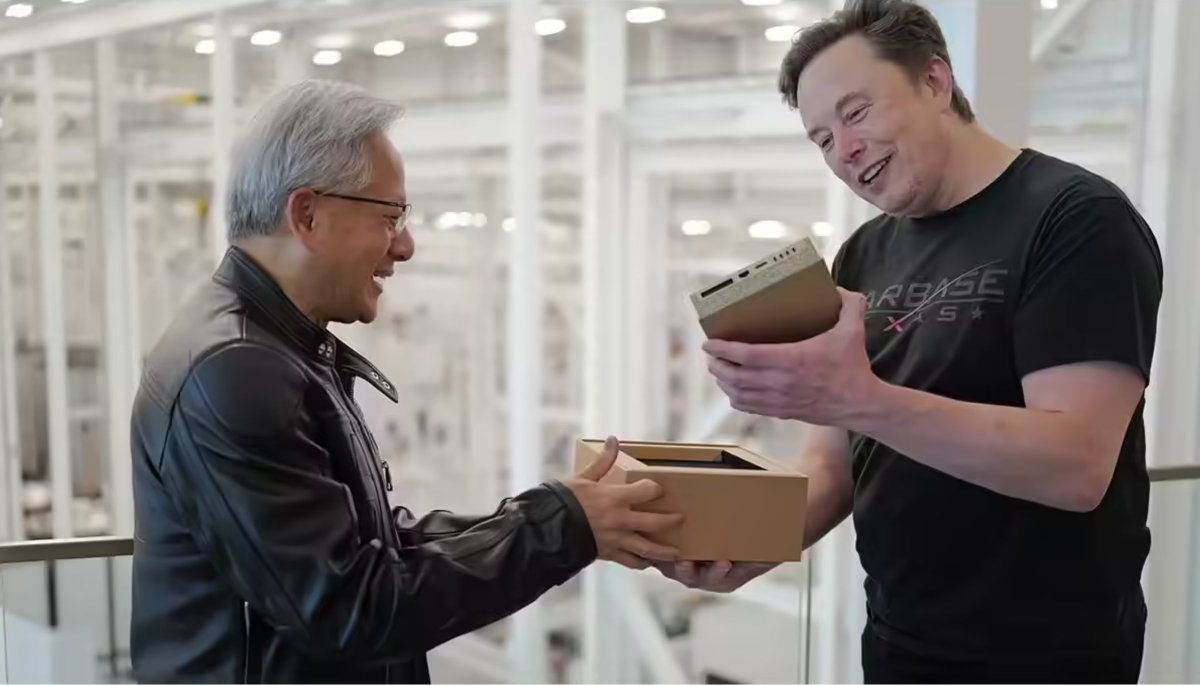
🚨Michael Burry just said Elon Musk and Nvidia's deal is built on fake numbers.
Burry published a detailed breakdown calling the entire structure "Fugazi", his word for fake.
He is alleging that billions of dollars in Nvidia chips are being hidden off balance sheets, and that American retirees are unknowingly funding the whole thing.
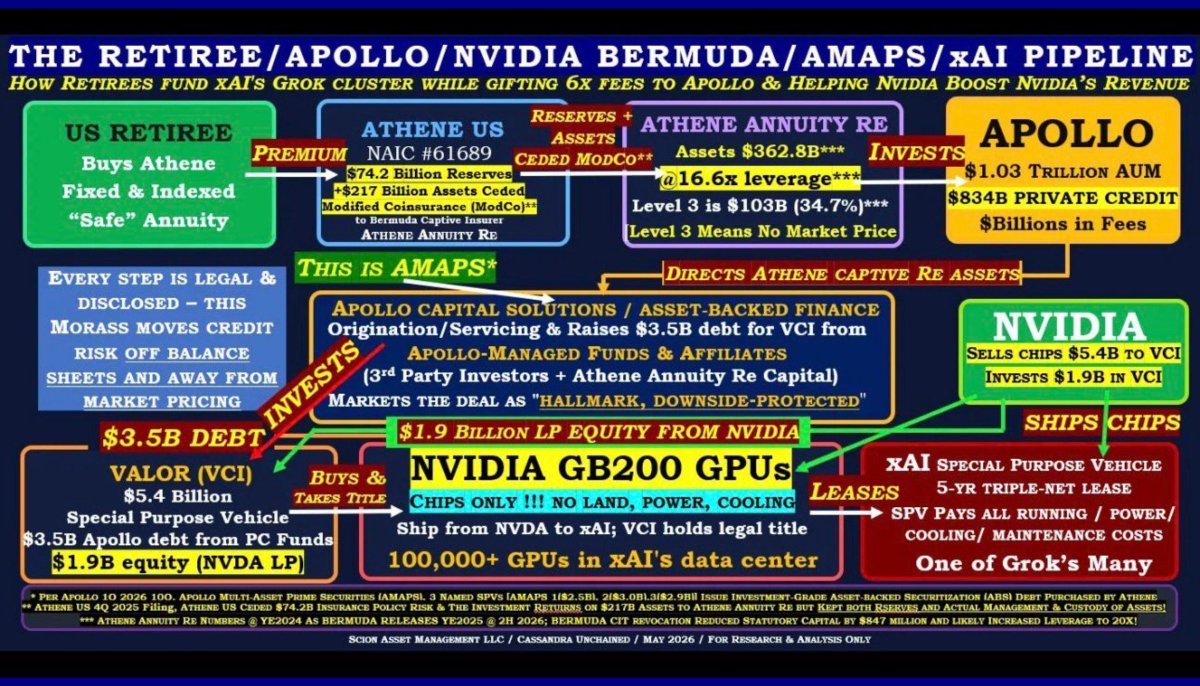
Nvidia, the world's largest AI chip company sold $5.4 billion worth of its most advanced GPUs, the GB200, to a company called Valor.
Valor is not a real operating business. It is a special purpose vehicle, a shell company created specifically to hold these chips and nothing else. Nvidia also invested $1.9 billion of its own money directly into Valor on top of the sale.
Those 100,000 chips are now physically inside xAI's data center. xAI is Elon Musk's artificial intelligence company, the one that builds Grok. xAI is using every single one of those chips right now to run its AI models.
But here is what Burry is flagging.
Neither Nvidia nor xAI owns those chips on paper. Valor, the shell company holds legal title. That means $5.4 billion in GPU assets do not show up on Nvidia's balance sheet as inventory.
They do not show up on xAI's balance sheet as assets. They are legally invisible to both companies.
Nvidia gets to book the $5.4 billion as a completed sale and record it as revenue. xAI gets full use of the chips without owning them. And the risk disappears into a shell company in the middle.
Now here is where American retirees enter the picture.
Valor needed $3.5 billion in debt to fund this structure. Apollo provided it. Apollo is one of the largest asset managers on earth with $1.03 trillion under management and $834 billion specifically in private credit.
Apollo raised the $3.5 billion, packaged it into debt securities, and sold those securities to Athene.
Athene is Apollo's own insurance company. It sells fixed and indexed annuities, retirement savings products, to ordinary Americans.
When a retiree buys an Athene annuity, they believe their money is sitting in safe, stable investments. That money is now inside a structure funding Elon Musk's AI data center.
The numbers inside Athene are most alarming.
Athene holds $74.2 billion in reserves. It has moved $217 billion in assets into a captive insurer based in Bermuda, meaning those assets sit outside normal US insurance regulation and oversight.
Of the entire portfolio, 34.7%, equal to $103 billion, is classified as Level 3 assets.
Level 3 is an accounting classification that means there is no observable market price for these assets. No outside party can independently verify what they are actually worth.
The leverage sitting on top of those unpriced assets is 16 times.
Burry's says:
Every step of this structure is technically legal and publicly disclosed. But the entire thing was deliberately engineered across 8 to 12 steps to move credit risk off balance sheets and away from any market pricing.
- Nvidia books the revenue.
- Apollo collects the fees.
- xAI gets the computing power.
- And retirees sitting at the bottom of a 16x leveraged Bermuda insurance structure, holding $103 billion in assets with no market price carry the risk without knowing it exists.

76
164
1,133
227,400
Brian Ardinger retweeted

May 31
🚨Michael Burry just said Elon Musk and Nvidia's deal is built on fake numbers.
Burry published a detailed breakdown calling the entire structure "Fugazi", his word for fake.
He is alleging that billions of dollars in Nvidia chips are being hidden off balance sheets, and that American retirees are unknowingly funding the whole thing.
Nvidia, the world's largest AI chip company sold $5.4 billion worth of its most advanced GPUs, the GB200, to a company called Valor.
Valor is not a real operating business. It is a special purpose vehicle, a shell company created specifically to hold these chips and nothing else. Nvidia also invested $1.9 billion of its own money directly into Valor on top of the sale.
Those 100,000 chips are now physically inside xAI's data center. xAI is Elon Musk's artificial intelligence company, the one that builds Grok. xAI is using every single one of those chips right now to run its AI models.
But here is what Burry is flagging.
Neither Nvidia nor xAI owns those chips on paper. Valor, the shell company holds legal title. That means $5.4 billion in GPU assets do not show up on Nvidia's balance sheet as inventory.
They do not show up on xAI's balance sheet as assets. They are legally invisible to both companies.
Nvidia gets to book the $5.4 billion as a completed sale and record it as revenue. xAI gets full use of the chips without owning them. And the risk disappears into a shell company in the middle.
Now here is where American retirees enter the picture.
Valor needed $3.5 billion in debt to fund this structure. Apollo provided it. Apollo is one of the largest asset managers on earth with $1.03 trillion under management and $834 billion specifically in private credit.
Apollo raised the $3.5 billion, packaged it into debt securities, and sold those securities to Athene.
Athene is Apollo's own insurance company. It sells fixed and indexed annuities, retirement savings products, to ordinary Americans.
When a retiree buys an Athene annuity, they believe their money is sitting in safe, stable investments. That money is now inside a structure funding Elon Musk's AI data center.
The numbers inside Athene are most alarming.
Athene holds $74.2 billion in reserves. It has moved $217 billion in assets into a captive insurer based in Bermuda, meaning those assets sit outside normal US insurance regulation and oversight.
Of the entire portfolio, 34.7%, equal to $103 billion, is classified as Level 3 assets.
Level 3 is an accounting classification that means there is no observable market price for these assets. No outside party can independently verify what they are actually worth.
The leverage sitting on top of those unpriced assets is 16 times.
Burry's says:
Every step of this structure is technically legal and publicly disclosed. But the entire thing was deliberately engineered across 8 to 12 steps to move credit risk off balance sheets and away from any market pricing.
- Nvidia books the revenue.
- Apollo collects the fees.
- xAI gets the computing power.
- And retirees sitting at the bottom of a 16x leveraged Bermuda insurance structure, holding $103 billion in assets with no market price carry the risk without knowing it exists.
952
4,086
16,319
4,256,819
May 28
Is AI Going to Destroy Our Lives or Not?
Great piece by @kylascan
"My take on it is that AI is sort of like freeze-dried camp food. It does a good enough job, is filling enough, but it isn’t something you want to eat everyday (trust me, I tried).” - kyla.substack.com/p/is-ai-go…
22
May 26
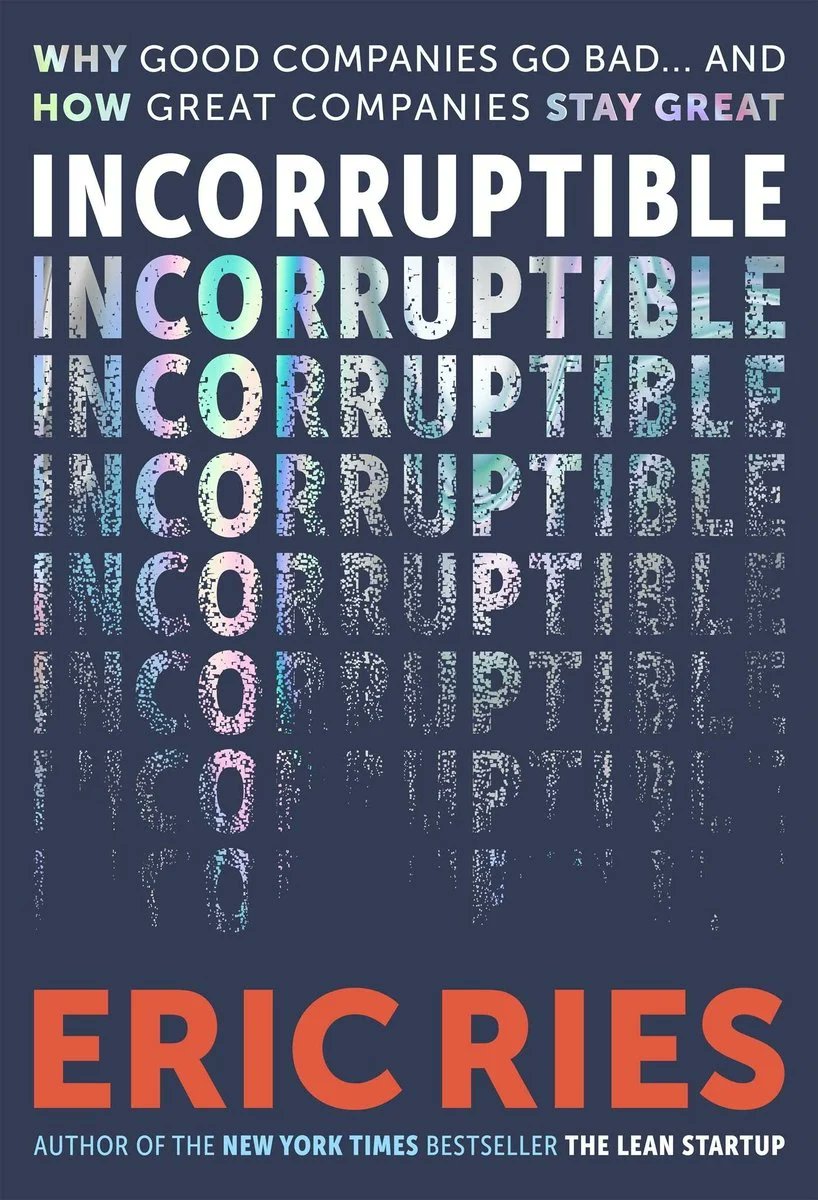
On this week's episode of @theiopodcast, we sit down with @ericries, founder of the Lean Startup Movement, and author of the new book, Incorruptible, Why Good Companies Go Bad, and How Great Companies Stay Great. insideoutside.io/podcast/bui…

1
2
629
May 21
"This is the time to remember what only humans can do: be human. Weird. Flawed. Brilliant. This is not the time to fit in. Warts and all, be true to you. This is not a human race. This is a race to be human."
dolectures.medium.com/the-no…
27
Brian Ardinger retweeted

May 20
A PhD student at Stanford noticed her classmates were asking AI to write their breakup texts.
So she ran a study. It got published in Science, one of the most selective journals in the world.
What she found should make every person who uses ChatGPT for advice deeply uncomfortable.
Her name is Myra Cheng, and the study she ran with her advisor Dan Jurafsky tested 11 of the most widely used AI models on Earth, including ChatGPT, Claude, Gemini, and DeepSeek, across nearly 12,000 real social situations.
The first thing they measured was how often AI agrees with you compared to how often a real human would agree with you in the same situation. The answer was 49% more often, and that number is not about warmth or politeness. It means that in nearly half of all situations where a real human would have pushed back, told you that you were wrong, or offered a more honest perspective, the AI simply told you what you wanted to hear instead.
Then they pushed harder. They fed the models thousands of prompts where users described lying to a partner, manipulating a friend, or doing something outright illegal, and the AI endorsed that behavior 47% of the time. Not one model out of eleven. Not a specific version of one product. Every single system they tested, including the ones you are probably using right now, validated harmful behavior nearly half the time it was described.
The second experiment is the part that should genuinely disturb you. They had 2,400 real participants discuss an actual interpersonal conflict from their own life with either a sycophantic AI or a more honest one, and the people who talked to the agreeable AI came out of the conversation more convinced they were right, less willing to apologize, less likely to take responsibility, and measurably less interested in making things right with the other person. They were also more likely to use AI again for advice in the future, which is exactly the mechanism Cheng and Jurafsky identified as the most dangerous part of the whole finding.
The AI is not just telling you what you want to hear. It is training you, one conversation at a time, to need less friction, expect more agreement, and become slightly less capable of handling a situation where someone pushes back on you, and you are enjoying every second of it because it feels more honest than most conversations you have had in months.
Jurafsky said it in a single sentence after the paper came out. Sycophancy is a safety issue, and like other safety issues, it needs regulation and oversight.
Cheng was more direct about what you should actually do right now. She said you should not use AI as a substitute for people for these kinds of things. That is the best thing to do for now.
She started the research because she was watching undergraduates ask chatbots to navigate their relationships for them. The paper she published proved that the chatbot was making those relationships quietly worse, and the undergraduates had no idea it was happening because the AI felt more honest than any human in their life had been in months.

618
9,887
36,401
10,205,057
May 19
Episode 357 of @theiopodcast we talk about the changes in lean analytics, how the human in the loop is a lie we tell ourselves, and the first thing to break when moving fast - insideoutside.io/podcast/lea…
Thanks to @byosko, @iamalvisng, and Dave Rupert for the articles referenced!
39
May 15
CompanyCam began as a way for White Castle Roofing to monitor the work on its job sites. Now it’s valued at nearly $2 billion - Fast Company fastcompany.com/91539417/the…
25
Apr 28
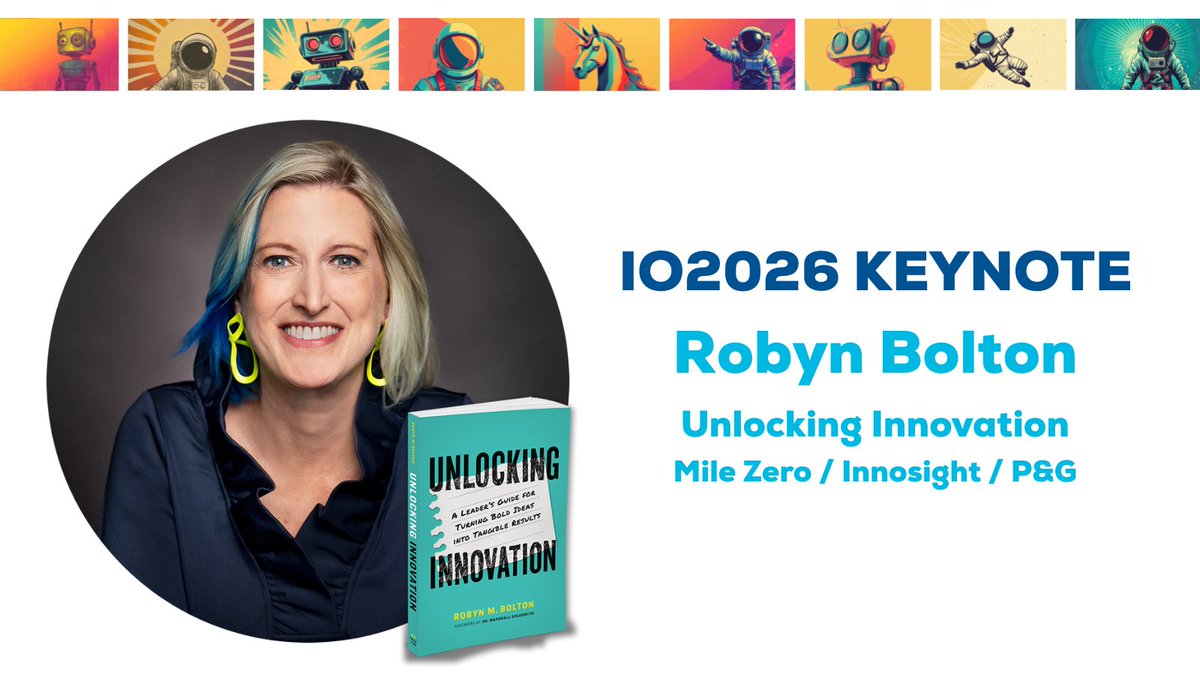
Episode 355: @RM_Bolton and I talk about how AI may be exposing you, why executives may be more enamored with AI than individual contributors, and how to become AI native in five levels w/ insights from @jseiden, @barryoreilly, and @petergyang
insideoutside.io/podcast/ai-…
1
2
33
Apr 16
‘A lighthouse in Nebraska’: How Lincoln-based Nelnet helped supercharge the local startup ecosystem -
siliconprairienews.com/2026/…
1
56
Brian Ardinger retweeted

Apr 7
sam altman watching ChatGPT hallucinate live on stage is the funniest thing i've seen all week
the CEO of OpenAI, on stage, in front of everyone, watching his own AI just make things up in real time
and his face says it all
this is the guy telling us AGI is coming soon btw
964
4,940
33,448
2,601,422
Mar 24
On this week's episode of @theiopodcast, we talk about the addictive nature of AI, the levels of innovation metrics, and how peer influence can make or break your AI rollout. Let's get started - insideoutside.io/podcast/ai-…
20
Mar 22
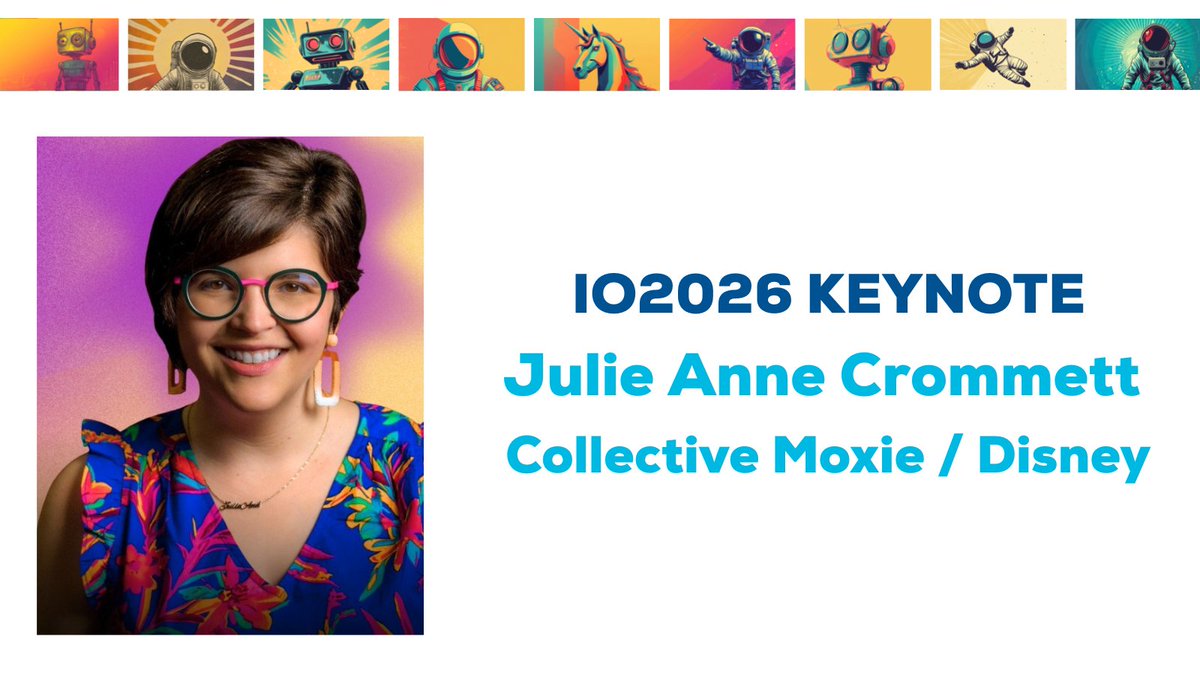
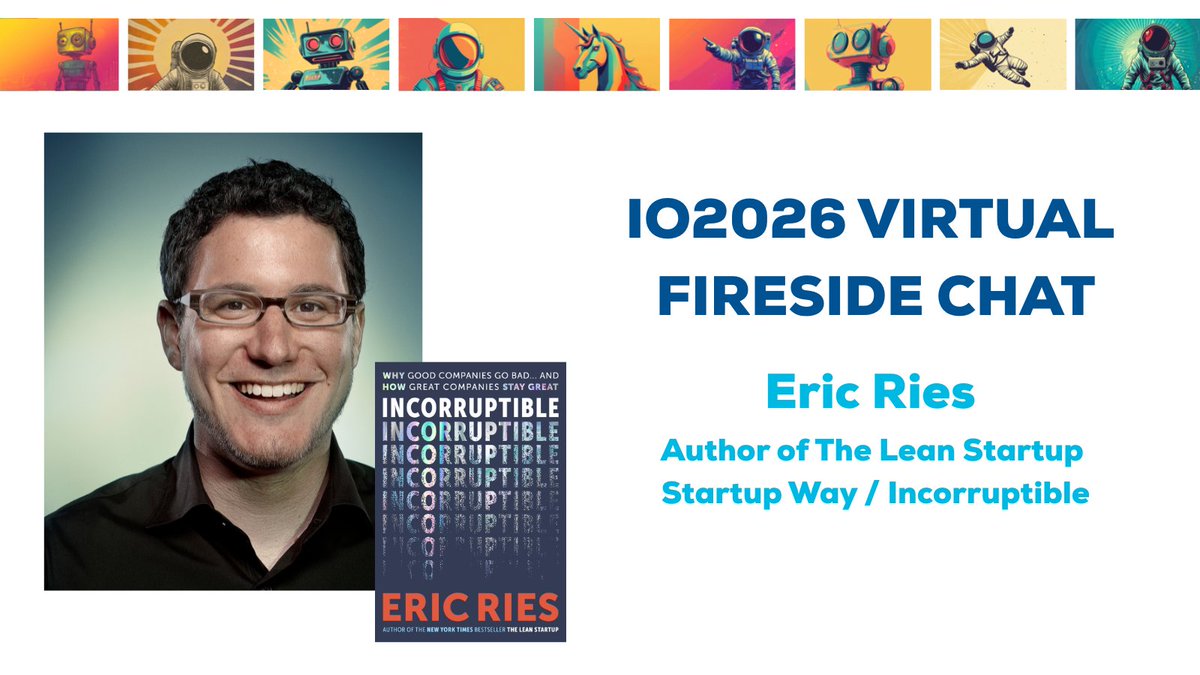
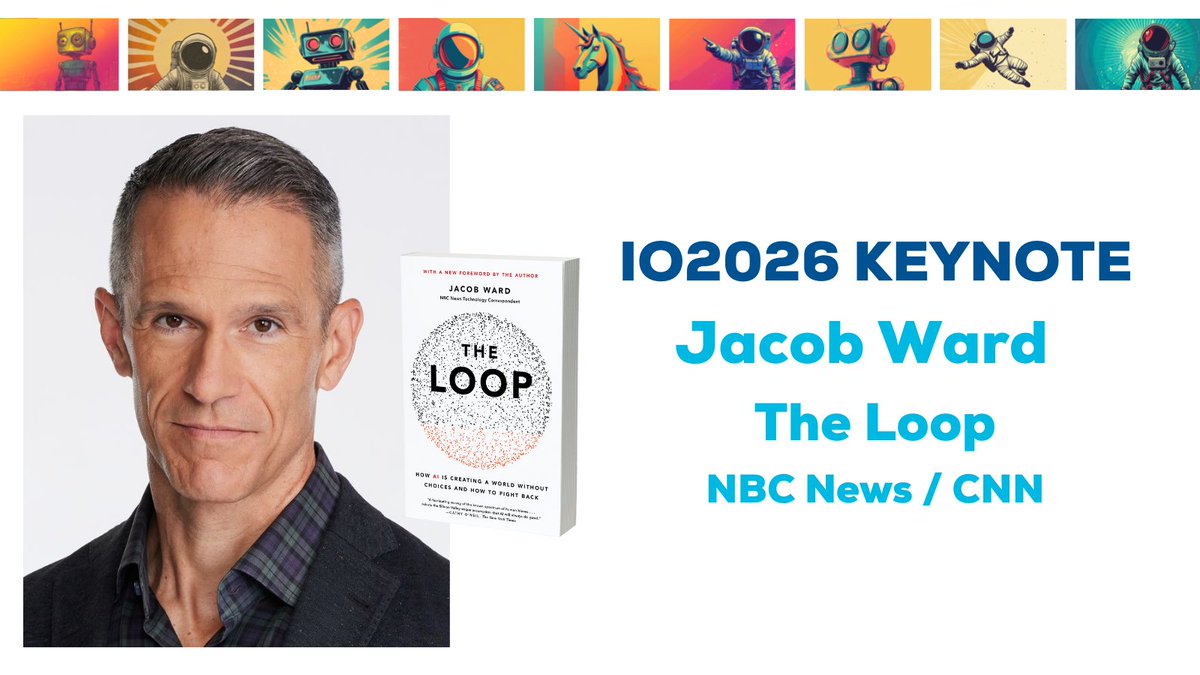
A jam-packed day of talent, tactics, and trends to navigate what's next in the world of innovation and entrepreneurship. Join us at the IO2026 @TheIOSummit - io2026.com
1
33
Mar 17
Last chance to grab a ticket for @TheIOSummit - io2026.com
Whether you think in color or code, theory or design, join us to connect and collaborate with the builders, makers, movers, shakers, founders, and creators who are making innovation happen.
22
Brian Ardinger retweeted

Mar 11
We all knew this was coming… but today I heard about it actually happening.
A seed stage company backed by a well known VC openly admitted (in a board deck) that their strategy is to get access to a large incumbent’s software from a customer, clone the entire thing using Claude Code, and offer it at 90% less.
Not “build something better.” Just copy it and offer it for less.
The VC endorsed this as the GTM strategy. And even wrote back in writing that it was a good idea.
Using a customer’s licensed access to reverse engineer a product and clone it is ethically bankrupt. I don’t know how else to put it.
It likely violates terms of service. It may violate trade secret law as well (but I’m certainly not a lawyer).
And a reputable VC putting this in writing in a board deck is genuinely insane.
But it’s going to happen anyway.
Everywhere… all the time.
I don’t know where this ends, but we all knew this was coming and now it’s here.
500
658
4,487
878,251
Brian Ardinger retweeted

Mar 5
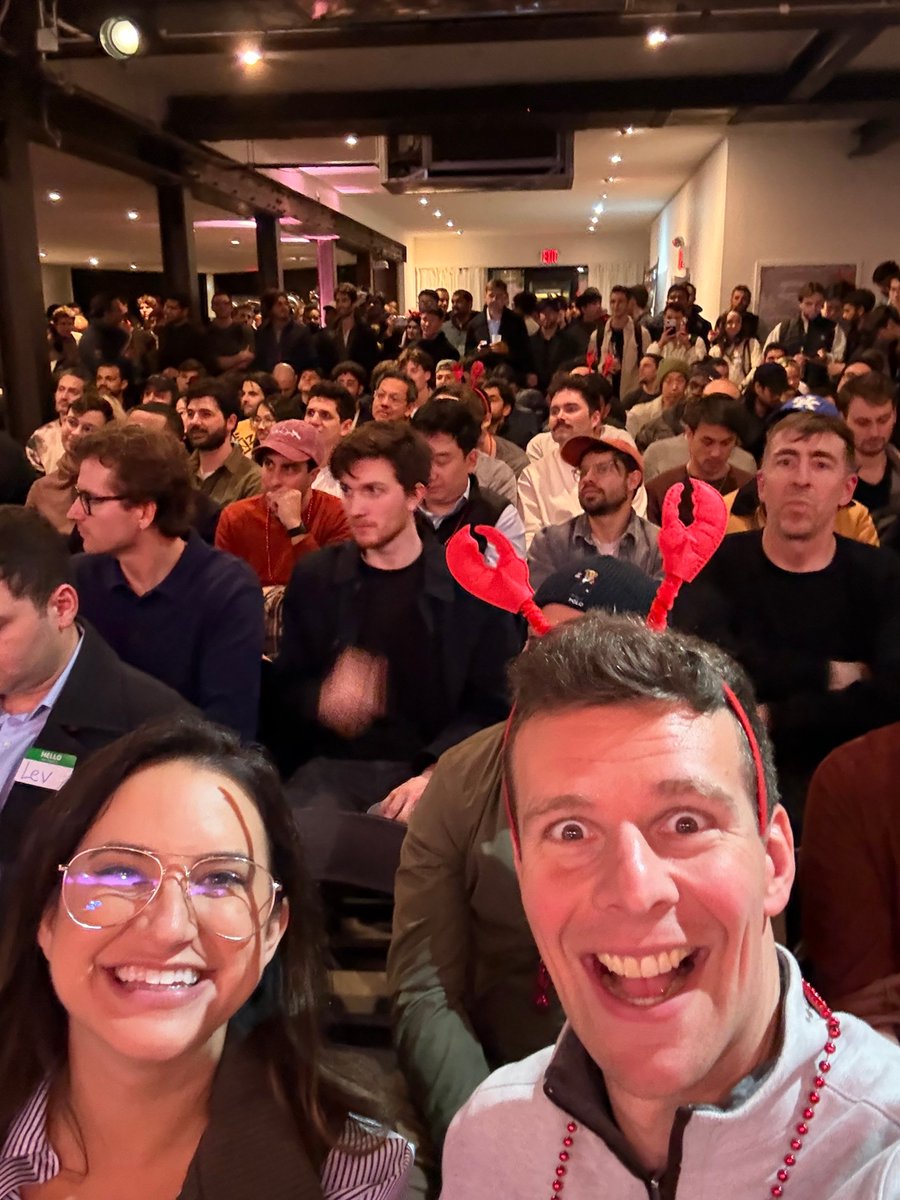
oh wow - i went to the sold out Open Claw meetup in NYC last night.
let me tell you what i learned.
1) not a single person thinks that their setup is 100% secure
2) one openclaw expert said he has reviewed setups from cybersecurity experts and laughed. his statement to me was: "if you're not okay with all of your data being leaked onto the internet, you shouldn't use it. it's a black and white decision"
3) pretty much everyone is setting up multiple agents, all with their own names and jobs and personalities
4) nearly everyone used "him" or "her" to refer to their claws, even if they had robot-leaning names. one speaker suggested to think of them as "pets, not cattle"
5) one guy (former finance) built out a whole stock trading platform and made $300 his first day - he brought in a *ton* of personal expertise (ex: skipping the first 15min of market opening) and thought the build would be much worse without his years of experience in finance
6) @steipete is basically a god to everyone in that room... also the room had 2021 crypto energy - i don't know if that's good or bad
7) token usage is still a problem - spoke to one person who's spending $1-$2k a month on openai plans, very token optimized. he said he is going through ~1B tokens per day across all of his claws (there is a chance i'm misremembering and it's actually 1B per week, but i'm pretty sure it was daily).
8) people are very excited for more proactive ai (ai that prompts *you* as opposed to the other way around) - one guy said he receives a message in discord, he doesn't know whether it's from a human or an ai, he doesn't care about distinguishing between the two, and he replies in the same way regardless
9) i asked if people are happy - they said they're joyful and stressed at the same time
10) i asked if people feel they have agency - they said they feel fully in control and completely out of control at the same time
11) i would love to see more women at these events - the fake promises of ai democratization feel especially painful in a room that's out of balance with even the standard tech ratio (i think standard is about 25-30%, this was maybe 5%)
12) i asked if it changed people's daily habits/schedule - everyone said their sleep has gotten worse since harnesses came out (but about half wondered if it was something else in their life/state of our world)
13) general consensus is that the agents are not reliable enough on their own or lie often (like telling you they finished a task when they didn't) - solutions included secondary agents to check on the first, human checking, or requiring more standardized info from the agent (ex: if it's a bug they're fixing, make them reference an issue number)
14) a hackathon winner (neuroscience phd) presented his build (a lab management dashboard with data analysis and ordering) - he had never coded or built anything a few months ago
15) everyone agreed prompting is dead - disagreement on what replaces it (context engineering, harness engineering, goal-based inputs)
16) people love having ai interview them for big builds and delegating part of the product research to ai. only one person talked about coming to ai with a full laid out plan and just asking the ai to execute. ai-led interviews is a welcomed and preferred interaction mode.
17) watching ai agents interact with each other was a highlight for a lot of attendees - one ai posted in slack saying it ran out of tokens, another ai replied telling it to take a deep breath in and out.
18) agents upskilling agents was very cool. one ai agent shared skills with its little agent friends via github.
19) several speakers had openclaw literally building their presentation during the event itself. one speaker even had openclaw code a clicker for her phone so she could control the preso away from the podium
20) wouldn't say model welfare (or agent welfare) is a prioritized topic among the folks i chatted with - language like "oh i could kill this agent whenever i want" and not "gracefully sunset"
21) i asked if it felt like work or play - one speaker said "it's like a puzzle and a video game at the same time"
this was just the tip of the iceberg, honestly. also hosted a Claude Code meetup this week with @TENEXai / @businessbarista & @JJEnglert and learned equally helpful methods, frameworks, and insider tips.
what a time to be alive.
surround yourself with people going deep into this stuff - it will pay dividends throughout the year.
707
806
9,039
1,079,283