Associate Director Neurology and Head Neurovascular Intervention, BLK MAX Hospital, New Delhi #human #doctor #neurologist #strokespecialist

Joined August 2016
20 Photos and videos
Vinit Banga retweeted
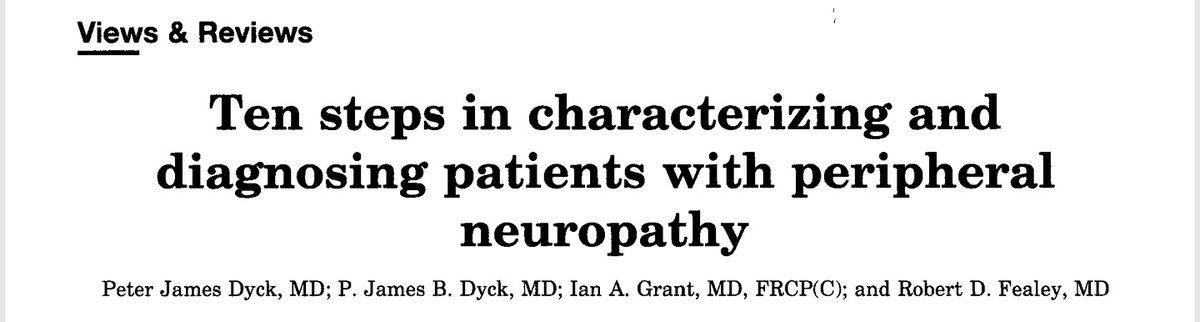
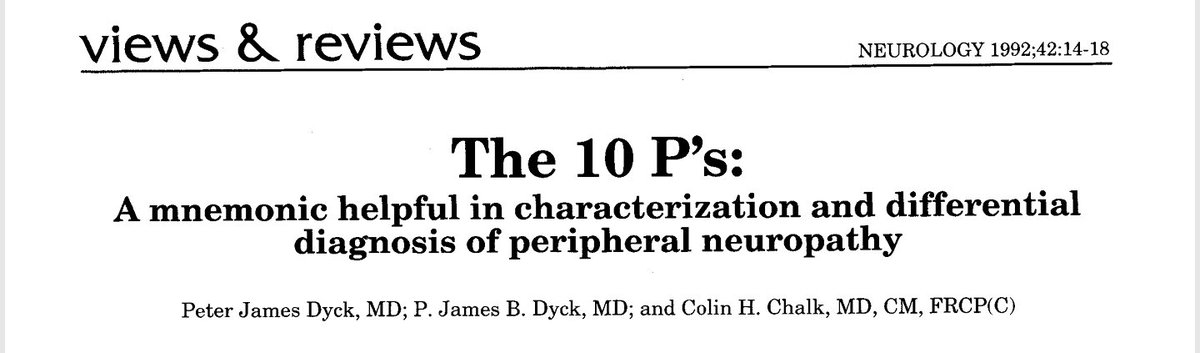
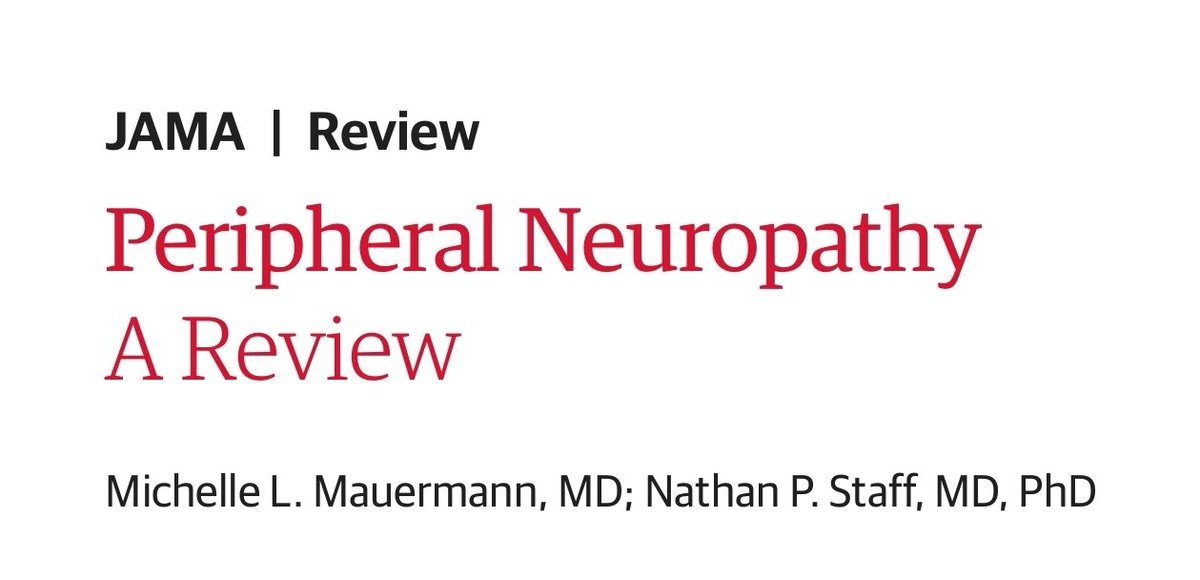
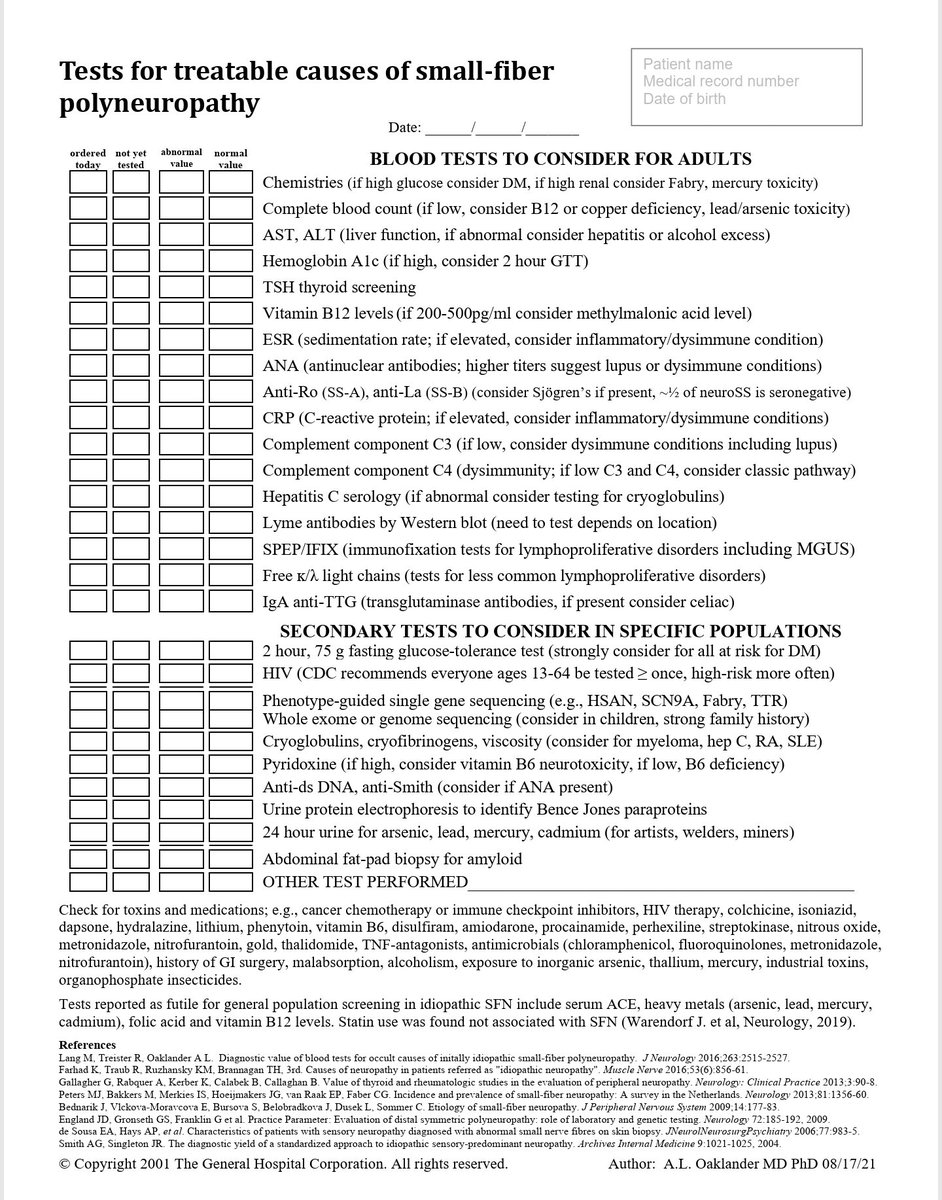
This week is peripheral neuropathy awareness week so here are a few useful articles about PN Ten steps in diagnosing PN neurology.org/doi/10.1212/WN… The 10 P's neurology.org/doi/10.1212/WN… PN JAMA Review jamanetwork.com/journals/jam… Tests for treatable small-fiber PN neuropathycommons.org/diagno…
2
89
247
19,389
Vinit Banga retweeted
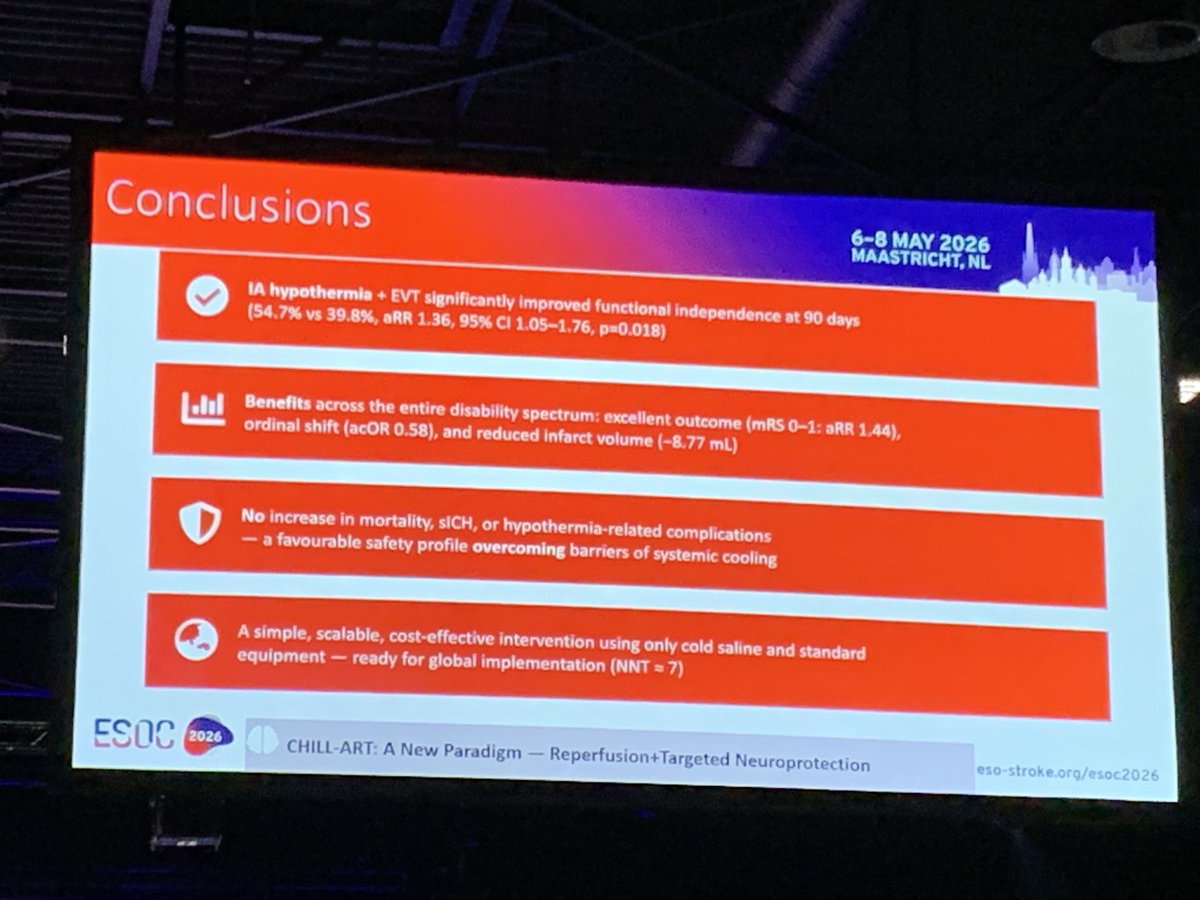
CHILL ART study reports improved outcome with EVT plus hypothermia vs EVT alone. Only 0.4 degree difference in treatment groups. Replication in other populations needed #ESOC2026@svinsociety
1
9
20
1,075
Vinit Banga retweeted
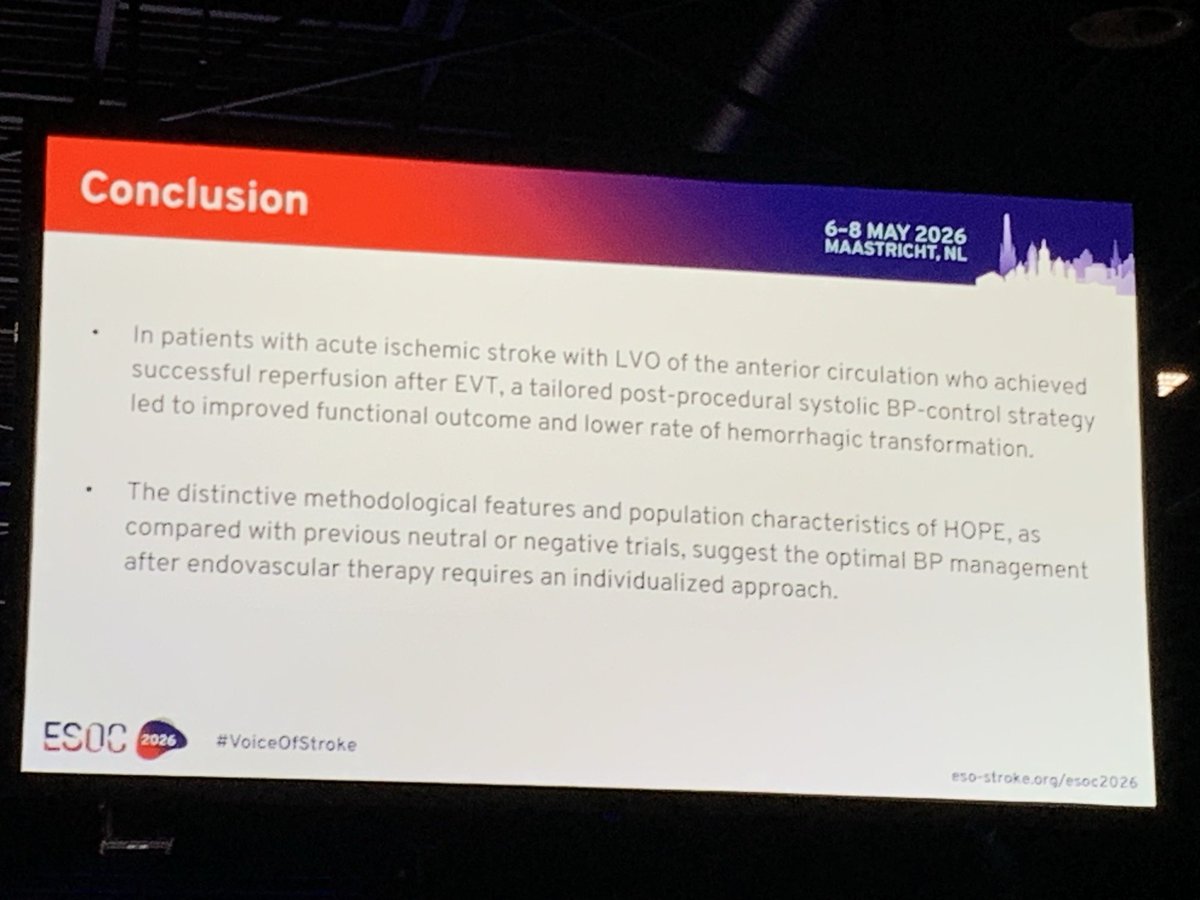
HOPE trial reports improved outcome with post EVT SBP management tailored to reperfusion status. Needs to be reconciled with earlier negative trial results with BP lowering following EVT #ESOC2026@svinsociety
1
14
32
2,063
Vinit Banga retweeted
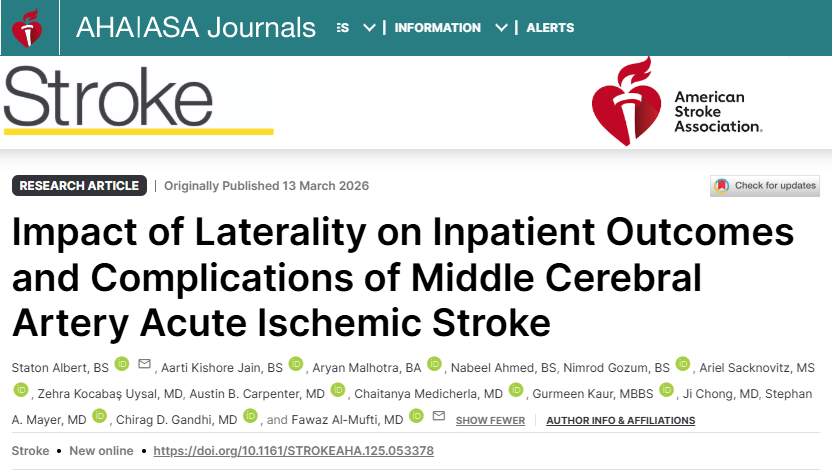
The right hemisphere would like a word. Turns out the right brain has been getting robbed. Our new paper in @StrokeAHA_ASA shows right MCA strokes actually have worse inpatient outcomes than left. Higher mortality. More edema. More complications. Yet these patients often score lower on the NIH Stroke Scale. If your stroke does not affect speech, the system sometimes thinks you are doing just fine. Translation: patients with right hemisphere strokes can look “better” on paper while actually doing worse. #Stroke #NeuroTwitter #Thrombectomy #MedTwitter
6
47
152
20,312
Have been doing this for 10 years now with many questioning rationale. Eventually, it’s gets the due
Patients with intracranial athero should now be targeted to LDL<55 mg/dl, given the new ACC/AHA lipid guidelines. This should be adopted in CAPTIVA and other ongoing trials, as well as routine practice @BrianHoh1 @ESOstroke @WorldStrokeOrg @AHAScience
1
52
Vinit Banga retweeted
About 12% of AIS patients eligible for IV lytic therapy don't get treated, mostly because of rapidly improving or minor deficits. Nonetheless almost 40% of these folks end up with moderate or severe disability at 3 months. Potential Missed Opportunities to Administer Intravenous Thrombolysis to Patients With Acute Ischemic Stroke @StrokeAHA_ASA ahajournals.org/doi/full/10.…
15
41
2,359
Vinit Banga retweeted
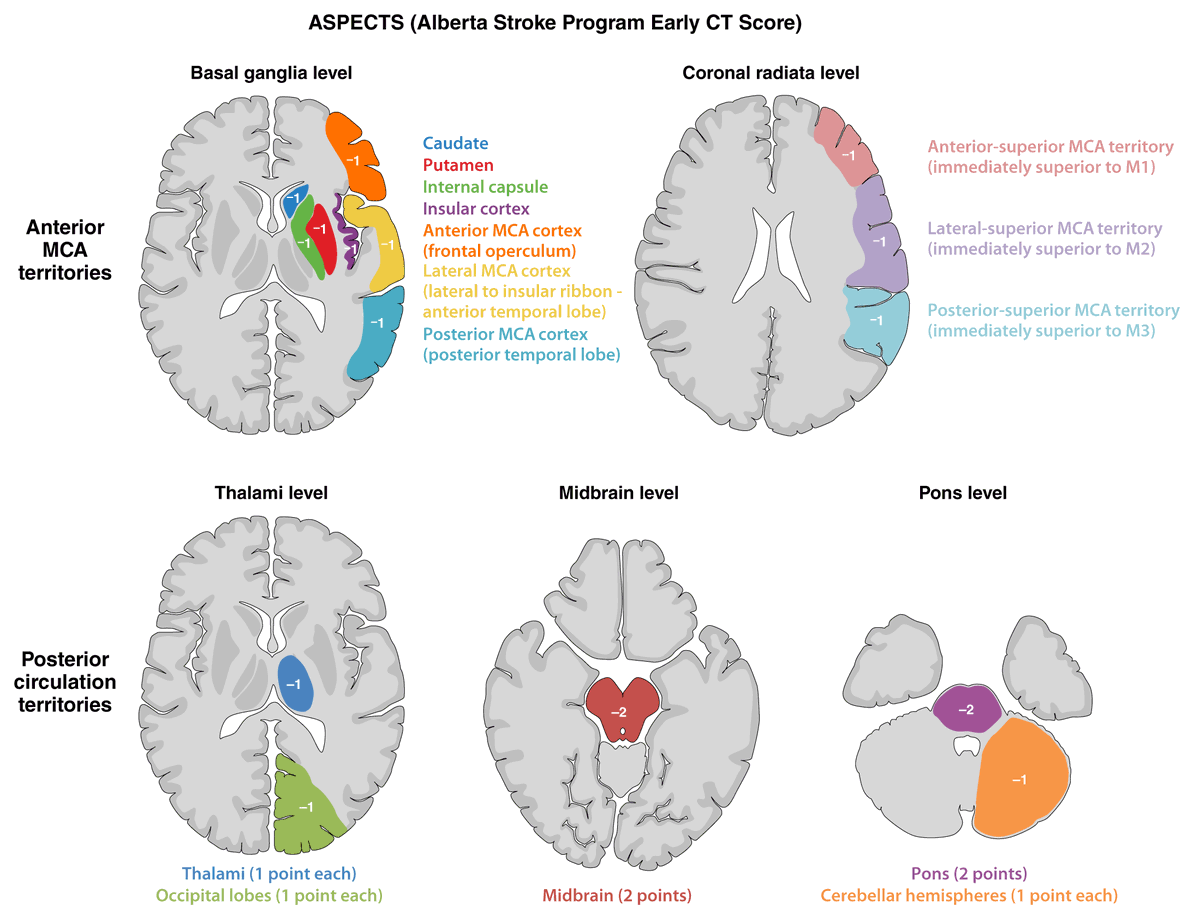
Brain imaging is essential to exclude hemorrhage in adult and pediatric patients eligible for AIS reperfusion therapies. Although CT-based protocols are more efficient and generalizable, MRI-based protocols may be appropriate in high-resource settings and in pediatric populations if similar time to imaging can be achieved as with CT. 📷 ASPECTS: Alberta Stroke Program Early CT Score. ✍🏼 @annealexandrov @AlexandraCzap @OanaDumitrascu5Koto @ashupjadhav @BarrowNeuro @SVINjournal @PoojaKhatriMD @wtkimberly @brianmacgrory @tmadsenem @eva_mistry @natperezossa @strokemaven @PSporns @stavtjoumakaris @WFNeurosurgery @shadiyaghi2
3
46
153
10,628
Vinit Banga retweeted
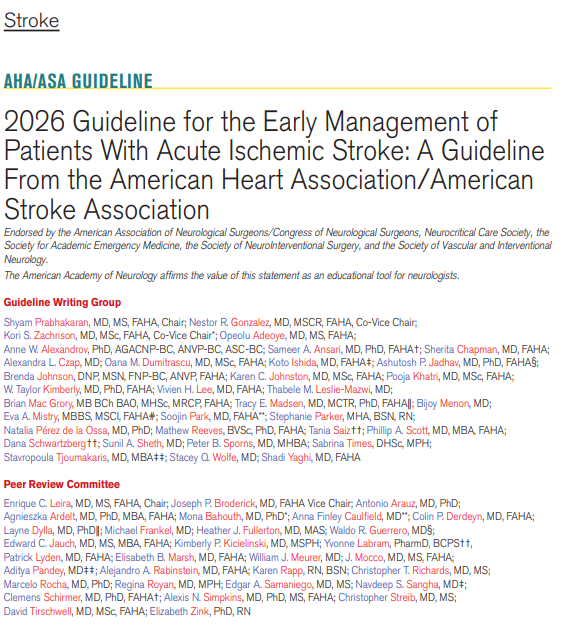
Every year in the United States, >600000 individuals have a first ischemic stroke and approximately 200000 more have a recurrent stroke. This guideline aims to incorporate this updated evidence in order to provide an up-to-date, comprehensive set of recommendations for the acute evaluation and management of patients with AIS. ✍🏼 @annealexandrov @AlexandraCzap @OanaDumitrascu5Koto @ashupjadhav @BarrowNeuro @SVINjournal @PoojaKhatriMD @wtkimberly @brianmacgrory @tmadsenem @eva_mistry @natperezossa @strokemaven @PSporns @stavtjoumakaris @WFNeurosurgery @shadiyaghi2
3
125
222
65,146
Vinit Banga retweeted
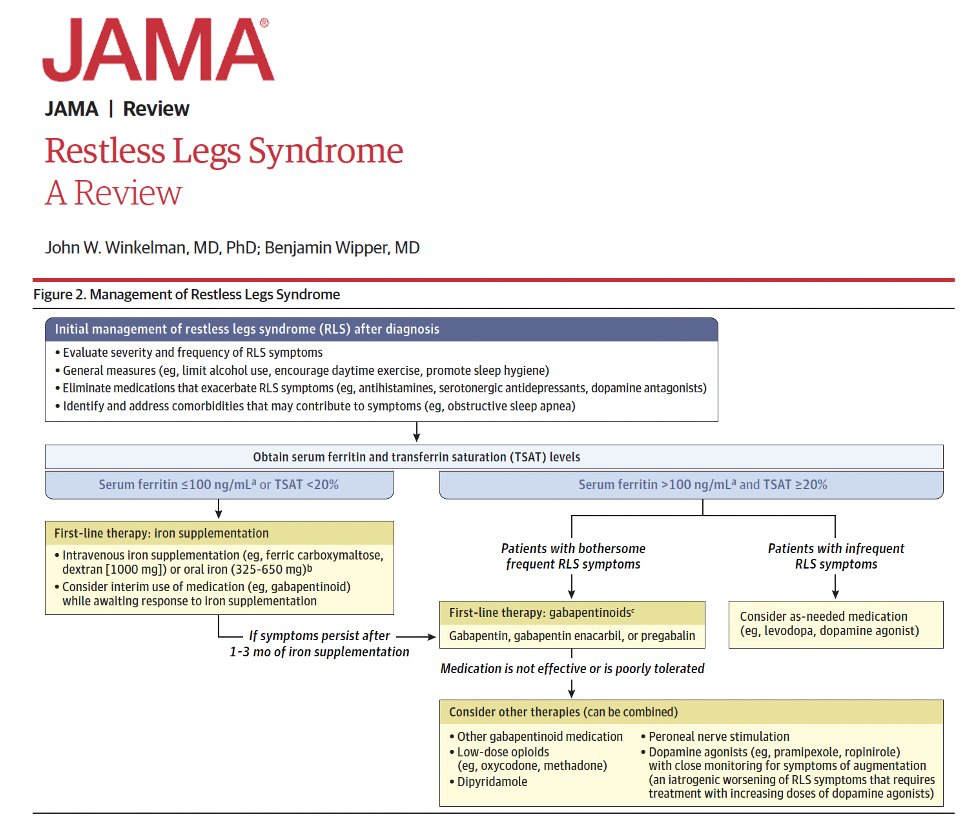
Do you know all the updates on restless legs syndrome (RLS) 2026? Are we getting the diagnosis right and the treatment smarter. Spoiler alert: ‘Gabapentinoids’ now take center stage. What does RLS mean? RLS or restless legs syndrome is a movement disorder marked by an urge to move the legs that worsens at rest, improves w/ movement and is strongest in the evening or night. Winkelman and Wipper describe in a just dropped paper in JAMA what is new in understanding, diagnosing and treating RLS in 2026. Key points: - RLS affects about 3 percent of adults and frequently disrupts sleep mood and quality of life. - Abnormal brain iron handling, genetic risk and dopamine system changes appear central to RLS biology. - Gabapentinoids are now first line therapy, while dopamine agonists are no longer preferred due to augmentation risk. My take: RLS is frequently misdiagnosed or treated in ways that make symptoms worse over time. This review provides a clear practical reset. The message is simple, but powerful. Get the diagnosis right, check iron thoughtfully and treat in a way that protects folks long-term, rather than chasing short term relief. In our MDS Aspen course, the experts have been chirping for 3-5 years to shift away from dopamine agonists and to ‘gabapentinoids.’ The time has come! Here are 5 points that resonated w/ me: 1- RLS is a clinical diagnosis and sleep studies are not required for most folks. 2- Iron deficiency in the brain can exist even when blood iron looks normal. 3- Gabapentinoids help many folks and avoid the long term risks seen w/ dopamine agonist and dopaminergic drugs. 4- Augmentation is a real and a frequently underrecognized complication of dopamine agonists. 5- Thoughtful stepwise care by health care providers can markedly improve sleep and daily function for folks living w/ RLS. jamanetwork.com/journals/jam… @ParkinsonDotOrg @FixelInstitute @movedisorder #RLS @JAMA_current @JAMANeuro
4
21
125
22,152
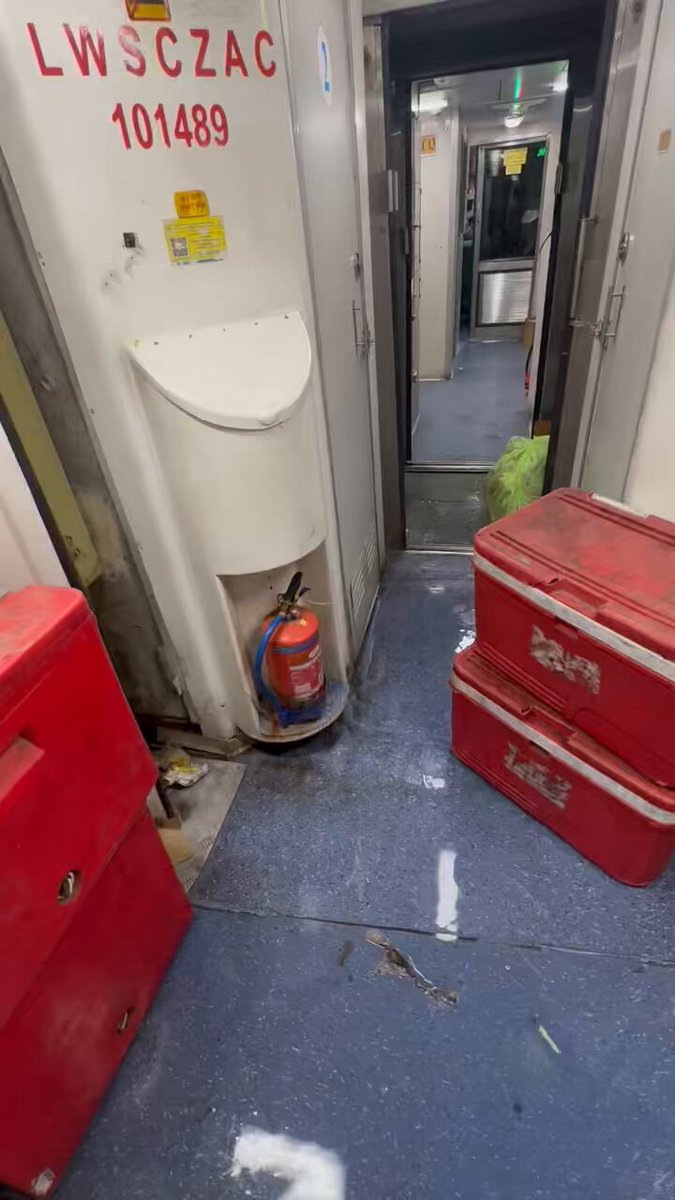
Train no 12001, Coach C12
29
Vinit Banga retweeted
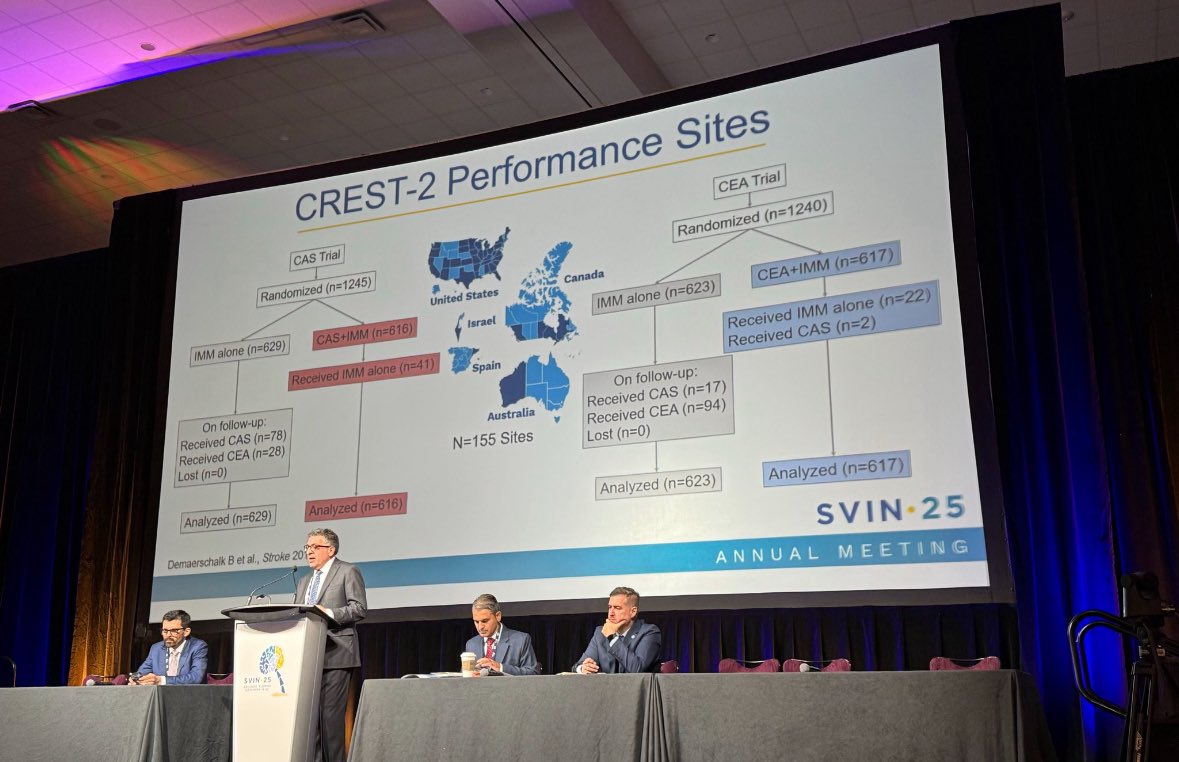
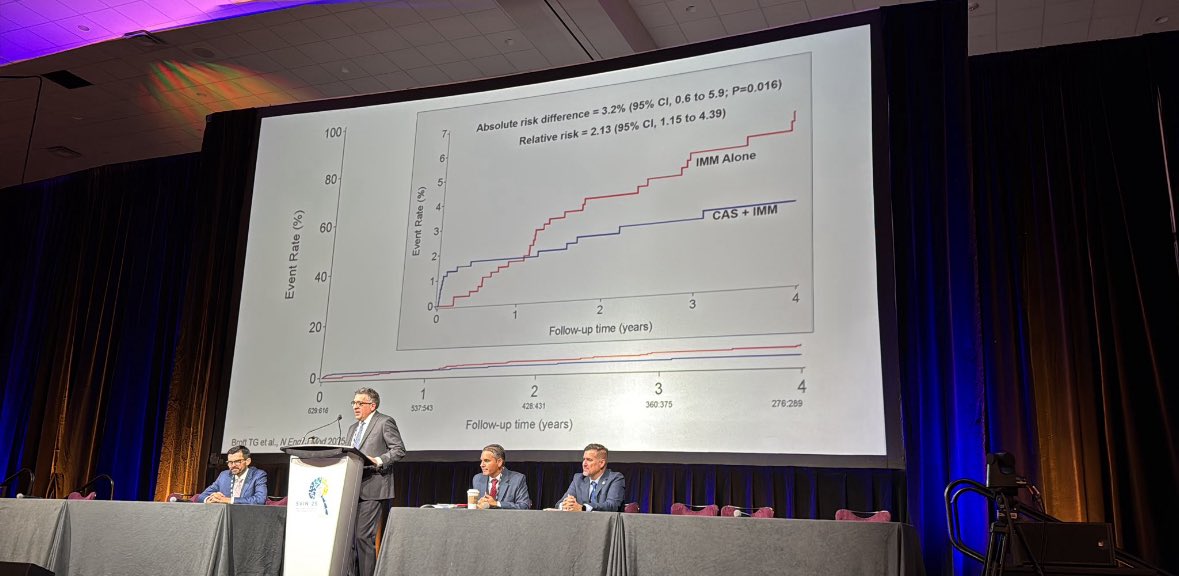
Carotid artery stenting for the win for asymptomatic severe carotid stenosis. Very impressive trial by the CREST-2 team. Congratulations! @ChaturvediNeuro #SVIN25 nejm.org/doi/full/10.1056/NE…
9
57
250
20,847
Vinit Banga retweeted
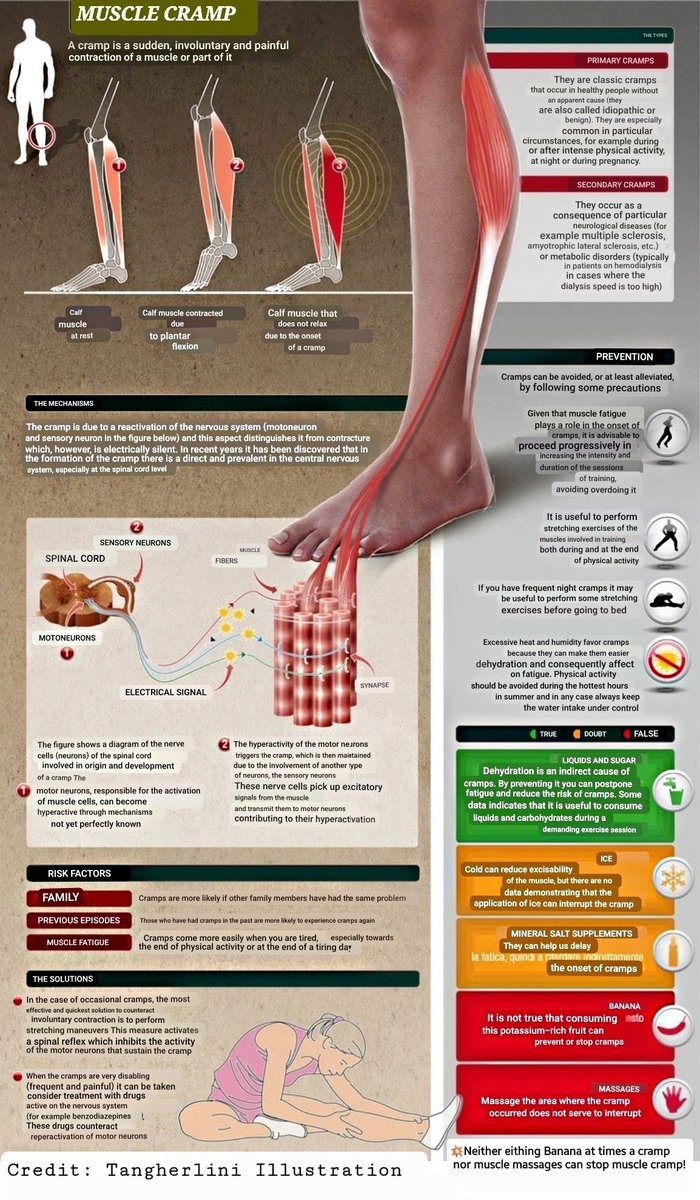
MUSCLE CRAMPS
2
176
880
49,497
Vinit Banga retweeted
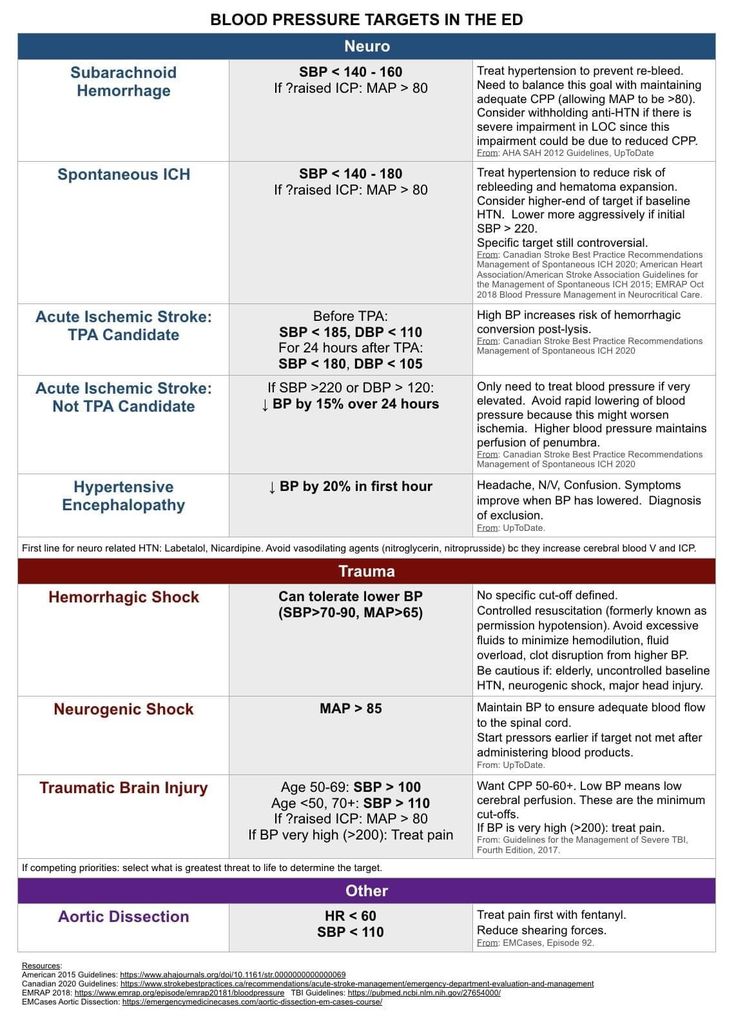
"BLOOD PRESSURE TARGETS IN THE ED." @SarahFoohey
1
87
415
38,050
Vinit Banga retweeted
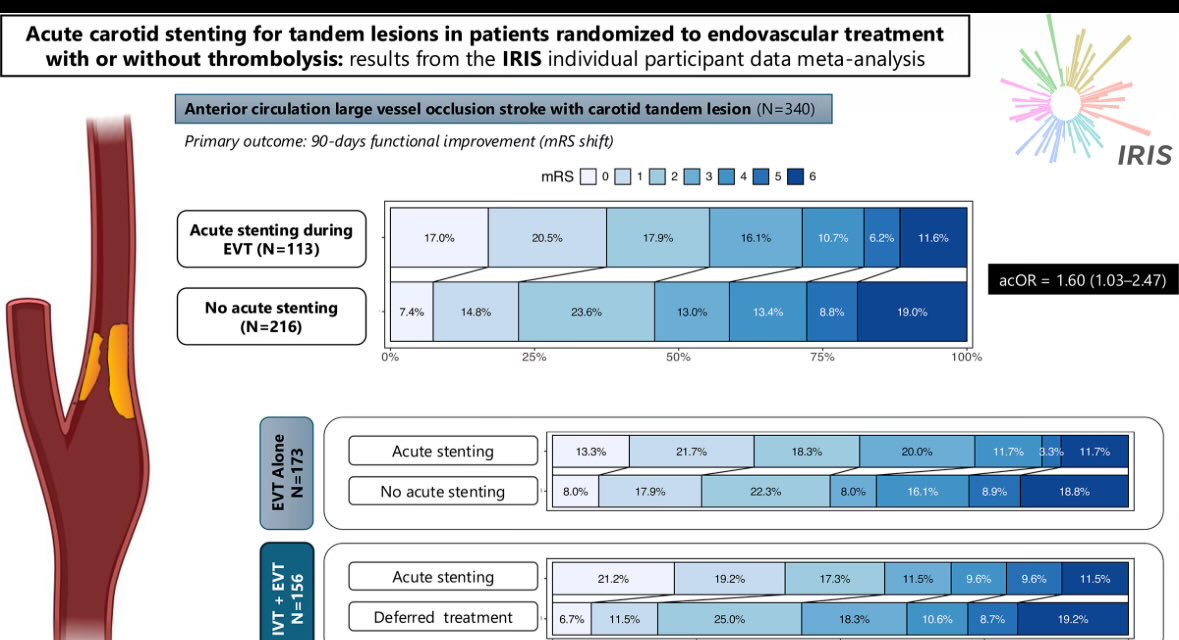
This graph sums it up. In acute stroke with tandem lesions (ICA intracranial occlusion), acute carotid stenting during EVT was associated with better 90-day outcomes than EVT without stenting. Outcomes were similar with or without prior IV thrombolysis (IVT). Caveat: secondary (post-hoc) IPD meta-analysis of 6 RCTs - stenting wasn’t randomized, so results are associative, not causal.
Acute Carotid Stenting for Tandem Lesions in Patients Randomized to Endovascular Treatment With or Without Thrombolysis: Results From the IRIS Individual Participant Data Meta-Analysis | Stroke ahajournals.org/doi/10.1161/…
11
28
4,143
Vinit Banga retweeted
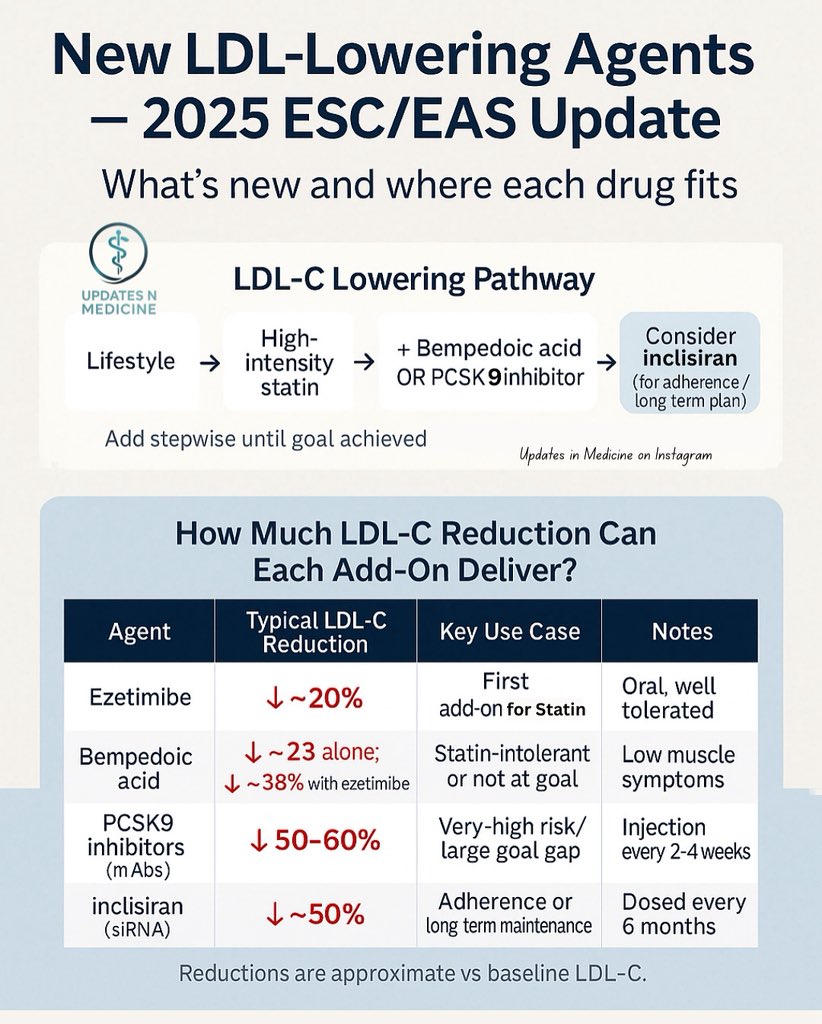
Not at LDL-C Goal? Here’s Where the New Agents Fit in 2025.
1
164
595
38,275
Vinit Banga retweeted
12 Oct 2025
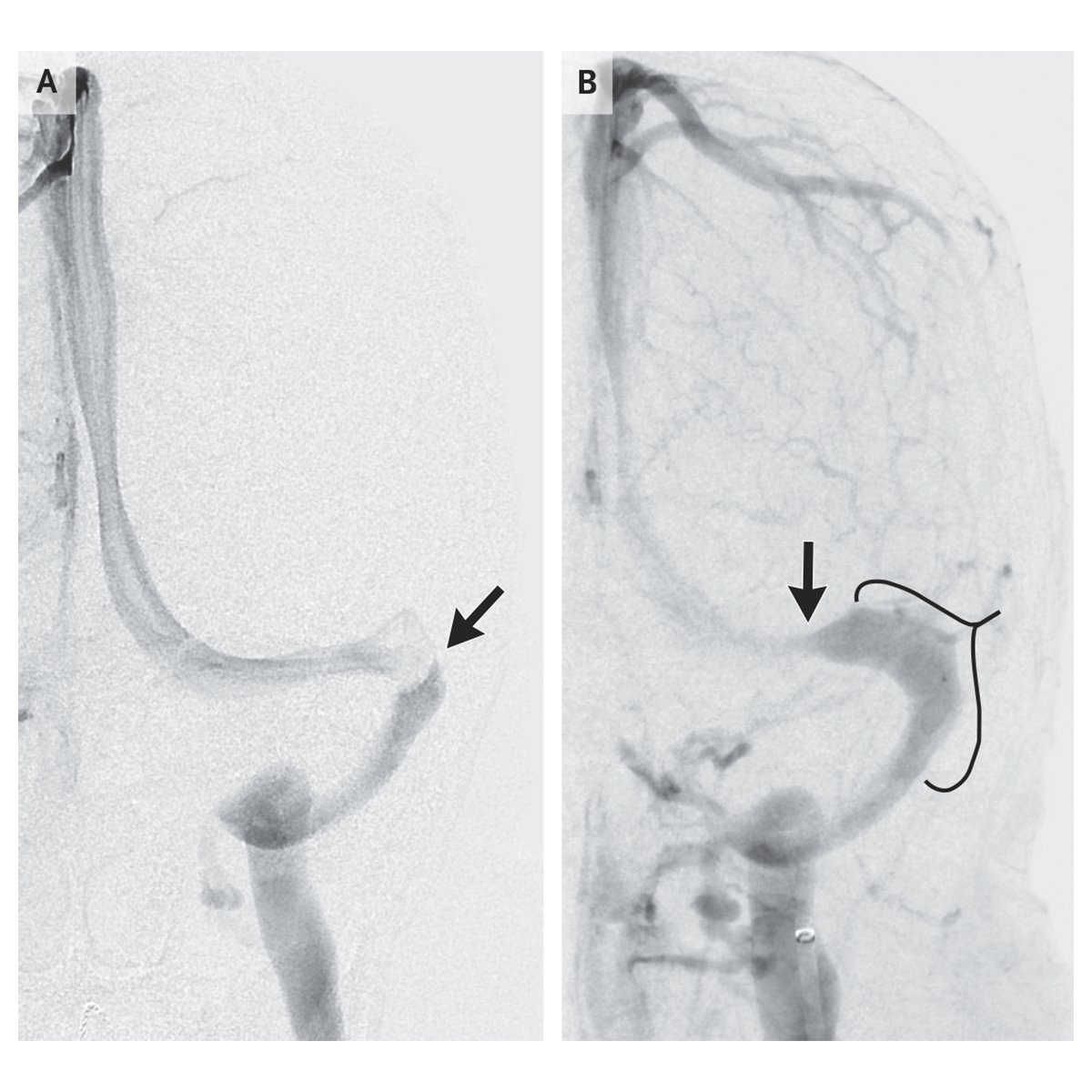
𝗗𝘂𝗿𝗮𝗹 𝗩𝗲𝗻𝗼𝘂𝘀 𝗦𝗶𝗻𝘂𝘀 𝗦𝘁𝗲𝗻𝘁 𝗳𝗼𝗿 𝗧𝗿𝗲𝗮𝘁𝗶𝗻𝗴 𝗜𝗱𝗶𝗼𝗽𝗮𝘁𝗵𝗶𝗰 𝗜𝗻𝘁𝗿𝗮𝗰𝗿𝗮𝗻𝗶𝗮𝗹 𝗛𝘆𝗽𝗲𝗿𝘁𝗲𝗻𝘀𝗶𝗼𝗻 To place a dural venous sinus stent, with the patient under general anesthesia, an interventional radiologist threads a stent across the stenosis affecting the dominant transverse sinus after first verifying that a sizable venous pressure gradient exists across the region. The appealing feature of this procedure is that it corrects the anatomical obstruction that is considered central to the self-reinforcing rise in intracranial pressure (ICP). In a summary of 19 reported series, the risk of subdural or intracerebral hematoma was shown to have been small (0.49%), but two deaths were reported. The same review reported a mean drop in cerebrospinal fluid (CSF) pressure of 13.3 cm of water. Patients receive aspirin and clopidogrel for up to 6 months after the procedure to prevent stent thrombosis. The most serious limitation of venous sinus stenting is that the ICP is lowered, but not to a level in the normal range in some patients. If the ICP remains elevated, visual function may continue to deteriorate. Opening pressure cannot be checked immediately after stent placement, because lumbar puncture is contraindicated in patients receiving dual antiplatelet drugs. Many patients continue to receive acetazolamide owing to concern that stenting has been only partially effective. In various series, 15% of patients showed development of a new stenosis adjacent to the stent (seen in figure). Recurrent stenosis is evidence that ICP is still high, exposing the optic disks to ongoing damage precisely at the time decisive relief is paramount. A second stent can usually be inserted to lower ICP further, but sometimes a CSF shunt is needed to arrest vision loss. Learn more about treatments in the Review Article “Idiopathic Intracranial Hypertension” by Jonathan C. Horton, MD, PhD, from @ucsf: nej.md/3KJlVvk
2
55
217
39,226
Vinit Banga retweeted
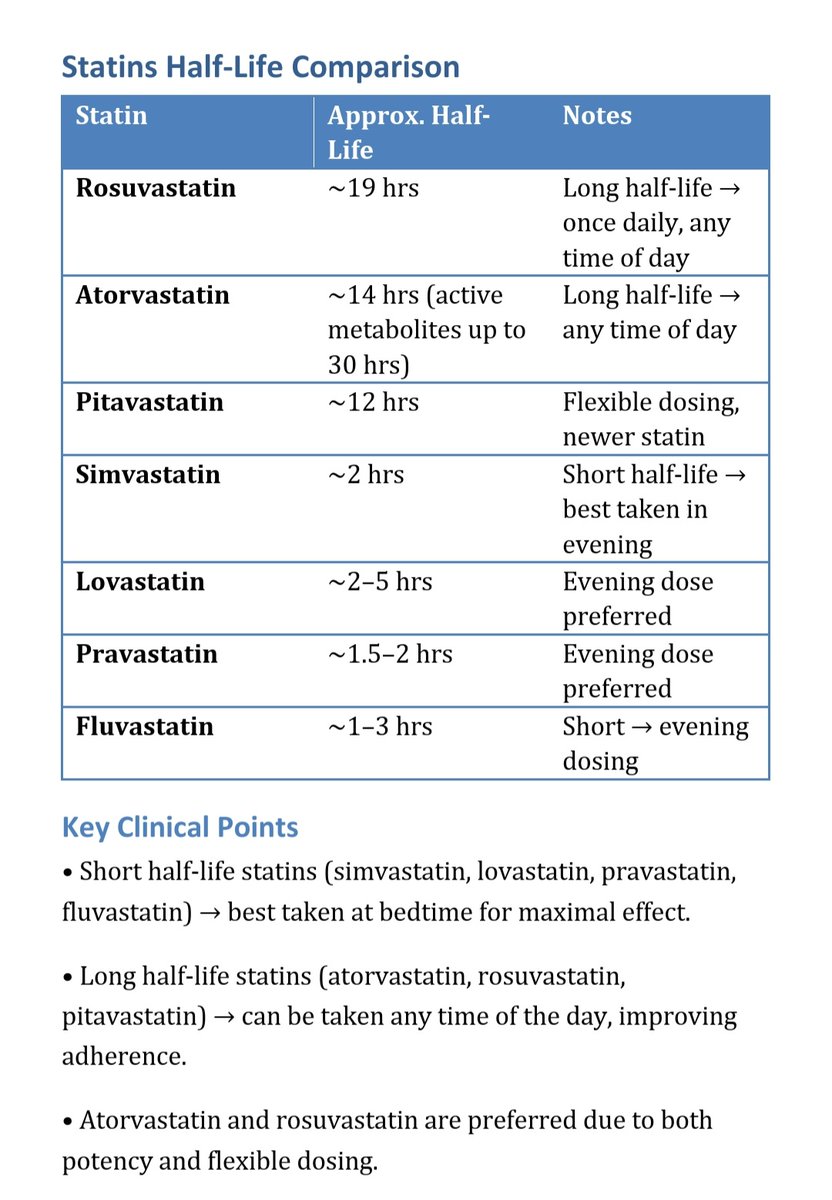
●Statins with long half-lives like Rosuvastatin, Atorvastatin, and Pitavastatin can be taken at any time of day. ●Short half-life statins (Simvastatin, Lovastatin, Fluvastatin, Pravastatin) should be taken at night for best efficacy. ●Why Evening Dosing? Short half-life statins are most effective when taken at night because cholesterol production in the liver peaks during sleep. Therefore, taking them in the evening maximizes their effectiveness.
11
195
849
62,665
Vinit Banga retweeted
The quality of medical education is not poor . IT DOES NOT EXIST! I am saying this with experience. Last week I was part of a panel conducting interviews for Ad-Hoc non academic junior residents for a period of just 44 days . For the benefit of people who don’t know what that means let me explain. •Junior Resident post is for people who have completed their MBBS and are technically “ doctors” •Non academic means they will not be getting any PG degree after the end of their tenure of 44 days. • The period of 44 days can be extended but after giving a gap of 1 day. The so called doctors were pathetic in terms of their theoretical knowledge. Even basic clinical skills were non existent. All of them had a NEET rank which was extending in thousands !!! I was aghast to know rank in two thousands was considered relatively good and the candidate would get a good post graduate course. Even the clinical skills of these “good” candidates was deplorable to say the least. Remaining doctors didn’t know the basics of clinical and even theoretical knowledge. - many didn’t know the difference between ascitic and pleural tapping, leave alone the procedure. - one candidate on being asked about clubbing asked me which type of clubbing do I want - the FMGs were really bad.Government should make this whole process illegal.Its purely a scam . Most of the candidates were telling about the loans their parents have to repay and hence the necessity for them to get some kind of job. To cut the story short. The country doesn’t need more seats and more medical colleges. What the country does need is a better medical education system so that we produce good quality doctors.Till that realisation comes LORD SAVE OUR PEOPLE AND CHILDREN
106
169
915
71,847
Vinit Banga retweeted
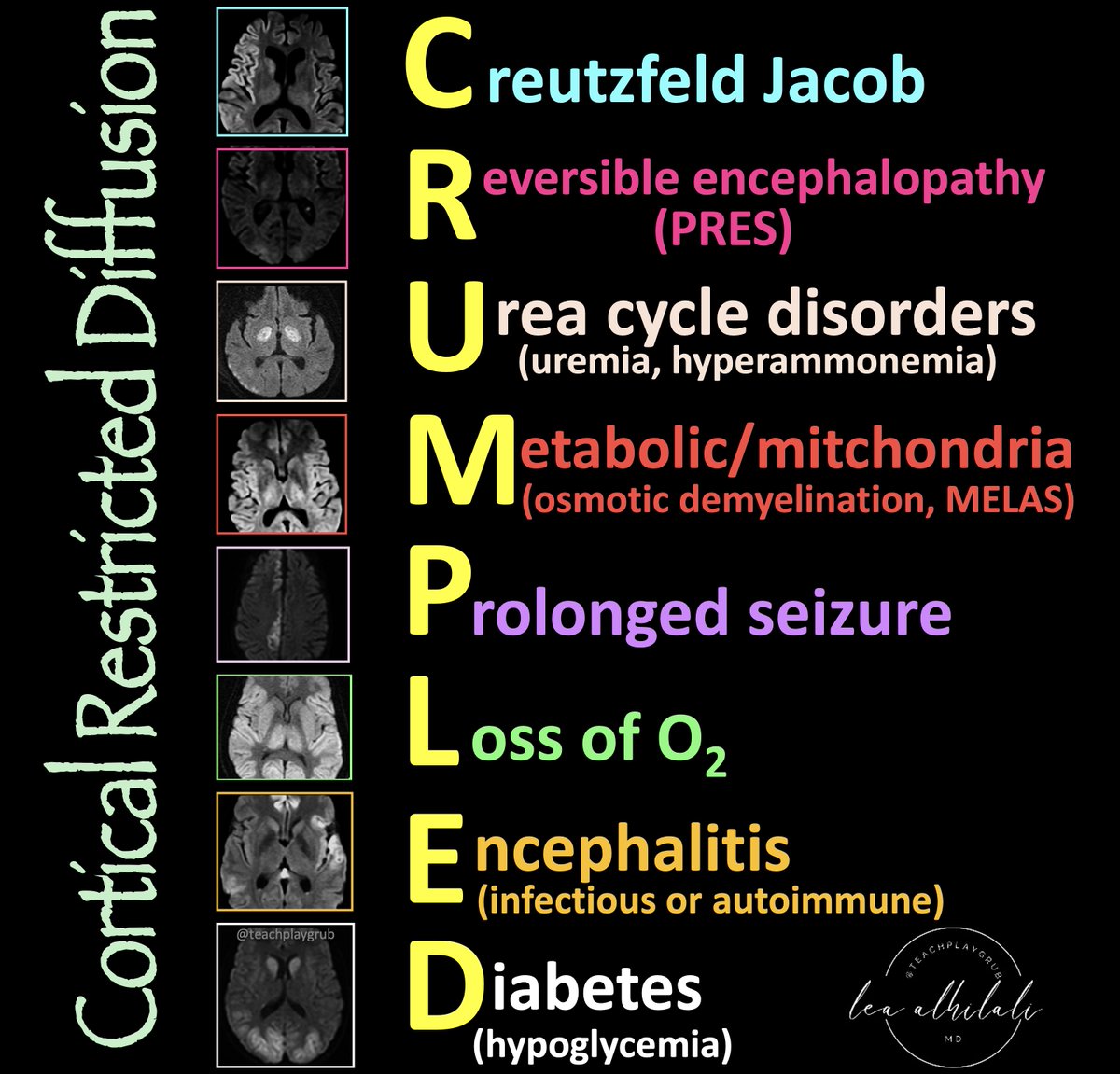
When your patient starts to crump—remember CRUMPLED! Cortical restricted diffusion on MRI is often seen in neurologic decline. Do you crumple under the pressure of trying to remember all the causes of cortical restricted diffusion? Never fear! Here’s an easy mnemonic to help you remember the causes of cortical restricted diffusion when the patient’s neurologic status crumples: CRUMPLED! Here’s how it works: C = Creutzfeld-Jacob R = Reversible encephalopathy (PRES) U = Urea cycle disorders (uremia, hyperammonemia) M = Metabolic (osmotic demyelination) & Mitochondria (MELAS) P = Prolonged seizure L = Loss of oxygen E = Encephalitis (infectious or autoimmune) D = Diabetes (hypoglycemia) Now you will never crumple when faced with cortical restricted diffusion!
7
150
611
34,914
Vinit Banga retweeted
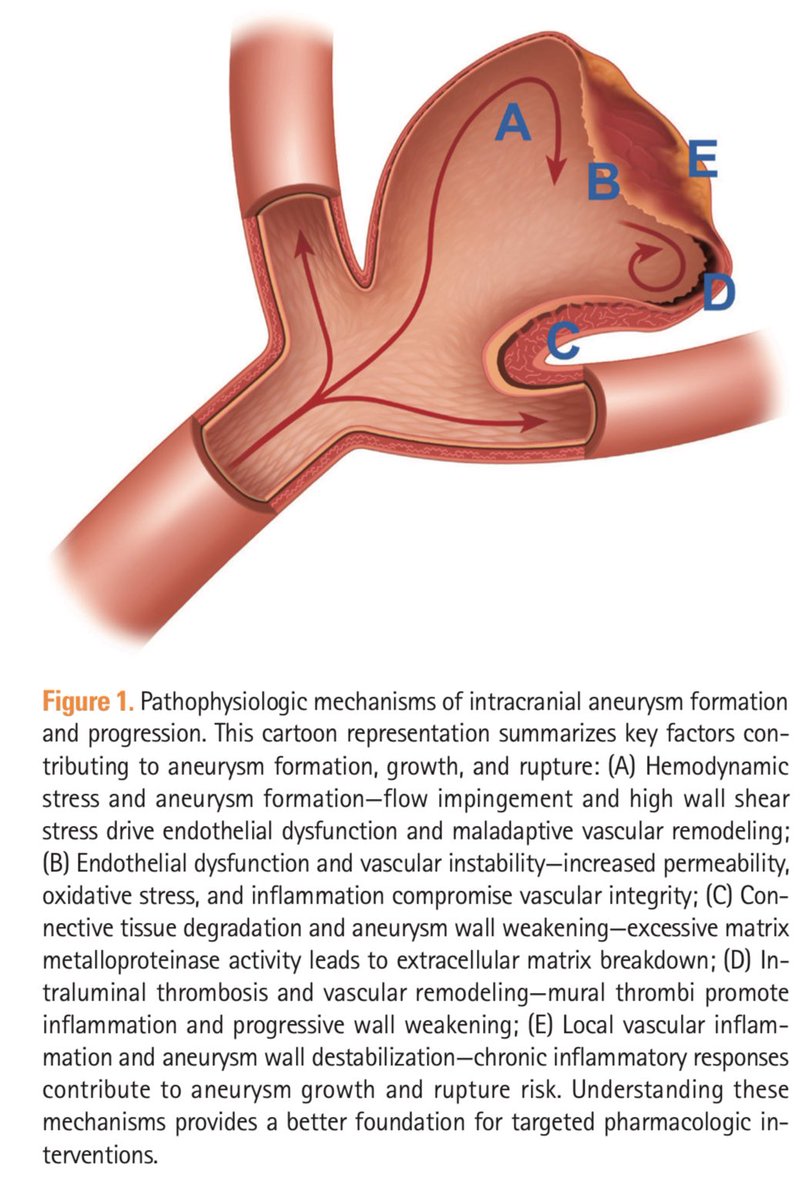
Time to Consider Pharmacologic Management of Unruptured Intracranial Aneurysms? j-stroke.org/m/journal/view.…
32
90
6,022