
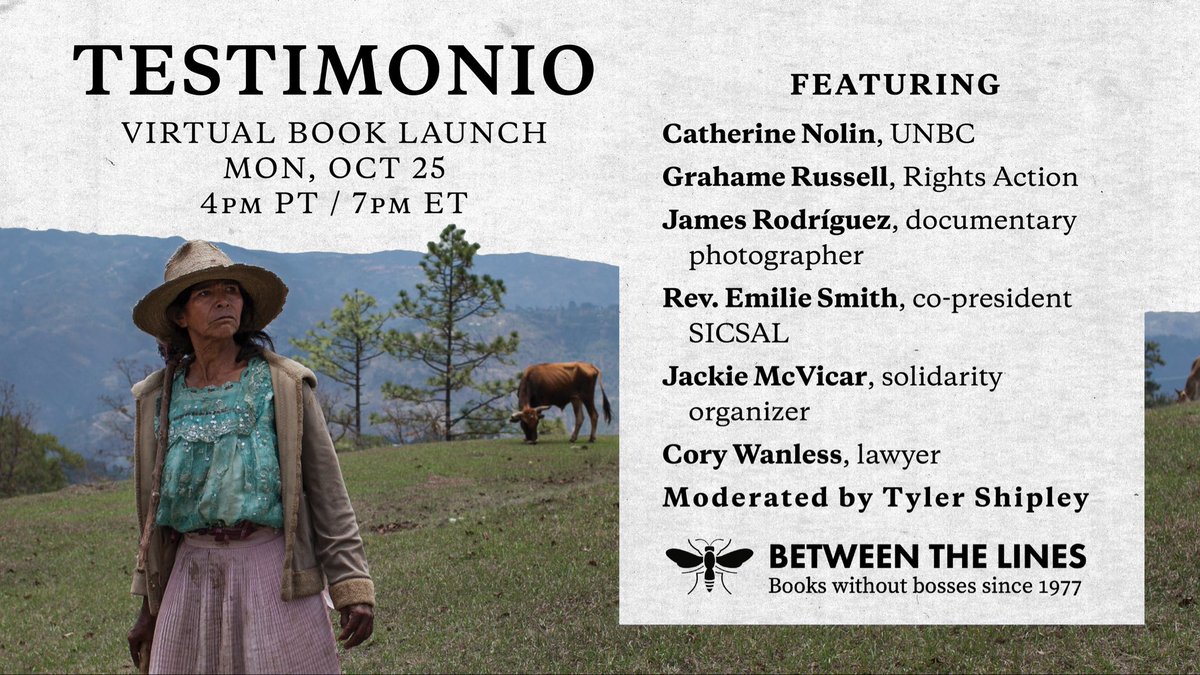
Geographer, Former Chair @UNBC_GEES, Guatemala, rights, social justice, @queensu alum, @RCGS_SGRC Fellow. Views are my own. btlbooks.com/book/testimonio
Joined March 2009
- Tweets 13,198
- Following 1,394
- Followers 1,492
- Likes 41,191
1,085 Photos and videos


Catherine Nolin retweeted

HondurasGate leaks further reveal planning & coordination involved w/ US-led, right-wing aggression across Americas
In this recent episode of Under The Shadow podcast, Fox walks listener through HondurasGate leaks: what they are, what they mean, & violent & harmful repercussions
May 29

37 leaked messages. The biggest scandal you're hearing nothing about. A shocking network pushing to undermine leftist leaders. And it implicates the Trump administration, Israel, Argentina's Javier Millei, and a load of right-wing Honduran officials #UndertheShadow @mfox_us @nacla @extremearturo @albmaresca
therealnews.com/hondurasgate…
4
4
190
Catherine Nolin retweeted

May 31
lmfao, no you lose that Canadian passport
May 31

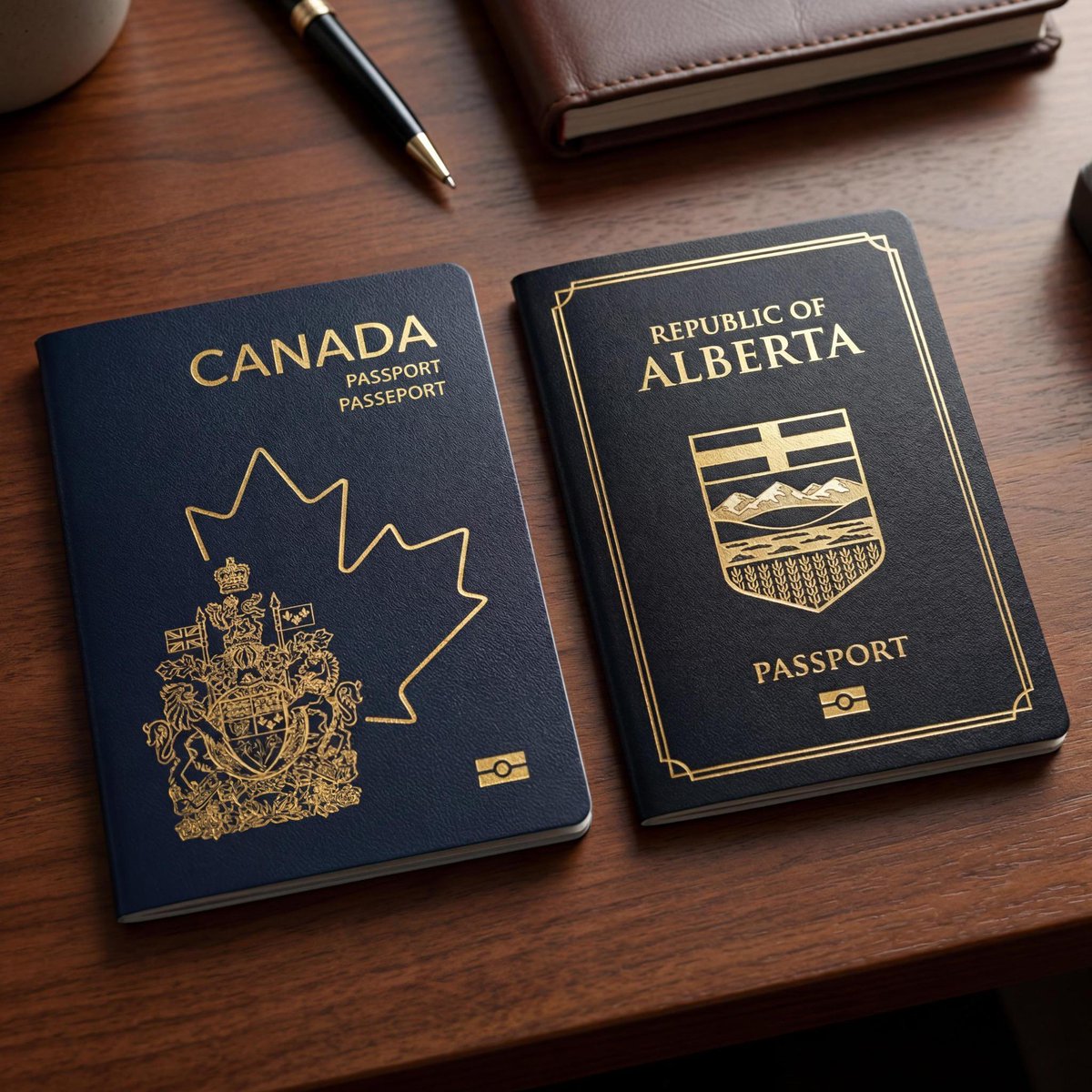
Alberta Independence doesn’t mean losing your Canadian passport.
It means having two: Canadian & Albertan.
Community note
The Clarity Act states that negotiations leading to provincial secession could entail termination of Canadian citizenship for residents of the seceding province. laws-lois.justice.gc.ca/eng/acts/c-31.…
564
283
7,152
422,020

Catherine Nolin retweeted

May 27
Everything coming from Kinew these days is showing that his time in Canadian politics is still yet to come. He's quickly becoming one of the most credible politicians in Canada.

On the topic of Alberta separatism, Alberta Premier Danielle Smith says her province will turn to the court for clarity on what the duty to consult means.
After her remarks, Manitoba Premier Wab Kinew gave her his definition.
500
447
2,917
75,509
Catherine Nolin retweeted

May 26
🎥 ⭕️ Why does the U.S. keep repeating the same foreign policy mistakes?
@RyanGrim:
After Iraq, how did the United States once again miscalculate so badly with Iran? Why does the system fail to learn lessons?
@ChrisLynnHedges:
“It’s ideologically driven. So all of the Heritage Foundation, all of these think tanks are funded by the war industry. And that’s how you resurrect the same people.
I was overseas for 20 years as a reporter, I dealt with Elliott Abrams during the war in El Salvador. And Robert Kagan, who was his deputy.
And they never go away, even though they’re wrong about everything. Because they’re shills for the people who make money from war. They don’t know anything.“
(From the Web Summit in Vancouver, May 2026.)
19
169
642
30,575
Catherine Nolin retweeted

May 20
Rubio now full Orwellian: the total blockade that we have put on your country after decades of an embargo has nothing to do with the scarcity in your lives or the fact that we are intentionally starving your children.
May 20

Secretary of State Marco Rubio releases a 5-minute video speaking directly in Spanish to the Cuban people.
“The reason you are forced to survive 22 hours a day without electricity is not because of an oil blockade by the United States...[but] because those who control your country have looted billions of dollars."
294
1,392
5,486
484,065
Catherine Nolin retweeted

Apr 21
Hungary’s PM-elect Peter Magyar says he would enact an ICC arrest warrant for Israeli PM Netanyahu and detain him on arrival.
The PM-elect said Hungary would stay a member of the International Criminal Court which his predecessor Viktor Orban began withdrawing from last year.
71
1,534
5,226
140,835
Catherine Nolin retweeted

Apr 18
Brazilian president Luiz Inacio Lula da Silva has described the five permanent members of the UN Security Council as “Lords of War.”
He called on them to stop acting like “emperors” and waging war on poorer countries.
359
3,438
9,733
402,213
Catherine Nolin retweeted
Mar 30
Wait I thought it was about nuclear capability, the Iranian people rising up, and opening the Strait of Hormuz? The more this admin clarifies objectives, the less clear this insane war becomes.
Mar 30

SECRETARY RUBIO: Here are the clear objectives of the operation. You should write them down:
1. The destruction of Iran’s air force
2. The destruction of their navy
3. The severe diminishing of their missile launching capability
4. The destruction of their factories
🎯
60
326
1,207
59,557
Catherine Nolin retweeted

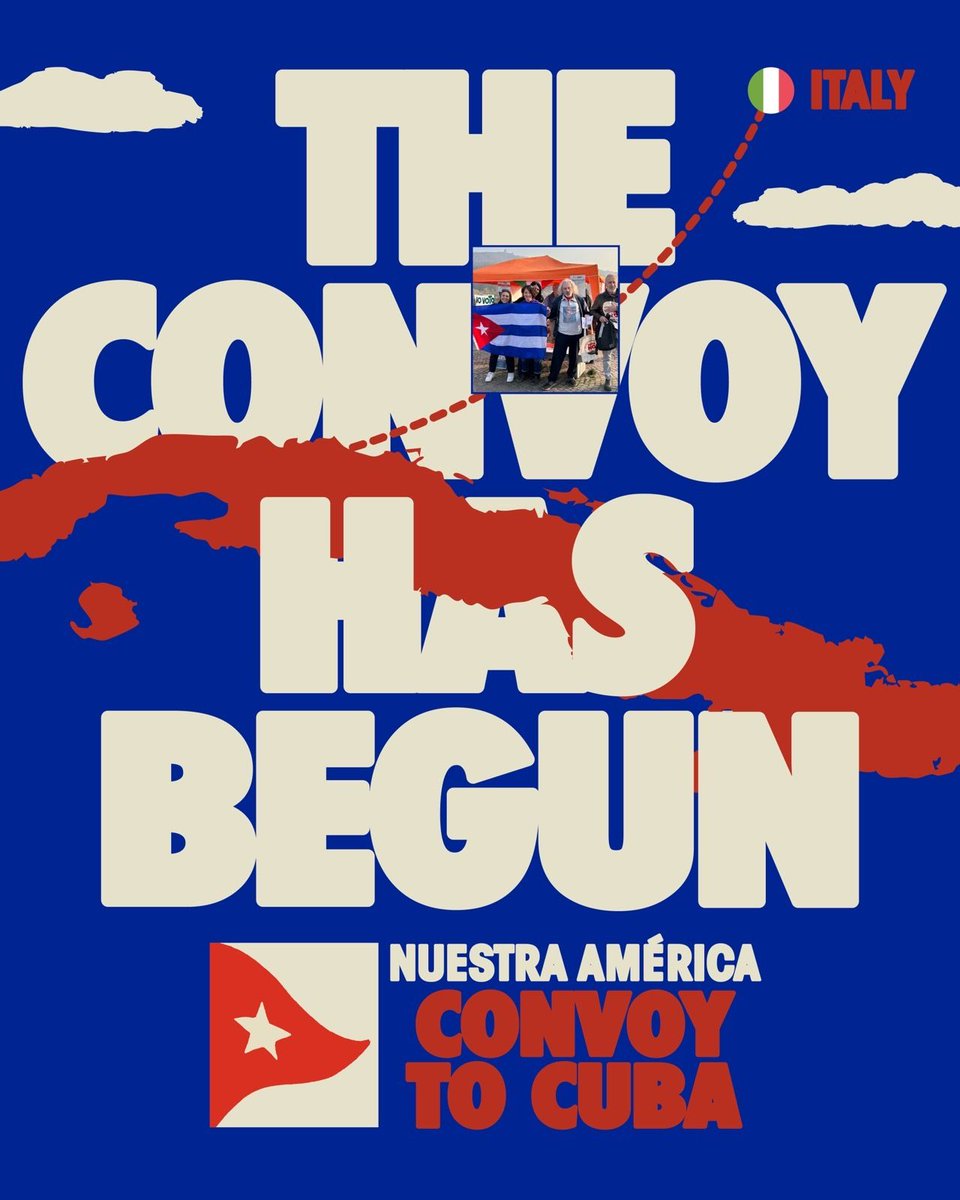
The Nuestra América Convoy is underway.
Today, the first delegation departs for Cuba 🇨🇺, bringing critical humanitarian aid for the island's people.
54
1,045
2,764
118,382
Catherine Nolin retweeted

Mar 15
The most dangerous phase of war is rarely the beginning
It is the middle phase, when leaders believe backing down would signal weakness and escalation becomes easier than stopping
The opening moves of the Iran war are already behind us
The real question is whether the conflict is already sliding into the Escalation Trap.
11
58
314
23,252
Catherine Nolin retweeted
Mar 18
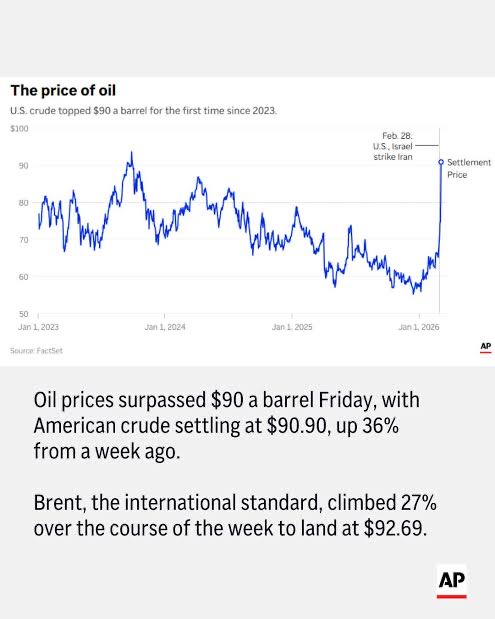
Iran is not losing. It is gaining power. Since Feb 28, Iran has exported over 10 million barrels of oil, earning a $1 billion or more—as price of oil has soared, and shock waves hit the region and western economies.
497
1,132
3,299
410,476
Catherine Nolin retweeted
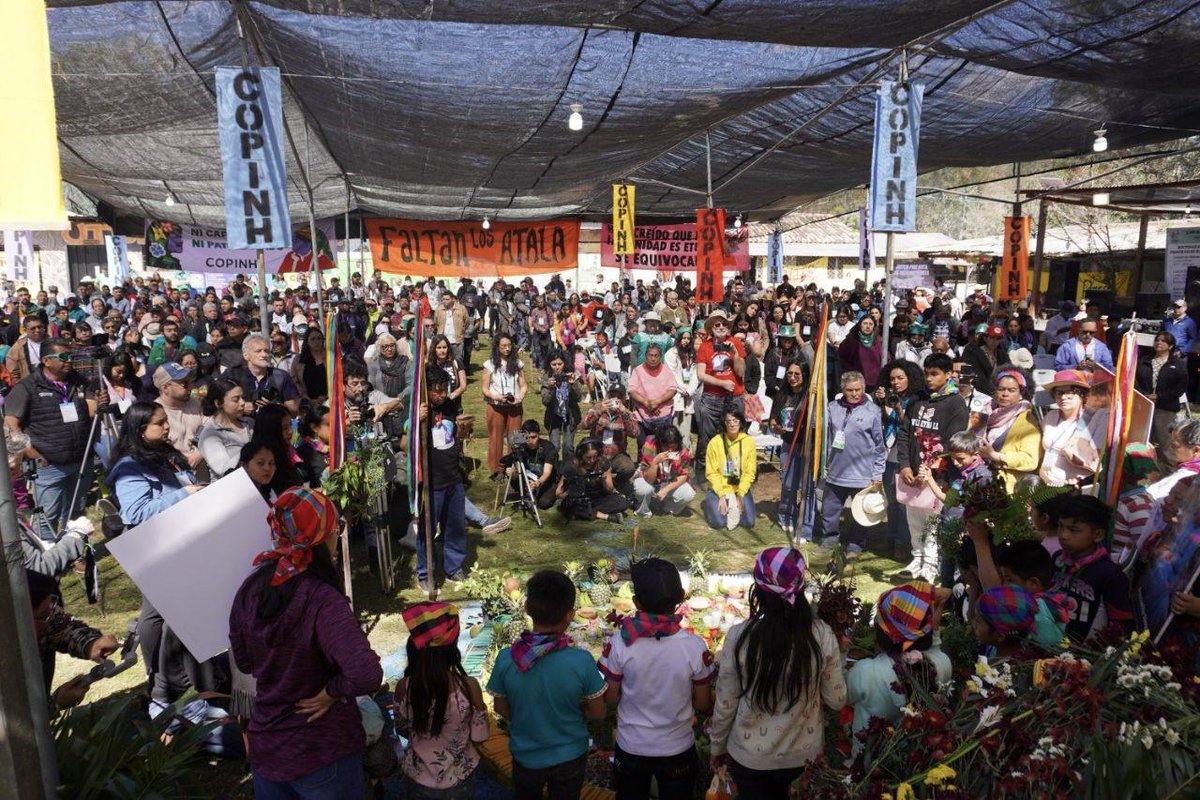
Honoring Berta Cáceres, 10 yrs later
In these times of extreme US-led, Western violence & aggression
On March 2, 2016, Berta was assassinated because of all she opposed & fought against, and all that she worked & struggled for
We remember & honor her:
mailchi.mp/rightsaction/hono…
6
10
252
Catherine Nolin retweeted
Mar 2
“To me, what stood out was Mark Carney — who we praised a lot. He stood up at Davos and said the international order was broken because it only worked for powerful countries... And I think what’s really disappointing about his statement is I guess he was only talking about trade. I guess we don’t care if the United States just goes around bombing countries with impunity.”
— Ben Rhodes (@brhodes), former Obama deputy national security adviser, on allied governments’ response to U.S. strikes on Iran
Rhodes also criticized the E3 (UK, France, Germany) and Australia for issuing statements that either endorsed Washington’s actions or hid behind diplomatic word salad — avoiding any direct challenge to Trump’s expanding use of force.
Mar 2

🇪🇸 Spain condemns U.S.–Israeli strikes on Iran, denounces Iranian attacks on Gulf states, blocks U.S. base use
Spain has rejected the joint U.S.–Israeli military operation against Iran, with Prime Minister Pedro Sánchez calling it a “unilateral” and “dangerous escalation” that violates international law and the UN Charter.
At the same time, Sánchez condemned Iran’s strikes on Gulf countries, saying Spain “condemns in the strongest terms all illegal and indiscriminate attacks” against Saudi Arabia, Bahrain, Qatar, the UAE, Kuwait, Iraq, Jordan, Oman and Cyprus. He urged an end to the “spiral of violence” and a return to diplomacy.
Madrid has refused to allow the U.S. to use the jointly operated bases at Rota and Morón for strikes on Iran. Reports say at least 15 U.S. aircraft, including refueling tankers, have since relocated to other European bases.
Foreign Minister José Manuel Albares also described Iran’s retaliatory attacks as “absolutely unjustified” while reiterating Spain’s call for de-escalation.
Still, Spain remains the only major EU country to explicitly criticize the U.S.–Israeli operation. The position follows a 2025 arms embargo on Israel and bans on weapons transit through Spanish airspace and ports.
22
232
1,063
106,555

Feb 13
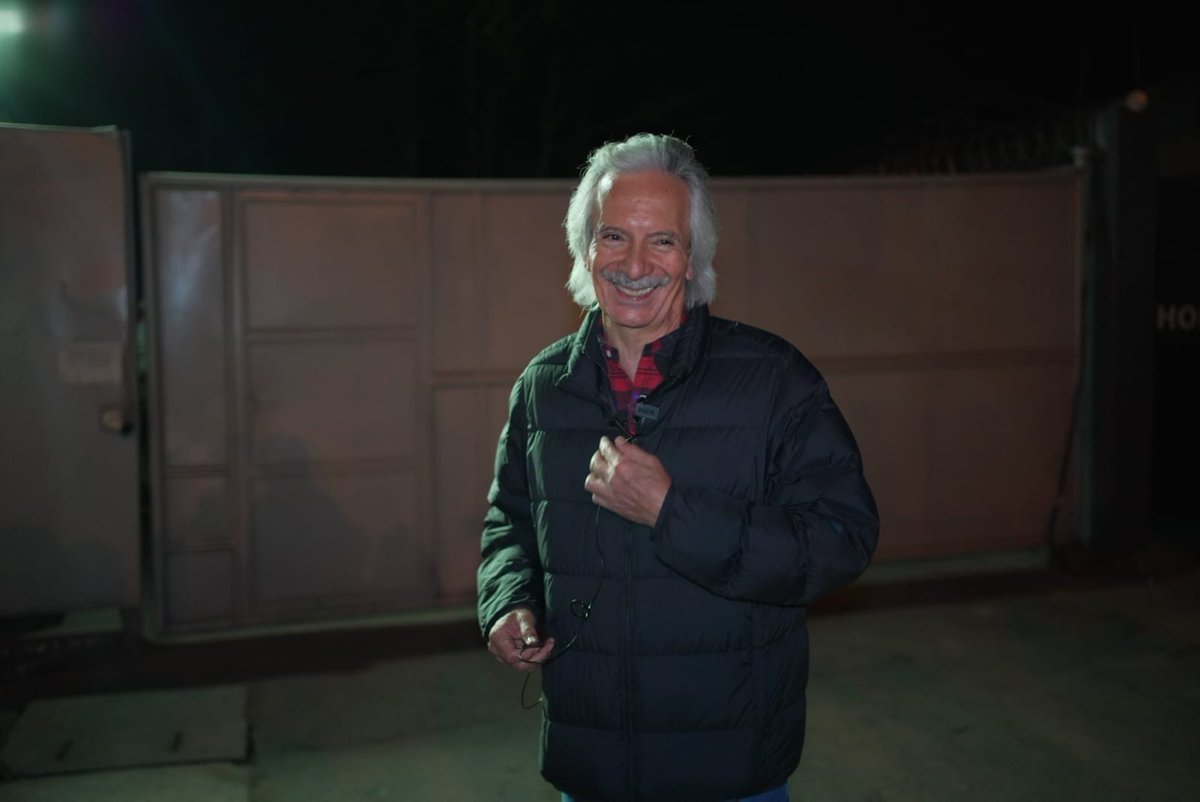
FINALLY Publisher & journalist Jose Rubén Zamora regains freedom after 1,295 days in pre-trial detention! #journalismisnotacrime

Jose Rubén Zamora recupera su libertad después de 1,295 días en prisión
El juez segundo penal José Morales ordena este día en audiencia la liberación del periodista Jose Rubén Zamora, que permaneció más de 1,295 días en prisión preventiva por dos procesos penales impulsados por la Fiscalía Especial contra la Impunidad (FECI).
📸 Eddy Zeta
1
77
Catherine Nolin retweeted
Feb 9
🚨 Marco Rubio Is Deliberately Blocking Trump From Cuba Talks
The Secretary of State has told the president that talks are happening with high-level Cuban officials. No such talks exist. Purported negotiations in Mexico? Actual fake news.
Story for Drop Site News from @ryangrim, @nkulw, & @GranadosCeja
dropsitenews.com/p/marco-rub…
36
866
2,771
655,630
Catherine Nolin retweeted

Media coverage of Gaza has plummeted. So today on @thenation, we're doing something pretty special: we're only running pieces by people in and from Gaza.
We're calling it "A Day for Gaza." You can find links to all of the incredible pieces here. thenation.com/article/world/…
336
4,776
10,678
364,779

Catherine Nolin retweeted

Jan 27
With a 30-day state of emergency, Guatemalan President Bernardo Arévalo is not channeling Bukele, an expert writes. But the country's compromised justice system makes this a dangerous moment that threatens lasting consequences.
americasquarterly.org/articl…
5
7
725
Catherine Nolin retweeted

Jan 26
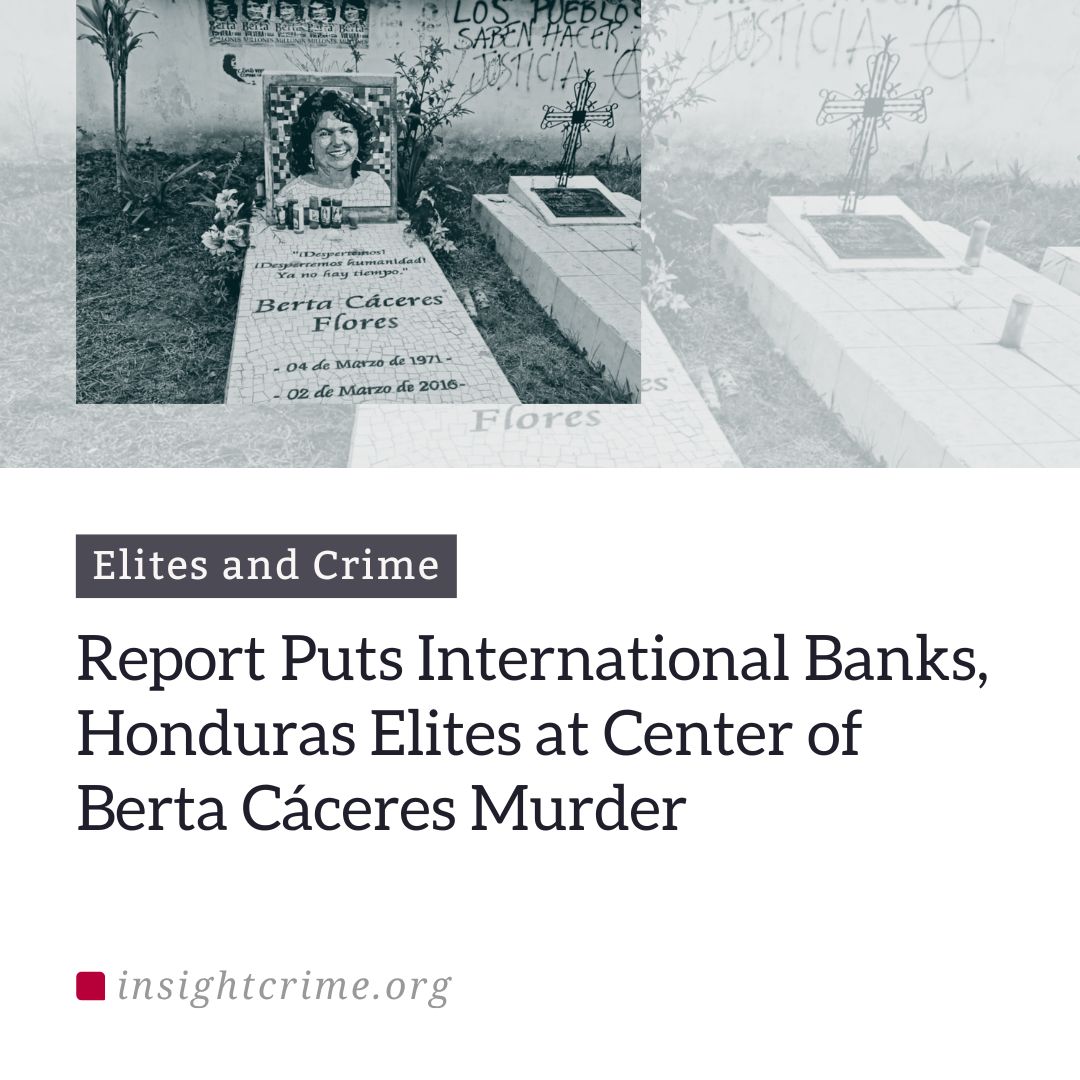
🇭🇳 | A new report found the murder of renowned Indigenous activist and environmental defender Berta Cáceres in Honduras in 2016 was an organized criminal operation funded by money from two international development banks that was diverted from a dam project: bit.ly/4sJiUNl
2
125
237
10,407