President @feeonline | Previously led @instmillenium & @EnapGovBr | PoliSci @columbia
Joined September 2008
- Tweets 6,243
- Following 2,768
- Followers 6,496
- Likes 18,507
601 Photos and videos

Diogo Costa retweeted

Jun 4
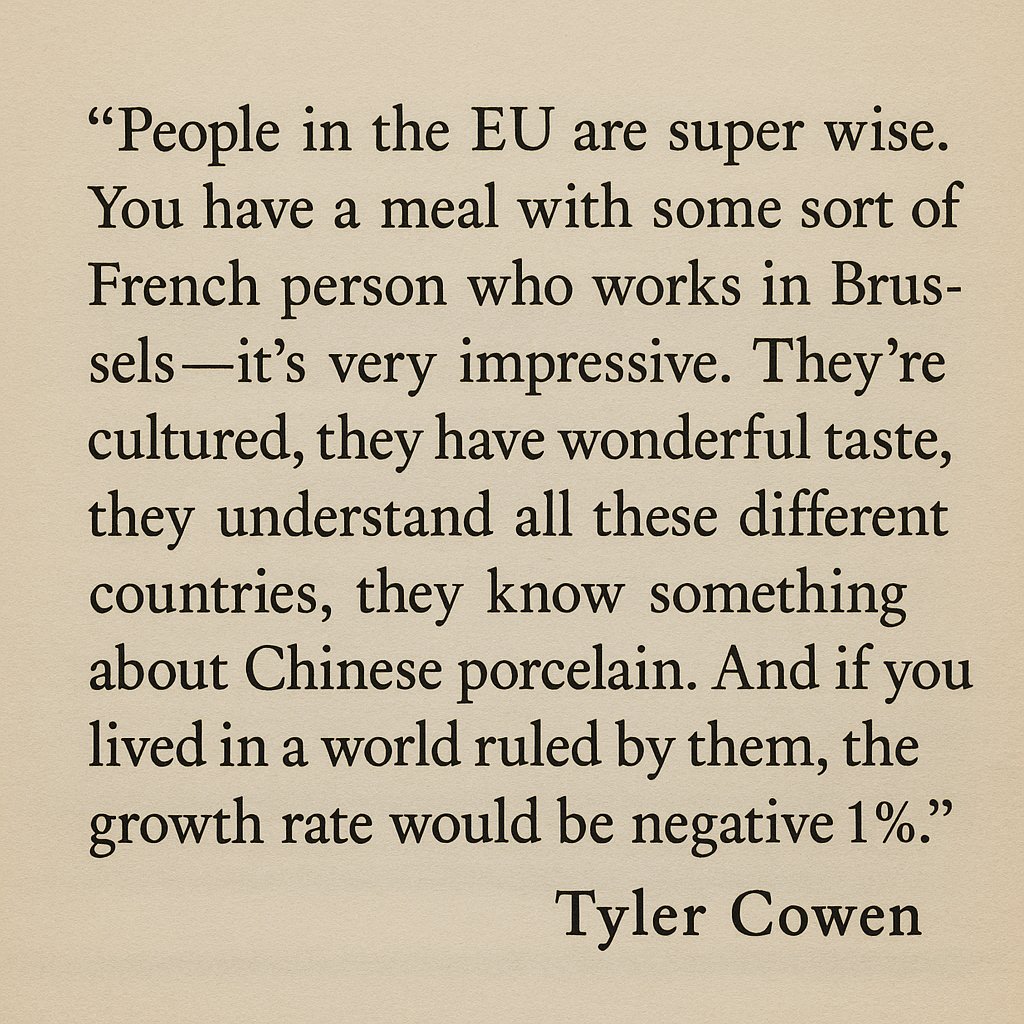
.@tylercowen and I spoke to @OpenAI about the economics of AI. Self-recommending but lots of good material! youtube.com/watch?v=eAq1GBUz…
3
24
209
77,249
Diogo Costa retweeted

Jun 4
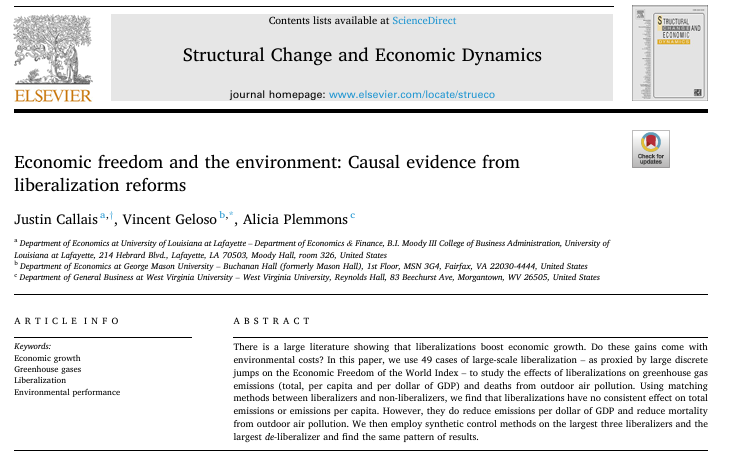
New paper at Structural Change and Economic Dynamics:
For decades, environmentalists have framed a choice: prosperity or preservation.
Our new paper suggests that this is the wrong choice.
Economic liberalization doesn't harm the environment. In many cases, it helps save it.
4
43
149
11,021
Diogo Costa retweeted

3 days left to apply to attend Progress Conference 2026!
We extended the deadline by just a few days.
If you're interested in attending, please fill out the form below by June 5th. We've received almost 700 applications so far. We're looking forward to another great event.

Announcing Progress Conference 2026
Hosted by @rootsofprogress with @abundanceinst @foresightinst @JoinFAI @HumanProgress @IFP @TheIHS and @WorksInProgMag.
Speakers include @tylercowen @dmitri_dolgov Michael Kremer, John Martinis, Stephen Winchell.
Oct 8-11 • Berkeley, CA
Other fantastic speakers: @A_G_I_Joe @jasoncrawford @erika_alden_d @kesvelt @_alice_evans @bobbyfijan @Gena_I_Gorlin @akoustov @moxie @AndrewMillerYYZ @Brendan_McCord @patio11 @ryanzip @UrbanCourtyard @KelseyTuoc @brianpotter @rSanti97 @noor_siddiqui @mspringut @Vernon3Austin @Scott_Wiener … and more to come.
A big thanks to our early sponsors: @coeff_giving @AsteraInstitute @JaneStreetGroup Ken Broad @WorksInProgMag @LENSDetect @MNX_fi @ArchbridgeInst @GoodSciProject @TheIHS @CirculateSD @feeonline (Sponsorship opportunities still available).
Four days of intellectual exploration, inspiration, and interaction that will help shape the progress movement into a cultural force.
Tracks this year explore Human Talent & Potential, AI & Robotics, and Security & Resilience. Participants will attend talks on topics ranging from drone delivery to housing construction to psychology and philosophy of builders, organize and run unconference sessions, mingle in garden, and more. Thursday and Sunday are add-on days, with optional gatherings for interest groups and other activities like factory tours to Bay Area startups.
We're excited to continue this regular gathering of the progress community. Let's get together again in Berkeley this fall!

2
9
22
3,646
Diogo Costa retweeted

Jun 2
.@satyanadella just put the whole "water" debate to rest.
Datacenters run on a closed loop cooling system, the water usage of a datacenter for an entire year is roughly equivalent to a usage of 1 restaurant!
290
897
6,561
1,047,881
Diogo Costa retweeted

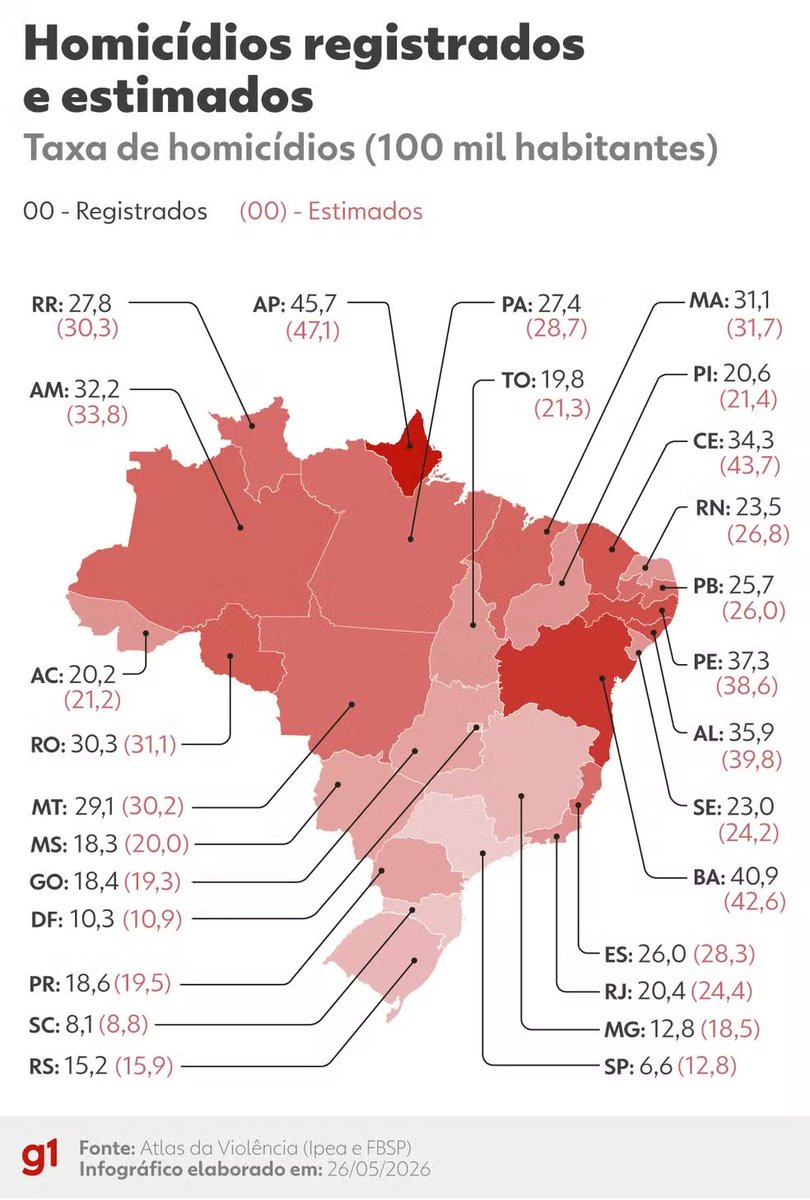
Este bom infográfico do @g1 mostra algo no que já venho comentando há um bom tempo: São Paulo, Rio, Minas e Ceará têm má qualidade dos dados de mortes violentas no Sistema de Informações de Mortalidade do DataSUS.
A diferença entre os homicídios registrados no sistema e estimados é gritante.
*obs.: é um problema não das secretarias de segurança, mas das secretarias de saúde. A propósito, se houvesse uma unificação dos dados estaduais de segurança em nível nacional, poderíamos usar os dados das SSPs, mas isto inexiste hoje e não tem perspectiva de acontecer num futuro próximo.
No comentário, o meu vídeo a respeito.
17
31
284
10,820
Diogo Costa retweeted

May 15
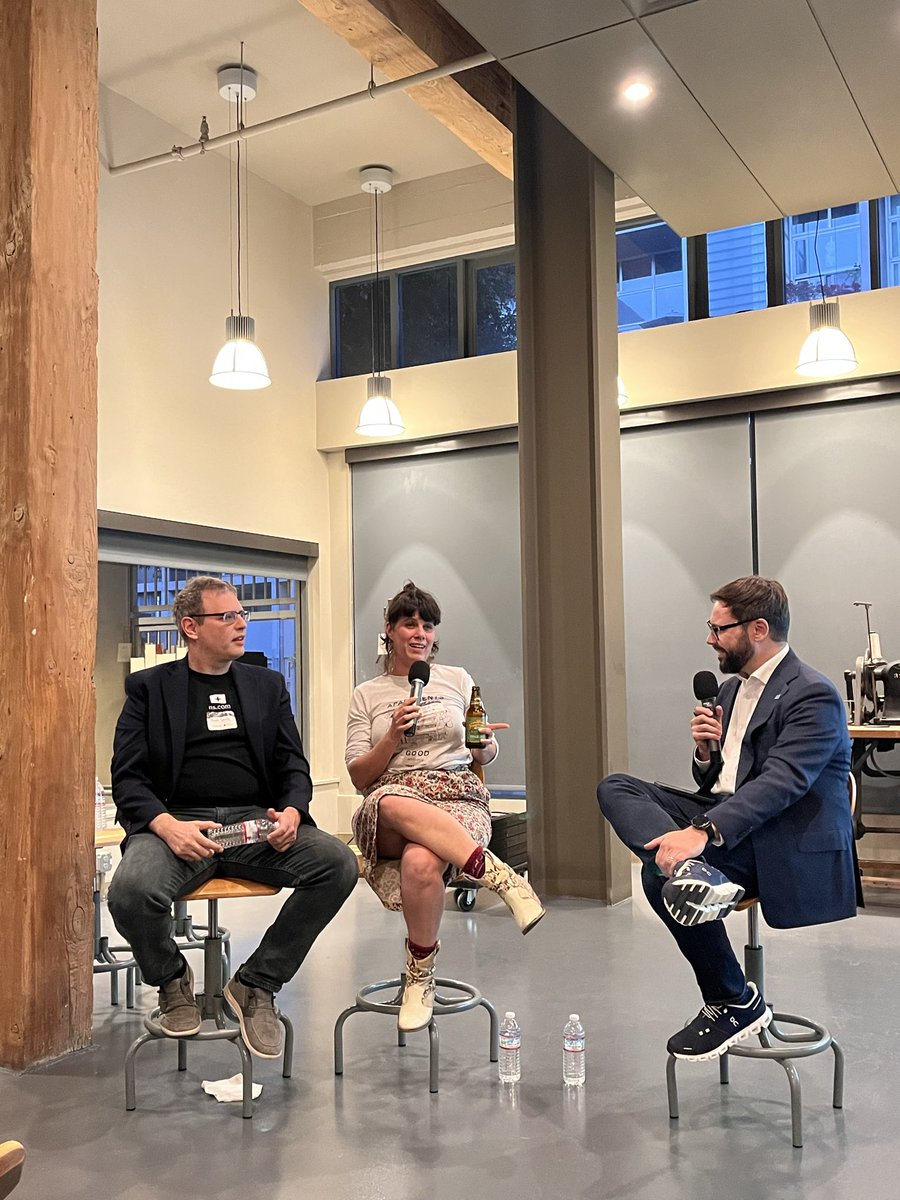
In the closing conversation @Noahpinion and YIMBI founder Sonja Trauss debated what an abundant AI future will look like, prosperity, the Baumol effect, and whether Noah is generally always right or not 🤓 Hilarious and provocative!
Moderated superbly by FEE president @dgrcosta:
May 15

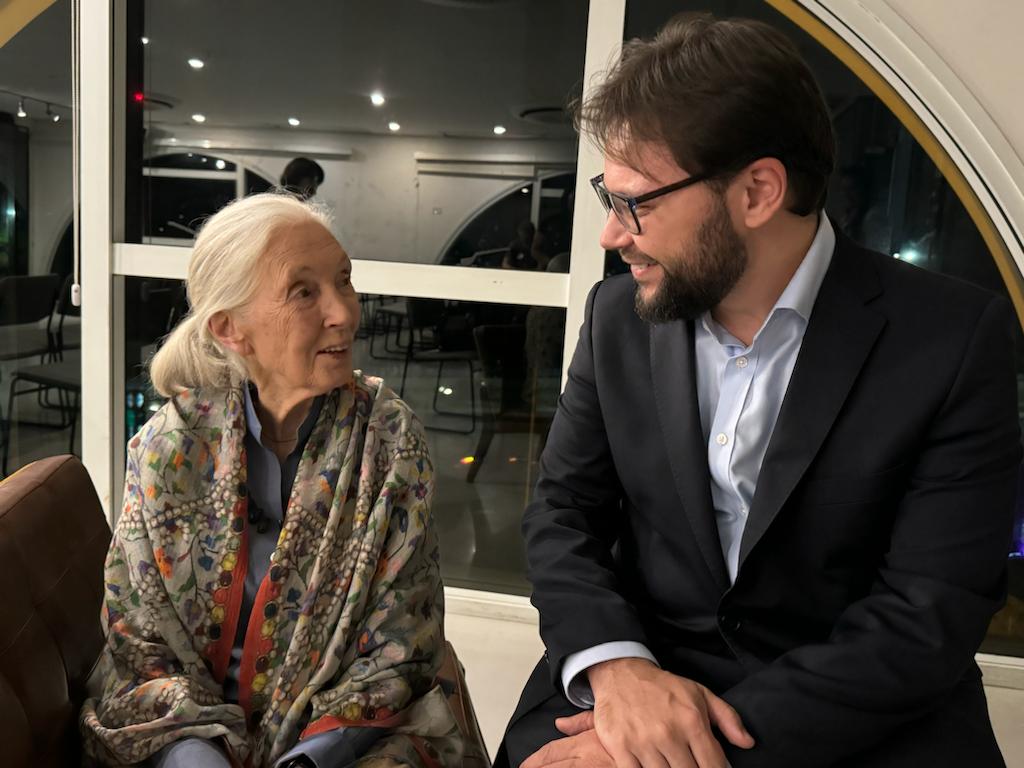
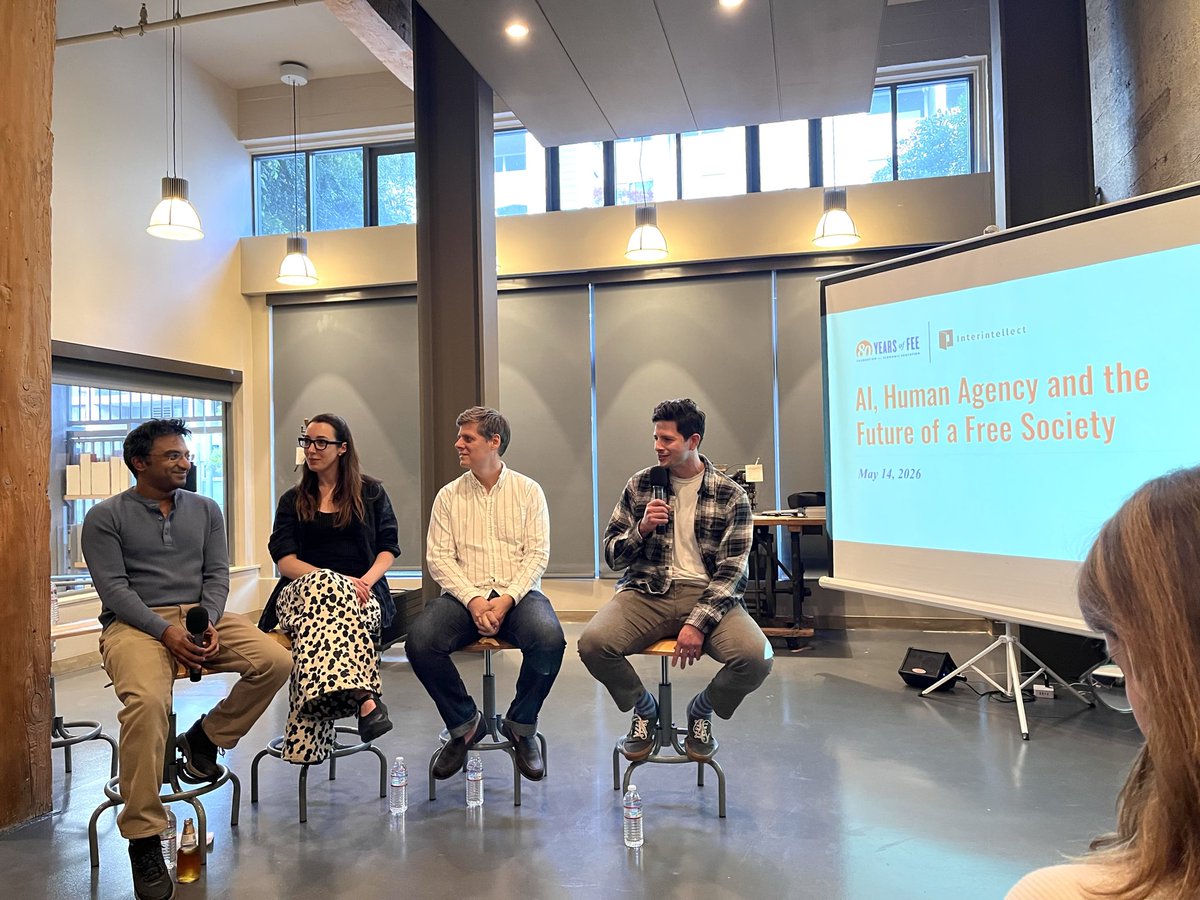
So much fun last night at our idea festival on *AI and freedom* in San Francisco — a @feeonline x @interintellect_ evening focusing on agency, culture, and material abundance ✨
The first panel: @krishnanrohit @typewriters @elidourado talking about labor, purpose, and progress:
4
11
2,635
Diogo Costa retweeted

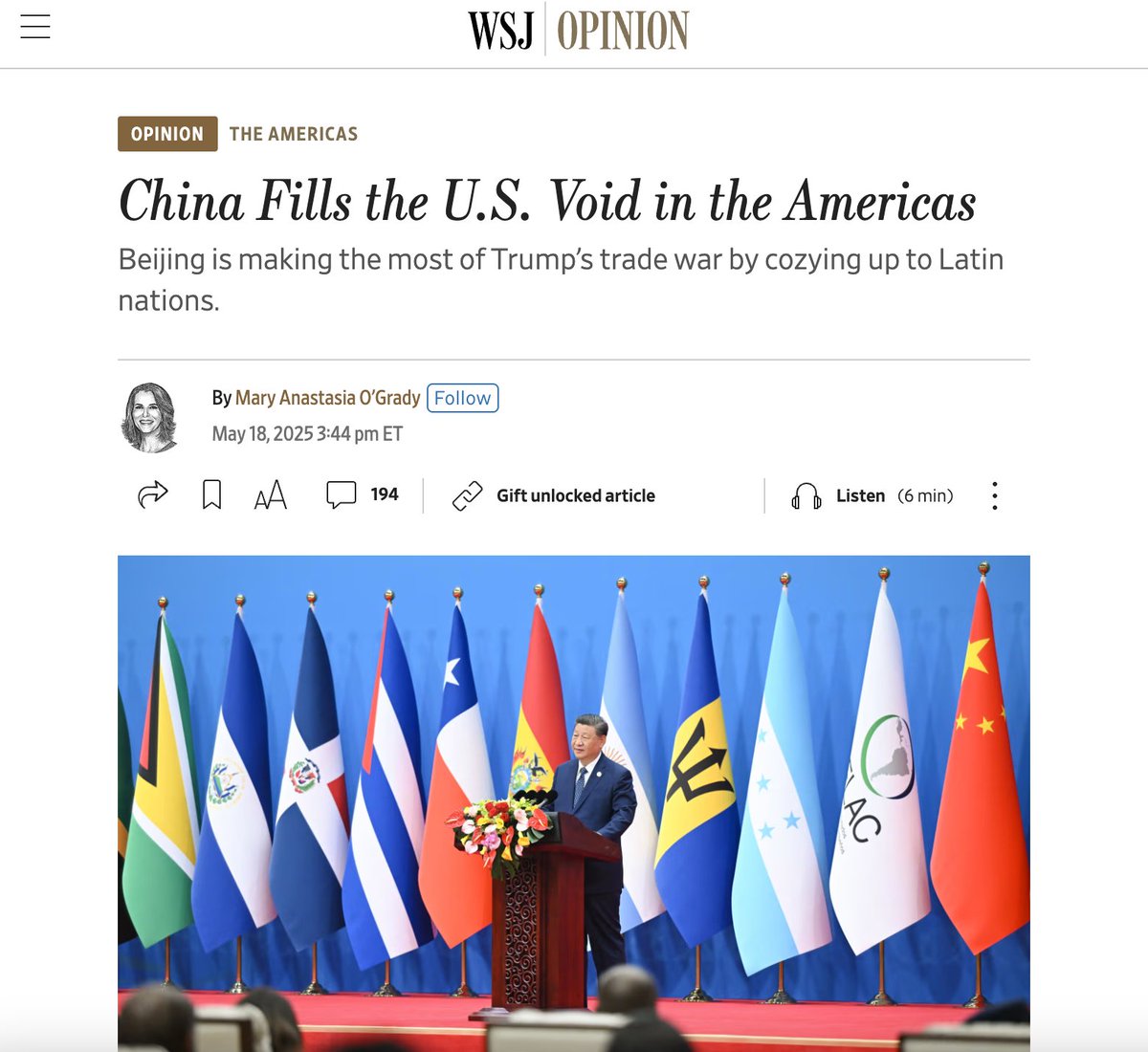
Why Argentina’s Comeback Has Stalled wsj.com/opinion/why-argentin…
11
21
64
21,412
Diogo Costa retweeted

AI is changing how we think, create, and cooperate. What does that mean for freedom?
Join us and @interintellect_ in San Francisco for three conversations on AI, human agency, and the future of a free society.
Featuring: @TheAnnaGat, @krishnanrohit , @Noahpinion, @elidourado , @dgrcosta, @conor64, among others.

2
6
15
2,728


Diogo Costa retweeted
Is AI's future more open or more concentrated? @dgrcosta asks @deanwball, who argues it’s likely to become an oligopoly.
1
1
4
665
Diogo Costa retweeted
Do your choices actually move the needle? In a conversation with @dgrcosta, @deanwball drops a truth bomb on AI’s impact on “Democratic Control.”
1
1
4
1,816
Diogo Costa retweeted

Apr 5
I am not sure how well the tenets of classical liberalism, or indeed any ideology, will hold up in a world fully suffused with advanced AI, but I *do* believe that classical liberalism is the ideology best suited for the transitional period, which could last decades or more.
16
10
252
15,090
Diogo Costa retweeted
⏳ LAST CHANCE for the Hazlitt Fellowship!
The application deadline has been extended to April 13.
If you’re serious about becoming a powerful voice for liberty, this 3-month paid fellowship is built for you!
Apply now: fee.org/hazlitt-fellowship/?…
1
1
528
Diogo Costa retweeted

“Se você concentra o controle econômico nas mãos do estado, quem controla esses recursos passa a controlar a vida do cidadão.
Porque sem propriedade privada descentralizada, o poder político deixa de ser apenas governo — ele vira também o seu patrão.”
@dgrcosta, presidente da FEE, sobre o socialismo.
1
8
381
Diogo Costa retweeted
“Quando você tenta manipular o preço do aluguel para torná-lo mais barato, o efeito é o oposto.
Em Nova York, você tem milhares de imóveis que simplesmente não são alugados porque o valor não paga nem a reforma necessária.
Ou seja, em vez de aumentar a oferta, você retira imóveis do mercado criando um preço artificial.”
@dgrcosta, presidente da FEE, sobre o controle de preços.
2
15
684
Diogo Costa retweeted
“Existe um fenômeno muito importante nas sociedades modernas, que é a superprodução de elites.
Você tem financiamento fácil para cursos desconectados do mercado e acaba formando uma elite que se acha no direito de ter uma vida próspera, mas não adquiriu as habilidades para isso.
Aí essas pessoas são jogadas no mercado e não conseguem se encontrar — porque simplesmente não existe demanda para aquilo que elas aprenderam.”
@dgrcosta, presidente da FEE, comenta sobre as novas elites.
1
3
15
939
Diogo Costa retweeted

Mar 26
Breaking News: Bill Maher, a critic of President Trump and political correctness, will be awarded the Kennedy Center’s Mark Twain Prize. nyti.ms/4suqn29
789
340
2,931
765,457
Diogo Costa retweeted
EP.396 - A batalha pelo liberalismo nos EUA, com @dgrcosta x.com/i/broadcasts/1yJAPMzLm…
1
5
243

Mar 16
That sentence is packed with a couple of anachronisms.
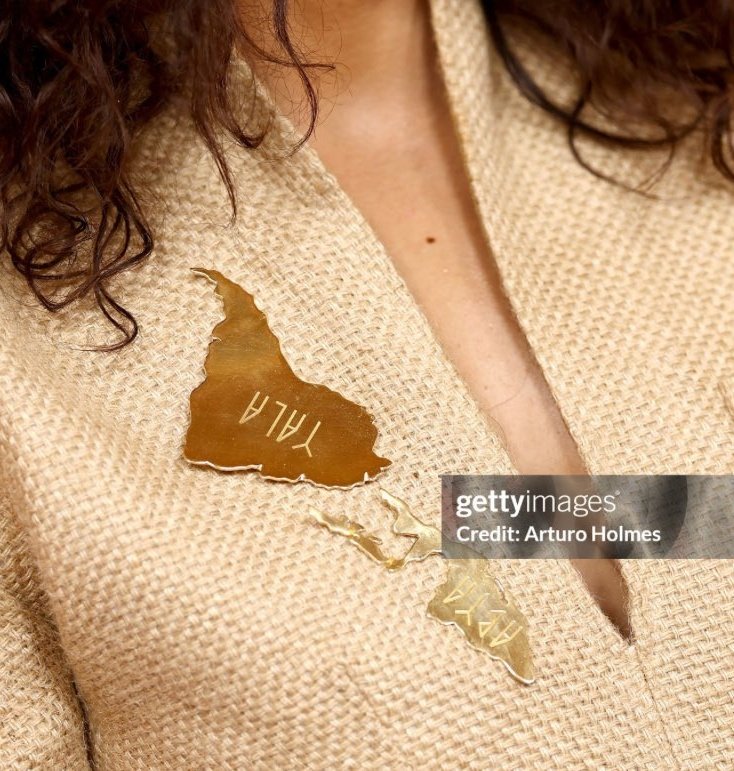
First, "Abya Yala" is a term from the Guna (Kuna) people of what is now Panama and Colombia. It referred to their known land, not to a hemisphere stretching from the Arctic to Tierra del Fuego. The Guna had no way of knowing the extent of that landmass and neither did anyone else in the pre-Columbian world. Attributing to them a continental concept is projecting a European cartographic framework backward onto people who organized geographic knowledge in entirely different ways.
Second, the phrasing "os povos originários deram" flattens an extraordinary diversity of languages, cosmologies and territorial concepts into a single voice. The hundreds of distinct peoples across the Americas didn't share a common geographic vocabulary any more than the Basques shared one with the Sámi.
What actually happened is that the term was adopted in the 1990s and 2000s by decolonial movements as a political alternative to "America". You can argue that choosing a symbol to assert identity against a naming convention is a valid rhetorical move. But it's a modern political project, not a recovery of some original name "for the continent."
The irony is that in trying to decolonize the naming, the framing actually imports the colonial concept of the continent as a unified geographic unit and just swaps the label. It's decolonial aesthetics layered on top of a European conceptual grid.
Mar 15

O look de Alice é significativo (como todos, nos tapetes vermelhos que ela vai). Há um detalhe escrito Abya Yala, que é o nome que os povos originários deram ao continente americano. Significa "terra viva"
1
4
20
1,151
Diogo Costa retweeted
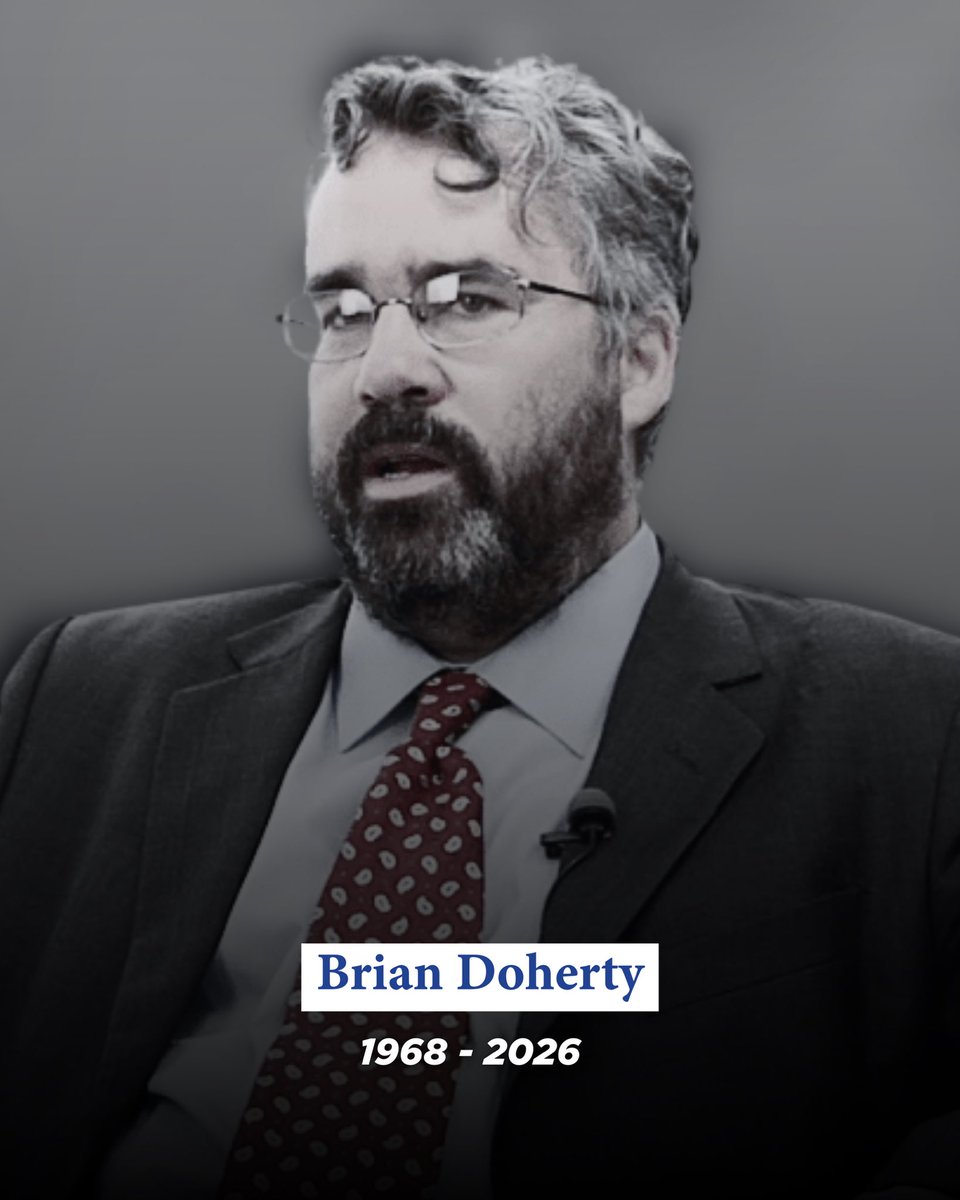
We are saddened to hear about Brian Doherty’s passing.
Throughout his decades of journalism he helped document, challenge, and advance the modern liberty movement.
As a senior editor at @reason and the author of influential books on libertarianism, public policy, and American political thought, Brian brought seriousness, clarity, and historical depth to debates that too often go unexamined. He understood that ideas have lineages, that movements have stories, and that both are worth documenting with care.
The cause of liberty is stronger for his work, and future generations will understand its history more fully because he took the time to record it.
Rest in peace, Brian.
3
29
133
16,210