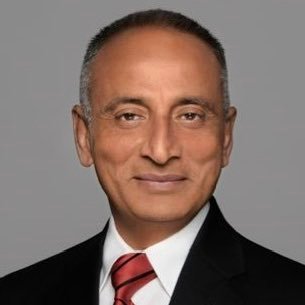
The president of @bacongress is a former Cabinet Minister in the Government of Balochistan.
Joined February 2012
- Tweets 2,822
- Following 1,198
- Followers 39,888
- Likes 3,915
498 Photos and videos



Pinned Tweet

23 May 2025
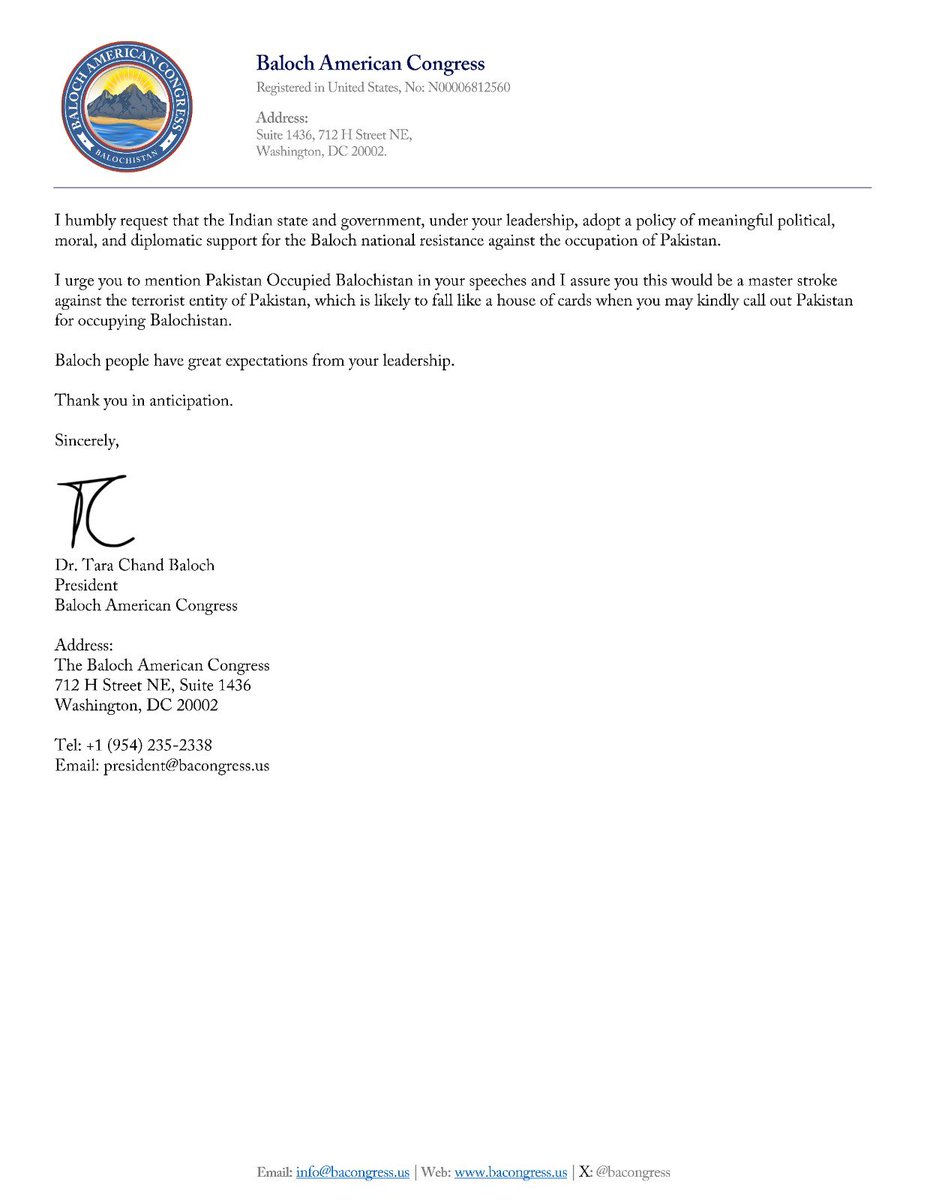
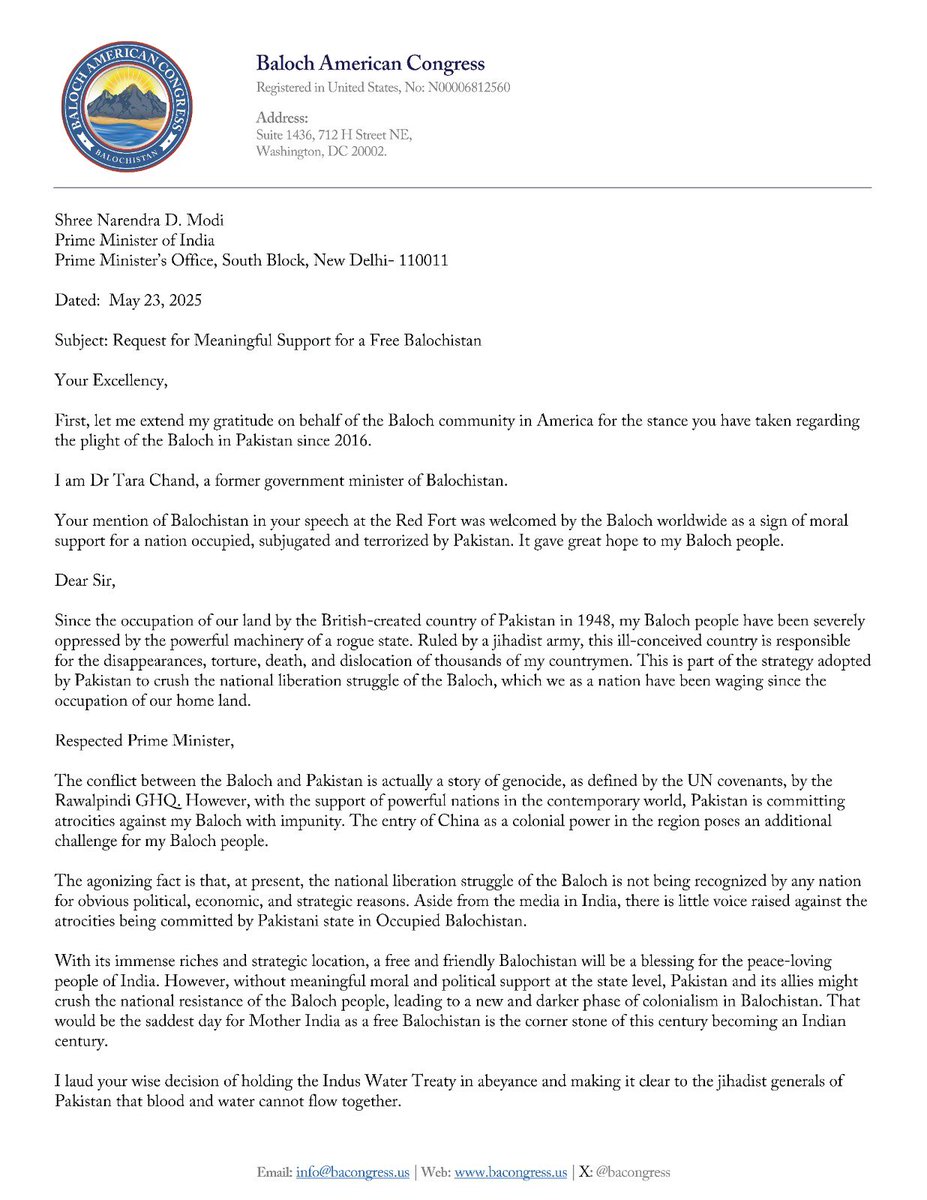
I have written a letter to Prime Minister Modi which is attached in the tweet. 📢 Urging @narendramodi to lend meaningful support for a free #Balochistan! The Baloch people face oppression and genocide under Pakistan's regime. A free Balochistan would be a blessing for peace-loving India. Stand with us for justice! #FreeBalochistan
[Attach letter]
#StopBalochGenocide
@POTUS
@realDonaldTrump
@WhiteHouse
@Vp
@SpeakerJohnson
@SecRubio
@SecDef
@TulsiGabbard
@UN
@UN_HRC
@WGEID
@amnesty
@amnestyusa
@hrw
@State_SCA
@StateDept
@SecRubio @StateDept @DNIGabbard @michaelgwaltz @CIADirector @Kash_Patel @CIA
@usembislamabad
@DrSJaishankar
@PMOIndia
@Ap
@htTweets
@dwnews
@CNNnews18
@LesterHoltNBC
@ILTVNews
@i24NEWS_EN
@ANI
@Intekhabhd
545
4,657
29,731
2,321,736

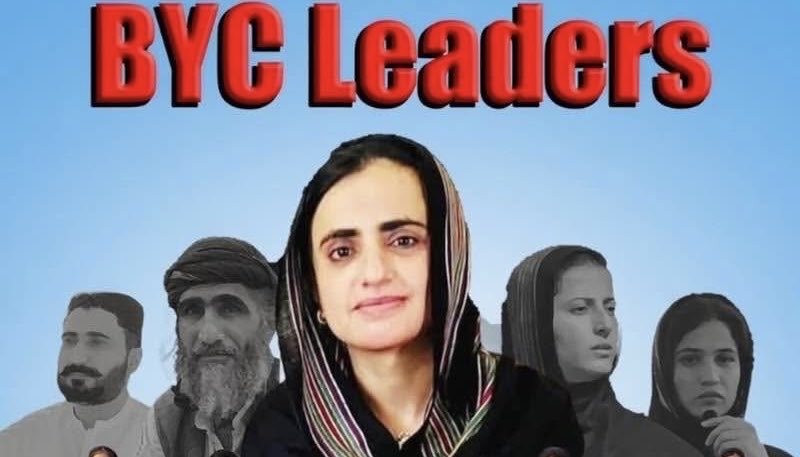
The notorious Pakistani intelligence agencies have kept Baloch nationalist and BYC leaders Dr. Mahrang Baloch, Gulzadi Baloch, Bebow Baloch, Beberg Baloch, and Sibtullah Baloch imprisoned for more than a year on what their supporters describe as false charges. Dr. Mahrang Baloch and the leadership of the BYC maintain that their movement is a peaceful struggle for human rights.
They further allege that certain judges, rather than acting independently and delivering justice, are influenced by state institutions and intelligence agencies. According to this view, these judges have failed to provide justice to Dr. Mahrang Baloch and other BYC members, raising serious concerns about judicial independence, fairness, and accountability in Pakistan.
#MahrangBaloch
#BYC
#ReleaseBalochActivists
@UN
@UN_HRC
5
7
107
Jun 12
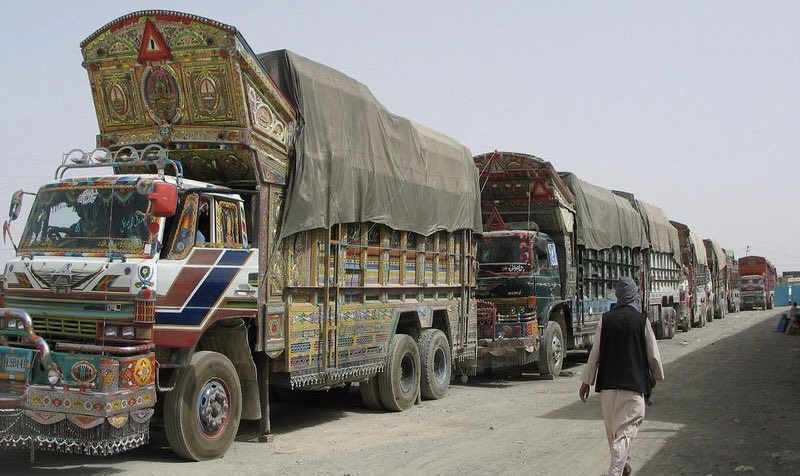
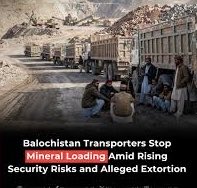
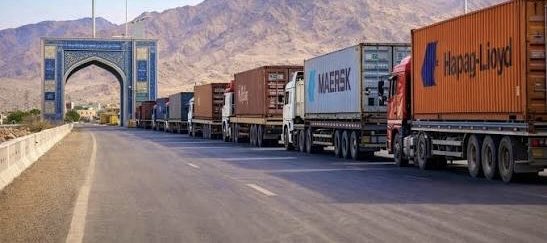
The Baloch nation appeals to transporters not to facilitate the extraction and transportation of minerals from Balochistan for the benefit of large companies and outside interests. While others profit from these resources, Baloch children continue to face hunger, poverty, unemployment, and an uncertain future. This situation is unacceptable to the Baloch nation.
Therefore, we request all transporters to halt the transportation activities that carry these resources from Balochistan to other regions until the freedom and interests of the people of Balochistan are respected and protected.
#Balochistan
#Baloch
2
7
206
Dr. Tara Chand Baloch retweeted

Jun 10
Thank you, my friend, for your most gracious wishes.
I fully agree with you. India-Israel friendship will continue to grow from strength-to-strength in the years to come.
@IsraeliPM
@netanyahu

Congratulations, Mazel Tov, my dear friend @PMOIndia @narendramodi, on becoming India's longest-serving elected Prime Minister! 🇮🇱🇮🇳
10,537
17,953
135,031
14,439,827
Jun 11
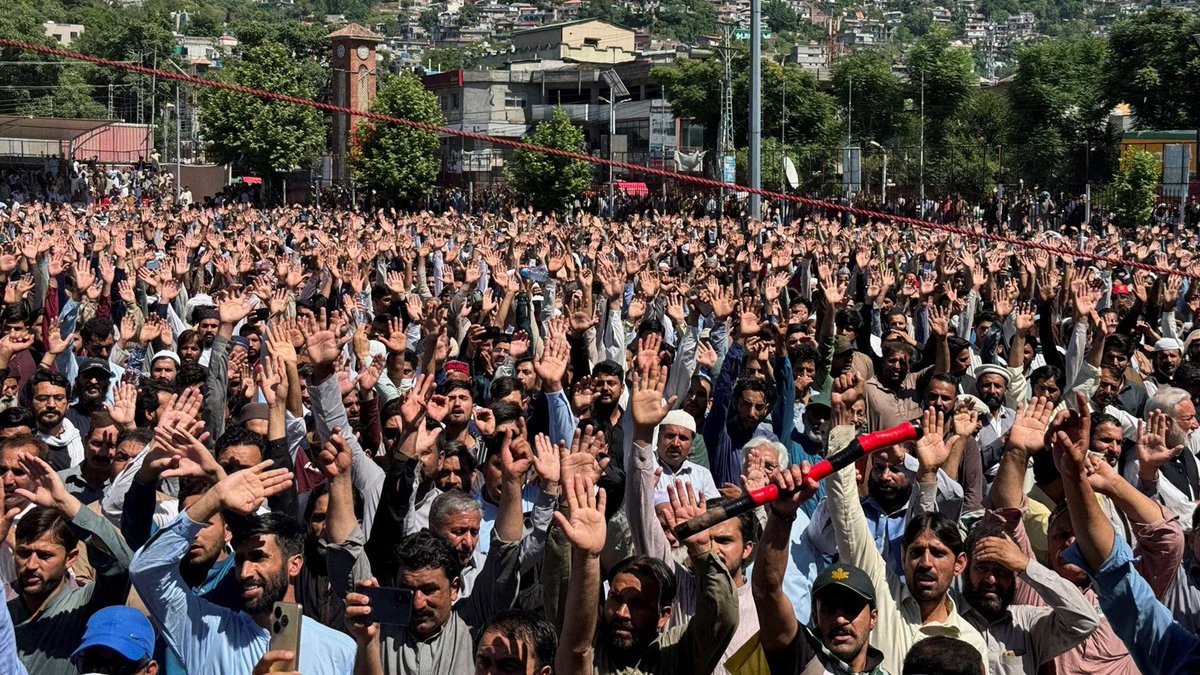
Pakistan Occupied Kashmir (PoK): The Joint Public Action Committee has raised its voice for the rights of the people throughout Kashmir, and the people of Balochistan stand with these oppressed Kashmiris and salute their struggle.
Pakistan is a terrorist state that has kept oppressed nations, including the Baloch, Sindhi, Pashtun, and Kashmiri people, under its control and deprived them of their rights. The time has come for the Kashmiri people to rise up, demand freedom from Pakistan, and launch a full fledged movement for self determination. The Baloch nation will extend its political and ethical support to their struggle.
#PakistanOccupiedKashmir #PoK #Balochistan #Baloch #Sindh #Sindhi #Pashtun #HumanRights #RightToSelfDetermination #EndOppression
4
16
34
10,457
Dr. Tara Chand Baloch retweeted

Jun 10
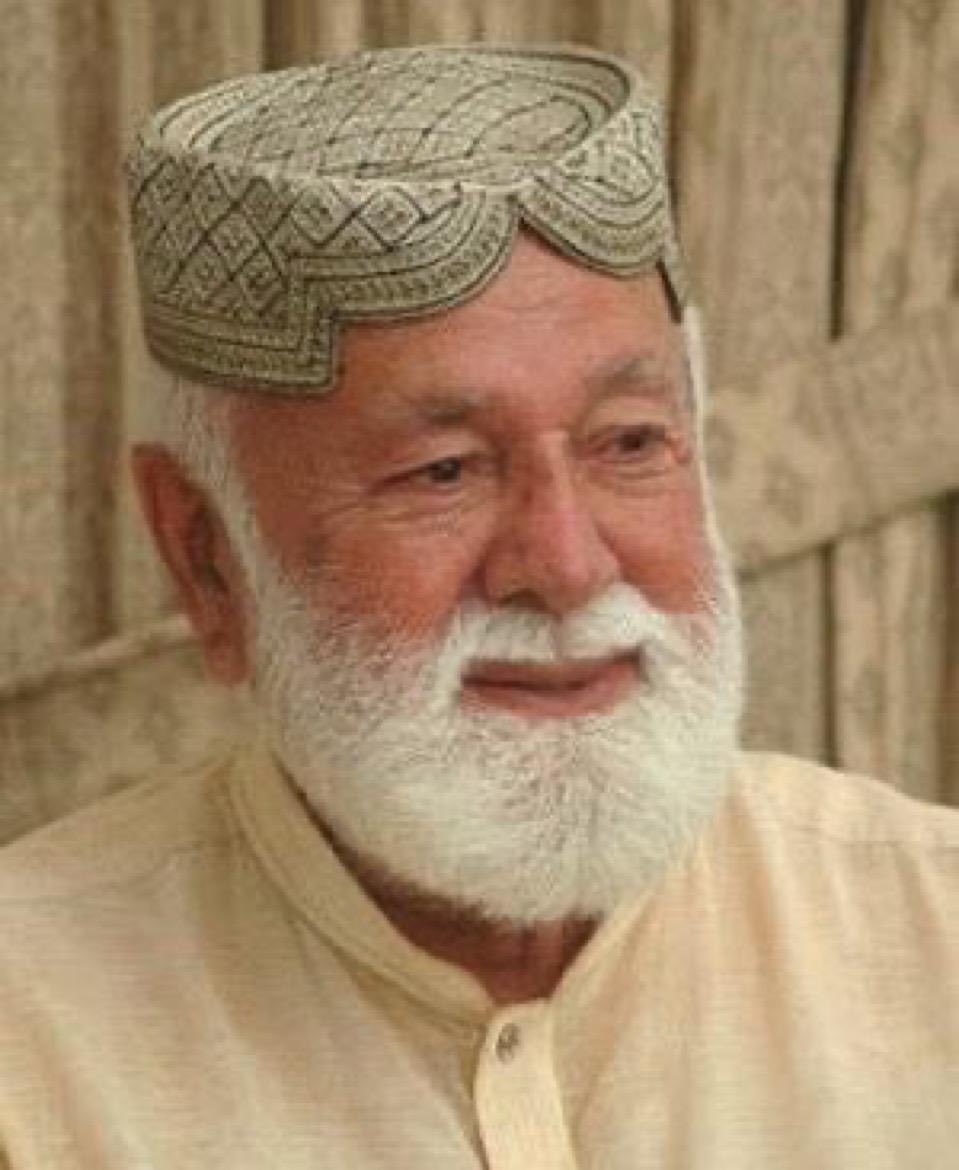
آپ کا بلوچ قوم اور اس کی سرزمین سے محبت کا درس ،نظریہ، فلسفہ اور اس کے دفاع کرنے کا جذبہ آج بلوچستان کے نوجوانوں کے دلوں کی دھڑکن بن چکا ہے
#12thDeathAnniversaryBabaMarri
2
13
52
1,200
Dr. Tara Chand Baloch retweeted

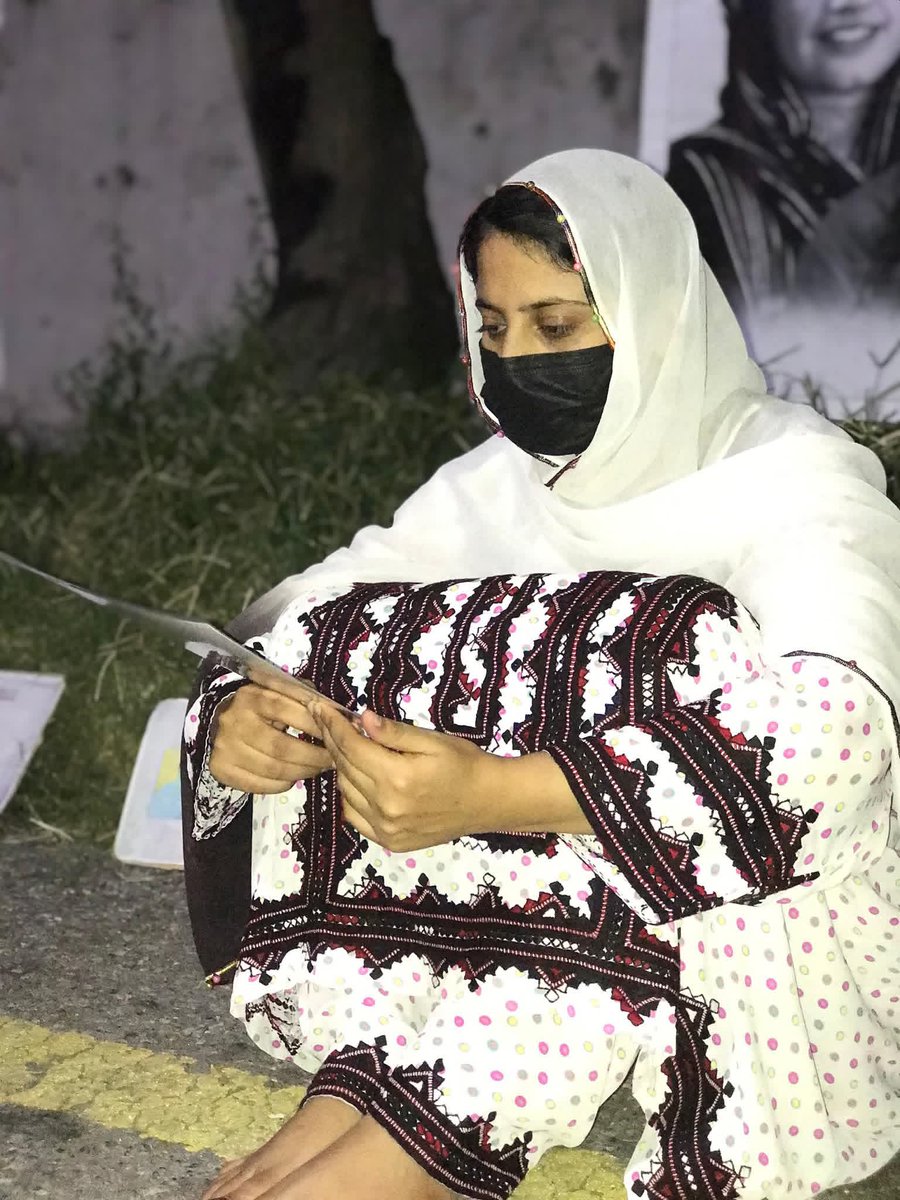
آج بلوچ لاپتہ افراد کا دن ہے۔ آج کے دن بلوچ قوم سے اپیل کرتی ہوں کہ میرے بھائی سلمان بلوچ سمیت تمام جبری لاپتہ افراد کے لیے آواز اٹھائیں۔
ریاستی عقوبت خانوں میں قید تمام جبری لاپتہ افراد ہماری آواز کے منتظر ہیں۔ ان کی آواز بننا ہمارا قومی اور اخلاقی فرض ہے۔
2
61
146
1,873
Dr. Tara Chand Baloch retweeted

Jun 9
Relieved to hear of the rescue of the Apache helicopter crew downed by Iranian forces near the Strait of Hormuz. President Trump is right - this attack by Iran on American servicemen cannot stand.
154
121
1,126
52,669
Dr. Tara Chand Baloch retweeted

BNM Urges World to Hold Pakistan Accountable Over Zakir Majeed's Disappearance
Read more: english.zrumbesh.com/13645
#BNM #Balochistan #BalochMissingPersonsDay
1
60
89
3,063
Jun 10
RT @RepMillsPress: Border security is national security.
That’s why I voted for the Secure America Act.
For years, Americans have watched…
6
Dr. Tara Chand Baloch retweeted

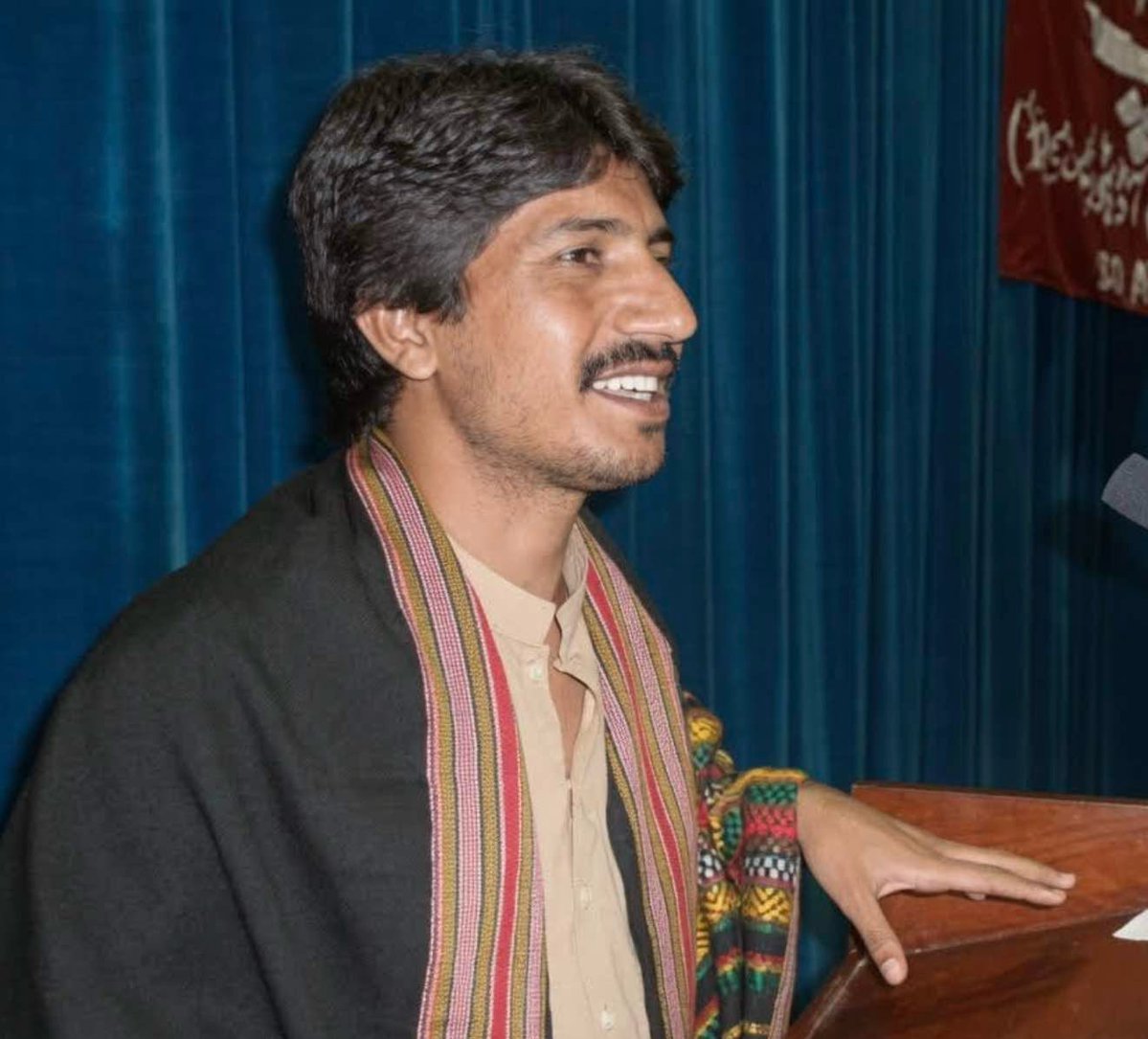
Seventeen years ago today, Zakir Majeed was disappeared.
There are people in Balochistan today who are younger than his absence.
They have grown up seeing his face on posters, at protest camps, in the hands of a family that has had to keep proving, year after year, that he existed, that he was loved, that he was taken, that someone must know where he is.
Seventeen years is not a number. It is hair turning white. It is a mother learning the sound of every knock and still looking toward the door. It is Eid after Eid with one place in the house that no one knows how to fill. It is a family forced to live beside an unfinished sentence.
Today, on Baloch Missing Persons Day, we remember Zakir Majeed and all those whose names have been dragged through years of silence. But remembrance is not enough when a person has been missing long enough for a generation to inherit his absence.
Where is Zakir Majeed?
Seventeen years later, that question remains exactly where his family first placed it: before the authorities, before the courts, before the conscience of a country that has learned to scroll past the disappeared.
A disappearance does not end because the public gets tired of hearing about it or because the state has decided to alter its own narrative on ‘missing persons’ again.
It ends when the truth is returned. At this point, most are only asking for the indication of their loved ones’ graves.
#BalochMissingPersonsDay
#ReleaseZakirMajeed
7
174
388
8,024
Dr. Tara Chand Baloch retweeted

We did something that other adminstrations refused to do….
We followed the money because MONEY DOESN'T LIE!
777
2,264
11,788
169,052
Dr. Tara Chand Baloch retweeted
ایک لیڈی ڈاکٹر، جو روزانہ 12 سے 14 گھنٹے انسانوں کی جانیں بچانے کے لیے خدمات انجام دیتی ہے، بلوچستان کے سب سے بڑے اسپتال، سول ہسپتال کوئٹہ میں اپنی ہی جان سے تقریباً ہاتھ دھو بیٹھی۔ میڈیا رپورٹس کے مطابق انہیں ان کے دفتر کے اندر تیزاب سے نشانہ بنایا گیا، جس کے نتیجے میں ان کا تقریباً 70 فیصد جسم جھلس گیا۔
مگر اس المناک واقعے کے بعد حقائق سامنے لانے اور عوام کے سوالوں کے جواب دینے کے بجائے کہانی ایک اندھیرے میں چلی گئی کہ مبینہ ملزم کو پولیس مقابلے میں ہلاک کیے جانے کا دعویٰ کیا گیا، جبکہ اس کے قبضے سے ایک پستول اور چار زندہ کارتوس برآمد ہونے کی بات کی جا رہی ہے۔ تاہم حقیقت تک پہنچنے سے پہلے ہی ملزم کی موت نے پورے معاملے کو مزید پراسرار اور مشکوک بنا دیا ہے۔
یہ محض ایک واقعہ نہیں، بلکہ ایک ایسے نظام کی عکاسی ہے جو مسلسل اپنی بنیادی ذمہ داری، یعنی شہریوں کے تحفظ، میں ناکام ثابت ہو رہا ہے۔ سوال یہ ہے کہ ایک بڑے سرکاری اسپتال کے اندر سکیورٹی کہاں تھی؟ بلوچستان جیسے خطے میں جہاں ہر چند قدم پر سکیورٹی اہلکار تعینات ہوتے ہیں، ایک شخص تیزاب اور اسلحہ لے کر اسپتال کے اندر کیسے داخل ہوا؟ اور اتنا ہولناک حملہ انجام دینے میں کامیاب کیسے ہو گیا؟
اس سے بھی بڑا سوال یہ ہے کہ انصاف کے عمل کو گولیوں کی آواز میں کیوں دفن کر دیا گیا؟ اگر واقعی مبینہ ملزم کے پاس سکیورٹی اداروں سے منسوب ہتھیار تھا، جیسا کہ ینگ ڈاکٹرز ایسوسی ایشن کے نمائندے دعویٰ کر رہے ہیں، تو وہ ہتھیار اس کے ہاتھ تک پہنچا کیسے؟ اس سوال کا جواب کون دے گا؟
مزید افسوسناک حقیقت یہ ہے کہ اس پورے سانحے کے دوران حکومت اپنی ائیر ایمبولینس سروس کی تشہیر اور میڈیا بیانیے کو بہتر بنانے میں زیادہ مصروف دکھائی دیتی ہے۔ بڑے بڑے منصوبوں، ہیلی کاپٹر ایمبولینسز اور تشہیری مہمات کے دعوے تو کیے جاتے ہیں، مگر اسپتالوں میں برن سینٹرز جیسی بنیادی اور ناگزیر سہولتیں آج بھی موجود نہیں۔ تیزاب حملوں کے متاثرین کے لیے فوری اور خصوصی علاج زندگی اور موت کا مسئلہ ہوتا ہے، مگر بلوچستان میں ایسے مریضوں کو علاج کے لیے کراچی منتقل کرنا پڑتا ہے کیونکہ مقامی سطح پر ضروری طبی سہولتیں ناکافی ہیں۔
یہ صرف ایک خاتون ڈاکٹر پر حملہ نہیں، بلکہ پورے نظام کی ناکامی کا ایک المناک ثبوت ہے، اس پر خاموشی جرم کے برابر ہے۔ اس واقعے کی مکمل، آزاد اور شفاف تحقیقات ہونی چاہئیں تاکہ کسی بھی طاقتور ہاتھ کی پشت پناہی چھپ نہ سکے اور اصل حقیقت عوام کے سامنے آ سکے۔
30
205
653
43,710
Dr. Tara Chand Baloch retweeted

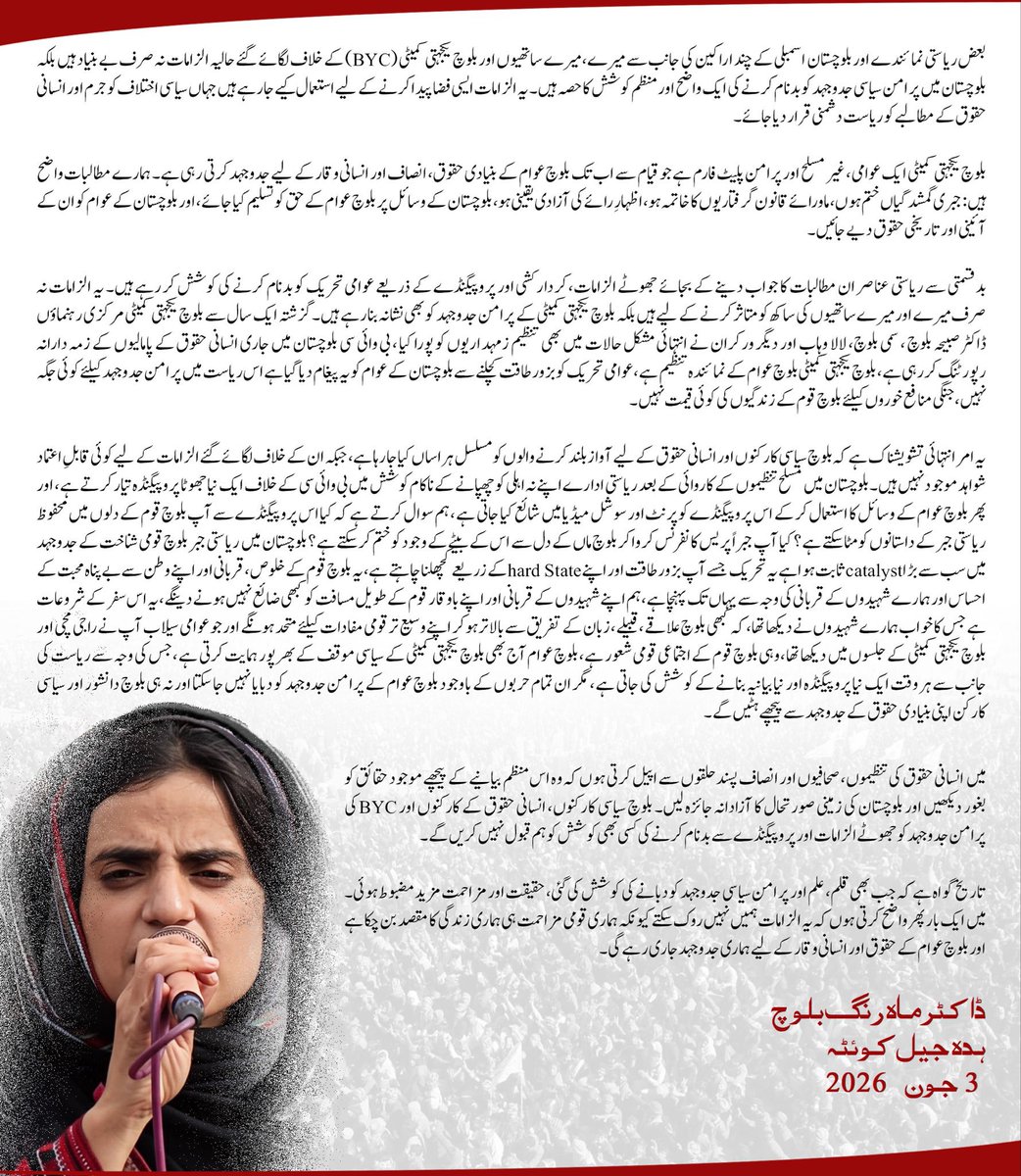
بعض ریاستی نمائندے اور بلوچستان اسمبلی کے چند اراکین کی جانب سے میرے، میرے ساتھیوں اور بلوچ یکجہتی کمیٹی (BYC) کے خلاف لگائے گئے حالیہ الزامات نہ صرف بے بنیاد ہیں بلکہ بلوچستان میں پرامن سیاسی جدوجہد کو بدنام کرنے کی ایک واضح اور منظم کوشش کا حصہ ہیں۔ یہ الزامات ایسی فضا پیدا کرنے کے لیے استعمال کیے جا رہے ہیں جہاں سیاسی اختلاف کو جرم اور انسانی حقوق کے مطالبے کو ریاست دشمنی قرار دیا جائے۔
بلوچ یکجہتی کمیٹی ایک عوامی، غیر مسلح اور پرامن پلیٹ فارم ہے جو قیام سے اب تک بلوچ عوام کے بنیادی حقوق، انصاف اور انسانی وقار کے لیے جدوجہد کرتی رہی ہے۔ ہمارے مطالبات واضح ہیں: جبری گمشدگیاں ختم ہوں، ماورائے قانون گرفتاریوں کا خاتمہ ہو، اظہارِ رائے کی آزادی یقینی ہو، بلوچستان کے وسائل پر بلوچ عوام کے حق کو تسلیم کیا جائے ،اور بلوچستان کے عوام کو ان کے آئینی اور تاریخی حقوق دیے جائیں۔
بدقسمتی سے ریاستی عناصر ان مطالبات کا جواب دینے کے بجائے جھوٹے الزامات، کردار کشی اور پروپیگنڈے کے ذریعے عوامی تحریک کو بدنام کرنے کی کوشش کر رہے ہیں۔ یہ الزامات نہ صرف میرے اور میرے ساتھیوں کی ساکھ کو متاثر کرنے کے لیے ہیں بلکہ بلوچ یکجہتی کمیٹی کے پرامن جدوجہد کو بھی نشانہ بنا رہے ہیں۔گزشتہ ایک سال سے بلوچ یکجہتی کمیٹی مرکزی رہنماؤں ڈاکٹر صبیحہ بلوچ ، سمی بلوچ، لالا وہاب اور دیگر ورکران نے انتہائی مشکل حالات میں بھی تنظیم زمہداریوں کو پورا کیا ، بی وائی سی بلوچستان میں جاری انسانی حقوق کے پامالیوں کے زمہ دارانہ رپورٹنگ کر رہی ہے ،بلوچ یکجہتی کمیٹی بلوچ عوام کے نمائندہ تنظیم ہے ، عوامی تحریک کو بزور طاقت کچلنے سے بلوچستان کے عوام کو یہ پیغام دیا گیا ہے اس ریاست میں پر امن جدوجہد کیلئے کوئی جگہ نہیں ، جنگی منافع خوروں کیلئے بلوچ قوم کے زندگیوں کی کوئی قیمت نہیں ۔
یہ امر انتہائی تشویشناک ہے کہ بلوچ سیاسی کارکنوں اور انسانی حقوق کے لیے آواز بلند کرنے والوں کو مسلسل ہراساں کیا جا رہا ہے، جبکہ ان کے خلاف لگائے گئے الزامات کے لیے کوئی قابلِ اعتماد شواہد موجود نہیں ہیں۔بلوچستان میں مسلح تنظیموں کے کاروائی کے بعد ریاستی ادارے اپنے نہ اہلی کو چھپانے کے ناکام کوشش میں بی وائی سی کے خلاف ایک نیا جھوٹا پروپیگنڈہ تیار کرتے ہے، اور پھر بلوچ عوام کے وسائل کا استعمال کر کے اس پروپیگنڈے کو پرنٹ اور سوشل میڈیا میں شائع کیا جاتی ہے ، ہم سوال کرتے ہے کہ کیا اس پروپیگنڈے سے آپ بلوچ قوم کے دلوں میں محفوظ ریاستی جبر کے داستانوں کو مٹا سکتے ہے ؟ کیا آپ جبراً پریس کانفرنس کروا کر بلوچ ماں کے دل سے اس کے بیٹے کے وجود کو ختم کر سکتے ہے ؟ بلوچستان میں ریاستی جبر بلوچ قومی شناخت کے جدوجہد میں کے سب سے بڑا catalyst ثابت ہوا ہے یہ تحریک جسے آپ بزور طاقت اور اپنے hard State کے زریعے کچھلنا چاہتے ہے، یہ بلوچ قوم کے خلوص ، قربانی اور اپنے وطن سے بے پناہ محبت کے احساس اور ہمارے شہیدوں کے قربانی کی وجہ سے یہاں تک پہنچا ہے ، ہم اپنے شہیدوں کے قربانی اور اپنے باوقار قوم کے طویل مسافت کو کبھی ضائع نہیں ہونے دینگے ، یہ اس سفر کے شروعات ہے جس کا خواب ہمارے شہیدوں نے دیکھا تھا ، کہ کبھی بلوچ علاقے ، قبیلے، زبان کے تفریق سے بالاتر ہوکر اپنے وسیع تر قومی مفادات کیلئے متحد ہونگے اور جو عوامی سیلاب آپ نی راجی مچی اور بلوچ یکجہتی کمیٹی کے جلسوں میں دیکھا تھا ، وہی بلوچ قوم کے اجتماعی قومی شعور ہے ،بلوچ عوام آج بھی بلوچ یکجہتی کمیٹی کے سیاسی موقف کے بھر پور ہمایت کرتی ہے ، جس کی وجہ سے ریاست کی جانب سے ہر وقت ایک نیا پروپیگنڈہ اور نیا بیانیہ بنانے کے کوشش کی جاتی ہے ، مگر ان تمام حربوں کے باوجود بلوچ عوام کے پرامن جدوجہد کو دبایا نہیں جا سکتا اور نہ ہی بلوچ دانشور اور سیاسی کارکن اپنی بنیادی حقوق کے جدوجہد سے پیچھے ہٹیں گے۔
میں انسانی حقوق کی تنظیموں، صحافیوں اور انصاف پسند حلقوں سے اپیل کرتی ہوں کہ وہ اس منظم بیانیے کے پیچھے موجود حقائق کو بغور دیکھیں اور بلوچستان کی زمینی صورتحال کا آزادانہ جائزہ لیں۔ بلوچ سیاسی کارکنوں، انسانی حقوق کے کارکنوں اور BYC کی پرامن جدوجہد کو جھوٹے الزامات اور پروپیگنڈے سے بدنام کرنے کی کسی بھی کوشش کو ہم قبول نہیں کریں گے۔
تاریخ گواہ ہے کہ جب بھی قلم، علم اور پرامن سیاسی جدوجہد کو دبانے کی کوشش کی گئی، حقیقت اور مزاحمت مزید مضبوط ہوئی۔ میں ایک بار پھر واضح کرتی ہوں کہ یہ الزامات ہمیں نہیں روک سکتے کیونکہ ہماری قومی مزاحمت ہی ہماری زندگی کا مقصد بن چکا ہے اور بلوچ عوام کے حقوق اور انسانی وقار کے لیے ہماری جدوجہد جاری رہے گی۔
ڈاکٹر ماہ رنگ بلوچ
ہدہ جیل کوئٹہ
3 جون 2026
34
278
644
27,250
The Pakistani Brutal military continues its actions in Balochistan. A few days ago, BNP leader Sardar Naseer Jan Musiani was arrested, and his son, Khalil Ahmed, was killed after security forces reportedly entered their home and harassed the family. Reports of harsh treatment and human rights abuses against the people of Balochistan continue to emerge, raising serious concerns among local residents.
#Balochistan
#BalochistanUnderSiege
#HumanRightsViolations
11
17
564
Dr. Tara Chand Baloch retweeted

Jun 3
جہاں کسی ایک واقعے پر پورا پاکستان بلوچ سیاسی کارکنوں سے “مذمت” کا مطالبہ کرتا ہے، وہیں بلوچستان میں روزانہ جاری بلوچ نسل کشی، جبری گمشدگیوں، فوجی جارحیت اور ریاستی دہشت گردی پر مجرمانہ خاموشی اختیار کر لیتا ہے۔ یہ خاموشی اس حقیقت کو بے نقاب کرتی ہے کہ بلوچ اس ریاست کے لیے انسان نہیں، بلکہ محض ایسے جسم ہیں جنہیں جب چاہا روند دیا گیا، مٹا دیا گیا، اور اجتماعی قبروں میں دفن کر دیا گیا۔
بلوچستان کے کئی شہروں میں کرفیو نے زندگی کا گلا گھونٹ دیا ہے۔ لوگ معمولی بیماریوں سے مر رہے ہیں کیونکہ نہ ہسپتال موجود ہیں، نہ دوائیاں، نہ علاج۔ پاکستانی فوج ہر سانس پر قابض ہے۔ نہ کوئی حقیقی نمائندہ باقی چھوڑا گیا ہے اور نہ ہی کوئی ایسا ادارہ جو بلوچ عوام کے درد کا حساب لے سکے۔ پورا بلوچستان ایک کھلی جیل میں تبدیل کر دیا گیا ہے جہاں بندوق قانون ہے اور خاموشی سزا۔
زہری میں جہاں معصوم بچے بھوک، بیماری اور محرومی کے ہاتھوں دم توڑ رہے ہیں، وہیں ریاستی بربریت اپنی بدترین شکل اختیار کر چکی ہے۔ 15 اپریل کو سوئندہ میں آپریشن کے نام پر 11 بلوچوں کو اندھا دھند فائرنگ کرکے شہید کیا گیا۔ 2 جون کو قبائلی سربراہ اور بی این پی کے رہنما سردار نصیر موسیانی کے گھر پر دھاوا بولا گیا۔ ایک بزرگ انسان، جس کی عمر عزت کا تقاضا کرتی ہے، اسے بدتہذیب فوجیوں نے تشدد کا نشانہ بنایا۔ ان کے بیٹے میر خلیل الرحمٰن کو گولی مار دی گئی، جبکہ زہری خان، شکر خان، ثناء اللہ موسیانی، امید علی خان، دوست محمد اور ارشاد احمد کو زبردستی اٹھا کر لاپتہ کر دیا گیا۔
اسی بربریت کے تسلسل میں شہید سفر خان کے بھائی کے بیٹے عمیر سمالانی کو بھی اندھا دھند فائرنگ کا نشانہ بنایا گیا، جو موقع پر ہی شہید ہوگئے۔ بلوچ خون اس ریاست کے لیے اتنا سستا ہو چکا ہے کہ ہر روز نئی ماؤں کی گودیں اجاڑی جا رہی ہیں اور ہر رات نئے گھروں میں ماتم بچھایا جا رہا ہے۔
عام بلوچ سے لے کر سیاسی رہنماؤں تک، کسی کی جان محفوظ نہیں۔ انٹرنیٹ بند کرکے یہ سمجھا جاتا ہے کہ سچ دفن ہو جائے گا، مگر بلوچ کے زخموں کی گواہی بلوچ خود دیتے ہیں۔ ہم ایک دوسرے کے جنازے اٹھاتے ہیں، پرسہ دیتے ہیں، فاتحہ خوانی کرتے ہیں، ایک دوسرے کے دکھ بانٹتے ہیں، اور انہی زخموں سے اجتماعی شعور جنم لیتا ہے۔
ریاست شاید یہ نہیں سمجھ رہی کہ مسلسل جبر، نفرت اور خونریزی بلوچ قوم کے اندر ایک ایسا قومی شعور پیدا کر رہی ہے جو خوف سے آزاد ہو چکا ہے۔ ایک ایسا شعور جسے نہ گولیاں ختم کر سکتی ہیں، نہ زندان، نہ جبری گمشدگیاں، اور نہ ایٹمی ہتھیار۔ کیونکہ جب ایک قوم اپنے شہیدوں کے خون سے بیدار ہو جائے تو پھر طاقت کے تمام مظاہر بے معنی ہو جاتے ہیں۔
سردار نصیر موسیانی جیسے بزرگ کے ساتھ ہونے والی یہ ذلت، زہری میں جاری بربریت، اور بلوچستان بھر میں جاری ظلم کو فراموش نہیں ہونے دینا چاہیے۔ بلوچ عوام کو اپنی اجتماعی آواز بلند کرنی ہوگی، ظلم کے خلاف منظم عوامی و سیاسی مزاحمت کرنی ہوگی، اور اپنے گھروں سے نکل کر اس جبر کے خلاف گواہی دینی ہوگی۔ خاموشی اب صرف ظلم کو طاقت دیتی ہے۔
#StopBalochGenocide
#EndEnforcedDisappearances
16
104
226
13,326
Dr. Tara Chand Baloch retweeted

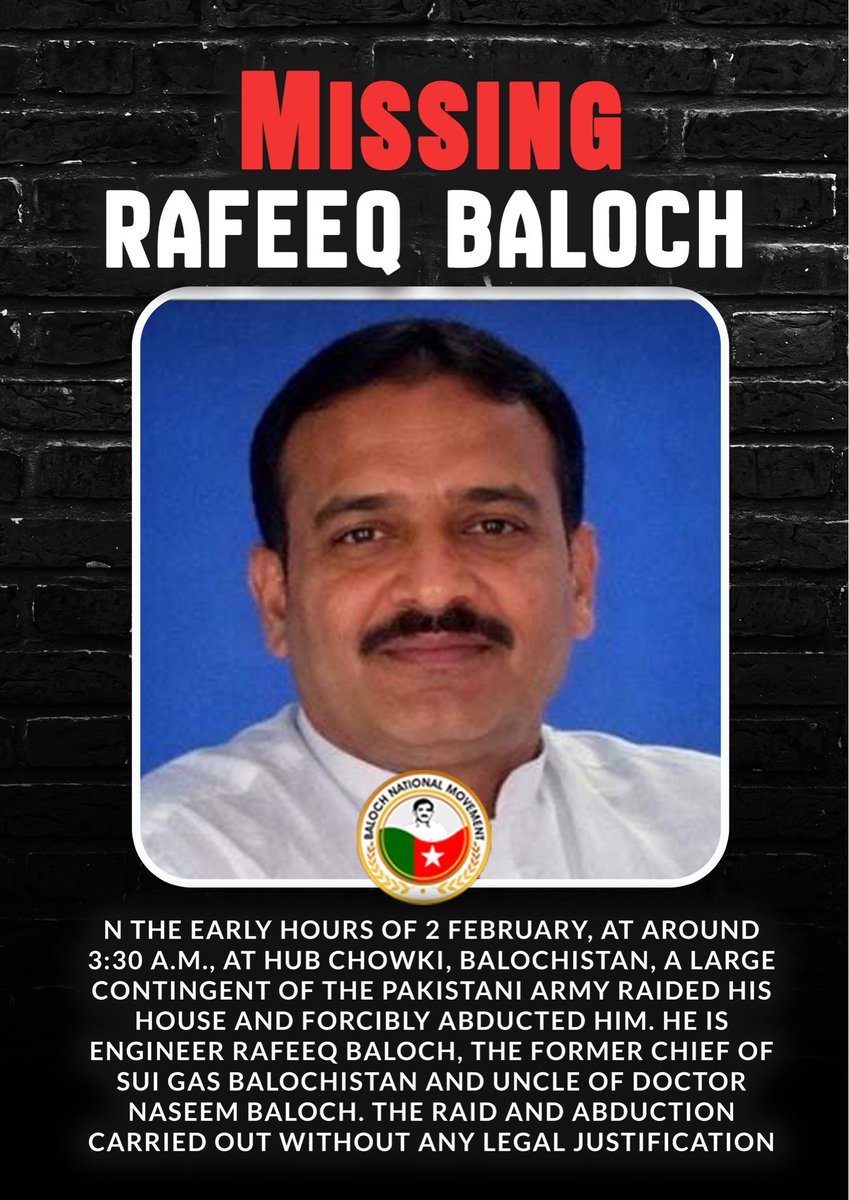
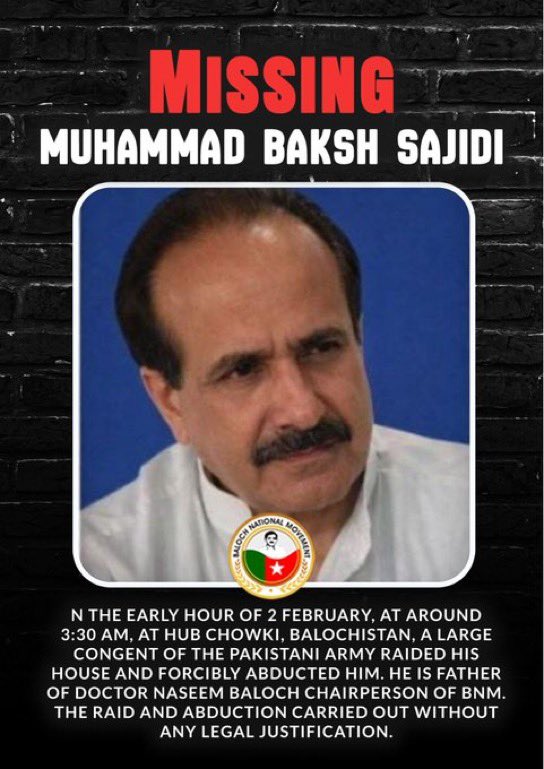
Four months ago, on February 2, Pakistani army, along with the so-called Counter Terrorism Department (CTD) of police, attacked our home in Hub Chowki, Occupied Balochistan. During this attack, my father Muhammad Bakhsh Sajidi, my two uncles Muhammad Rafiq Baloch, and Muhammad Naeem Sajidi were forcibly abducted and taken away.
Since that day, no information about their whereabouts, condition, or well-being has been received. They have now been subjected to enforced disappearance in secret torture cells of Pakistan.
It is one among thousands of cases where the Baloch people are being systematically subjected to enforced disappearances, extrajudicial killings, and collective punishment. This has turned to be a genocide happening since occupation in 1948.
We demand international community to intervene immediately to #StopBalochGenocide #EndEnforcedDisappearances

2
114
156
10,200

Dr. Tara Chand Baloch retweeted
President Trump’s law enforcement team is wiping out criminal networks in America at levels never seen before
2,172
5,138
27,460
543,442
Dr. Tara Chand Baloch retweeted
May 31

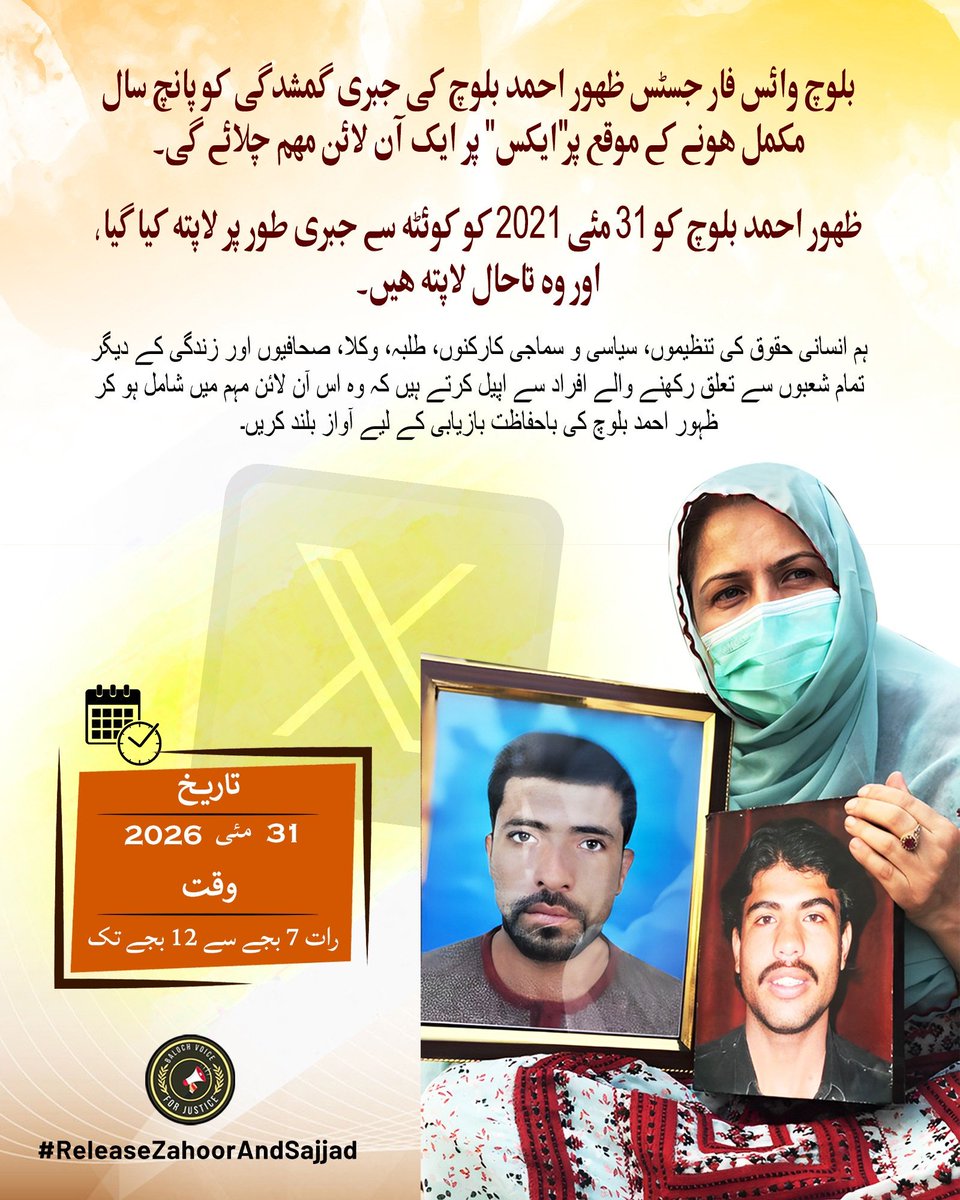
بلوچ وائس فار جسٹس ظہور احمد بلوچ کی جبری گمشدگی کو پانچ سال مکمل ہونے کے موقع پر "ایکس" پر ایک آن لائن مہم چلائے گی۔
ظہور احمد بلوچ کو 31 مئی 2021 کو کوئٹہ سے جبری طور پر لاپتہ کیا گیا، اور وہ تاحال لاپتہ ہیں۔
#ReleaseZahoorAndSajjad
3
37
84
3,167