


Ice Lake以降だとLA57対応してるから56bitじゃない?
Apr 9

ユーザスペース47ビット(128TB)。既に8TBのSSD出てるし、15本SSDつないだあたりでmmapが限界迎える
1
12
7,357

1 Oct 2025
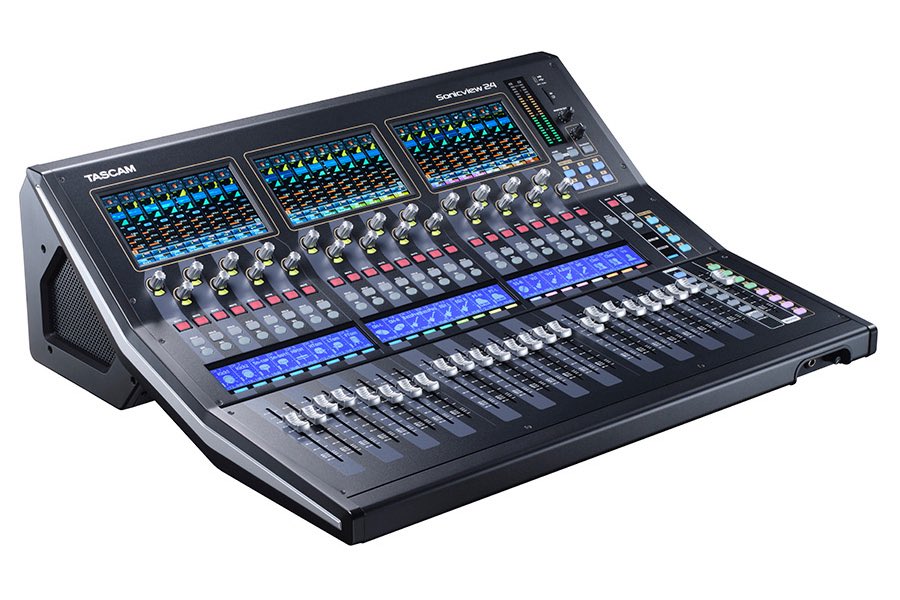
因みにDiGiCoでも到達出来てない56bit float FPGAって言うぶっ飛んだコンバーター搭載してるSonicview って言うのも有りましてね...
在京キー曲の民生機器での構成要件は全部満たしてるのですっ!
海外では本当に評価高くて、DiGiCo持ってるカンパニーも買ったとか買わないとか?!。。。
1
9
66
7,304


15 Jul 2025
Mamta Banerjee has hacked into the UIDAI server & broke 56bit security, making it easier for Kanglus to obtain adhaar cards.
Kattar Hindu Sher Modi Ji cannot stop this unless you give him 100% seats in the next state elections.
1
17
428


25 May 2025
IPsecについても「暗号アルゴリズムどーすんだよ、DESは輸出禁止技術だぞ」って激論があって、いずれDES規制は解除される!という目論見で見切り発車して、確かに1999年に規制緩和されたのだけど、その時点ではもはや56bitの鍵長が不十分になっていて。
1
1
6
2,147

4 May 2025
Historical Timeline of Encryption, Cryptography and Private Currencies
• Ancient Times (Before 1900):
• ~2000 BCE: Ancient Egyptians used hieroglyphic substitutions for nonstandard communication, marking early encryption efforts.
• ~400 BCE: The Greeks employed the scytale, a transposition cipher, for military communications, setting a precedent for secure messaging.
• ~100 BCE: Julius Caesar used the Caesar cipher, a simple substitution cipher, to protect military messages, highlighting encryption’s strategic role.
• 1467: Leon Battista Alberti invented the polybius cipher, a precursor to modern substitution ciphers, enhancing cryptographic complexity.
• Early 20th Century: Encryption in Warfare
• 1917: During World War I, cryptography became critical, as seen in the interception and decryption of the Zimmermann Telegram, underscoring its national security importance.
• 1939–1945 (World War II): The German Enigma machine, with its complex cipher wheels, was cracked by Alan Turing and his team, demonstrating encryption’s pivotal role in warfare and influencing modern cryptography.
• Post WWII to 1970s: Cold War and Commercialization
• 1954: The U.S. classified encryption as “Category XIII - Auxiliary Military Equipment” on the Munitions List, treating it as a weapon and imposing strict export controls under the International Traffic in Arms Regulations ‘ITAR’.
• 1973: IBM developed the Data Encryption Standard ‘DES’, adopted as a U.S. national standard in 1975, marking the rise of commercial encryption for financial transactions.
• 1976: Whitfield Diffie and Martin Hellman introduced public key cryptography with the Diffie Hellman key exchange, revolutionizing secure communication without preshared keys.
• 1978: RSA (Rivest Shamir Adleman), a public key cryptosystem, was published, making strong encryption widely accessible and laying groundwork for digital currencies.
• 1990s: The Crypto Wars and Early Digital Currencies
• 1991: Phil Zimmermann released Pretty Good Privacy ‘PGP’, a free encryption software, challenging U.S. export controls. The U.S. Customs Service investigated Zimmermann for “munitions export without a license,” sparking public debate.
• 1993: The Perl RSA Munitions TShirt case emerged, where Adam Back created a three line Perl script implementing RSA encryption, printed on a tshirt with the caption “This Tshirt is a munition.” This act highlighted the absurdity of classifying code as a weapon under ITAR, galvanizing activists and contributing to export control reforms.
• 1994: The U.S. proposed the Clipper Chip, a hardware encryption device with a government accessible backdoor, but public opposition, led by privacy advocates, halted its adoption, preserving encryption rights.
• 1995: Bernstein v. United States began, with Daniel Bernstein suing the U.S. government, arguing that encryption source code is protected free speech under the First Amendment. The 1999 ruling weakened export controls, ensuring broader access.
• 1996: President Clinton signed Executive Order 13026, transferring commercial encryption from the Munitions List to the Commerce Control List, easing export restrictions and clarifying that software is not “technology” under Export Administration Regulations ‘EAR’.
• 1998: Early digital currencies like DigiCash failed due to centralized vulnerabilities and regulatory crackdowns, highlighting the need for decentralized solutions.
• 1999: U.S. export controls were further relaxed, allowing 56bit encryption RC2, RC4, RC5, DES, CAST and 1024bit RSA export without backdoors, marking a victory for crypto advocates.
Rest of the list 👇
1
1
9
354

22 Feb 2025
I've made a number of videos using positional data from aircraft captured using ADS-B data - for example my recent story of a passenger landing a King Air after the pilot dies.
But there's an underlying technical story I want to share about the precision of this data.
ADS-B position updates are regularly broadcast by aircraft and at the core there's a 56bit packet which contains the latitude, longitude & altitude. 12 bits encode the altitude, 35bits encode lat/lng. And that gives precision of about 16feet, horizontally.
But wait a second....
If you implement this naively with 17 bits for latitude and 18 for longitude that works out to 40,000km / 2^18 =~ 152meters
So how can this work, how do we get 20x the resolution?
The protocol has a trick called 'Compact Position reporting' which uses the data efficiently.
The trick comes down to only transmitting the location within small region of the planet. The surface of the earth is divided into hundreds of smaller regions and position is only transmitted inside this.
But now you wonder - how do we know what region to use, is this in a separate message?
No, but there is one of the 35 bits that switches the location between 'odd' and 'even' - and depending on this bit two different sets of region maps are used, and each offset and scaled differently.
The same position is encoded differently in the odd/even messages.
So, successive odd/even messages will have the position jump around unless you derive the correct regions to minimize the differences. If you get one message you take a guess then update the guess until everything make sense.
Pretty neat.
8
6
258
21,199

3 Feb 2025
共通鍵暗号方式
- RC4: ストリーム暗号 → 脆弱性あり
- DES: ブロック暗号 56bit
- AES: ブロック暗号 128bit 192bit 256bit
公開鍵暗号方式
- RSA: 素因数分解の困難さを安全性の根拠とする
- ECC(楕円曲線暗号)
#応用情報技術者試験 #用語集 #駆け出しエンジニアと繋がりたい
1
101


You can have a similar machine for free now - pieter.com - windows 3.1 in your browser incl irc, and real 56bit modem sounds.
4
193

9 Aug 2024
DES was "secure" and couldn't be cracked with it's "large" 56bit key".
Wait, EFF broke that. And there were proposals for breaking 3DES too.
en.wikipedia.org/wiki/EFF_DE…
1
2
51

26 Jun 2024
You can also find some DMR with AES-256, M17 supports encryption but it's intentionally a weak cipher so that it can be broken (56bit iirc). The meshtastics work on ISM band with AES-256 and can link to a private MQTT service so you can also use those, which is the cheapest way.
1
1
1
82

4 Apr 2024
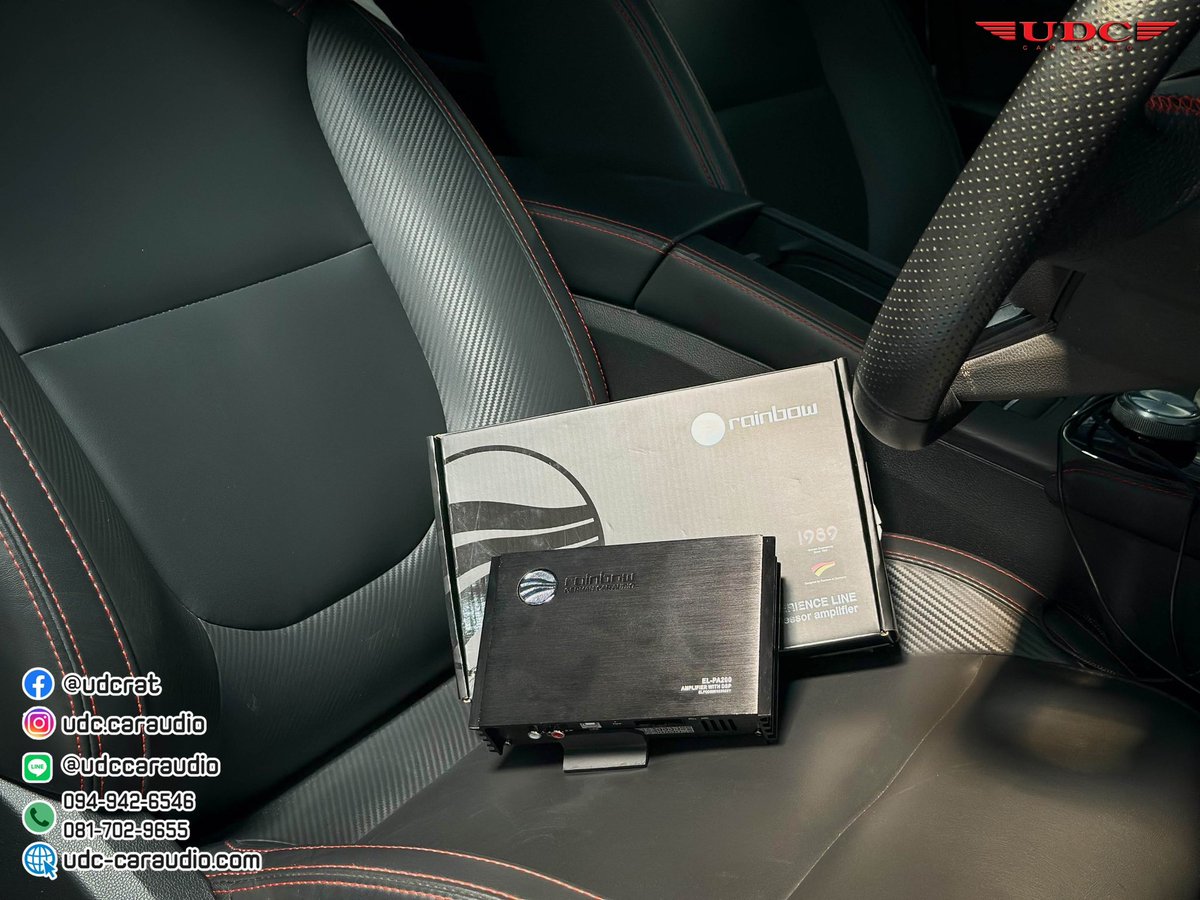
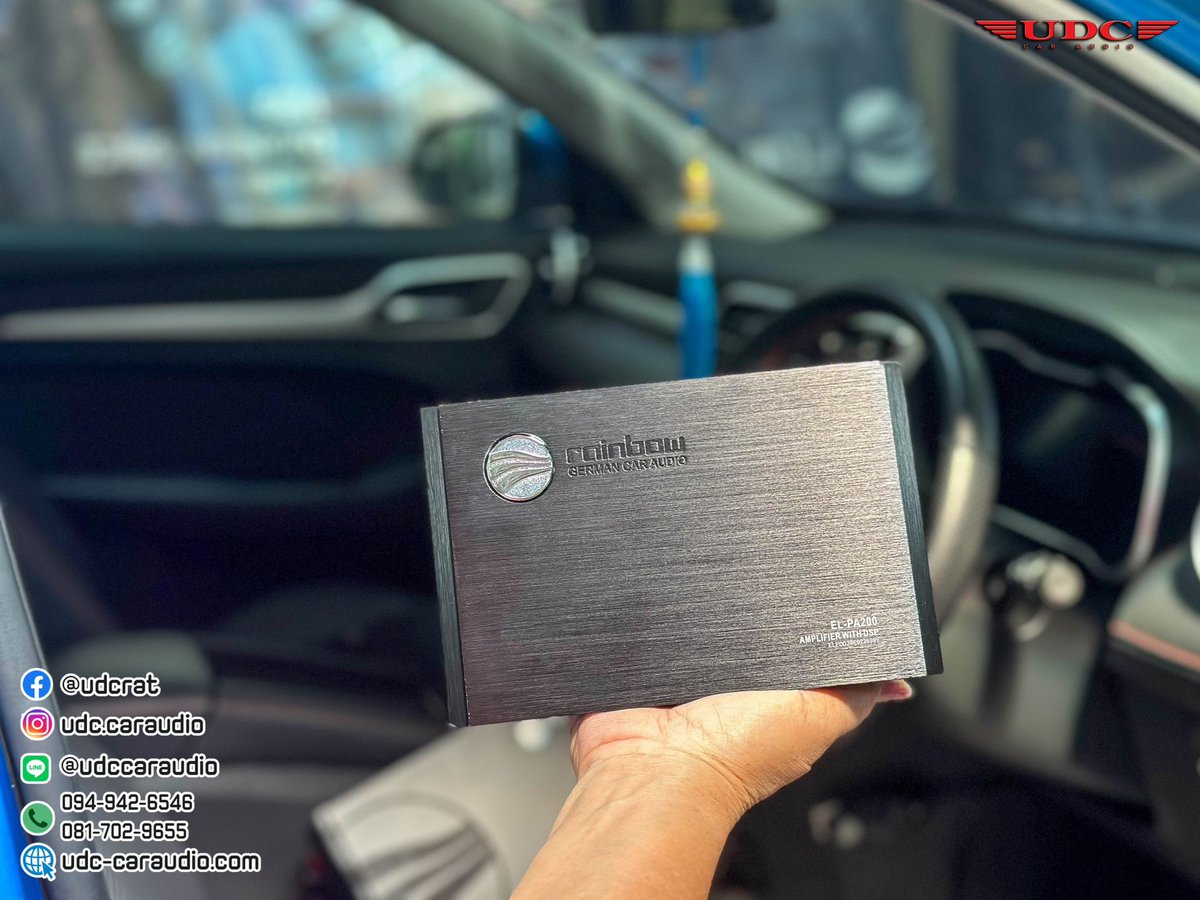
🚙💨 … 𝐃𝐒𝐏 𝐑𝐚𝐢𝐧𝐛𝐨𝐰 𝐄𝐋-𝐏𝐀𝟐𝟎𝟎
เป็นตัวที่ช่วยปรับปรุงคุณภาพเสียงได้อย่างดีเยี่ยม มีระบบประมวลเสียงที่ 28/56𝐛𝐢𝐭
และรองรับ 𝐁𝐥𝐮𝐞𝐭𝐨𝐨𝐭𝐡 ในตัว ให้เสียงที่เป็นธรรมชาติด้วยกำลังขับ 50w×4
คุณเบนซ์
📮𝐋𝐈𝐍𝐄 𝐈𝐃 : 𝐛𝐞𝐧𝐳𝐮𝐝𝐜
☎️ โทร. 094-942-6546
1
31

19 Mar 2024
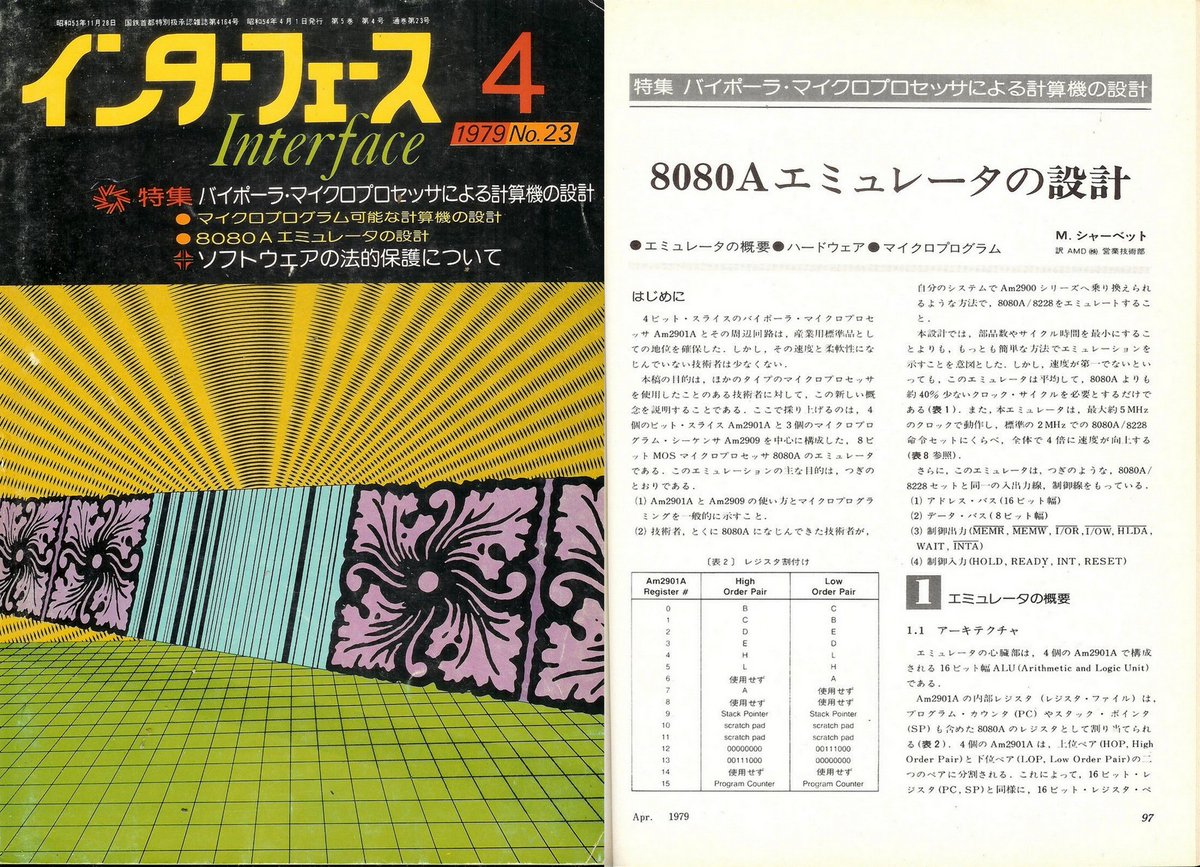
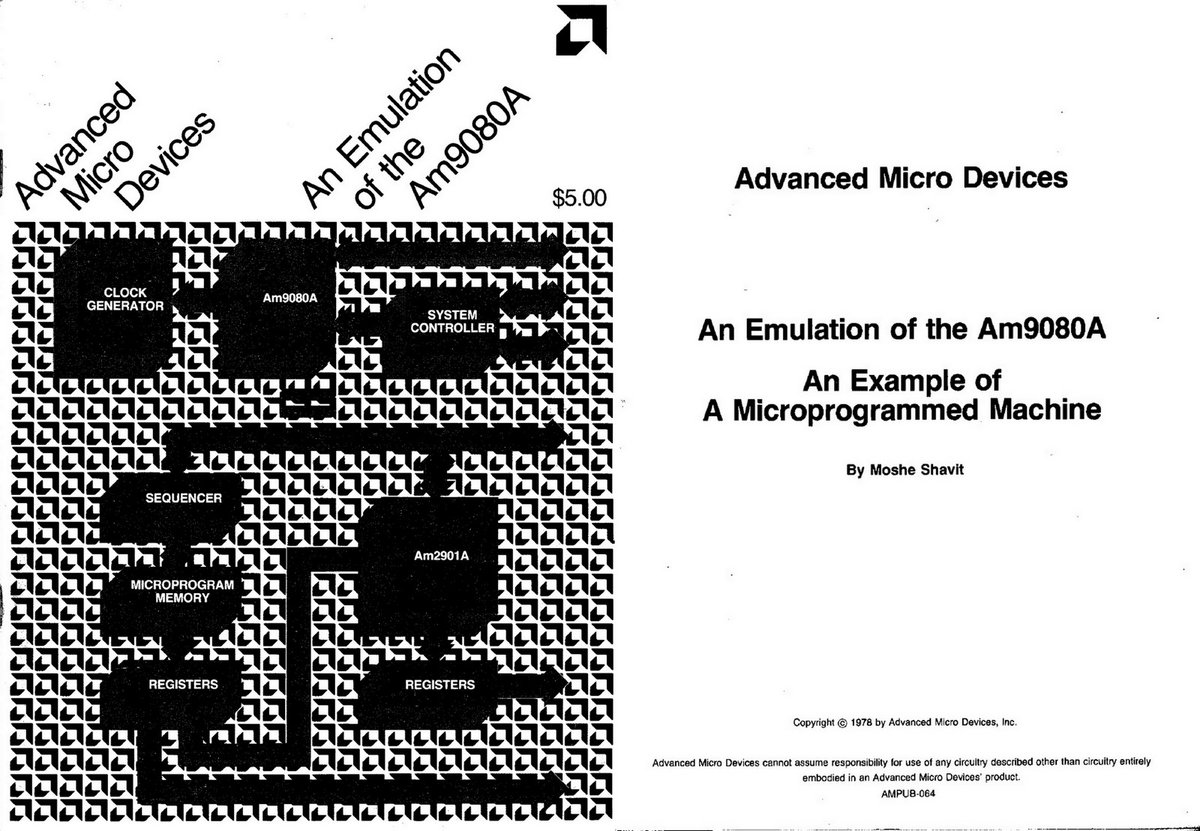
CPUを自作するなら Bit-Sliceでしょう!
"8080Aエミュレータの設計"
AMD、インターフェス 1979年4月号
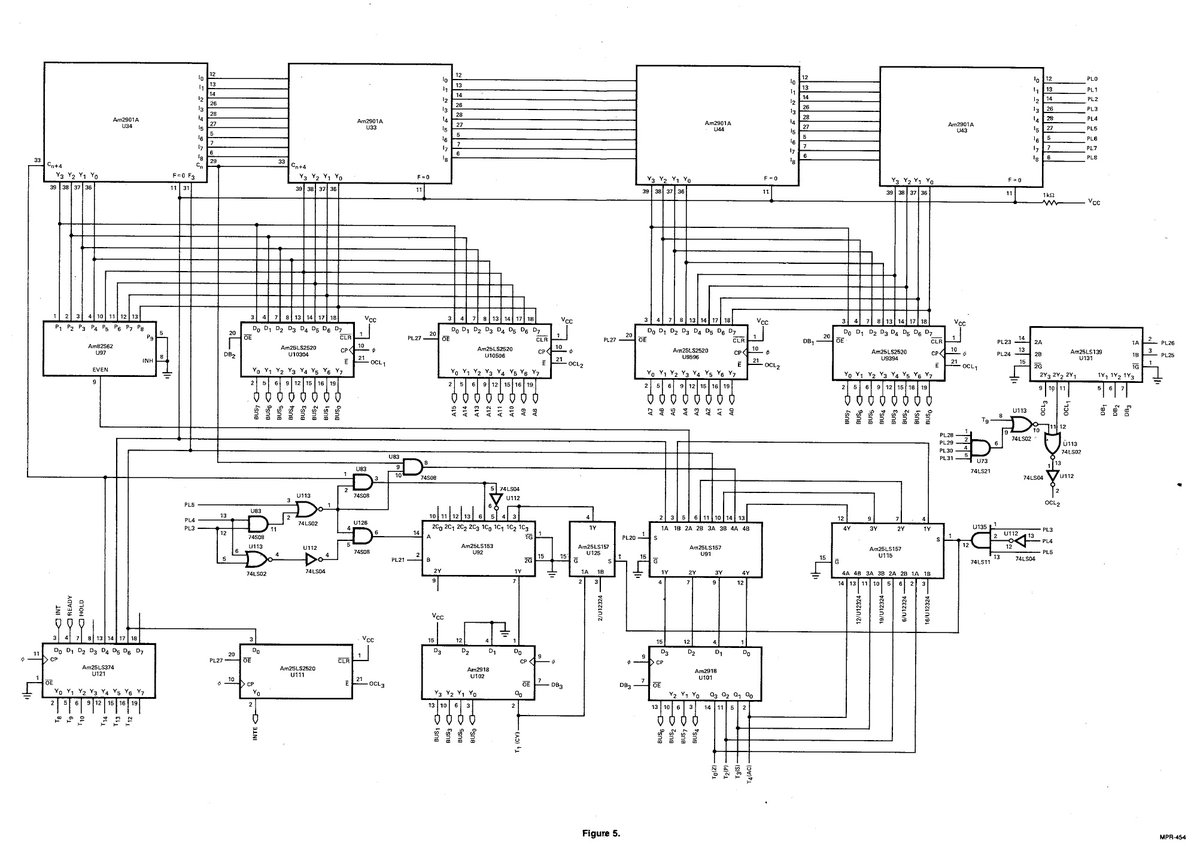
ALU: (Am2901 x2)x2
8080Aより 40%少ないクロックサイクル!
LSI/IC:59個
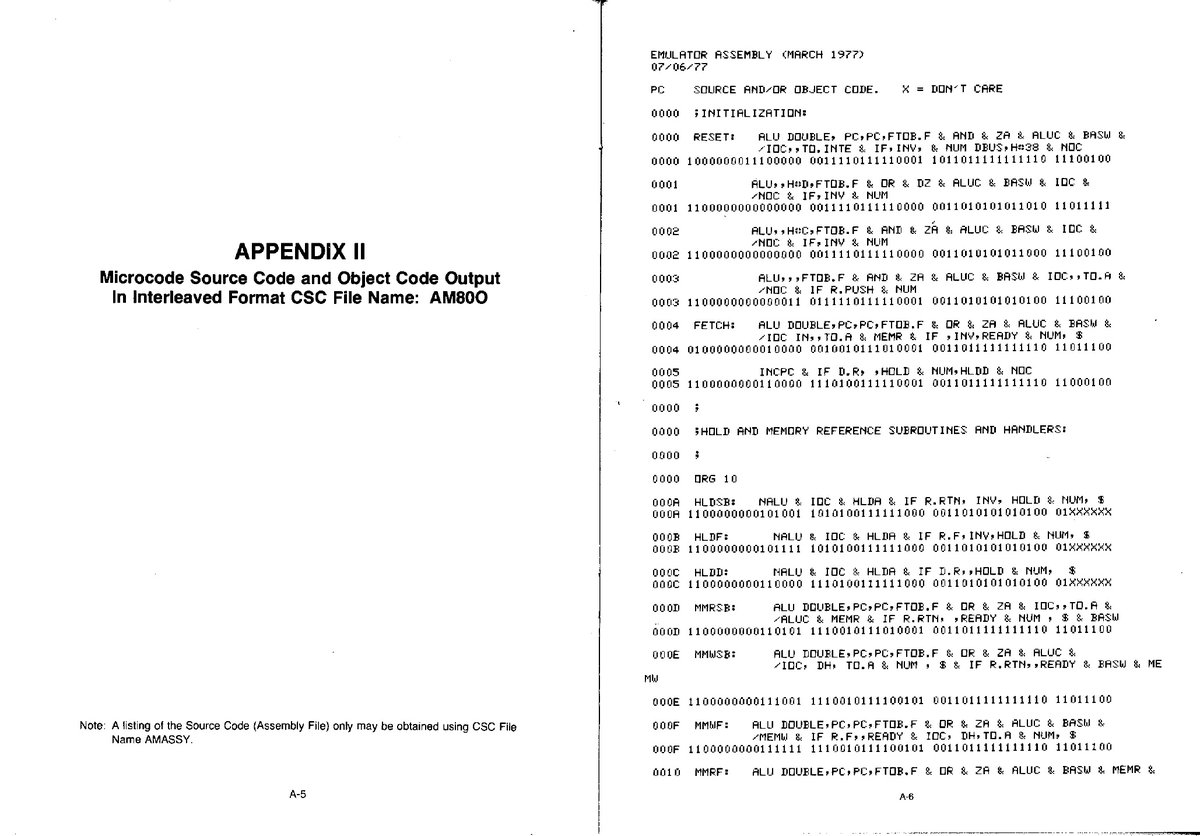
マイクロプログラム:56bit幅/352語
回路図・マイクロプログラムソース掲載!
オリジナル (1978) donnamaie.com/AMD_Vintage/em…
2
4
16
1,376


6 Feb 2024
最近はあまりWindowsを使わないから事情を把握していないが、内部の暗号強度はアメリカは128bitだが日本を含め他国には56bitで輸出している。
OSレベルでこれ。
日本政府がAWSのクラウドではしゃいでいるのを見ると属国はまだ100年は続くんだろうなと思う。
2
4
344