Jun 9
I have no dog in that CG story but I know a MRT related tasking when I see it. Especially after a staff policy revision. My orders can from DIV/CSF2 and that how I would right it. After the CMDr guidance
🤷🏽♂️ I’m off to play video games 🎮 😝
37

May 27
Yes! 1’snc preferentially adopted an ECM remodeling program enriched for genes such as LTBP2, COL1A1, and ITGA2 but 2’ snc exhibited a more inflammatory and signaling-responsive phenotype characterized by CXCL8, CSF2, and BMP2 with stronger regulation by paracrine SASP signaling.
2
11


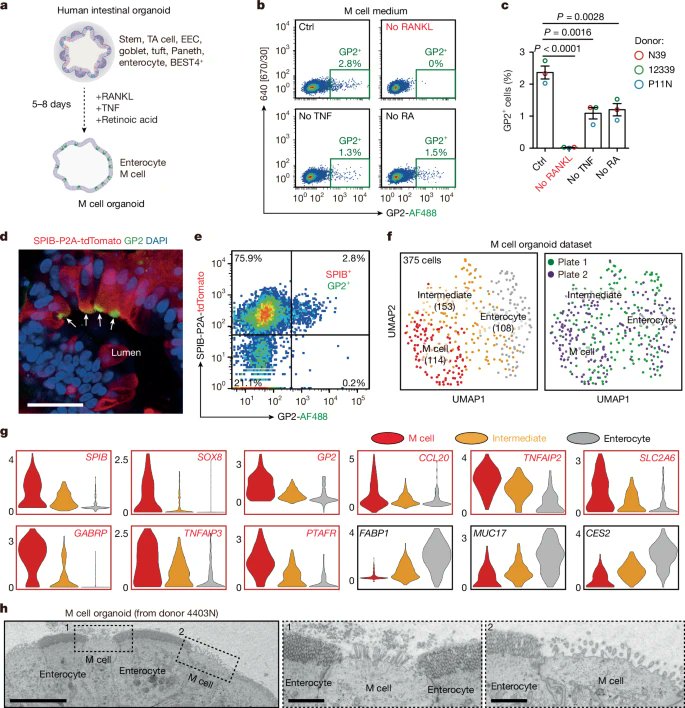
Human intestinal organoids reveal that M cells do more than transport luminal antigens—they also directly present antigen via MHC-II.
Unlike enterocytes, M cells show a dendritic-cell-like transcriptional program driven by RANKL/CSF2 and requiring SPIB and RUNX2. HLA-DQ2.5 M cells can process and present gluten, pointing to a central role in coeliac disease.
Source: nature.com/articles/s41586-0…
1
9
88

14 Dec 2025
upregulation of multiple proinflammatory markers in LC compared with CC group and uninfected, chemokines and cytokines (CXCL2, CXCL3, CCL3, IL10, IFNG, IL6, TNF, IL1B, IL1A, NFKBIZ),
NLRP3 inflammasome and complement and coagulation genes C5, F3 and THBS1. downregulation of activating (KLRC2) and inhibitory (KLRC1, KIR3DL2) natural killer (NK) cell receptors and T cell activation markers in LC compared to CC group.
differentially expressed genes in LC group compared with CC group at day 90–180 after pi-⬆️of multiple proinflammatory markers, such as IL6, NLRP3, TNF, JAK2, CSF2, IL1B, IL10, in the LC compared with CC group.
Pathway enrichment analysis revealed upregulation of signatures associated with signaling by proinflammatory cytokines such as IL-6, IFNα, IFNβ and IFNγ, JAK-STAT pathways, complement and coagulation cascade, metabolic pathways and immune cell signatures of monocytes, macrophages, neutrophils and dendritic cells ;
RNA processing and nitrogen metabolism, oxidative stress and amino acid transport, were decreased in the LC compared with the CC group ,
transcriptomic signatures of T cell activation and differentiation (CD28, ICOS, TCF7) were downregulated in the LC compared with the CC group at day 90–180 after infection.
CD8 T cell exhaustion signatures and programmed cell death protein 1 (PDCD1) signaling-associated genes (IFI44, PRDM1, NR4A3, NFKBIA, MAFF) were significantly increased in the LC group.
potential role of T cell dysregulation in the pathogenesis of LC. Moreover, JAK1, JAK-STAT and IL-6 signaling pathways correlated inversely with T cell activation and positively with CD8 T cell exhaustion and PD-1 signaling ;
Signatures of T cell activation and differentiation were positively correlated with IFNγ ELISpot responses, whereas proinflammatory signaling and immune exhaustion signatures were negatively correlated with IFNγ ELISpot responses. significant correlation between IL-6 and JAK-STAT signaling pathways with complement and coagulation pathways, metabolic signatures and PD-1 signaling in the LC group ;
potentially coordinated role of these pathways in the pathogenesis of LC, while the IL-6 and JAK-STAT signaling pathways correlated negatively with metabolism of amino acids and oxidative stress in LC.
IFNγ, IL-6, JAK-STAT and T cell exhaustion pathways correlated with clinical symptoms in group with LC, fatigue, shortness of breath, cognitive complaints.
2
152

23 Oct 2025
New Episode Alert!
In episode 65 of Cybersecurity Today TV, NIST’s Daniel Eliot shares how the NIST Cybersecurity Framework (CSF 2.0) empowers SMBs to build resilience.
Watch now: youtu.be/UuY7vZnsDms
#CybersecurityToday #NIST #SmallBusiness #CyberResilience #CSF2

1
2
22

19 Oct 2025
New Research: circWWC3 enhances the progression of triple-negative breast cancer by interacting with vimentin to regulate the secretion of CSF2 frontiersin.org/articles/10.… #FrontiersIn #Immunology
3
374

15 Oct 2025
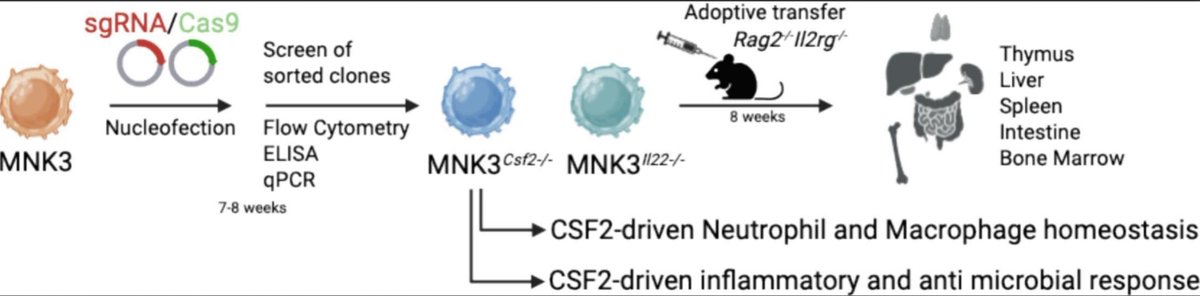
Happy to share new work from #theonlylabever, lead by the phenomenal @SiuLingTai - who developed a tool to study the biology of ILC3s, identifying their role in controlling CSF2-dependent myeloid cells. 🤗
@MucosalImmunol @socmucimm @UofT
Read the free OA: doi.org/10.1016/j.mucimm.202…
3
15
1,212

14 Oct 2025
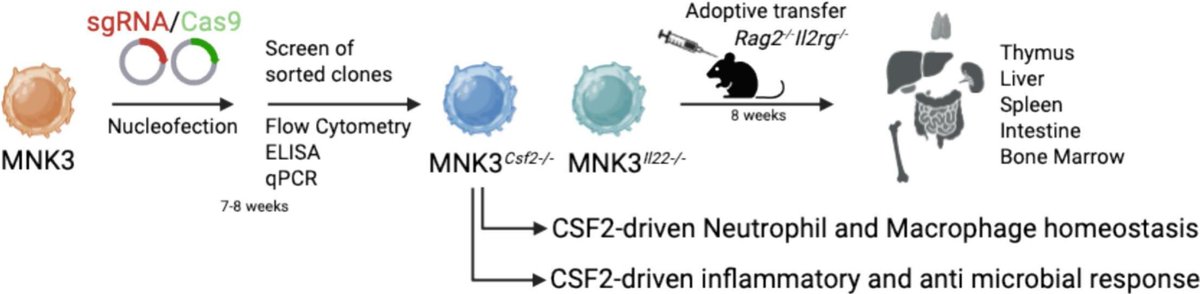
Group 3 innate lymphoid cell-derived CSF2 tunes homeostasis of tissue macrophages and neutrophils from @SiuLingTai @theonlylabever and colleagues: mucosalimmunology.org/articl…
6
15
1,192

10 Oct 2025
ILC3-derived CSF2 tunes homeostasis of tissue macrophages and neutrophils @MucosalImmunol
sciencedirect.com/science/ar… @nkg2d1 @UofT 🇨🇦
6
992

27 Sep 2025
Th17 are not villains by nature, they oscillate between two attractors:
- Guardian mode — IL-10, barrier repair, antifungal defense
- Pathogenic mode — GM-CSF, IL-17, IFNγ
The new Science paper is the wiring diagram of the fate-switch. Yup!
Autoimmunity won’t be cured by silencing the immune system, but by steering its syntax: tuning the RORγt–STAT3–c-Maf–BACH2–AHR circuit and the metabolic rheostats (glycolysis vs OXPHOS, cholesterol ligands, tryptophan→AHR metabolites).
Blueprint!
1. Build a single-cell state score from IL23R, CSF2, IL10 enhancers serum kynurenine & desmosterol.
2. Apply low-dose RORγt inverse agonists or AHR agonists with redox modulators to lock cells in the tolerant basin.
3. Run closed-loop MS/IBD trials with therapy adjusted in real time to the live score.
We will end autoimmune flares not by turning immunity off but by teaching Th17 to keep speaking the language of tolerance.
27 Sep 2025

Researchers have discovered a signaling mechanism that prevents T helper 17 cells from adopting pathogenic states linked to #autoimmunity, potentially informing future efforts to treat autoimmune diseases such as multiple sclerosis. @SciSignal scim.ag/3VzX9jA
2
608
27 Sep 2025
Th17 are not villains by design. They flip between two attractor states: a homeostatic guardian that makes IL-10 and mucosal repair, and a pathogenic driver that makes GM-CSF, IL-17 and sometimes IFNγ. The new paper is a map to the fate switch that locks them out of the harmful state.
Treat autoimmunity by steering, not suppressing. Target the nodal grammar of this circuit RORγt–STAT3–c-Maf–BACH2–AHR while tuning the metabolic rheostats that bias fate glycolysis vs OXPHOS, cholesterol-derived ligands, and tryptophan-AHR metabolites from the microbiome. Preserve antifungal defense while collapsing the GM-CSF program.
Blueprint for translation.
1) Build a single-cell state score from IL23R, CSF2, IL10 and open chromatin at their enhancers plus serum kynurenine and desmosterol as metabolic barcodes.
2) Use low-dose RORγt inverse agonists or AHR agonists with mitochondrial redox modulators to pin Th17 in the tolerant basin.
3) Run closed-loop trials in MS and IBD where therapy is adjusted to the live state score.
We will end autoimmune flares not by turning the immune system off but by mastering its syntax and keeping Th17 speaking the language of tolerance.
1
3
246

6 Aug 2025
🎇CYBER SUMMER FES in Eeliaas🎇
🗓:2025.8/9.10
今年もこの季節がやって来ました!
毎年恒例大人気イベント"CSF2"
昨年よりスケールアップしてお待ちしております🎶
◇限定フードあり!!!
フードは全て数量限定なのでお早めに!

1
4
6,351

23 May 2025
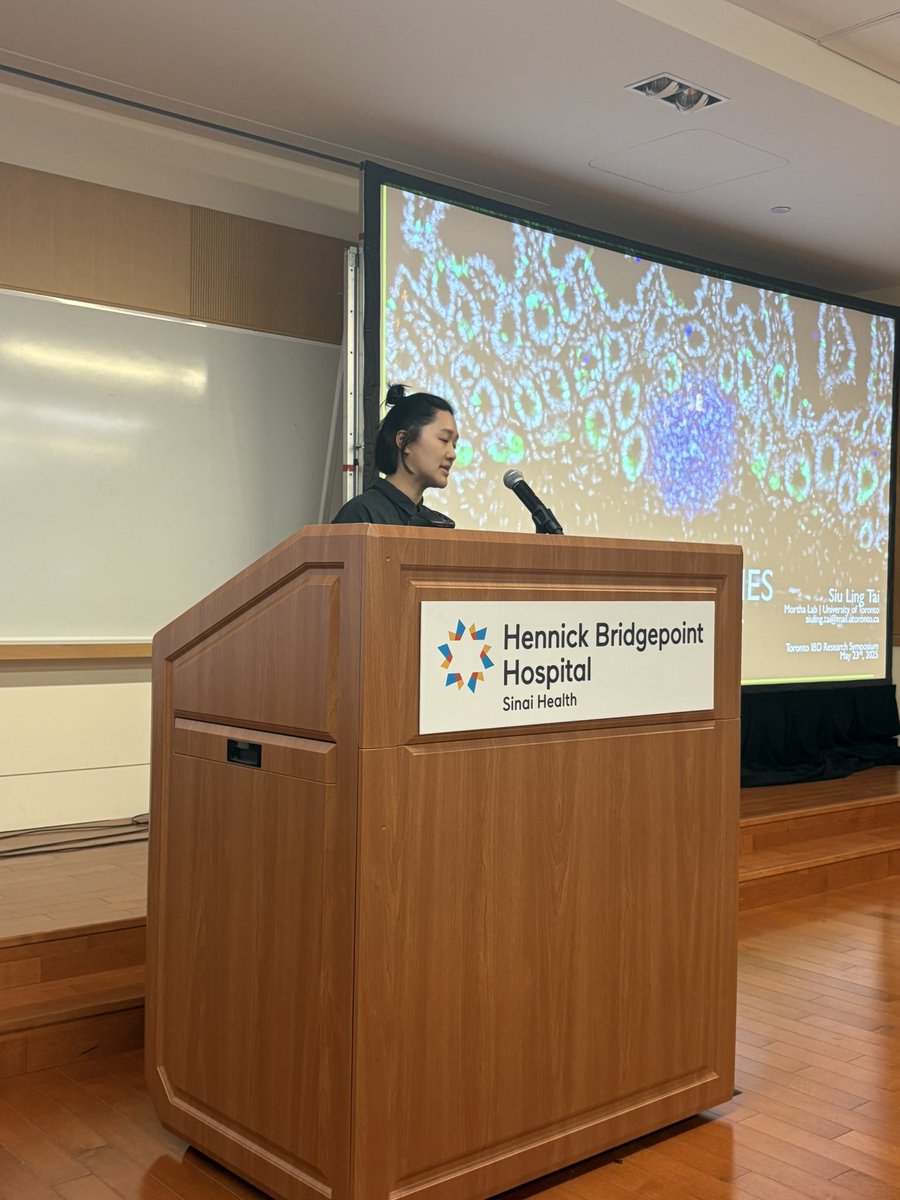
Siu Ling Tai from Dr.Mortha’s @nkg2d1 lab at @UofT discussing CSF2 autoantibodies as serological markers for CD!
@SunHoLee15
1
2
177

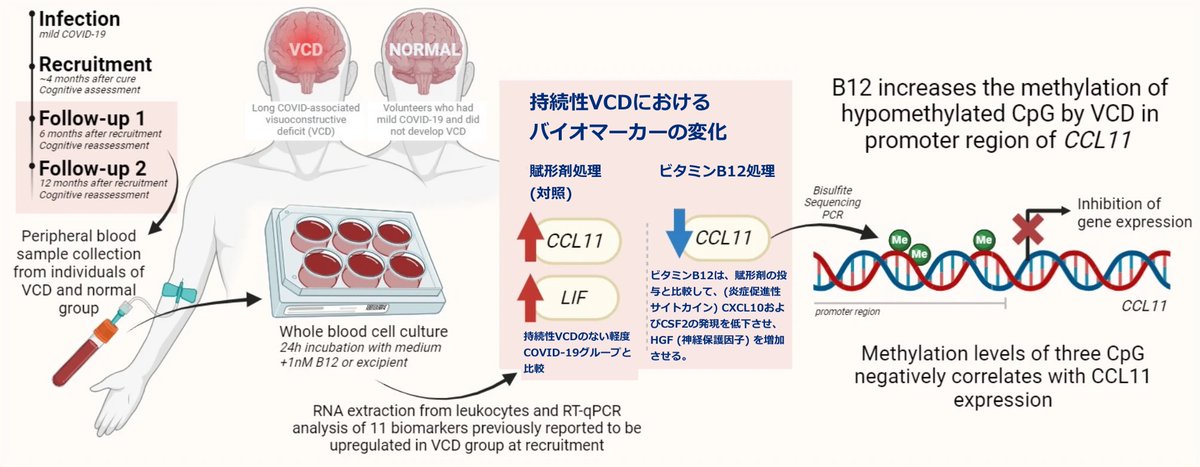
- 特筆すべきは、末梢全血培養をビタミンB12と共にインキュベートすると、持続性VCD患者の白血球において、CCL11のmRNAレベルが正常化、および神経保護因子HGFの増加と、CSF2およびCXCL10 mRNAレベルの減少が認められました。CSF2およびCXCL10は神経変性疾患に関連する炎症誘発性タンパク質をコードしており、本研究の同じコホートの患者においてCXCL10タンパク質レベルの上昇が持続性VCDと関連していることを強調しておくことが重要です。 ビタミンB12 は、メチル依存性エピジェネティック機構による遺伝子発現の調節の役割に加え、神経保護、抗酸化、抗炎症の特性があることが知られています。 過去の研究では、急性COVID-19ではビタミンB12が硫黄アミノ酸経路の流量を増加させ、中等度および重度のCOVID-19患者の白血球で重要な抗酸化物質であるグルタチオンの生成を促進することが実証されています。 さらに、ビタミンB12の毎日の補給は、COVID-19で入院した患者の臨床転帰を改善し、軽度の COVID-19から回復した患者のロングCOVID症状の緩和にも効果的でした。 総合すると、これらの知見は、軽度の急性COVID-19を経験してから長期間持続するVCD患者における神経炎症の軽減と神経保護の促進において、ビタミンB12が有益な効果を発揮する可能性を示唆しています。(以上はDiscussionからの抜粋)
5
17
10,303

28 Mar 2025
話題のCOVID-19にビタミンB12論文概要
n少な過ぎるし視空間認知改善してるわけじゃないよね…(;´∀`)
Cassiano LMG, et al. Vitamin B12 as an epidrug for regulating peripheral blood biomarkers in long COVID-associated visuoconstructive deficit. Sci Rep 15, 9438 (2025).
nature.com/articles/s41598-0…
☆Abstract(要旨)
軽度COVID-19回復後4か月経過時点で、約25%の人が視空間構成障害(Visuoconstructive Deficit, VCD)を呈し、これは免疫マーカー上昇と脳画像異常と相関していた。本研究では、長期VCDの患者と健常対照の末梢血培養モデルを用いて、炎症関連11遺伝子の発現と、ビタミンB12がその発現制御に及ぼす影響を解析した。B12添加により、CCL11の発現が正常化し、神経保護性のあるHGFは増加、炎症関連因子CSF2およびCXCL10は減少した。CCL11プロモーター領域の低メチル化と発現上昇の逆相関が確認され、B12によりメチル化率が上昇したことから、B12がエピジェネティックな薬剤(epidrug)として作用する可能性が示唆された。
□Background(背景)
ロングCOVIDに伴う認知障害は、炎症・免疫応答に起因する可能性があり、特に視空間構成機能(図形模写課題など)が障害されやすい。過去の研究では、VCD患者の脳白質量の減少や代謝低下が報告されており、炎症性ケモカインCCL11の関与が示唆されていた。
Methods(方法)
軽症COVID-19歴を持つ女性被験者12名(VCDあり7名・なし5名)を対象
末梢血を用いたin vitro培養(24時間、1nMビタミンB12添加)
RT-qPCRにて11種類の炎症性・成長因子関連mRNAを定量
BisulfiteシーケンシングPCRにより、CCL11プロモーター領域のCpGメチル化解析
□Results(結果)
持続性VCD群ではCCL11とLIFのmRNAが有意に高値
ビタミンB12添加により:
CCL11発現が正常化(P > 0.05)
CSF2(P = 0.0071)、CXCL10(P = 0.0205)が低下
HGFが上昇(P = 0.0081)
CpGサイト(CCL11プロモーター)の3箇所で低メチル化を確認し、うち2箇所はB12処理によりメチル化率が有意に上昇
CpGメチル化とCCL11発現に強い負の相関を示した(例:chr17:34283605)
□Discussion(考察)
CCL11は高齢化・神経変性疾患(アルツハイマー病、多発性硬化症)との関連があり、ロングCOVIDでも中枢神経炎症に寄与する可能性がある。B12はメチオニン合成を介してメチル供与体を増やし、DNAメチル化を促進することで炎症遺伝子発現を制御。本研究は、B12がVCDにおけるCCL11のエピジェネティック制御を通じた新たな治療選択肢となることを示唆する。
Novelty compared to previous studies(先行研究との新規性)
ロングCOVIDにおける視空間障害のエピジェネティック機序を初めて示唆
CCL11のメチル化異常と発現増加を患者末梢血からin vitroで直接証明
ビタミンB12の分子標的型“epidrug”としての機能を提唱
■Limitations(限界)
被験者は全員女性であり、サンプルサイズも小規模(n=12)
軽症COVIDかつオミクロン前の感染者に限定されており、現代の流行株への外挿は困難
in vitroモデルであり、in vivo効果(臨床改善)を確認するには追加研究が必要
☆Potential Applications(応用可能性)
CCL11メチル化率やmRNA量を用いたロングCOVID認知障害のバイオマーカー開発
ビタミンB12補充による安価・安全な神経保護戦略としての臨床応用
エピジェネティクスに基づいた個別化医療・栄養介入の可能性
1
2
287