
31 Dec 2025
Deceleration Training: Stop Relying on Small Muscles to Do Big Jobs. ⚾💪
Everyone talks about “rotator cuff strength” — and yes, it matters.
But cuff work alone won’t protect you at high velocity.
⸻
❌ Training ONLY the small muscles
(Supraspinatus, infraspinatus, teres minor…)
They help stabilize — but they cannot absorb the massive deceleration forces created by elite arm speed…
especially if the lats are weak or fatigued.
That’s when breakdowns happen.
⸻
✅ Train the BIG decelerator: The LATS
Your lats are the primary engine for decelerating the arm:
✔️ Control the arm through full range
✔️ Absorb force safely
✔️ Protect the cuff under high-speed throwing
If the lats shut down, the cuff is forced to do everything — and it won’t last long.
⸻
Where to start:
1️⃣ Pull-ups (goal standard)
2️⃣ If needed, start with lat pulldowns
3️⃣ Progress with controlled, strength-based pulling work
Build the lats → protect the cuff → throw harder, longer, healthier.
📌 Save this before your next lift
🔗 Train smarter at TopVelocity.com
#TopVelocity #DecelerationTraining #ArmCare #LatStrength #PitchingMechanics #ThrowHarder #BaseballTraining #HealthyPitching #VelocityTraining #TrainSmart
2
547

12 Nov 2025
Sometimes you have to go right to go left!
Training the brakes—your deceleration system—is one of the most overlooked ways to improve speed, power, and velocity.
Everyone loves the sprint work, the radar gun, the big outputs. But the athletes who win are the ones who can control force just as well as they create it.
At Lightning Performance Solutions, we train the tissues, joints, and neural patterns that keep you safe and often unlock more speed than you thought you had.
Better brakes = better gas
If you want to move faster, start by learning how to stop the right way.
#lightningperformancekc #athlete #velo #velocity #DecelerationTraining #SpeedTraining #VelocityTraining #ThrowingAthlete #OverheadAthlete #BaseballPerformance #MovementOptimization #SportsMedicine #SportsRehab #StrengthAndConditioning #Biomechanics #AthleteDevelopment #KansasCityAthletes #TrainSmartMoveBetter #baseball #softball #athletictraining #ballislife #injuryprevention #rehabilitation #sportsperformance #athletictrainer #growthmindset #coaching #physicaltherapy
2
10
109

14 Jul 2025
How important is deceleration training?
Crucial. You can't cut or explode if you can't stop.
#DecelerationTraining #AgilityDevelopment #AthleteBalance
3
161
24 Mar 2025
Tubing Alone Won’t Save Your Arm
Think resistance bands are enough to bulletproof your arm? Think again.
Studies show that deceleration forces during a high-velocity pitch can exceed 140% of your body weight—that’s your arm trying to get ripped out of its socket.
⸻
⚠️ Tubing ≠ Game-Ready Strength
•Tubing is great for activation and mobility…
•But it’s not enough to build the strength needed to handle elite-level decel forces.
⸻
✅ What Should You Aim For?
A real goal for any serious pitcher:
Be able to hold at least 50% of your body weight overhead with one arm.
•This builds true shoulder, scapular, and thoracic strength
•Prepares your body to withstand the violent deceleration of high-velocity throws
•Drastically reduces your risk of shoulder and elbow injuries
⸻
This kind of strength doesn’t happen overnight—but if you’re serious about staying healthy and throwing hard for the long run, it needs to be a top priority.
👉 Start building it the right way at TopVelocity.net
#TopVelocity #ArmCare #ThrowHarder #PitchingStrength #InjuryPrevention #OverheadStrength #DecelerationTraining #VelocityBoost #PitchingMechanics #BaseballPerformance
3
437
26 Dec 2024
Deceleration Training: Small Muscles vs. Big Muscles ⚾💪
When it comes to arm deceleration, rotator cuff strength alone isn’t enough. Here’s why:
❌ Small Muscles (Rotator Cuff Only):
•Strengthening the supraspinatus, infraspinatus, teres minor, and teres major is important, but…
•These small muscles can’t handle the massive deceleration forces of a high-velocity fastball if the lats are weak or fatigued.
✅ Big Muscles (Lats):
•The lats are the powerhouse for arm deceleration, providing full range of motion and strength.
•If the lats shut down from fatigue, the rotator cuff can’t survive the arm speeds required for elite pitching.
Start with pull-ups to develop lat strength, or if that’s too difficult, begin with lat pulldowns and lightweight exercises. Build up over time to protect your arm and throw harder, longer, and healthier.
🔗 Train smarter and keep your arm in top shape at TopVelocity.com
#TopVelocity #DecelerationTraining #ThrowGas #PitchingMechanics #ArmHealth #RotatorCuff #LatStrength #BaseballTraining #ElitePitcher #ThrowHard #BaseballDevelopment #TrainSmart
1
1,343

31 Jan 2024
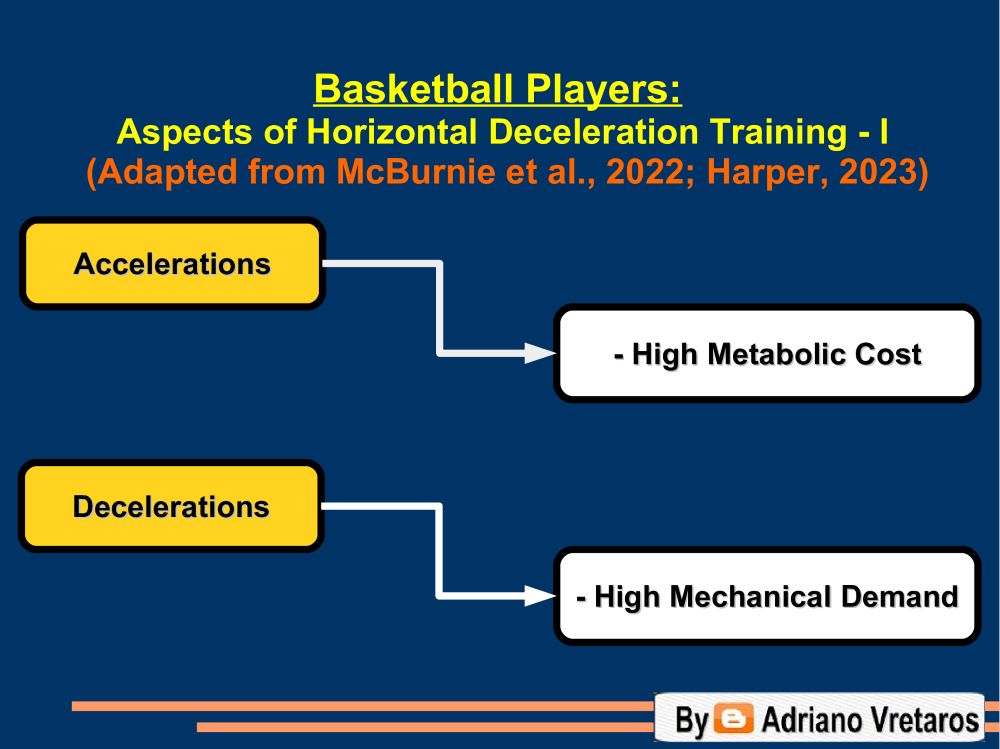
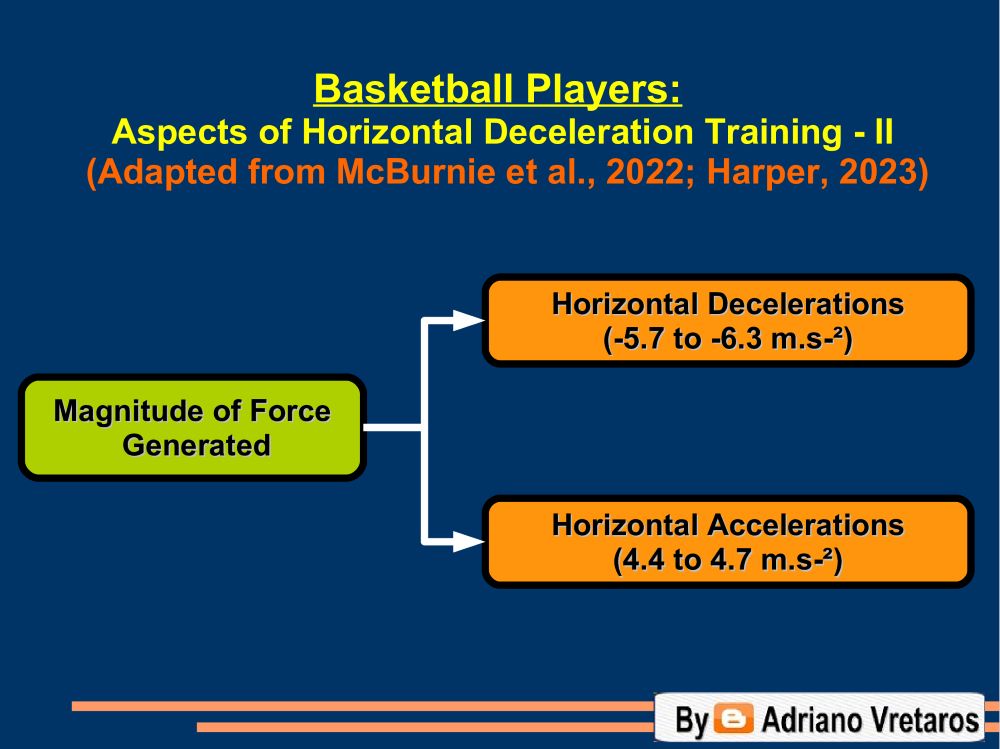
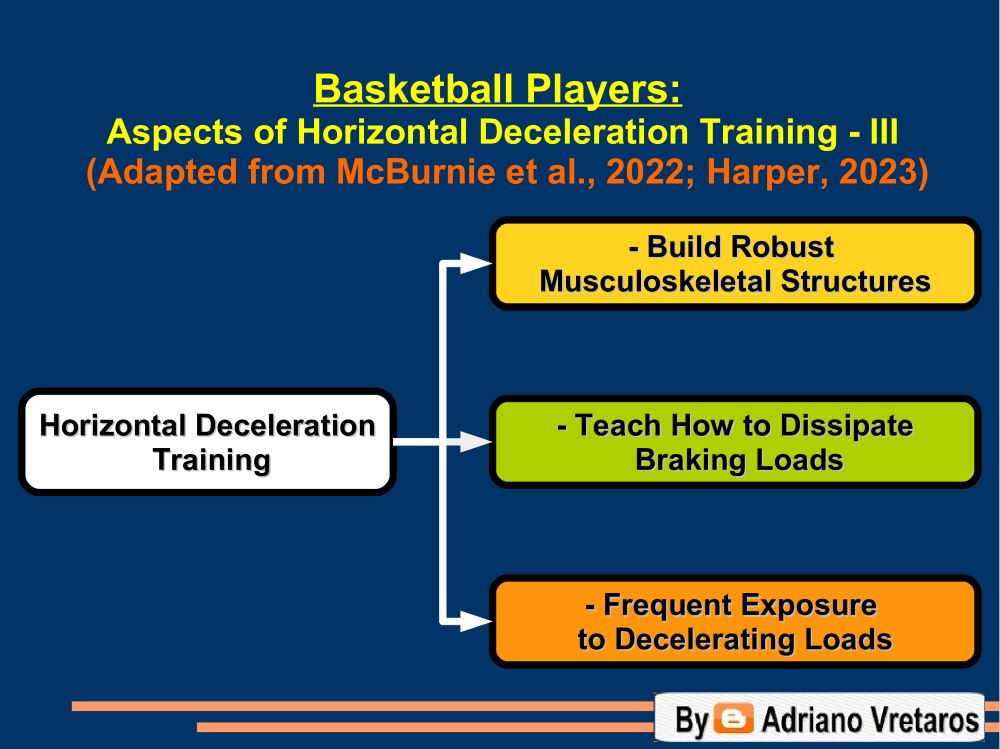
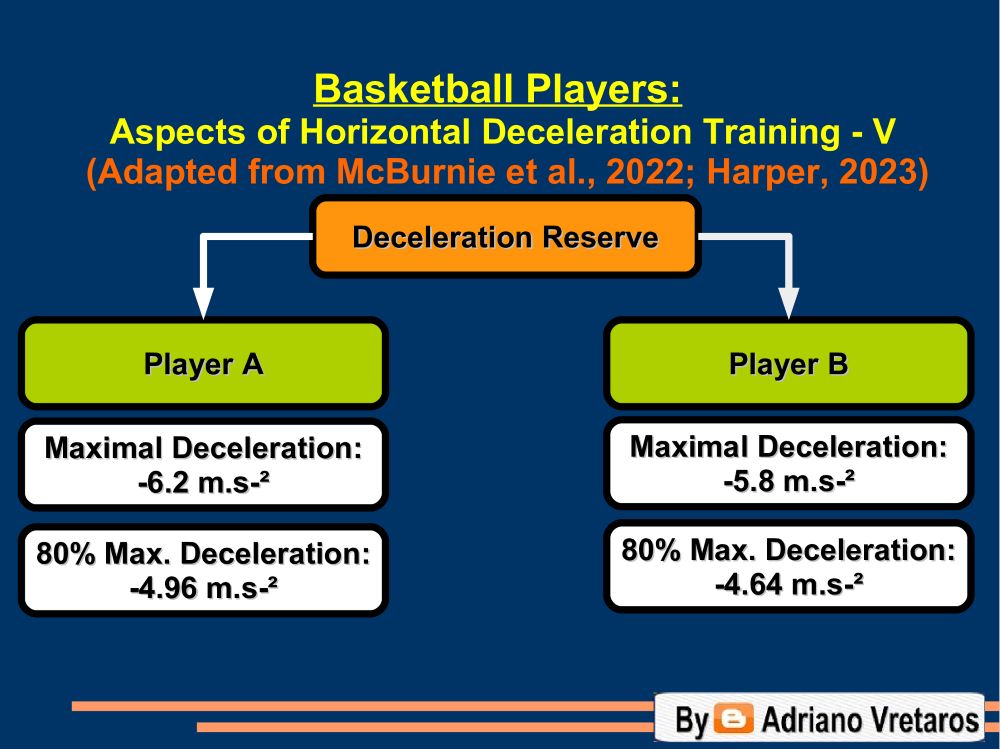
🏀 Basketball: Aspects of Horizontal Deceleration Training
#basketball #basketballconditioning #basketballperformance #strengthandconditioning #fitness #decelerationtraining #sportstraining #sportsscience #sportscience #sportsperformance #athleticperformance
61

28 Jan 2023
Football offszn!! 😤
.
.
.
.
#football #offseason #speedtraining #agilitytraining #highschoolsports #sports #strengthandconditioning #training #SAQTraining #footwork #decelerationtraining #sportsperformance #sportsperformancecoach
2
119

Linear drops are a precursor to deceleration drills. Learn to drop your hips, absorb forse and stop your body on a dime.
The placement of your plant leg will dictate how effectively you can decelerate your momentum.
#trueap #traintrue #deceleration #decelerationtraining
1
2

Must train vertical heel and t-step techniques! youtu.be/yGdJohDbWao via @YouTube #decelerationtraining #athleticadult #speedtraining #trainsmart #healthyadult #athleticspeed
2
8

Professional athlete @nbelcher12 training TRIPLE Resistance; Leg Speed Weights, Pull Sled, & in the Sand! #BEASTMODE #sportperformance #athleticdevelopment #plyometric #speedandagility #speedkills #speedtraining #decelerationtraining #lateralmovement #speedandpower #explosiveness
2

15 Mar 2019
Banded lunge pushback for deceleration. @zachurda still killing it. #speedstrength #decelerationtraining #athlete #ndcl #cleveland #performance #performancetraining #footballtraining facebook.com/SpeedStrengthSy…
1
2
youtu.be/HzJBiMqXgZw Episode #71 is about controlling the transverse plane during deceleration. This is the forgotten plane of deceleration yet the most important!
#decelerationtraining #speedinsiders #ambassadorofspeed

2
8
youtu.be/PhzyWnLJr2Y Episode #39 is ready to rock! Using the shuffle stop and off-set split step to help your speed camp athletes dominate movement. #speedcamps #deceleration #decelerationtraining #shufflestop #offsetsplitstep #speedinsiders
2
youtu.be/DrMYaigXiag Deceleration Part 2 is up in Episode #38. The front lunge stop and the reverse lunge stop with vertical heel and T-step techniques. Gotta use these in your speed camps!
#speedcamps #speedclinics #deceleration #decelerationtraining #speedinsiders
3

14 Oct 2018
@daemenwvb having some fun during our barefoot training warm-up! Here they’re working on a reaction based tennis ball drill that involves decelerating into a lunge position #dcsportsperformance #lunge #lunges #reaction #tennisball #decelerationtraining #deceleration #funtraining
1
1
6

7 Jul 2018
@manologcad
Saturdays are for power 💪🏽 Preparing @davidprieto28 ⚽️
#Versapulley #AbsorbLoadExplode #FlywheelTraining #EccentricOverload #DecelerationTraining #BreakingForces #InertialTraining #Unbreakable
2
2
29 May 2018
@victorsalassport
・・・
Core work!
#versapulley #absorbloadexplode #flywheeltraining #eccentricoverload #decelerationtraining #breakingforces #inertialtraining
1
3


23 Feb 2017
Installment 3 of #decelerationtraining for #baseball #pitchers. This #exercise is most appropriate for >15 year olds.
1
3
