
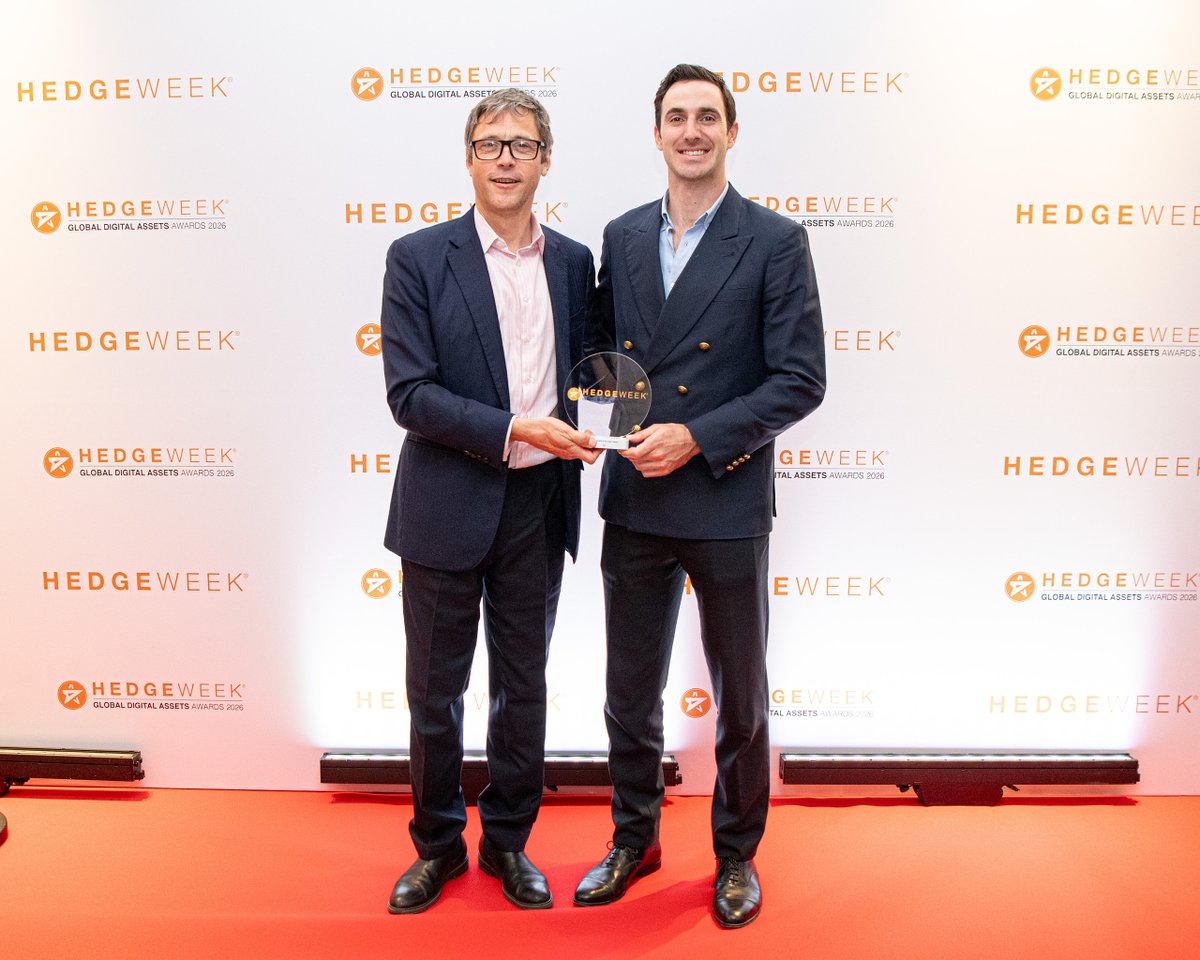
Last week at the @Hedgeweek Global Digital Assets Awards 2026, LTP was honored to receive the "Prime Broker of the Year: Global" award.
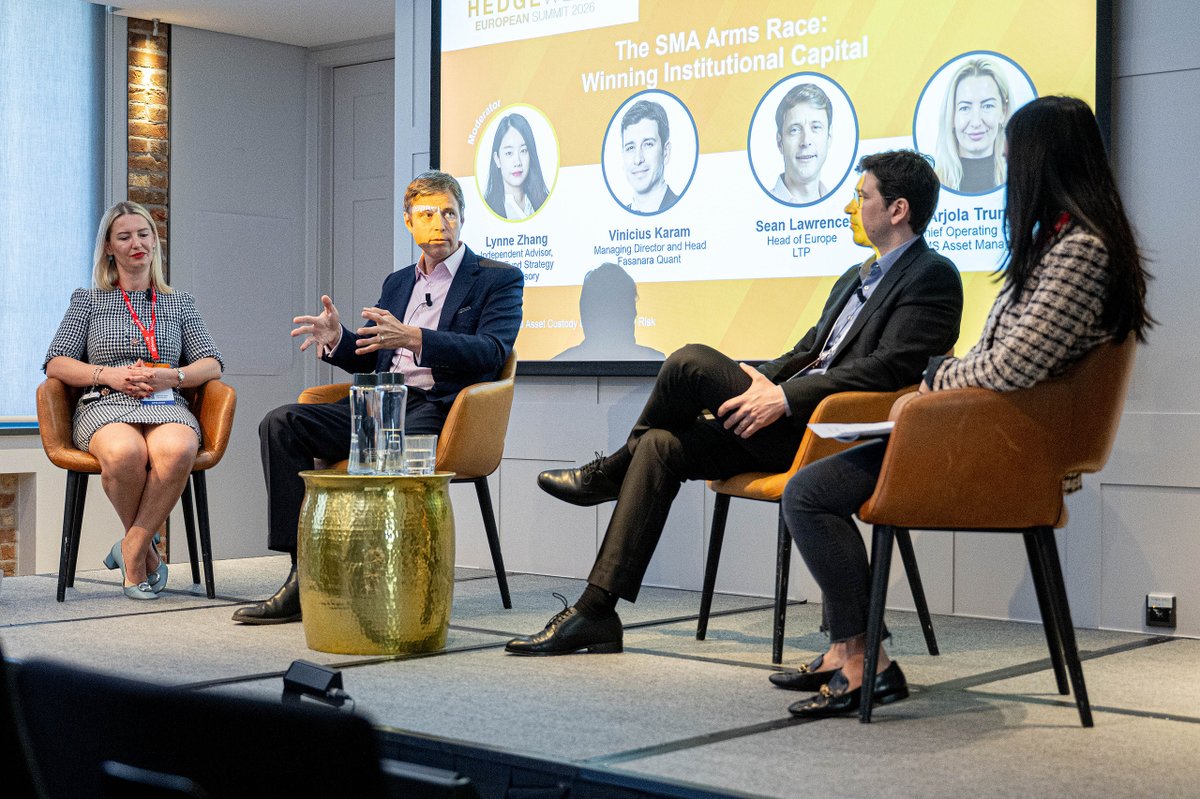
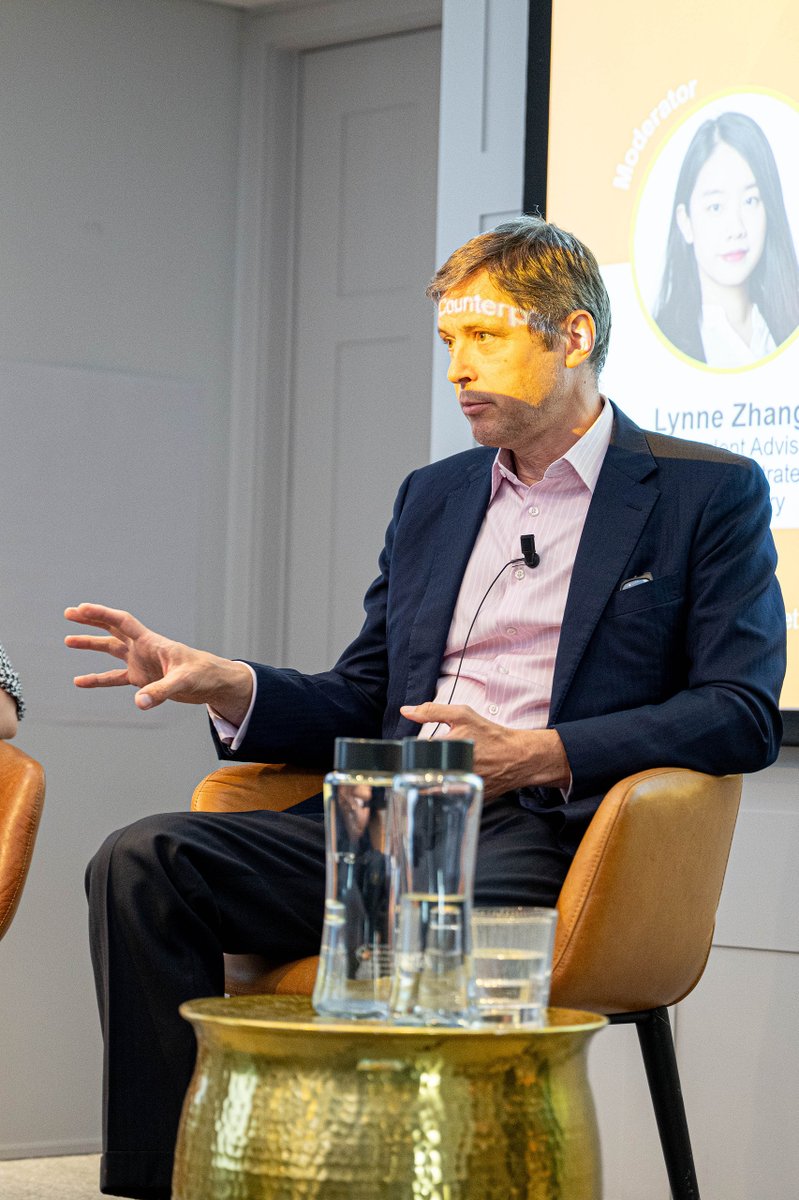
Sean Lawrence, our Head of Europe, joined the panel “The SMA Arms Race: Winning Institutional Capital”.
💡Highlights:
🔸Greater demand for transparency and asset control
🔸Customized liquidity and risk management requirements
🔸The operational challenges of scaling institutional mandates
🔸The growing convergence between traditional finance and digital asset infrastructure
Thank you to Hedgeweek for bringing together some of the industry's leading voices and creating a platform for meaningful discussion.
#LTP #Hedgeweek #PrimeBrokerage #DigitalAssets #InstitutionalInvestors #AssetManagement #SMA #DigitalAssetInfrastructure
63
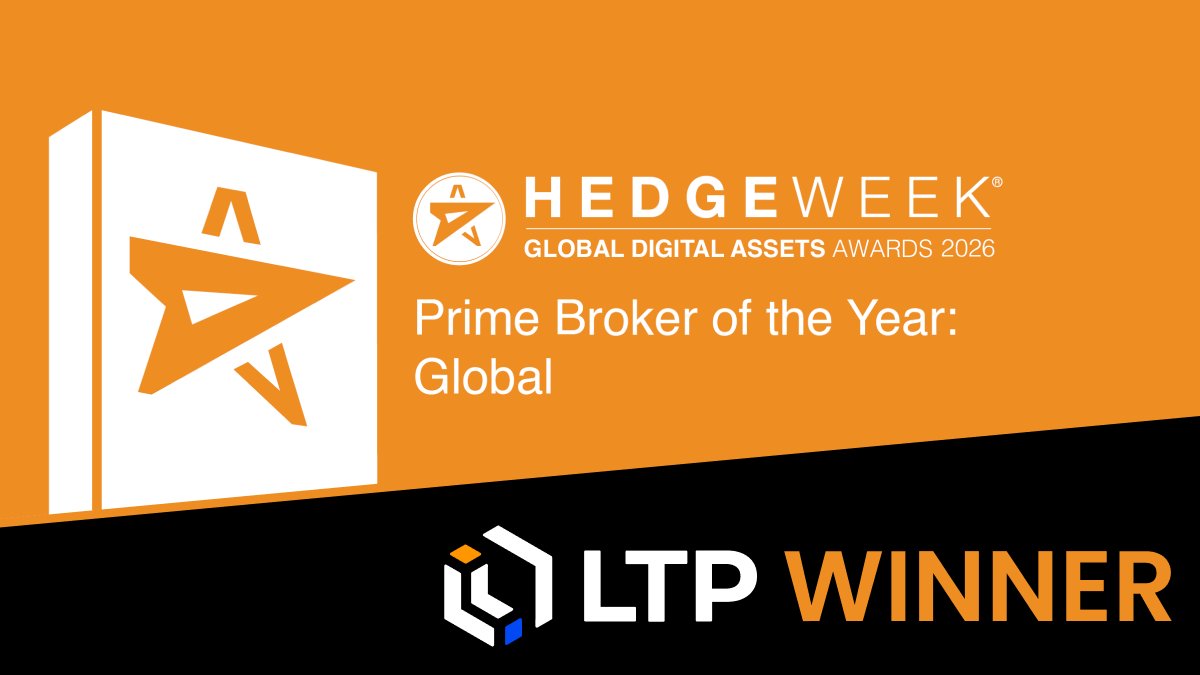
🏆 LTP has been named "Prime Broker of the Year: Global" at the 2026 @Hedgeweek Global Digital Assets Awards.
A huge thank you to our clients, partners, and team for your trust and support.
We're committed to building the institutional infrastructure that powers the future of digital assets.
#LTP #PrimeBrokerage #DigitalAssets #InstitutionalInvestors #CryptoMarkets #Award #DigitalAssetInfrastructure
1
89

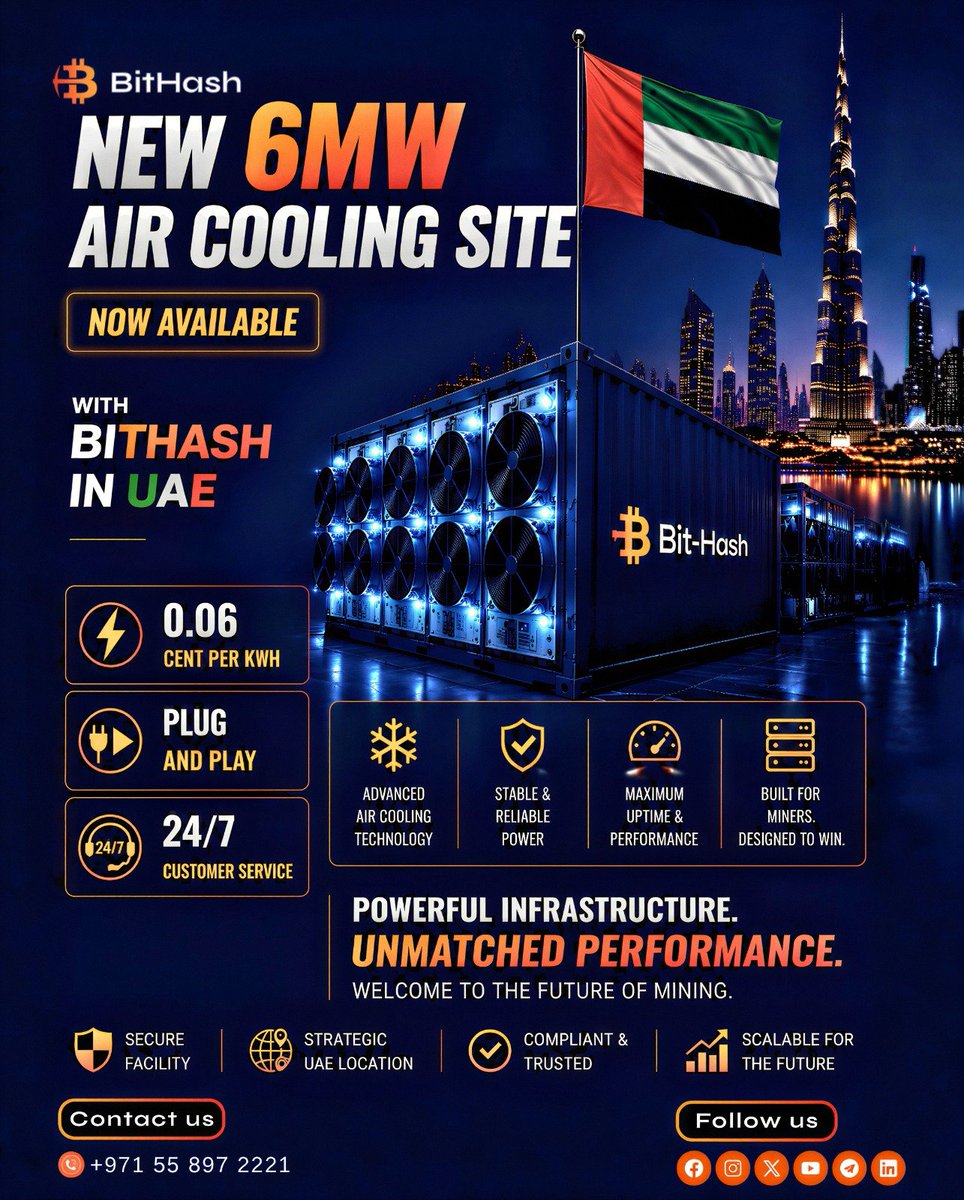
🇦🇪⚡ NEW 6MW AIR-COOLED BITCOIN MINING FACILITY NOW LIVE IN THE UAE ⚡🇦🇪
For institutional investors, family offices, mining funds, digital asset companies, and high-net-worth individuals seeking long-term exposure to Bitcoin infrastructure, the next phase of industrial-scale mining has arrived.
🚀 6MW Available Now
⚡ $0.06/kWh Power Rate
🏗️ Plug & Play Deployment
🔒 Enterprise-Grade Infrastructure
📡 24/7 Network Operations & Technical Support
🇦🇪 Strategic UAE Location
📈 Scalable Multi-MW Expansion Capacity
🛡️ Secure, Reliable & Performance Optimized
In Bitcoin mining, access to reliable infrastructure is often more valuable than access to hardware.
The difference between profitability and underperformance comes down to:
✔️ Power Cost
✔️ Infrastructure Quality
✔️ Operational Uptime
✔️ Deployment Speed
✔️ Long-Term Stability
At BitHash, we have built an institutional-grade hosting environment designed to meet the requirements of family offices, professional investors, mining companies, and digital asset funds looking to scale with confidence.
💡 Real Infrastructure.
💡 Real Capacity.
💡 Real Performance.
As global competition for energy-efficient mining infrastructure intensifies, premium hosting capacity continues to become increasingly scarce.
⚠️ Limited Capacity Available
⚠️ MW Allocations Reserved on a First-Come Basis
Secure your infrastructure before the next wave of institutional adoption arrives.
🌐 bithash.ae
📧 info@bithash.ae
📞 971 58 5722 898
#BitHash #BitcoinMining #BitcoinInfrastructure #DigitalAssets #CryptoMining #InstitutionalInvestors #FamilyOffice #Bitcoin #BlockchainInfrastructure #ASICMining #MiningHosting #DataCenter #BTCMining #BitcoinInvestment #UAE #Dubai #RAKDAO #MiningFarm #MiningFacility #DigitalAssetInfrastructure #AlternativeInvestments #InstitutionalCapital #BitcoinTreasury #CryptoInfrastructure #EnergyInfrastructure
3
6
180

May 30
Why is the UAE the definitive global anchor for digital asset infrastructure?
The foundation is poured. The infrastructure is mature. The future is being built right here.
#DaosDigitalAssetsWeek #DaosHub #DigitalAssetInfrastructure #DubaiFinance
3
70

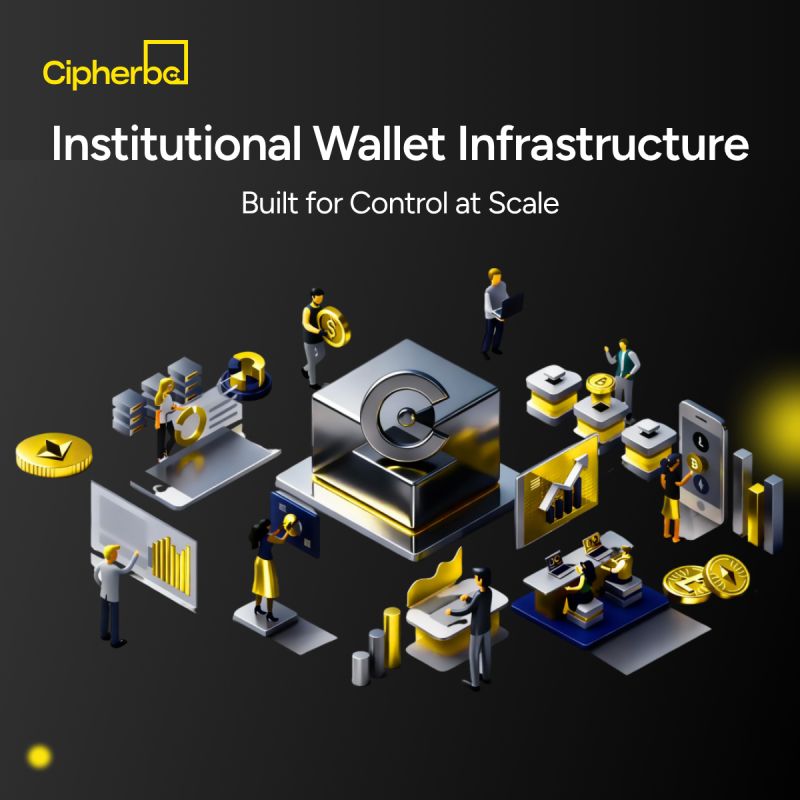
As digital assets move deeper into bank, fintech, payment, and enterprise workflows, the wallet is becoming more than a place to hold assets.
It is where governance is enforced, risk is checked, approvals are recorded, and execution becomes accountable.
That is the layer CipherBC is building for.
CipherBC brings MPC wallet architecture, multi-layer asset management, approval control, risk policies, and audit trails into one operating environment.
Teams can support high-frequency operations, structured treasury flows, and offline cold signing without treating security as a separate process.
For institutions, safe storage is the baseline.
Can every transaction be properly approved, tracked, and accounted for from start to finish?
That is what control at scale looks like.
#InstitutionalCrypto #DigitalAssetInfrastructure #MPCWallet #CryptoCustody #WalletSecurity
21
16
19
5,249
Institutional adoption does not happen through technology alone.
It takes people who understand how to build trust across markets, partnerships, and business models, especially in an industry where every conversation touches security, compliance, and long-term operational control.
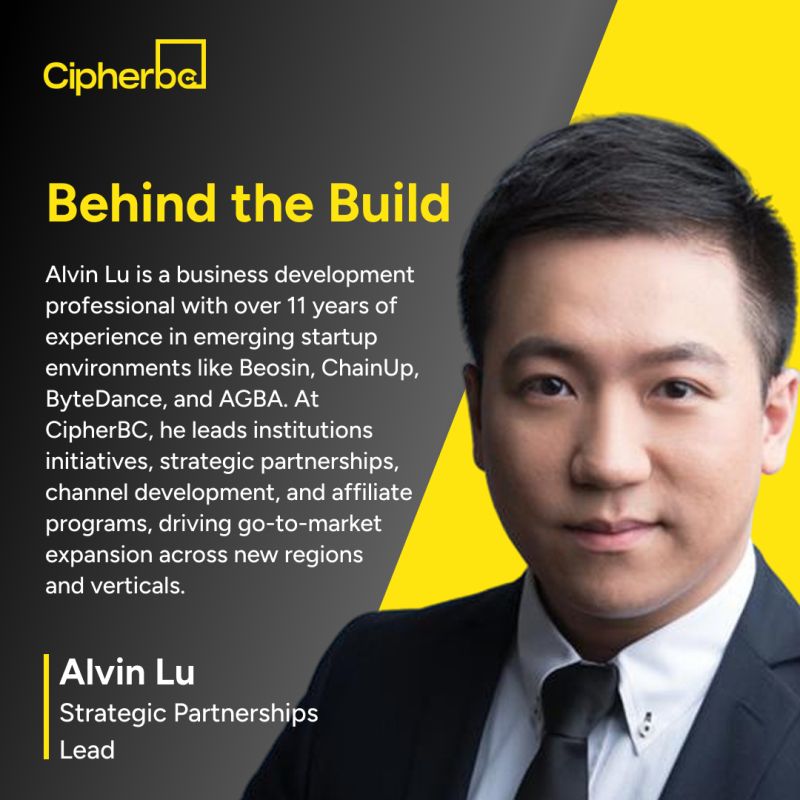
This week’s 𝗕𝗲𝗵𝗶𝗻𝗱 𝘁𝗵𝗲 𝗕𝘂𝗶𝗹𝗱 features Alvin Lu (Lap On L.), Strategic Partnerships Lead at CipherBC.
With over 11 years of experience across high-growth technology companies, including @Beosin_com , @ChainUpOfficial , @BytedanceTalk , and #AGBA , Alvin @l_lapon brings a strong background in business development, market expansion, and strategic growth.
At CipherBC, he leads institutional initiatives, strategic partnerships, channel development, and affiliate programs as the company expands across new regions and verticals.
His work sits at the intersection of product, market needs, and institutional trust, helping ensure CipherBC’s infrastructure reaches the organizations that need secure and scalable digital asset operations.
#CipherBC #BehindTheBuild #StrategicPartnerships #DigitalAssetInfrastructure #MPCWallet
20
1
43
5,271
Most infrastructure gets its first real test during an actual incident.
By that point, the architecture is fixed, the policies are set, and whatever gaps exist are about to become very expensive.
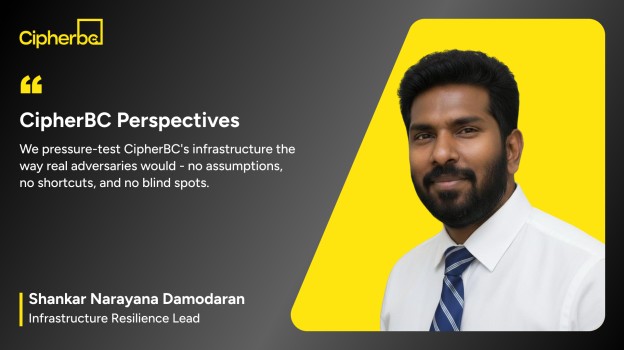
This week’s CipherBC Perspectives features Shankar Narayana Damodaran, our Infrastructure Resilience Lead.
Infrastructure resilience is proven under pressure, and for Shankar, that pressure has to look as close to the real world as possible.
With 18 years in cybersecurity, OSCP training, and security recognition from organizations including @NASA , @Dell Technologies, @netflix , and @DeutscheBank, Shankar focuses on the security work most users never see:
➡️ Hardening systems before they are exposed to production risk
➡️ Testing assumptions before attackers do
➡️ Making sure operational controls can hold up when conditions are messy
At CipherBC, that means subjecting our own infrastructure to the kind of pressure a motivated attacker would apply: systematically, repeatedly, and without giving the architecture the benefit of the doubt.
That work shapes how CipherBC’s infrastructure is tested, monitored, and strengthened across every layer that supports institutional digital asset operations.
#DigitalAssetInfrastructure #Cybersecurity #InstitutionalCrypto #CryptoCustody #MPCWallets
20
1
50
5,266
Institutional buyers do not adopt custody infrastructure on claims alone.
They move when the product is explained in a way that their compliance team, risk committee, and board can actually assess.
That means understanding how it fits their governance model, how it affects day-to-day operations, and whether it will still make sense as the business scales.
That challenge runs through institutional crypto. The technical side matters, but so does translation. If the people evaluating the decision cannot clearly understand the infrastructure, adoption usually stalls.
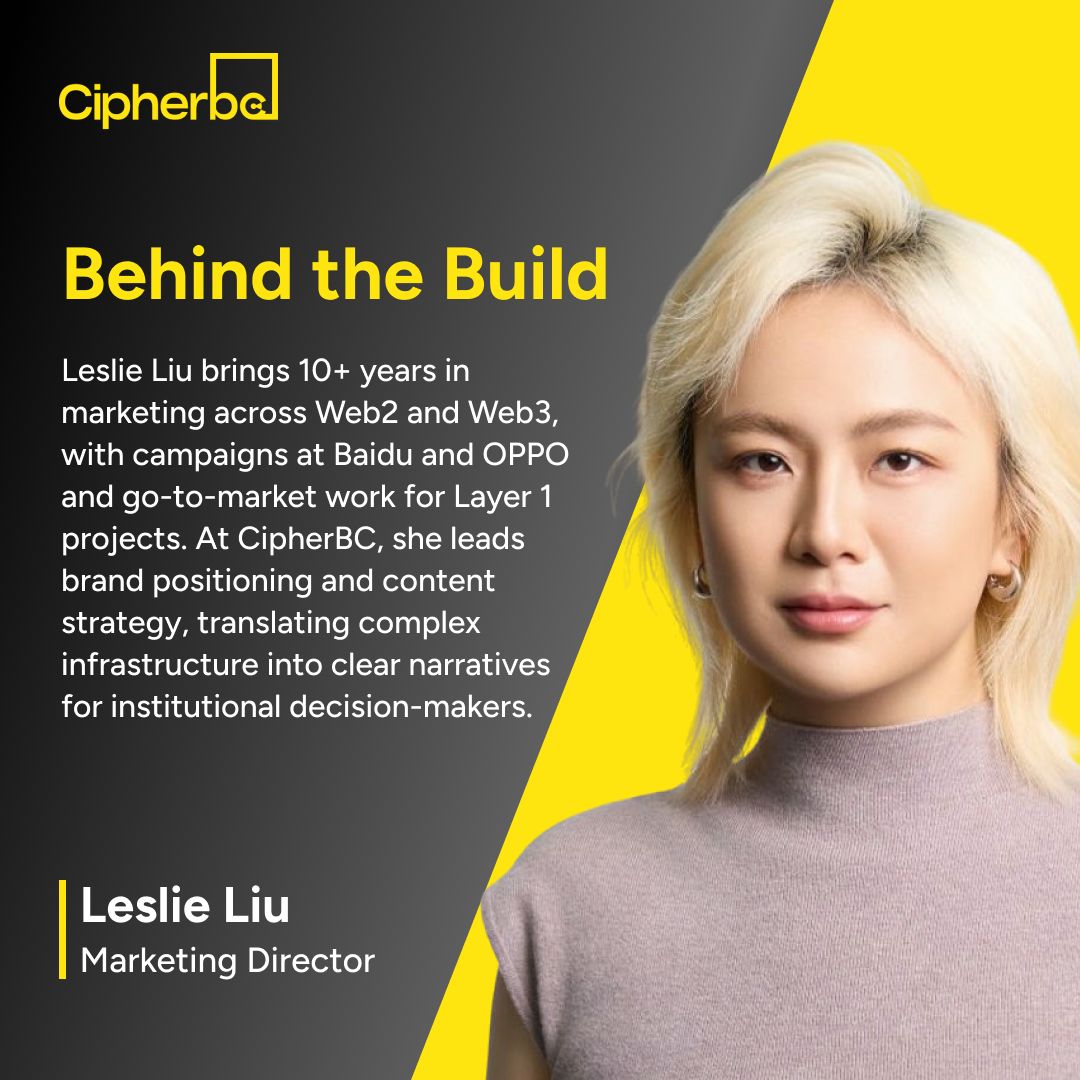
𝗧𝗵𝗶𝘀 𝘄𝗲𝗲𝗸, 𝗼𝘂𝗿 𝗕𝗲𝗵𝗶𝗻𝗱 𝘁𝗵𝗲 𝗕𝘂𝗶𝗹𝗱 𝘀𝗲𝗿𝗶𝗲𝘀 𝗳𝗲𝗮𝘁𝘂𝗿𝗲𝘀 Leslie Liu, 𝗖𝗶𝗽𝗵𝗲𝗿𝗕𝗖’𝘀 𝗠𝗮𝗿𝗸𝗲𝘁𝗶𝗻𝗴 𝗗𝗶𝗿𝗲𝗰𝘁𝗼𝗿.
Leslie brings more than a decade of marketing experience across Web2 and Web3, including large-scale campaign work at Baidu, Inc. and @oppo , as well as go-to-market work across Layer 1 ecosystems and emerging exchanges.
At CipherBC, she focuses on turning complex custody infrastructure into language that compliance teams, risk leaders, and executive stakeholders can evaluate with confidence.
𝗜𝗻 𝗮 𝗺𝗮𝗿𝗸𝗲𝘁 𝗰𝗿𝗼𝘄𝗱𝗲𝗱 𝘄𝗶𝘁𝗵 𝗷𝗮𝗿𝗴𝗼𝗻, 𝗰𝗹𝗮𝗿𝗶𝘁𝘆 𝗶𝘀 𝗽𝗮𝗿𝘁 𝗼𝗳 𝘁𝗵𝗲 𝘄𝗼𝗿𝗸. 𝗜𝘁 𝗵𝗲𝗹𝗽𝘀 𝘀𝗲𝗿𝗶𝗼𝘂𝘀 𝗶𝗻𝘀𝘁𝗶𝘁𝘂𝘁𝗶𝗼𝗻𝘀 𝘂𝗻𝗱𝗲𝗿𝘀𝘁𝗮𝗻𝗱 𝘄𝗵𝗮𝘁 𝘁𝗵𝗲𝘆 𝗮𝗿𝗲 𝗮𝗱𝗼𝗽𝘁𝗶𝗻𝗴, 𝘄𝗵𝘆 𝗶𝘁 𝗺𝗮𝘁𝘁𝗲𝗿𝘀, 𝗮𝗻𝗱 𝗵𝗼𝘄 𝗶𝘁 𝗳𝗶𝘁𝘀 𝗶𝗻𝘁𝗼 𝘁𝗵𝗲 𝘄𝗮𝘆 𝘁𝗵𝗲𝘆 𝗼𝗽𝗲𝗿𝗮𝘁𝗲.
#InstitutionalCrypto #DigitalAssetInfrastructure #CryptoCustody #Web3Marketing #CBCBehindtheBuild
20
2
48
5,241
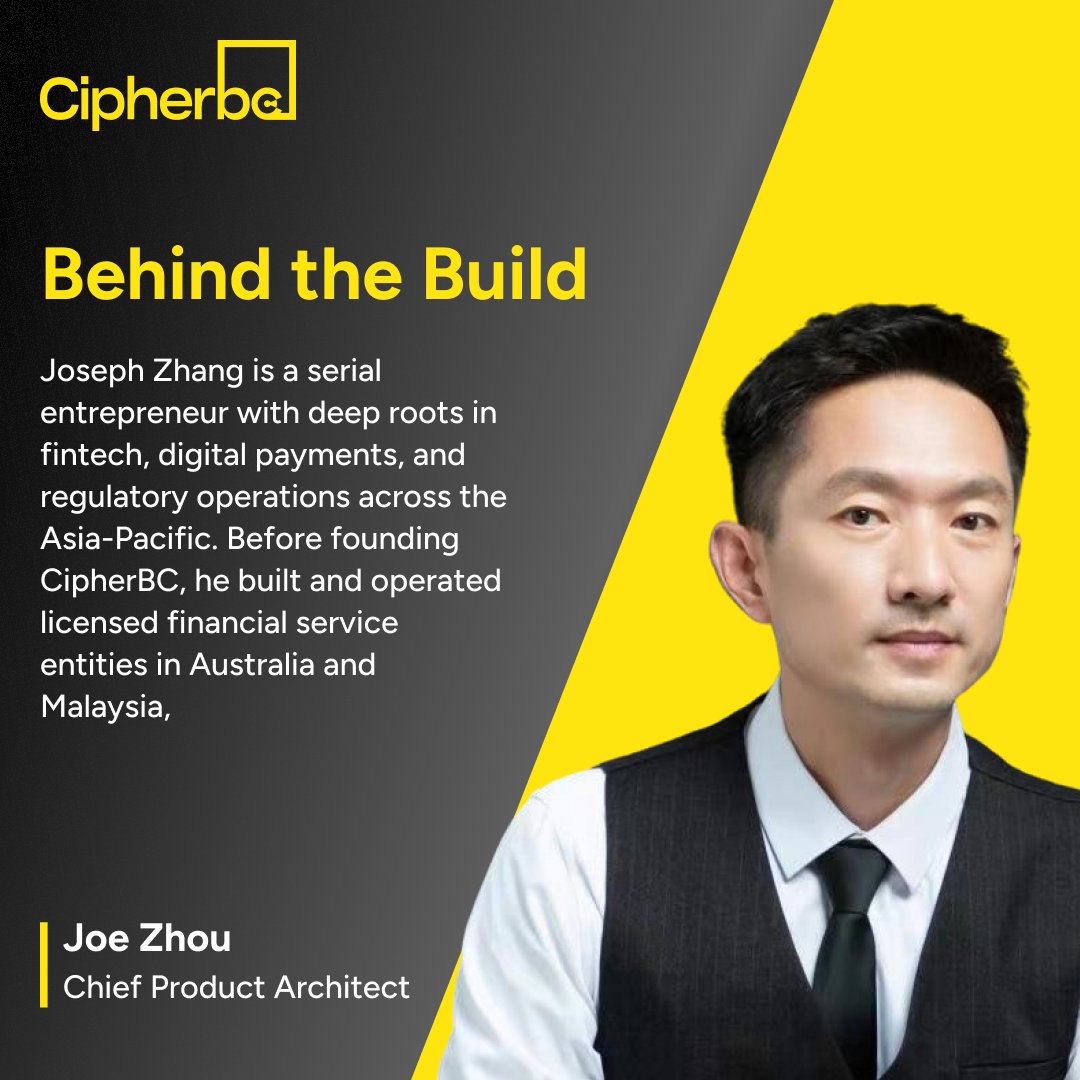
𝗕𝗲𝗵𝗶𝗻𝗱 𝘁𝗵𝗲 𝗕𝘂𝗶𝗹𝗱 showcases the experience and expertise behind CipherBC's leadership team.
Kicking off the series is CipherBC's Chief Product Architect, Bing Zhou / Joe Zhou.
Joe @binguohz brings over eight years of experience across centralized exchanges, DeFi, and enterprise infrastructure, with senior roles at @AlibabaGroup, @thomsonreuters , @Microsoft , @nokia , and @Philips .
He has founded two Web3 startups, served as VP and CTO of a Hong Kong-based crypto exchange, and currently chairs the IEEE Standards Association | IEEE SA P3210 Working Group on blockchain-based digital identity standards.
At CipherBC, Joe shapes the product roadmap and technical foundation of CipherBC's digital asset custody infrastructure.
That work feeds directly into the company’s adoption matrix, a framework that maps three paths for institutions to integrate custody infrastructure based on the level of control and customization they need.
👇Check his thinking into CipherBC’s product architecture, helping shape infrastructure built for institutional demands below.
#InstitutionalCrypto #DigitalAssetInfrastructure #CryptoCustody #Web3 #CBCBehindtheBuild

20
67
5,408

Apr 9
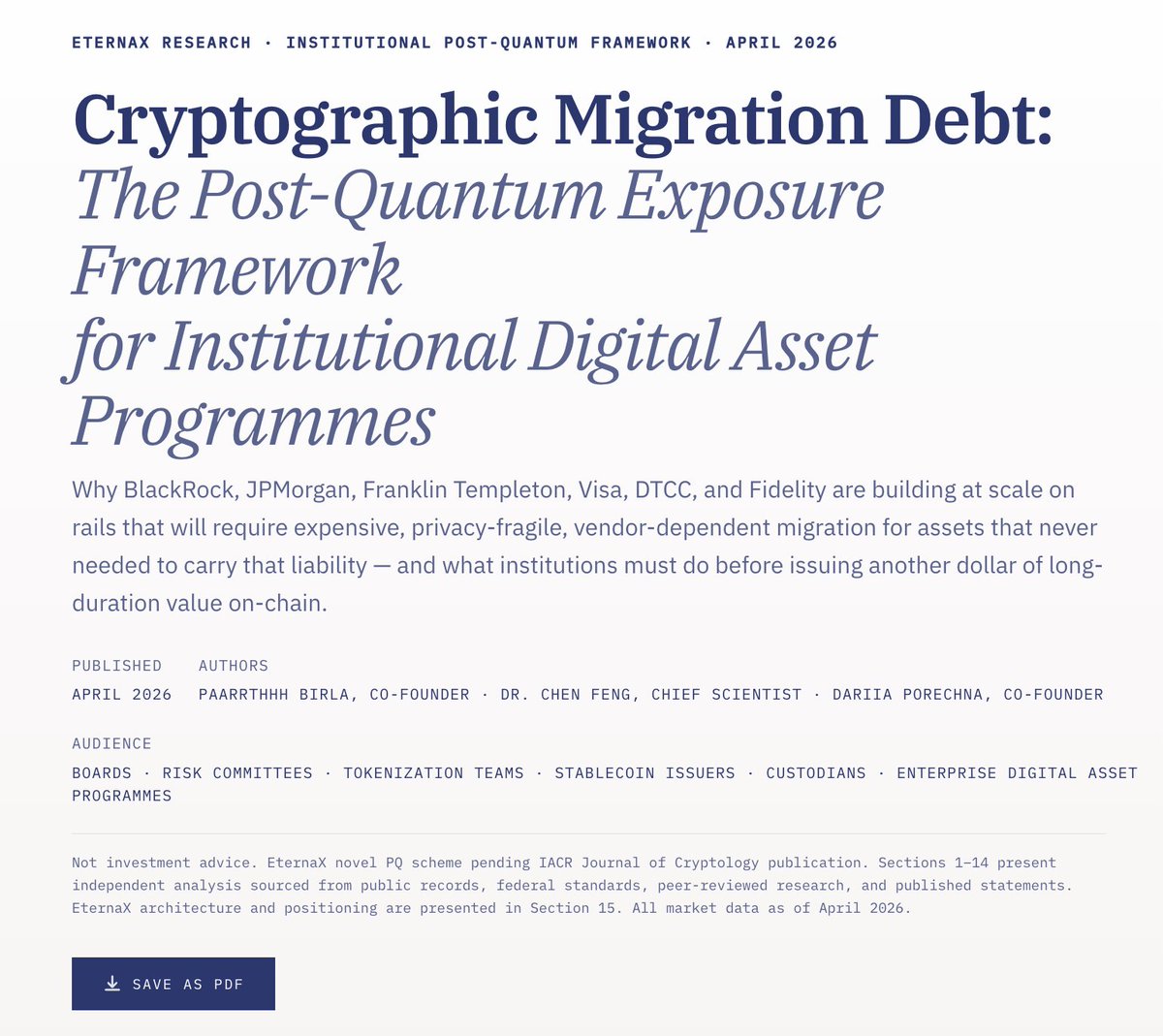
Institutional crypto is still underwriting a risk most boards have not fully priced in:
Cryptographic migration debt.
If you are issuing #stablecoins, #tokenized RWAs, digital cash products, or building institutional digital asset infrastructure, this report is worth reading before the next strategy meeting.
The core issue is not just wallet theft.
It is this:
You are putting long-duration value on rails that may require expensive, privacy-fragile, vendor-dependent migration later, even when those assets never needed to inherit that liability in the first place.
This @EternaXLabs report is one of the clearest frameworks on:
• #postquantum cryptography risk for institutional digital asset programmes
• post-quantum risk to stablecoins
• post-quantum risk to tokenized RWAs
• control-plane vulnerability in crypto
• cryptographic migration debt
• harvest now decrypt later risk
• blockchain privacy durability
• PQ-native issuance decision-making
The framing is important.
The institutional risk surface is not only the wallet. It is the control plane:
admin keys, mint / burn / freeze authority, bridge attestations, custody policy engines, oracle signers, settlement controls, and issuance infrastructure.
That is where institutional exposure concentrates.
A few reasons this report deserves attention:
• it frames post-quantum risk as an institutional market infrastructure problem, not just a retail wallet-security problem
• it focuses on stablecoins, custody, tokenization, exchanges, settlement, and enterprise digital asset programmes
• it asks the right question: not “when does Q-Day arrive?” but “why are we still issuing long-duration value onto rails that create avoidable future liability?”
• it gives boards, CROs, tokenization teams, custodians, issuers, and digital asset leaders a language for action now
This should be read by:
• Boards
• Risk Committees
• Tokenization Teams
• Stablecoin Issuers
• Custodians
• Exchanges
• Prime brokers
• Digital asset banks
• Payment firms
• Enterprise digital asset programmes
If your institution touches stablecoins, tokenized treasuries, digital asset custody, settlement, bridges, or on-chain issuance, read this.
EternaX Labs is building #postquantum-native market infrastructure designed for issuance, settlement, and auditable privacy from day one. That is exactly why this report matters.
The rail decision made now can determine whether institutions inherit future migration debt later. The cheapest point to address post-quantum exposure is before new issuance.
Not after scale.
Not after fragmentation.
Not after migration becomes mandatory.
Read the report here: Link in the first comment
#PostQuantumCryptography #PostQuantumSecurity #InstitutionalCrypto #DigitalAssets #Stablecoins #Tokenization #RWA #Custody #BlockchainSecurity #DigitalAssetInfrastructure #TreasuryManagement #QuantumRisk @FutureDies @paarrthhbirla
@FranklinTempleton @Fidelity @PaxosGlobal @Anchorage @ICE @NYSE @DTCC @Tether @Securitize @centrifuge @WisdomTree @BlackRock @BNPParibas @DRW @BitGo @CMEGroup @Nasdaq @Cboe @Swift @WellsFargo @JPMorgan @MorganStanley @RobinhoodApp
1
1
3
147
The systems that power institutional finance were built with one assumption: there's a person on the other side of every operation.
That assumption held for decades, but in a time when autonomous agents initiate trades, smart contracts settle obligations without human review, and protocols execute governance decisions on their own, it's losing ground.
A large share of the custody stack that institutions rely on was built for slower workflows, clearer lines of accountability, and decision cycles shaped by people.
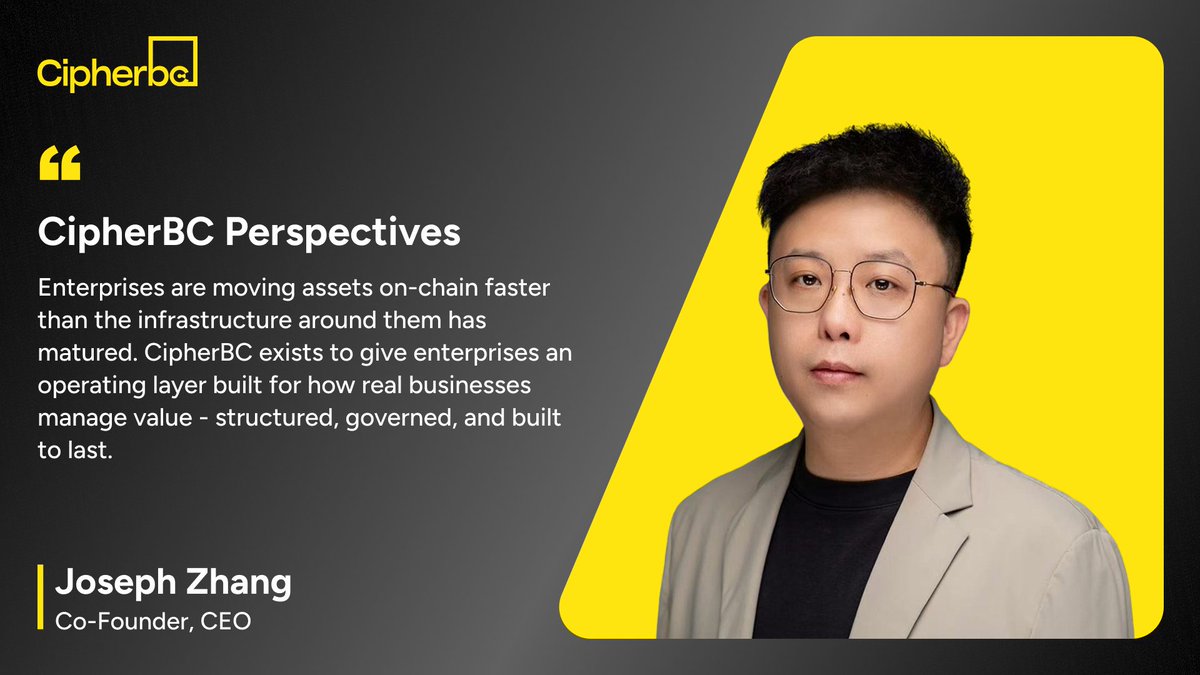
CipherBC Perspectives launches with Co-Founder and CEO Joseph Zhang, who asks the question the industry hasn't fully confronted:
𝗛𝗼𝘄 𝘀𝗵𝗼𝘂𝗹𝗱 𝗰𝘂𝘀𝘁𝗼𝗱𝘆 𝗶𝗻𝗳𝗿𝗮𝘀𝘁𝗿𝘂𝗰𝘁𝘂𝗿𝗲 𝘄𝗼𝗿𝗸 𝘄𝗵𝗲𝗻 𝘀𝗼𝗳𝘁𝘄𝗮𝗿𝗲 𝘀𝗶𝘁𝘀 𝗼𝗻 𝘁𝗵𝗲 𝗼𝘁𝗵𝗲𝗿 𝘀𝗶𝗱𝗲 𝗼𝗳 𝗮𝗻 𝗼𝗽𝗲𝗿𝗮𝘁𝗶𝗼𝗻?
Infrastructure that only trusts humans won't survive a market that doesn't wait for them.
CipherBC is building with that reality already priced in - custody infrastructure where approval flows, signing logic, and risk controls work the same regardless of what's on the other side of the operation.
#DigitalAssetInfrastructure #InstitutionalCrypto #AIAgents #DigitalFinance #CipherBCPerspectives
#DigitalAssetInfrastructure #InstitutionalCrypto #AIAgents #DigitalFinance #CipherBCPerspectives
20
1
33
5,366

Energy Credit (ENE) is an ERC-20 token on Ethereum designed as part of a broader digital asset infrastructure.
Explore the on-chain presence.
Comment “STRUCTURE” if you analyze tokens beyond price.
#EnergyCredit #ENE #EthereumERC20 #Web3Ecosystem #DigitalAssetInfrastructure
7
9
79
🇦🇪 The UAE is positioning itself as a strategic hub for institutional Bitcoin mining ⛏️
As regulatory clarity strengthens, capital allocators mature, and hydro-cooling infrastructure scales, the mining landscape is evolving from speculative participation to structured, infrastructure-backed deployment.
Mining is no longer opportunistic.
It is becoming regulated, capital efficient, and institutionally aligned.
At BitHash, we see 2026 as a defining inflection point:
⚙️ Infrastructure-first strategy
💧 Hydro-cooled efficiency models
🏗️ Long-term capacity allocation
📊 Institutional capital integration
🛡️ Governance and compliance alignment
Prepared operators benefit when cycles turn. Infrastructure defines outcomes. Capital rewards discipline.
The next phase of Bitcoin mining in the UAE will favor those positioned early with secured power, optimized performance, and institutional-grade structuring.
🔍 Read the full strategic breakdown:
👉 bithash.ae/blog/why-uae-bitc…
🌐 bithash.ae
📞 971 55 897 2221 | 971 58 572 2898
📧 info@bithash.ae
#BitHash #UAEBitcoinMining #InstitutionalMining #DigitalAssetInfrastructure #HydroMining #ASICHosting #GCCInfrastructure #Bitcoin2026

2
50
A simple inner misconduct can trigger massive unintended asset transfers and immediately send markets into panic.
This is a wake-up call for the industry:
the biggest risks are no longer just hackers, but weak internal controls and human error.
#CipherBC is built around risk governance first:
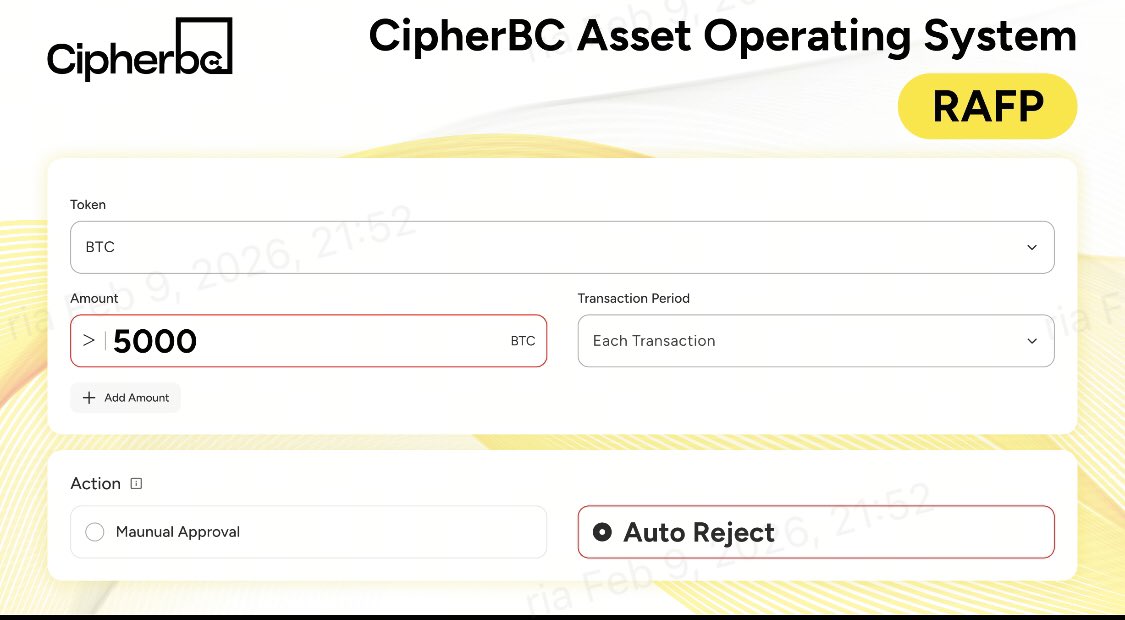
✅ Flexible approval thresholds by transaction amount
✅ Multi-level approval workflows before assets move
✅ Policy-driven transaction controls
✅ Automatic blocking of abnormal transfers
✅ System-level protection against internal misconduct
As capital flows back on-chain in 2026 and institutions scale digital asset operations, platforms without solid risk controls won’t survive the next volatility wave.
#BuiltToLast #DigitalAssetInfrastructure #InstitutionalCustody #RiskControl #MPCWallet #DigitalAssetManagement #CryptoInfrastructure #Web3Security #EnterpriseCrypto #RWA #exchange #bitcoin
21
2
3
5,258
🎥 What an exciting and busy week here in Hong Kong at @consensus_hk 2026 (@CoinDesk )! Live Update from our Partnerships Director, Alvin @l_lapon:
Last October’s market shocked us, from U.S. tariff tensions to the USDe incident reminded the industry how macro pressure and liquidity risks can impact the market. It pushed us to rethink one key question:
🏗️ How do we build stable digital asset infrastructure for enterprises?
For us, the answer lies in building resilient systems combining governance, custody, risk controls, and operational infrastructure that enterprises can rely on, regardless of market cycles.
Built with us. Built to last.
🤝 Join us at Consensus HK and our exclusive C-level side event.
🗓️ February 10, 2026 | -5:00 PM (UTC 8)
📍 ICC, Tsim Sha Tsui, West Kowloon
🔗 Register here ➝ luma.com/z9oo87et
#ConsensusHK #Consensus2026 #CipherBC #DigitalAssetInfrastructure #InstitutionalCrypto #CryptoCustody #Web3Infrastructure #DigitalAssets #CryptoSecurity #mpc
21
2
2
5,360

Jan 4
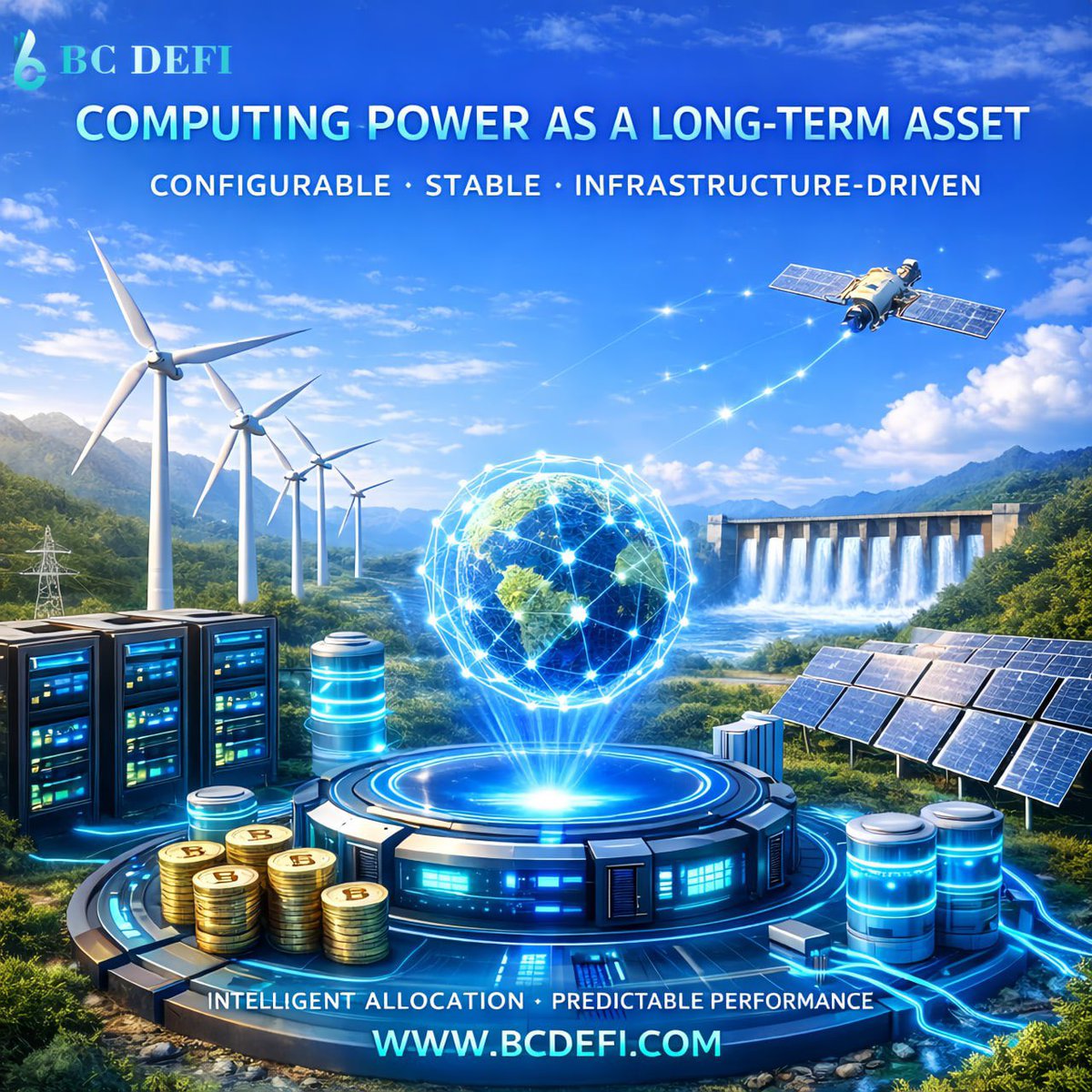
BC DEFI: Turning Computing Power into a Configurable Asset
As the digital asset industry evolves, mining is no longer about owning machines or chasing cheap electricity. It has become a matter of efficiency, allocation, and system-level optimization. BC DEFI was built for this new phase of computing-power driven value creation.
BC DEFI aggregates distributed computing resources from multiple regions and manages them through an intelligent allocation system. Instead of dealing with hardware, maintenance, or operational uncertainty, users participate by configuring computing power as a digital resource—scalable, manageable, and accessible.
The platform focuses on stability and continuity. Through dynamic scheduling and risk-control mechanisms, BC DEFI smooths performance fluctuations and delivers a more predictable computing-power return structure, designed for long-term participation rather than short-term speculation.
BC DEFI is not positioned as a high-risk experiment, but as an evolving computing-power infrastructure aligned with the AI era. As computing power becomes a core production factor of the digital economy, BC DEFI provides a practical entry point into this emerging value layer.
BC DEFI — where computing power becomes a long-term asset.
🌐 bcdefi.com
#BCDEFI #ComputingPowerAsset #ConfigurableComputing #DigitalAssetInfrastructure #SmartAllocation #LongTermParticipation #PredictablePerformance #AIEconomy #NextGenInfrastructure #MiningEvolution #HardwareFreeMining
15
1,433

A strong ecosystem isn’t built in one conversation. It’s built through many meaningful ones.
Bridge the Night in Dubai reminded us why deep, focused engagement with institutional partners matters. When trust, infrastructure, and long-term vision align, real progress happens.
Hosted by @0xCregis with @KuCoinInst and supported by @TheBlockGlobal , the evening brought together leaders across exchanges, payments, custody, compliance, and financial infrastructure.
Thank you to all the partners who joined us. We look forward to building what’s next, together.
#Cregis #KuCoinInstitutional #TheBlock #BridgeTheNight #InstitutionalWeb3 #DigitalAssetInfrastructure #Web3Leadership #InstitutionalAdoption
1
23
28
834

9 Dec 2025
Obsidian Digital Asset Exchange Observes Rapid Growth in Fund Tokenization as RWA Becomes a Core Institutional Allocation
As more asset managers bring bonds, income products, and hybrid portfolios on-chain,the RWA market is entering a phase of structural expansion.Recent data shows significant quarterly growth in tokenized fund value,indicating that institutions now view “auditable, programmable, globally accessible” tokenized assets
as an essential part of long-term allocation strategies.
Fund tokenization removes traditional custodial limitations,providing real-time NAV, transparent yield distribution,and seamless cross-border accessibility —
reshaping how global capital markets operate.
ODAE Technical Framework:
Fund-Level Asset Modeling:Supports tokenization of income strategies, fixed income products, and multi-factor portfolios.
Open Clearing Channels:Enables on-chain NAV syncing, automated settlement, and cross-chain liquidity for fund shares.
Compliance-Embedded Smart Contracts:Ensures end-to-end regulatory alignment throughout the fund lifecycle.
ODAE will continue developing the digital infrastructure required for large-scale fund and RWA tokenization,
empowering institutions and users to capture the long-term value of this emerging market.
#ODAE #ODAEexchange #Tokenization #FundTokenization #RWA #RealWorldAssets #OnChainFunds #DigitalAssetInfrastructure

11
2
3
1,547

Terry will share what he’s seeing on the ground:
✔️ How institutions are entering the market
✔️ Where regulation is driving innovation
✔️ What it takes to build trusted #digitalassetinfrastructure for global finance
1
2
1,229

10 Aug 2025
ジンイェ氏はこう語っています🐱
とても深いお話🦅🦅🦅
今日、ウォール街の投資銀行出身の2人の友人と話していました。彼らは、「なぜ最近、多くのトップ機関が$WLFIに戦略的に注力し、投資を始めているのか?」という質問を投げかけてきました。
正直、驚きました。資本情報のハブとして、私はこの点に最も敏感であるべきなのに。
さらに深く話した結果、彼らは多くの大手機関が行動を起こしていること(特別なファンドへの参加、プロジェクト投資、マイクロストラテジーなど)に気づいているものの、その背後にある駆動ロジックについては曖昧であることがわかりました。
そこで、私は$WLFIの核心的価値提案を以下のように分解してみました:
1. 次世代の流動性エンジン:伝統的なCeFi/DeFiの分断を超越し、機関投資家向けや国家レベルのオンチェーン流動性のためのシームレスで効率的、かつグローバルなインフラを構築。
2. TradFiとDeFiの重要な架け橋:オンチェーン規制資産(RWA)の核心的な課題—カストディ、価格設定、流動性の深さ—に焦点を当てる。WLFIのアーキテクチャ設計はこれらの問題に直接対処。
3. RWAのスケーラブルな成長の基盤:現在のRWAの物語の核心的なボトルネックは、信頼性が高く効率的な市場インフラの欠如にある。WLFIは、従来の資産(クレジット、国債、プライベートエクイティなど)の安全でコンプライアンスに準拠したトークン化と流通のための基盤プロトコル層を目指す。これが機関を引きつける本当の魅力。
4. 資本効率の革命:ネイティブのオンチェーンメカニズム(プログラム可能な清算やリアルタイム決済など)を介して、担保の活用と資本の回転率を大幅に改善。これは伝統的な金融インフラでは実現できない。
しかし、議論中に認知のギャップが明らかでした:
- 情報繭:TradFiシステムは、ネイティブのオンチェーン資産のインセンティブメカニズム設計、ガバナンスモデル、技術的リスクパラダイムについて深い理解が不足。
- 硬直したマインドセット:TradFiは既存の規制枠組みや仲介モデルでの思考に慣れており、パーミッションレスで組み合わせ可能な資産がもたらす破壊的な可能性を無意識に抵抗。これは世界中の既存金融機関に共通の問題!
歴史は繰り返す:コンピュータが算盤を置き換えたように、道具自体の優越性ではなく、効率のパラダイムの不可逆的な変化が重要。
ジン氏は以下のように考えています:
- $WLFIへの機関投資は投機的ではなく、今後20年間で「オンチェーンの金融インフラ」がグローバル資本市場の新たな基盤となるという戦略的賭け。
- 認知の遅れが最大のリスク露出。パラダイムの変化を受け入れることが構造的淘汰を防ぐ。ほとんどの人は従来の思考パターンに閉じ込められており、これが少数の人が富の大部分を支配する根本的な理由!
- 技術の進化は続く(10年後の形は不明)が、資産のデジタル化とプロトコルベースの流動性へのトレンドは止められない。$WLFIはこの波の中心に位置する。暗号資産の未来はアメリカにあり、アメリカの暗号資産の未来はWLFIにある。今後20年間、WLFIに定期的に投資するだけで—それだけで—世界中の99.99999%の投資家を上回る!
#WLFI #RWA #Institutional-GradeDeFi #DigitalAssetInfrastructure #TradFi #BlockchainFinance #ParadigmShift #CognitiveRevolution

Today I was chatting with two friends from Wall Street investment banks. They posed the question, "Why have so many top institutions recently begun strategically focusing on and investing in $WLFI?"
Frankly, I was a bit surprised—as a hub for capital information, I should be most sensitive to this.
After a deeper conversation, I discovered that while they were aware that many large institutions were taking action (such as participating in special funds, project investments, and micro-strategies), they were vague about the underlying driving logic.
So, I tried to break down $WLFI's core value proposition:
1. Next-generation liquidity engine: Transcending the traditional CeFi/DeFi divide, building a seamless, efficient, and global infrastructure for institutional-grade, national-level on-chain liquidity.
2. A key bridge between TradFi and DeFi: Focused on addressing the core pain points of on-chain regulated assets (RWAs)—custody, pricing, and liquidity depth. WLFI's architectural design directly addresses these issues.
3. The cornerstone of RWA's scalable growth: The core bottleneck of the current RWA narrative lies in the lack of a trusted and efficient market infrastructure. WLFI aims to become the underlying protocol layer for the secure, compliant tokenization and circulation of trillions of traditional assets (credit, government bonds, private equity, etc.). This is the real sweet spot that attracts institutions.
4. Capital Efficiency Revolution: Through native on-chain mechanisms (such as programmable clearing and real-time settlement), collateral utilization and capital turnover can be significantly improved, something that traditional financial infrastructure cannot achieve.
However, a cognitive gap was clearly evident during the discussion:
- Information Cocoon: The TradFi system lacks a deep understanding of the incentive mechanism design, governance model, and technical risk paradigm of native on-chain assets.
- Rigid Mindset: TradFi is accustomed to thinking within the existing regulatory framework and intermediary model, and subconsciously resists the disruptive potential brought by permissionless and composable assets. This is also a common problem among established financial institutions around the world!
History repeats itself: Just as the computer replaced the abacus, it was not the superiority of the tool itself, but the irreversible shift in efficiency paradigm.
Mr. Jin believes:
- Institutional investments in $WLFI aren't speculative, but rather a strategic bet that "on-chain financial infrastructure" will become the new foundation of the global capital market over the next 20 years.
- Cognitive lag is the greatest risk exposure. Embracing paradigm shifts may lead to structural elimination. Most people are locked into conventional thinking patterns, which is the fundamental reason why a small number of people control the majority of the wealth!
- Technological iteration continues (its form in ten years is unknown), but the trend toward asset digitization and protocol-based liquidity is unstoppable. $WLFI is positioned at the heart of this wave. The future of crypto lies in the United States, and the future of American crypto lies in WLFI. For the next 20 years, all you need to do is invest in WLFI regularly—nothing else—and you'll surpass 99.99999% of investors worldwide!
#WLFI #RWA #Institutional-GradeDeFi #DigitalAssetInfrastructure #TradFi #BlockchainFinance #ParadigmShift #CognitiveRevolution
2
219