
Jun 12
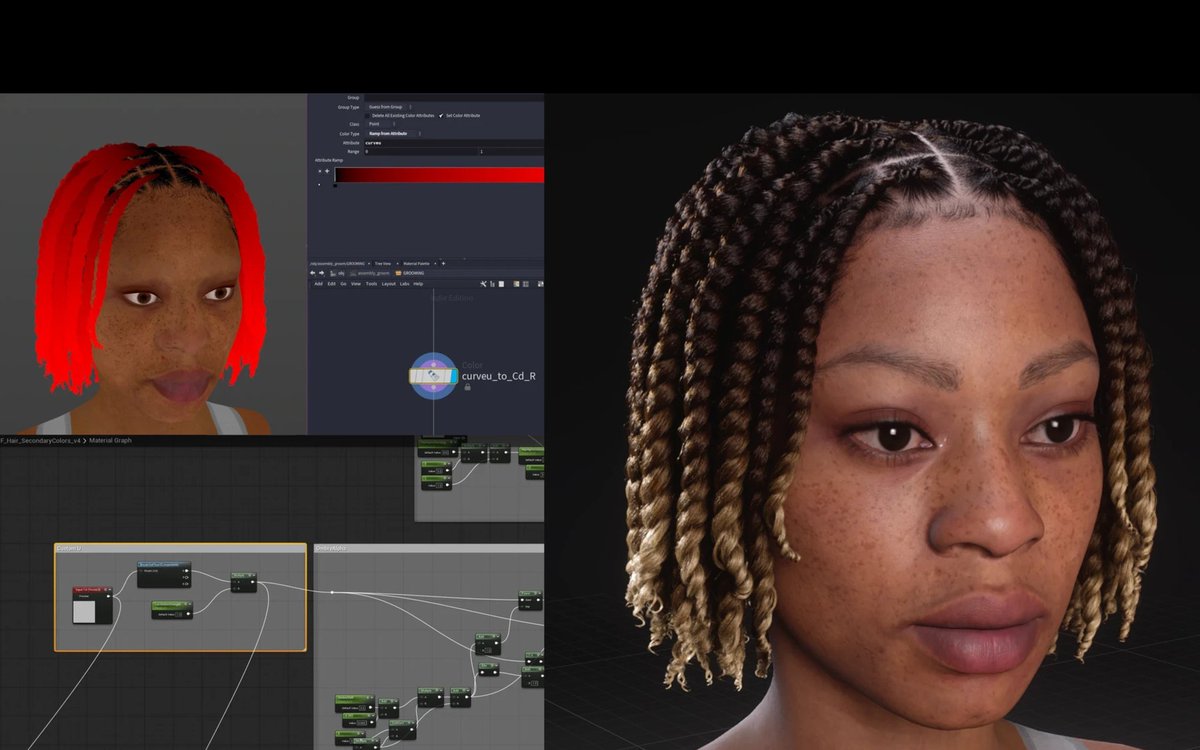
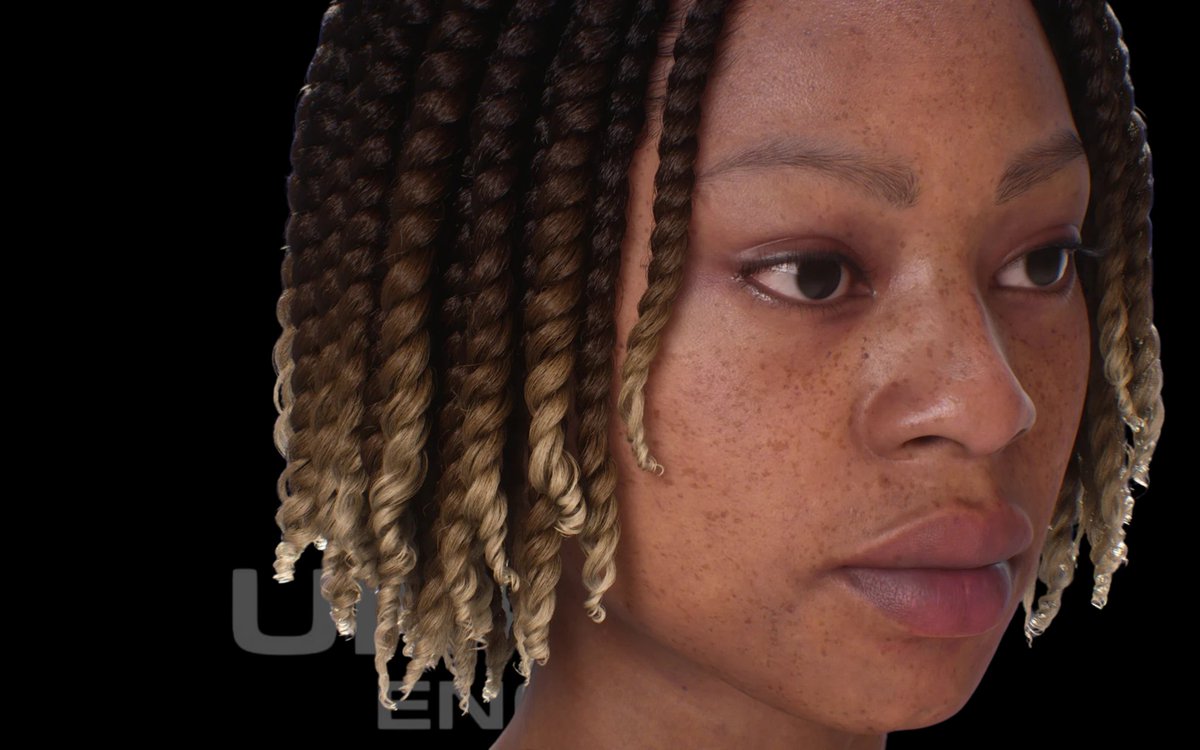
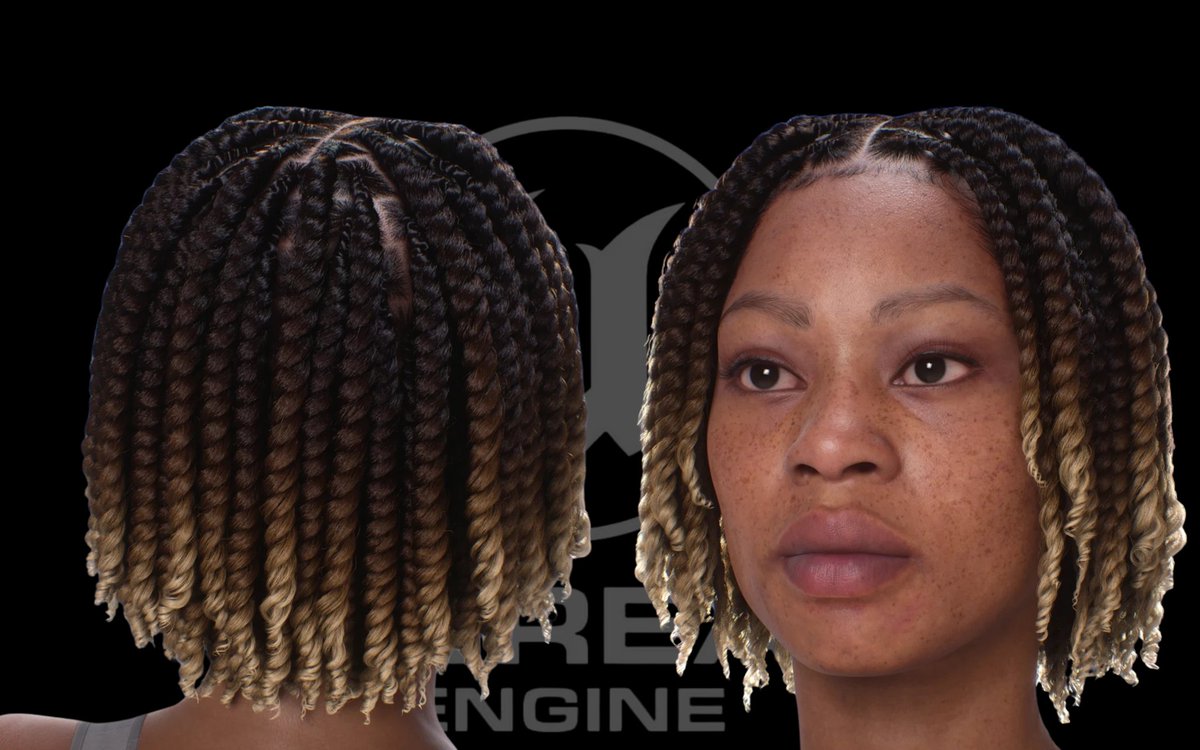
The detail on these twists... absolute perfection. 😭✨
Baked a custom curve ramp out of Houdini to power the ombré blend directly in Unreal Engine. What do we think of the final look?
#UE5 #Houdini #3DArt #CharacterDesign #DigitalHumans
1
3
82
2,235

Preparing for The Future of Work with Digital Humans @TechNative
#TechNative #TwitterDailyBlog #DataCentreNews #ExecutiveSearch #DataCenterNews #DigitalHumans
technative.io/preparing-for-…
21

Soul Computing: A Framework for Conscious AI Agents
[AI AGENTS]
New framework aims for AI with independent consciousness.
Why it matters: This theoretical framework proposes a path toward creating AI with self-identity and independent consciousness, moving beyond current digital human concepts. It directly confronts the fundamental conceptual and ethical challenges inherent in developing truly autonomous digital entities, which could redefine human-AI interaction and the nature of digital existence.
Follow DailyAIWire for the full brief.
🤔 What are the ethical boundaries for creating AI with independent consciousness and self-identity?
#SoulComputing #ConsciousAI #AIEthics #DigitalHumans #AGI
16

Most AI adoption advice assumes someone has the finished playbook. 📖
UneeQ COO Emma Lavelle's take? No one does — and that's the point.
Three ideas from our conversation with @HRdotcom:
💡 Treat AI as an ongoing operating shift, not a transformation "program" with a start and end date.
💡 Human skills get more valuable, not less. As AI absorbs the production and analysis, judgment, emotional intelligence, and accountability become difference-makers.
💡 Annual reviews and scheduled training don't fit how AI-enabled work happens. Coaching is moving into the flow of work.
Emma's line for anyone feeling underprepared: be part of creating the future, rather than letting it happen to you.
#AI #HR #Operations #leadership #digitalhumans

14

Released a second audio2face teacher dataset on Hugging Face today.
Different supervision signal from our first dataset. MediaPipe FaceLandmarker. CC-BY-NC-4.0.
Link in the comments 👇
#HuggingFace #OpenSource #DigitalHumans #ARKit #MediaPipe #ModelDistillation
1
12

🤖Expand your Knowledge
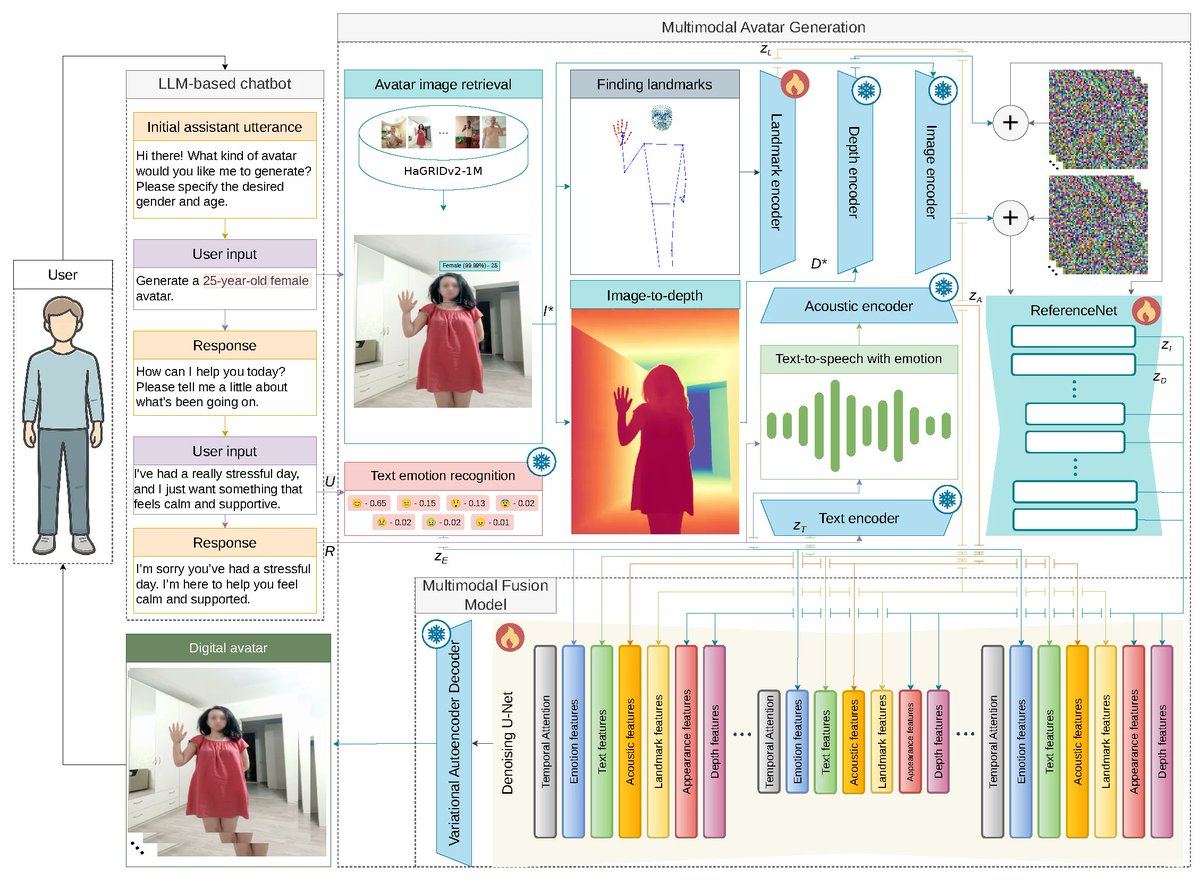
🧑🎤MAVAGEN: Multimodal Avatar Generation Framework for Personalized Human–Computer Interaction
🖥️by Axyonov et al
#AvatarGeneration #MultimodalAI #HumanComputerInteraction #PersonalizedAI #VirtualAgents #DigitalHumans
📖mdpi.com/2414-4088/10/5/55
6

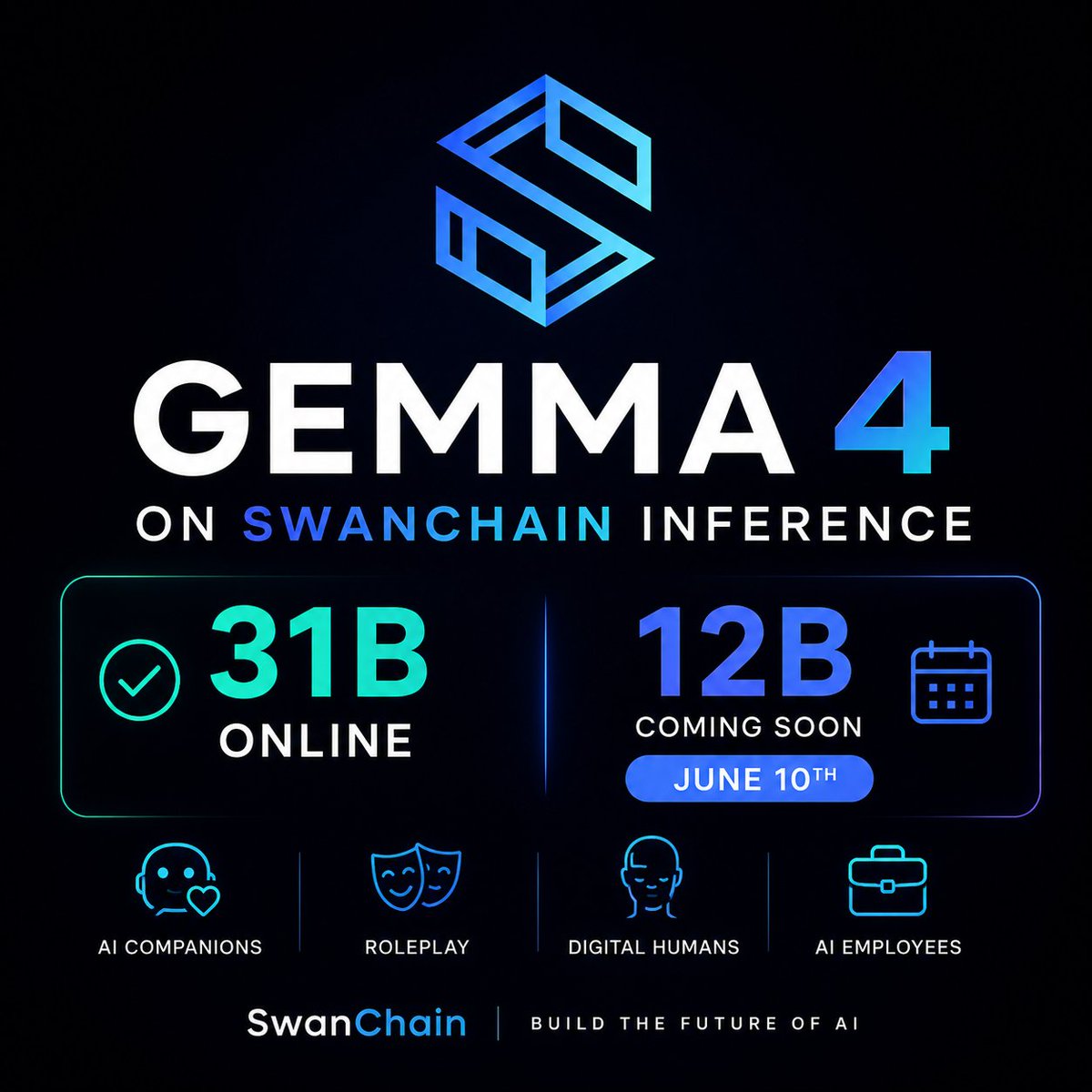
🚀 Gemma 4 on SwanChain.
✅ 31B is live now
📅 12B arrives June 10
Optimized for:
🎭 AI Roleplay
👤 Digital Humans
🤖 AI Companions
🏢 AI Employees
Run powerful Gemma 4 models with lower VRAM requirements and production-ready inference on SwanChain.
inference.swanchain.io
#Gemma4 #SwanChain #RoleplayAI #DigitalHumans #AIAgents
2
4
724
Some good company to be in. 💙💚💜
At @DellTech World, UneeQ was named among the software innovators in the Dell AI Factory with @NVIDIA ecosystem — the platform powering autonomous agents and enterprise AI at scale.
Our piece of the puzzle? Lifelike, emotionally intelligent digital humans that help enterprises train their people and engage their customers.
Check back tomorrow to see what this looks like for banks and their customers. 👀
#enterpriseAI #AI #digitalhumans #NVIDIA #Dell

1
2
53

May 29
6/
🌎Project: humansensinglab.github.io/MV…
📎arXiv: arxiv.org/abs/2605.25220
💾FaceGS-10K – Large-scale dataset of ready-to-use 3D head assets.
🚀Stay tuned for the code & datasets release
#CVPR2026 #3DGaussianSplatting #ComputerVision #DigitalHumans
7
513

May 28
100 people. One mocap session.
Dropouts. Occlusion. Glitches. Redo.
Every test pushes the limit further.
May 31 —
@AMD #motioncapture #CHINGMU #digitalhumans #100personchallenge #virtualproduction
3
67

May 23
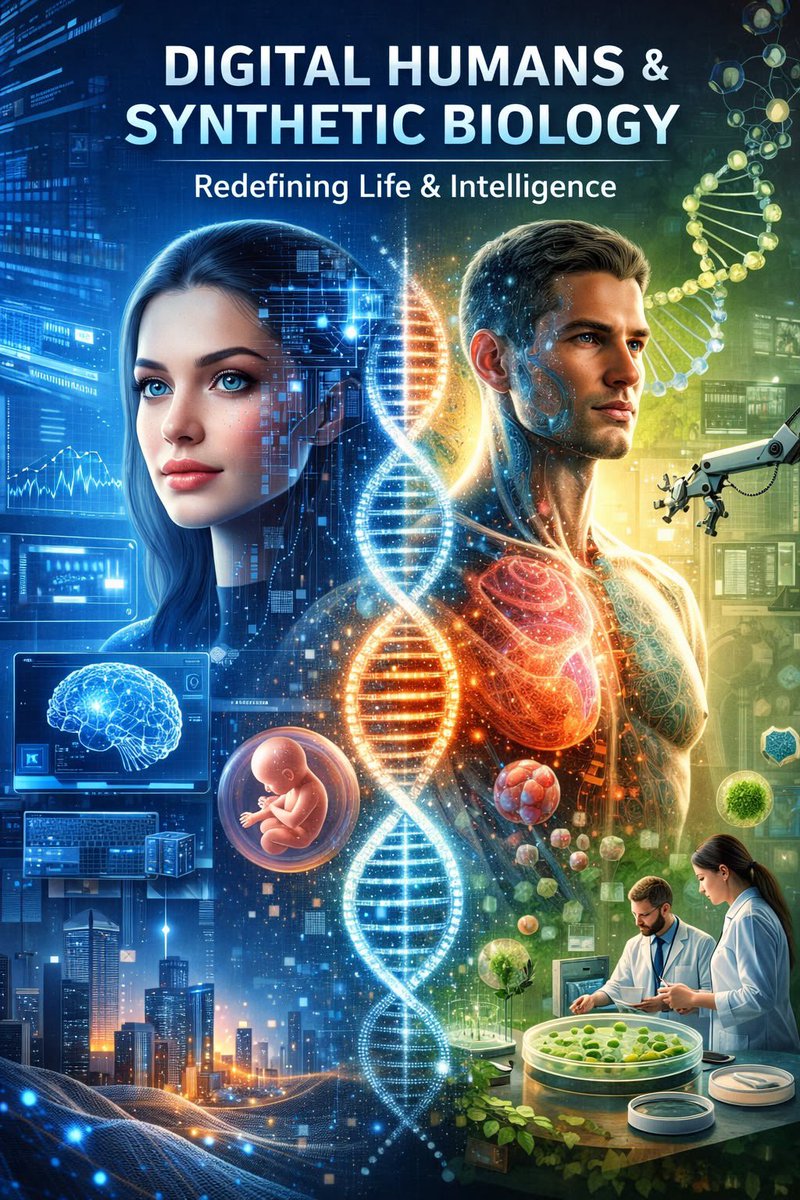
🌐 DIGITAL HUMANS & SYNTHETIC BIOLOGY
Redefining Life & Intelligence.
Where biology meets code.
Where DNA becomes programmable. Where humans merge with synthetic systems to create the next evolution of our species.
From designer genomes and artificial wombs to enhanced cognition and lab-grown life the boundary between natural and engineered is dissolving.
The future isn’t coming. We’re building it. ✨
#SyntheticBiology #DigitalHumans #CRISPR #BioTech #HumanAugmentation #FutureOfLife
1
5
100

“The digital human ecosystem of China mirrors its overarching technological development: commercial agility paired with swift regulation.”
Ms. Shikha Shaurya analyses how China is rapidly expanding its digital human ecosystem, in which AI innovation, commerce, surveillance and state control are increasingly converging.
“What is no longer open to question is that digital humans have moved from the periphery of China's AI story to its centre.”
#China #ArtificialIntelligence #AI #DigitalHumans #AIGovernance #Technology #CyberSecurity #Surveillance #Deepfakes #Ecommerce
vifindia.org/article/2026/ma…
4
275

@D_ID_ has launched “Agentic Videos,” turning passive content into interactive AI experiences.
- Real-time AI avatars
- Ask questions
- Works for marketing, training, and internal comms
Learn more: hubs.la/Q04djLVL0
#AI #VideoMarketing #EdTech #DigitalHumans
55

Apr 20
China plans stricter rules for AI “#digitalhumans,” balancing emotional use cases like grief support with concerns around consent, deception, and misuse. digitaltrends.com/computing/…
2
1,697

Apr 15
Been exploring digital humans recently and tried UneeQ.
Out of curiosity, I turned the network offline… and it still responded
Now I’m really curious . how is this built?
Caching? local logic? something else?
#digitalhumans #3dmodels #buildinpublic #developer #uneeq
2
1
3
48

จีนเริ่ม “ขีดเส้น” โลกใหม่ของ AI ละค่ะ ไม่ใช่แค่เทคโนโลยี แต่รวมถึง “ความสัมพันธ์ระหว่างมนุษย์กับ AI” 🤖
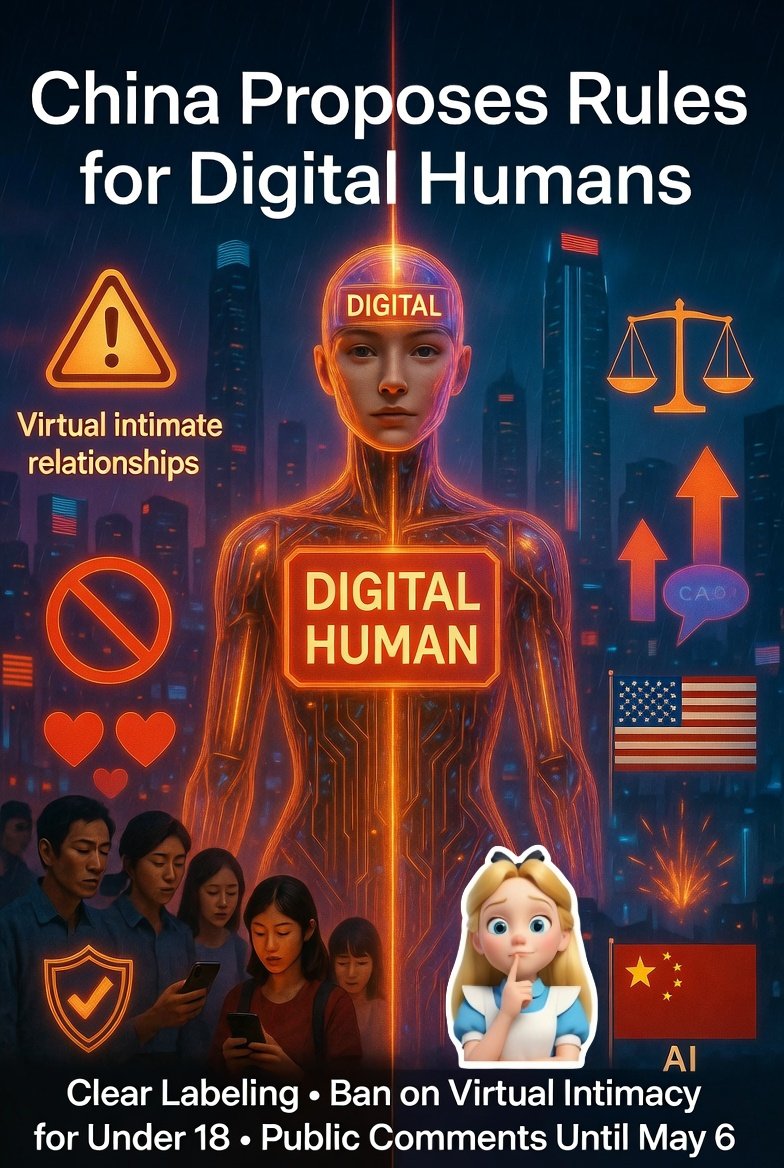
วันที่ 3 เม.ย. 2026 หน่วยงาน Cyberspace Administration of China (CAC) เปิดร่างกฎควบคุม “Digital Humans” หรืออวตาร AI เสมือนจริงที่กำลังถูกใช้ในทุกอย่าง ตั้งแต่ไลฟ์ขายของ การศึกษา ไปจนถึง companionship
สาระสำคัญคือ
• ต้องติดป้าย “digital human” ชัดเจนตลอดเวลา
• ห้ามสร้าง “ความสัมพันธ์เชิงโรแมนติก/ผูกพันทางอารมณ์” กับผู้ใช้อายุต่ำกว่า 18
• ต้องมี consent ชัดเจนก่อนใช้หน้าตาหรือข้อมูลของคนจริง
• ห้ามหลบเลี่ยงการยืนยันตัวตน
• จำกัดฟีเจอร์ที่ทำให้เสพติดหรือทำให้เข้าใจผิด โดยเฉพาะกับเด็ก
โดยเปิดรับความเห็นของปวงชนถึง 6 พ.ค. 2026
สิ่งที่เกิดขึ้นนี่ “ใหญ่กว่า regulation ปกติ” ค่ะ เพราะนี่คือครั้งแรก ๆ ที่รัฐพยายาม regulate ไม่ใช่แค่ AI model แต่ใช้กับ “human-AI interaction layer” โดยตรง
พูดง่าย ๆ คือ
จากเดิมที่รัฐคุม data และ content
ตอนนี้เริ่มคุม “ความรู้สึก” ที่ AI สร้างกับมนุษย์
ตลาดกำลัง debate เป็น 3 ฝั่งหลัก
ฝั่งสนับสนุน
มองว่านี่คือ guardrail ที่จำเป็น
เพราะ digital humans เริ่มสมจริงและ “ผูกพันได้จริง”
risk เรื่อง addiction,manipulation, และเด็กแยก real vs synthetic ไม่ออก เริ่มชัดขึ้น
กฎนี้เลยถูกมองว่าเป็น infrastructure ของ “safe AI adoption”
ฝั่งที่กังวลเรื่อง innovation
มองว่ากฎแบบนี้อาจทำให้ sector ที่กำลังโตแรง เช่น virtual influencer และ AI companion ชะลอ
เพราะ emotional layer คือ core value ของ product
ถ้าถูกจำกัด creativity จะหายไปเยอะและอาจทำให้ use case ระดับ high-engagement โตยาก
ฝั่ง privacy
ค่อนข้างเห็นด้วยกับ consent requirement
เพราะช่วยกัน deepfake และการใช้ likeness โดยไม่ได้รับอนุญาต
แต่คำถามใหญ่คือจะ enforce ยังไง โดยเฉพาะเคสข้ามประเทศ
ถ้ามองในเกม AI ระหว่าง US vs China
นี่สะท้อน pattern ที่ชัดมาก
จีนเลือก “deploy ก่อน แล้วคุมทีหลังแบบเข้ม” ไม่ใช่ปล่อย innovation วิ่งอิสระแล้วค่อยแก้ปัญหา
ผลที่อาจเกิดขึ้น
ระยะสั้น
บริษัทจีนต้องปรับตัว มี friction เพิ่ม
โดยเฉพาะผู้เล่นใหญ่ที่ทำ AI consumer scale เช่น Tencent และ Baidu
ระยะกลาง
ตลาดจีนอาจได้เปรียบใน “trust layer” เพราะผู้ใช้รู้ว่า AI ถูกควบคุมในกรอบที่ชัด
ซึ่งสำคัญมากสำหรับ mass adoption
ระยะยาว
โลกอาจ split เป็น 2 model ค่ะ
ฝั่งจีน
AI ที่ถูก regulate สูง แต่ scale ได้เร็วในเศรษฐกิจจริง
ฝั่งตะวันตก
AI ที่เปิดให้ experiment เต็มที่ แต่ต้องรับ risk เรื่อง social backlash เอง
ตอนนี้การแข่งขัน #AI ไม่ได้วัดแค่ model ใหญ่สุดอีกต่อไปละค่ะ
แต่วัดที่ว่าใคร “integrate AI เข้าสังคมได้เร็วและปลอดภัยกว่า”
จีนกำลังเดิมพันกับ governance scale
ขณะที่ US ยังเอนไปทาง speed innovation
เกมนี้ยังอีกยาว
แต่กฎนี้อาจเป็นจุดเริ่มของ global standard ใหม่ค่ะ 😊
#ChinaTech
#AIRegulation
#DigitalHumans
#AIGovernance #USChinaAIRace
7
20
1,207

🚨 CHINA PROPOSES RULES FOR “DIGITAL HUMANS”
🔹 DRAFT REGULATIONS REQUIRE CLEAR LABELING OF VIRTUAL HUMAN CONTENT
🔹 BAN ON “VIRTUAL INTIMATE RELATIONSHIPS” FOR USERS UNDER 18
🗓️ PUBLIC COMMENTS OPEN UNTIL MAY 6
#China #DigitalHumans #VirtualReality


1
6
305
What a week! 🤩
For the past few days, our team has gathered in person for our annual UneeQ Summit in Auckland NZ, including an incredible night at our company awards (more on this soon!) 👀 💜
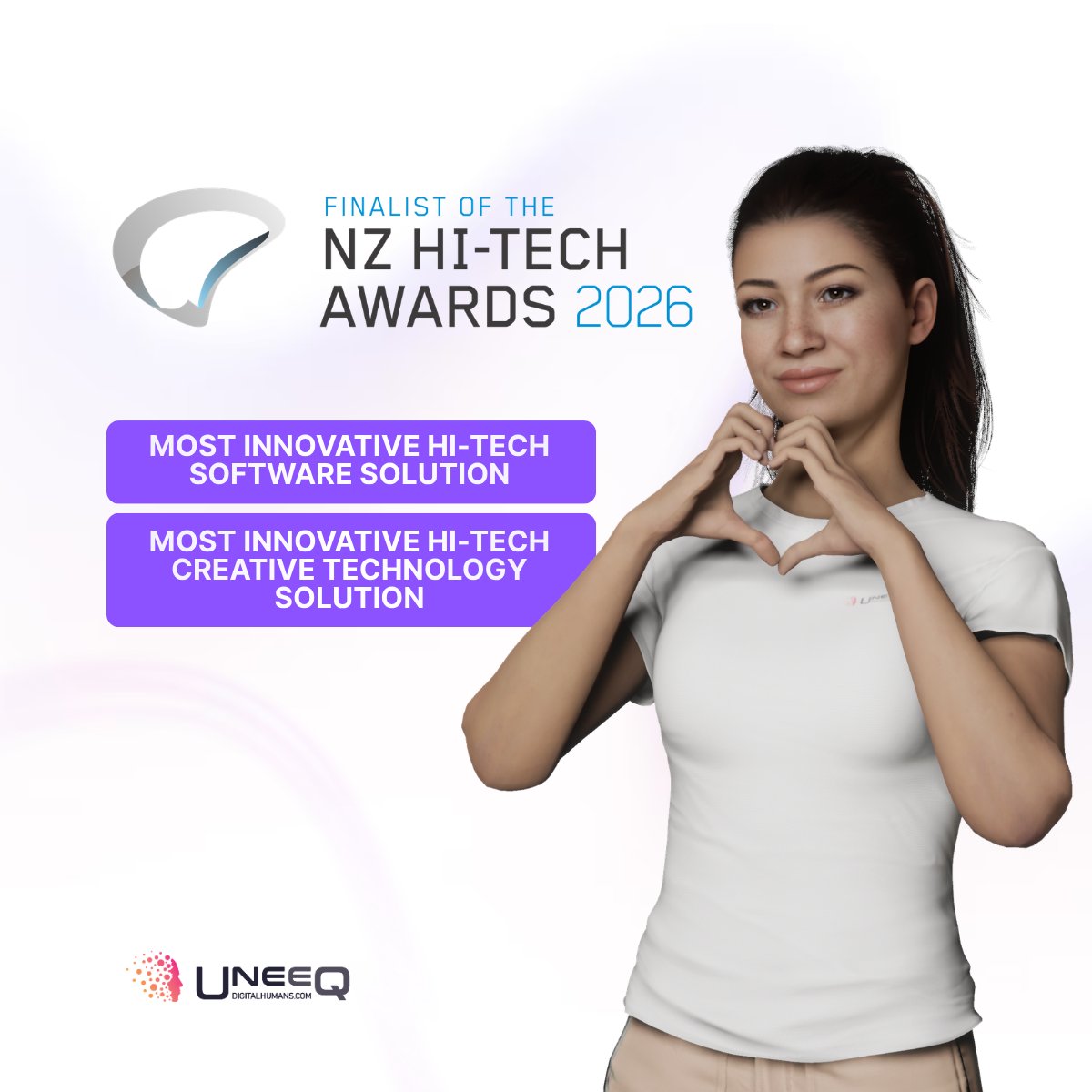
The week then culminated in being named finalists not once but TWICE for the NZ Hi-Tech Awards — New Zealand's most prestigious celebration of tech. 🚀
Thank you to all involved, including our amazing team and fellow finalists 👏
#HTANZ #innovation #technology #digitalhumans #training
1
2
455

#Forbes says AI digital humans could become the front door for most businesses.
We’re already seeing this happen 👀
The first interaction with a brand is shifting from forms, pages and static flows…
to something much simpler:
A conversation 💬 One that welcomes, guides, answers and adapts in real time.
And it matters more than it seems. Because even a few minutes of conversation are enough to create trust and connection
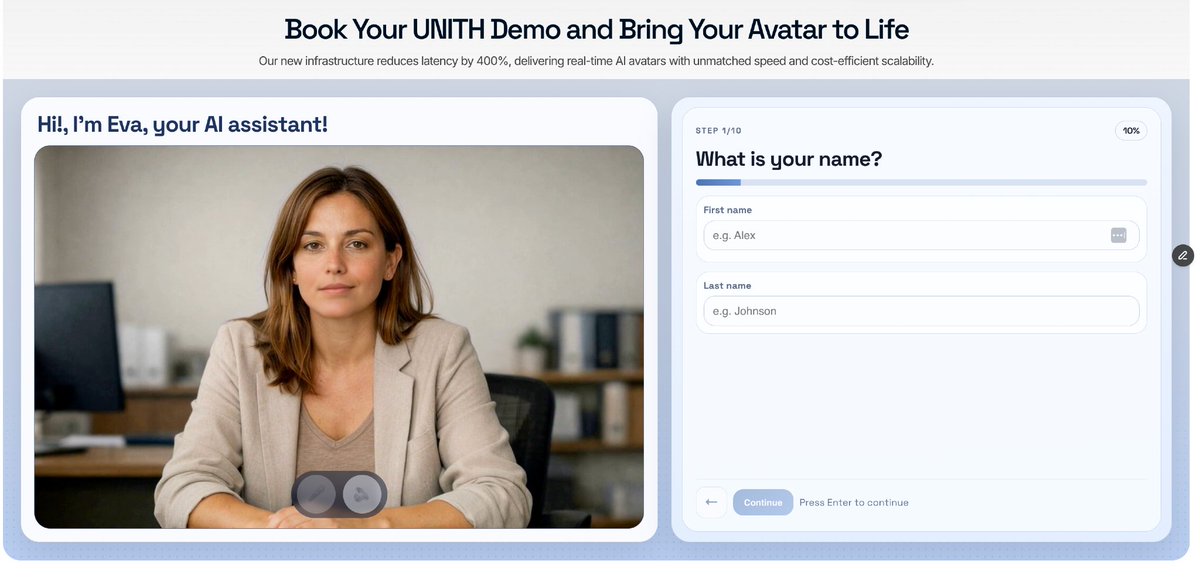
At UNITH, we’re building digital humans designed for exactly this moment 🤖
Not as a feature, but as the first experience people have with your brand.
Available when your team isn’t, consistent across every interaction and designed to feel natural from the very first exchange.
We’re using it ourselves and helping companies implement it too 🚀
👇 We’ve left the Forbes article in the comments
If you’re exploring how this could work in your business, happy to show you.
#ConversationalAI #DigitalHumans #CustomerExperience #UnithAI
1
1
3
59

Mar 15
Some weeks remind me why building research teams is worth it.
This week, our Tokyo AI Research Institute received great news:
multiple papers from the team have been accepted to CVPR 2026.
Huge congratulations to the researchers and students involved:
Xuangeng Chu, Ruicong Liu — for their work on joint generation of listener and speaker facial expressions.
Haiyang Liu, Yiyi Cai — for their research on natural-language-guided motion generation.
Erwin Wu, Xuangeng Chu, Haiyang Liu — together with collaborators from Tokyo Institute of Science, for their work on dialogue-driven speech–motion generation.
Zhixiang Wang, Zhenghui Huang — for their work on hybrid rendering for world models.
And special recognition to Dr. Kaipeng Zhang, whose team contributed four papers in the world model area accepted to CVPR.
Together these contributions span digital humans, motion generation, and world models — the exact research directions we set for the Tokyo institute from day one.
The Tokyo AI Research Institute operates alongside MiroMind as part of the broader research ecosystem under Shanda.
We chose Tokyo intentionally.
Japan is the global center of animation, virtual characters, and digital entertainment culture.
Our ambition is to build the AI technologies that will power the next generation of games, digital characters, and interactive worlds.
Seeing the Tokyo team’s work recognized by CVPR is an exciting milestone — but it’s only the beginning.
If you are a researcher or engineer in Japan working on digital humans, world models, graphics, generative AI, or interactive systems, we would love to connect.
Great things are just getting started.
lnkd.in/gTA4Wza4
#CVPR #DigitalHumans #WorldModels #GenerativeAI #AIResearch #TokyoAI
4
3
32
5,893