
Jun 9
Introducing GLOBE a new privacyfocused, EVMcompatible blockchain with capped supply 100M $GLB Built for secure, confidential transactions using RingCT.
1
11

May 29
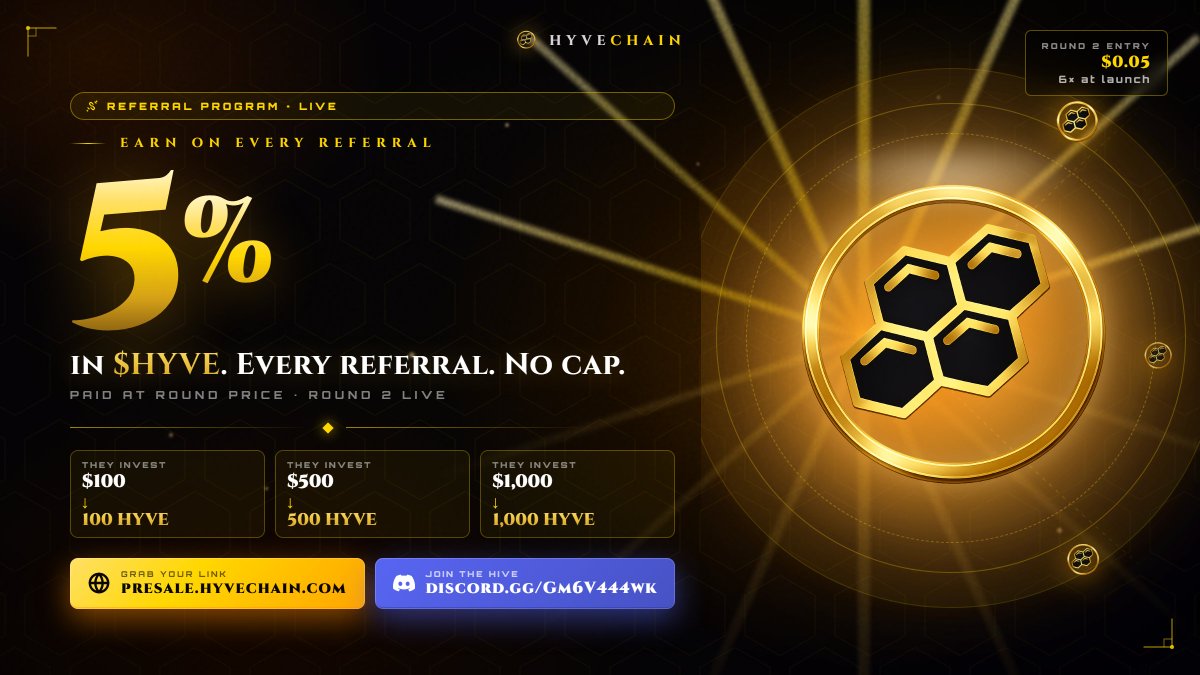
🤝 REFERRAL PROGRAM IS LIVE.
Earn 5% in $HYVE on every single referral.
Round 2 is open. The Hive is growing fast. Now you get rewarded for bringing in the people who'll grow it alongside you.
🎁 How it works
Share your unique referral link. Anyone who buys through it earns you 5% of their purchase value in HYVE tokens, calculated at the active round price.
No referral cap. No tier system. No gimmicks. Same math for everyone.
💸 What you actually earn (Round 2 example)
· They put in $100 → you earn 100 HYVE (≈ $5)
· They put in $500 → you earn 500 HYVE (≈ $25)
· They put in $1,000 → you earn 1,000 HYVE (≈ $50)
Bring 10 people putting in $1,000 each? That's 10,000 HYVE for you. At the $0.30 launch price, that's $3,000. From sharing one link.
━━━━━━━━━━━━━━━━━━━━━━
⏳ Fair-launch vesting (read this part)
Referral bonuses vest on the same schedule as the round they're earned from. For Round 2: 6-month cliff, 5% unlock at cliff, then 18-month linear vesting.
Not instantly liquid by design. Your tokens unlock alongside the tokens they came from. Same risk profile. Same time horizon. Zero dump pressure on the chain.
Fair for everyone in the Hive.
━━━━━━━━━━━━━━━━━━━━━━
🚀 How to get your link (takes 60 seconds)
1. Go to presale.hyvechain.com
2. Connect your wallet
3. Your personal referral link appears in the buy panel
4. Hit copy. Share anywhere: X, Telegram, group chats, DMs.
📊 Real-time dashboard
Track your total referrals, HYVE earned, and vesting schedule live at presale.hyvechain.com/dashbo…. Updated every block.
━━━━━━━━━━━━━━━━━━━━━━
🐝 Why this works
R1 sold out in 11 days with zero paid marketing. Word of mouth, Hive on Hive. Now that engine has a built-in reward attached to it.
If you believe in what we're building, this is how you compound your conviction.
🔗 Links:
👉 Presale: presale.hyvechain.com
💬 Discord: discord.gg/Gm6V444wk
Your network is your net worth. Start sharing. 🐝
NFA. DYOR.
#HyveChain #HYVE #HyveReferral #ReferralProgram #EarnCrypto #CryptoReferral #AffiliateProgram #PresaleLive #PresaleRound2 #Round2 #PrivacyCoin #PrivacyCrypto #PrivateDeFi #Web3 #Blockchain #DeFi #Layer1 #L1 #EVM #EVMCompatible #SmartContractAudit #SecurityOak #Audited #Altcoin #Altcoins #CryptoGem #CryptoGems #100x #NextGem #LowCapGem #DEX #ShadowPool #Decentralization #BUIDL #CryptoCommunity #JoinDiscord #BTC #ETH #Bullish #Moonshot #DYOR
10
4
18
722
May 28
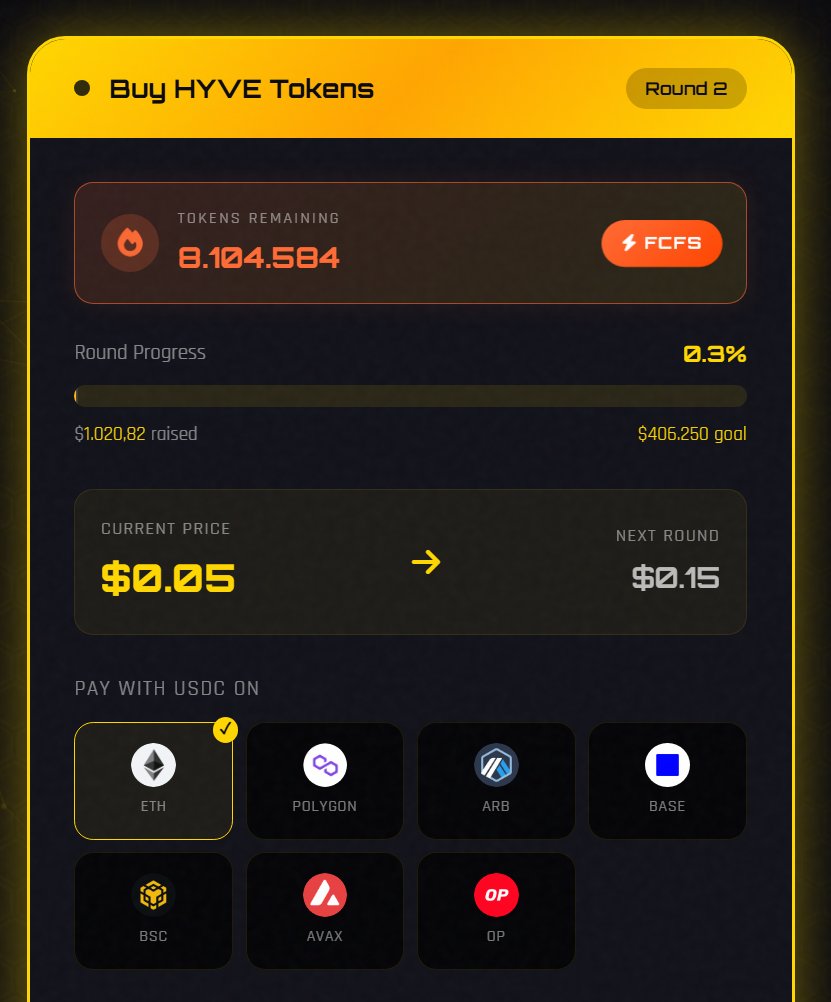
Presale round 2 started!! presale.hyvechain.com
#HyveChain #HYVE #HyvePresale #PresaleLive #Round2 #PrivacyCoin #PrivacyCrypto #PrivateDeFi #Web3 #Blockchain #DeFi #Layer1 #L1 #EVM #EVMCompatible #SmartContracts #IBC #Cosmos #Ethereum #ZKProofs #ZeroKnowledge #ConfidentialTransactions #MEVProtection #StealthAddress #DEX #DarkPool #ShadowPool #SmartContractAudit #SecurityOak #Audited #Altcoin #Altcoins #CryptoGem #CryptoGems #100x #NextGem #LowCapGem #Validator #Decentralization #BUIDL #CryptoCommunity #JoinDiscord #BTC #ETH #Bullish #Moonshot #DYOR
12
7
24
1,142
May 28
🐝 PRESALE LIVE. ROUND 2 IS OPEN.
The future is private. The future is HYVE.
🔓 What is HyveChain?
A privacy-native Layer 1 blockchain. Fully EVM-compatible, IBC-connected, and built so every transaction is private by default. Deploy any Ethereum smart contract and it inherits shielded execution automatically. No bridges. No wrappers. No L2 hacks.
🧠 What's under the hood:
🔐 Namada MASP at the validator layer (Zcash-grade shielded pool for any asset)
👻 ERC-5564 stealth address precompile (one-time receiving addresses, native)
🛡️ Encrypted mempool (MEV and front-running eliminated at protocol level)
🌑 ShadowPool dark pool (confidential institutional order matching, live)
🌐 IBC v2 connected (200 Cosmos chains, 80 EVM networks, no bridges)
⚙️ Mainnet live, Noble USDC bridge operational
🌱 Validator runs on $80 single-board hardware (real decentralization, not server farms)
🔑 Selective disclosure via Viewing Keys (MiCA-compliant audit trails on-chain)
This is what privacy-native execution actually looks like when you build it at the protocol layer instead of bolting it on.
📊 The Presale Ladder:
🟢 R1 · $0.02 · ✅ SOLD OUT in 11 days
🟡 R2 · $0.05 · 🔴 LIVE NOW · 6× at launch
⚪ R3 · $0.15 · 2× at launch
🚀 Launch · $0.30
🛡️ Independently audited by @SecurityOak . Contracts cleared. Foundation set.
R1 sold out in 11 days with zero paid marketing. R2 has a bigger cap and is OPEN RIGHT NOW at $0.05 per HYVE.
Private. Fair. Secure. Powered by HyveChain.
👉 Site: presale.hyvechain.com
💬 Discord: discord.gg/Gm6V444wk
The gate is open. See you inside the Hive.
NFA. DYOR.
#HyveChain #HYVE #HyvePresale #PresaleLive #Round2 #PrivacyCoin #PrivacyCrypto #PrivateDeFi #Web3 #Blockchain #DeFi #Layer1 #L1 #EVM #EVMCompatible #SmartContracts #IBC #Cosmos #Ethereum #ZKProofs #ZeroKnowledge #ConfidentialTransactions #MEVProtection #StealthAddress #DEX #DarkPool #ShadowPool #SmartContractAudit #SecurityOak #Audited #Altcoin #Altcoins #CryptoGem #CryptoGems #100x #NextGem #LowCapGem #Validator #Decentralization #BUIDL #CryptoCommunity #JoinDiscord #BTC #ETH #Bullish #Moonshot #DYOR

25
11
36
3,864


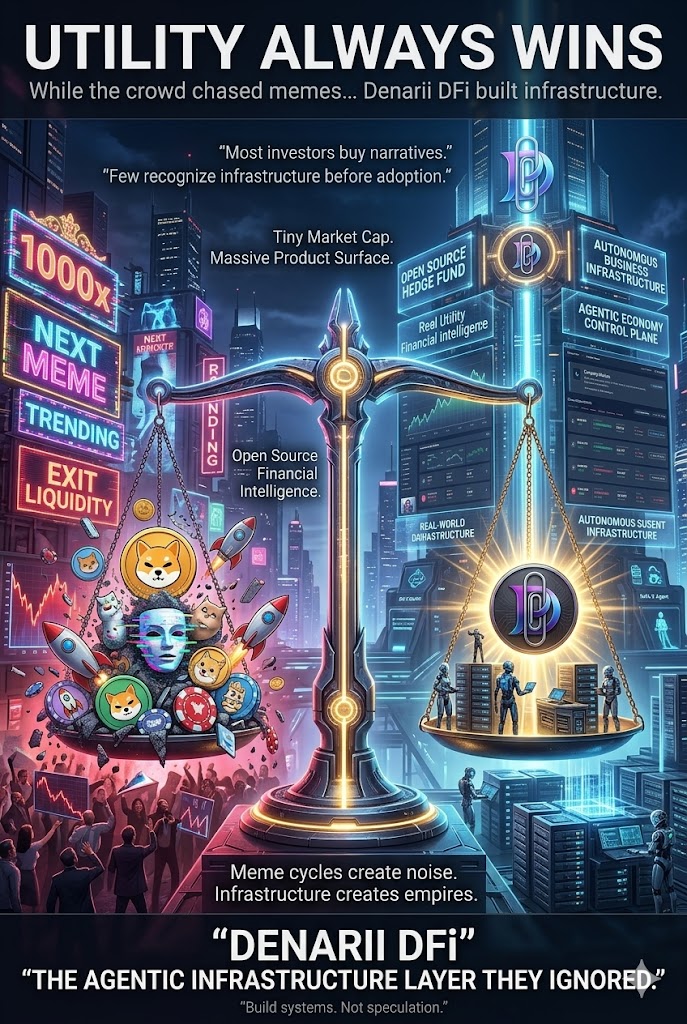
The market will eventually separate dopamine from infrastructure.
Most meme investors are chasing temporary attention loops while ignoring tiny-cap ecosystems building:
• autonomous AI agents
• open-source hedge fund tooling
• cross-chain liquidity systems
• enterprise orchestration layers
• real operational products
#Denarii $DFi isn’t competing for meme relevance.
It’s positioning for the Agentic Economy.
The scary part?
Infrastructure re-rates violently once the market realizes it’s actually being used.
The biggest gains rarely come from following the loudest crowd.
They come from identifying real utility before consensus catches up.
#DenariiDFi #AgenticEconomy #AutonomousAgents #Web3Infrastructure #OpenSourceAI #AIOrchestration #XRPL #Algorand #HBAR #FlareNetwork #DeFi #CryptoAI #FutureOfFinance #UtilitySeason #SmallCapGems #Flare #Songbird
#SGB #FLR #FlareNetwork #DataLayer
#Web3Infrastructure #DeFiInfrastructure #MultiChain #Interoperability #EVMCompatible
#DecentralizedData #OracleNetworks #CrossChain
#SmartContracts #OnChainData
#CryptoInfrastructure #ValueLayer #ExecutionLayer
#RealWorldAssets #DeFiStack #BlockchainInfrastructure #CryptoNarrative
#BuildInPublic #Web3Tech
2
5
322

Apr 30
Now on MEXC News
But the better part is what the article actually explains CoinMafia is building real launch infrstructure with EVMcompatible reach, PulseChain validators, and a natve coin pple can verify onchain
Crypto gets a little less foggy when pple stop hiding the structure

2
6
33
Apr 28
@MaisonPunkCo looks tiny in that room til you realize the room is the whole point
CoinMafia isn’t trying to look big on the feed It’s buildng token launch infrastructure on PulseChain, EVMcompatible and wred around real utility for $MAFIA
Small guy. Giant machine. Already running

2
6

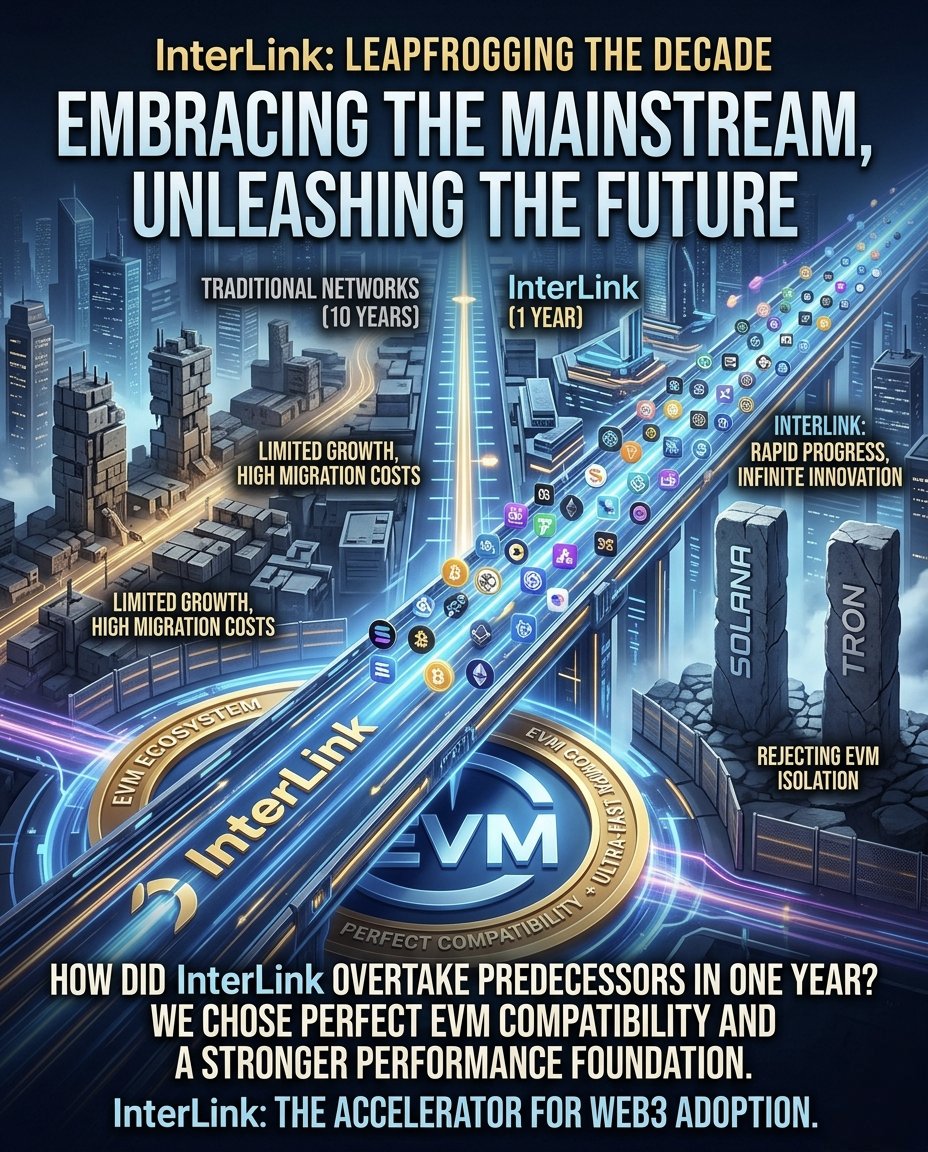
#AD 🚨 Attention, Developers: EVM Compatible Blazing-Fast Development — That's InterLink! 👨💻⚡
Why did InterLink take just 1 year of development to surpass the decade-long efforts of its predecessors? 🤔✨
Because we are fully ✅ EVM-compatible, with a stronger performance foundation 🚀.
Unlike Solana and TRON, which reject EVM and stand isolated ❌, InterLink chooses to embrace the mainstream 🌉 — reducing migration costs to zero 🎯 and unlocking unlimited innovation for your dApps. 💡♾️
#InterLink #ITLG #ITL #DAppDevelopment #EVMCompatible
1
30
420

Apr 20
Gmic
@SeismicSys is an EVMcompatible Layer 1 blockchain designed to solve this by creating an encrypted by default environment. It allows developers to write standard Solidity code while keeping user data such as account balances and transaction amounts, hidden from public view. How Seismic Works: The "Sealed Vault"Unlike typical privacy solutions that require complex cryptography like ZK proofs for every interaction, Seismic integrates privacy directly into the execution layer.Trusted Execution Environments
@NoxxW3 @heathcliff_eth @xealistt
@MrGG100 @bidogold @cepirit25 @Hamzapngs_ @revvETH @adewalearobieke
Gmic if you Gmic >_<

Apr 19

Gmic
Seismic Privacy in the EVM Space
While Ethereum is like a glass bank where anyone can see your balance and transaction history @SeismicSys Systems aims to act as a sealed vault that still lets you use all the bank’s services.
Here’s a deeper look at how Seismic achieves an encrypted by default state and what it means for the ecosystem.
@xealistt
@NoxxW3
@heathcliff_eth

2
8
478

Mar 17
🔥 Palladium Network ($PLLD) Supply Update – A Game-Changer! 🔥
$PLLD is becoming scarcer and more valuable: from a Genesis Supply of 100M PLLD, we’re now at 52,643,000 PLLD post-burn, moving toward a target maximum of just 30M PLLD.
This strategic burn means fewer tokens, stronger potential, and a rare opportunity for investors and crypto enthusiasts to get in on a growing, premium digital asset ecosystem.
💎 Scarcity Innovation = Opportunity. Be part of the next financial era with Palladium Network.
#PLLD #PalladiumNetwork #Crypto #Blockchain #DeFi #TokenBurn #CryptoInvestment #DigitalAssets #FinancialFreedom #CryptoOpportunity #NextGenFinance #Ethereum #EVMCompatible #CryptoGrowth #DeFiEcosystem #ScarcityEffect
1
4
45

No panic! @ARMchain_pqc integrates quantum-resistant cryptography with high-performance blockchain architecture, built for the post-quantum future.
#ARMchain #BlockchainTechnology #Web3Infrastructure
#Layer1Blockchain
#PostQuantumCrypto
#QuantumSecurity
#EVMCompatible
1
1
2
47


Feb 11
Whether you are a DEX, CEX or Dapp utilising "Reactive Contracts" ⚡️ immediately puts you on another level to your competition
Live interactivity across chains from pre-determined triggers using on chain data
DeFi Liquidation protection, stop loss, automatic price alerts & more
blog.reactive.network/reacde…
$REACT ⚡️
#Blockchainagnostic
#EVMcompatible
#aiscalable
10
6
33
512

Fhenix is essentially building the Privacy Layer for Ethereum and other EVMcompatible chains.
While most blockchains are public by design (meaning everyone can see your balances and transaction details), Fhenix uses a specialized form of math called Fully Homomorphic Encryption (FHE) to allow smart contracts to compute data without ever seeing what that data is.
If you are looking to contribute, Fhenix is at a very high-growth stage (currently in testnet phases like Nitrogen). They are focusing heavily on Privacy as a service for other chains
How to position
community grinding (discord roles)
✅ join discord: discord.gg/fhenix
✅ stay active to earn starter or enthusiast role
✅ after that, aim for redact masters
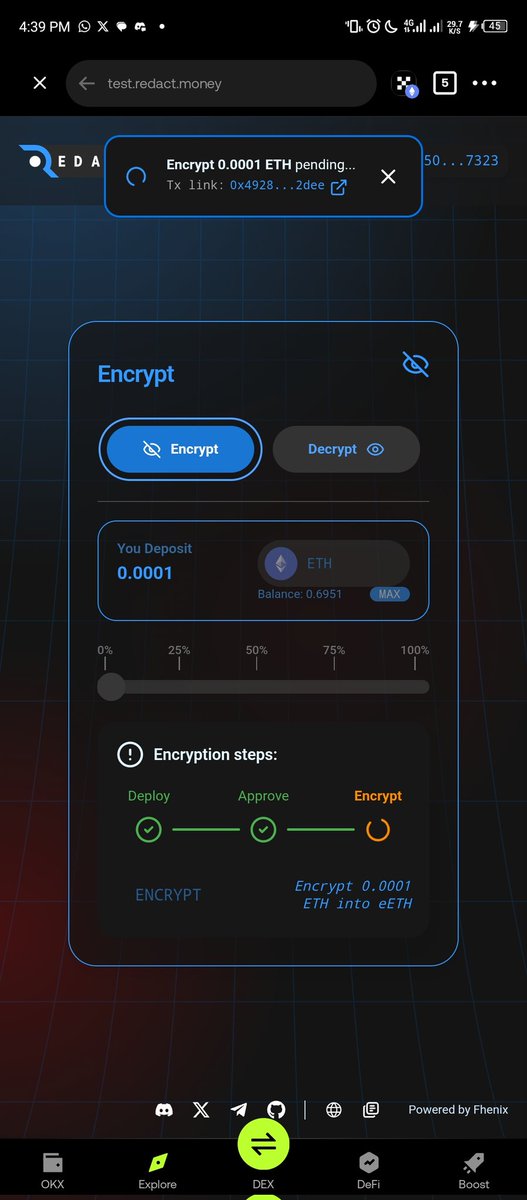
✅ use the redact testnet and send feedback (feedback-and-suggestions)
✨create meaningful content on x
✅ tag @fhenix and @redactmoney
✅ submit links in (# cmty-content
1
4
62

Jan 26
reading the lightpap clarified why @DataHaven_xyz matters.Web2 storage is centr/fragile,while many Web3 solutions feel fragmented.DataHaven stands out by integrating storage directly with Eth,leveraging EigenL security/enabling verifiable/EVMcompatible infra built for real apps
5
6
44

Jan 14
Honestly projects like LitVM are exactly what the crypto ecosystem needs right now.
It's not just hype it brings real Web3 functionality to Litecoin and expands what $LTC can do beyond payments.
By introducing an EVMcompatible layer and supporting things like decentralized apps real world assets and yield opportunities it feels like a next level evolution for the entire community.
Seeing teams build with long term utility and real innovation is always exciting. Definitely something worth watching
@LitecoinVM is Litecoin's first trustless ZK omnichain virtual machine that unlocks smart contracts DeFi tokenized assets and more for the Litecoin ecosystem powered by advanced tech like BitcoinOS and Polygon CDk @LitecoinVM @xeetdotai
1
3
79

Arbitrum As An Ethereum Layer 2 Scaling Solution
Have you ever wanted to carry out a simple transaction on @ethereum, only to pause when you saw the gas fee? For many users, that hesitation has become normal. Ethereum is powerful, but as activity increases, transactions slow down and costs rise.
That friction has been one of the biggest obstacles to everyday use and it’s exactly the problem @arbitrum was designed to address.
What Is Arbitrum?
Arbitrum is an Ethereum Layer 2 scaling solution built by @Offchain.
In simple terms, it helps Ethereum process more transactions at lower cost without weakening its security. It doesn’t replace Ethereum or introduce a new trust system. Instead, it works alongside Ethereum, extending its capacity while still settling final results on the main chain.
Layer 2 solutions exist because Ethereum’s base layer prioritizes decentralization and security over speed. Arbitrum respects that design choice and builds scalability on top of it rather than changing Ethereum itself.
How Arbitrum Scales Ethereum
Arbitrum relies on Optimistic Rollups which move most transaction execution off Ethereum while keeping verification on-chain.
Transactions are executed on Arbitrum, grouped into batches, processed efficiently, and posted to Ethereum as a compressed summary. The system assumes transactions are valid by default - hence “optimistic.”
If no one challenges a transaction, it finalizes quickly and cheaply. If a dispute occurs, Ethereum’s fraud-proof mechanism allows anyone to prove an error, and Ethereum enforces the correct outcome. This keeps costs low while preserving Ethereum as the final authority.
Security Without Compromise
Arbitrum inherits Ethereum’s security model.
User funds are locked in Ethereum smart contracts, not controlled by Arbitrum. Final settlement and dispute resolution always happen on Ethereum, so users benefit from its decentralization and security even though transactions are processed elsewhere.
Arbitrum is also fully EVM-compatible, allowing developers to deploy existing Ethereum smart contracts with minimal or no changes - a key reason for its rapid adoption.
Why Arbitrum Stands Out
What sets Arbitrum apart isn’t just lower fees or faster transactions, it’s seamless integration with Ethereum.
For developers, it feels like Ethereum, just more efficient. For users, it removes the mental friction of deciding whether a transaction is “worth the gas.” This familiarity has helped major DeFi protocols, NFT platforms, and DAOs move to Arbitrum smoothly.
Real Benefits for Everyday Users
DeFi users can trade, lend, rebalance, and provide liquidity without fees eating into returns. NFT creators can mint and interact more freely. DAO participants can vote and engage in governance without second-guessing costs.
These improvements aren’t about speculation, they’re about usability.
Why Arbitrum Matters for the Bigger Web3 Picture
Ethereum’s long-term success depends on scaling responsibly. Overloading the base layer risks congestion, while moving too much off-chain without safeguards weakens trust.
Arbitrum represents a middle ground. It shows how #Ethereum can scale through layered infrastructure while preserving its core values. Layer 2s like Arbitrum aren’t optional upgrades, they’re essential infrastructure for global adoption.
My Opinion
To me, @arbitrum feels less like a flashy innovation and more like a necessary evolution. Ethereum doesn’t need reinvention; it needs usability at scale. Arbitrum solves that quietly, without weakening trust or forcing developers to abandon what works.
In that sense, Arbitrum isn’t just helping Ethereum grow, it’s helping it mature.
#Arbitrum #EVMCompatible #OptimisticRollups #Scaling

1
12
237

. $RLS
. @RaylsLabs is not trying to reinvent finance it’s rebuilding the infrastructure layer finance actually runs on.
The technology centers around a hybrid EVM architecture:
institution owned private permissioned chains connected to a public, compliant EVM network.
This allows execution, data, and governance to live where they belong not forced into a one size fits all chain.
On the private side, institutions get:
• Full privacy
• Custom governance rules
• Identity aware execution
• Regulatory and audit controls
On the public side, Rayls enables:
• Compliant settlement
• Interoperability with DeFi
• Shared liquidity
• Verifiable onchain outcomes
Because Rayls is EVMcompatible, existing smart contracts, tooling, and developers can deploy without friction but with protocol level features Ethereum doesn’t natively provide, like KYC, permissioning, and compliance logic.
This architecture is what makes advanced use cases possible:
RWA tokenization, CBDCs, regulated stablecoins, institutional DeFi, and cross border settlement all without sacrificing security or programmability.
Rayls isn’t optimizing for hype cycles.
It’s optimizing for production finance.
And that’s exactly where onchain adoption is heading.
Study $RLS

29
2
37
400

Jan 6
I'm intriuged by Vault777 because unlike most Casinos, on @Vault777Casino anyone can inspect Bets, Outcomes and Payout logic. Everything lives onchain.
Vault777 is also chainagnostic by design. It already supports tokens across Ethereum and L2s, Binance Smart Chain and other EVMcompatible networks
More chains get added through community governance.
Privacy comes naturally with Vault777. You don’t hand over personal data you just sign transactions with your wallet.
Your keys stay yours and your identity stays minimal.
And security is handled where it should be
1. Audited smart contracts
2. Onchain verification
3. External randomness guarantees

3
5
60