
12h
Pope Leo XII issued a Papal Bull to this effect in 1824 - cum feles se extendit, fideles clamare debent
“O, pandiculatio magna!” was preferred but “Ecce longissima extensio!” and “Protenso corpori!” were also sanctioned by the papacy.
1
2
60
18h
Pope Leo XII issued a Papal Bull to this effect in 1824 - cum feles se extendit, fideles clamare debent
“O, pandiculatio magna!” was preferred but “Ecce longissima extensio!” and “Protenso corpori!” were also sanctioned by the papacy.
1
142

Jun 14
The distinction in virtues is well observed. obedientia non se extendit &c…
But @EamonnClark (typically precise) pre-excludes your murder example in his qualification:
‘Even should bad motives enter into a command which is materially legitimate…’
Lefebvre in ‘88 argued there was a ‘state of necessity’ for the illicit consecrations, which is a radically different thing in category to murder, so it’s very difficult to read your comparison as anything other than a non-sequitur to the OP.
Today, the SSPX has (to my knowledge) made no claim that the commission or avoiding of an intrinsic evil is at play in the proposed consecrations. Though were they to do so that would rather prove the argument…
1
40
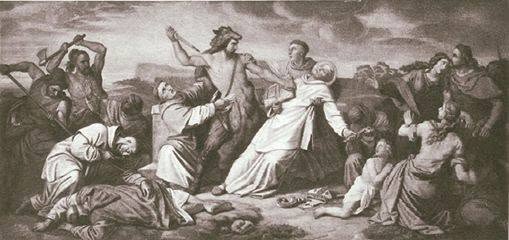
Saint Boniface, Apostle of Germany, Bishop and Martyr:From The Liturgical Year by Dom Prosper Louis Paschal Guéranger, O.S.B. 1870
.
Red Double.
.
The Son of Man, proclaimed King in the highest heavens on his triumphant Ascension Day, leaves to his Bride on earth the task of making his sovereign dominion recognized here below: this is her glory. Pentecost gives the signal for the Church’s work of conquest; now does she awake, aroused by the breath of the Holy Ghost; replenished with this Spirit of Love, she is all eagerness, as he is, to be possessed at once of the whole earth. We have already seen the Franks and the Anglo-Saxons, pledging in her hands their oath of fealty to Christ, to whom is given all power on earth and in heaven. Today, we see how Winfrid realizes the fair name of Boniface, of well-doer, given him by Pope Gregory II. Lo! he presents himself before us, surrounded by the multitudes he has snatched, at one blow, from paganism and barbarism alike. Thanks to the Apostle of Germany, the hour is nigh when the Church may constitute in this world, apart the spiritual dominion of souls, an empire more powerful than any that has ever been or is to be.
.
The Eternal Father draws to his Son not men only, but nations; thee are on earth no less his inheritance than heaven is for all eternity. Now, the good pleasure that God takes in the Word made Flesh could never be content with merely seeing nations to come, one here, another there, offering an isolated homage of recognition to his Christ as their Lord and Master. No; it was the whole world that was promised as his possession, without distinction of nations, without limits, save the confines of the round orb itself; recognized or not, his power is universal. In the case of many, no doubt, the contempt or the ignorance of this regal claim of the Man-God is to last on throughout ages; for revolt, alas! is always possible and to all. Yet did it behove the Church to profit, as soon as might be, of her influence over baptized nations, so as to gather them together in one public acknowledgement of the Royalty of Christ, the source of every kingly power. At the Pontiff’s side, there seemed to be a fitting place for a mailed chieftain of Christendom—such a one, that is, as should be but lieutenant of Christ, who alone is Lord of lords and King of kings. Thus would be realized, in all its plenitude, the magnificent principality announced by the Prophets for the Son of David.
.
Such an institution was indeed worthy of the name it was to receive of the Holy Empire: in it we have the final result of our glorious Pentecost, as being the consummation of the testimony rendered by the Holy Ghost to Jesus, both as Pontiff and as King. In a few days, Leo III, the illustrious Pope called by the Holy Spirit to crown this, His divine work, will proclaim, to the joy of the whole world, the establishment of this new empire beneath the scepter-sway of the Man-God, in the person of Charlemagne, the representative of the King of kings. This marvellous work was not prepared on a sudden. Vast regions, destined to form the very nucleus of this future empire, for long centuries knew not so much as the very name of the Lord Jesus; or at best, preserved but confused notions of truth, derived from some earlier evangelization that had been stifled in its birth by the turmoil of invasions—a mere mixture of Christian practices and idolatrous superstitions. At length we behold Boniface arise, endued with power from on high, the worthy pecursor to Leo III. Born of those “Angel-faced” Angles, by whom ancient Britain was transformed into the “Island of Saints,” he burns to carry into the heart of Germany, whence his ancestors had sprung, the light which first shone upon them, in the land of their conquest.
.
Thirty years of monastic life, begun in childhood despite the tears and caresses of a tender father, had braced his soul. Matured by this long period of retreat and silence, filled with divine science and accompanied by the prayers of his cloistered brethren, he could now in all security set forth to follow the attraction of a divine call. But first and foremost, Rome beholds him at the feet of the Sovereign Pontiff, submitting his plans and prospects to him who is the only source of all “mission” in the Church. Gregory II, in every way worthy of the great Popes that have borne that name, was at that time watching with apostolic vigilance over the Christian world. Amidst the rocks and shoals of Lombard astuteness and of the heretical infatuation of Leo the Isaurian, his firm and prudent hand was safely guiding the bark of Peter, towards the glorious sovereignty that awaited the Church, in the coming eighth Century. In the humble monk prostrate at his feet, the immortal Pontiff could not but recognize a potent auxiliary sent to him by heaven; and so, armed with the Apostolic benediction, Winfrid, now become Boniface feels the powerful attraction of the Holy Spirit, drawing him irresistibly to conquests, of which ancient Rome had never dreamed.
Beyond the Rhine, farther than Roman legions ever penetrated, the Bride of the Man-God now advances into this barbarous land, along pathways tracked for her by Boniface; overturning in her victorious march, the last idols of the false gods, civilizing and sanctifying those savage hordes, the scourge of the old world. This Anglo-Saxon, a true son of Saint Benedict, gives to his work a stability that will defy the lapse of ages. Everywhere, monasteries arise, rooting themselves to the very soil, for God’s sake; and by force of example and beneficence, fixing around them its various nomad tribes. From the river banks, from the forest depths, instead of cries of war and of vengeance, is wafted the accent of prayer and of praise to the Most High. Sturm, the beloved disciple of Saint Boniface, presides over these pacific colonizations, far superior to those of pagan Rome, planted though they were by her noblest veterans and manned by the best forces of her Empire.
.
Lo! another sight: here, where violence has hitherto reigned supreme, in these savage wilds, a novel kind of army is organized, formed of the gentle Brides of Christ. The Spirit of Pentecost, like a mighty wind, has blown over the land of the Angles; and even as in the Cenacle, holy women had a share in its influence, consecrated Virgins, obedient to the heavenly impulse, have quitted the land of their birth, yea even the monastery that has sheltered them from childhood. Having for a while administered only, at a distance, to Winfrid’s needs and copied out for him the sacred books in letters of gold: they have at length come to join the apostle. Fearlessly have they crossed the sea and, guided by their divine Spouse, have come to share the labors undertaken here for his glory. Lioba is at their head; Lioba whose gentle majesty, whose heavenly aspect uplifts the thought from things terrene; Lioba, who by her knowledge of the scriptures, of the Fathers, and of the sacred Canons, is equal to any of the most celebrated Doctors. But the Holy Ghost has still more richly gifted the soul of Lioba with humility and Christian heroism. Behold the chosen Mother of the German nation! Germany’s scornful daughters, athirst for blood, who on their wedding day disdained all other gift save a steed, a buckler, and a lance, are to learn from her the true qualities of the valiant woman. No more shall they be seen intoxicated with slaughter, leading back to the field of battle the vanquished husbands; but the virtues of the wife and of the mother shall replace in them the fury of the camp; family life is to be founded on the Germanic soil and therewith, the “Fatherland.”
This was the thought of Boniface, when he called to his aid Lioba, Walburga, and their companions. Worn out with toil but still more with the incessant wear and fret of petty jealousies (never spared to men of God, on the part of such as would cover their paltry complaints under the cloak of false zeal), our athlete of Christ was not ashamed to come to Lioba, his well-beloved daughter, humbly seeking from her that enlightened counsel and comfort, never denied. Estimating at its true worth the share she had borne in his work, he was desirous that she should be laid to rest in the same tomb prepared for him in his Abbey of Fulda.
.
But not yet was his labor ended, nor the evening of life at hand. The spiritual weal of his numberless converts must be secured, and at their head must be placed such as the Holy Ghost designated for the government of God’s Church. By his means, the hierarchy was constituted and developed; the land was covered with churches; and beneath the crosier-sway of holy bishops chosen by God, these once wandering tribes now began to life a life of glory to the Most Blessed Trinity in a country, but yesterday, pagan, and wherein Satan had hoped to perpetuate his own domination.
Nor was this our saint’s only work in Germany: in certain isolated parts on the confines, the seeds of Arianism and Manicheeism had been silently taking root by means of an intruded clergy, half pagan and half Christian in their rites; and these would inevitably prove a serious scandal to his recent converts that came within reach of their influence. Even as Christ, armed with a whip of cords, drove the buyers and sellers from the temple, so did Boniface, by vigorous measures, rid the land of these sectarian priests, who, with hands polluted by heathenish sacrifices to the vanquished deities of Valhalla, dared to offer also the spotless victim to the Most High.
The powerful action of Boniface, as the precursor of the Holy Empire, was not confined to preparing the German race alone, for its share in so high a destiny. His beneficent influence was now to be exercised, and at a most critical moment upon the France, the eldest daughter of the Church; for she was chosen, in the person of her Princes, to be the first to bear the emblem of Christ’s universal kingship. The descendants of Clovis had preserved naught of his royal inheritance, save the vain title of a power that had now just passed into the hands of a new family, a more vigorous branch of his stock. Charles Martel, the head of this race, measuring his strength with the Moors had crushed their entire army near Poitiers: but in the flush of victory, the hero of the day had well nigh brought the Church of France to the brink of ruin by distributing to his comrades in arms the episcopal sees and abbeys of the land! Unless a situation no less disastrous than would have been the triumph of Abderahman was to be accepted, these usurped crosiers must at once be wrested from the hands of such strange titularies. To effect this, as much gentleness as firmness were needed, together with an ascendency belonging only to virtue, if the hero of Poitiers and his noble race were to be gained over, to respect the rights of holy Church. This victory, more glorious than had been the defeat of the Moors, was won by Boniface, a veritable triumph of disarmed holiness, as profitable to the vanquished as to the Church herself! Of this fierce warrior, he was to make the worthy father of a second dynasty, the glory whereof should far surpass the brilliant hopes of the first race of Frankish kings.
.
Boniface, now Legate of Pope St. Zachary, as he had formerly been of Gregory III, fixed his episcopal see at Mainz, the better at one and the same time to hold fast to Christ, both Germany, the conquest of his earlier apostolate, and France more recently rescued by his labors. Like another Samuel, he himself, with his own hands, consecrated this new regal dynasty, by conferring the sacred unction on Pepin le Bref, son of Charles Martel. This was in the year 752. Another Charles, as yet a child, who was one day to inherit that throne thus firmly fixed, attracted the notice of the aged Saint, and received his benediction; it was the future Charlemagne. But to the hand of a Sovereign Pontiff would be reserved the anointing of that royal brow; and a diadem more glorious still than that of a king of the Franks, was one day to rest thereon, exhibiting in his person the head of the new Roman Empire, the lieutenant of Christ, the King of kings.
.
The personal work of Boniface was now accomplished; like the old man Simeon, his eyes had seen the object of all his ambition, of all his life-long toil, the salvation prepared by God for this new Israel. He too had now no desire left save that of departing in peace to his Lord; but could the entering into peace, for such an Apostle, be by other gate than that of martyrdom? He understands this well: his hour has sounded: the old warrior has chosen his last battlefield. Friesland is still pagan: half a century ago, at the opening of his apostolic career, he had avoided this country, in order to escape the bishopric which Saint Willibrord, at that early date, was anxious to force upon him: but now that she has naught, save death, to offer him, he will enter this land. In a letter of sublime humility, prostrate at the feet of Pope Stephen III, he remits to the correction of the Apostolic See, the “awkward mistakes,” as he terms them, and the many faults of his long life; to Lullus his dearest son, he leaves the Church of Mainz; he recommends to the care of the Frankish king the several priests scattered all through Germany, the monks and virgins who from distant homes have followed him hither. Then ordering to be placed amongst the few books which he is taking with him, the winding sheet that is to enwrap his body, he designates the companions chosen by him for the journey, and sets out to win the martyr’s palm.
.
Let us now read the liturgical record of this grand life.
.
.
Bonifacius, antea Winfridus appellatus, apud Anglos natus est, exeunte sæculo septimo. et ab ipsa infantia mundum, aversatus, vitam monasticam in votis habuit. Cum ejus pater animum sæculi illecebris permutare frustra tentasset, monasterium ingreditur, et sub beati Wolphardi disciplina omnium virtutum ac scientiarum genere imbuitur. Annum agens trigesimum sacerdotio insignitur, ac verbi divini prædicator assiduus, magno animarum lucro hoc in munere versatur. Attamen regnum Christi adaugere desiderans, continuo flebat ingentem multitudinem barbarorum, qui ignorantiæ tenebris immersi dæmoni famulabantur. Qui quidem animarum zelus cum in dies inexstinguibili ardore accresceret, divino Numine per lacrymas et orationes explorato, facultatem a monasterii præposito obtinuit ad Germanicas oras proficiscendi.
.
Boniface, formerly called Winfrid, was a native of Anglia, born towards the end of the seventh century. From his very childhood, he turned away from the world and set his heart upon becoming a monk. His father tried in vain to divert him from his wishes by the beguilements of the world, and he entered a monastery, where under blessed Wulphard he was instructed in all virtuous discipline and every kind of knowledge. At the age of twenty-nine years he was ordained Priest, and became an unwearied preacher of the word of God, wherein he had a special gift, which he used with great gain of souls. Nevertheless, his great desire was to spread the kingdom of Christ, and he continually bewailed the vast number of barbarians, who were plunged in the darkness of ignorance and were slaves of the devil. This zealous love of souls increased in him in intensity day by day, till having implored the divine aid by prayers and tears, he at last obtained the permission of the Prior of the monastery to set out for Germany.
.
Ex Anglia duobus cum sociis navim solvens, Dorestadium in Frisiæ oppidum venit. Cum autem bellum gravissimum inter Frisonum regem Radbodum, et Carolum Martellum exarsisset, sine fructu Evangelium prædicavit; quapropter in Angliam reverus ad suum redivit monasterium, cui invitus præficitur. Post elapsum biennium, ex consensu episcopi Vintoniensis munus abdicavit, et Romam profectus est, ut Apostolica auctoritate ad gentilium conversionem delegaretur. Cum ad Urbem pervenisset, a Gregorio Secundo benigne excipitur, pro Winfrido Bonifacius a Pontifice nominatur. In Germaniam directus, Thuringiæ Saxoniæque populis Christum annuntiavit. Cum interea Radbodus Frisire Rex ac infestissimus Christiani nominis hostis occubuisset. Bonifacius ad Frisones rediit, ubi Sancti Willibrordi socius per triennium tanto cum fructu Evangelium prædicavit, ut destructis idolorum simulacris, innumeræ vero Deo ecclesiæ excitarentur.
.
He sailed from Anglia with two companions and reached the town of Dorestadt in Friesland. A great war then raging between Radbod, king of the Frieslanders, and Charles Martel, he preached the Gospel without fruit: for which reason returning to Anglia, he betook himself again to his former monastery, the government of which, against his will, he was forced to accept. After two years, he obtained the consent of the Bishop of Winchester to resign his office, and he then went to Rome, that by the Apostolic authority he might be delegated to the mission for the converting of the heathens. When he arrived at the City, he was courteously welcomed by Gregory II, who changed his name from Winfrid to Boniface. He departed thence to Germany and preached Christ to the tribes in Thuringia and Saxony. Radbod King of Friesland who bitterly hated the Christian name, being dead, Boniface went a second time among the Frieslanders, and there, with his companion St. Willibrord, preached the Gospel for three years with so much fruit, that the idols were hewn down, and countless churches arose to the true God.
.
A sancto Willibrordo ad episcopale manus expetitus, illus detrectavit, ut promptius infidelium saluti instaret. In Germaniam profectus plura Hassorum millia a dæmonis superstitione avocavit. A Gregorio Pontifice Romam evocatus, post insignem fidei professionem episcopus consecratur. Exinde ad Germanos redux, Hassiam et Thuringiam ab idololatriæ reliquiis penitus expurgavit. Tanta propter merita Bonifacius a Gregorio Tertio ad dignitatem archiepiscopalem evehitur, et tertio Romam profectus a Summo Pontifico Sedis Apostolicæ Legatus constituitur: qua insignitus auctoritate, quatuor episcopatus instituit, et varios synodos celebravit, inter quas concilium Leptinense memorabile est apud Belgas in Cameracensi diœcesi celebratum, quo quidem tempore ad fidem in Belgio adaugendam egregie contulit. A Zacharia Papa creatus Moguntinus Archiepiscopus, ipso Pontifice jubente, Pippinum in regem Francorum unxit. Post mortem Sancti Willibrordi Ultrajectensem ecclesiam gubernandam suscepit, primo per Eobanum, deinde per seipsum, dum ab ecclesia Moguntina absolutus, Ultrajecti resedit. Frisonibus ab idololatriam relapsis Evengalium prædicare rursus aggreditur; cumque officio pastorale occuparetur, a barbaris et impiis hominibus, juxta Bornam fluvium, cum Eobano coepiscopo multisque aliis cruenta cæde peremptus, martyrii palma condecoratur. Corpus sancti Bonifacii Moguntiam translatum, et, ut ipse vivens petierat, in Fuldensi monasterio, quod extruxerat, reconditum fuit, ubi multis miraculis inclaruit. Pius autem Nonus Pontifex Maximus, ejus Officium et Missam ud universam Ecclesiam extendit.
.
Saint Willibrord urged upon him to take the office of Bishop, but he refused, so that he might the more instantly toil for the salvation of the unbelievers. Advancing into Germany, he reclaimed thousands of the Hessians from devilish superstition. Pope Gregory sent for him, to Rome, and after receiving from him a noble profession of his faith, consecrated him a bishop. He again returned to Germany, and thoroughly purged Hesse and Thuringia from all remains of idolatry. On account of such great works, Gregory III advanced Boniface to the dignity of an archbishop, and on the occasion of a third journey to Rome, he was invested by the Sovereign Pontiff with the powers of Legate of the Apostolic See. As such, he founded four bishoprics and held diverse synods, among which is especially to be remembered that of Lessines held in Belgium, in the diocese of Cambrai, at which time he made his strongest efforts to spread the Faith among the Belgians. By Pope Zachary, he was named Archbishop of Mainz, and by command of the same Pope, he anointed Pepin to be king of the Franks. After the death of Saint Willibrord, he undertook the government of the Church of Utrecht, at first by the ministry of Eoban, but afterwards by himself, when being released from the care of the Church of Mainz, he established his see at Utrecht. The Frieslanders having again fallen back into idolatry, he once more betook himself to preach the Gospel among them, and while he was busied in this duty, he won the palm of martyrdom being slain by some impious barbarians, who attacked him together with his fellow bishop Eoban, and many others, on the river Born. In accordance with the wish expressed by himself during life, the body of Saint Boniface was carried to Mainz and buried in the Monastery of Fulda, of which he had been the founder, and which he has rendered illustrious by numerous miracles. Pope Pius IX ordered his Office and Mass to be extended to the universal Church.
.
Thou wast, O great Apostle, the faithful servant of Him who chose thee as the minister of his word and propagator of his kingdom. When the Son of Man quitted earth to receive the delighted homage of the heavenly hosts, in recognition of his kingship over them, he nonetheless remained King of his lower world, which he has left but for a little while. He counted on his Church to guard his principality here below. Small indeed was the number of those who recognized him on the day of his glorious Ascension as their Master and their Lord. But that faith deposited in these first chosen souls was a treasure which they, like skillful bankers, knew how to work, and how to multiply by apostolic commerce. Transmitted from generation to generation, up to the day of the Lord’s return, this precious capital was to go on yielding, to the absent Lord, more and more accumulated interest. Thus was it with thee, O Winfrid, in that age wherein thou didst bring in to the Church that tribute of labors which she requires, though in very different proportion, at the hands of each one of her sons. Beyond these of others, thy works appeared well-done and profitable to the common Mother; in her gratitude forestalling the Spouse himself, she would, even in this world, call thee by that new name whereby thou art known in heaven.
Indeed, when did riches such as thou didst bring, come pouring at once into the hands of the Bride? When did the spouse appear to be so fully and truly Head of the whole world, as in the eighth century, in which the Frankish princes, formed by thee to their noble destinies, constituted the temporal sovereignty of the Church, and gloried in being, at the side of the Vicar of the Man-God, the Lieutenants of Christ the King? To thee, O Boniface, is the Holy Empire indebted, for the very possibility of its existence. But for thee, France would have perished, debased by a simoniacal clergy, even before a Charlemagne had appeared; but for thee, Germany would have remained a prey of pagan barbarians, enemies of all civilization and progress. O thou that didst rescue both Germans and Franks, receive our grateful homage.
.
At the sight of thy works, and remembering the great popes and princes of colossal build, whose glory is indeed derived from thee—our admiration equals our gratitude. But pardon us dear Saint, if the thought of those grand centuries of yore, so far removed, alas, from anything of these our days, should make us mingle sadness over ourselves, with joy over thee. Viewed in the light of thy holy policy and its results, O glorious precursor of the confederation of Christian nations, how do we not bewail the fatal errors of those princes and statesmen, so renowned in the seventeenth century, and so foolishly admired by a world whose ruin they were hastening. For by isolating Catholic nations from one another, the ties that bound them to the Vicar of Christ became loosened: princes, forgetful of their true position as representatives of the divine King, made friends with heresy in order to assert their independence of Rome, or mutually to lower one another’s power. Therefore Christendom is no more. Upon its ruins, like a woeful mimicry of the Holy Empire, Protestantism has raised its false Evangelical Empire, formed of naught but encroachments, and tracing its recognized origin, to the apostasy of that felon knight, Albert of Brandenburg.
The complicities that rendered such a thing possible have received their chastisement. Be then God’s Justice at last satisfied! O Boniface, cry out with us unto the God of armies, for Mercy. Raise up in the Church servants of Christ, powerful in word and work, as thou wast. Save France from anarchy; and restore to Germany a right appreciation of true greatness, together with the Faith of her ancient days.
1
3
1,613

May 29
Isso fica ainda mais evidente quando consideramos o texto latino:
"extendit manus et, una cum populo, pergit"
("abre/estende as mãos e, juntamente com o povo, prossegue").
A expressão "una cum populo" está ligada ao verbo "pergit", não à ação anterior de estender as mãos.
1
4
116

Apr 25
Si hay gente a la q le atraen los wargames chinos por el reto de la traducción yo reivindico que el Thunderbolt de GMT lo editen en latín
“Zona moderandi sex hexagona circum unitatem extendit, et commeatus usque ad radium quinque hexagonorum ad locum tribuni transportari possunt”
6
3
49
1,108

Apr 22
Sar, we been tryn to rach yew aboot yar extendit cahr warrantah!
4
393

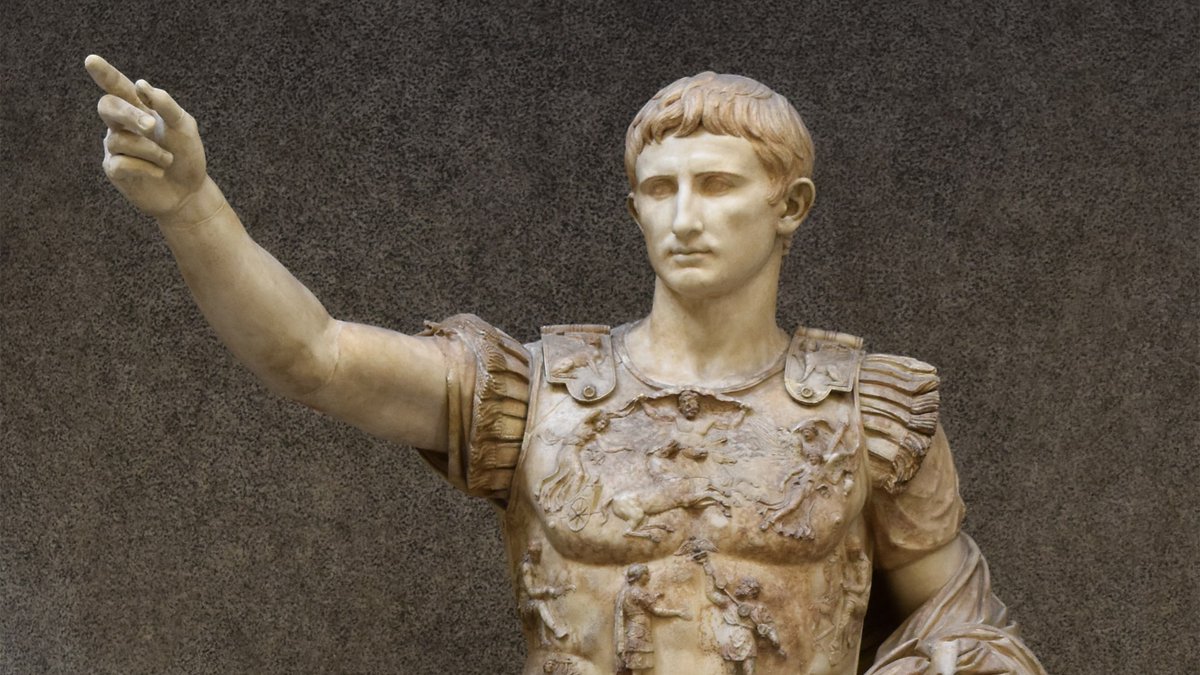
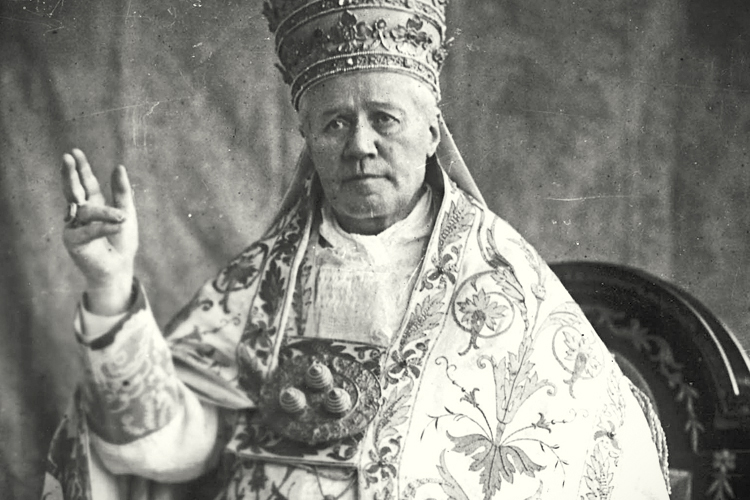
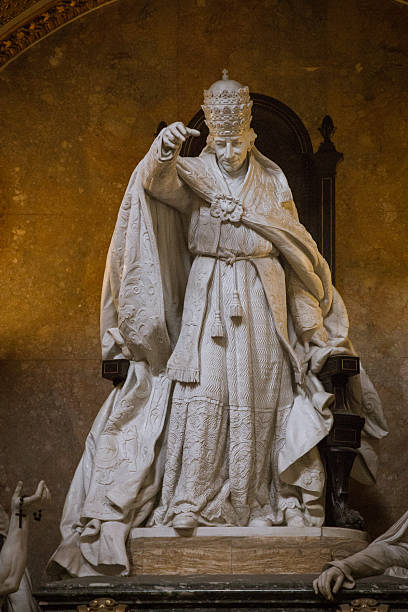
Do you know the origin of this hand and finger position seen in photos of some popes?
At first, we are led to think that it means a blessing.
The raised and extended hand appears as the starting point for a blessing in the form of a cross. And indeed, it is. But why in this way? Why this specific position of the fingers?
The traditional Catholic spiritual interpretation of this hand position (which dates back to the Middle Ages) sees in the three extended fingers (thumb, index, and middle) the Most Holy Trinity, while the two folded fingers represent the two natures of Christ (divine and human).
But a look at the classical world can also bring us some interesting historical connections.
Quintilian (35–95 AD) comments on the gesture of the orator who is about to begin his speech: “Inter alia, duobus infimis digitis conclusis, ceteris vero explicatis et erectis exprimebatur gestus ille oratorum proprius loqui incipientium” (Quintil. Inst. Or. 11.3). In other words, it was the proper gesture of an orator beginning a speech to have the last two fingers (the ring and little fingers) folded toward the palm, while the others remained extended.
To this is added the description of the gesture of the “Pacificator” (the Peacemaker): “brachio ab aure protenso, manum infesto pollice extendit.” That is, having extended the arm forward from the ear, he stretches out the “hostile” thumb (pointing upward).
These descriptions by Quintilian (which are also found in Apuleius, Apul. Met. 2) are very consistent with the traditional papal gesture found in old photographs.
2
4
45
2,619

"Abyssus invidet, et ligatus contremiscit in silentio. Leviathan vincula abyssi extendit, et aerugo blasphemiae consumit ferrum. Septem stellae cadunt, et mare bibit ignem earum. Ora superborum aperiuntur, et loquuntur linguis regum submersorum.[...]"
1
2
18
1,215

Mar 16
Corvum candidum exhilaramus
Ecce extendit trans mundi alas
Vocat lucem rubram excidii
Fulget luce rubrae victoriae
Imperium!
Imperium!
Imperium ave!
#ffxiv #ffxivart #ff14

ALT Nael van Darnus in full armor with Bradamante on her back. One arm is outstretched and a silver wing extends from it. Flames burn in the lower right corner, and the Garlean flag is behind her. The tower at Castrum Novum is in the background in the upper left, and Dalagab is at the top.
2
6
160

Mar 5
nit clear, can you extendit: - CIT: 10% under 1M eur/year; 18% above - dividends: 10% - pay yourself a small salary: 20-30% of PIT and “lost” socialSec on it (~5k eur/yr)
1
1
39
Dē appāritiōne Virginis Marīae ad S. Bernadette
Annō quārtō ā dogmaticā dēfīnītiōne dē immaculātō beātæ Virginis Conceptū, ad Gāvī flūminis ōram prope oppidum Lourdēs diœcēsis Tarbiēnsis in Galliā, cum puella quædam, nōmine Bernadette, in rūpis sinū plūriēs sē immaculātam Deī Genetrīcem cōnspexisse assereret, tot et tanta mīrābilia facta sunt, ut digitum Deī ibi esse prūdēns quisque et pius Christifidēlis facile intellegeret.
Quæ inter illud est celebre quod ægrī haurientēs aquam ē fonte in specū tunc prīmō mīrābiliter scatente, sæpe sæpius sānitātem recipiant. Percrebrēscente itaque fāmā beneficiōrum quæ in sacrō specū recēpisse fidēlēs dīcēbantur et auctō in diēs hominum concursū, Tarbiēnsis epīscopus, post iūridicam factōrum inquīsītiōnem, cultum eiusdem Virginis immaculātæ in eōdem specū permīsit.
Mox ædificātō templō, innumeræ fidēlium turbæ quōvīs annō illūc adveniunt, nōmenque Deiparæ immaculātæ ubīque terrārum in diēs inclārēscit; eō magis, quod singulīs annīs, dūrante prōcessiōne sānctissimī Sacrāmentī, īnfirmīs undique eō dēlātīs, nōnnūllī, sānātiōnem ā Dominō per intercessiōnem immaculātæ Matrīs petentēs, illicō convalēscunt.
Quibus iūre commōtus summus Pontifex Pius decimus, fēstum ā Leōne decimō tertiō aliquibus locīs concessum ad ūniversam extendit Ecclēsiam.
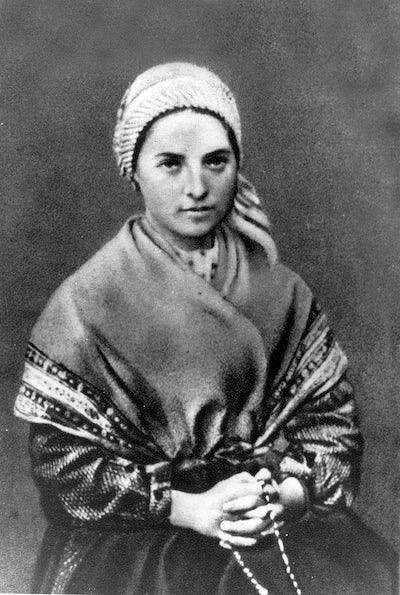
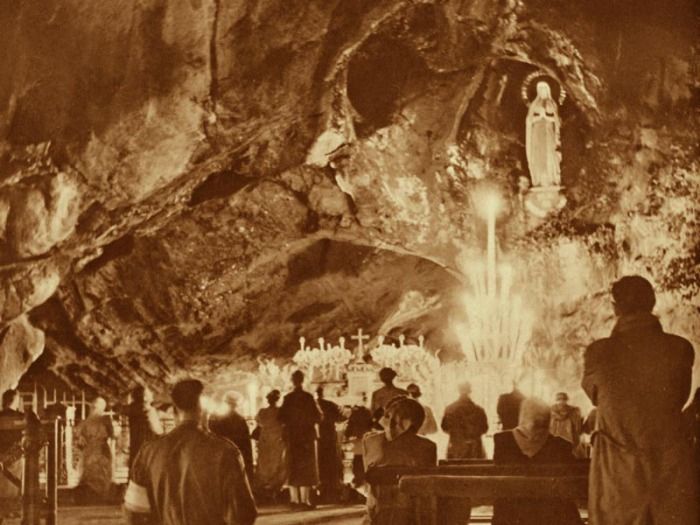
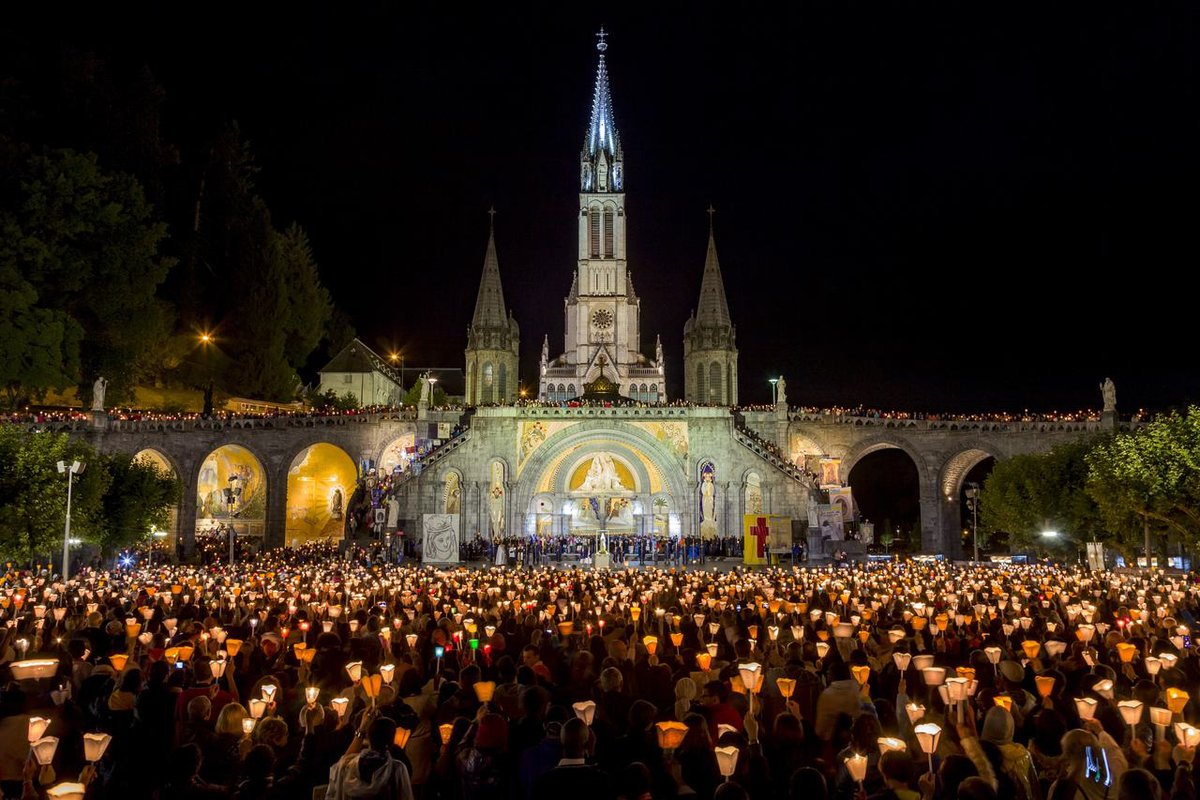
2
1
9
286


27 Nov 2025
November 26 Saint Sylvester, Abbot: The Liturgical Year of Dom Prosper Gueranger.
.
White Double.
.
God often brings the world to those who flee from it, as Sylvester Gozzolini among others experienced. In the thirteenth century, the world, all in admiration at the sanctity and the eloquence of the new Orders, seemed to have forgotten the monks and the desert. God, who never forgets, led His elect silently into solitude, and the wilderness began again to rejoice and flourish like the lily; strength was restored to the weak hands and feeble knees of the sons of the cloister. The austerities of olden days and the fervor of prolonged prayer were revived at Monte Fano, and extended into sixty other monasteries; the new religious family of the Sylvestrians was approved by Innocent IV in 1247. Though originated seven centuries after St. Benedict, and distinguished from the elder families by its blue habit, it claims the Patriarch of Cassino for its legislator and father.
.
Let us read the life of St. Sylvester which was inserted in the Breviary by Pope Leo XIII.
.
Silvester, Auximi in Piceno nobili genere ortus, statim puerilem ætatem litteris ac bonis moribus mirfice exornavit. Adolescans Bononiam ad studia jurisprudentiæ missus a patre, cum sacris litteris a Deo monitus dedisset operam, parentis incurrit indignationem, quam æquo animo toto decennio pertulit. Ob egregiam ejus virtutem a canonicis cathedralis Auximanæ ecclesiæ socius honoris electus est; in quo munere populo orationibus, exemplo et concionibus opem tulit.
.
Sylvester was born of a noble family at Osimo in the Marches of Ancona, and in his boyhood was remarkable for his love of study and his good conduct. As a youth he was sent by his father to Bologna to study jurisprudence, but was admonished by God to devote himself to sacred learning. This incited his father to anger, which Sylvester patiently endured for ten years. On account of his remarkable virtue, the Canons of Osimo elected him an honorary member of their chapter, in which position he benefited the people by his prayers, his example, and his sermons.
.
Inter funus nobilis cujusdam defuncti, in aperto tumulo formosi viri suique propinqui deforme cadaver conspiciens: Ego, inquit, sum, quod hic fuit; quod hic est, ego ero. Et mox, peracto funere, illa sibi Domini sibi occurrente sententia: Qui vult venire post me, abneget semetipsum, et tollat crucem suam, et sequatur me, in solitudinem majoris perfectionis studio secessit, ibique vigiliis, orationibus jejuniisque deditus, crudas tantum herbas in cibum sæpius adhibuit. Ut autem magis lateret homines, varias mutavit sedes; ac demum pervenit ad montem Fanum, locum, quamvis prope Fabrianum, eo tamen tempore desertum, ibique in honorem sanctissimi Patris Benedicti templum erexit, congregationisque Silvestrinorum fundamenta jecit, sub regula et habitu in visione sibi ab eodem Sancto ostensis.
.
While assisting at the funeral of a nobleman, his relative, who had been remarkably handsome, he looked into the open coffin, and seeing the corpse all deformed, said to himself: What this man was, I am now; what he is now, I shall be hereafter. As soon as the funeral was over, reading these words of our Lord: If any one will come after Me, let him deny himself and take up his cross and follow Me, he retired into solitude in order to attain greater perfection; there he gave himself up to watching, prayer and fasting, often eating nothing but raw herbs. The better to conceal himself from men he frequently changed his place of abode; and at length settled at Monte Fano, which, though near to Fabriano, was at that time a desert. There he built a church in honor of the most holy father Benedict, and founded the Congregation of Sylvestrians, under the rule and habit shown him by St. Benedict in vision.
.
At invidens satanas variis terroribus illius monachos turbare nitebatur, noctu monasterii januas hostiliter invadens. Sed vir Dei hostis impetum ita repressit, ut monachi in sancto instituto magis confirmarentur, ac patris sanctitatem agnoscerent. Spiritu prophetiæ aliisque donis enituit. Quæ ut semper profunda humilitate conservavit, ita contra se dæmonis invidiam concitavit, a quo præceps actus per scalas oratorii, et prope interimendus, præsentissimo Virginis beneficio incolumitati redditus est. Quod beneficium perpetua et singulari in illam pietate commendavit ad ultimum usque vitæ spiritum, quem fere nonagenarius, sanctitate et miraculis Deo reddidit anno salutis millesimo ducentesimo sexagesimo septimo, sexto calendas decembris. Ejus Officium ac Missam Leo Decimus tertius Pontifex Maximus ad universam extendit Ecclesiam.
.
Satan, roused to envy, strove in many ways to terrify his monks, making assaults by night at the monastery gates. But the man of God repressed the enemy’s attacks with such vigor, that the monks, recognizing their father’s sanctity, were more and more confirmed in their holy purpose. Sylvester was remarkable for the spirit of prophecy and other gifts, which he guarded by deep humility. This so stirred up the devil’s envy that he cast the saint headlong down the oratory stairs and well nigh killed him, but the blessed Virgin at once graciously restored him to health. In gratitude for this benefit, Sylvester showed her the tenderest unfailing piety to the end of his life. He died at the age of about ninety years, renowned for sanctity and miracles, on the sixth of the Kalends of December, in the year of salvation 1267. The Sovereign Pontiff Leo XIII extended his Office and Mass to the universal Church.
.
.
Peter, successor of St. Theonas in the See of Alexandria, was by his learning and holiness the glory of Egypt, and the light of the whole Church of God. Such was his courage under the terrible persecution raised by Maximian Galerius, that the example of his admirable patience strengthened a great many in Christian virtue. He was the first to cut off from the communion of the faithful, Arius, deacon of Alexandria, for favoring the schism of the Meletians. When Peter had been condemned to death by Maximian, the priests Achillas and Alexander came to him in prison to intercede for Arius; but the bishop answered that during the night Jesus had appeared to him with His garment torn, and on his asking the cause, had replied: “Arius has rent My garment, which is the Church.” He then foretold that they two would succeed him in turn in the episcopate, and forbade them ever to receive Arius to communion, for he knew that he was dead to God. The truth of this prophecy was soon proved by the event. Peter was beheaded, and thus went to receive the crown of martyrdom on the sixth of the Kalends of December, in the twelfth year of his episcopate.
.
Let us offer our homage and prayers to the great bishop whom the Church thus commemorates today. For a long time he went by the name of Peter the Martyr, until in the thirteenth century another Peter martyr, himself illustrious among all, came to claim the title, leaving his glorious brother to be known as St. Peter of Alexandria.
.
Ant. Iste sanctus pro lege Dei sui certavit usque ad mortem, et a verbis impiorum non timuit: fundatus enim erat supra firmam petram.
.
Ant. This Saint fought even to death for the law of his God, and feared not the words of the wicked; for he was founded upon a firm Rock.
.
℣. Gloria et honore coronasti eum Domine.
.
℣. Thou hast crowned him with glory and honor, O Lord.
.
℟. Et constituisti eum super opera manuum tuarum.
.
℟. And hast set him over the works of Thy Hands.
.
Prayer
.
Infirmatatem nostram respice, omnipotens Deus: et quia pondus propriæ actionis gravat, beati Petri Martyris tui atque Pontificis, intercessio gloriosa nos protegat. Per Dominum.
.
Have regard to our weakness, O Almighty God: and since the weight of our own deeds is grievous to us, may the glorious intercession of blessed Peter, Thy Martyr and Bishop, protect us. Through.
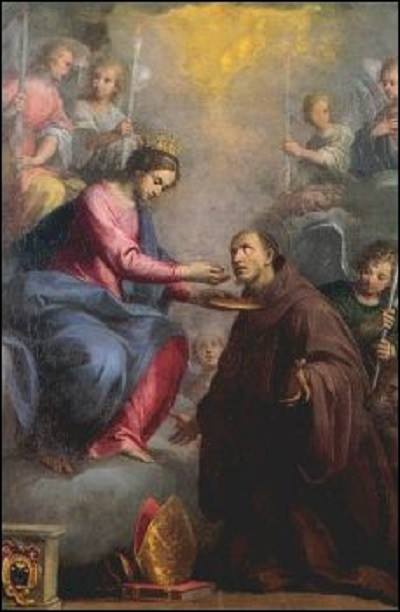
2
77

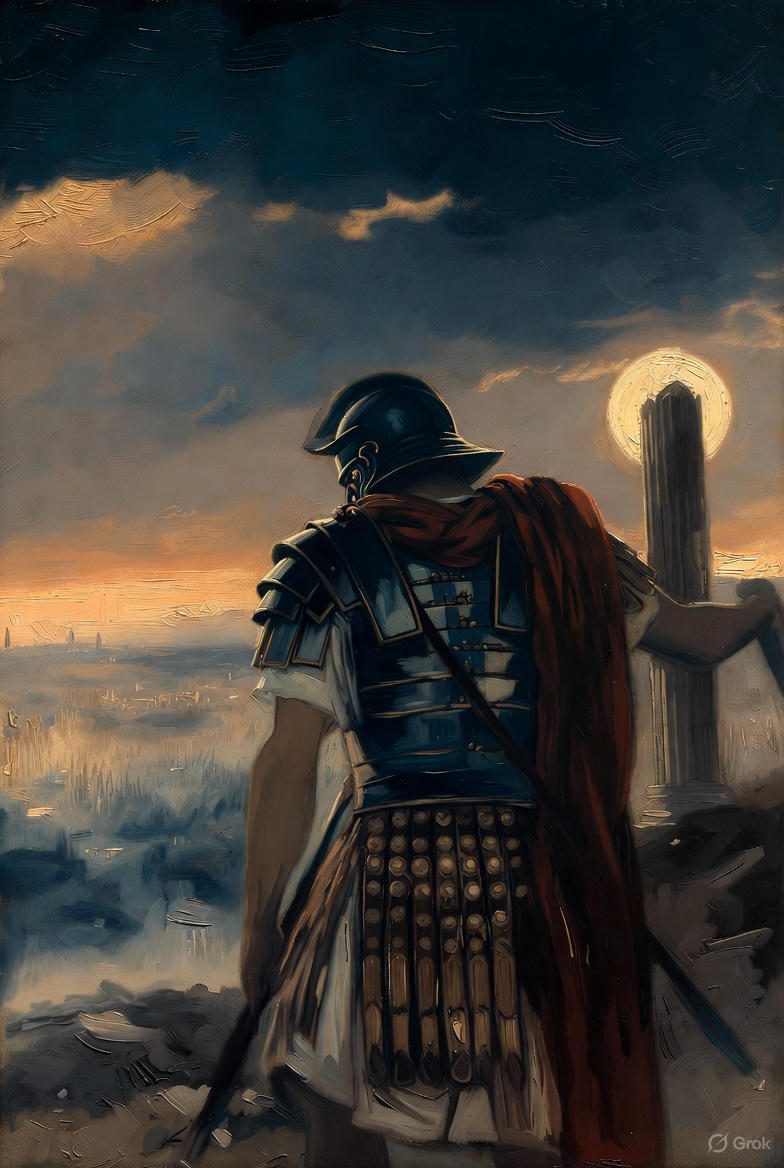
prompting grok in latin :D
it works, and im wondering if a prompt language's structure changes outputs
image🖼️:
Scaena: A tergo videmus legionarium Romanum ex bello reversum, defatigatum, stantem et in occasum solis aureum ad horizontem remotum intuens. Brachium dextrum suum ad columnam fractam extendit, quae recta stans partes solis obstruit.
video📽️:
Dum galeam suam deponit Romanus, procella sedatur.
style reference in english
translation by grok
1
1
24
533

29 Oct 2025
⚠️📜⚠️ BONUS RECAP⚠️ 📜⚠️
Featuring OP .......
📜Jeremiah 9:1-26 - 10:1-25 - 11:1-23
⚠️ Specialist multilingual translations Ft. English, Hebrew, Greek, Aramaic, Latin, & Coptic Lang. & Sense ) see Replies Below ⚠️
🔑 Thematic Summary (Jeremiah 9–11) 🔑
Across these 3 chapters the languages converge around 3 ascending revelations:
📜 Jeremiah 9 The inner knowledge of God transcends worldly wisdom and strength. In Hebrew, the verbs for “knowing” and “understanding” are rooted in yada‘, the experiential knowing found in intimacy and covenant.
📜 Jeremiah 10 –The voice of creation reveals divine wisdom as a cosmic architecture God’s ḥokhmah (wisdom), tĕvūnāh (understanding), and dā‘ath (knowledge) shape both heavens and hearts. In Greek thought, this mirrors the Logos that orders the cosmos.
📜 Jeremiah 11 The call to covenant faithfulness recalls the Exodus and purification through trial obedience as the fire that refines, not destroys.
Unified Linguistic Insight
• Hebrew gives us covenantal heart-knowledge.
• Greek turns it to philosophical order, the Logos principle.
• Aramaic personalizes divine mercy and liberation.
• Latin defines it as moral and legal justice.
• Coptic hymns it as intimate spiritual union.
🔑📜🔑 Together, Jeremiah 9–11 becomes a microcosm of Apocalyptic Theology
the tears of the Prophet mirror divine compassion; the thunder of God’s voice unveils cosmic structure; the covenant commands recall the path of redemption.
🔑 NOW we take a look more directly at each of these 3 special chapters we have first ......
📜 Jeremiah 9 The Prophet’s Tears and the Knowledge of God
🔑 Hebrew (Jeremiah 9:1–2)
מִי־יִתֵּן רֹאשִׁי מַיִם וְעֵינִי מְקוֹר דִּמְעָה וְאֶבְכֶּה יוֹמָם וָלַיְלָה אֵת חַלְלֵי בַת־עַמִּי
Transliteration – Mi-yitten rō’shî māyim wĕ‘ênî mĕqôr dim‘āh wĕ’evkeh yōmām wālāylāh ’eth ḥallelê bath-‘ammî.
🔑 English
“Oh that my head were water and my eyes a fountain of tears, that I might weep day and night for the slain of the daughter of my people.”
→ Hebrew highlights prophetic compassion the word dim‘āh (tear) is from a root meaning “to dissolve,” as if Jeremiah himself melts in grief.
🔑 Greek (LXX 9:1)
Τίς δώσει τῇ κεφαλῇ μου ὕδωρ καὶ τοῖς ὀφθαλμοῖς μου πηγὴν δακρύων, καὶ κλαύσομαι τὸν λαόν μου ἡμέρας καὶ νυκτός.
Sense Greek emphasizes πηγὴ δακρύων, “a spring of tears,” the same phrase used in early Christian ascetic writings for the “gift of tears.”
🔑 Aramaic (Targum 9:1)
מַן יְהֵיב רֵישִׁי מַיָּא וְעֵינִי מְבוֹעָא דִמְעָתָא וְאֶבְכֵּי יוֹמָם וּלְיָלְיָא עַל קְטִילֵי בַת עַמִּי.
Sense The Targum keeps the vivid emotion but adds nuance of “slain of My people,” showing Jeremiah’s identification with divine sorrow.
🔑 Latin Vulgate (9:1)
Quis dabit capiti meo aquam et oculis meis fontem lacrimarum et plorabo die ac nocte interfectos filiae populi mei.
Sense Jerome’s Latin keeps the lament rhythm; plorabo die ac nocte became a monastic formula for continual prayer.
🔑 Coptic (sense rendering)
ⲡⲉϫⲁ ⲡⲓⲙⲁ ⲛⲧⲉ ⲛⲁⲓ ⲉⲃⲟⲗ ⲉⲃⲟⲗ ⲉⲧⲉ ⲡⲁⲕⲉⲫⲁⲗⲏ ⲛⲁⲩ ⲛⲧⲉ ⲡⲓⲱⲟⲩⲧ ⲛⲧⲉ ⲡⲉⲓⲙⲁⲓ ⲁⲩⲱ ⲡⲁⲉⲓⲛⲉ ⲛⲁⲩ ⲛⲧⲉ ϩⲓⲧⲉⲙ ⲛⲁⲓ ⲙⲡⲓⲇⲁⲕⲣⲩ ⲉϣⲱⲡ ⲙⲙⲟⲓ ⲙⲡⲁⲗⲉⲓ ⲛⲧⲉ ϩⲙⲉ ⲛⲉⲙ ⲡⲓⲙⲟⲩ.
Sense A literal Coptic sense: “That my head were of water and my eyes a spring of tears, that I might weep day and night for the slain of my people.” Often sung in Egyptian lamentation hymns.
🔑 Hebrew (Jeremiah 9:23–24)
כֹּה אָמַר יְהוָה אַל־יִתְהַלֵּל חָכָם בְּחָכְמָתוֹ וְאַל־יִתְהַלֵּל הַגִּבּוֹר בִּגְבוּרָתוֹ וְאַל־יִתְהַלֵּל עָשִׁיר בְּעָשְׁרוֹ
כִּי אִם־בְּזֹאת יִתְהַלֵּל הַמִּתְהַלֵּל הַשְׂכֵּל וְיָדוֹעַ אוֹתִי כִּי אֲנִי יְהוָה עֹשֶׂה חֶסֶד מִשְׁפָּט וּצְדָקָה בָאָרֶץ.
Transliteration Koh ’āmar YHWH al yithallel ḥākhām … haskēl wĕyādôa‘ ’ôthî ki ’ănî YHWH ‘ōsēh ḥesed mishpāṭ wutsĕdāqāh bā’āreṣ.
🔑 English
“Thus says the Lord Let not the wise glory in wisdom nor the mighty in might nor the rich in riches but let the one who glories glory in this understanding and knowing Me, that I am YHWH practicing mercy, justice, and righteousness in the earth.”
🔑 Greek LXX (9:23–24)
Οὕτως εἶπεν Κύριος· Μὴ καυχάσθω σοφὸς ἐν τῇ σοφίᾳ αὐτοῦ, μηδὲ ἰσχυρὸς ἐν τῇ ἰσχύι αὐτοῦ, μηδὲ πλούσιος ἐν τῷ πλούτῳ αὐτοῦ·
ἀλλ’ ἐν τούτῳ καυχάσθω ὁ καυχώμενος συνιέναι καὶ γινώσκειν ὅτι ἐγώ εἰμι Κύριος ὁ ποιῶν ἔλεος καὶ κρίμα καὶ δικαιοσύνην ἐπὶ τῆς γῆς.
🔑 Aramaic Targum
דֵּין אֲמַר יְיָ לָא יִתְהַלֵּל חָכִים בְחָכְמְתֵיהּ וְלָא יִתְהַלֵּל תַקִּיף בִתְקוּפְתֵיהּ וְלָא יִתְהַלֵּל עָתִּיר בְעָתְרוּתֵיהּ, אֶלָּא בְדָא יִתְהַלֵּל מַן דְּמִתְהַלֵּל בְּהַשְׂכָּלָא וּבְיְדִיעָה דִּי אָנָא יְיָ עָבֵיד טָב וּדְכַר טוּב בְאַרְעָא.
🔑 Latin Vulgate
Haec dicet Dominus Non glorietur sapiens in sapientia sua nec fortis in fortitudine sua nec dives in divitiis suis sed in hoc glorietur qui gloriatur scire et nosse me quia ego sum Dominus qui facio misericordiam et iudicium et iustitiam in terra.
🔑 Coptic (sense)
ⲡⲉϫⲁ ⲡⲓⲕⲩⲣⲓⲟⲥ ⲙⲏ ⲉⲣⲕⲁⲩⲭⲏ ⲛⲧⲟⲩⲥⲟⲫⲟⲥ ⲉⲣⲟϥ ⲛⲧⲉ ⲡⲉϥⲥⲟⲫⲓⲁ ⲙⲏ ⲉⲣⲕⲁⲩⲭⲏ ⲛⲧⲟⲩⲓⲥⲭⲩⲣⲟⲥ ⲉⲣⲟϥ ⲛⲧⲉ ⲡⲉϥⲓⲥⲭⲩⲥ, ⲁⲗⲗⲁ ⲉⲣⲕⲁⲩⲭⲏ ⲛⲧⲟⲩⲥⲙⲟⲛ ⲉⲣⲟϥ ⲛⲧⲉ ⲡⲉϥⲥⲩⲛⲓⲛⲏⲥⲓⲥ ⲁⲩⲱ ⲉⲩⲛⲟⲩⲛⲓ ⲉⲣⲟϥ ϩⲱⲥ ⲁⲛⲟⲕ ⲡⲉ ⲡⲓⲕⲩⲣⲓⲟⲥ ⲡⲉⲩⲁⲛⲟⲩ ⲛⲧⲉ ⲙⲉⲣⲓⲥ ⲛⲧⲉ ⲙⲓⲥⲓⲣⲓ ⲛⲉⲙ ⲇⲓⲕⲉⲟⲥⲩⲛⲏ ϩⲙ ⲡⲓⲕⲁⲓ.
Sense “Let not the wise boast in wisdom nor the strong in strength, but in knowing that I am the Lord who performs mercy and justice in the world.”
📜 Jeremiah 10 The Voice that Established Heaven and Earth
🔑 Hebrew (Jeremiah 10:12–13)
עֹשֶׂה אֶרֶץ בְּכֹחוֹ מֵכִין תֵּבֵל בְּחָכְמָתוֹ וּבִתְבוּנָתוֹ נָטָה שָׁמָיִם
לְקוֹל תִּתּוֹ הֲמוֹן מַיִם בַּשָּׁמָיִם וַיַּעַל נְשִׂאִים מִקְצֵה הָאָרֶץ בָּרָקִים לַמָּטָר עָשָׂה וַיּוֹצֵא רוּחַ מֵאוֹצְרוֹתָיו.
Transliteration ‘Oseh ’āreṣ bekhōḥô … vayyôṣē’ rûaḥ me’ōtsĕrōthāw.
🔑 English
“He made the earth by His power, established the world by His wisdom, stretched the heavens by His understanding. At His voice the waters roar in the heavens; He brings up clouds from the ends of the earth, makes lightning for the rain, and brings forth the wind from His treasuries.”
🔑Greek LXX (10:12–13)
Ὁ ποιήσας τὴν γῆν ἐν ἰσχύι αὐτοῦ, καταρτίσας τὴν οἰκουμένην ἐν σοφίᾳ αὐτοῦ, καὶ ἐν συνέσει αὐτοῦ ἐξέτεινεν τοὺς οὐρανούς.
Φωνὴ αὐτοῦ δίδωσι πλῆθος ὑδάτων ἐν οὐρανῷ, καὶ ἀνήγαγεν νέφη ἀπ᾿ ἄκρου τῆς γῆς, ἀστραπὴν εἰς ὑετὸν ἐποίησεν καὶ ἐξήγαγεν πνεῦμα ἐκ θησαυρῶν αὐτοῦ.
🔑Aramaic Targum (10:12–13)
דִּי בְחֵילוֹ עֲבַד אַרְעָא בְחָכְמְתֵיהּ תַּקֵּן תֵּבֵל וּבִתְבוּנָתֵיהּ פְרַשׂ שְׁמַיָּא
בְקוֹל מֵימְרֵיהּ הֲוָה הֵימַן מַיָּא בִשְׁמַיָּא וּמַעֲלֵי עֲנָנִין מִסוֹף אַרְעָא בָרְקִין לְמִטְרָא עֲבֵיד וּמַפְקֵי רוּחִין מֵאוֹצָרוֹהִי.
Sense – The Targum expands “voice” into Memra di YHWH, “the Word of the Lord,” connecting creation and revelation directly a concept that bridges to John 1:1.
🔑 Latin Vulgate (10:12–13)
Qui fecit terram in fortitudine sua, praeparavit orbem in sapientia sua et in prudentia sua extendit caelos.
Ad vocem suam dat multitudinem aquarum in caelo, et levat nubes ab extremo terrae, fulgura in pluviam facit et educit ventum de thesauris suis.
Sense Jerome’s rhythm reinforces the triad fortitudo sapientia prudentia, prefiguring medieval scholastic lists of divine attributes.
🔑 Coptic (sense)
ⲡⲉϫⲁ ⲡⲓⲕⲩⲣⲓⲟⲥ ⲁϥⲁⲣⲓ ⲡⲓⲕⲁⲓ ⲉⲣⲟϥ ⲉⲡⲓⲓⲥⲭⲩⲥ ⲁϥⲕⲁⲧⲁⲣⲧⲓ ⲡⲓⲕⲟⲥⲙⲟⲥ ⲉⲡⲓⲥⲟⲫⲓⲁ ⲁϥⲉⲝⲉⲧⲉⲓⲛⲉ ⲡⲓⲟⲩⲣⲁⲛⲟⲥ ⲉⲡⲓⲥⲩⲛⲉⲥⲓⲥ
· ⲉⲡⲓⲫⲱⲛⲏ ⲛⲁϥ ⲁϥⲥⲱⲧⲡ ⲡⲓⲩⲟⲩⲱⲧ ⲛⲧⲉ ⲛⲓⲙⲉ ⲛⲧⲉ ⲡⲓⲟⲩⲣⲁⲛⲟⲥ, ⲁϥⲛⲟⲩⲧⲓ ⲛⲓⲕⲗⲟⲩⲇⲉ ⲛⲧⲉ ⲡⲓⲕⲁⲓ ⲁϥⲡⲁⲣⲁⲅⲉ ⲡⲓⲡⲛⲉⲩⲙⲁ ⲉϩⲣⲟⲩ ⲙⲡⲓⲑⲏⲥⲁⲩⲣⲟⲥ ⲛⲁϥ.
Jeremiah 11 The Covenant and the Conspiracy
🔑 Aramaic (Targum
כְּדֵין אֲמַר יְיָ אֱלֹהָא דְיִשְׂרָאֵל מְלֵט הוּא גְּבַר דְּלָא שָׁמֵעַ לְמֵימְרֵי דְקִיָם דֵּין
דִּי צִוֵּית יָת אֲבוֹהָתְכוֹן בְּיוֹמָא דְאַפֵּקִית יָתְהוֹן מֵאַרְעָא דְמִצְרַיִם מִכּוּרָא דְפַרְזְלָא וַאֲמַרִית שְׁמַעוּ בְקוֹלִי וַעֲבִידוּ יָתְהוֹן וּתְהוֹן לִי לְעַמָּא וַאֲנָא אֱהֵי
לְכוֹן לֵאלָהָא.
Sense The Aramaic highlights liberation from the furnace of iron (Egypt), emphasizing covenant obedience as the way of freedom rather than bondage a prophetic theme carried into apocalyptic imagery of refinement and testing.
Greek (LXX continuation 11:4)
ἣν ἐνετείλατο τοῖς πατράσιν ὑμῶν ἐν ἡμέρᾳ ᾗ ἐξήγαγον αὐτοὺς ἐκ γῆς Αἰγύπτου ἐκ καμίνου σιδηρᾶς λέγων Ἀκούσατε τῆς φωνῆς μου καὶ ποιήσατε πάντα καὶ ἔσεσθέ μοι εἰς λαόν, κἀγὼ ἔσομαι ὑμῖν εἰς Θεόν.
Sense The Greek preserves the solemn legal tone of the covenant formula, directly reflecting the Septuagint’s broader theology of akousate tēs phōnēs mou “hear My voice” which becomes foundational for early Christian theology of the Logos.
Latin Vulgate (Jeremiah 11:4)
Quam praecepi patribus vestris in die qua eduxi eos de terra Aegypti de fornace ferrea dicens Audite vocem meam et facite omnia quae praecipio vobis et eritis mihi in populum et ego ero vobis in Deum.
Sense Jerome’s Latin emphasizes fornace ferrea — the iron furnace linking covenant obedience with purification and endurance.
🔑 Coptic (Bohairic sense rendering)
ⲡⲉϫⲁ ⲡⲓⲕⲩⲣⲓⲟⲥ ⲁⲩⲱ ⲁϥⲉⲣⲓ ⲛⲁⲓ ⲛⲧⲉⲕⲉⲛⲱϥ ⲛⲧⲉ ⲙⲓⲥⲣⲁⲓⲙ ⲉⲃⲟⲗ ⲛⲧⲉ ⲙⲡⲉϥϩⲓⲱⲙ ⲛⲟⲩϩⲓ ⲉⲣⲟⲓ ⲉⲥⲱⲧⲙ ⲙⲡⲉⲓϩⲟⲓ ⲁⲩⲱ ⲉⲣⲓ ⲁⲛⲟⲕ ⲛⲁⲕ ⲛⲟⲩⲛⲟⲩϫ ⲁⲩⲱ ⲛⲁⲕ ⲛⲁⲓ ⲛⲧⲁⲕⲉⲥ.
Sense – “I brought you out of Egypt, out of the furnace of affliction; hear My voice and I will be your God, and you shall be My people.” The Coptic rendering retains the tenderness of relationship found in Egyptian Christian liturgy, often chanted as part of covenantal readings during Lent.
🔑 Hebrew (Masoretic Text – יִרְמְיָהוּ יא:3 –5)
כֹּה אָמַר יְהוָה אֱלֹהֵי יִשְׂרָאֵל אָרוּר הָאִישׁ אֲשֶׁר לֹא־יִשְׁמַע
אֶת־דִּבְרֵי הַבְּרִית הַזֹּאת אֲשֶׁר צִוִּיתִי אֶת־אֲבוֹתֵיכֶם בְּיוֹם הוֹצִיאִי אוֹתָם מֵאֶרֶץ מִצְרַיִם מִכּוּר הַבַּרְזֶל לֵאמֹר שִׁמְעוּ בְקוֹלִי וַעֲשׂוּ אוֹתָם וִהְיִיתֶם לִי לְעָם וְאָנֹכִי אֶהְיֶה לָכֶם לֵאלֹהִים לְמַעַן הָקִים אֶת־הַשְּׁבֻעָה אֲשֶׁר נִשְׁבַּעְתִּי לַאֲבוֹתֵיכֶם לָתֵת לָהֶם אֶרֶץ זָבַת חָלָב וּדְבַשׁ כַּיּוֹם הַזֶּה וָאַעַן וָאֹמַר אָמֵן יְהוָה׃
🔑 Transliteration:
Ko amar YHWH Elohei Yisra’el: arur ha-ish asher lo yishma et divrei ha-berit hazot asher tziviti et avoteikhem beyom hotzi’i otam me’eretz Mitzrayim mikur ha-barzel le’mor: shim’u bekoli va’asu otam vehiyitem li le’am va’anochi eheyeh lachem le’Elohim…
Sense: “Thus says the LORD God of Israel: Cursed is the man who does not obey the words of this covenant… that I commanded your fathers when I brought them out of the land of Egypt, from the iron furnace…”
The Hebrew stresses covenantal hearing (שִׁמְעוּ בְקוֹלִי shim‘u bekoli) “Hear My voice,” an echo from Sinai that binds heaven and history.
🔑 Greek (Septuagint Ἰερεμίας 11:3–5)
Οὕτως λέγει Κύριος ὁ Θεὸς Ἰσραήλ· Ἐπικατάρατος ὁ ἄνθρωπος ὃς οὐκ ἀκούσεται τῶν λόγων τῆς διαθήκης ταύτης, ἣν ἐνετείλατο τοῖς πατράσιν ὑμῶν ἐν ἡμέρᾳ ᾗ ἐξήγαγον αὐτοὺς ἐκ γῆς Αἰγύπτου ἐκ καμίνου σιδηρᾶς, λέγων· Ἀκούσατε τῆς φωνῆς μου καὶ ποιήσατε πάντα, καὶ ἔσεσθέ μοι εἰς λαόν, κἀγὼ ἔσομαι ὑμῖν εἰς Θεόν.
Sense: The LXX parallels Deuteronomy and Exodus; φωνῆς μου (my voice) and διαθήκη (covenant) highlight divine relationship more than ritual emphasizing obedience as participation in the divine order.
🔑 Aramaic (Targum – ירמיה יא:3–5)
כֵּן אֲמַר יוי אֱלֹהָא דְיִשְׂרָאֵל מְלֵט הוּ גְבַר דְלָא שָׁמֵעַ לְמֵימְרֵי דְקְיָם דֵין דִּי צִוֵּית יָת אֲבוֹהָתְכוֹן בְּיוֹמָא דְאַפֵּקִית יָתְהוֹן מֵאַרְעָא דְמִצְרַיִם מִכּוּרָא דְפַרְזְלָא לְמֵימַר שְׁמַעוּ בְקוֹלִי וַעֲבִידוּ יָתְהוֹן וְתְהוֹן לִי לְעַם וַאֲנָא אֱהֵי לְכוֹן לֵאלָהָא.
Sense: The Aramaic emphasizes God as Deliverer from the “iron furnace” (כּוּרָא דְפַרְזְלָא), adding a tone of mercy. The covenant becomes not a burden but a refuge of relationship.
🔑 Latin (Vulgate Hieremias 11:4–5)
Quam praecepi patribus vestris in die qua eduxi eos de terra Aegypti de fornace ferrea dicens: Audite vocem meam, et facite omnia quae praecipio vobis, et eritis mihi in populum, et ego ero vobis in Deum.
Ut suscitem iuramentum quod iuravi patribus vestris, ut darem eis terram fluentem lacte et melle, sicut est dies iste. Et respondi: Amen, Domine.
Sense: Jerome’s Latin brings warmth and gravitas fornace ferrea as both literal furnace and metaphor of testing faith. The phrase et respondi: Amen, Domine shows Jeremiah’s liturgical response, echoing a priestly “So be it.”
🔑 Coptic (Bohairic rendering)
ⲡⲉϫⲁ ⲡⲓⲕⲩⲣⲓⲟⲥ ⲁⲩⲱ ⲁϥⲉⲣⲓ ⲛⲁⲓ ⲛⲧⲉⲕⲉⲛⲱϥ ⲛⲧⲉ ⲙⲓⲥⲣⲁⲓⲙ ⲉⲃⲟⲗ ⲛⲧⲉ ⲙⲡⲉϥϩⲓⲱⲙ ⲛⲟⲩϩⲓ ⲉⲣⲟⲓ ⲉⲥⲱⲧⲙ ⲙⲡⲉⲓϩⲟⲓ ⲁⲩⲱ ⲉⲣⲓ ⲁⲛⲟⲕ ⲛⲁⲕ ⲛⲟⲩⲛⲟⲩϫ ⲁⲩⲱ ⲛⲁⲕ ⲛⲁⲓ ⲛⲧⲁⲕⲉⲥ.
Ⲁⲩⲱ ⲡⲉϫⲁ ⲓⲉⲣⲉⲙⲓⲁⲥ: ⲁⲙⲏⲛ Ⲡⲓⲕⲩⲣⲓⲟⲥ.
ⲛⲓⲃⲉ ⲙⲡⲓⲟⲩⲣⲁⲛⲟⲥ ⲛⲁⲛ ⲙⲡⲓⲙⲉ ⲛⲧⲁⲕⲁⲣⲡⲟⲥ ⲛⲁϥ ⲁⲩⲱ ⲡⲓⲕⲩⲣⲓⲟⲥ ⲛⲁϥⲥⲱⲧⲙ ⲙⲡⲉⲓϩⲟⲓ.
Sense: The Coptic tradition interprets this covenant as a liturgical renewal of the Exodus, often sung in Holy Week readings "Hear My voice and I will be your God” as the foundation of the spiritual exodus.
🔑 Prophetic Unity of Chapters 9–11
• Jeremiah 9 The Lament of Wisdom: God’s people have abandoned true knowledge (da‘ath).
• Jeremiah 10 The Majesty of Creation: God’s ḥokhmah and tevunah (wisdom and understanding) rule the cosmos.
• Jeremiah 11 The Covenant Fire: Purification through obedience; rebellion as a return to the “iron furnace.”
⚠️ Each language reveals a layer ⚠️
• Hebrew covenant and purity
• Greek order and participation
• Aramaic deliverance and compassion
• Latin sanctified obedience
• Coptic liturgical renewal and spiritual ascent
🔑 BONUS Summary for your #ApocalypticBookStudy (Lesson 68):
“Jeremiah 9–11 forms a prophetic triptych from weeping wisdom to cosmic architecture to covenantal fire. God’s voice shapes creation, purifies hearts, and renews His people through tears, thunder, and truth.”
See YOU NEXT SUNDAY!
1
1
3
107

23 Oct 2025
Gladius Catharus et vacuum solum Galliae meridionalis, horizontis semitas extendit.
1
2
492

17 Oct 2025
Hoc tempore, quo scientia spem vitae extendit et technologia continentes inter se admovit et cognitiones aperuerunt spatia quae antea concipi non poterant, sinere multa centena milia hominum vivere – et mori – fame consumpti infelicissimus communis exitus est, morum iactura, historiae culpa.
vatican.va/content/leo-xiv/i…
2
15
101
5,613

