
Jun 4
Chamber-like Cardiac Organoids: A New Window into Human Heart Development and Cardiotoxicity
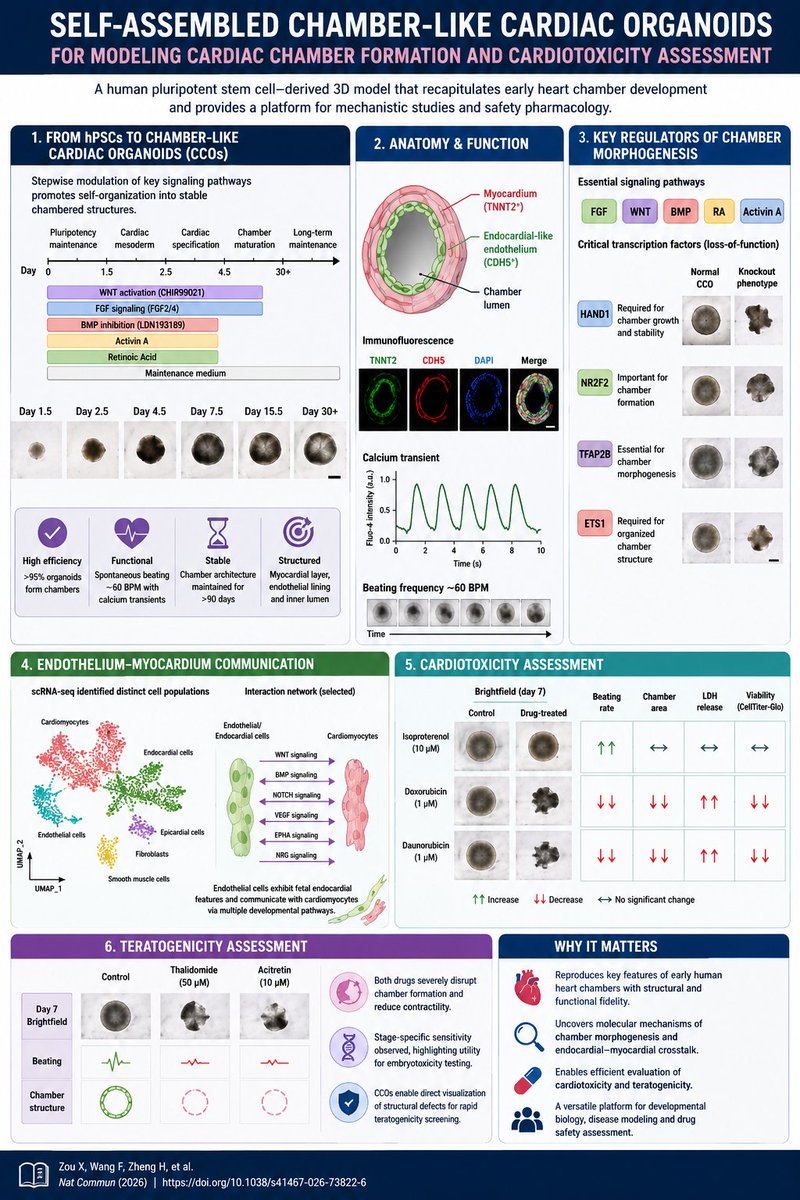
A new study in Nature Communications introduces self-assembled chamber-like cardiac organoids (CCOs) derived from human pluripotent stem cells that recapitulate key aspects of early human heart chamber formation. Unlike previous cardiac organoid systems, these CCOs develop a stable lumen surrounded by an outer myocardial layer and an inner endocardial-like endothelial layer, remain structurally intact for more than 90 days, and provide a visually accessible platform for developmental biology and drug safety testing.
Key findings:
🫀 Self-organized cardiac chambers
CCOs reproducibly formed a single chamber with >95% success.
Architecture closely mimicked embryonic heart organization, including TNNT2⁺ myocardium and CDH5⁺ endocardial-like lining.
Organoids exhibited spontaneous contractions (~60 BPM) and coordinated calcium transients.
🧬 Developmental regulators uncovered
Chamber morphogenesis required coordinated FGF, WNT, BMP, Activin A, and Retinoic Acid signaling.
Genetic knockout studies identified HAND1, NR2F2, TFAP2B, and ETS1 as critical regulators.
Loss of NR2F2 or TFAP2B impaired chamber formation, while ETS1 deficiency abolished organized chamber development.
🔬 Endocardium–myocardium communication
Single-cell RNA-seq revealed extensive endothelial–cardiomyocyte crosstalk through WNT, BMP, NOTCH, VEGF, EPHA, and NRG signaling.
Endothelial cells resembled fetal endocardial populations, supporting developmental relevance.
💊 Cardiotoxicity screening platform
Isoproterenol increased beating frequency without structural damage.
Doxorubicin and daunorubicin induced chamber collapse, reduced viability, elevated LDH release, and activated stress/inflammatory markers (ANP, TNFA, IL6).
Structural changes were directly visible under brightfield microscopy, enabling rapid phenotypic screening.
⚠️ Teratogenicity assessment
Thalidomide and acitretin severely disrupted chamber development and contractility.
The model distinguished developmental-stage-specific toxicity effects, highlighting utility for embryotoxicity testing.
Why this matters
Current cardiac organoids often lack durable chamber architecture and clear endocardial–myocardial organization. This study establishes a robust platform that links developmental signaling, tissue self-organization, and functional readouts in a single system. Beyond modeling congenital heart development, these chambered organoids may accelerate cardiotoxicity prediction, teratogenicity screening, disease modeling, and regenerative medicine research.
Reference
Zou X, Wang F, Zheng H, et al. Self-assembled chamber-like cardiac organoids for modeling cardiac chamber formation and cardiotoxicity assessment. Nature Communications (2026). DOI: 10.1038/s41467-026-73822-6.
#CardiacOrganoids #StemCells #HeartDevelopment #Cardiotoxicity #SingleCellGenomics #RegenerativeMedicine #DrugDiscovery #NatureCommunications #Organoids #DevelopmentalBiology
2
13
457

May 29
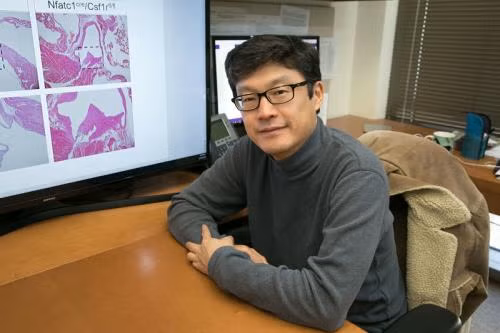
New work led by Dr. Atsushi Nakano at @UCLA suggests that maternal #hyperglycemia impairs fetal #HeartDevelopment by disrupting mitochondrial maturation and suppressing AMPK signaling through altered nucleotide metabolism. 💔
Read the study in @CellReports: bit.ly/4xfEyer
4
316

Mar 25
facebook.com/share/r/18CKWWv…
Remarkable Scale of Human Heart Development ❤️📏
The human heart undergoes a precise, 20-fold linear expansion from embryonic life to adulthood:
#Cardiology #Embryology #FetalCardiology #HeartDevelopment #CHD
12
47
2,002

31 Oct 2025
Fetal Heart Map Illuminates Development and Origins of Congenital Defects
One of several findings was the discovery of a group of cells, likely unique to humans, that may help the heart respond to low oxygen levels
@KTHuniversity
#heartdevelopment
hubs.li/Q03R1Xzf0
3
9
843

5 Oct 2025
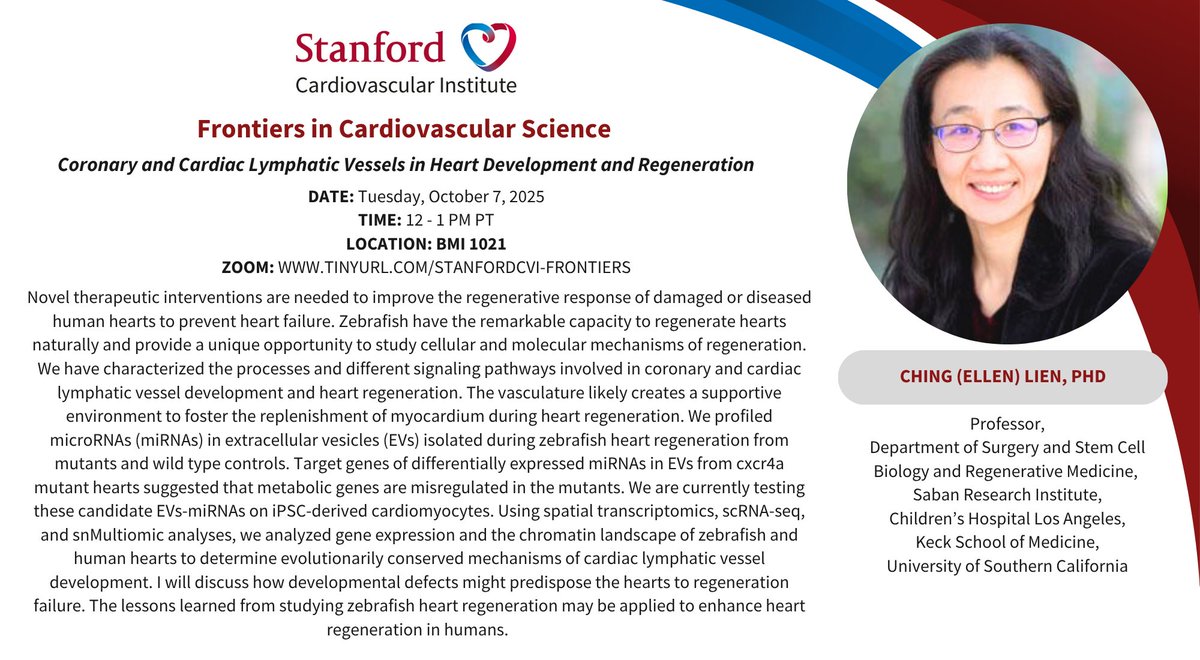
Please join us @StanfordCVI seminar on Tue 10/7/2025 at 12pm PST by Dr. Chieng (Ellen) Lien @USCStemCell speak on #coronary #lymphatic in #heartdevelopment
stanford.zoom.us/webinar/reg…
@Stanford_ChEMH @StanfordDeptMed
@BCVSearlyCareer @ATVBEarlyCareer
@SeanM_Wu @vascularbiology
1
3
22
2,026
12 Sep 2025
From a linear tube to a 4-chambered heart in 50 days. ❤️🔄
facebook.com/share/r/1CS8U6p…
20d: Endocardial tubes
24d: Looping primordia
35d: Aortic arches
70d: Septation complete → Aorta & PA
#Cardiology #Embryology #HeartDevelopment #MedEd
13
56
1,349

26 Apr 2025
🚨 Come and join our team!
I’m recruiting a Research Assistant to work on a @TheBHF funded project on the molecular regulation of epicardial EMT. Closing date 11th May 2025.
my.corehr.com/pls/coreportal…
@kingscardio @Kings_BHFCentre @kingsmedicine #HeartDevelopment #Regeneration
17
11
2,269

21 Aug 2024
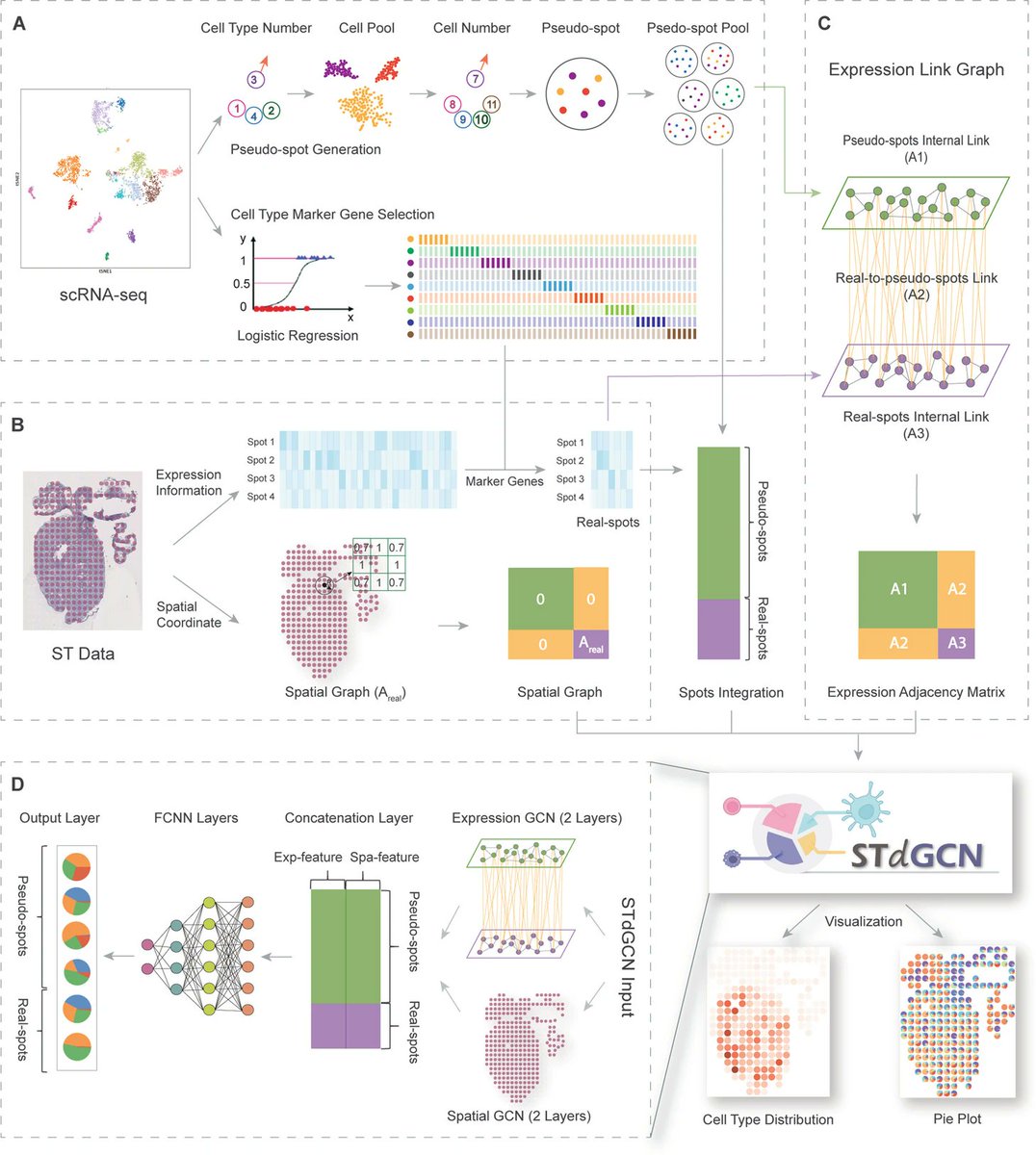
Excited to share our latest spatial transcriptomics tool "STdGCN: spatial transcriptomic cell-type deconvolution using graph convolutional networks"!
🔬 Spatially resolved transcriptomics is revolutionizing our understanding of cellular organization by integrating high-throughput transcriptome measurements with spatial data. However, many current technologies fall short of achieving single-cell resolution.
Enter STdGCN, our innovative graph model that leverages single-cell RNA sequencing (scRNA-seq) as a reference to deconvolute cell types in spatial transcriptomic (ST) data.
💡 What makes STdGCN unique?
- It integrates expression profiles from scRNA-seq with spatial localization from ST data.
- Extensive benchmarking across multiple datasets shows STdGCN outperforming 17 state-of-the-art models.
- In a human breast cancer Visium dataset, STdGCN effectively delineates stroma, lymphocytes, and cancer cells, providing deeper insights into the tumor microenvironment.
- In human heart ST data, STdGCN identifies critical changes in endothelial-cardiomyocyte communications during tissue development.
Our findings demonstrate the power of STdGCN in enhancing the resolution and accuracy of cell-type deconvolution, paving the way for more precise and insightful spatial transcriptomic analyses.
Kudos to Dr. Yawei Li on pushing the boundaries of what's possible in the field of spatial transcriptomics!
Paper (no pay wall): genomebiology.biomedcentral.…
Code: github.com/luoyuanlab/stdgcn
#Research #Innovation #SpatialTranscriptomics #GraphConvolutionalNetworks #scRNAseq #Bioinformatics #CancerResearch #HeartDevelopment #DataScience #AIinHealthcare #STdGCN
2
2
25
1,753

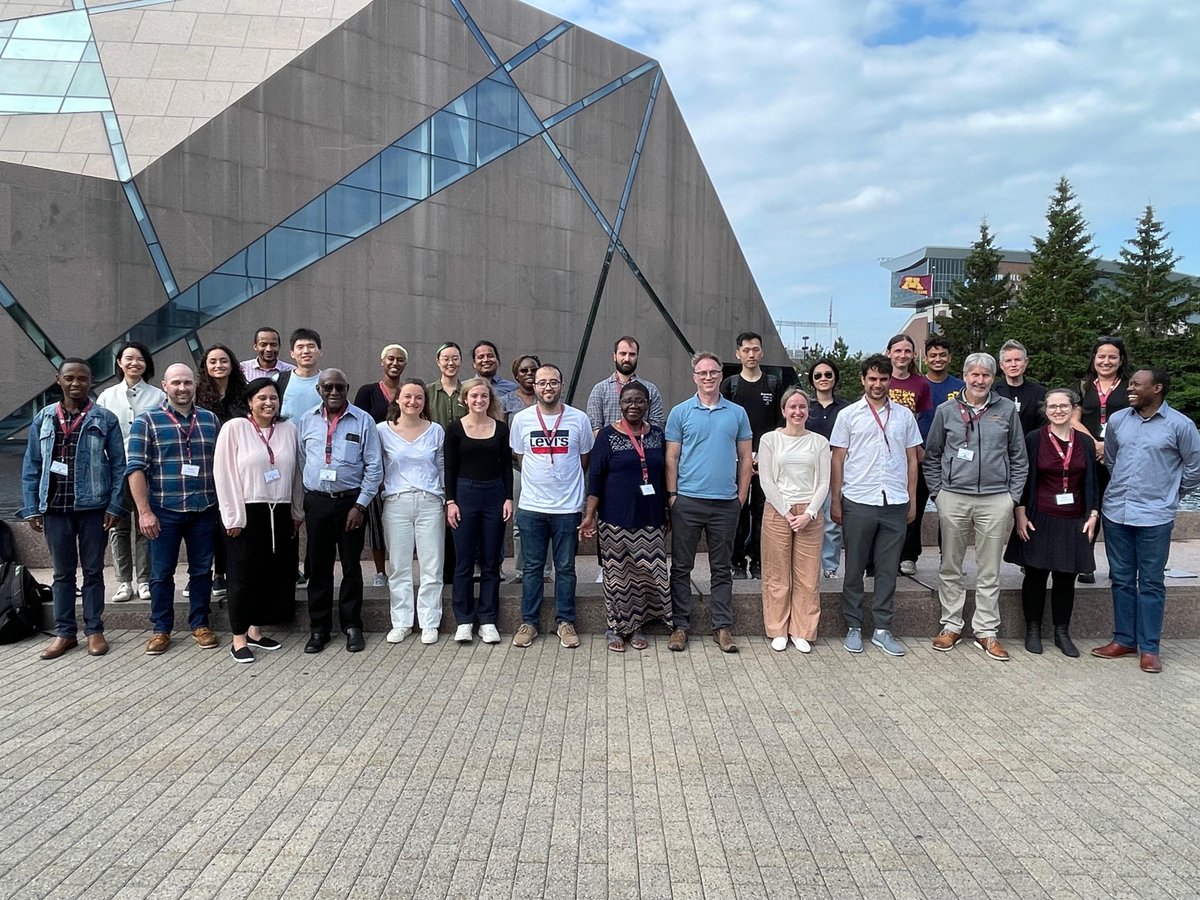
Shape-shifting in science?? #UMNIEM member @davidodde and a team from #Cornell and #Tuskegee are connecting #architecture to #braincancer #plants and #heartdevelopment to understand how shapes emerge from the rules of life!
Read more about the research: bit.ly/4cFFehV
2
7
310

7 Jun 2024
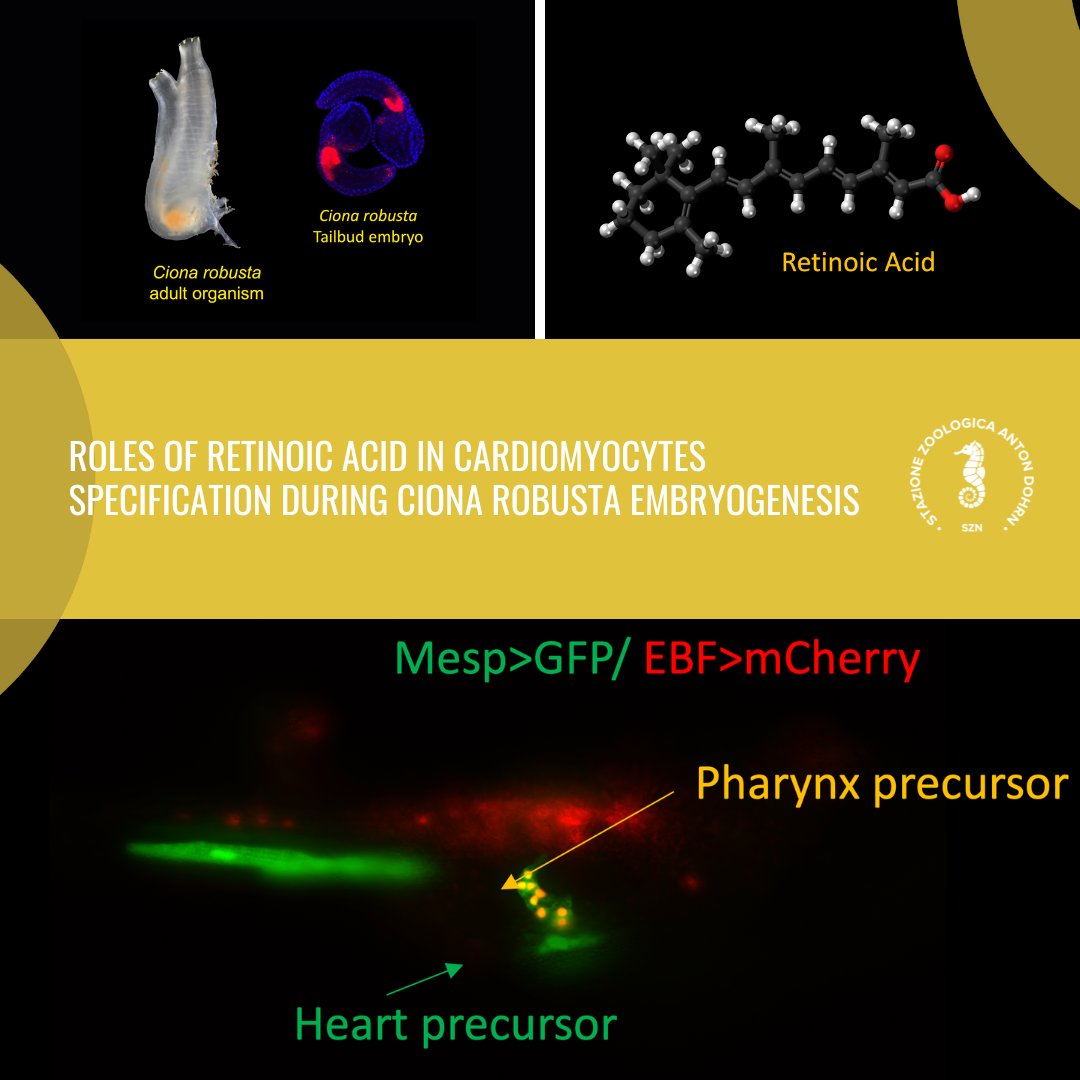
PhD: Study Retinoic Acid in Ciona robusta Heart Development! 📧 Contact: Dr. Enrico D’Aniello (enrico.daniello@szn.it) 🌐 Supervisor: Dr. Lionel Christiaen, Sars Institute, Norway
Apply now! More info:szn.it/index.php/it/bandi-e-…
#PhD #Biology #HeartDevelopment #ResearchOpportunity
5
11
4,072

15 Mar 2024
Mapping the heart's cellular blueprint: New insights into cardiac structure and disease repair ❤️🔬🧬 news-medical.net/news/202403…
#HeartResearch #CellularBiology #RNASequencing #Cardiac #HumanHeart #Cardiology #Genetics #HeartDevelopment #Biomedical
@Nature
1
130

4 days left!
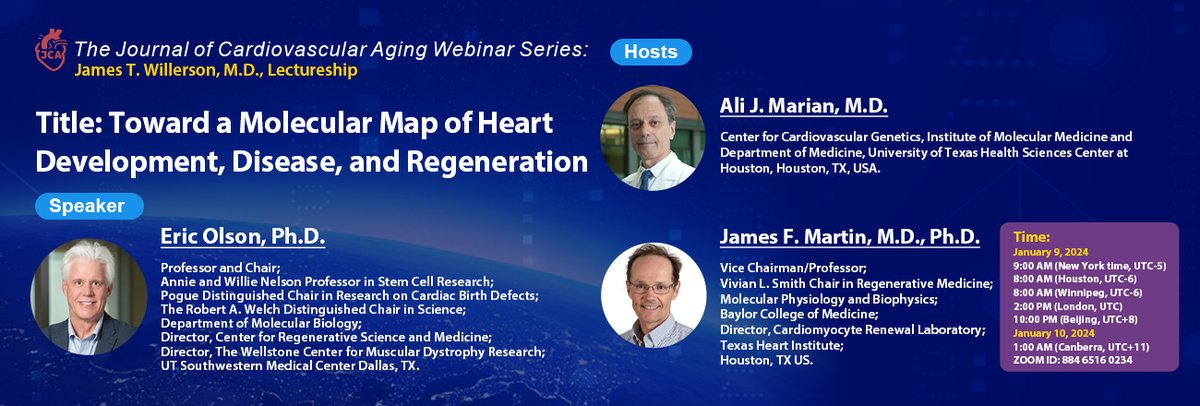
Very honored to have the opportunity to invite Dr. @Transactivator as the speaker at the upcoming webinar!
Date: January 9, 9:00 AM (New York time, UTC-5)
Topic: Toward a Molecular Map of #HeartDevelopment, Disease, and Regeneration
Register: oaepublish.com/webreviewer/j…
4
2
3
248

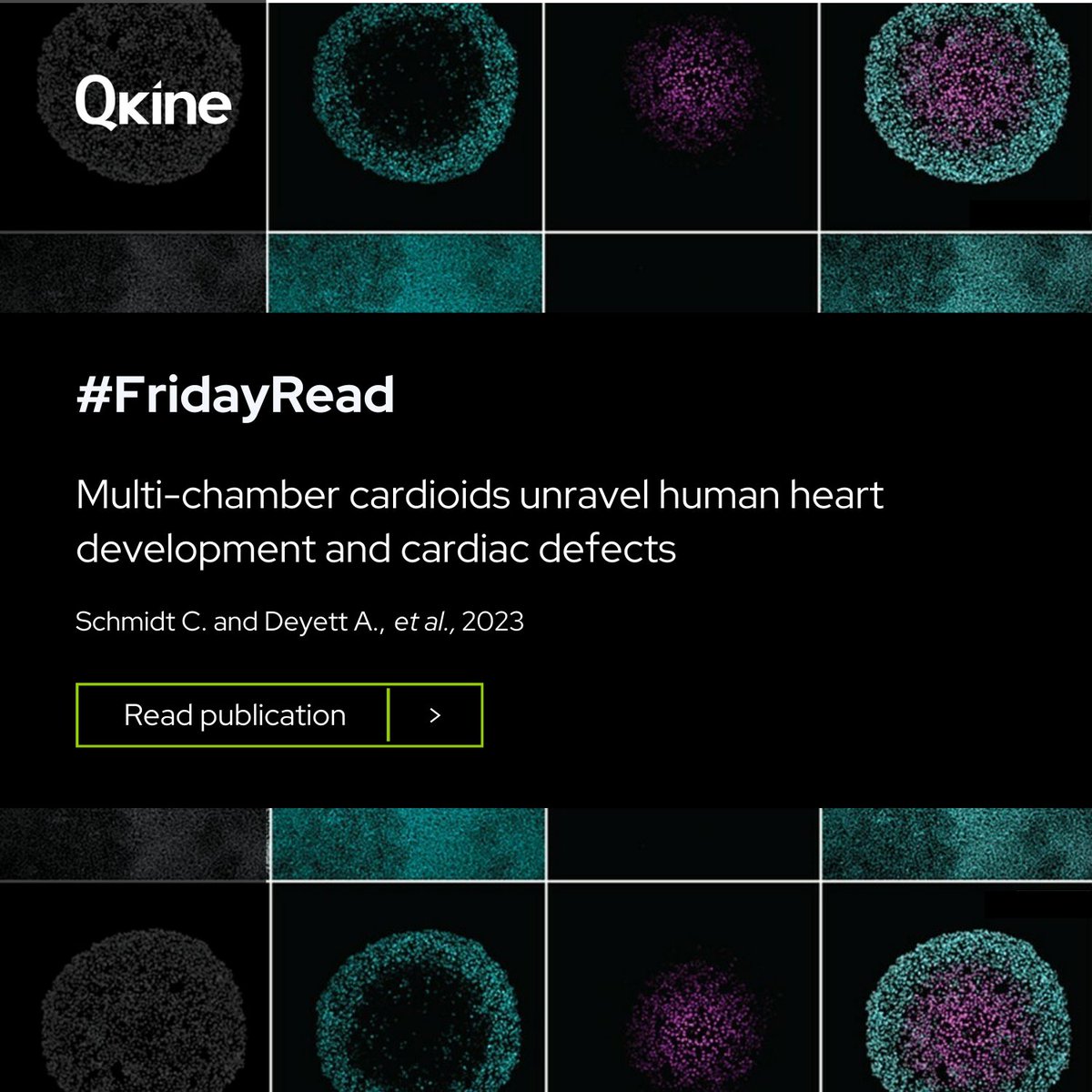
Congratulations to Clara Schmidt and Alison Deyett from the @MendjanLab at @IMBA_Vienna for their paper on multi-chamber cardioids to unravel human heart development and cardiac defects.
zurl.co/1d2a
#HeartDifferentiation #3Dmodel #HeartDevelopment #Cardioids
1
4
99

28 Nov 2023
First multi-chamber #heart organoids unravel human #heartDevelopment and disease @CellCellPress doi.org/gs6zpv medicalxpress.com/news/2023-…
7
10
5,190
20 Sep 2023
Exciting #PhD project joint with @stroud_lab. Please RT #cardiovascular #heartdevelopment @kingscardio @Kings_BHFCentre
20 Sep 2023

Excited to have a joint PhD project listed on @KCL’s MRC-DTP programme with @Joey_JMVieira : tinyurl.com/mrx2ar5m hosted @Kings_BHFCentre
Applications open later today and DM for more info @KCL_MRCDTP
3
3
637

2 Sep 2023
New data demonstrated that c-JUN could regulate #cardiomyocyte cell fate by modulating H3K4me3 modification and chromatin accessibility and shed light on how c-JUN regulates #HeartDevelopment in humans.
bit.ly/3OD0kTK
2
5
978

👉This week 2 interesting Master's theses were defended:
➡️Transcriptomic landscape of #SexDifferences in #obesity and #type2diabetes
➡️ Integrative study of the transcriptome in 🐟#zebrafish #HeartDevelopment
👏Congratulations to Aarón and Roxana
@CIPFciencia @uclm_es
1
7
316

12 Jul 2023
#jcdd #RecommendedPaper
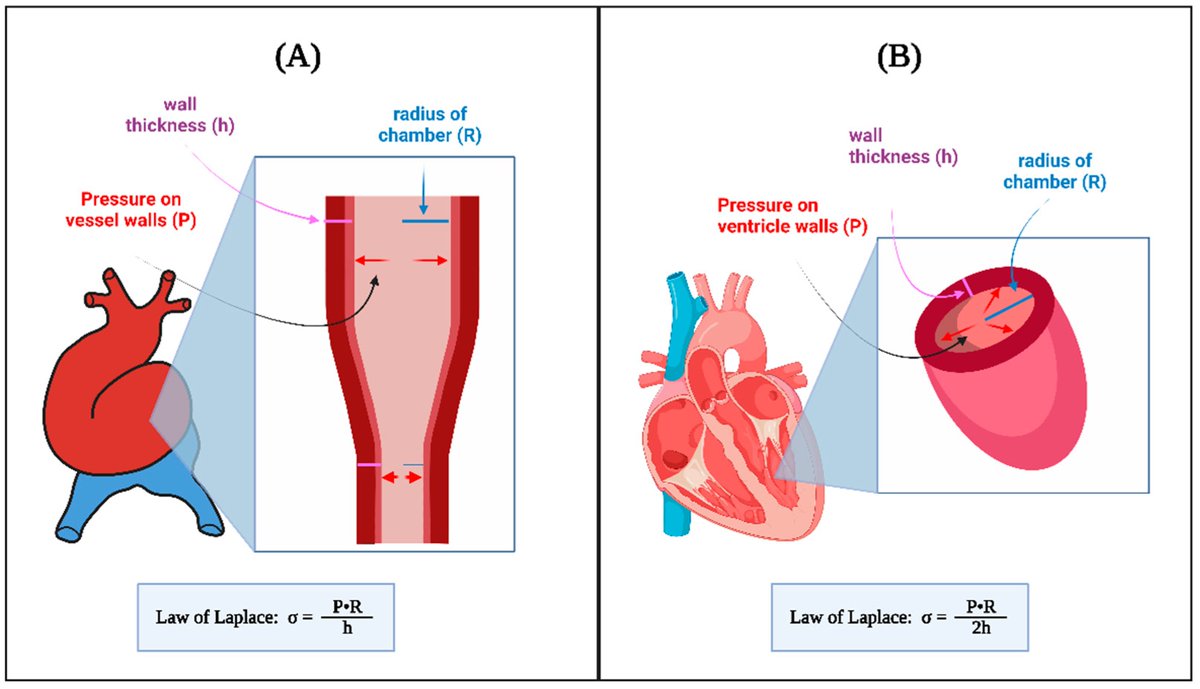
"Effect of Blood Flow on #Cardiac #Morphogenesis and Formation of #CongenitalHeartDefects" mdpi.com/1819842
#hemodynamics #heartdevelopment #mechanotransduction #congenitalheartdisease
#cardiovascular
@MDPIOpenAccess
@MedPharma_MDPI
1
77

26 May 2023
The heart is the first functional organ that develops in humans and all other vertebrate embryos. By week 4 of embryo development, the heart begins to beat.
#HeartDevelopment #EmbryonicHeart #CardiovascularDevelopment #KardiaMobile #ECGmonitor #Kardiamobile6L #Alivecor
1
64

5 May 2023
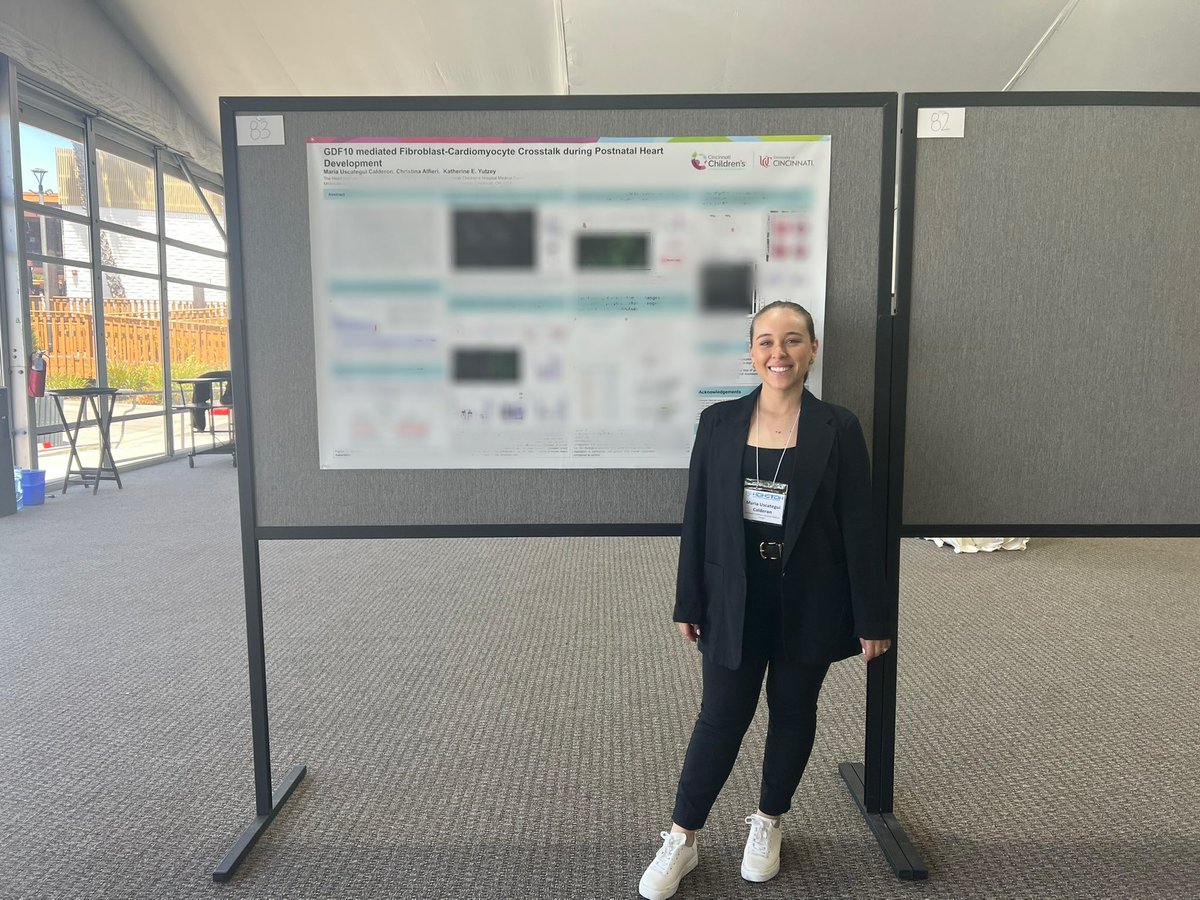
Really excited to be in San Diego, CA for @WeinsteinConf !! Stop by poster #83 to hear about the role of GDF10 in postnatal cardiomyocyte maturation 🫀🧫🧬 #weinstein2023 #womeninSTEM #heart #heartdevelopment
2
12
861