
Jun 2
📢 New Topic "Genetics and Genomics in Host-Pathogen Interactions" Open for Submissions!
Edited by Dr. Jose María Requena & Dr. Silvia Turroni
Manuscript Submission Deadline: 15 February 2027
mdpi.com/topics/4X5RG7IQ44
#Genetics #Genomics #HostPathogenInteraction
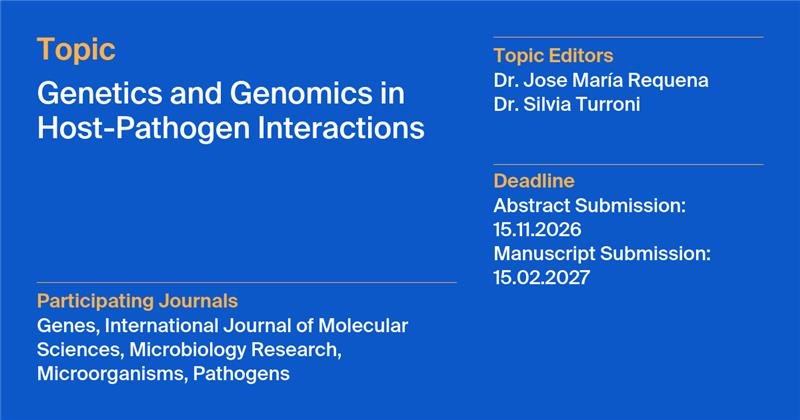
ALT We welcome submissions of research articles, letters, short communications, and timely reviews covering topics including, but not limited to, the following: Virulent factors Pathogenic agents (virus, bacteria, parasites and fungi) Molecular mechanisms of antimicrobial resistance New drugs against well-defined molecular targets Genetic traits and disease associations Molecular evolution of pathogens Application of genomics, transcriptomics, proteomics and metabolomics to study the host-pathogen interactions Immune response molecular aspects in the host–pathogen interaction Dr. Jose María Requena Dr. Silvia Turroni Topic Editors
1
3
75

What else is inside an HIV-1 particle besides viral RNA and proteins? Led by @ManuelGM87ivRIC, we revealed 104 host #RBPs bound to HIV genome in virions and found PURA as a reverse transcription helper. #HIV #Virology #RNA #HostPathogenInteraction.
cell.com/cell-reports/fullte…
1
5
28
2,622

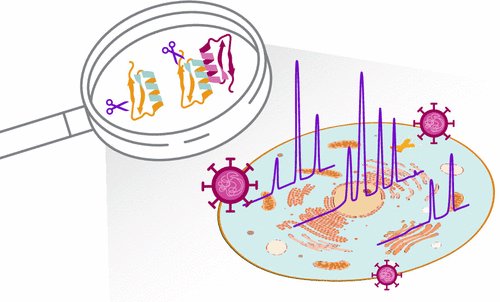
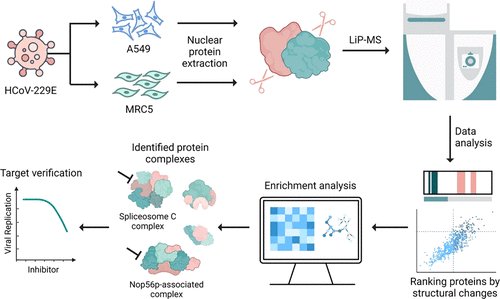
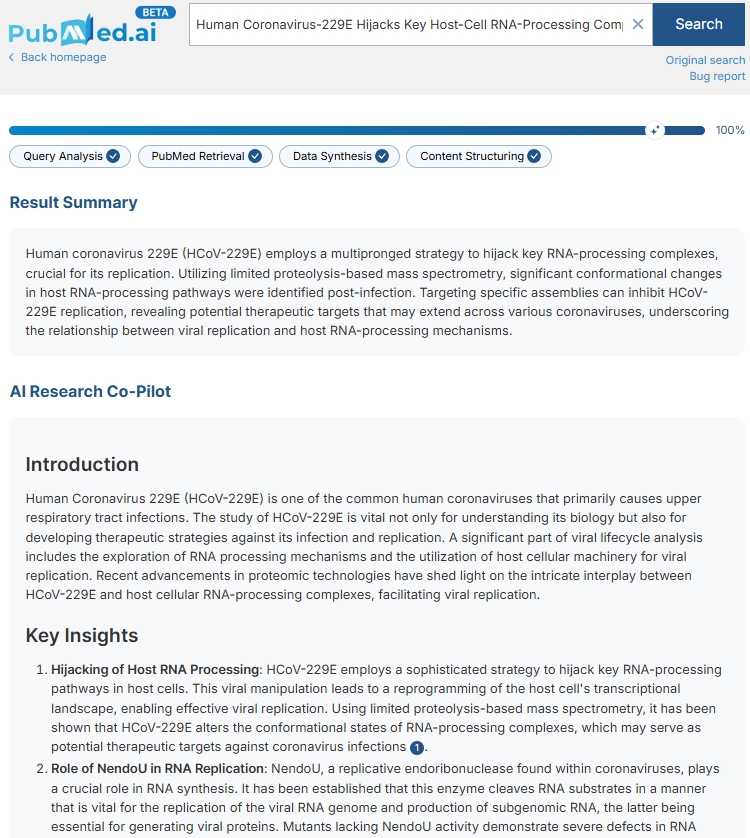
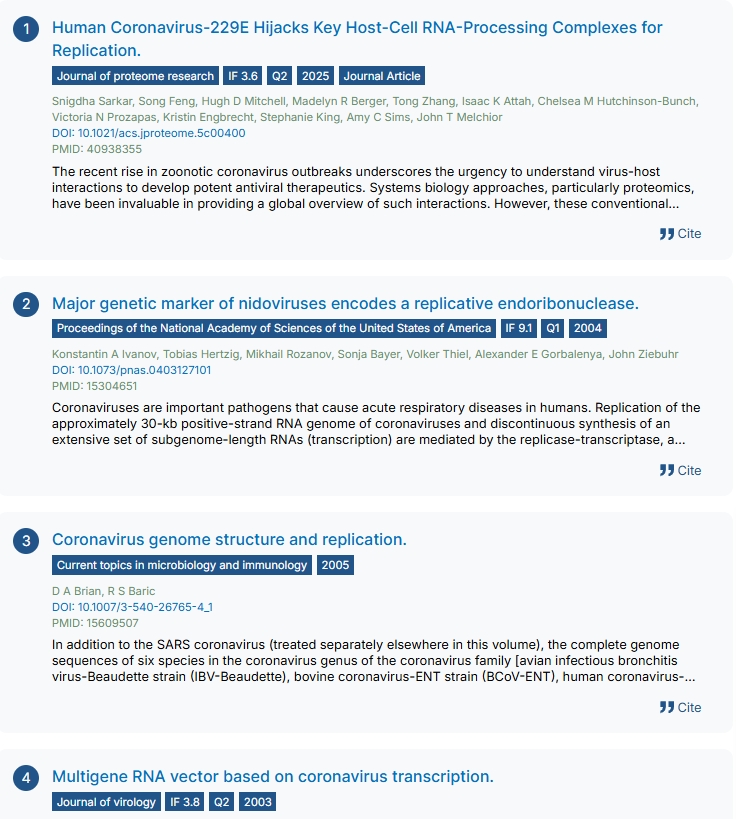
Uncovering How HCoV-229E Hijacks Host RNA-Processing Complexes
Find More Research: pubmed.ai/?utm_source=X&utm_…
A growing body of structural-proteomic evidence shows that HCoV-229E replication depends on its ability to remodel host RNA-processing complexes.
The infection induces significant conformational rearrangements within key RNA-modifying assemblies, effectively redirecting host machinery to favor viral RNA synthesis.
From a mechanistic standpoint, this raises important questions for the field:
– Why are specific RNA-processing complexes uniquely vulnerable to viral remodeling?
– Are these conformational shifts conserved across other human coronaviruses?
– Could small molecules or peptides be engineered to “lock” these complexes in antiviral states?
The work highlights a broader theme in viral pathogenesis: structural hijacking, not just transcriptional interference, is central to replication success.
Targeting these dynamic complexes may offer a new therapeutic paradigm beyond traditional polymerase or protease inhibitors.
#StructuralVirology #RNAProcessing #CoronavirusResearch #MolecularMechanisms #HostPathogenInteraction #AntiviralStrategy
2
8
1,936

4 Aug 2025
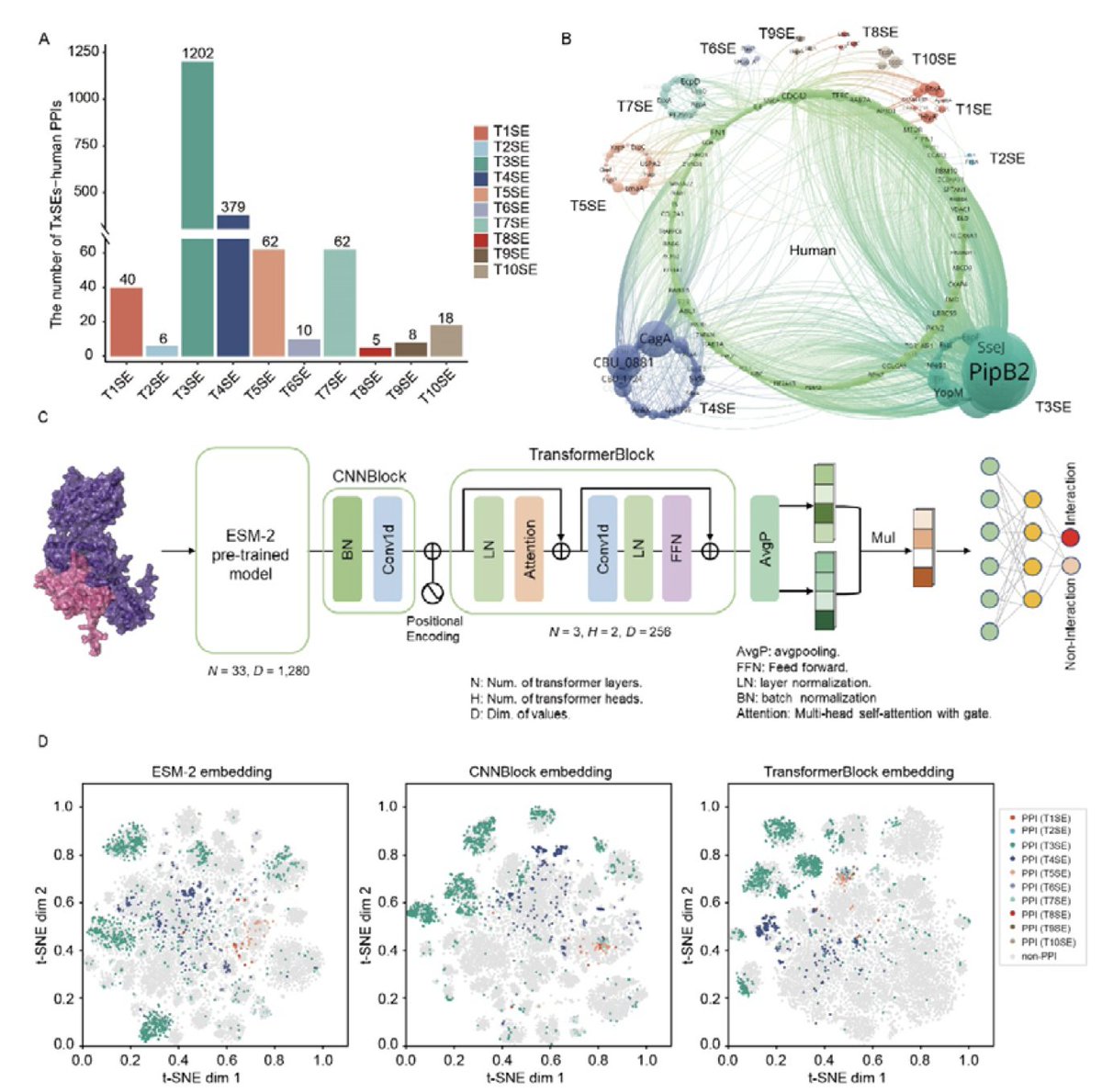
HPInet: Interpretable prediction of Host-Pathogen protein-protein Interactions using a transformer-based neural network
1. HPInet is a novel transformer-based deep learning model designed to predict interactions between bacterial effector proteins and human host proteins, achieving significant improvements in accuracy and sensitivity compared to existing methods.
2. The model integrates convolutional layers and global response normalization into its architecture, enhancing the extraction of both local and global features from protein sequences. This innovative approach allows HPInet to capture complex interaction patterns more effectively.
3. HPInet demonstrates superior performance across various bacterial secretion systems, with notable improvements in cross-system predictions, particularly between T5SE and T7SE. This highlights its ability to generalize while retaining system-specific features.
4. One of the key strengths of HPInet is its interpretability. By leveraging attention mechanisms, the model identifies critical interaction residues, providing valuable biological insights that align with experimentally validated binding sites.
5. HPInet is freely accessible as a web server, offering researchers a powerful and user-friendly tool to study host-pathogen interactions and identify potential therapeutic targets. This platform is expected to significantly advance research in bacterial pathogenesis.
📜Paper: biorxiv.org/content/10.1101/…
#HostPathogenInteraction #TransformerModel #DeepLearning #ProteinInteraction #Bioinformatics #ComputationalBiology
10
28
1,577

16 Jun 2025
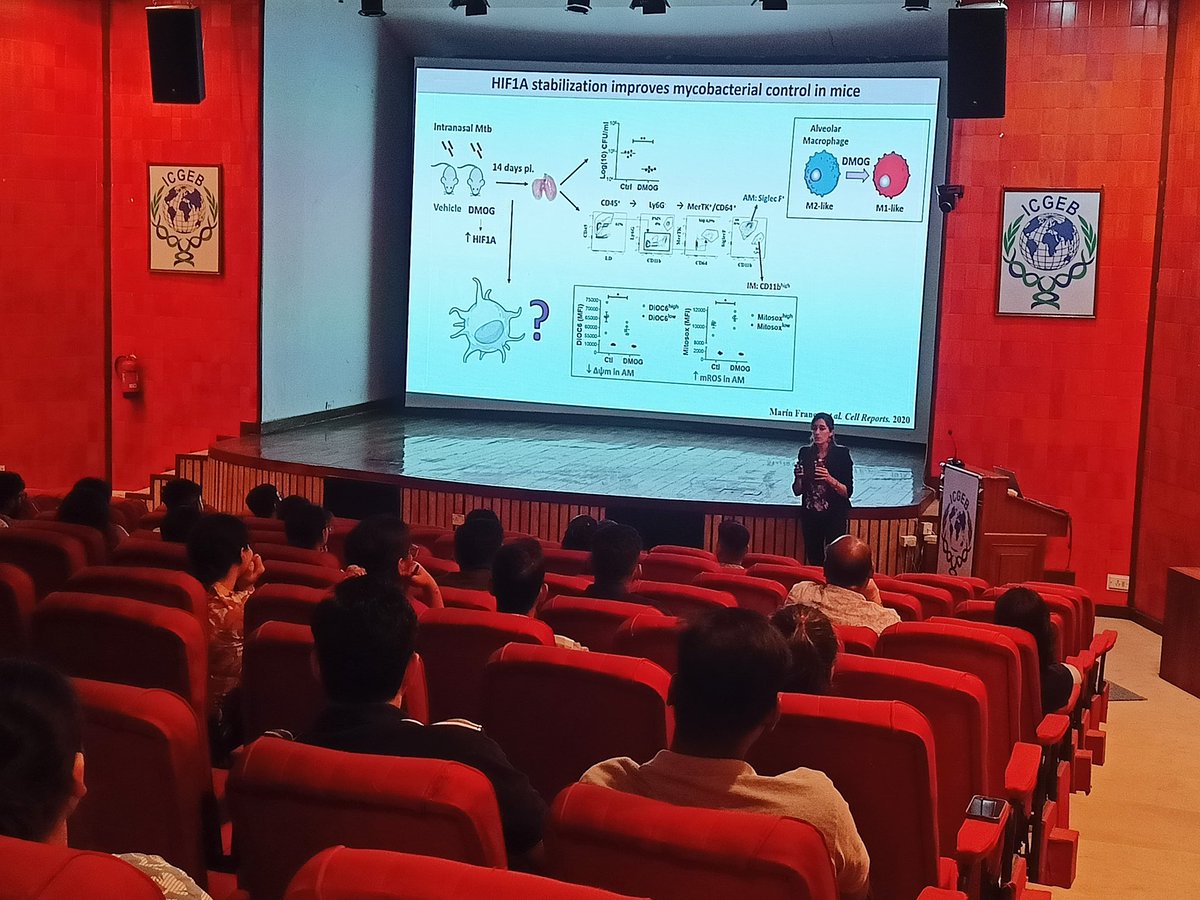
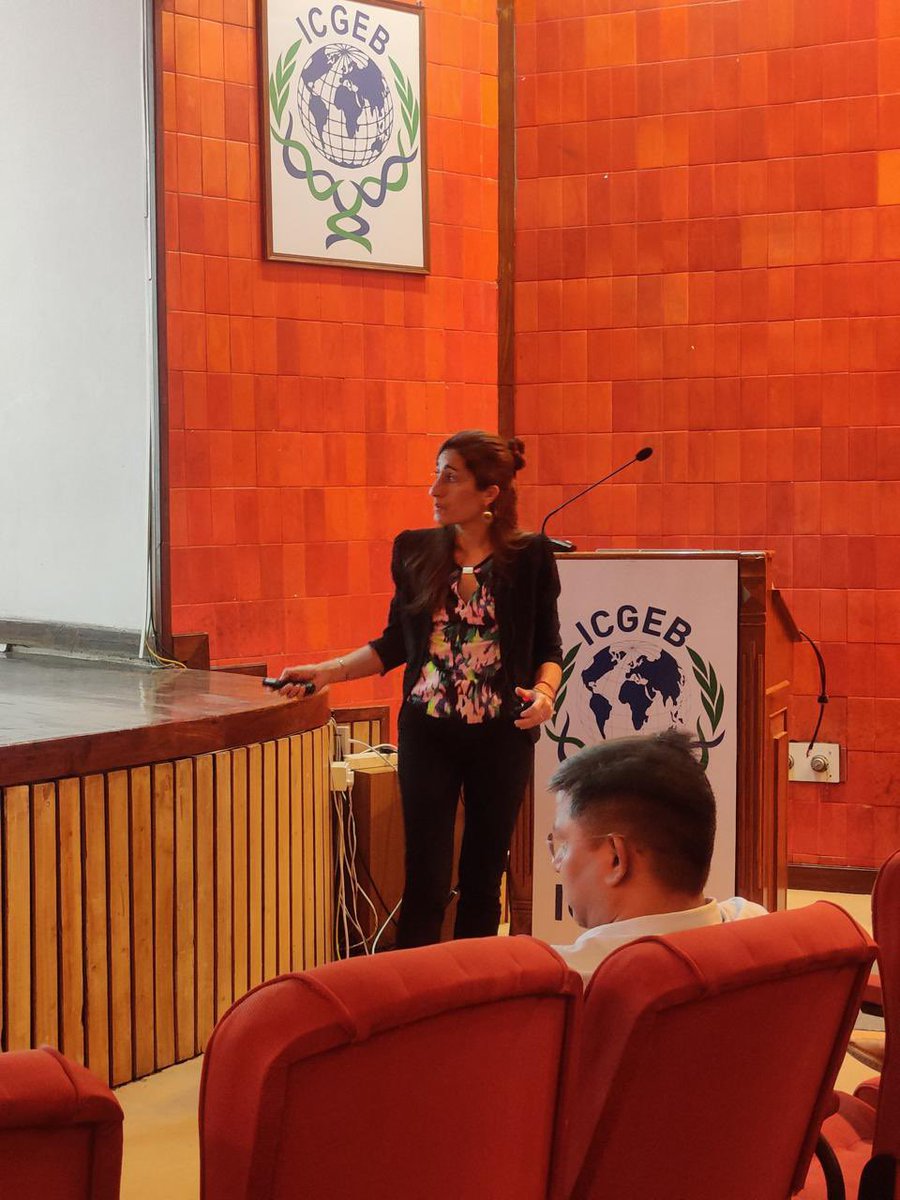
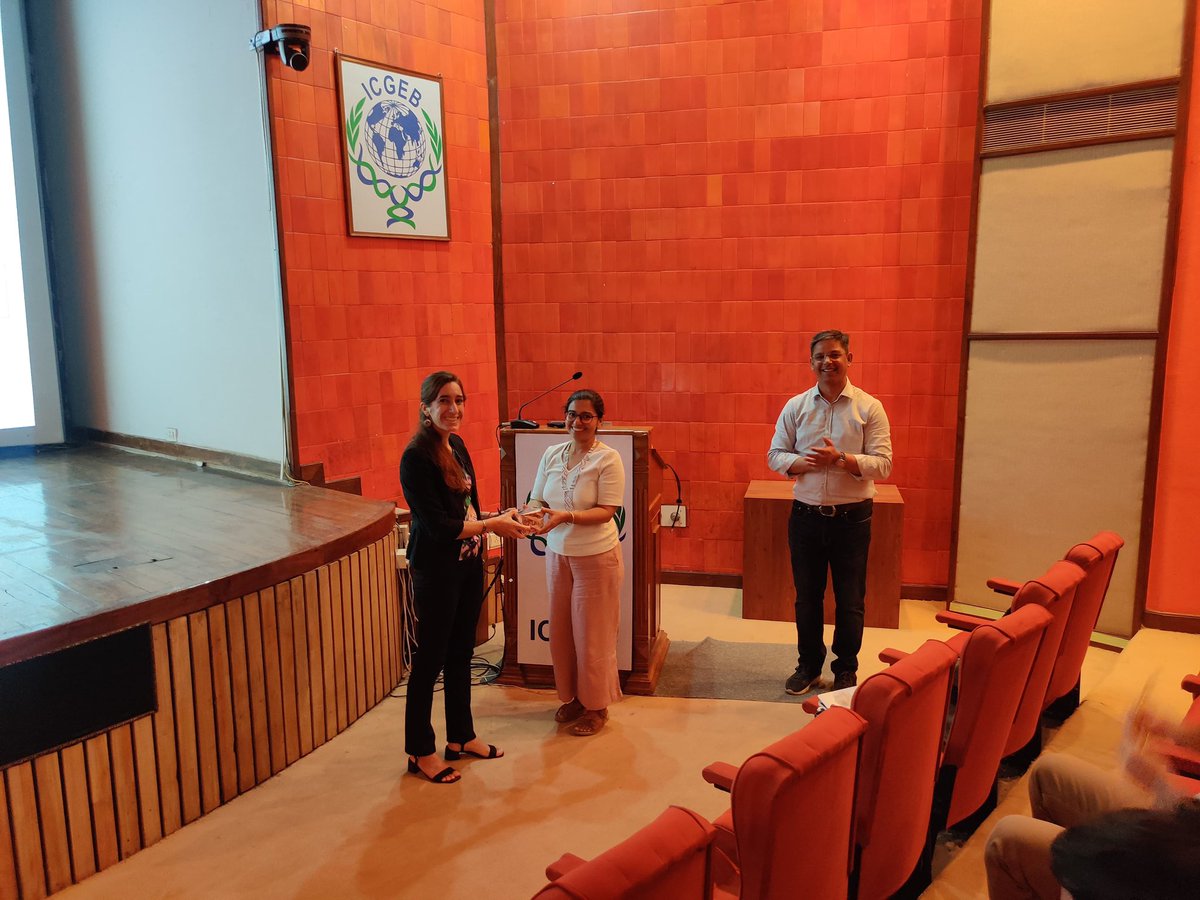
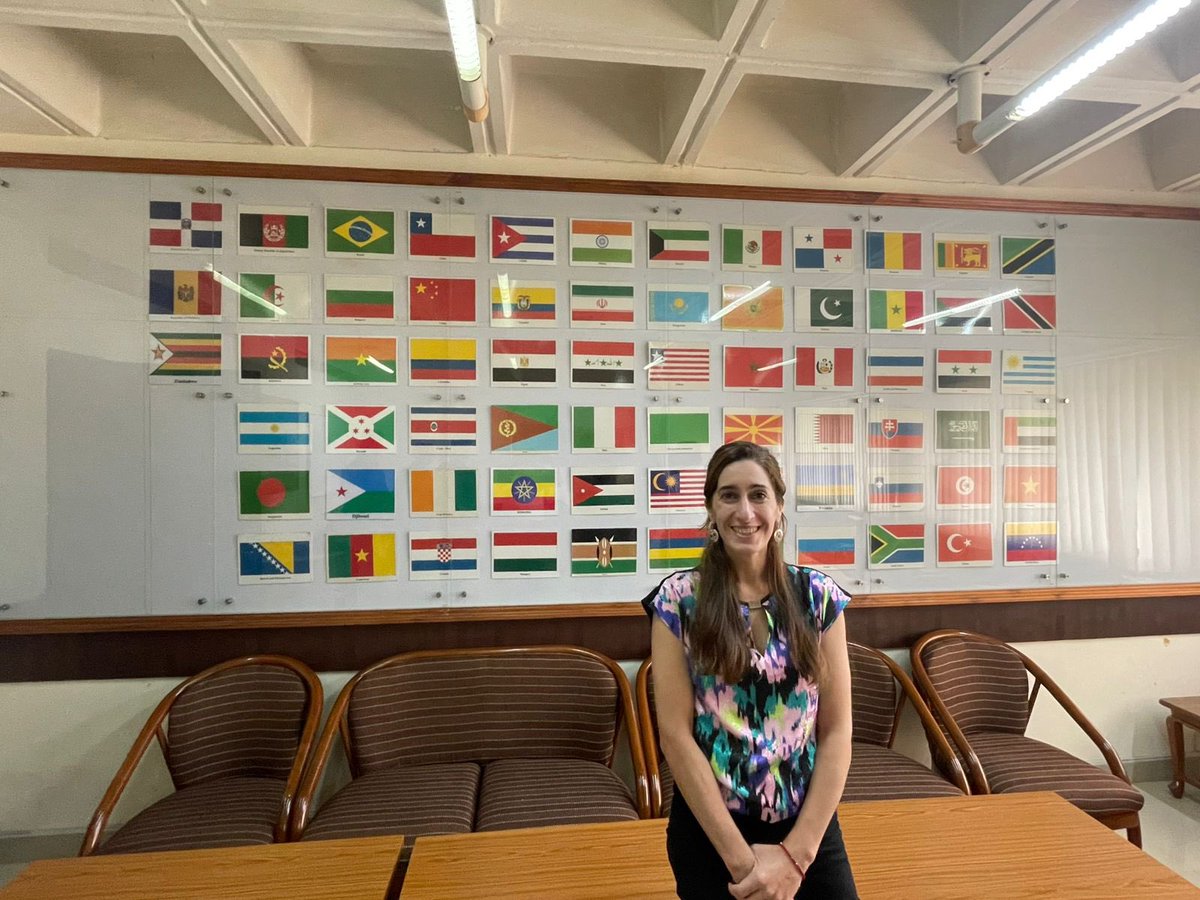
Today, we had the pleasure of hosting Dr. #LucianaBalboa for a fascinating talk titled ‘Insights from Immunometabolism in Tuberculosis’, organized by the #TranslationalHealth Group @ICGEBNewDelhi . A big thank you to Dr. Balboa for sharing her cutting-edge work with us!
#Immunometabolism #Tuberculosis #ICGEBNewDelhi #TranslationalHealth #ICGEBSeminarSeries #GlobalHealth #HostPathogenInteraction
2
8
17
1,513

25 May 2025
We reviewed how the interplay between epigenetic regulation and autophagy shapes a crucial aspect of host-pathogen interactions during tuberculosis infection.
tandfonline.com/doi/full/10.…
#tuberculosis #autophagy #epigenetics #HostPathogenInteraction #tb #stoptb
2
88

5 Mar 2025
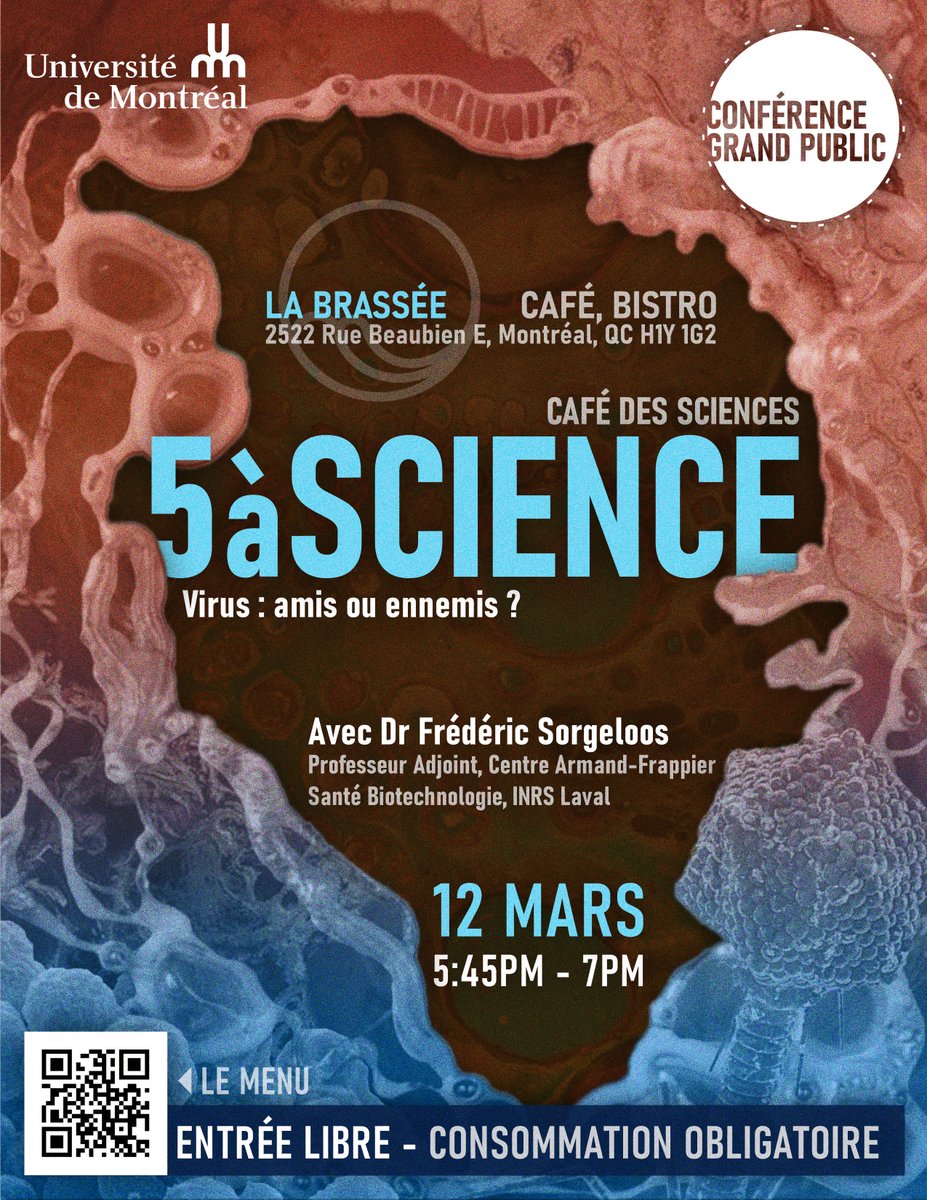
Upcoming #cinqascience by Frédéric Sorgeloos, on "Virus : amis ou ennemis ?". See you on 12 Mar 2025. #microbiology #bacteria #virus #virology #biosphere #hostpathogeninteraction #biology #montreal #Quebec tinyurl.com/29h8mfwc
1
2
97

@UKRI_News #FLF vethub1.co.uk/cms/events Round 10 of the UKRI Future Leader Fellowships scheme has been announced and @AberUni
is inviting expressions of interest from applicants who wish to apply for a UKRI FLF with @AberDLSAGB
as the host. RT #hostpathogeninteraction RT
1
2
197

20 Aug 2024
We also find that immune responses in the liver are dampened and delayed in control livers injected with healthy mosquito salivary gland lysate - highlighting the importance of the inclusion of this control to correctly interpret #hostpathogeninteraction dynamics
2
119

16 Jul 2024
After a gap of 4 years, the EMBO TB meeting returns, this time @ccmb_csir Hyderabad. Feb, 9-12, 2025 #Tuberculosis #heterogeneity #drugs #hostpathogeninteraction @ICGEBNewDelhi @DBTIndia @Lab_AmitSinghal @PriscilleBrodin
meetings.embo.org/event/25-t…
1
8
47
3,498

16 Dec 2023
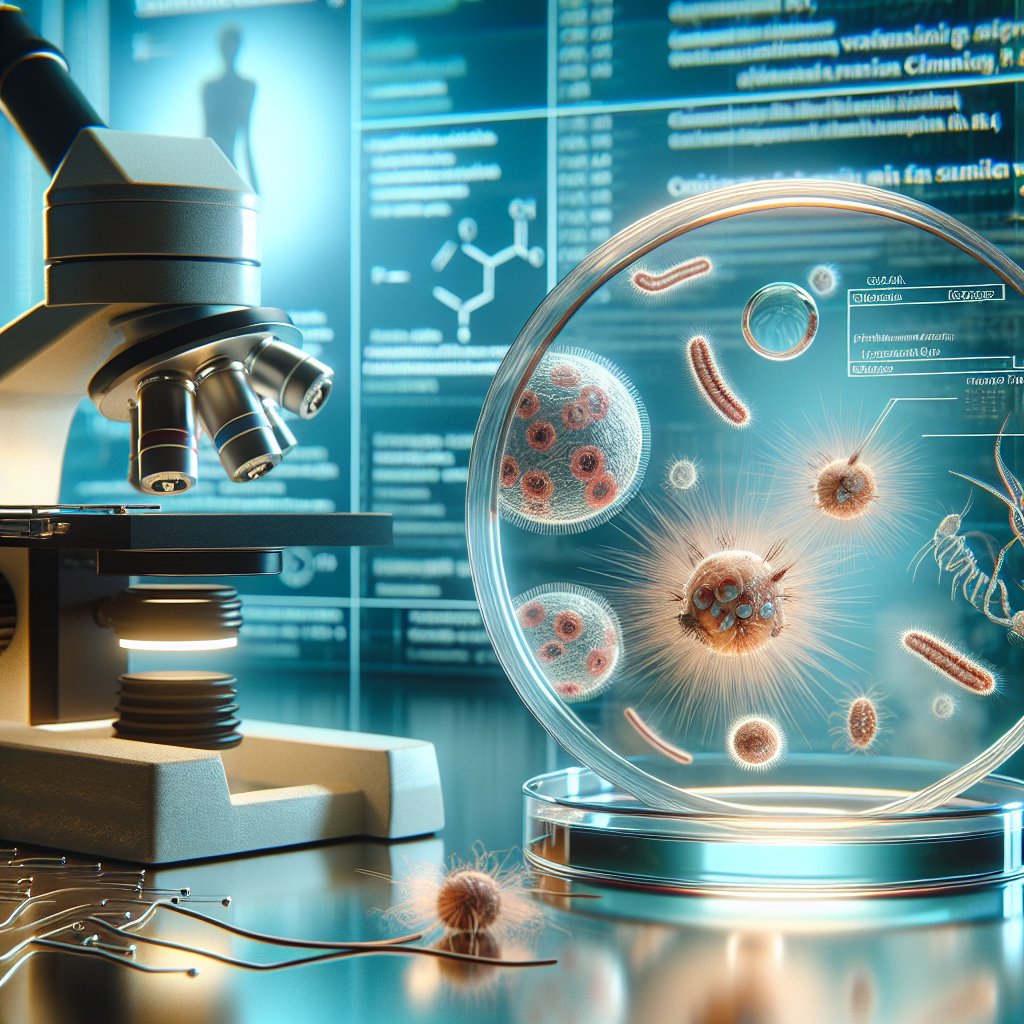
🔬🦠 Leishmaniasis Unveiled: A Protozoan's Tale!
#DYK Leishmaniasis is a disease caused by the protozoan parasites of the genus #Leishmania, transmitted by the bite of infected sandflies?
🌍 A global concern, endemic in 98 countries with ~12 million infected & crucial for #TropicalMedicine research.
🔎 Clinical Spectrum: Cutaneous leishmaniasis presents as skin lesions, mucocutaneous with mucosal damage, & visceral leishmaniasis (kala-azar) – the most severe form affecting inner organs.
🧬 The Parasite's Journey: Leishmania undergoes a complex life cycle, alternating between promastigote (sandfly vector) & amastigote (human host) stages. This metamorphosis is pivotal for #Parasitology.
🔗 Host-Parasite Dynamics: Immunopathology plays a key role. The disease's severity is dictated by the immune response, revealing deep insights into #HostPathogenInteraction.
🩺 Towards Eradication: Current treatments involve antimonial drugs, liposomal amphotericin B & miltefosine, yet challenges remain in drug resistance & toxicity.
🔬 Research Frontier: #VaccineDevelopment & novel therapeutics are ongoing, with genome editing & immunomodulators as promising avenues. Genomic & proteomic studies illuminate pathogenesis & resistance mechanisms.
✍️ Stay Ahead: Keeping up with the latest #Leishmaniasis research? Complement your reading with sciqst.com, a cutting-edge platform for AI-generated biomedical literature reviews. #InfectiousDiseases #GlobalHealth #Biomedicine
🤝 Join the conversation with fellow #MedResearchers and #Biologists, let's advance towards solutions for leishmaniasis together!
@TropicInfectRes @GlobalHealthOrg @ParasitologyRR
1
2
91


28 Nov 2023
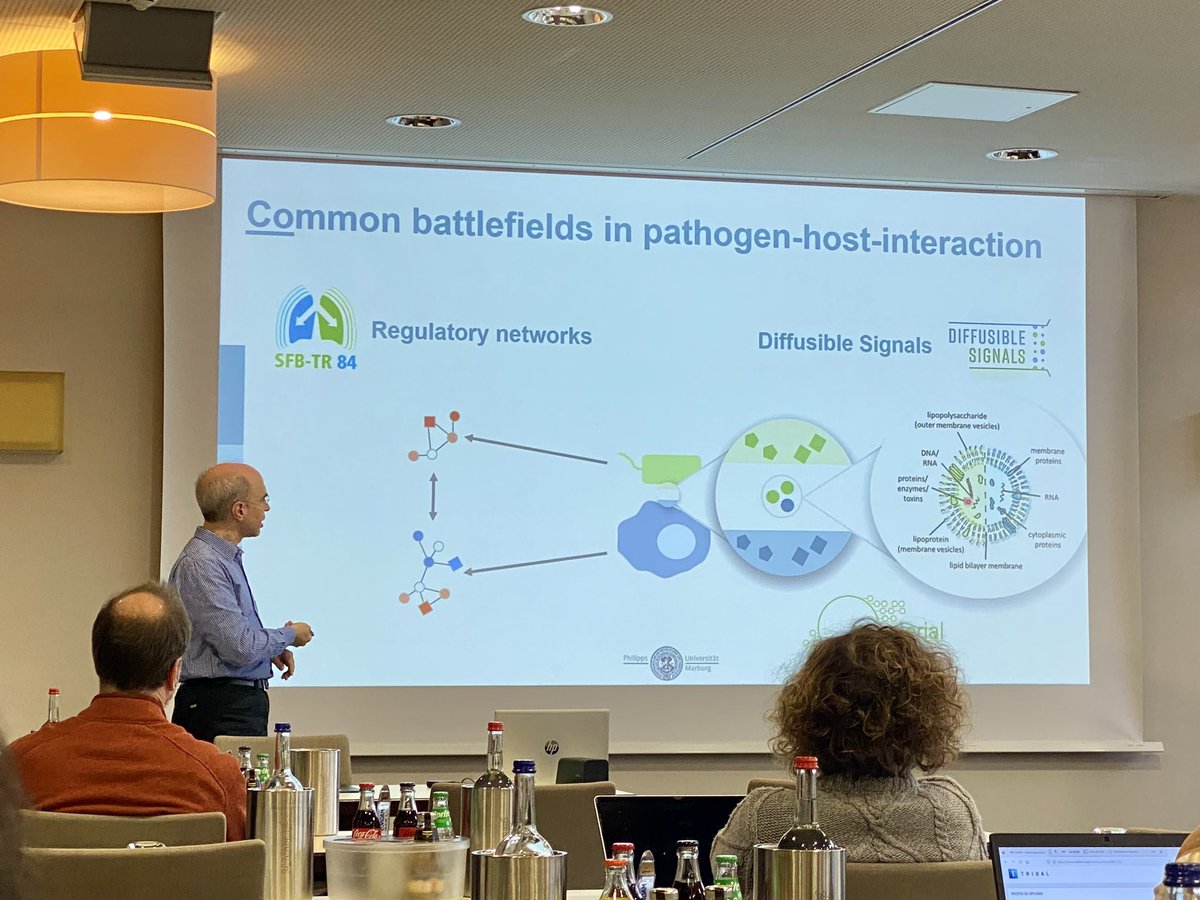
Our research on #extracellularvesicles in #hostpathogeninteraction 🧫 brilliantly showcased by Bernd @ilung_marburg at the @DZIF_ workshop on #microbesincontext, added a thrilling chapter to the scientific narrative 🫁🦠
7
17
1,919

📚 Exciting News! Björn Klabunde has just published groundbreaking research! 🦠 Discover how the NAD salvage pathway fights off respiratory infections caused by #streptococcuspneumoniae. 🧬 #NatureCommunications #hostpathogeninteraction
nature.com/articles/s41467-0…
1
3
7
541

15 May 2023
Check out our new publication on #hostpathogeninteraction and bacterial #extracellularvesicle on the vascular-protective factor RNase1, published @BioMedCentral! Tank's for the great teamwork and support @EVlunginfection and @iLung_Marburg!
15 May 2023

#paperalert Check out the new paper from our lab published in @biomedcentral ! @KatrinBe236 could show that bacterial #extracellularvesicles from #sepsis associated #gramnegative pathogens repress vascular protective RNase1 in the lung #endothelium 🫁
1
1
3
327
new publication on #hostpathogeninteraction via #extracellularvesicles and disturbance of endothelial cell function. Well done @KatrinBe236 🥳
15 May 2023
#paperalert Check out the new paper from our lab published in @biomedcentral ! @KatrinBe236 could show that bacterial #extracellularvesicles from #sepsis associated #gramnegative pathogens repress vascular protective RNase1 in the lung #endothelium 🫁
1
3
568

4 Apr 2023
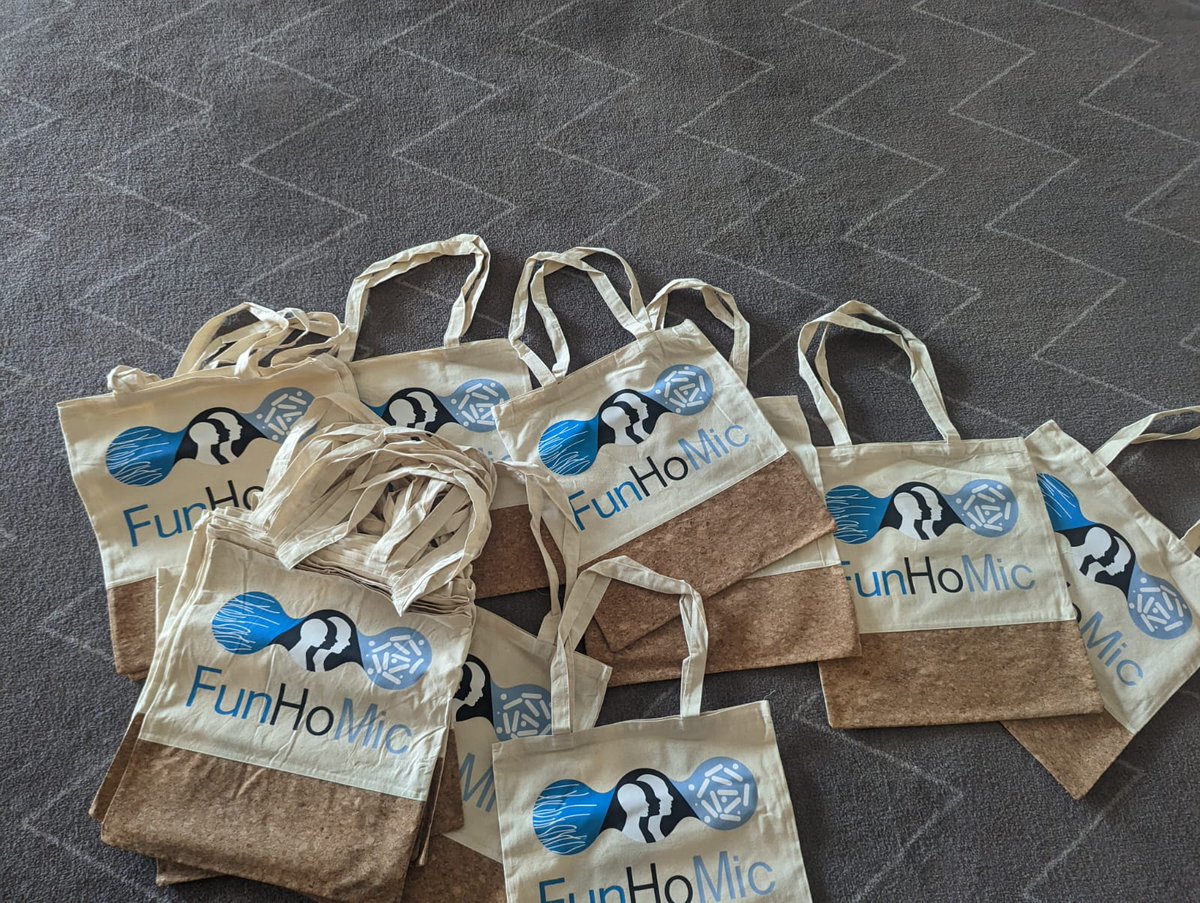
Preparations for the last FunHoMic meeting with great people and great invited speakers in a great place! #candida #microbiome #bacteria #hostpathogeninteraction #fungalimmunology #genomics #metabolomics @MSCActions @FunHoMic_ITN
3
12
968
24 Jan 2023
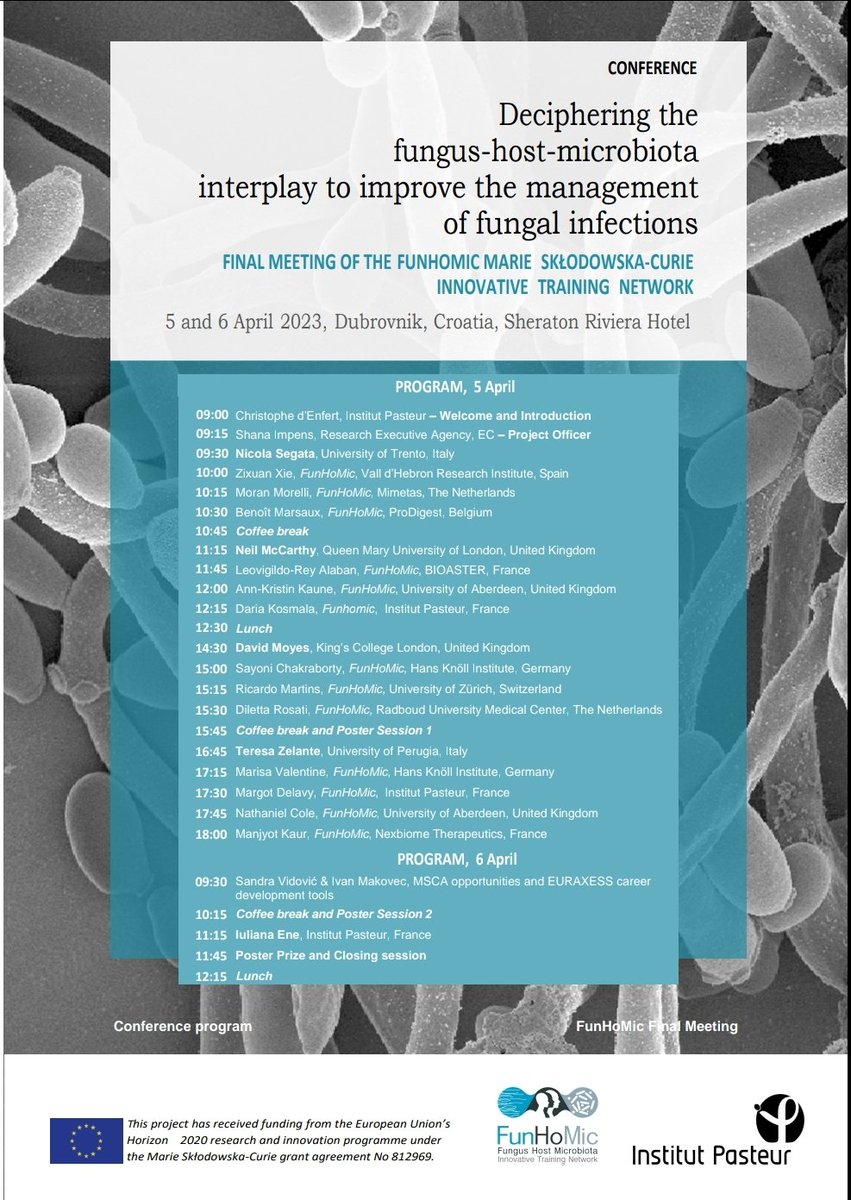
Submit your abstract to our conference and enjoy 2 awesome days full of interesting fungal science with us!! #candida #microbiome #bacteria #hostpathogeninteraction #fungalimmunology #genomics #metabolomics
2
12
13
3,651

17 Jan 2023
I’m a biotechnologist by training , with an industrial PhD on #hostpathogeninteraction and #vaccines at @Novartis @unisiena @Mariecurie_alumn. I did a Post-doc on #bacterialgenetics and #vaccines at @harvardmed @BostonChildrens and my favorite bug is Staph 🦠❤️ (2/3).
1
5
134

18 Dec 2022
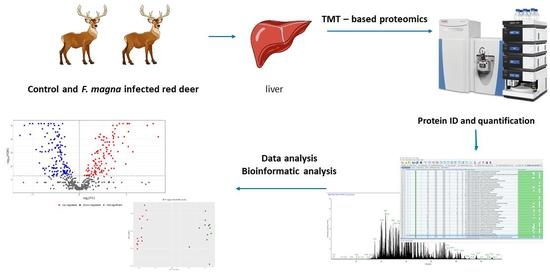
Liver Proteome Alterations in Red Deer (Cervus elaphus) Infected by the Giant #LiverFluke #Fascioloidesmagna
✏️by Karol Šimonji et al.
👉Full-Text mdpi.com/2076-0817/11/12/150…
#hostpathogeninteraction
1
5
244