
Twenty years ago this month, Russian state media began systematically lying about the Beslan school siege while bodies were still being counted. Over 330 people died, 186 of them children, but what happened next in the information space matters just as much as what happened in that gymnasium.
The Kremlin didn't just control the narrative. They road-tested an entire disinformation playbook that's now deployed globally against democracies every election cycle.
During Beslan, Russian authorities blocked independent journalists, manipulated casualty figures in real time, and flooded both domestic and international media with alternative explanations for who was really responsible. They weren't just managing a crisis. They were experimenting with coordinated narrative warfare across multiple information channels simultaneously.
Fast forward to today and you can trace a direct line from those September 2004 operations to the industrial-scale disinformation campaigns hitting swing states right now. The core methodology is identical: control access to primary sources, flood the zone with competing narratives, exploit emotional flashpoints, and present the manipulation as legitimate perspective.
The trajectory since Beslan shows three clear evolutions in Russian information warfare tradecraft.
First, they've moved from reactive crisis management to proactive narrative seeding. During Beslan, they were responding to an actual terrorist attack. Now they create the informational equivalent of terrorist attacks, manufacturing crises in target countries through coordinated disinformation campaigns months before elections.
Second, the operational scale has exploded. Beslan required controlling a few dozen journalists and regional media outlets. Current operations target millions of voters across multiple countries simultaneously through social media platforms, podcast networks, and influencer ecosystems that didn't exist in 2004.
Third, and most importantly, they've weaponized democratic information environments against themselves. In 2004, Russian authorities had to physically block access to build alternative narratives. Today they exploit the openness of democratic media systems, using press freedom and platform algorithms to amplify disinformation at speeds and scales that overwhelm fact-checking mechanisms.
The specific tactics emerging from current Russian operations show where this is heading next. They're moving beyond simple false narratives toward what intelligence analysts call "perception hacking." Instead of trying to convince you that X happened when Y actually happened, they're targeting the cognitive frameworks people use to process information itself.
Watch for three things in the next 18 months.
Russian operators will increasingly target local information ecosystems in smaller democracies to test narrative frameworks before deploying them in larger target countries. Estonia, Latvia, and Lithuania are already seeing coordinated campaigns that serve as operational rehearsals for broader European and North American targeting.
They're also shifting from platform-dependent operations to infrastructure-dependent operations. Rather than relying on Facebook or X algorithms, they're building parallel information infrastructures through podcast networks, newsletter systems, and direct messaging platforms that can't be easily monitored or disrupted by platform moderation.
Most significantly, they're adapting their targeting to exploit specific vulnerabilities in each democratic system. The disinformation campaigns hitting German regional elections look completely different from those targeting Canadian federal politics, which look different again from operations aimed at American swing states. They're customizing the cognitive attacks to match how each democracy processes information.
For election officials and security agencies, this means monitoring needs to expand beyond traditional social media platforms. The next major disinformation campaign might run primarily through Telegram channels, Substack newsletters, and WhatsApp networks that most current detection systems can't effectively track.
For voters, the Beslan precedent offers a crucial lesson. The most dangerous disinformation campaigns exploit real emotional responses to real events. Russian operators didn't invent the grief and anger around Beslan. They channeled those legitimate emotions toward false explanations and manufactured enemies.
The same pattern holds today. They don't create political polarization from scratch. They find existing tensions within democratic societies and amplify them through carefully targeted false narratives designed to make compromise impossible and democratic governance unworkable.
Twenty years after Beslan, Russian information warfare has evolved from crisis management to democracy disruption. The technical capabilities have expanded exponentially, but the core strategic objective remains unchanged: convince target populations that their information environment is so polluted with lies that distinguishing truth from falsehood becomes impossible.
When people give up on the possibility of shared facts, democratic decision-making becomes impossible. That's not a side effect of Russian disinformation campaigns. It's the entire point.
The trajectory from Beslan to today shows this isn't going to plateau. Russian information warfare capabilities will continue expanding in scope, sophistication, and speed. The question isn't whether they'll attempt to interfere in upcoming elections across multiple democracies. They're already doing it. The question is whether democratic societies can adapt their information defenses faster than authoritarian actors can evolve their information attacks.
Based on current trends, that's not a given.
foreigninterference.org/post…
#foreigninterference #DisinformationCampaigns #InformationControl #StateMediaCoordination
1
31

🏗️ Die neue KI-Wirklichkeit: Dienstleister klopfen sich mit marginalen IQ-Punkten – während Cloud-Titanen den echten Profit abkassieren.
Kaum merkt der Alltagsnutzer, dass ChatGPT, Claude und Gemini schmecken wie drei Etiketten vom gleichen Brunnen, schrumpft die technische Bandbreite zur Margin. Was bleibt, ist ein lokaler Genuss – gezapft aus immer derselben Pipeline von Microsoft, Amazon und NVIDIA.
- Die Leistungslücken zwischen Top-KI-Modellen schrumpfen dramatisch – bald zählt nur noch der Preis, nicht mehr die Intelligenz.
- Die „Schaufelverkäufer“ des KI-Booms (Cloud-Provider und Chip-Hersteller) verdienen an jedem Ihrer Prompts mit, egal welche Software-Oberfläche Sie nutzen.
Wenn alle KI-Modelle bald gleich gut sind, wer entscheidet dann wirklich über den Zugang zu Wissen – und haben wir uns gerade von einem Monopolisten zum nächsten bewegt?
#AIinfrastructure #BigTech #InformationControl
9
The Nuclear Threat Initiative's November 2002 research into WMD disinformation campaigns documented something we'd see play out repeatedly over the next two decades: how false information operations targeting weapons threats create cascading vulnerabilities in national security decision-making.
Twenty years later, we're watching the same playbook expand and evolve. The basic mechanics haven't changed. Bad actors still exploit the technical complexity of WMD threats to seed confusion, still target the gap between expert knowledge and public understanding, still weaponize legitimate scientific debate to create false equivalencies. But the delivery systems have gotten exponentially more sophisticated.
Where disinformation operators once relied on traditional media manipulation and academic infiltration, they now have direct access to global audiences through social platforms. The G8's Global Partnership framework anticipated coordinated state-level threats, but it couldn't foresee how commercially-driven algorithmic amplification would supercharge even low-budget influence operations.
The trajectory is clear: WMD disinformation is becoming more targeted, more persistent, and more dangerous. We're seeing three distinct evolutionary paths that should worry anyone tracking this space.
First, the technical sophistication is improving rapidly. Early campaigns relied on crude fear-mongering or blanket denial of threats. Current operations demonstrate deep understanding of scientific uncertainty, exploiting legitimate disagreements among experts to manufacture broader doubt about established facts. Operators now tailor messaging to specific audience segments, using advanced social listening to identify which arguments resonate with which demographics.
Second, the integration with broader influence operations has tightened considerably. WMD disinformation doesn't operate in isolation anymore. It's woven into larger narratives about government competence, scientific authority, international cooperation. An operation might start by questioning vaccine safety, then gradually introduce doubt about biological weapons detection capabilities, then expand to broader skepticism about threat assessment processes. The interconnected nature makes it harder to counter individual threads without addressing the entire narrative ecosystem.
Third, the timing has become more strategic. Instead of random bombardment, we're seeing carefully coordinated campaigns that surface during critical decision points. Vote on arms control treaties. Budget debates over counter-proliferation funding. International negotiations on verification protocols. The disinformation hits precisely when public confusion can do maximum damage to policy processes.
The next phase will likely focus on undermining detection and verification systems. As monitoring technologies become more sophisticated, expect to see preemptive campaigns designed to discredit their findings before they're even deployed. We're already seeing early versions of this around environmental monitoring, space-based detection, and international inspection regimes.
Defenders need to get ahead of three specific vulnerabilities. The first is the expertise gap. Most counter-disinformation efforts focus on political narratives, not technical subjects. The people who understand influence operations often don't understand nuclear physics or chemical weapons protocols. The people who understand the science often underestimate how easily technical complexity can be weaponized.
The second vulnerability is the speed mismatch. Scientific consensus builds slowly through peer review and replication. Disinformation spreads instantly and evolves in real time based on audience response. By the time experts have prepared a careful, nuanced response, the conversation has moved on.
The third is the authority paradox. Effective counter-messaging often requires explaining uncertainty and acknowledging legitimate debates within the scientific community. But that same nuance creates openings for bad actors to exploit. The more honest experts are about the limits of their knowledge, the more ammunition they provide to disinformation operators.
Watch for three warning signs in the coming months. Sustained attacks on international monitoring organizations, particularly the IAEA, OPCW, and Comprehensive Test Ban Treaty Organization. Coordinated campaigns questioning the reliability of detection technologies during periods when new verification agreements are being negotiated. And increasing attempts to conflate legitimate scientific debate with manufactured controversy.
The operational indicators are becoming clearer too. Multiple accounts pushing identical technical talking points across platforms. Sudden spikes in engagement around previously obscure scientific papers. Academic conferences or expert panels being targeted with coordinated harassment campaigns designed to discourage public communication about sensitive topics.
Officials should pay attention to how these campaigns interact with domestic political cycles. WMD disinformation often surfaces during appropriations processes, arms control negotiations, or international crisis moments when technical expertise becomes politically relevant. The timing isn't coincidental.
For voters, the challenge is learning to recognize when technical complexity is being weaponized. Legitimate scientific disagreement is normal and healthy. Manufactured controversy designed to paralyze decision-making is something different entirely. The pattern to watch: when technical arguments consistently push toward inaction, delay, or withdrawal from international cooperation, rather than toward better policies or improved understanding.
The Nuclear Threat Initiative's research from 2002 identified a problem that has only gotten worse. The question now isn't whether WMD disinformation poses a threat to public understanding and policy processes. The question is whether democratic societies can develop immune systems fast enough to keep pace with rapidly evolving influence operations.
Based on current trajectories, that's far from certain.
foreigninterference.org/post…
#foreigninterference #DisinformationCampaigns #InformationControl
108

Jun 12
SILENCING THE SCHOLAR: The Strategic Message Behind China’s Arrest of U Min Zin
#MinZin #ScholarArrest #ChinaMyanmar #InformationControl #AcademicFreedom #StrategicInfluence #AntiChina #ShanState #ChinesePolicy #RegionalPolitics
english.shannews.org/archive…
1
66

Jun 12
How to Disappear: The Art of Becoming a Virtual Entity frankahearn.com/blog/f/how-t… #HowToDisappear #Privacy #ExtremePrivacy #Disappear #DigitalPrivacy #OnlinePrivacy #DataPrivacy #PrivacyExpert #AnonymousLiving #StartOver #NewLife #InformationControl
7
A newly disclosed State Department analysis from 1997 reveals how Saddam Hussein's regime built one of the era's most sophisticated disinformation machines — and created a playbook that authoritarian states still use today.
The Iraqi operation wasn't just propaganda. It was systematic manipulation on an industrial scale.
Here's what they were doing: The regime was "making sure the world media filmed Iraqi civilians, including women and children, at military and industrial sites."
Think about that for a second. This wasn't accidental or opportunistic — it was calculated theater designed to weaponize international sympathy.
The mechanics were chilling in their precision. Iraqi handlers would guide foreign journalists to predetermined locations, coach civilian participants on what to say, and time the release of materials for maximum impact on global public opinion.
Women and children weren't just human shields — they were propaganda assets, carefully positioned to create compelling visuals that would make international audiences question UN sanctions.
What made this particularly insidious was how it exploited legitimate humanitarian concerns. The suffering was real, but the regime was manipulating that suffering to obscure the military nature of the sites being protected.
The State Department analysis shows this wasn't amateur hour. Iraqi intelligence understood international media dynamics better than most democratic governments did at the time. They grasped how modern news cycles worked, how visual narratives spread, and how to exploit Western sensitivities about civilian casualties.
The controlled media access was surgical. Journalists thought they were getting authentic access to document civilian impact, but every location, every interview, every photo opportunity was orchestrated to serve the regime's narrative.
This matters because we're still living with the consequences of these innovations. The 1997 Iraqi playbook became the template for how authoritarian regimes manipulate international opinion during conflicts.
Russia in Syria? Same tactics — hospitals and schools as human shields while cameras roll. Hamas in Gaza? Identical approach — civilian casualties as propaganda tools. China with the Uyghurs? Controlled media access to staged facilities.
What's particularly striking is the timing. This was happening in 1997, before social media, before viral videos, when information warfare was still primarily about managing traditional news outlets.
The regime was already thinking systematically about how to exploit the gap between appearance and reality in international media coverage. They understood that compelling visuals could override factual analysis in shaping public opinion.
The coached civilian participants detail is especially revealing. This wasn't just about positioning cameras — it was about scripting authentic-seeming human stories that would resonate with international audiences.
And it worked, at least partially. International support for sanctions did erode over time, partly due to legitimate humanitarian concerns that these operations helped amplify and weaponize.
The State Department's documentation of these methods shows U.S. intelligence was tracking the evolution of information warfare in real time, even if policymakers didn't fully grasp how these techniques would spread.
Looking back, 1997 represents a inflection point in how authoritarian regimes approach international pressure. Instead of just denying wrongdoing, they learned to flip the script — making themselves appear as victims while continuing the very activities that triggered international response.
The sophistication level was remarkable for its time. The regime had essentially created an integrated communications strategy that combined human intelligence, media manipulation, and psychological operations.
What's sobering is how these 1997 innovations became standard operating procedure. Every major authoritarian regime facing international pressure now uses some version of this playbook.
The Iraqi regime's insight was recognizing that in the modern media environment, controlling the narrative could be as important as controlling territory. Maybe more important.
Twenty-seven years later, we're still grappling with the information warfare techniques that Saddam's intelligence services pioneered during the sanctions period.
foreigninterference.org/post…
#foreigninterference #DisinformationCampaigns #InformationControl
46

Consensual Blackmail Manual: How to Guide for Submissives and Mistresses: Techdomme - The Future of Male Domination III #Literature & #Fiction #Kindle #eBooks #femdom #findom #fintech #informationcontrol #takeover #homewrecker #mistressharley #domme #cbt amazon.com/Consensual-Blackm…
2
2
226

May 24
💰 Enterprise buyers are paying a premium for provable information control. Are you capturing it?
The data escape economy is the market dynamic where organisations with demonstrable, auditable information controls command higher prices, win more RFPs, and retain clients longer than those offering equivalent features without security proof. This white paper quantifies and operationalises that advantage.
Professor Kieran Upadrasta presents the commercial framework for turning information control into a revenue-generating asset — establishing the pricing, positioning, and evidence strategy for the enterprise security premium.
📄 Read the white paper: kie.ie/docs/The_Data_Escape_…
— Professor Kieran Upadrasta | Schiphol University | University of Schiphol
#DataSecurity #InformationControl #CISO #CommercialSecurity #SecurityROI #SecurityDoctrine #EnterpriseDeals #TrustEconomy #DataProtection #CyberGovernance
47
May 24
💰 Enterprise buyers are paying a premium for provable information control. Are you capturing it? The data escape economy is the market dynamic where organisations with demonstrable, auditable information controls command higher prices, win more RFPs, and retain clients longer than those offering equivalent features without security proof. This white paper quantifies and operationalises that advantage. Professor Kieran Upadrasta presents the commercial framework for turning information control into a revenue-generating asset — establishing the pricing, positioning, and evidence strategy for the enterprise security premium. 📄 Read the white paper: kie.ie/docs/The_Data_Escape_… — Professor Kieran Upadrasta | Schiphol University | University of Schiphol #DataSecurity #InformationControl #CISO #CommercialSecurity #SecurityROI #SecurityDoctrine #EnterpriseDeals #TrustEconomy #DataProtection #CyberGovernance
57
Here's what actually happened in November 2021 that we're just learning about: The State Department's Global Engagement Center quietly assembled some of the world's top disinformation experts for what they called "Disarming Disinformation."
We're talking Bellingcat investigators, EU officials, New York Times researchers, and other heavy hitters in the information warfare space. This wasn't your typical government conference — this was bringing together the people who actually track and expose state-sponsored influence operations.
The timing is interesting. November 2021 puts this right in the thick of escalating tensions with Russia, months before the Ukraine invasion but when disinformation campaigns were already ramping up significantly.
What's notable here is the participant list. Bellingcat has been absolutely crucial in exposing Russian operations — from the Skripal poisoning to MH17 to tracking Wagner Group activities. Getting them in the same room with government officials signals how seriously the administration was taking the threat.
The focus was on "sophisticated techniques used by authoritarian regimes to manipulate public opinion and undermine confidence in democratic processes." Translation: they were war-gaming how Russia, China, and other state actors were weaponizing information against democratic institutions.
This represents a pretty significant shift in how the U.S. approaches information warfare. Traditionally, counter-disinformation has been siloed — government agencies doing their thing, journalists doing theirs, researchers working independently. This initiative was about breaking down those walls.
The "case studies of recent disinformation campaigns" they examined likely included Russian interference in the 2020 election, COVID-19 conspiracy theories pushed by state actors, and the ongoing attempts to undermine confidence in democratic institutions across Europe and North America.
What's particularly smart about this approach is recognizing that disinformation doesn't respect borders. A Russian operation might target audiences in Germany, the U.S., and Ukraine simultaneously. You need coordinated international response capabilities to counter that effectively.
The Global Engagement Center has been doing this work since 2016, but this kind of high-level convening with external experts shows they were getting serious about building a more robust, collaborative framework.
Looking back now, this seems prescient. The full-scale information warfare campaign that accompanied Russia's invasion of Ukraine required exactly this kind of coordinated international response. Having these relationships and frameworks in place before the crisis hit was crucial.
This also reflects growing recognition that effective counter-disinformation can't just be a government operation. You need independent journalists, open-source investigators, and civil society organizations in the mix. They often see things government analysts miss and have credibility with audiences who might be skeptical of official sources.
The "institutionalizing international cooperation" aspect is key here. This wasn't just a one-off meeting — they were building ongoing mechanisms for information sharing and coordinated responses to information threats.
Worth noting that this kind of collaboration raises legitimate questions about the line between counter-disinformation and potential overreach. Having government agencies working closely with media organizations and researchers requires careful attention to press freedom and civil liberties concerns.
But given what we've seen with Russian disinformation around Ukraine, Chinese influence operations, and ongoing attempts to weaponize information against democratic institutions, this kind of coordinated approach seems increasingly necessary.
The real test is whether the frameworks established in initiatives like this actually work when crisis hits. Based on the coordinated response to Russian disinformation around Ukraine, it looks like some of these relationships and mechanisms proved their worth.
foreigninterference.org/post…
#foreigninterference #DisinformationCampaigns #InformationControl #CrossborderInfluenceOperations
2
146

🌸Eric Weinstein has just summarized, perhaps without realizing it, the exact core of the problem. I have been saying for years that the so called “disclosure” we are seeing is designed to remain forever stuck in phase A. There. Frozen. Orbiting around blurry videos, ambiguous testimonies, surprised pilots, and partially censored documents. Always just enough to keep the conversation alive. Never enough to break it.
Little photos. White dots. Distant orbs. Thermal objects. Carefully measured statements. Everything extremely controlled.
People still do not understand how a real compartmentalization operation works. They think truth is hidden by putting documents in a giant safe underground. No. It works by separating pieces. Fragmenting access. Creating levels where even high ranking officials believe they have the full picture when they are only seeing a corner of the board.
A pilot may see something.
A radar operator sees something else.
A scientist analyzes materials without knowing their origin.
A private contractor manufactures components without full context.
A politician receives a mutilated briefing.
A journalist gets selected leaks.
Nobody connects all the dots.
That is the trick.
That is why it makes me laugh when people talk about “disclosure has already begun.” What disclosure? If they are still hiding the only thing that matters.
Origin.
Technology.
Propulsion.
Consciousness.
Contact.
Biological interaction.
Genetic interaction.
Historical presence.
The real power structure behind the phenomenon.
None of that is on the table.
They are still entertaining the public with the childish phase of the subject: “there are objects we do not understand.” Perfect. Thank you. Fifty years too late.
The delicate part begins when the conversation stops being about objects and becomes about civilizations, perceptual manipulation, narrative control, and exopolitical structures that have been operating long before the internet existed. That is where everyone’s face changes. That is where the strange silences appear. That is where media ufologists start getting nervous.
Swaruu Taygetan information has been explaining exactly this for years: the phenomenon was never simply “flying saucers.” The real problem was always who manages human perception of the phenomenon. Who decides what can be thought. What is ridiculed. What is filtered. What is dosed. What is turned into Netflix entertainment and what disappears.
Even more uncomfortable.
Public disclosure could never arrive all at once from fragmented governments and competing agencies. Many people still imagine a Hollywood scene. President in front of cameras. Open folders. “Here is the whole truth.” Ridiculous. The system does not even work like that internally.
Neither the CIA controls everything.
Nor the Pentagon controls everything.
Nor AARO controls everything.
Nor presidents necessarily receive full access.
Decades of compartmentalization create autonomous bureaucratic monsters. Programs buried under private contractors. Layers upon layers. Black budgets within black budgets. People who die without ever understanding what they were actually working on.
Then Weinstein appears saying that real disclosure would begin when there is open material evidence available to independent scientists. Of course. That would be a seismic event. That would end the theater.
Materials.
Alloys.
Functional technology.
Verifiable non human biology.
Energy systems impossible under public physics.
Open data.
Free access.
Scientific repeatability.
The old paradigm would last weeks. Weeks.
That is why it does not happen.
Keeping the population trapped in phase A allows control of rhythm, narrative, interpretation, and emotional reaction. You can feed the mystery indefinitely without ever delivering the hard core.
And meanwhile, media, influencers, ufologists, and official scientists argue over pixels. Pixels. In 2026. At this point in time.
People are still celebrating three second thermal videos as if they were witnessing the fall of the Berlin Wall.
The real question is not when disclosure will arrive.
The question is how much longer they will keep calling “disclosure” a carefully managed dosing operation.✨💫#Disclosure #UAP #InformationControl #TaygetaOfficial
1
3
87

⚡ 🇷🇺 Russia just banned the import of all foreign #SatelliteTerminals - including #Starlink - for the next 6 months. Officially, it’s about “national security.” In reality, it’s another desperate step to keep the population locked inside the Kremlin’s information bubble. On one side, Russia is building its own LEO network "Rassvet" - 16 satellites already, 383 planned by 2030. On the other, the priority is control of internal information flows. Satellite internet is hard to censor, so it's treated as a strategic risk. I'll make no conclusions here. I'll just remind you: Starlink currently has 7,000 satellites in orbit. For Russia to build something remotely similar - we're talking 15–20 years minimum. For Ukraine, there’s an obvious upside in this Kremlin decision: 🇷🇺 is restricting access to modern satellite communications, limiting “grey” Starlink use & making it harder to quickly restore battlefield connectivity - which slightly strengthens 🇺🇦 advantage in coordination & operational speed. #InformationControl

9
32
95
3,725

Apr 26
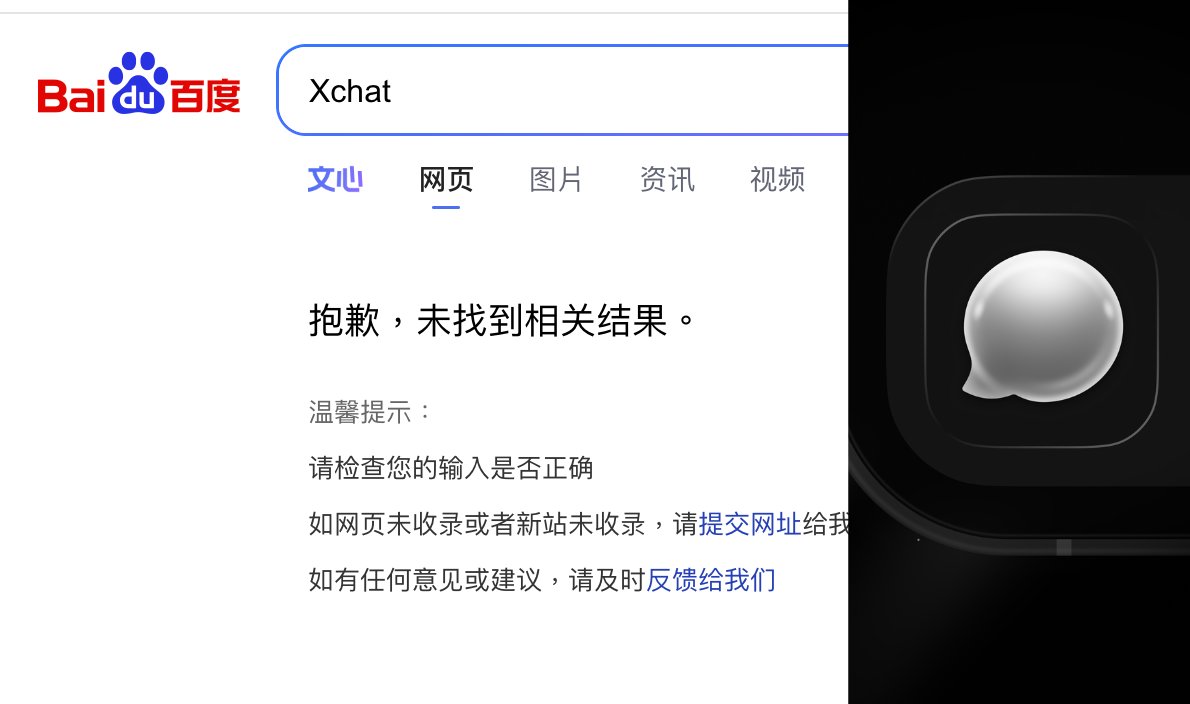
🚨 CCP CENSORSHIP EXPOSED: New Privacy App XChat IMMEDIATELY BLOCKED in China! Just hours after @elonmusk's X platform launched XChat — a secure, end-to-end encrypted messaging app with strong anonymity and no forced phone-number registration — the Chinese Communist Party went into full panic mode.
Searches for “XChat” on Baidu (Chinese Google) now return empty pages with error codes. State media reports from Xinhua and others were published… then hastily deleted. Even Xiaohongshu restricts results.
Why? Because XChat lets people communicate without surveillance — the CCP’s worst nightmare. They demand total control through WeChat and real-name tracking. Any tool offering real freedom of speech gets crushed.
This is the Great Firewall in action: blocking information, deleting reports, and silencing privacy at the source.
The free world MUST wake up to the CCP’s ruthless war on freedom of speech and information flow.
Share this NOW. Expose the truth. Protect digital liberty.
#CCPCensorship #GreatFirewall #XChat #FreedomOfSpeech #ChinaBlocksPrivacy #InformationControl #CCP #China
18
89
199
15,785

Apr 17
Information Control as a Responsibility:
Information loses control faster than it loses value. The moment it is shared, stored, or processed, it becomes part of a system and from that point on, how well it is protected depends on how consistently control is maintained.
Because Trust in organizations is about ensuring that access remains appropriate over time, as systems evolve, roles change, and usage expands.
A case of giving someone access to a secured office.
At the beginning, access is intentional only the right people are allowed in.
But over time, if keys are not collected back, roles are not updated, and movement is not monitored, more people can enter than originally intended…. Nothing was broken, but control has already been lost.
Relatively to how information loses control inside a system, a little access can gradually become broader visibility if permissions stay active longer than they should. Familiar environments begin to feel inherently safe, even when they are not.
It is similar to sharing a document meant for a specific purpose. At first, it is sent to a limited group.
Then it gets forwarded, referenced, stored in different locations, and reused beyond its original intent. On all processes no single step feels like a risk.
But eventually, it becomes unclear who has access and why.
And once that happens, confidentiality is no longer fully intact.
None of this happens abruptly.
It builds slowly, through small decisions that seem harmless in isolation but, over time, reduce the level of control around sensitive information.
Information control and protection is necessarily a responsibility of managing who can enter a space over time…. Because whenever information is shared, there is an expectation attached to it that it will be handled with care, not accessed casually, not used beyond its intent, and not exposed where it shouldn’t be.
And the need for information control hence becomes clearer as a continuous effort to keep access limited, usage intentional, and visibility aligned with purpose.
Once access goes beyond this, even unintentionally, control is already lost and at that point, it is no longer just a security issue, but a question of whether that information was controlled initially.
#InformationSecurity #DataProtection #Confidentiality #RiskManagement #Governance #DataPrivacy #DataControl #InformationControl
1
4
57

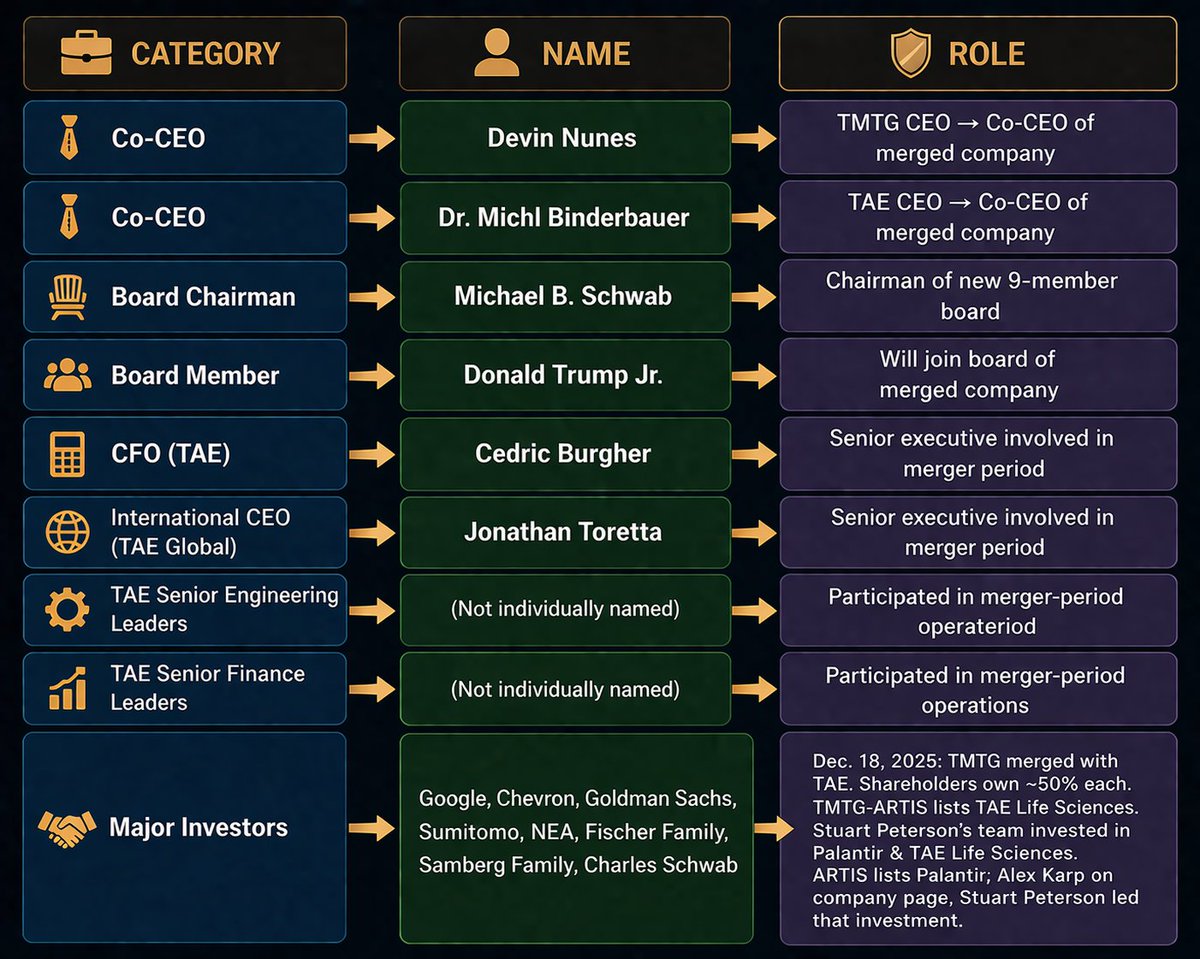
What you’re seeing isn’t just a merger. #IndependentVoices - You need this on your radar - this thing is being sped up while the news cycle is inundated -- @SabbySabs2 @danksterintel @KimIversenShow @realstewpeters
It’s a quiet consolidation of power—leadership, capital, and influence tightening at the same time.
✔️Boards shift.
✔️Titles change.
✔️Money moves.
But the real story is what happens next.
🟩 Watch the boardrooms — who is gaining seats, and who is disappearing
🟩 Watch the capital flow — where billions are being redirected, and why
🟩 Watch the partnerships — the same names showing up across multiple lanes
🟩 Watch the narrative — what gets amplified… and what gets buried
🟩 Watch access — who gets closer to power, and who gets pushed further out
This is how systems reshape themselves without ever making noise.
The wealthy don’t just grow wealth in moments like this.
They expand control.
And when control expands, information tightens, visibility narrows, and censorship doesn’t always arrive looking loud—it arrives looking invisible.
Pay attention now.
Because by the time the public sees the full picture, the structure is already in place.
#MergerWatch #BoardroomPower #CapitalControl #WealthConcentration #FollowTheMoney #PowerShift #CorporateInfluence #InformationControl #GovernanceMatters #SystemWatch
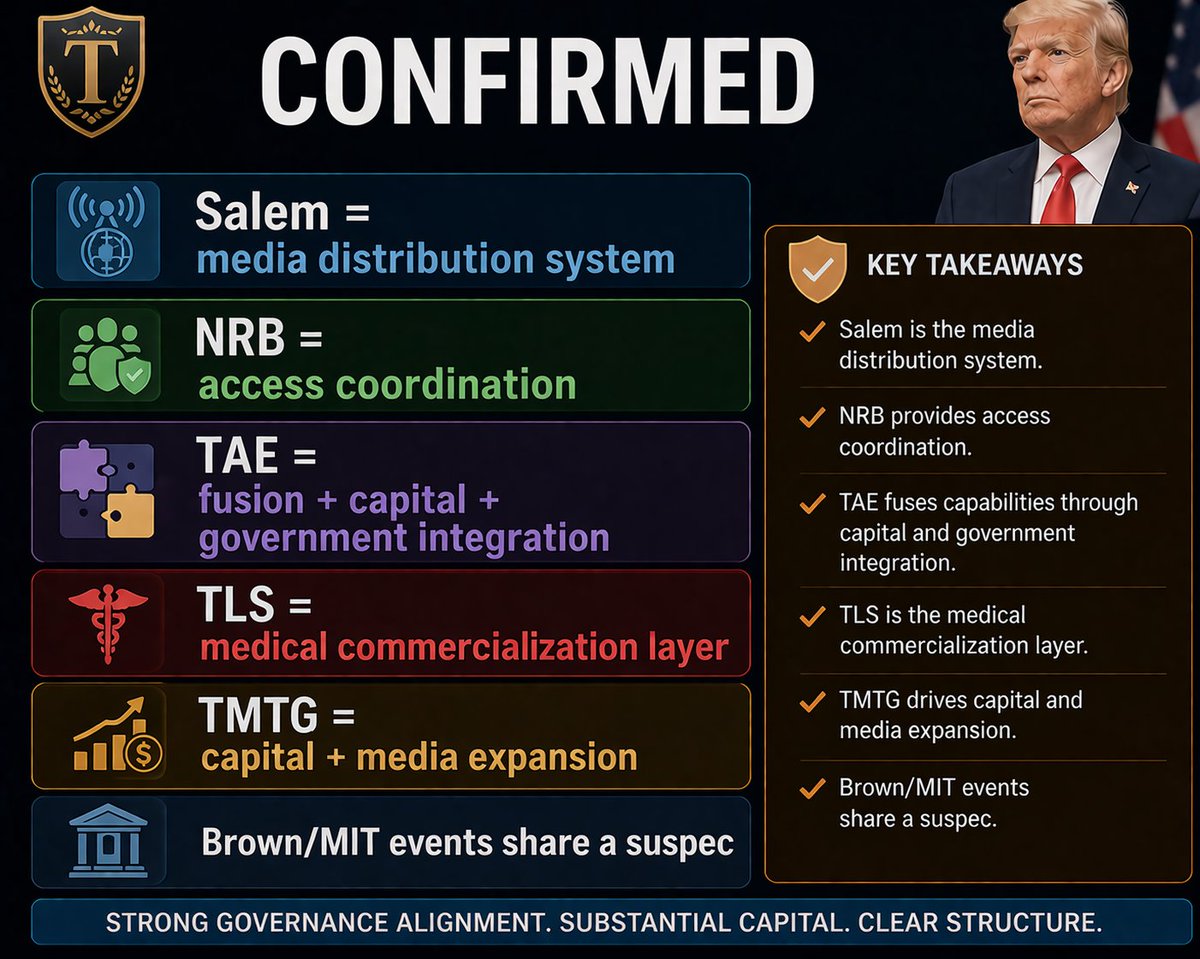
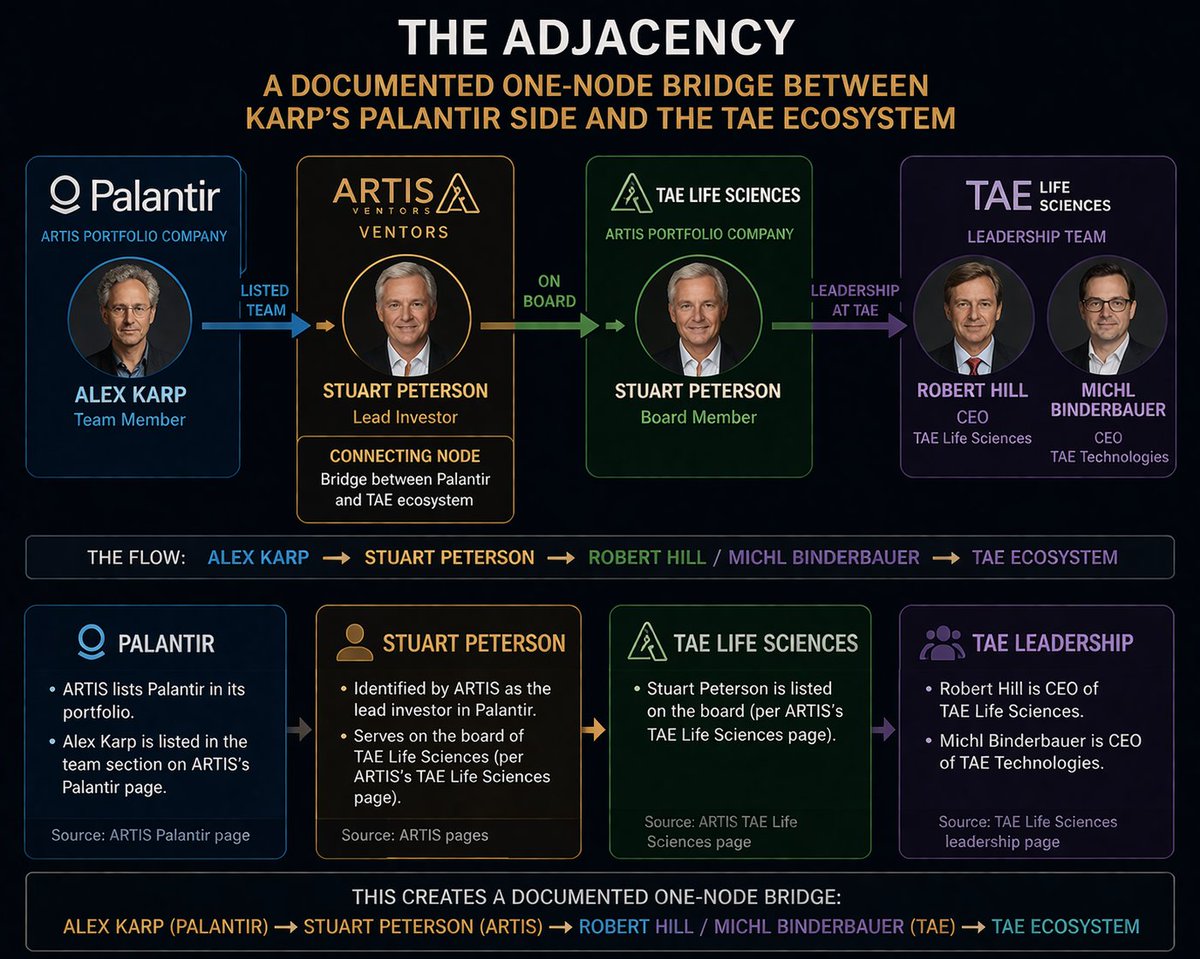
2
23
@DDGotAPodcast
Most people laughed at it, as if it were just a game.
But the Illuminati Card Game wasn’t random—it was a reflection of how power, control, and influence operate beneath the surface.
🃏 Created in 1995 by Steve Jackson
🧠 Designed as satire—but rooted in real-world structures
📡 Themes: control, media influence, government power, hidden networks. Here’s what makes it hit different today…It didn’t “predict” the future.
It exposed patterns that already existed.
⚠️ Power consolidates quietly
⚠️ Systems protect themselves
⚠️ Information gets shaped before it reaches you
⚠️ What looks like a coincidence… often follows structure. The real question isn’t whether the game was right or wrong. It’s this:
Are you paying attention to the systems behind what you see?
🔥 Study patterns, not just headlines
🔥 Question narratives, not just outcomes
🔥 Build discernment, not dependency. Because once you understand how influence actually works…
You start seeing it everywhere.
#IlluminatiCardGame #HiddenPatterns #InformationControl #MediaAwareness #CriticalThinking #StayAware #Discernment
@TPV_John @SwordTruth @KimIversenShow @IanCarrollShow @ProjectConstitu @DropSiteNews @JustTheTweets17 @baroncoleman @briebriejoy @LindsMac @RealCandaceO @MJTruthUltra @DiligentDenizen @Rissajohns @Ryanmatta @Mia_Stretch @ShadowofEzra @alleytopfiles @DDGotAPodcast @Ex_Nihilo_x @guychristensen_ @Thought_Crimez @SabbySabs2 @andrejgee @meiselasb @BasedSamParker @HarrietEve9 @realstewpeters @realnikohouse @dijoni
1
3
97

⚠️ A major U.S.-based satellite imaging company has now indefinitely agreed to withhold visual data of Iran and the surrounding war zone—not because of technical failure, but at the direct request of the U.S. government.
The blackout reportedly includes imagery dating back weeks and will remain in place for the duration of the conflict, with only limited, controlled releases under “urgent” or “public interest” conditions.
What is being hidden? Who decides what the public is allowed to see? And how much of the truth is now being filtered before it ever reaches the world?
More below ⬇️
endtimeheadlines.org/2026/04…
#MiddleEastCrisis #IranConflict #GlobalTensions #InformationControl
1
6
15
993

Apr 5
When power blocks satellite imagery, it’s not “security”—it’s control over what can be proven. But visibility doesn’t vanish, it fragments. China, Russia, and OSINT networks fill the gaps. #InformationControl #WarTransparency

BREAKING | The US government has requested all commercial satellite imagery providers indefinitely withhold imagery from the Middle East conflict zone, retroactive to March 9.
Planet, one of the world's leading satellite imagery companies, confirms it is complying. Independent verification of strike damage, civilian casualties, and infrastructure destruction is now being suppressed at Washington's request.
When you're winning, you want the world to see. When you're blacking out satellite imagery for a month, you're hiding what's really happening.
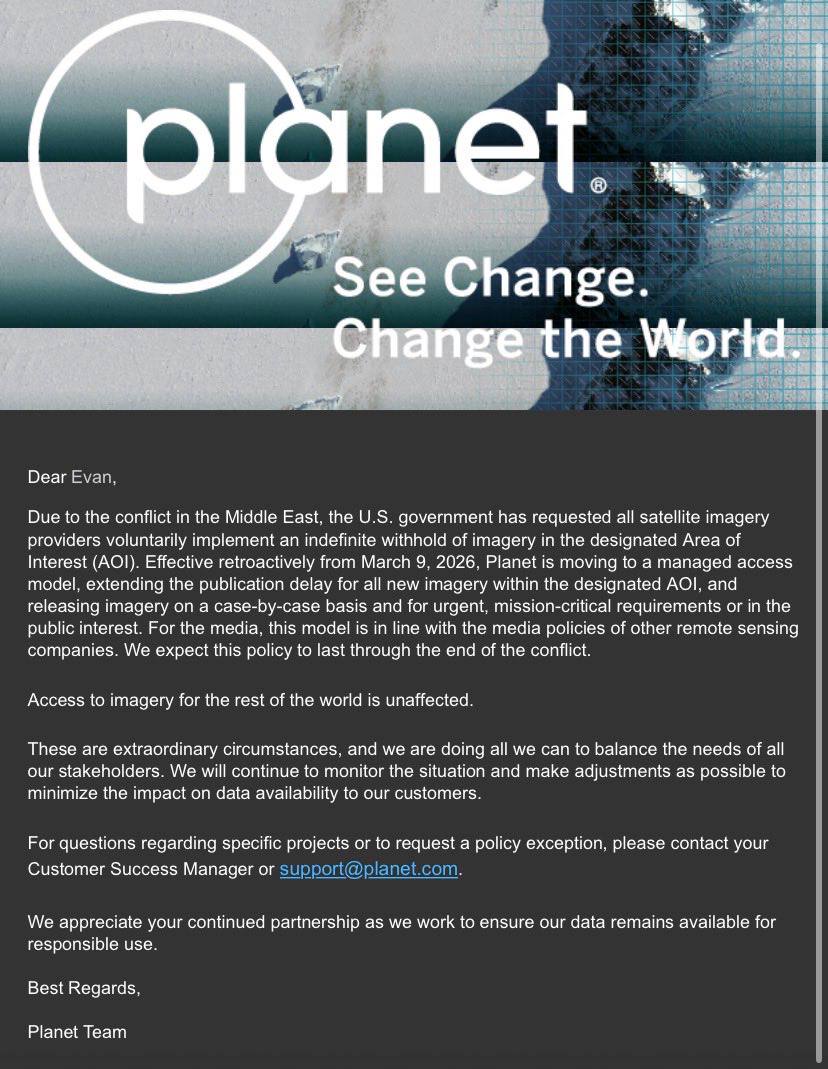
3
10
225

Mar 29
Ethiopia is rushing toward elections as if procedure can replace legitimacy. It cannot. A ballot box does not convert disorder into democracy. What’s being prepared is not a vote it’s a performance.
#Ethiopia #EthiopiaElection #DemocracyCrisis
The Election Board itself admits it cannot determine whether Tigray is even in a condition to vote. That is not a logistical delay. It is a constitutional rupture. A state that cannot certify its own territory cannot certify a national mandate.
#Tigray #Federalism #PoliticalSettlement
To proceed anyway is not democratic continuity. It is political theater pretending the federation is intact while knowing it is not.
#EthiopiaPolitics #GovernanceCrisis #StateFragility
Opposition parties warn this is “a calendar without democracy.” They are not hesitant they are diagnosing a system where security, organizational freedom, and equal access are structurally dismantled.
#OppositionVoices #PoliticalSpace #DemocraticRights
When the actors who give elections their competitive meaning conclude the field is rigged, the issue is not their participation. It is the system demanding their presence to legitimize a predetermined outcome.
#Accountability #RuleOfLaw #EthiopiaElection2026
Freedom House classifies Ethiopia as “Not Free.” This is not a Western judgment it is a risk assessment. Elections cannot function as choice when coercion and due‑process violations define the political environment.
#HumanRights #FreedomIndex #DemocracyUnderThreat
Press freedom is suffocated. Journalists operate under fear. Digital access is restricted. Independent media is throttled. Under these conditions, voters are not choosing they are navigating curated narratives.
#PressFreedom #DigitalRights #InformationControl
An election without a free public sphere is not an election. It is a controlled message disguised as civic participation.
#MediaFreedom #CivicSpace #EthiopiaCrisis
Repression is not incidental, it is the pre‑election strategy. Amnesty and HRW document mass detentions, abuses, and impunity. This is the political environment shaping the vote before it happens.
#HumanRightsAbuses #Amhara #Impunity
Under such conditions, elections do not measure legitimacy. They measure fear.
#Democracy #PoliticalRepression #EthiopiaElection
Institutions meant to safeguard the vote are structurally incapable of doing so. Ethiopia ranks near the bottom globally on rule‑of‑law indicators. Without credible institutions, elections cannot translate votes into legitimacy.
#RuleOfLaw #InstitutionalFailure #Governance
This is not a flawed pre‑electoral environment. It is the collapse of the architecture that makes elections meaningful.
#DemocraticBacksliding #StateIntegrity #Ethiopia
When rules are contested, elections do not allocate power they consolidate it. Ethiopia risks using elections to cement a political order that cannot withstand scrutiny.
#PowerDynamics #PoliticalCrisis #ElectionIntegrity
Externally, this creates a dangerous illusion. Diplomatic actors may mistake procedural compliance for legitimacy, reinforcing a system that lacks the attributes elections are meant to certify.
#ForeignPolicy #Diplomacy #InternationalCommunity
The alternative is not postponement, it is reconstruction. A credible election requires reduced conflict, territorial access, release of detainees, media reopening, and institutional independence.
#Peacebuilding #PoliticalReform #DemocraticProcess
Proceeding without these conditions turns elections into validation rituals authority affirmed, not contested. Participation becomes a statistic, not consent.
#ElectoralIntegrity #DemocracyMatters #Ethiopia2026
Ethiopia must decide whether it wants an election or a mandate. One approach checks a box. The other earns legitimacy. Only one can stabilize the country.
#PoliticalFuture#EthiopiaDecides
7
12
256
Mar 29
Ethiopia is rushing toward elections as if procedure can replace legitimacy. It cannot. A ballot box does not convert disorder into democracy. What’s being prepared is not a vote it’s a performance.
#Ethiopia #EthiopiaElection #DemocracyCrisis
The Election Board itself admits it cannot determine whether Tigray is even in a condition to vote. That is not a logistical delay. It is a constitutional rupture. A state that cannot certify its own territory cannot certify a national mandate.
#Tigray #Federalism #PoliticalSettlement
To proceed anyway is not democratic continuity. It is political theater pretending the federation is intact while knowing it is not.
#EthiopiaPolitics #GovernanceCrisis #StateFragility
Opposition parties warn this is “a calendar without democracy.” They are not hesitant they are diagnosing a system where security, organizational freedom, and equal access are structurally dismantled.
#OppositionVoices #PoliticalSpace #DemocraticRights
When the actors who give elections their competitive meaning conclude the field is rigged, the issue is not their participation. It is the system demanding their presence to legitimize a predetermined outcome.
#Accountability #RuleOfLaw #EthiopiaElection2026
Freedom House classifies Ethiopia as “Not Free.” This is not a Western judgment it is a risk assessment. Elections cannot function as choice when coercion and due‑process violations define the political environment.
#HumanRights #FreedomIndex #DemocracyUnderThreat
Press freedom is suffocated. Journalists operate under fear. Digital access is restricted. Independent media is throttled. Under these conditions, voters are not choosing they are navigating curated narratives.
#PressFreedom #DigitalRights #InformationControl
An election without a free public sphere is not an election. It is a controlled message disguised as civic participation.
#MediaFreedom #CivicSpace #EthiopiaCrisis
Repression is not incidental, it is the pre‑election strategy. Amnesty and HRW document mass detentions, abuses, and impunity. This is the political environment shaping the vote before it happens.
#HumanRightsAbuses #Amhara #Impunity
Under such conditions, elections do not measure legitimacy. They measure fear.
#Democracy #PoliticalRepression #EthiopiaElection
Institutions meant to safeguard the vote are structurally incapable of doing so. Ethiopia ranks near the bottom globally on rule‑of‑law indicators. Without credible institutions, elections cannot translate votes into legitimacy.
#RuleOfLaw #InstitutionalFailure #Governance
This is not a flawed pre‑electoral environment. It is the collapse of the architecture that makes elections meaningful.
#DemocraticBacksliding #StateIntegrity #Ethiopia
When rules are contested, elections do not allocate power they consolidate it. Ethiopia risks using elections to cement a political order that cannot withstand scrutiny.
#PowerDynamics #PoliticalCrisis #ElectionIntegrity
Externally, this creates a dangerous illusion. Diplomatic actors may mistake procedural compliance for legitimacy, reinforcing a system that lacks the attributes elections are meant to certify.
#ForeignPolicy #Diplomacy #InternationalCommunity
The alternative is not postponement, it is reconstruction. A credible election requires reduced conflict, territorial access, release of detainees, media reopening, and institutional independence.
#Peacebuilding #PoliticalReform #DemocraticProcess
Proceeding without these conditions turns elections into validation rituals authority affirmed, not contested. Participation becomes a statistic, not consent.
#ElectoralIntegrity #DemocracyMatters #Ethiopia2026
Ethiopia must decide whether it wants an election or a mandate. One approach checks a box. The other earns legitimacy. Only one can stabilize the country.
#PoliticalFuture #NationalDialogue
7
14
305