
Jun 12
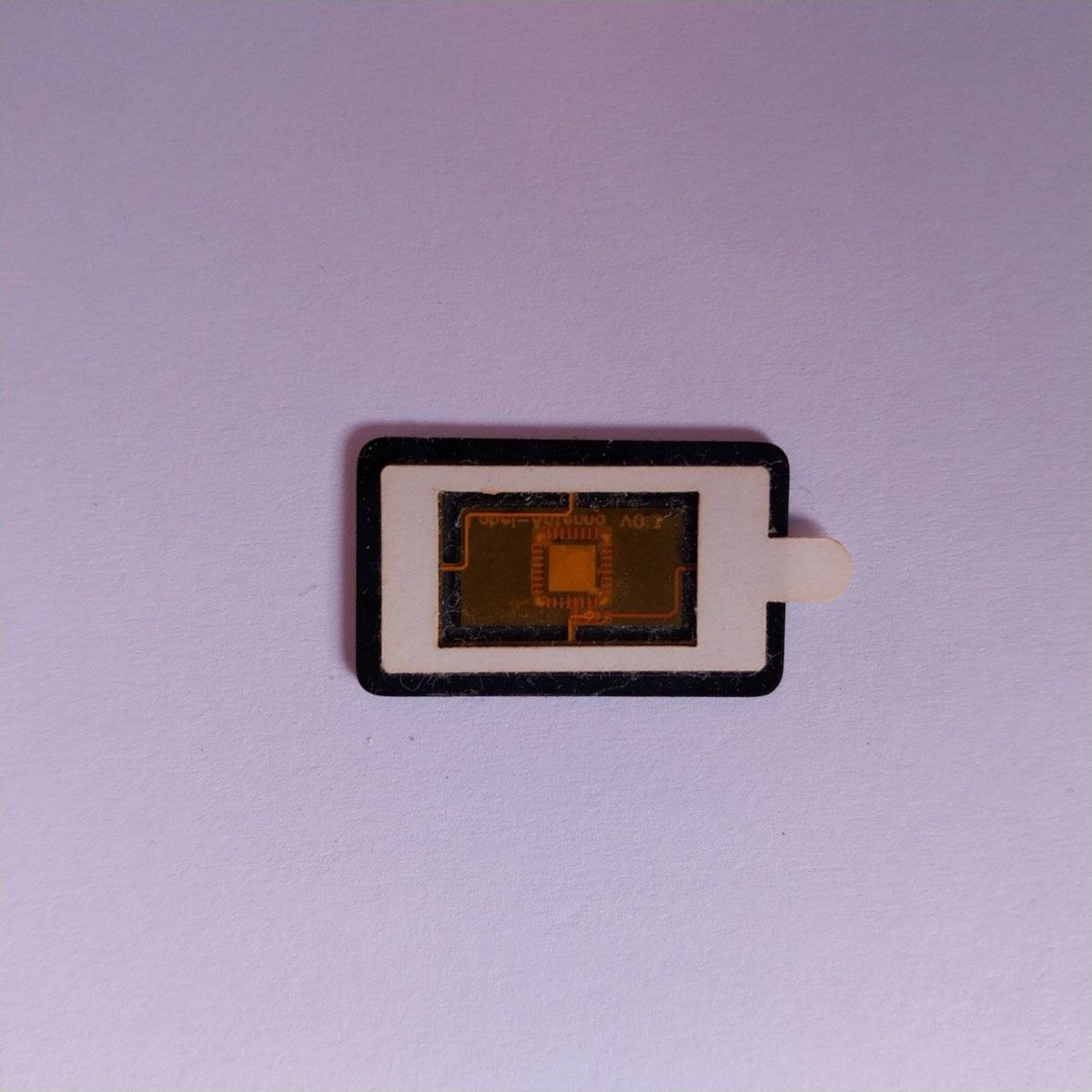
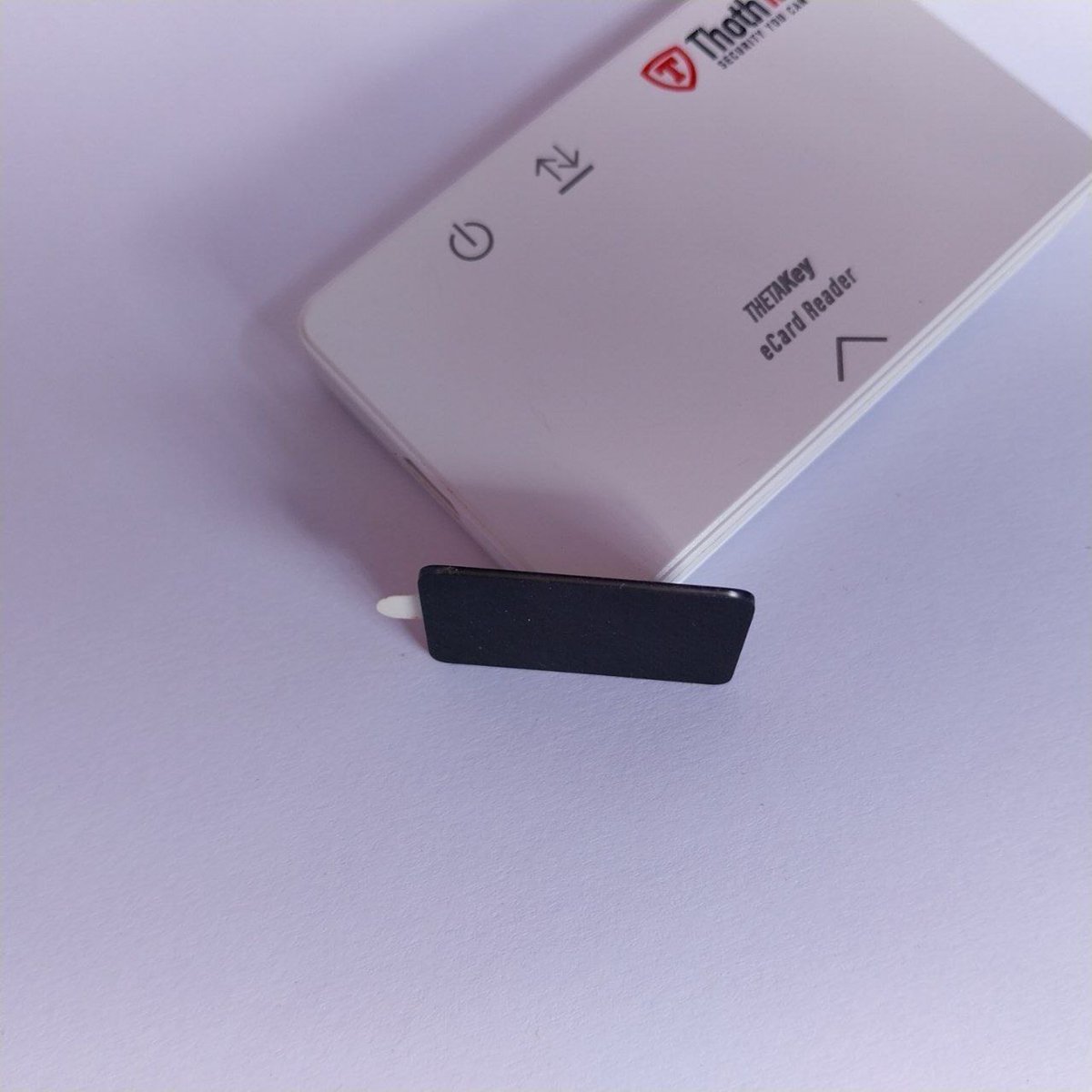
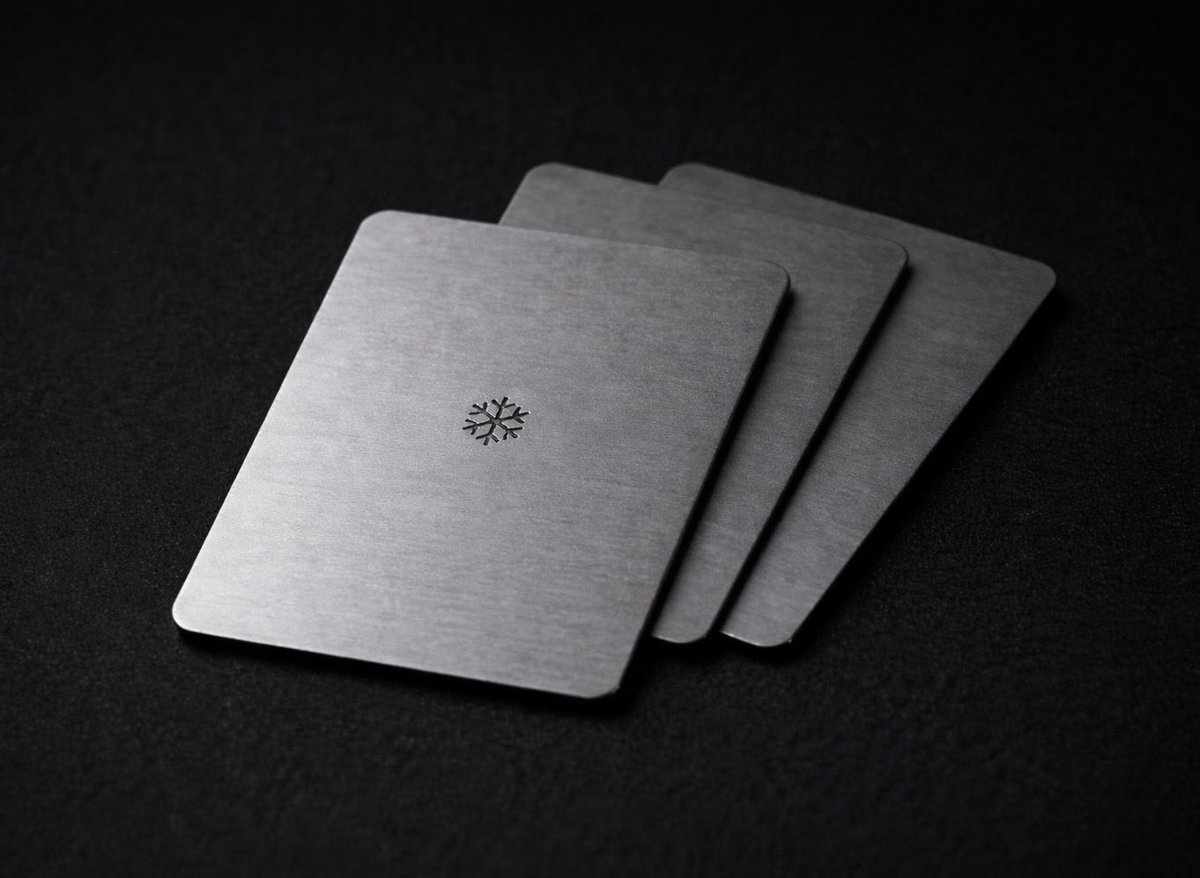
The slimest & tinest #PKI #NFC #JavaCard #SelfCustody #crypto #wallet 0.9 mm thick w 150 KB memory.
Visit us at:
thothtrust.com/products.html…
#codewav #CryptoMarket #BlockchainInnovation #BlockchainSecurity #CryptoSecurity #ITSecurity #Web3 #BTC #Altcoins #ETH #SmartContracts
15
Jun 11
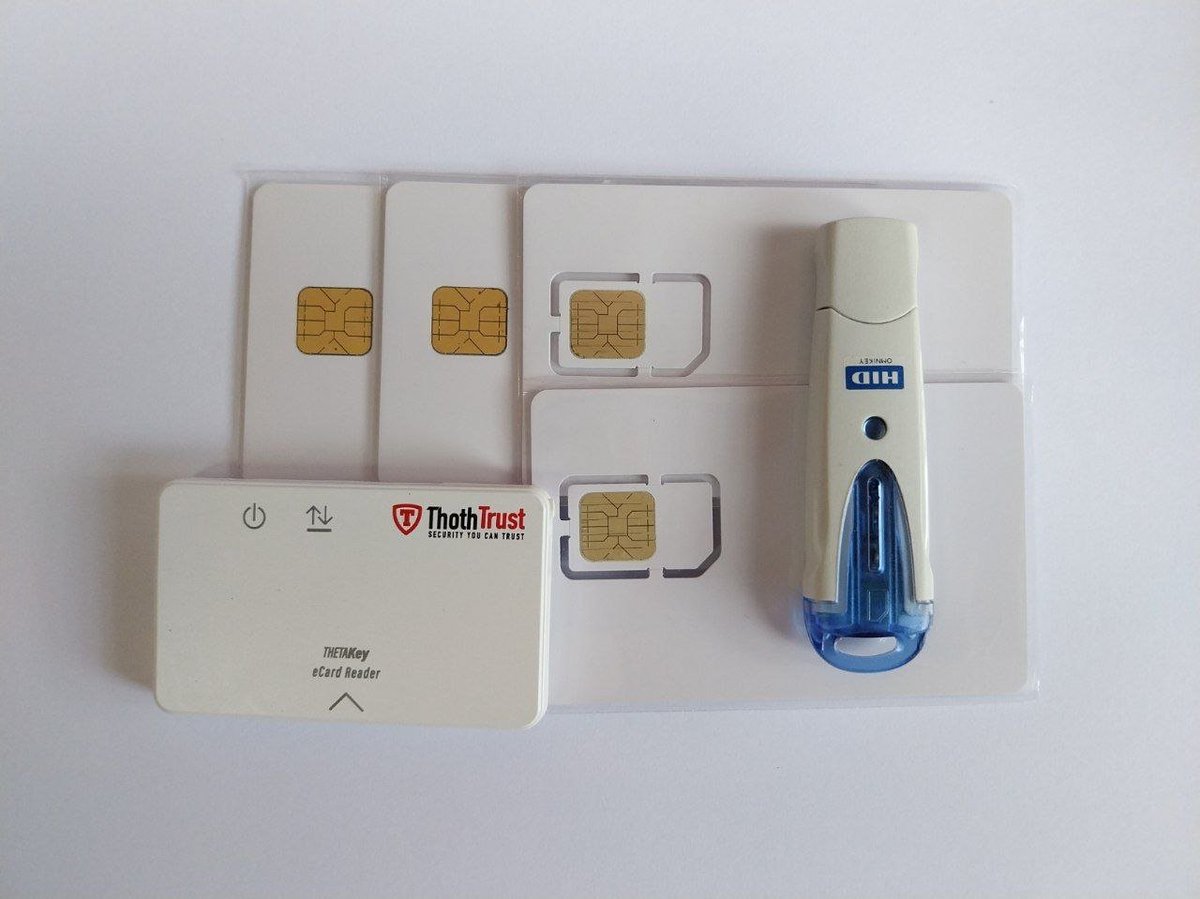
Protect your IOT projects w secure #T99 #JavaCard in SIM format this summer.
thothtrust.com/products.html…
#NO_NDA #summercode #IOT #PKI #IOTSecurity #DataSecurity #CryptoMarket #NFT #coldstorage #wallet #CryptoSecurity #ITSecurity #BTC #Altcoins #ETH #SOL #SmartContracts #Blockchain
12

Had a look at the @Keycard_ Shell. Great option to split hardware in such a way as to remove vendor trust. (Works great with DIY flashed Javacard) youtu.be/5NPP4c0D2FM
Core functionally of my @SeedSigner fork (Shieldsigner) but available to normal folk as a retail offering :)
5
5
21
3,126

Evaluating chips that explicitly support secp256k1 ECDSA signing. secp256k1 is crypto only and rare.
There are not many chips out there that store everything full HD, sealed in-chip.
Currently exploring a JavaCard SE solution.
Suggestions welcome!
1
1
7
258

Apr 22
A Hardware Wallet with a Soul
In the hardware wallet space, we've long accepted compromises that quietly erode our sovereignty.
Most devices remain monolithic — one sealed unit handling key storage, signing, screen display, and logic all at once. They're often partially closed-source, tied to vendor apps with custom APIs, burdened by batteries that fail over time, and vulnerable to firmware updates that can silently alter behavior. Keys end up bound to a single piece of hardware, leaving our autonomy conditional on the manufacturer's goodwill.
The Keycard Manifesto (press.logos.co/article/keyca…) is refreshingly different. It rejects the monolithic lock-in model where consumer is left with a feel-good-factor of self-custody without having lifted the hood to see what really backs this promise.
Instead, @Keycard_ is laying it out all in the open, making its core principles transparent as they have guided each aspect of the design of this hardware wallet:
1. Self-Custody as the Foundation of Digital Sovereignty
Self-custody is not just about securing assets — it is the cornerstone of digital freedom. It enables people to participate in networks, governance, and digital communities on their own terms, without intermediaries.
Core promise: “Your keys, your rules” — keys must work with any wallet willing to support Keycard and without lock-in.
2. Modularity Over Monolithic Design
Traditional hardware wallets are flawed because they are monolithic (one device does storage, signing, display, and logic — creating a large attack surface). Keycard separates concerns: the secure element (Keycard) only holds keys and signs; the interface (Shell) handles display and input.
Core promise: More secure, modular and composable systems through clean separation of roles.
3. Radical Openness and Transparency
Tools for self-custody must be transparent, resilient, and open — available to all and owned by no one. Everything (applet, hardware designs, schematics, casing) is released as public goods under permissive licenses (e.g., MIT) and uses common self-replaceable components like off the shelf battery.
Core promise: Anyone can audit, fork, improve, assemble, or integrate Keycard. It is a shared foundation, not a proprietary product.
4. Minimal, Durable, and Battle-Tested Security
The secure element should be minimal and isolated — doing one thing well (hold keys sign). Keycard uses proven smart card technology (JavaCard), replaceable batteries, lasts over a decade, tamper-resistant, secure (EAL6 ), and simple NFC tap or QR-based signing.
Core promise: Eliminate common hardware wallet failures (fragile batteries, opaque firmware, vendor control, single points of failure) while keeping security high and maintenance near zero.
5. True Portability and Interoperability
Keys should feel personal and talismanic — carry one card in your wallet for daily use, another as a cold vault. Support open standards (ERC-4527, UR2.0, NFC) so it works across mobile, desktop, EVM, Bitcoin, and future systems without pairing or drivers.
Core promise: Seamless, permissionless, use with any 15 popular wallet apps - not just one vendor app.
6. Community-Owned Public Infrastructure
Keycard is a starting point for a permissionless hardware stack. It invites builders, manufacturers, and self-sovereign network projects to adopt, extend, and contribute.
Core promise: Foster a community of tinkerers and projects; open trust without central gatekeepers.
In a world of abstract seed phrases and black-box gadgets, there's something profoundly human about the design of Keycard Shell and Keycard.
Self-custody has always been about more than security. It's about refusing to outsource the core of your freedom. Keycard feels alive with that spirit: minimal where it matters, open where it counts, and fiercely committed to putting real control back in our hands—literally.
If you're tired of "secure" devices that still feel like someone else's property, read the manifesto and see the difference: press.logos.co/article/keyca…
Explore Keycard at keycard.tech
🫵Your keys. Your rules. Your move.

1
3
10
614


Mar 28
We’re using an NXP J3R200 (JCOP4) JavaCard secure element, based on an EAL6 certified SmartMX platform.
Same class of secure hardware used in banking cards and passports
Our firmware (the way the chip is programmed) is open source.
With closed firmware(tangem), you can’t audit:
• key generation logic
• signing logic
• backup logic
• security rules
You’re trusting the manufacturer.
With FrostCard, the applet is open source and runs inside the secure element.
This means you can personally verify what the chip is programmed to do inside the card.
Tangem is a complete mystery in this regard. You’re welcome. 🙏
1
26
645
Mar 28
APRIL 10 — MAY 31 — Security audit phase.
The JavaCard applet, covenant scripts, and secure channel are reviewed.
Open source means anyone can audit alongside us.
MAY 5 — Kaspa covenant hard fork goes live.
FrostCard covenants become enforceable.
🧵2/3
1
1
18
995

Feb 28
I’m not a boomer but I still think it’s wild javacard has garbage collection.
4
953

Feb 24
For anyone new to my account, here's an introduction:
Hey, my name is Tamer. I'm a software engineer based out of Seattle. Prior to @joinheader, I worked at Amazon and AWS on greenfield projects like Amazon Go and Amazon One. I have experience building both distributed and embedded systems. At Amazon One, where I spent most of my time, I focused on NFC/contactless payments and device security (unintentionally went too deep on secure elements, javacard/globalplatform etc)
Outside of work, I like tinkering with self-hosted infrastructure and staying active, playing basketball and watching sports (while exploring different brews). I'm a big Seattle sports fan
One startup I've been liking more and more is @posthog. It's a great product built primarily for engineers, with sane defaults and a docs-first approach. Their email marketing is also fantastic: they hate "jump on a call" and "join a seminar" culture. Maybe it's the introvert in me, but I really appreciate how zero-BS they are. Transparent pricing, no "request a demo" gatekeeping. The other two companies that I look up to is @PrivacyHQ and @ProtonPrivacy. They are aligned with my privacy and security principles.
I also really like @37signals (the company behind Basecamp and HEY) and resonate with their philosophy: bootstrapped profitability, calm company culture, and building opinionated software that does less but does it well. If something is for everyone, it's good for no one.
3
218

📣 Last call - Promo ends today.
✅ -21% off your DIY smartcard! Finally get a JavaCard that actually works.
👉 Only at: satochip.io/product/card-for…
3
511


Jan 21
だいぶ世間では忘却の彼方だと思いますが
2000 年辺りのケータイ Java とか。
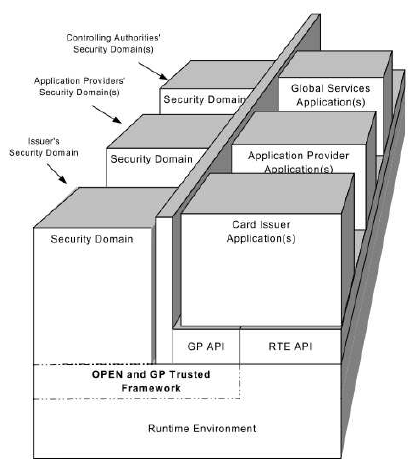
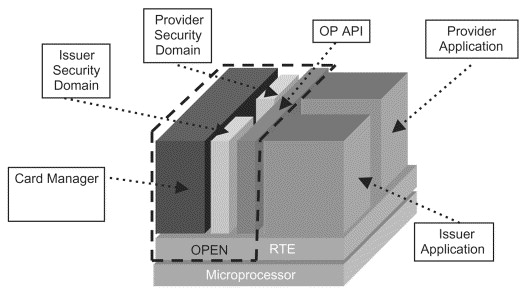
いまもひっそり使われている JavaCard とか。
エンタープライズ分野に拾われるまで
組込み分野で活躍(延命?)していたんですよね Java。
2
86

Jan 20
At my last job I had to implement TLS for.. javacard. Didn't add support for eSNI or ech. So, there's a chance your sim card doesn't support ech if you care...
1
6
2,049

Jan 1
🎁🎄🎇 HOLIDAYS SPECIAL 2025 🎇🎄🎁
ThothTrust wishes all friends, customers and partners a happy and fulfilling 2026
#NFC #JavaCard #SmartCard #CryptoMarket #NFT #coldstorage #wallet #CryptoSecurity #ITSecurity #BTC #Altcoins #ETH #SmartContracts #Blockchain #HappyNewYear2026
31

16 Dec 2025
Did a similar thing with EIP-3009 generating Authorization via ECDSA sign from javacard applet
I was told its a dumb idea and no bussiness and too much of innovation
loved the approach @colossuspay is doing!

16 Dec 2025

In the future credit cards will be as permissionless as Ethereum 🗽
1
1
6
311
16 Dec 2025
would love to read more on this as I read in another tweet that JavaCard can generate an rsa2048 how does that actually participate in validating an ERC-4337 transaction ?
1
2
55