
Jun 10
Son dönem Ukrayna / Rusya ve U.S.rail / İran yeni nesil savaşlarında, savaşın seyrini değiştiren yakın gözlem uyduların etkileri fonksiyonları. #LEOsat #CubeSat #defence #aerospace youtube.com/watch?v=PO4ahOw3…
50

Jun 4
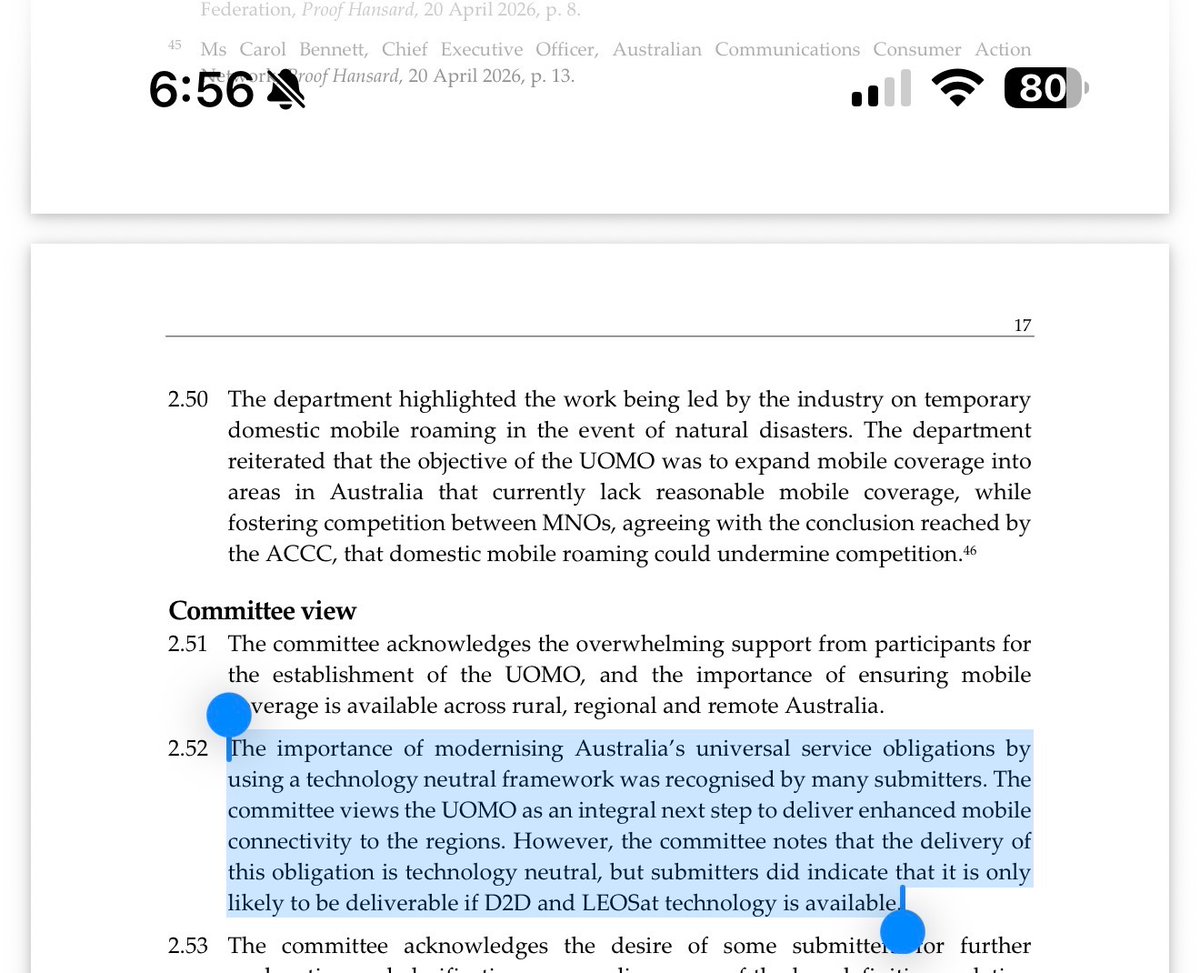
Australia is in the process of establishing a Universal Outdoor Mobile Obligation (UOMO) which will "require major mobile network operators, Telstra, Optus and TPG Telecom (and any other providers designated in the future) to provide outdoor baseline mobile coverage across Australia on an equitable basis. This reform will benefit all Australians and in particular remote and regional communities, by expanding baseline mobile coverage, which will in turn, improve public safety by enabling connectivity to essential services and Triple Zero."
The idea that the TAM is small is a terrible take from the $ASTS bears. NTN will be codified in to 6G, but before that occurs (and all cell phones eventually upgraded to 6G), things like the UOMO will contribute to the eventual 100% uptake of NTN on cellular plans.
Australia, more than other countries, is well served by a universal coverage requirement given its overall size and low population density. However, I think that Connectivity continues as a political issue in Countries across the world. More than fiber/FSS, direct to device connectivity democratizes access in low/medium SES countries, where this could be legislated in to a requirement.
The Australian UOMO would require "baseline mobile services— voice services and short message services (SMS)—where previously such services were not commercially viable."
"The committee notes that the delivery of this obligation is technology neutral, but submitters did indicate that it is only likely to be deliverable if D2D and LEOSat technology is available."
Which d2d provider will the MNOs pick if D2D is essentially legislated? Well, we already see that AST quotes 60 MNO partners to Starlinks 30. We have also seen that Tmobile is making moves to dissolve their partnership. And finally, Duetsche telecom (Tmobile parent) only committed to using Starlink Mobile over the 2GHz MSS spectrum, which appears in doubt with the release of European Commission's new authorisation proposal for mobile satellite services for the "EU's resilience and competitiveness."
AST Spacemobile is built from the start to mirror terrestrial cellular network with overlapping shells of lowband, midband, and c band. But equally important is the mutualistic business model to Starlinks thinly veiled customer grab.
H/T @DaMadMonk_
aph.gov.au/Parliamentary_Bus…
2
9
53
3,756
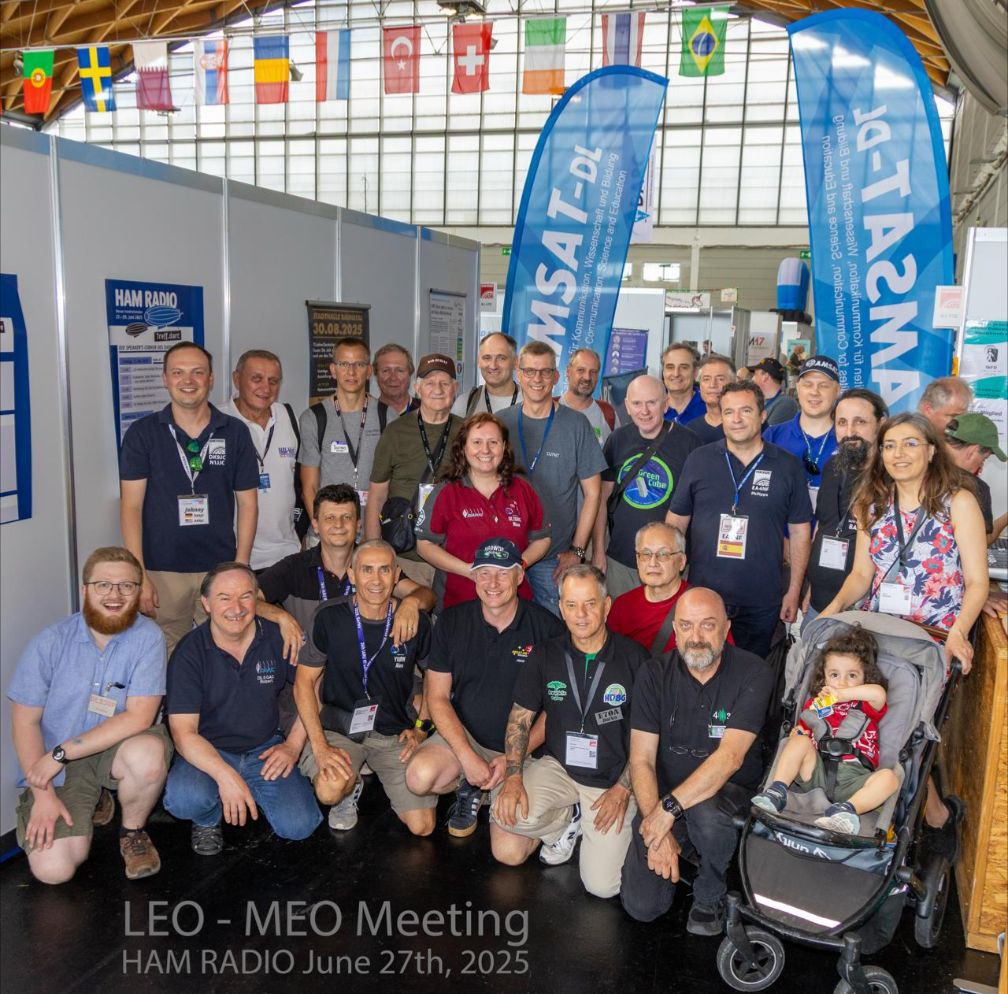
👉We’re almost there : just 1 month to go before the #HAMRADIO2026 show opens in
#Friedrichshafen 🇩🇪
Wonderful opportunity to discover and learn about new modes of amateur communication, as well as to reconnect with many friends🤝 from around the world 🌎
#LEOSAT @ref_info #DX

4
26
639

Apr 30
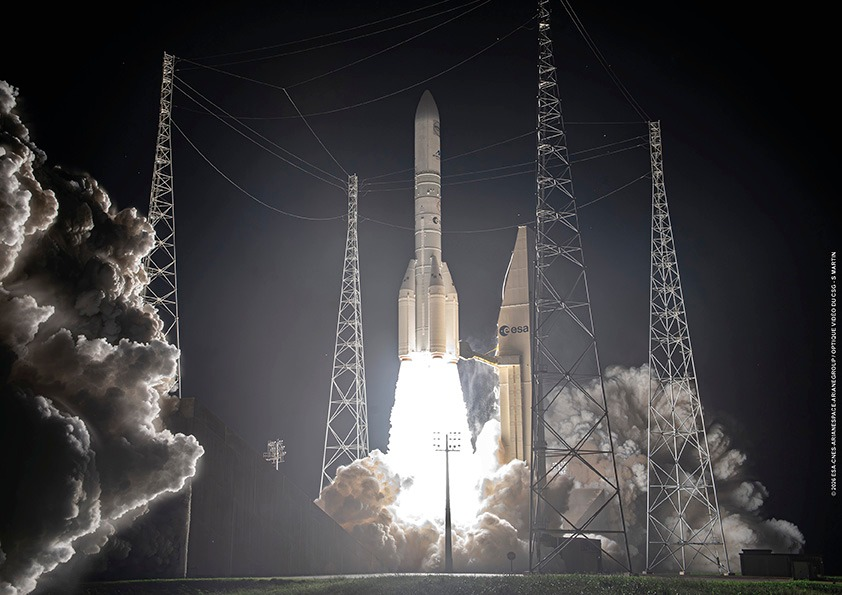
V 10:58:15 SELČ odstartovala ze vzletové rampy ELA-4 na kosmodromu CSG nosná raketa Ariane 64 s 32 družicemi LeoSat konstelace Amazon Leo. Šlo o poslední start této rakety s pomocnými motory P120C na tuhé pohonné látky. Ty budou následně nahrazeny silnějšími motory P160C.
1
23
662
Apr 28
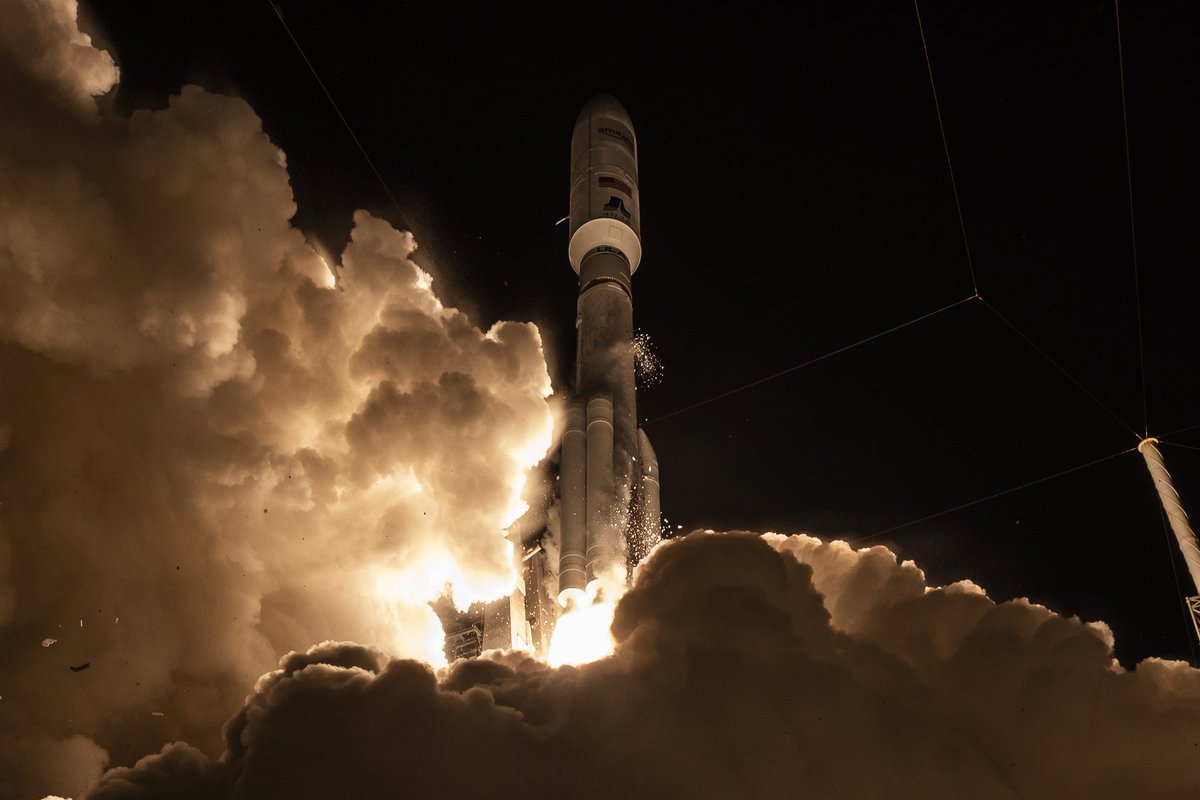
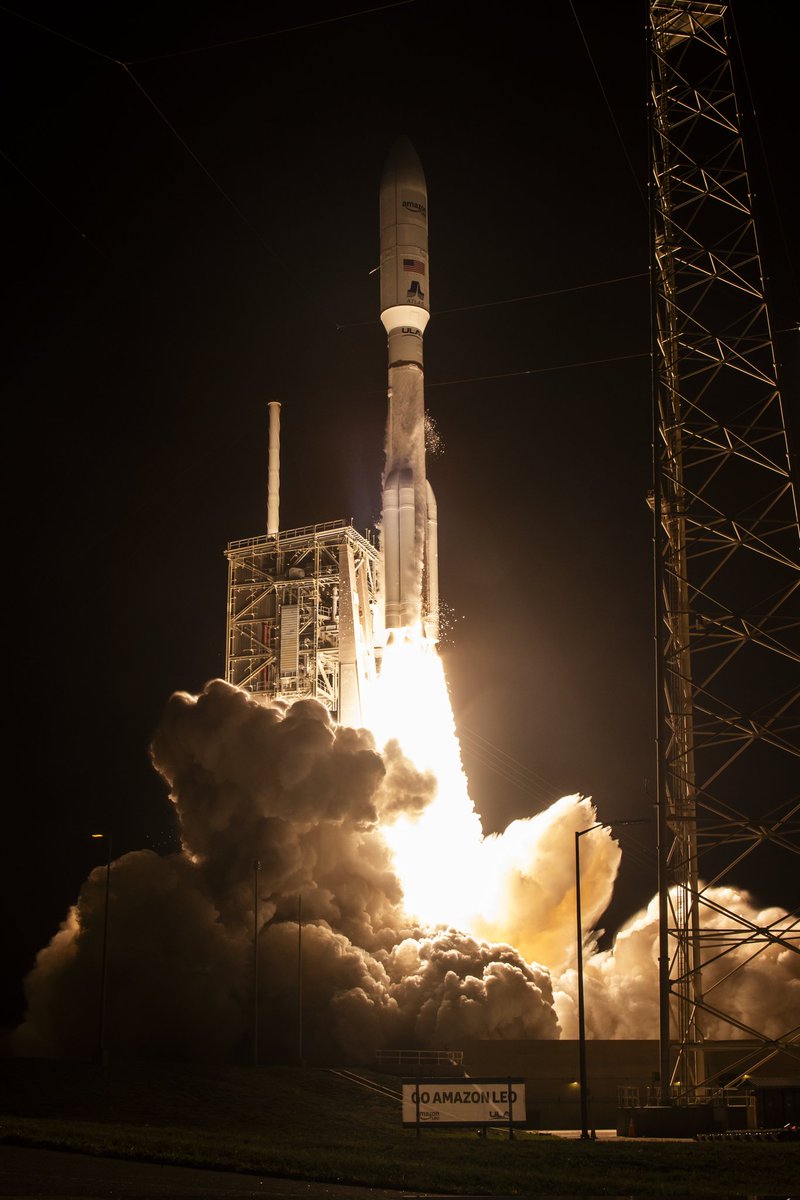
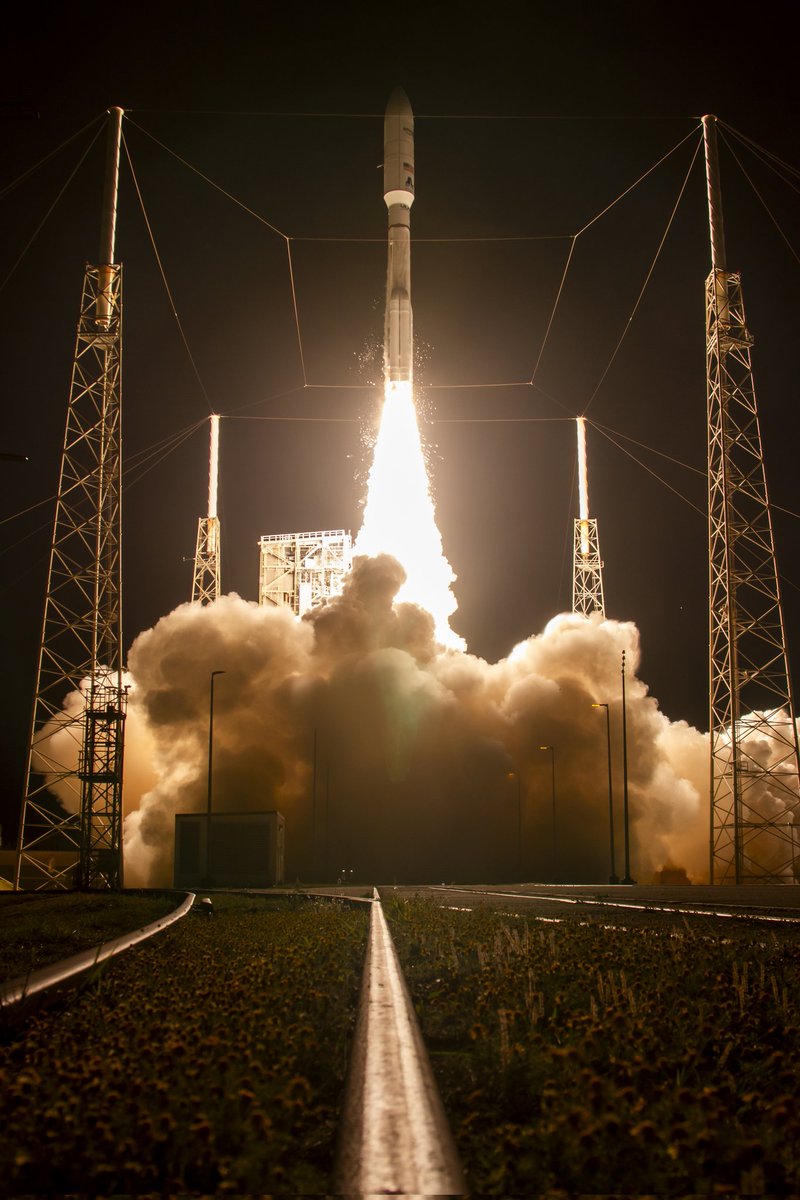
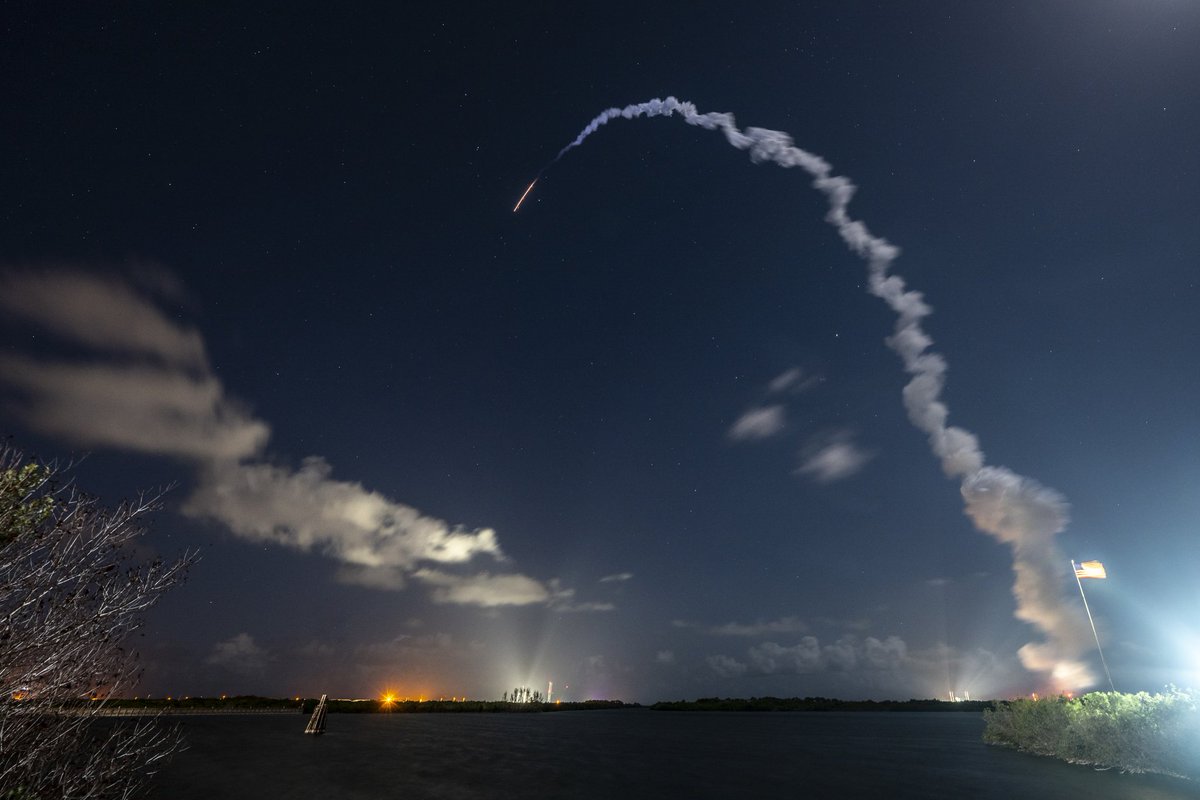
A pak start nosné rakety Atlas V 551 s 29 družicemi LeoSat.
14
409
Apr 28
Na oběžnou dráhu bylo postupně v deseti várkách (21 minut a 10 sekund až 37 minut a 41 sekund po vzletu) vypuštěno 29 družic LeoSat konstelace Amazon Leo. Celkem již bylo vypuštěno 270 družic LeoSat plus dvě prototypové, z nichž čtyři již zanikly.
10
426
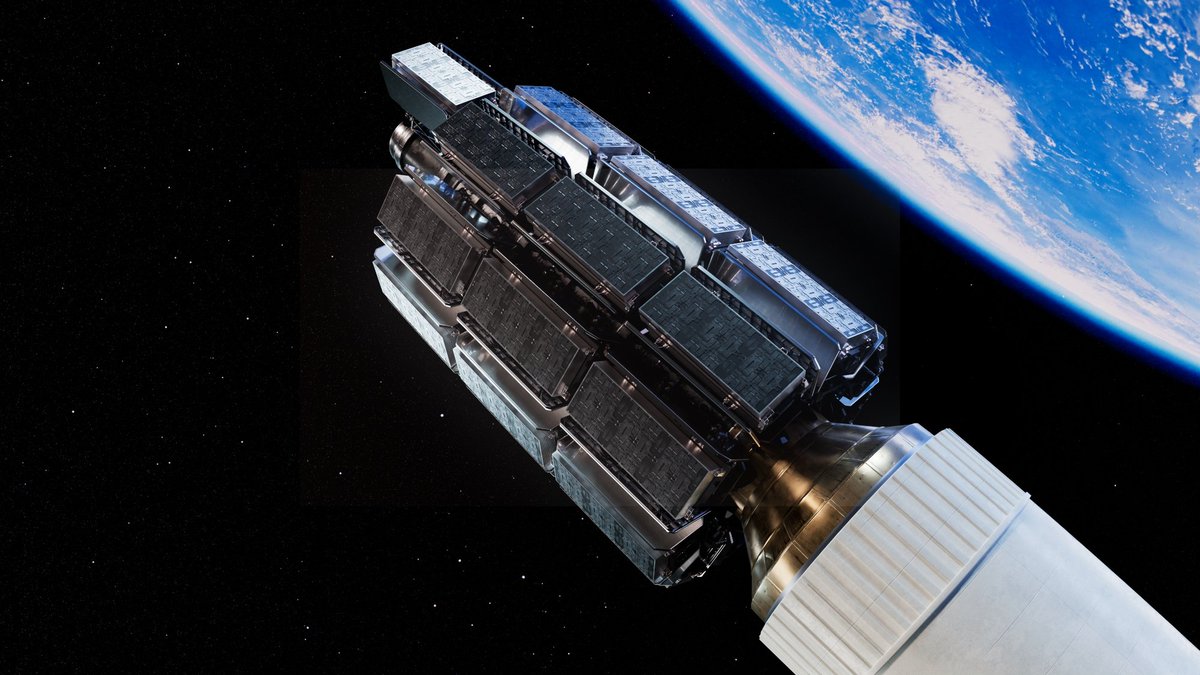
Na oběžnou dráhu bylo postupně v deseti várkách (21 minut až 37 minut a 27 sekund po vzletu) vypuštěno 29 družic LeoSat konstelace Amazon Leo. Další start nosné rakety Atlas V s družicemi LeoSat je naplánován již na 27. dubna.
1
23
1,620

Mar 21
The Vulcan wikipedia page lists 22 launches planned for 2026. That's dream chaser, two LeoSat, and 19 classified missions.
Given the SRB issue, it would be impressive if they got 4-5 of those.
2
4
57
1,150
Feb 13
Při včerejším startu bylo na oběžnou dráhu dopraveno 32 družic LeoSat budované konstelace Amazon Leo. Šlo o první z celkem 18 nasmlouvaných startů.
6
435
Jan 31
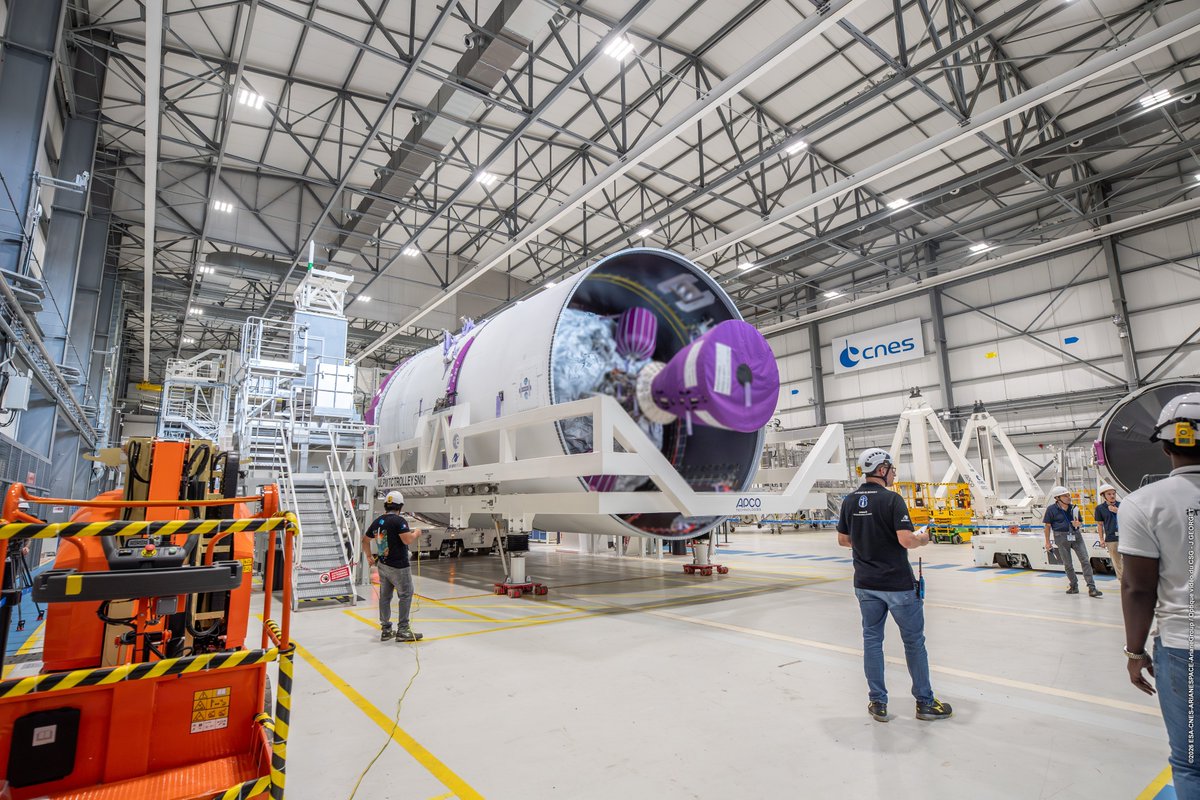
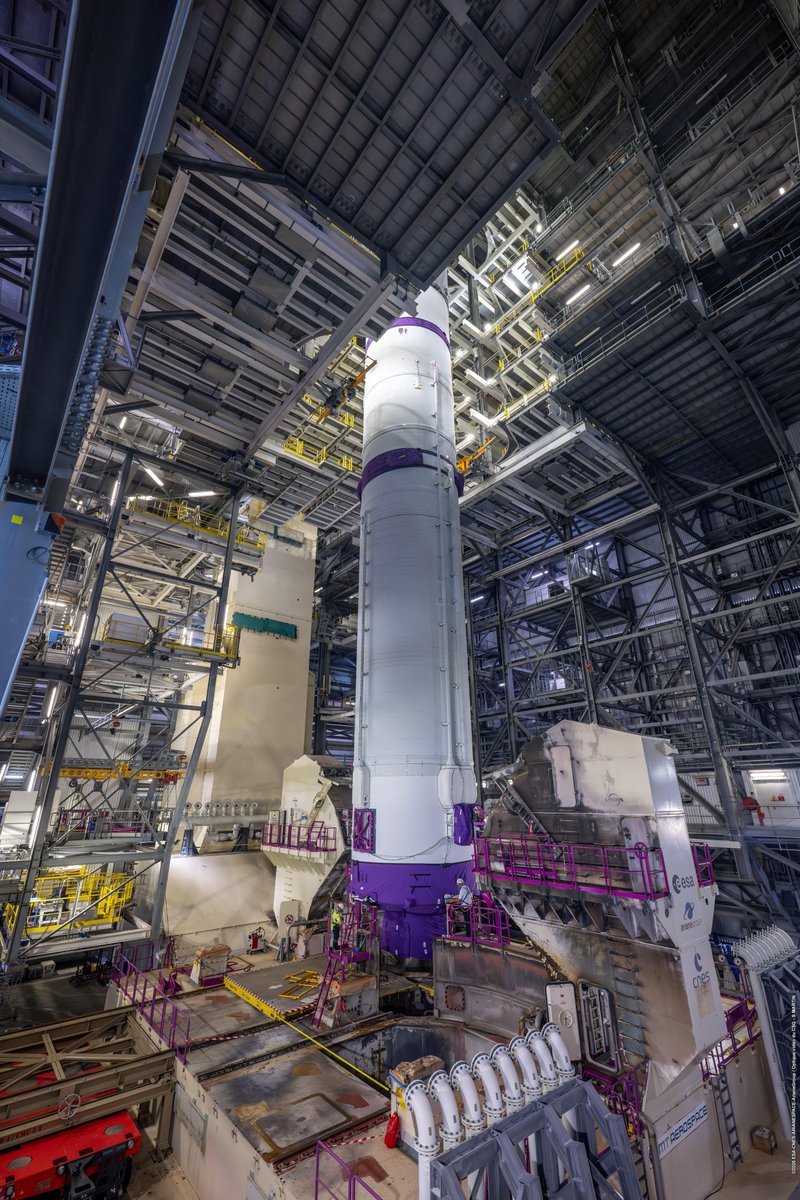
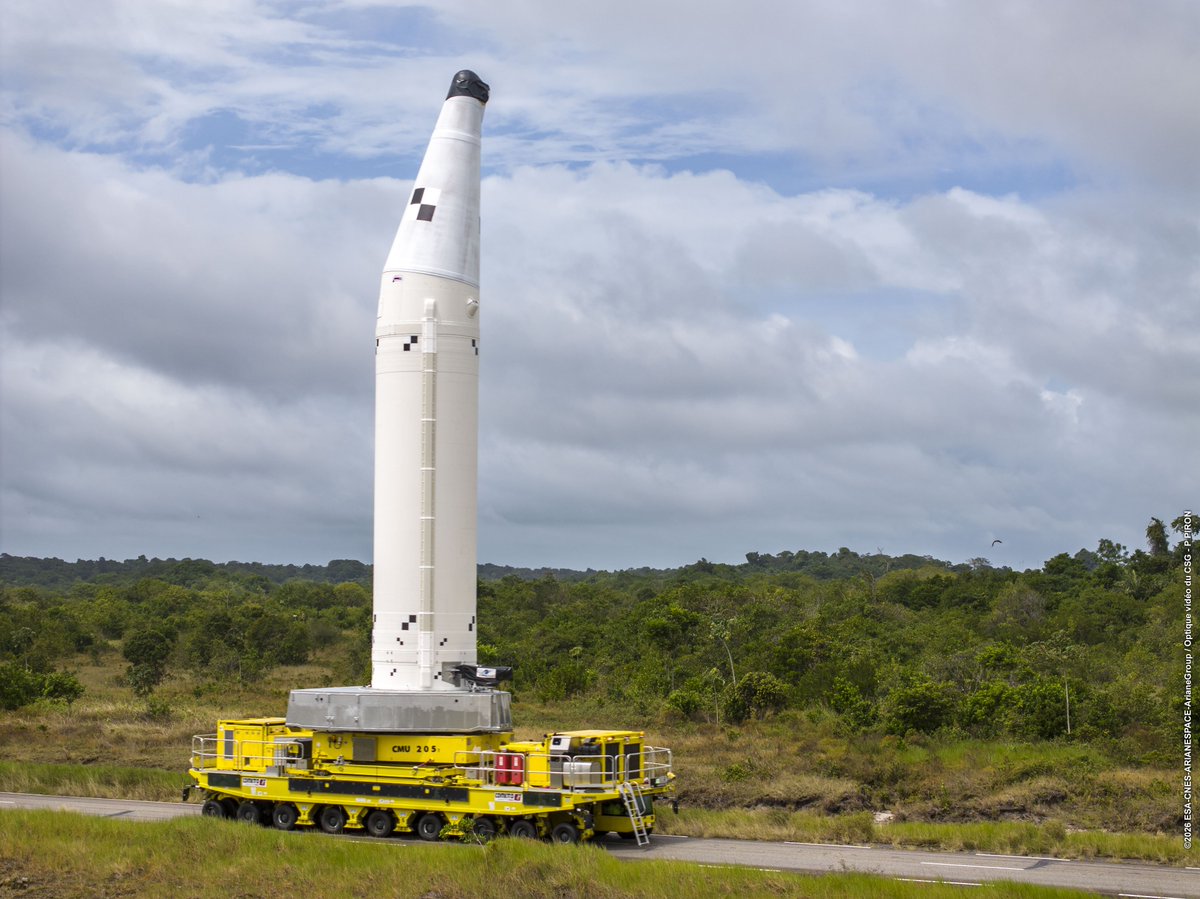
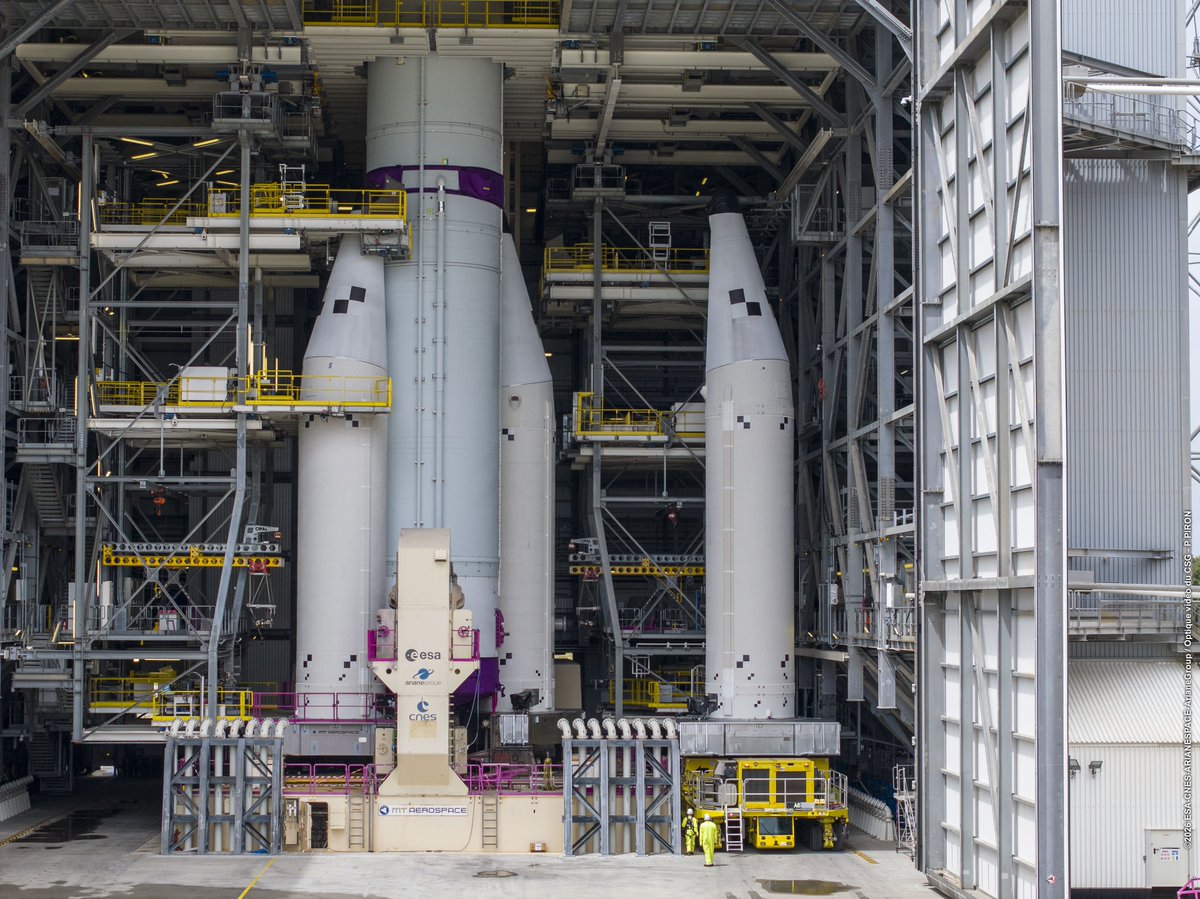
Na kosmodromu CSG ve Francouzské Guyaně pokračuje sestavování první nosné rakety Ariane ve verzi 64. Použité ještě budou slabší pomocné motory P120C. Start s 32 družicemi LeoSat budované konstelace Amazon Leo je naplánován na 12. února v 17:45 SEČ (okno je otevřené do 18:13 SEČ).
1
19
643

Jan 24
Before everyone starts handing out trillion dollar valuations to the latest D2D satellite saviors, maybe we should all take a quick walk through the graveyard of companies that promised the exact same thing for the last 30 years.
Iridium burned $5B and went bankrupt in under a year.
Globalstar went bankrupt.
OneWeb went bankrupt.
LightSquared went bankrupt.
TerreStar collapsed.
SkyTerra collapsed.
LeoSat never even made it to the launch pad.
Teledesic had Bill Gates and still died before liftoff.
Loon, Aquila, ICO, Winstar… all gone. Now don't get me wrong I am a fan of D2M I just think the subscription models people are hoping for won't get traction and then what ? Remember D2D said better is direct to consumers, these companies will find that is not as easy to get people to pay for a service they may need 2% of there life.
17
2
15
4,141

Jan 20
Estimate for NG-3. And I'm guessing it'll be either BlueBird or Kuiper/LeoSat. Very unlikely to be Blue Moon.
29 Dec 2025

In the March to July timeframe. Call it May.
2
1
24
1,399

Jan 14
Hey @Telstra, have you thought about working with @WorldMobileTeam?
Telstra needs expanded LEOsat fleet as remote mobile outages leap - iTnews share.google/nexYb93BR15nLKd…
2
109

11 Dec 2025
Rad hardening is not an issue. Inference tasks are cheap and stateless and can just be repeated if needed. Even training is designed to be fault tolerant - checkpoints, mirroring etc. I think it matters less for an AI leosat to be rad hard than it does for a comms leosat
4
128

7 Dec 2025
Based on the image provided, here is the content extracted into a multi-section list, categorized by the headers shown in the graphic:
Launch Vehicles Space Tourism Moon Exploration
SpaceX
Blue Origin
Stratolaunch Systems
Masten
Astrobotic
Rocket Lab
Virgin Galactic
S3 (Swiss Space Systems)
World View
Vector Space
Moon Express
Firefly Space Systems
Bloostar
ARCA
Satellites Subsystems Miscellaneous
Terra Bella
Planet.
Dauria Aerospace
Spire
OneWeb
SpaceVR
UrtheCast
Axelspace
OmniEarth
PlanetiQ
LeoSat
Astroscale
Aquila Space
Planetary Resources
ICEYE
Tempus Global Data
DSI (Deep Space Industries)
NovaWurks
BlackSky
Satellogic
HERA Systems
Outernet
Accion Systems
SpacePharma
Phase Four
Ground Stations
RBC Signals
ATLAS Space Operations
Spaceflight
Leaf Space
KSAT (Kongsberg Satellite Services)
Value-added Services
Orbital Insight
Descartes Labs
Weather Analytics
Resson
MapBox
CartoDB
Space_Know
Ursa
Mavrx
Measure
Enview
Rezatec
Open Weather Map
Aero State
Astro Digital
RS Metrics
Windward
Airphrame
SlantRange
Farmshots
Ceres Imaging
Vinsight
7
1
3
953

1 Oct 2025
🛰️ 📡 We are seeking applications to conduct a thorough review of #LEOSat-enabled connectivity and relevant opportunities and risks for Australian ag.
This project will:
✅ Define the sector’s connectivity needs
✅ Assess barriers, risks and readiness for LEOSat and direct-to-handset tech adoption
✅ Recommend regulatory and investment frameworks to help the sector capitalise on these emerging capabilities
Applications close Tues 7 Oct. Find out more 👉 bit.ly/46yemAc
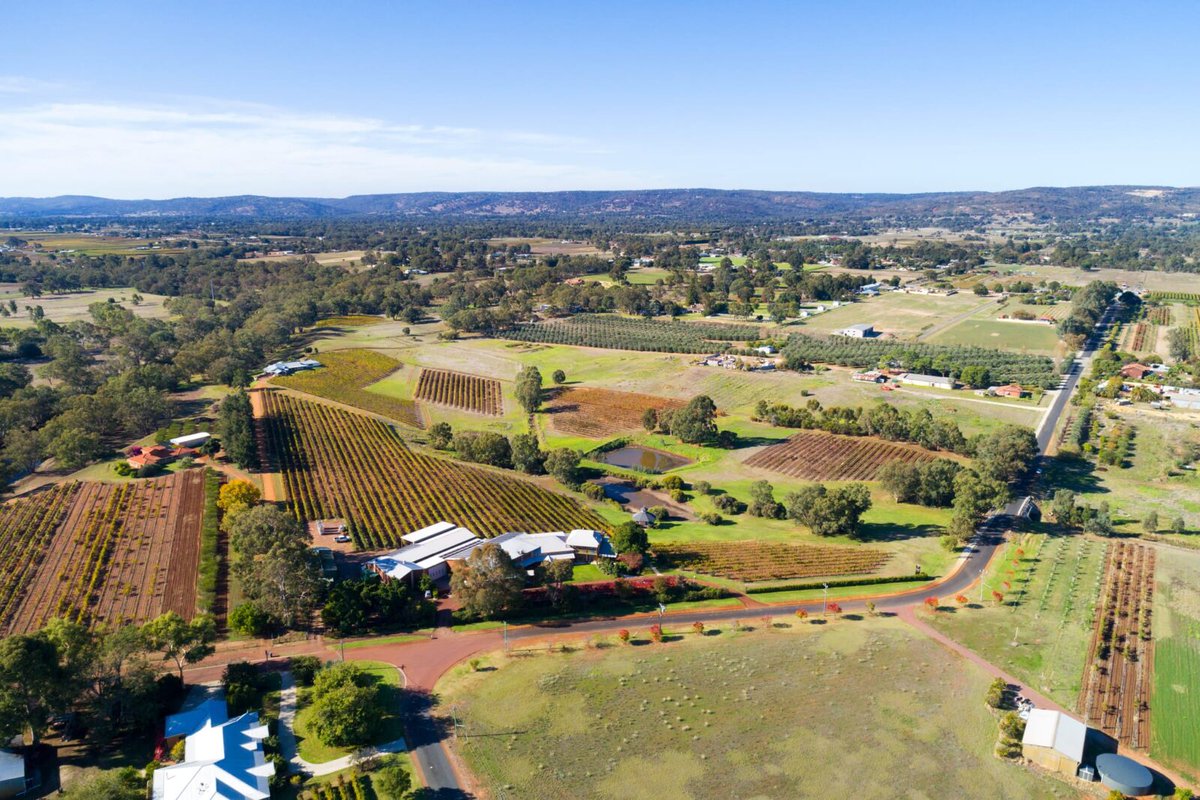
ALT Aerial view of a rural landscape showcasing cultivated fields, vineyards, and farm buildings on a sunny day. Image promoting AgriFutures Australia's Request for Quote 'Next Generation Connectivity for Australian Agriculture: Assessing the Impact of LEOSat-Enabled Connectivity'.
2
3
373

14 Jul 2025
Optus-led consortium to build sovereign LEO satellite | @justinrhendry
@Optus @inovortech @heospace @DefenceScience #Satellite #LEOSat #Space #AusTech
buff.ly/hzkL1AL
1
3
189

10 Jul 2025
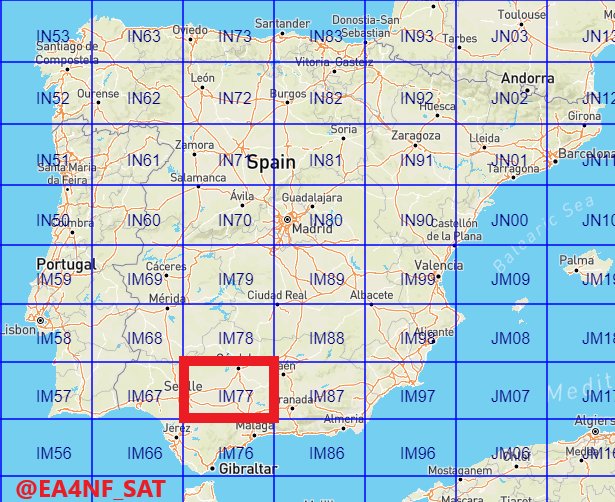
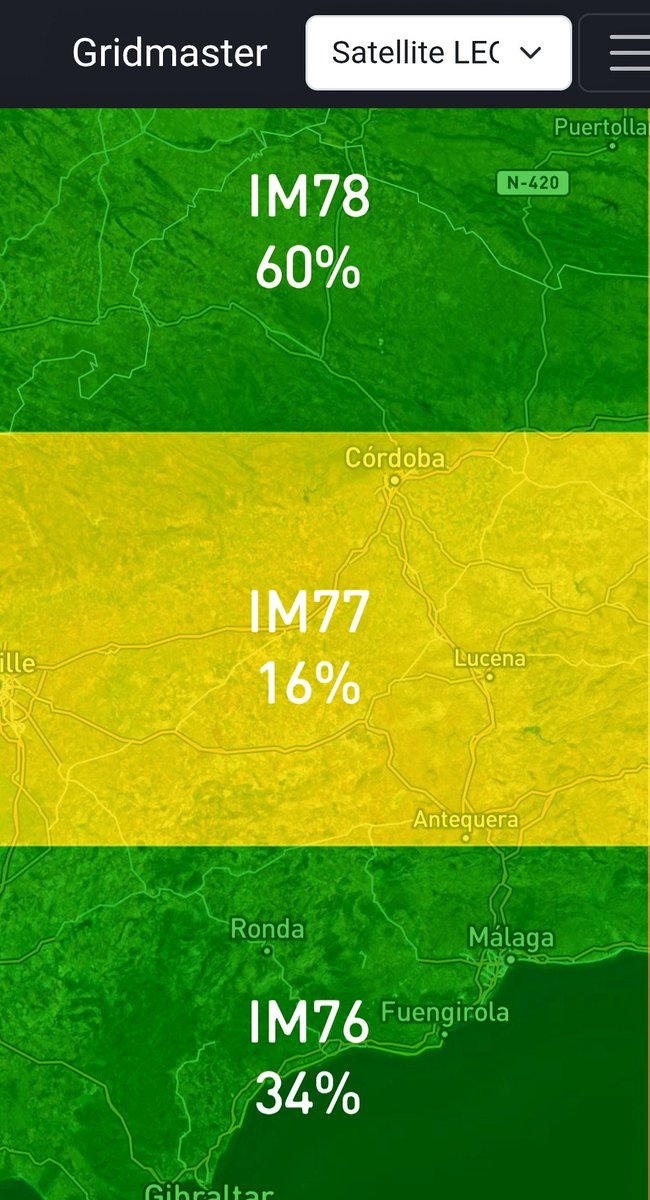
👉 𝗜𝗠𝟳𝟳 𝗻𝗲𝗲𝗱𝗲𝗱❓
▶️ July 11-13, 2025
▶️ 🇪🇦 SPAIN 🌐 IM77
▶️ FM🛰️LEO SAT
▶️ INFO : Hams.at
⚠️ LoTW : 𝗘𝗔𝟰𝗡𝗙/𝗣
🏖️ Holiday style
#AMSAT @GridMasterMap #AMSATRovers #hamradio #hamr #AmateurRadio #PortableHamr #SATDX #LEOSAT #andalucia #LEODXCC
3
11
40
1,686

17 Jun 2025
We’re proud to launch another Australian first: your “private highway” over Starlink. Vocus customers can now access Layer 2 connectivity over Starlink, bypassing the Internet entirely. More here: vocus.com.au/news/vocus-crea…
#LEOsat #satellite
2
3
198

19 May 2025
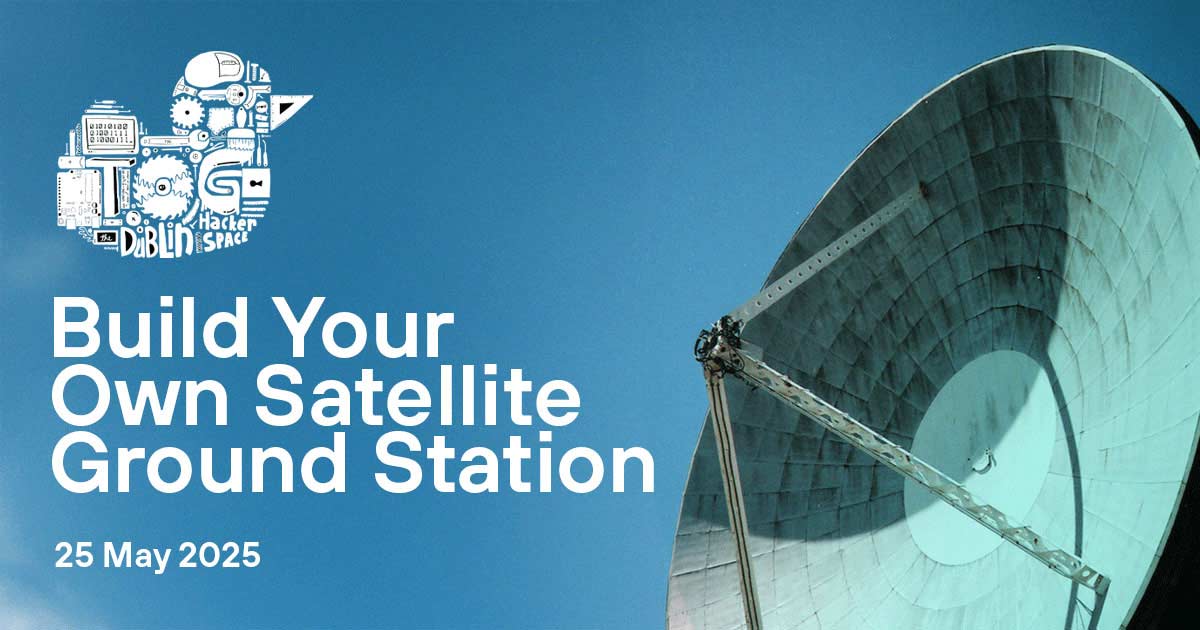
🛰️ Hosting a @tiny__GS workshop this Sunday at @TOG_Dublin for #DublinTechWeek!
Build your own satellite ground station with ESP32 LoRa and start receiving data from space.
Info & tickets 👉 tog.ie/2025/04/build-your-ow…
#TinyGS #LEOsat #IoT #ESP32 #HamRadio
4
12
634