
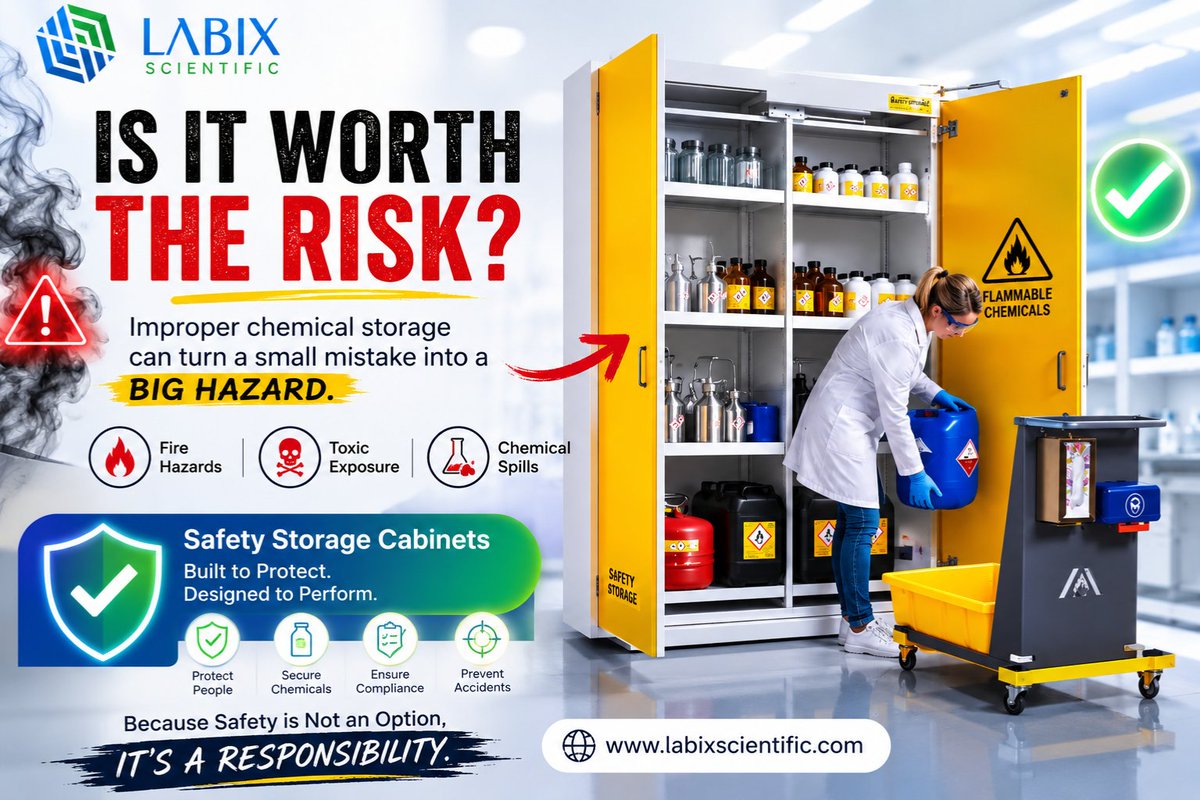
At labixscientific.com, we understand that safety is not just about meeting standards—it's about protecting people, research, and investments every day.
Shop now:labixscientific.com/catalog/…
#labixScientific #Laboratory #LifeScience #lab #safetystorage #labsafety
1
4

Protect research samples with continuous monitoring in higher ed labs. #ResearchIntegrity #LabSafety checkit.net
1

A peer-led lab inspection program empowers lab teams to take ownership of compliance and hazard prevention. This article from @labmanager can help you get started: bit.ly/4vAlZjs #LabSafety #EHS #LabManagement
1
39

Jun 10
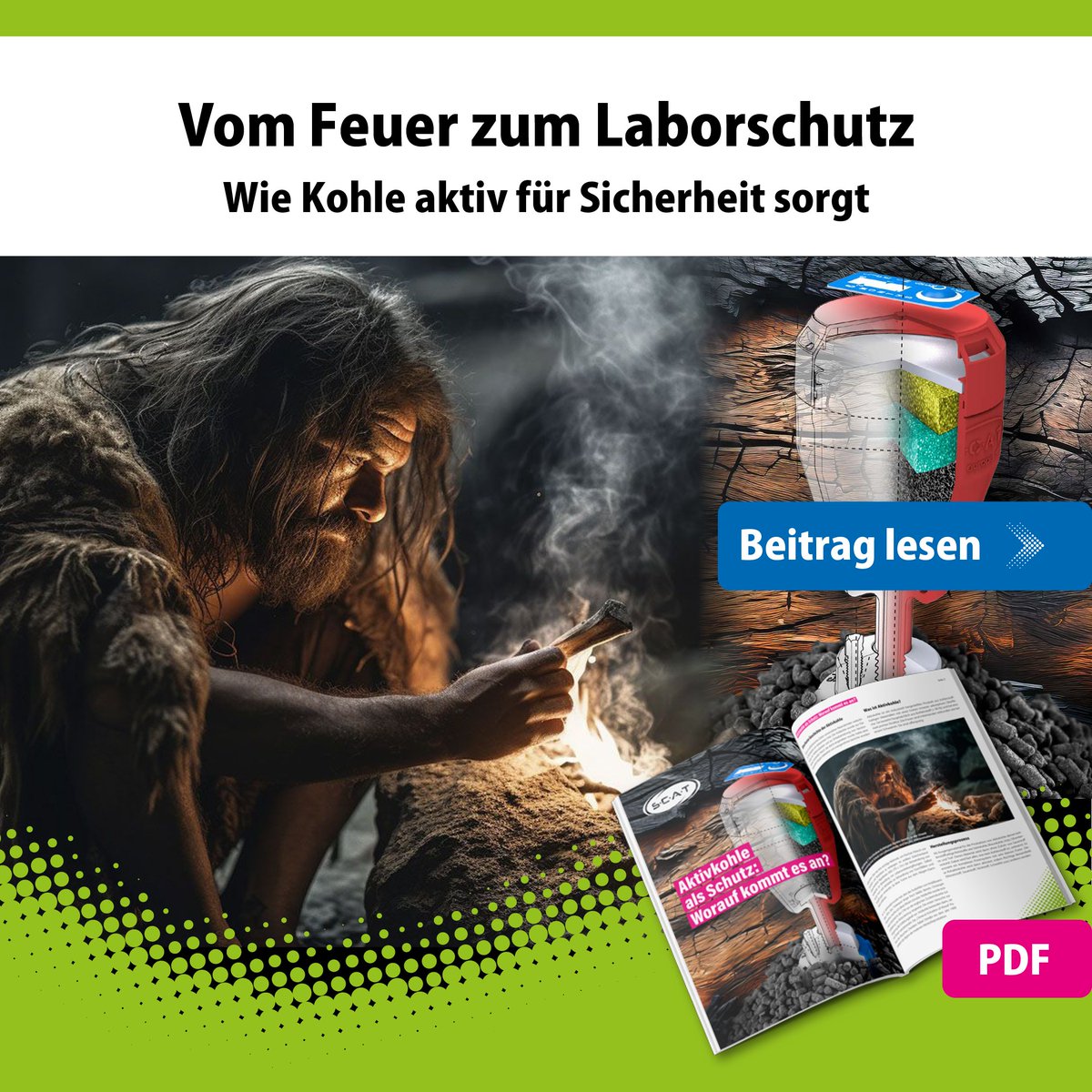
Wenn 𝗞𝗼𝗵𝗹𝗲 im Labor 𝗮𝗸𝘁𝗶𝘃 wird...!
🔬 Viele Abluftfilter sehen ähnlich aus.
Entscheidend ist jedoch die Qualität der Aktivkohle.
📖 𝗟𝗲𝘀𝗲𝗻 𝗦𝗶𝗲 𝘂𝗻𝘀𝗲𝗿𝗲𝗻 𝗸𝗼𝗺𝗽𝗹𝗲𝘁𝘁𝗲𝗻 𝗕𝗹𝗼𝗴-𝗕𝗲𝗶𝘁𝗿𝗮𝗴:
scat-europe.com/news/blog-un…
#SCAT #LabSafety #Aktivkohle
182


Smart workstation planning leads to safer operations, better workflow, and reliable results.
#PharmaLab #LaboratoryDesign #LabFurniture #LaboratoryWorkstation #PharmaceuticalIndustry #LabSafety #ResearchLab #ModularLabFurniture #LaboratorySolutions #VarparFurniture
2

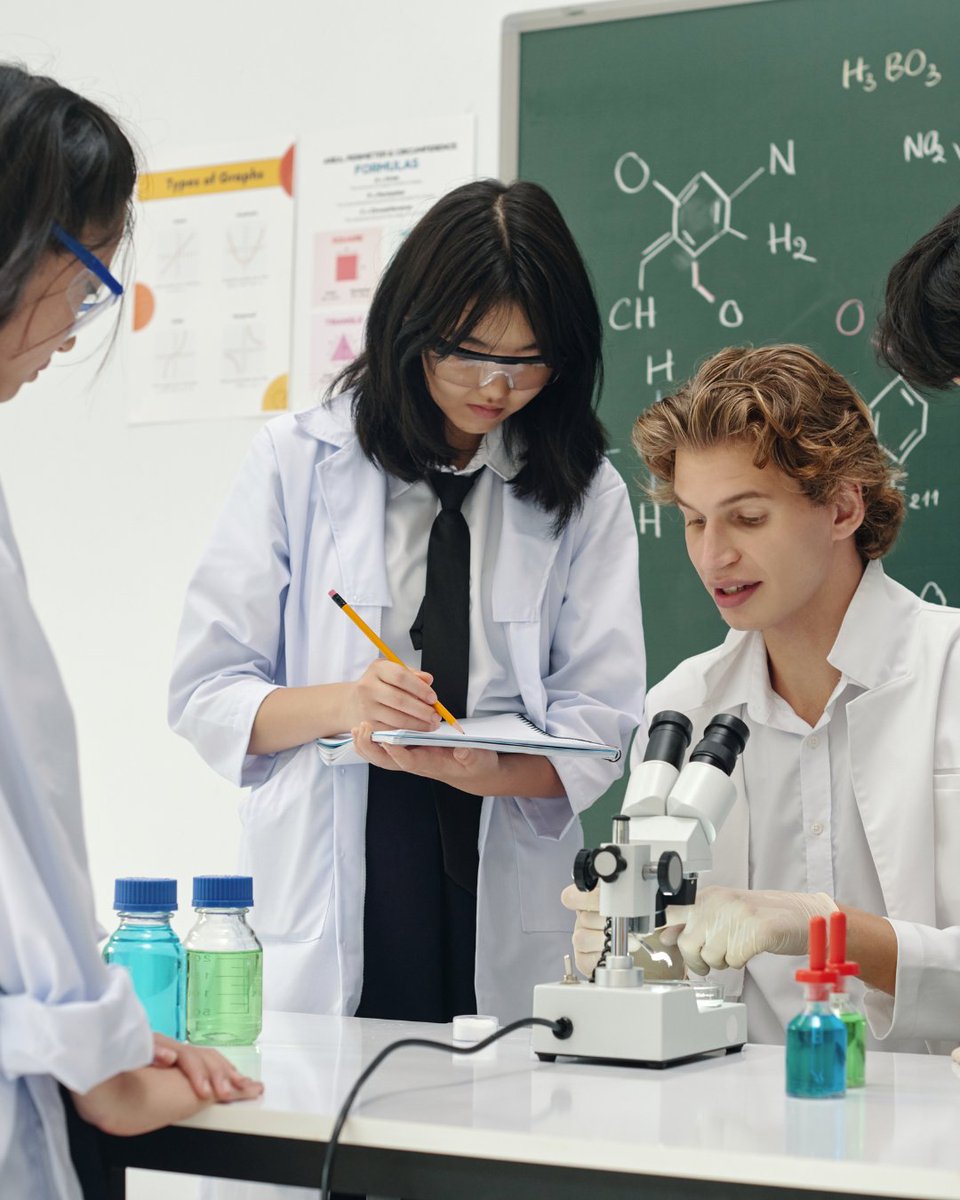
💡 Still relying on cylinders? It might be time to rethink your setup. A Nitrogen Generator Lab reduces handling, risk, and downtime. Let’s talk! nitrogen-generators.com/cont…
#LabSafety #OnSiteGeneration #Efficiency #WorkplaceSafety

Jun 9
In 1997, American chemist Karen Wetterhahn, a respected researcher at Dartmouth College, was exposed to a highly toxic compound called dimethylmercury during a laboratory experiment.
A few drops of the chemical accidentally came into contact with her latex protective gloves. Unknown at the time, dimethylmercury is able to penetrate many common types of laboratory gloves and absorb through the skin.
Although she initially felt fine, symptoms began appearing months later, indicating severe mercury poisoning. By the time the exposure was fully understood, the damage to her nervous system was already advanced and irreversible.
Despite medical treatment, her condition progressively worsened, and she died approximately 10 months after the accident.
Her case led to major changes in laboratory safety protocols, especially regarding the handling of highly toxic chemicals and the importance of using appropriate protective materials.
It remains one of the most cited examples in chemical safety training, highlighting how invisible exposure risks in laboratory environments can have delayed but fatal consequences.
#Chemistry #LabSafety #KarenWetterhahn #ScienceHistory #ToxicExposure
1
142

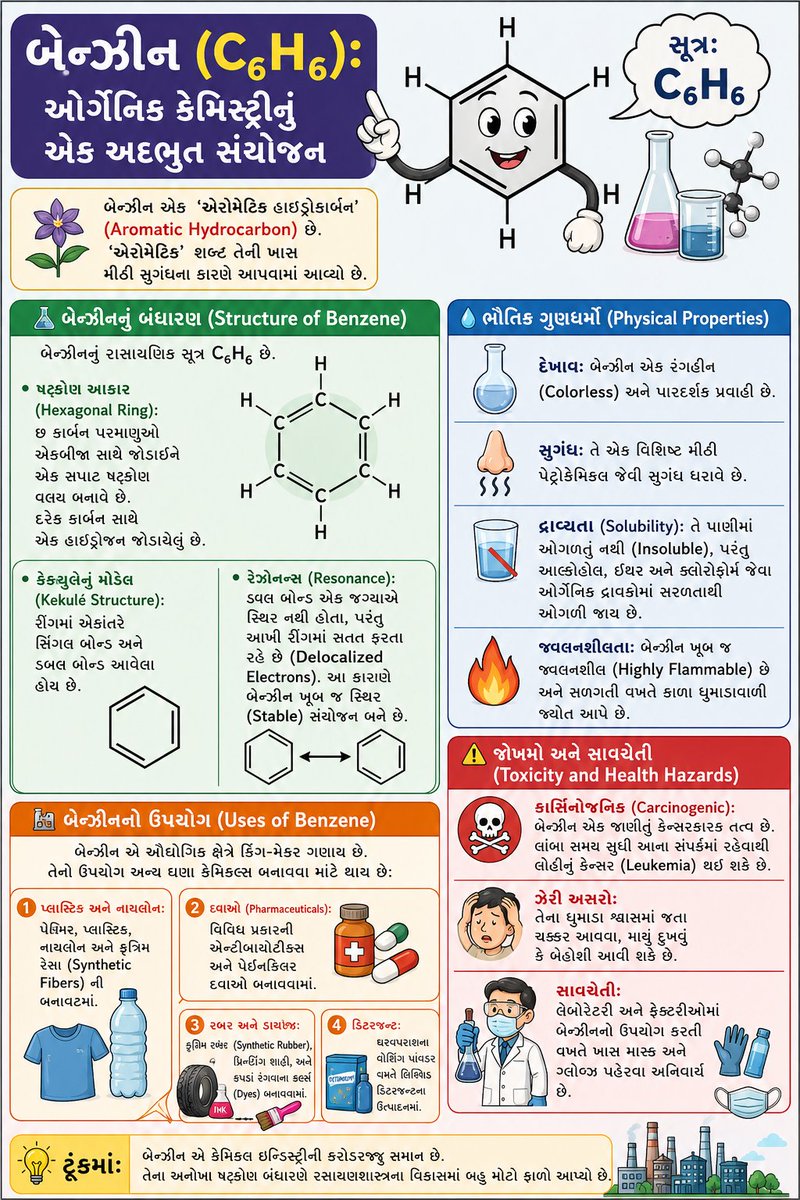
🧪 Benzene (C₆H₆): The Fascinating Ring That Changed Organic Chemistry! ⚛️
Discover the unique hexagonal structure, resonance stability, industrial uses, and health hazards of one of chemistry’s most important aromatic hydrocarbons. 🔬📚
Perfect for students, science lovers, and chemistry enthusiasts! 💡
#Benzene #OrganicChemistry #Chemistry #Science #AromaticHydrocarbon #ChemicalScience #ChemistryNotes #ChemistryStudent #ChemistryTeacher #ScienceEducation #STEM #STEMEducation #LearnChemistry #MolecularStructure #Resonance #Hydrocarbons #ChemicalBonding #PeriodicTable #EducationalPost #ScienceFacts #ScienceCommunication #LabSafety #ToxicChemicals #IndustrialChemistry #Petrochemicals #Pharmaceuticals #PolymerScience #Biochemistry #FutureScientists #ChemistryLovers #ChemistryWorld #ScienceForStudents #ScientificLearning #InnovationInScience #OrganicCompounds #SciencePoster #EducationalContent #StudyMaterial #ChemistryDiagram #LearningMadeEasy
@ACSorg @RoySocChem @IUPAC @NobelPrize @NASAScience @ScienceMagazine @newscientist @chemistryworld @nature @UNESCO @WorldofEngineering @STEMLearningUK @PhysicsToday @compoundchem
8
12
341

Apr 24
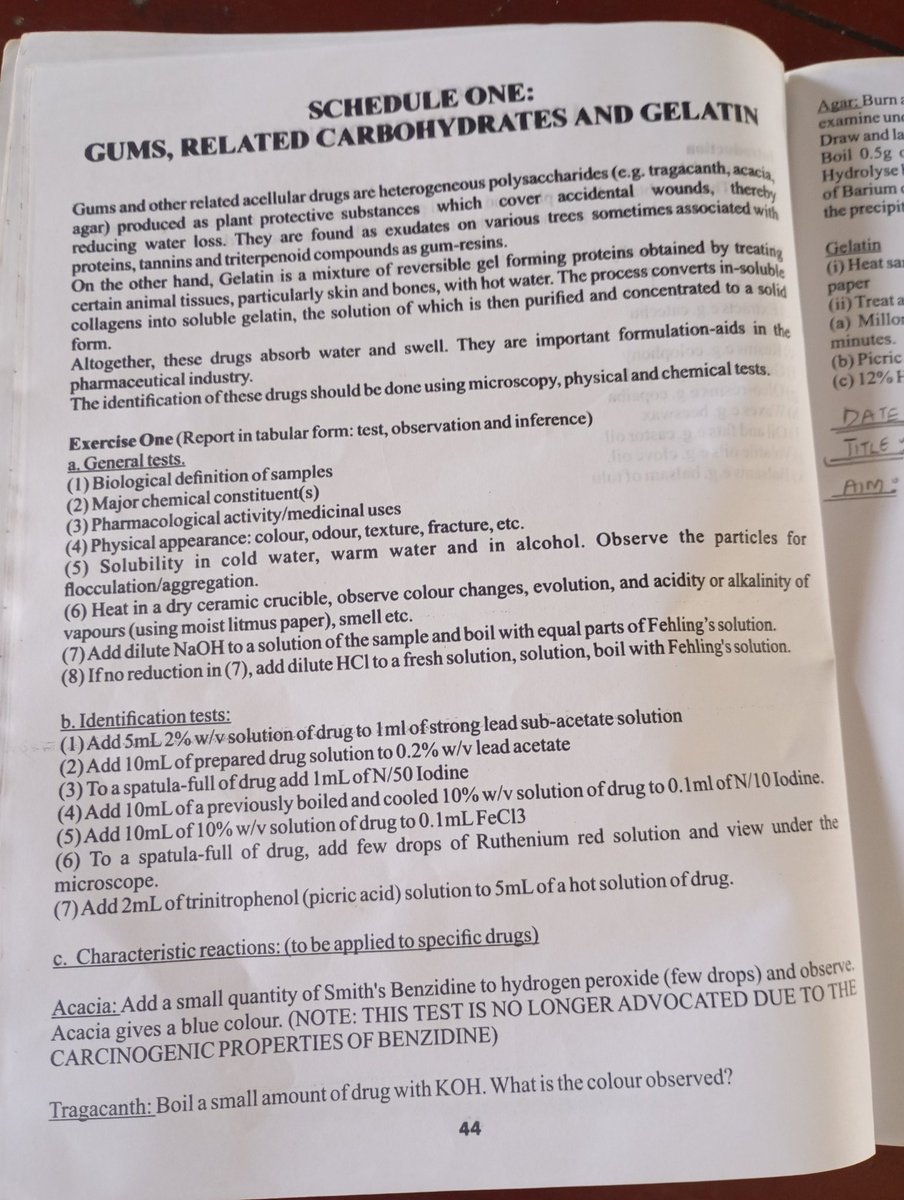
Yesterday during our PCG 202 lab session, I came across a note in the manual that was a bit of a shocker! ⚠️
It warned against using Acacia for the test due to its carcinogenic properties.
😳 It made me think.. how often do we overlook these small but crucial details in our experiments?
🔬 As future pharmacists, it’s vital to question, learn, and stay informed about the chemicals we work with.
What’s your take on this? Should we be more cautious about certain reagents, or do you think the risks are overstated? Drop your thoughts below! 👇 #PharmacyLife #LabSafety #PharmacyStudents
1
11
685

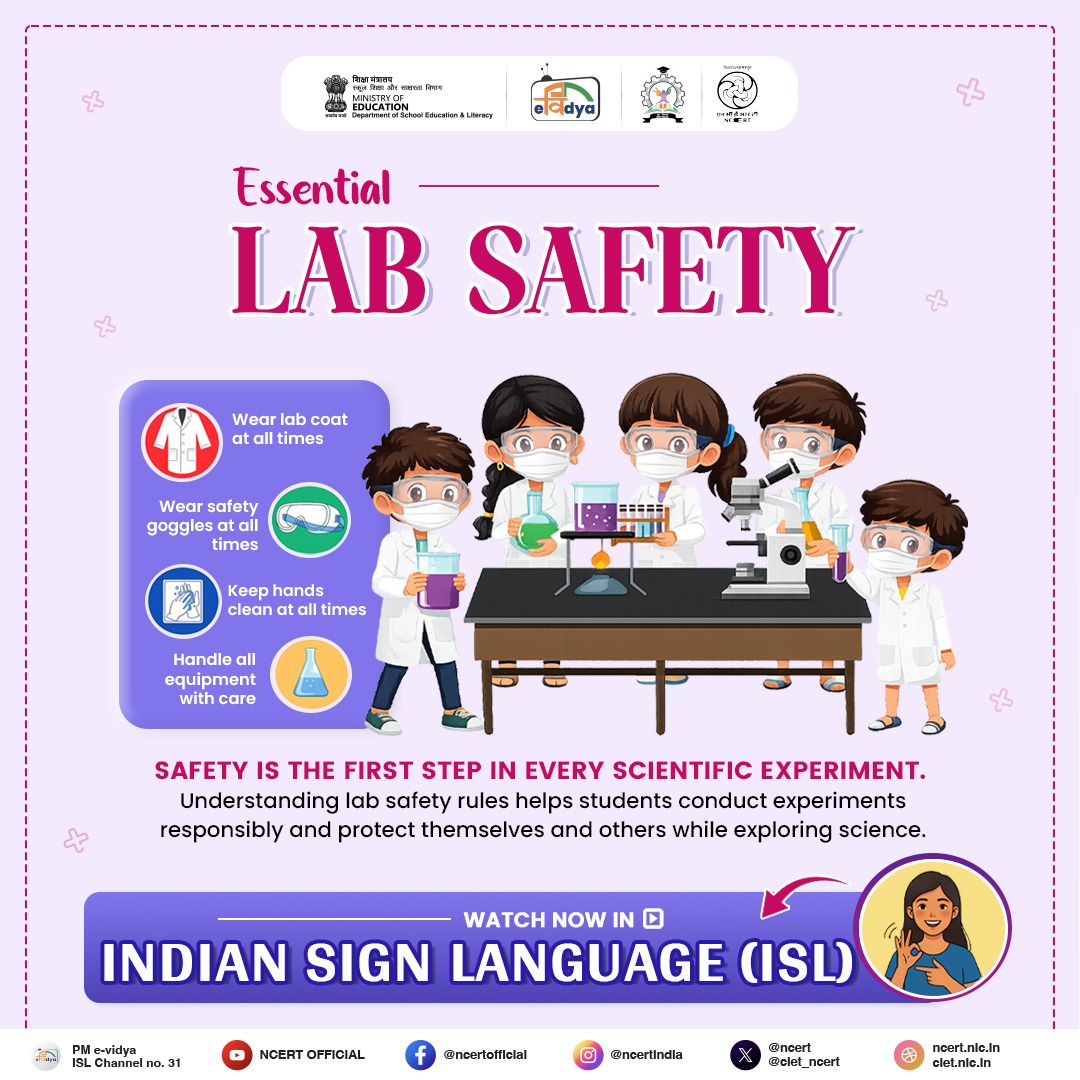
𝐋𝐚𝐛 𝐒𝐚𝐟𝐞𝐭𝐲 | 𝐈𝐧𝐝𝐢𝐚𝐧 𝐒𝐢𝐠𝐧 𝐋𝐚𝐧𝐠𝐮𝐚𝐠𝐞 (𝐈𝐒𝐋)
Safety is the first step in every scientific experiment. Understanding lab safety rules helps students conduct experiments responsibly and protect themselves and others while exploring science.
This session highlights essential practices such as handling equipment carefully, following instructions, and maintaining a safe laboratory environment.
Presented with Indian Sign Language (ISL) support, ensuring safe and inclusive learning for all.
𝐀𝐯𝐚𝐢𝐥𝐚𝐛𝐥𝐞 𝐢𝐧 𝐈𝐧𝐝𝐢𝐚𝐧 𝐒𝐢𝐠𝐧 𝐋𝐚𝐧𝐠𝐮𝐚𝐠𝐞
𝐖𝐚𝐭𝐜𝐡 𝐨𝐧 : youtube.com/@pmev31-u9c?si=U…
𝐎𝐛𝐬𝐞𝐫𝐯𝐞 | 𝐏𝐫𝐚𝐜𝐭𝐢𝐜𝐞 | 𝐒𝐭𝐚𝐲 𝐒𝐚𝐟𝐞
#LabSafety #RSC #Classes6to10 #IndianSignLanguage #SafeLearning
1
5
19
1,529

Improper waste segregation puts lives at risk!
It exposes staff, spreads infection, and harms the environment.
Proper segregation = safer labs and safer communities.
#SafetyTipOfTheWeek #Biosafety #LabSafety #NoguchiBacteriology
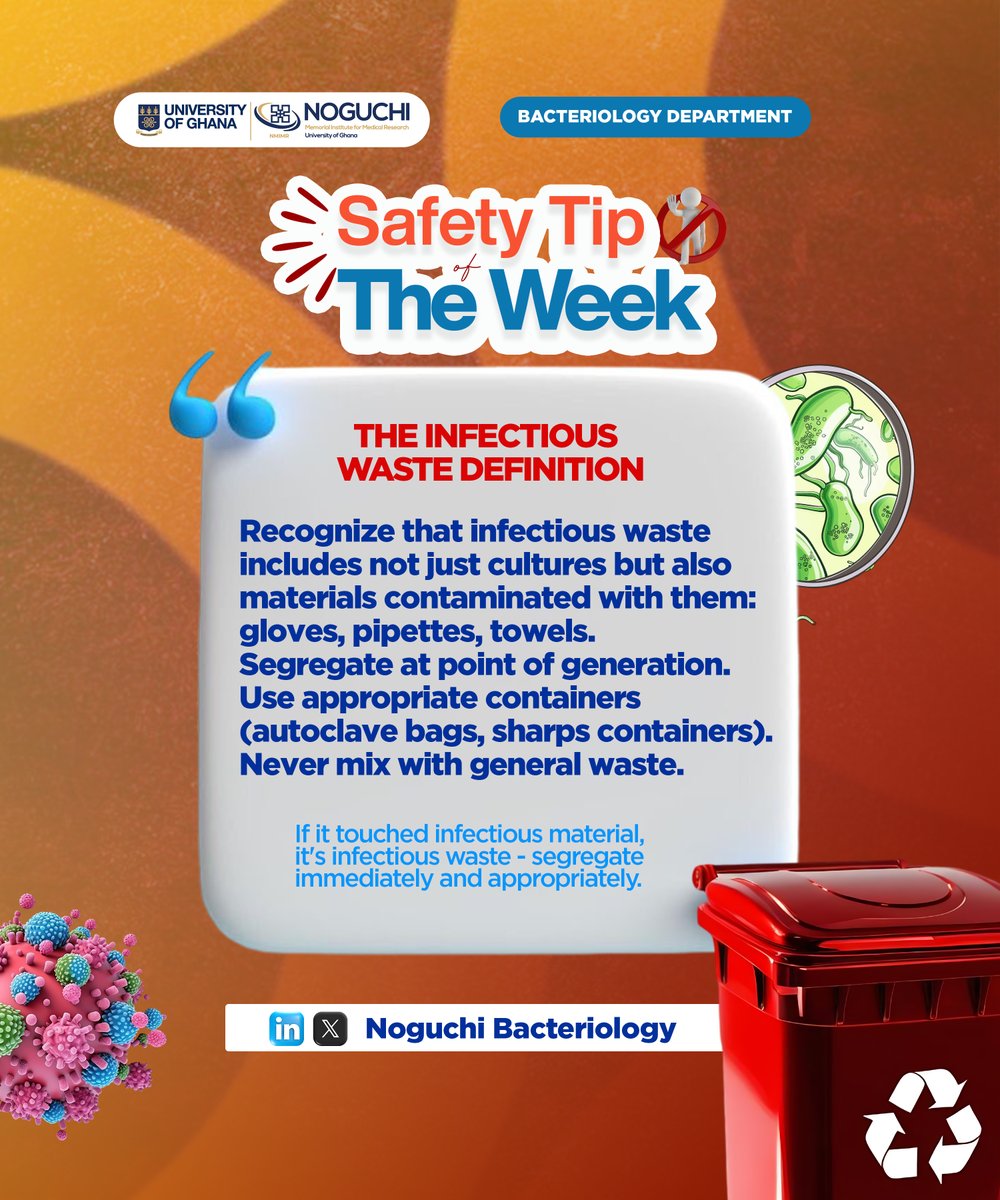
3
2
50
OSHA has launched its new Safety Champions Program, a three-step framework helping employers build proactive workplace safety cultures through hazard identification, worker participation and continuous improvement. Read more: bit.ly/40ULmPv
#LabSafety #OSHA @LabManager

1
3
57

Mar 27
We built the interactive @chemishield ROI Calculator to change that.
5 minutes. Four cost categories. One custom cost/benefit figure most organisations have never had.
🔗Take it for a spin: chemishield.com/ROIcalculato…
#HazardousWaste #EHSManagement #LabSafety #Compliance
2
15

🧪 Join us for Biosafety Cabinets 101 on March 25 at 1 PM ET!
Learn the fundamentals of BSC classes, HEPA filtration, airflow, and safe workflow practices for handling special pathogens.
🎓 CE credits available
🔗 Register: ow.ly/4WwJ50Yl7BX
#NETEC #Biosafety #LabSafety
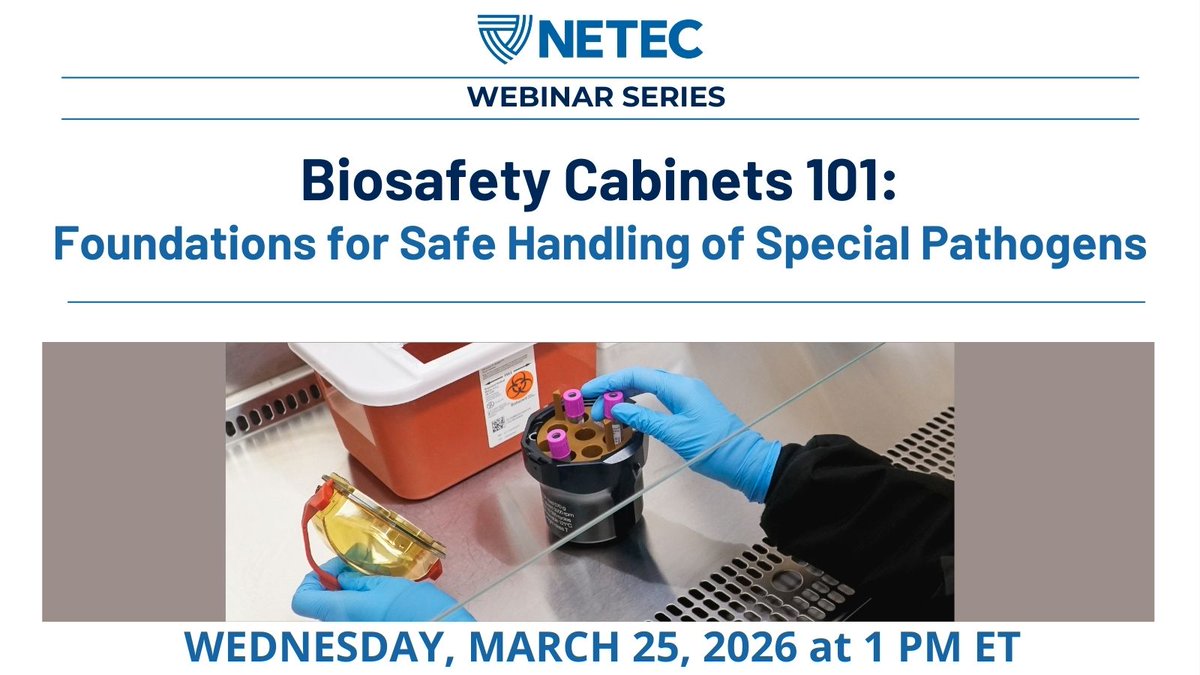
1
3
133

Microbiology best practices for a sterile environment:
🧼 Proper hand hygiene & PPE
🧴 Disinfect work surfaces
🧪 Use sterile equipment only
⏱️ Minimize exposure time
🚫 Avoid cross-contamination
Safety first, always. ✅
📞 256784839888
#Microbiology #LabSafety #Biomedics
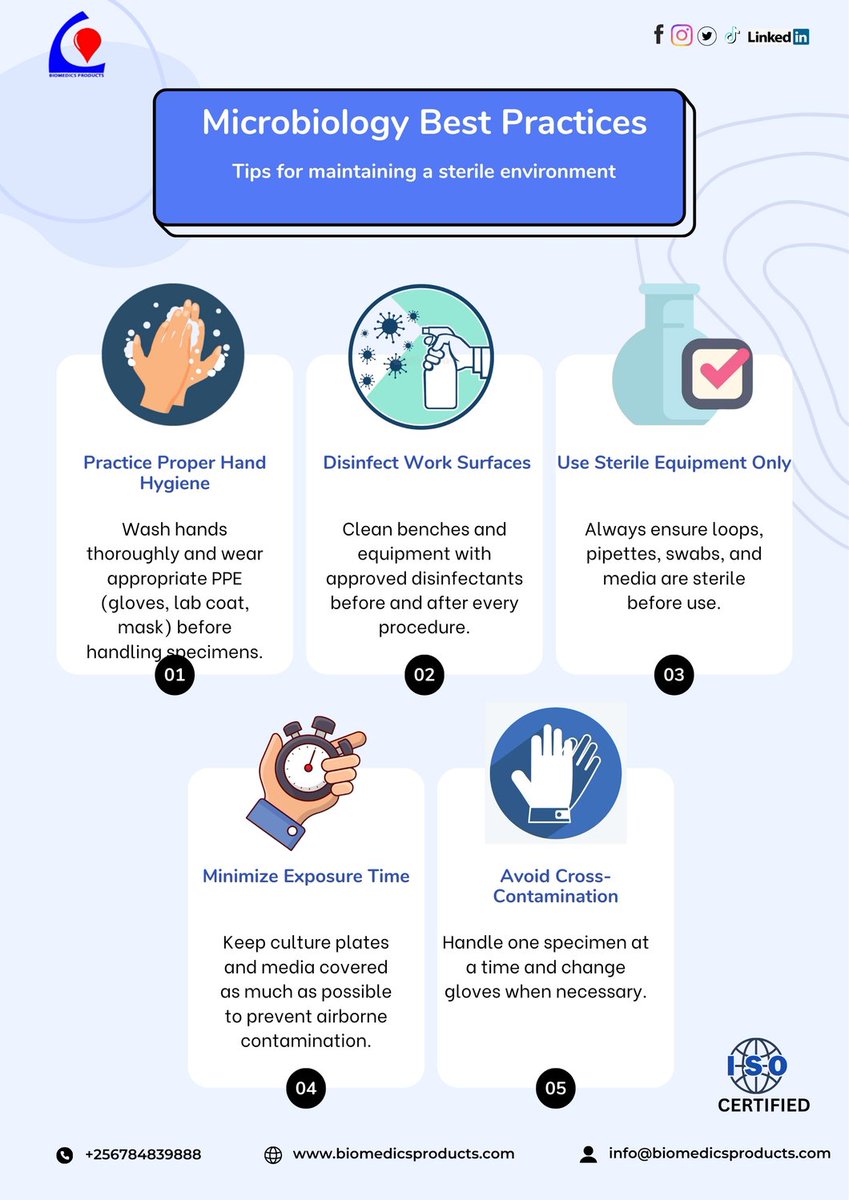
3
3
78
Feb 13
This #ValentinesDay, break up with your spreadsheet 💔📊
You deserve better: chemishield.com/
#LabSafety #HazardousWaste #EHS
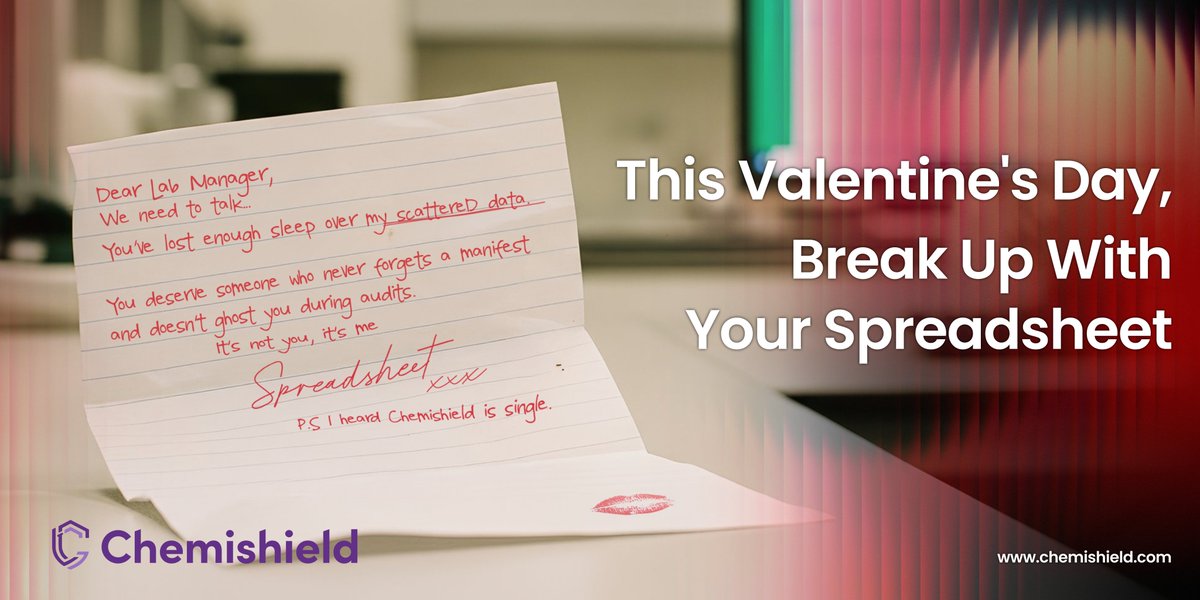
2
27

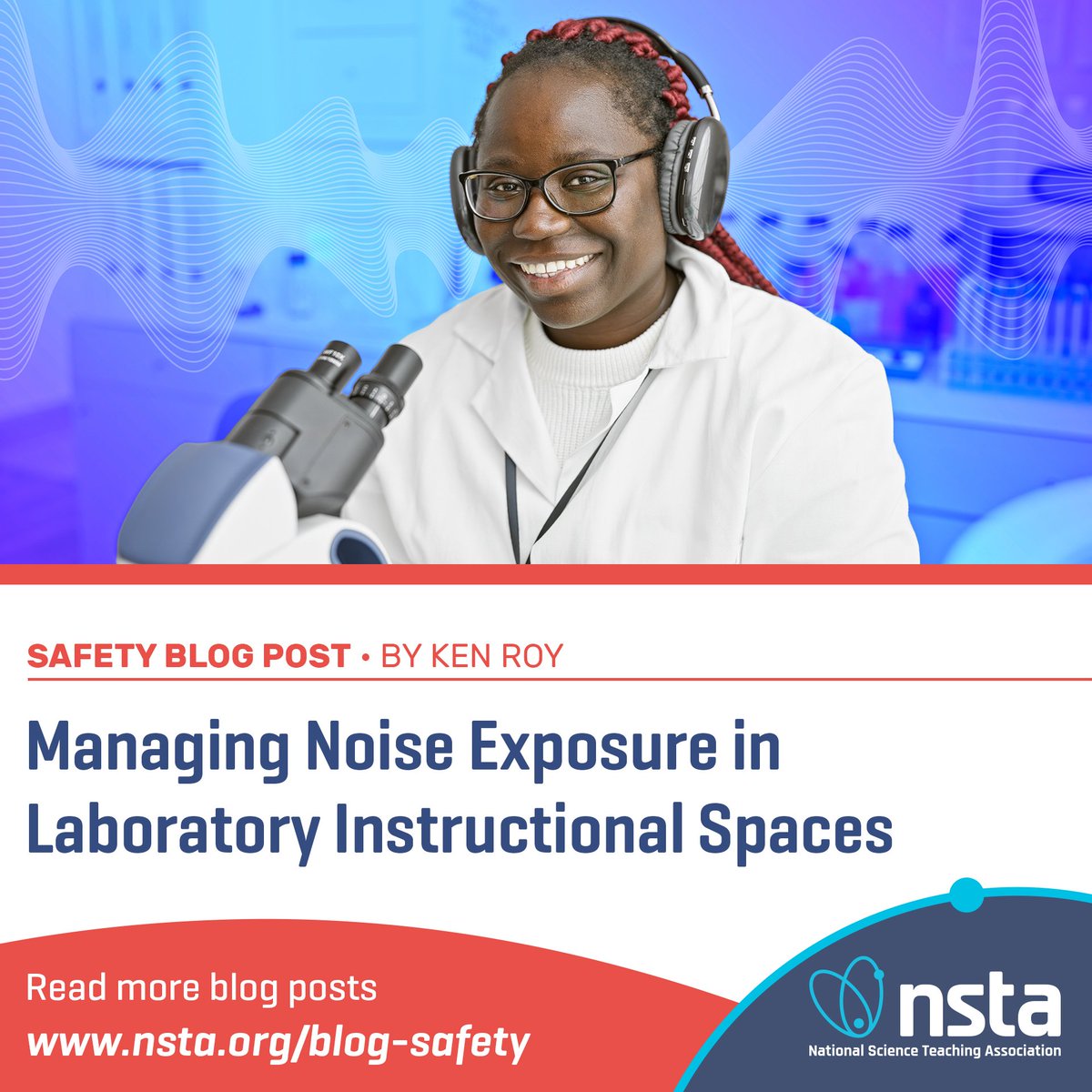
Lab equipment can push noise levels past safe limits faster than you think.
In NSTA’s latest Safety Blog, Ken Roy breaks down practical noise-reduction strategies to help protect hearing in science and STEM labs.
Read more ➝ bit.ly/4a01ch6
#NSTA #Science #LabSafety
1
2
237

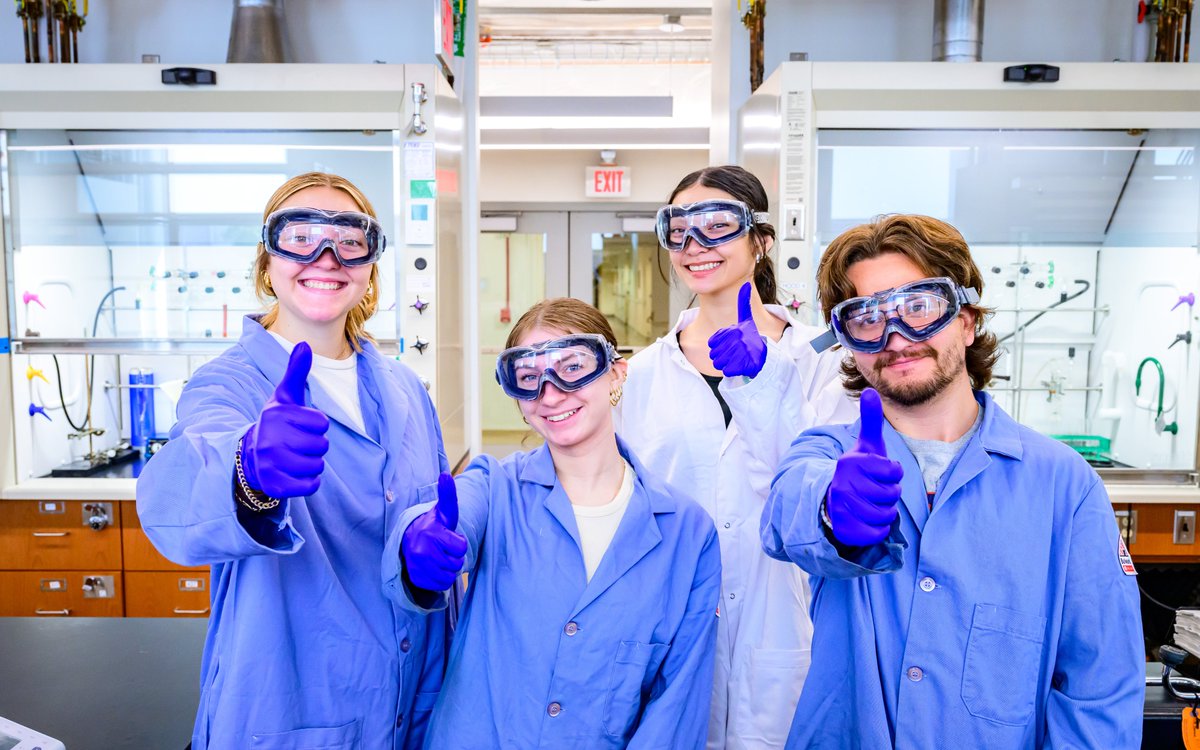
Get ready! #LabSafety Awareness Week is almost here—scavenger hunts, escape rooms, swag, prizes, and more. Swing by the CLSL‑A lobby on Monday from 12:30 to 2 PM to snag some safety swag. Check out the full lineup of activities➡️ bit.ly/4qltPKD
4
173