
Apr 19
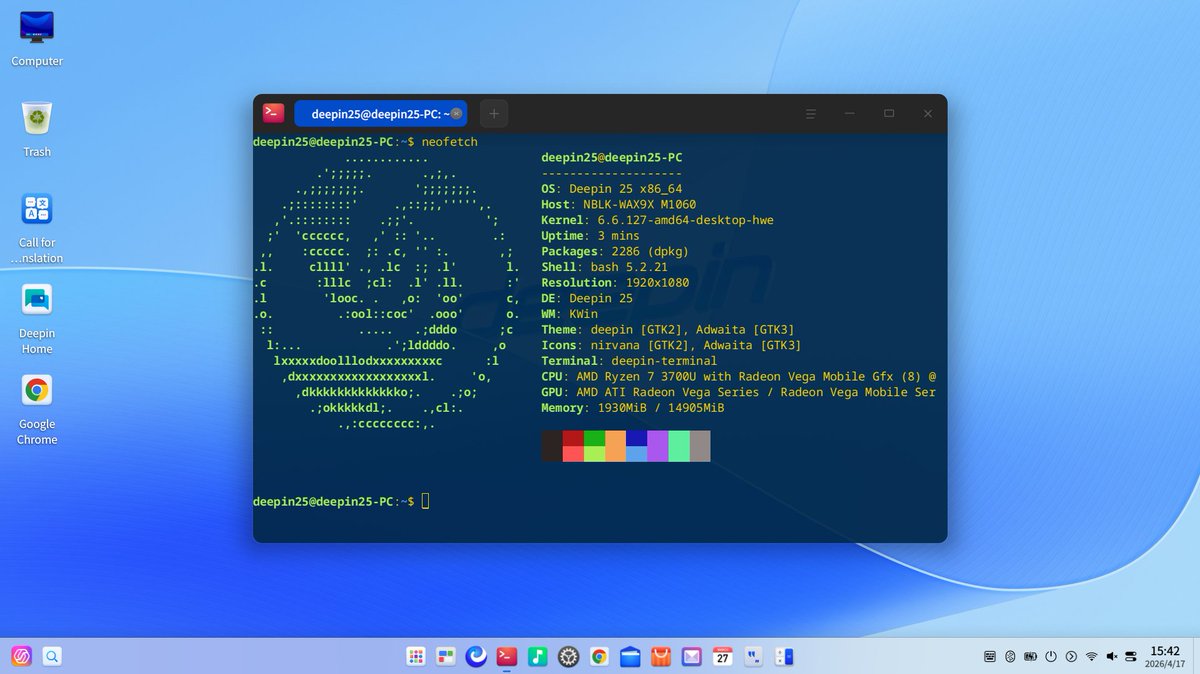
Just installed #Linux for the first time, what should I do first?🤔
#LinuxBeginner #OpenSource #Desktop
30
6
130
8,759

Mar 15
From Ubuntu Server to Apache, MySQL, and PHP—this book is a step-by-step guide to building your own server from scratch.
#LinuxBeginner #LAMP #UbuntuLinux #Apache #MySQL #PHP #LearnByDoing #WebHosting #ServerAdmin #OpenSourceLearning #TechLearning #DroidKernel
a.co/d/06eupXCD

19

Mar 12
Behind every cybersecurity learner is a Linux terminal and a lot of curiosity 💻
My tutor @h4ruk7 @HSC_Consult
#CyberSecurityJourney #Linux #LinuxBeginner #TechJourney #FutureEthicalHacker
9
13
44
2,767

Mar 7
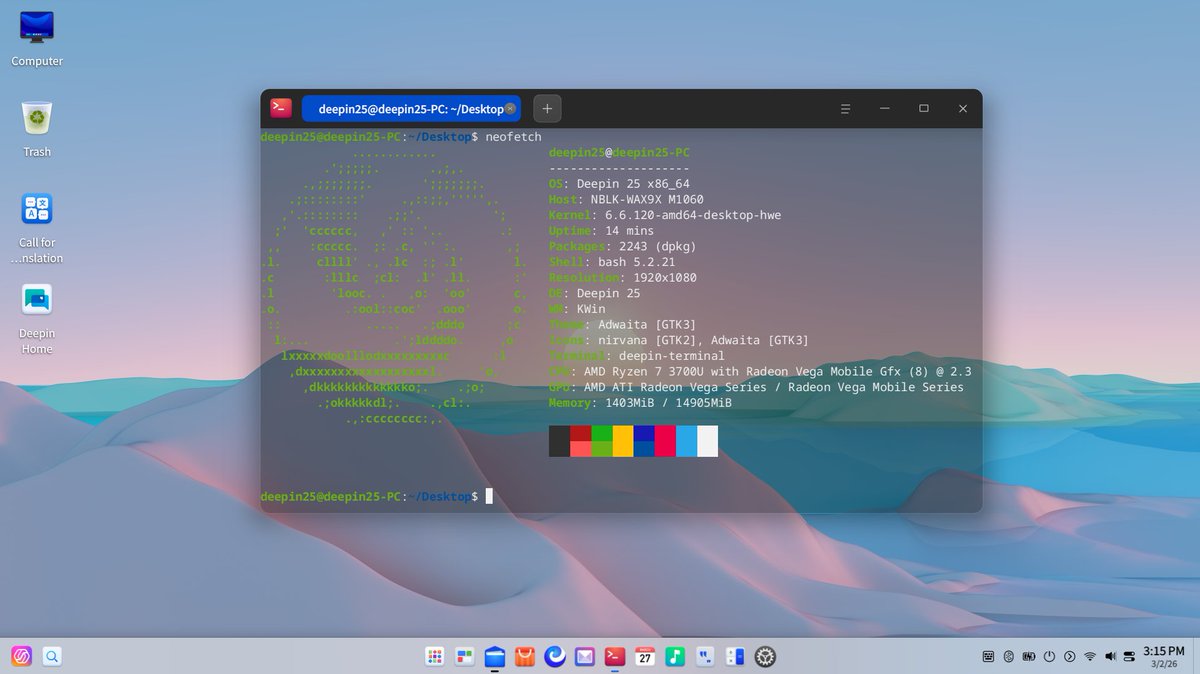
Installing Linux is just the beginning
First thing is network hardening
system-wide approach:
- archtorify (Arch) | kalitorify (Debian/Kali) to force traffic through Tor
- VPN Tor for those who want encryption and anonymity #LinuxBeginner #OpenSource
Mar 7

Install archtorify, or any torify
93
Mar 7
89
8
263
14,073

Linux Bootcamp - Startklar in nur 2 Stunden
⏱️ 1.9 hours
⭐ 4.64
👥 165
🔄 Nov 2023
💰 FREE
comidoc.com/udemy/linux-boot…
#Linux #LinuxBeginner #OS #udemy

13

28 Dec 2025
I've achieved true enlightenment with KDE Plasma on Linux! 🙏
Who needs stability when you can have seamless integration & intuitive design?
It's a breath of fresh air... until it freezes & I have to Ctrl Alt Del my way back to sanity 😂
Linux newbie no more! #KDEPlasma #LinuxBeginner

25

15 Nov 2025
Stop Using MAN cmd - Use This instaed
#linux #tldr #terminal #linuxcommands #ubuntu #kali #wsl #programmingtips #devtools #hackertools #learnlinux #linuxbeginner #cybersecurity
1
83


27 Oct 2025
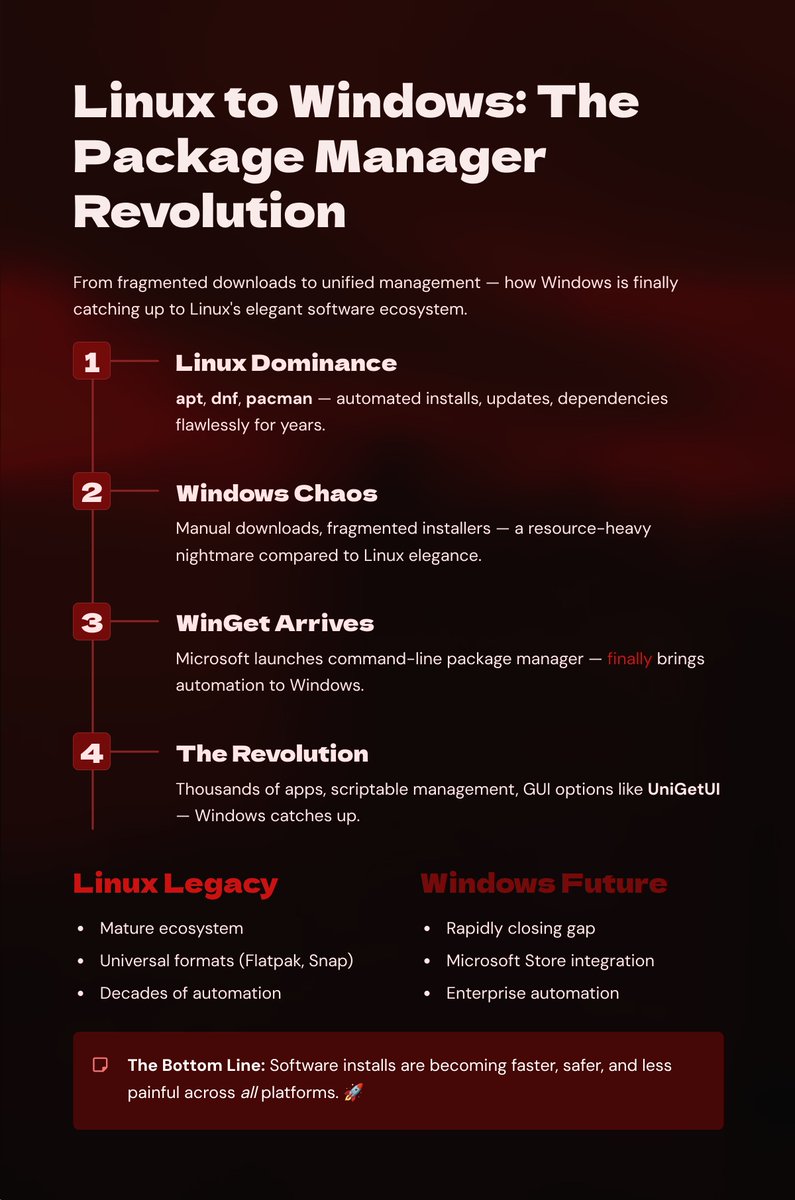
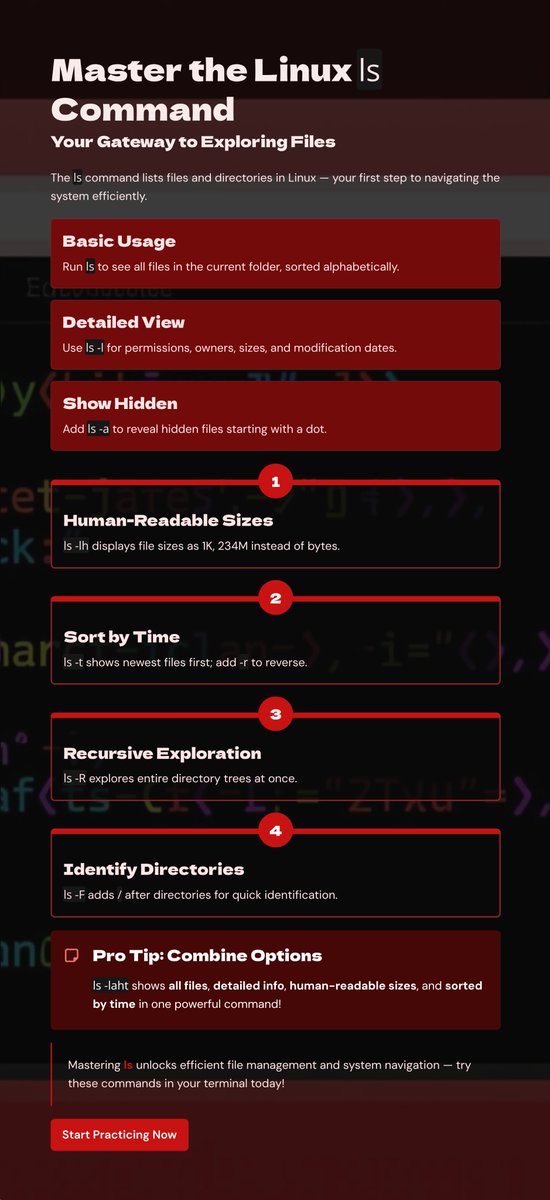
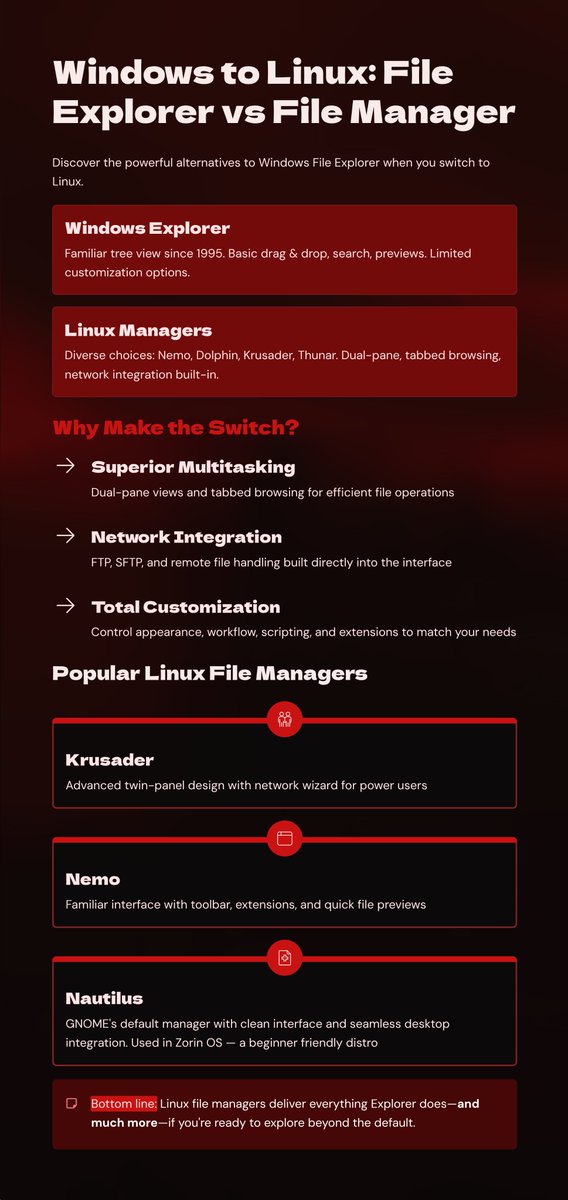
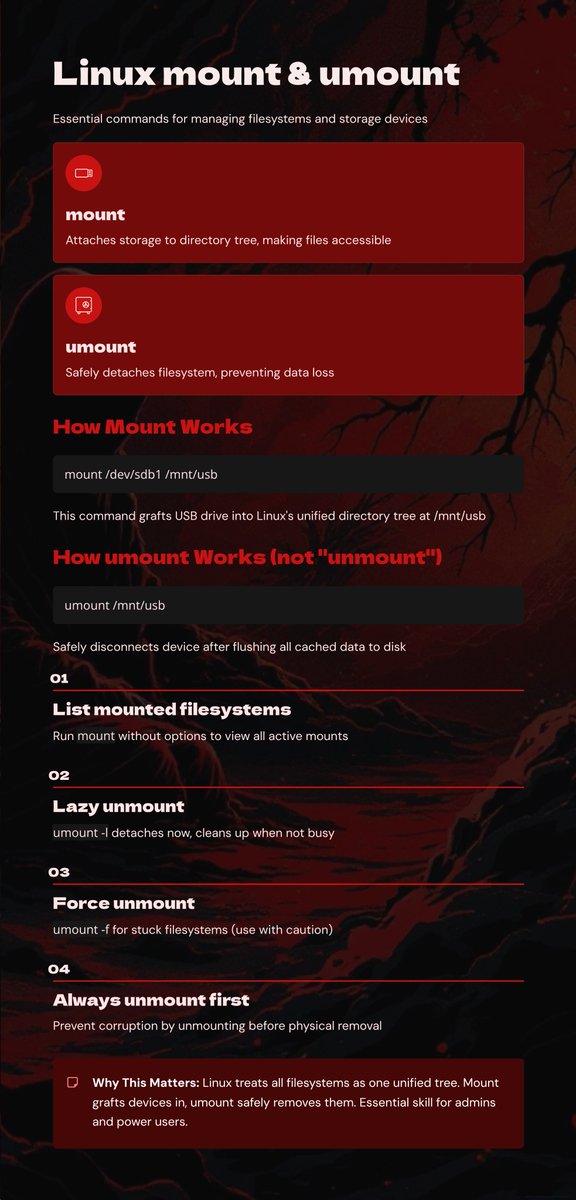
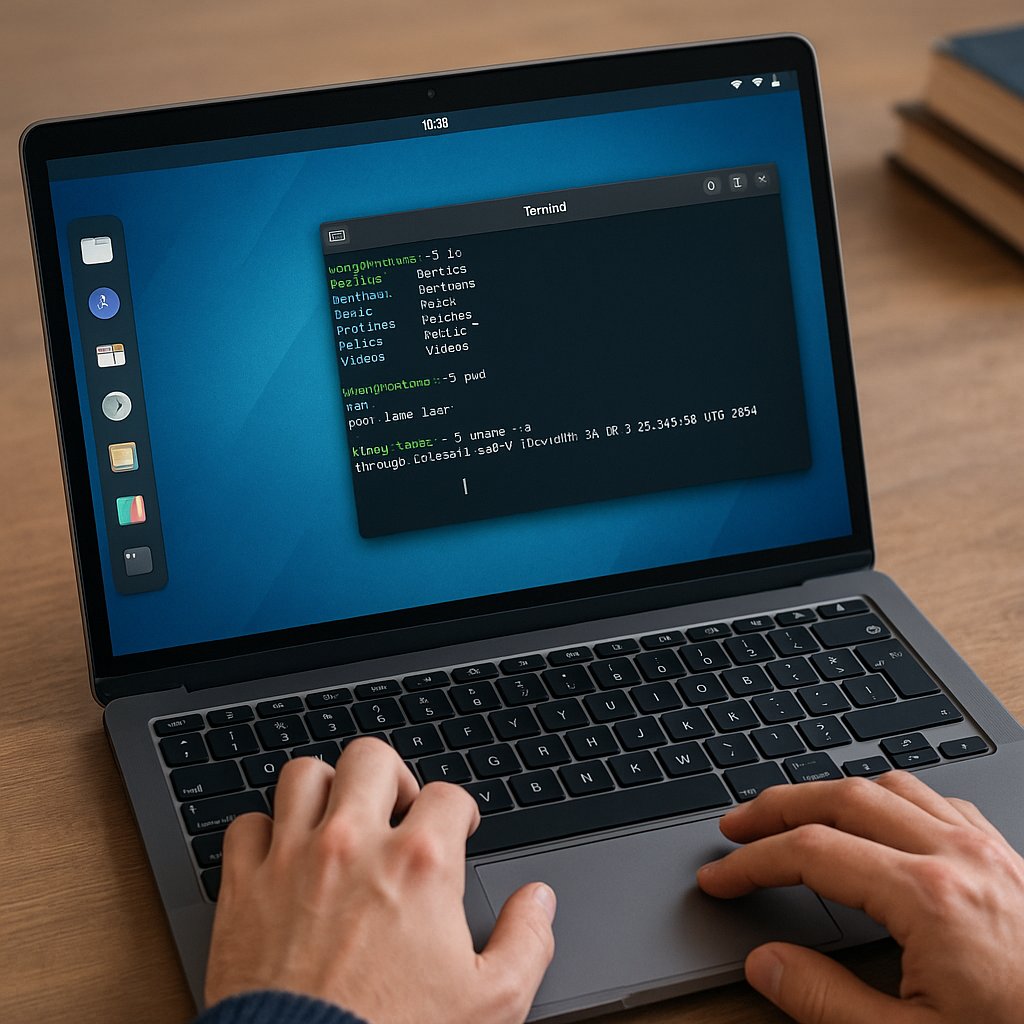
How to Learn Linux: A Complete Beginner-to-Advanced Guide
dargslanpublishing.com/how-t…
#Linux #LearnLinux #LinuxCommands #LinuxTutorial #SystemAdministration #DevOps #OpenSource #LinuxBeginner #ShellScripting #LinuxDargslan
40
10 Sep 2025
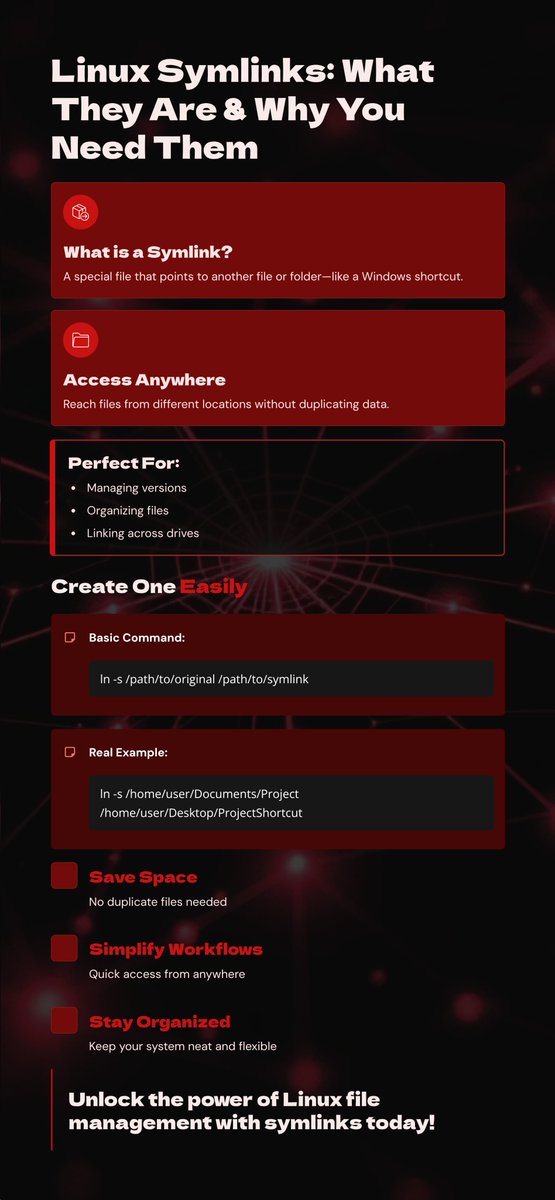
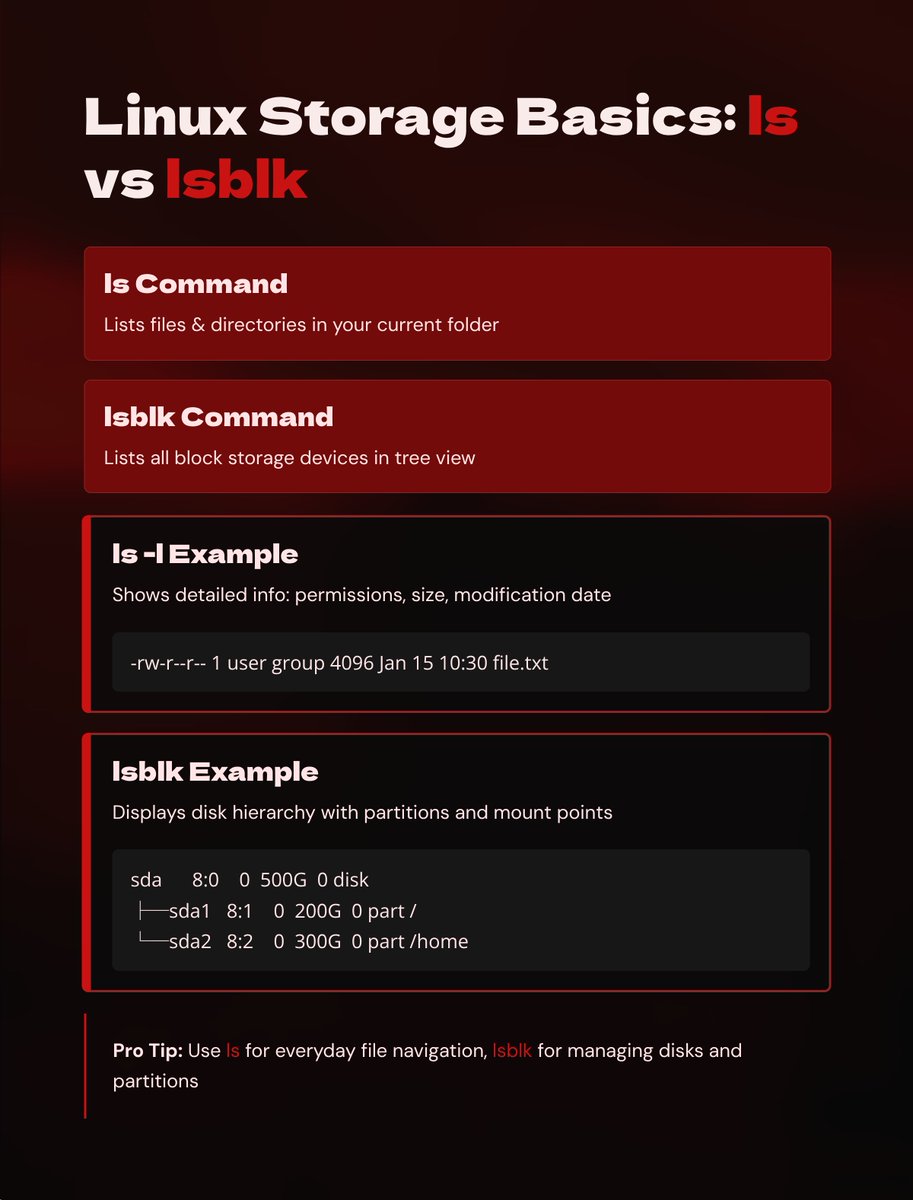
Linux Kernel 2025: New Features & Performance Updates dargslan.com/articles/linux-…
#Linux #linux #LinuxBeginner #Beginner #LearnLinux #Learn #Tech #Technology #Education #tech #technology
39

13 Jun 2025
How to Install Arch Linux on VirtualBox Using the Guided Installer
If the normal Arch installation is too complicated for you, try installing the OS using the guided installer on VirtualBox.
Links:
Arch Linux ISO - archlinux.org/download/
How to Enlarge a Virtual Machine’s Disk in VirtualBox or VMware - youtu.be/T4rdrVsCJDs
Chapters:
0:00 Intro
0:23 Step 1: Download Arch Linux
1:18 Step 2: Creating a Virtual Machine
2:00 Step 3: Configuring Your Virtual Machine
2:45 Step 4: Starting the Installation
16:47 End screen
What you will learn:
1. How to install Arch Linux using the guided installer on a VirtualBox virtual machine
2. Step 1: Download Arch Linux
a. How to download the Arch Linux ISO from the official Arch Linux webpage
3. Step 2: Creating a Virtual Machine
a. How To create a virtual machine
b. How to automatically set the Type and Version to Arch Linux (64-bit)
c. How to configure the amount of RAM you want your virtual machine to use
d. How to create the virtual hard disk that your virtual machine will use
4. Step 3: Configuring Your Virtual Machine
a. How to configure your virtual machine in readiness for installing the operating system
b. How to check the Enable EFI checkbox
c. How to attach the ISO disk
e. How to attach the Arch Linux ISO image to your newly created virtual machine
f. How to configure your virtual machine to boot from the Arch Linux ISO
5. Step 4: Starting the Installation
a. How To start the Arch Linux guided installer
b. How to select the region from which you will download the packages during the installation
c. How to select the disk on which you'd like to install Arch Linux
d. How to format disk partition
e. How to set the file format that you want to use with your installation
f. How to set the pre-programmed profile for your system
g. How to install GNOME
h. How to select the graphic card driver of your choice
i. How to install the default audio service
j. How to remove the Arch Linux ISO in the virtual machine
k. How to boot from the new installation
6. Lates GNOME
7. For beginner Linux users
8. How to Install Arch Linux on Your PC
9. How to install Arch Linux 2024
Song: Cjbeards - Ruby (Vlog No Copyright Music)
Music provided by Vlog No Copyright Music.
Video Link: youtube.com/watch?v=9KDBmmTR…
Song: Chris Lehman - Arrival (Vlog No Copyright Music)
Music promoted by Vlog No Copyright Music.
Video Link: youtube.com/watch?v=UNXo-gS6…
#computereverywhere #ArchLinux #VirtualBox #LinuxTutorial #LinuxInstallation #ArchInstall #LinuxGuide #TechTips #OpenSource #LinuxBeginner #VirtualMachine #LinuxSetup #FOSS #LinuxLife #SysAdmin #ITTutorials
58

7 May 2025
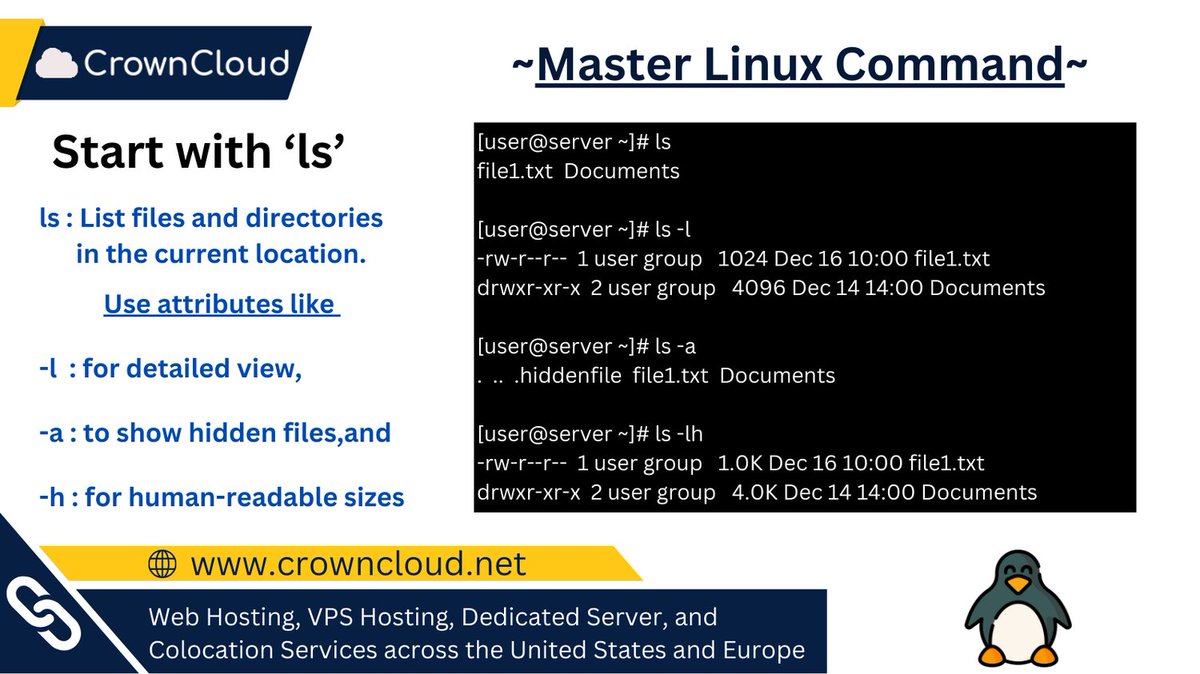
Master Linux One Command at a Time - Start with the basics: ls - List files and directories effortlessly.
Linux #LinuxBasics #CommandLine #LearnLinux #LinuxTips #TerminalCommands #LinuxBeginner #TechTips #ShellCommands #OpenSource
1
10



11 Mar 2025
Linux knowledge we can understanding,
The command sudo hping3 -1 --flood is a Linux command that uses the hping3 tool to perform a network attack or test.
Here’s what it does:
sudo: Grants administrative privileges, which are required to run hping3 for certain operations like sending raw packets.
hping3:
A powerful network tool for sending custom TCP/IP packets, often used for testing, security auditing, or simulating attacks.
-1:
Specifies ICMP (Internet Control Message Protocol) mode, meaning it will send ICMP packets (similar to a ping flood).
–flood: Instructs hping3 to send packets as fast as possible without waiting for replies, effectively flooding the target with traffic.
: The IP address of the target (e.g., 10.7.1.50). You didn’t specify one, so the command is incomplete without it.
What This Does?
This command simulates an ICMP flood attack, also known as a ping flood. It sends a massive number of ICMP echo requests to the target IP, which can overwhelm the target’s network resources or server.
If the target is unprepared, this could lead to a Denial of Service (DoS) condition, where legitimate traffic is disrupted.
However, the effectiveness depends on factors like your network speed, the target’s defenses, and whether the target is on a local or remote network.
#LinuxBeginner
#BlackHat
1
22