
May 14
Day 3 of learning System Design 🚀
Today I realized building scalable systems is not just about writing code — it’s about solving problems for millions of users efficiently.
Currently learning: • LLD vs HLD
• Scalability basics
• Load Balancers
• Caching strategies
• Database sharding
• Microservices architecture
The more I learn, the more I understand how products like Jira, Netflix, Uber, and Instagram handle massive traffic without breaking 🔥
Consistency > perfection.
Documenting my journey publicly to learn faster and connect with amazing developers 👨💻
#SystemDesign #TechTwitter #SoftwareEngineer #WebDevelopment #FrontendDeveloper #BackendDeveloper #FullStackDeveloper #CodingJourney #100DaysOfCode #LowLevelDesign #HighLevelDesign #ScalableSystems #Programming #Developers #BuildInPublic #LearnInPublic #JavaScript #ReactJS #NodeJS #Engineering
2
21


Mar 29
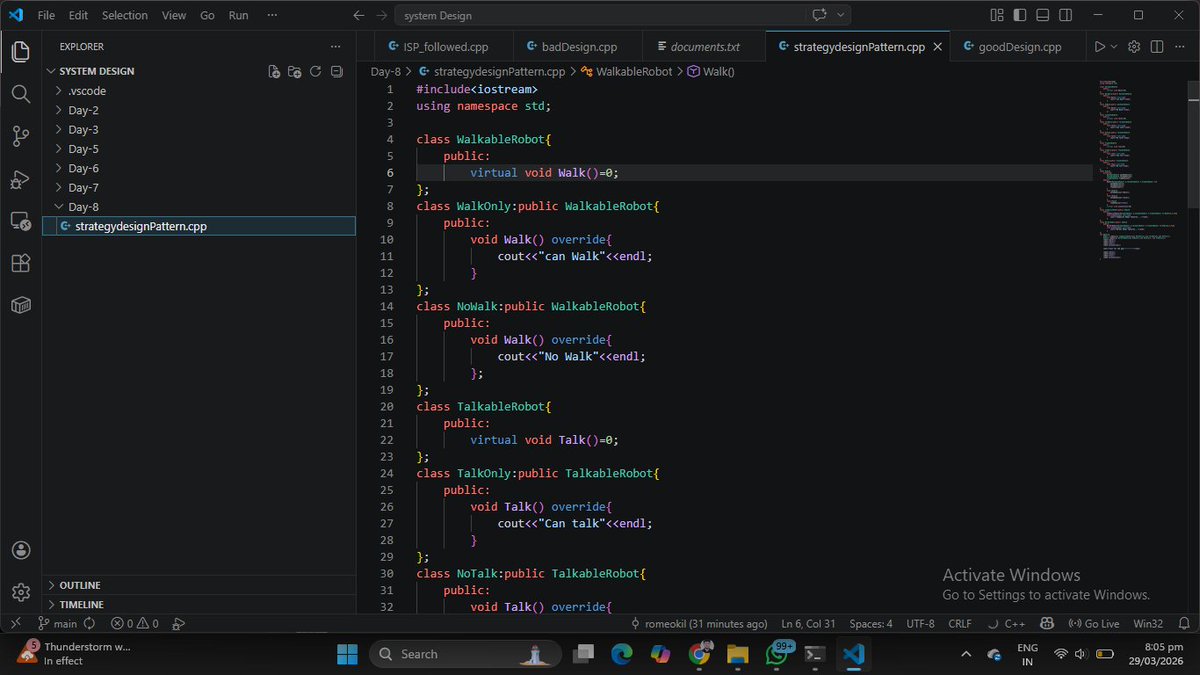
Day-7 (System Design/ low level Design) Strategy Design Principle.
@CoderArmy
@rohit_negi9
@lowleveldesign
#SystemDesign #LearnInPublic
1
3
58
Mar 29
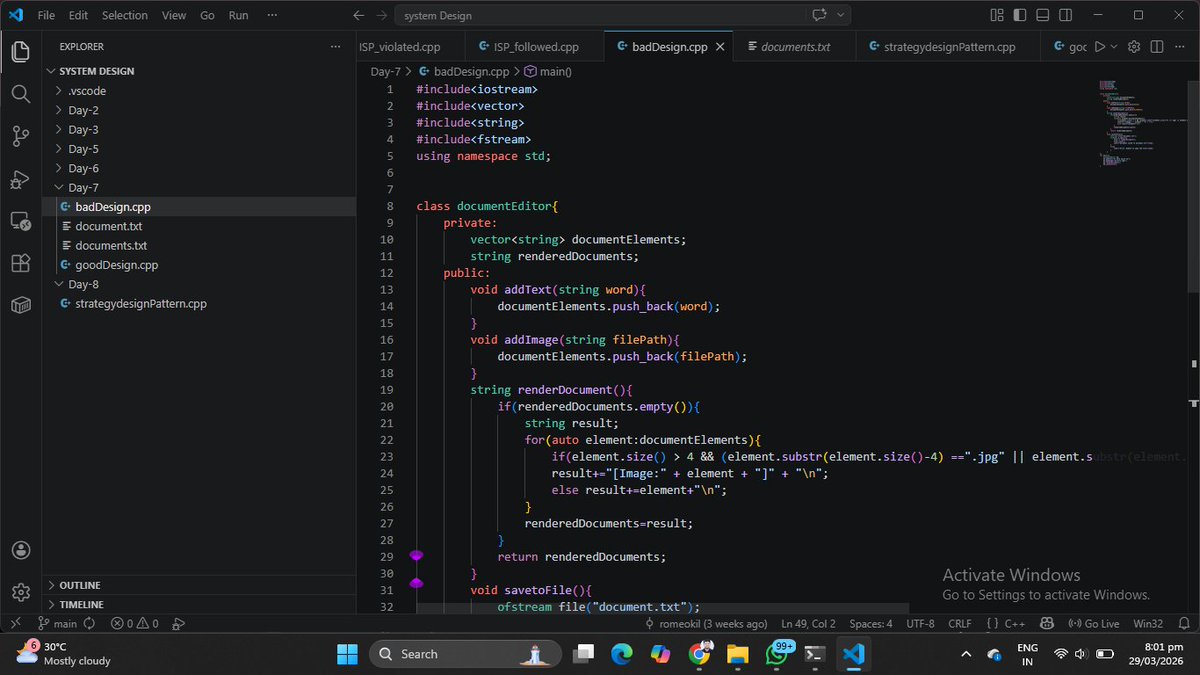
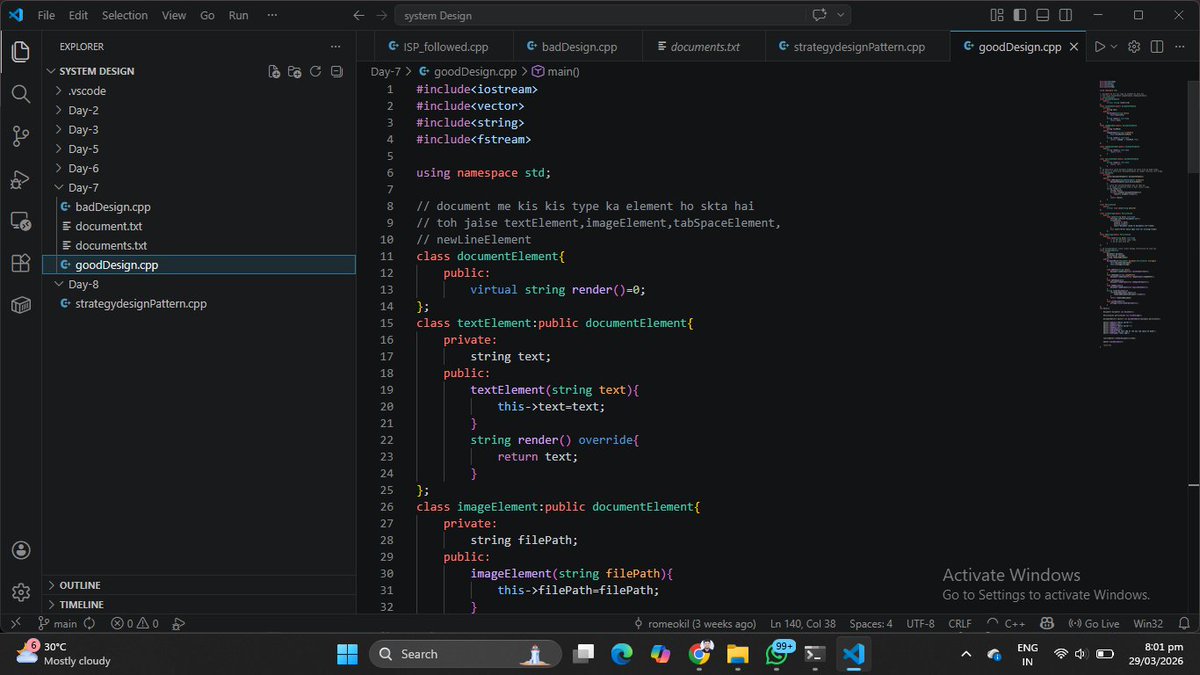
Day-7 (System Design/ low level Design) Good Docs clone (Bad/ Good) Way.
@CoderArmy
@rohit_negi9
@lowleveldesign
#SystemDesign #LearnInPublic
1
3
49

Arriving Soon
Designing Data-Intensive Applications, 2/e (Indian Edition)
By @martinkl (Author), @criccomini (Author)
@shroffpub & @OReillyMedia (Publishers)
Link To Buy: tinyurl.com/ycxzzsma
#ddia #systemdesign #lowleveldesign #softwareengineering

1
2
68
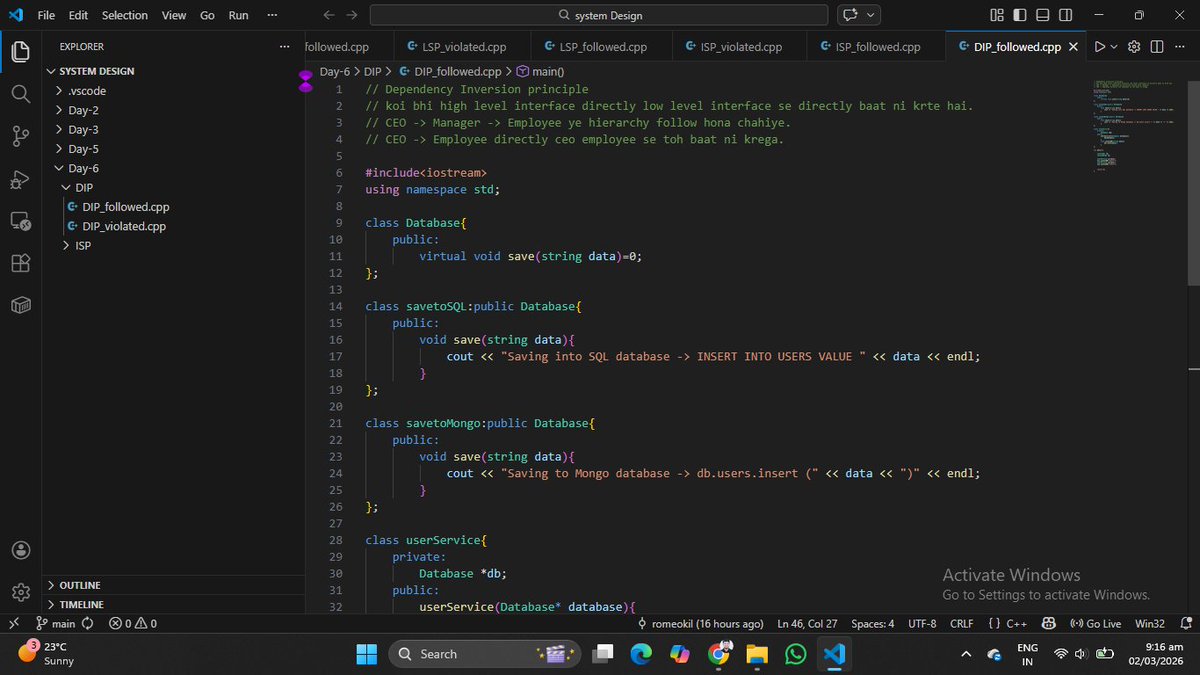
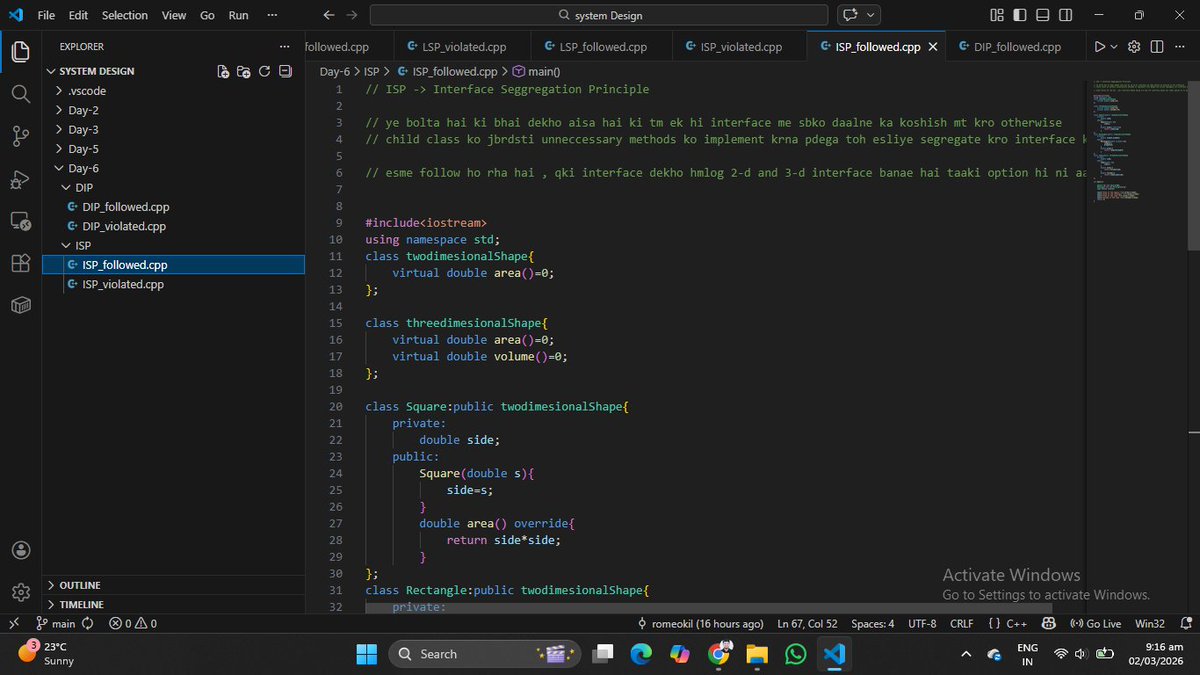
Day-6 (System Design/ low level Design) Solid design Principle continue .... ( ISP,DIP)
@CoderArmy
@rohit_negi9
@lowleveldesign
#SystemDesign #LearnInPublic
2
26

Feb 28
🚨 It's here (almost)!
Designing Data-Intensive Applications, 2ed.
Indian Edition dropping soon 🇮🇳
✅ Martin Kleppmann Chris Riccomini
✅ 672 pages of distributed systems gold
✅ MRP ₹1,950
Pre-order now 👉 shroffpublishers.com/books/9…
#ddia #systemdesign #lowleveldesign

1
3
81

Feb 27
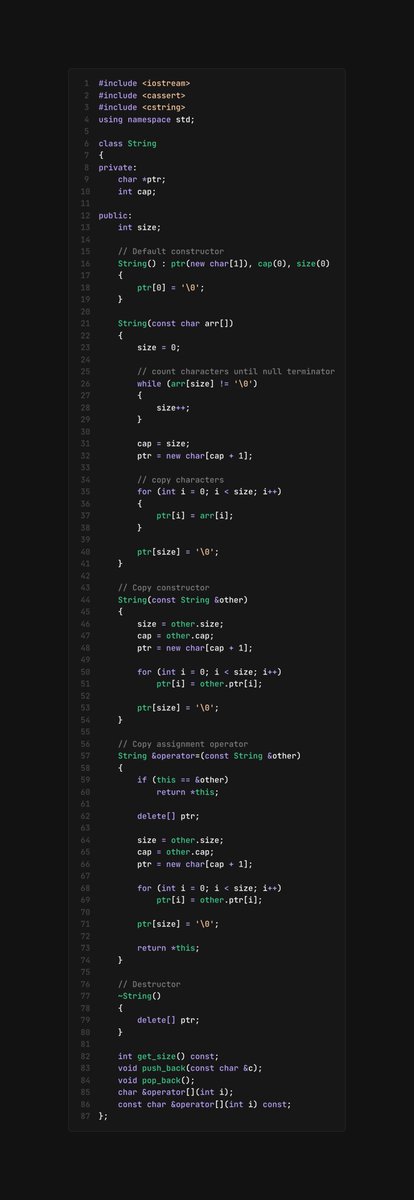
Continuing the LLD series in C : Implementing a basic String class from scratch.
Handles the Rule of Three (ctor, copy ctor, assignment op, dtor) to manage resources safely.
Full code:
github.com/ArthKulkarni93/LL…
today's code in @supabase color theme
#CPlusPlus #LowLevelDesign #InterviewPrep
Feb 25

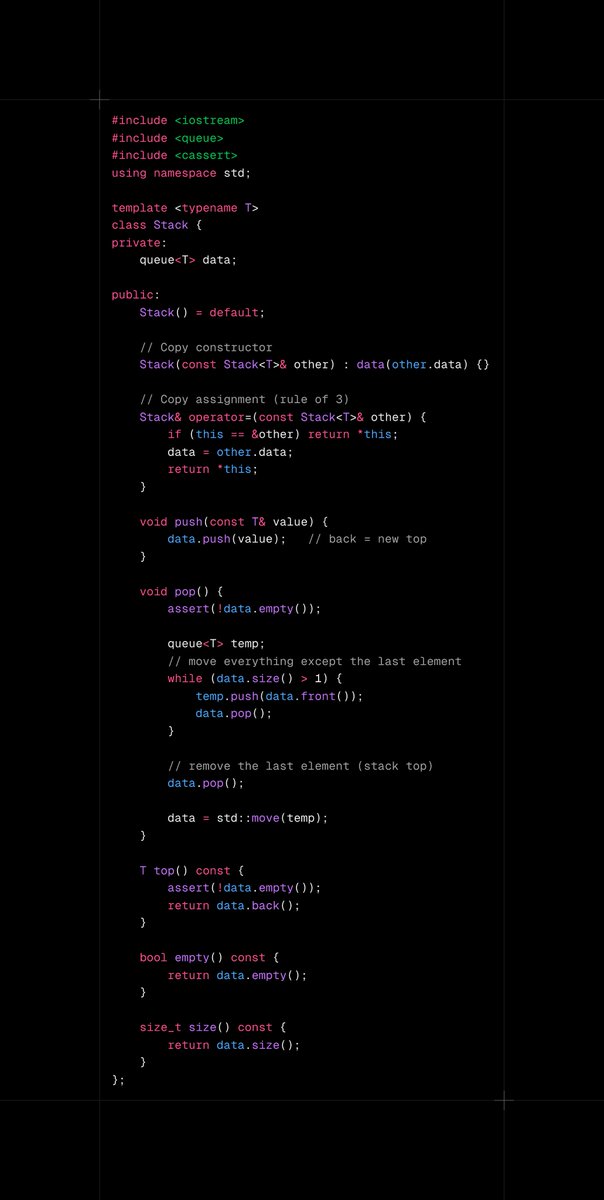
Implement Stack using Queues – exact question asked at @HashedIn by @Deloitte
Single-queue C solution:
• push: O(1) – just add to back
• pop: O(n) – rotate all but the top element to maintain LIFO
• top / size / empty: O(1)
Beats 100% runtime on LeetCode.
Full code:
github.com/ArthKulkarni93/LL…
Problem:
leetcode.com/problems/implem…
What’s your preferred approach — one queue or two queues for amortized O(1)?
#CPlusPlus #DataStructures #InterviewPrep
2
126
Feb 24
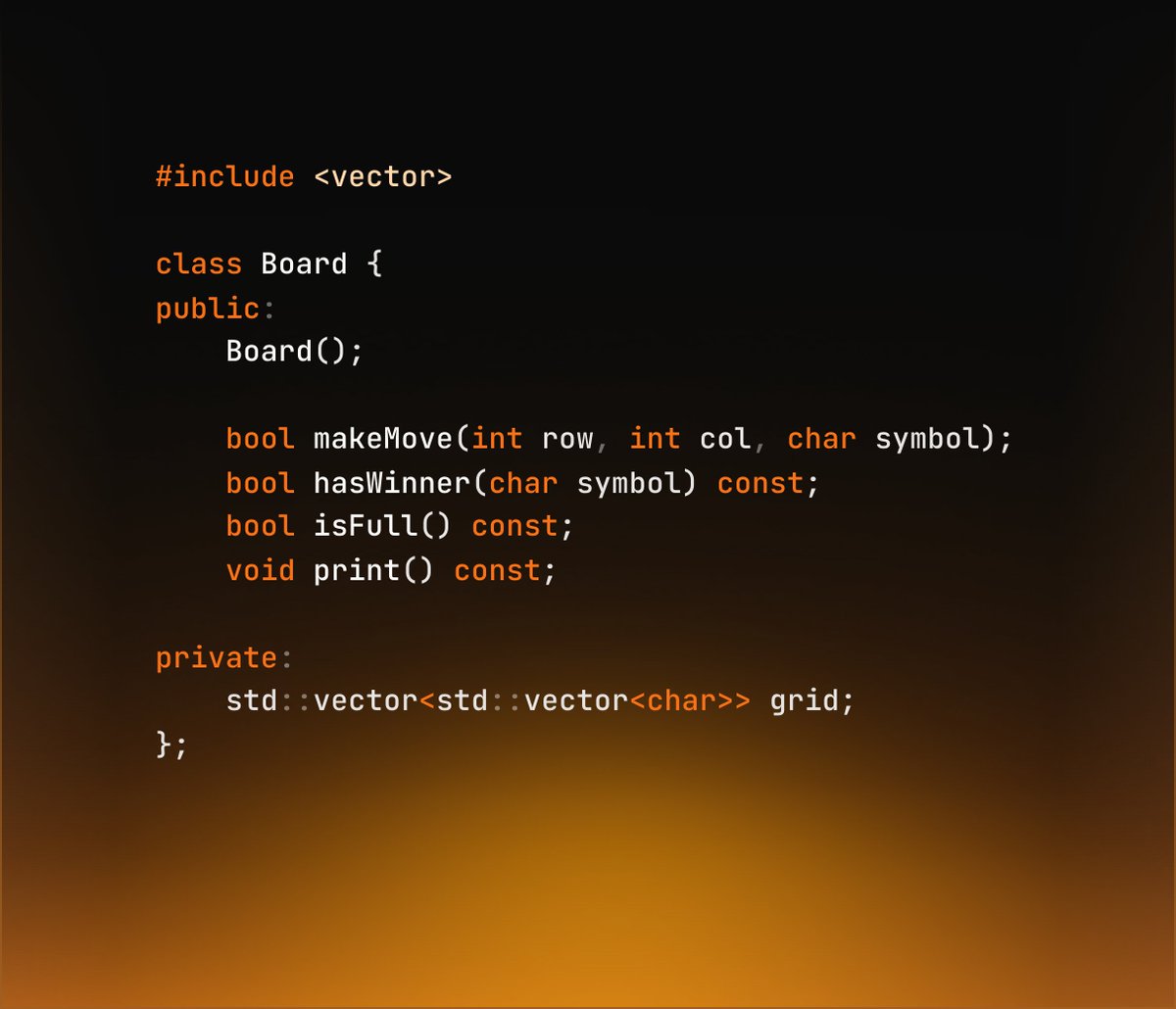
Part 2 of LLD from scratch in C
Yesterday → Custom Vector (memory allocation, resizing, copy/assignment operators, push/pop)
Today → Tic-Tac-Toe
Full code -implementation: github.com/ArthKulkarni93/LL…
Roast it.
Find the bug.
What’s one small change you would make to this Board class for better interview clarity or performance?
#LowLevelDesign #CPlusPlus #InterviewPrep
Feb 23
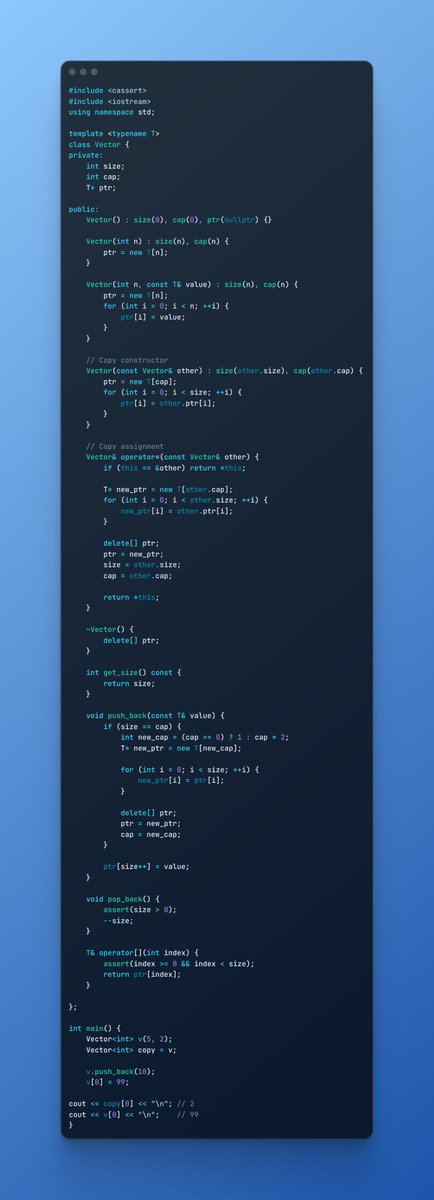
Custom Vector from scratch in C 🔥
Memory allocation, copy ctor, assignment, resizing with doubling, operator[], push_back/pop_back — the full thing.
If anyone's bored, roast this code or point out stupid mistakes pls.
What should I try next — String? List? Something else?
#CPlusPlus #LowLevelDesign #DSA
1
2
175
Feb 23
Custom Vector from scratch in C 🔥
Memory allocation, copy ctor, assignment, resizing with doubling, operator[], push_back/pop_back — the full thing.
If anyone's bored, roast this code or point out stupid mistakes pls.
What should I try next — String? List? Something else?
#CPlusPlus #LowLevelDesign #DSA
Feb 19

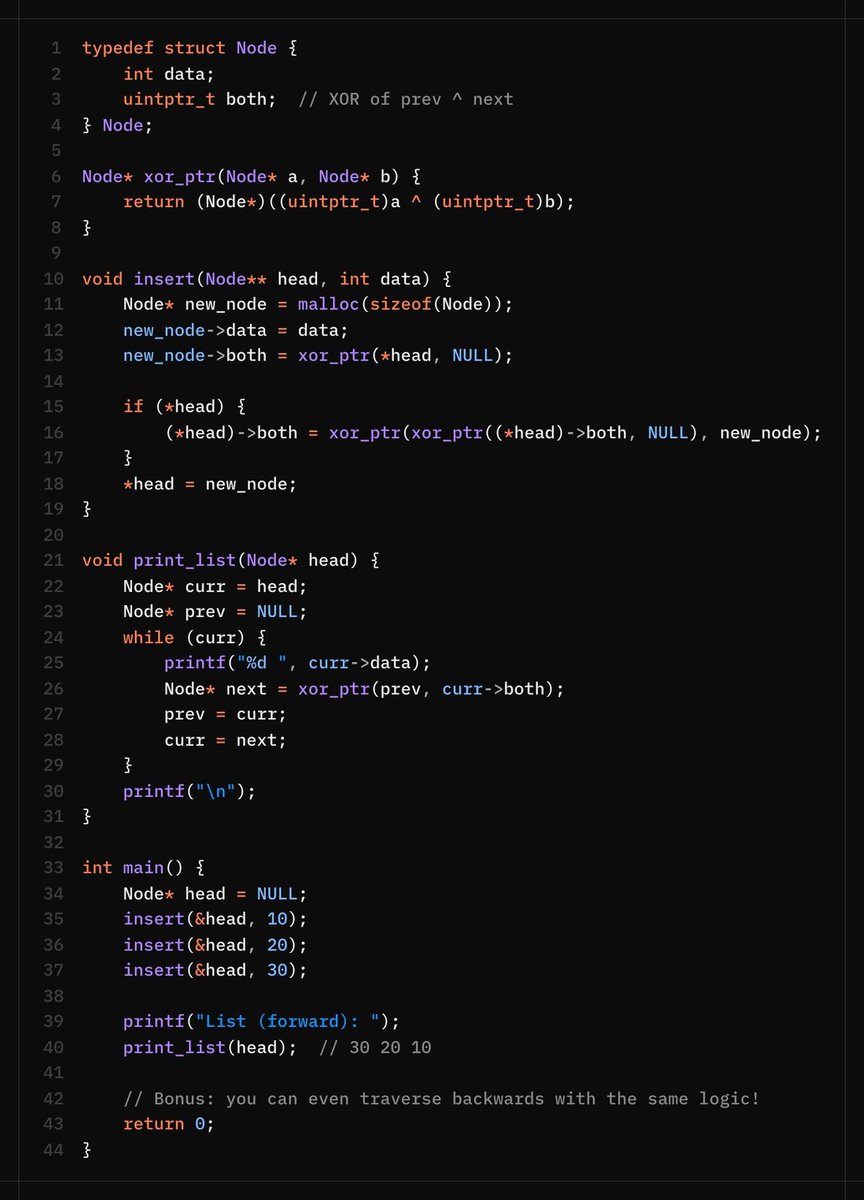
Memory-efficient doubly linked list using XOR of pointers (advanced, tricky).
1
3
540
Feb 22
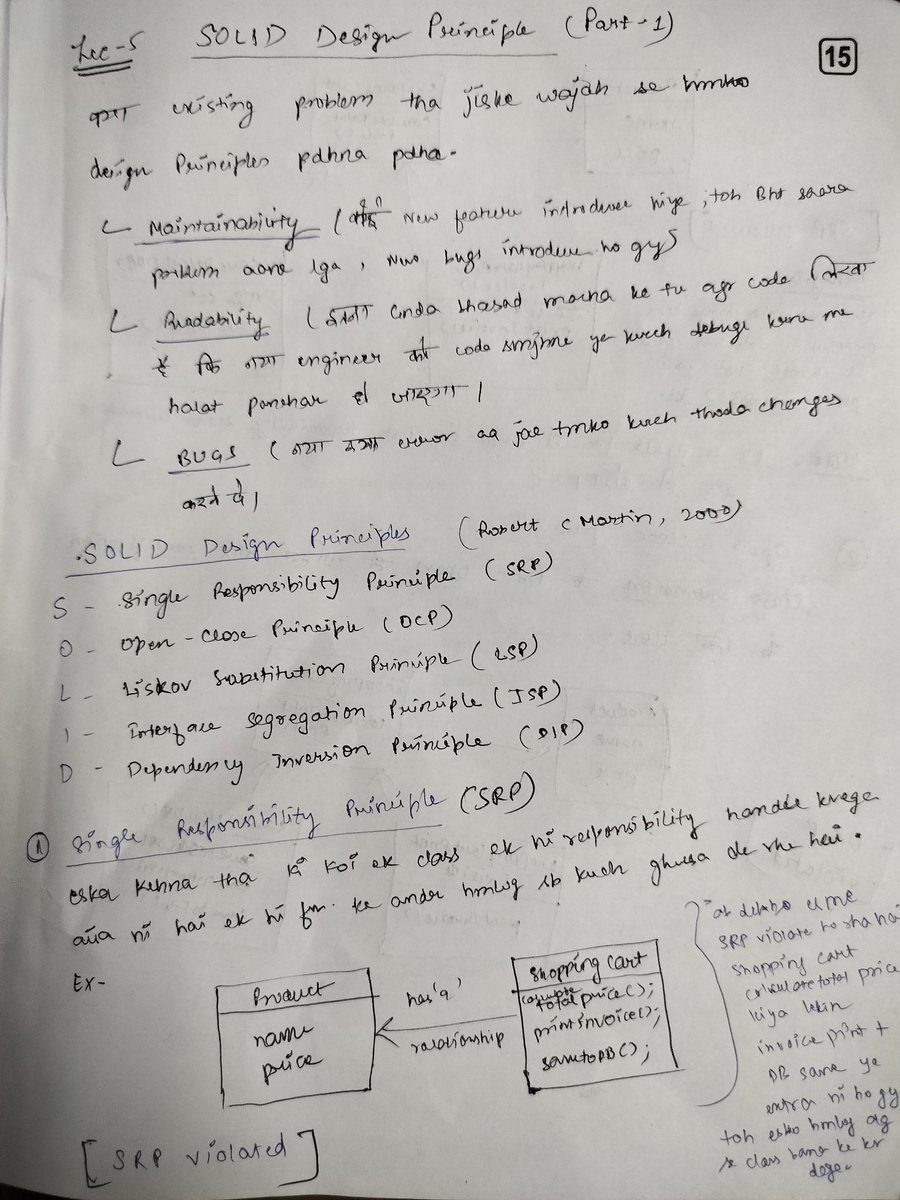
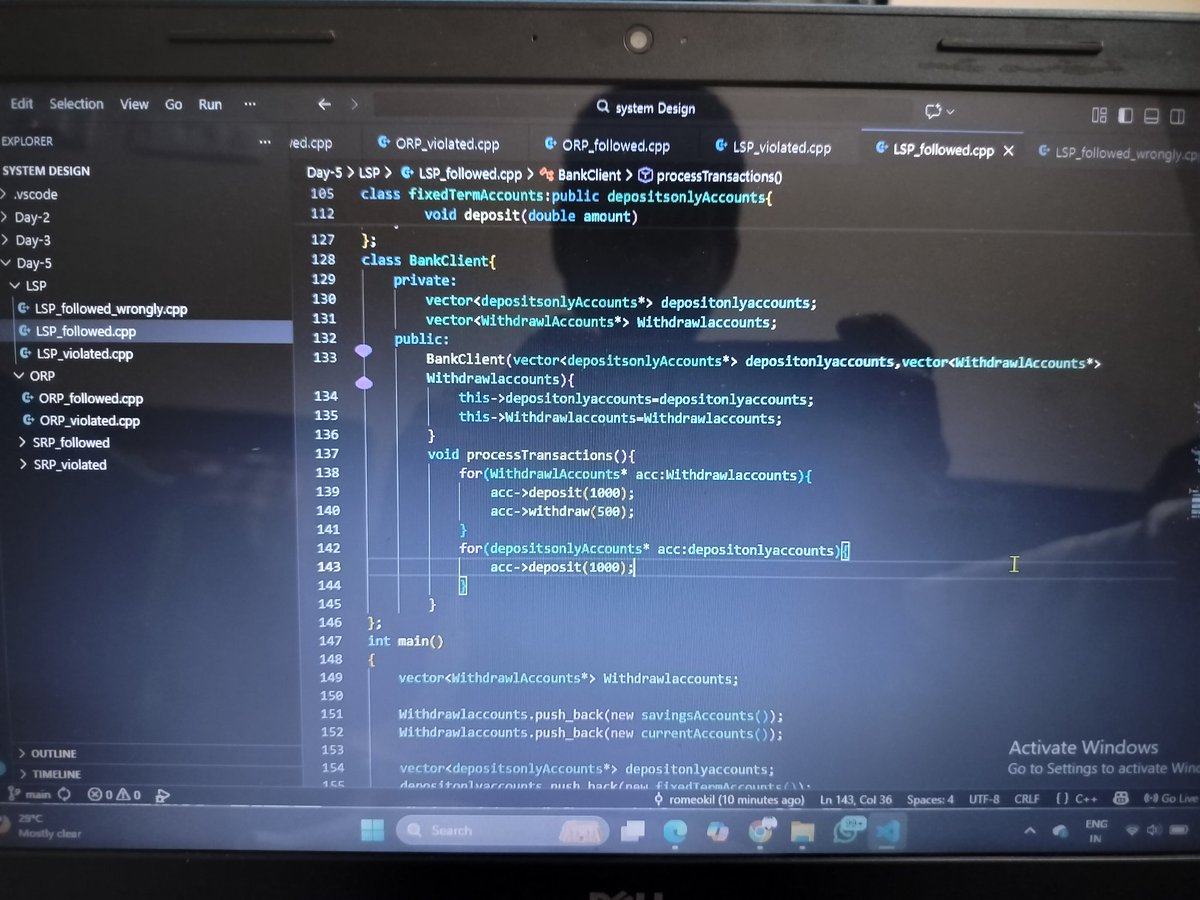
Day-5 (System Design/ low level Design)
Solid design Principle( SRP, OCP,LSP)
@CoderArmy @rohit_negi9 @lowleveldesign
#SystemDesign
#LearnIn
1
5
82
Jan 25
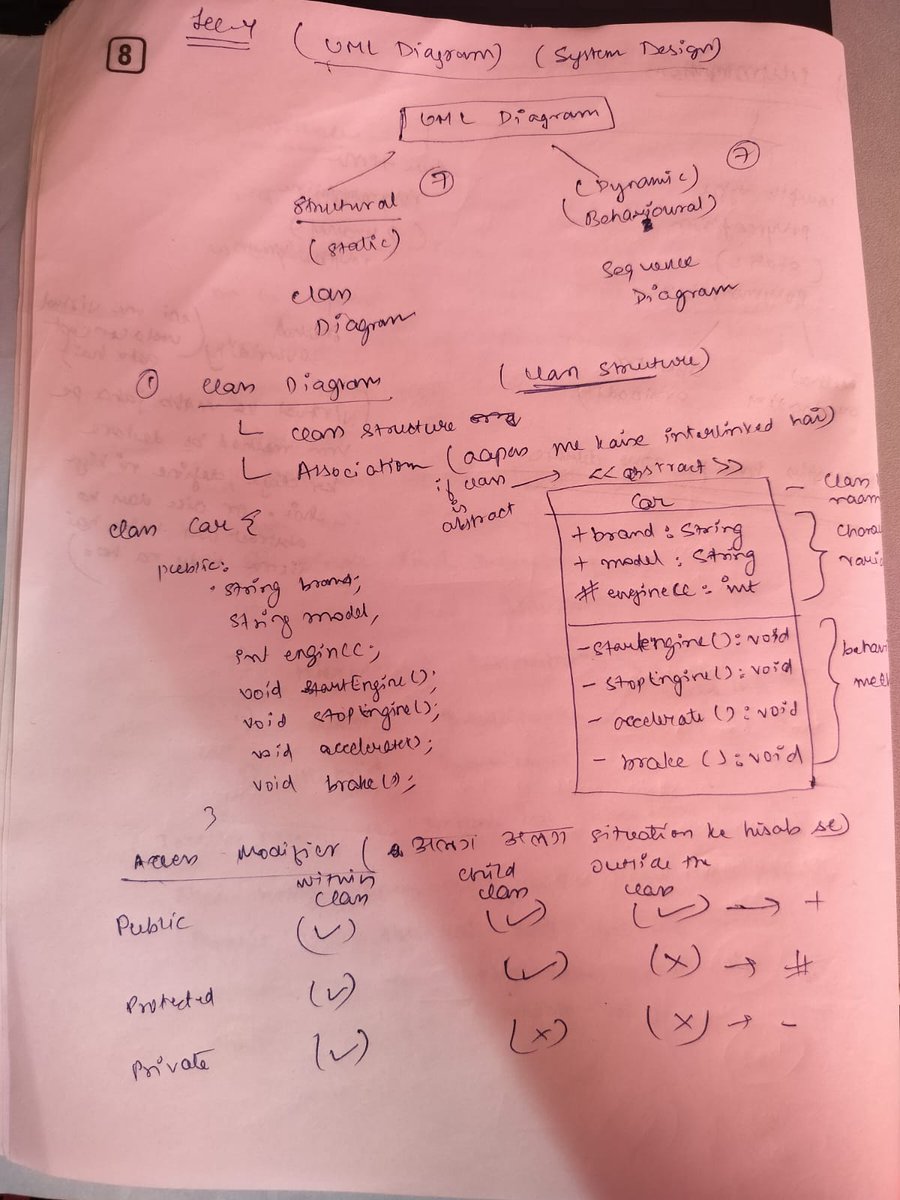
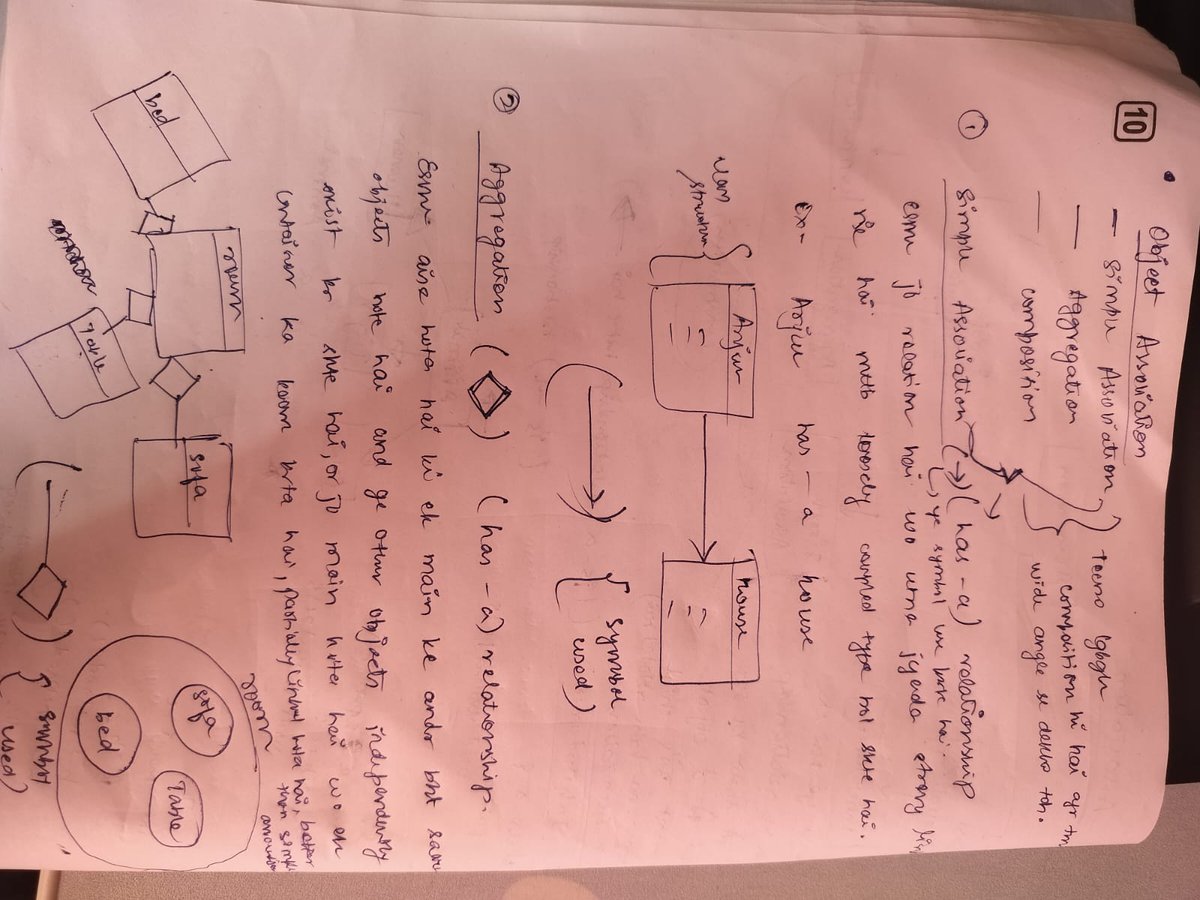
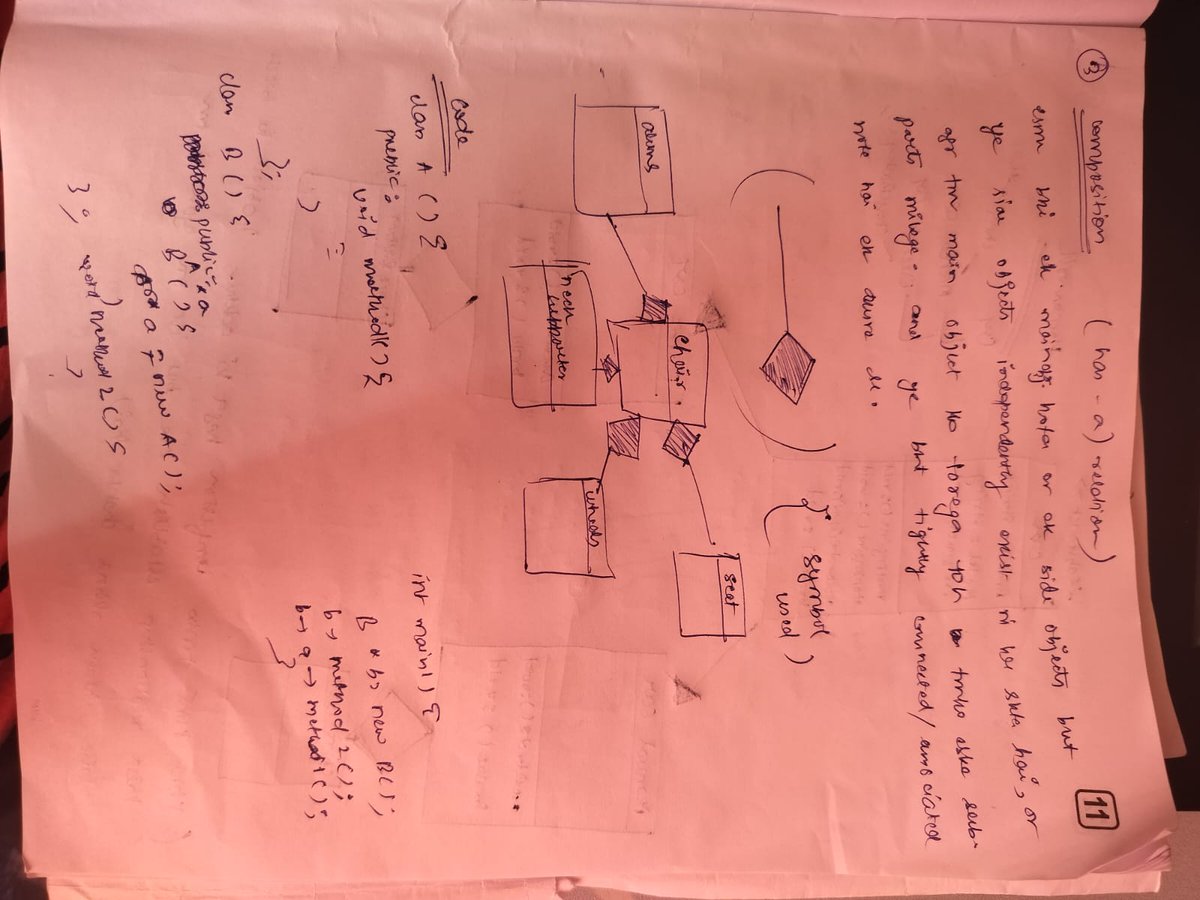
Day-4(System design/low-level Design)
UML Diagrams.
@CoderArmy @rohit_negi9 @lowleveldesign
#SystemDesign #LearningInPublic

1
4
75
Jan 24
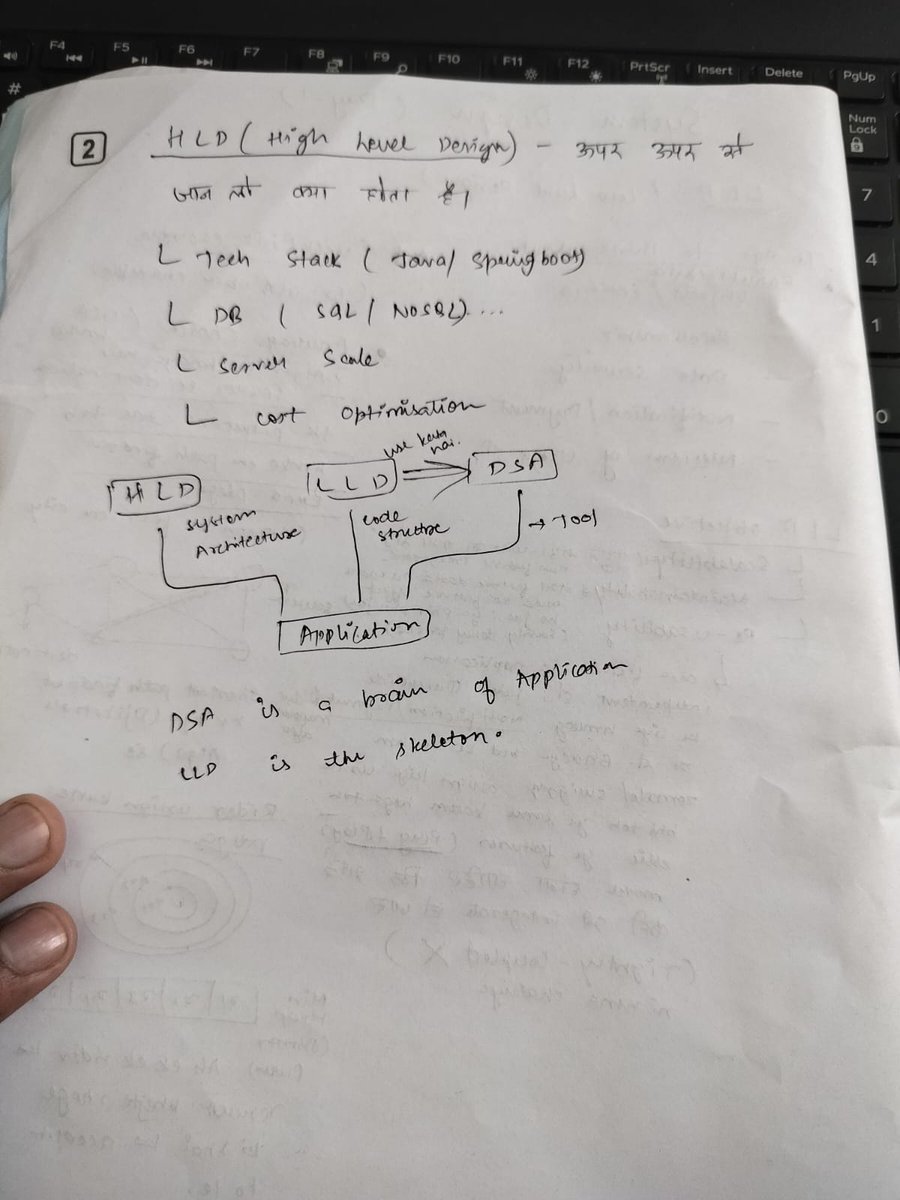
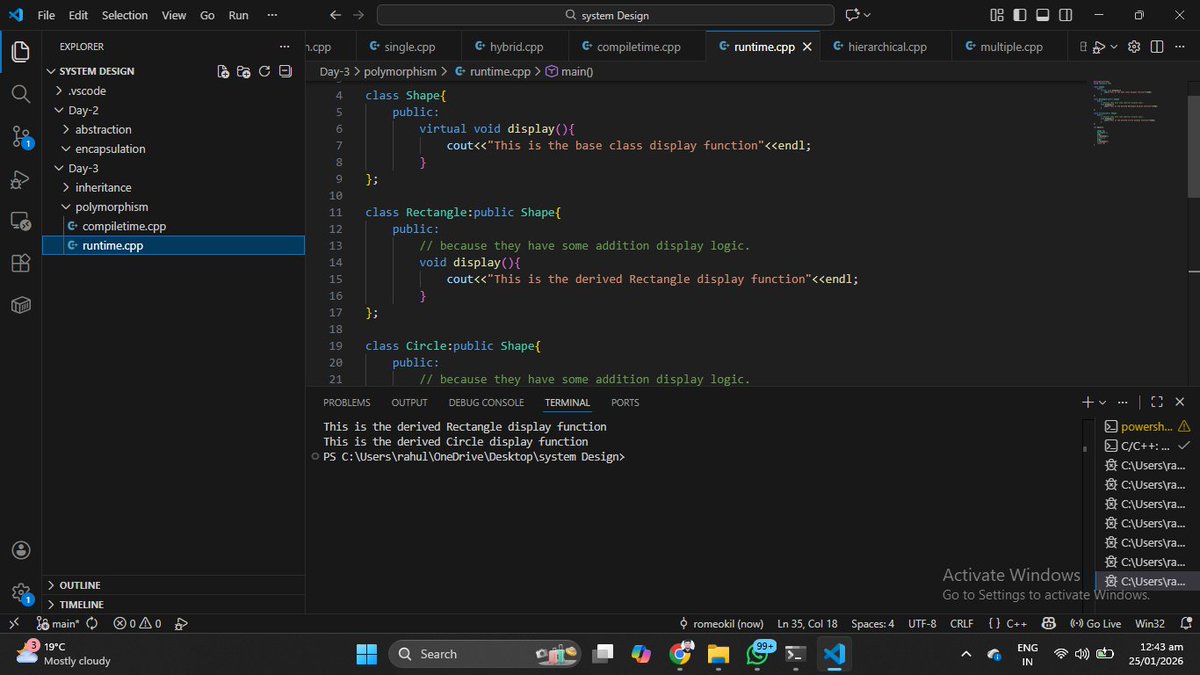
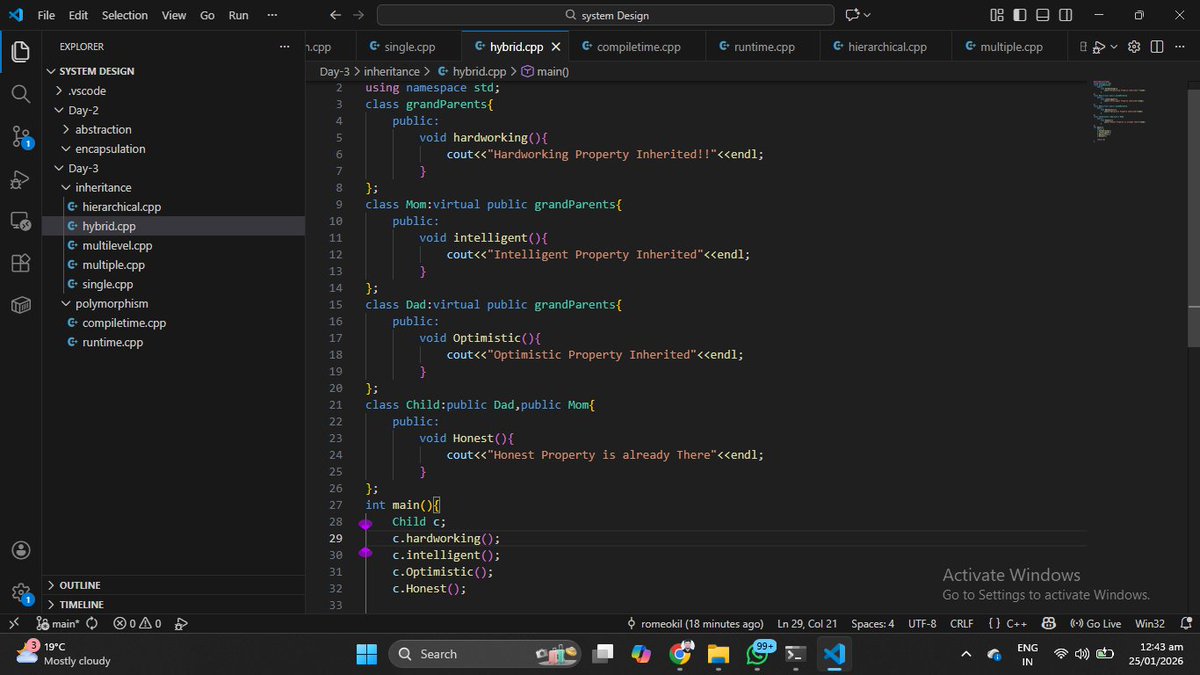
Day-3
Pillars of OOPS(Continue..)
Inheritance, Polymorphism.
@CoderArmy @rohit_negi9
#SystemDesign
@lowleveldesign
#LearningInPublic
1
6
69
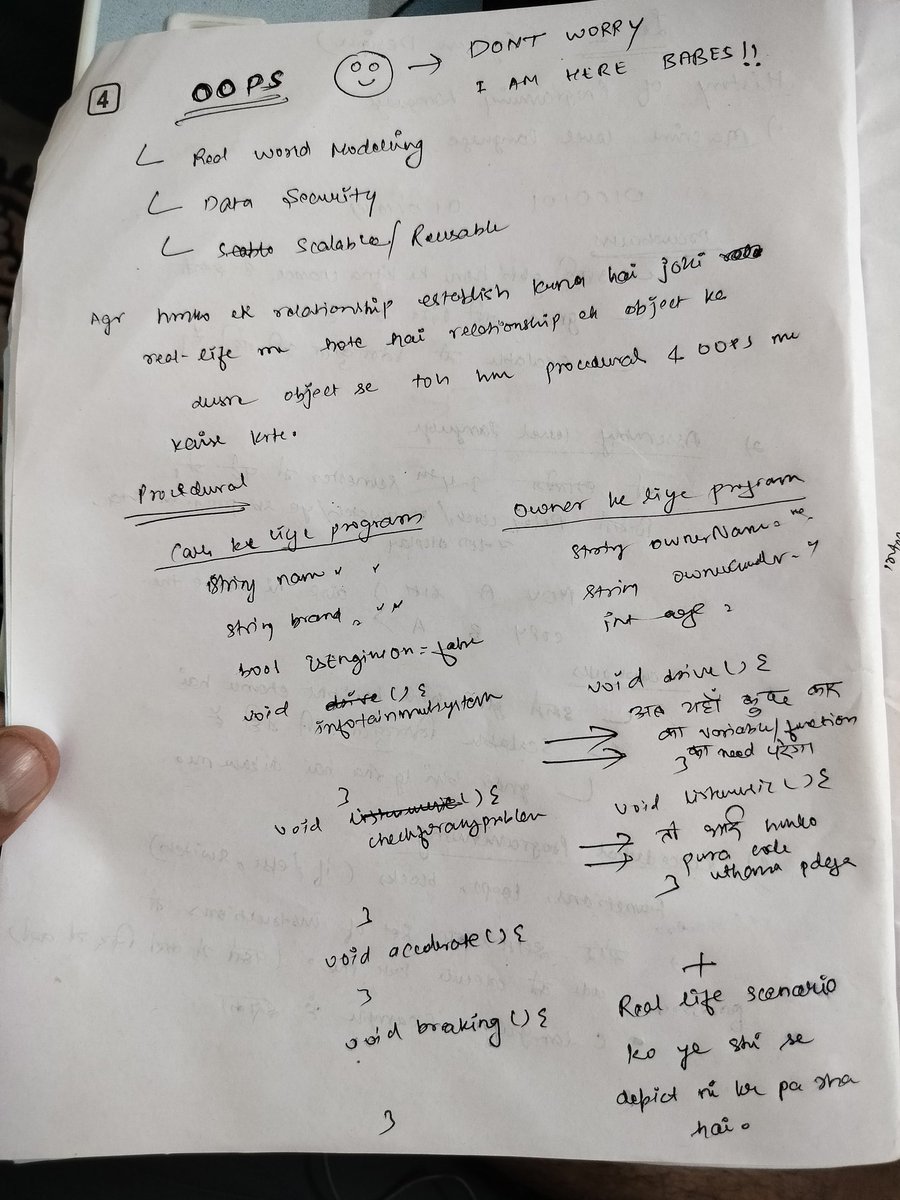
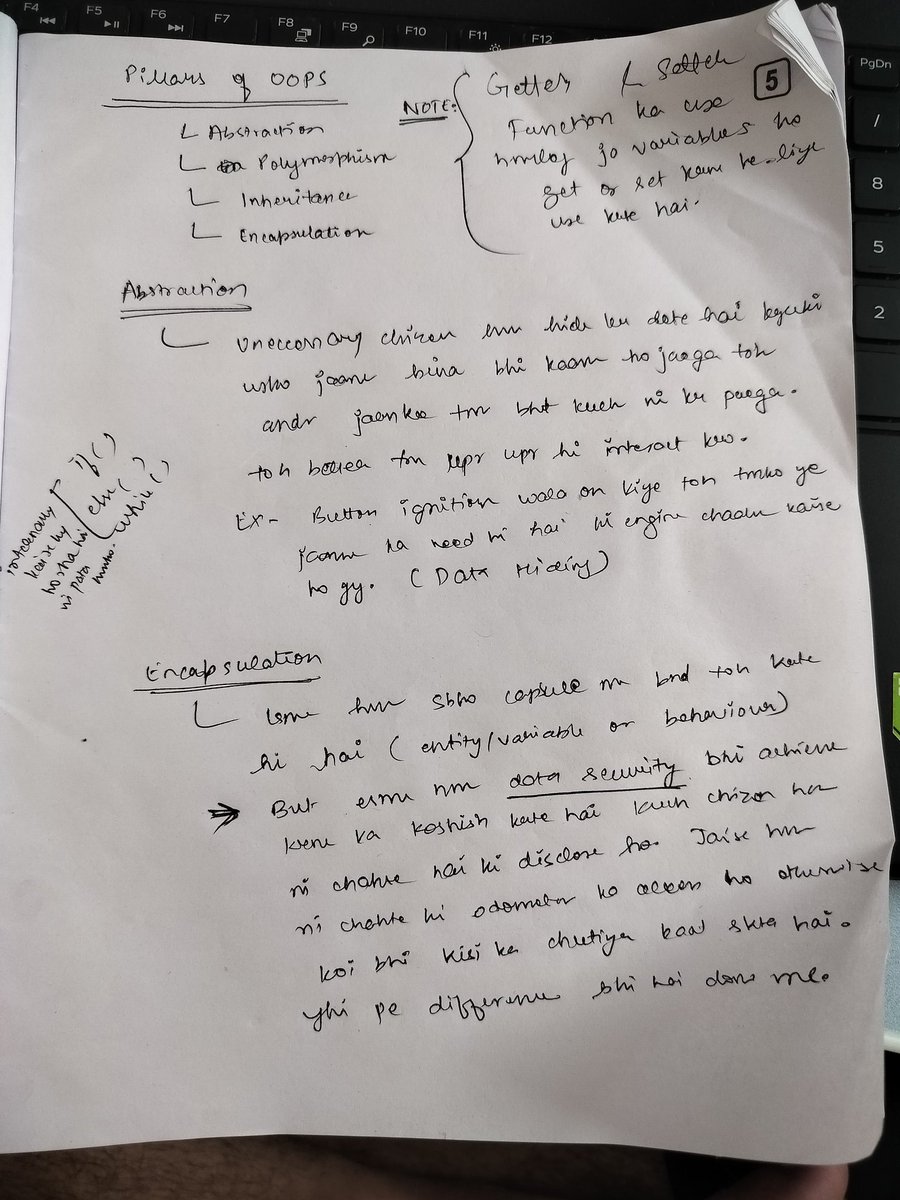
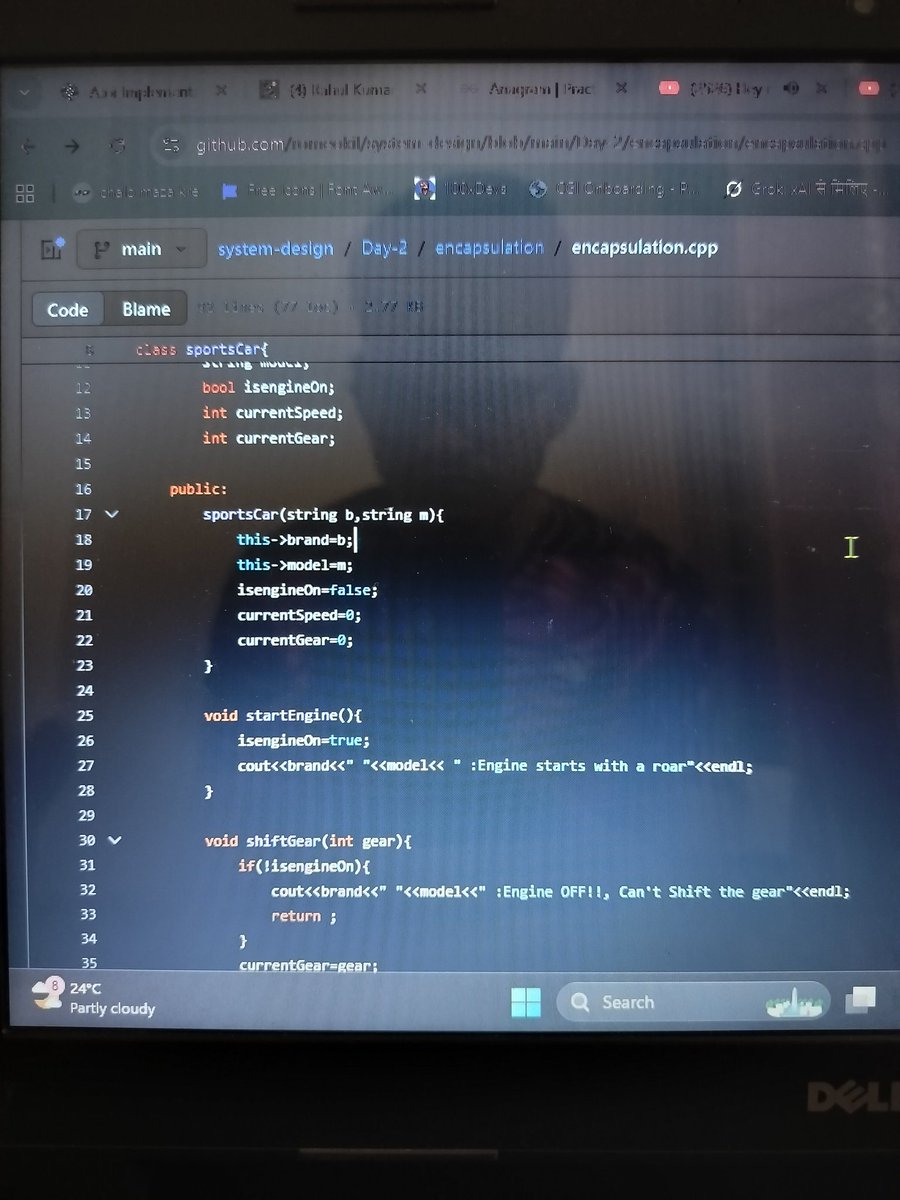
Jan 15
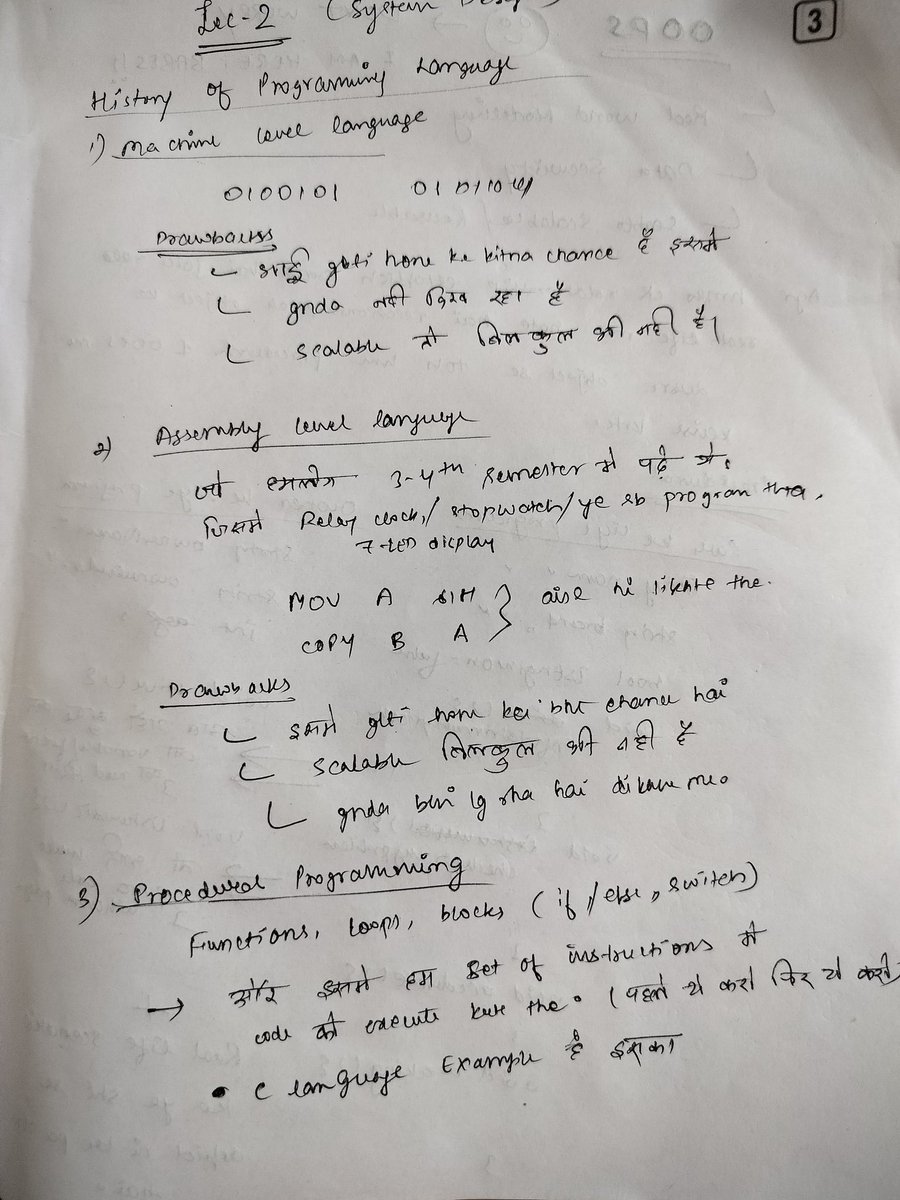
Day-2
Pillars of OOPS
abstraction, encapsulation
@CoderArmy @rohit_negi9
#systemDesign
#LowLevelDesign
#LearnInPublic
1
6
134
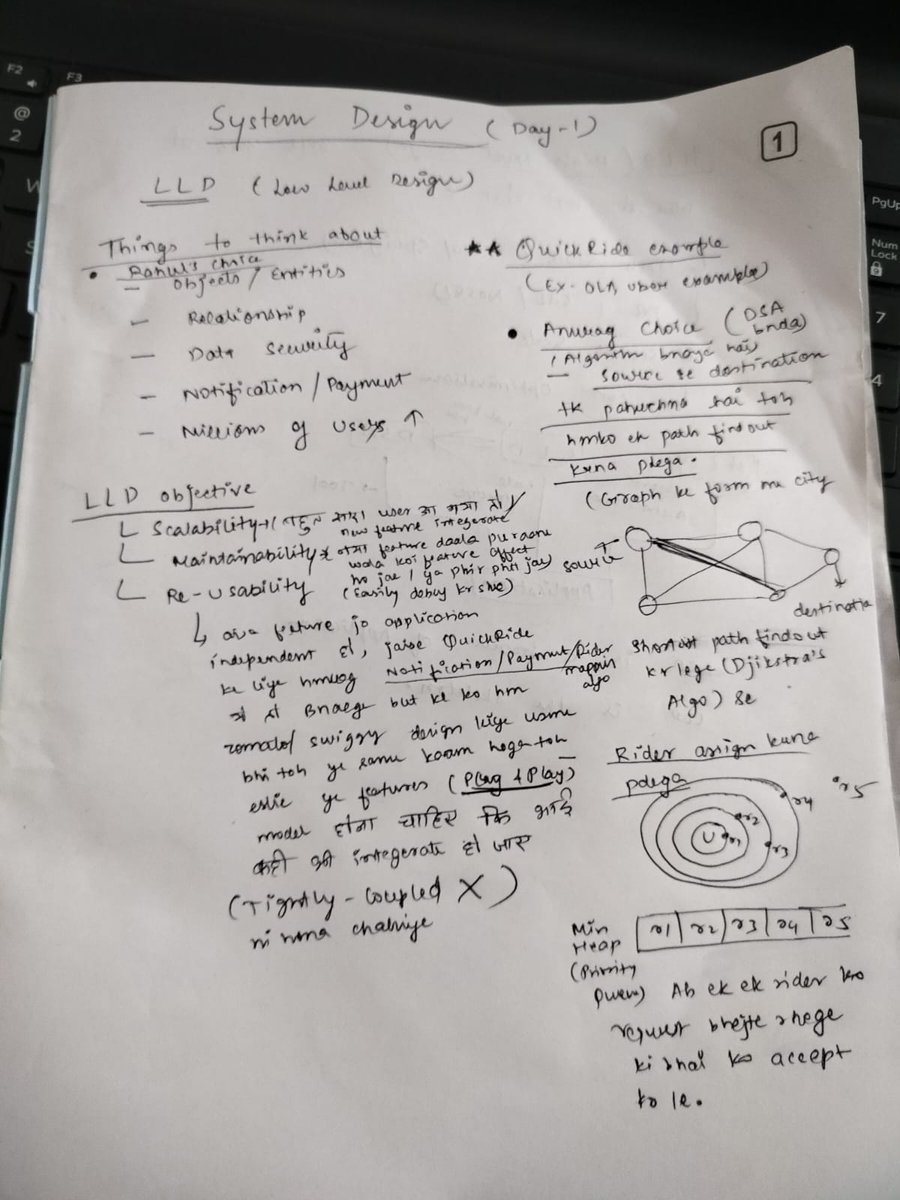
Jan 11
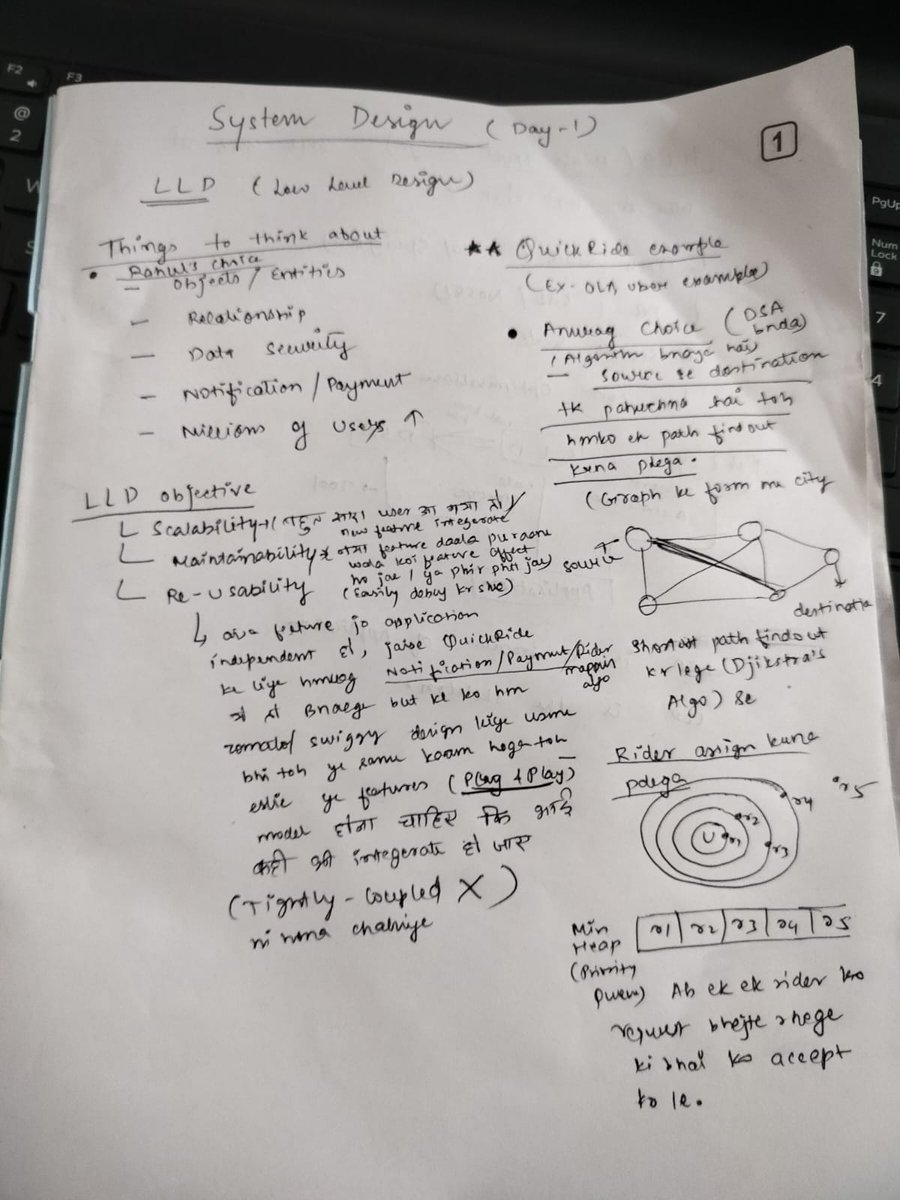
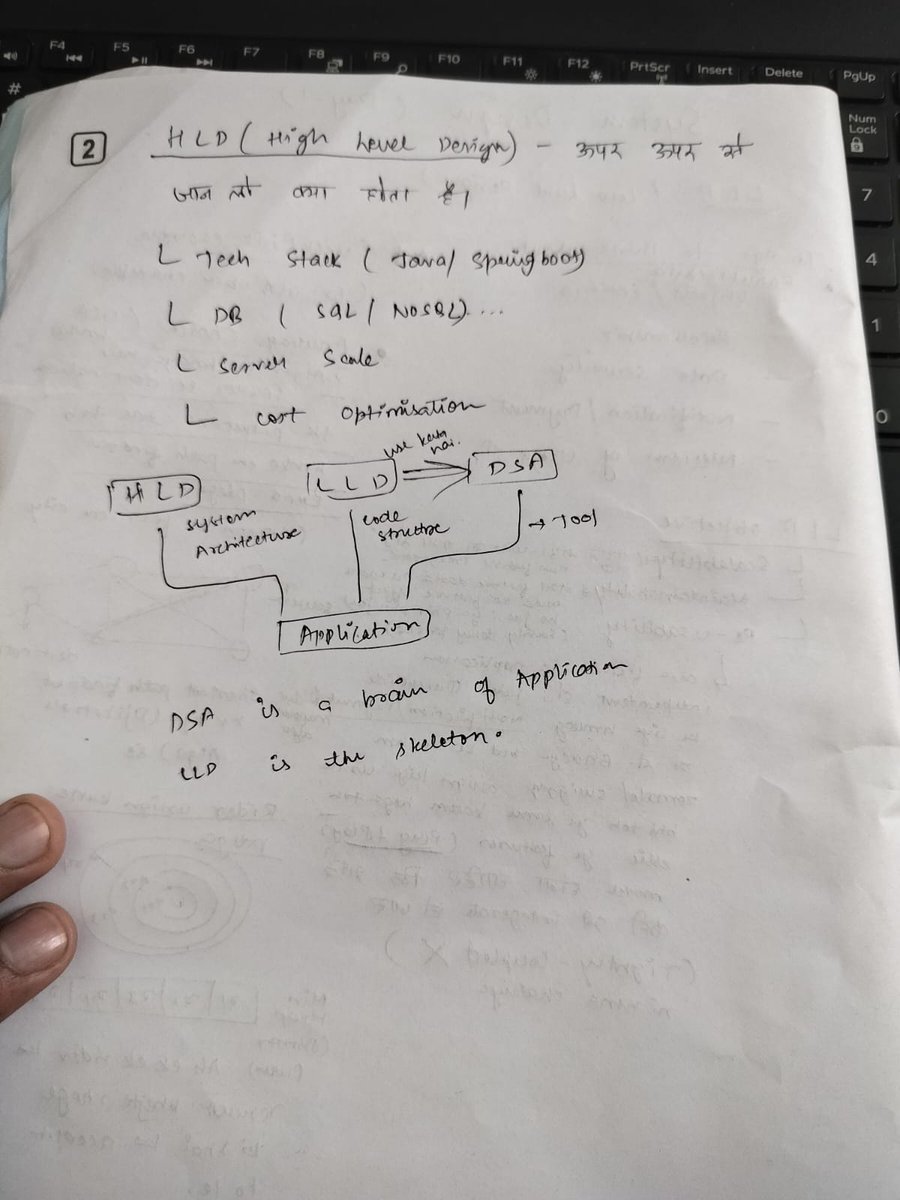
Starting My System Design Journey.
Day-1 Introduction LLD.
@CoderArmy @rohit_negi9
#SystemDesign
#LowLevelDesign
#LearnInPublic
1
7
197

26 Oct 2025
Day 4 Dev Vlog
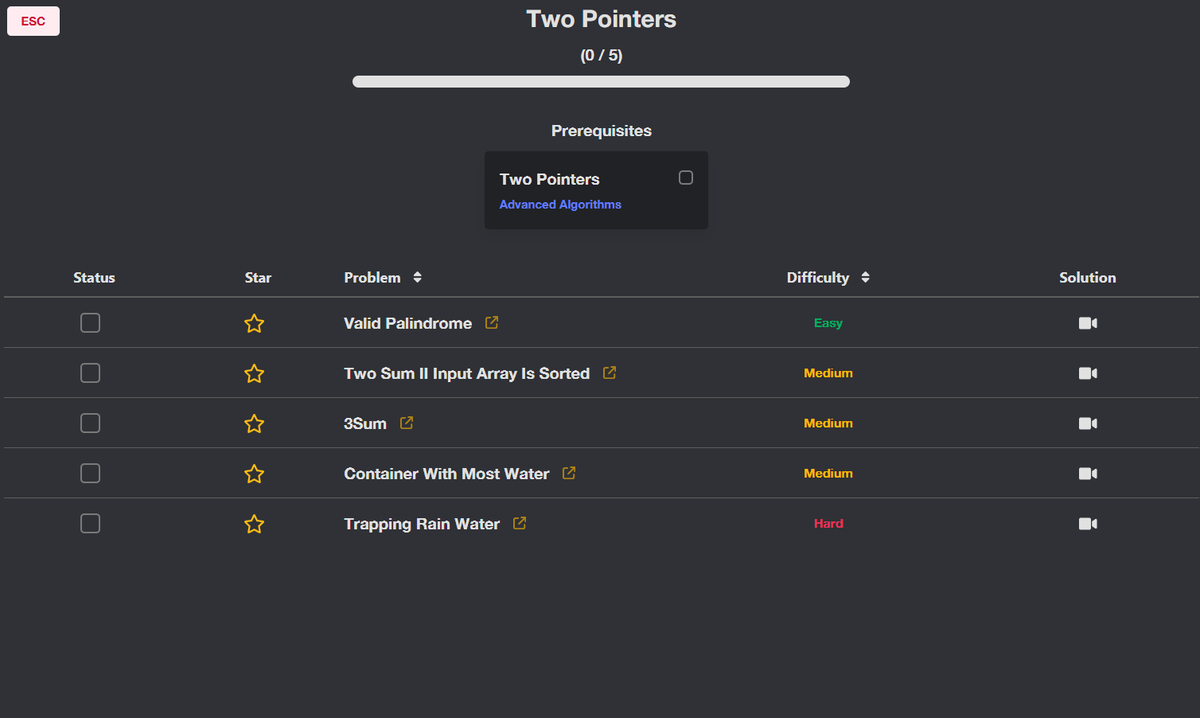
Started Two Pointers in NeetCode
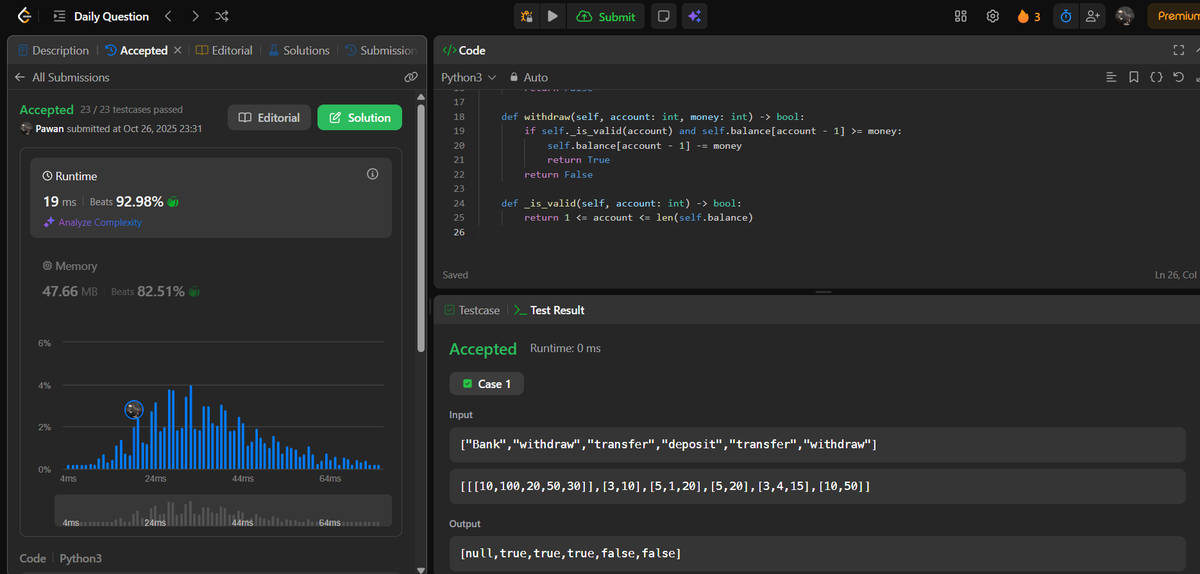
Did a lot of LeetCode grinding, also finished LeetCode POTD ✅
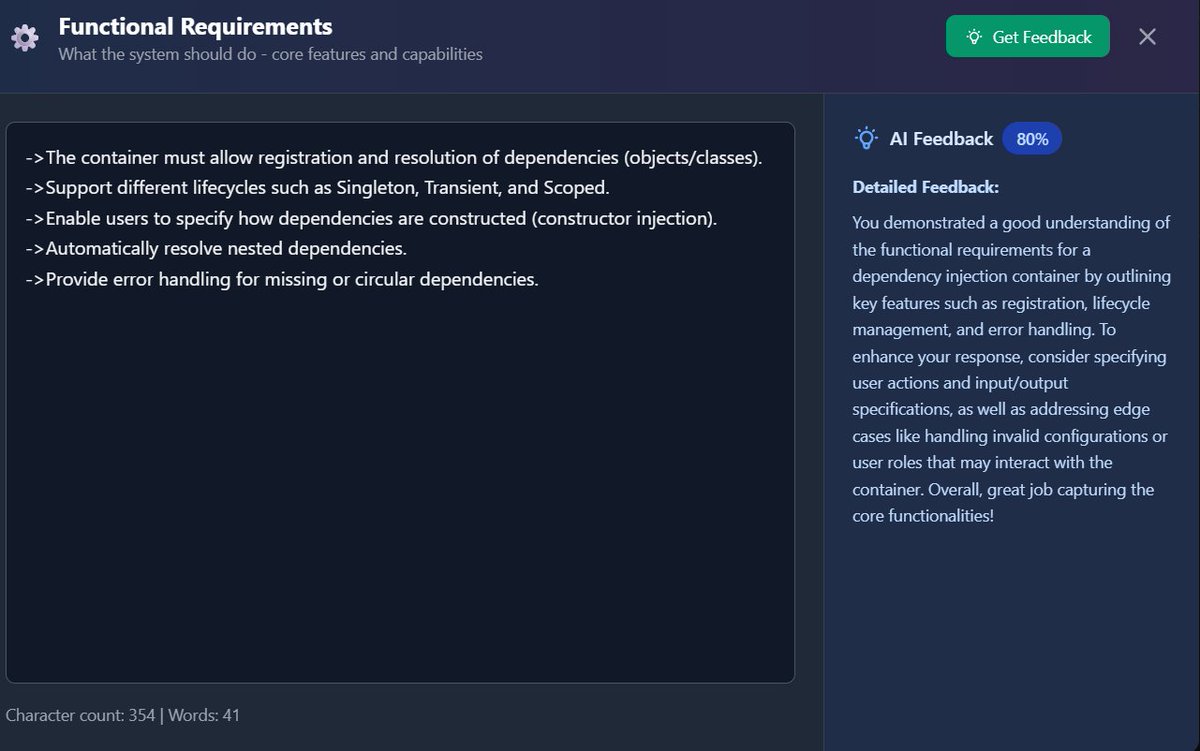
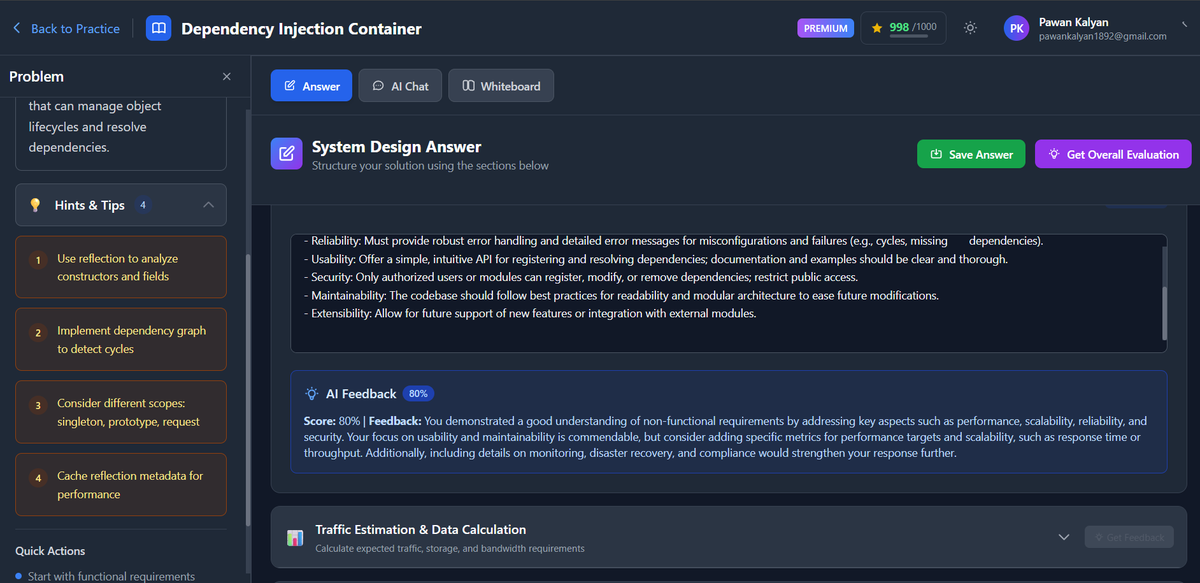
Attempted a hard-level LLD question from classif.in failed miserably but learned a lot
#100DaysOfCode #Day4 #DevVlog #CodingJourney #NeetCode #TwoPointers
#LeetCode #LeetCodePOTD #DSA #LowLevelDesign #LLD
#ClassifIn #Programming #SoftwareEngineering #GrowthMindset
#FailForward #LearnToWin #CodeNewbie #Developer #DailyCoding #CodingLog
#codingcommunity
1
8
233

22 Sep 2025
(Leave from office) --> (! leave from learning)
Productive day so far:
-2 graph problems done (needed a hint on one)
-Read about SOLID principles LLD
-Next up: Rust
-Ending the day with some SaaS work
#LowLevelDesign #DSA #SaaS #Rust #BuildInPublic
1
3
77

17 Sep 2025
Give me 10 seconds,
I’ll explain and end this debate on concurrency and parallelism.
People often think concurrency and parallelism are the same.
They’re not.
- Concurrency = working on many tasks by quickly switching between them.
- Parallelism = doing many tasks at the exact same time.
Concurrency looks like parallelism, but slows down if there are too many tasks (because each one has to wait its turn).
Parallelism can be fast, but only if tasks don’t get in each other’s way.
To really scale, you need both together.
How to do it:
1.Sync – use simple rules so tasks don’t fight over the same resource.
2.Go lock-free – in Go, goroutines run tasks in parallel, and channels let them talk safely.
3.Good design – servers use load balancers, event-driven models, or thread pools to handle lots of requests smoothly.
#lld #lowleveldesign
10
974

3 Sep 2025
Adding on to my last post about the Builder pattern.....
But what if you want to add features dynamically after creating your object?
Enter the Decorator pattern..
Instead of locking in features at construction, Decorator lets you wrap an object with new abilities like extra cheese, olives for your pizza on the fly 🍕
Perfect when:
You want flexible, runtime upgrades
Need to combine features in any order at any time
Decorator = Extension, Builder = Construction.
How have you used or seen the Decorator pattern in real life or code? Drop your examples or questions below!👇
#DesignPatterns #LowLevelDesign #SoftwareEngineering
26 Aug 2025

Just finished @striver_79's Builder Pattern lecture.
Core takeaway:
The Builder pattern really shines when you have classes (like Pizza) with a few mandatory fields (e.g., type and veg/non-veg), but also plenty of optional features (like cheese, extra toppings, size).
Instead of stuffing everything into one huge constructor or setting default values everywhere, you break the object creation into clear, stepwise parts. You must specify what’s truly necessary and you pick optionals only if you need them.
Benefits:
- Makes object construction clear and manageable
- Helps code stay readable, especially as more options get added
When to use:
- Complex objects with required and many optional fields
When not to use:
- Very simple objects with only a couple of attributes
In summary: Builder pattern is best when you want strict control over required fields and flexible configuration for optional ones
7
174
28 Aug 2025
Abstract Factory Pattern:
Problem: Need to create families of related objects (like payment gateways invoice formats) without hardcoding their classes?
Solution: Use Abstract Factory!
- Provides an interface to create related objects
- Keeps creation logic out of your business code
- Makes your app easier to scale and maintain.
Just add a new factory for each context (region, theme, etc.)
Real-life: Building a global checkout service
With Abstract Factory, you can swap India/US gateways invoices with zero changes to your main code!
#LowLevelDesign #DesignPatterns #SystemDesign #AbstractFactory
26 Aug 2025
Just finished @striver_79's Builder Pattern lecture.
Core takeaway:
The Builder pattern really shines when you have classes (like Pizza) with a few mandatory fields (e.g., type and veg/non-veg), but also plenty of optional features (like cheese, extra toppings, size).
Instead of stuffing everything into one huge constructor or setting default values everywhere, you break the object creation into clear, stepwise parts. You must specify what’s truly necessary and you pick optionals only if you need them.
Benefits:
- Makes object construction clear and manageable
- Helps code stay readable, especially as more options get added
When to use:
- Complex objects with required and many optional fields
When not to use:
- Very simple objects with only a couple of attributes
In summary: Builder pattern is best when you want strict control over required fields and flexible configuration for optional ones
7
260