
10 Nov 2025
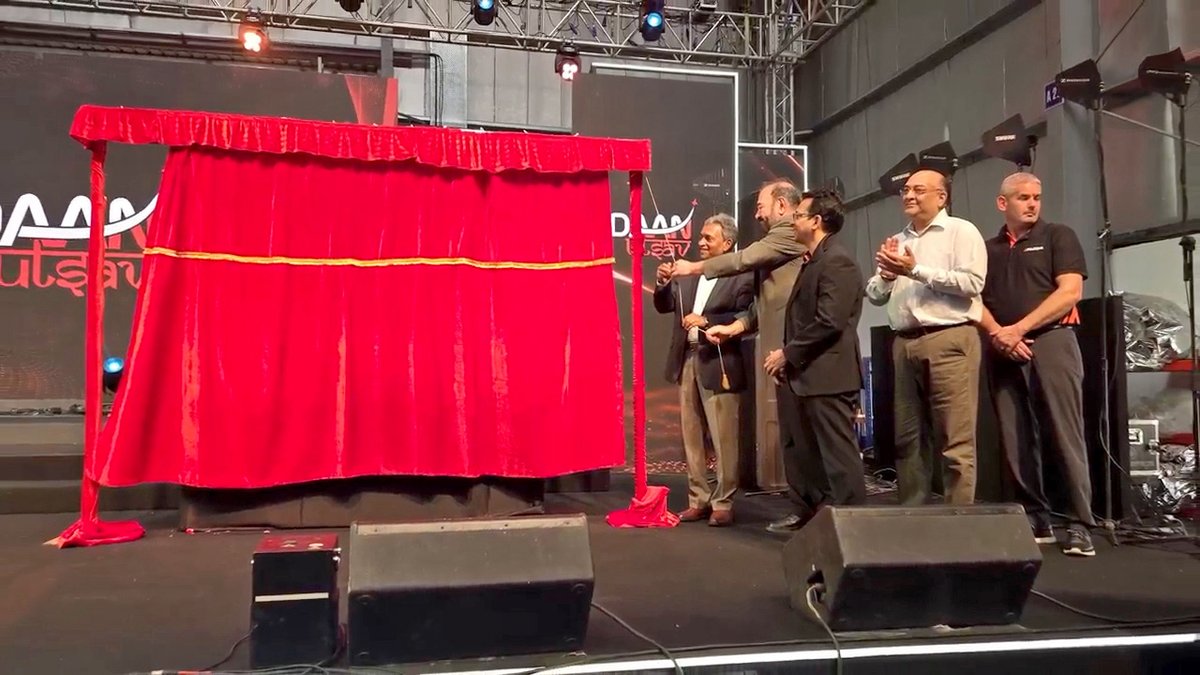
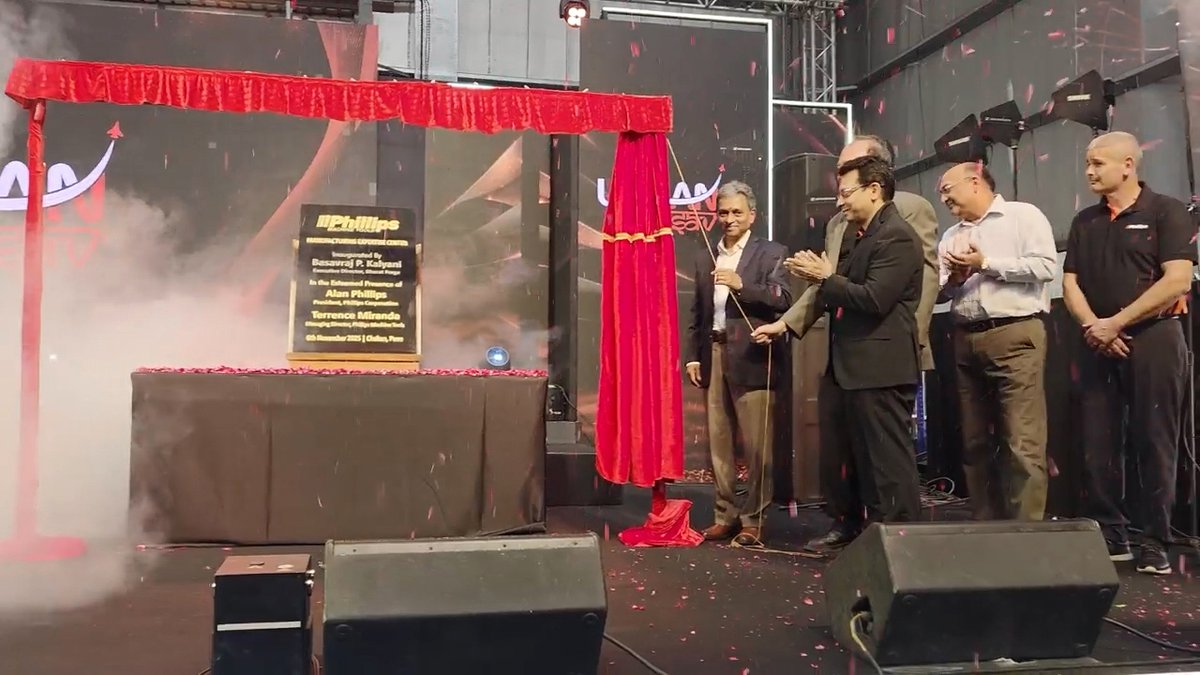
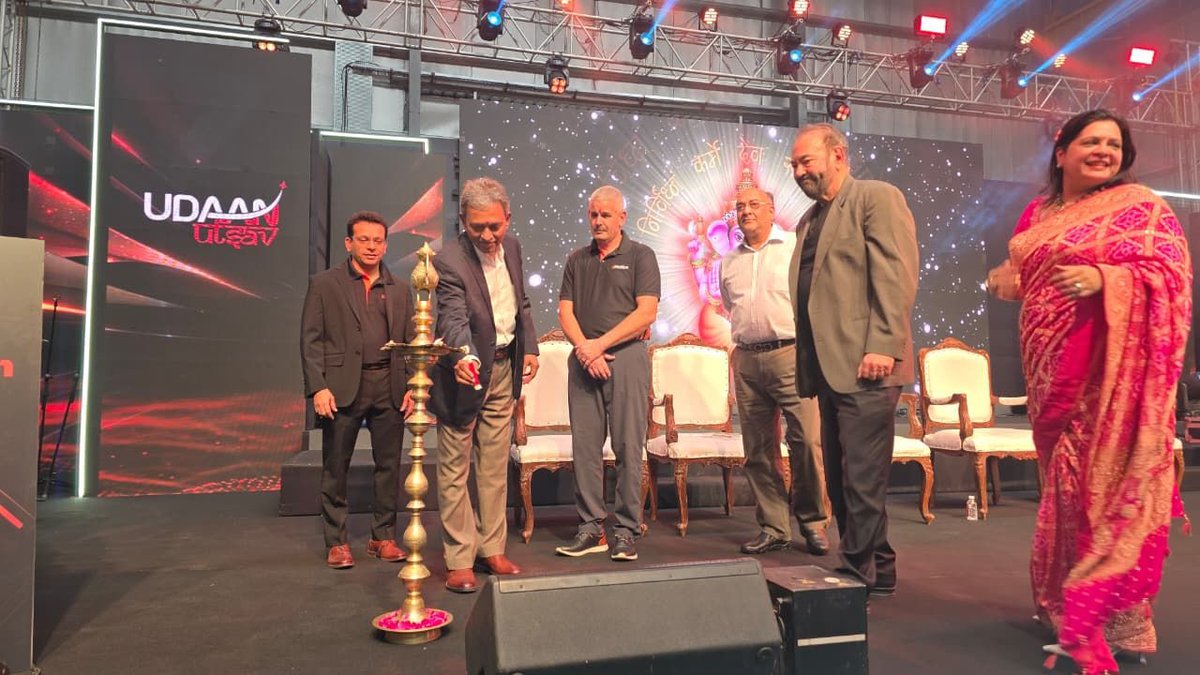
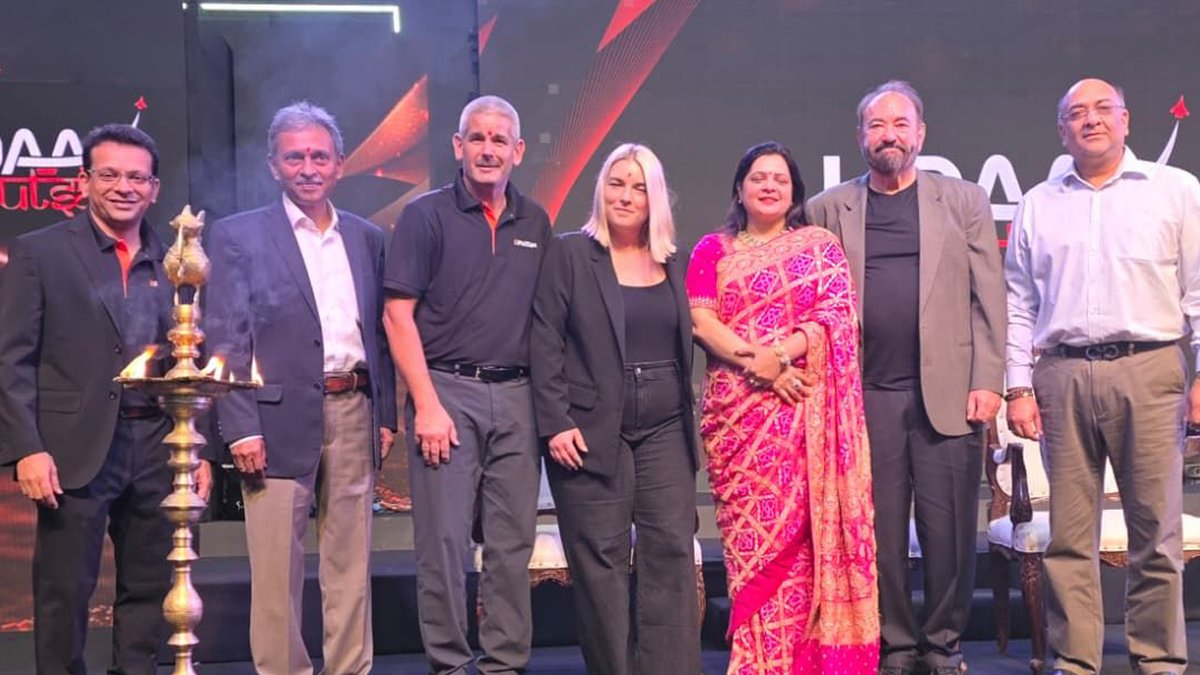
Mr. Basavraj Kalyani, Executive Director of #Bharatforge Ltd., was invited as the Chief Guest to inaugurate the Phillips Experience Centre in Chakan, Pune, alongside Mr. Allan Phillips, President of @Phillips_Corp, and Mr. Terrence Miranda, Managing Director of Phillips Machine Tools. Mr. Kalyani was invited for his exemplary leadership and contribution to advancing India’s manufacturing and technology sectors. His efforts in driving innovation, fostering global collaborations, and strengthening India’s industrial capabilities perfectly align with the vision and purpose behind the Phillips Experience Centre. Mr. Kalyani's presence inspired not only the Phillips team but also the hundreds of manufacturers, technology partners, and young engineers who gathered for this celebration of Indian manufacturing excellence as part of Udaan Utsav 2025.
#BasavrajKalyani #BabaKalyani #AmitKalyani #Innovation #ManufacturingExcellence #PhillipsMachineTools #TechnologyLeadership #MakeInIndia #ForgingAhead #WeAreBharatForge #PhillipsExperienceCentre #Aarohan2025 #UdaanUtsav #Innovation #GrandOpening #Engineering #MachineMaker
5
487

30 Oct 2025
A Profile in Leadership, Cast in Resilience:
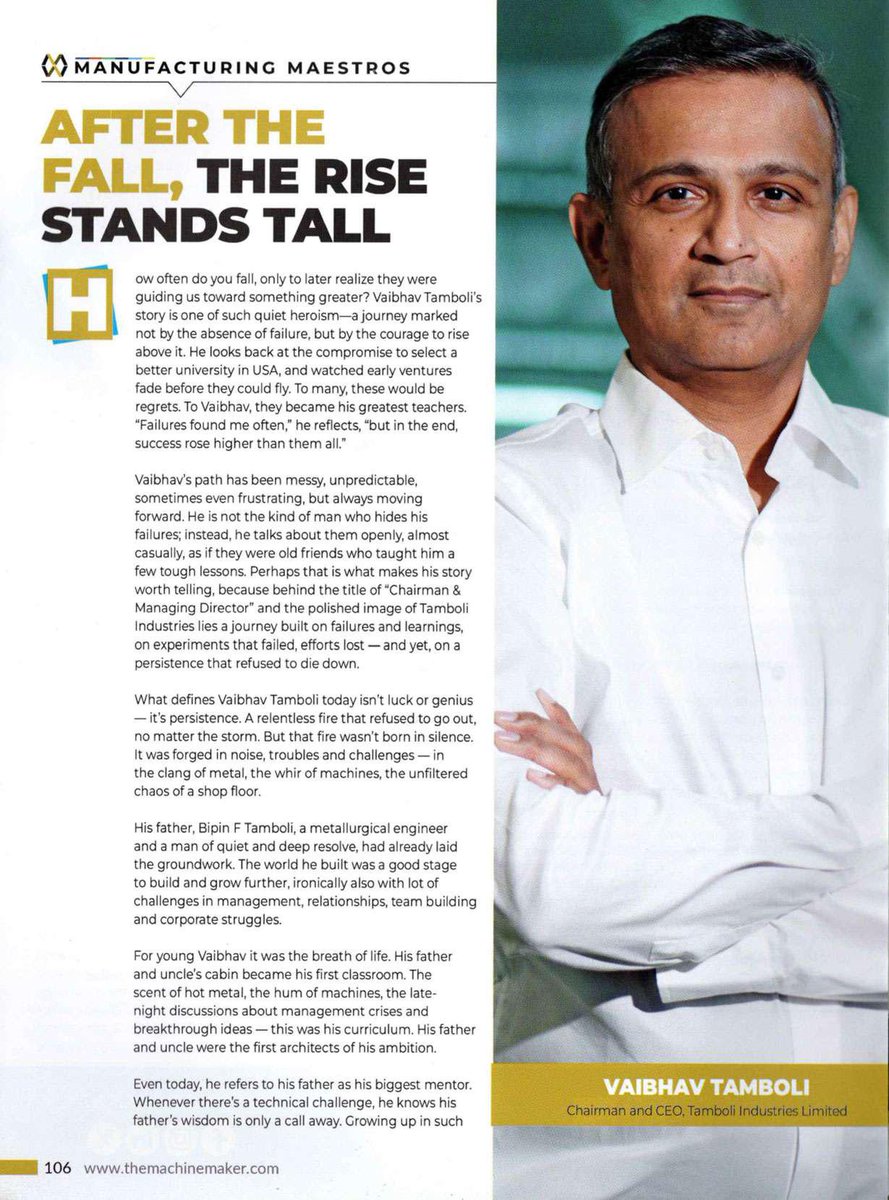
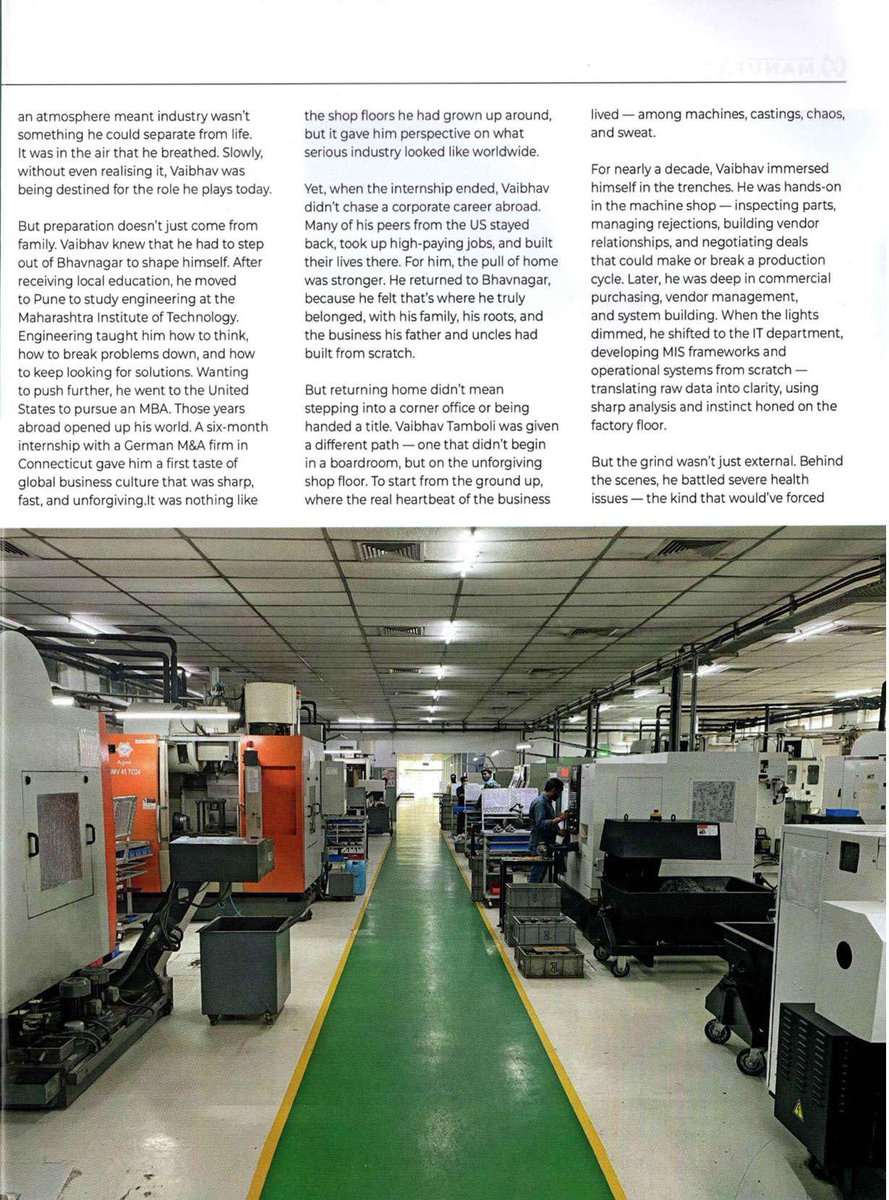
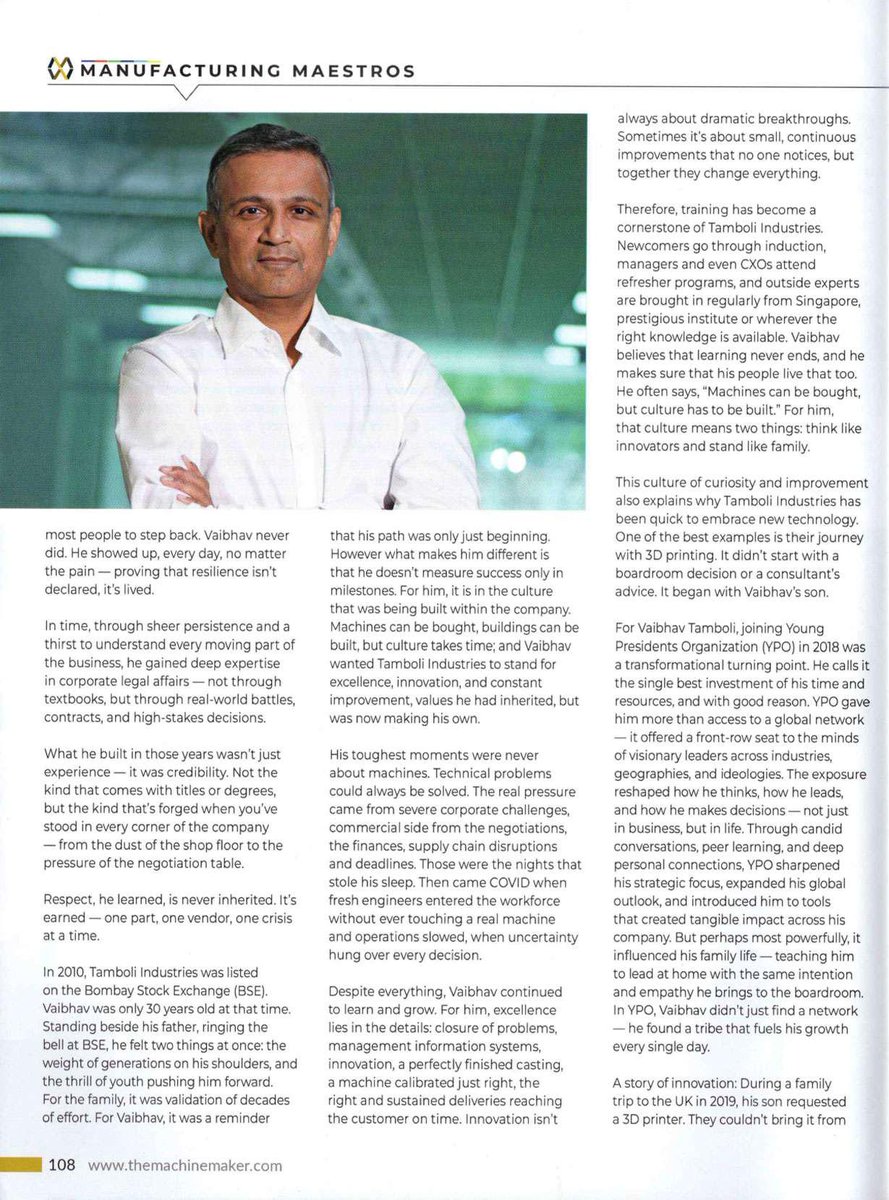
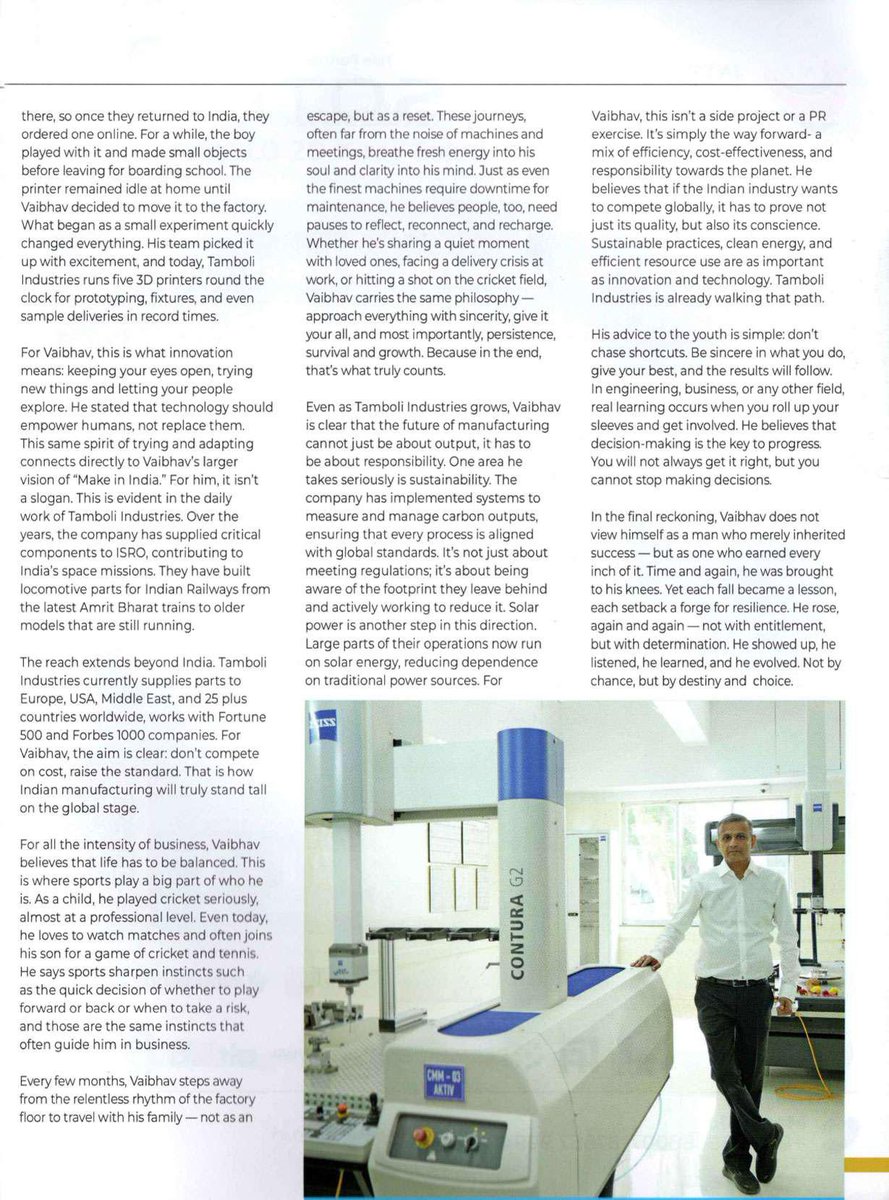
Discover the compelling narrative of Mr. Vaibhav Tamboli (@Veebeebhai ), Chairman and Managing Director of Tamboli Industries Ltd., in the latest edition of Manufacturing Maestros @themachinemaker .
Honored as one of Gujarat's eight standout Manufacturing Maestros, his journey is a masterclass in tenacity. This profile charts his remarkable story, detailing how an unwavering innovative spirit and resolute leadership transformed challenges into a legacy of manufacturing excellence.
Delve into the full feature to be inspired by a true architect of industry.
@YPO
@Tamboli_TCL
#ManufacturingMaestros #MachineMaker #VaibhavTamboli #TamboliIndustries #Leadership #IndustrialInnovation #Resilience #MakeInIndia
2
5
179

31 May 2025
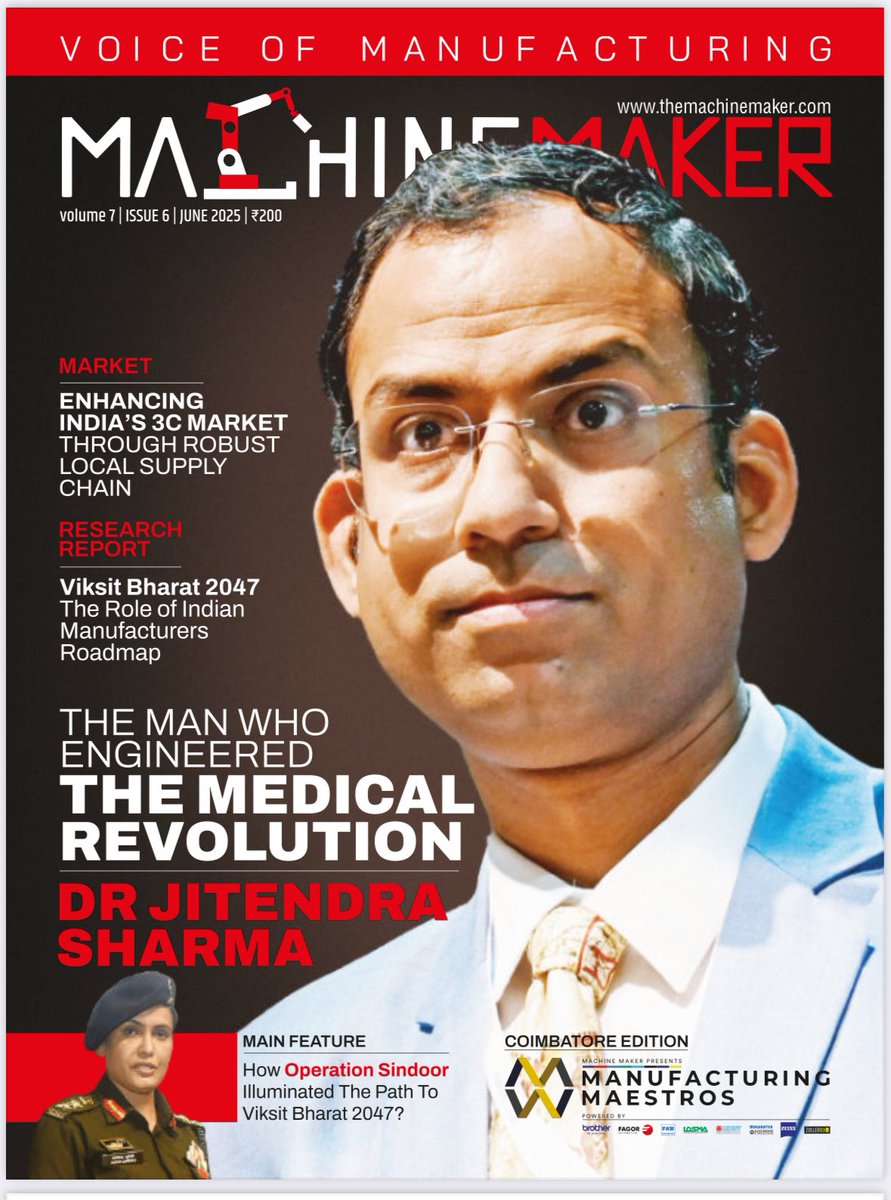
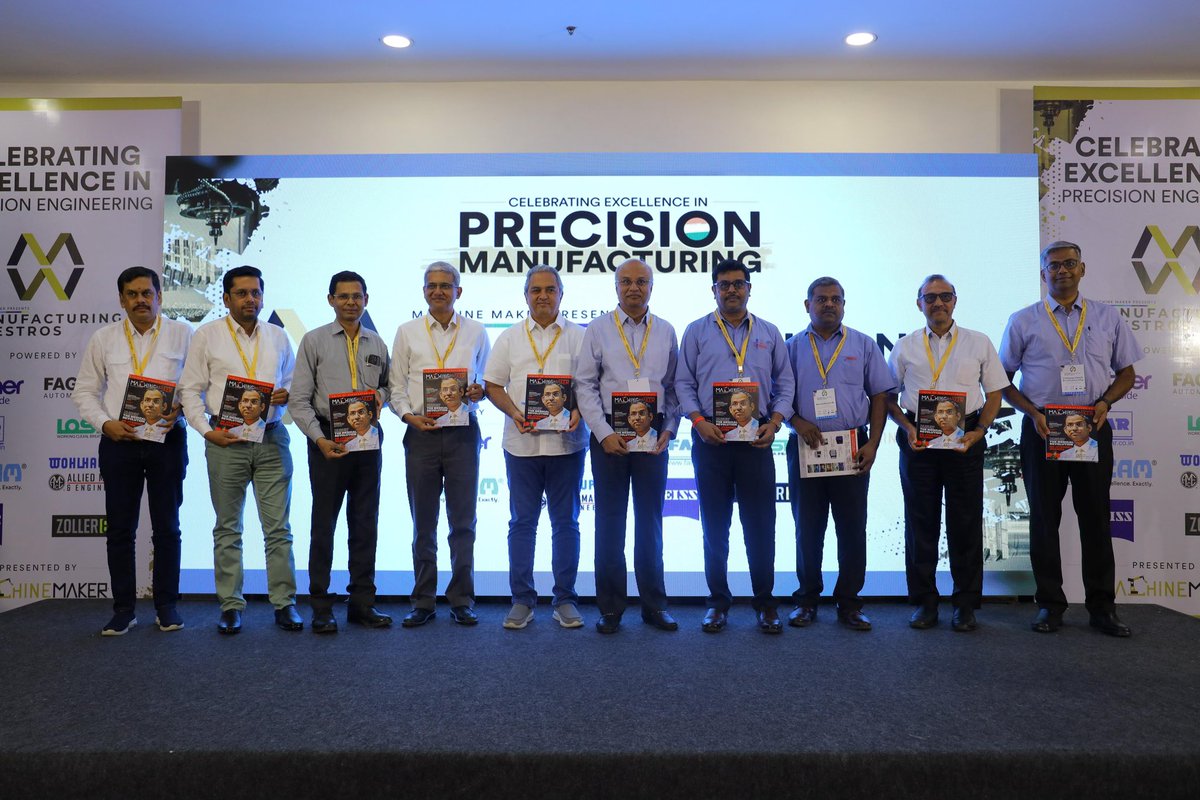
Proud to have Founder of #AMTZ & #KIHT, now on cover page of #Machinemaker -foremost engineering magazine; Dr Jitendra Sharma, who built #India’s first #MedTech Park; Kalam Institute #KIHT; #WHO Collaborating Centre for Health Innovation; #WHIF - World Health Innovation Forum;
2
8
27
915

6 May 2025
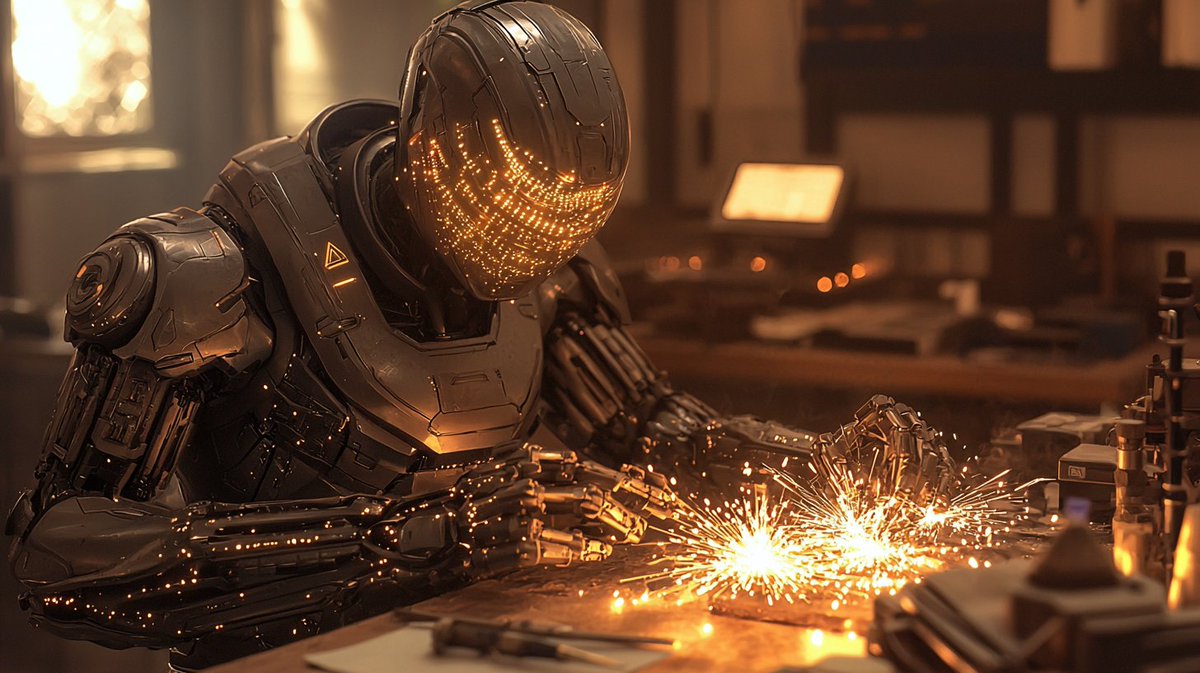
He forges minds, not metal. Every spark is a thought being born.
#CyberSmith #MachineMaker #DigitalSoulcraft #AIForge
1
4
6,561

9 Apr 2025
Bro you tarrif the worlds best chip machinemaker .
They wont sell their machines to taiwan if they want to use them for usa.
Asml is the maker off the most advanced machines.
Good luck they stay in the netherlands.
1
54

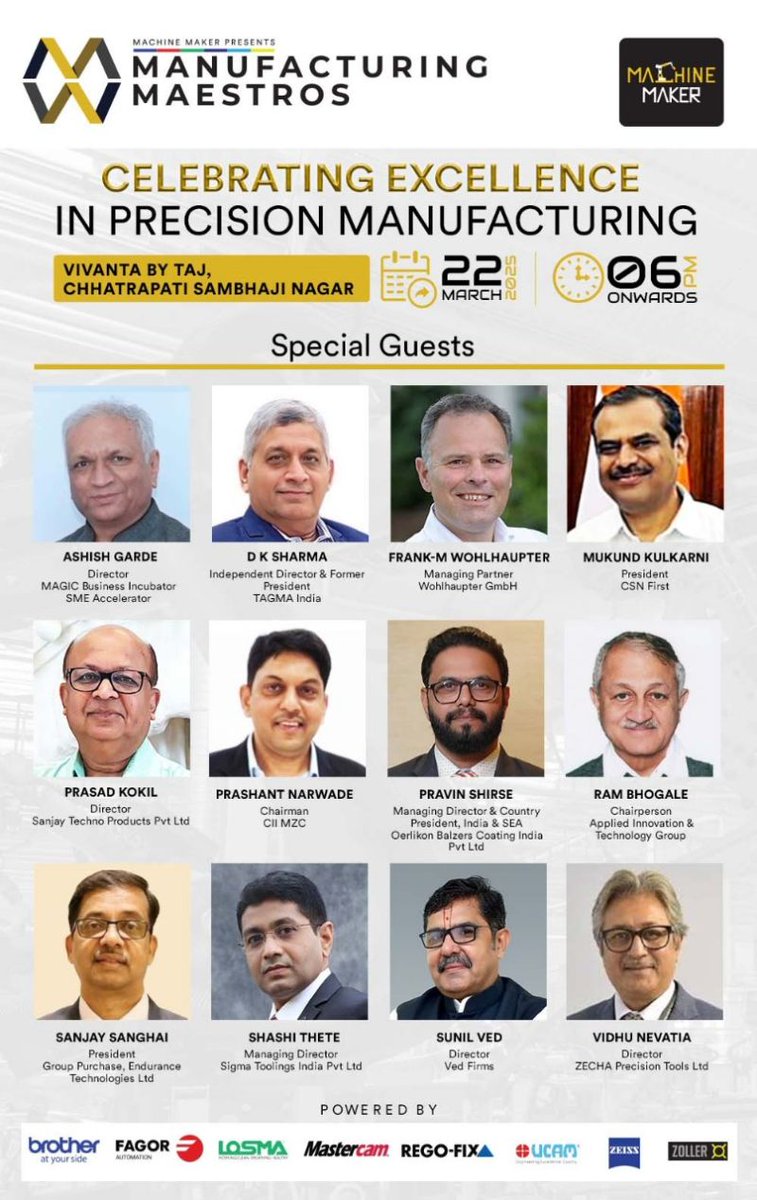
The Manufacturing Maestros launch edition is set to be a landmark event, bringing together some of the most influential leaders in precision manufacturing. Scheduled for March 22 at Vivanta by Taj, Chhatrapati Sambhajinagar, this exclusive gathering will celebrate innovation, industry excellence, and leadership in the manufacturing sector.
The event will witness the presence of esteemed industry pioneers, including Ashish Garde, Director of MAGIC Business Incubator SME Accelerator; DK Sharma, Independent Director & Former President of TOOL AND GAUGE MANUFACTURERS ASSOCIATION - INDIA; Frank-M. Wohlhaupter, Managing Partner of WOHLHAUPTER GmbH; Mukund Kulkarni, President of CSN First; Prasad Kokil, Director of Sanjay Techno Products Pvt Ltd; Prashant Narwade, Chairman of CII MZC; Pravin Shirse, Managing Director & Deputy Facility Head India SEA, Oerlikon; Ram Bhogale, Chairman, AITG | Applied Innovation & Technology Group; Sanjay Sanghai, Management, Endurance Technologies Ltd.; Shashi Thete, Managing Director of SIGMA Toolings; Sunil Ved, Director of Ved Firm; and Vidhu Nevatia, Director of Zecha Precision Tools Ltd.
With Chhatrapati Sambhajinagar evolving into a significant industrial hub, this initiative by Machine Maker aims to recognize and honor trailblazers driving sustainable innovation, operational excellence, and technological advancements in manufacturing. The evening will serve as a platform for industry leaders to engage in meaningful conversations, foster collaborations, and celebrate the remarkable achievements that are shaping the future of India's precision engineering sector.
MAGIC is proud to be part of this prestigious event and looks forward to engaging with the Manufacturing Maestros who are redefining the landscape of precision manufacturing.
#ManufacturingMaestros #PrecisionManufacturing #MachineMaker #IndustryLeaders #ManufacturingExcellence #EngineeringInnovation #FutureOfManufacturing #MAGIC
@themachinemaker @VrushalPhadnis @harishankerag @Ved_Firms @MastercamIndia
@regofix_group @UCAMPvtLtd @startupindia
@meitystartuphub @mhrd_innovation @agnii_goi @India_iDEX @GoI_MeitY @AIMtoInnovate @NITIAayog
@PrinSciAdvGoI @PrinSciAdvOff @AICTE_INDIA @DPIITGoI @MSDESkillIndia @CimGOI @DoC_GoI @midc_CEO @midc_india @CEO_NICDC @nicdc01
2
6
126
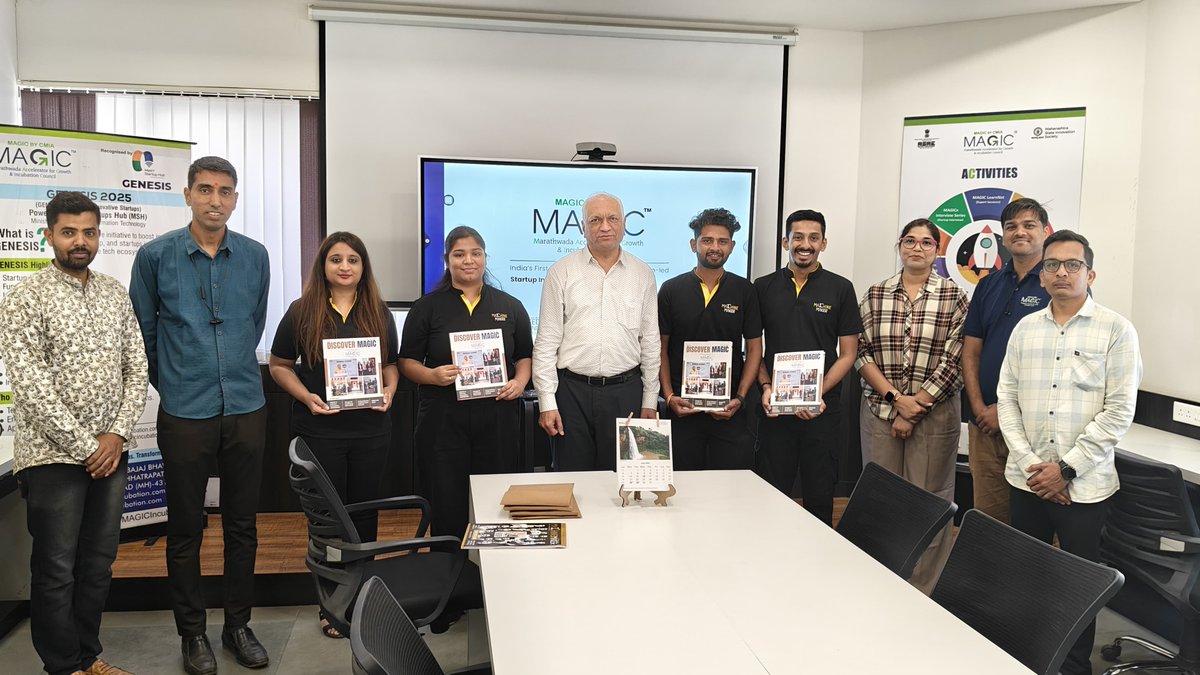
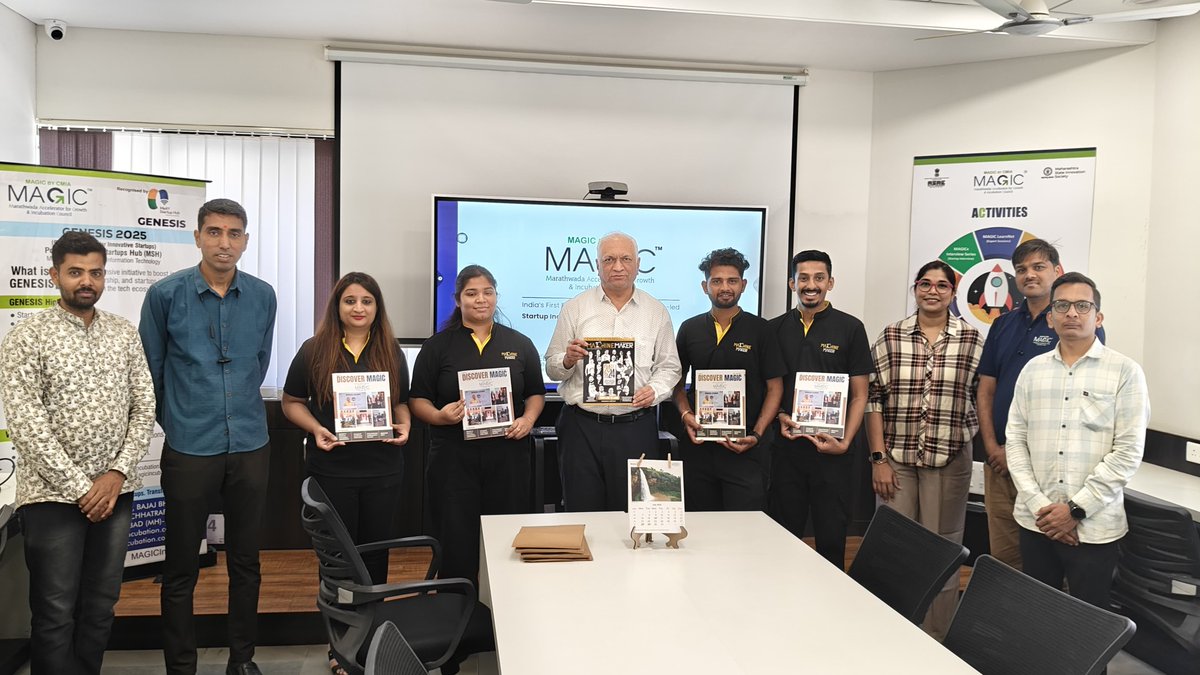
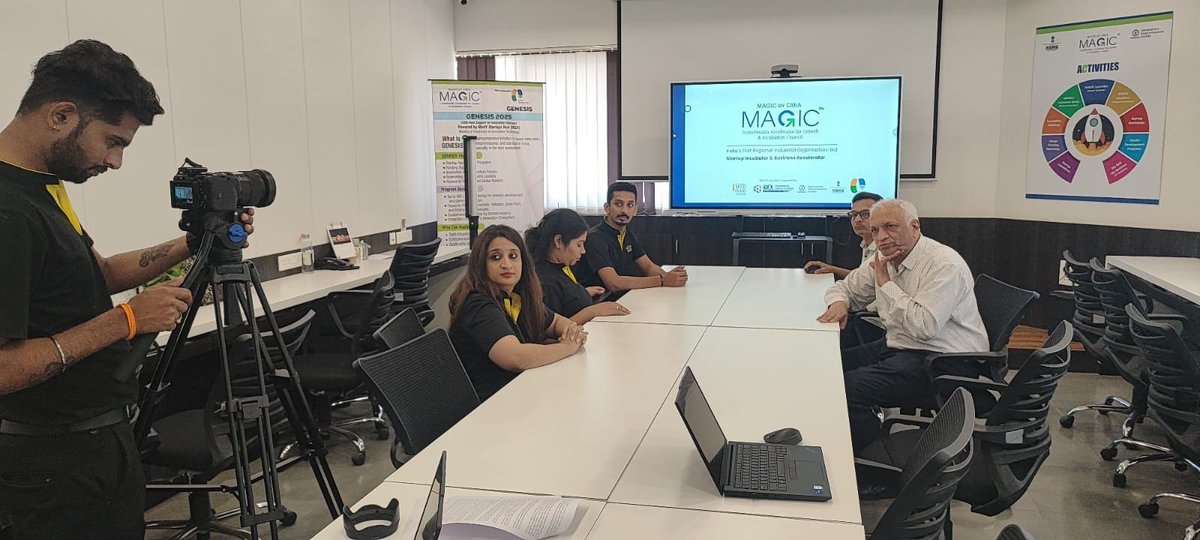
The Machine Maker, Pune team visited the MAGIC office as part of their outreach activity for the upcoming event ‘Manufacturing Maestros’, an exciting new platform celebrating the trailblazers of precision component manufacturing.
During the interaction, the team shared insights about the upcoming Manufacturing Maestros event, scheduled for March 22 at Vivanta Taj, Chhatrapati Sambhajinagar (Aurangabad).
Chhatrapati Sambhajinagar, a city that seamlessly blends a rich historical legacy with a thriving manufacturing hub, is the perfect backdrop for Machine Maker's – Manufacturing Maestros. This initiative aims to recognize manufacturing leaders driving sustainable innovation, enhancing operational efficiency, and contributing to a healthier environment.
As India continues to solidify its standing as a global leader in high-quality precision-engineered components, the Manufacturing Maestros initiative gives platform to celebrate the trailblazers whose innovation, determination, and expertise are shaping the future of India's manufacturing sector.
MAGIC appreciates The Machine Maker’s efforts in bringing industry leaders together and looks forward to this impactful event celebrating excellence in precision Manufacturing!
#ManufacturingMaestros #MachineMaker #ManufacturingLeadership #Innovation #MAGIC
@themachinemaker @VrushalPhadnis @harishankerag @Ved_Firms @MastercamIndia @regofix_group @UCAMPvtLtd @startupindia @meitystartuphub @mhrd_innovation @agnii_goi
@India_iDEX @GoI_MeitY @AIMtoInnovate @NITIAayog @PrinSciAdvGoI @PrinSciAdvOff @AICTE_INDIA @DPIITGoI @MSDESkillIndia @CimGOI @DoC_GoI @midc_CEO @midc_india @CEO_NICDC @nicdc01
1
3
84

25 Jun 2024
Amerikaans bod voor machinemaker Marel luidt vertrek van Damrak in fd.nl/bedrijfsleven/1521491/…
1
1
2,347

22 Mar 2024
Would it be better to use AI to pick a new pope than getting the cardinals to do it, since it reduces the
likelihood of human prejudice?
The answer is no, it would not be better to use an AI to pick a new pope, but there are some subtle points.
For example, there is one famous example in Scripture of impersonal means helping to select a bishop, namely the selection of St Matthias to replace Judas, who had betrayed Jesus. In this instance, the remaining apostles chose two candidates and then selected one of them by praying and then drawing lots (Ac 1:15-26).
The problem with this example, however, is that the selection of St Matthias took place during a very short and unique time during the history of the Church, between the time of Jesus’s Ascension and the Descent of the Holy Spirit, so it would be unwise to draw broader conclusions.
There are, indeed, many reasons for not using an AI.
For example, it is unclear how a reward function would be specified for an AI to identify a good pope. As a famous example, none of the first apostles had many or indeed any suitable qualifications, and only one apostle, Judas the betrayer, had any influential connections in high places.
The Church is much more like a garden than a machine, and the virtues of success are much more those of a gardener than a skilled manufacturer or machinemaker.
Consistent with this understanding, the kinds of judgements needed to select bishops and popes require prudence and, ideally, openness to the promptings of the Holy Spirit, which is impossible for AIs.
// Fr Andrew Pinsent - Artificial Intelligence bit.ly/43qQ1ZV
(Image created using AI)

2
328

26 Oct 2023
#newsalert
@ContiUK is committed to making your journeys safer and more secure. They will be equipping millions of vehicles from a major European car manufacturer with eHorizon for Dynamic Road Events starting in 2025.
#machinemaker #continental #ehorizon #roadsafety #visionzero

2
46
18 Sep 2023
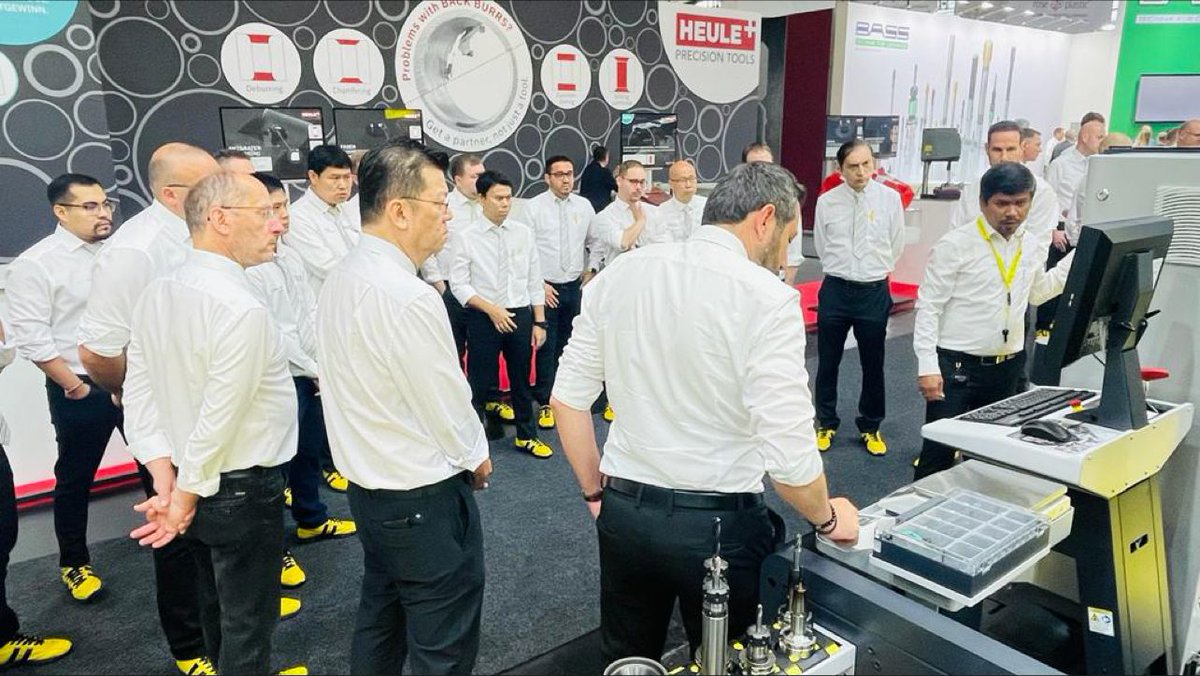
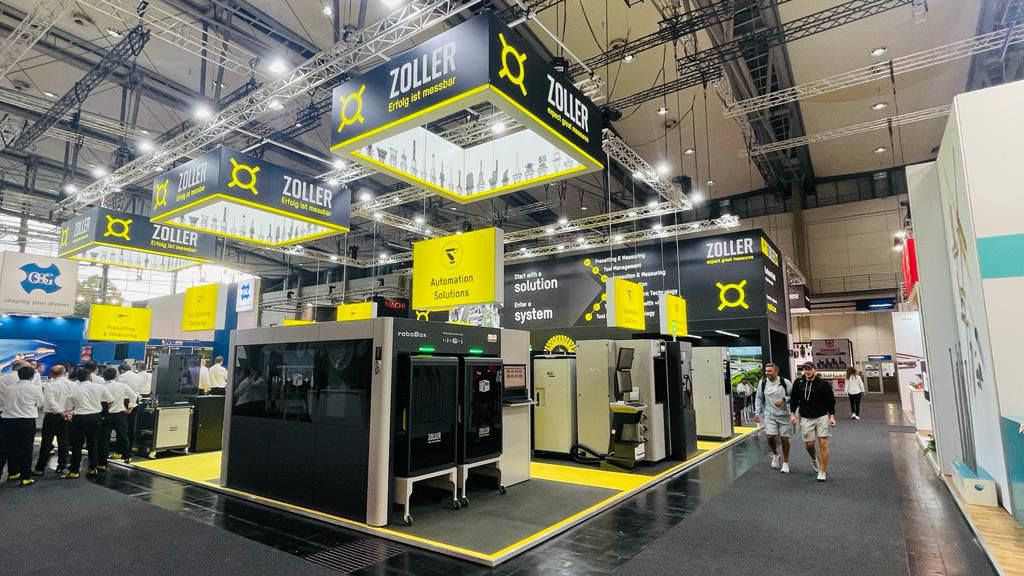
@EMO_HANNOVER 2023 is Officially Open! 🚀
The machine tool industry's premier event has kicked off, showcasing the best and brightest innovations.
#EMOHannover2023 #MachineMaker #ZOLLERInnovation
2
47
13 Sep 2023
Experience the Grand Opening of @LWOPIndia!
#machinemaker #lasertech #innovation #laserworldofphotonicsindia #indianmanufacturing #changemaker #manufacturing #entrepreneurs #technology #future #bangalore
1
2
100
26 Aug 2023
#newsalert
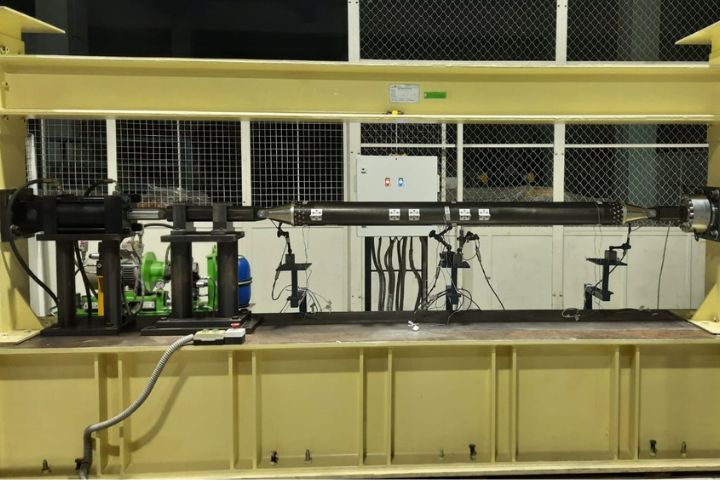
Lakshmi Machine Works Limited - LMW's Composite Tubular Component Fuels Chandrayaan 3’s Success Story!
#machinemaker #lmw #chandrayaan3 #isro #spaceexploration #technicalexcellence #manufacturing #compositecomponents #advancedtechnology #innovation #celestialpursuit
1
3
147
8 Aug 2023
#newsalert
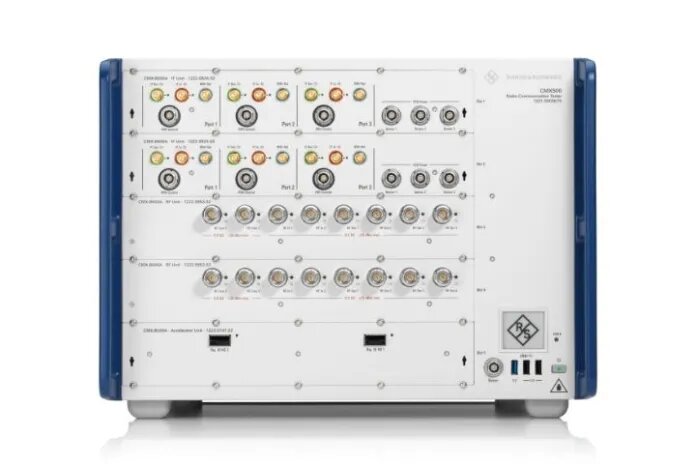
Rohde & Schwarz Takes the Lead in 5G Next Generation eCall Testing!
#machinemaker #rohde #schwarz #technology #satellite #manufacturing #cell #generation #excellence #solutions #technical
1
17
31 Jul 2023
#newsalert
Alstom, a global leader in sustainable mobility, took a momentous step towards uplifting the Madhepura community in Bihar.
#machinemaker #alstomindia #engineeringtalent #makeinIndia #mechanical #industry #mobility #engineering #globalbusiness #expertise #teamalstom

2
82
29 Jul 2023
#newsalert
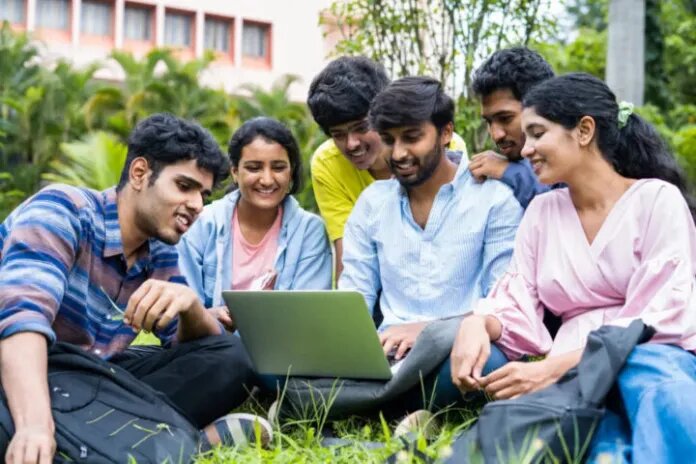
Tata Technologies, a global engineering and product development digital services company, launched InnoVent to inspire budding students to engineering a better world.
#machinemaker #technologies #manufacturing #iot #engineering #ai #cybersecurity #electric #vehicles
2
118
7 Jul 2023
#newsalert
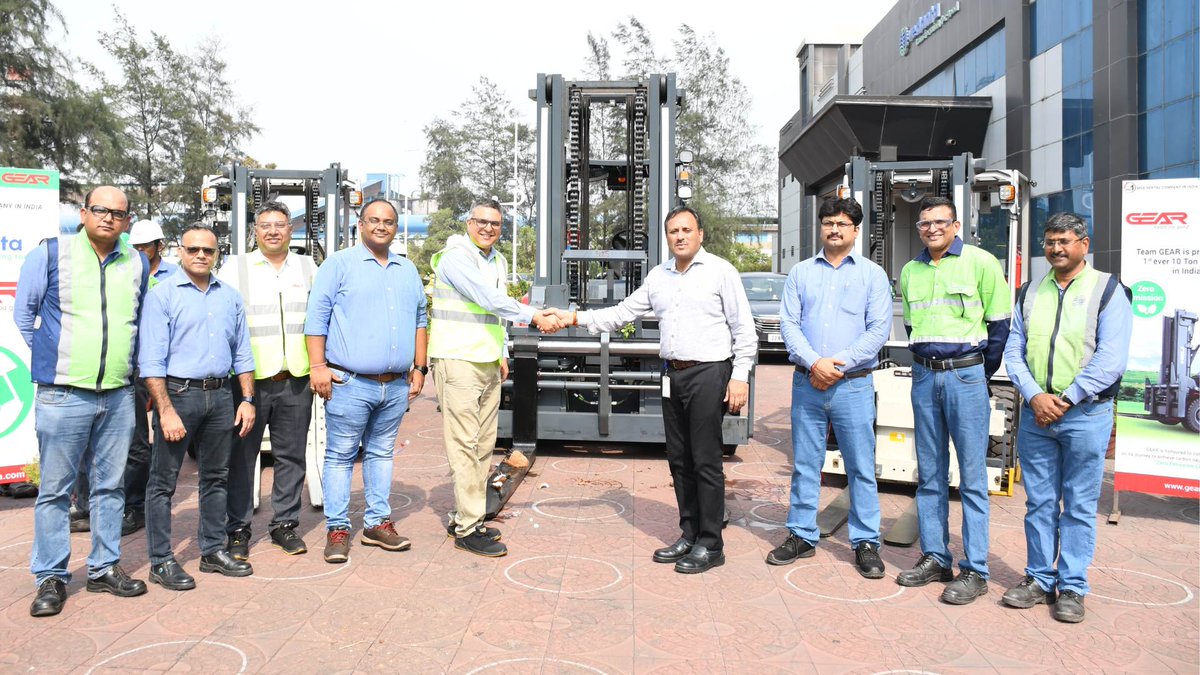
Vedanta Limited - Aluminium Business expands India's largest Electric Forklift Fleet, setting new standards for sustainability!
#machinemaker #management #aluminium #electric #forklift #iot #greenhouse #emissions #innovation #cleanenergy #vedantaaluminium
4
165

25 Mar 2023
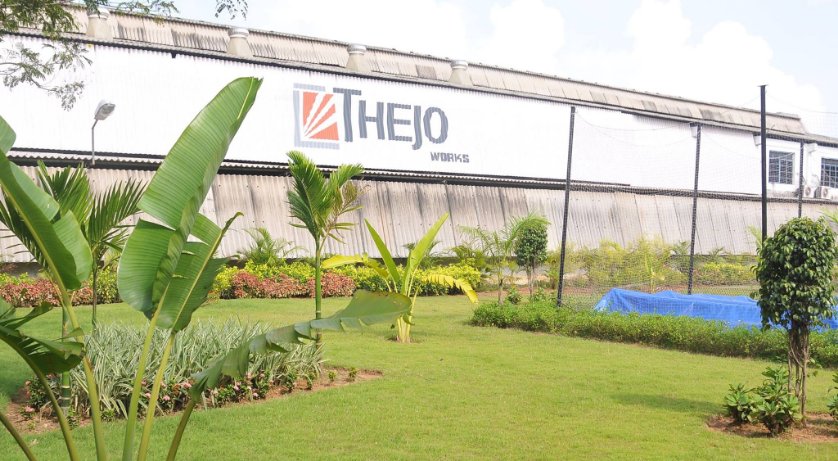
Chennai's Thejo Engineering has opened a new manufacturing unit in Ponneri for producing rubber screens, mill liners, and more. The company has also opened a joint venture unit in Perth, Australia, increasing its total capacity to 3,600 MT per annum.
#manufacturing #machinemaker
1
2
202
1 Mar 2023
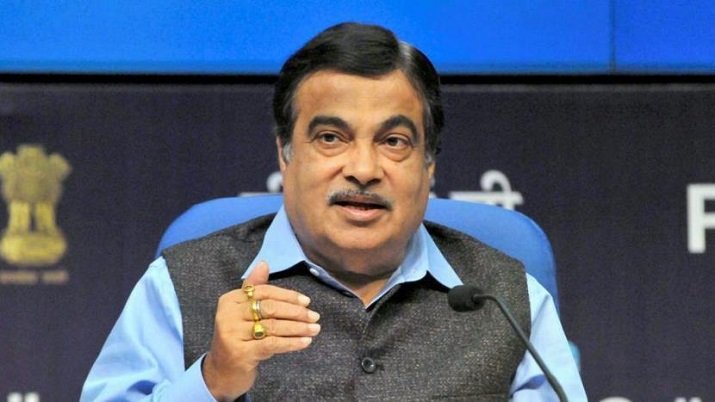
India's future vehicles will run on hydrogen and green fuels, says Union Minister @nitin_gadkari at @IdeasofIndia Summit, ABP Network. #CleanEnergy #FutureFuel #hydrogenfuel
Read the full news -themachinemaker.com/news/hyd…
#machinemaker
2
60