
Apr 5
📊 Smarter analysis in #axSpA imaging
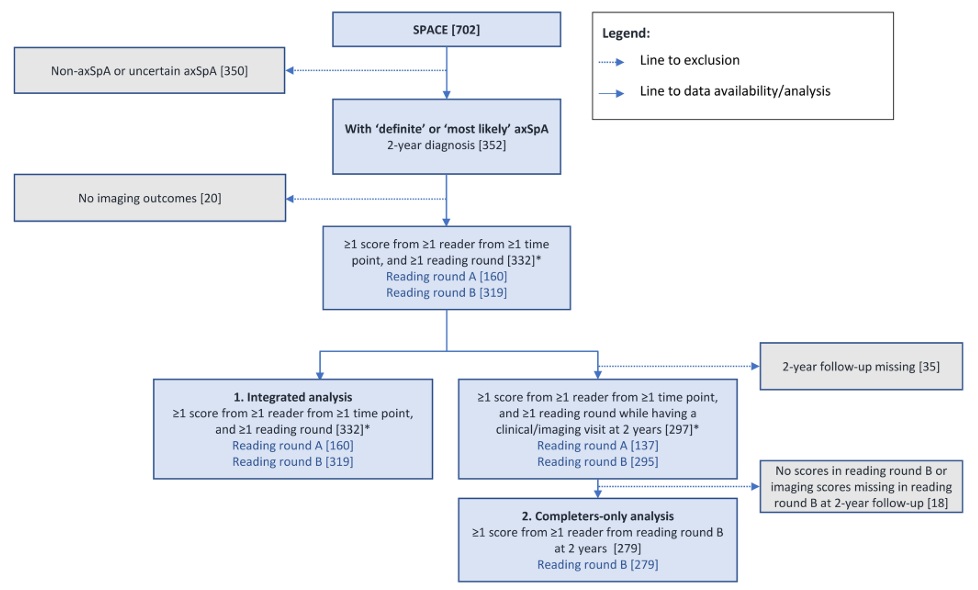
SPAC cohort (2-year data):
➡️ Integrated models include more patients ( 12–16%)
➡️ Reduce selection bias without losing precision
➡️ ⚠️ Aggregated scores can mislead (↓ spine change, ↑ SIJ change)
📌 Multilevel models > simple approaches
🔗 rmdopen.bmj.com/content/12/1…
#Rheumatology #Imaging #MethodsMatter #Research
1
7
293

19 Dec 2025
ICYMI: "Clinical prediction models using machine learning in oncology: challenges and recommendations"
--> bmjoncology.bmj.com/content/…
#machinelearning #digitalhealth #predictionmodels #methodsmatter
6
15
2,127

3 Dec 2025
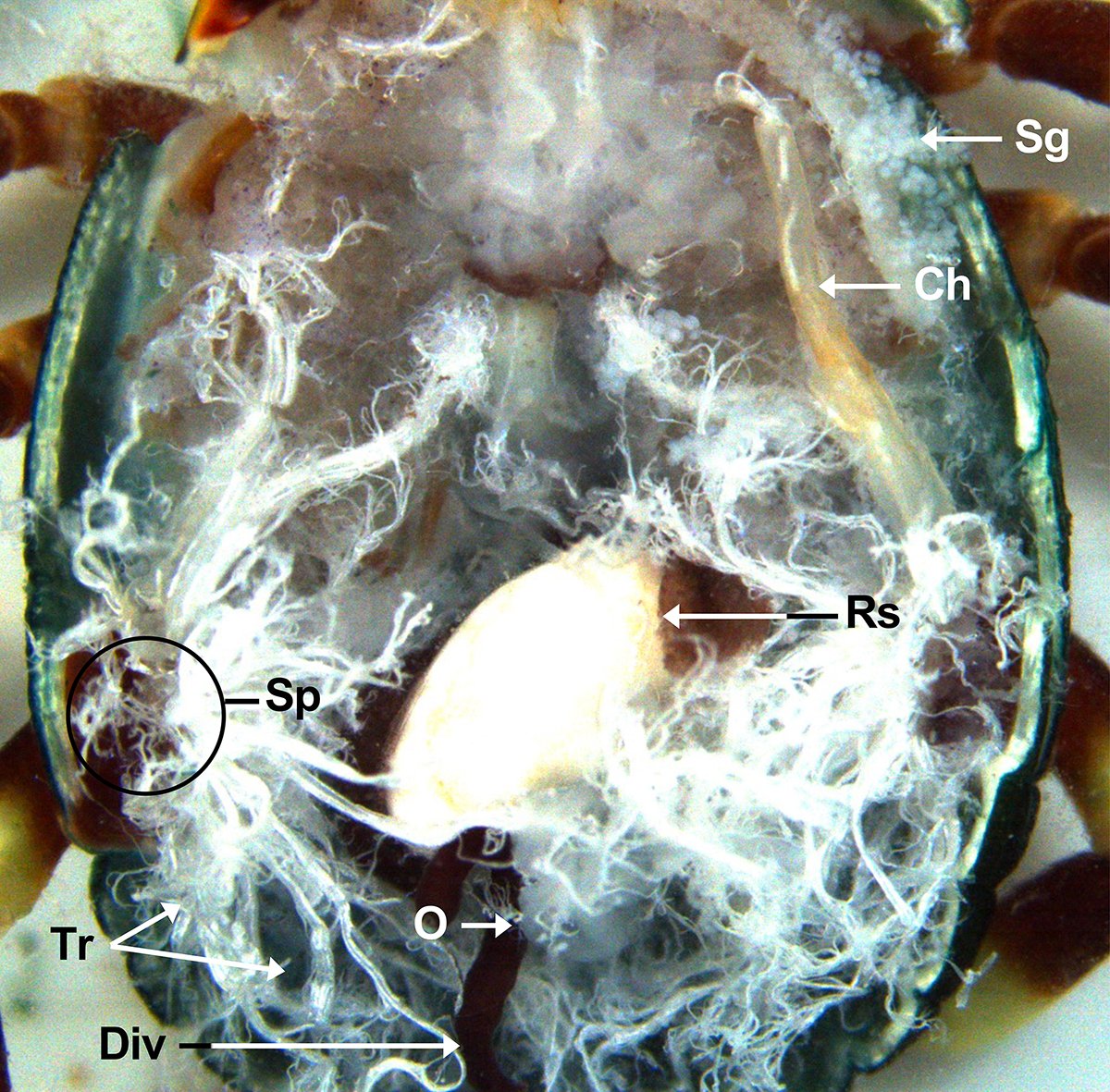
This #paper offers an incredible #methods section detailing how to rear ticks in the #lab and how to dissect them for anatomical study.
#tick #science #methodsmatter
30 Nov 2025

This is how the inside of a female giant tropical bont tick looks like.
This, and more information, in this #openaccess article:
doi.org/10.1051/parasite/202…
1
4
214

3 Dec 2025
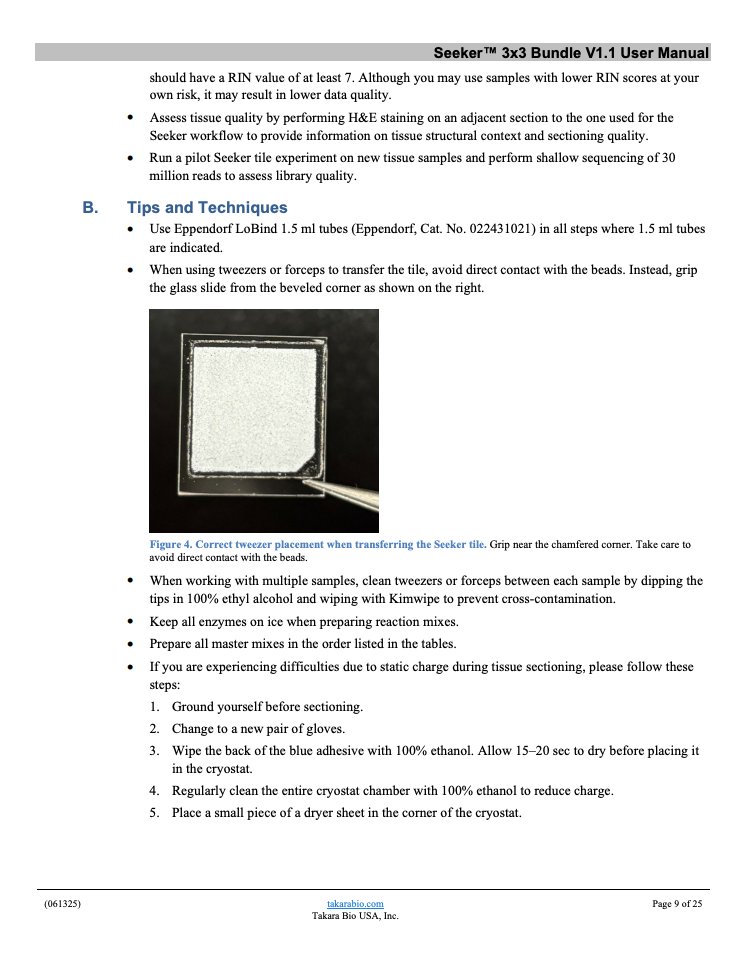
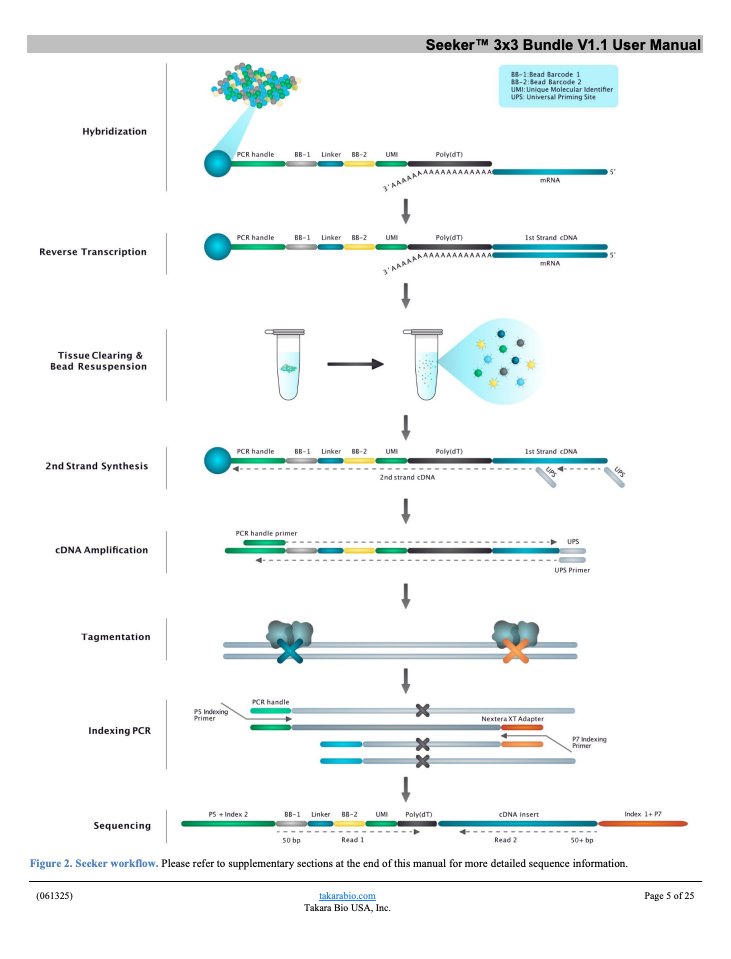
Agreed. When I first started working in genomics, I printed and read protocols for all common single-cell genomics assays— I learned a lot. #methodsmatter
3 Dec 2025

If you work regularly with molecular data, but don't prep it yourself, highly recommend reading the user manual for a kit you interact with cover to cover. Every little step is there for a reason will teach you interesting biology. Small deviations at the bench often perturb your chunk of data in subtle ways.
1
4
20
4,139

30 Oct 2025
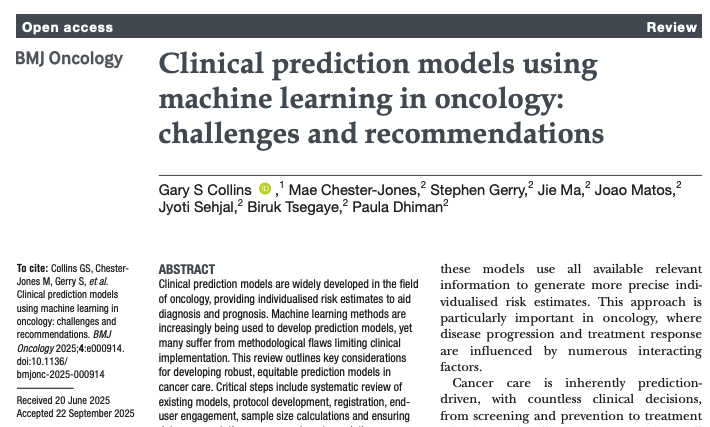
NEW paper "Clinical prediction models using machine learning in oncology: challenges and recommendations"
--> tinyurl.com/2h2mcy5h
#machinelearning #methodsmatter #digitalhealth
2
4
10
576

22 Oct 2025
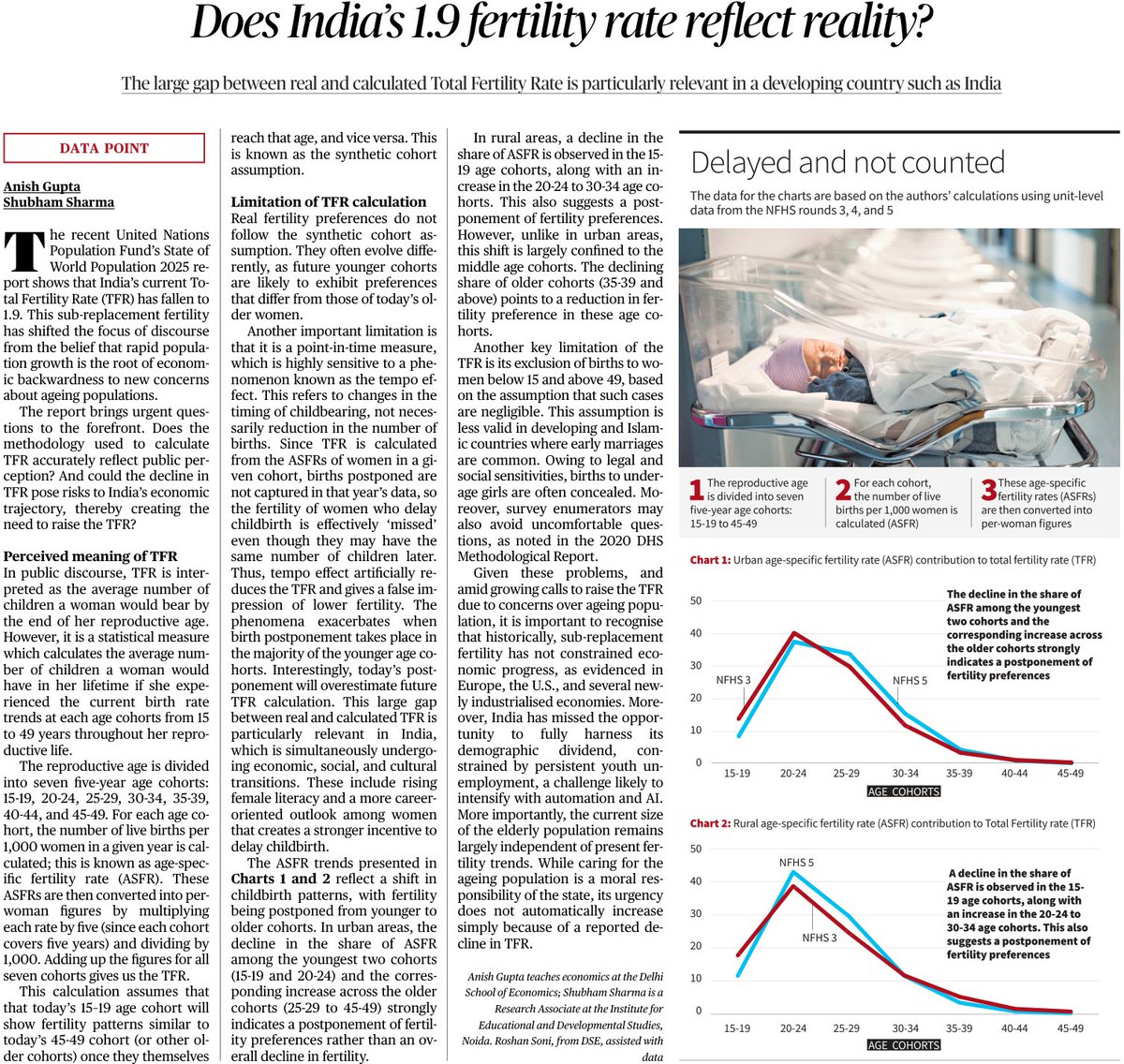
🚨Numbers lie if you don’t read their rules. tfr=1.9 is a signal; reality is a system.
#UPSC #GS1 #GS2 #GS3 #GS4 #Essay #Population #Demography #HealthPolicy 📉👶🏽📊
what the headline says vs what it means #TFR101 🧮
TFR (1.9) = period synthetic estimate of average births if today’s age-specific fertility rates (ASFRs) persist through a woman’s life. It is not the real completed family size of living cohorts.
Replacement ≈ 2.1 (lower if female mortality ↓ and sex ratio at birth normalises).
India’s TFR < 2.1 ⇒ sub-replacement nationally; still >2 in a few high-fertility states (e.g., Bihar, UP), and ≤1.6–1.8 in many southern/western/urban regions.
#ConceptClarity #PrelimsReady
the measurement traps (why “1.9” can mislead) #MethodsMatter 🧪
Synthetic-cohort assumption bias: Today’s 20–24 behaviour ≠ behaviour of the same women at 30–34 tomorrow; tempo (timing) shifts distort TFR.
Exclusion rule: TFR ignores births to <15 and ≥50; in low-income contexts with early marriage, under-count risk ↑.
Under-recording: concealed teen marriages/births; abortion/miscarriage data gaps; survey discomfort (noted globally in DHS/NFHS fieldwork).
Tempo effect: postponement (urban & increasingly rural) from 20–24 → 25–29 / 30–34 lowers period TFR even if lifetime births unchanged.
ASFR shape shift (NFHS-3→5): sharp fall in 15–19, 20–24; rise in 25–29 (urban) and 24–30 & 30–34 (rural) ⇒ postponement signature.
#Demography #TempoVsQuantum
1
6
32
1,310

18 Oct 2025
Descriptive piece, not a rigorous study; 8-mo counts≠rates/CIs; “highly educated” undefined (read: BA); distinguish W-2 vs. 1099 vs. founders. In a depressed jobs market, data matters. #WomensWorkforce #JobsEconomy #MethodsMatter
18 Oct 2025

Women’s exits are real. The method isn’t: 8-mo headcount ≠ rate; “highly educated” undefined; mothers ≠ all women; childcare ≠ proven cause; govt cuts/RTO ignored; 25–54 is dated (misses 45–64); no denominators/CI. Show LFPR/EPOP CIs and clear cohorts. #MethodsMatter
2
2
267
18 Oct 2025
Women’s exits are real. The method isn’t: 8-mo headcount ≠ rate; “highly educated” undefined; mothers ≠ all women; childcare ≠ proven cause; govt cuts/RTO ignored; 25–54 is dated (misses 45–64); no denominators/CI. Show LFPR/EPOP CIs and clear cohorts. #MethodsMatter
2
320

B risk you want to see in world. #DataSecurity #AI
$AI is not magic. #MethodsMatter
Functional literacy speaks for itself. Builders Build.
Local, rooted, personal leverage in cloud relationships win every day over the data tracking/looting, advertising surveillance for masses.
1
2
82

4 Jun 2025
2
24
125
17,527
Artificial vs Actual
Intelligence assessment underway... #AI #MethodsMatter
1
2
122

24 May 2025
Our paper on combining high-throughput enhancer assays in neurons and phenotype-rich assays in vivo for testing common psychiatric variants finally out! See linked 🧵for overview and this one for updates. #MPRA #methodsmatter @NatureComms nature.com/articles/s41467-0…
24 Apr 2024

We successfully combined high throughput testing of genetic variant effects in neurons with phenotype-rich assessment in developing mouse embryos 🧵biorxiv.org/content/10.1101/… #MPRA #noncoding #psychiatric #neurodevo #methodsmatter
2
5
13
2,891
#ConsumerAI fraud has been BIG help in identifying security risks & improving our tools for applied literacy. #EDU
As we further secure our systems & processes for evaluating human input to creative outcomes, our priority is support for *people* in civil society. #MethodsMatter
2
3
170
2 Mar 2025
The @NIH website, and associated sites, are officially offline. Crucial bioinformatics tools like BLAST, ffq, gget depend on these services. This is completely unacceptable. #methodsmatter
5
33
172
20,477

23 Dec 2024
🎓💼 Unsolicited Advice 🎓💼
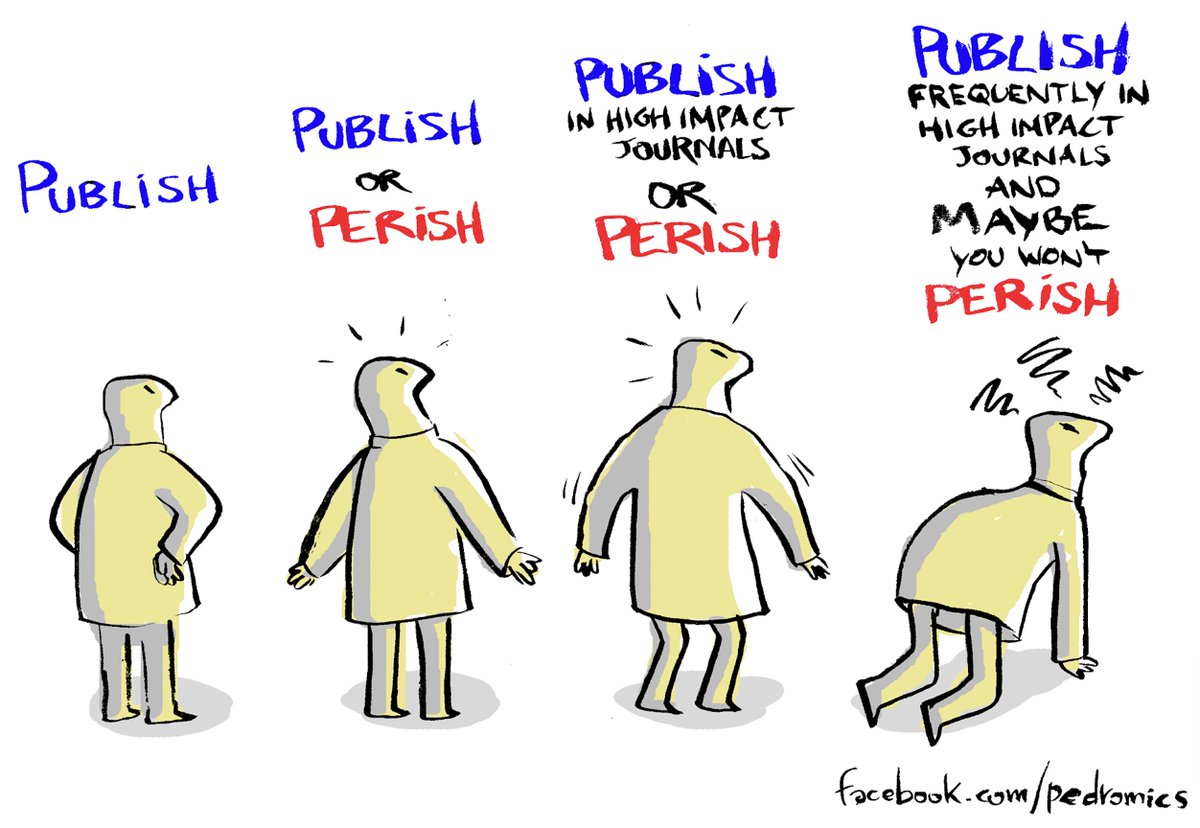
As the end-of-year rush kicks in 🏃♂️, I know early-career researchers often feel the pressure to publish quickly to hit career milestones.
Reflecting on my own experience, publishing often feels like the bias-variance tradeoff:
👉 Rush too much, and you risk bias—overlooking critical details.
👉 Over-polish, and you risk variance—spending endless time tweaking without finishing.
For reference, my most impactful first-author paper took 5 years to publish. Many of my collaborative projects reflect many years of teamwork and dedication.
One thing I’ve learned: publishing with purpose leads to the greatest impact. Taking the time to get it right pays off in the long run. Strive for balanced, meaningful work that leaves a lasting impression. 🚀
#PublishingWithPurpose #MethodsMatter #QualityOverQuantity #HappyHolidays2024
P.S. Your reputation is one of your greatest assets. Protect it with work you’re proud of. Cheers to finishing strong!💪
4
122

25 Nov 2024
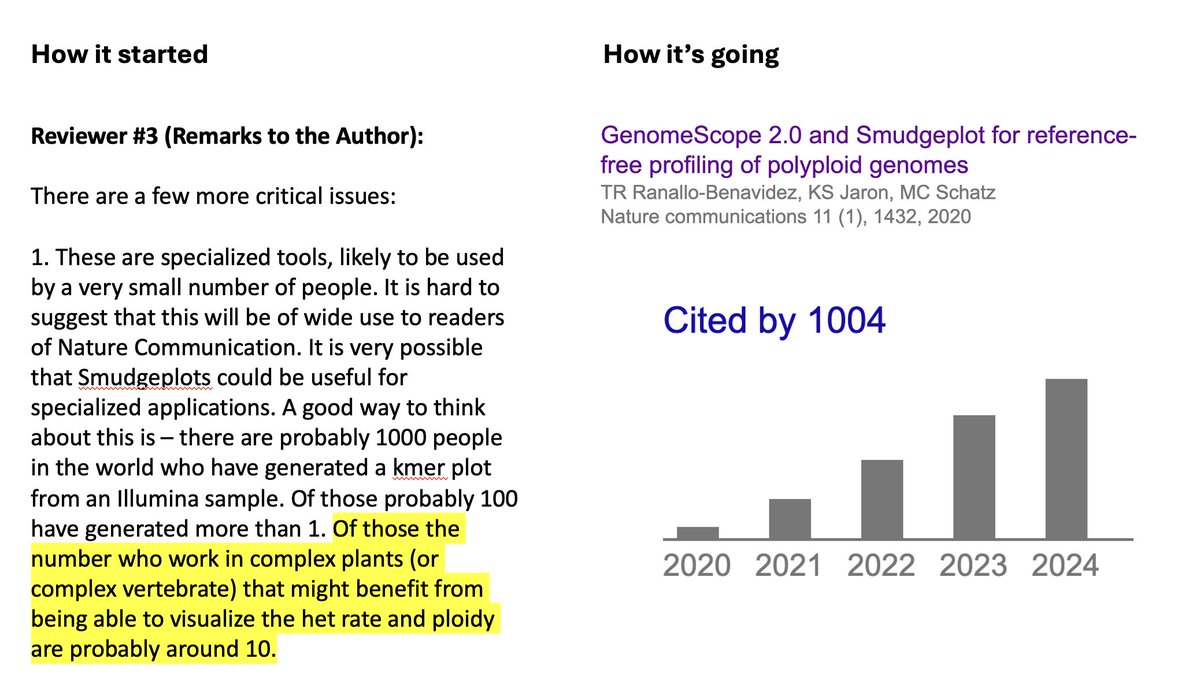
Sometimes you just have to persevere through negative reviews. Reviewers, please be kind :) #methodsmatter bit.ly/gs2-scholar
4
27
206
20,289

10 Nov 2024
the silence of @lpachter and the rest of his lab (phd students included) on the genocide in gaza is concerning given how outspoken they are on comparatively meaningless issues like umaps #moralitymatters #methodsmatter
2
2
2,889
