
محترم فواد چودھری صاحب! میں آپکی بات سے اتفاق کرتا ھوں کہ عمران خان صاحب ایک پروگریسو آدمی ہیں، لیکن انسان کے کچھ فیصلے ایسے ھوتے ہیں جن کے نتائج بہت دور رس ھوتے ہیں۔ مثال کے طور پر ایسے لوگوں کو اہم عہدوں پر بیٹھا دینا جو صرف 6 مہینے پہلے پارٹی میں آے تھے۔ اب وہ لوگ اپنا بوریا بستر گول کرکے غائب ھو چکے ہیں۔ کم وبیش ایسے ہی لوگ اب بھی پارٹی معاملات چلا رھے ہیں۔ یہ لوگ اقتدار کے مزے لوٹیں اور غریب کے بچے ان کے لئے انقلاب برپا کریں؟ کہاں ہیں ویسم اکرم پلس؟ کون اور کہاں ہیں وہ لوگ جو 27 نومبر 2024 کو کارکنان کو بے یارو مدد گار چھوڑ گئے؟؟
میں آپ کی اس بات سے بھی اتفاق کرتا ھوں کہ قبائلی اسلام پر مبنی سوچ کی کوئی گنجائش نہیں لیکن اسلام میں پیری فقیری والے اسلام کا بھی کوئی کانسپٹ نہیں۔ ایک متوزان اور معتدل معاشرہ ہی تعمیر و ترقی کی ضمانت ھے۔
#PartyReform #DecisionMaking #Electables
#LoyalWorkers #Sacrifice #CommonMan
#ModerateIslam #ProgressivePakistan #PoliticalIdeology
#LeadershipCrisis
#PTI #ImranKhan #PoliticalAccountability

عمران خان ایک پروگریسو شخصیت ہیں، سیاسی جماعت کوئ رجمنٹ نہیں ہوتی اس میں مختلف خیالات ہو سکتے ہیں لیکن قبائلی اسلام پر مبنی آپ کی سوچ پاکستان کی تباہی ہے جو یقیناً کسی زر ہوش شخص کی نہیں ہو سکتی
1
2
398

There is no such thing as moderate Islam. Islam is Islam and they are all radical.
— Admiral James Lyons
A decorated US Admiral who understood the threat clearly.
The world needs to wake up. 👀
#Islam #Terrorism #AdmiralJamesLyons
#ModerateIslam
1
33
44
584

7 Aug 2025
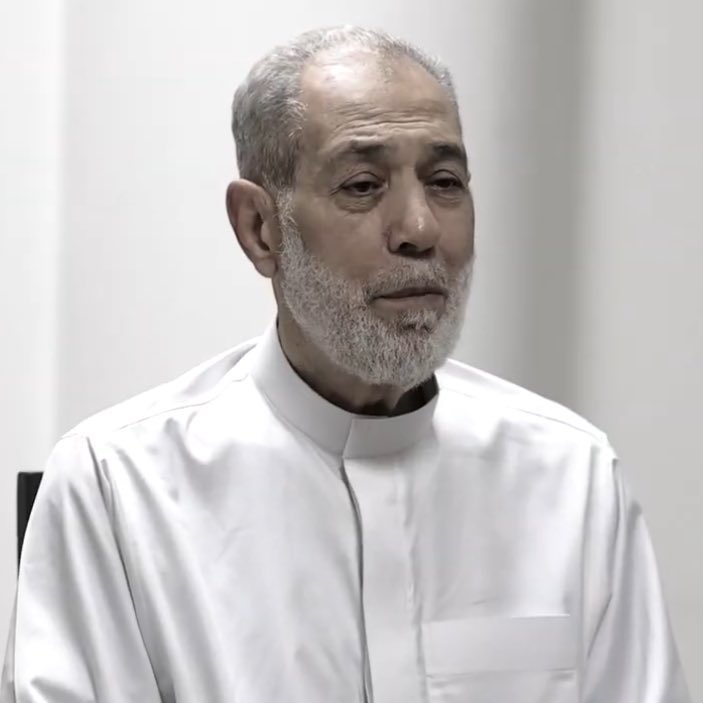
انقذوا الاسلام السني المعتدل قبل فوات الاوان…
الشيخ احمد بدر الدين حسون كان اول من دافع عن الاسلام السني المعتدل‼️
هو من اقنع العالم في مؤتمراته ان الدين الاسلامي ليس دين ارهاب،
وانما توجد فئة ضالة هي التي تدمر هذا الدين العظيم‼️
🔻
اليوم، للاسف الشديد، هذه الفئة الضالة نفسها تريد محاكمة هذا الشيخ الجليل‼️
انقذوا الشيخ احمد بدر الدين حسون…
انقذوا الاسلام السني المعتدل قبل ان يُمحى صوته وصوت الحق‼️
Save Moderate Sunni Islam Before It’s Too Late…
Sheikh Ahmad Badr al-Din Hassoun was the first to defend moderate Sunni Islam‼️
He convinced the world, through his conferences, that Islam is not terrorism —
but rather, that a misguided faction is destroying this great faith‼️
🔻
Today, tragically, it is this very misguided faction that seeks to prosecute this honorable sheikh‼️
Save Sheikh Ahmad Badr al-Din Hassoun…
Save moderate Sunni Islam before the voice of truth is silenced‼️
#الاسلام_السني_المعتدل #احمد_بدر_الدين_حسون #سوريا
#ModerateIslam #AhmadBadrAlDinHassoun #Syria #HumanRights @UN_HRC @AmnestyAR
90
29
217
18,371

23 May 2025
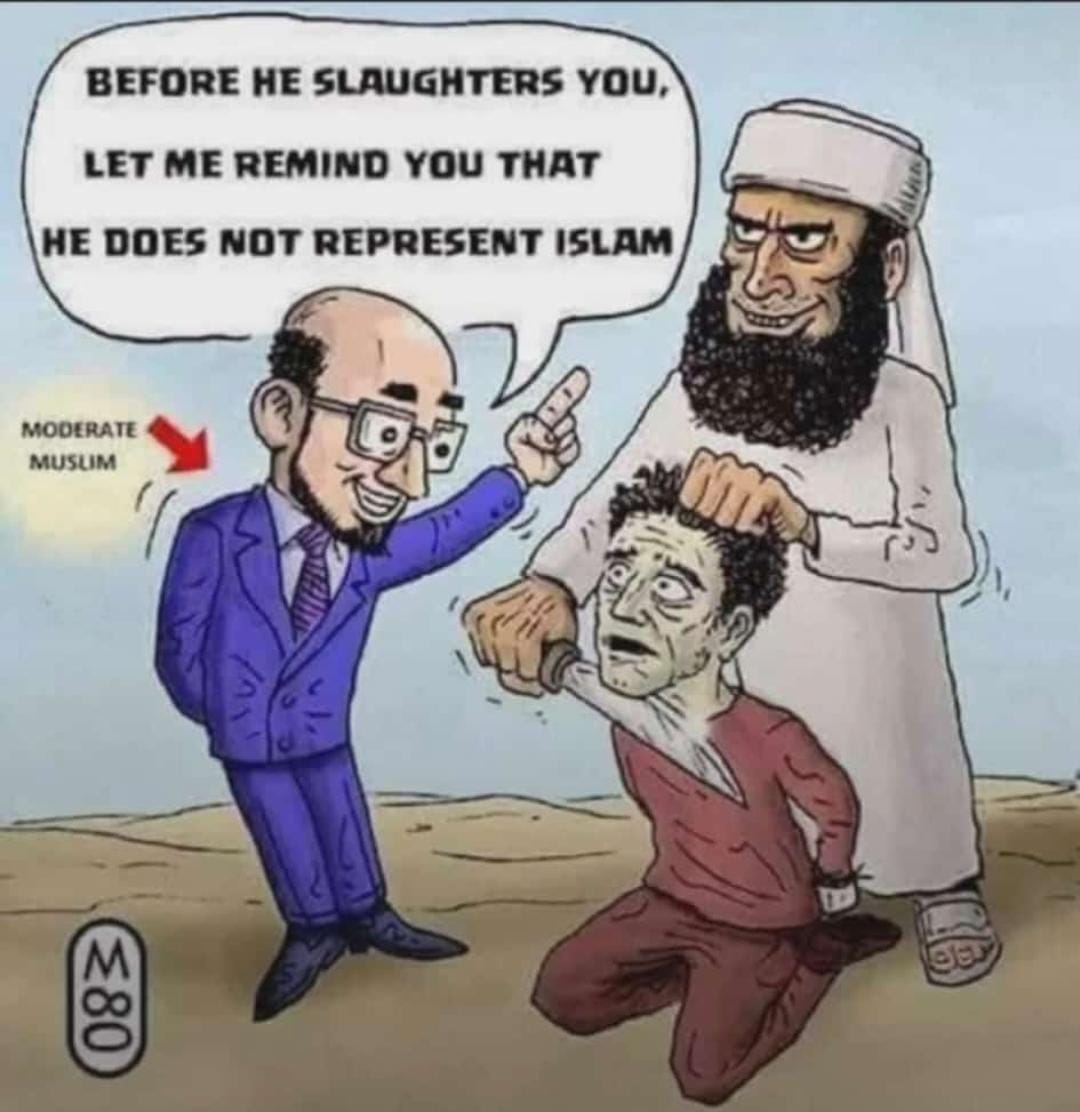
Pakistan needs a liberal Islam, beyond the poison of Two-Nation theory
awazthevoice.in/opinion-news…
#LiberalIslam #BeyondTwoNationTheory #InclusivePakistan #ReligiousPluralism #DeconstructingPartition #ModerateIslam #InterfaithHarmony #ReimaginingPakistan #PeacefulCoexistence #RejectExtremism #AwazTheVoice
1
2
188


5 Mar 2025
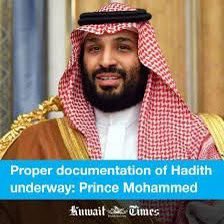
📜 A New Approach to Hadith – A Historic Step in Islamic Reform! 📜
Crown Prince Mohammed bin Salman has taken a bold initiative to modernize the understanding of Islam and ensure the proper use of Hadith. His goal is to protect Islamic teachings from misuse by extremists and align them with today’s world.
🔹 “We are in the final stages of classifying and publishing authentic Hadith, and this work will be completed within two years. The purpose is to educate the Muslim world on how Hadith should be used.”
He emphasized that major efforts are being made to preserve and organize the authentic Hadith of Prophet Muhammad ﷺ to prevent extremists and terrorists from misusing them.
📰 In an interview with “The Atlantic,” he said:
📌 This issue has become a key factor dividing extremists and peaceful Muslims in the Islamic world.
📌 We have thousands of Hadith, many of which are weak or unauthentic. Some people use them to justify their ideologies.
📌 Extremist groups like Al-Qaeda and ISIS rely on weak Hadith to promote their beliefs.
📌 Allah and the Quran command us to follow the teachings of Prophet Muhammad ﷺ. However, during his time, he discouraged writing Hadith to ensure the Quran remained the primary source.
📌 Therefore, we must be extremely cautious when interpreting and using Hadith.
📌 The Classification of Hadith:
Crown Prince Mohammed bin Salman has introduced a new way to categorize Hadith into three main types:
1️⃣ Mutawatir Hadith – These are Hadith that have been passed down by many people through multiple generations with an unbroken and credible chain of narrators. They are the strongest and most authentic, and there are about 100 of them.
2️⃣ Ahad Hadith – These are Hadith that were narrated by only one or a few people. They should only be accepted after thorough verification and must be evaluated in light of the Quran, Mutawatir Hadith, and public interest.
3️⃣ Khabar Wahid – These are Hadith with unknown or unreliable narrators. There are thousands of them, and they should not be widely used for religious rulings, except in cases where they offer guidance on beneficial matters.
🔹 Why Is This Important?
📌 To ensure Islam remains true to its original sources.
📌 To reopen the doors of Ijtihad (intellectual and legal reasoning), which has always been part of Islam.
📌 To fight extremism with a more scientific and authentic approach.
📌 To align Islamic teachings with modern society’s needs.
🌍 Islam has always embraced reason and progress. Now is the time for Muslims to move forward with the guidance of the Quran, authentic Hadith, and common sense!
Ali Shahnawaz Khan, Oslo Norway
🔹 #IslamAndIjtihad #AuthenticHadith #FaithAndReason #MuslimProgress #ModerateIslam
2
1
1,696

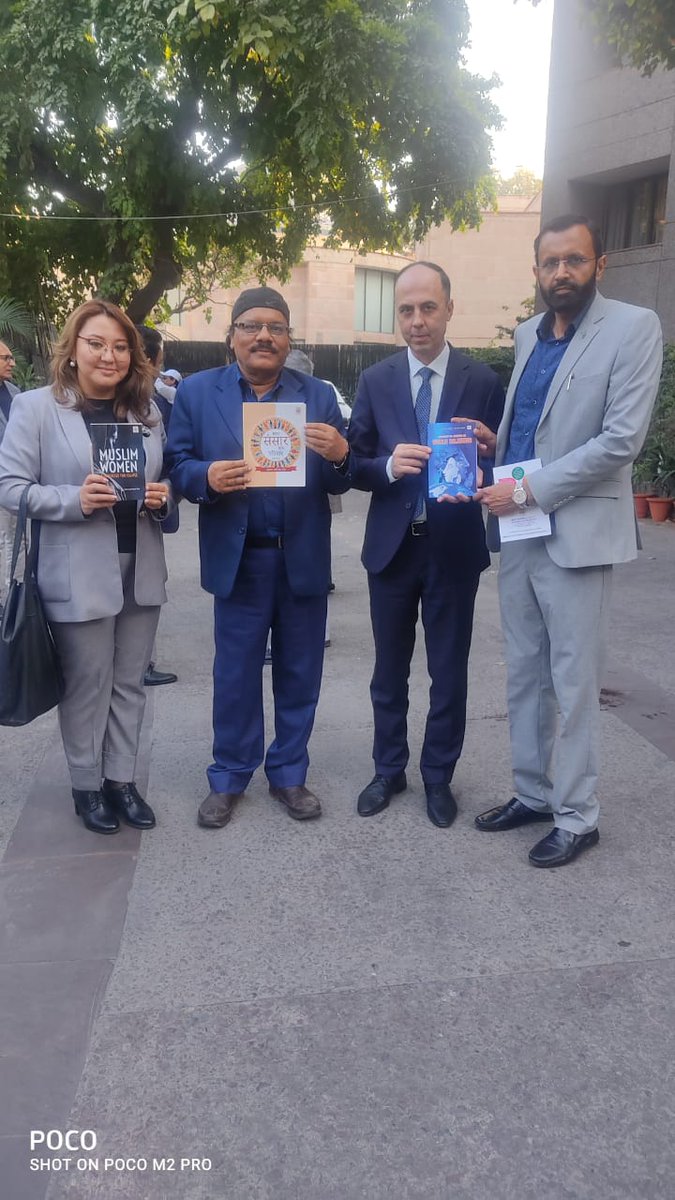
Convenor, #khusroFoundation @DrHafeezPasha
presenting Foundation's latest publications to the delegates of #WorldUrduConference organized by @ncpul_urdu at @IIC_Delhi
#BooksWorthReading #MuslimWomen #Harmony #مزاہب_عالم_میں_انصاف_کا_تصور #इस्लाम_सत्तावाद_और_पिछड़ापन #InclusiveLiterature #darashikho #داراشکوہ #ModerateIslam
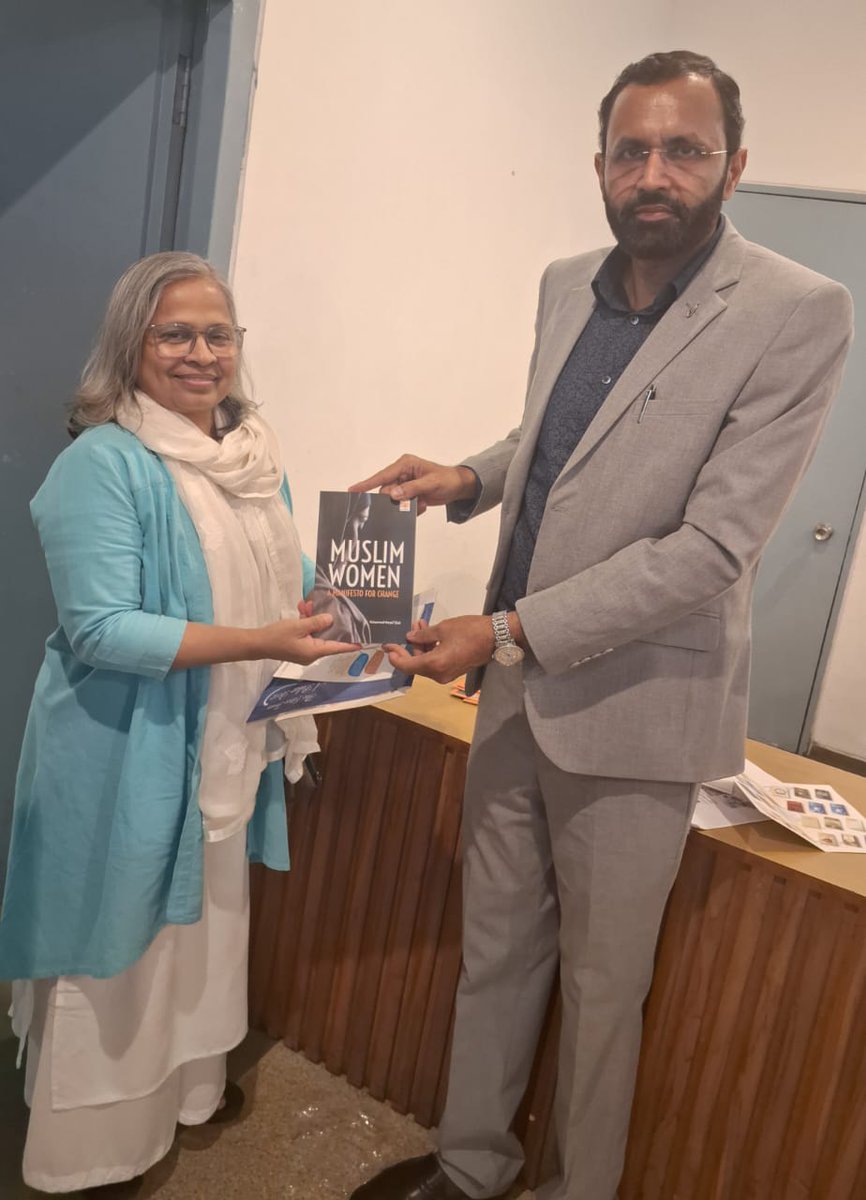
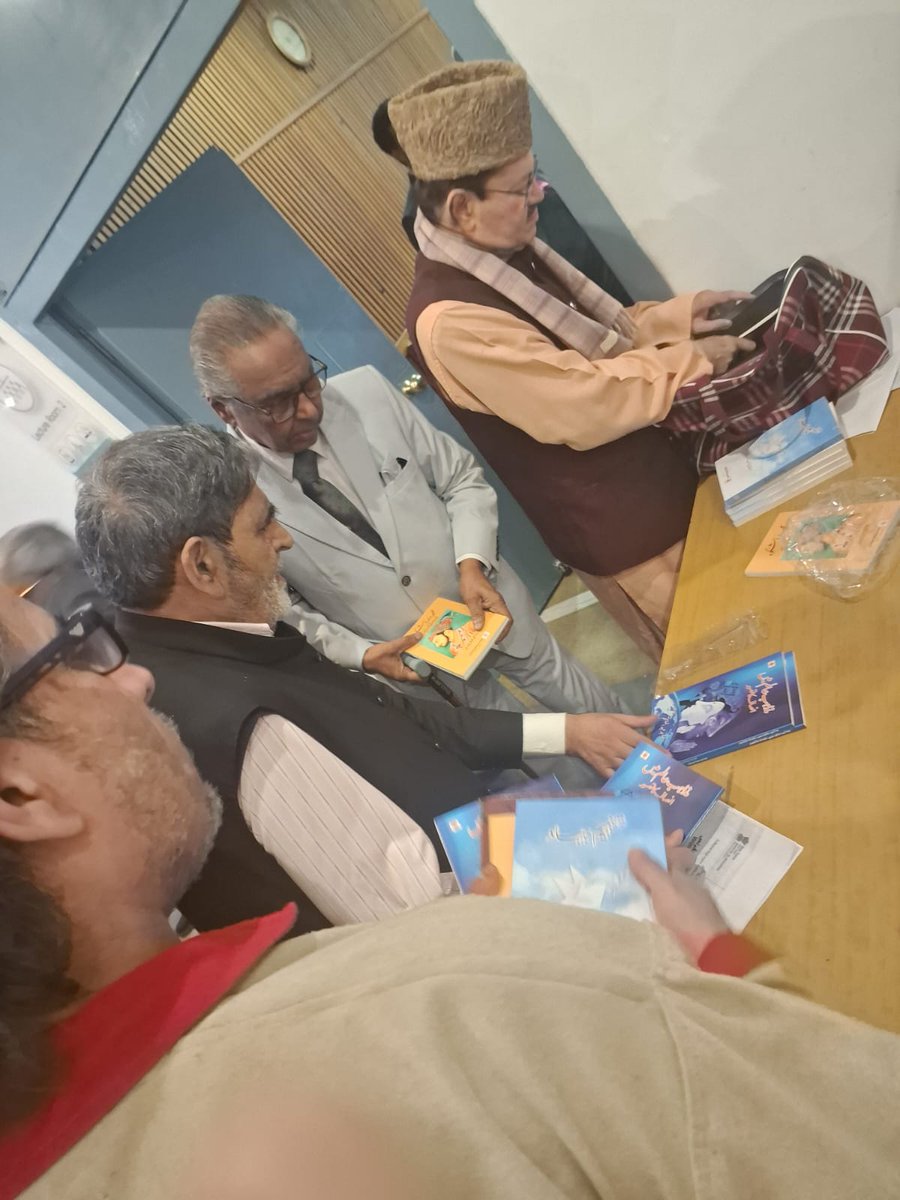
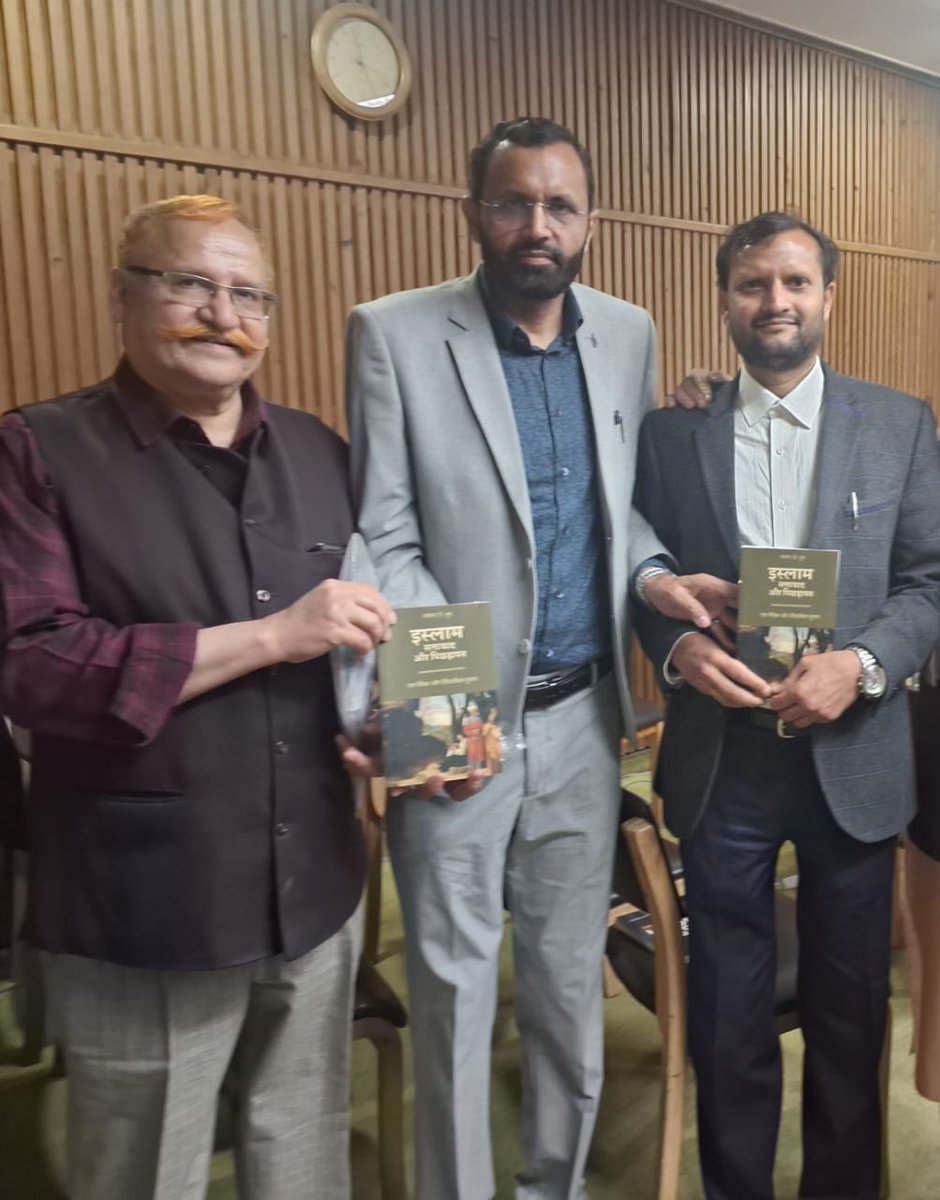
1
3
128

25 Dec 2024
#SaudiArabia | Shift to Moderate Islam Sparks Debate
1️⃣ Saudi Arabia’s New Direction:
Saudi Arabia is moving towards teaching moderate Islam as part of its reform agenda.
After decades of exporting radical ideologies to countries like Pakistan, Bangladesh, Afghanistan, Sudan, and Nigeria, the Kingdom aims for change.
2️⃣ Impact on the Indian Subcontinent:
Converted Maulanas and hardliners in the Indian subcontinent may now label Saudi Arabia as a Kafir country for its progressive stance.
The shift exposes the hypocrisy of those who relied on Saudi support for propagating extremism.
3️⃣ Global Implications:
Saudi’s move could weaken the radical networks thriving in countries like Pakistan and Afghanistan.
Will this lead to a clash between progressive Islam and hardliners?
#ModerateIslam #SaudiReforms #RadicalIslam #GlobalPolitics #IndianSubcontinent #ReligiousReform
Your Take: Will Saudi Arabia’s reforms inspire change in other Muslim-majority countries?
1
74

20 Dec 2024
ISLAM AWARENESS
One should always be vocal for world biggest lie which few claim as Religion.
#AhooDaryaei #Hijab #Tehran #Iran #Islamisevil #Islamisthepproblem #Islamists #News #breakingNews #IRGC #Islam #Pakistan #IslamisEvil #Jihadis #Hijab #ShariaLaw #Halala #Iran #Terrorism #Hamas #Islamists
#Islam #reformistIslam #moderateIslam #RadicalIslam #SalafistIslam #WahhabiIslam #Deobandi #Iran #Taliban #NATO #Hamas #Yazidis #YazidiGenocide #Israel #Syria
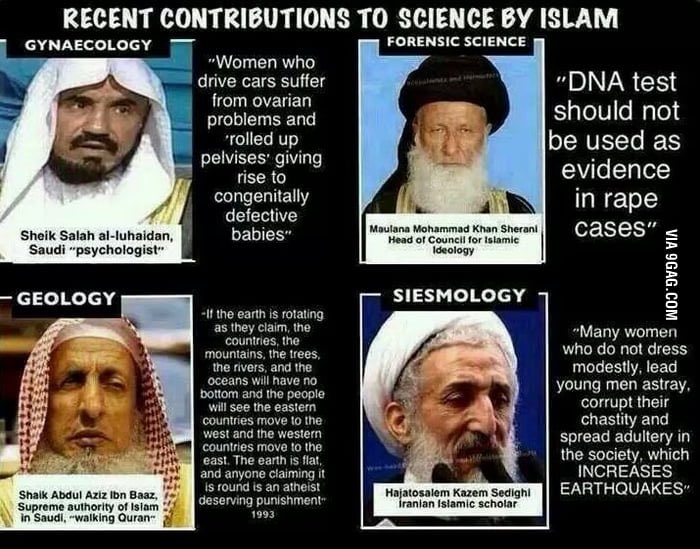
1
2
103
20 Dec 2024
ISLAM AWARENESS
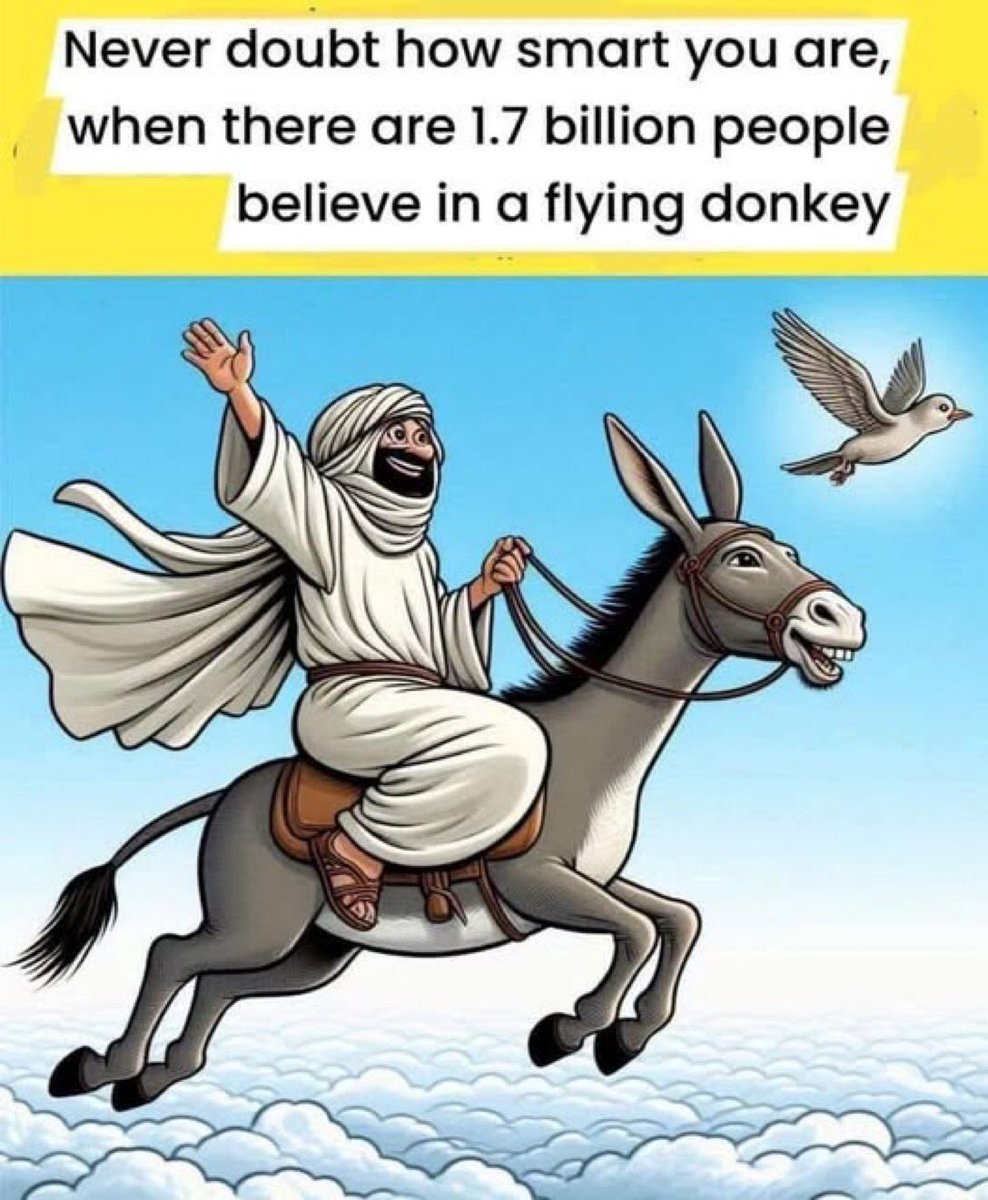
Radical Islam, it has grown into a global jihad.
#Islam #reformistIslam #moderateIslam #RadicalIslam #SalafistIslam #WahhabiIslam #Deobandi #Iran #Taliban #NATO #Hamas #Yazidis #YazidiGenocide #Israel #Syria
1
1
2
168
18 Dec 2024
ISLAM AWARENESS
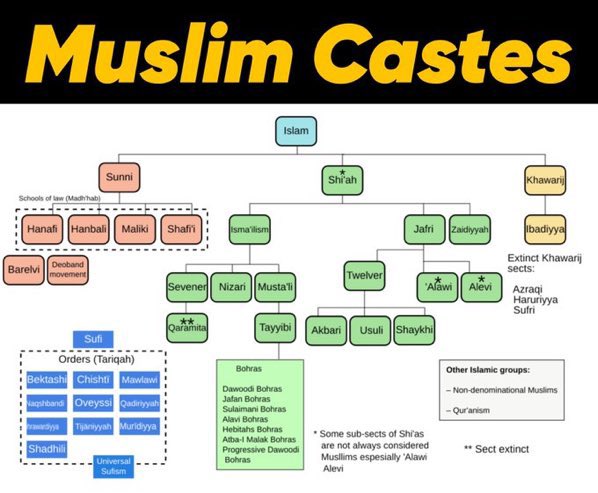
Those who think that there are no divisions or castes in Islam and here’s the complete list.
And mind it there’s so much of hate among each other that their history is full of bloodshed, Riots, Genocide and don’t forget entire family of Prophet Muhammad were murdered brutally by none other but Muslims themselves.
So violence and extremism can never be separated from Islam.
#Islam #reformistIslam #moderateIslam #RadicalIslam #SalafistIslam #WahhabiIslam #Deobandi #Iran #Taliban #NATO #Hamas #Yazidis #YazidiGenocide #Israel #SambhalViolence #Sambhal #UttarPradesh #RahulGandhi
#Congress
1
1
2
63
18 Dec 2024
ISLAM AWARENESS
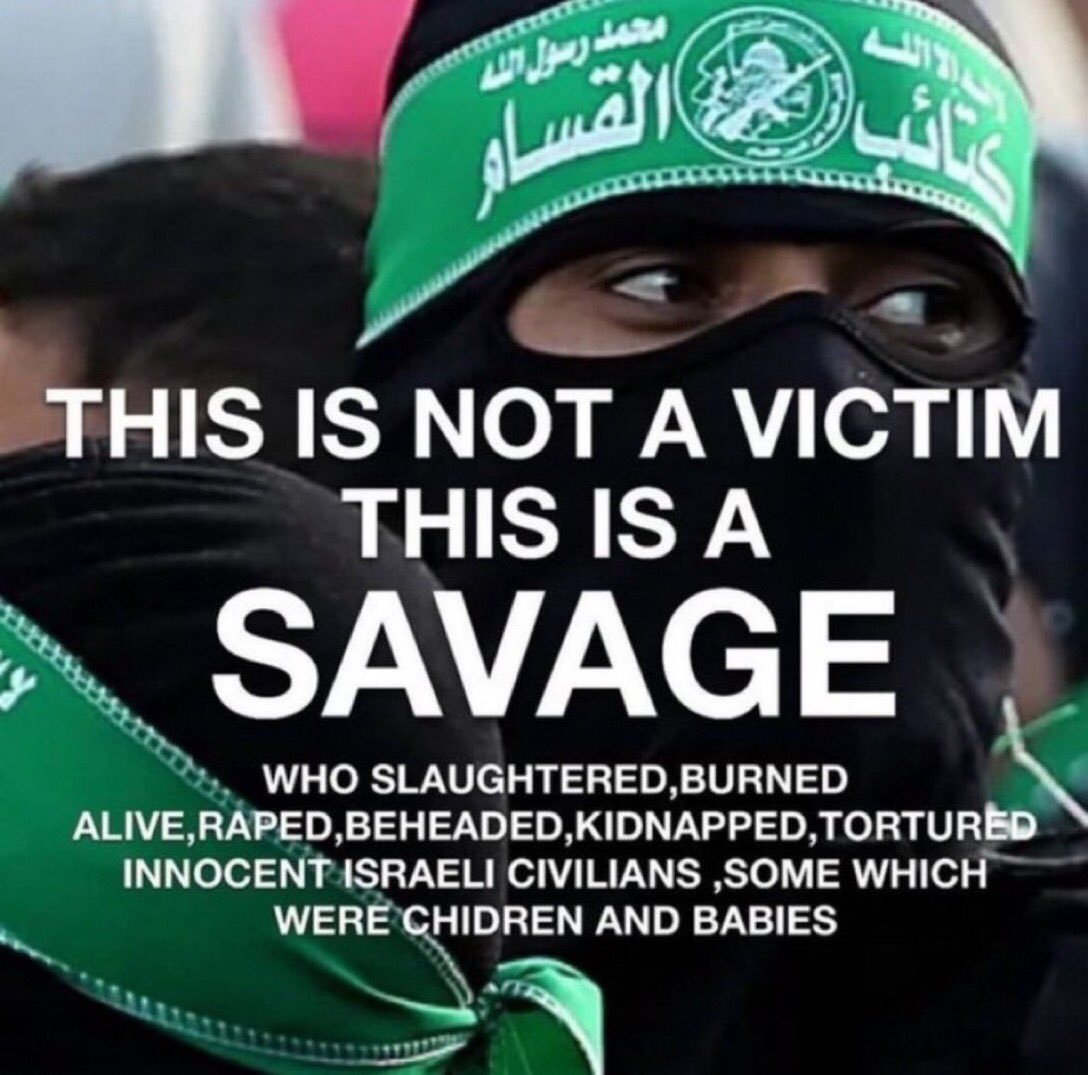
What’s the difference between Islam and Radical Islam ?
The issue of whether the religion of Islam is a faith that endorses extremism, and more specifically violent extremism, or is used and abused by extremist groups for notional objectives, is an important one. This query continues to be a recurrent theme at different levels in world politics.
The debate about Islam and extremism has become more potent in the decades following the advent of the Islamic government of Iran in 1979, the jihadist resistance to the Soviet invasion and occupation of Afghanistan in the 1980s, and al-Qaeda’s 11 September 2001 terror attacks on the United States.
The rise of various ideologically linked violent-extremist networks and groups—including al-Qaeda, Islamic State in Iraq and Syria, Abu Sayyaf Group, Mujahidin Indonesia Timur and Jemaah Islamiyah—has threatened the stability of many states and challenged the sanguinity of the international order.
Hence, scholars, policymakers, commentators and community leaders of different ideological and political persuasions have come up with various descriptors to try to make sense of where Islam stands in relation to extremism.
They prominently include political Islam, reformist Islam, moderate Islam, radical Islam, extremist Islam, Salafist Islam, Wahhabi Islam and Deobandi Islam, or a combination of these.
Do these terms capture the essence of Islam as a communal faith and way of life, or do they indicate that the Quran is open to a range of interpretations, including the ones that can justify violence and terrorism?
The challenges posed by violent Salafism and the potential solutions that should be considered. The book has a strong regional dimension, with a focus on the Philippines, Malaysia, Indonesia and Singapore.
While urging the authorities to be cognisant of the distinction between different strands of Islamism, the author alerts them to what he identifies as a fundamentalist theological–ideological amalgam that has been called Salafism in Southeast Asia.
This brand of Salafism has never had wider space than since 9/11. The killings of Osama bin Laden in 2011, Abu Bakr al-Baghdadi in 2019 and many of their main operatives and the return to power of the Taliban in Afghanistan have not seriously diminished opportunities for violent Salafist jihadis. The defeat of the US and its NATO allies in Afghanistan was a significant shot in their arms.
Islamism. A recent UN Security Council report makes it clear that the Taliban’s relations with al-Qaeda have regained strength in Afghanistan. The group constitutes a major security threat, despite its denial of this and the existence of other violent extremist groups, such as the Khorasan branch of the Islamic State, in the country.
The point about the Islamic State Khorasan is that, while it is a rival to the Taliban, many of its members are renegade Taliban.
#Islam #reformistIslam #moderateIslam #RadicalIslam #SalafistIslam #WahhabiIslam #Deobandi #Iran #Taliban #NATO #Hamas #Yazidis #YazidiGenocide #Israel
1
1
2
70

22 Nov 2024
In #Morocco, this is how we celebrate the young girls who have learned the #Holy #Quran.
#AncestralMorocco
#ModerateIslam #Tolerance #AcceptanceOfDifference
#BetterLivingTogether
#SaharaOccidental #WesternSahara
#MoroccanSahara #AlgeriaMeddling
#الصحراء_الغربية 🇲🇦
21 Nov 2024

🇲🇦Voila comment on honore les femmes ayant appris le Quran au Maroc.
Qu Allah preserve nos femmes et nos filles, et qu’Il chatie ceux qui les ont calomnié
2
99
31 Oct 2024
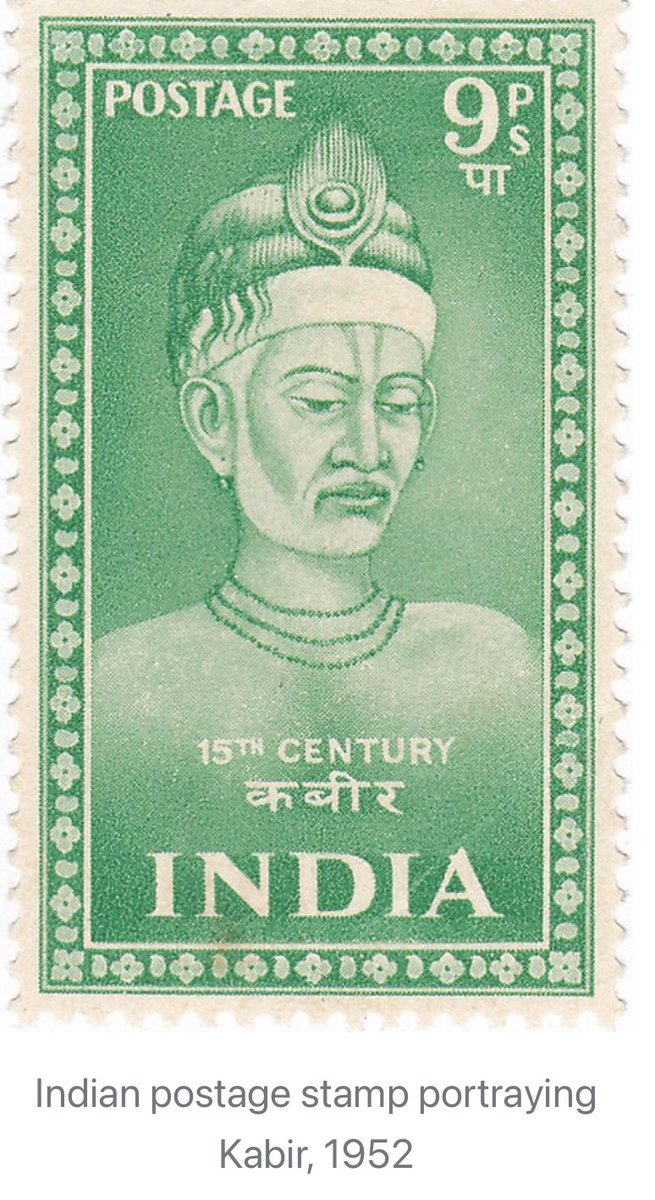
SANT KABIR
Why is the Indian sage #Kabir not the symbol that brings Muslims & Hindus in a common brotherhood?
Born Muslim in the Hindy city of #Varanasi, Kabir influenced the Sikh faith while vilifying the ills in Hinduism & Islam. He called for killing the “I” and “mine” among us.
#Kabir #Varanasi
#RadicalIslam #ModerateIslam #Islamisevil #Islamistheproblem #Islamlies #Jihad #Jihadis #Islamists
#Islam #Islamandslaves #Islamsexandwar #Islamists #Islamicsexmaniacs #MojtabaAmani #explosion #HassanNasrallah #Pagers #News #Israel #Lebanon #Hamas #Iran #News #Islam #RadicalIslam #iRAN #Iranian #Syrian #Hezbollah #LebanonBlast #SaynotoJihad #StandwithIsrael #Sweden #London #Europe #Saynotojihad #SaynotoradicalIslam #StandwithIsrael #Swedish #News #BreakingNews #Sweeden
1
2
115
31 Oct 2024
ISLAM
Is - Yes, the ego is the part of the psyche that represents the self or "I"
LAM - hit (someone) hard.
"I'll come over and lam you in the mouth in a minute “
So Basically- ISLAM means - Hitting someone with your ego !
And ego in this case means ….
Islam is Peace !
Islam is the only religion !
Islam is the greatest religion !
Islam respects and protects women!
Allah is the greatest and only one !
It’s all about their ego that - I AM THE BEST and rest all of you are CRAP !
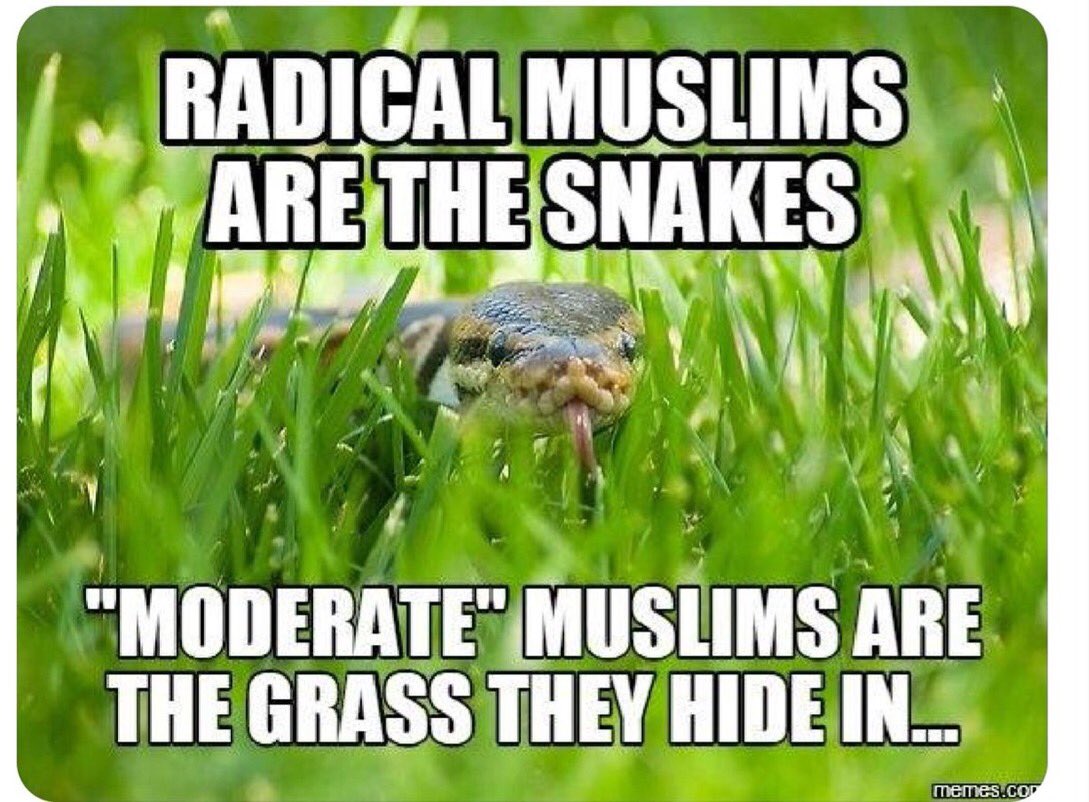
But in reality —- Radical islam is the snake in the grass.
Moderate islam is the grass the snake hides in.
#RadicalIslam #ModerateIslam #Islamisevil #Islamistheproblem #Islamlies #Jihad #Jihadis #Islamists
#Islam #Islamandslaves #Islamsexandwar #Islamists #Islamicsexmaniacs #MojtabaAmani #explosion #HassanNasrallah #Pagers #News #Israel #Lebanon #Hamas #Iran #News #Islam #RadicalIslam #iRAN #Iranian #Syrian #Hezbollah #LebanonBlast #SaynotoJihad #StandwithIsrael #Sweden #London #Europe #Saynotojihad #SaynotoradicalIslam #StandwithIsrael #Swedish #News #BreakingNews #Sweeden
1
1
2
54

MBS: “We aim to return to moderate Islam that embraces all religions. With 70% of Saudis under 30, we won’t waste time on extremism; we will eliminate it today. We want to lead normal lives that reflect our good traditions and contribute to development. Clear steps have been taken, and we will soon eradicate remaining extremism.” #ModerateIslam #SaudiVision
#Israel
1
229

20 Sep 2024
Moderation in Islamic Practice
Islam encourages balance—five daily prayers are moderate, but neglecting family for excess worship isn't the way.
#ModerateIslam #Prophet
2
23
106
3,414

16 Jul 2024
Absolutely 💯! At a recent Cambridge University conference on A.S. Massoud, a prominent speaker stated that Islamic countries will eventually follow Ahmad Shah Massoud’s vision for moderate Islam. #ModerateIslam #CambridgeUniversity
16
359

3 Apr 2024
कट्टरता छोड़ ‘उदारवादी इस्लाम’ की ओर बढ़ रहा Saudi Arabia!, प्रिंस Salman का पुराना वीडियो वायरल
#MohammedbinSalman #SaudiArabia #ModerateIslam #PunjabkesariTv
1
2
262
13 Feb 2024
Scholars like Dr. Tariq Ramadan, Maulana Wahiduddin Khan, and Dr. Jawaid Ghamedi have made significant contributions to promoting peace, harmony, and understanding in the Muslim world.
awazthevoice.in/opinion-news…
#ModerateIslam #Scholarship #PeaceInIslam @DrHafeezPasha @TariqRamadan @WahiduddinKhan @NikhatFatma09 @Amaliainc @AmirHassanMaken @HRJalalpuri @TariqueHAshraf @_DailyHadith__ #Awazthevoice
4
6
132