
Jun 7
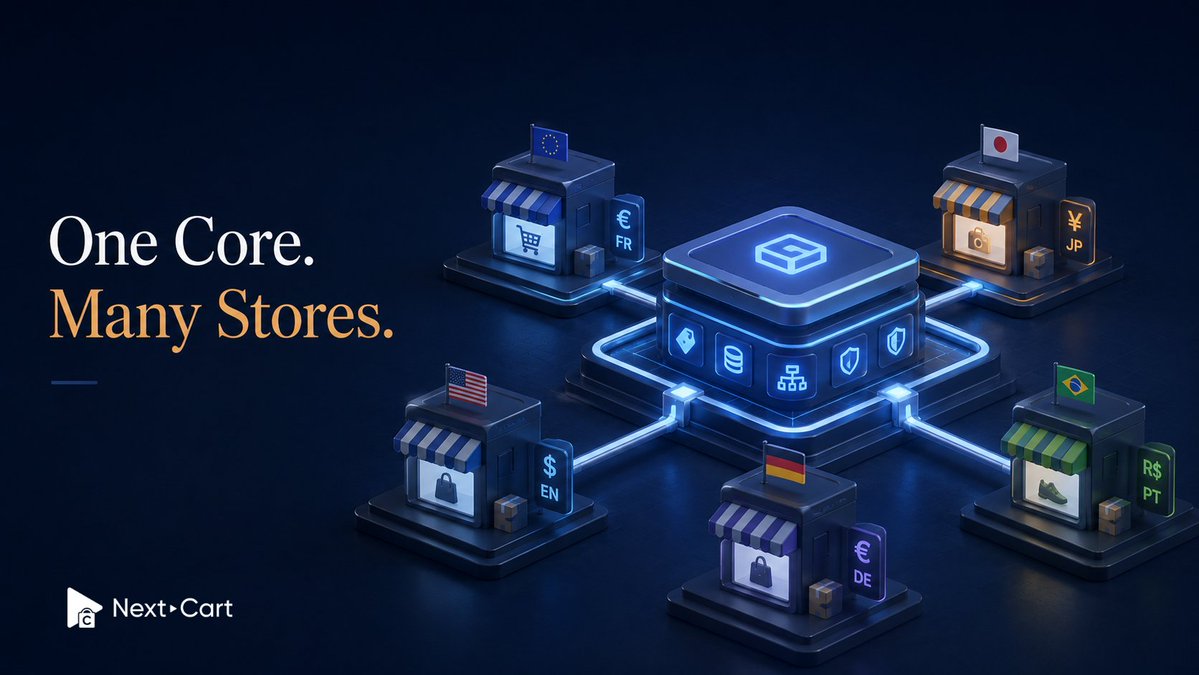
🏪 Simplify your Multi-store Migration Journey!
It’s not just moving data but establishing the right governance; deciding what to centralize, keep local, and standardize🌐
Steer clear of these pitfalls:
🔒 Over-Standardization: Rigid models that stifle regional flexibility and customer relevance.
🌍 Over-Localization: Endless legacy quirks that increase costs and complexity.
🔑 The key? Define your Operating Doctrine before migrating. Map out what’s globally governed versus locally controlled.
💭 Ask: "Which regional exceptions are truly justified, and which are just tech debt?"
#MultiStore #EnterpriseArchitecture #Replatforming #eCommerce #NextCart
1


May 3
Every European country should have least one or two Nuclear Powerplant, Solar panels for unused roof space for residential multistore buildings then sell the surplus solar power back to the grid, watch how things will be easy for every citizen.
1
6
534

Apr 28
Inventory problems quietly eat into profits. Too much stock blocks cash, too little stock loses sales. Most retailers struggle because they cannot see what is happening in real time. That is where smart inventory control becomes critical. It is not just about tracking items, it is about running a tighter, smarter business.
With Affino Retail, inventory becomes simple and clear. You can track stock across stores, get low stock alerts, manage reorders, and move inventory easily. Everything stays connected. No guesswork, no manual errors, and no last-minute surprises. You always know what is selling, what is slow, and what needs action.
This kind of visibility helps you reduce waste, improve margins, and serve customers better. Whether you run a salon, store, or chain, control over inventory directly impacts growth. When your stock is right, your business runs right.
#AffinoRetail #InventoryManagement #RetailSoftware #SmartRetail #RetailAutomation #POSSoftware #StockControl #RetailGrowth #BusinessEfficiency #MultiStore #RetailIndia #SalonBusiness #SpaBusiness #ConvenienceStore #CoffeeShop #RetailTech #InventoryControl #DigitalRetail #SMEBusiness #RetailOperations
Apr 28

Inventory is where most retail losses silently happen
#AffinoRetail brings clarity and control in a very simple way. Real-time visibility, better planning, fewer surprises. This is the kind of system every growing retail business should have if they want to scale without chaos

3
6
357

Im sorry but Xbox had exclusives like Starfield, South of Midnight, Avowed and it didn't do anything. Cod didnt move the needle for game pass. If Helix is a 1000 dollar machine how on earth are they going to keep a bajillion studios afloat with a multistore approach and pc day 1?
356

Apr 26
AppleSheep Multistore สาขา The Mall Lifestore Bangkapi ชั้น G
#SHEEPxTleFirstone


15
703
762
14,626

It's project specific right now, and 700 lines long. I might turn it to a template later because the rules are transferable.
I can tell you the primitives that make it work though:
0. Describe the actual system, what the major parts are, and who owns what, in a completely non-ambiguous manner. "This is not "a frontend", this is a multi-part system that consists of A, B, C, and D".
1. Disallow test-passing architecture and compatibility shims explicitly. "Only clean cuts along the correct topological seams. Deletion of the old structure is part of the same task as creation of the new structure".
2. Allow work to cascade, explicitly. "If the task ends with red tests, pull in the directly affected work until all tests are green". (This, in combination with the non-allowance of test-passing architecture creates long-sessions of work along the entire hierarchy tree until a problem is actually solved)
3. Begin local - if the issue is not immediately local, go to the highest level that can be responsible immediately. "Find the actual owner and correct the issue at the highest responsible level". (Saves work and tokens failure-mode "fixes" are often at the middle layers)
4. Identify the possible error modes, when they come up, at a meta level, and tell the model to dynamically add them to the document as "known bad patterns" in a specific list.
---
GPT had this to say about why it works, and you may take something away from that when writing your own steering doc based on those principles:
---
It works because it does four unusually important things at the same time.
It names the actual system.
It does not say “this is a frontend” or “this is a layered app.” It says what this repo concretely is: multistore runtime, theme system, CMS, BFF, observability/tooling. That matters because placement decisions depend on what the system actually is.
It assigns ownership, not just ideals.
Most architecture docs say “keep things clean.” This one says who owns what:config owns assembly
shared owns durable vocabulary
app owns browser orchestration
server/services owns BFF workflows
plugins/providers are adapters, not the core
That turns architecture from taste into routing.
It names bad shapes explicitly.
This is the highest-leverage part. It does not just describe the ideal form; it describes the failure modes:fake shared buckets
compatibility seams
duplicate public homes
artifact-shaped tests
stale enforcement
late lifecycle registration
stale private mocks
Once those are named, people can see them. Before that, they often look “reasonable enough.”
It ties doctrine to action.
The document usually does three steps in one place:current truth
implementation consequence
what question to ask first
That is why it is usable during real work. It does not stop at “what is true”; it tells you how to make the next decision.
If I boil it down to the core:
It is an ambiguity-destruction document.
More specifically, it reduces authorship entropy by answering these questions early:
What kind of system is this?
Which seams are real owners?
Which shapes are residue pretending to be structure?
When should code be moved, deleted, or promoted?
What should fail structurally rather than socially?
That is why it has been so effective here. It is not mainly a philosophy document. It is a decision compressor for implementation.
The strongest pattern in it is this:
define the repo’s real products
define the owning seams
define the fake shapes
make the consequences operational
feed new lessons back into the model
---
Claude said this:
---
Boiled to one sentence: it treats authorship-process deformations as a first-class category, names their specific shapes, and requires each enforcement to fail for the reason it claims.
The three moves that make that land:
It describes pressure-deformations, not destinations. Most style guides say what good code looks like. Core truths says what fakery looks like — the shape an author leaves behind when they wanted to be not-wrong more than they wanted to be finished. Defensive two-mode branches, rename-only aliases, tombstone inventories — these are not bad taste, they are the fingerprints of unresolved authoring pressure. Once you name them, you can see them.
Its rules apply to themselves. §3.18 ("fail for the reason named") is what let us look at the invariant suite built to enforce the doc and catch the expect(Array.isArray(offenders)).toBe(true) pattern as a §3.18 violation — the enforcement reproducing the shape it was built to kill. Most docs can't survive being pointed at their own implementation. This one does.
The taxonomy is open but the authority is closed. §4 invites new shapes; what it refuses is "we found a new shape, so let's soften the rule." New evidence adds entries, never removes edges. That asymmetry is why the doc doesn't decay.
The deepest thing, if I had to pick one: it makes the invisible part of the craft — the pressure felt at the moment of authorship — a legible, enumerable object. That is what no other codebase document I've seen does.
1
3
66

Apr 19
A penthouse is just a nice living space on top of a multistore building.
Very humble compared to the Captain's Quarters of a Starship, or even just a Interplanetary Cruiser.
2
74

👀 xbox has been pc for over a generation now, them producing a closed box pc will change absolutely nothing on that front, infact their revenue is likely to drop because of the multistore access, which i think is a bad idea.
Mar 12

Everyone asking "why is Xbox going to PC?" This is why.
PC games revenue outgrowing consoles by 2028.
The same year Project Helix launches playing both console AND PC games natively.
Xbox is building the device that captures both markets at the exact moment PC revenue overtakes console.
8
441

Mar 11
Last I checked they’re running most of the top 40 non-grocery RMNs. Being able to pull from so many SKUs is ideal for chatbot ads.
Unclear if they can do multistore matching and creative generation in real-time yet.
1
2
70

Feb 25
The dirty secret of SaaS eCommerce: the moment your business model evolves, you're either migrating or duct-taping.
Most B2B companies think adding a D2C channel means building a second store.
It doesn't — unless your platform forces it.
A manufacturer wants to sell direct to consumers alongside their wholesale accounts.
A distributor wants to open a branded storefront without disrupting the B2B portal their buyers depend on.
On most platforms, that's two separate instances, two product catalogs, two checkout flows, and twice the infrastructure cost.
On Spree, it's one platform. Multiple stores.
All your products, customers, orders under one roof.
Your B2B buyers still log in and see their negotiated prices. Your D2C customers get the consumer-grade experience they expect.
Same product catalog. (Different price lists, shipping costs and so on.)
Same order engine.
Same team managing it all.
B2B wholesale? Native.
D2C storefront? Native.
Multi-store across both? Native.
Not plugins. Not duct-taped add-ons. First-party modules that compose together on a single open-source foundation.
The businesses winning right now aren't the ones choosing between B2B and D2C — they're the ones running both without doubling their infrastructure.
If you're exploring how to add D2C to your B2B operation (or the other way around), let's connect — we'd love to hear what you're building.
We recorded a short video walkthrough and wrote a couple of deep dives on this:
1) Why B2B companies are adding D2C on the same platform: spreecommerce.org/why-b2b-co…
2) Multi-store eCommerce — how B2B businesses are expanding into B2C without doubling their infrastructure: spreecommerce.org/multi-stor…
#ecommerce #opensource #B2B #D2C #multistore #composablecommerce #headlesscommerce #digitaltransformation
1
2
4
114

Feb 14
Some things I've added to @reviewbirdapp for WooCommerce merchants this week, starting with:
Multistore and Agency Licensing:
Buy a bundle of stores, or signup for an agency plan to manage lots of stores at a reduced cost per store.
1
3
5
200

Daily Pony Chaos Ep11💀
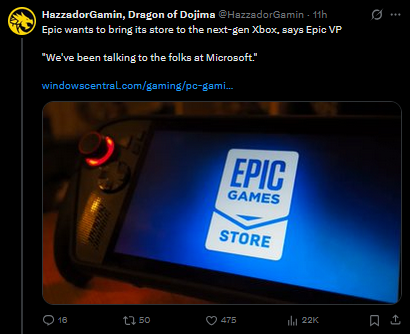
Seems official: next Xbox will support a multistore setup
Ponies say goodbye to your precious exclusives
Your games will be cheaper and in a better version on Xbox via Steam
Time to pivot again
But don’t worry, you can still pay more for less
Ouch🐴💧
15
6
34
1,241

Jan 2
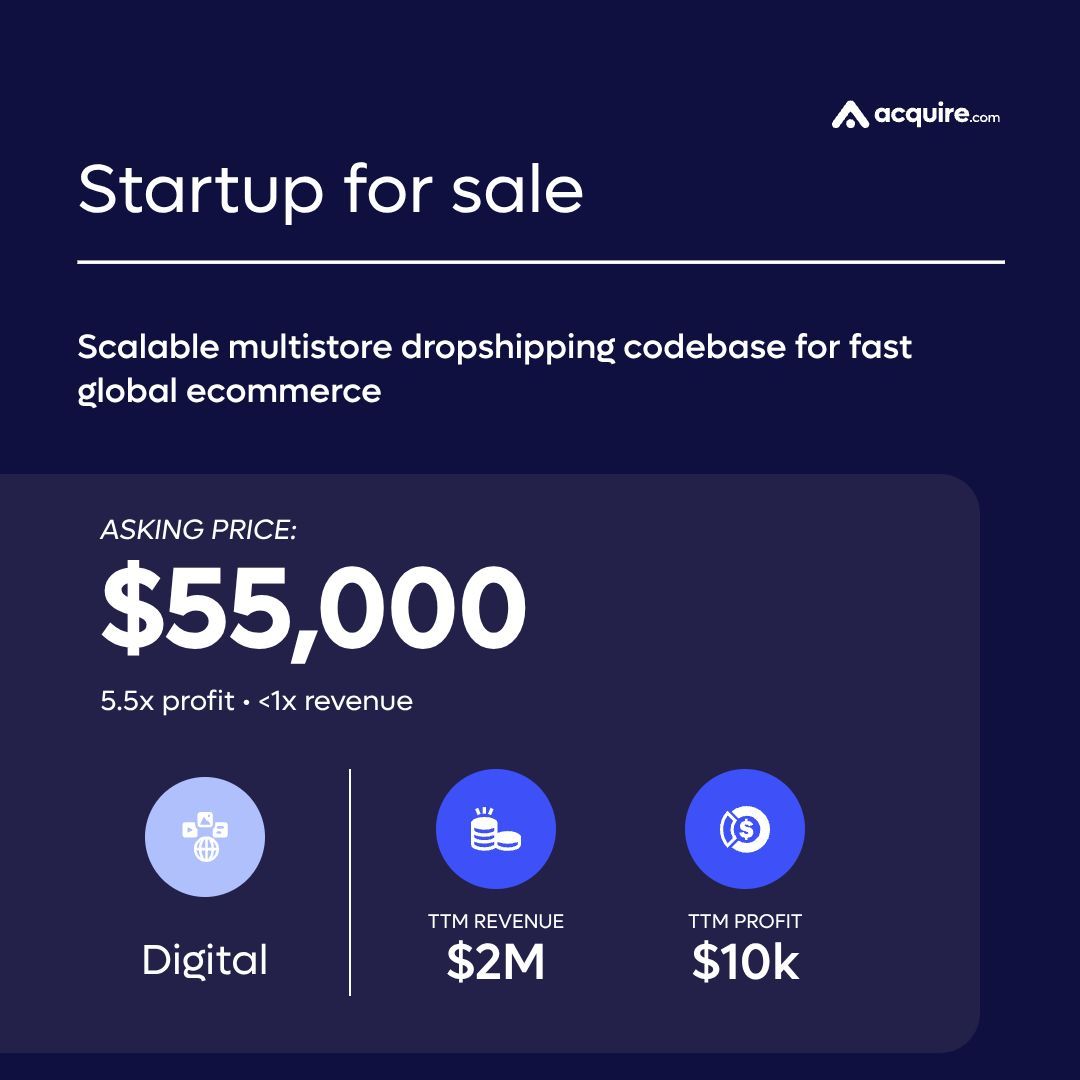
🔥 New Startup Listed 🔥 Digital | Scalable multistore dropshipping codebase for fast global ecommerce | $2M TTM revenue
Asking Price: $55k
Contact the seller here: buff.ly/wZVyqsw
2
2
986

27 Dec 2025
Around one third of residents of Kyiv stay without heat because of the latest Russian attack that is still ongoing. Several multistore residential houses are on fire. At least eight people are wounded.
19
47
121
4,844

30 Oct 2025
Learn how multistore auto groups can turn phone ops into measurable wins. Watch now with Ben Chodor, CEO of CallRevu, and Tom Cardinale, VP of Cardinale Auto Group. #AutoDealer #PhoneOps ps://event.webcasts.com/starthere.jsp?ei=1740897&tp_key=72d981ff1d&sti=twitter

1
1
1,004

10 Oct 2025
Yes, this is residential multistore building in the center of Kyiv. Disgusting noise of the russian drones terrorized civiliance the whole night. Unfortunately some of them hitted residents of Kyiv in their homes.
#russiaIsATerroristState
2
1
4
450

8 Oct 2025
Whether you run a single store or a franchise, Smaket’s POS billing combo makes it easy to manage everything from one dashboard.
Learn more: smaket.ai
#MultiStore #Management #POSBilling #Smaket #Technology #Software #Innovation #Trending #Free #App

1
4
19

29 Sep 2025
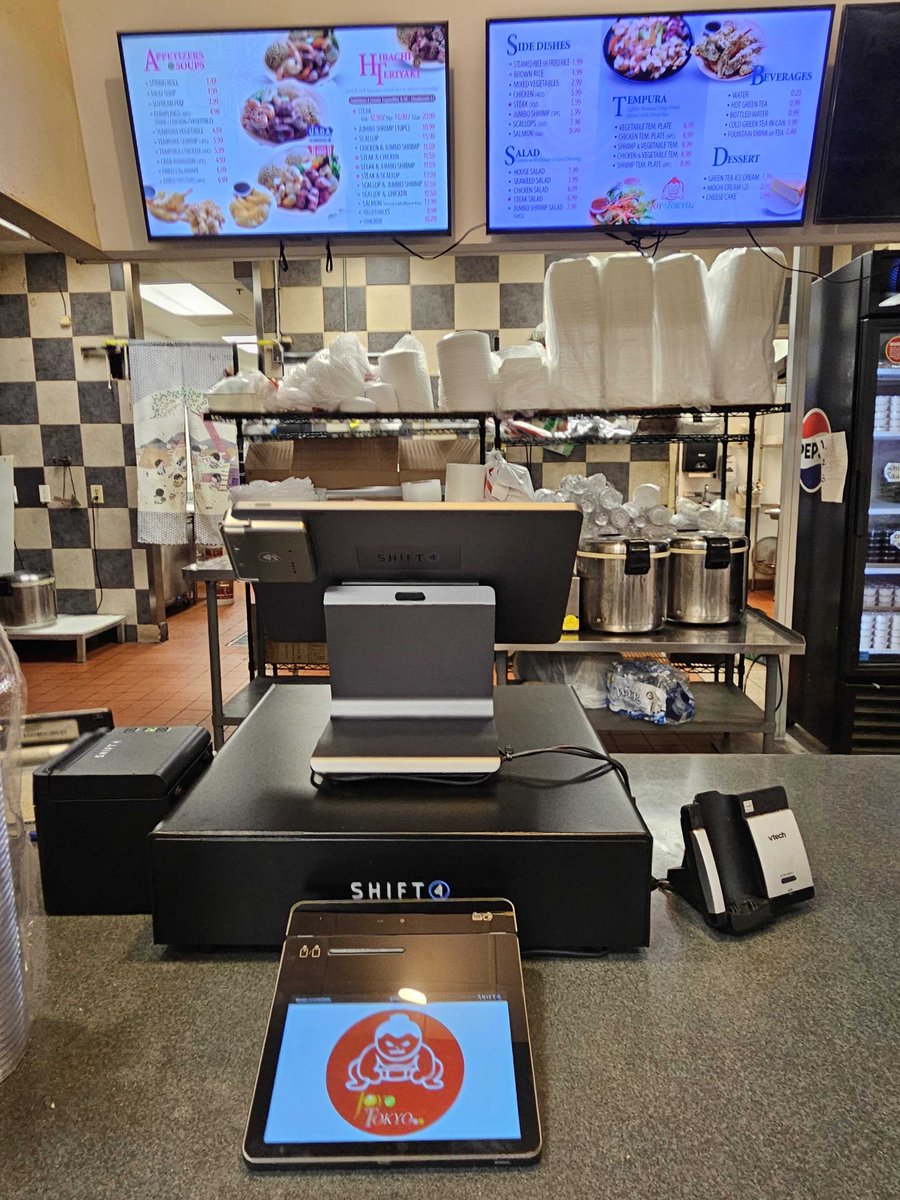
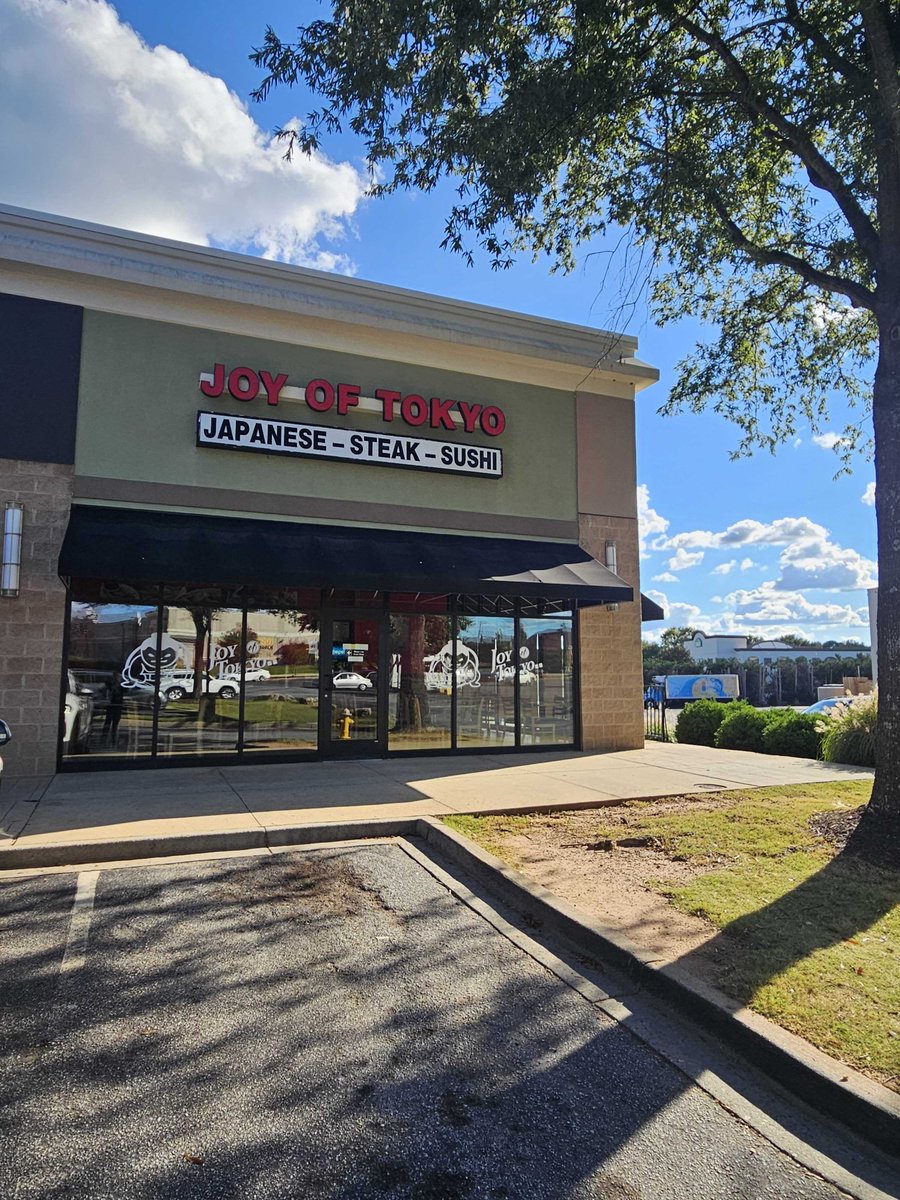
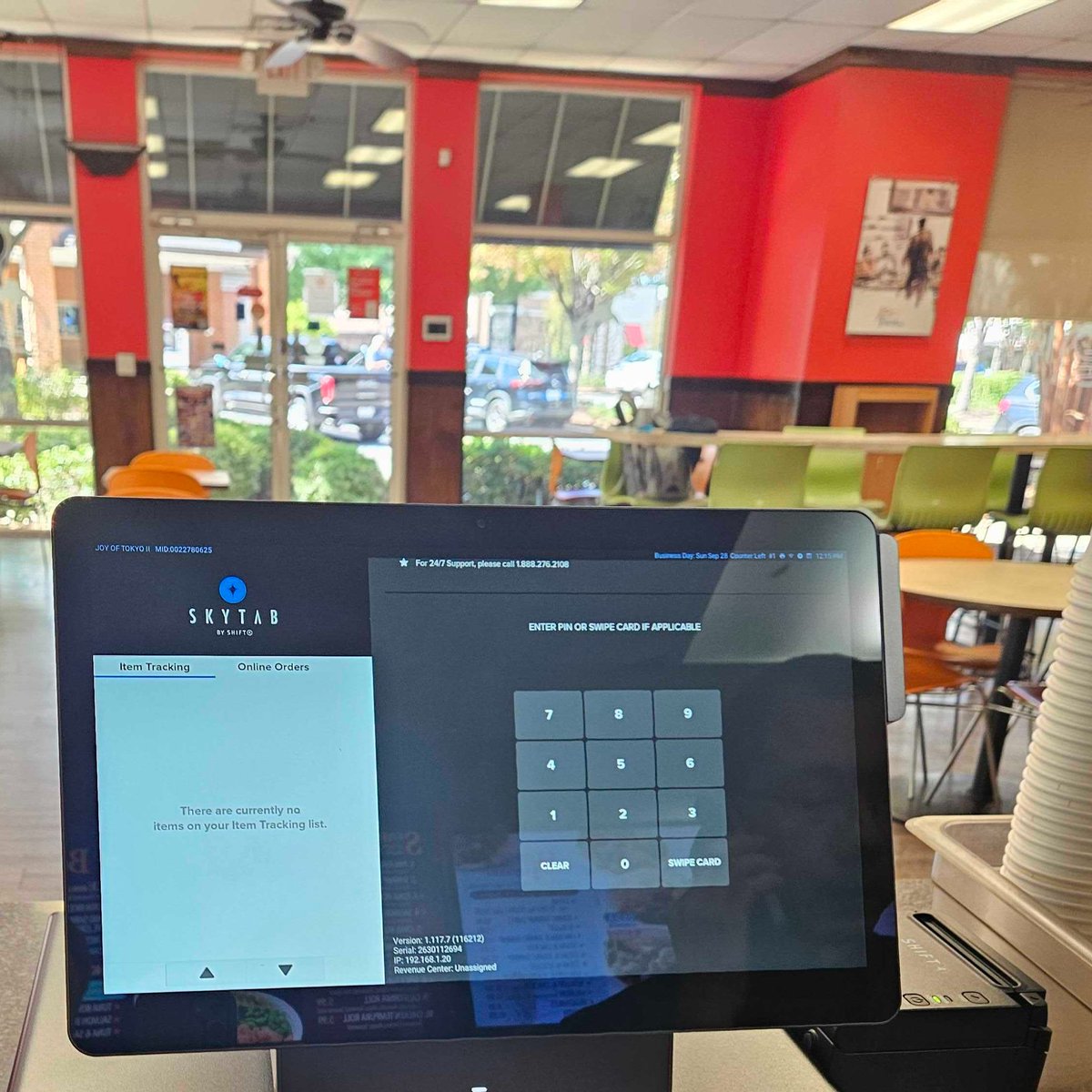
✨Big News! ✨
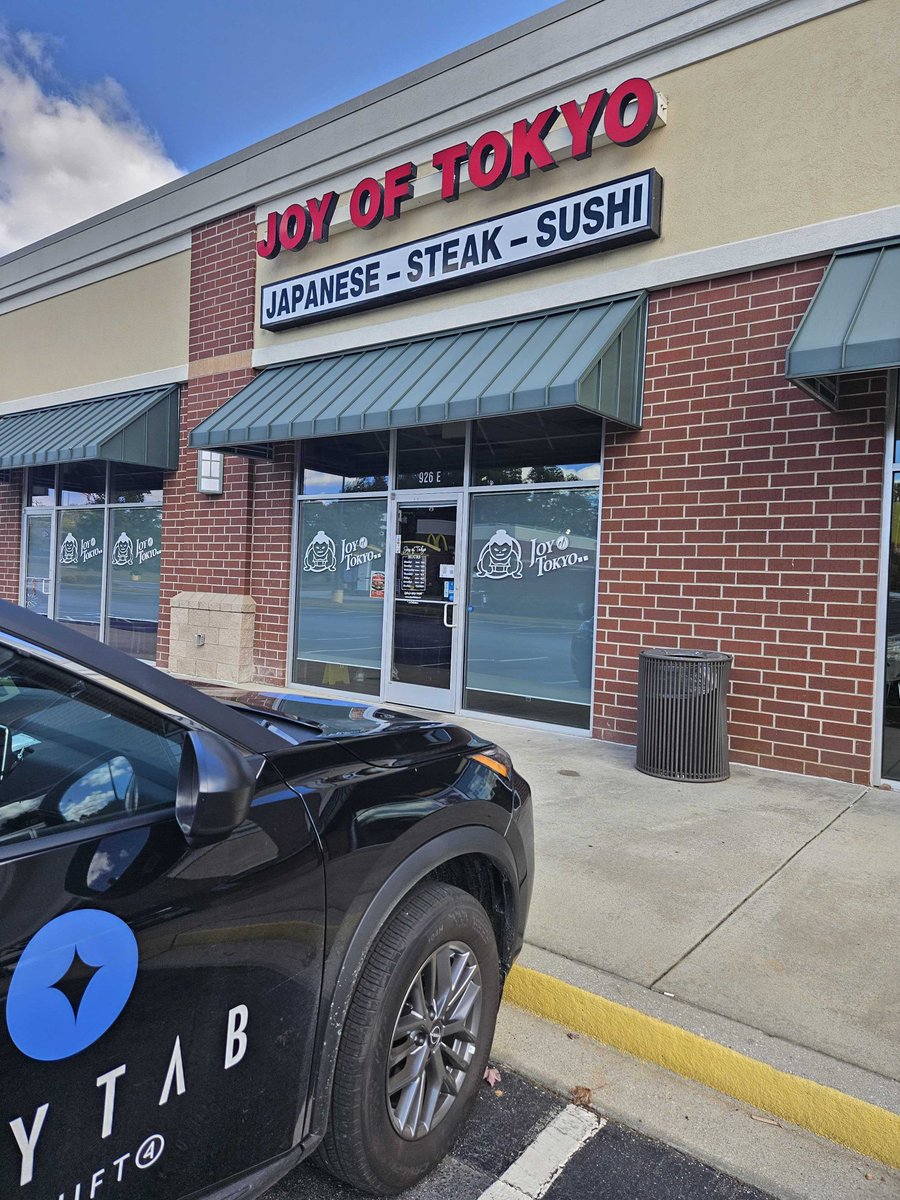
All 8 JOY OF TOKYO locations across Greenville, SC have officially joined the Shift4 family with SkyTab POS installed at each spot — and we (with @Richard_Shift4) pulled it off in just one day! 🚀
With multistore functionalty, JOY OF TOKYO can now manage all locations seamlessly from one system, making operations smoother and smarter than ever!
Welcome aboard, JOY OF TOKYO! 🎉
#Shift4 #SkyTabPOS #InstallDay #RestaurantTech #GreenvilleSC
5
56