
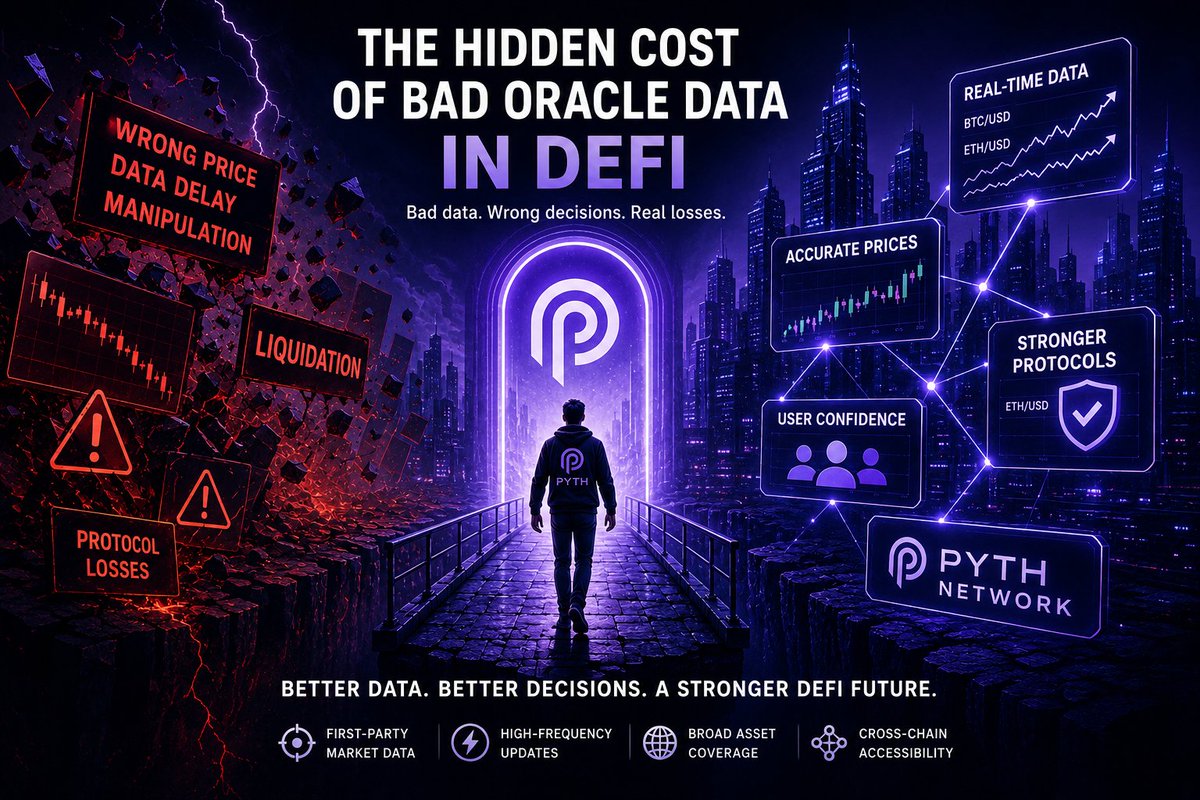
THE HIDDEN COST OF BAD ORACLE DATA IN DEFI
Imagine waking up to discover that your position was liquidated overnight - not because the market moved dramatically, but because the price data feeding the protocol was wrong.
For many #DeFi users, this is a risk that often goes unnoticed. Most people focus on trading strategies, yield opportunities, or market trends, but few stop to think about the quality of the data powering the applications they use every day. Behind every lending protocol, perpetual exchange, stablecoin, and #derivatives platform lies a critical piece of infrastructure: the oracle.
This is where @PythNetwork enters the picture.
THE PROBLEM: WHEN BAD DATA BECOMES AN EXPENSIVE MISTAKE
DeFi protocols rely on external price feeds to determine asset values. These prices influence everything from collateral requirements and liquidations to trade execution and risk management.
The problem is simple: if the data is inaccurate, delayed, manipulated, or outdated, the consequences can be severe.
A lending protocol might liquidate healthy positions based on incorrect prices.
Traders could be exploited through artificial price discrepancies.
Protocols may suffer losses from inaccurate valuations.
In extreme situations, millions of dollars can disappear simply because the underlying data wasn't reliable enough.
As DeFi grows more sophisticated, the cost of bad oracle data grows with it.
THE SOLUTION: FIRST-PARTY MARKET DATA THROUGH PYTH
@PythNetwork was designed to address this challenge by delivering real-time financial market data directly from the source.
Instead of depending heavily on aggregated third-party information, Pyth receives data from a network of market participants, including exchanges, trading firms, and institutional data providers. These contributors publish price information directly to the network, creating what Pyth describes as a first-party data model.
This approach helps reduce unnecessary intermediaries between the market and the applications consuming the data.
WHAT MAKES THIS EFFECTIVE?
1️⃣ Direct Data Publishing
Price information comes from entities actively participating in the markets, helping improve accuracy & transparency.
2️⃣ High-Frequency Updates
Market conditions change in seconds. Pyth is designed to provide fresh data updates that better reflect real-time market activity.
3️⃣ Broad Asset Coverage
Beyond cryptocurrencies, Pyth supports data feeds for equities, foreign exchange, commodities, ETFs, & other financial instruments, allowing developers to build more sophisticated applications.
4️⃣ Cross-Chain Accessibility
Applications across multiple blockchain ecosystems can access Pyth's price feeds, enabling a wider range of DeFi use cases without sacrificing data quality.
THE IMPACT: BUILDING A SAFER FOUNDATION FOR DEFI
Reliable oracle infrastructure helps make DeFi safer, & more dependable. With accurate market data, developers can build stronger financial applications, while users benefit from fewer unexpected liquidations & more confidence in protocol decisions.
The real value of a quality oracle is not just fixing problems, it’s helping prevent them before they happen.
WHY THIS MATTERS FOR THE FUTURE OF WEB3
As Web3 grows, reliable data will be just as important as security and scalability. DeFi applications depend on accurate, real-time information to function properly, making oracle networks a critical part of the ecosystem.
By delivering trustworthy market data, projects like Pyth Network are helping build a more reliable & scalable future for decentralized finance.
MY OPINION
Oracle networks may work behind the scenes, but they're critical to DeFi. Without accurate market data, even strong protocols can fail. Pyth’s focus on first-party, real-time data helps make decentralized finance more reliable.
Which is the bigger hidden risk in DeFi: smart contract exploits or inaccurate oracle data?
#PythNetwork #DeFi #Blockchain #Web3 #OracleData
15
9
48
1,633

31 Dec 2025
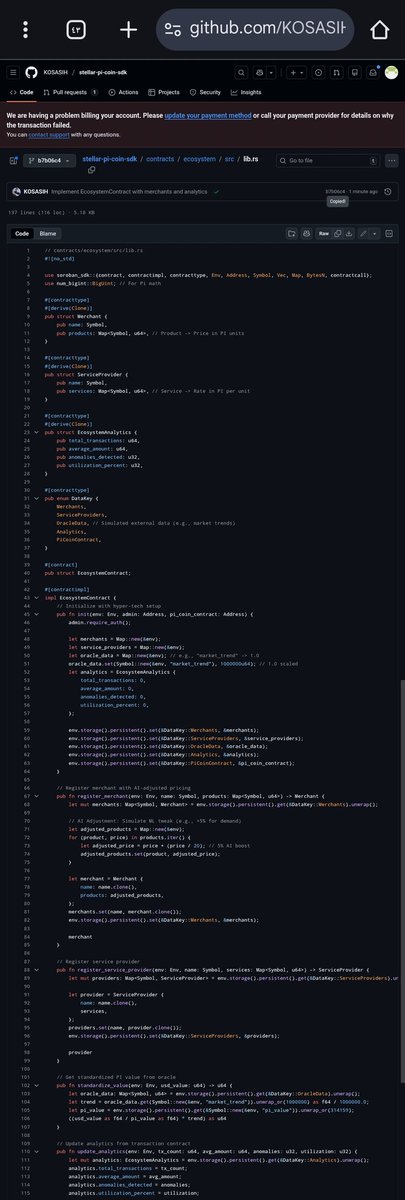
### Introduction to the Ecosystem Smart Contract for Entrepreneurs
This smart contract, written in Rust using the Soroban SDK for the Stellar blockchain, serves as the backbone of a decentralized ecosystem for merchants, service providers, and analytics. It's designed to facilitate a PI-based economy (where PI likely refers to a cryptocurrency inspired by Pi Network or a custom token). As an entrepreneur, this contract can help you build or integrate a platform for e-commerce, service marketplaces, and data-driven insights, with features like AI-adjusted pricing, oracle data for market trends, and transaction analytics.
Below, I'll outline the **main data structures** (structs and enums) and **functions** in English, with clear explanations. These are the core building blocks. The structures define how data is stored and organized, while the functions handle operations like registration, calculations, and updates. This can serve as a foundation for pitching to investors, developing prototypes, or scaling a blockchain-based business.
#### Main Data Structures
These are custom types that store key information persistently on the blockchain. They use Soroban's `contracttype` attribute for serialization and storage.
1. **Merchant**
- **Description**: Represents a merchant (e.g., an online seller) in the ecosystem.
- **Fields**:
- `name`: A symbolic name for the merchant (e.g., "MyStore").
- `products`: A map (dictionary) associating product names (symbols) with their prices in PI units (e.g., {"Widget": 100}).
- **Business Value**: Allows entrepreneurs to register sellers with dynamic product catalogs, enabling automated pricing in a crypto economy.
2. **ServiceProvider**
- **Description**: Represents a service provider (e.g., a freelancer or consultant).
- **Fields**:
- `name`: A symbolic name for the provider (e.g., "TechSupport").
- `services`: A map associating service names with rates in PI per unit (e.g., {"Consulting": 50}).
- **Business Value**: Supports service-based businesses, like gig economies, where rates can be queried and payments calculated on-chain.
3. **EcosystemAnalytics**
- **Description**: Tracks overall system performance and metrics for analytics.
- **Fields**:
- `total_transactions`: Total number of transactions processed.
- `average_amount`: Average transaction amount in PI.
- `anomalies_detected`: Number of detected irregularities (e.g., fraud alerts).
- `utilization_percent`: Percentage of system resource utilization.
- **Business Value**: Provides entrepreneurs with real-time insights for monitoring growth, detecting issues, and optimizing operations—ideal for dashboards or reports.
4. **DataKey** (Enum)
- **Description**: An enumeration used as keys for persistent storage, acting like database table names.
- **Variants**:
- `Merchants`: Key for the map of all merchants.
- `ServiceProviders`: Key for the map of all service providers.
- `OracleData`: Key for simulated external data (e.g., market trends).
- `Analytics`: Key for ecosystem analytics.
- `PiCoinContract`: Key for the address of the external PI coin contract.
- **Business Value**: Ensures organized, scalable data storage, making it easier to expand the ecosystem without refactoring.
#### Main Functions
These are the public methods of the `EcosystemContract` that entrepreneurs can call via blockchain transactions. They handle initialization, registrations, calculations, and queries. Functions use the environment (`Env`) for storage and interactions.
know!
🧶🧵🧶🧵🧷
#PiNetwork #CiDiGames #Web3Gaming #Cryptocurrency #BlockchainAdoption #Gaming #DeFi #PioneerCommunity#PiNetwork #BlockchainRoadmap #Testnet2v23 #Mainnetv24 #CryptoEducation #MICACompliance #DeFi #SmartContracts #PioneersGuide #DigitalEconomy
13
38
261
11,023

31 Dec 2025
How to Perform 314k Analysis with Pi-Explorer? (Practical Guide) Clone the repository and install it locally (with npm). Then: Block Query: Connect to the Mainnet (publicnet.local:3000). Look for block 592501 – nonce ~248763, pull oracle data (RPC: curl -X POST http://horizon.publicnet.local:8000 -d '{"method":"getBlock","params":["592501"]}').
Add custom script (fork to repo):
// Example: Oracle query with Node.js (Horizon API) const StellarSdk = require('stellar-sdk'); const server = new StellarSdk.Server('horizon.publicnet.stellar.or…'); async function checkGCV(blockHeight) { const block = await server.blocks(blockHeight).call(); const oracleData = block.attributes.extra; // GCV oracle here console.log(`Block ${blockHeight} GCV: ${oracleData?.gcv || 'N/A'} USD/Pi`); } checkGCV(592501); // Output: ~314k if simulated
Challenge Simulation: Integrate Python for nonce brute-force (add to repository): Like the previous example, scan the 314k range.
Conclusion: Explorer supports GCV for on-chain data (20M points), but the exchange price is different – expect post-launch compatibility.
#pinetwork
@arash791053
@Kamelkadah99
#Web3
#gcv314
3
22
98
4,365

27 Jun 2025
6/
This was a fun dive into oracle mechanics and calldata structure.
Huge respect to @PythNetwork for the developer-friendly tools!
Check it out & let me know your thoughts.
#Web3 #BlockchainDev #OracleData #TypeScript #Golang
2
76

26 Mar 2025
🚀 Big news! @switchboardxyz partners with @jito_sol & @fragmetric to launch (Re)staking for boosting security, efficiency & decentralization in oracle data feeds! 🔐⚡️
Get the full scoop 📚: [link]
#Blockchain #Decentralization #OracleData #Security #Crypto #ReStaking
3
53

5 Dec 2023
"Gologica's Oracle Data Integrator: From Basics to Brilliance"
gologica.com/course/oracle-d…
#gologica #gologicatraining #oracleonlinetraining #OracleData #DataIntegration #OracleDataIntegrator #clouds #cloudcomputing #training #onlinetraining #certificationcourses #certification
3
27

25 Oct 2023
Best slides from @Austin Oracle Users Group.
@oracleace #cloud #GenerativeAI #database #AWS #azure #ML #DBA #developer @OracleDataSci @oracledata @ViscosityNA #foundationmodels #database #AWS #Google #Azure #oracleace #oracledatabase #MySQL #Data #SQL #Python #BigData #DBA
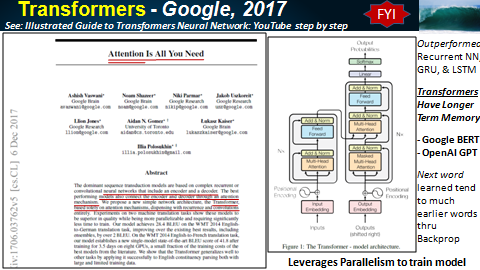
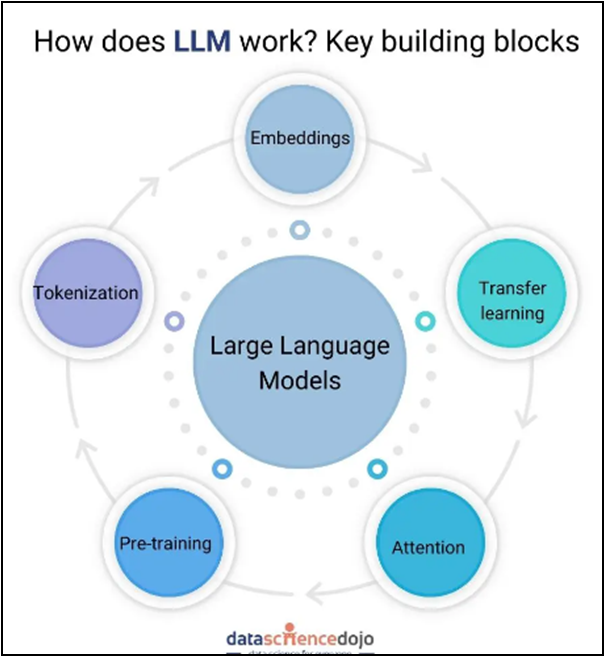
23 Oct 2023

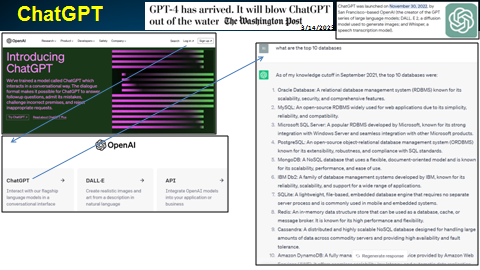
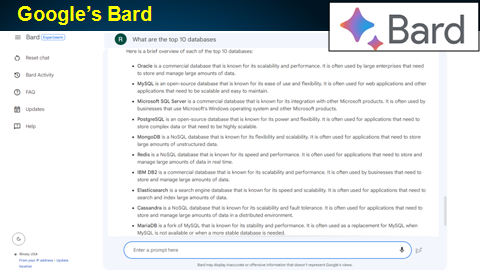
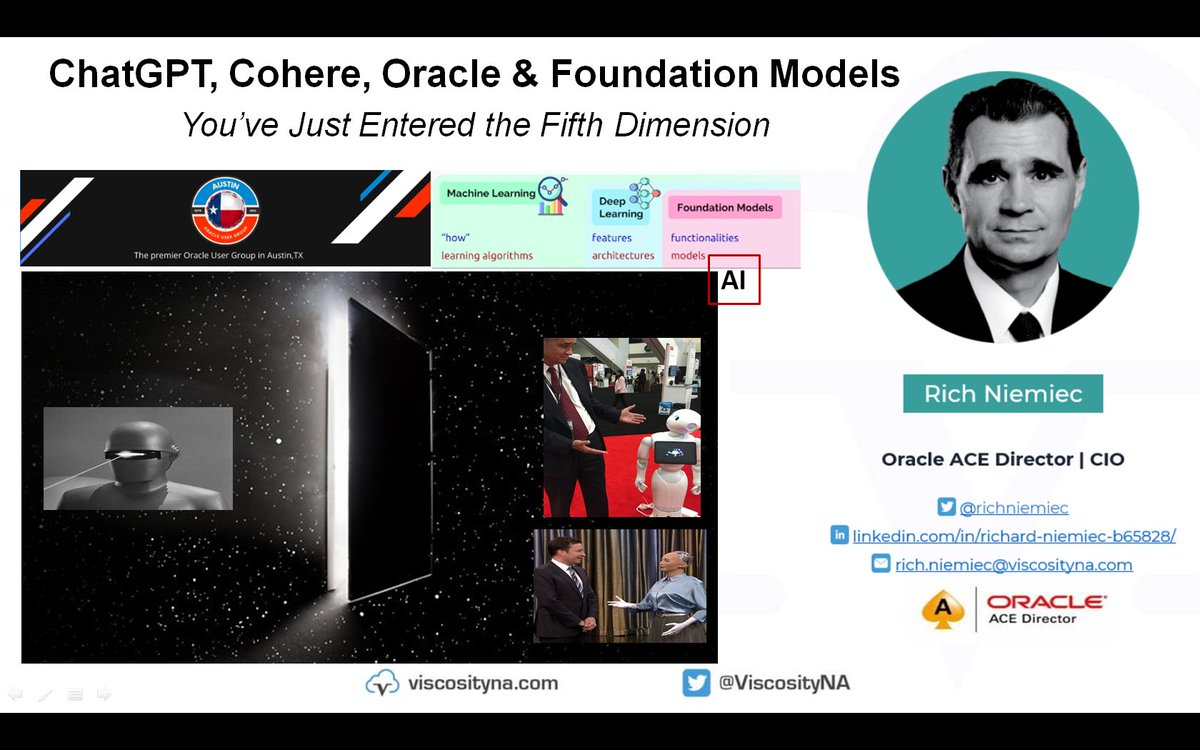
10/25/2023 #Austin: Speaking on #MachineLearning,
@cohere, #Chatgpt, #Bard, #AI & New #Oracle Vector Database!
bit.ly/48VXAdx
#ViscosityNA #OraPub #AOUG @oracleugs @oracleace #cloud #GenerativeAI #database #AWS #azure #ML #DBA #developer @OracleDataSci @ViscosityNA
1
6
249
18 Oct 2023
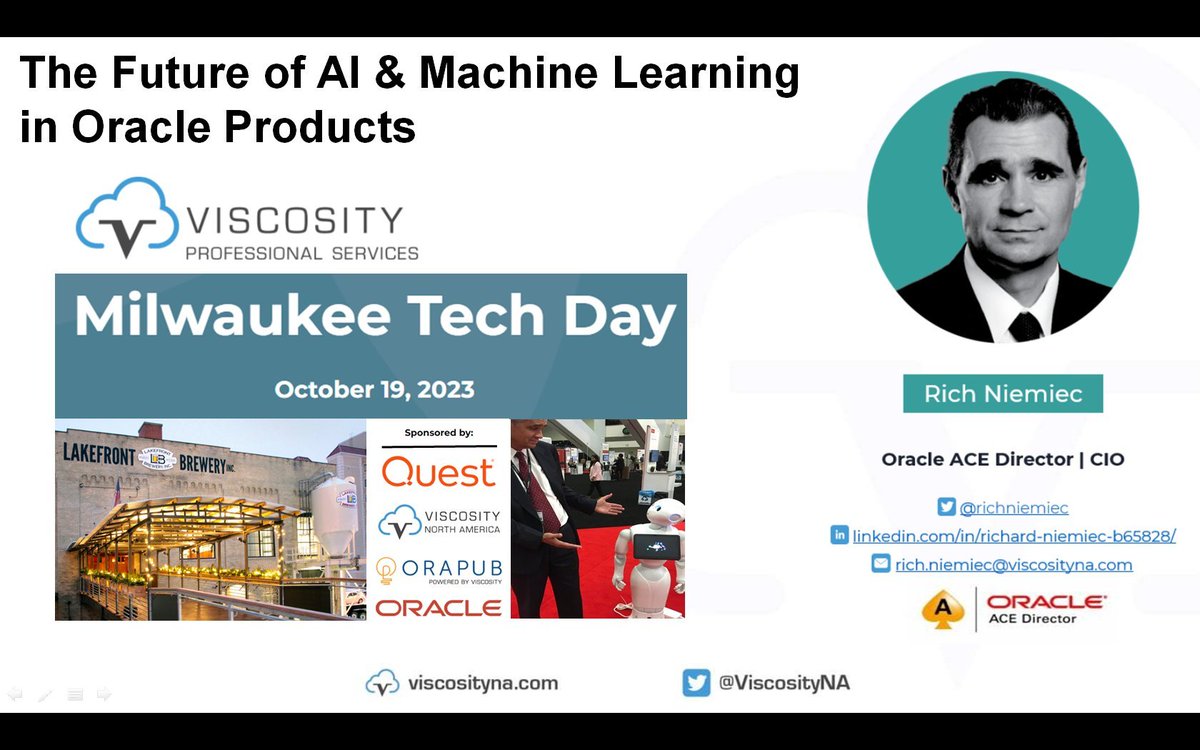
10/19/2023 #Milwaukee: Speaking on #MachineLearning, @cohere, #Chatgpt, #AI & New #Oracle Vector Database!
midwestoug.square.site/2023-…
#oracleace @oracleace #cloud #GenerativeAI #database #AWS #azure #ML #DBA #developer @OracleDataSci @oracledata @ViscosityNA #foundationmodels
3
4
261
3 Oct 2023
Midwest & Chicago Oracle User Group
23c Database Best Features, GenerativeAI, AWR, REST APIs, Exadata 10M, Cloud & More.
#cloud #GenerativeAI #Oracle #database #AWS #azure #foundationmodels #AI #ML #DBA #developer @oracleace #oracleace @OracleDatabase @OracleDataSci @oracledata

1
6
8
2,602

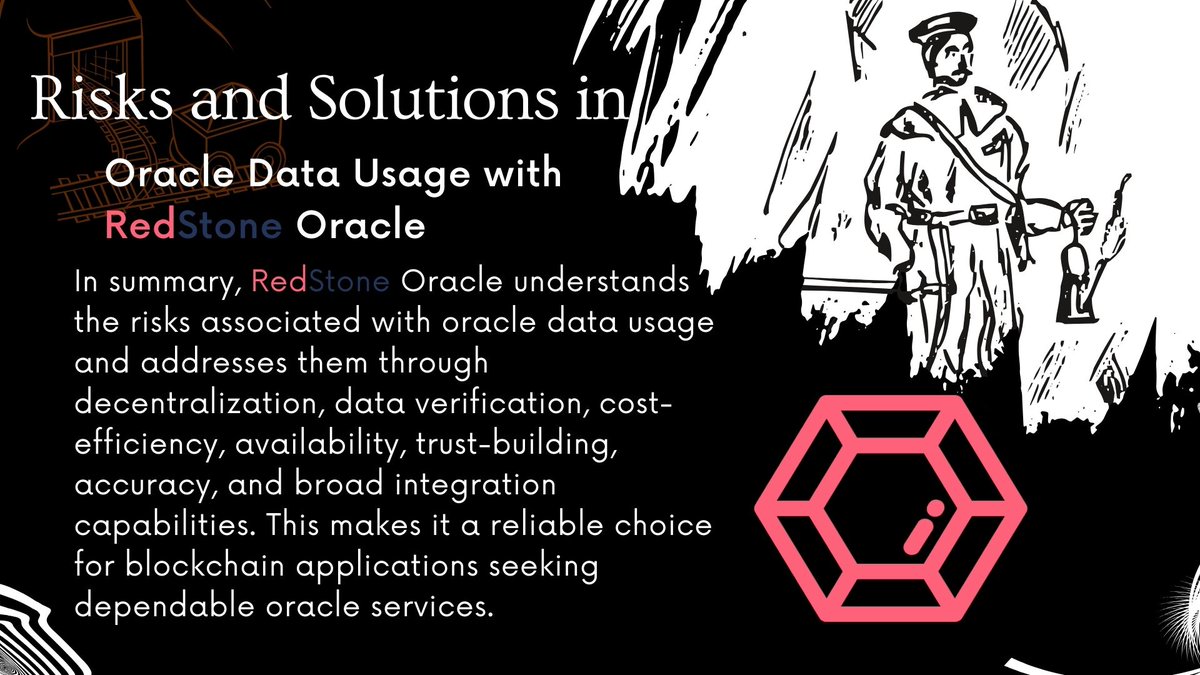
Risks and Solutions in Oracle Data Usage with RedStone Oracle#RedStoneOracle #Blockchain #OracleData @redstone_defi
6
1
9
151

20 May 2023
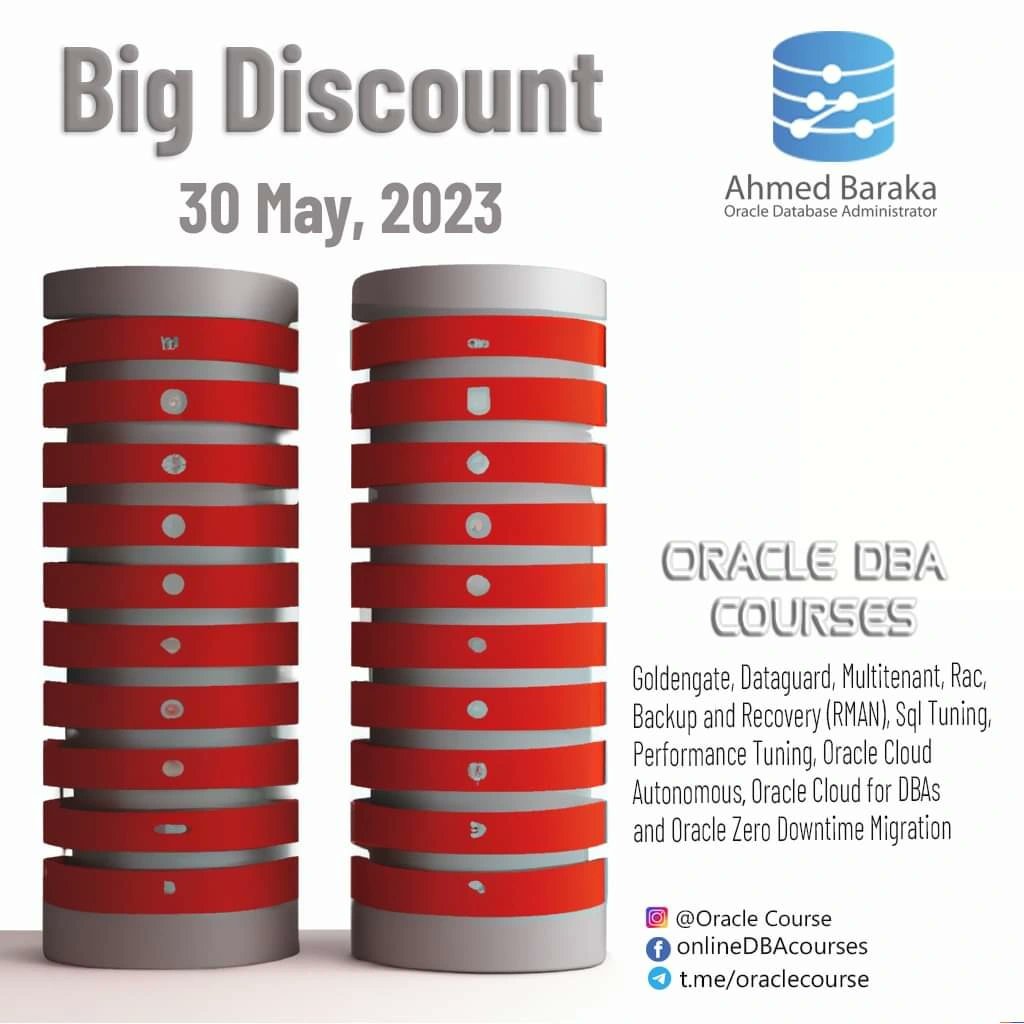
Sign up first on the Thinkific page
oracle-dba.thinkific.com
Then Buy Limited Discount Coupons:
A- New Course: Oracle Database Administration from Zero to Hero - Special Offer: ($10.00)- It will be $100 after next weeks.
oracle-dba.thinkific.com/cou…
#ORACLEDATA #ORACLEDATABASE
3
147

6 Apr 2023
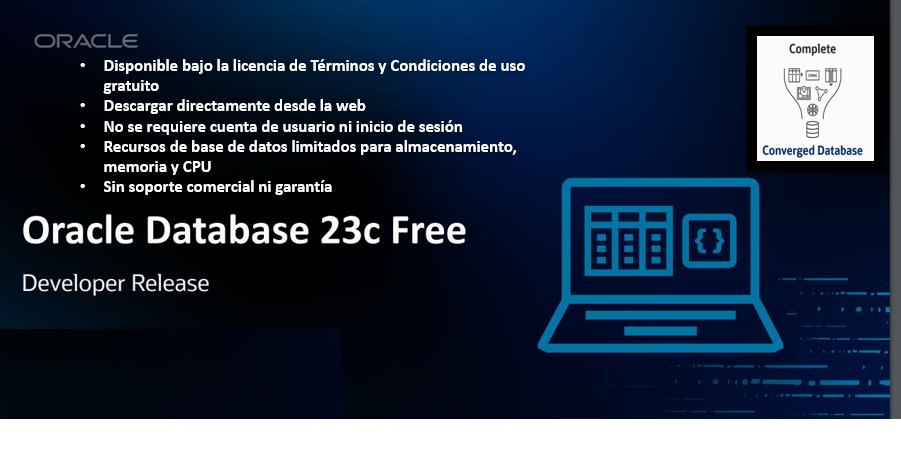
Product page: oracle.com/database/free/ • Vanity URL: oracle.com/23cfree • Vanity URL: oracle.com/oracledbfree • Documentation: docs.oracle.com/en/database/… • Forum: forums.oracle.com/ords/apexd…
@oracleace #oracledatabase23cfree
@oracledata
1
4
371

8 Mar 2023
#Netsoftmate #Exadata & #ODA #CoE helps Customers get best out of the #Engineered #System and #Database
Contact us to know more about #Exadata and #ODA offerings
#Netsoftmate #Oracle #Exadata #OCI #ExaCS #ExaCC #ODA #DatabaseAppliance #Cloud #OracleData…lnkd.in/gx4MQCuu
2
28

11 Nov 2021
My Passion: #DataQuality #Blockchain #OracleData = Never Ending Story of Garbage in, Garbage out. Clean, Standardize your data. Any one know other solutions in addition to @chainlink ? blog.chain.link/what-is-chai… #iLoveData.Crypto
1
1

30 Jun 2021
JOB OPPORTUNITY: Oracle ODI Developer
Salary: £67,000 per annum.
Location: #Remote #UK.
For details click here: ow.ly/VmcW50F9Tul
#talenterprize #itjobs #oraclejobs @Oracle #jobopportunity Oracle #Cloud #jobs #job #HR #OracleData #SQL #Linux #ODI #Developer #ODIDeveloper

2
1
18 Jun 2021
JOB OPPORTUNITY: Oracle ODI Developer
Salary: £67,000 per annum.
Location: #Remote #UK.
For details click here: ow.ly/azmH50F9Tum
#talenterprize #itjobs #oraclejobs @Oracle #jobopportunity Oracle #Cloud #jobs #job #HR #OracleData #SQL #Linux #ODI #Developer #ODIDeveloper

2
1

6 Jun 2021
Build a data lake or warehouse from your @Oracle Fusion Apps data. Learn about loading and transforming data from @OracleCloudERP, @OracleCloudHCM, and @OracleCX with the new OCI Data Integration Service in this article from @RileySandrine. #oracledata bit.ly/3uSxyT7

2
4

1 Feb 2021
prepare the most frequently asked #oracle_dba_integrator interview Question and answers prepared by live experts and crack the interview
pst.cr/npaHo
#technology #software #machinelearning #oracledata #kits
1
3 Dec 2019
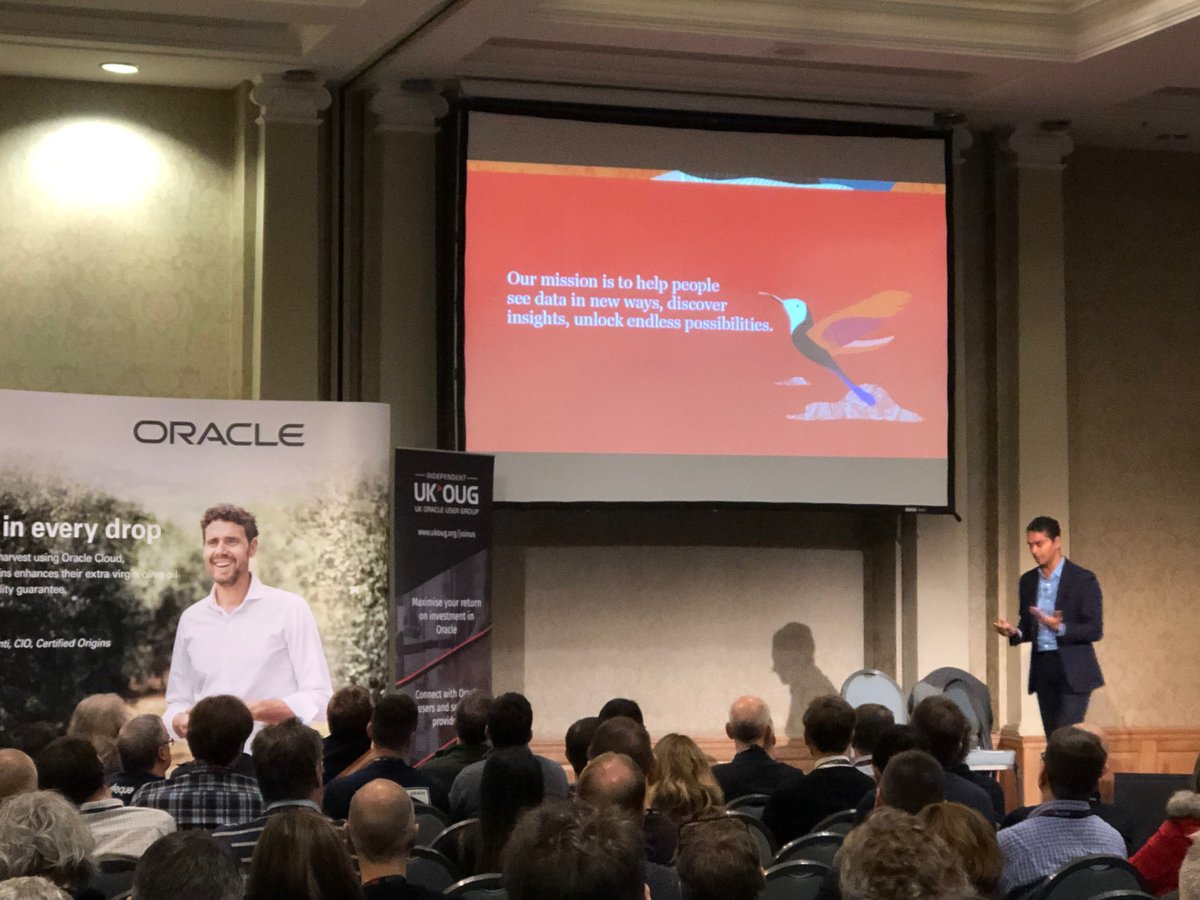
Are you at @UKOUG #techfest19 in #Brighton? What have been your best bits so far? #Talenterprize #OracleData #DataCloud #Business
2

29 Nov 2019
今週見た記憶に残る構成は
・E:\oracledata\sqlserver.mdf
・E:\oracledata\sqlserver.ldf
です。
なんでSQLServerのデータファイルとログファイルをoracledata ディレクトリに置いたのか……
(途中でOracleからSQLServerにDBMSが変わったからだそうだが)
1
3