
Plyometrics, Trap Bar Jump, sprint work, reactive jumps, flips, explosive landings, coordination, CNS output…
This is not “just cardio” or “just bodybuilding.”
This is: Rate of Force Development (RFD) training and Neuromuscular Power Training.
RFD = how FAST you can produce force.
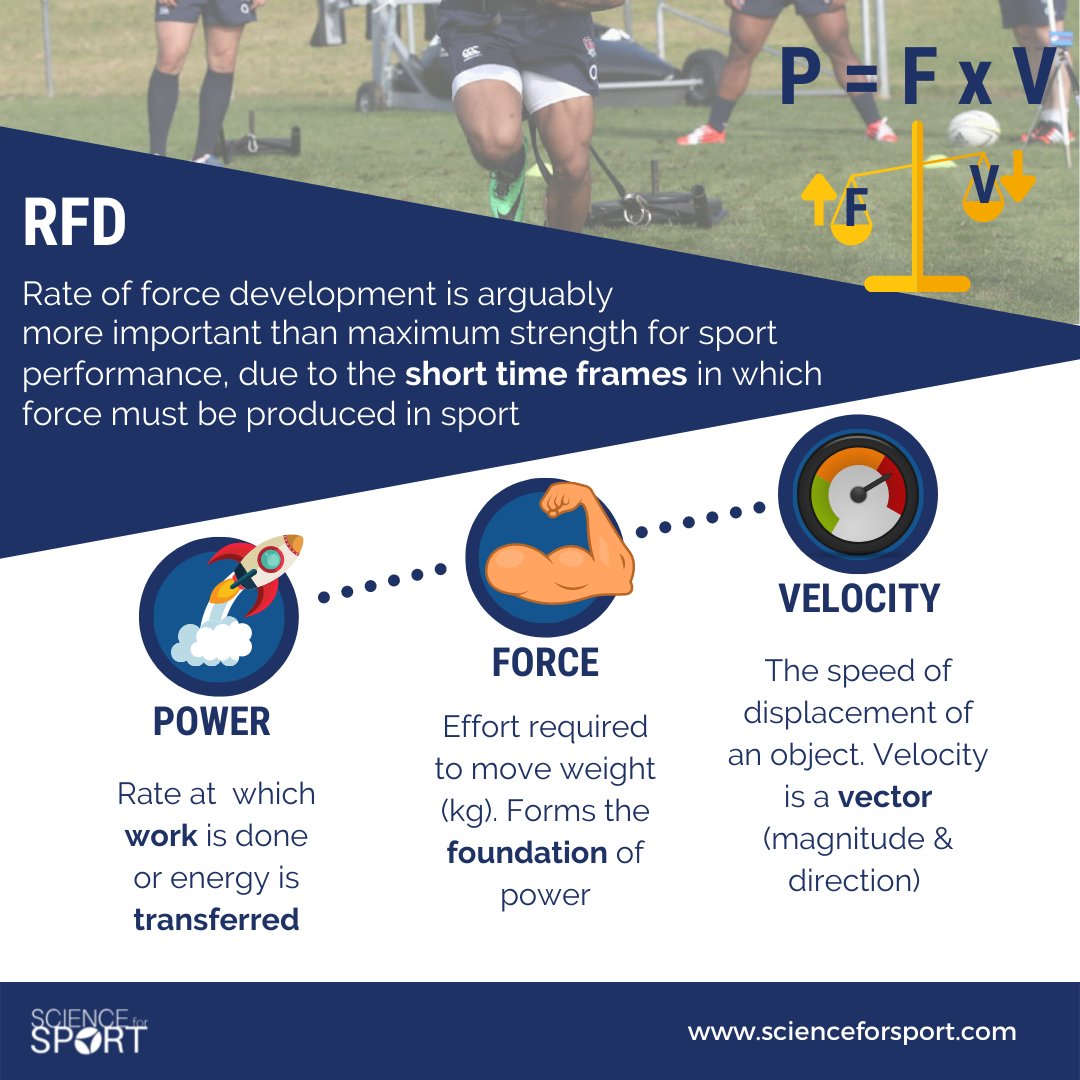
Not just how strong you are… How quickly your nervous system can recruit muscle fibers and explode into movement.
That’s athleticism. That’s explosiveness. That’s real-world power. 🚀
Neuromuscular power training improves:
🔸Fast-twitch fiber recruitment
🔸Coordination
🔸Athletic movement
🔸Speed & reaction
🔸Force absorption
🔸CNS efficiency
🔸Longevity of movement
This is why athletes move differently than bodybuilders.
Strength is important. But strength expressed FAST changes everything.
Especially as we age.
Most people stop moving explosively. They become slower, stiffer, less reactive, less athletic.
I refuse to accept that.
Still moving. Still explosive. Still building the machine. 🔥
#jackedlete #plyometricstraining #rateofforcedevelopment #neuromusculartraining #mutantnation
49

💪⚡🏋️♀️ HEAVY LIFTING × HIGH INTENSITY = A NEW ERA OF POWER DEVELOPMENT 🔥🚀
High-Intensity Interval Training (HIIT) doesn’t just make you sweat — it transforms how your brain and muscles communicate. This new review shows that HIIT boosts fast-twitch fiber activation, neuromuscular efficiency, and explosive strength, helping you sprint faster, jump higher, and produce force under fatigue.
But here’s the key insight:
👉 HIIT elevates power and speed… yet heavy strength training is still essential for maximizing pure strength and muscle growth.
When combined, strength training HIIT create a performance multiplier effect — sharper neural drive, stronger muscle recruitment, and greater resilience.
This is how athletes develop true power: lift heavy, move fast, recover smart.
💡 HIIT builds the explosiveness. Strength training builds the foundation. Together, they build the athlete.
Hung CH, Su CH, Wang D. The Role of High-Intensity Interval Training (HIIT) in Neuromuscular Adaptations: Implications for Strength and Power Development-A Review. Life (Basel). 2025;15(4):657. Published 2025 Apr 16. doi:10.3390/life15040657
pubmed.ncbi.nlm.nih.gov/4028…
#HIIT #StrengthTraining #PowerDevelopment #NeuromuscularAdaptation #ExplosiveStrength #RateOfForceDevelopment #AthletePerformance #SportsScience #HumanPerformance #StrengthAndConditioning #HighIntensityTraining #FastTwitchFibers #PerformanceTraining #ExerciseScience #Physiology #MotorUnitRecruitment #AthleticDevelopment #IntegratedTraining #ConcurrentTraining #StrengthCoach #Kinesiology #ExercisePhysiology #SportPerformance #Biomechanics #TrainingScience #ElitePerformance #ForceProduction #SpeedAndPower #PlyometricTraining #EvidenceBasedTraining #CoachingScience #AthleteStrength #CEP #ClinicalExercisePhysiology #CancerExercise #ExerciseOncology #CEPA #ACSM #HumanMovementScience

47

22 Sep 2025
Want to Jump Higher?
Your mechanics don’t need a big change
⚡️Your speed does⚡️
#strengthandconditioning #training #cscs #jumping #rateofforcedevelopment
26


15 Jan 2025
even boost your strength gains. So, whether you're lifting, sprinting, or jumping, speed power = next-level performance! 🚀 #StrengthTraining #RateOfForceDevelopment #Explosiveness #PowerTraining #FitnessGoals"
1
59

7 Jan 2025
2025 training cycle loading ⏳
@108_Performance
#rebsbsb🔴🔵⚾️ | #MarbleCityBoys | #OneWest | #RateOfForceDevelopment
1
26
11,119

2025 training cycle loading ⏳
@108 Performance
#rebsbsb🔴🔵⚾️ | #MarbleCityBoys | #OneWest | #RateOfForceDevelopment
1
10
1,304

31 Oct 2024
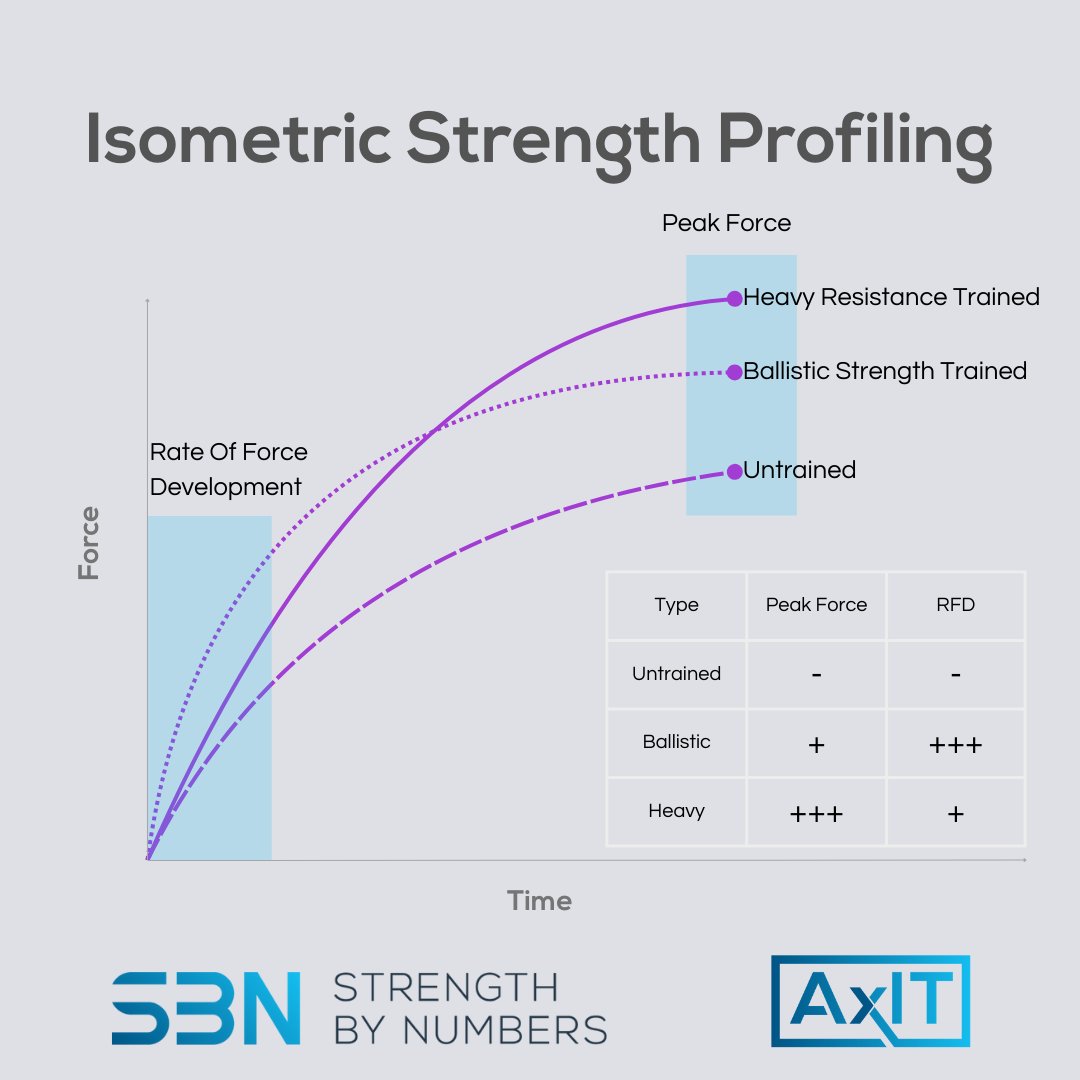
Here is a more detailed and structured summary for the article titled "Neuromuscular mechanisms for the fast decline in rate of force development with muscle disuse – a narrative review" by Luca Ruggiero and Markus Gruber. This write-up includes all required details following the format provided.
---
Title
Neuromuscular mechanisms for the fast decline in rate of force development with muscle disuse – a narrative review
Author(s)
Luca Ruggiero and Markus Gruber
Date of Publication
2024
DOI
10.1113/JP285667
---
Summary
This narrative review by Ruggiero and Gruber explores the neuromuscular consequences of muscle disuse, specifically focusing on the decline in the rate of force development (RFD), a crucial indicator of explosive strength. This decline is significantly greater than the loss in maximal muscle strength due to a combination of neural, muscular, and tendinous adaptations. The review synthesizes findings across studies on muscle disuse, with implications for populations experiencing prolonged inactivity, such as those with injuries, elderly individuals, and astronauts in microgravity environments.
Main Findings
1. Selective Decline in RFD vs. Maximal Strength:
Muscle disuse affects RFD (explosive strength) more than maximal force capacity (Fmax). RFD is essential in rapid force production tasks, such as sports and daily activities, and is more sensitive to inactivity than maximal strength.
Studies consistently show a faster rate of decline in RFD compared to Fmax, with the disparity in decline rate decreasing as the duration of disuse lengthens.
2. Neuromuscular Adaptations Leading to Decline:
The greater decline in RFD is due to specific neuromuscular changes:
Motor Unit Recruitment and Firing: Muscle unloading increases motor unit recruitment thresholds, especially for lower-threshold motor units, which reduces the speed and efficiency of force production.
Impaired Excitation-Contraction Coupling: This impairment leads to reduced neural efficiency and delayed muscle responses.
Reduced Tendon Stiffness: Lower tendon stiffness limits the rapid transmission of force, impacting explosive movements.
Decline in Cross-Sectional Area (CSA): Muscle atrophy contributes to a reduction in both maximal and explosive strength, although RFD is disproportionately affected.
3. Mechanisms of Decline:
The review details the neuro-mechanical continuum affecting strength:
Motor Unit Firing Rate Modulation: Firing rates at contraction onset are crucial for explosive strength and tend to decline with disuse.
Tendon and Muscle Mechanical Properties: Greater tendon stiffness and optimal muscle gearing are vital for transmitting force quickly, both of which degrade during inactivity.
High-Density EMG Findings: Changes in motor unit (MU) behavior, such as increased recruitment threshold and reduced firing rates, contribute directly to declines in RFD.
4. Unloading Paradigms and Differences in Decline:
The study reviews multiple paradigms of muscle disuse (bed rest, dry immersion, unilateral limb suspension) and highlights how each affects RFD and Fmax differently. For example, bed rest generally leads to a more uniform decline across muscles, while limb immobilization affects the immobilized muscle group more severely.
Duration of Unloading: The longer the duration of muscle disuse, the closer the decline rates of RFD and Fmax. Initial explosive strength loss is steep and significant, while Fmax decreases more gradually.
Recommendations
1. Exercise Interventions: Incorporate targeted explosive strength training, particularly exercises that engage fast-twitch muscle fibers and optimize motor unit recruitment and firing.
This is especially important for individuals at risk of prolonged inactivity, such as elderly individuals, athletes recovering from injury, or astronauts undergoing extended periods in microgravity.
2. Rehabilitation and Training for Specific Populations:
Space Travel: Prolonged microgravity impacts RFD significantly, which may impede astronauts’ capacity to perform functional tasks upon reentry.
Injury Recovery and Frailty: Individuals undergoing periods of forced inactivity due to injury or age-related frailty may benefit from RFD-specific interventions to retain functional independence.
Conclusions
The review underscores that muscle disuse has a disproportionately large impact on explosive strength, as indicated by RFD, over maximal muscle strength. This selective decline emphasizes the importance of designing training and rehabilitation programs that target rapid force development, especially for individuals prone to extended periods of muscle inactivity. Tailoring interventions to maintain neuromuscular function in these populations could mitigate the functional impairments associated with prolonged disuse.
Hashtags
#NeuromuscularMechanisms #RateOfForceDevelopment #ExplosiveStrength #MuscleDisuse #PhysicalInactivity #Rehabilitation #Aging #SpacePhysiology #ExerciseScience #MuscleAtrophy
---
Let me know if you'd like further detail on any specific sections or additional analysis based on the article's findings.
30 Oct 2024

Neuromuscular mechanisms for the fast decline in rate of force development with muscle disuse – a narrative review (open access)
doi.org/10.1113/JP285667
1
1
398

3 Jul 2024
Again can’t wait to retest at the end of summer II as we move into more of our power/speed phase of programming in the weight room!
#strengthandconditioning #strengthtraining #speed #power #velocitybasedtraining #valdperformance #forcedecks #rateofforcedevelopment #squat #plyos
240

28 Jun 2024
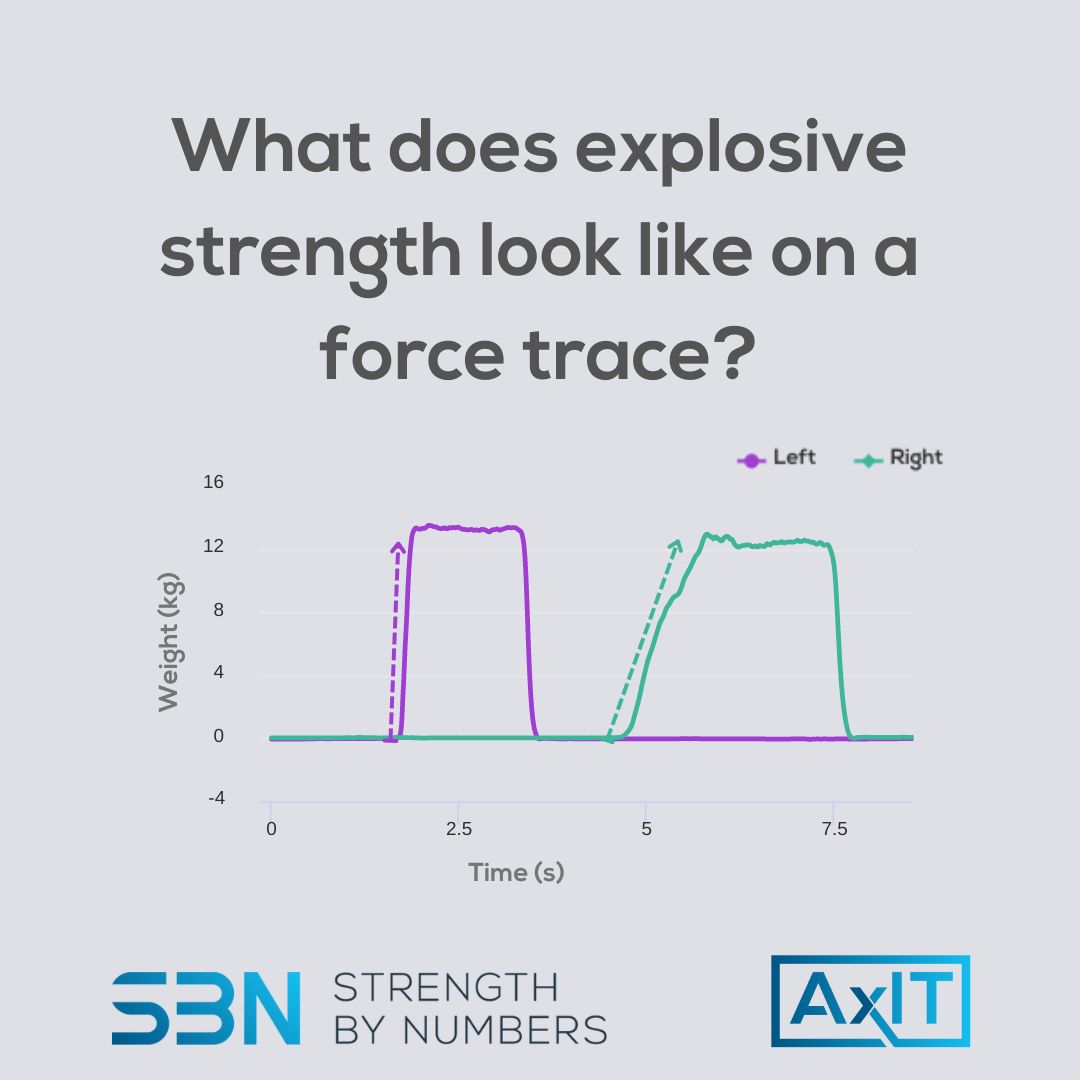
🚀Rate of Force Development (RFD) is a crucial measure of explosive strength and reflects how quickly an individual can generate force.
#RFD #rateofforcedevelopment #power #strengthtesting
17

5 Jun 2024
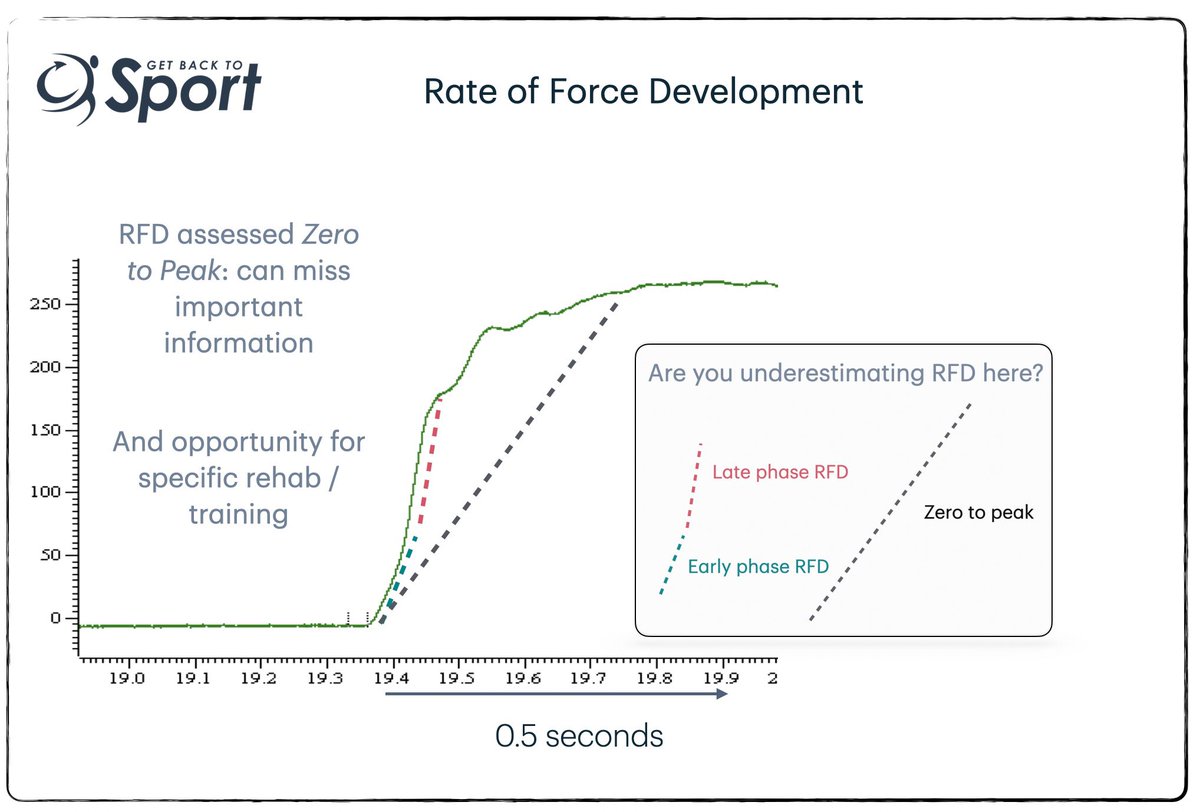
RFD or #rateofforcedevelopment is fast becoming a popular index to measure in rehab.
🤷🏼How does your #dynamometer measure it though?
If it’s HHD, probably zero to peak. What does this mean? Are you getting a clear picture? 👀
This is just l one of the topics I cover in my new course:
How to Use Dynamometry in Clinical Practice
Get on the list & learn more here👇🏼
getbacktosport.com/how-to-us…
1
7
1,418




27 Jan 2024
ACL peeps! Remember how earlier this week we talked about improving your rate of force development? These 2 exercises can help you do it. 🤙
Save this or send to someone you know who’s recovering from ACL surgery.
#aclrecovery #aclrehab #physicaltherapy #rateofforcedevelopment
82

⚡️Let’s talk Rate of Force Development (RFD)
• There’s a time and place to be smooth and controlled with tempo
• This is where we place a strong emphasis on the eccentric and isometric components of an exercise
• There’s also a time and place to be fast and powerful with control
• This is where we hone in on the concentric component
• The goal is to increase our RFD
• In other words, how fast can you produce force?
• Here’s the DB 1-Arm Incline Bench Press with an RFD focus as an example
#rateofforcedevelopment #power #upperbodyworkout #benchpress #benchpressing #benchpresstips #sportperformance #athleticperformance #strengthandconditioning
2
333
24 Sep 2023
Okay, I’ll demo then 😂😂
Load accommodation to expression in upper limb ideas??
#rateofforcedevelopment #RFD
1
3
3,011